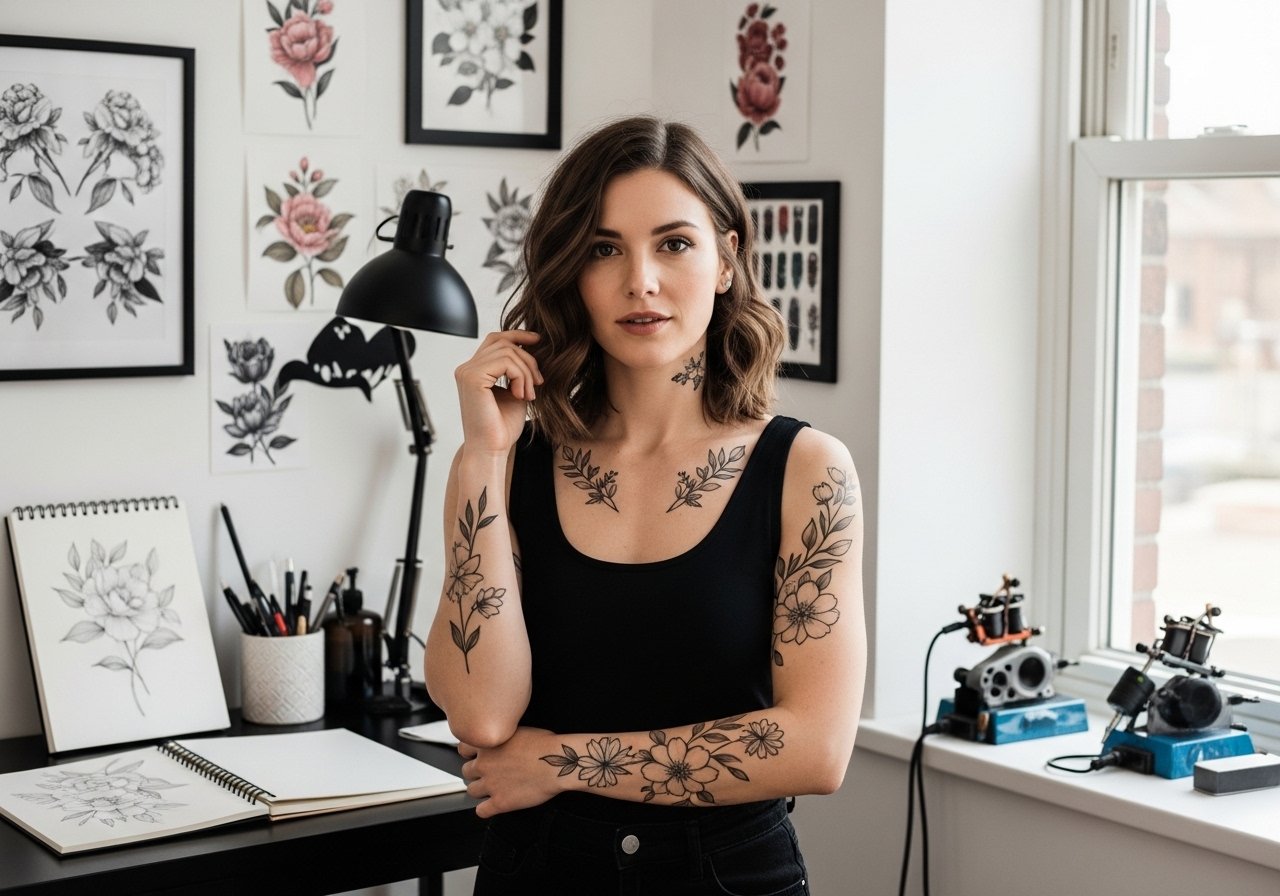
Fine line tattoos dominate saved boards and trend feeds, and they look incredible fresh. The reality is that small work either holds up beautifully or needs a touch-up depending on placement, spacing, and how you treat the area after the session. These 21 micro ideas focus on line weight, realistic aging, and what to wear the day of so the piece settles as intended.
1. Delicate Floral on the Ankle
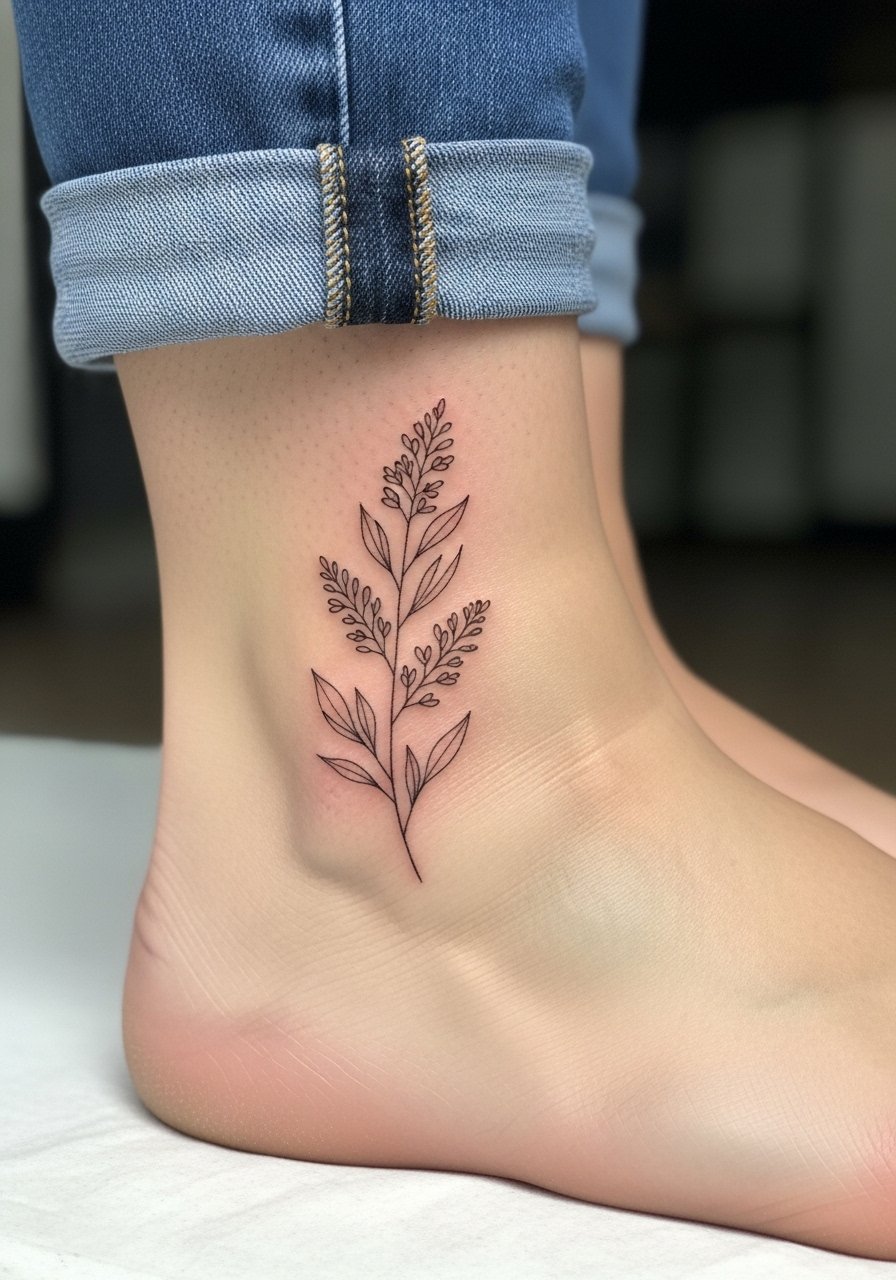
A tiny floral cluster at the outer ankle reads like jewelry when done with single-needle linework. I recommend asking your artist for slightly more spacing between petals so the petals do not merge after a couple of years. The session is short, expect 20 to 45 minutes and mild to moderate pain where bone lies close to skin. For showing it off, pair with cuffed slim jeans and simple sandals, and wear loose joggers or a skirt to the appointment so you do not press on the fresh ink. Blowout risk is low if the artist avoids too shallow a pass. Expect a touch-up window around year two to three for crispness.
2. Small Animal Outline on the Ankle
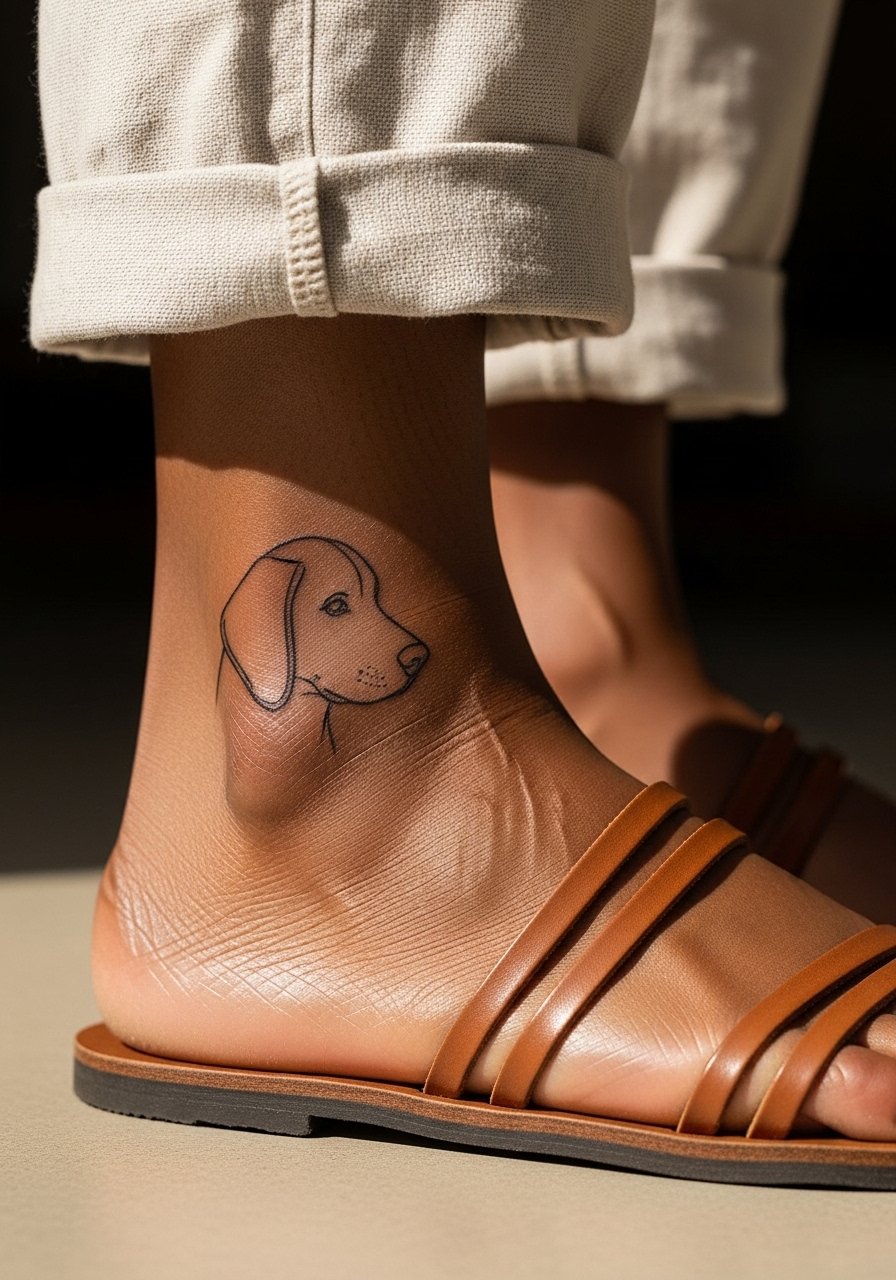
A tiny animal outline makes for a discreet tribute that fits neatly above the ankle bone. Tell the artist you want continuous, confident linework and no internal shading so the outline holds as a silhouette rather than a smudge. Common mistakes include making the outline too thin for the placement, which invites fading and breakage in the curve areas. Sessions are quick and the pain is similar to other ankle work. If you need to hide it for work, socks or higher-rise trousers do the job without altering the design. Plan on a possible touch-up at year three depending on footwear friction.
3. Minimalist Constellation on the Inner Forearm
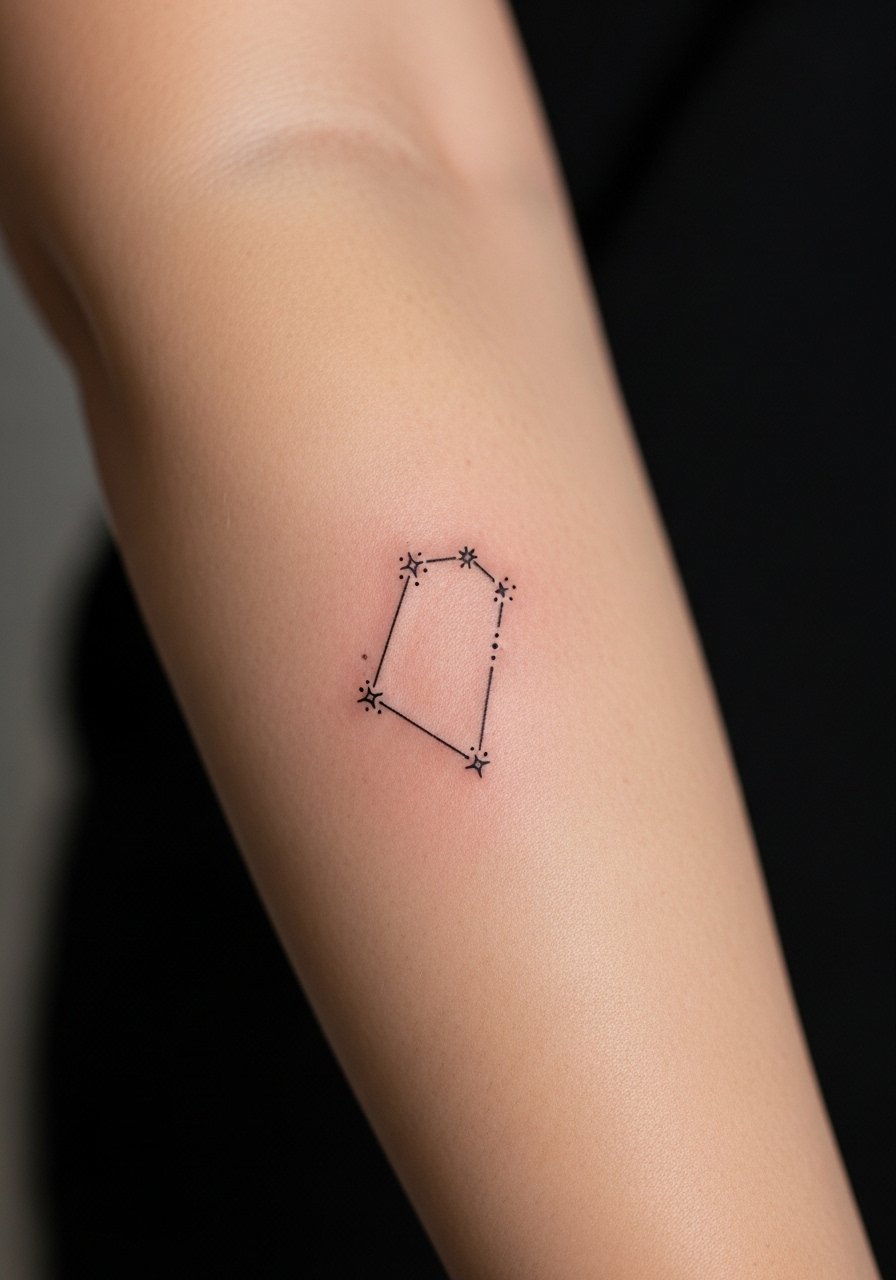
Inner forearm constellations age well because the skin there moves less and gets moderate sun exposure. Ask for single-needle dots for stars and slightly heavier connector lines so the pattern keeps its form at two and five years healed. A mistake I see is crowding too many micro stars into a tiny area, which looks busy fast. Session feel is gentle, usually 30 to 60 minutes, and pain is on the low side. Roll your sleeve up to show it with a linen short sleeve shirt and balance with a thin chain on the opposite arm for contrast. Touch-ups are typically needed sooner if the forearm gets heavy sun.
4. Tiny Abstract Icon on the Outer Forearm
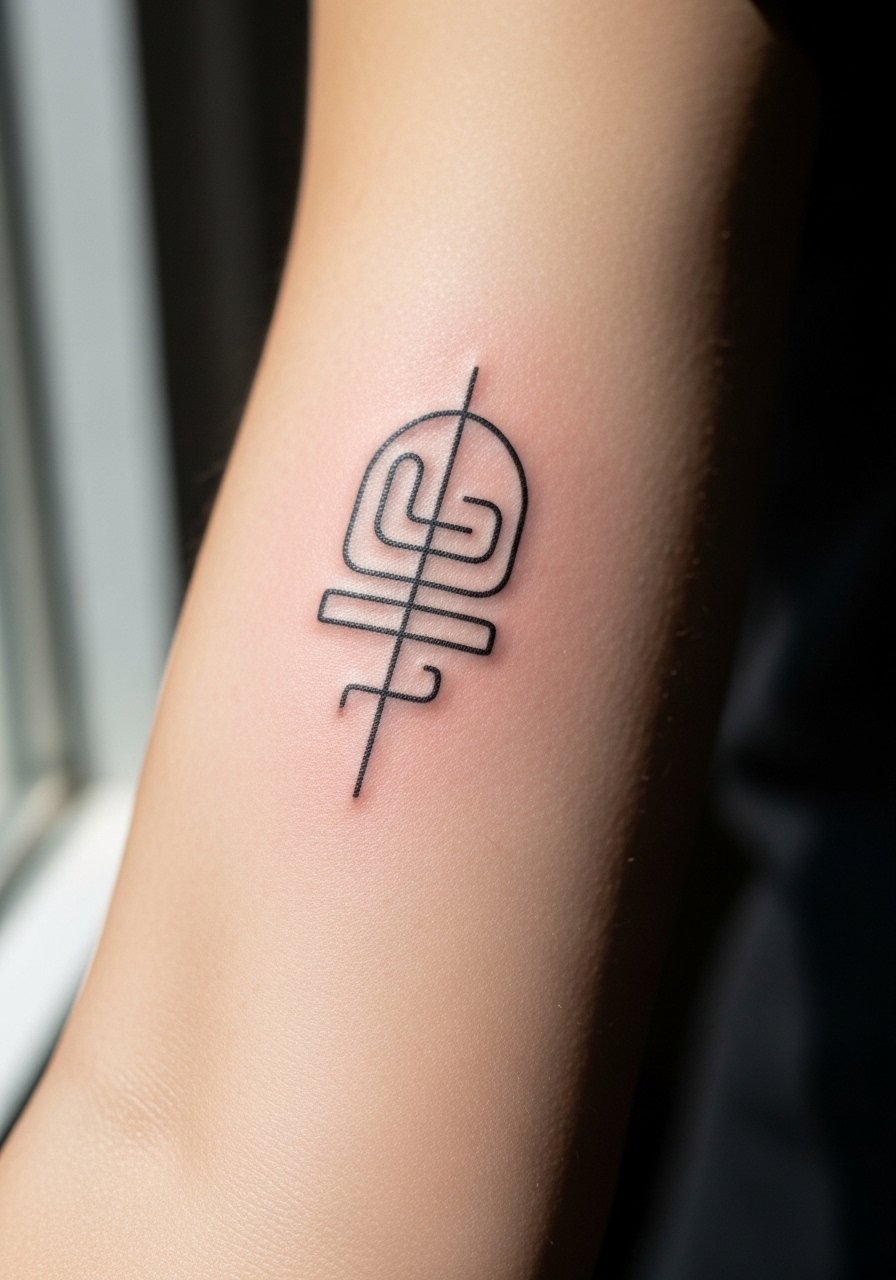
An abstract icon lets you keep symbolism private without obvious imagery. During consultation, bring three reference thumbnails showing exact line weight and scale so the artist reproduces the same minimal footprint. Aging here depends on spacing and how light the lines are done. Most people feel only light vibration during this 20 to 40 minute session. A common error is requesting micro detail that the skin cannot hold at under 1 cm. If you treat it like a small graphic and keep lines crisp rather than busy, it will hold longer and need fewer touch-ups.
5. Micro-Geometric Mountain on the Wrist
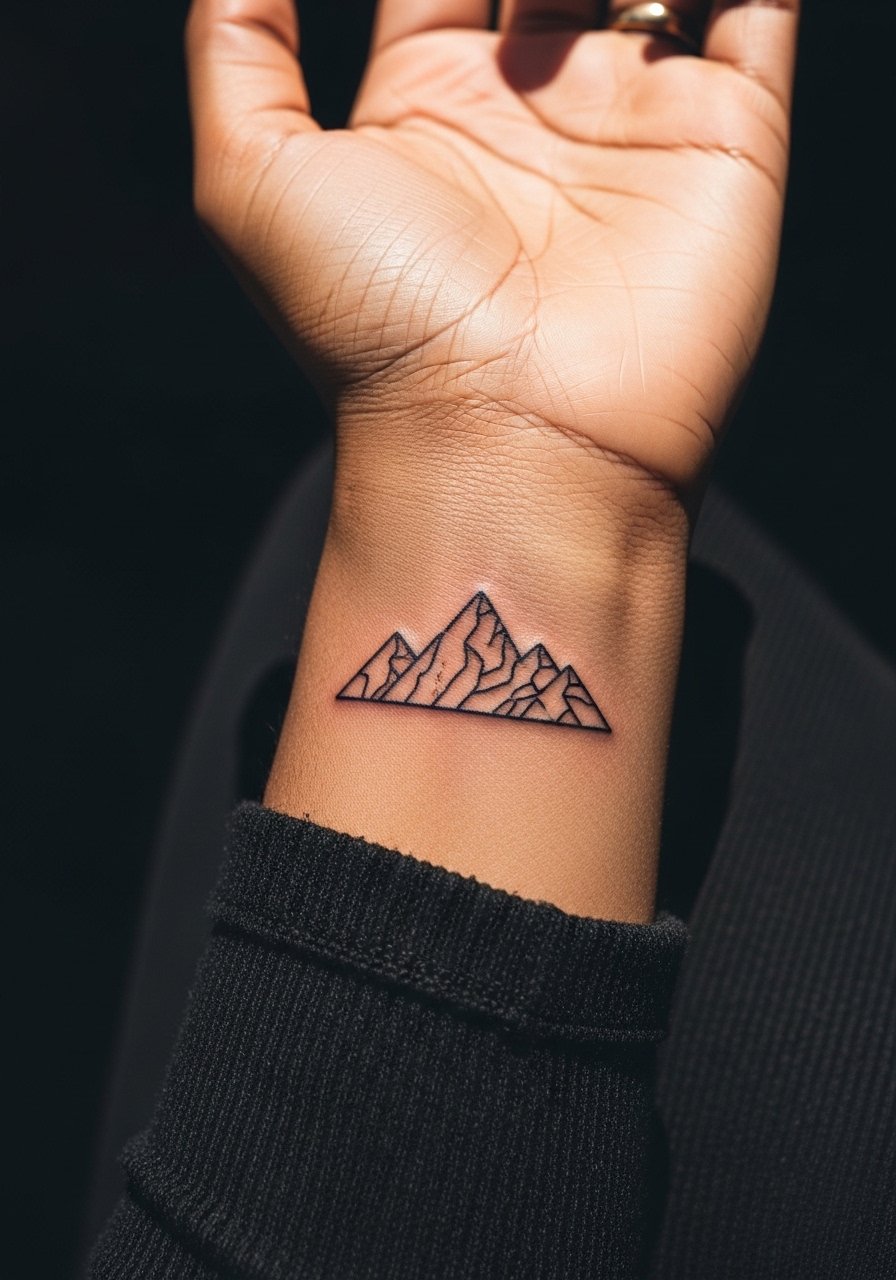
A compact geometric mountain is a gender-neutral wrist pick that reads rugged without bulk. Tell your artist you want open negative space between peaks so the lines do not blur into one shape as the skin shifts. The wrist is a higher-risk friction zone, so expect the session to sting more than a forearm piece and plan 20 to 35 minutes. For showing it off, a minimal cuff or thin watch works well, and a minimal cuff bracelet on the opposite wrist keeps attention balanced. Expect touch-ups earlier than on the forearm, often around year two if you wear watches or bracelets daily.
6. Minimal Arrow Linework on the Wrist
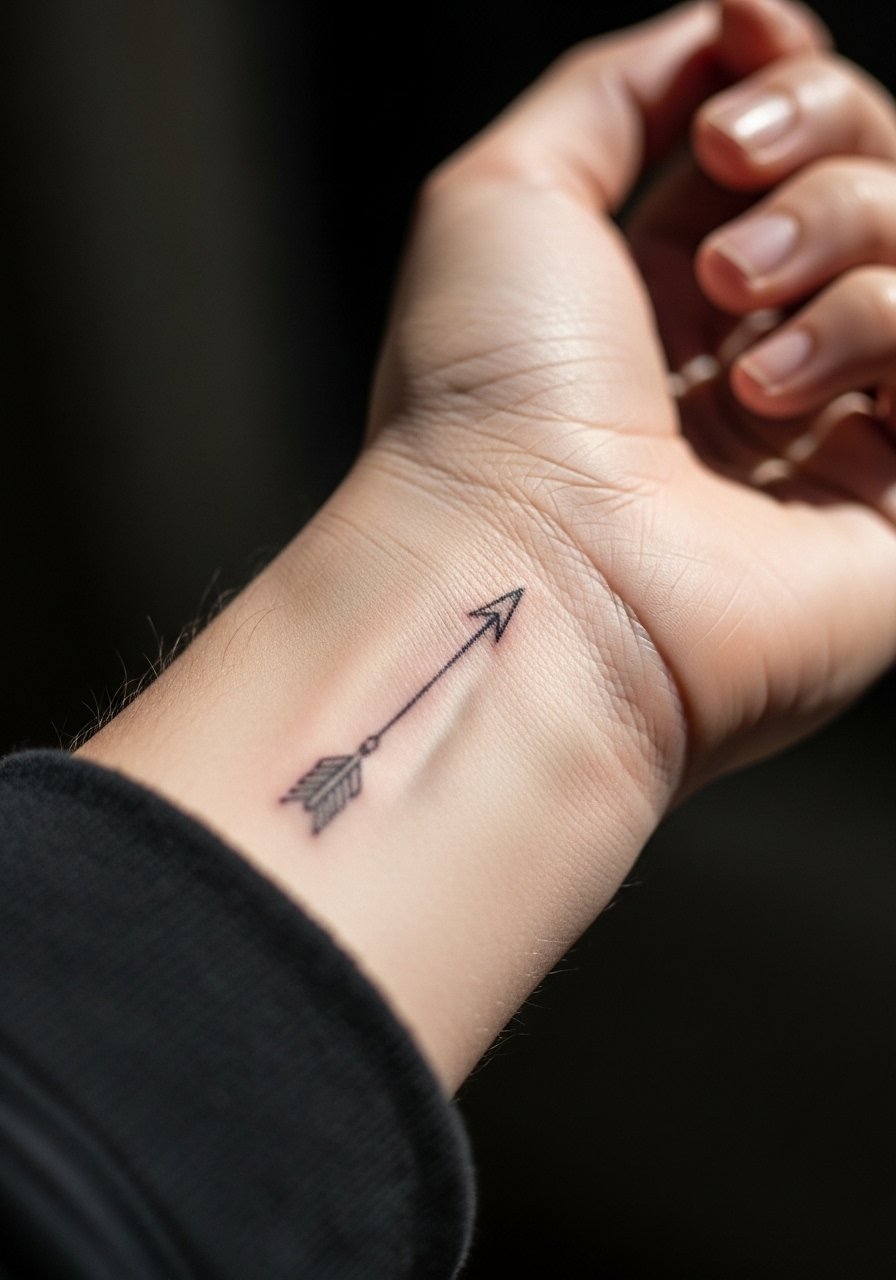
An arrow is a clean symbol for direction that translates well into a tiny wrist piece. Ask for a single pass of slightly bolder linework along the shaft and a delicate head so the visual weight reads balanced at a distance. The biggest mistake is scaling it too small, which invites blurring across the shaft. The wrist is sensitive, so expect sharper stinging for about 20 minutes. Keep daily friction in mind, and plan a touch-up at two to three years if you notice softening.
Pre-Session Essentials
The wrist and forearm pieces above respond differently to prep than ankle work, so a few items smooth the session and the first week.
- Stencil transfer paper kit. Lets you preview placement and exact line scale on the skin, especially helpful for the constellation and abstract icons.
- Topical numbing cream. Applied 45 minutes before takes the edge off wrist sensitivity without affecting single-needle line clarity.
- Thin protective film roll. Shields wrist and finger work during the first week of washing and daily friction.
- Fragrance-free gentle body wash. Keeps fine line areas clean without stripping the tiny needle channels the ink sits in.
- Aquaphor healing ointment. Thin layers for the first few days help lock in moisture without clogging delicate lines.
7. Tiny Script Just Behind the Ear

A behind-ear script reads intimate and discrete when placed just below the hairline. For the consultation say exactly what font and letter spacing you want and whether numbers or symbols are part of the composition, because tiny type can blur without proper spacing. The spot is surprisingly tender for short sessions, usually under 30 minutes. Wear your hair up for the appointment and bring a loose v-neck tee. When you want to frame it, small hoops do the trick, like a minimal hoop earring. Expect touch-ups sooner if you sleep on that side frequently.
8. Small Initials on the Collarbone
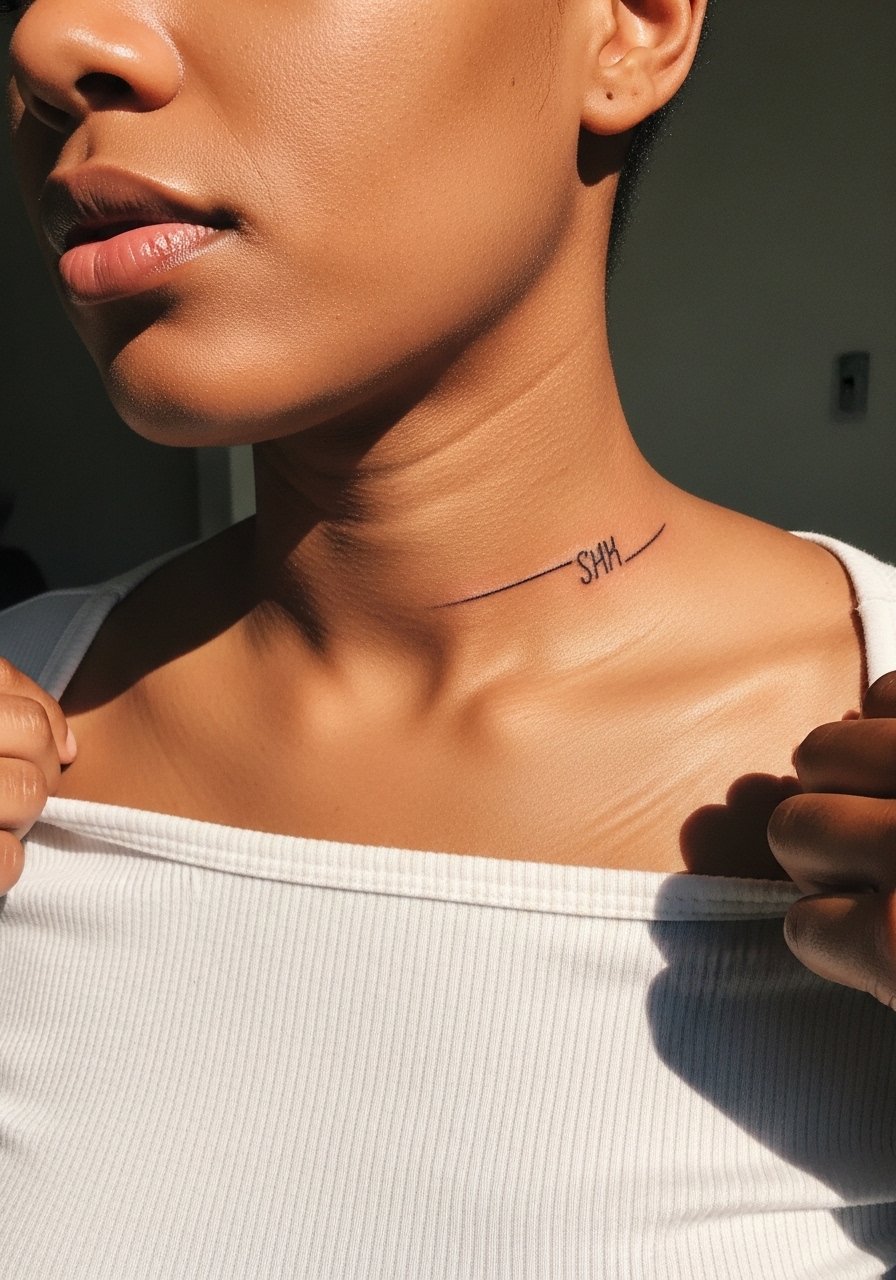
Tiny initials near the collarbone sit in a flattering, visible spot that pairs beautifully with jewelry. During consult ask the artist to place the letters along the clavicle line so movement of the chest does not warp the letter shape. The area is sensitive but the sessions are short. For showing it off, a v neck silk blouse or a long pendant necklace creates a composed frame without covering the work. Collarbone pieces can need touch-ups earlier on textured skin, so plan for a check at year two if you want the script to stay sharp.
9. Minimal Celestial Moon on the Shoulder
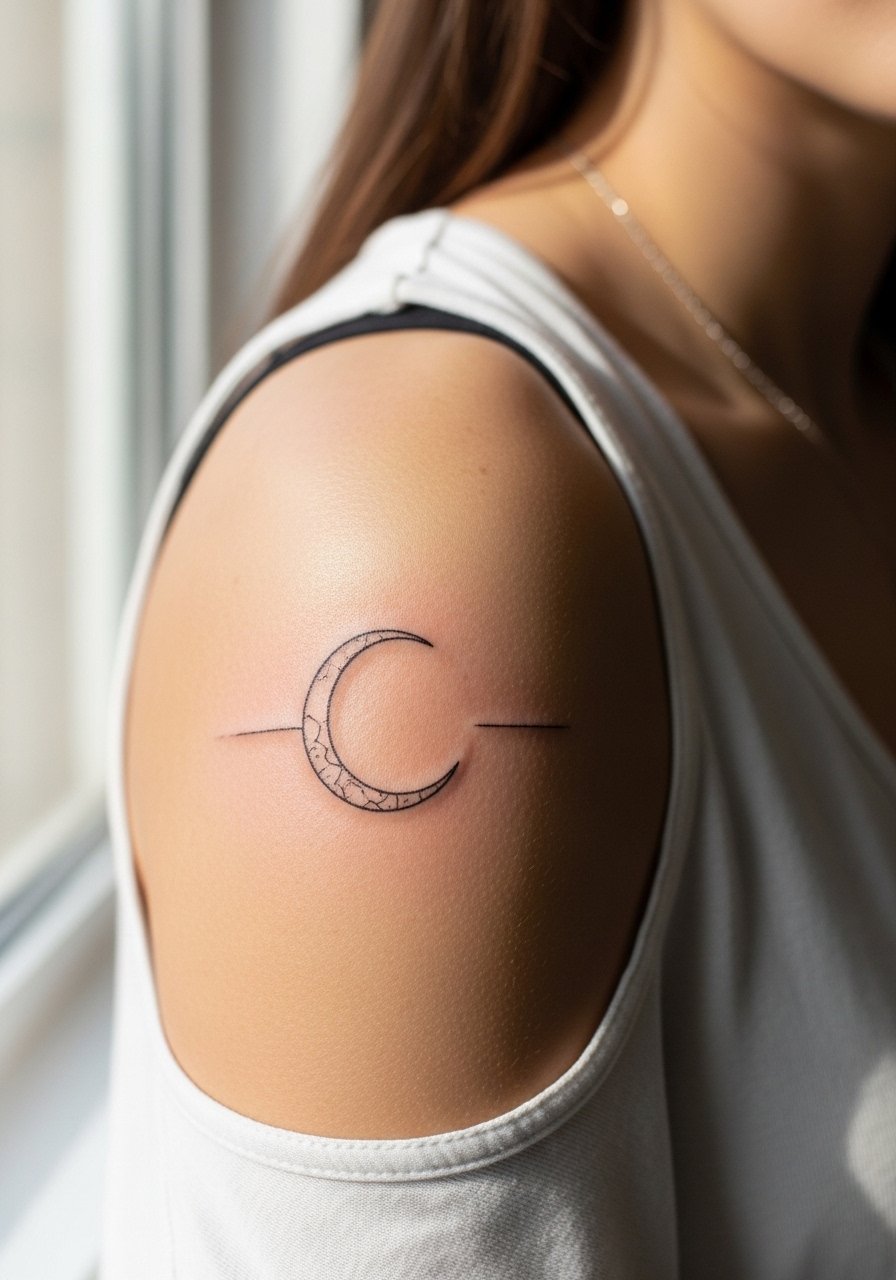
A small crescent on the shoulder sits where it can be shown or hidden easily. Tell your artist you want the crescent with a tiny offset line for a layered look rather than internal shading, which holds better over time. Session pain is low and the artist can often complete this in 20 to 45 minutes. Avoid asking for very thin, dense inner details because the shoulder stretches with movement and heavy detail clumps. For appointment-day ease wear a loose tank or button-down you can pull aside. Expect long-term durability here, with touch-ups mostly cosmetic.
10. Micro Star Cluster on the Inner Arm
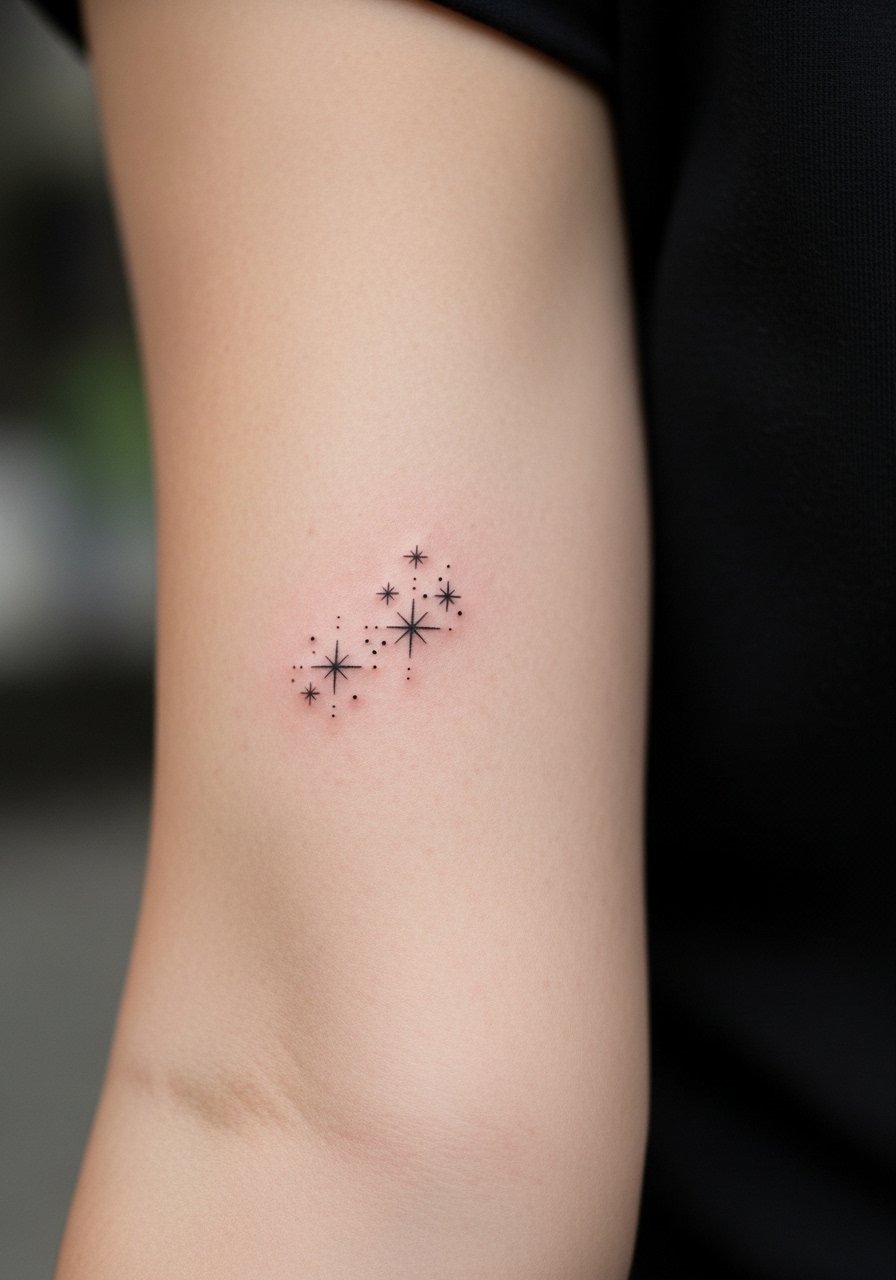
A micro cluster of tiny stars looks delicate and reads like a scatter of light when spaced properly. Ask for single-needle stars with slightly varied dot sizes and soft negative space so the composition keeps shape at two and five years. The inner arm can be tender near the crease, but sessions are usually about 30 minutes. For show-off framing roll sleeves up and choose lightweight button shirts, like a rolled sleeve button-up paired with a thin bracelet. Keep sun exposure low while the piece heals and expect a touch-up around year three if it sees heavy sunlight.
11. Minimal Sun Outline on the Shoulder

A tiny sun outline reads optimistic without needing bold fills. The key is spacing between rays so small bridges do not merge as the skin settles. Sessions are comfortable and quick, usually under 40 minutes. A mistake I see is compressing too many rays into a small diameter, which ages into a single dark ring. For the session wear a loose tank or an off-shoulder top you can shift aside easily. Shoulders tend to hold single-needle work well, so touch-ups are mainly aesthetic rather than structural.
12. Tiny Nature Symbol on the Wrist

A small nature glyph or single-leaf icon is a low-commitment nod to environmental affinity. Ask the artist to slightly thicken the main stem line and keep leaf veins minimal so the icon stays legible past two years. Wrist location invites rubbing from clothing and watches, so plan for that when choosing exact placement. Pair with a minimal cuff bracelet to highlight the design and wear a sleeveless tank to the session for easy rotation of the arm. Expect a touch-up sooner here than on the forearm if you wear bracelets constantly.
13. Tiny Wave on the Ankle
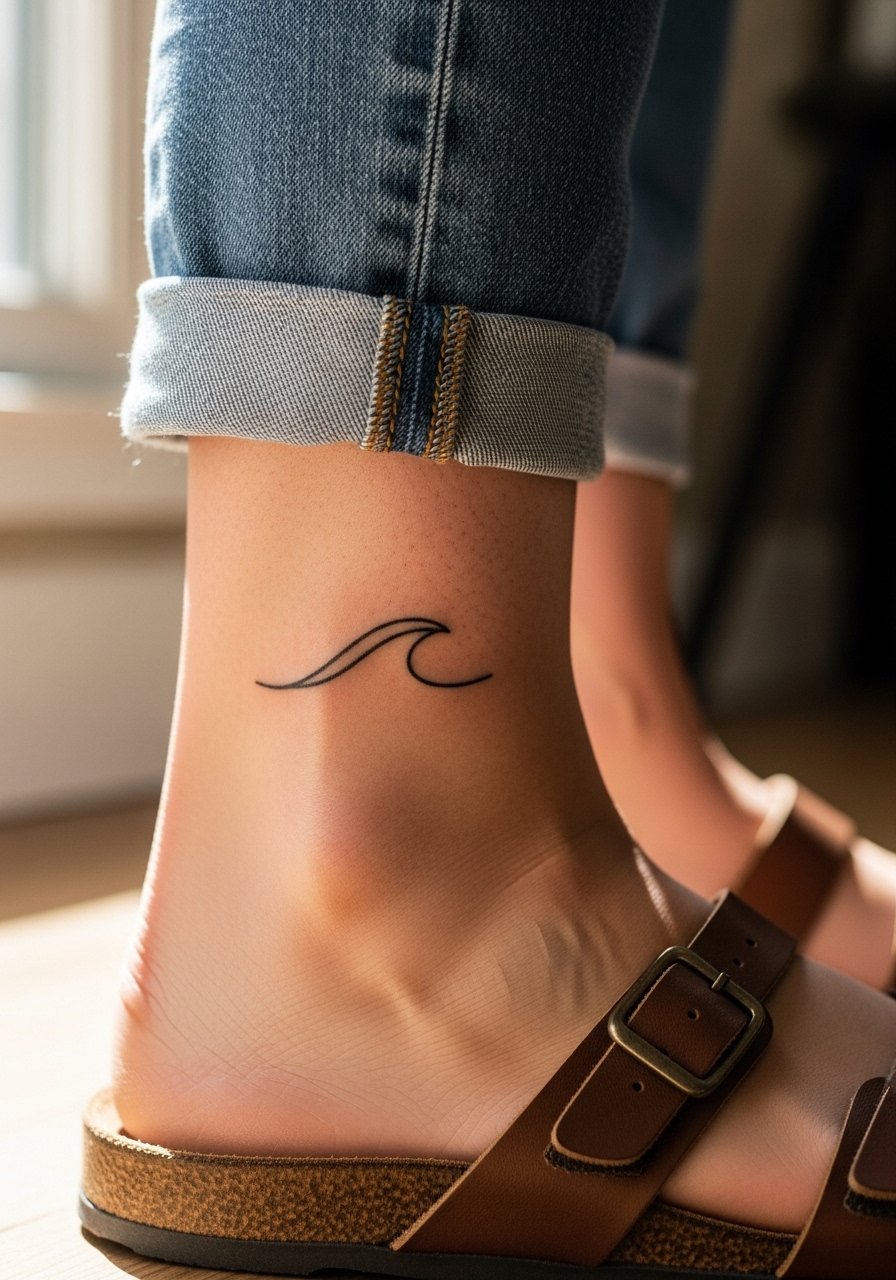
A single-line wave makes a subtle seaside statement that works well above the ankle bone. Request the line be continuous and slightly thicker where the crest is so movement does not blur the form over time. Sessions are short and the ankle sting is noticeable around bony spots. Keep footwear and socks loose around the fresh ink for the first week. Cuffed jeans or cropped pants show this off well and limit fabric rub. Plan a check-in at the one to two year mark to see if a touch-up is needed from daily shoe friction.
14. Minimal Forearm Band in Fine Line

A thin forearm band works as a minimalist bracelet alternative when executed with even spacing and clean linework. Tell the artist you want the band at a width that lets the skin breathe, not a micro stripe that will fill in. Sessions are straightforward and usually take 30 to 60 minutes for perfect placement. A common mistake is asking for the band too tight to the wrist, which can distort when muscles flex. Pair it visually by rolling sleeves up and keeping jewelry minimal so the band stands alone. Touch-ups depend on sun exposure and how often the forearm is moisturized.
15. Micro-Realism on the Inner Bicep
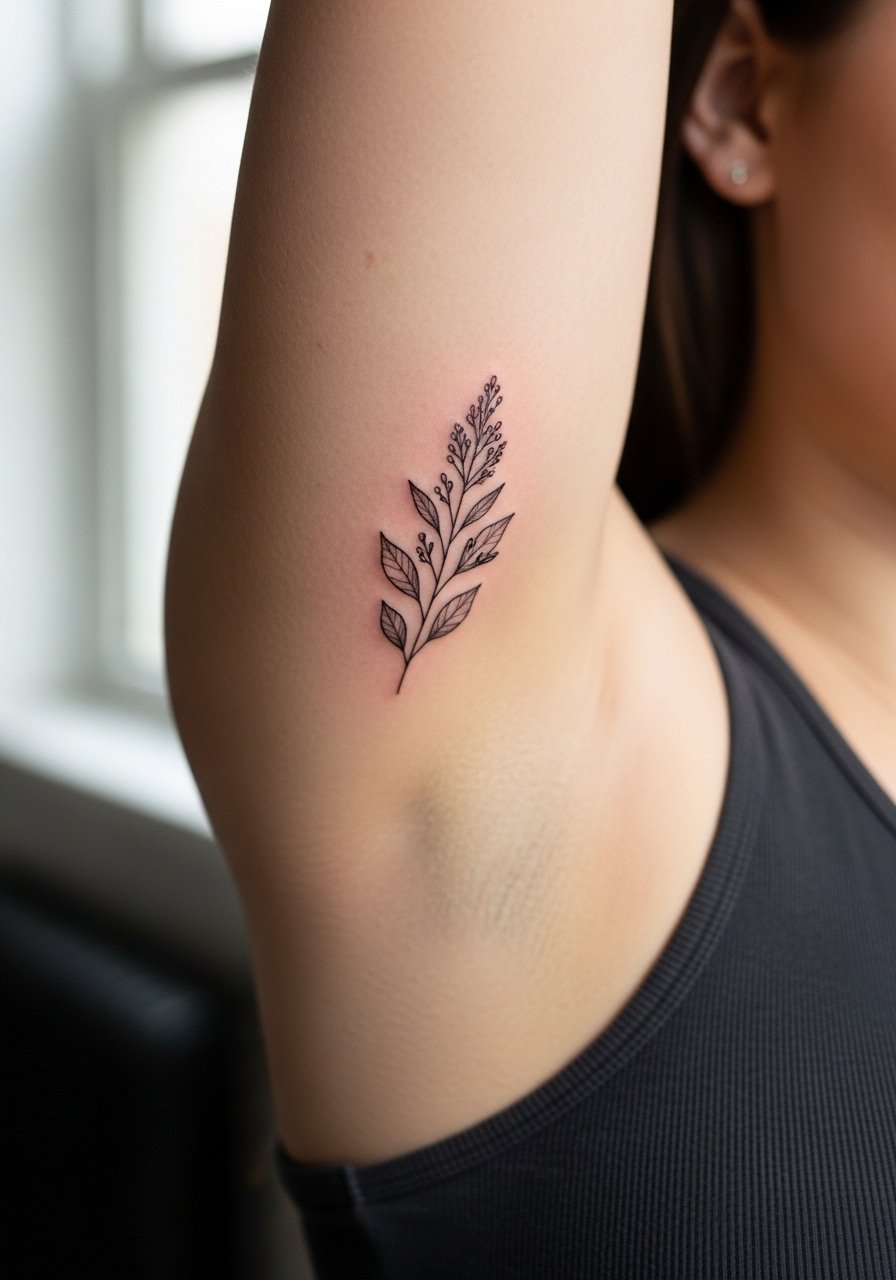
Micro-realism on the inner bicep reads intimate and detailed when artists allow a bit more negative space. Ask for reference photos at the same scale as your intended tattoo so texture and dot work translate. The inner bicep can be tender, and sessions around 40 to 70 minutes may require breaks. The main risk is over-detailing in a tiny space which can become muddy as it heals. For session comfort wear a loose tank and plan for a touch-up if fine stipple work softens after the first year.
16. Tiny Script Along the Collarbone

A short phrase or single word along the clavicle can feel very personal while staying visible. During the consult pick the exact font and ask the artist to stencil the text on so you see scale and curvature against the bone. Expect a quick session and moderate tenderness over the collarbone. Avoid ornate scripts in a very small size, which often need reworking. For showing this piece, a v neck silk blouse frames the area softly. Collarbone text often needs a touch-up sooner than forearm work because of constant movement.
17. Tiny Symbol on the Back of the Neck
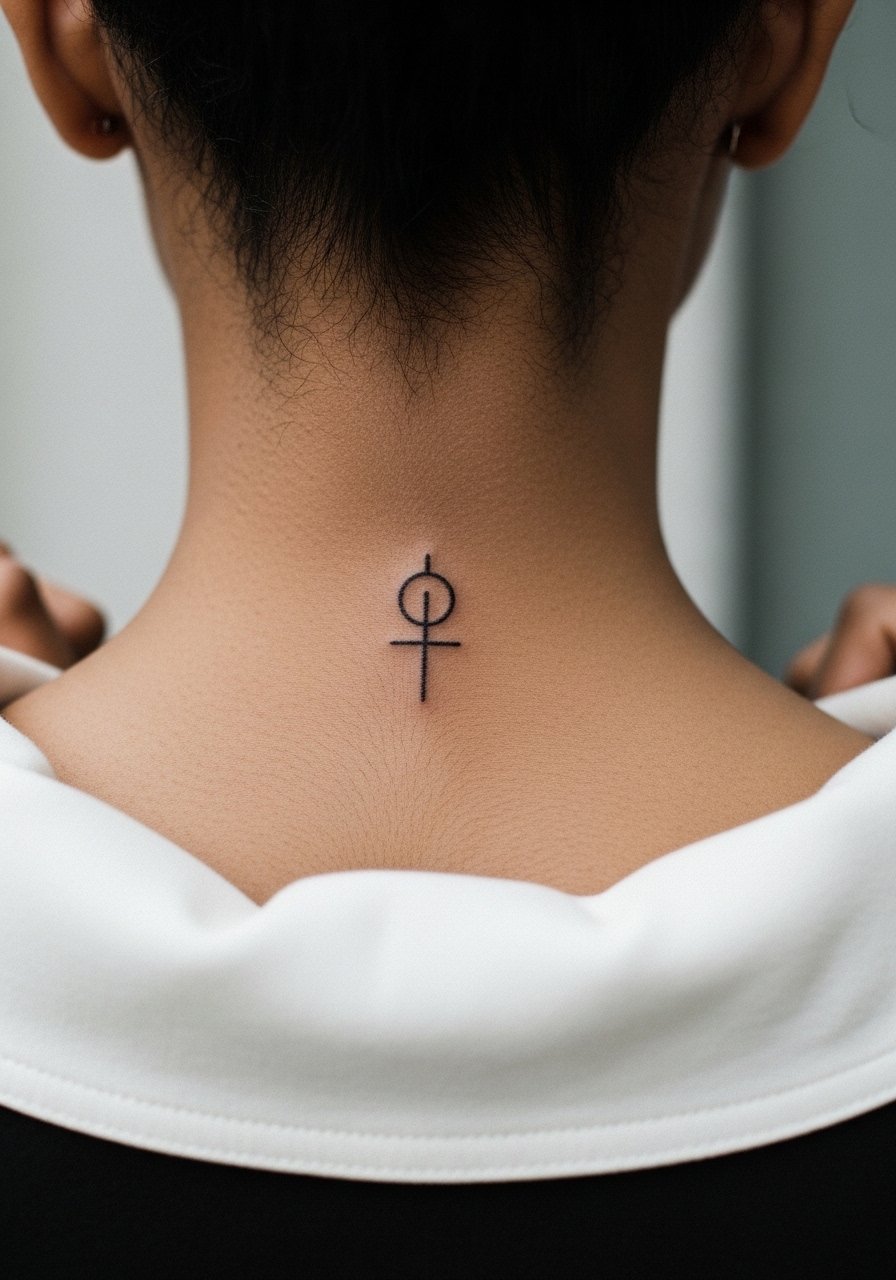
A small mark at the nape is subtle when you want an on-off reveal. Tell the artist whether you prefer it centered under the hairline or offset, and check how it looks when your hair is up and down. The area is sensitive for a short session and benefits from a quick stencil check before work begins. Keep in mind some workplaces notice neck ink more than an ankle piece. Wear a wide-neck shirt to the appointment so the artist can access the nape cleanly. Touch-ups depend on sun and hair products that may rub the area.
18. Tiny Crescent on the Shoulder Blade
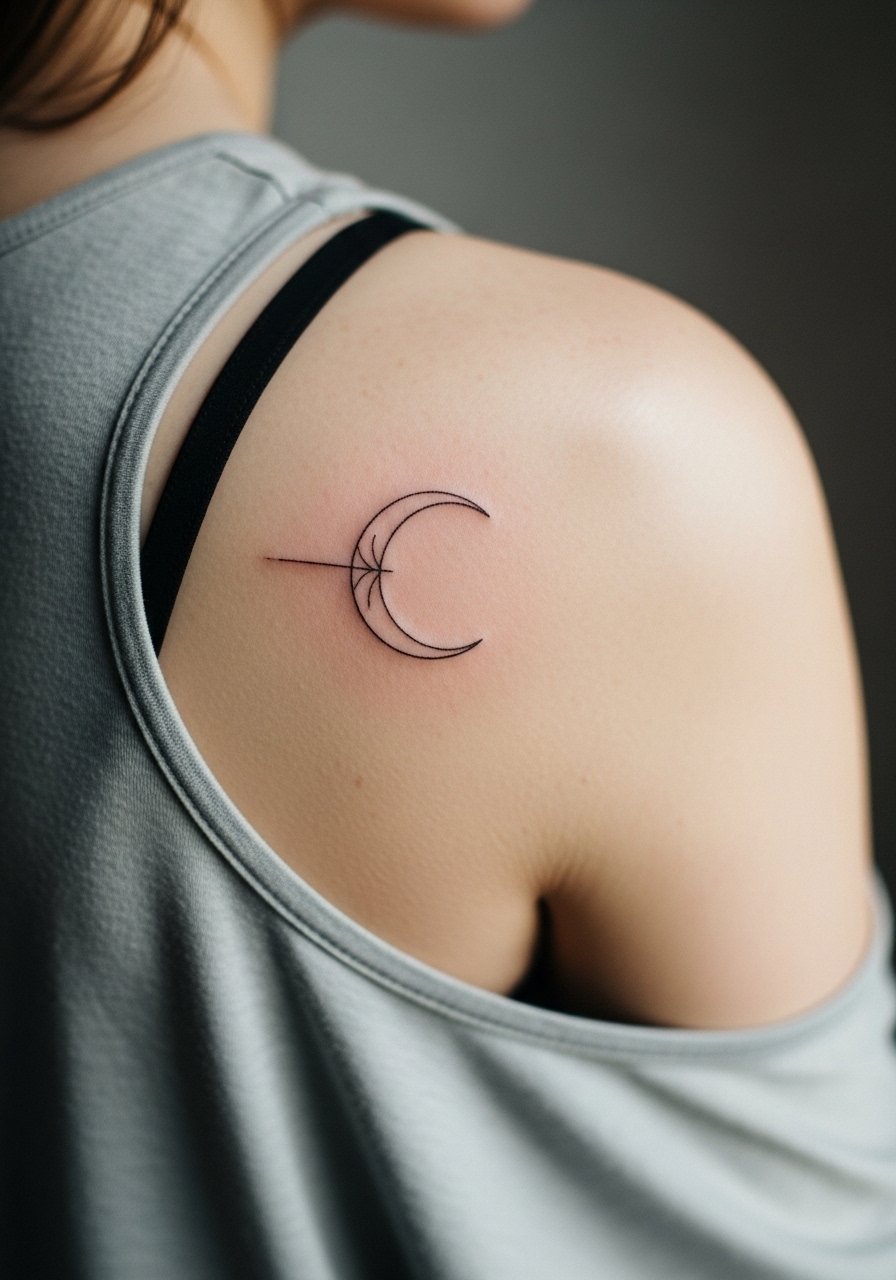
A small crescent on the shoulder blade offers a discreet spot that also shows in open-back tops. Ask for slightly bolder outer contouring and minimal interior marks so the crescent keeps its silhouette as muscles move. Sessions are comfortable for most people and usually under 45 minutes. For showing off, an open-back dress or an off shoulder knit top frames the piece elegantly. Shoulder blade placements typically need only cosmetic touch-ups unless the area sees heavy sun exposure.
19. Micro Geometric Peak on the Forearm
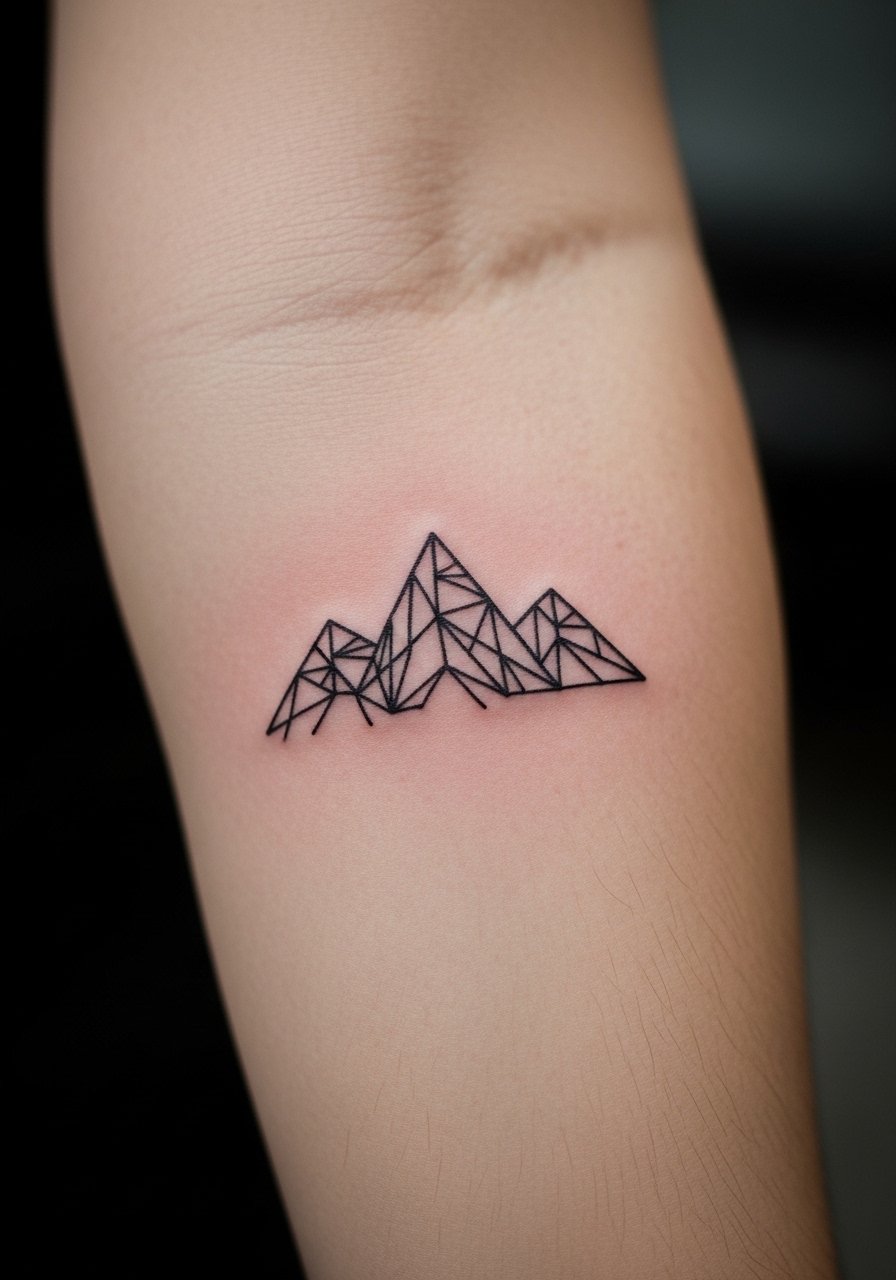
A small geometric peak gives a crisp, architectural touch that reads cleanly on the forearm. Be explicit in consultation about line thickness and negative space so triangles do not collapse into blobs as skin ages. The forearm is forgiving and sessions are usually pleasant and brief. The common error is demanding too tight a grid in a small area, which invites line merging. Keep sun exposure low and moisturize to extend the hard edge look. Expect a minor touch-up after a few years if exposure is frequent.
20. Minimal Bar on the Wrist

A horizontal bar is an understated wrist piece that reads like a tiny cuff. Ask for a slightly thicker central area with tapered ends so the bar maintains definition at longer intervals. Sessions are quick but the wrist sting can be pronounced, especially near tendons. For daily style, pair with a thin watch or stack sparingly so metal does not rub the fresh ink, and wear a sleeveless tank to the appointment for easy access. Touch-ups are common sooner on the wrist because of washing and bracelet wear.
21. Single Dot Above the Ankle

A one-dot mark is the most discreet option and ages predictably when placed over less mobile skin. Specify dot size in millimeters so the artist knows whether to use a single pass or a tiny cluster for longevity. The appointment is brief and tolerable. A mistake is making the dot too tiny for viewing at a glance, which invites requests for enlargement later. Reveal it with cropped pants and simple sandals, and keep a reminder to avoid tight socks during the first week to reduce abrasion.
Frequently Asked Questions
Q: Will fine line tattoos blur faster on the wrist than on the forearm?
A: From what I have seen, wrists take more wear from watches, bracelets, and frequent washing, so fine lines often soften sooner. Choosing slightly bolder single-needle lines and giving the artist room to space out details slows that process. Expect a higher chance of a touch-up around year two or three versus the forearm.
Q: How do I hide a collarbone tattoo for work without changing the design?
A: A wide-neck shirt or a long pendant that sits below the script keeps the piece private while looking intentional. For slightly more coverage carry a lightweight scarf or opt for higher neckline blouses during meetings. If you need a quick wardrobe buy, a v neck silk blouse can be styled to conceal or reveal.
Q: Are behind-ear scripts painful and how long does one take?
A: Behind-ear work is short and the sessions are usually under 30 minutes, but the area is sensitive because the skin is thin. Numbing cream can help for very anxious clients, and positioning is key so you stay comfortable. Ask for a quick stencil preview since tiny type can mis-scale behind the ear.
Q: Do ankle tattoos hold up if I wear socks and sneakers every day?
A: Constant friction from socks and tight shoes can accelerate fading and blur tiny outlines. If you plan daily closed shoes, place the design where it avoids direct contact with seams and pick slightly bolder outlines. Expect a possible touch-up sooner if the ankle piece sees heavy footwear abrasion.
Q: How often do very small fine line pieces need touch-ups?
A: It depends on placement, sun exposure, and daily friction. For wrists and ankles plan for a possible touch-up at two to three years, while forearm or shoulder tiny pieces can go longer before a cosmetic refresh. Keep realistic expectations and schedule a consult if you see noticeable softening.
The last FAQ answer ends here.