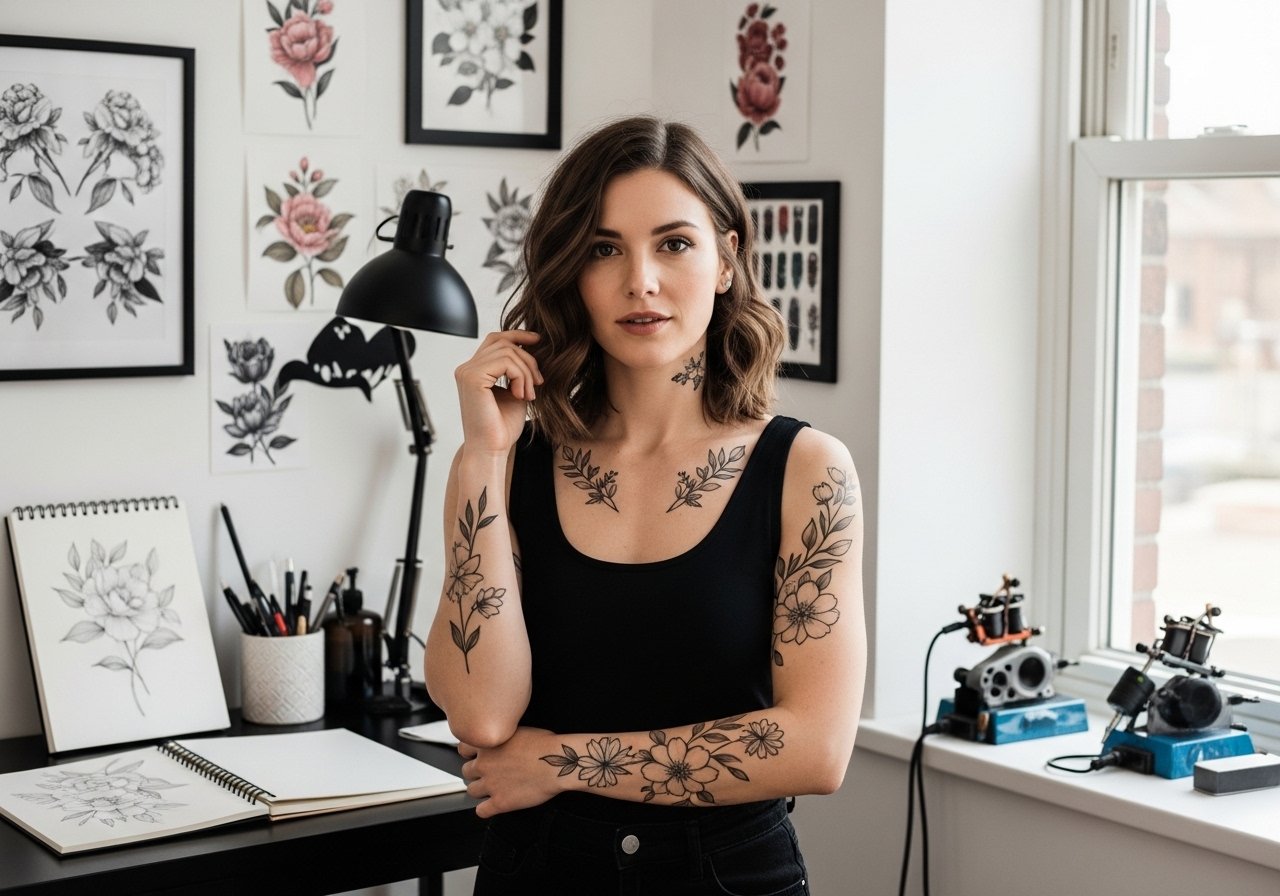
The trend for vintage shoulder tattoos among men looks glossy on social feeds. The reality is that what reads clean at week one can blur by year three if placement and line weight do not account for muscle movement. Pick designs that follow the deltoid curve, ask for bold outlines where needed, and plan session wear that keeps healing sweat and shirt rub to a minimum. The first idea below starts with a classic anchor that knows how to age.
1. Vintage Anchor with Rope on Front Deltoid
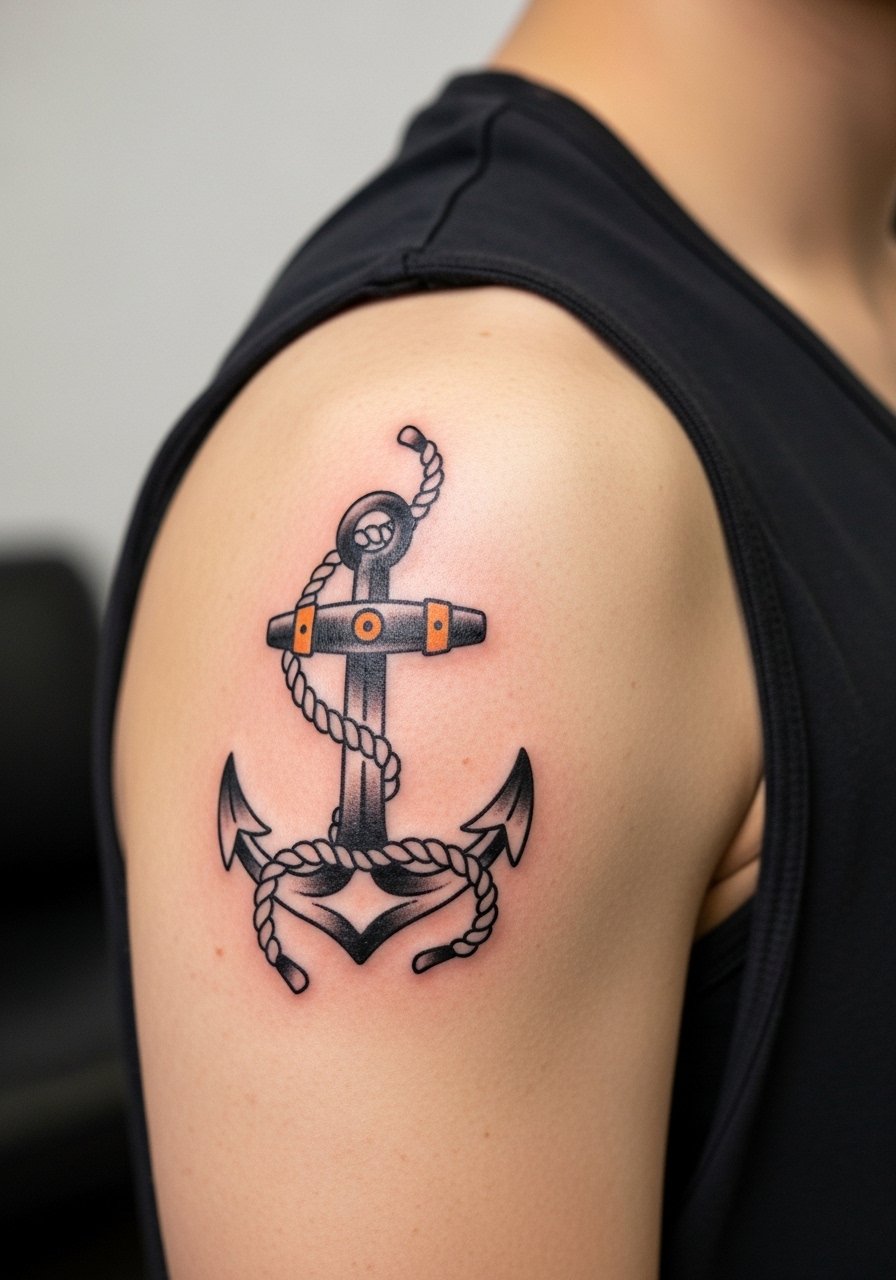
A front-deltoid anchor reads nautical and durable when drawn to the muscle curve. Ask your artist for a semi-oval layout that follows the deltoid so the rope does not kink when you flex. The common mistake is shrinking the design too small, which makes the red accents and thin banner fade into a blur after heavy training. Expect 1 to 2 sessions and a moderate pain level around the muscle belly. For the appointment wear a sleeveless workout shirt you can tug aside easily so the artist has clear access and nothing rubs the fresh lines.
2. Vintage Swallow Birds in Flight on Top Shoulder Cap
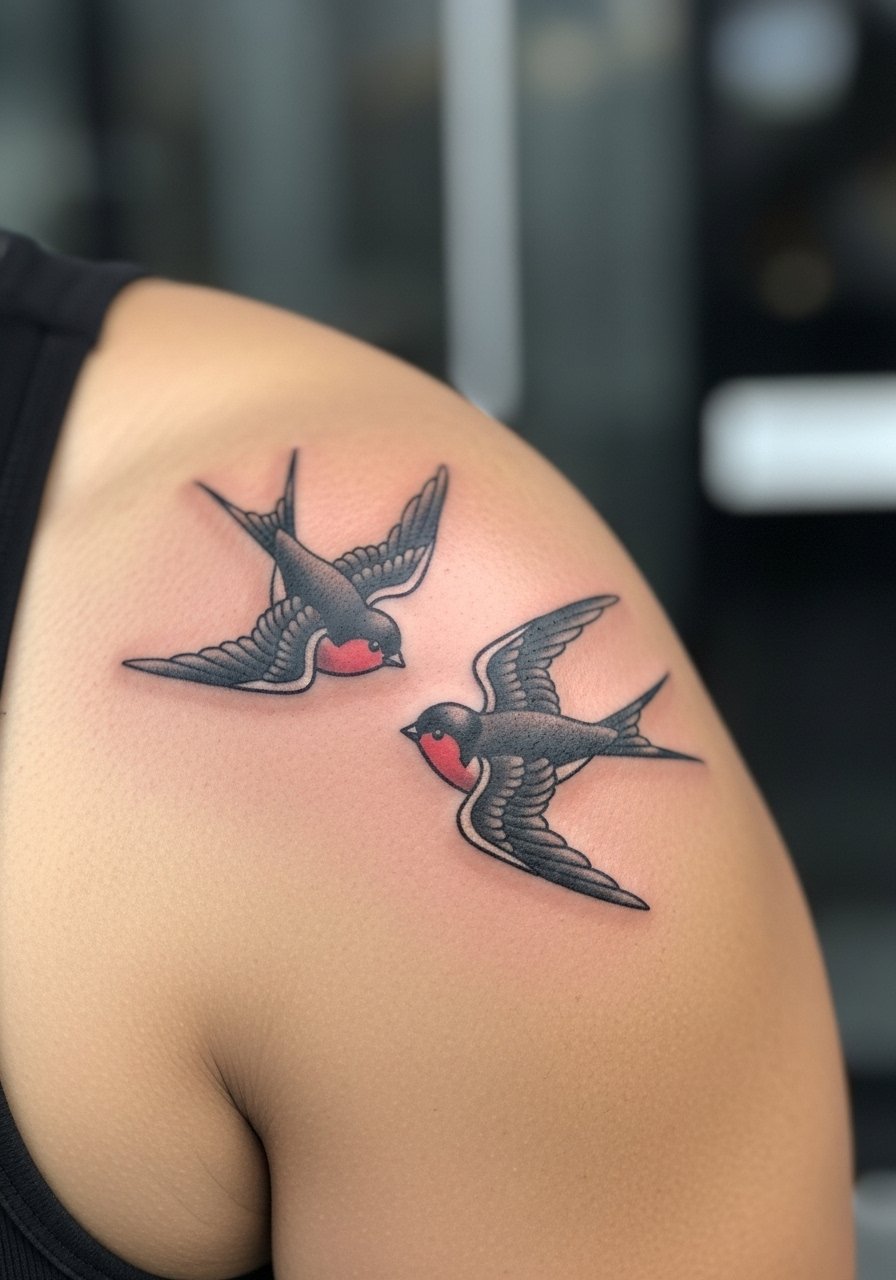
Top-cap swallows work well in a curved span that complements the shoulder cap. Tell your artist you want the flight arc to mirror the clavicle line so the pair connects if you later add a chest piece. The typical error is packing too many feathers into a small span which blurs with motion and sun exposure. This is a single-session design with low to moderate pain. If you plan to show it off, pair the piece with a racerback tank so the wings appear when you lift in the gym.
3. Vintage Heart with Banner on Upper Back Shoulder
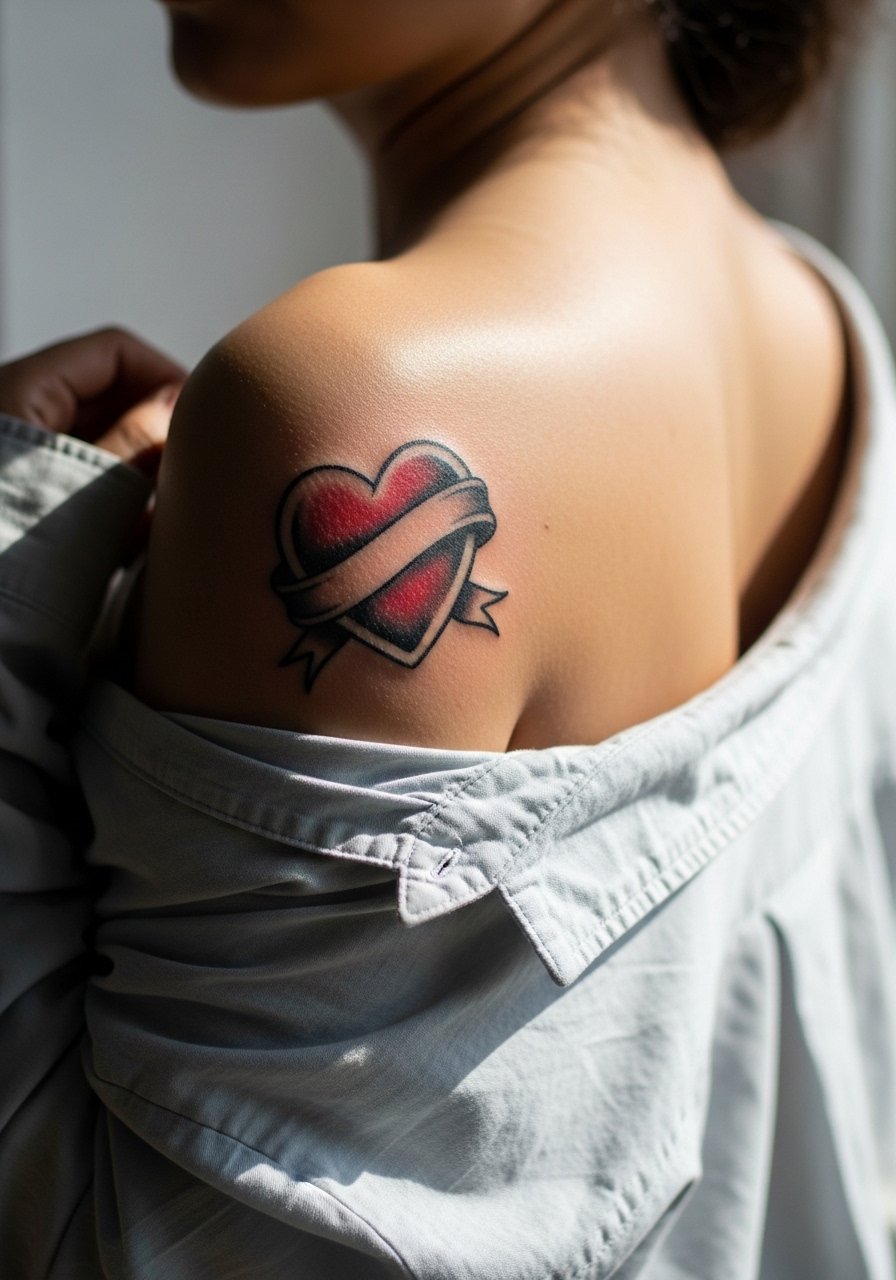
A back-shoulder heart with a banner sits flatter on the blade, so it ages with less distortion than a front-deltoid piece. Ask for thicker banner borders and a subtle gray wash instead of saturated red if you have medium or dark skin and worry about reds turning muddy. A common mistake is placing the banner too close to the shoulder seam where shirts rub during healing. Session feel is relaxed because you lie on your front briefly for outlines, then roll for shading. For casual show-off, a V-neck tee in dark gray exposes the design without forcing a full-back reveal.
4. Tribal Maori Spiral Pattern on Front Shoulder
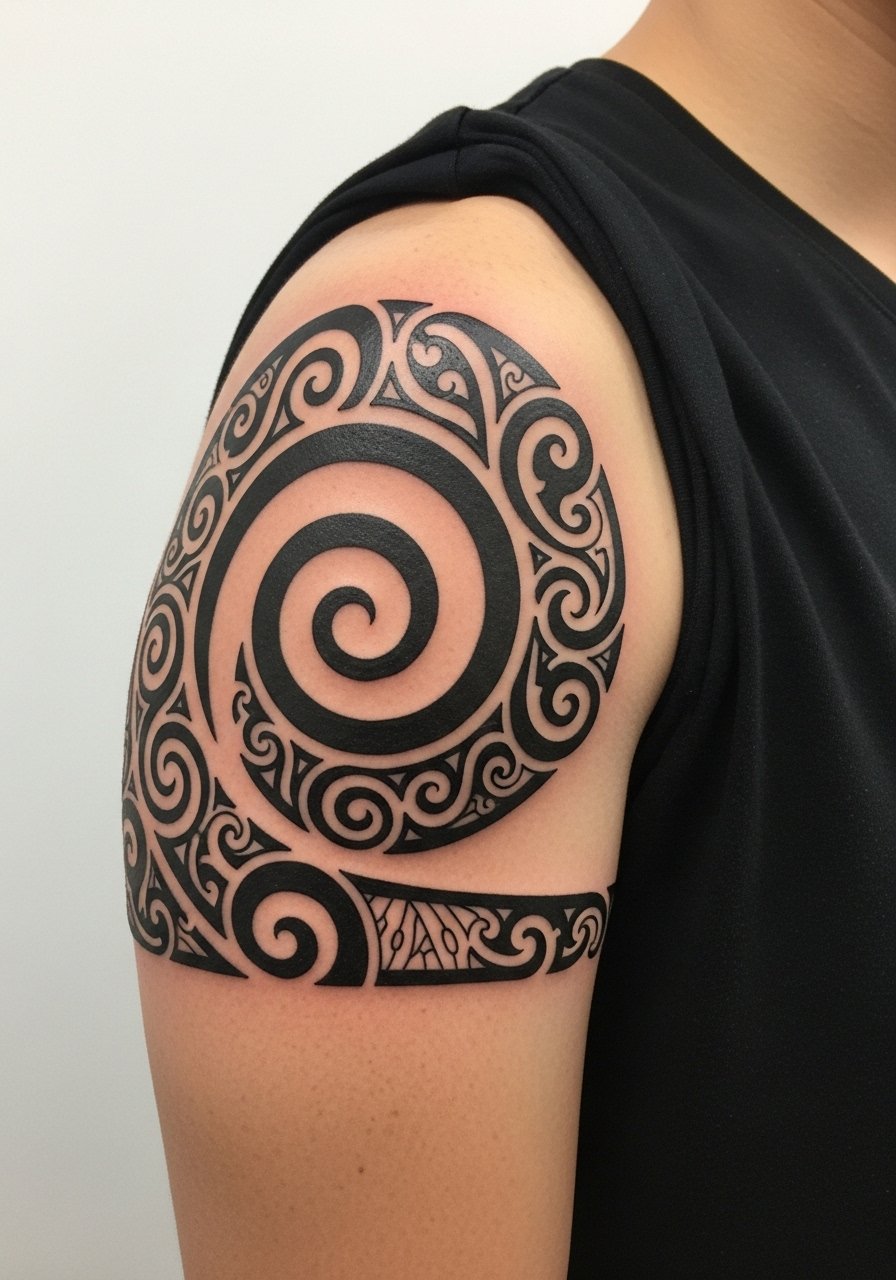
This spiral family of marks is built to follow muscle flow so it reads crisp during flex and at rest. During consultation, ask the artist to map the largest curves along your deltoid peak and avoid very thin filler lines that will soften over time. The aging advantage here is strong saturation, which resists blowout when done by someone experienced with muscular placement. The session is usually short but intense, with noticeable vibration on the bony edges. For the appointment wear a men's fitted tank top white so the artist can check how the spirals wrap the shoulder in motion.
5. Gothic Raven with Skulls on Back Shoulder
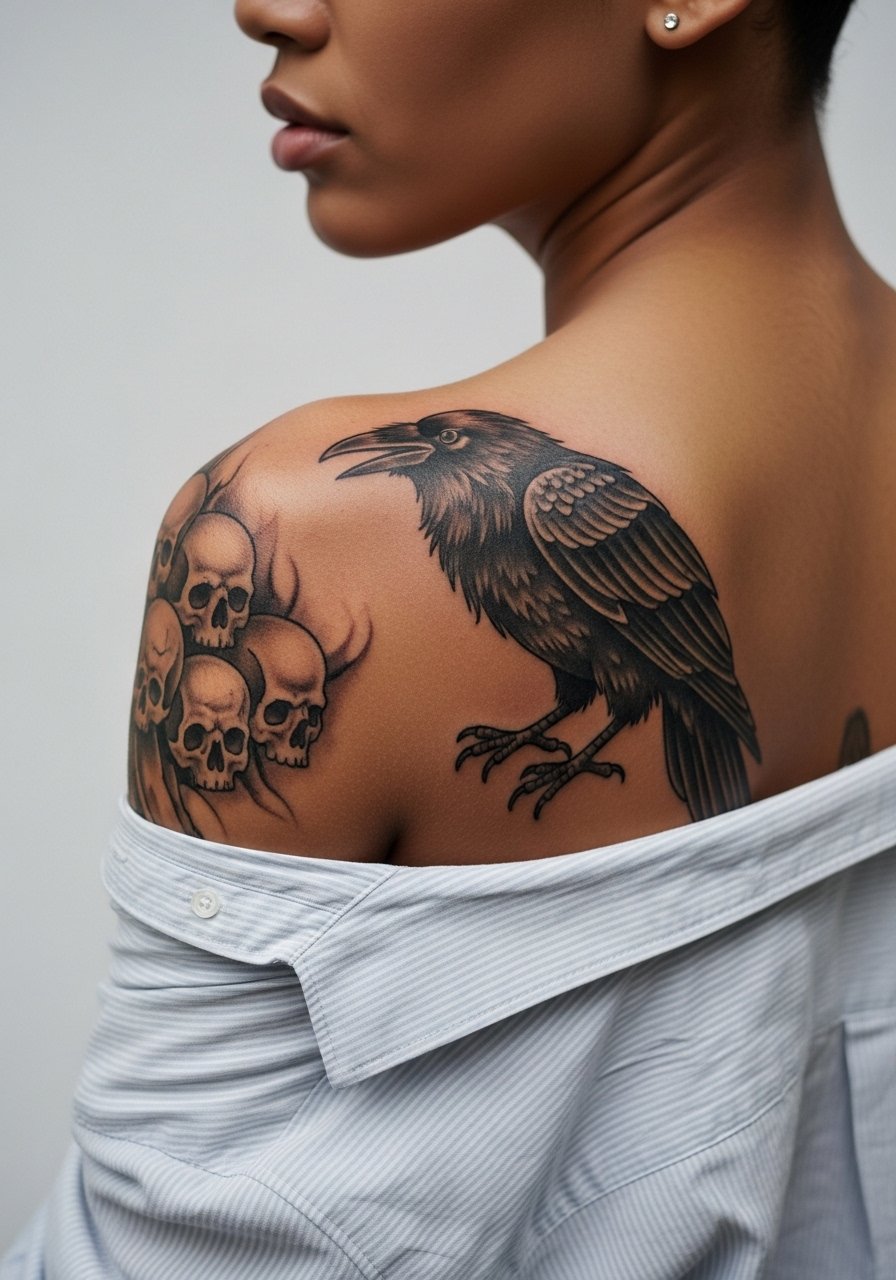
A raven with skulls gives a moody extension option that transitions cleanly into chest pieces. Tell your artist you want heavy black fills and gray washes for depth rather than tiny fine-line feathers that will soften fast. One mistake people make is asking for too much tight feathering near the shoulder seam, which can smear when you sleep on it during healing. Sessions usually stretch into two blocks if you add gray wash. This placement is ideal if you want an introvert-friendly piece that hides under shirts, and a loose button-up makes the session comfortable.
6. Traditional Eagle Head on Top Shoulder
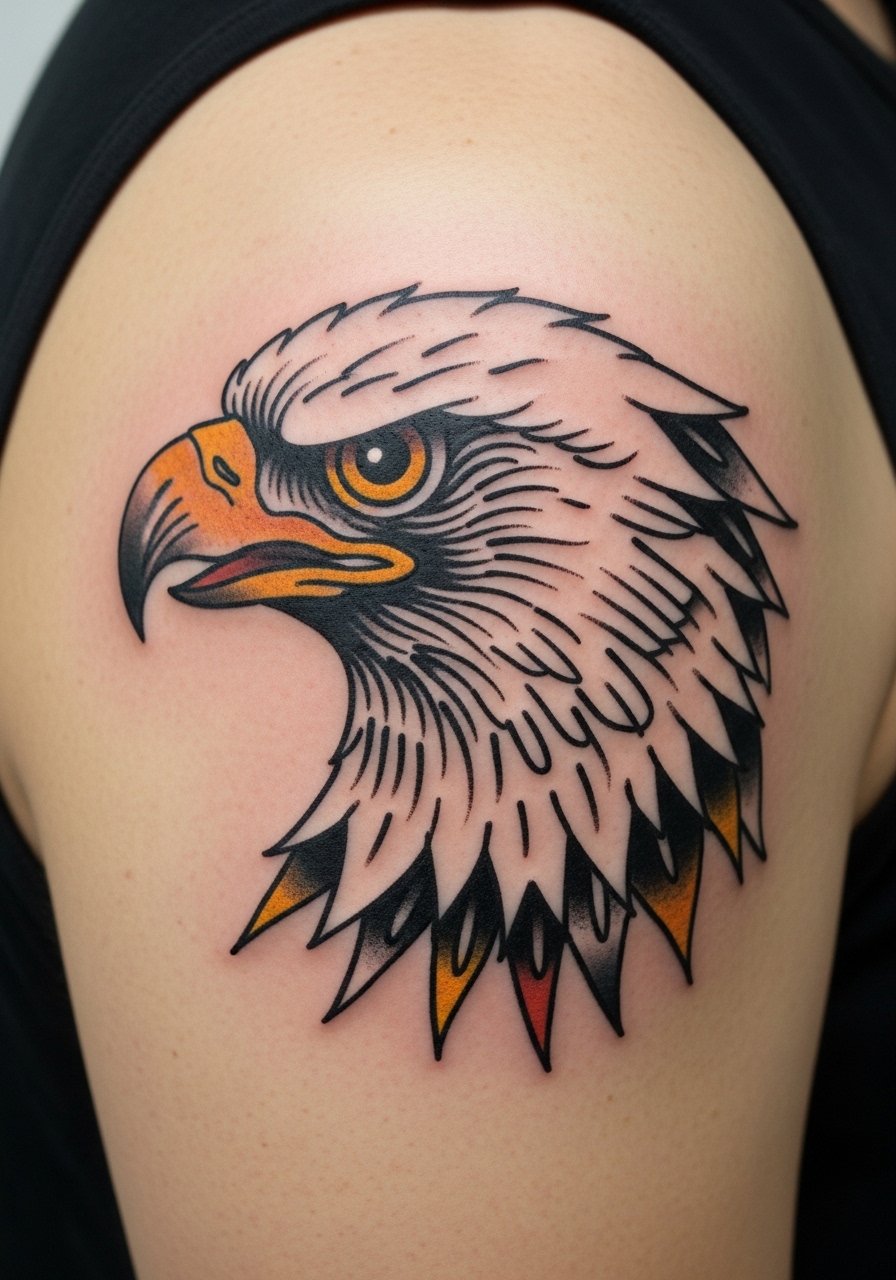
A single-session eagle head contours naturally to the cap when the beak is angled slightly toward the chest. During the consult, show profile references so the beak sits in a semi-oval rather than straight on, which helps when you later add wings across the chest. The most common error is over-detailing the eye area with tiny strokes that lose contrast after sun exposure. Pain is lower on the cap than along the shoulder blade. For evenings out try a button-down navy shirt left a couple buttons undone to frame the semi-oval without exposing the whole shoulder.
Pack Smart
That first row of shoulder classics tests the usual healing problems of sweat and shirt rub, so a few kit items smooth the first week.
-
Indie Butter balm. A lighter texture than thick petroleum balms helps shoulders that sweat during day-to-day movement without leaving a heavy residue.
-
Tea tree balm UK style. Mild antimicrobial properties make this handy for flexing zones where friction can trap bacteria under dressings.
-
After-Ink Wrap travel sheets. Small rolls are useful if you need a breathable barrier for a weekend trip or a guest spot, and they fit shoulder curves without bunching.
-
Fragrance-free CeraVe lotion. Lightweight, non-irritating lotion that helps after day three when ointments start to feel heavy.
-
Japanese rice bran oil serum. Often used months out to preserve color vibrancy on vintage palettes without adding shine or residue.
7. Celtic Knot Wave on Front Deltoid
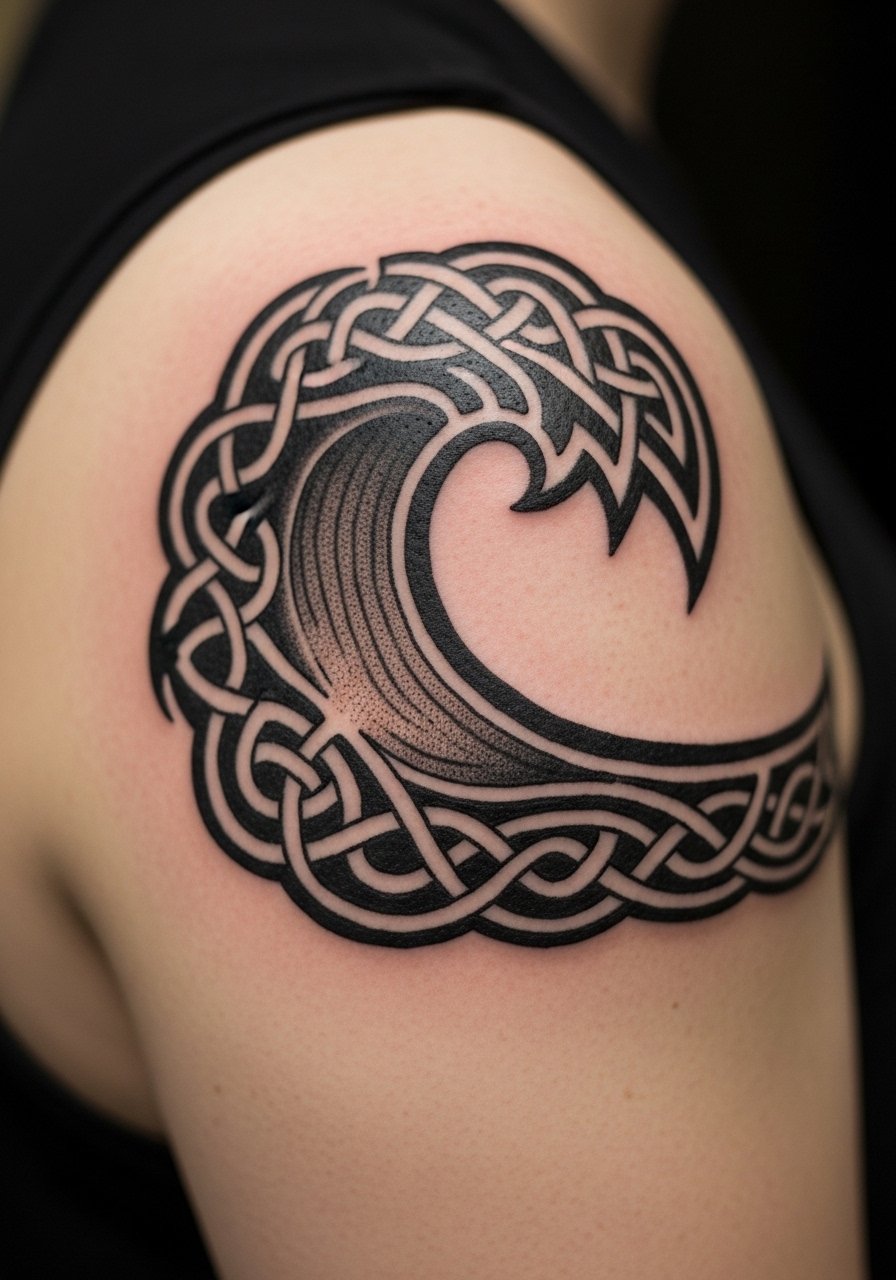
A knot that rides the front deltoid feels like it was made to move when the loops are drawn to match the muscle bulge. Ask the artist to increase spacing between interlocks so the knot breathes as you flex. One thing that ages poorly is overly tight cantering where lines run parallel too close together, causing merge over time. Session time is usually short and the pain sits in the muscle belly. For the appointment throw on a sleeveless workout shirt that the artist can roll aside without tugging on the shoulder seam.
8. Vintage Lion Mane Burst on Upper Arm Shoulder Junction
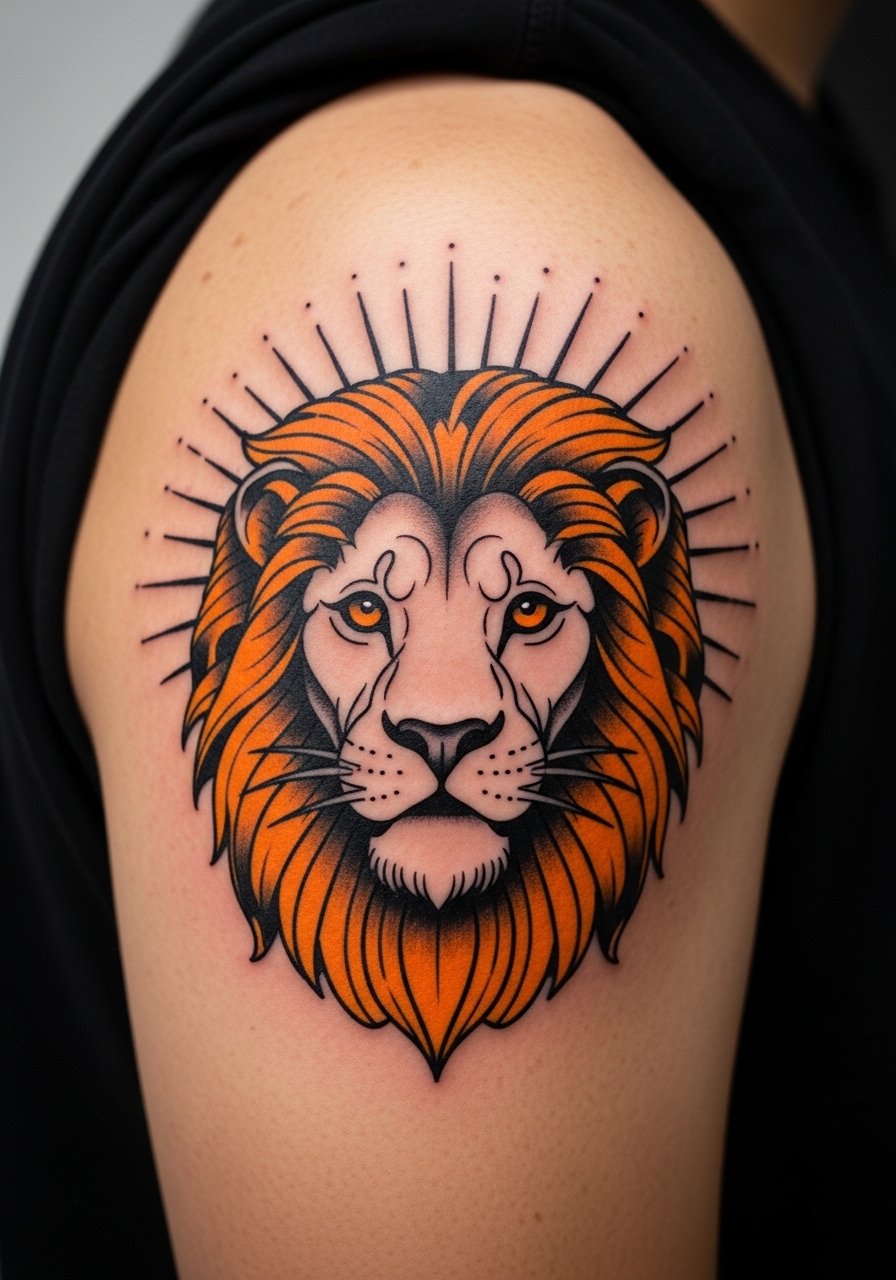
A lion that spans the arm-shoulder junction needs a mane drawn to move with the biceps and deltoid. Tell the artist you want heavier outline anchors and stipple shading in the mane to keep texture as the skin stretches or shrinks. A frequent regret is pushing color into tiny mane striations that clip and fade into a muddy patch. Expect two sessions for the color work. Short-sleeve polos in olive or camel frame this junction, and a leather cuff bracelet on the opposite wrist balances the rugged look.
9. Polynesian Shark Tooth on Back Shoulder
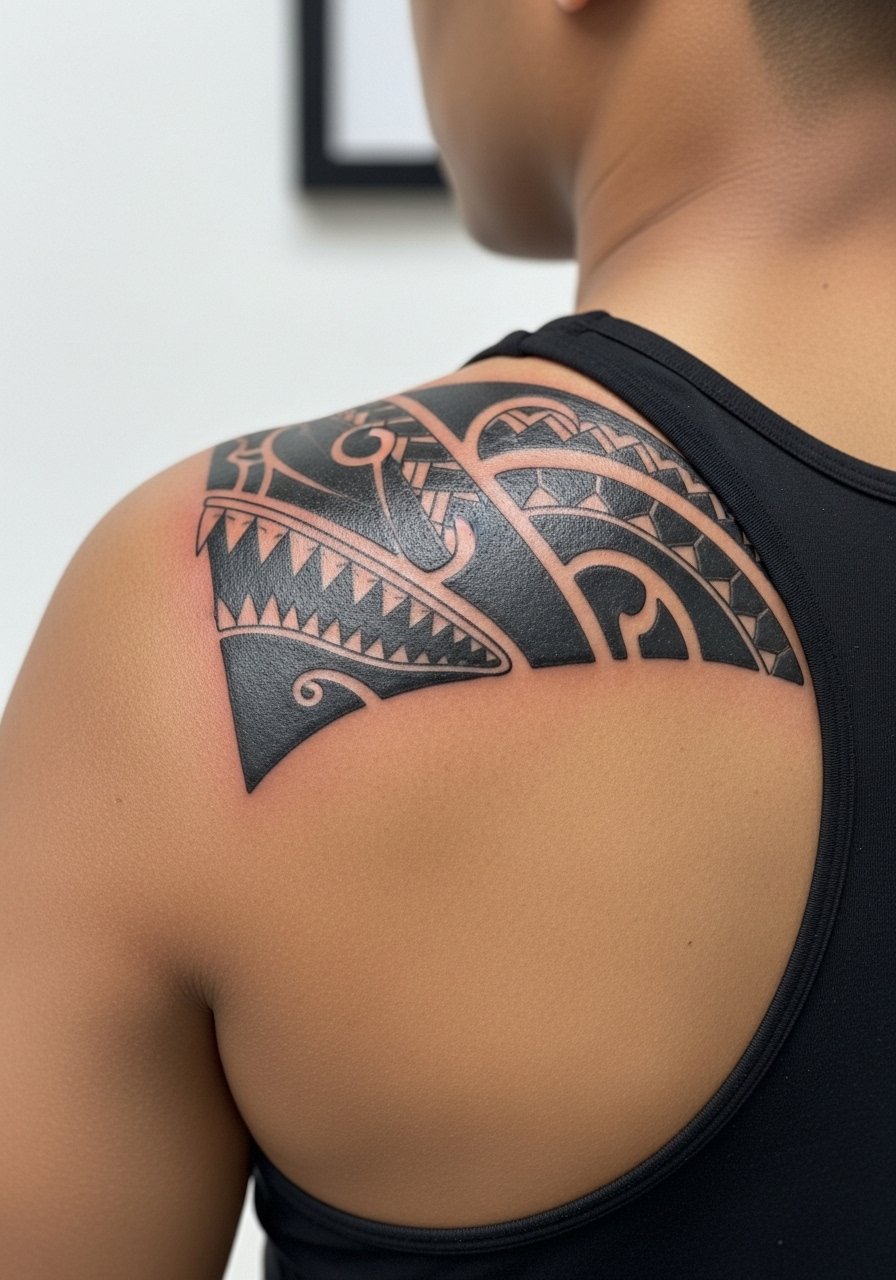
Polynesian motifs scale well on the back shoulder because the blade gives room for stacked elements and solid fills. During consults ask for negative space breaks to prevent large black blocks that can look flat when healed. A common mistake is copying a pattern without considering personal proportion, which can make the piece read unbalanced on a rounded shoulder. Sessions often require two visits for clean black fills. A loose button shirt and the discovery pathways listed earlier are the right moves if you are hunting artists for traditional Polynesian work.
10. Old School Knight Helmet on Front Shoulder
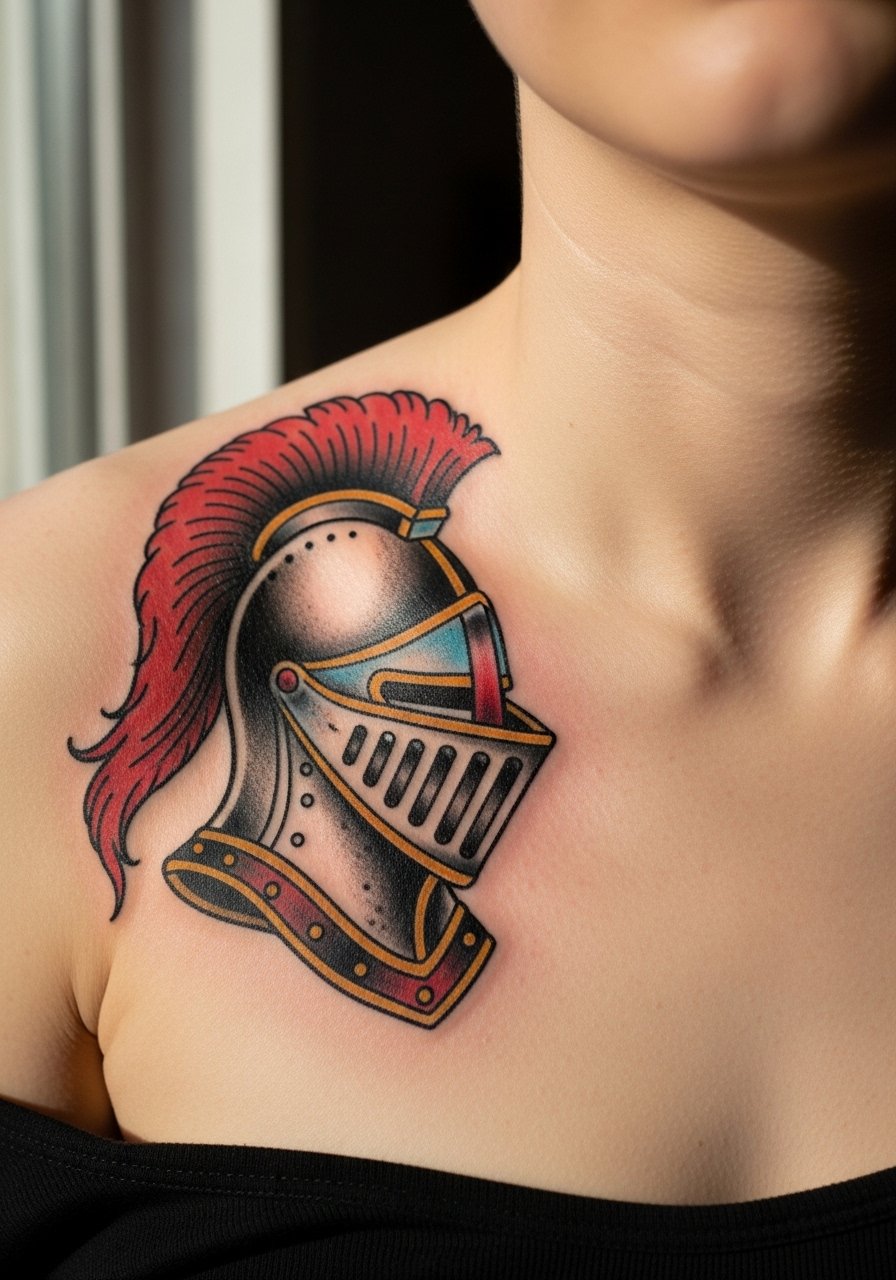
A knight helmet that crosses the collarbone toward the deltoid makes for a heroic tilt when the helm points slightly upward. In consultation request semi-saturated colors with bold outlines rather than micro-shading that will disappear in the shoulder's stretch zones. The mistake is requesting tiny heraldic flourishes in the crest, which blur sooner than solid shapes. Expect a 1 to 2 session cadence and a slightly higher pain near the collarbone. For session comfort wear an open-collar shirt so the artist can roll fabric away without crowding the collarbone.
11. Mandala with Geometric Waves on Top Shoulder
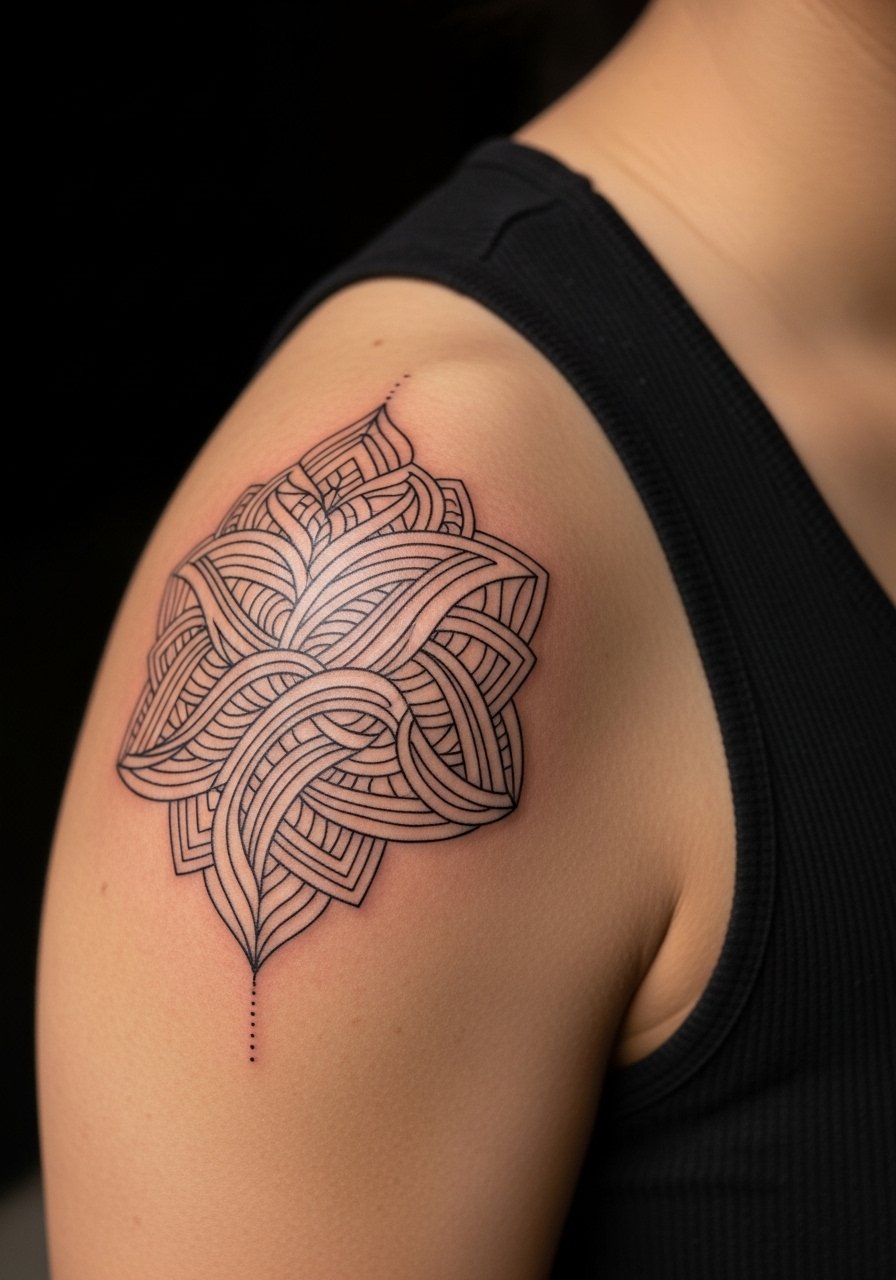
Mandalas look gorgeous on the cap when sized to allow breathing space between concentric rings. Artists split on fine line here with two camps. One camp says dense fine line in tight mandalas blurs within two years on shoulders with lots of movement. The other camp argues that with proper needle depth and spacing it can hold well. Ask your artist where they stand and for a flex-mapped mockup during consultation. The session is relatively calm but requires patience from both sides. For show-off pairing, a crewneck tee cream unbuttoned at the collar keeps attention above the sleeve.
12. Vintage Banner Script "Semper Fi" on Back Shoulder
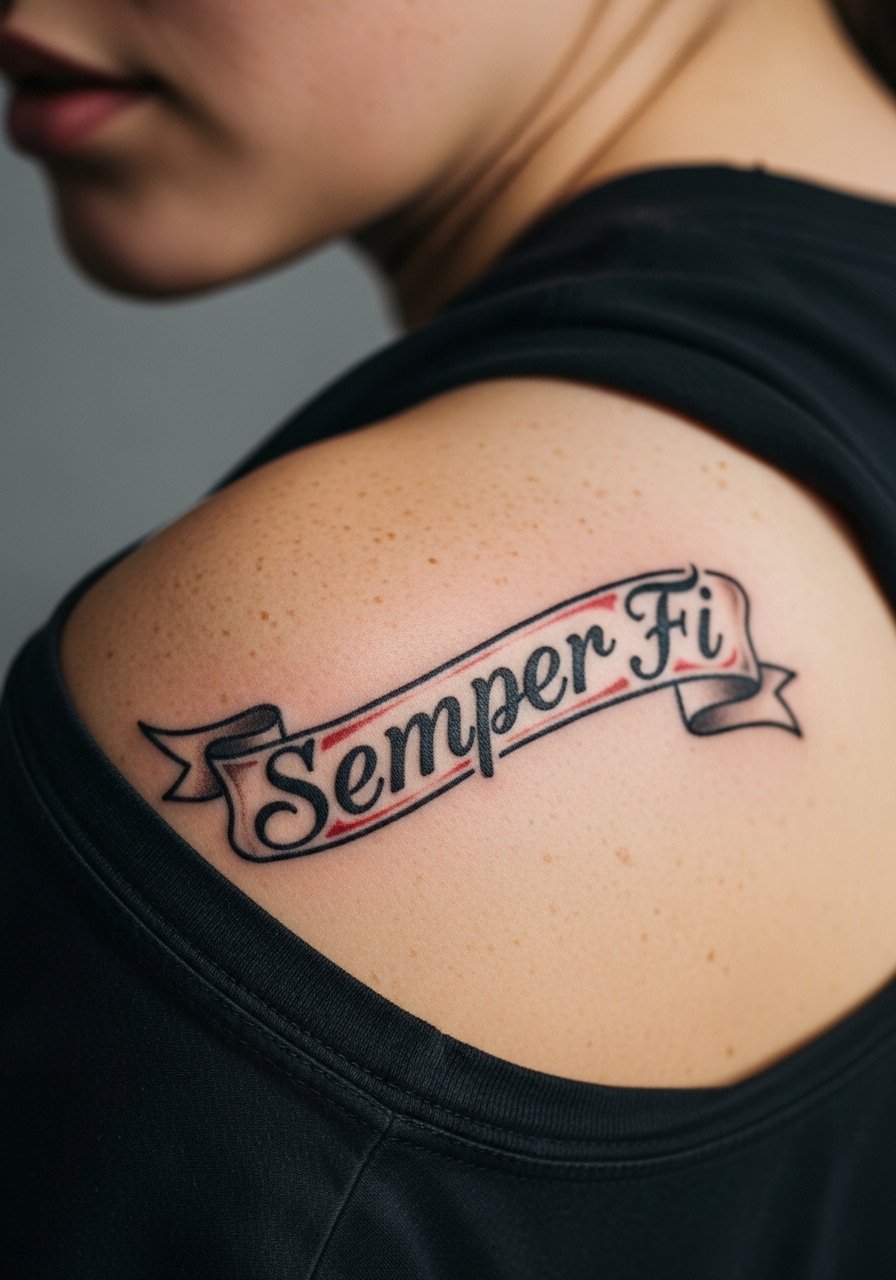
Retro script on the back shoulder works as a tribute that stays private under most shirts. Request heavier outer strokes on the letters and a thicker banner edge so the letters do not bleed into background shading as color settles. A typical misstep is choosing a very thin script font that loses its negative space after the first sun season. This is often a single-session piece unless you want extra shading. If you serve or plan expansion, mention that in consults and bring references that show the exact lettering style you want.
13. Dreamcatcher with Feathers on Front Shoulder
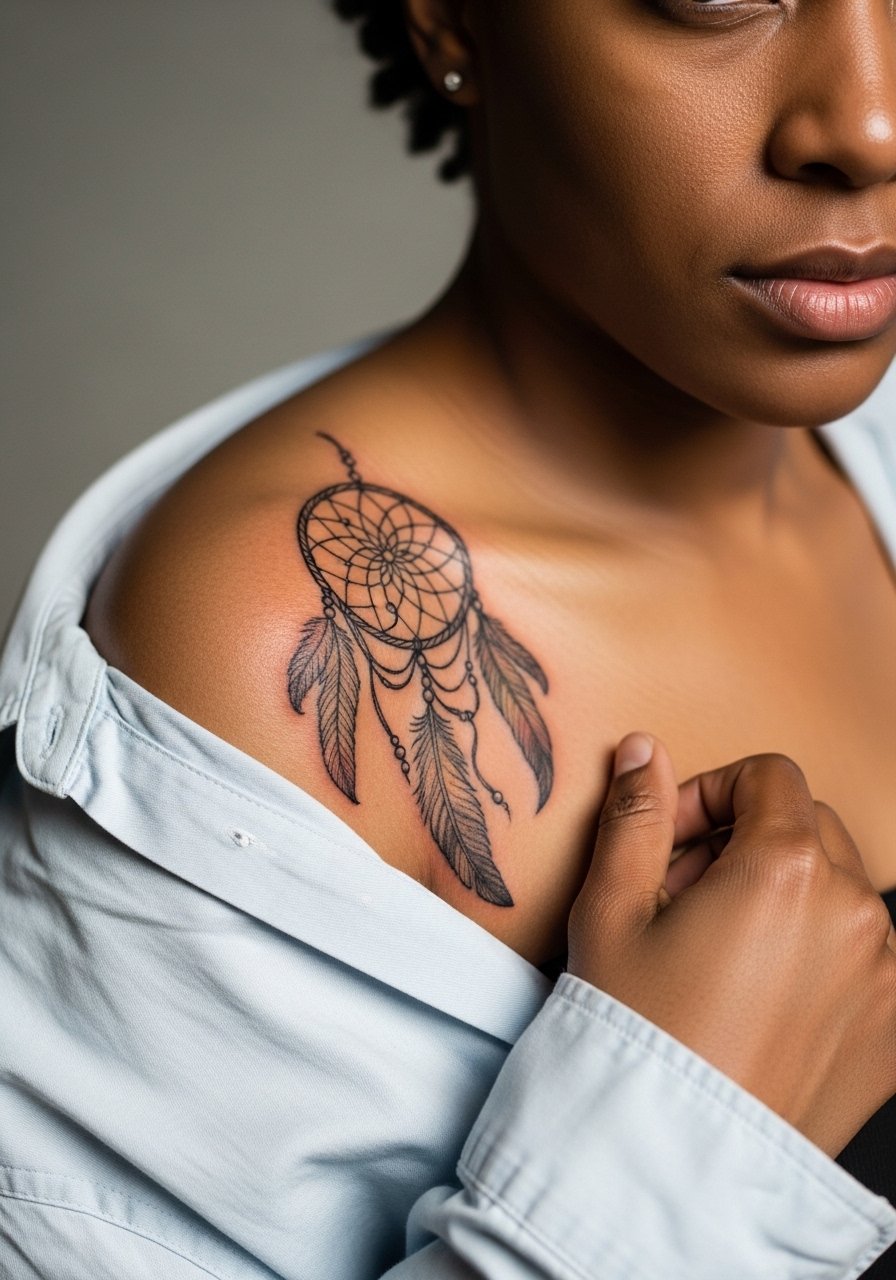
A dreamcatcher that extends toward the collarbone benefits from long feather strokes that taper as they cross skin that moves. Tell the artist you want fewer, stronger feathers rather than many thin ones, which are prone to losing definition on active shoulders. The wrong choice is tight feather detail that gets lost after a year. Two sessions may be required for gradients and feather tips. For the appointment wear an open-collar shirt you can slide aside so the artist can work without fabric drag.
14. Semi-Oval Vintage Anchor on Top Cap
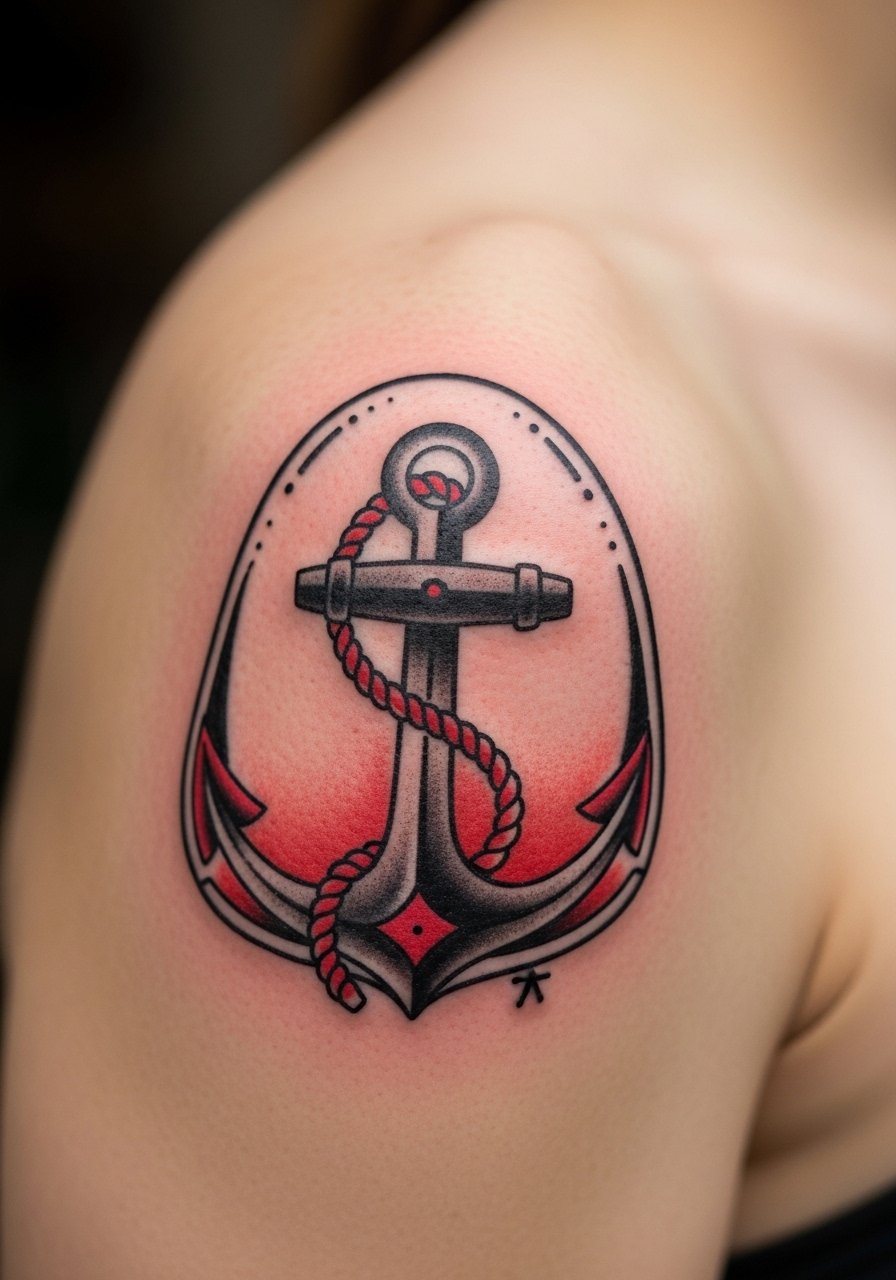
A semi-oval anchor sits in the cap better than a square block on rounded shoulders, which reduces distortion when you flex. During consultation ask for the anchor to be drawn as a semi-oval and for the rope to spiral outward rather than inward so the composition reads when your arm is at rest. The common error is insisting on a perfectly symmetrical anchor that fights the shoulder curve. This piece usually takes 1 session and heals well with standard care. For show-off styling a racerback tank helps the anchor sit center stage in the gym.
15. Nautical Compass with Old-School Shading on Top Shoulder
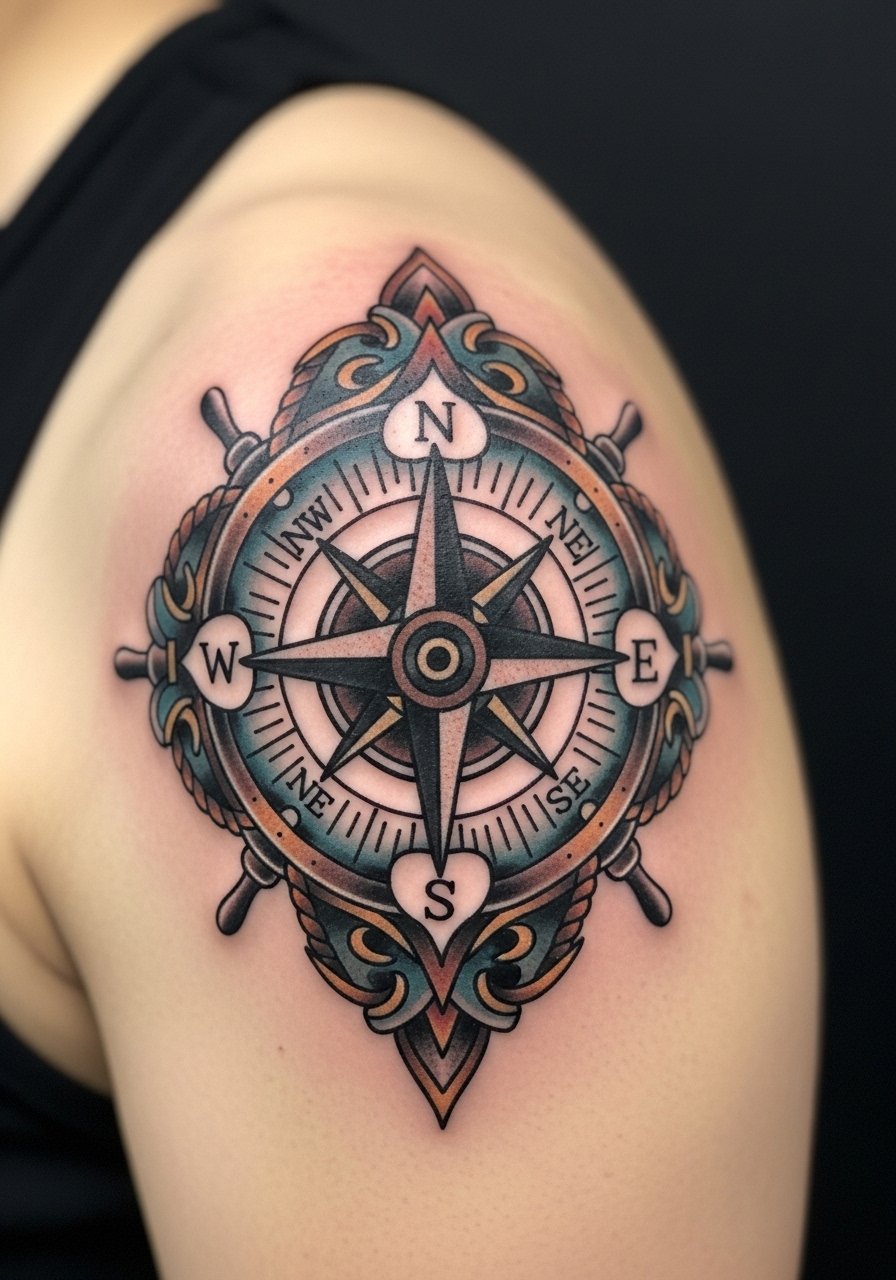
A compass lends itself to semi-symmetry and reads clean if the needle alignment follows the collarbone angle. Tell your artist to prioritize simple cardinal points and to avoid tiny tick marks that vanish with time. A frequent mistake is cramming too many directional details into a small compass which softens as the shoulder moves. Single-session work for outlines and shading is normal. Consider a men's fitted tank top white for showing it off once healed.
16. Small Top-Cap Ship Wheel with Rope Trim
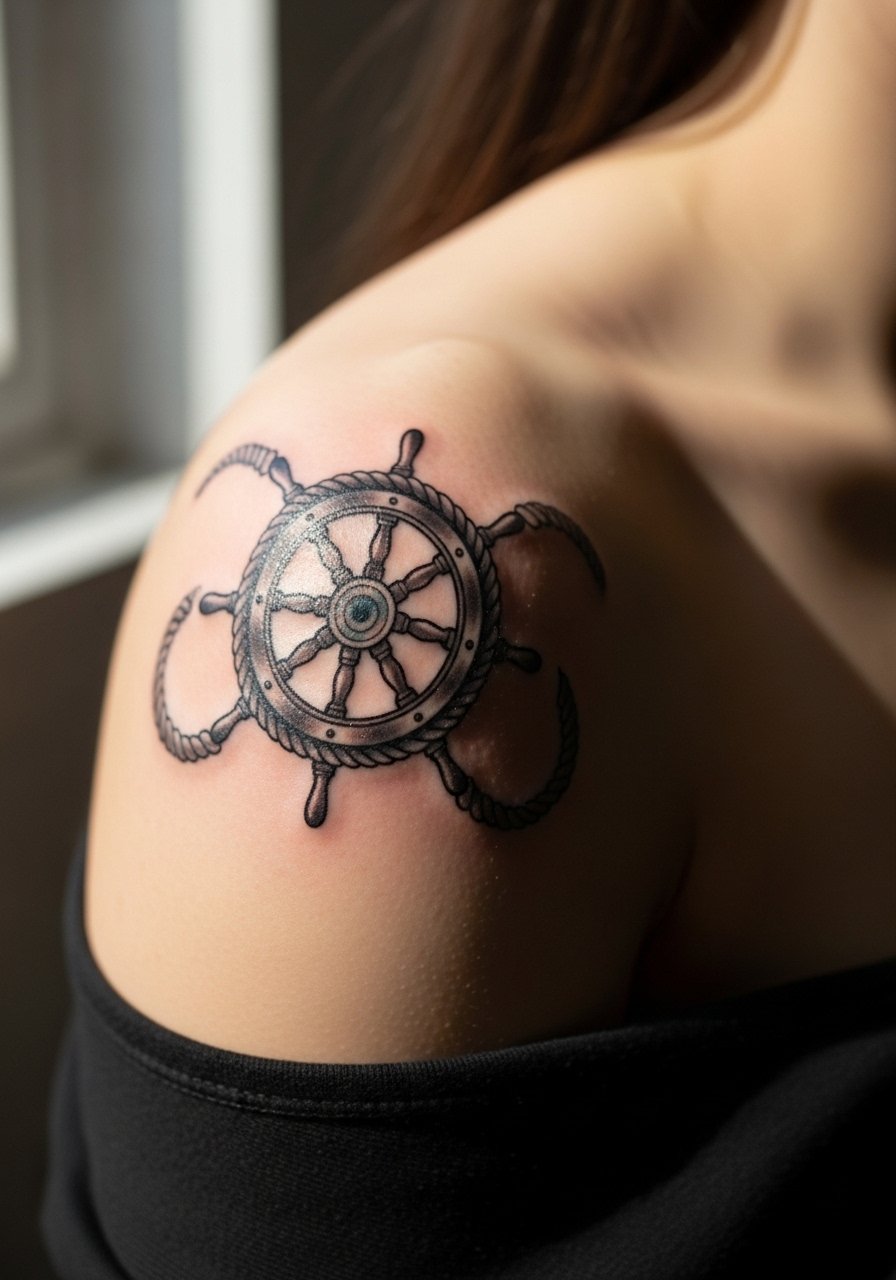
A compact ship wheel fares best when scaled to the cap and not shoved toward the edge. Ask for a rim drawn with open negative space so the spokes do not merge into a blur. The usual mistake is choosing too tiny a wheel then expecting the spokes to remain crisp after sun exposure. The session is short and the pain is moderate. For the session itself wear a sleeveless workout shirt to give the artist unencumbered access.
17. Cresting Wave with Anchor Shards on Front Shoulder
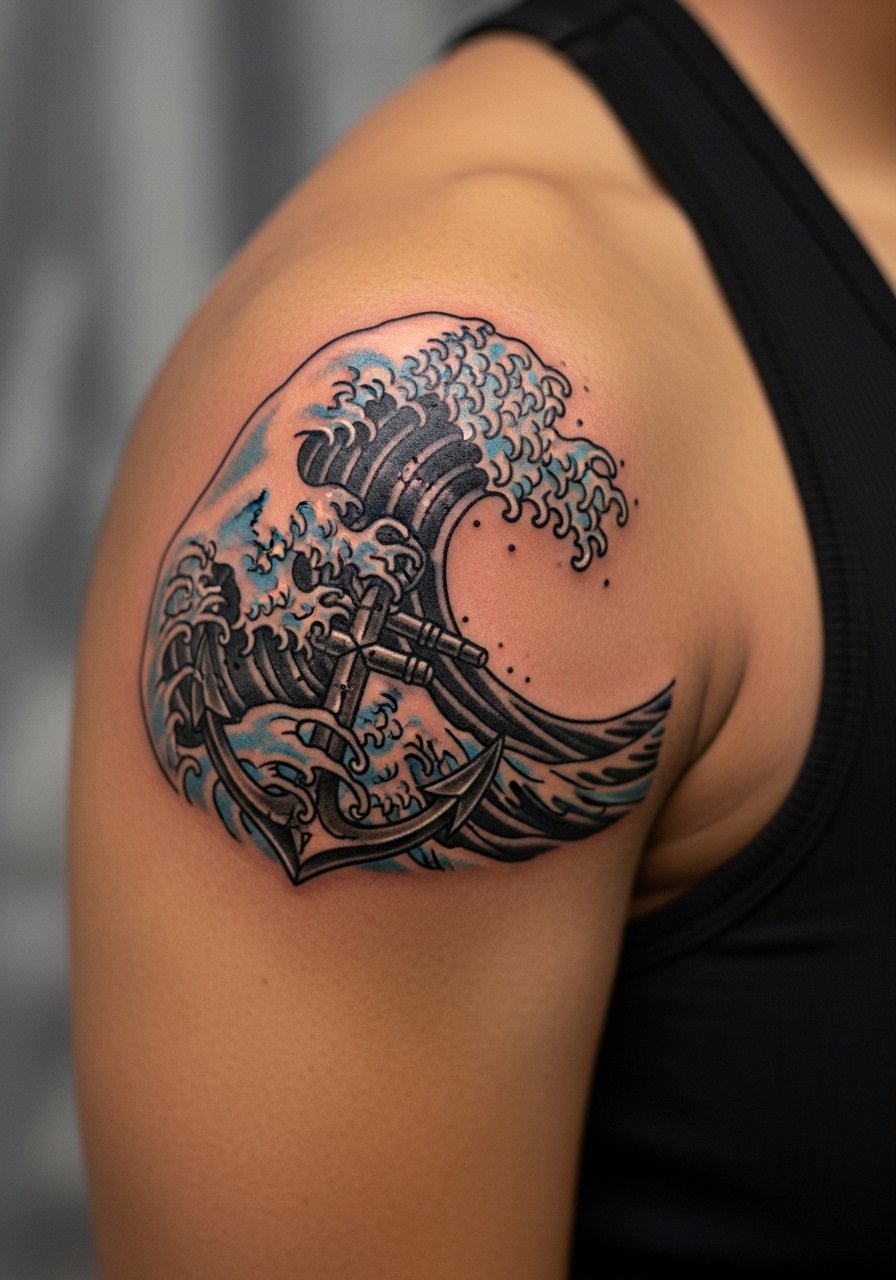
A cresting wave that integrates anchor shards is dynamic when the flow follows the deltoid peak. During consults ask the artist to plan the wave motion so it aligns with arm swing, which reduces the chance of awkward distortion. A common slip is putting too many small shards that vanish into texture. Sessions often include a color pass for the blue fields. For the appointment a sleeveless workout shirt keeps fabric from pressing against wet ink.
18. Scripted Memorial Name Wrapped on Shoulder Blade
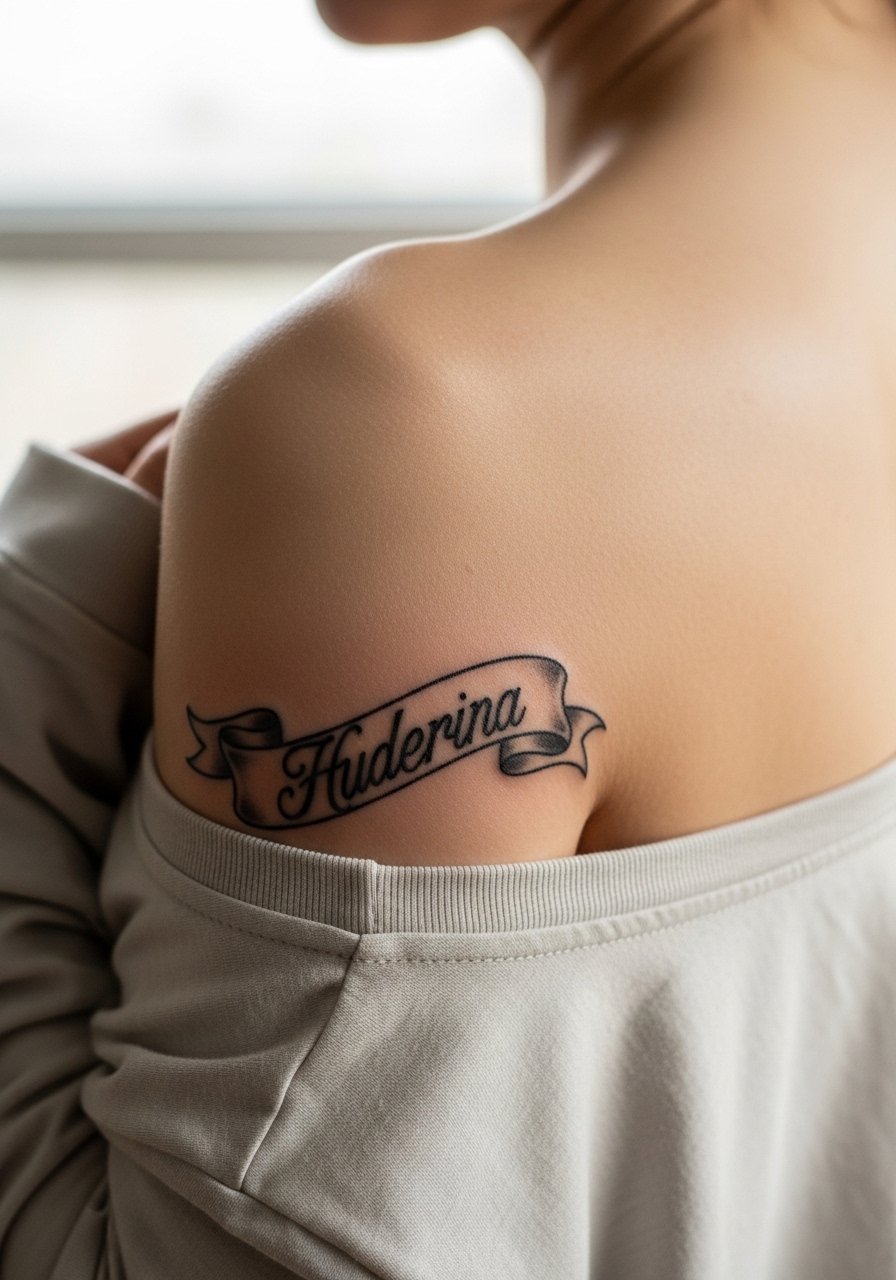
Lettering on the blade stays private and tends to avoid gym-induced warping more than front placements. Ask for a slightly heavier outer stroke and a tested font size sample on your skin so you can see how spacing holds with movement. The error many make is choosing a very thin handwritten script that disappears after repeated washing and sun. This is a low-pain session that usually finishes in one visit. If it matters to you, ask the artist to show a healed mockup from similar skin tones so you know what to expect.
19. Neo-Traditional Fox Portrait on Upper Arm-Shoulder Junction
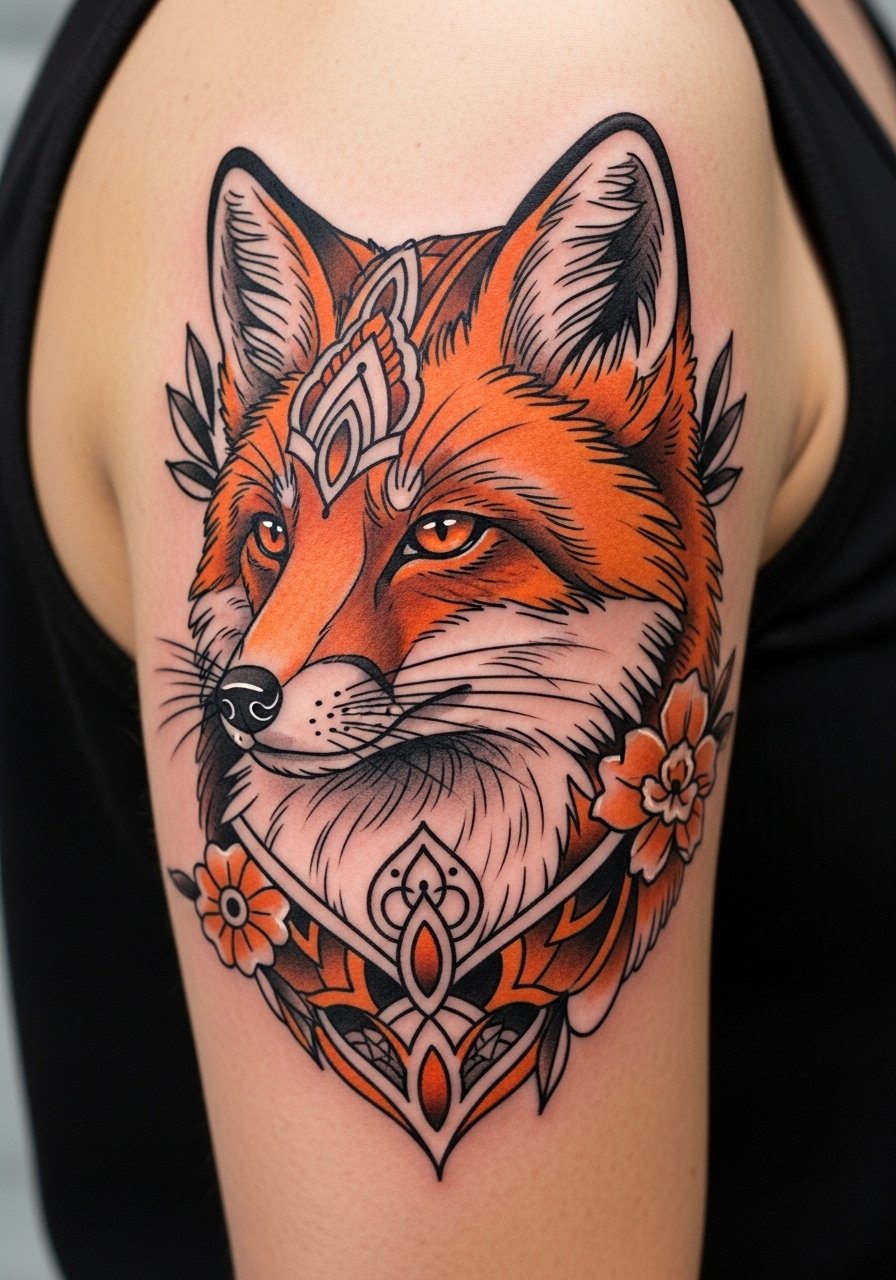
A fox portrait that crosses the junction needs component placement that avoids biceps bulge lines. Tell your artist to place the focal eye near the shoulder's highest point so the face reads when the arm hangs. The common error is putting the muzzle across the biceps fold, which distorts with flex. Sessions run to two visits if you add color depth. Short-sleeve polos in olive or camel look great with this junction piece and a leather cuff bracelet completes the retro vibe.
20. Blackwork Compass Rose with Subtle Stars on Back Upper Shoulder
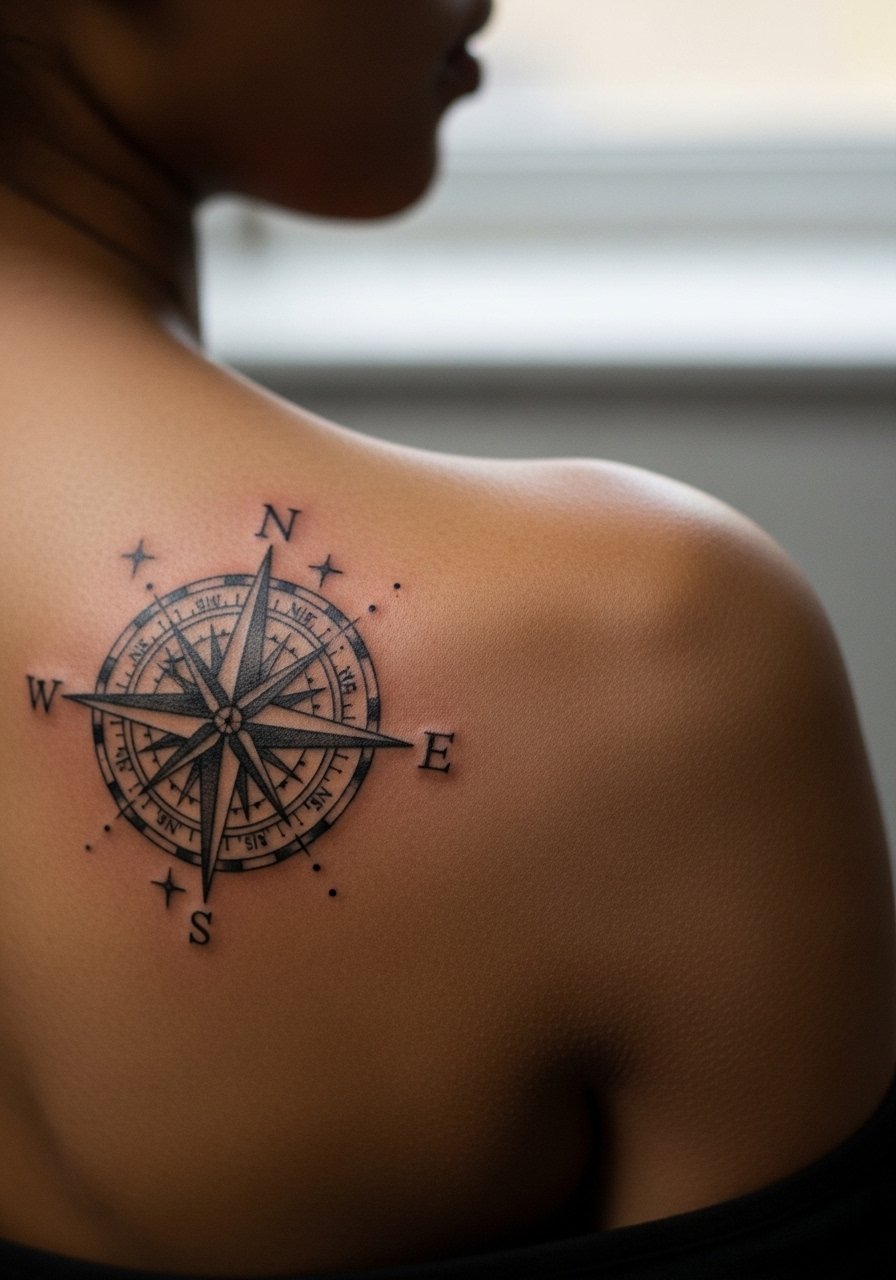
A heavy blackwork compass rose anchors well on the back upper shoulder because the blade offers a flat plane for radial symmetry. Ask for negative space between star points and the compass so the design keeps contrast as the skin ages. The mistake is compressing the stars too close to the compass body which leads to the look softening in a few years. Expect two sessions if you choose heavy black fills. For hiding or revealing, a backless tank or a simple V-neck tee works to let the piece peek through when you want.
21. Semi-Realism Raven Wing Stretching Toward Chest
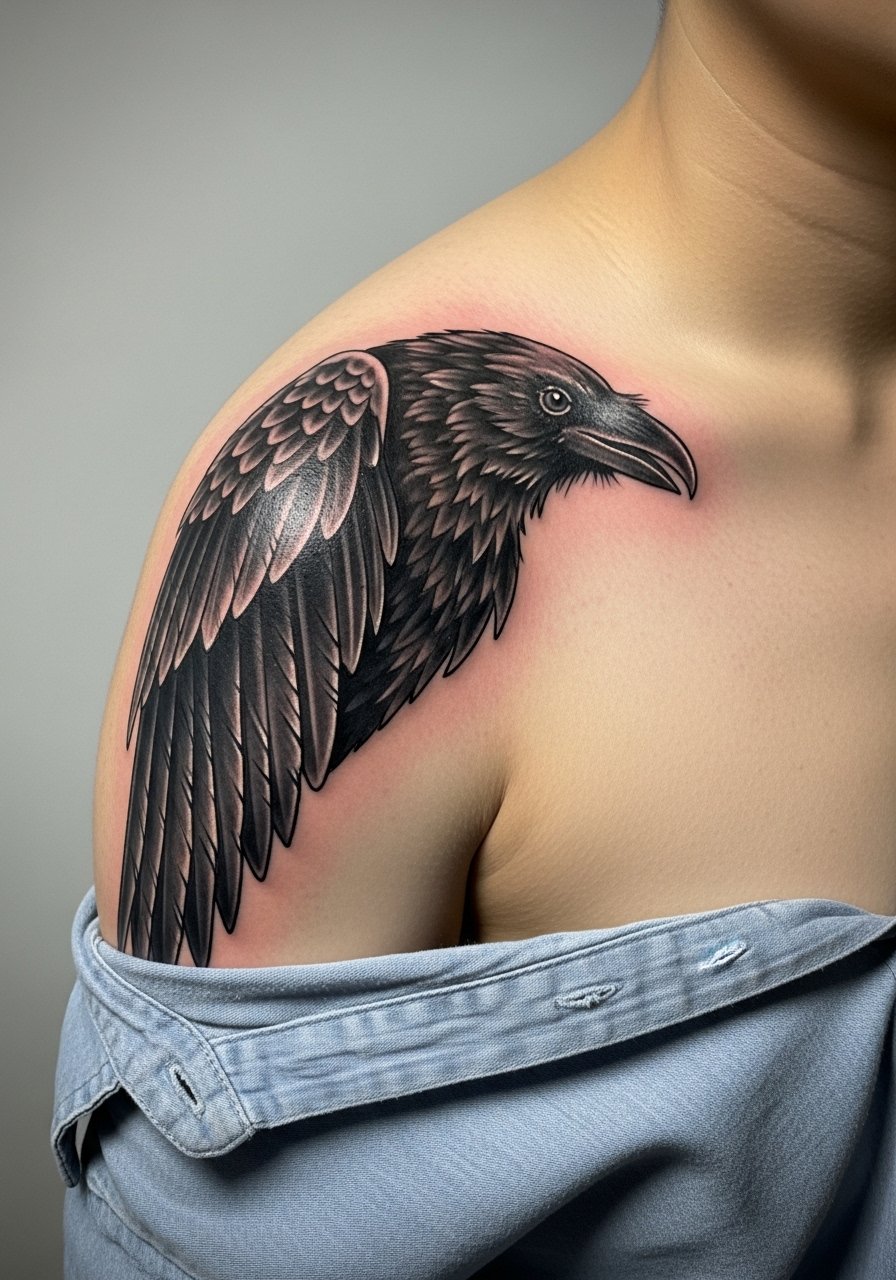
A wing that stretches toward the chest needs the shoulder cap anchor to be slightly larger than the chest feathers so the flow does not buckle with arm motion. Tell the artist to set the wing base on the cap and to scale feather sizes outward as they approach the chest. A common problem is matching grayscale tones between shoulder and chest work, which can leave one side looking heavier. Sessions are typically two visits if you want seamless chest extension. For session wear choose a sleeveless vest so both chest and shoulder areas are easy to access.
Frequently Asked Questions
Q: How much does a vintage shoulder tattoo usually cost and what should I budget for sessions?
A: Costs vary widely with size, color, and the studio, but plan for multiple sessions if you add shading or color. From what I have seen, medium shoulder work often requires one to three sessions depending on complexity, so budget accordingly and compare quotes from a few studios or discovery platforms before booking.
Q: Will a front-deltoid design warp when I bulk up from weight training?
A: It can, especially if the motif crosses the muscle belly in tight detail. Designs that follow the deltoid curve and use thicker anchors age more gracefully. If you expect big muscle changes consider placing the main focal point toward the upper back blade where the skin shifts less with muscle growth.
Q: For dark skin tones, how do vintage reds hold up on shoulder pieces?
A: Reds can read differently on darker skin and may need deeper, more saturated mixes or substitution with deep grays to avoid muddying. Ask your artist for healed photos on similar skin tones and consider a test patch if you are worried about saturation.
Q: Saniderm or dry healing, which is better for a shoulder tattoo that sweats during workouts?
A: Artists and community members split into two camps. One camp favors breathable protective film for the first few days to reduce rubbing and chance of infection. The other camp worries that an occlusive film traps sweat and bacteria on highly active areas. Bring this question up with the artist so you can choose a method that matches your sweat rate and activity plan.
Q: How soon can I return to the gym after a shoulder session without risking blowout or infection?
A: Give the area at least 3 to 5 days before heavy sweating and machine friction if you can. Clean, loose clothing and short sessions help, and a breathable barrier for the first few days can minimize rubbing while still letting you move gently. If you must train, favor light cardio away from machines that press against the shoulder.
Q: Should I expect touch-ups on mandala or fine-line shoulder pieces sooner than traditional blackwork?
A: Fine-line and dense mandala work usually need touch-ups earlier, often around year two to three, while solid blackwork can hold longer if the outlines are anchored. For mandalas ask for increased spacing and a mockup that shows how lines will sit when you flex, and plan a touch-up budget if longevity matters to you.
Q: Where can I find artists who specialize in vintage shoulder styles and guest spots without getting ghosted?
A: Use discovery pathways like specific hashtags for vintage shoulder tags on social platforms, and check guest-spot calendars on booking platforms. Many people also track Reddit recommendation threads and local studio pages for pop-up announcements. Booking through platforms with cancellation policies helps reduce the chance of last-minute ghosting.