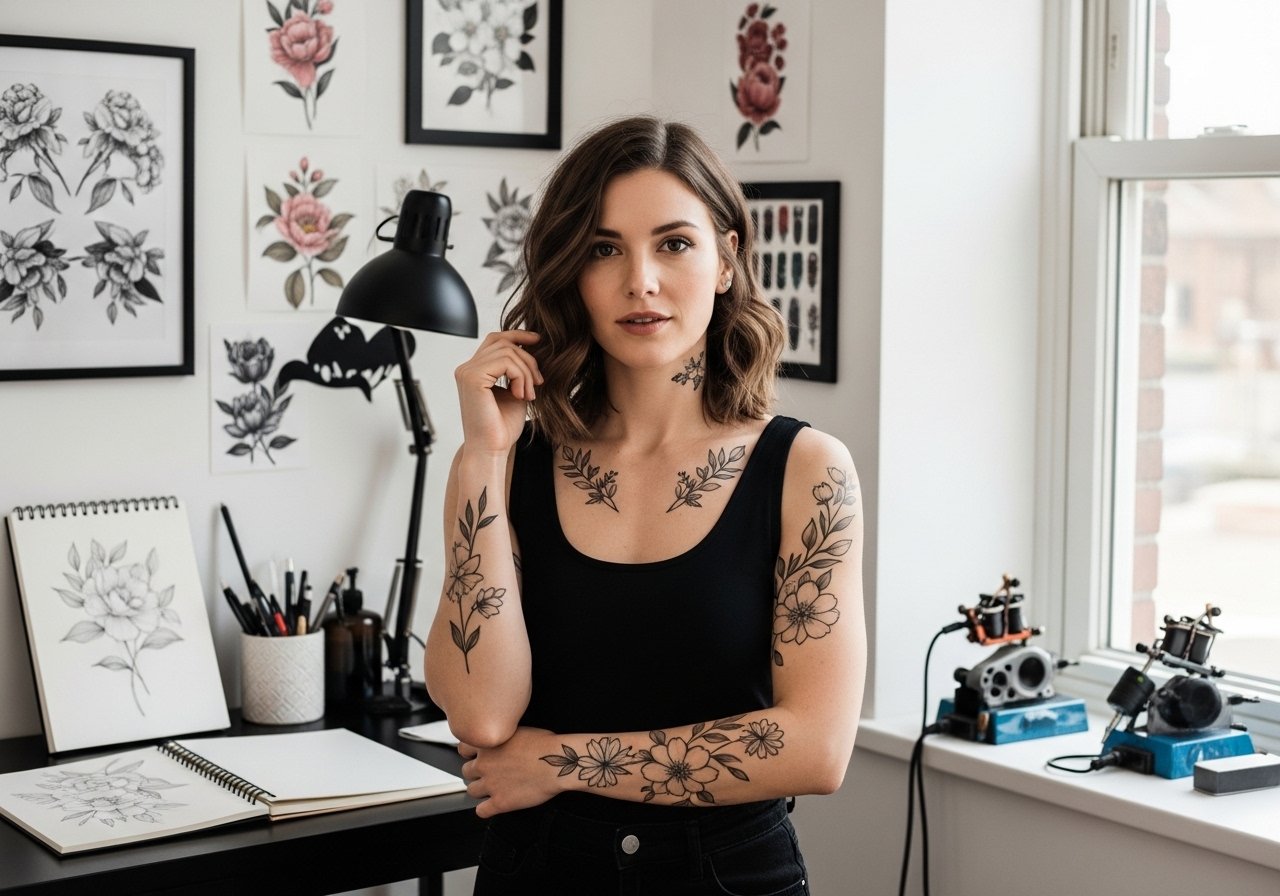
Fine line flash is everywhere right now, and the online glow does not always match the chair reality. Tiny pieces can blur faster on darker skin tones, some walk-ins end up costing more than expected, and guest spots get canceled after deposits. If you want small, smart work that still reads well at year three, start here with what to ask, which placements age best, and how to show them off.
1. Single-Line Wave on Inner Forearm
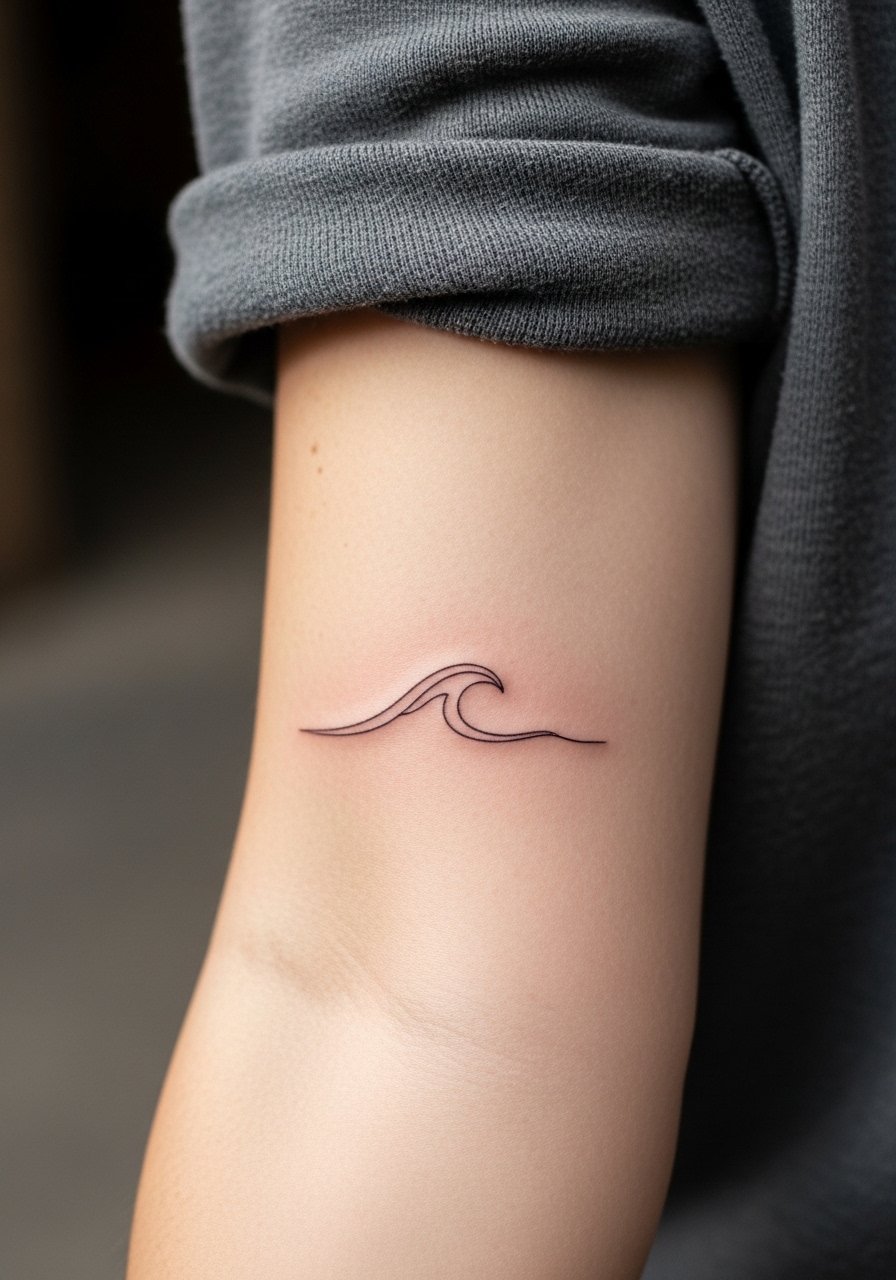
I recommend the single-line wave when you want motion without fuss. I've seen this hold up best when artists use a confident single needle stroke and avoid unnecessary dot shading nearby. In consults tell your artist you want one continuous stroke with slightly heavier line weight at the crest so it reads after healing. Mistakes happen when people request the tiniest possible scale; the wave needs room to breathe or it will soften into a blur at year two. Expect low pain, a quick 20-40 minute session, and a touch-up at year one if you live in a sunny climate. For showing it off, layer a thin silver chain bracelet on the opposite wrist and wear a linen tank top with rolled sleeves.
2. Minimalist Triangle Outline on Inner Forearm
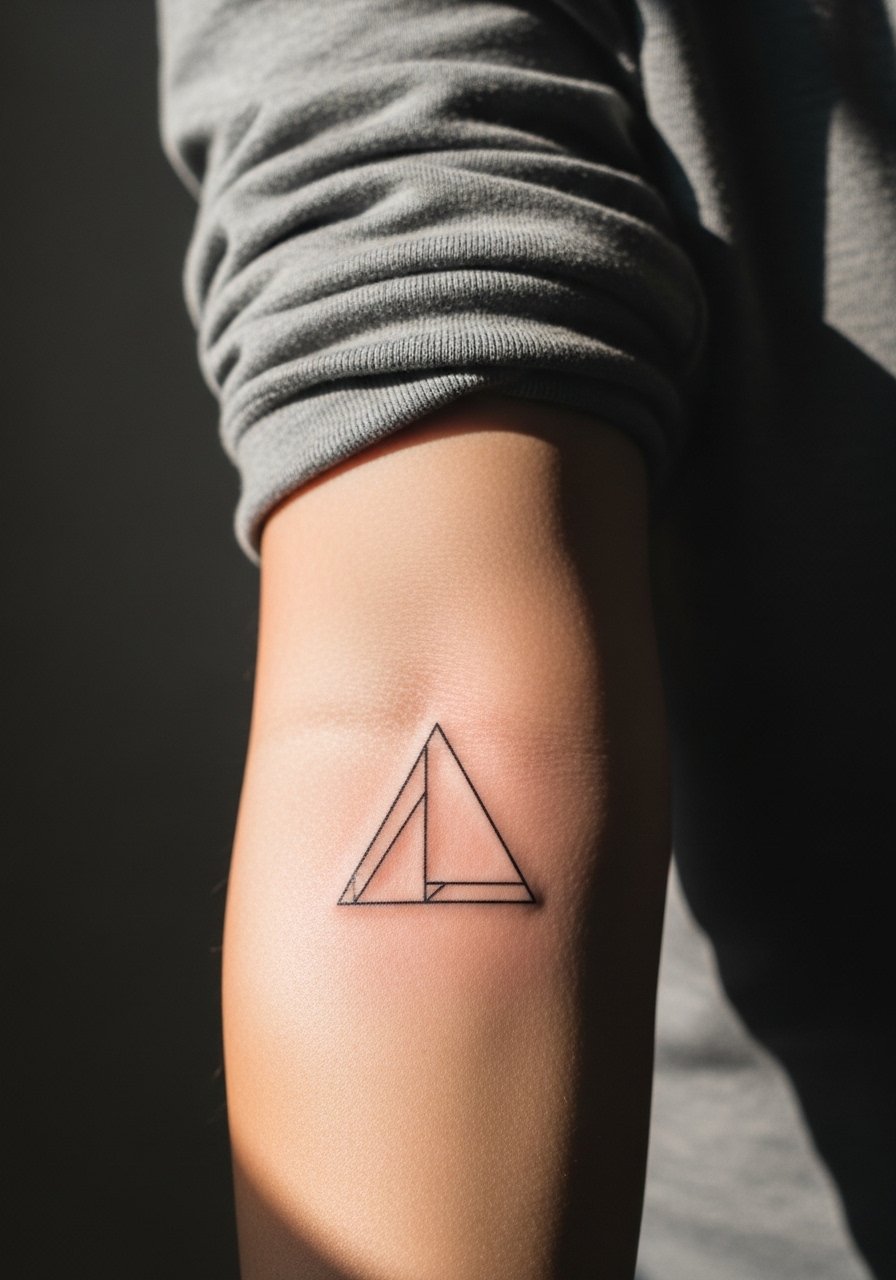
The small triangle reads as composed and modern when done at about one inch across. The consultation note to give is exact line weight reference, not just "make it thin." A common mistake is compressing too many intersecting lines into a tiny space. That causes merging after healing. On medium skin tones this style can be underrated unless the artist goes slightly bolder with line thickness. The session is short and low pain. Roll the cuff of a linen button down shirt when you want to frame it, and wear a loose short-sleeve top for the appointment.
3. Dotted Moon Phase Arc on Shoulder
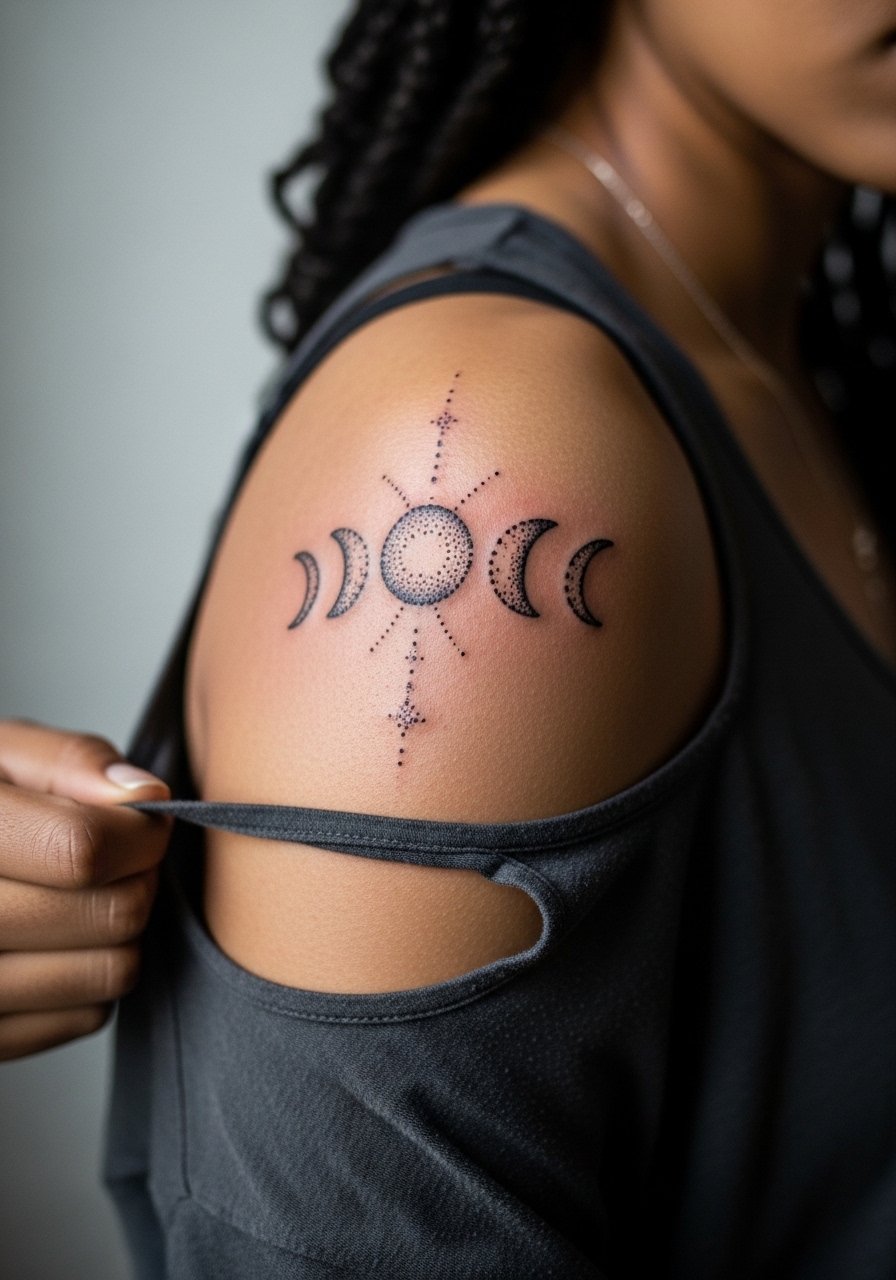
Most people pick the moon arc for a subtle celestial nod that scales well. Tell the artist you prefer dotwork spacing, not a filled solid, so the negative skin crescent stays visible as it heals. Artists split on whether dotwork needs heavier dots for dark skin or not. One camp says denser dots hold better on darker tones. The other camp argues careful spacing and depth work just as well. Ask your artist which approach they use. Shoulder placement means low touch-up risk and comfortable session wear. Pair the piece with a sleeveless fitted tee when you want it visible.
4. Single Needle Arrow with Tail on Outer Wrist
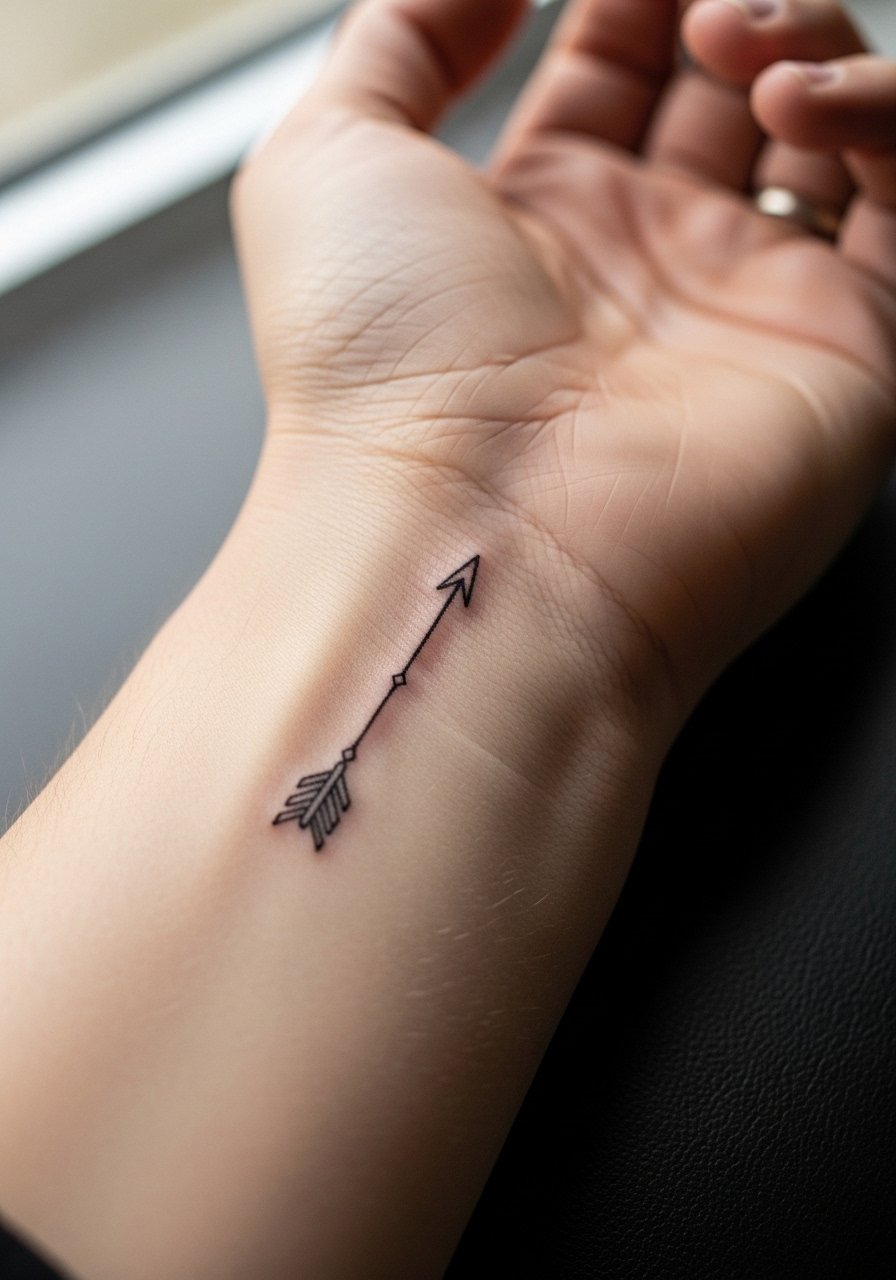
The arrow reads as direction that still looks understated. Tell your artist during the consult you want the tail to taper, not a cluster of micro dots, to avoid early feathering. The wrist moves constantly so blowout risk is higher than on forearms. Expect a sharp first-month look and potential softening around month six if you wash hands frequently. Session time is short but the spot stings more than the forearm. Show it off with a dainty bracelet stack and wear a sleeveless tee to keep the area accessible during the appointment.
5. Outline Heart with Negative Space on Inner Bicep
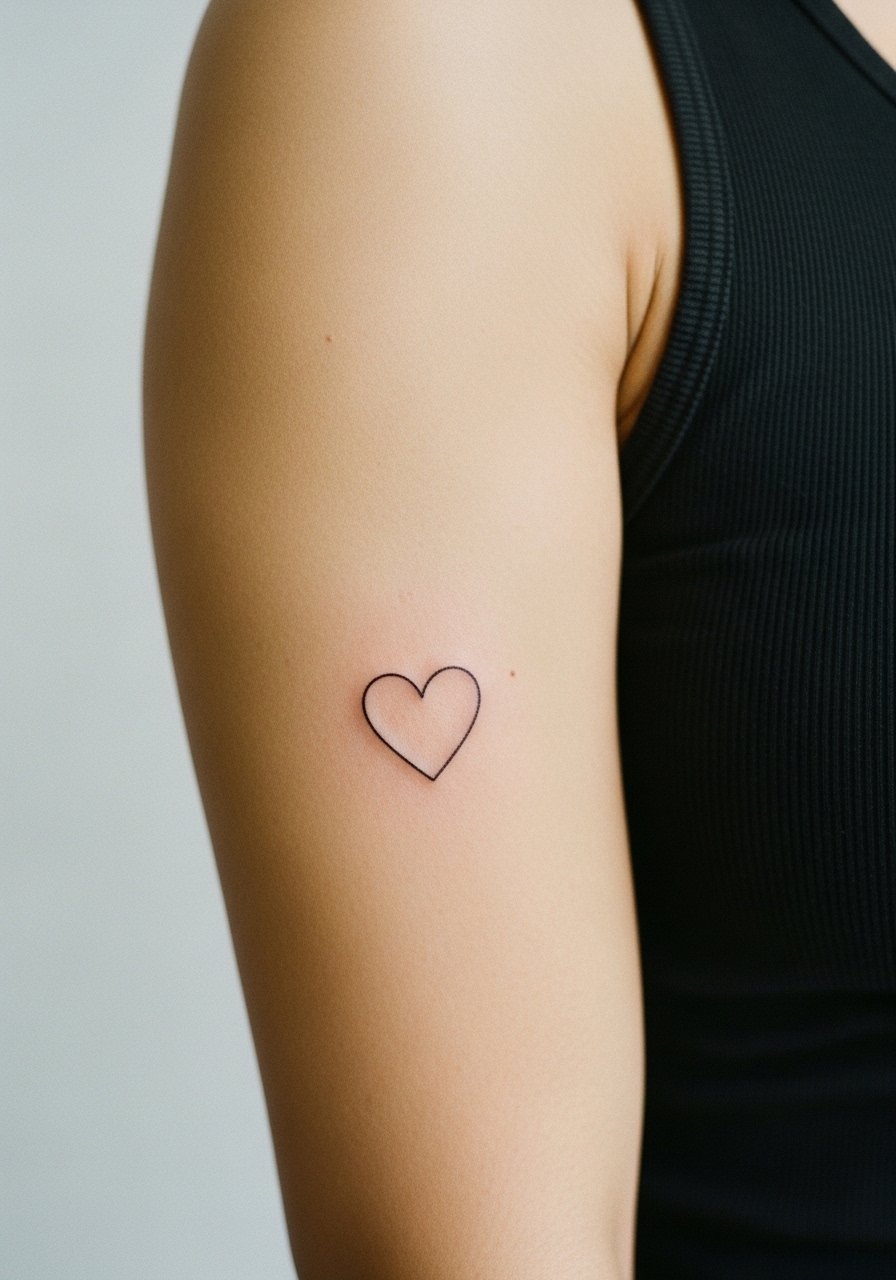
Inner bicep is a tactile area that can soften faster because the skin there creases. I tell people to size the heart slightly larger than they imagine so the negative inner shape stays clean at year two. The common mistake is requesting a wafer-thin outline that the skin cannot hold. Pain is moderate because of sensitivity. This placement benefits from a one-year touch-up if you want crisp contrast. For the session wear a tank top so the artist can lift the sleeve easily.
6. Fine Line Feather at Ankle
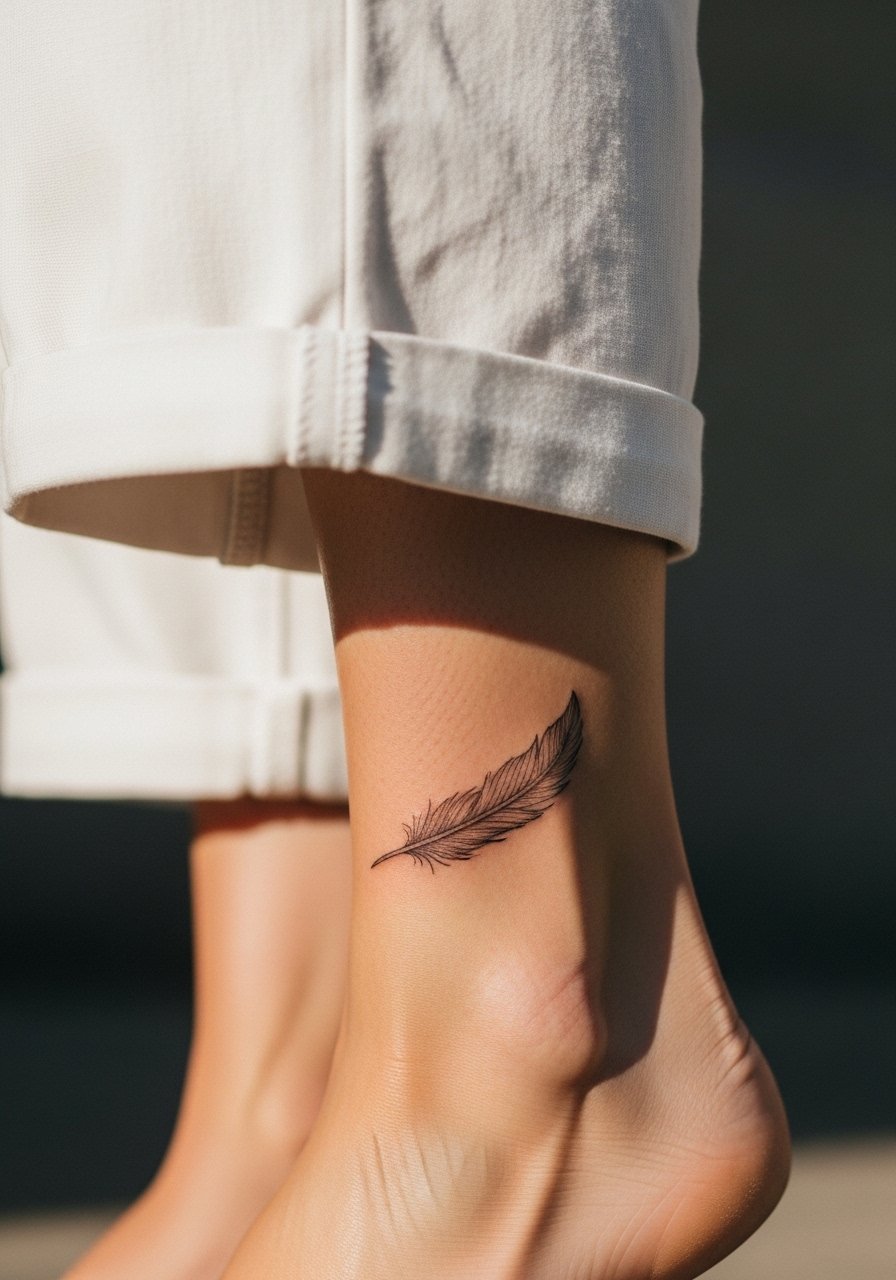
Feathers are classic flash because they translate well to flow and length. On the ankle the feather needs a single confident stroke and minimal filler dots. A mistake is adding tiny stipple shading that breaks during early movement. Ankle flesh and boots can rub the area, so expect some initial scabbing if friction is high. Session time is brief and the area can feel bony. For showing it off, pair with strappy flat sandals and wide-leg cropped pants. For the appointment wear loose joggers or shorts so the leg can be elevated comfortably.
Studio Day Picks
Those wrist and ankle pieces above heal differently from collarbone and inner bicep work, so a few small items smooth the session and the first week.
-
Indie thin healing ointment. A thinner line-friendly balm that artists recommend when fine line work needs moisture without clogging tiny channels.
-
Custom flash printable sheet kit. Print your chosen sheet to test scale on skin and check how negative space looks before the needle hits.
-
Single-needle aftercare spray. A light spray that dries faster than thick balms, useful for wrist and finger pieces where excess product can smear.
-
Fragrance-free gentle body wash. Keeps the healing area clean without irritating the fragile linework on collarbone and inner arm pieces.
-
Aquaphor healing ointment. A thin application in the first days can protect fine line tattoos from drying out during sleep and friction.
7. Thin Line Constellation Cluster on Shoulder Blade
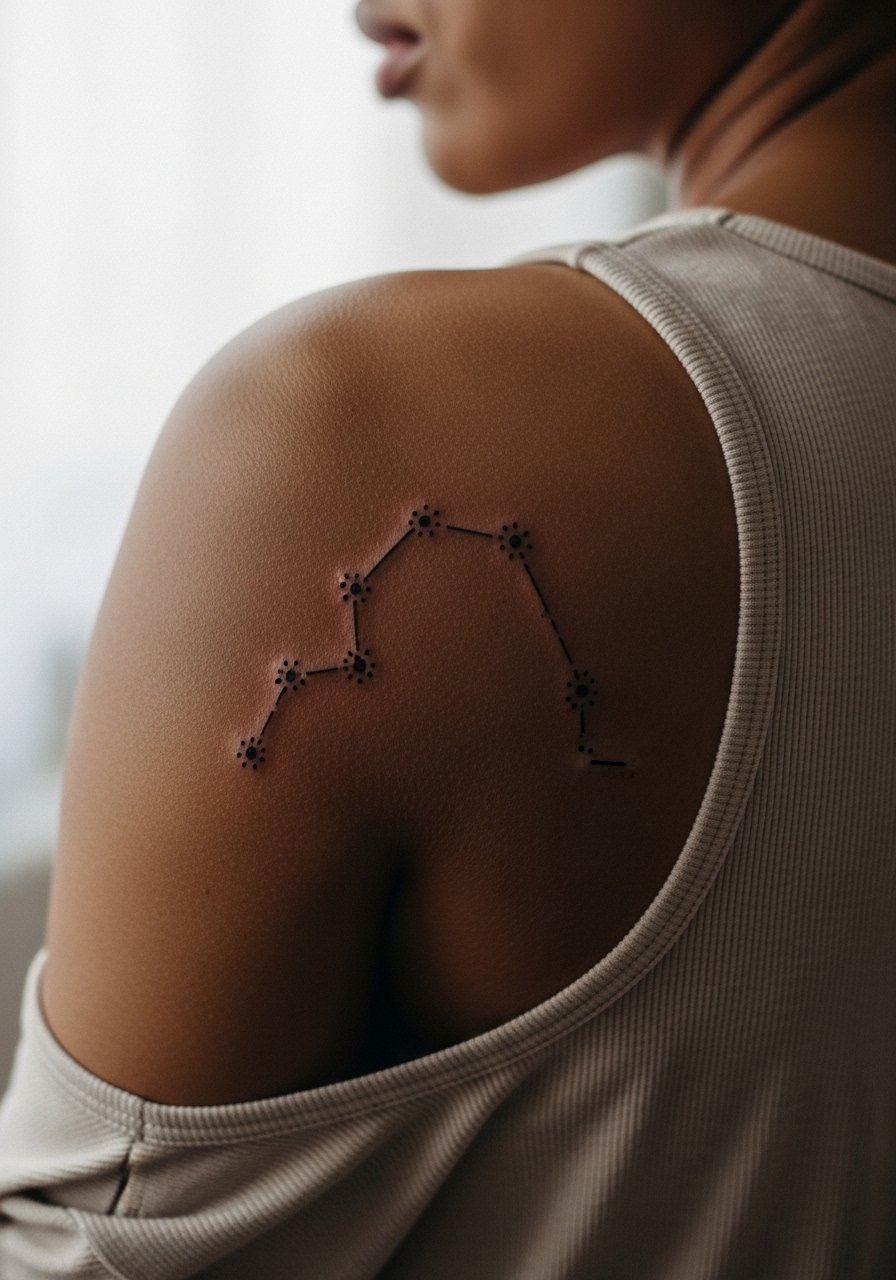
The constellation cluster works because the dots and short lines mimic star spacing. Tell your artist you want stars spaced out rather than jammed together. A common error is cramming three to five tiny stars into a tiny square. On the shoulder blade the skin is stable, so this placement has good longevity compared with hands or wrists. Session is comfortable and the area tolerates slightly denser dotwork if you want contrast. Pair it with a leather jacket slung over a sleeveless tee for a night look that frames the shoulder blade.
8. Negative Space Mountain Peak on Calf
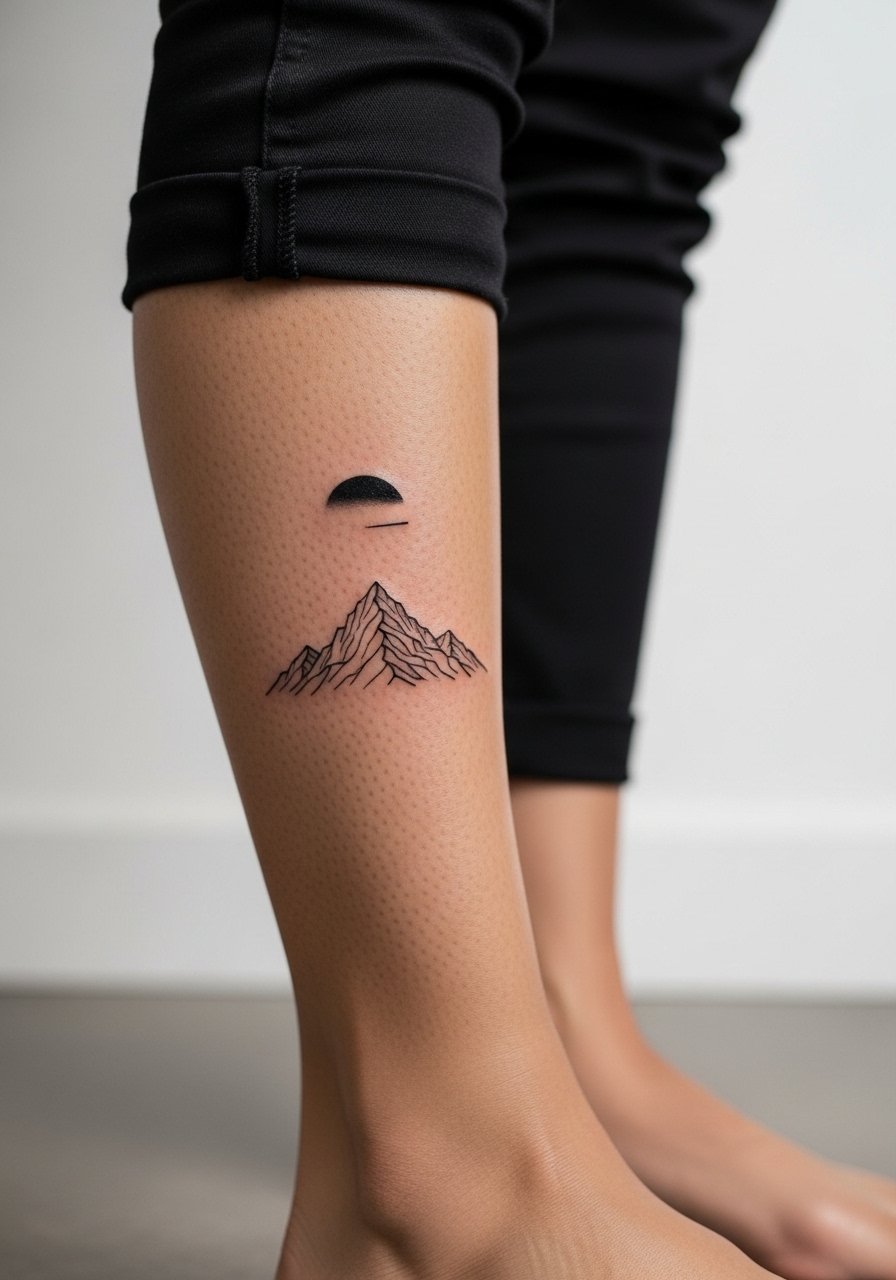
Mountains in negative space read clean on curved areas when the lines are bold enough to define the peaks. The mistake is making the outline so thin that the skin tone inside fades into the line after healing. Calf placement sees less daily friction than ankles and holds linework well over five years. Sessions are easy and often done seated. Show it off with slim ankle pants rolled up and canvas sneakers for a casual reveal.
9. Single Stroke Leaf Outline on Inner Wrist
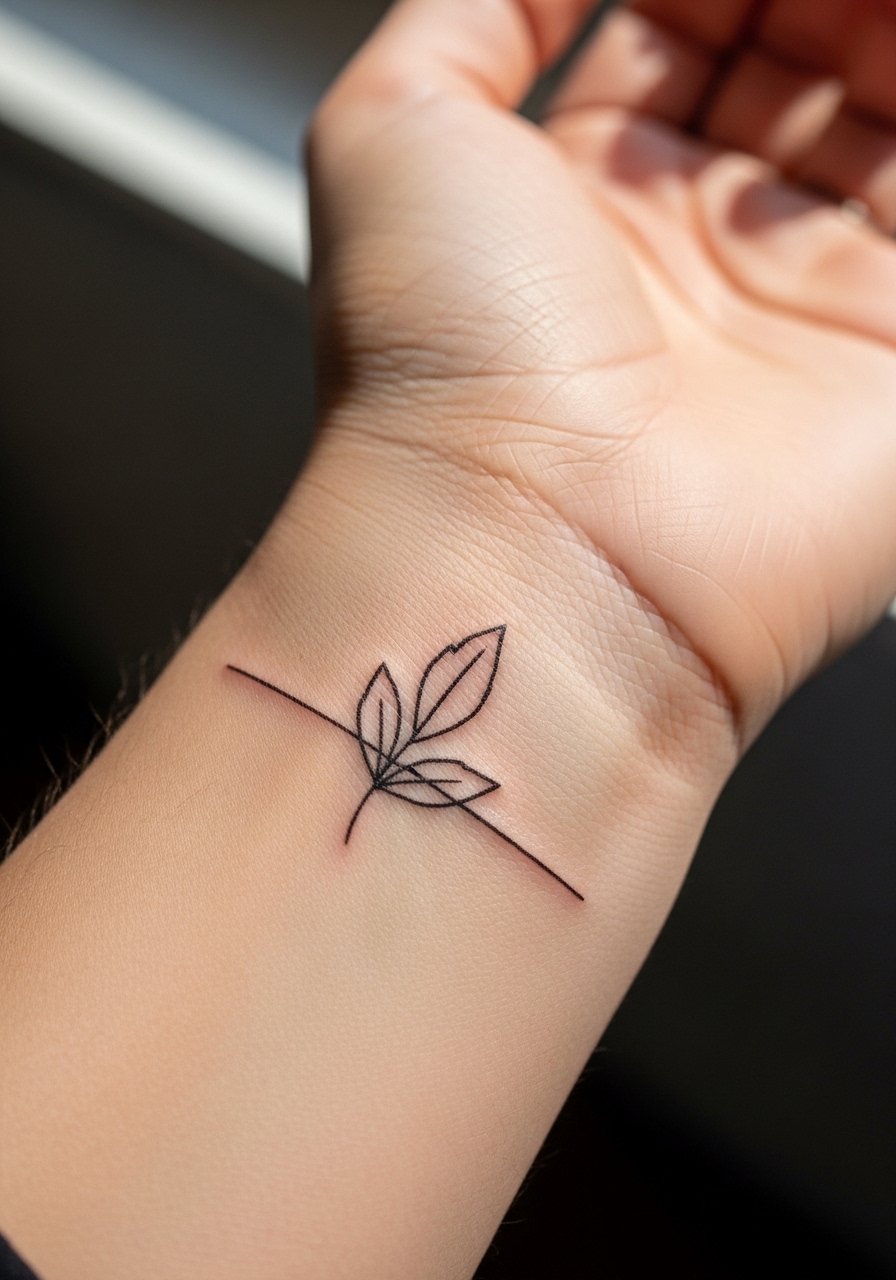
A one-stroke leaf is an elegant option for wrists but it needs slightly more line weight than you might assume. The classic mistake is requesting a wafer-thin contour that vanishes after a few months. Tell your artist to prioritize a steady single needle stroke with modest depth. Wrist tattoos face constant washing and sunlight exposure, so expect a touch-up at year two if you wear sunscreen inconsistently. Pain is mild. Style it with a thin chain pendant layered below the wrist for balance or keep bracelets minimal.
10. Dainty Bird Silhouette on Collarbone
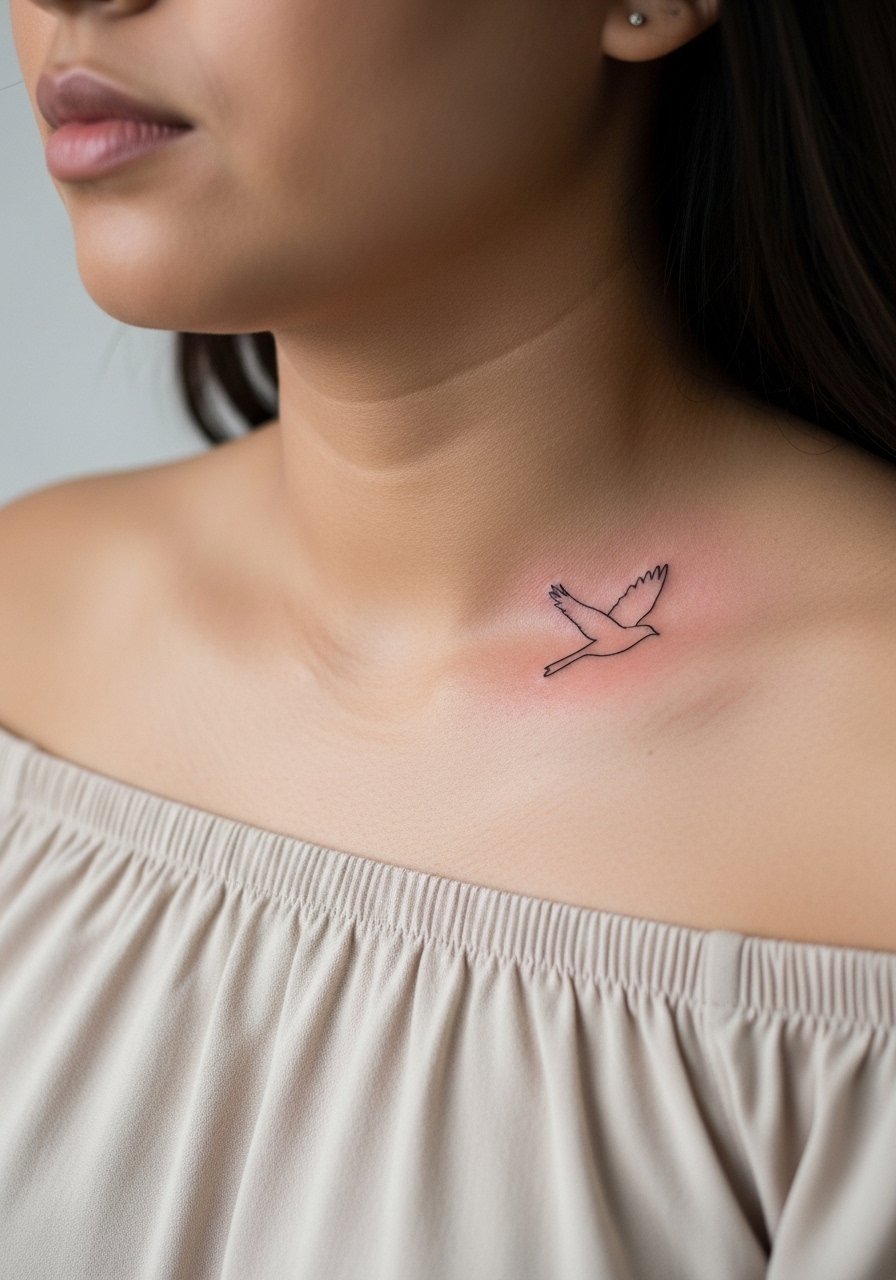
Most collarbone birds look great when the wings have a single confident curve and the body is left negative. Ask your artist to avoid extra hatch shading near the wing tips because that area can blur under clothing friction. The collarbone can be more tender during the session but it is visually prominent. Wear an off-shoulder blouse to show it off and bring a strapless or easy-button shirt for the appointment so the chest is accessible.
11. Infinity Loop with Dot Accent on Finger
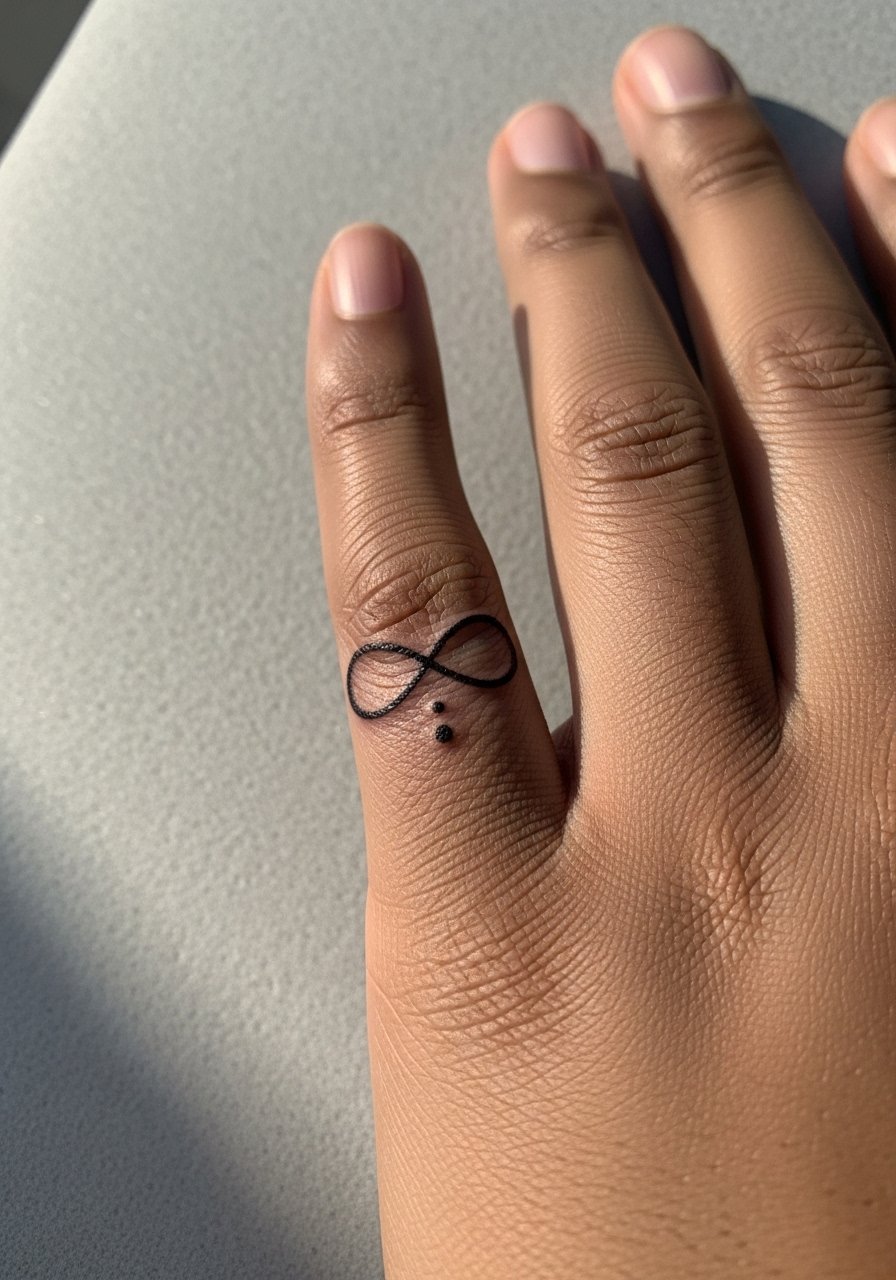
Finger work is high-risk for wear because skin thickness and constant use affect saturation. The infinity loop is tiny and attractive, but expect more frequent touch-ups than forearm work. A common error is choosing an exact finger without testing with a temporary first. Try a henna or sticker mock-up for a week. Finger sessions feel sharp and brief. Keep expectations realistic about longevity. Avoid stacking rings that sit directly over the tattoo during the first six weeks.
12. Outline Succulent on Inner Forearm
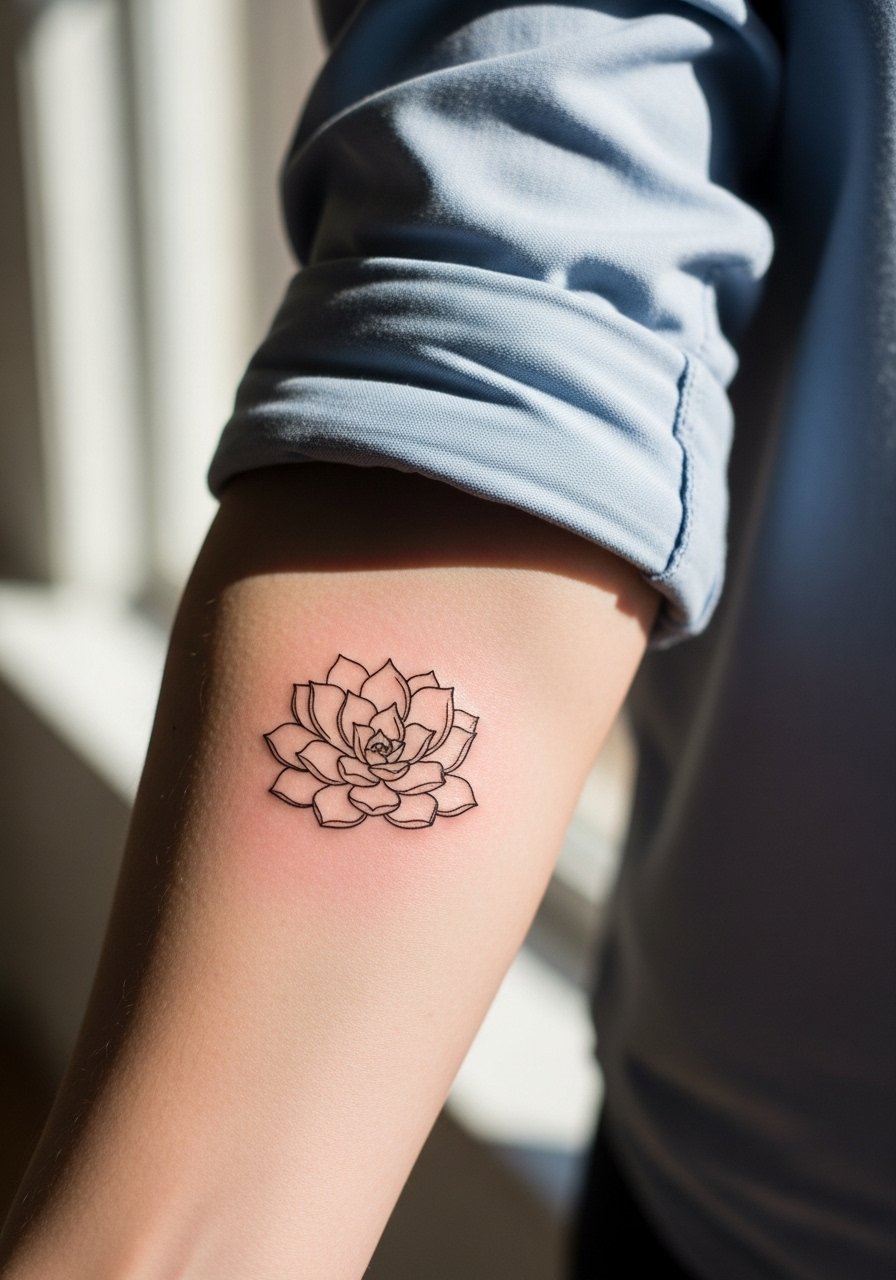
Succulents are great for forearms because the shapes scale gracefully. Tell your artist you want crisp negative space between leaves rather than tiny internal shading. The biggest mistake is compressing leaf details too small. Forearm skin holds fine line well, and this placement gives options for later additions if you want a larger piece. Pair with a rolled cuff button-down shirt or an olive chino for a minimalist look. Session time is moderate and pain is low.
13. Thin Line Wave Crest on Ankle
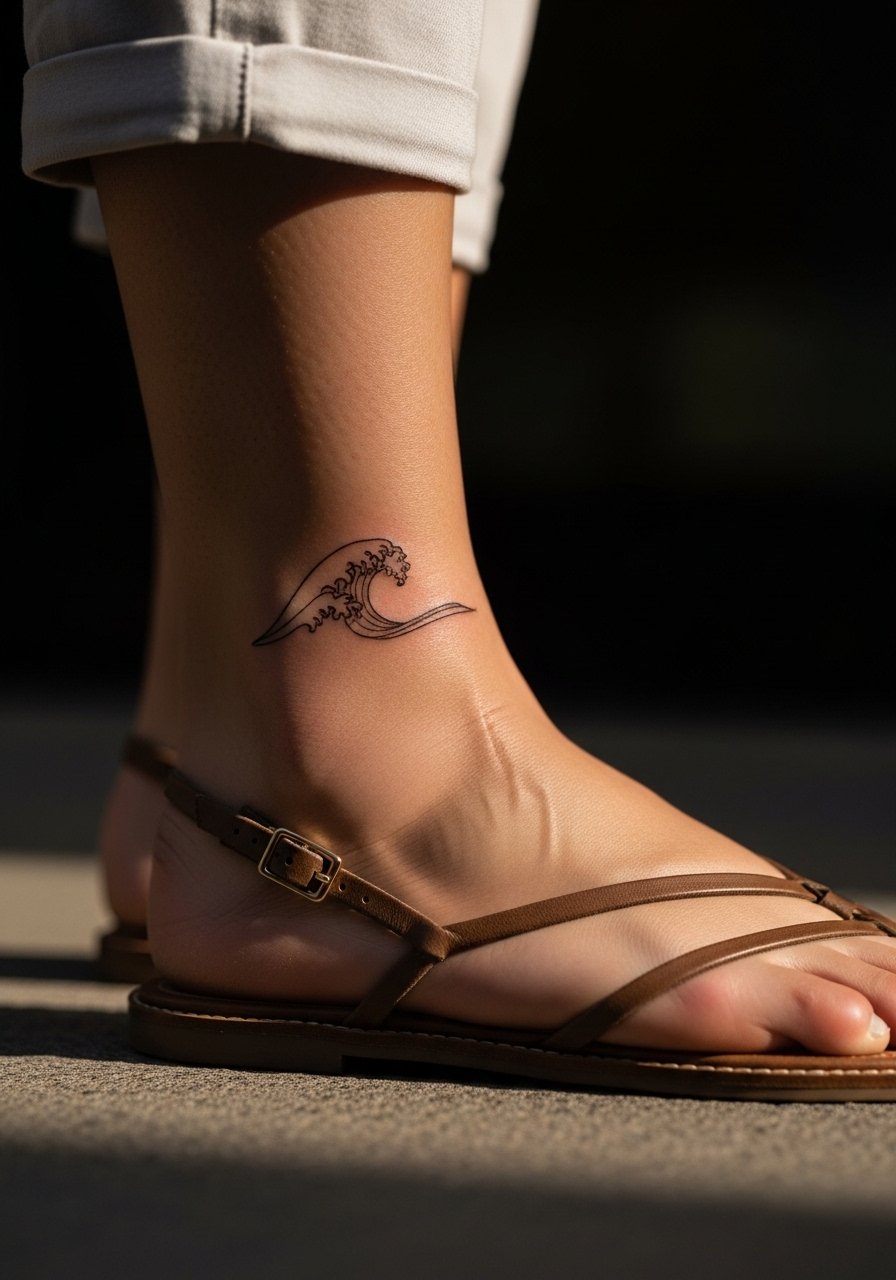
A crest that follows the ankle curve reads like motion and works best when the artist accounts for the bone contour. Ankle tattoos face friction from socks and shoes, so wear loose footwear for the first week. The mistake is placing the wave too close to the shoe line. An extra touch-up is common for ankle fine line pieces. For a summer reveal, combine it with wide-leg cropped pants and strappy sandals.
14. Micro Compass on Upper Thigh
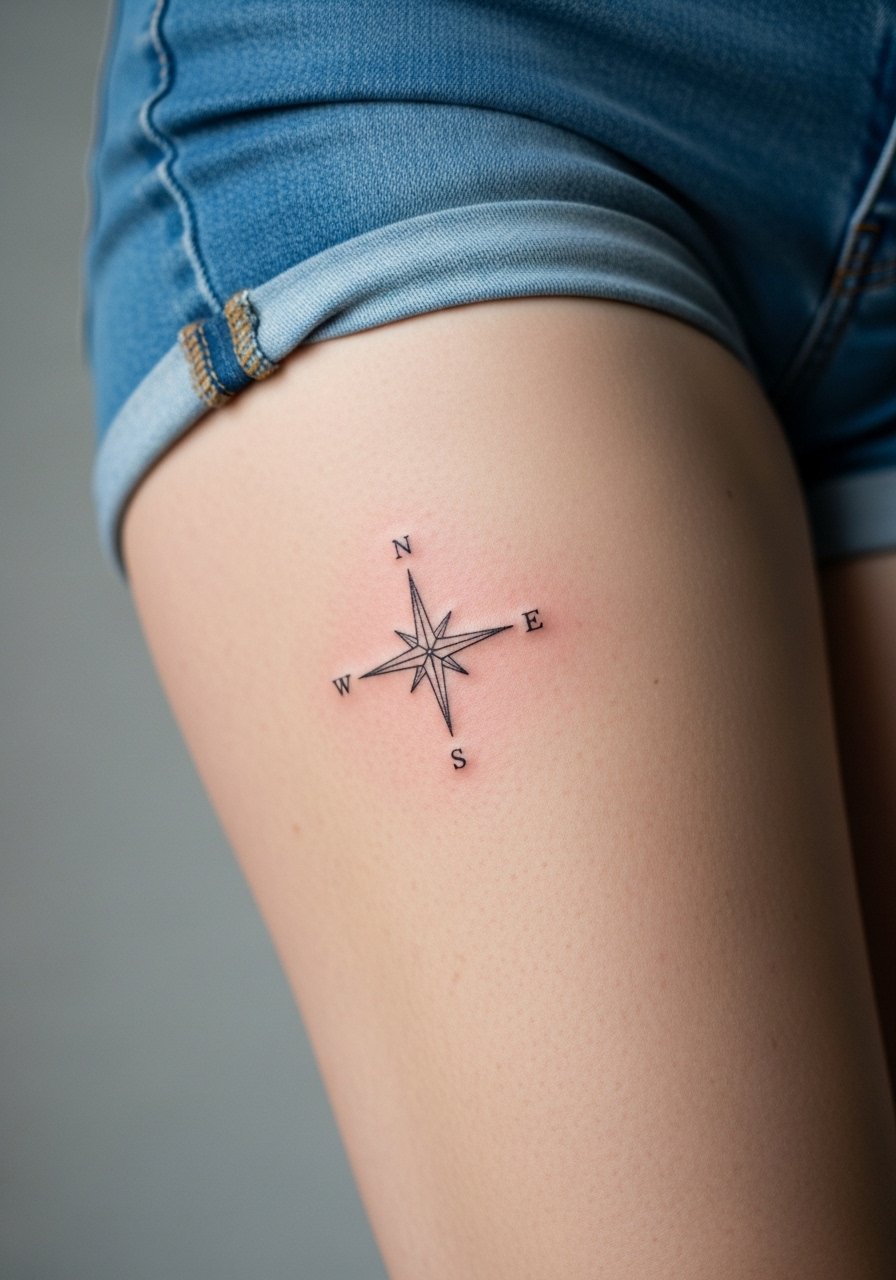
Thigh flesh usually holds detail well because it is less exposed to daily wear. A micro compass benefits from clear cardinal points and a small central dot. The common mistake is adding tiny arrows that merge after healing. The session feels cushioned and tolerable. Wear loose shorts for the appointment so the artist can access the area without pressure. For showing it off later, pair with high-waisted shorts that sit below the piece.
15. Single-Line Continuous Face Contour on Neck
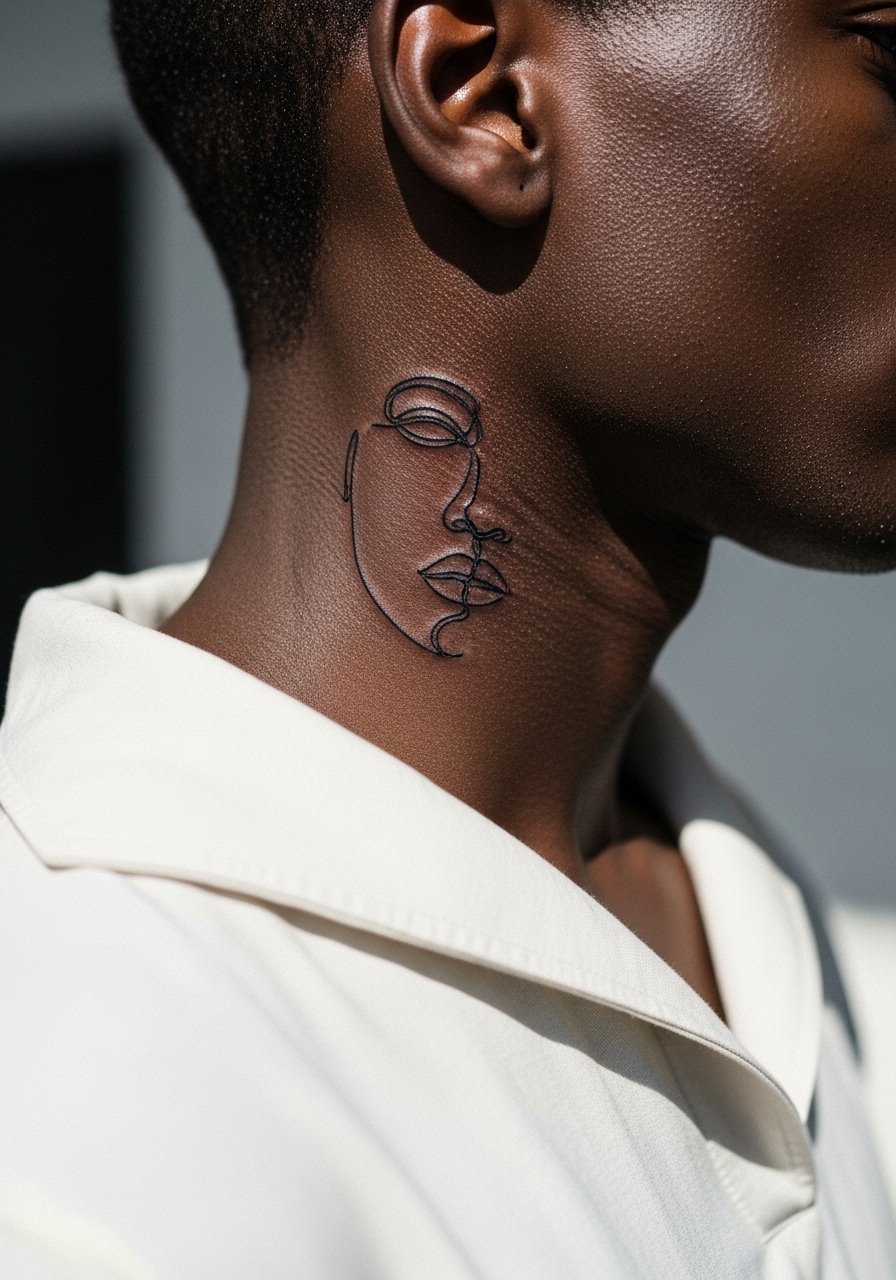
Neck tattoos require careful conversation because the skin there moves and stretches. This single-line face works when scaled to more than one inch so the contour holds. The two camps about fine line longevity apply here as well. One group says neck skin blurs faster and needs bolder lines. The other group says good spacing and depth keep it crisp. Ask your artist which approach they favor. Neck sessions are more sensitive and may require shorter passes. Consider visible-career implications before you book.
16. Minimalist Paper Plane on Outer Wrist
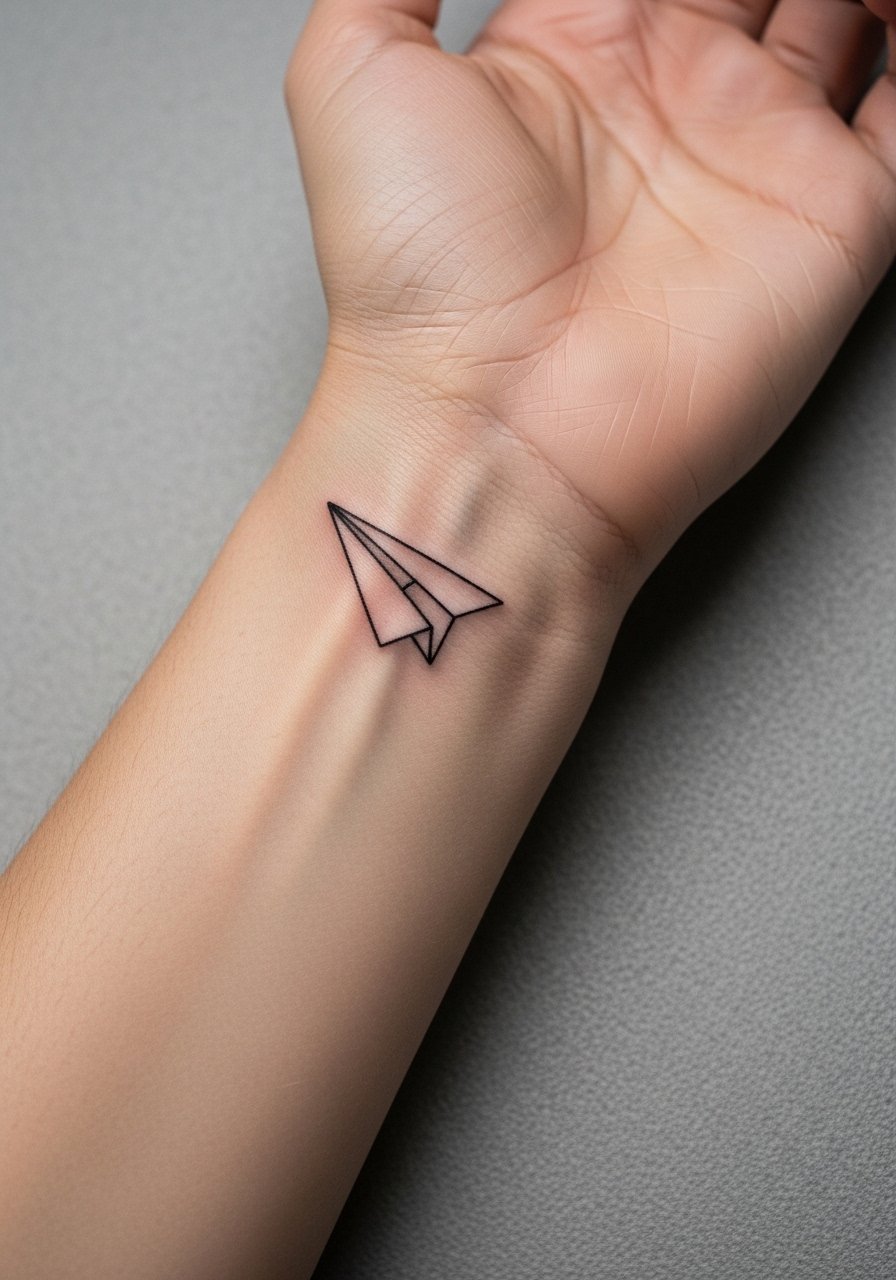
The paper plane looks playful without being childish when the lines are proportional. Avoid tiny internal folds that look busy. Wrist placement means frequent movement and regular washing, so plan for a possible touch-up at year two. Sessions are quick but stinging. For the appointment and show-off, layer a dainty bracelet and wear a sleeveless tee so the artist has clear access.
17. Tiny Planet with Ring on Behind the Ear Area
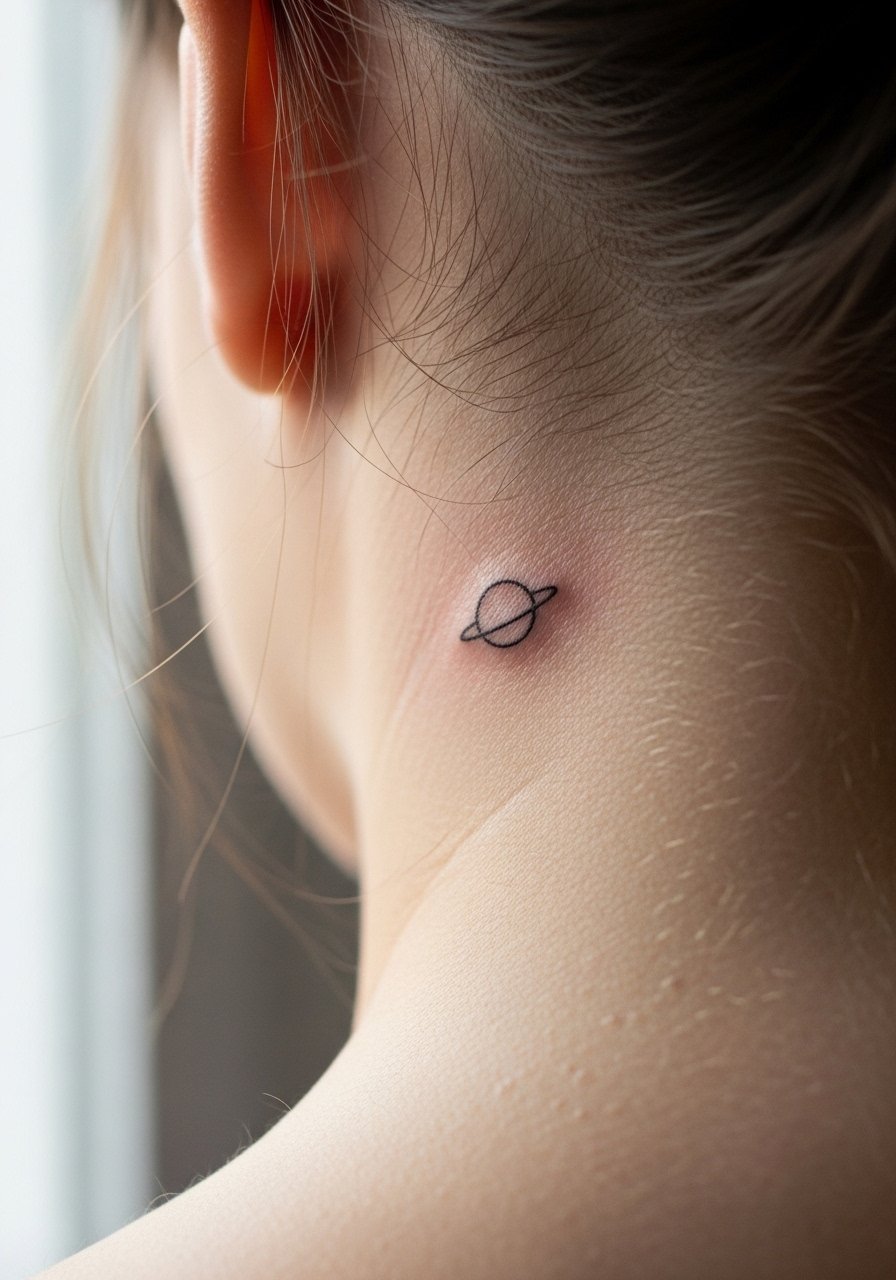
Behind-the-ear placements need a careful scale test because they sit on curved, thin skin. The tiny planet works when kept very small and simple. A typical mistake is adding too much shading which looks muddy after healing. Sessions are brief but can feel noisy due to the area. Mention in consult if you sleep on that side so the artist can plan placement. This is a discreet choice that peeks out with short hair.
18. Minimalist Anchor on Side of Foot
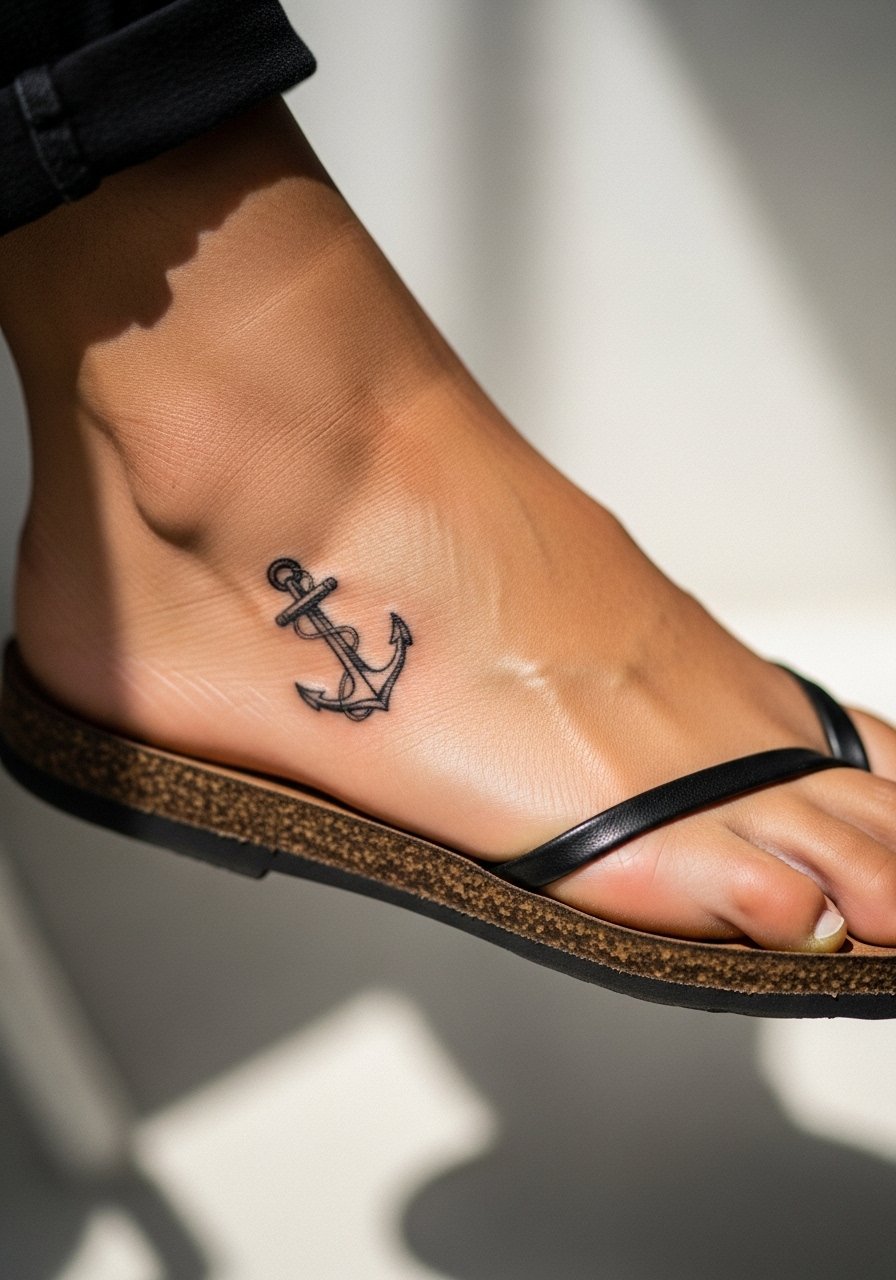
Foot tattoos see a lot of abrasion and often fade faster than arm work. Anchors need a slightly bolder outline to remain legible. The mistake is relying on very thin hairline contours. Expect slow healing and a possible touch-up after the first season. Bring footwear that does not rub the site in the week after your session.
19. Minimal Key Outline on Inner Wrist
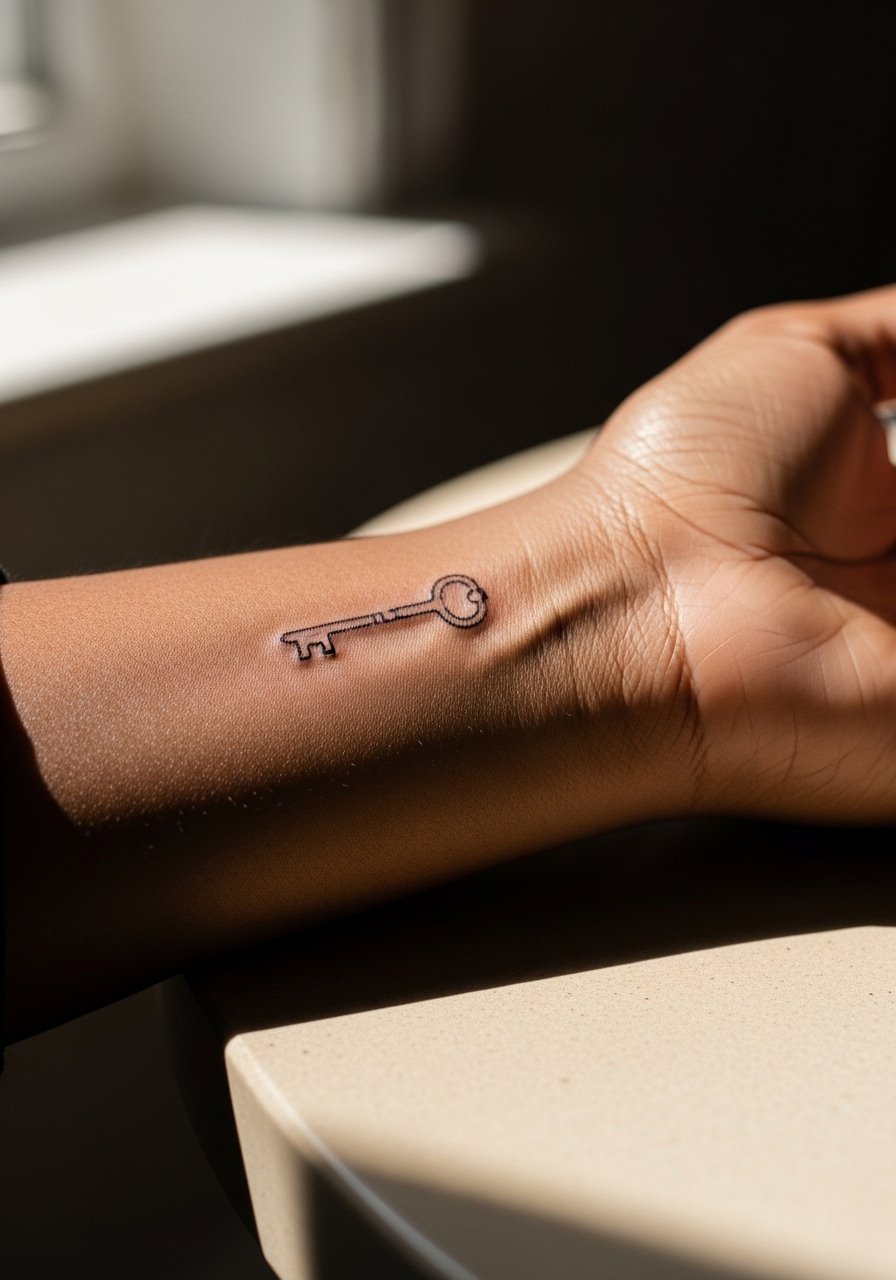
Keys are symbolic and translate well to wrist placement when kept simple. Tell the artist the exact shaft length and tooth shape you like, because tiny ornamentation blurs quickly. Wrist skin and constant movement mean a one-year check-in for touch-up is reasonable. Pain is manageable. Style it with a thin silver chain bracelet to frame the piece.
20. Minimalist Lightning Bolt on Outer Calf
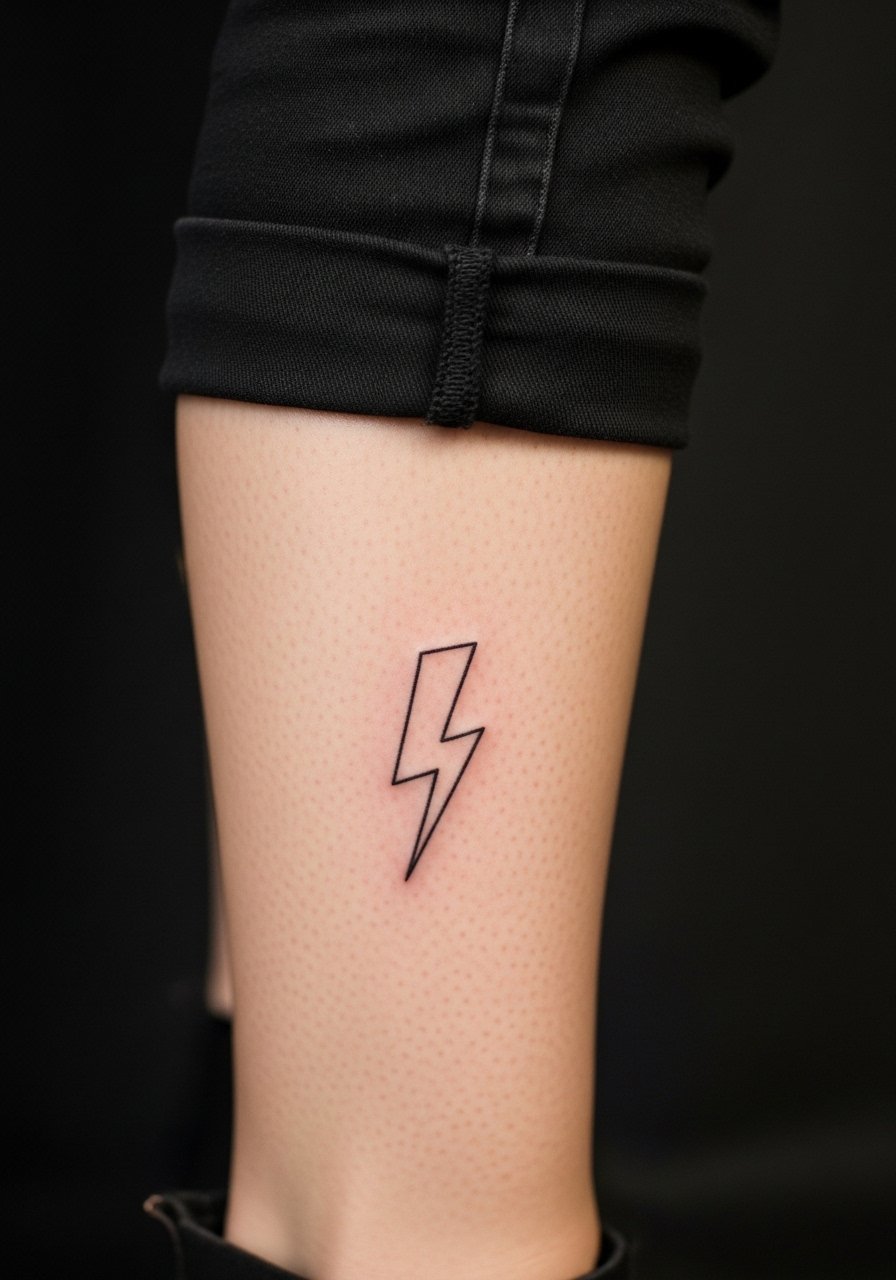
Calf pieces tolerate striking linework and keep edges crisp because the skin does not see constant flex. The lightning bolt is a one-stroke statement that rarely needs heavy touch-ups. Avoid adding tiny shading or texture that complicates healing. Sessions are quick and the area is easy to bandage. Pair with rolled ankle pants and canvas sneakers for casual days.
21. Minimal Camera Outline on Upper Arm
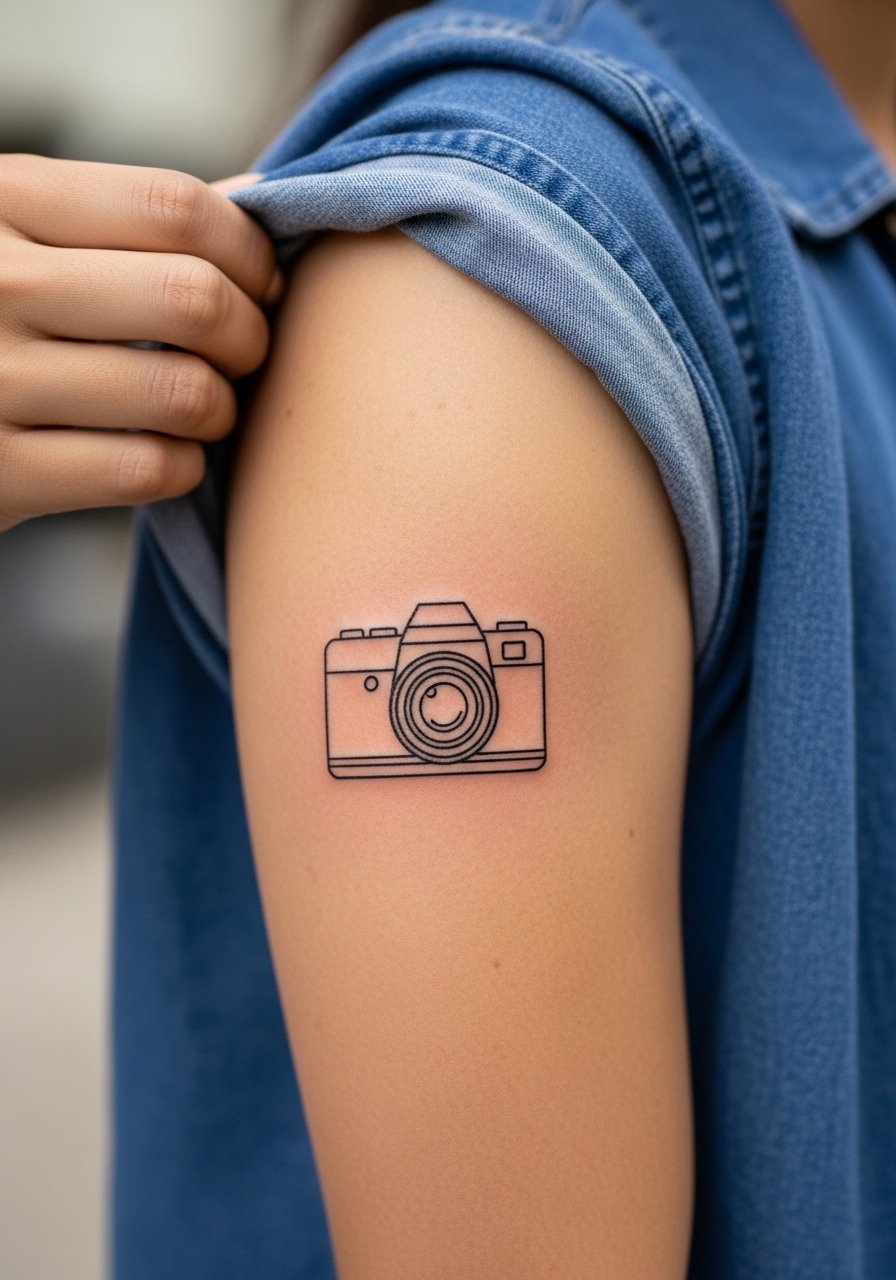
Upper arm placement is forgiving and suits slightly denser detail. A minimal camera can include a tiny lens circle and a negative space flash bar. The mistake is cramming shutter lines too small. Upper arm sessions are comfortable and tend to age well with sunscreen. For the appointment wear a loose short-sleeve shirt so the artist can roll or remove the sleeve easily.
22. Tiny Paw Print on Ankle
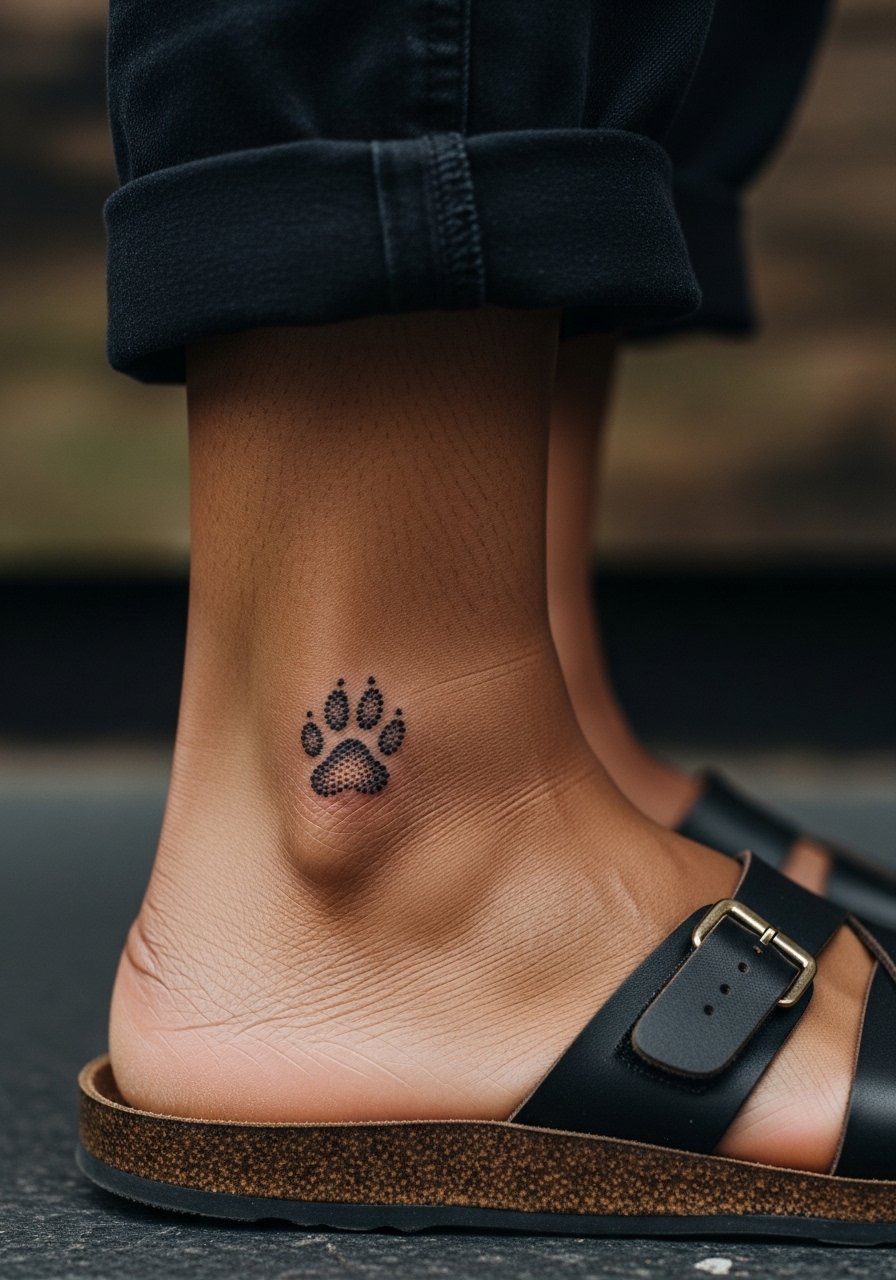
Paw prints are compact and meaningful. On the ankle be cautious with scale; too tiny and the pads merge. The ankle's exposure to footwear and movement means a touch-up could be needed within a year. Sessions are quick. For the reveal wear strappy flat sandals and bring loose pants to the appointment.
23. Minimal Raindrop Cluster on Back of Neck
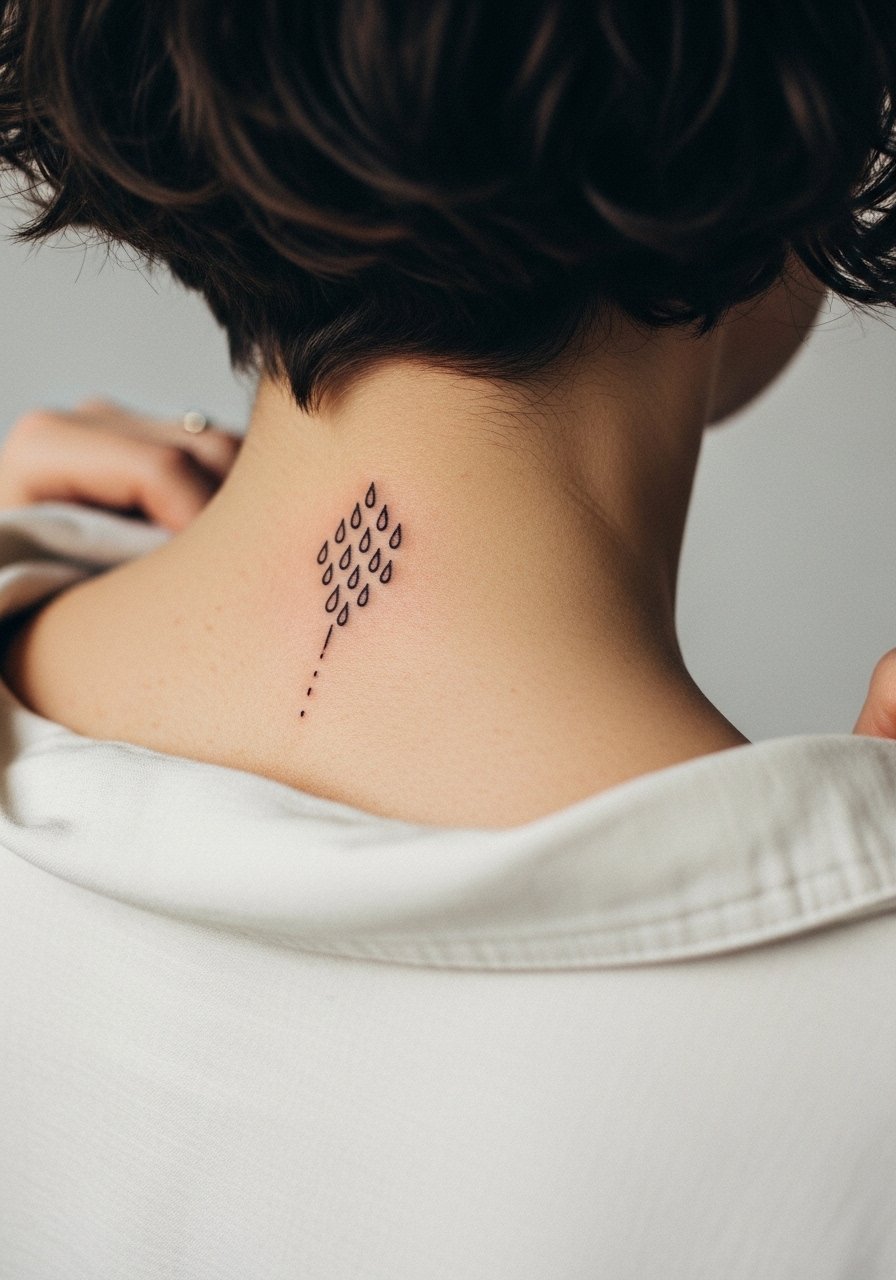
Back of neck pieces are discreet and suit simple vertical clusters. Ask your artist to space drops to avoid merging into a streak after a year. The area is sensitive to sun, so be ready to protect it. Sessions can be quick and sensitive depending on hairline proximity. Consider hair length and neckline in daily life before committing.
24. Micro Paw or Animal Silhouette on Ribcage
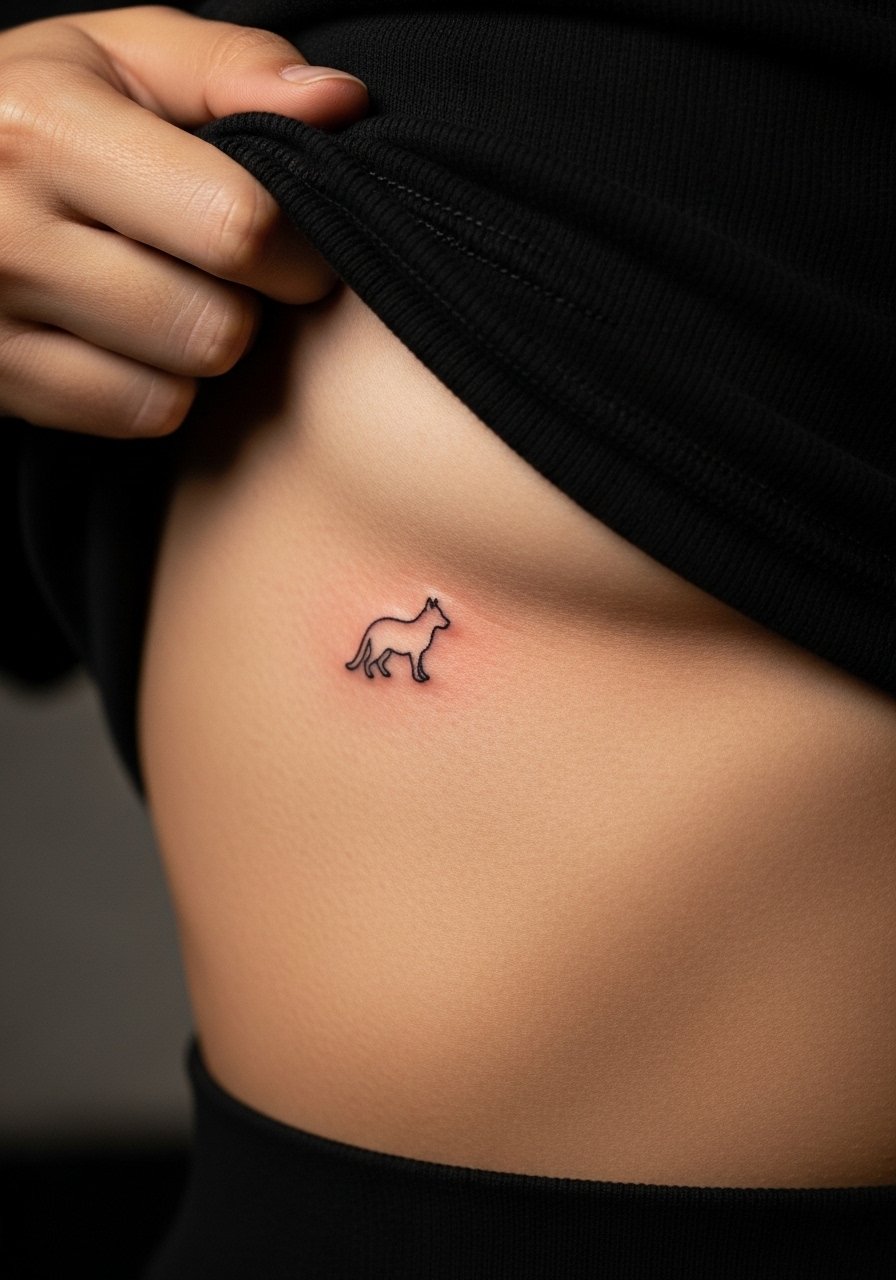
Ribcage is notorious for sensitivity and movement. Fine line silhouettes can look beautiful but are at higher risk of blurring due to skin stretch. Two camps exist about fine line on ribs. One argues the skin there stretches and blurs within two years. The other says with correct needle depth and spacing fine line can settle fine. Ask your artist which camp their technique aligns with before booking. Sessions are more painful but the canvas rewards careful work.
25. Minimalist Barcode-Like Line Stack on Outer Wrist
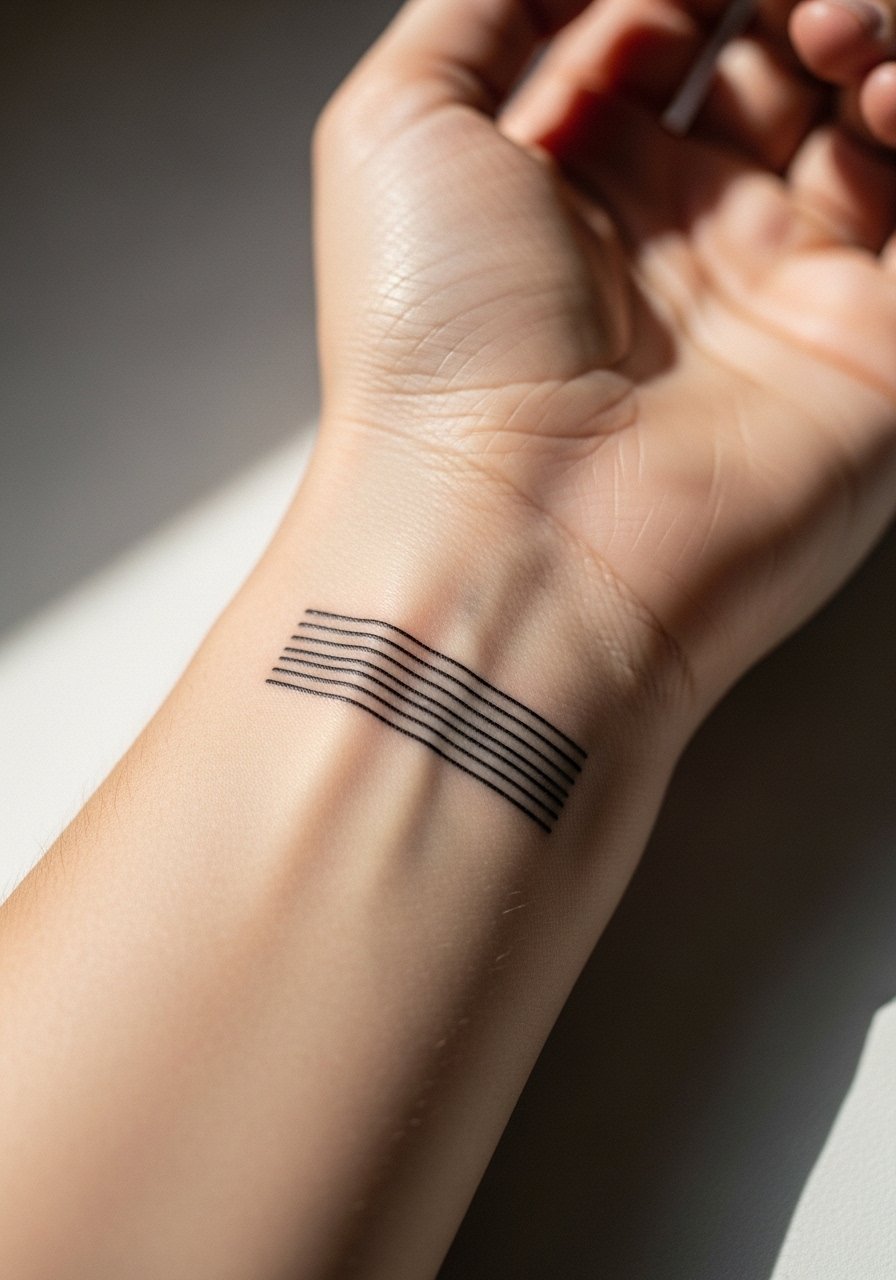
Parallel-line stacks read graphic and ordered, but the spacing must be deliberate. The common mistake is creating lines too close together which merge into a single band. On the wrist this design must allow gap equal to the line thickness. Washing and typing will test it, so expect a one-year touch-up for sharp contrast. Session time is short. Pair with a dainty bracelet stack to keep attention balanced.
26. Tiny Script Word Under Collarbone
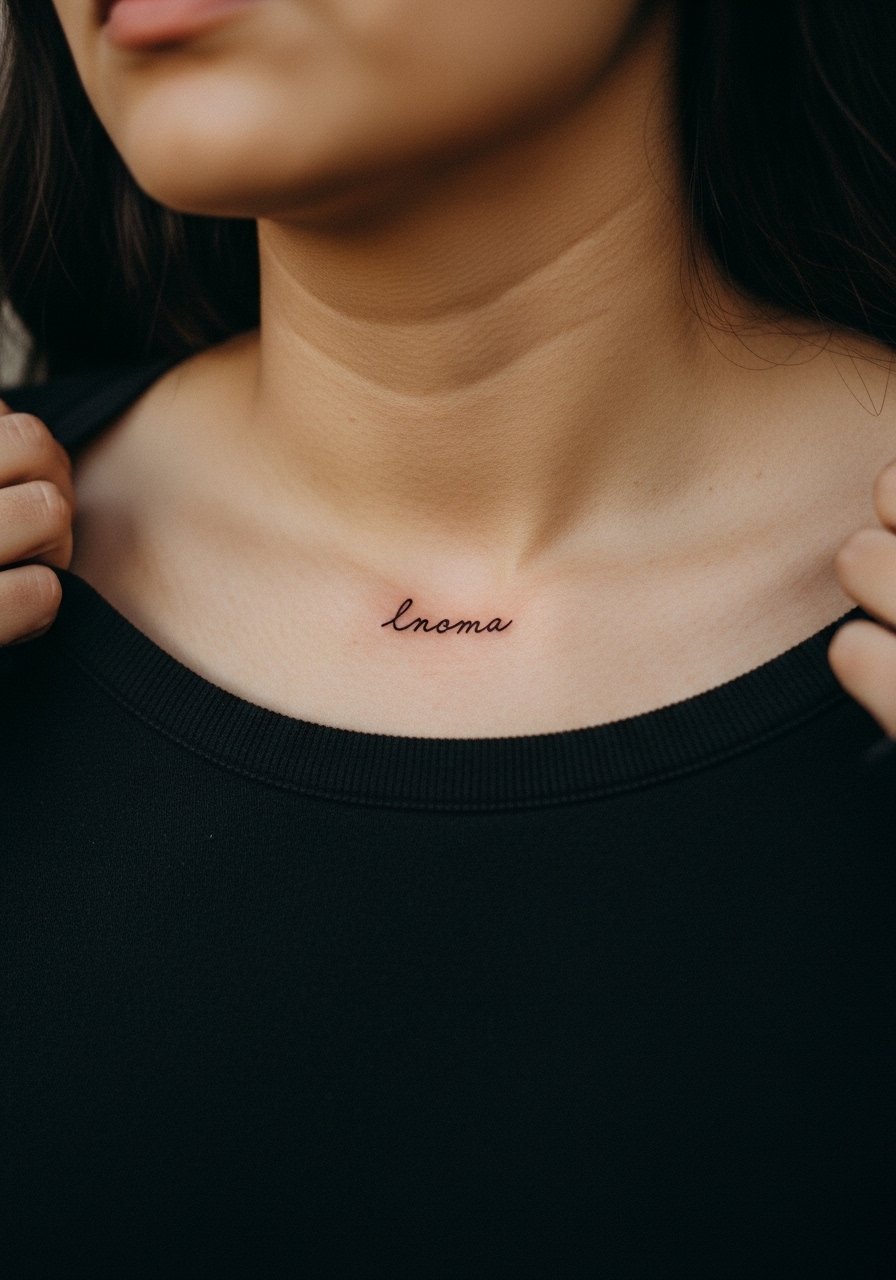
Script under the collarbone should use a simple, legible font and avoid tiny flourishes. The mistake is choosing micro cursive that becomes unreadable after a few years. Collarbone scripts need confident line weight and space above the clavicle so necklace chains do not rub directly on the letters. Session pain varies but is usually moderate. For showing it off stack thin gold necklaces below the script.
27. Minimalist Rose Outline on Outer Calf
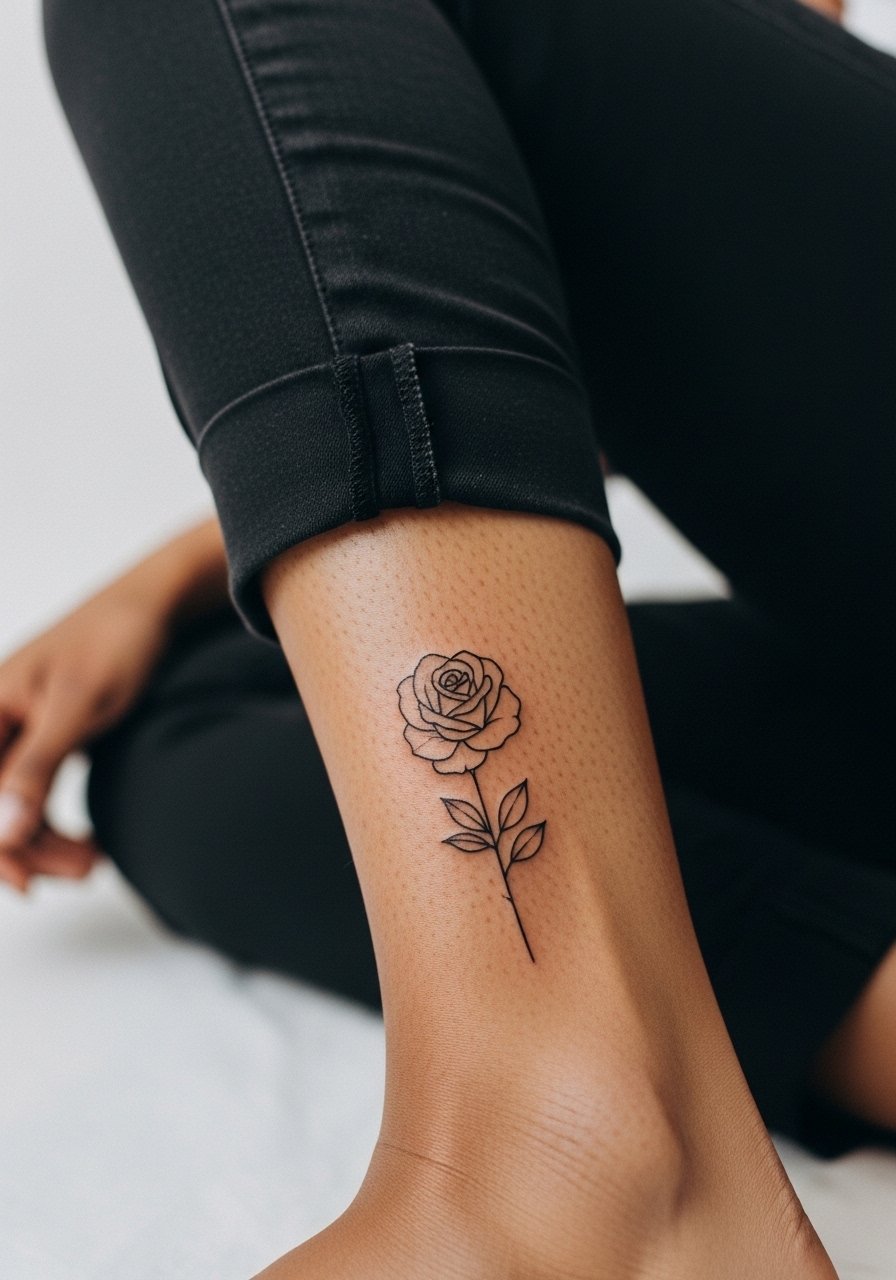
A rose outline can be pared back to a few petals and a stem for longevity. The common error is over-detailing petals at a small scale which merges in healing. Calf placement gives space for slightly larger scale and better long-term clarity. Sessions are comfortable and the area accepts slightly denser outlines. For a casual reveal pair with rolled slim pants and canvas sneakers.
Frequently Asked Questions
Q: Do fine line tattoos fade faster on darker skin tones?
A: In my experience they can if the line weight is too light. One group of artists recommends slightly denser single-needle work for darker tones so the contrast lasts. The other group says technique and depth, not skin tone, are the deciding factors. Ask a pro who has healed examples on similar skin tones before booking.
Q: What should I say in a consultation to avoid paying too much for a tiny flash piece?
A: Ask for flat flash pricing for your specific size and placement and confirm whether the price includes touch-ups. Request the artist draw the piece at actual size on skin so you can confirm scale. That usually prevents surprise hourly charges.
Q: How do ankle and wrist placements differ in healing and care?
A: Wrists see constant washing and sunlight while ankles face shoe friction. Both need protection from abrasion in the first two weeks. Plan clothing and footwear so the area avoids rubbing and follow the shop's basic cleaning advice.
Q: Are there styling choices that help show off fine line tattoos without hiding them?
A: Yes. For wrist and forearm pieces consider rolled cuffs or linen tanks to frame the work. Collarbone tattoos pair well with wide-neck tops and thin necklace layers that sit below the ink. Pick breathable fabrics for session day so the artist has access.
Q: Will getting a tiny tattoo at a guest spot increase the risk of cancellation?
A: Guest spots can be more volatile. If timing matters, book a local appointment or confirm the shop's deposit and refund policy. Carry printed flash sheets and ask about backup dates so you do not lose a deposit without options.