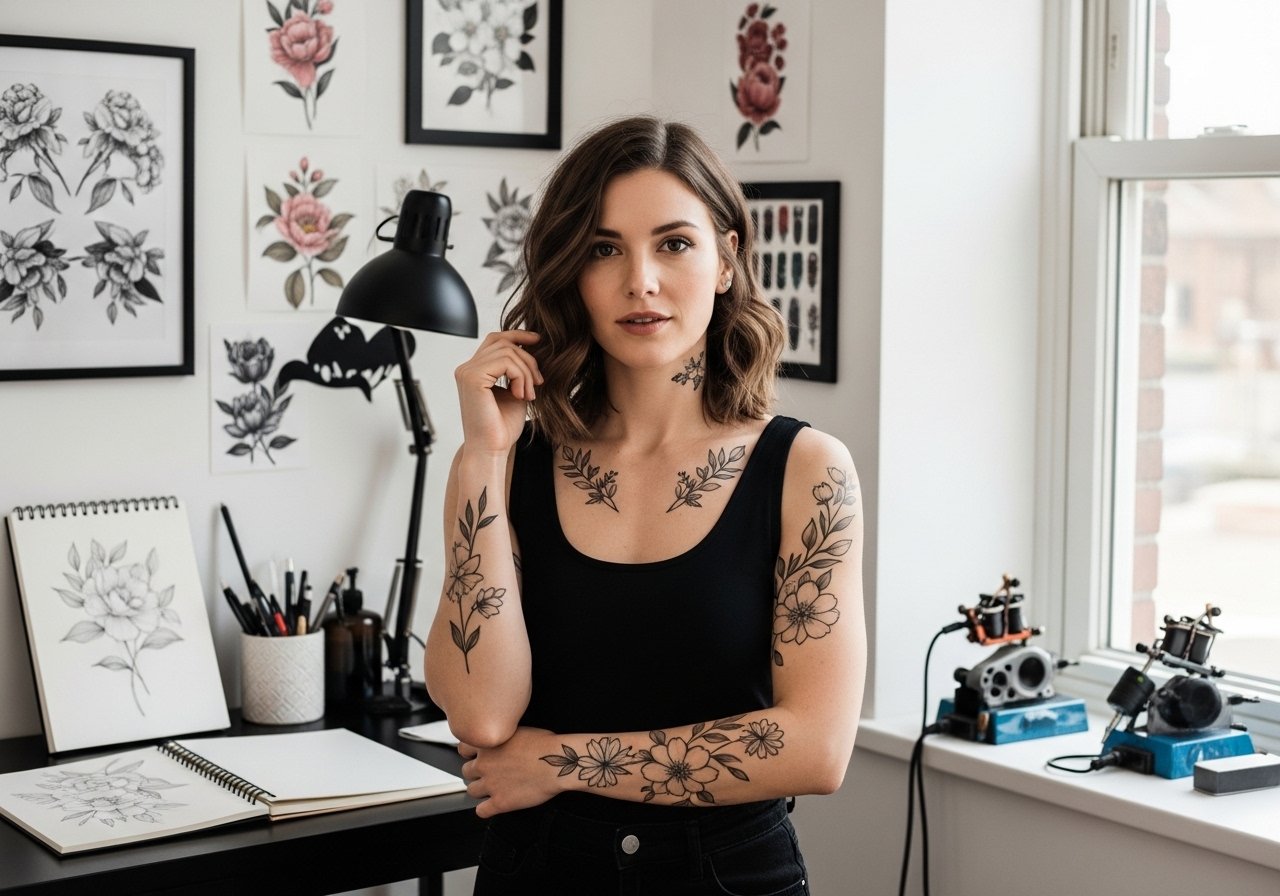
Fine line trends look gorgeous on feeds, but the designs that actually hold up are the ones planned for real life, not just for a square crop. I know wrist scripts that ghosted within a year, collarbone scripts that survived weight changes, and clients who lost deposits when artists rescheduled. Read these soft Love Yourz J Cole tattoo options and the placement, styling, and touch-up tips that keep yours looking presentable for years.
1. Cursive "Love Yourz" on the Inner Forearm
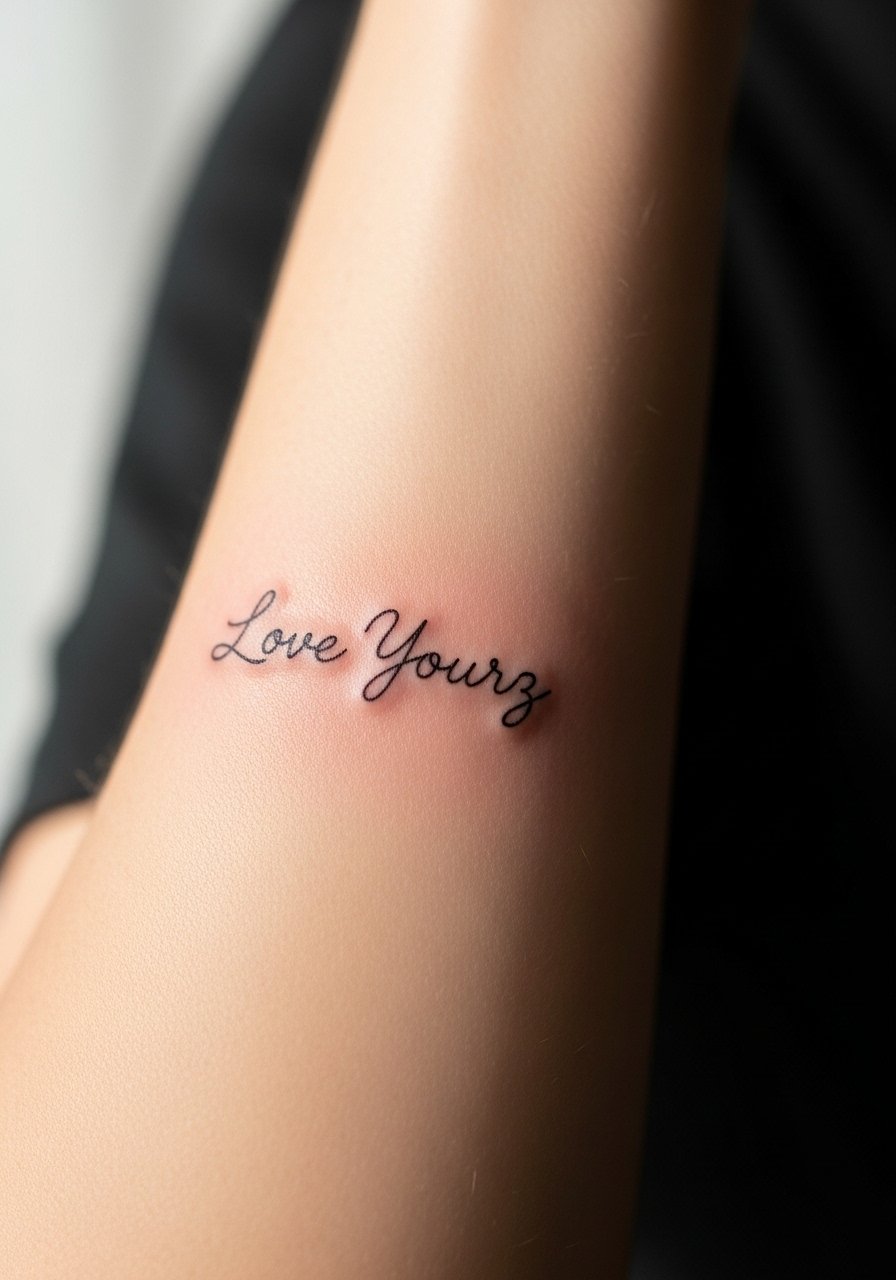
I've seen this version on dozens of forearms and it reads soft without shouting. Tell your artist you want slightly heavier script than an ultra-micro reference so the line holds up to sleeves and daily friction. Expect low pain, a single session under an hour, and a touch-up around 6 to 12 months for many people. Common mistake is choosing too-small letters that blur together as they heal. For showing it off, roll a cuffed chambray shirt, and pair with a rolled cuff chambray shirt so the ink peeks without clashing.
2. Fine Line "Love Yourz" with Tiny Heart on the Collarbone
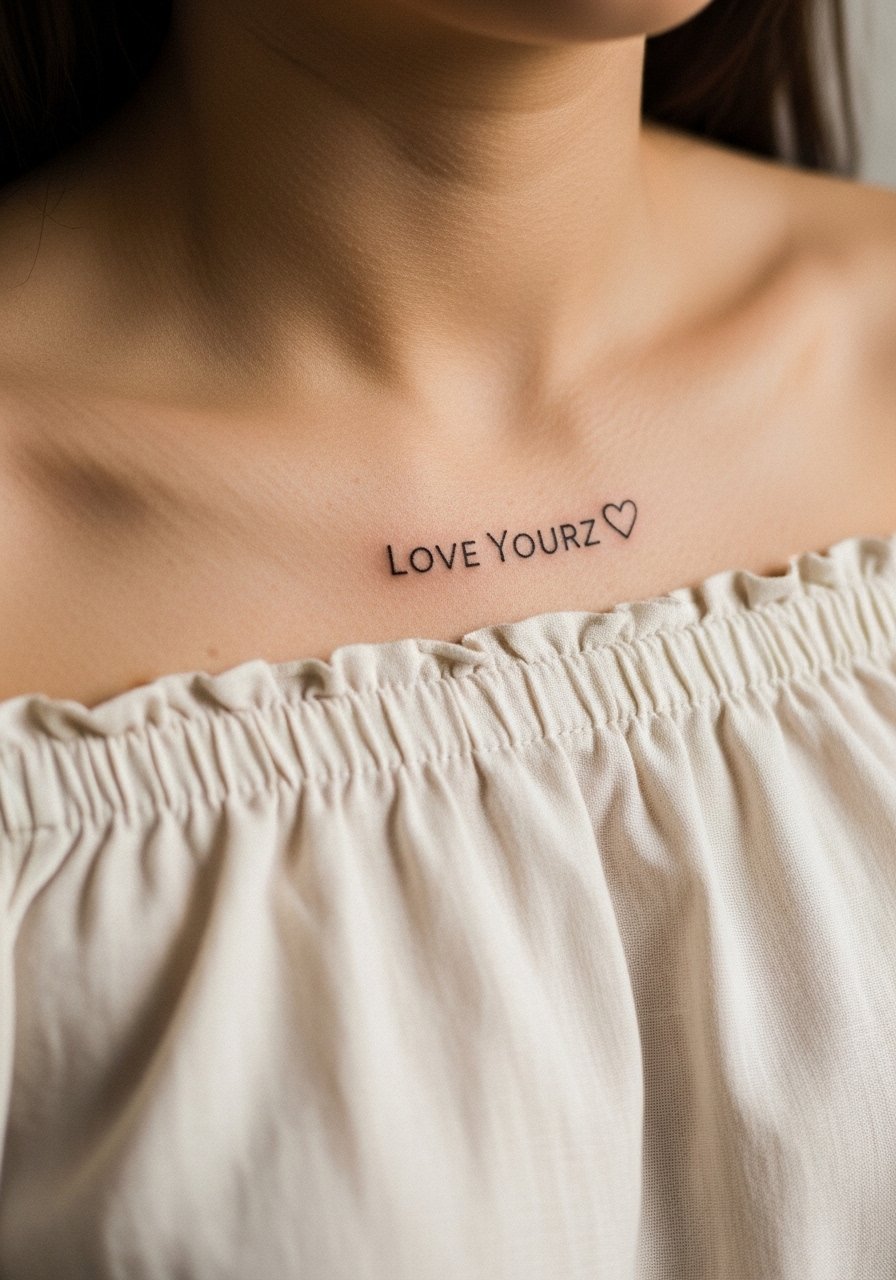
This collarbone placement is subtle and photographs well when healed. Push for a clean, single-pass script and a tiny heart placed off-center so the letters breathe. The collarbone can stretch with weight change, so ask the artist for slightly larger spacing than the reference. Pain is mild to moderate because bone sits close to the surface, and sessions usually finish within 30 to 45 minutes. For outfits pick an off shoulder linen blouse that frames the script, and wear a strapless top to the session for clear access.
3. Black and Gray Banner with Rose on Outer Forearm
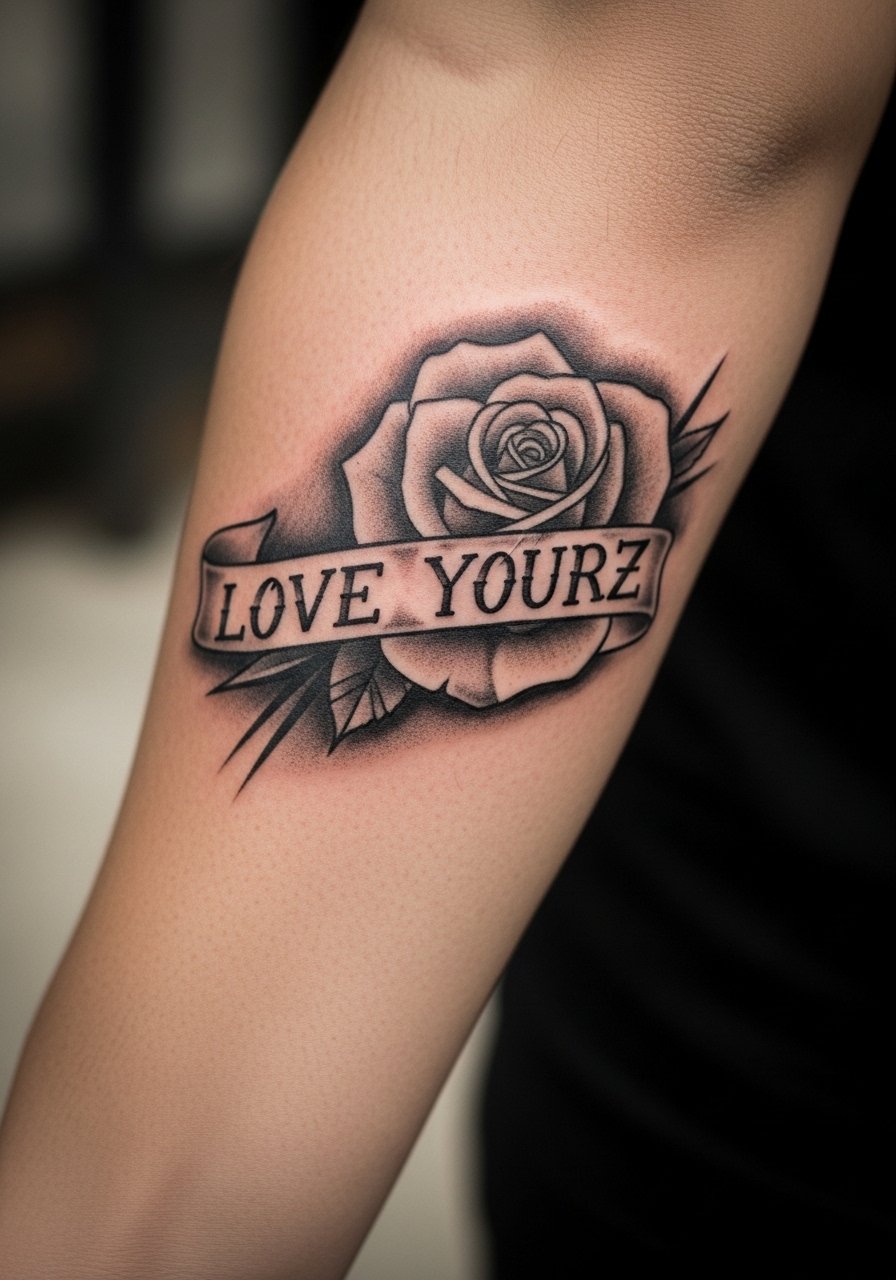
Bold black and gray holds up better than thin script on high-contact arms. I recommend a slightly wider banner and a rose filled with soft gray shading to keep contrast on darker tones. The outer forearm tolerates saturation well, session time is usually one to two hours, and touch-ups are less frequent than fine line work. A common misstep is tiny lettering inside a crowded banner, which blurs as shading settles. Pair this with a fitted henley shirt to highlight the contrast against a solid background.
4. Minimalist "LY" Monogram Behind the Ear
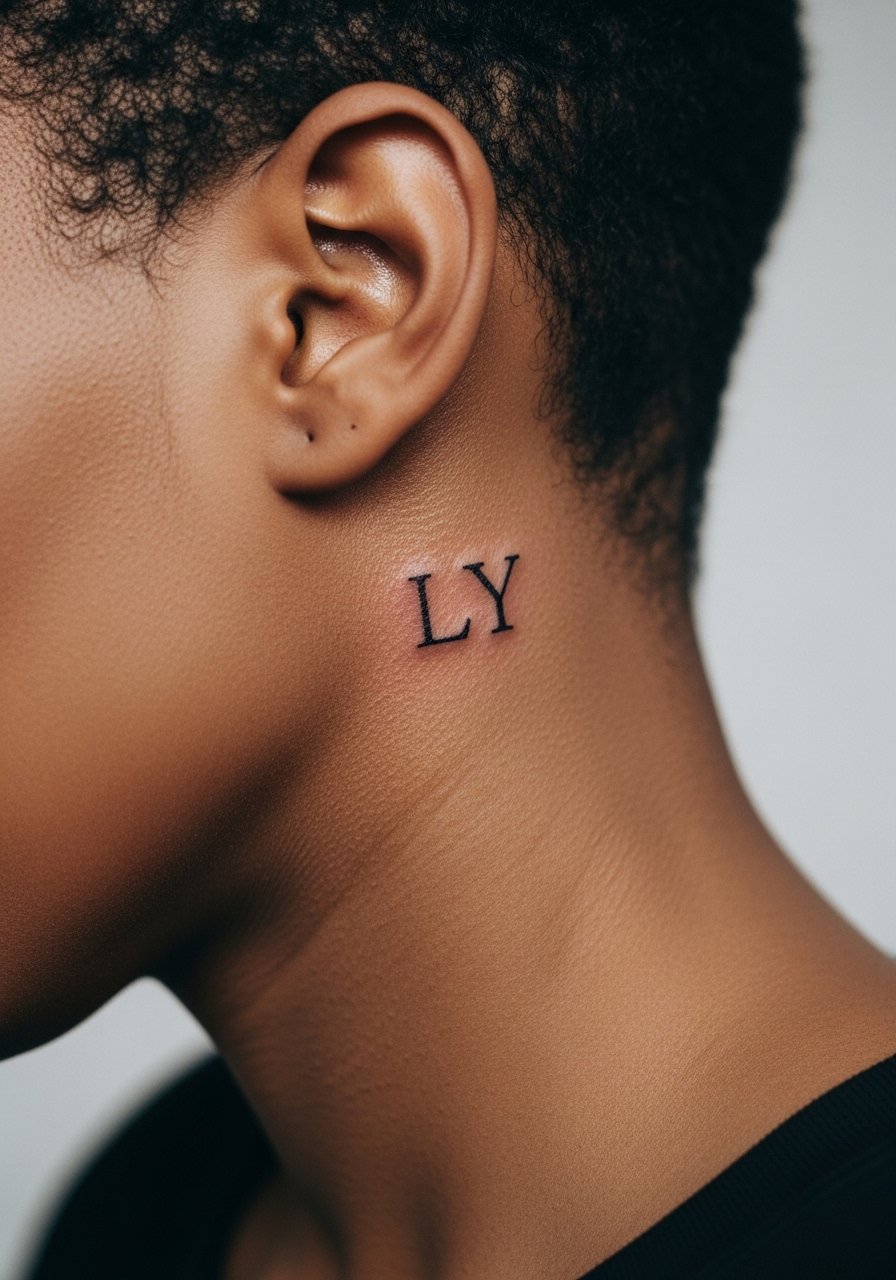
The "LY" monogram is a micro choice that reads like a private nod to the lyric. For behind-ear placement ask for slightly bolder strokes than you might want visually so the tiny letters stay crisp. Session time is short, but the area is sensitive. A frequent mistake is using hairline-thin lines that disappear as they heal. If you want this to peek out, try a tiny thin leather wrap bracelet on the opposite wrist rather than adding clutter near the neck.
5. Script Integrated with Chain Link on Upper Arm
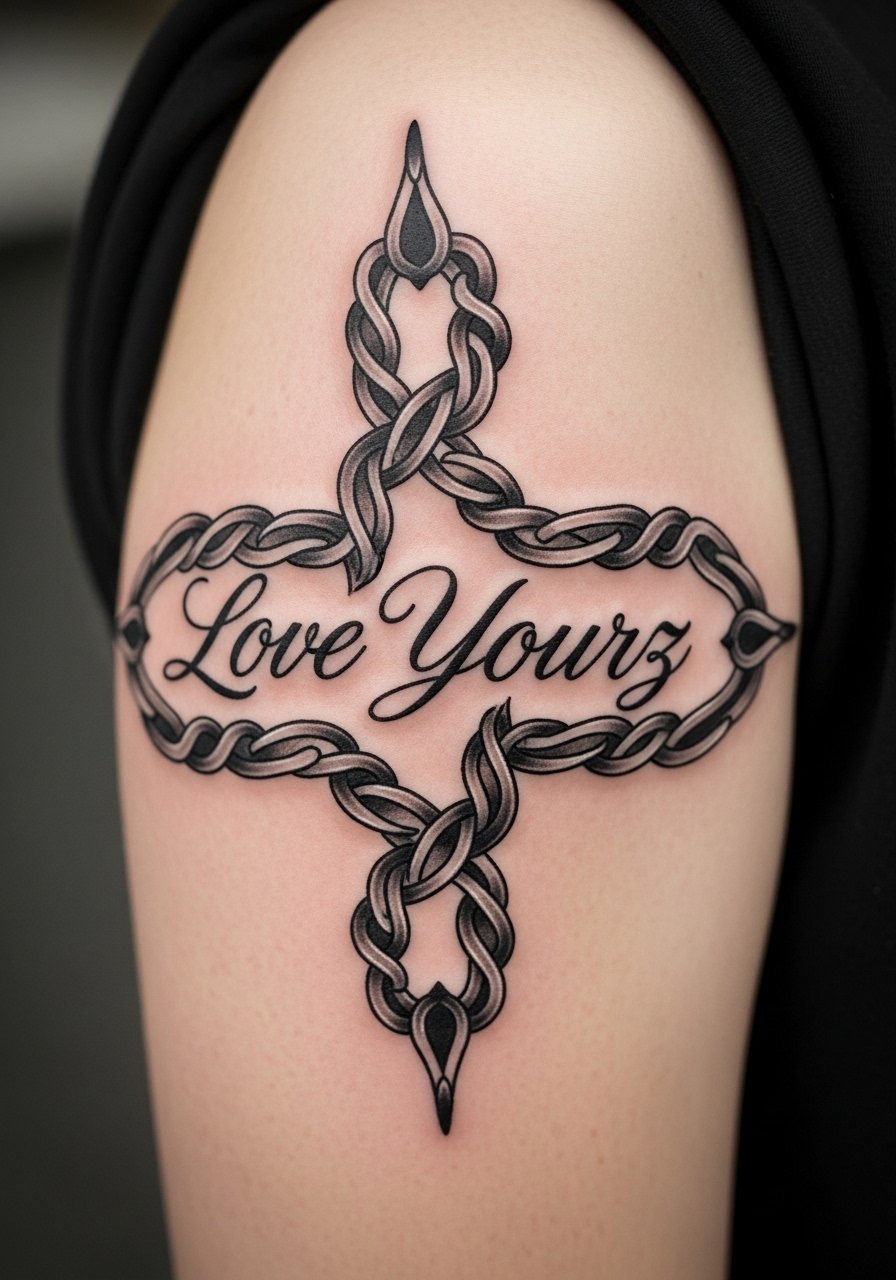
This neo-traditional twist reads like a personal emblem. In consultation, show chain link references and ask the artist to map the script so links sit behind the letters rather than crowding them. Upper arm placement gives plenty of room and ages steadily, even with muscle or weight changes. The session runs one to two hours and the main error is forcing the chain too small, which flattens in time. For the appointment wear a loose fit button down men so you can pull the sleeve aside without tugging.
6. Watercolor "Love Yourz" on the Ribcage
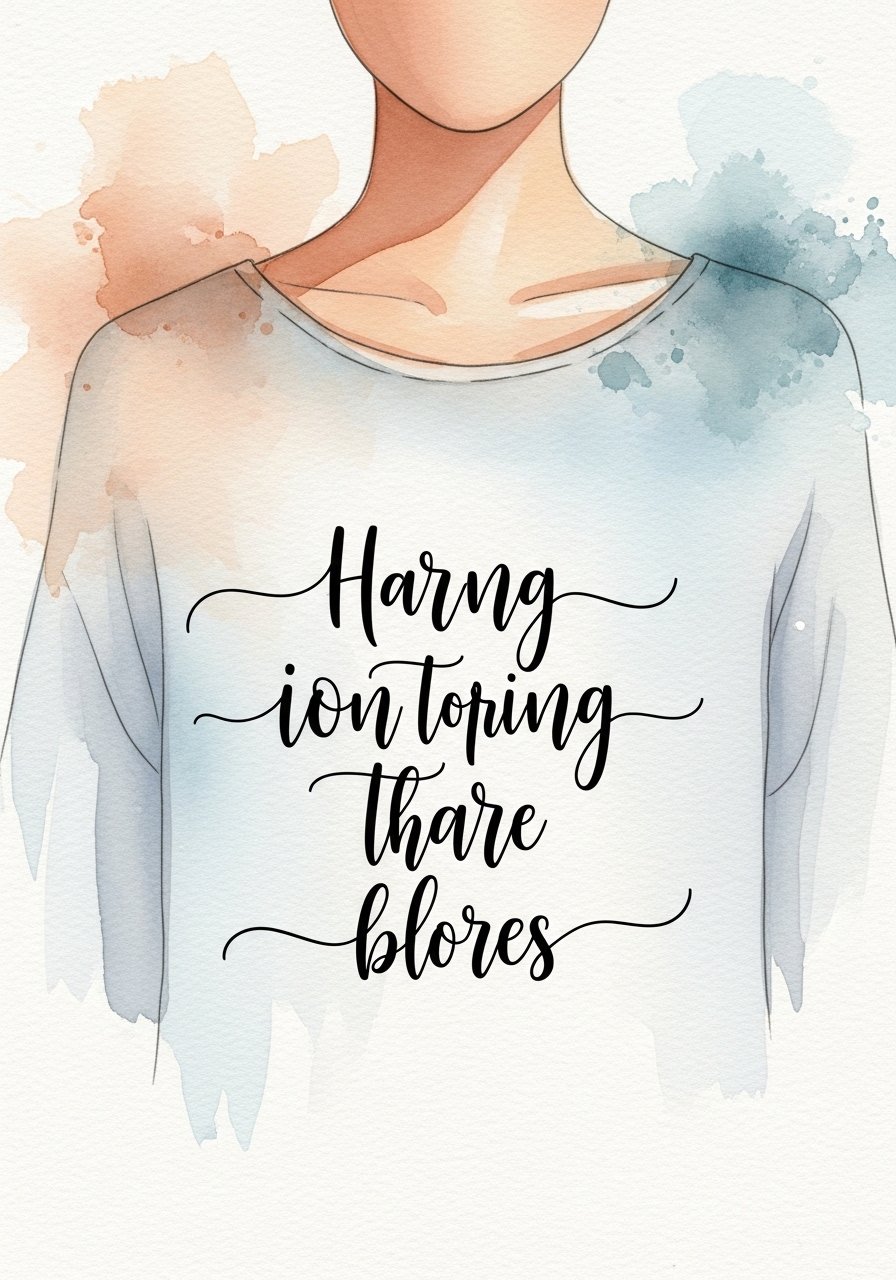
Fair warning, ribs are a solid 7 on many pain charts, but the private payoff can be worth it. Watercolor here needs a slightly bolder base script so the color washes do not swallow the letters as they fade. Artists disagree on the best healing method for ribs, and that split matters to this placement. One camp favors protective film to speed recovery and reduce scabbing. The other camp prefers dry healing to avoid trapped moisture. Ask your artist which method they use and why before booking. For showing it off pick a side slit tank top after the peel so the colors read against a soft background.
Studio Day Picks
The first six ideas above include wrist, collarbone, forearm, behind-ear, upper arm, and ribcage placements, so these items smooth appointment logistics and early healing.
- CeraVe Healing Ointment. A non-greasy balm that many people switch to for micro script because it soothes without pooling on thin lines.
- Bushbalm Tattoo Aftercare. Thinner texture that helps in humid climates and reduces surface shine on small script.
- Indie Ink Balm. A low-ingredient balm that users report avoids pilling on tiny linework during the first week.
- Frida Skin Soother. Gentle, non-steroidal option some people use for itch control on sensitive torso placements.
- Hustle Butter Deluxe. Thinner than heavy petroleum balms, preferred by some artists for the first few days on saturated black and gray work.
7. Ornamental "Love Yourz" in a Geometric Frame on the Shoulder
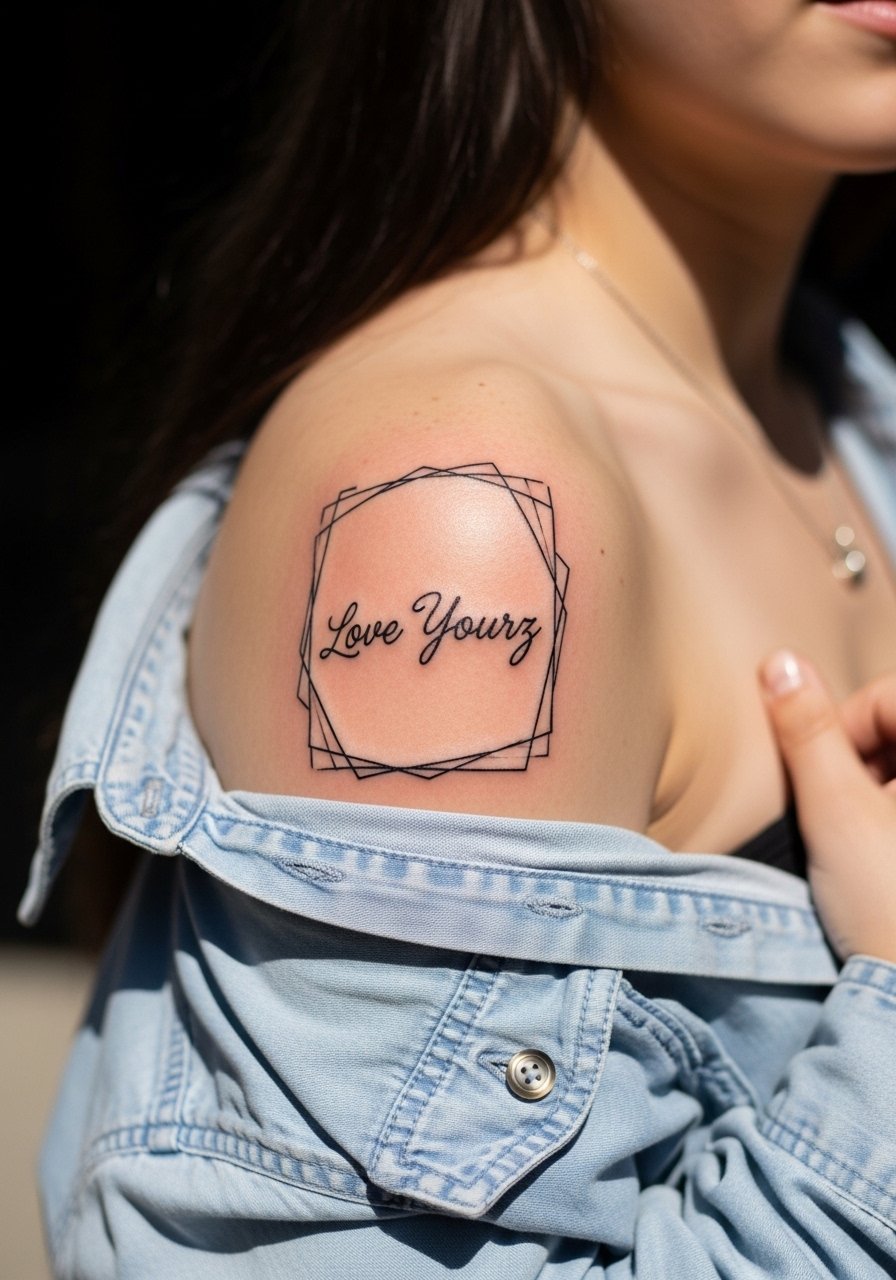
Shoulder pieces age well because the skin moves less than forearms. Ask for clear spacing between frame elements and script so dot work does not merge as it heals. The session is usually a single visit under an hour for a small framed piece. A common mistake is over-detailing the frame for a small size, which looks muddied later. For the session wear an open button shirt you can slide off the shoulder without rubbing the area.
8. Micro-Realism Portrait with "Love Yourz" Caption on the Calf
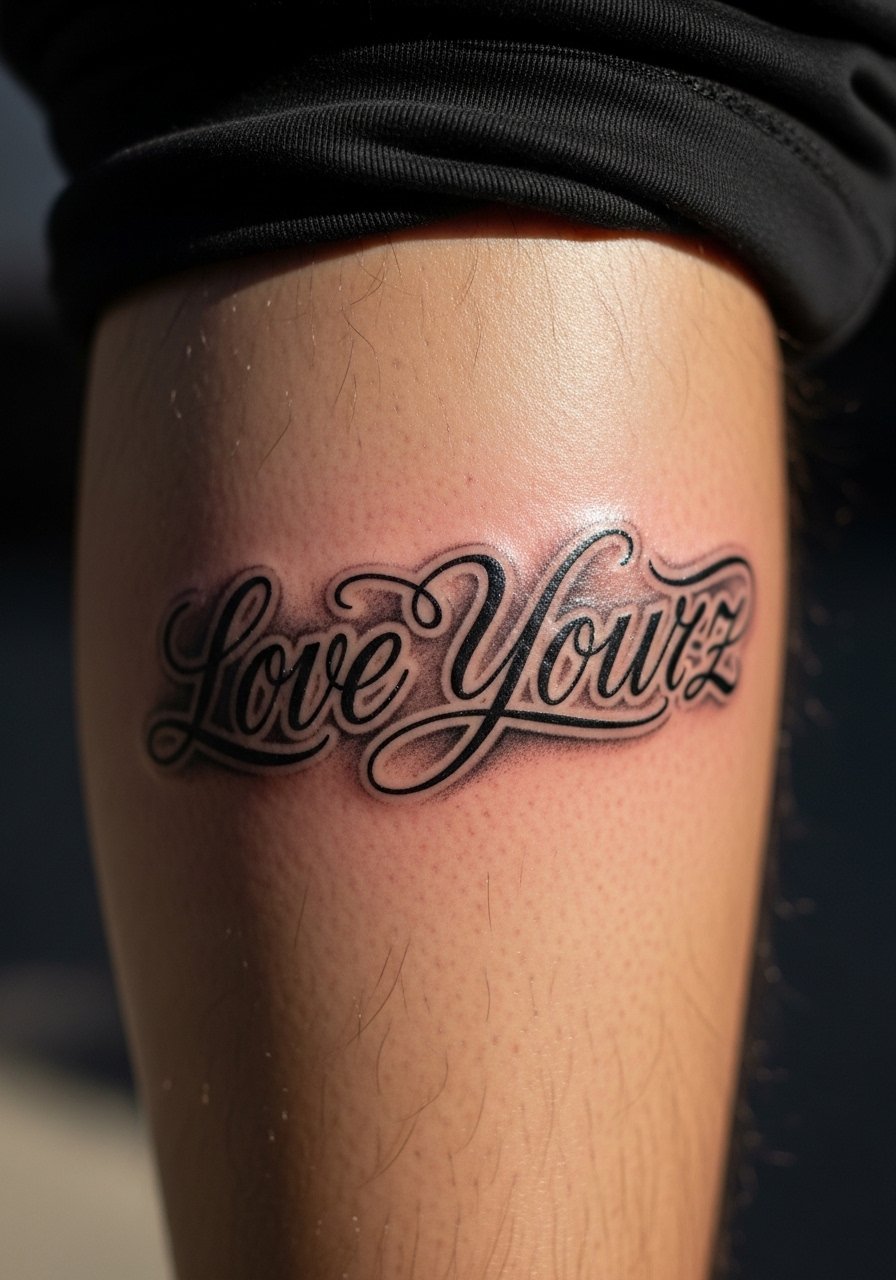
Micro-realism asks for the most technical skill and multiple sessions. For a calf piece, the area holds fine detail better than thin wrists, and contrast stays truer in photos. Tell your artist you want the portrait scaled to keep key facial landmarks distinct at 2 to 4 inches. Expect several sessions and a longer touch-up window. The mistake people make is requesting over-compression of detail into a tiny space. For visibility try rolling joggers or wearing rolled joggers men in warm months to show the piece.
9. Ignorant Style Bold Script on the Hand
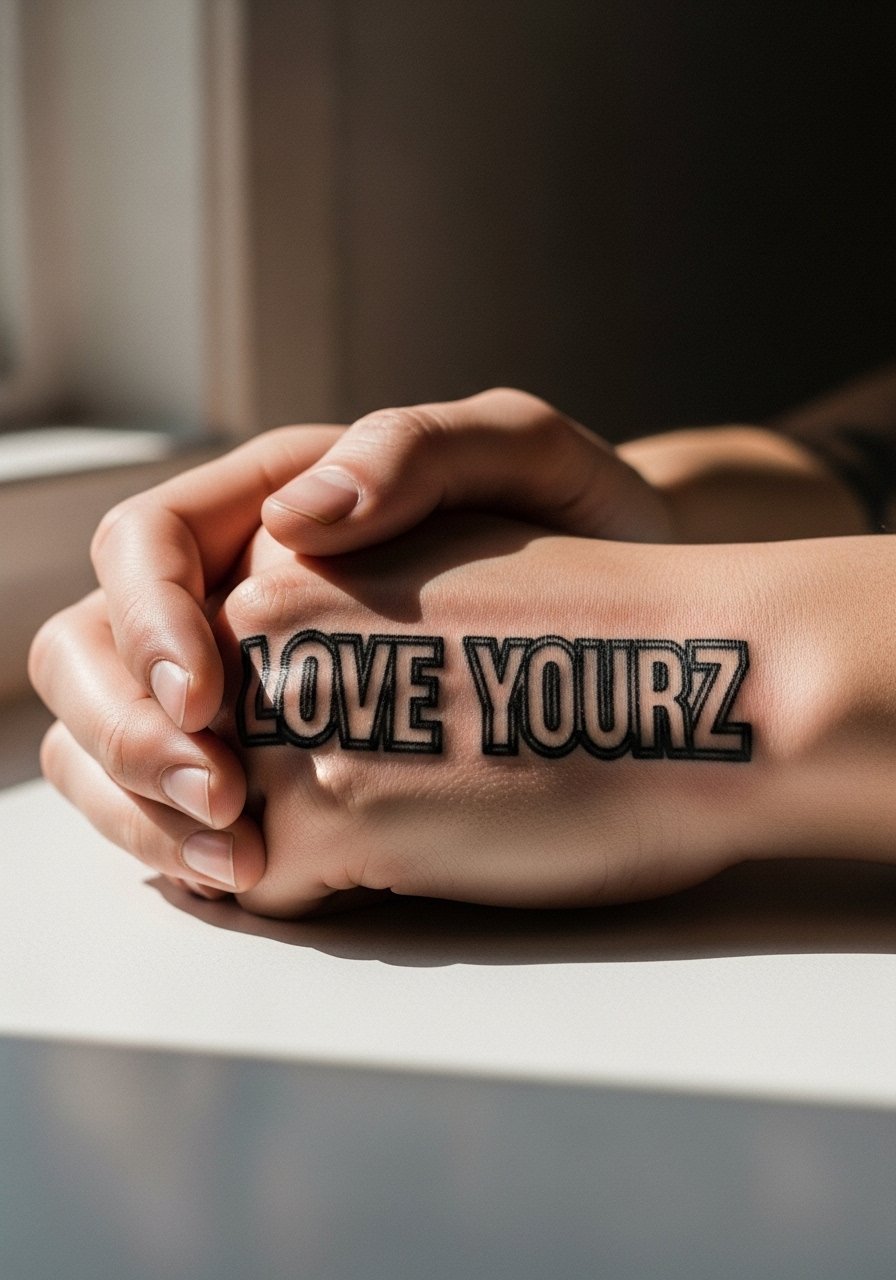
Hand placements are trend-forward but high-risk for early fading and blowout. If you want raw, street-inspired lettering, request thick, single-pass lines and plan touch-ups in the first year. The main downside is daily washing, friction, and occupational wear that accelerate fading. A common error is asking for ultra-fine details on fingers that disappear. Consider the career friction still relevant in some industries before committing.
10. Fine Line Arched Over a Heartbeat Line on the Inner Bicep
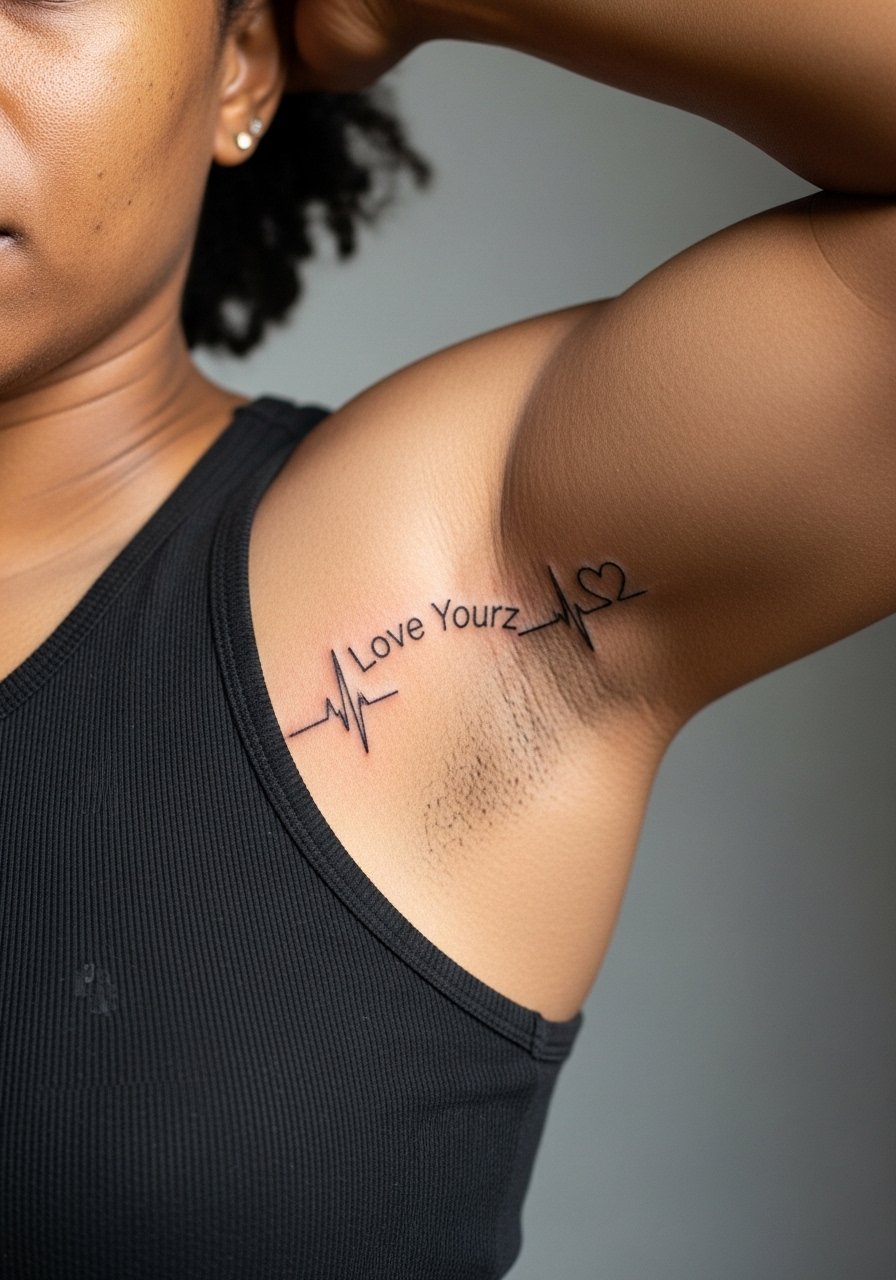
Inner bicep allows a linear composition that sits flat on skin, but the area can itch during week two. The hero image above shows ribwork, so pick this for a less painful, more private placement. Ask for slightly increased line weight over the reference to avoid early ghosting. Sessions finish under an hour, and many people return for a touch-up around year two. Avoid compressing the heartbeat too tightly under the script because dense lines blur faster than open spacing. Wear a loose tank top for the session so the artist has clean access.
11. Dotwork "LY" Evolving into a Mandala on the Hip
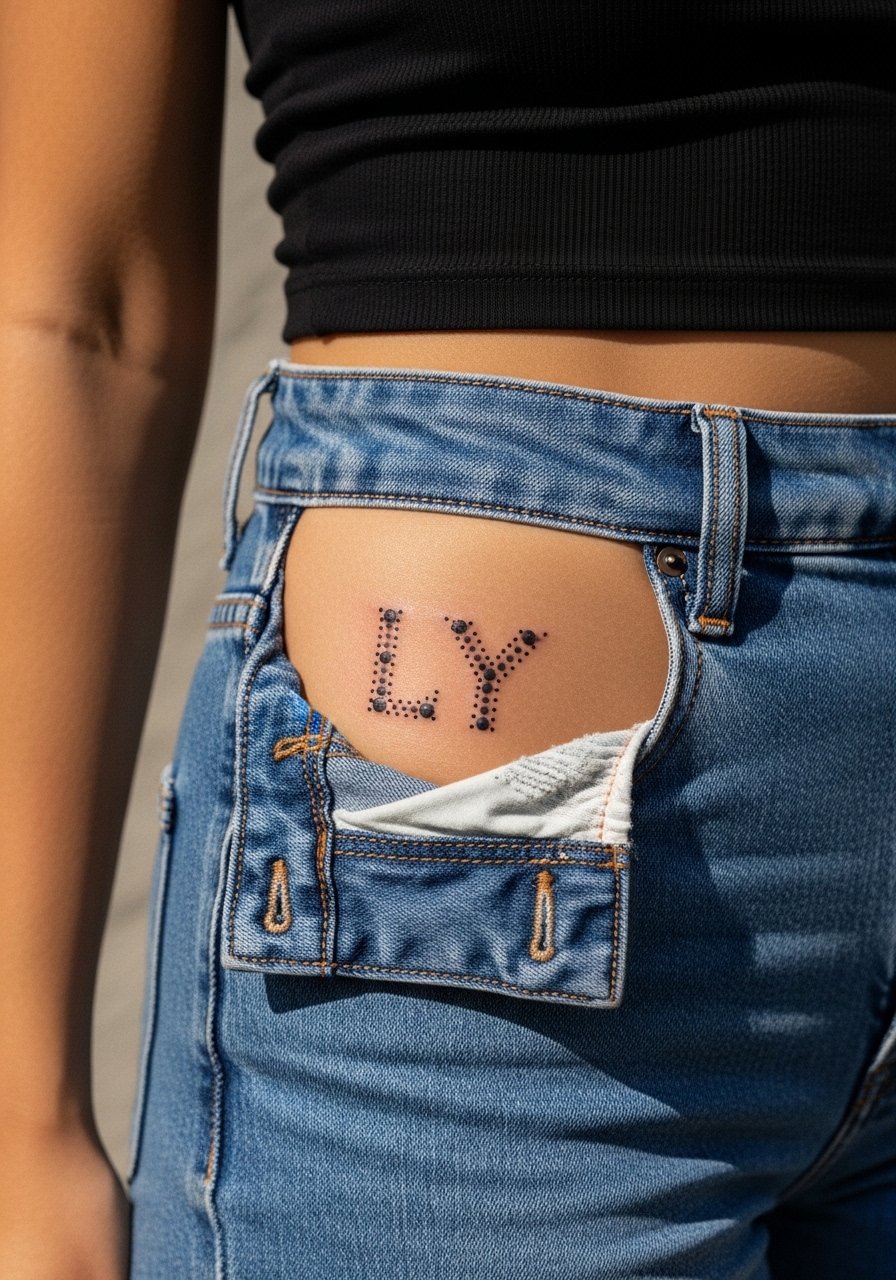
The hip is a patient place for a piece that grows over sessions. Start with a micro "LY" and plan future dot work to expand into a mandala. Expect low to moderate pain and multiple visits spaced months apart. The error is trying to cram the full mandala in one go at a tiny scale. For session comfort pull on high-waisted denim you can shift easily so only the hip area is exposed.
12. Banner Script Around Ankle with Small Rose
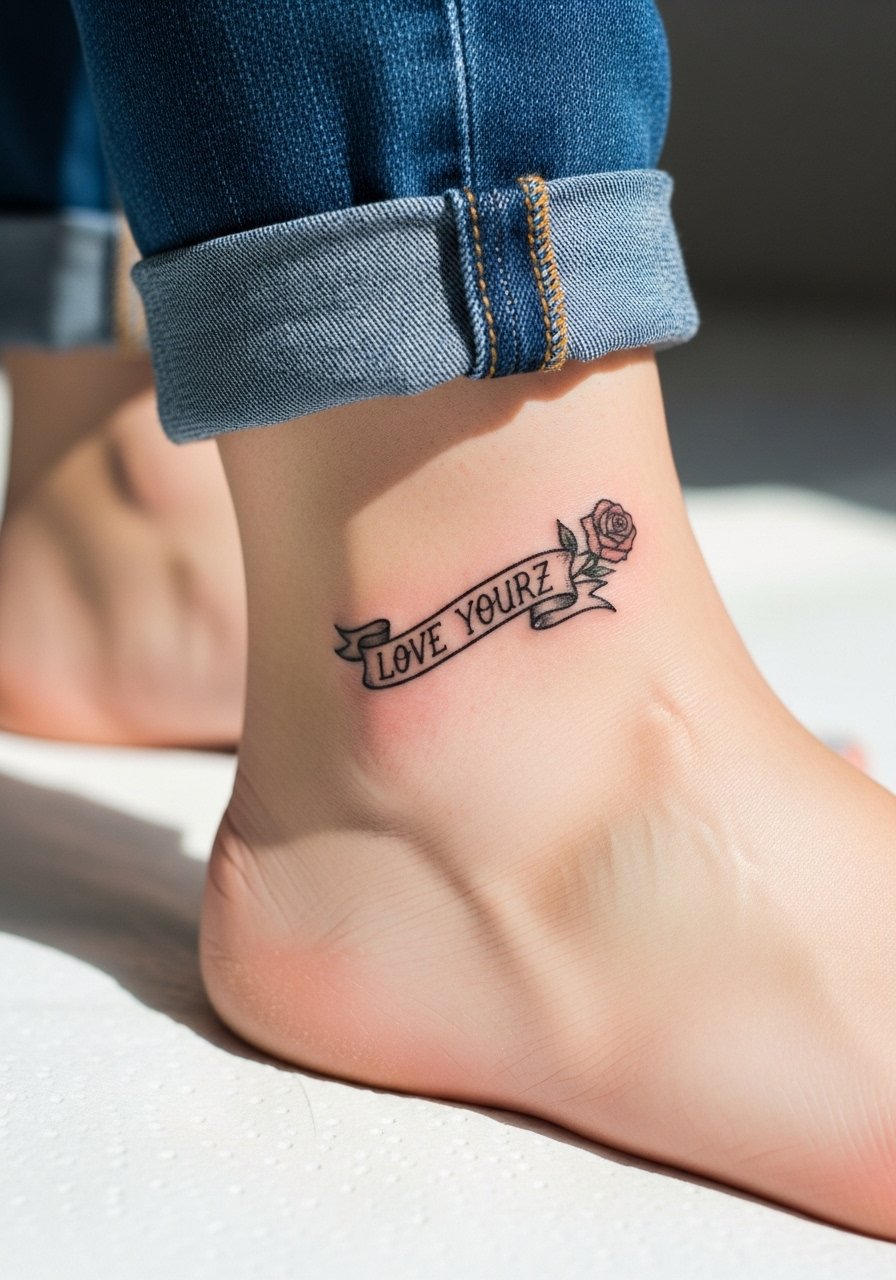
Ankle placements photograph well in sandals but face lots of rubbing from socks and shoes. Ask for a slightly thicker banner edge and keep the rose small and bold for longevity. Healing is usually quick, but scabbing from shoes can alter line edges, so plan for a touch-up at 6 to 12 months. A common mistake is using a skinny script that fades into the shoe seam. Show it off with cuffed ankle jeans so the script sits center stage.
13. Hand-Poked "Love Yourz" for an Organic Look
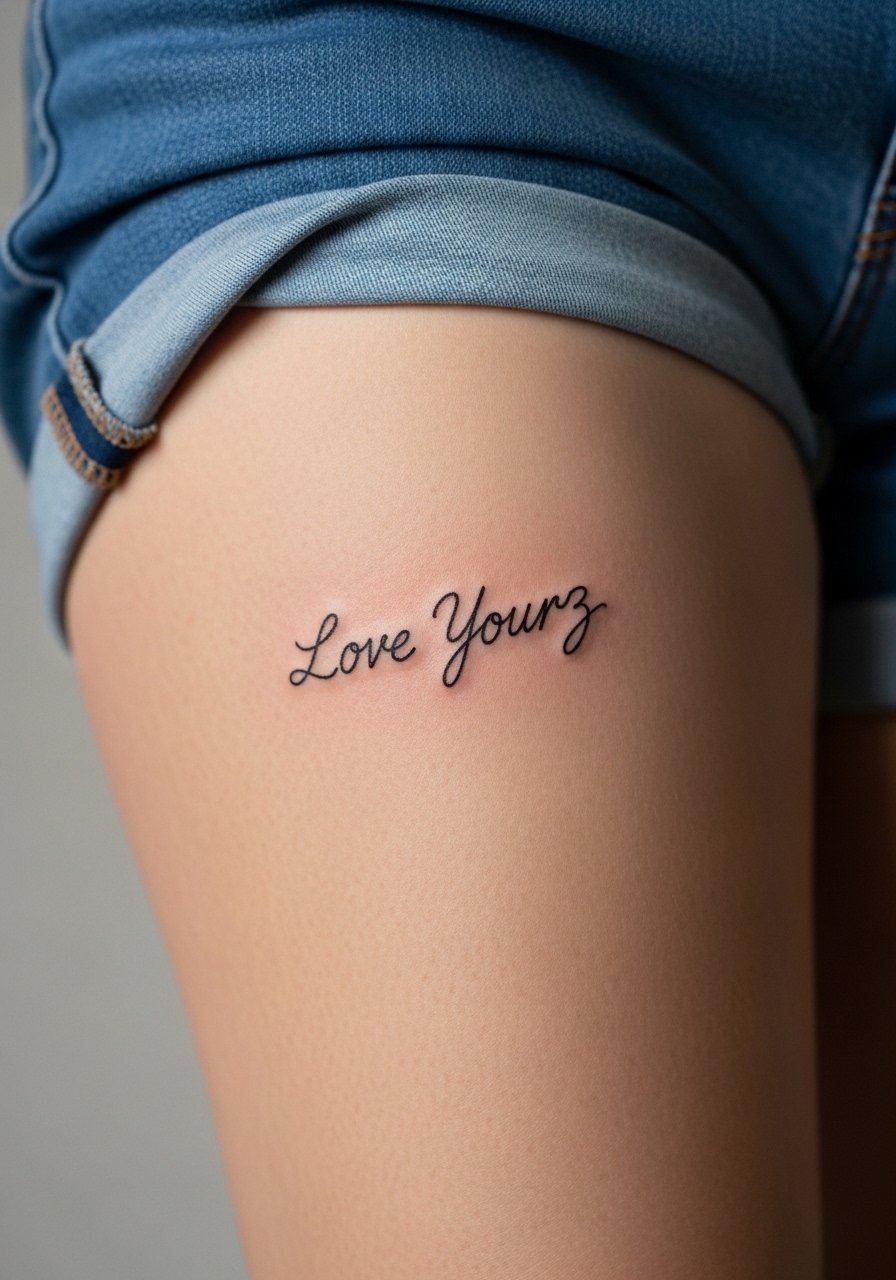
Hand-poked options offer an organic, textured finish with a different healing feel than machine work. The inner thigh is a surprisingly private spot for this method and tends to hide early scabbing. Hand-poked sessions are slower and softer, and you should expect multiple short sittings. A mistake is assuming machine and hand-poke prices are the same; the technique requires time. For the appointment wear loose shorts you can shift up to reveal a tidy window of skin.
14. Script Along a Fading Heartbeat Line for Impermanence
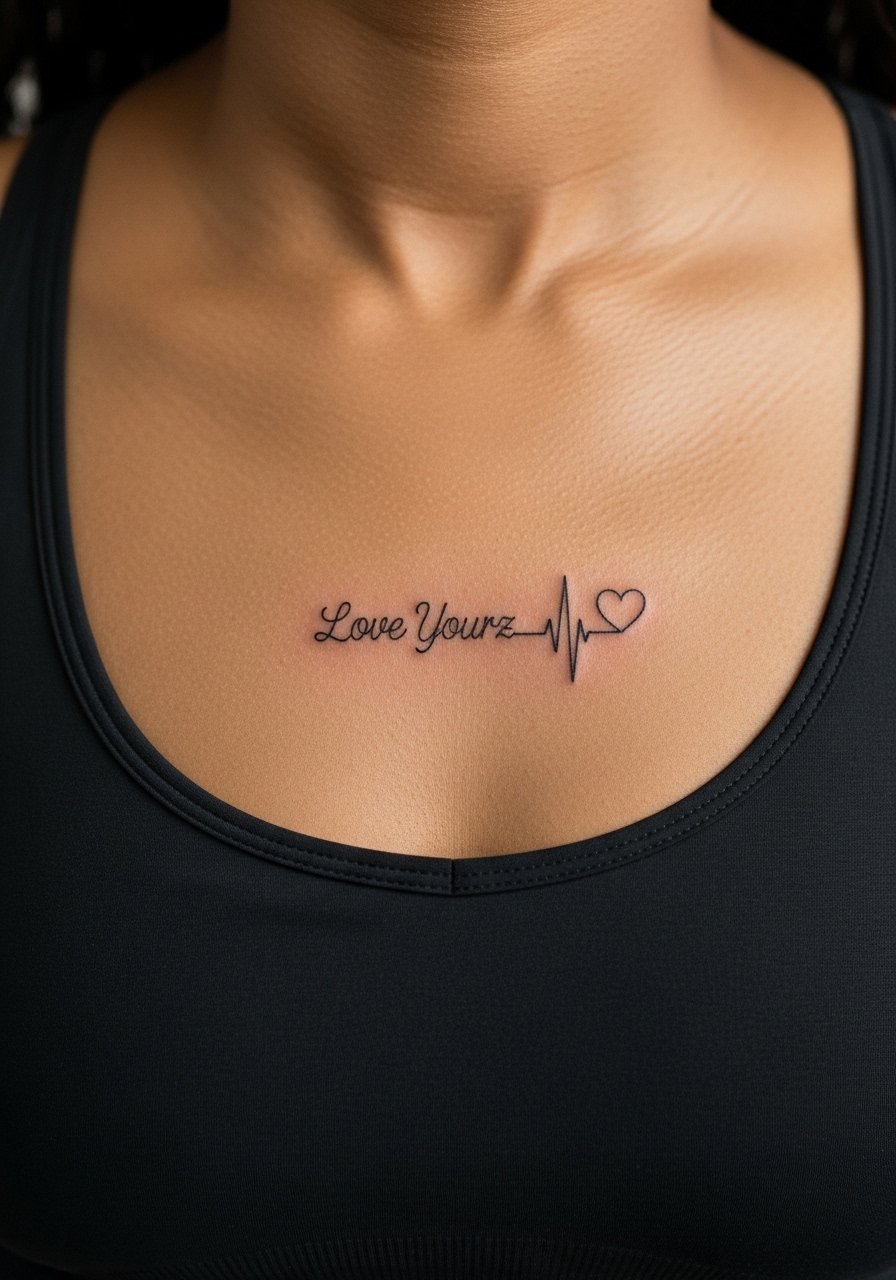
This design leans into impermanence by letting the heartbeat thin as it moves away from the main script. Sternum work sits close to bone and can feel sharp, but a careful artist balances depth to avoid blowout. Artists disagree about fine line on sternum. One group warns the thin skin causes lines to blur. The other group says proper depth and spacing keeps lines distinct. Bring this up at consultation and ask which camp your artist follows. For the session wear a fitted sports bra so the area is accessible without exposing other torso zones.
15. Script Banner on the Back of the Neck
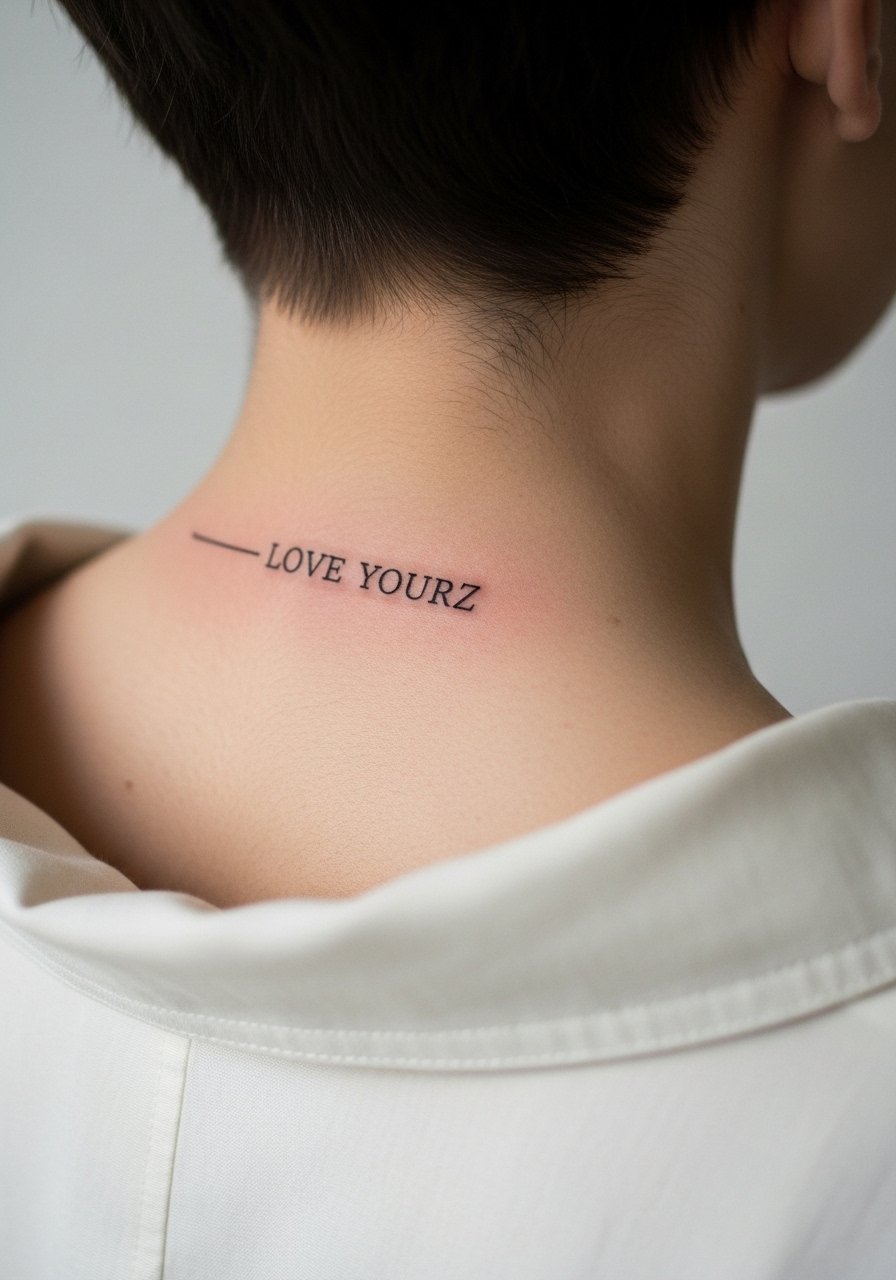
Neck pieces are visible and weather fast but can affect job considerations for some people. The back of neck heals well if the stencil sits flat and lines are slightly heavier than the reference. Sessions are quick but the area sees sun exposure, so wear long collars after healing to protect ink. A common oversight is choosing a hairline script that washes out in photos. Keep letters legible and ask for spacing that survives short haircuts.
16. Small Script on the Calf Edge with Ornamental Accents
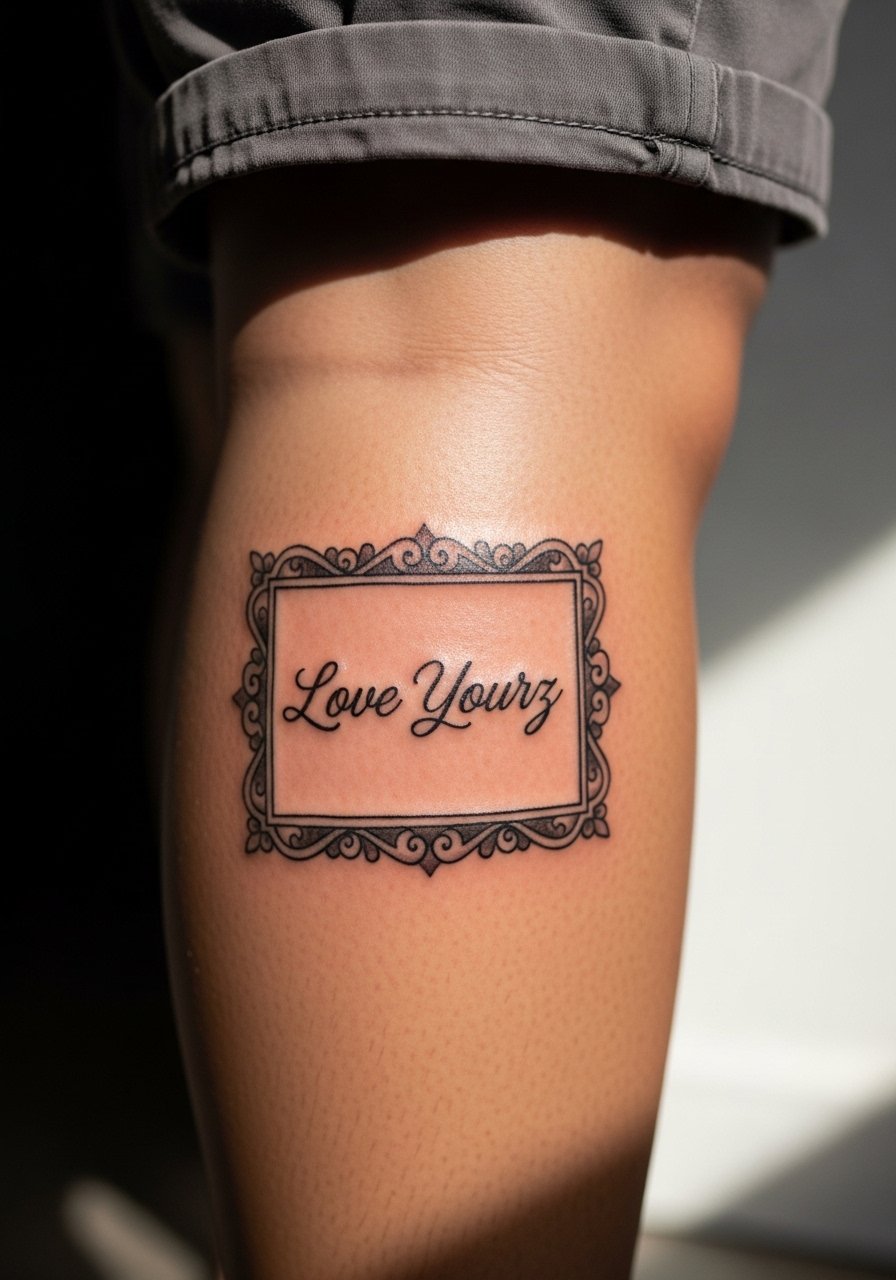
Calf placements are forgiving for small script and allow for ornamentation later. Expect low pain, solid healing, and fewer touch-ups than hand or wrist placements. The frequent mistake is over-ornamenting at first session, which can crowd the script as skin moves. For summer flex, pair the ink with slim fit athletic shorts rolled slightly so the detail reads cleanly.
17. Inner Thigh Private Script with Hidden Placement
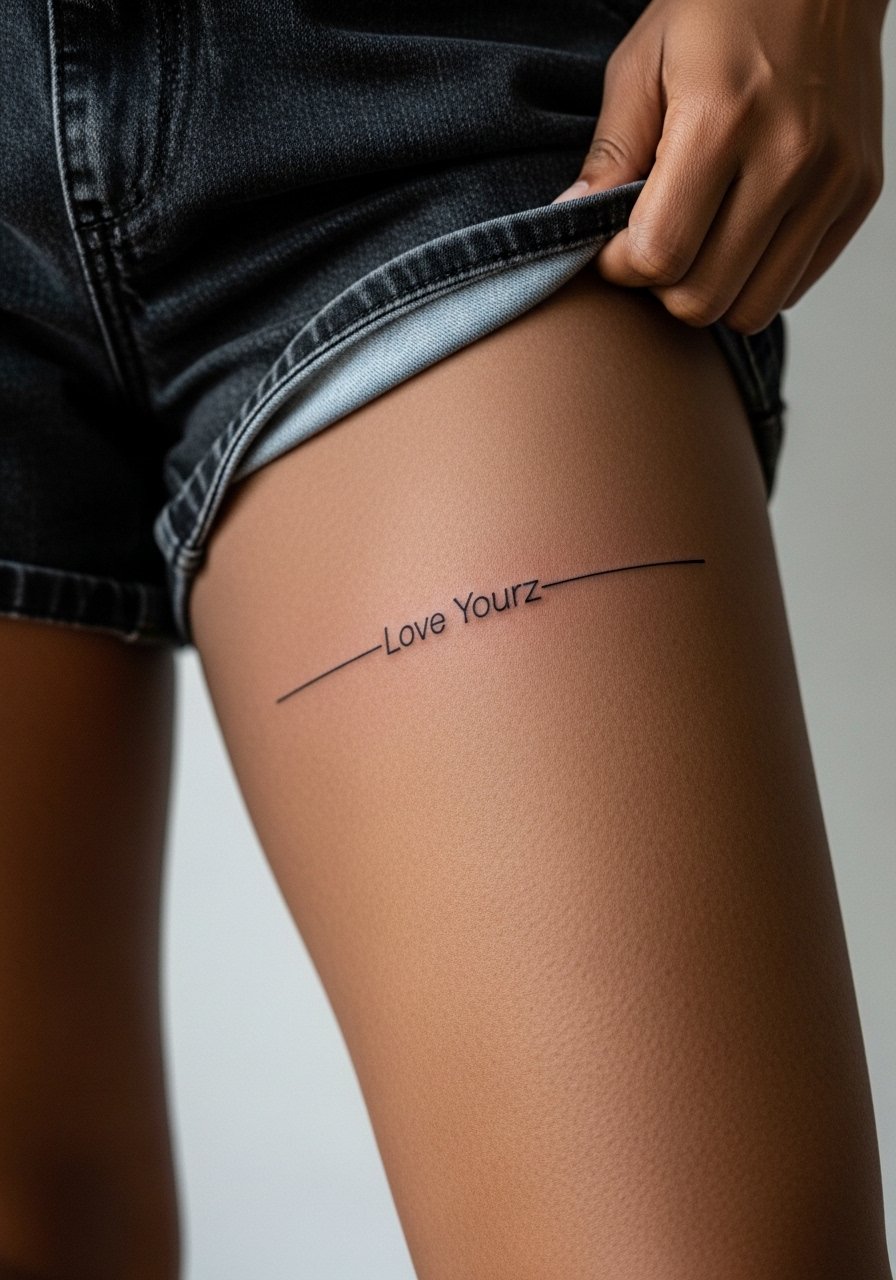
Inner thigh work is intimate and often ages well because it sees less UV and friction. Pain and healing vary, most people report moderate intensity during the session and minimal public wear. The mistake is choosing ultra-thin lettering for an area that may experience stretch from weight changes. Plan slightly larger letters and discuss future expansion if you want an evolving piece. For the session, wear loose drawstring linen pants so the artist can access the area without fabric pressure.
Frequently Asked Questions
Q: Why do fine line Love Yourz tattoos fade faster on the wrist than on the forearm?
A: Wrists experience constant friction from clothing, watches, and hand motion, which abrades pigment in the first months. I recommend slightly thicker line weights for wrist placements and planning a touch-up at 6 to 12 months, especially if you type a lot or wear bracelets.
Q: How should I mention my skin tone concerns when booking a black and gray piece?
A: Be direct and ask to see healed work on similar tones. Say you want bold contrast and ask the artist how they adjust saturation and shading for darker skin. Most artists who work across tones will welcome that specificity in a consultation.
Q: Is the Saniderm versus dry healing debate relevant for a ribcage watercolor?
A: Yes, people split into two camps on this. One camp uses protective film to reduce scabbing and speed recovery. The other prefers dry healing to avoid trapped moisture and possible irritation. For watercolor ribs the choice affects color retention, so ask your artist which approach they use and why before you book.
Q: Can I get a hand-poked Love Yourz and later convert it into a larger mandala?
A: Absolutely, many clients start with a micro hand-poked mark and expand over sessions. Hand-poked dots layer well into dotwork mandalas. Expect slower sessions and plan the expansion with the artist so the spacing accommodates future detail.
Q: What should I wear to a collarbone or sternum session to keep the area accessible?
A: For collarbone wear a strapless bralette or wide-neck top you can pull aside. For sternum a fitted sports bra or bandeau makes access simple without exposing other torso areas. Loose clothing you can shift easily is the practical pick for any session.
Q: How often should I budget for touch-ups on fine line Love Yourz pieces?
A: Expect a touch-up within the first year for thin scripts, and then occasional refreshes every 2 to 5 years depending on placement and sun exposure. If you favor wrist, hands, or fingers, plan on earlier touch-ups than you would for upper arm or calf placements.