
The latest wave of cyber-rune ink looks delicate at first glance and stubborn in the long run. Fine-line circuit sigils photograph beautifully the day they are done, yet where you place them and how you space the strokes decides whether they read crisp at year three or need a touch-up. Read on for 17 template ideas, how each ages, what to say in consultation, and the clothing that frames them best.
1. Thin-Line Circuit Sigil on Inner Forearm
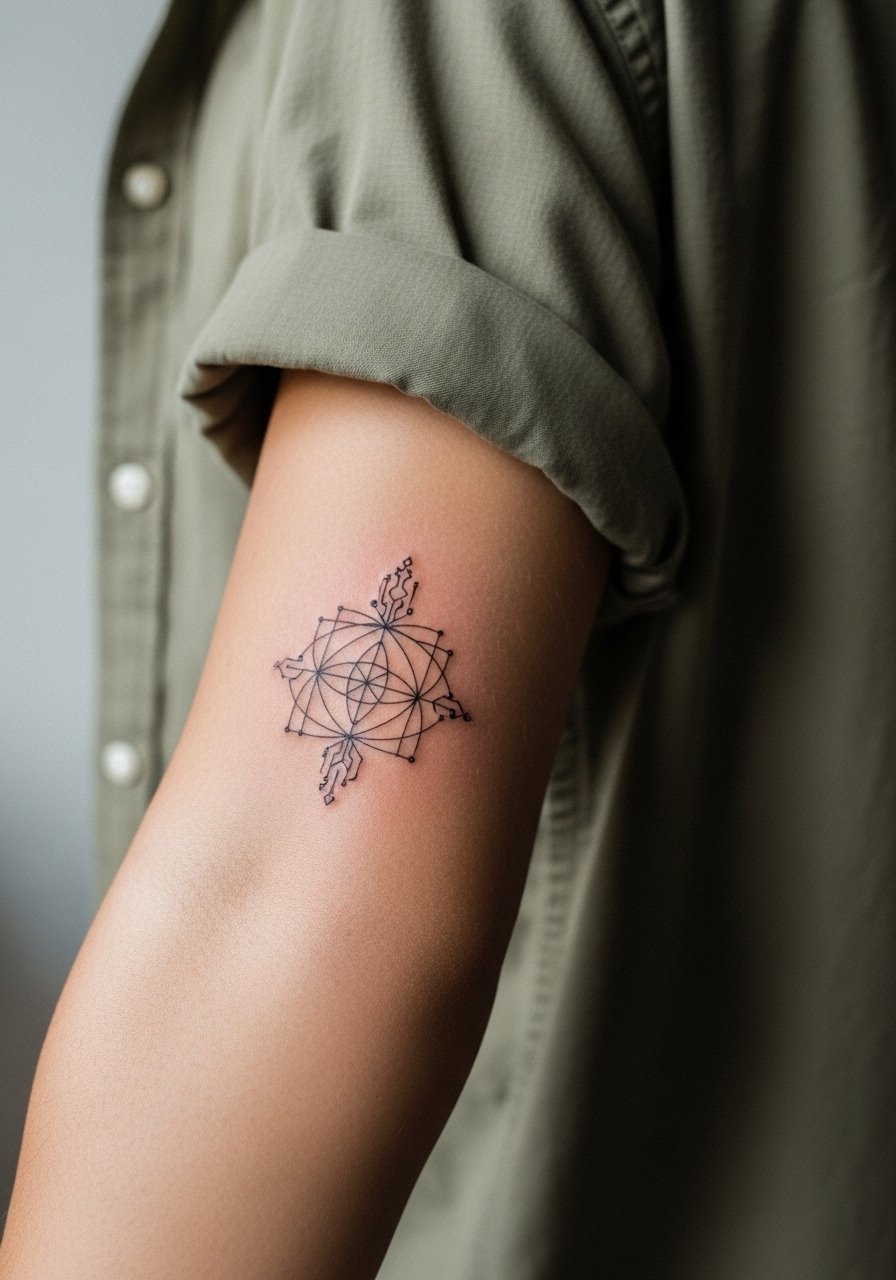
I recommend this when you want a readable 2–3 inch piece that still feels like jewelry on the arm. In consultation, ask for slightly increased spacing between parallel circuits and a single-pass outline to reduce the chance of lines merging as it heals. Expect a low to medium pain level and a quick session, often under 90 minutes. A common mistake is asking for micro density in a 2-inch area, which makes the design blur by year three. For the session, wear a loose button down shirt you can pull aside with minimal fabric drag. Healed at six months the circuits look crisp; by two years they may soften and welcome a light touch-up.
2. Angular Neo-Tribal Cross on the Wrist
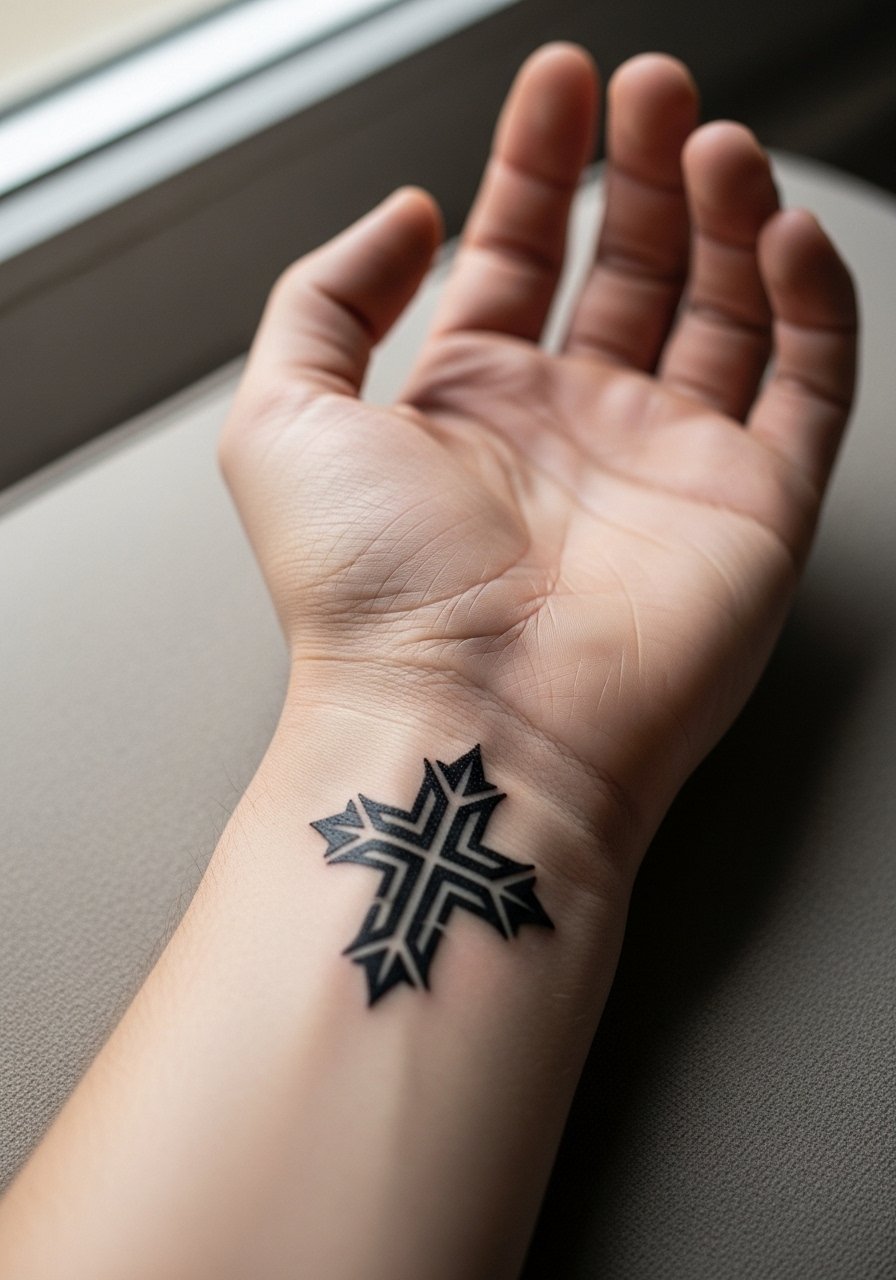
Fair warning: the wrist is a high-friction spot and fine detail shows wear faster than on the forearm. Tell your artist you want bold anchor lines with open inner angles, not dense fill. That choice preserves contrast as the skin rubs against sleeves and watches. Session time is usually short, under an hour, and pain is moderate. The common aging problem is overfilling the interior, which turns a crisp cross into a smudge. For showing it off, pair the piece with a slim leather cuff on the opposite wrist so the tattoo reads as a deliberate accent. Expect a touch-up window at around year two on most wear patterns.
3. Symmetrical Sternum Chest Sigil
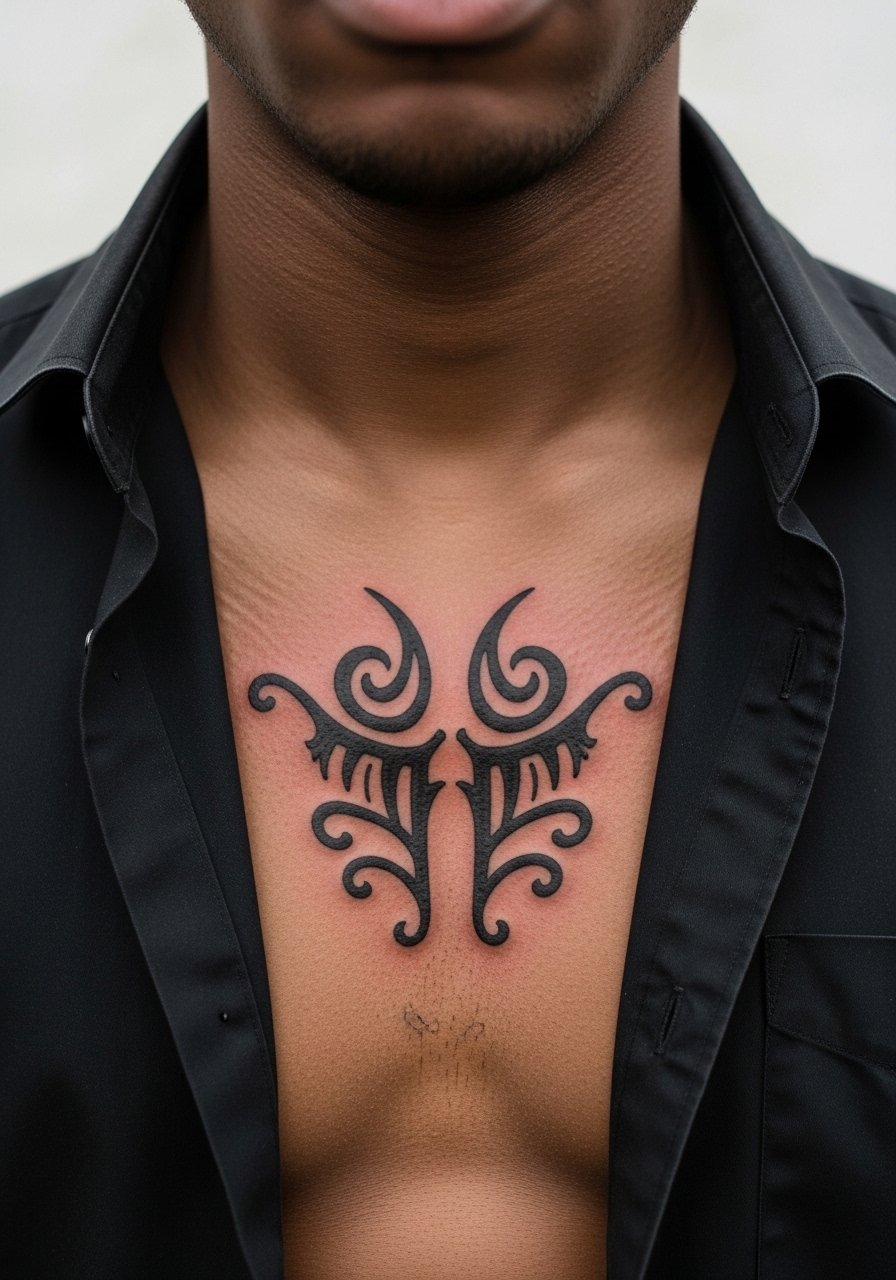
Most artists treat sternum geometry as a medium commit because movement and breathing affect line settling. Tell them you want bilateral mirroring with a slight vertical spacing shift so the design reads evenly when the torso moves. Sessions often split into two shorter visits to manage soreness and breath control. The mistake to avoid is shrinking the central motif too small; symmetry needs space to hold its shape as skin stretches. For wearing out, pick a deep V-neck tee that shows the mirror effect without crowding it with necklaces. Fine line areas may require touch-ups around year three if you sleep on your front frequently.
4. Cyber-Organic Rune Cluster on the Back of Hand
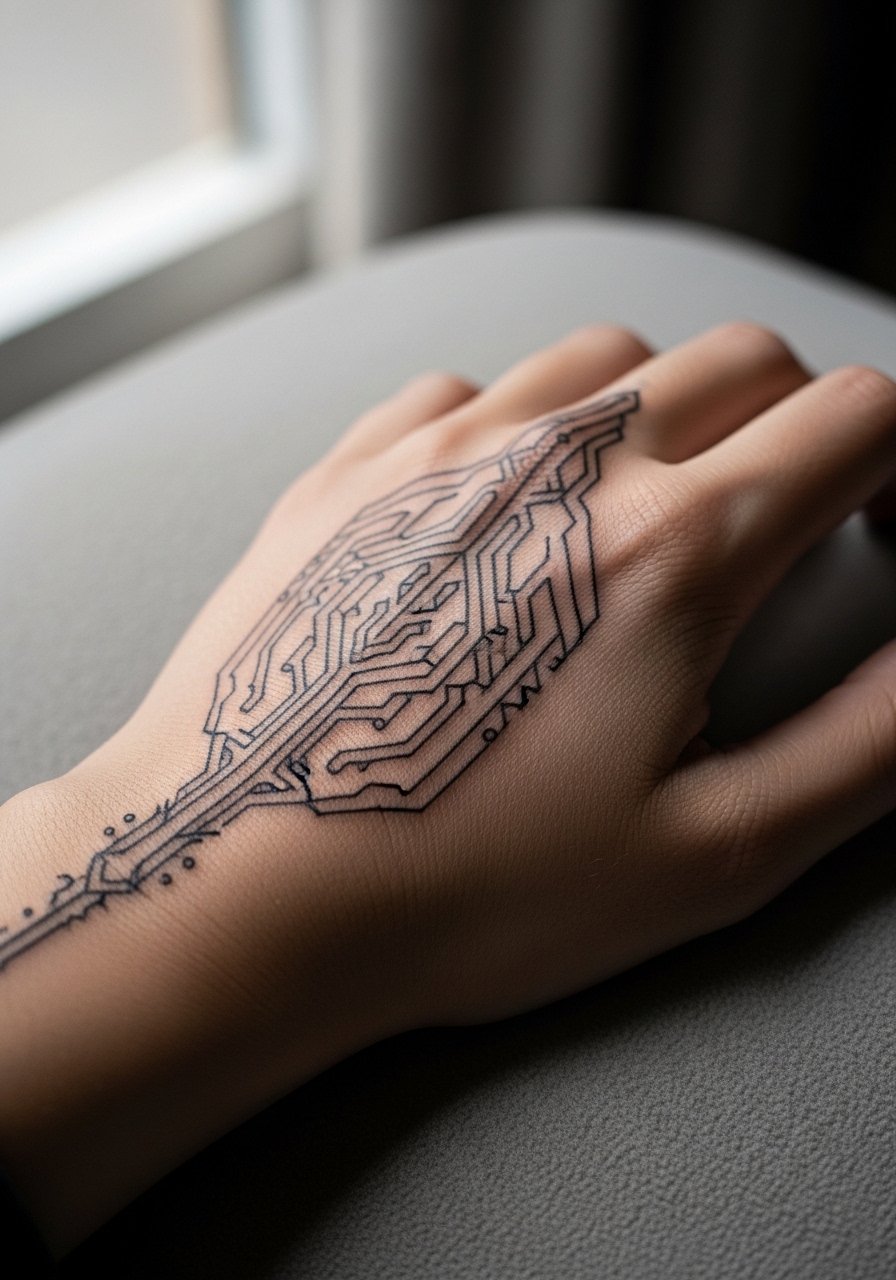
Hand tattoos are a collector's choice and they read loud, but they also age fast. Artists are split on this placement. One camp says hand skin and constant washing blur fine work within two years. The other camp argues that with slightly heavier line weight and conservative spacing, a hand sigil can stay legible for several years. If you opt in, ask for a rune cluster that favors single pass lines with modest spacing. The session feels scratchy and sensitive, and you will need at least one follow-up to check settling. For photos and daily wear, use fingerless leather gloves in colder months or thin stackable rings that avoid the tattooed fingers. Consider career visibility before committing.
5. Flowing S-Curve Sigil on the Side Neck
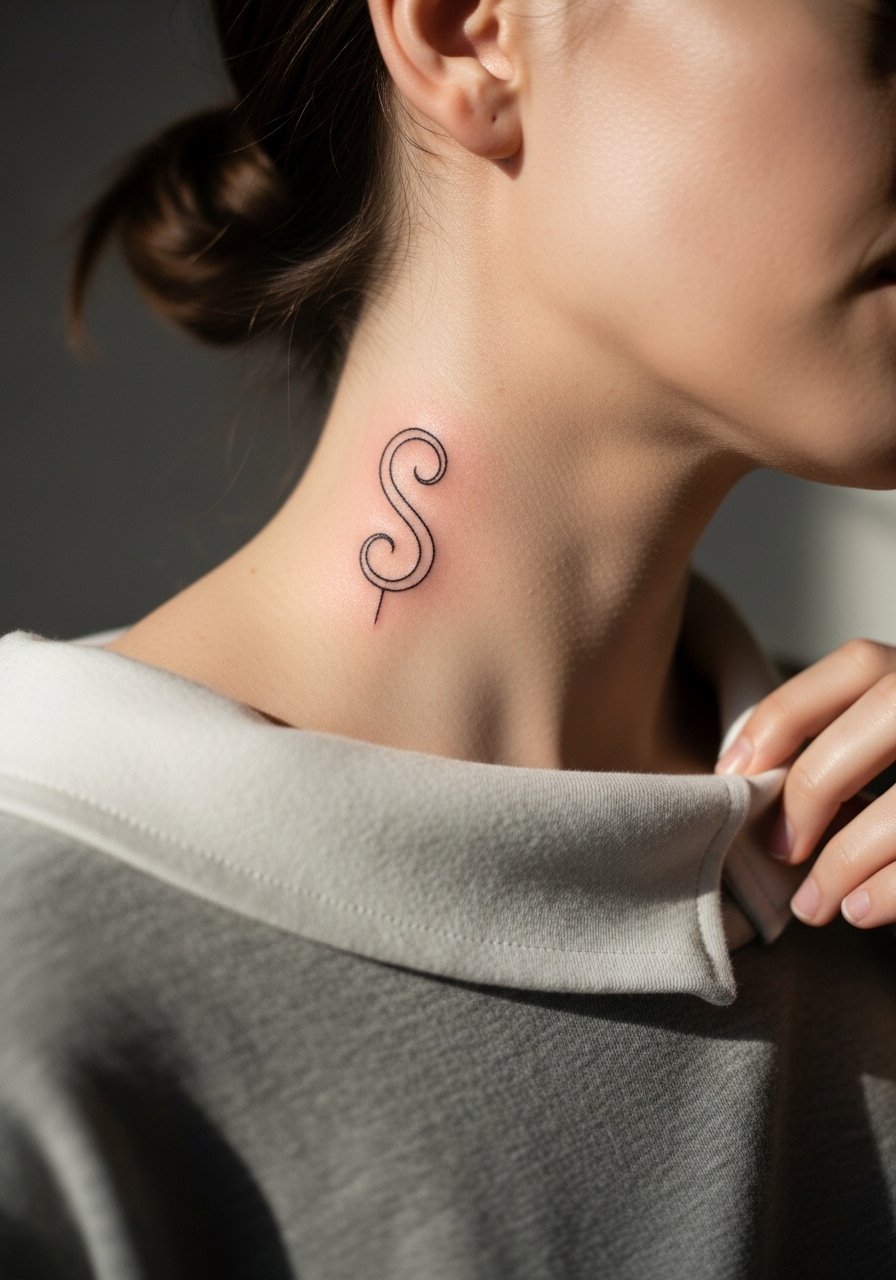
The side neck is striking but demands experience. Expect moderate pain and short sessions if the piece is around 3 inches. The aging truth is this spot is visible and exposed to sun a lot, so ask your artist for slightly bolder outer strokes with delicate interior detail. Artists debate over thin lines on necks. One camp says superfine work looks amazing fresh but needs touch-ups fast. The other camp says correct needle depth and spacing fix the issue. Mention this debate in your consult and get a heal-up plan. For styling, a high collar jacket unzipped halfway frames the S-curve without covering it. Expect touch-up needs at around two years on high-sun days.
6. Collarbone Angular Circuit Pattern
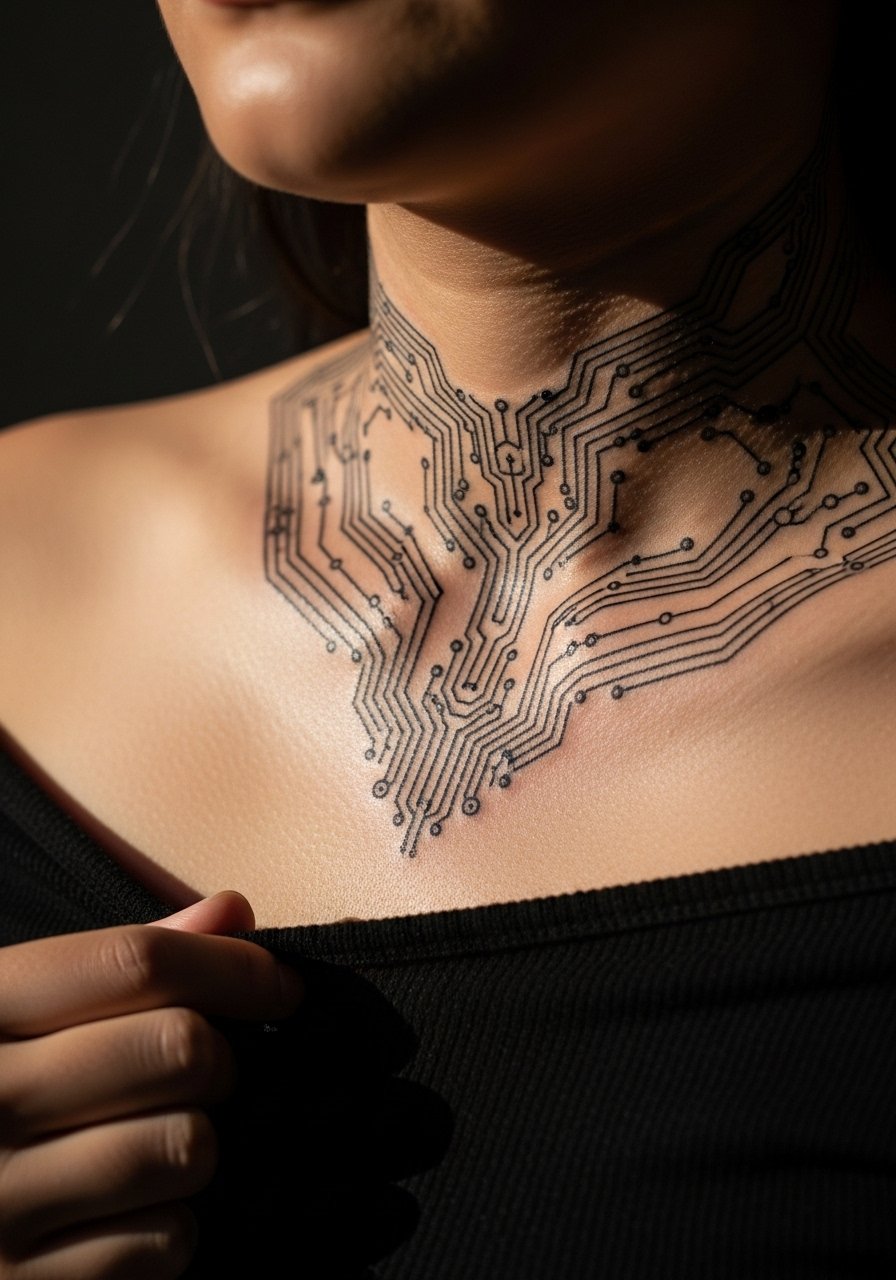
Collarbones read beautifully with geometry that respects bone lines. I recommend a 4-inch width that follows the clavicle and avoids compressing fine cross-hatching into a tight band. Sessions are moderate and often done in two passes for symmetry and comfort. A common error is skirting too close to the joint where motion distorts thin strokes. When showing it off, try an off shoulder top in matte tones so the circuit follows the bone without competing with jewelry. Expect low blowout risk if the artist spaces the linework and avoids micro shading.
Studio Day Picks
The wrist, neck, and collarbone pieces above need different prep than larger back work, so a compact kit for quick sessions keeps things simple.
-
stencil transfer paper kit. Lets you preview exact placement on skin before a single needle hits, helpful for the chest and collarbone mirroring described above.
-
topical numbing cream. Applied per instructions it can ease wrist and neck sensitivity during short sessions.
-
thin protective film roll. Useful for hand and wrist pieces that face constant friction from washing and typing.
-
fragrance free gentle body wash. Cleans the area without stripping the delicate linework on fine-line forearms and chests.
-
Aquaphor healing ointment. A thin layer helps lock in moisture during the first few days while fine lines are sealing.
7. Back Piece with Negative Space Sigils
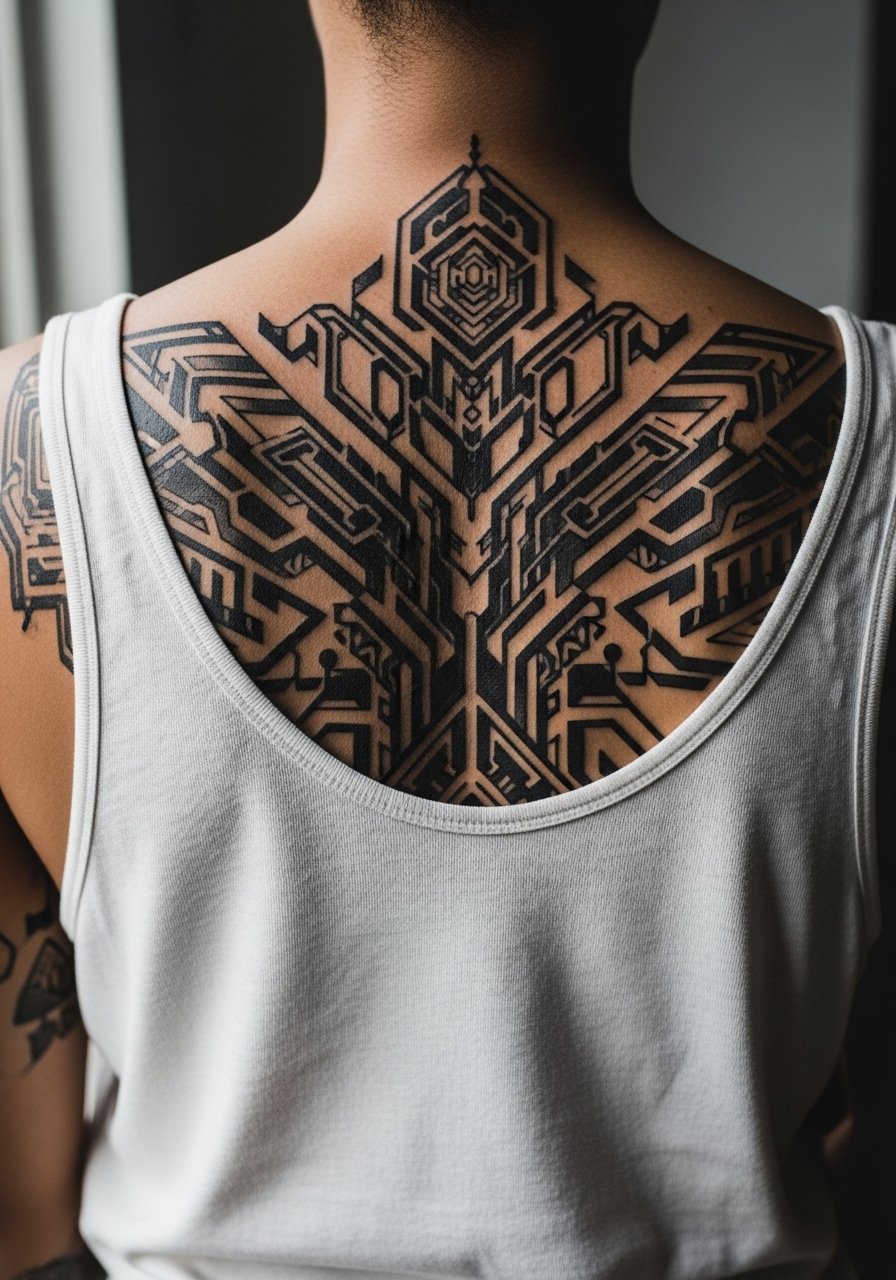
The back is the place to play with negative space at large scale. If you want organic-mechanical forms, plan for multiple sessions, often five or more, and discuss how negative areas will age against solid black. Tell the artist you want deliberate "breathing" between motifs so the voids hold up as the piece matures. A mistake is packing too much tiny detail into negative zones, which reduces the intended contrast after two to three years. Sessions are long but lower pain than ribs or sternum. For show-off outfits, backless halters or cropped tanks make the negative shapes read dramatically at night. Large canvases allow you to avoid the fine-line longevity issues common on hands.
8. Sword-Integrated Sigil on the Shoulder
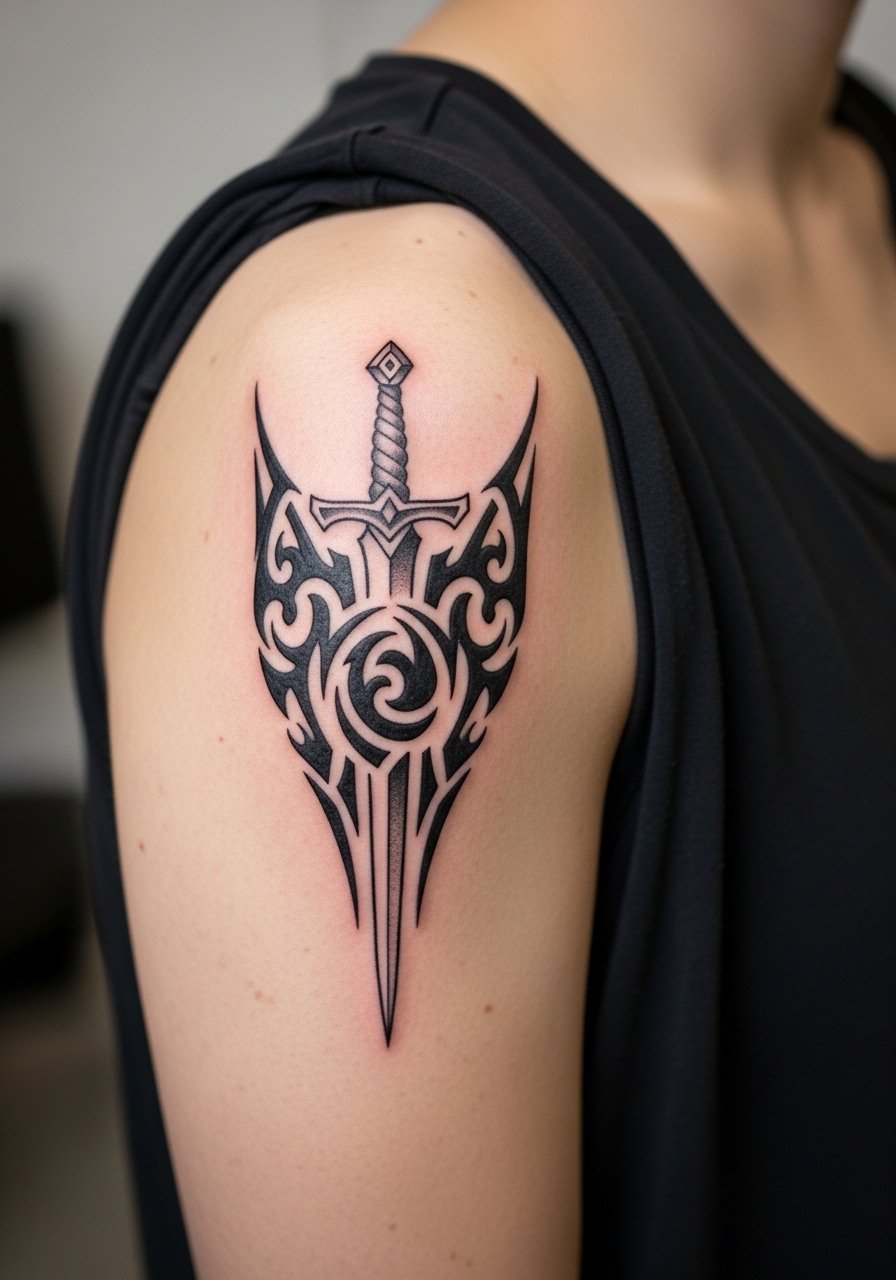
Shoulder work sits between visibility and coverage, and the curve of the deltoid helps the sword read as movement-friendly. Ask your artist to follow muscle flow so the sword's edge aligns with natural folds when your arm moves. Sessions often finish in one or two visits. A typical aging problem is forcing a straight line across rounded anatomy which kinked when the muscle flexes. For the session, pick a loose tank top you can pull aside without tugging against fresh ink. This placement has a moderate blowout risk if the needle angle is wrong, so discuss artist experience with shoulder geometry.
9. Winged Cyber Sigil on Upper Arm
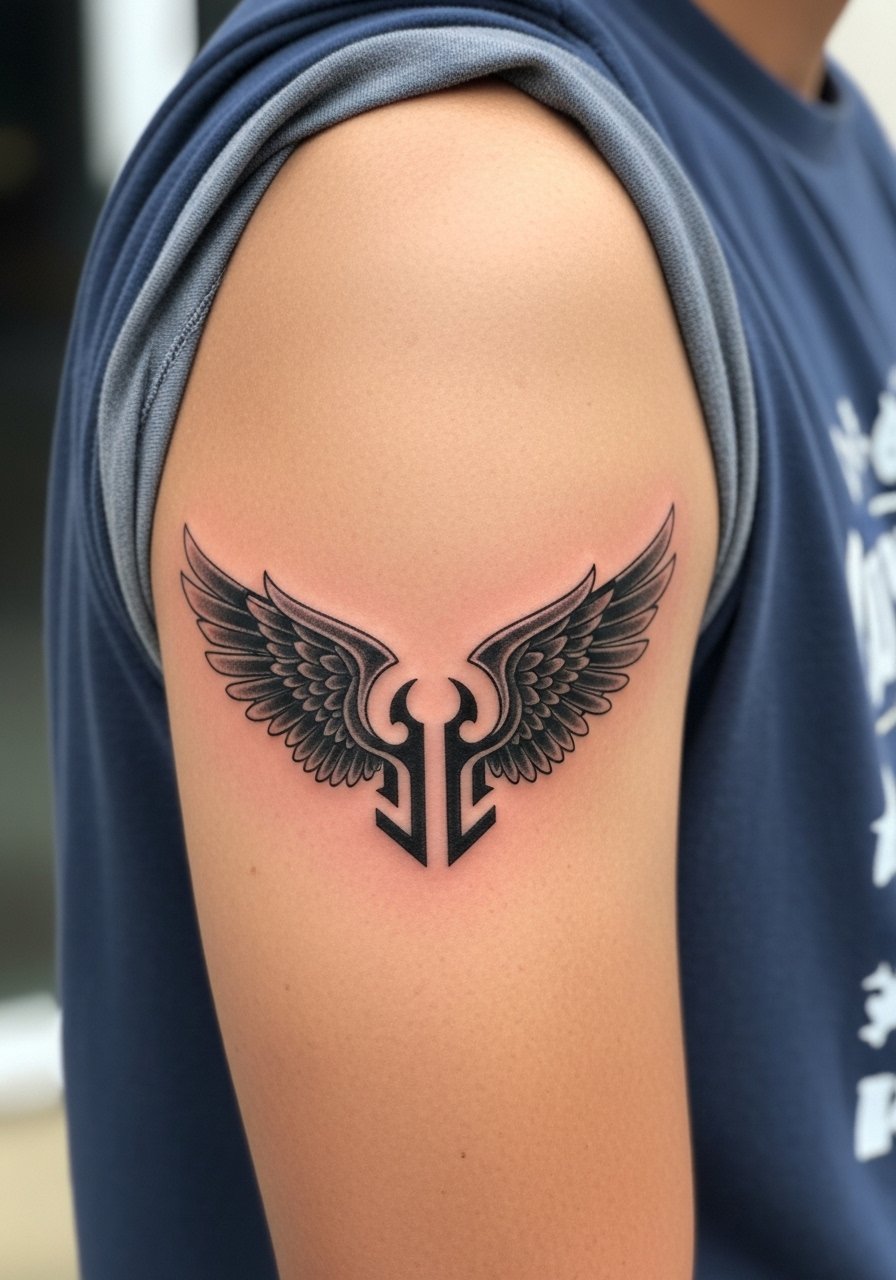
This is a good middle ground if you want impact without constant exposure. Outer upper arm sessions are comfortable and usually require two short passes. Tell the artist you want the wings to taper with slightly thicker outer edges and lighter inner strokes so the wings maintain silhouette as the ink softens over time. The common error is heavy internal shading that turns into visual clutter by year four. Pair the piece with sleeved or rolled shirts that show the wings when you lift an arm. Expect touch-ups at two to five years depending on sun exposure.
10. Heart Sigil with Circuit Angles on the Ribcage
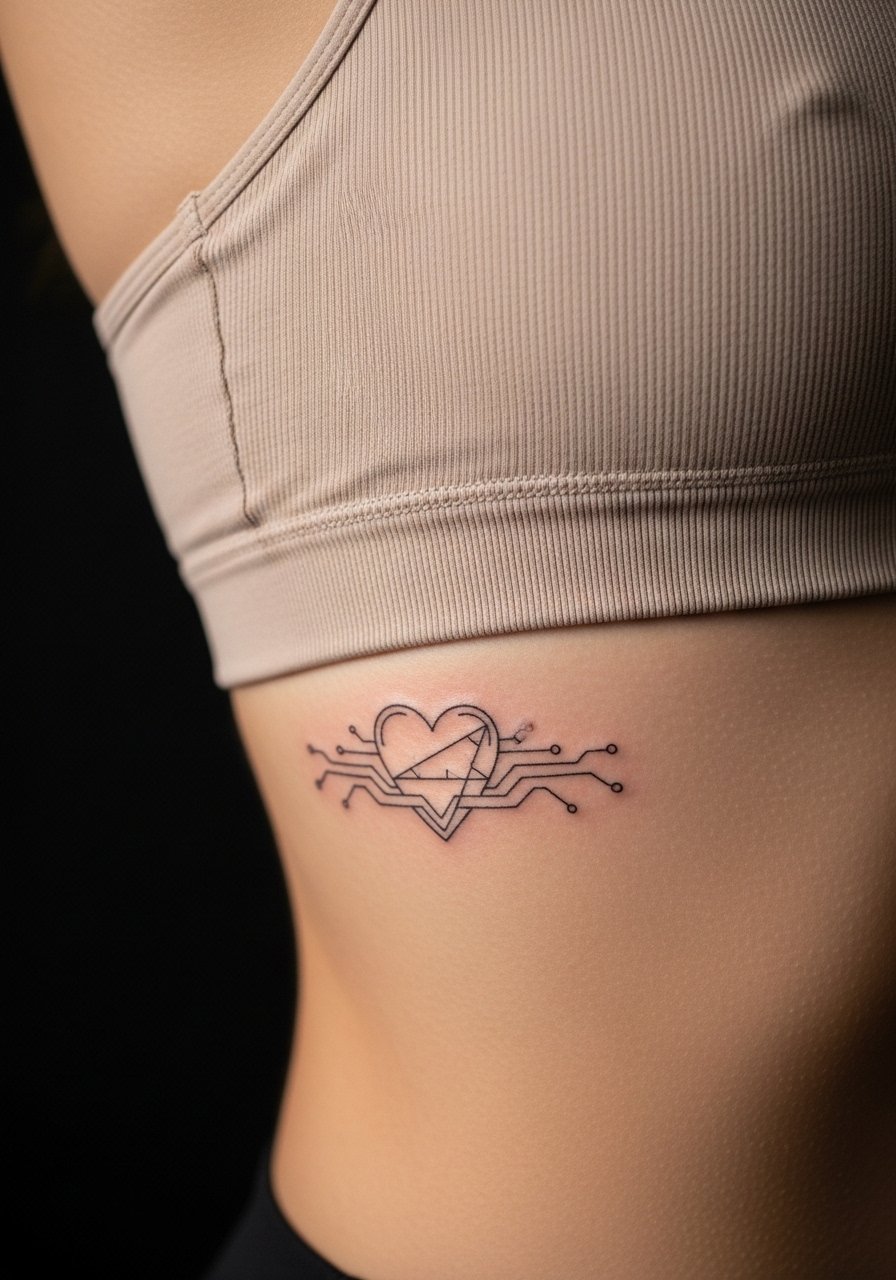
Fair warning: the ribcage is high on most pain charts, but it is also discreet and intimate. Artists split on fine line on ribs. One group says breathing and skin stretch make dense work blur quickly. The other group contends that with correct spacing and conservative line weight, ribs can hold fine detail for years. If you choose ribs, request more spacing between circuits and expect the session to be broken into shorter passes. Wear a fitted sports bra on the day so the artist can access the area without tugging. Healed at six months the piece reads delicate; by year three you may plan a selective touch-up if you sleep on your side often.
11. Abstract Digital Rune on Thigh
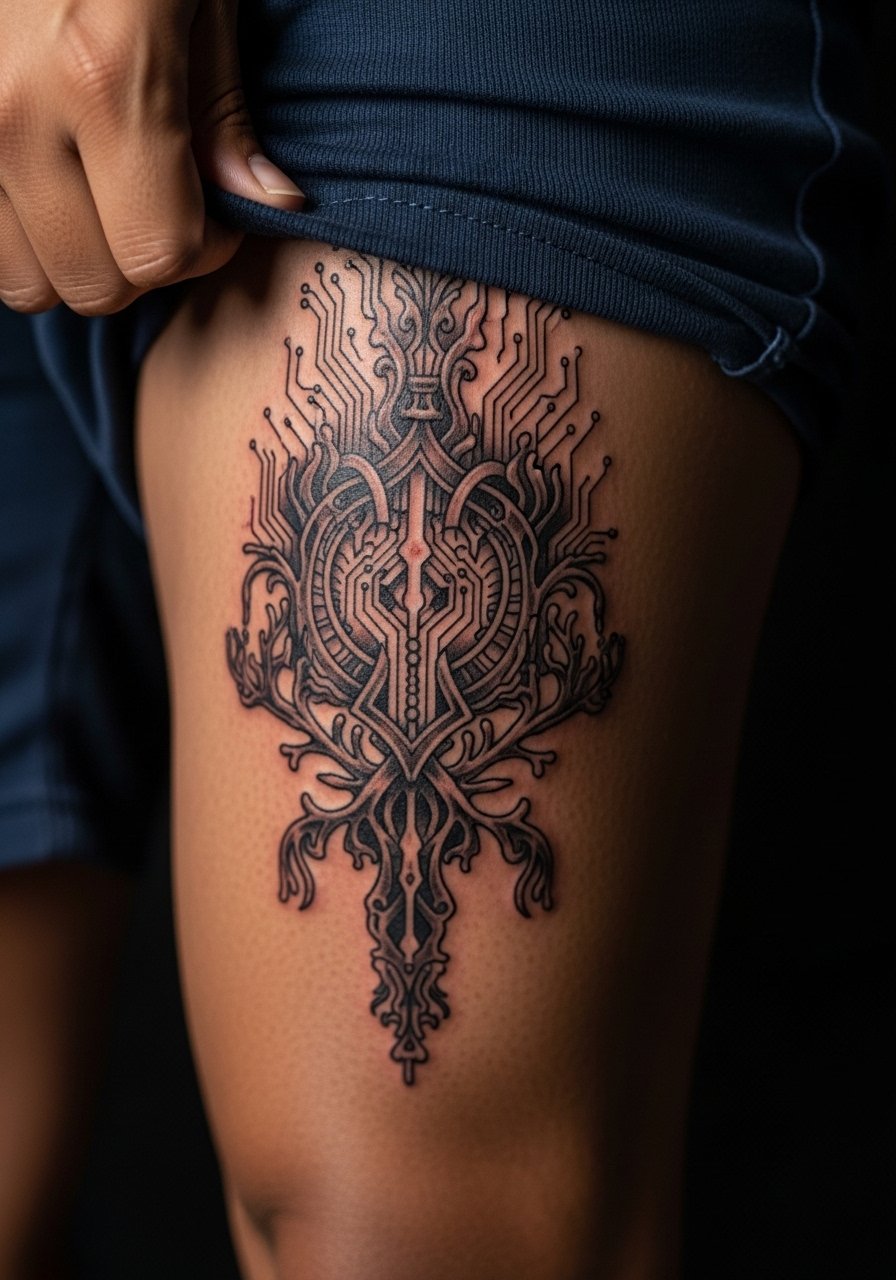
Thigh work gives you room for complexity and lower day-to-day fade. Tell the artist you want layered rune motifs with clear negative gutters between elements to prevent the shapes from merging as the skin shifts. Sessions typically run two hours per pass, and pain is often described as medium and manageable. A typical mistake is compressing too many small rune marks into a compact patch; spread them and use radial spacing. For session wear, comfortable high-waisted shorts or a wrap skirt make access easy. Thigh pieces age well and often do not need touch-ups for several years unless you gain or lose a lot of weight.
12. Anime-Inspired Sigil Fusion on the Calf
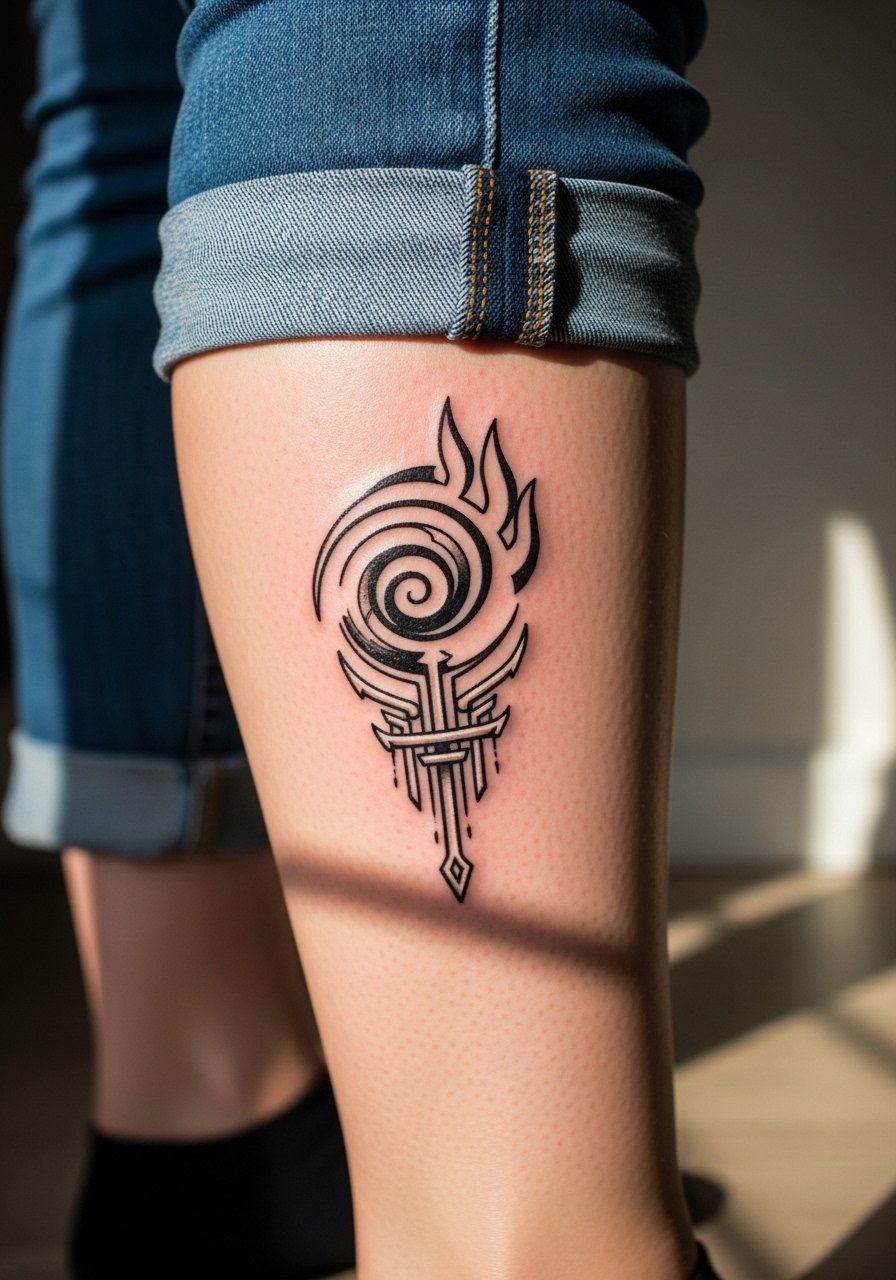
Calf pieces are friendly to illustrative merges of pop-culture iconography and ritual runes. In consult, bring clear references that show both the anime motif and the sigil lines so the artist can translate scale and weight. The session feels tight but tolerable and is often completed in two passes. A mistake is crowding the calf with competing elements that break the silhouette when viewed from a distance. For casual display, roll your jeans or wear mid-calf boots; the design pairs well with canvas sneakers. Calf ink usually holds very well with minimal touch-ups unless you are a frequent runner who exposes the area to heavy sun.
13. Micro-Circuit Anklet Around the Ankle
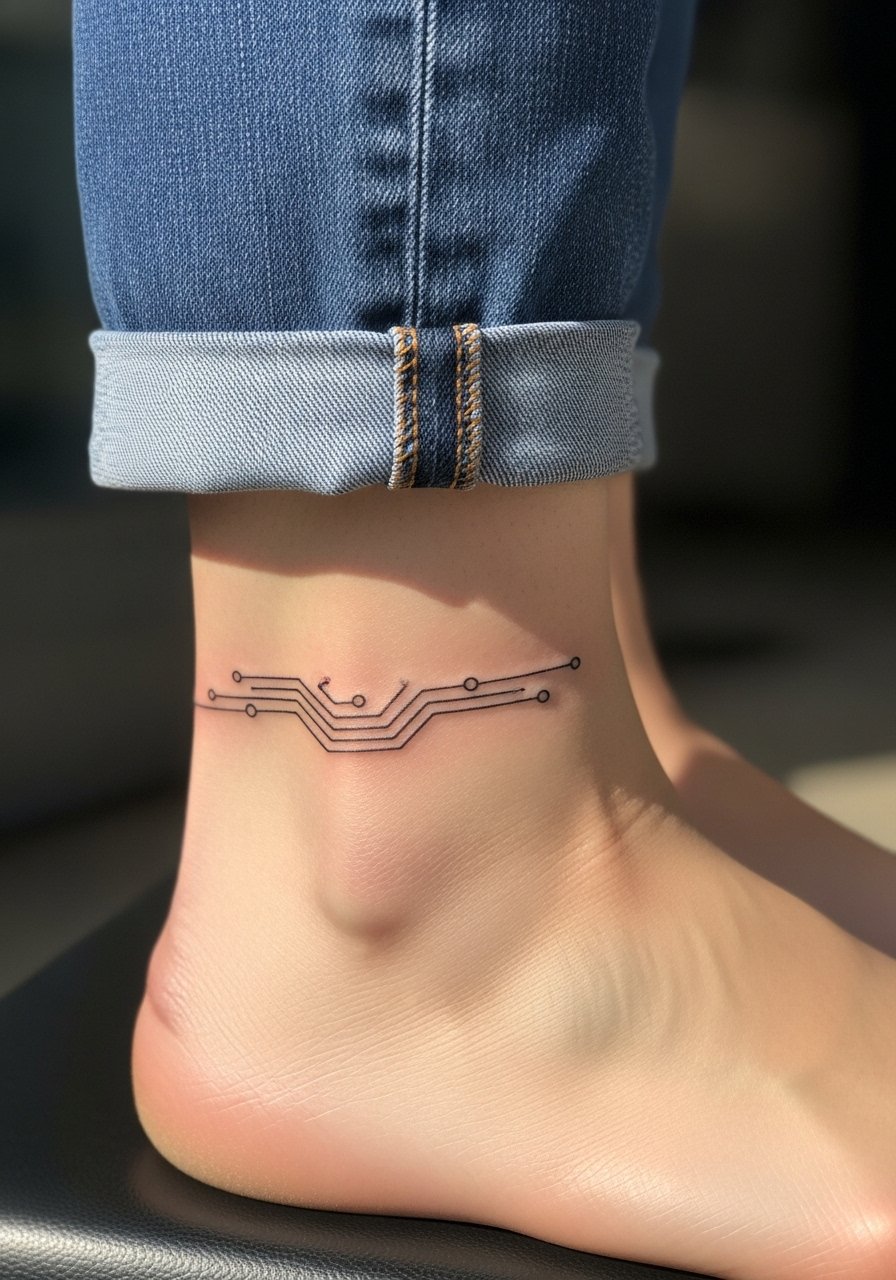
This small band reads like jewelry but ages under high friction from socks and shoes. Ask your artist for slightly thicker main lines and a simplified inner structure so it survives constant abrasion. Session time is short but the area is sensitive and may sting. A frequent mistake is designing an ultra-fine chain effect that blurs within a year. For showing it off, wear low-cut sneakers or sandals and consider a thin ankle chain when dressing up. Touch-ups are common around year two if you wear tight footwear often.
14. Micro Rune Stack on Outer Calf
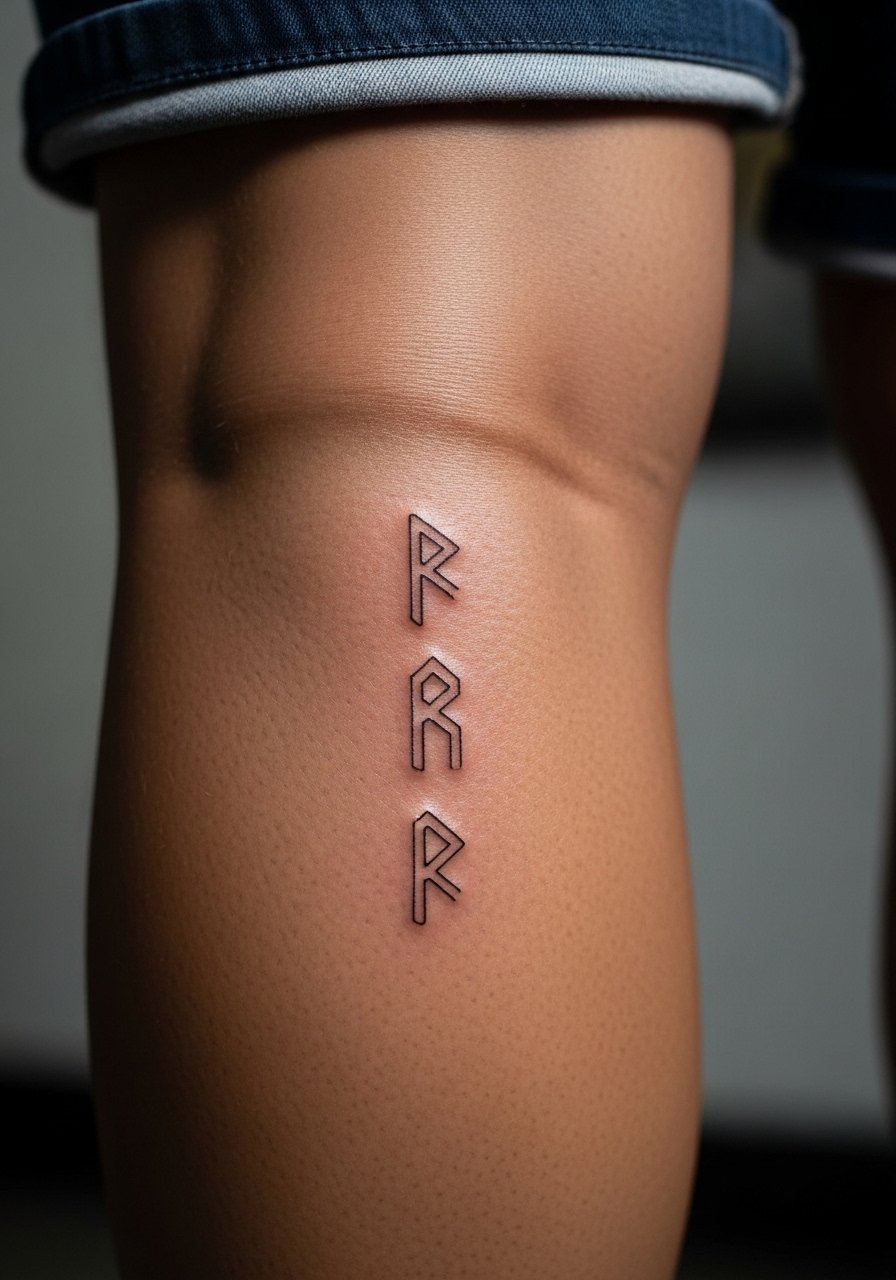
If you want a modular option, stacked runes let you add pieces over time. Tell your artist to leave vertical gutters between runes so future additions do not crowd existing work. Sessions are quick and mildly uncomfortable on the outer calf. The common error is placing runes too close and expecting clean separations as you age. For casual styling, rolled shorts and mid-calf socks show off the stack without covering it. Because runes are fine, expect a light retouch after two to three years depending on sun and abrasion.
15. Side Rib Circuit Heart Accent
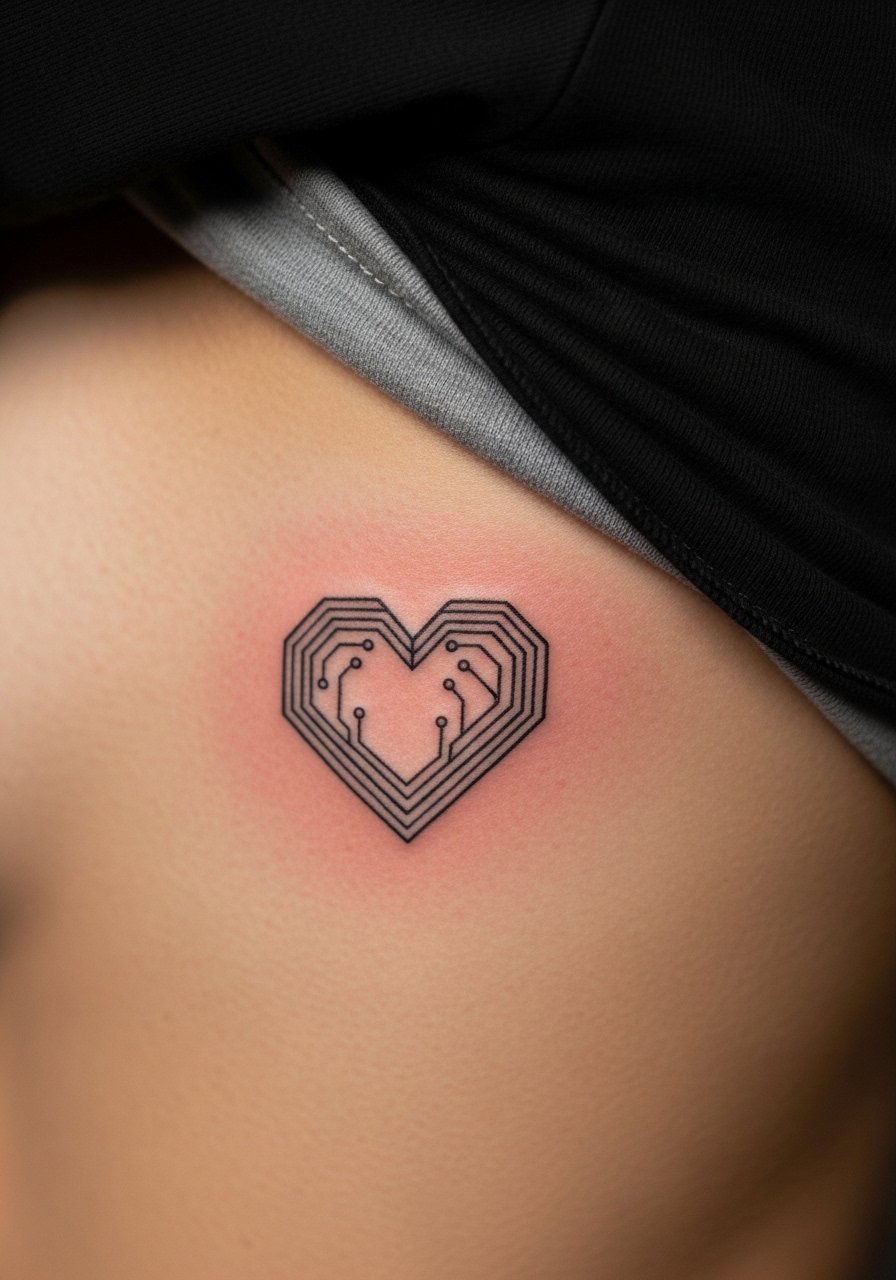
Ribs return as a theme for intimate statement pieces. This version pairs a small heart with radiating circuit lines kept sparse to survive movement. In consult, request that the artist map the circuits to your natural torso curves to prevent distortion when you sit or twist. Sessions can be painful in spots and are usually split into two. People err by asking for dense dot work in a tiny heart at the rib; that density collapses into blur. For the appointment wear a strapless or easily adjustable top and take short breaks. Expect selective touch-ups if you sleep on the same side nightly.
16. Small Sigil Behind the Ear with Neck Flow
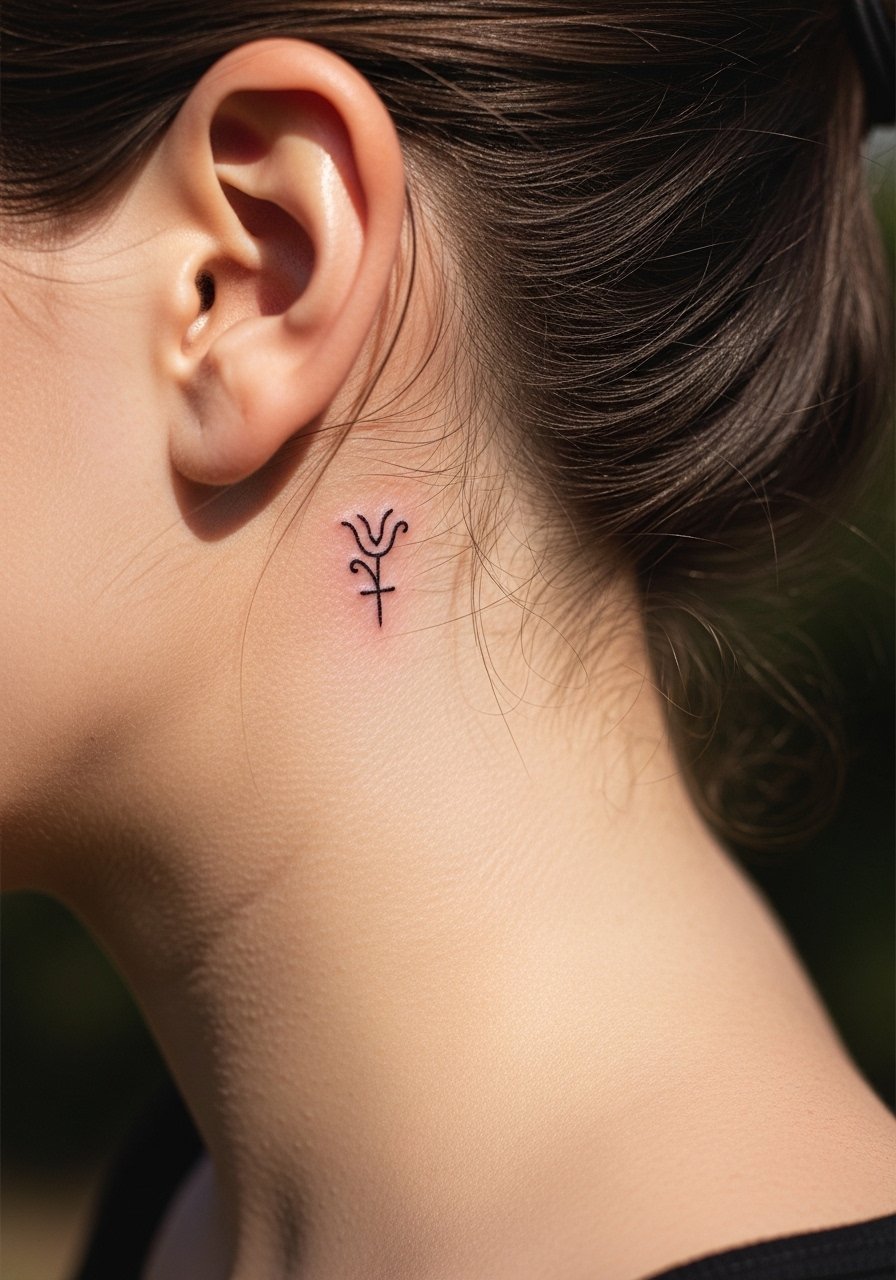
Behind-the-ear tiny sigils look discreet but require careful placement. The area is delicate and artists often recommend tiny, single-pass lines with minimal fill. The session is short but the skin there is thin and sensitive. A common mistake is forcing larger motifs into the zone where they will read cramped. Note that this area may be visible around conservative workplaces, so consider placement relative to career. For the session, tie hair up and wear a wide-neck shirt so the collar does not rub the site. Expect a touch-up at year two for any fine details that migrate.
17. Abstract Circuit Medallion on Outer Thigh
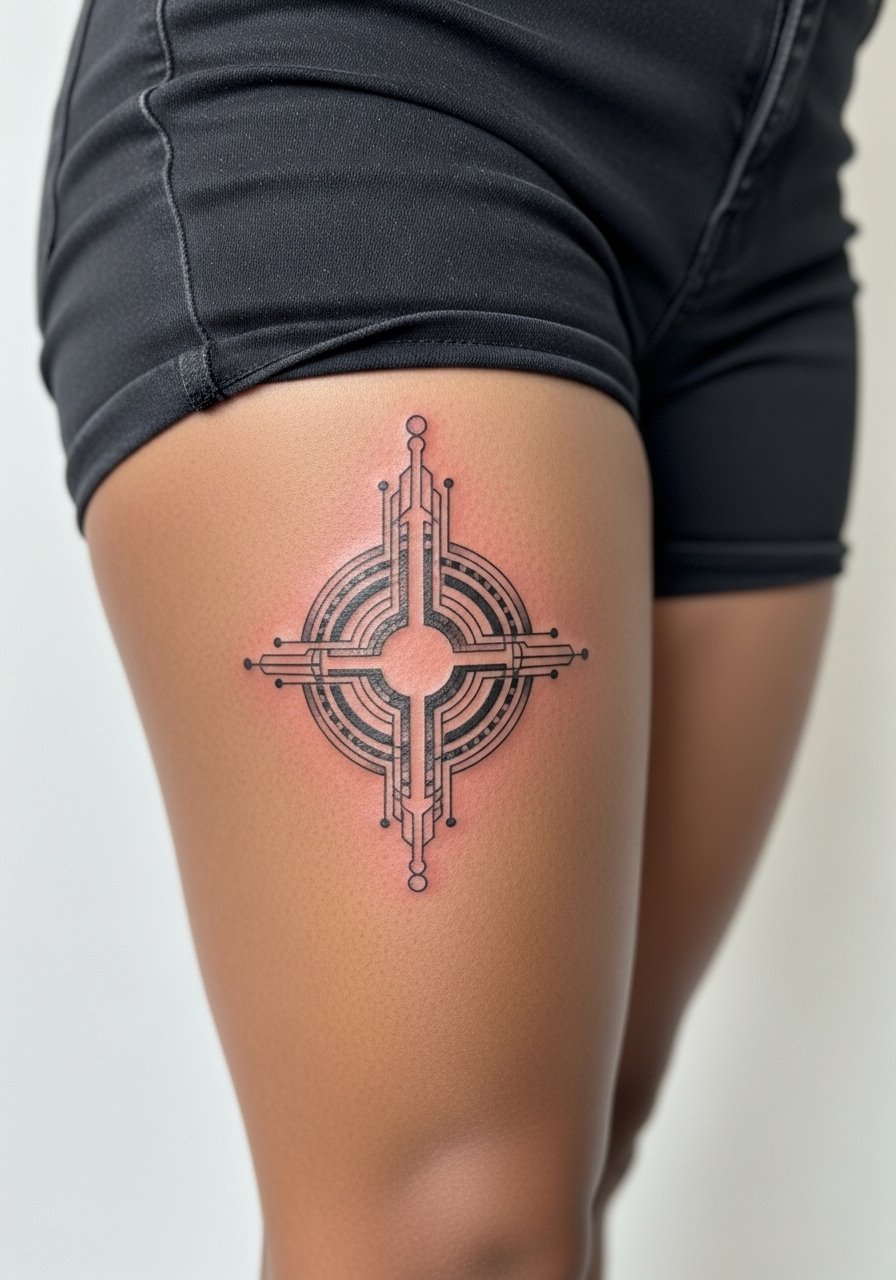
End with a private statement piece that scales nicely. The outer thigh accepts complexity well and is forgiving with thin work, provided your artist keeps negative gutters between dense lines. Sessions run two hours or more for a medium medallion and pain is manageable. Avoid packing too many tiny circuits into the center or you will lose the medallion's focal point as it heals. For session comfort, wear loose shorts that can be shifted without rubbing the fresh tattoo. Thigh medallions age slowly and often remain readable for several years with minimal maintenance.
Frequently Asked Questions
Q: Will fine line cybersigilism tattoos blur faster on hands and neck, and what are the trade-offs?
A: From what I've seen, fine line blurs faster on hands and neck because those areas face more washing, sun, and motion. One camp favors bolder neo-tribal lines for longevity. The other camp says precise spacing and the right needle depth keep fine work readable. The trade-off is immediate delicacy versus long-term durability. Ask your artist which approach they prefer and plan for touch-ups at year two to three for high-friction spots.
Q: How should I prepare clothing-wise for a chest or ribcage session?
A: Wear something the artist can move aside without dragging fabric across the area. A loose button down shirt or a fitted sports bra works well for chest and rib sessions. Bring layers to stay warm during longer sittings and skip tight waistbands that press on the tattoo later.
Q: For a back piece with negative space, how do I tell the artist I want the voids to hold up?
A: Ask specifically for "negative gutters" or intentional spacing and to preview the stencil in different positions so you can see how light and shadow will read. Request sections of solid black that frame the negative areas rather than filling small interior dots. Large-scale negative space depends on deliberate contrast, not micro detail.
Q: How often should I plan touch-ups for cyberglyphs on the forearm versus the hand?
A: Expect forearm pieces to need fewer touch-ups, often every three to five years. Hand pieces usually demand a check-in around year two because of constant exposure and friction. Exact timing depends on your sun habits and how much daily wear the area receives.
Q: Are there discovery paths for finding artists who specialize in cybersigilism?
A: Yes. Use hashtags like #cybersigilism and #finelineblackwork on social platforms, search Tattoodo with a location filter, and check Reddit communities for peer feedback. Booksy searches by "cybersigilism" can show local guest spots and you can preview portfolios for similar clean linework before booking.