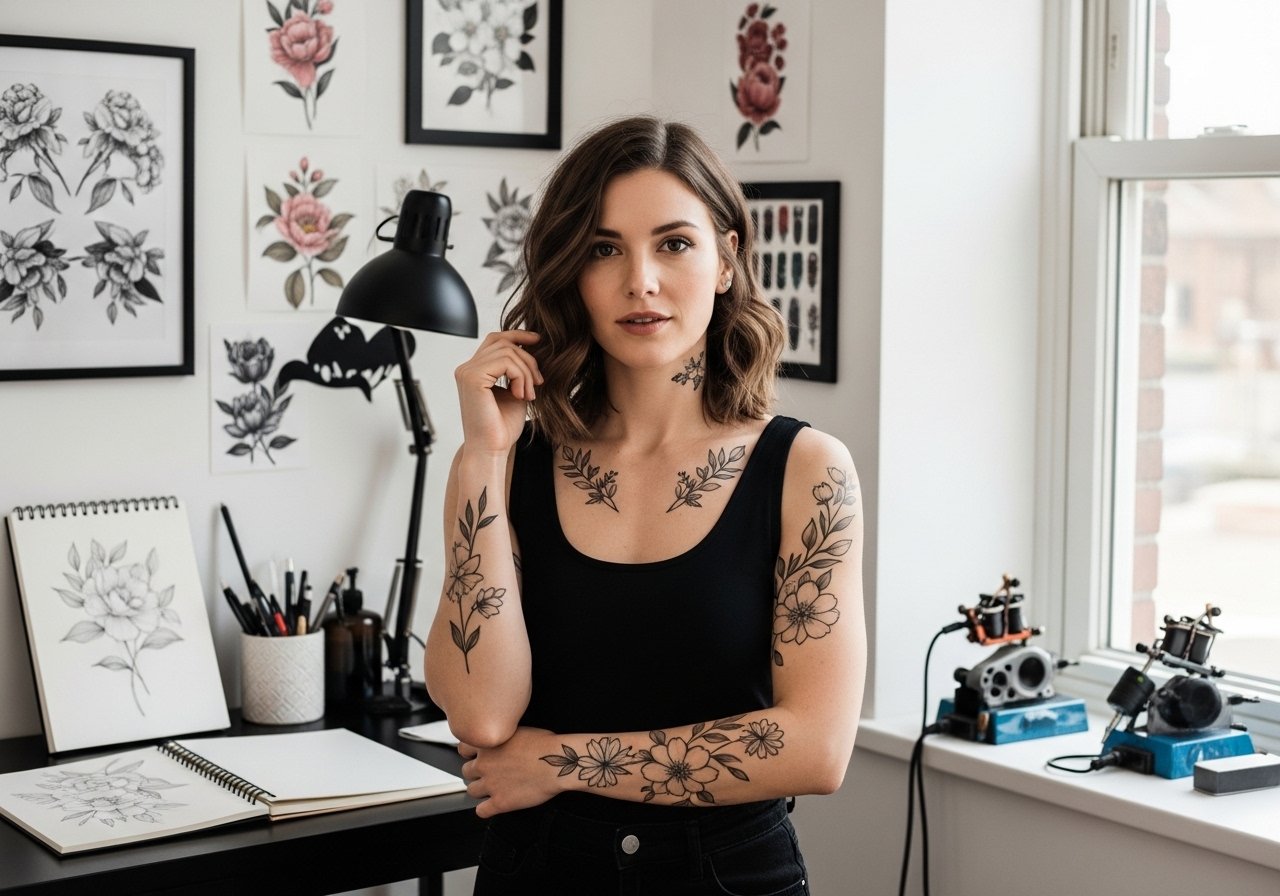
Fine line flower tattoos dominate saved boards, and what looks flawless fresh often needs small maintenance within a couple of years. Fingers and wrists are the usual trouble spots for fading, some shops still tack on surprise minimum fees, and rib placements can sting more than expected. Start with idea one for a wrist approach that keeps single-line work readable longer and saves you a return visit.
1. Single-line daisy outline on the wrist
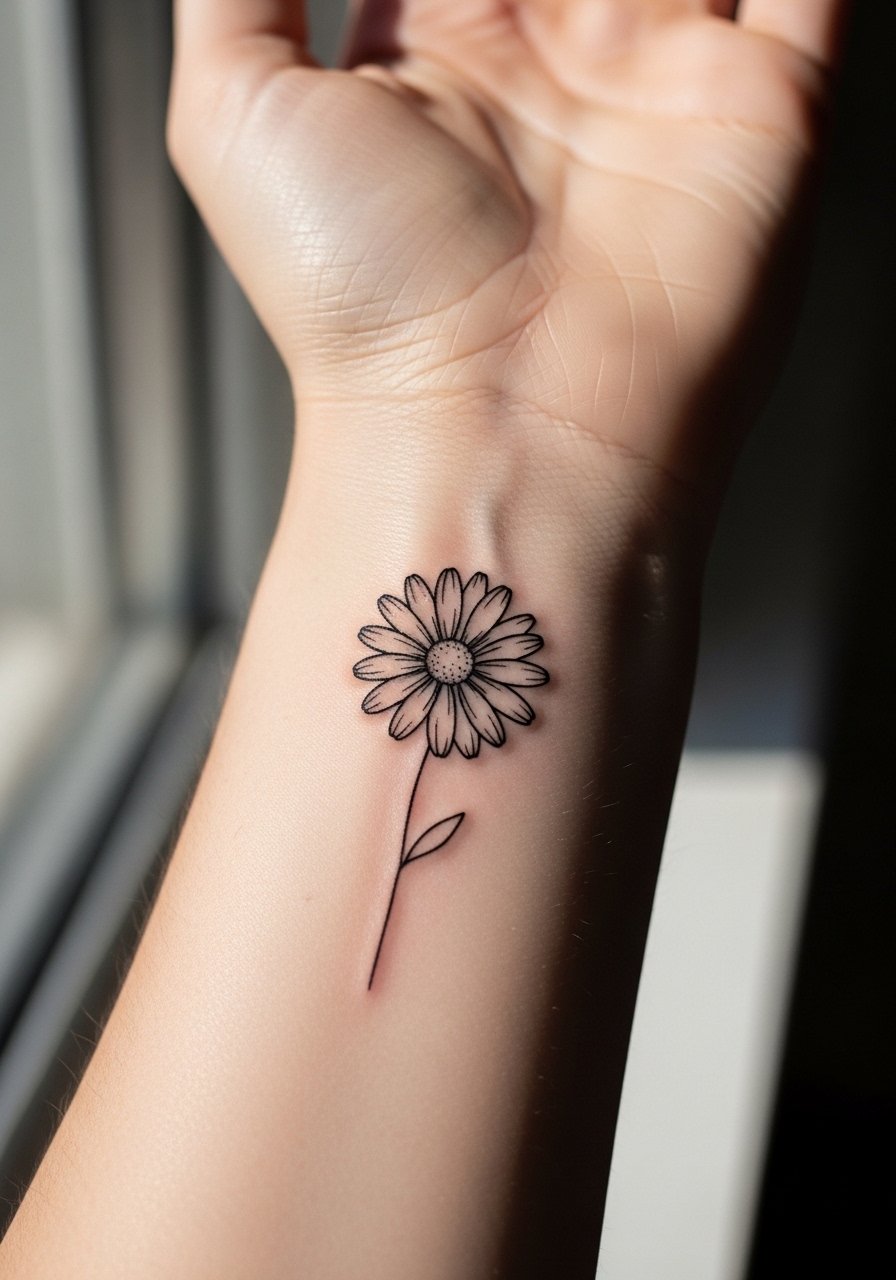
I recommend this if you want floral that reads day to day without crowding small space. I have seen this on clients and friends and in five shops across Brooklyn where the 1mm single-needle keeps the daisy readable after a year. Tell your artist you want slightly more spacing between petals and a minimum 1mm line so the outline does not blur into a dot over time. Expect a low pain session, about 20 to 30 minutes. The common mistake is asking for ultra-fine pinprick lines that disappear on fingers and wrists. Pair the finished piece with a few thin silver bangles on the opposite wrist to frame it for everyday wear.
2. Dotwork lotus bud on the inner forearm
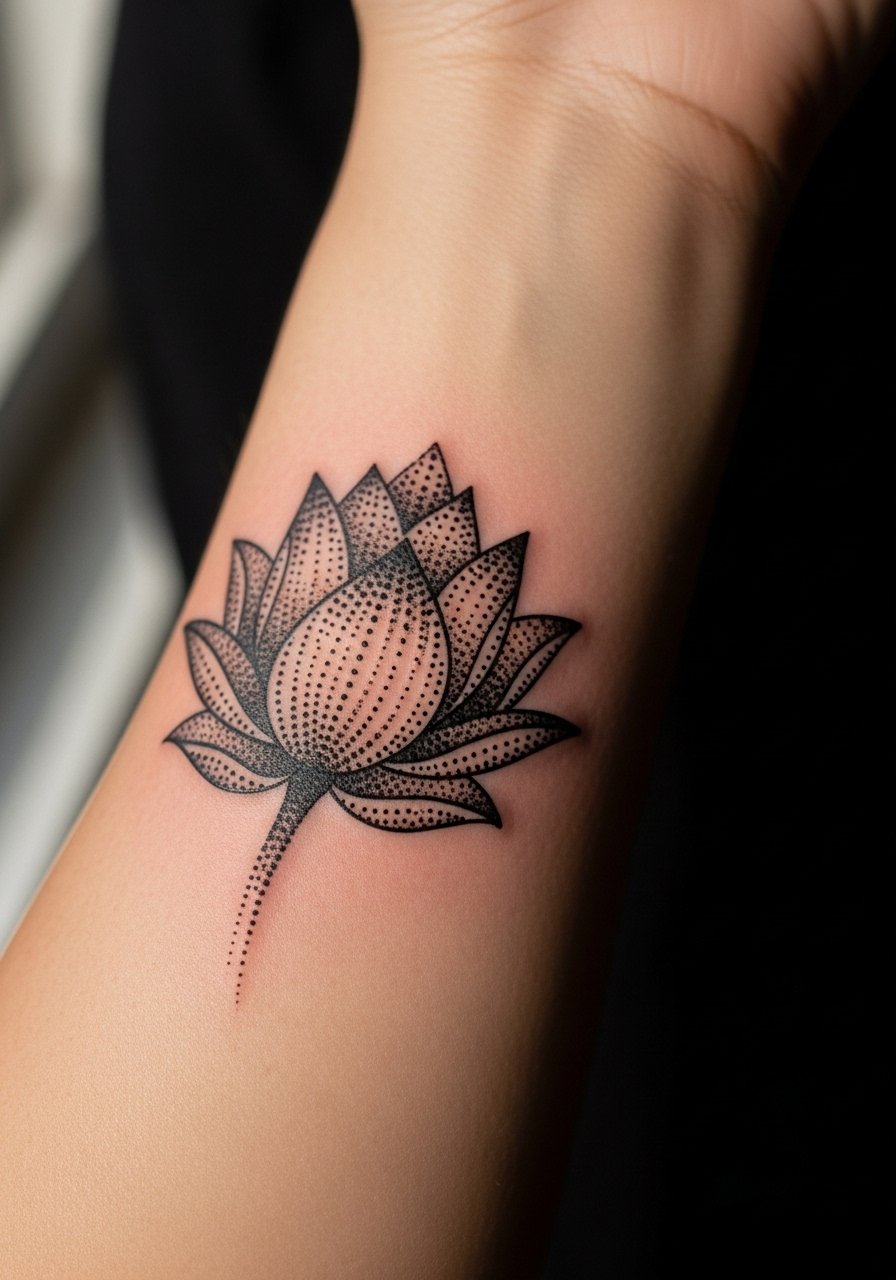
Fair warning: the inner forearm is forgiving for dotwork, and the stippling holds texture better than continuous shading. When you consult, show dot-density references and ask for 0.25mm dot layering rather than smooth gray fills. At six months the dots will have softened slightly and at two years the pattern should still read as texture, not blur. The session feels moderate because the area is less bony, and most artists plan 45 to 90 minutes depending on detail. For showing it off, roll up a linen button down shirt to highlight the sprig without competing with heavy sleeves.
3. Negative space rose thorn on the ankle
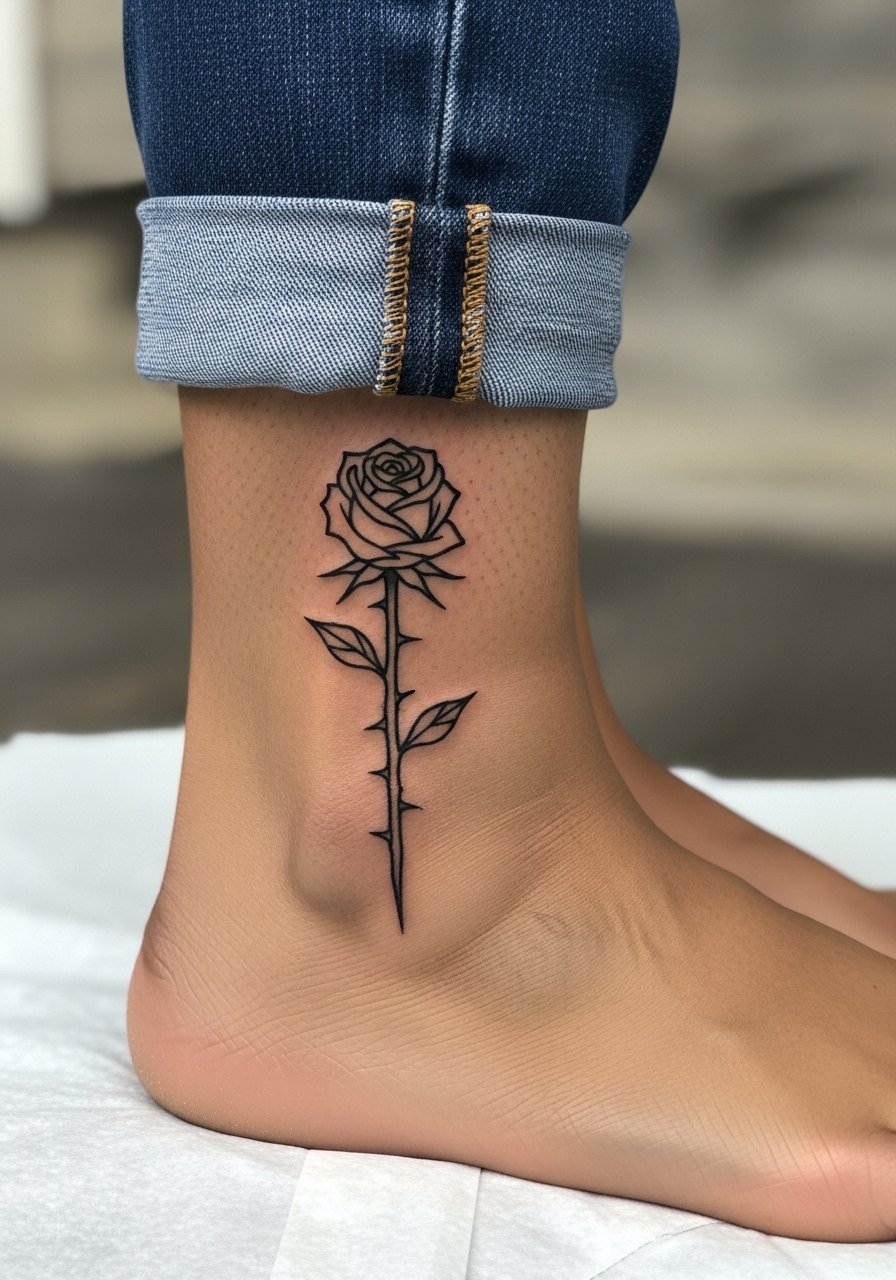
If you want contrast that plays with skin tone, negative space on the ankle is a smart pick. Tell the artist to plan open centers and bold outer contour so the skin shows through as the "petal" rather than tiny internal shading that fades. The area is vulnerable to friction from socks and shoes, so expect touch-up talk at your six- to twelve-month check. Pain is lower on the fatty ankle area but the collar of a shoe can irritate the fresh piece, so plan shoe-free recovery for the first few days. Show it off with strappy heeled sandals or cropped jeans that keep the ankle visible.
4. Micro poppy cluster behind the ear

This hidden spot gives a surprise pop when hair is up and it heals quickly because of small size. During consultation ask for short stems and a compact cluster rather than sprawling petals so the color stays saturated in a tiny area. Expect a quick session of 20 to 40 minutes and mild discomfort from needle proximity to bone. Because the placement sits under hair, plan hair tied up and no earrings during the appointment. Show-off pairing here is simple: side-parted hair and small hoop earrings keep attention on the poppy when it peeks out.
5. Geometric sunflower core on the collarbone
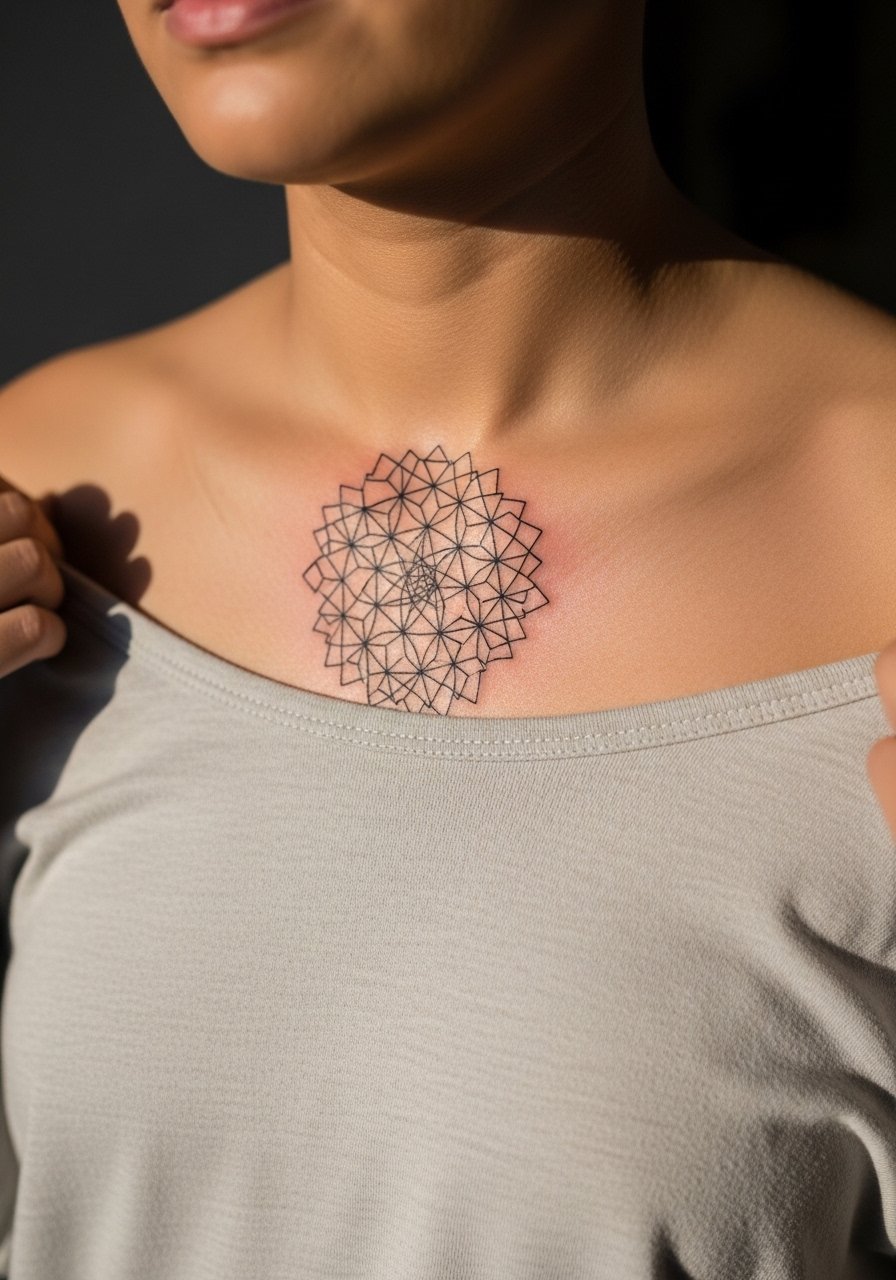
There is a clarity to geometric cores that scales well tiny on the collarbone. A wide arrangement of negative space and linework makes the sunflower read as a symbol rather than a literal bloom. Ask for clear spacing between petals and black outlines that are not too tight in dense areas. The collarbone can be sensitive so pain tends to be moderate to high for some people. For evenings out, pair it with an off shoulder linen top and layered delicate necklaces that stop short of the design.
6. Whisper-thin lavender sprig on the ribcage
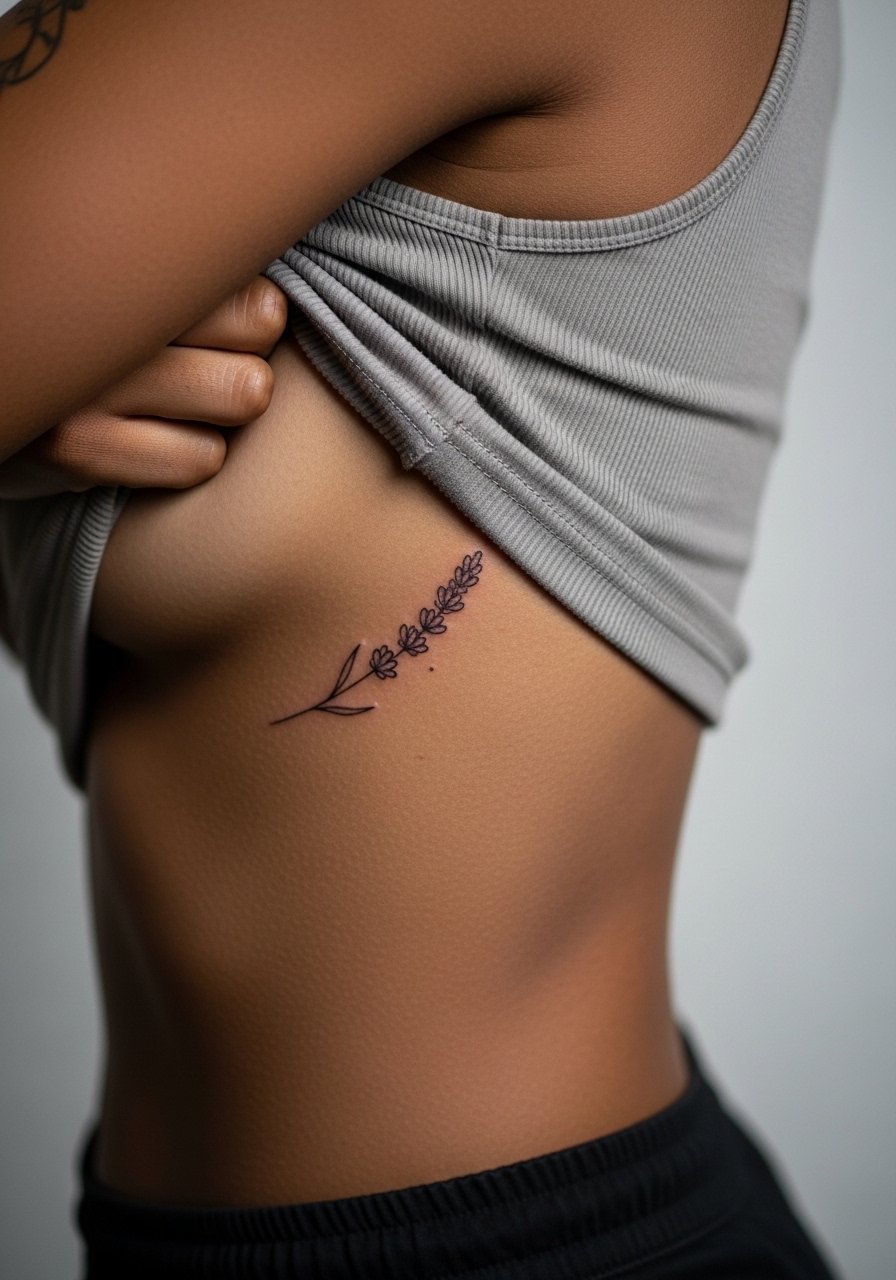
Artists split on fine line on ribs. One camp says skin stretch and movement blur ultra-fine work in two years. The other camp argues that with correct needle depth and spacing fine line can settle well on the ribcage. My take is to ask about touch-up policies and whether the artist prefers slightly wider line weight for this spot. Expect a higher pain rating, often around a 6 out of 10. For the session wear a loose tank you can lift and leave your chest and side accessible. When you want to show it, a crop tank top neutral or side-slit dress frames the sprig without crowding.
Pre-Session Essentials
The wrist, forearm, ankle, behind-ear, collarbone and ribcage pieces above each need slightly different prep. These five items make booking and the first week smoother.
-
Tea tree salve. Lightweight and breathable, it is popular for fine line work that needs moisture without clogging, handy for wrist and finger pieces.
-
Manuka balm. Works well in humid heals on small color spots like the behind-ear poppy because it helps scab edges lift cleanly.
-
Rice bran cream. Useful in dry climates for inner forearm and collarbone work to keep tiny dots from cracking.
-
Soy-free fragrance-free lotion. Good option for sensitive skin types and small tattoos where allergies are a concern.
-
Aquaphor healing ointment. Thin layer in the first days helps prevent excessive drying on delicate single-needle lines on wrists and ribs.
7. Outline-only tulip on the finger
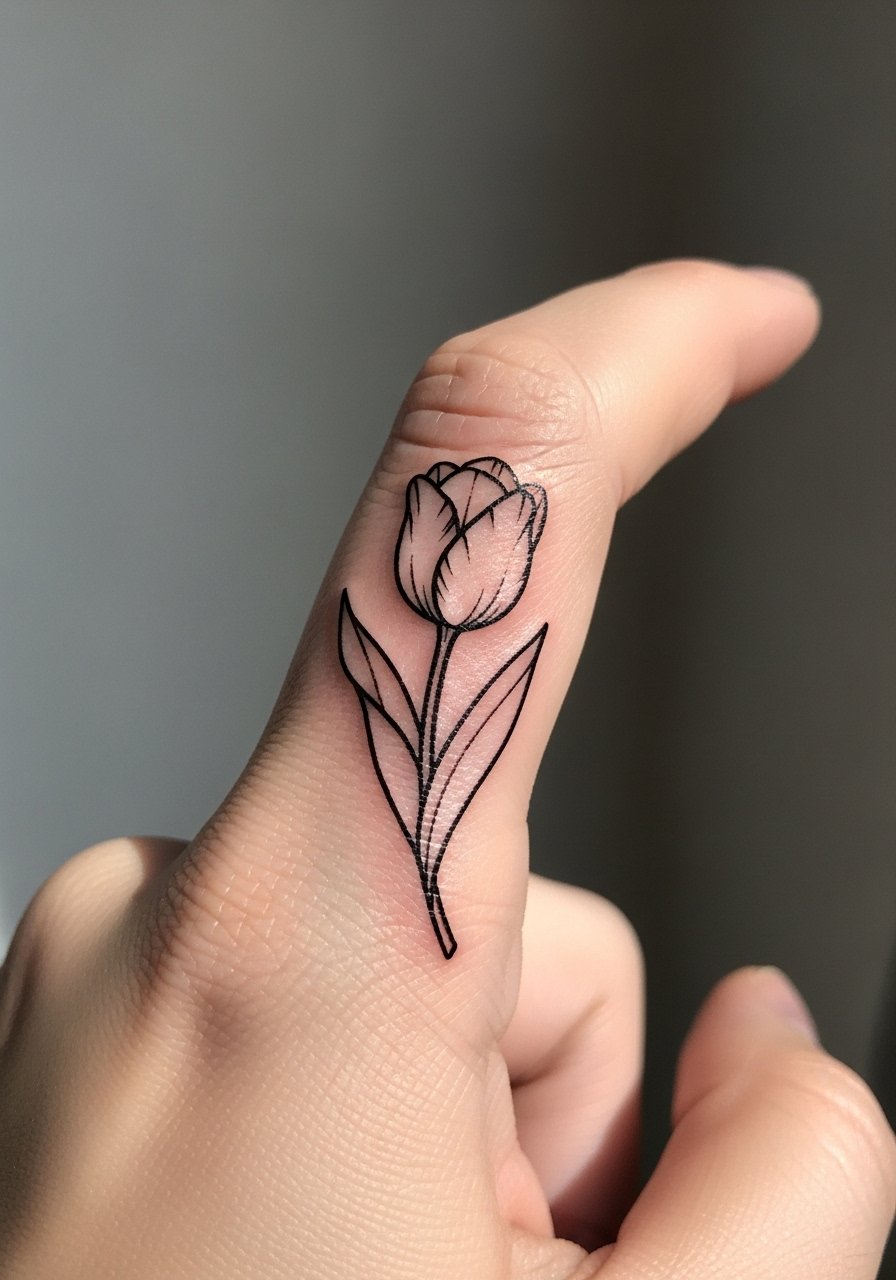
Finger work is a commitment because the area wears quickly from hand washing and friction. The best small tulips use slightly heavier single contours rather than hairline strokes. Tell your artist you prefer an outline-only tulip with minimal internal detail and plan for a touch-up conversation at six months. Most artists will note increased fading risk on fingers and recommend avoiding ultra-fine lines. The session is quick and the pain is higher than the wrist because the skin is thin over bone. Style it with a set of thin finger rings set on adjacent fingers to keep the tulip visible without crowding the knuckle.
8. Stippled wildflower on the shoulder blade
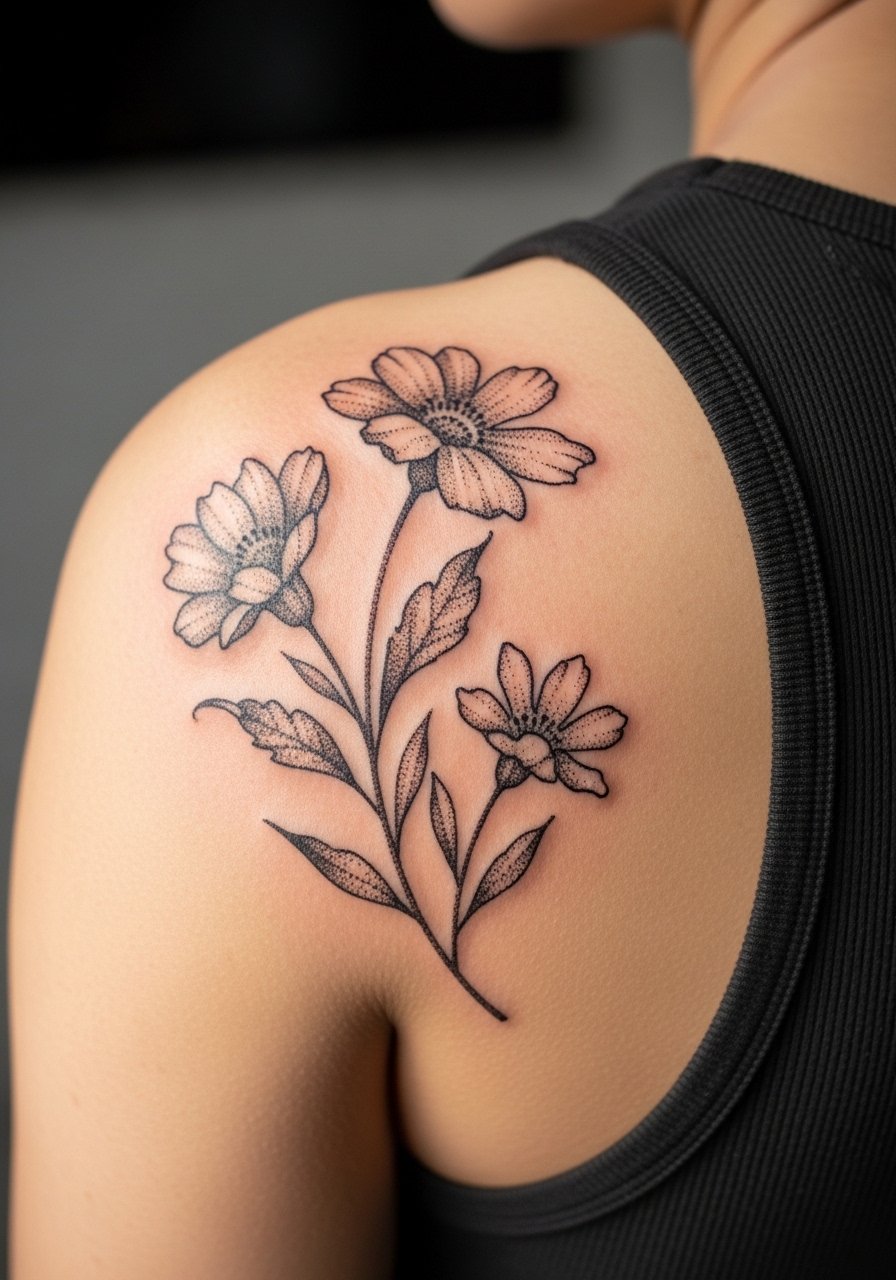
Shoulder blades accept texture beautifully and stippling gives micro florals a tactile look that ages into character rather than blur. Tell the artist you want dot gradients rather than smooth gray washes so the pigment holds over time. At six months expect the texture to soften but still read as depth. The session is comfortable because the area is fleshy and accessible. For the appointment wear a loose button-down shirt you can slip off easily so the shoulder blade is exposed without rubbing. The shoulder blade also photographs well in backless tops.
9. Single petal orchid drop on the inner thigh
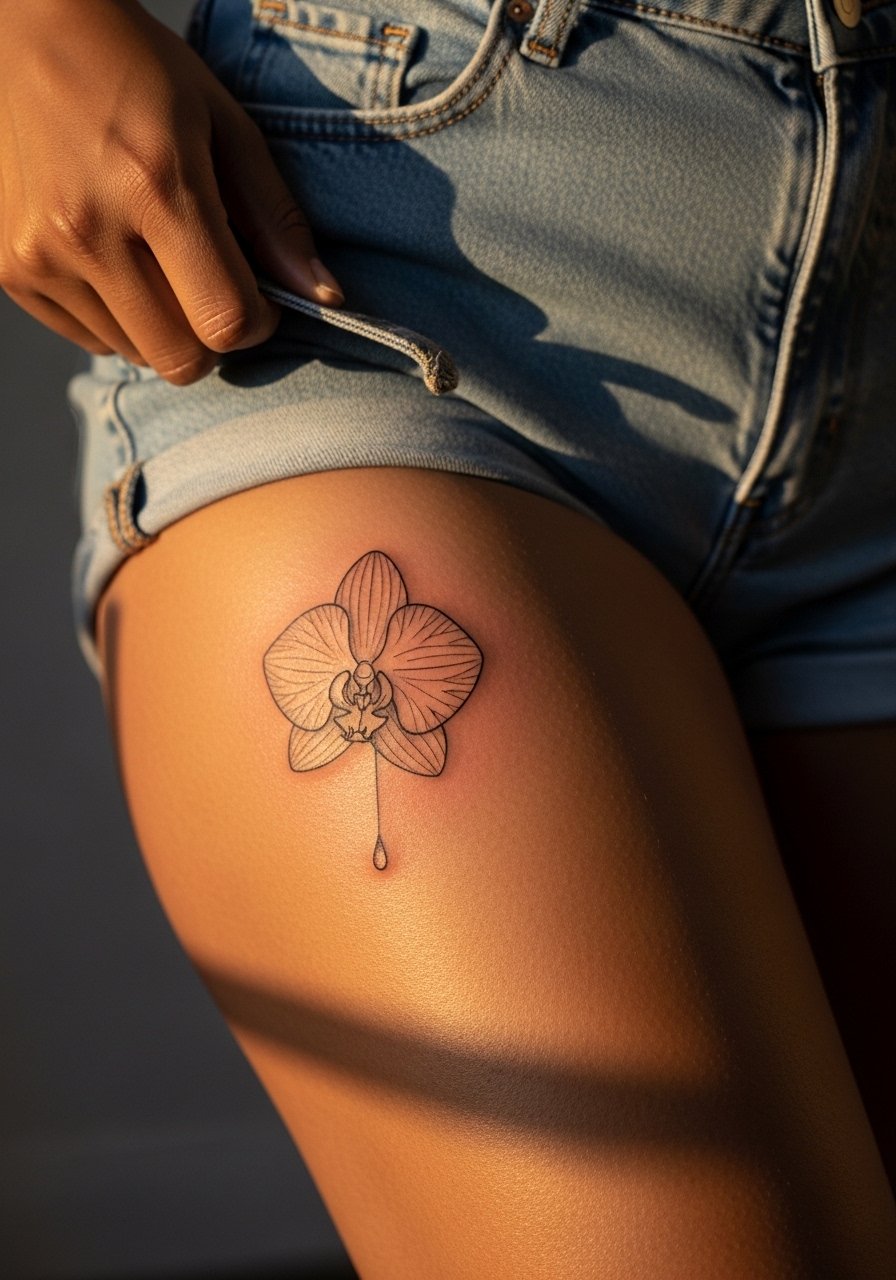
The inner thigh is trending for private reveals, and a single-petal orchid follows the curve of the leg in a flattering way. Ask the artist for a single-element design with fluid lineweight so it moves with the skin. The session can be sensitive because of nerve density in the inner thigh, but many people tolerate short sittings. Healing is fast as long as you avoid tight clothing that rubs. For post-session comfort wear high waist denim shorts or loose joggers on the day of appointment.
10. Abstract bloom fractal on the side neck
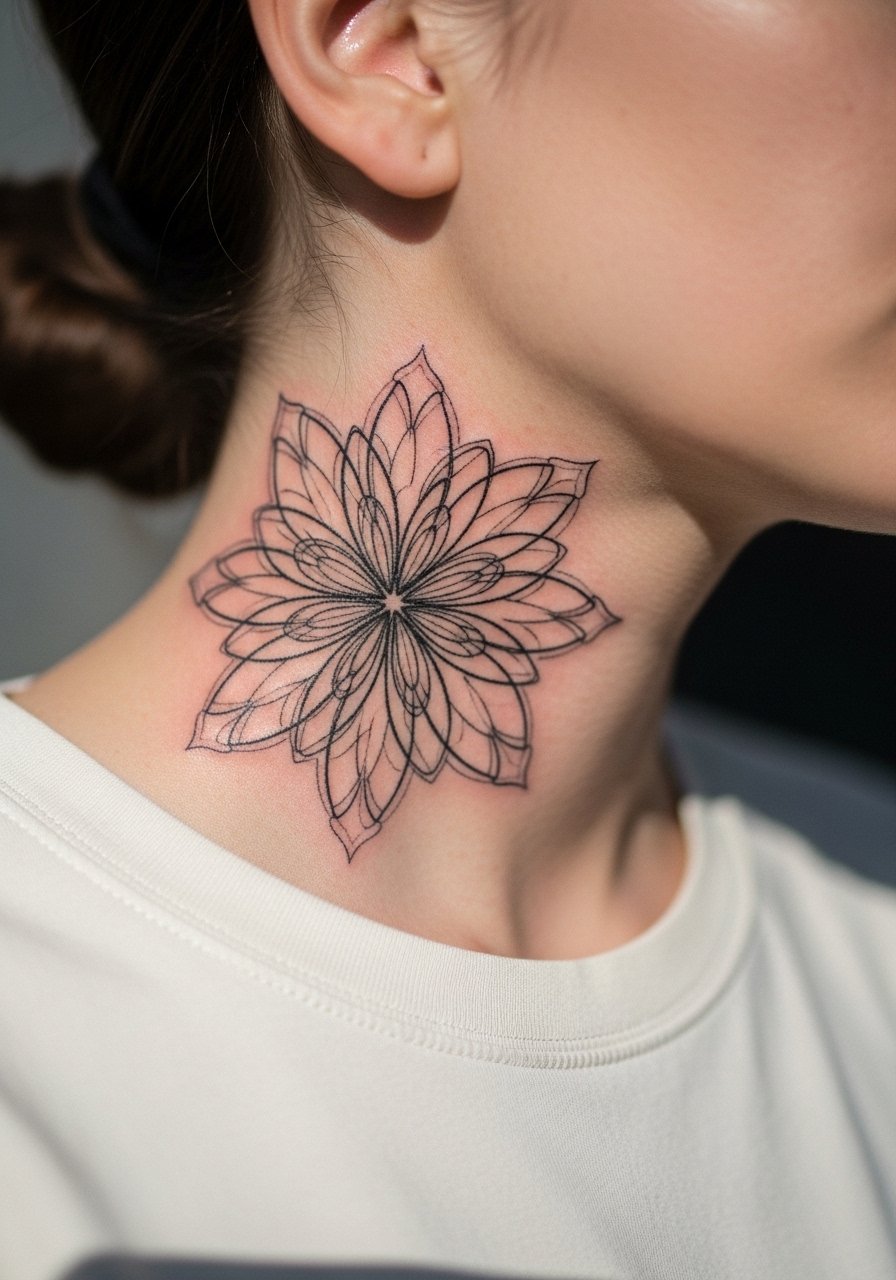
The side neck offers high-visibility impact in a tiny space when you use repeating fractal patterns. The main mistake is asking for too-dense geometry that requires tiny lines. Ask for more spacing and breathing room so the fractal remains crisp after settling. The area is sensitive and the session is short. For professional environments consider placement and visibility because neck work can read bold even when small. If you want subtle show-off wear a wide-neck shirt and minimalist jewelry that keeps attention without overwhelming the pattern.
11. Vine-wrapped micro daffodil on the calf
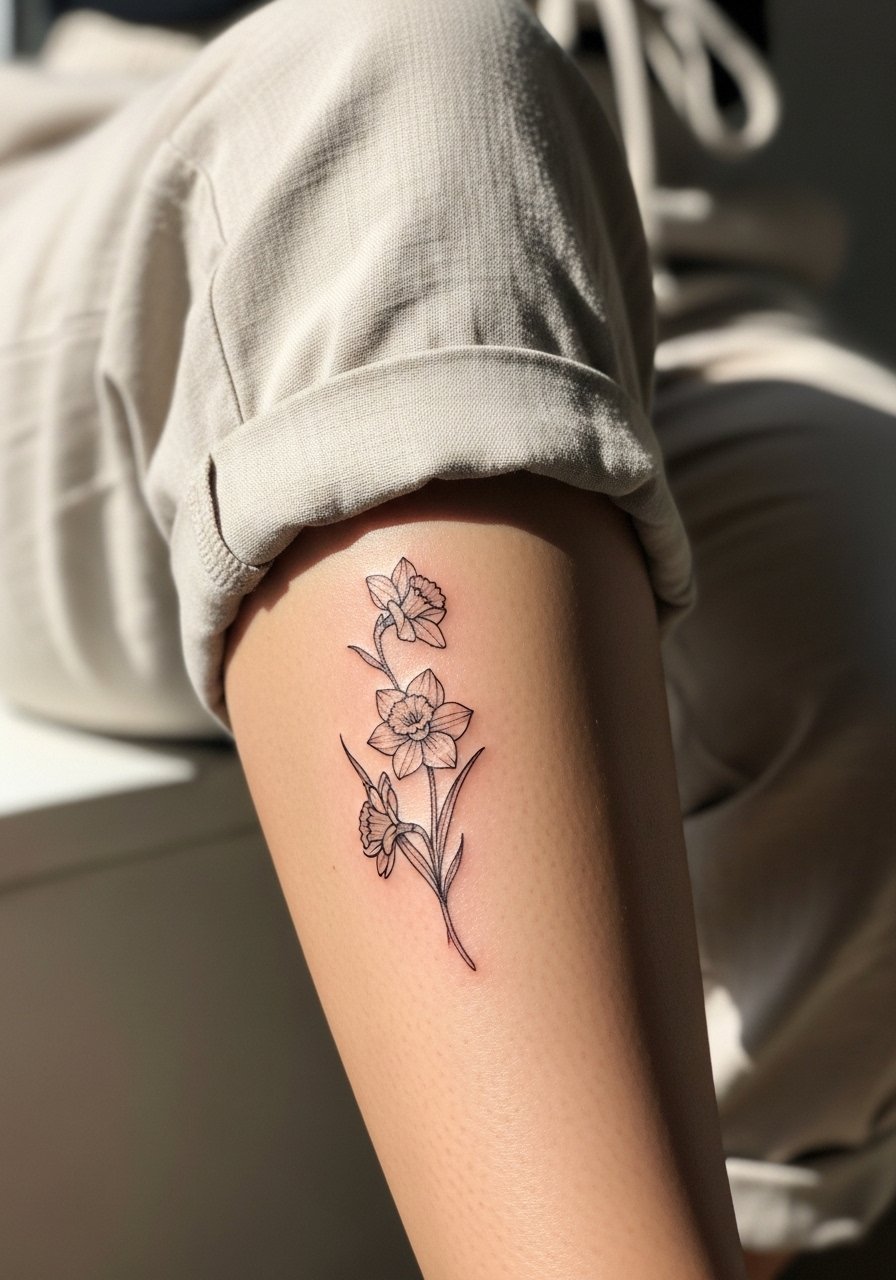
Calf placements are resilient when you want a leg-extending visual. A thin vine wrap gives motion without needing heavy fill. Tell your artist to keep the vine narrow and to avoid tiny crosshatching in petals that can clog. Healing is straightforward and the area tolerates a longer single session if needed. For festivals or summer wear pair the finished tattoo with loose drawstring linen pants that roll up without rubbing the fresh ink during the first week.
12. Hollow-core lily on the back of the hand
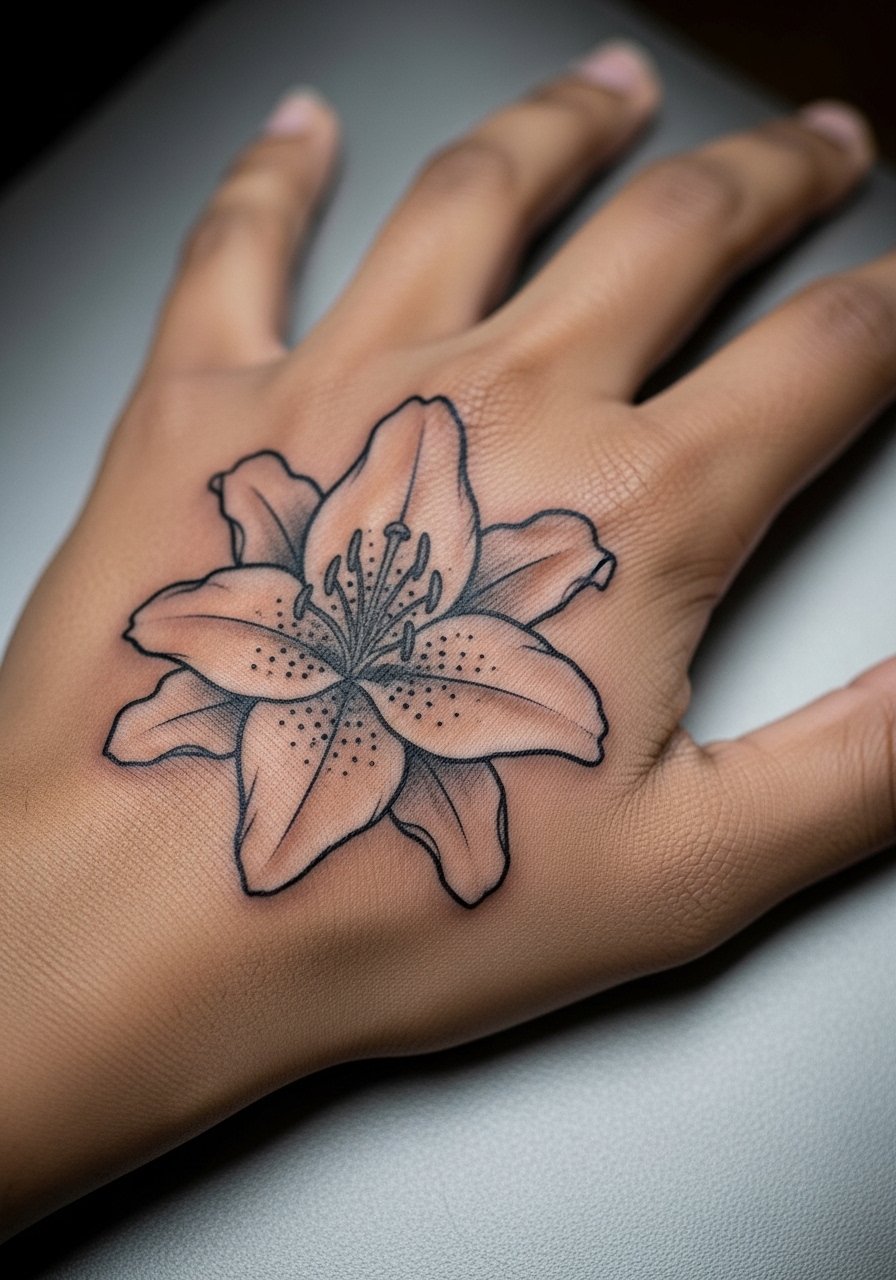
Hand tattoos remain visible and they age differently than torso work. A hollow-core lily uses negative space so the central skin tone becomes the flower. Ask for confident exterior linework and minimal interior detail so the hand motion does not turn petals into smudges. Expect more frequent touch-ups because hands are high friction zones. Also consider professional implications; some workplaces still judge visible hand ink. The session is quick but can sting. Pair with bare hands and minimalist rings to let the lily stand out without competing jewelry. Include a short note to your artist about a realistic touch-up timeline.
13. Petite cherry blossom trio on the elbow interior
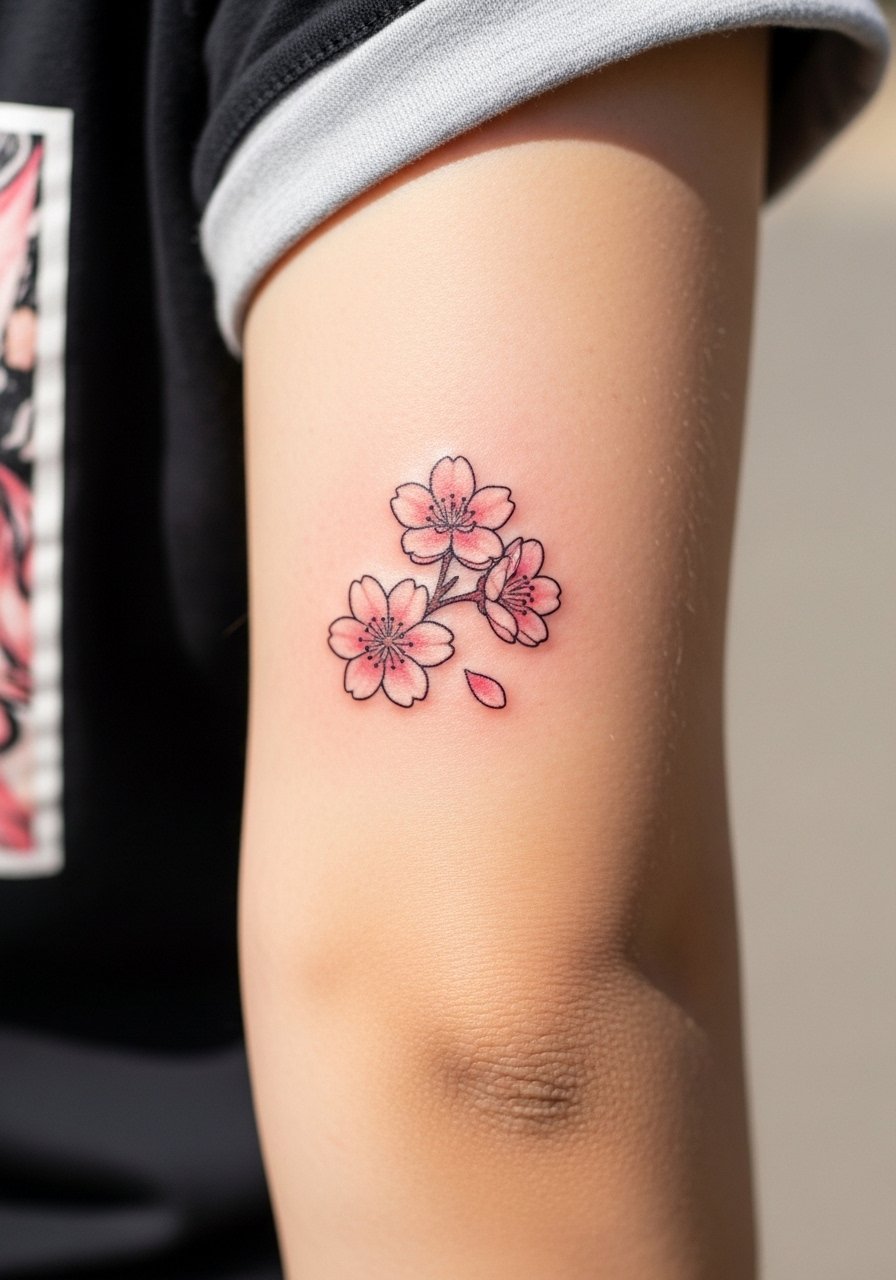
Flexible joints like the inner elbow bend and stretch a lot. For this reason pick small, spaced blossoms with slight gaps so natural movement does not merge petals. Ask the artist to avoid dense shading over the crease and to place blooms in the softer skin just above or below the fold. The session is quick but the area can be itchy as it heals. Color can fade faster on joints, so plan a possible color refresh at the year mark. For comfort on the day wear a short-sleeve button-up so the artist can have full access.
14. Echo micro flower with faint secondary outline

This "echo" idea intentionally imagines slight aging by adding a faint secondary outline that looks like a gentle shadow over time. Tell your artist you want the ghost line to be subtle and not a double-line from inconsistent technique. The advantage is that as the primary line softens, the echo preserves shape and reads intentional. Expect the session to take a bit longer because of precise spacing. This technique helps mask the blunt look of blurring at two to three years and reduces the visual shock of a touch-up.
15. Freckle-sized dusting of mini blooms on the collarbone
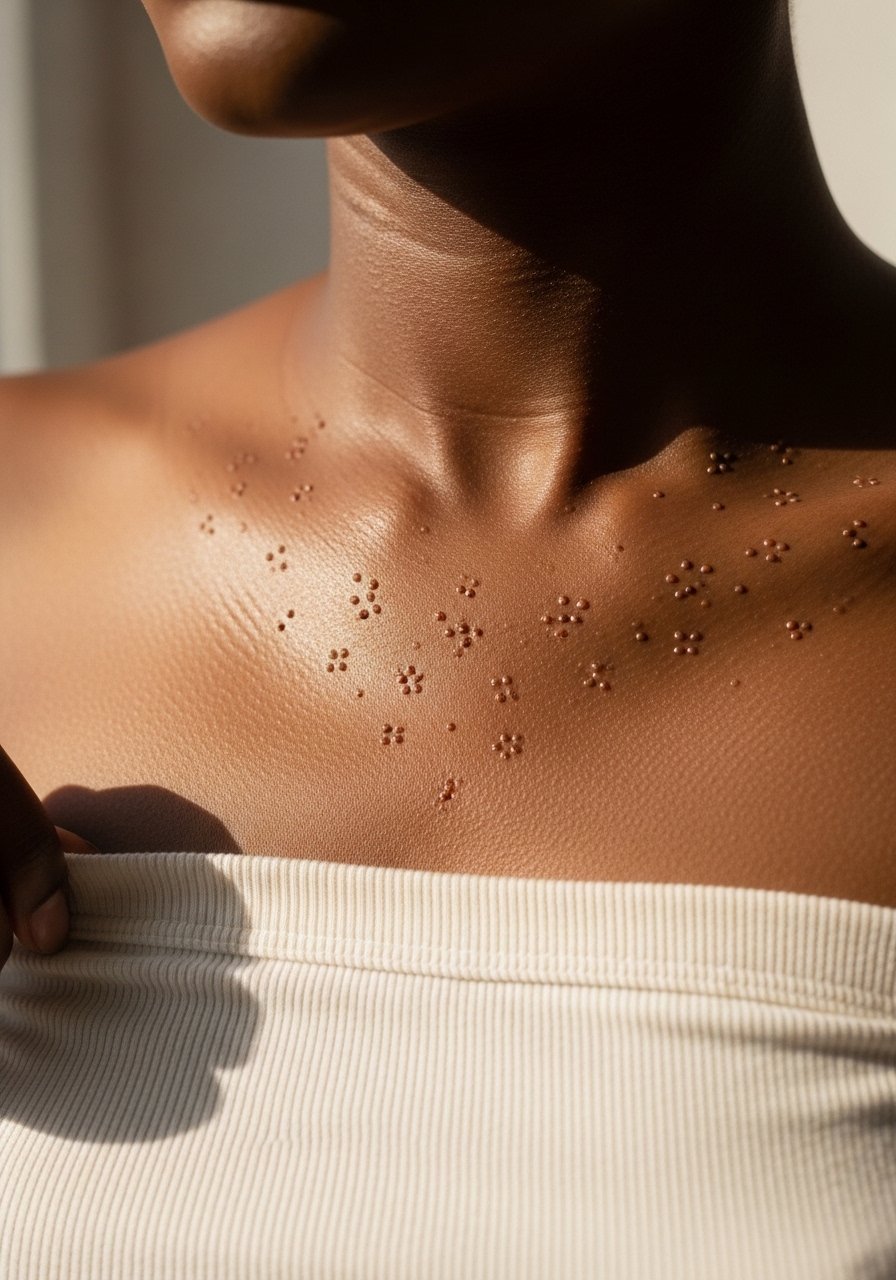
Scaling flowers down to freckle size creates a "dusting" effect that reads like natural markings rather than a single statement piece. Ask for 2 to 3 millimeter petals with spacing so each dot stands alone. Healing is mostly fine but small dots can fade faster on sun-exposed collarbones without sunscreen. For showing off pair with a cream tube top or delicate layered necklaces that sit above the dusting.
16. Birthstone-dot personalized micro flowers behind the ear
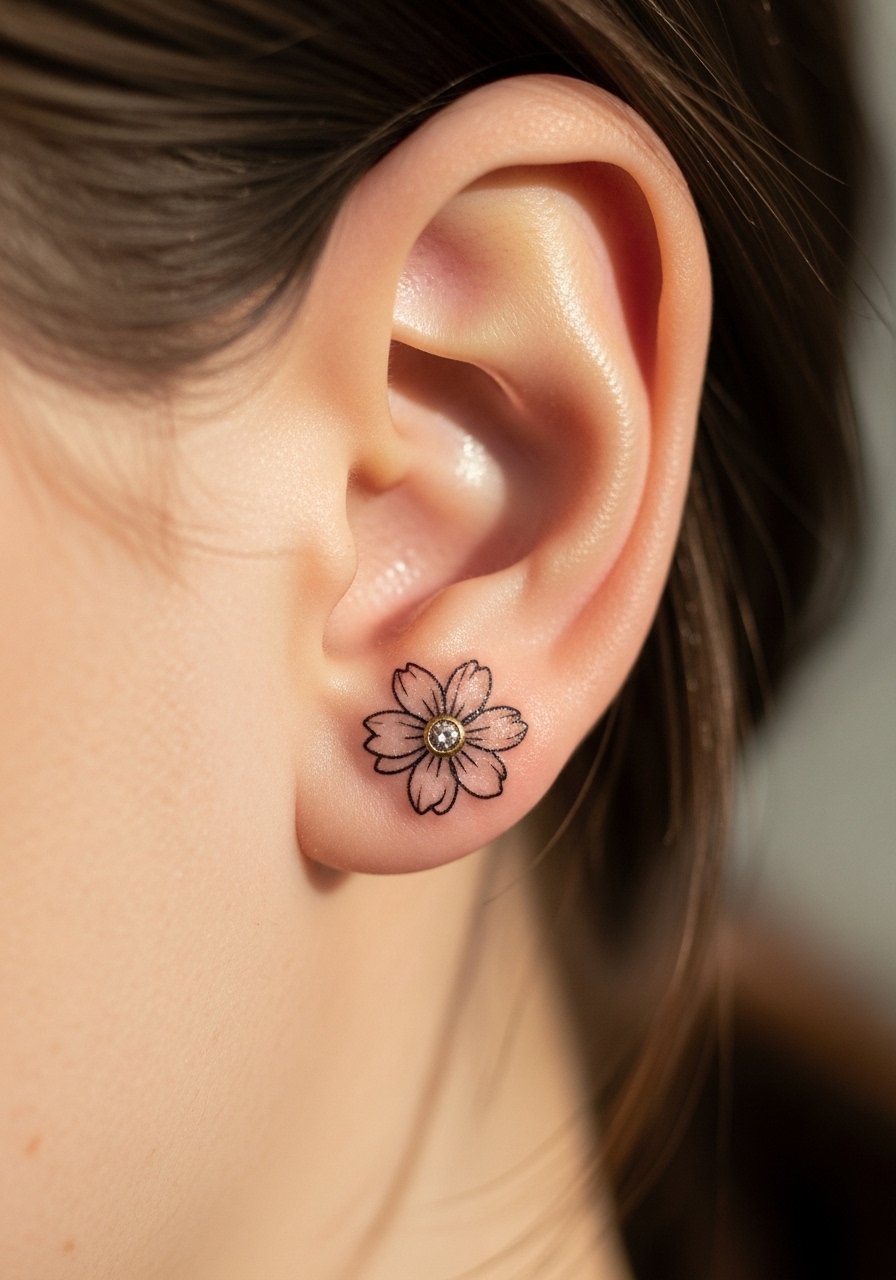
Pairing a single colored dot as a birthstone next to a micro bloom makes personalization subtle. On consultation, specify exact placement and color saturation because tiny color dots can migrate or dull if overworked. This placement is ideal for surprise reveals and requires hair up during the session. The session is short and pain is moderate. For discrete styling, wear hair updos and hair updo clips so the detail can peek out when you choose.
17. Negative-space elbow bloom that uses skin texture
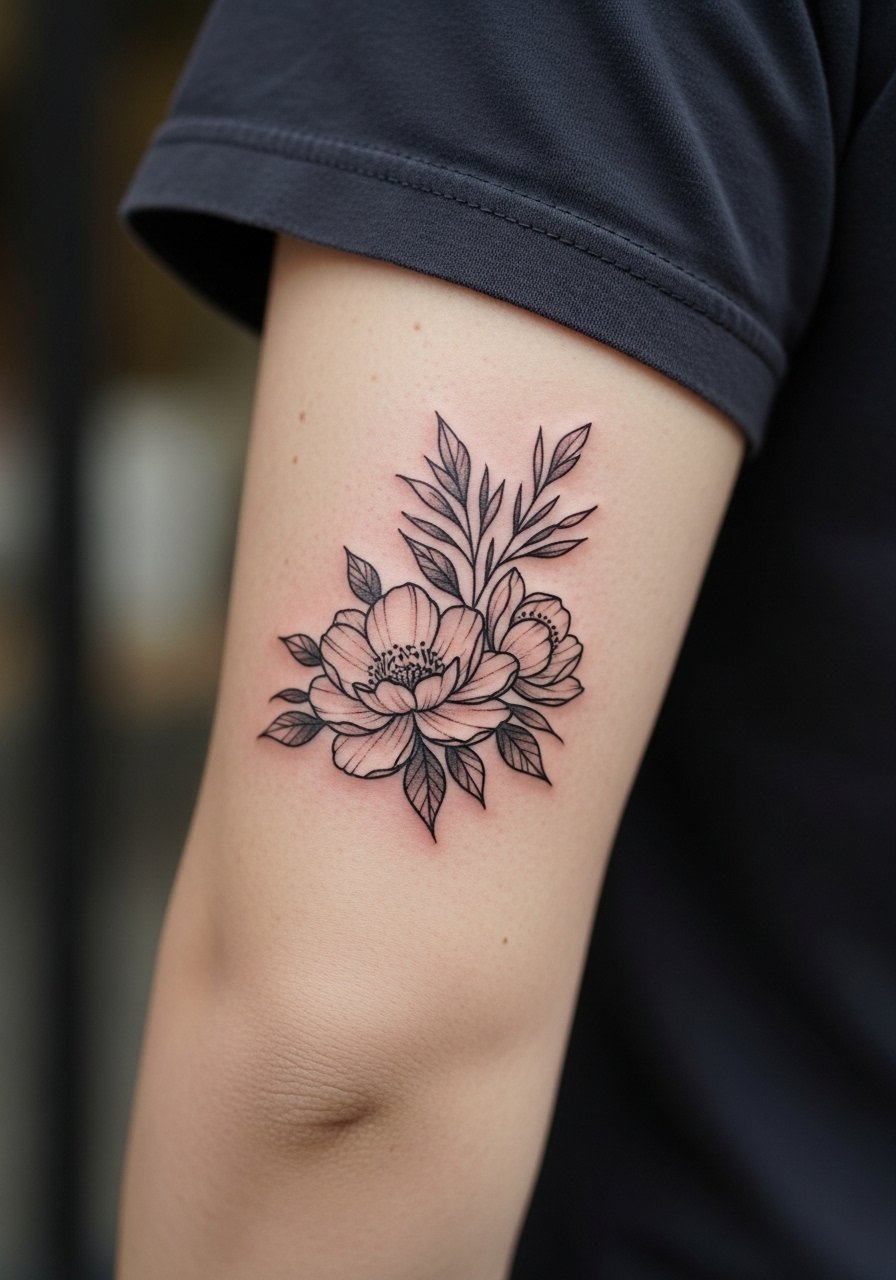
The elbow area has unique skin texture that can be used creatively. A negative-space bloom that incorporates the natural crease can look like it grows out of the joint when done thoughtfully. The key is to ask for flowing lines that avoid heavy interior shading across the crease. Artists will caution about distortion when weight fluctuates. Expect the piece to need small touch-ups sooner than torso work. If durability matters, choose outer elbow placements that do not sit directly in the deepest fold.
18. UV-reactive micro flower on the ankle
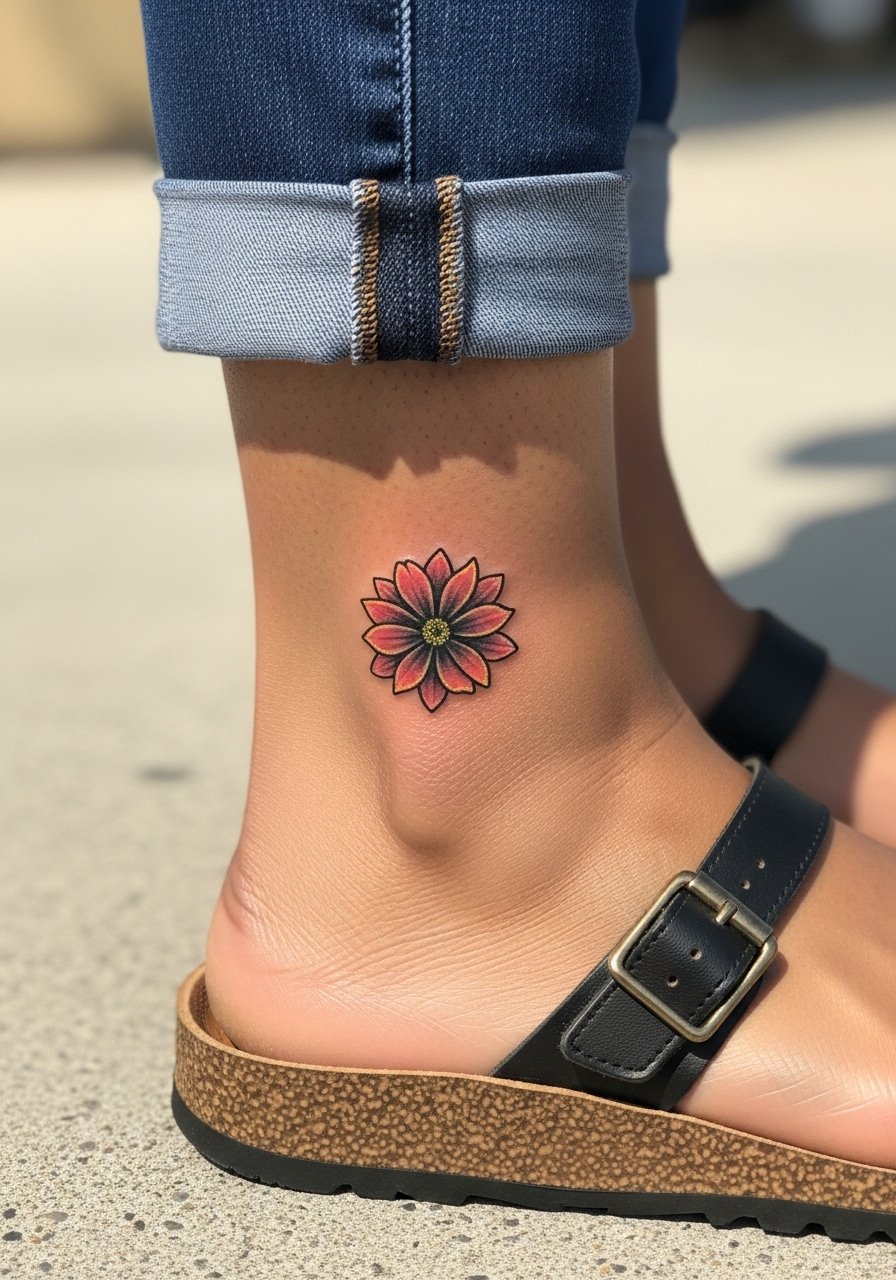
UV inks are experimental and offer glow under blacklight while staying subtle in daylight. If you consider this, ask the artist about safety, pigment longevity and whether they have healed examples on your skin tone. Expect color to behave differently across skin tones. Healing is similar to color work but touch-ups can be more frequent. Use this as a statement for nights out or festival season. For showing it off choose cropped straight jeans and sandals that reveal the ankle.
19. Micro forget-me-not cluster on the nape of the neck
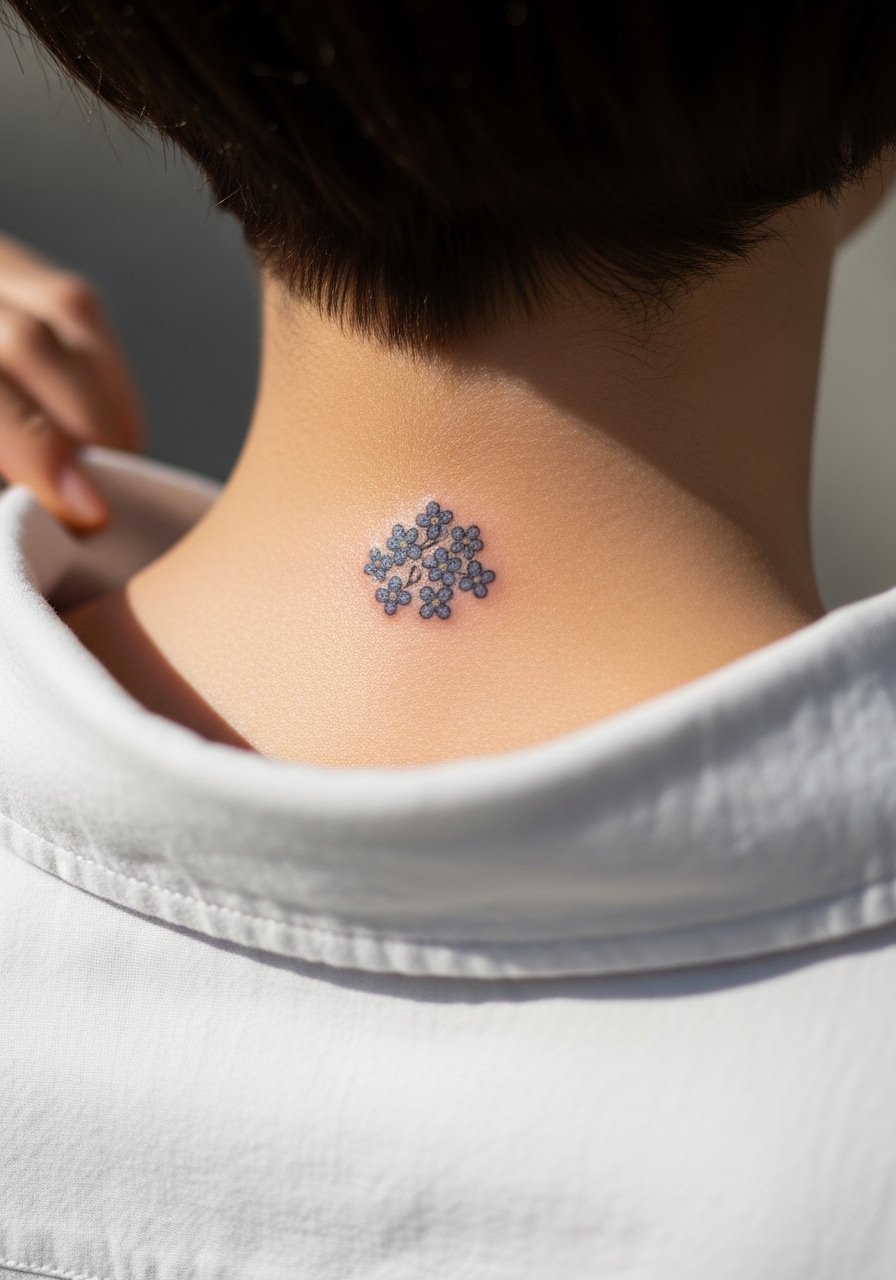
The nape is a great secret spot that becomes visible with an updo. Ask for compact clusters and color saturation that reads at tiny scale. The session is quick and healing is straightforward, though the area can itch when hair grows back. For appointments wear a wide-neck shirt you can shift aside so the artist has clean access without rubbing. If you want it hidden for work this location works well.
20. Minimalist poppy stem on the outer calf
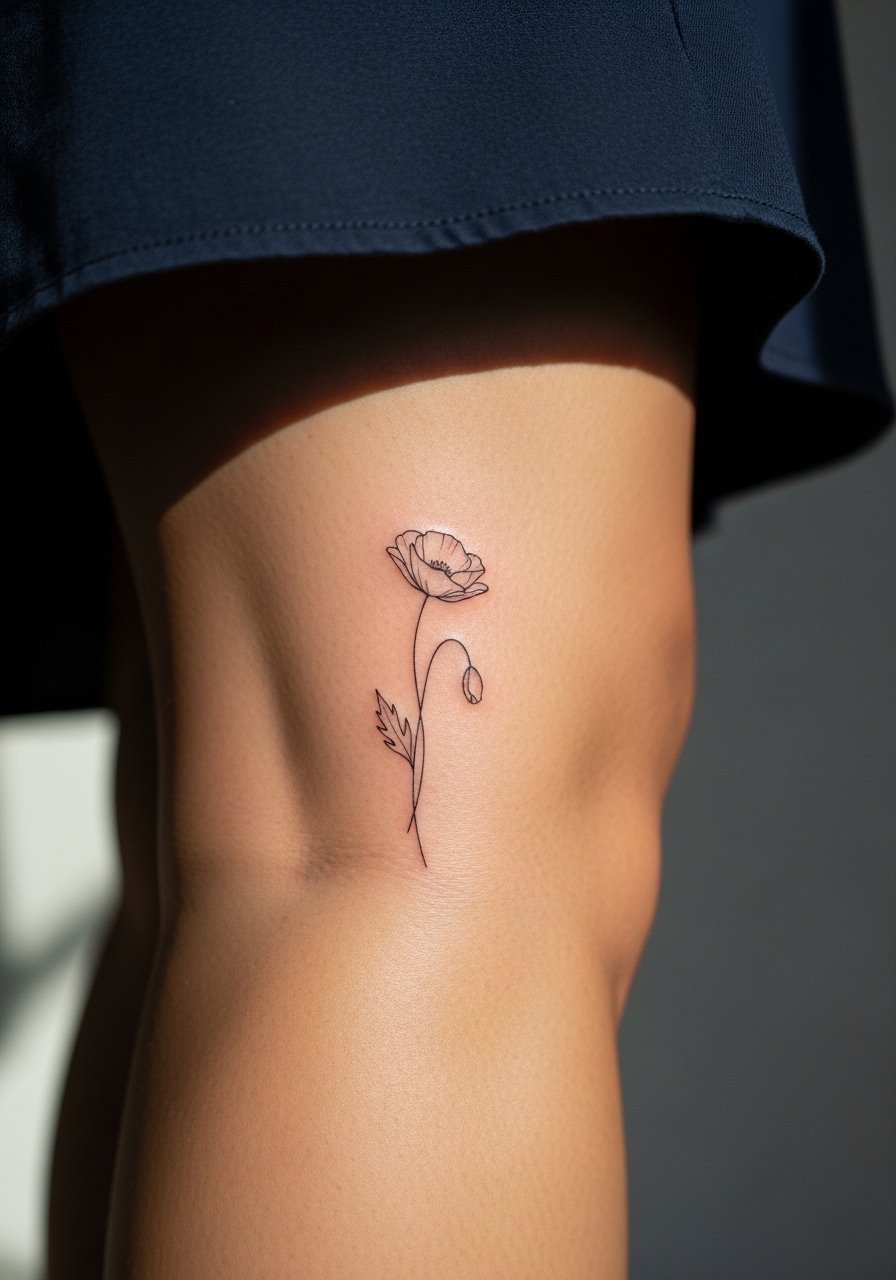
A single stem poppy on the calf travels well visually and tolerates thin linework. In consultation ask for the stem to taper with slightly bolder endpoints so the poppy reads from a distance. The calf can handle longer sessions and a single stem is usually a 30 to 45 minute job. Pair with skirts or high slits for evenings. For session day wear a skirt or shorts you can easily adjust.
21. Tiny rosebud in micro-traditional style on the upper arm
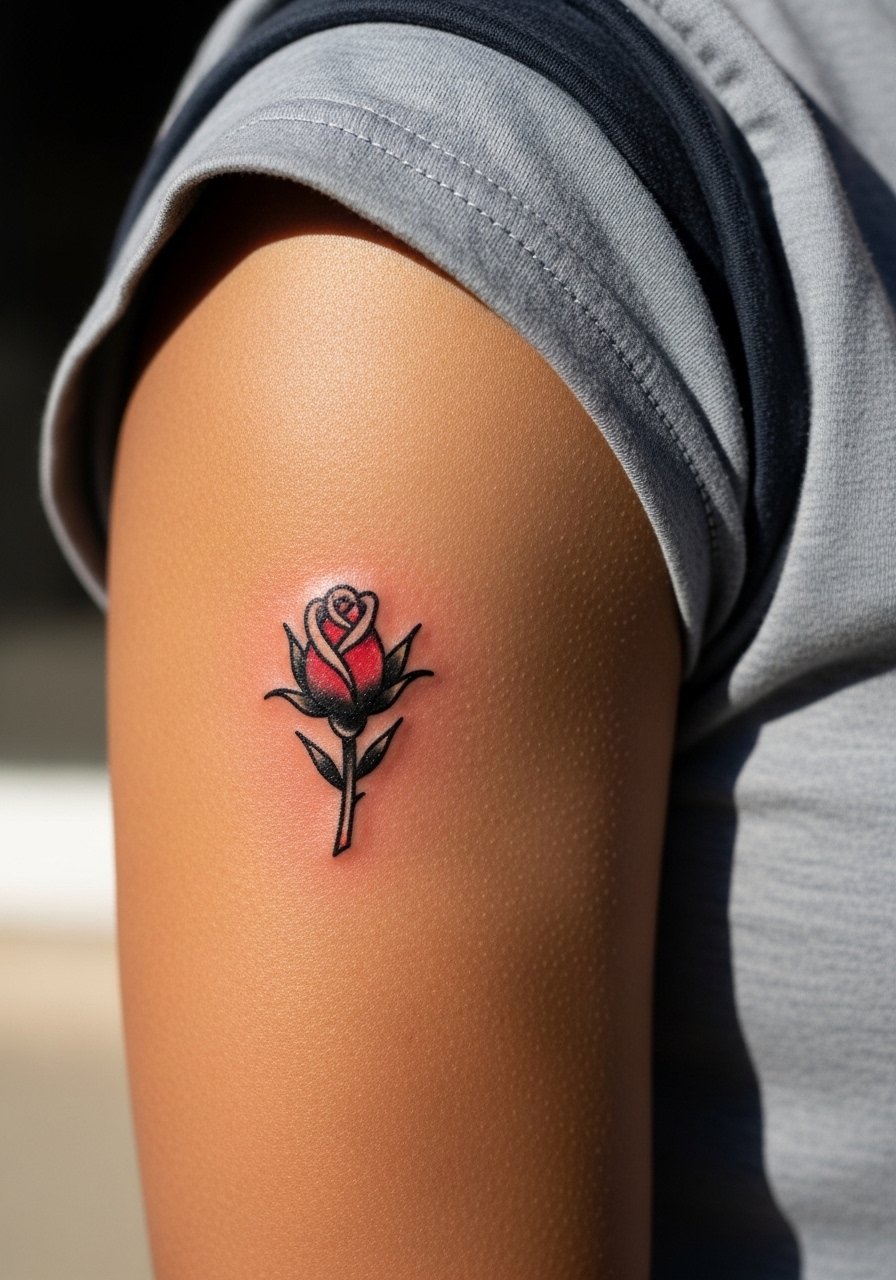
Micro-traditional brings bold outlines and minimal fill into a very small scale. This approach ages well because the thicker outline resists softening. Tell the artist you prefer classic saturated centers and confident linework rather than hairline detail. The upper arm is one of the least painful spots and heals evenly. Show it off with rolled sleeves or a short-sleeve tee that keeps the piece visible.
22. Single-stem magnolia on the sternum
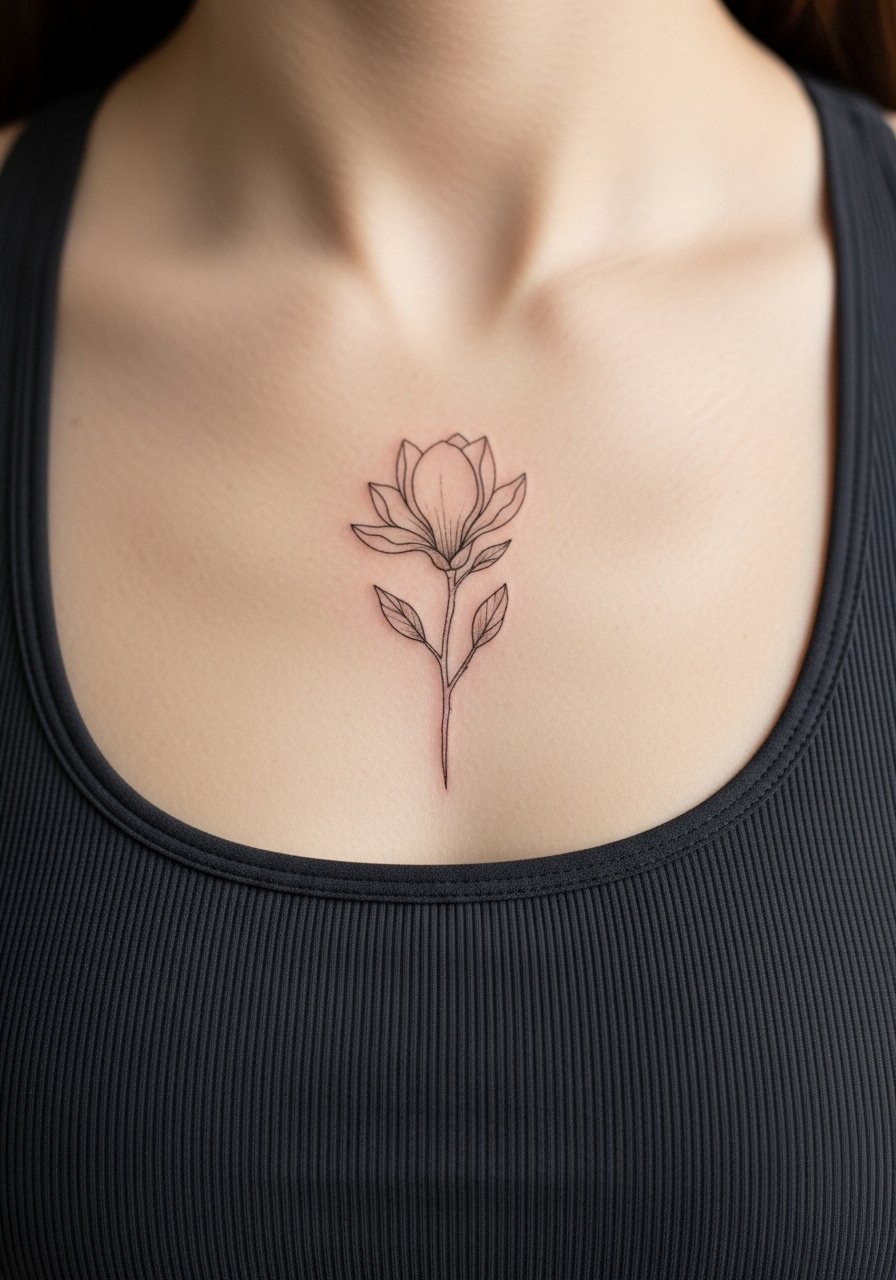
Sternum work reads intimate and can be sensitive to tattoo. Discuss lineweight because overly fine single-needle work here can soften with movement. Expect a more intense session and plan to wear a fitted sports bra to the appointment so the artist has clean access while you remain covered. For showing off consider a bandeau or fitted top that frames the vertical stem. Also note breathing rhythm matters during this session for comfort.
23. Mini iris on the inner wrist
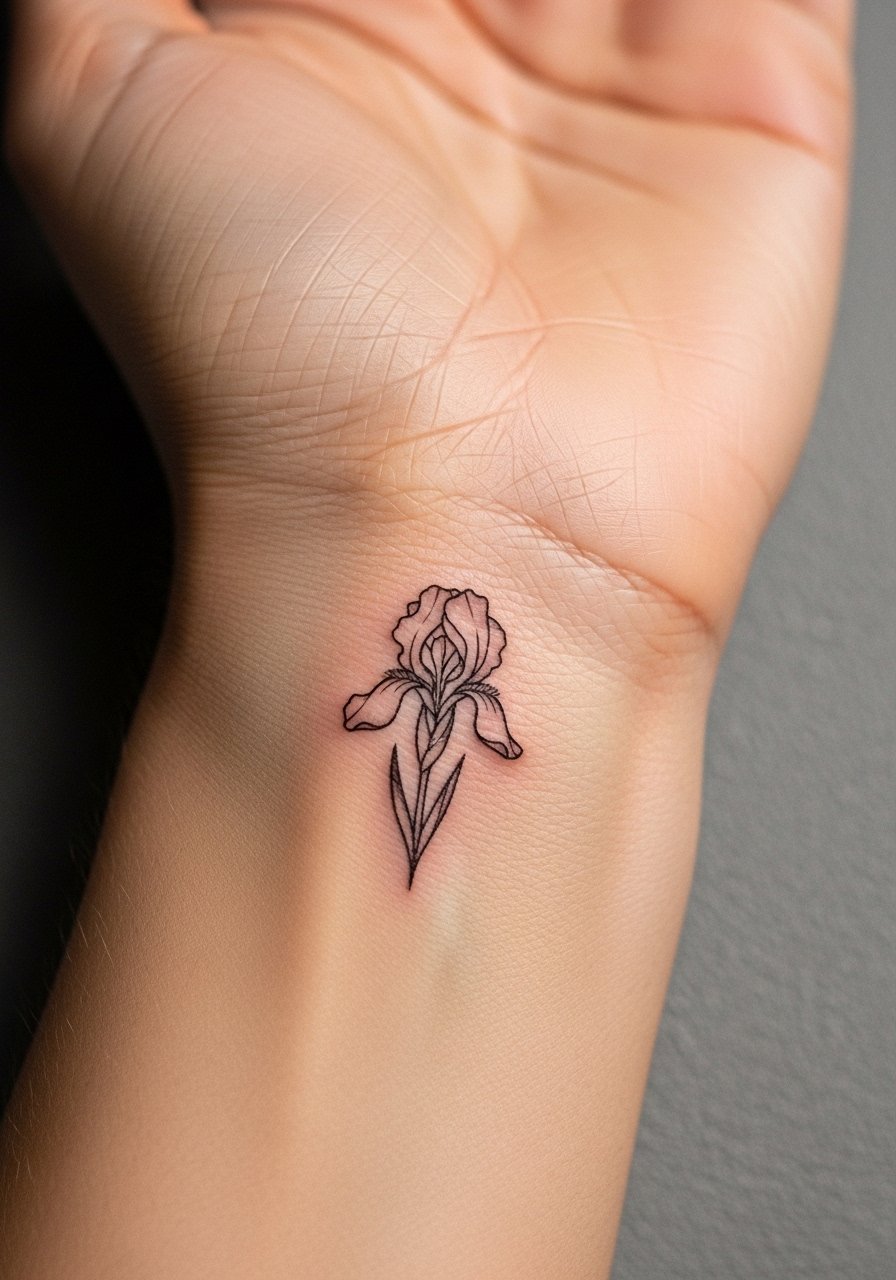
The inner wrist is a classic for tiny florals because it is visible and heals flat. Ask for slightly stronger contour lines and modest internal shading to prevent early blurring. The session is short but the area is sensitive. People often forget to remove bracelets on the day, so plan to go bare. For subtle show-off styling try a dainty chain necklace that sits above the wrist area and does not compete.
24. Abstract line-bloom behind the knee
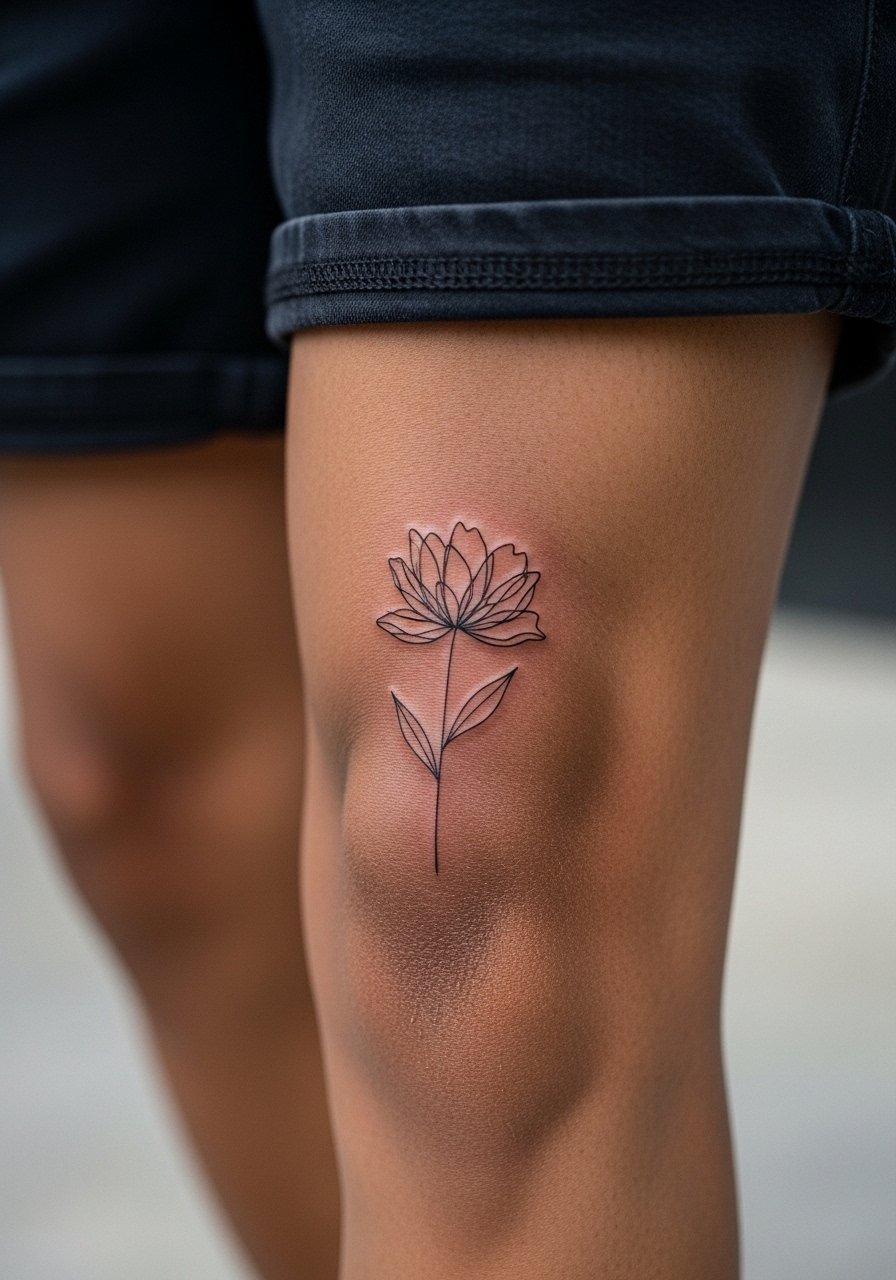
Behind-the-knee designs need space and consideration for movement. Abstract line-blooms that respect skin folds avoid dense areas and look organic when standing and bending. The session can be a bit awkward because of the position, so wear loose shorts that let the artist access the area. Healing requires avoiding long sits that crease the skin to prevent scab pulling. Ask your artist about placement slightly above or below the crease for longevity.
25. Single dotwork anemone on the ankle
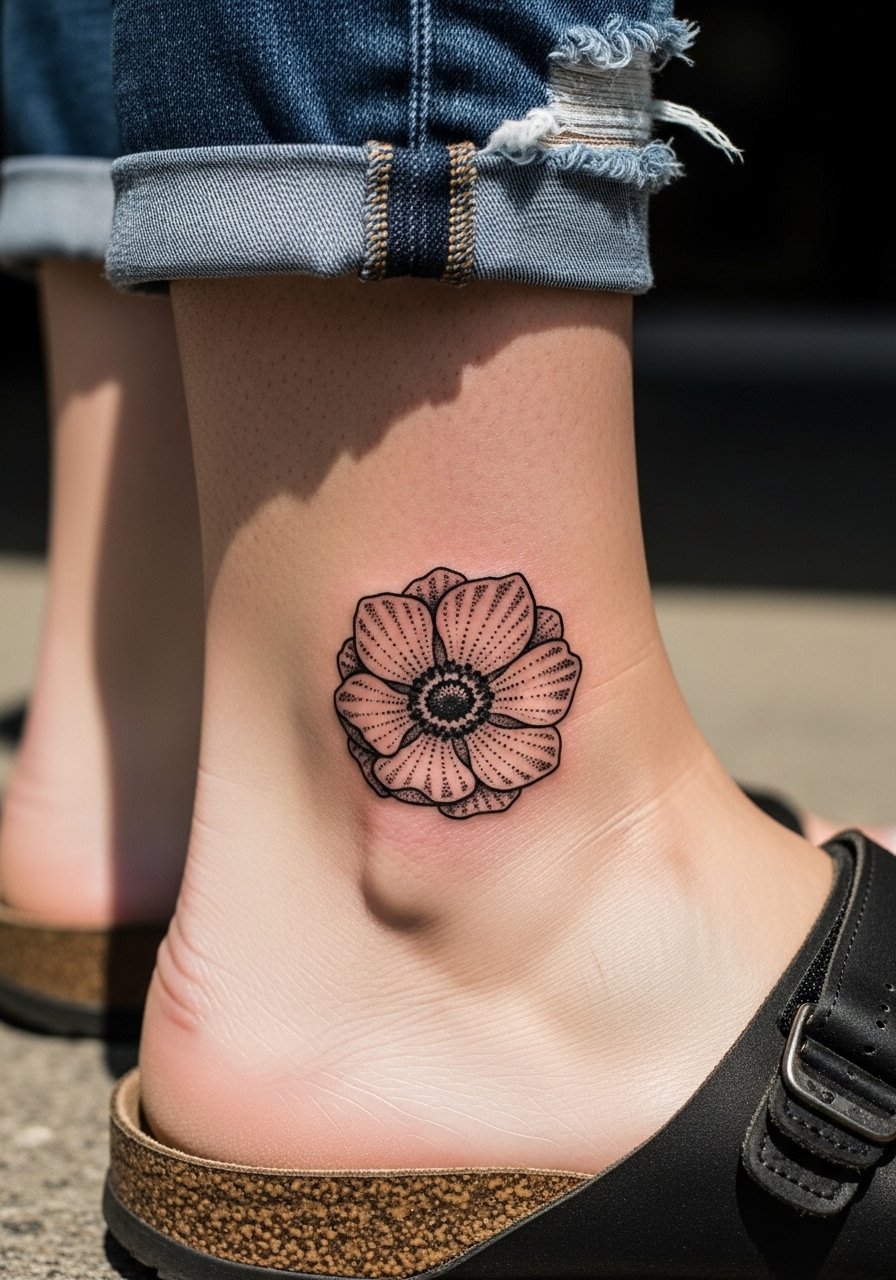
An anemone in dotwork emphasizes center texture and minimal petals, which reads well in small ankle spaces. Tell the artist you prefer dot layers instead of flat fills. The ankle is prone to rubbing so plan to keep footwear minimal the first week. Sessions are short and aftercare is straightforward but expect the first winter or heavy sock use to dull edges. For visibility wear sandals or rolled jeans.
26. Tiny lotus outline on the toe
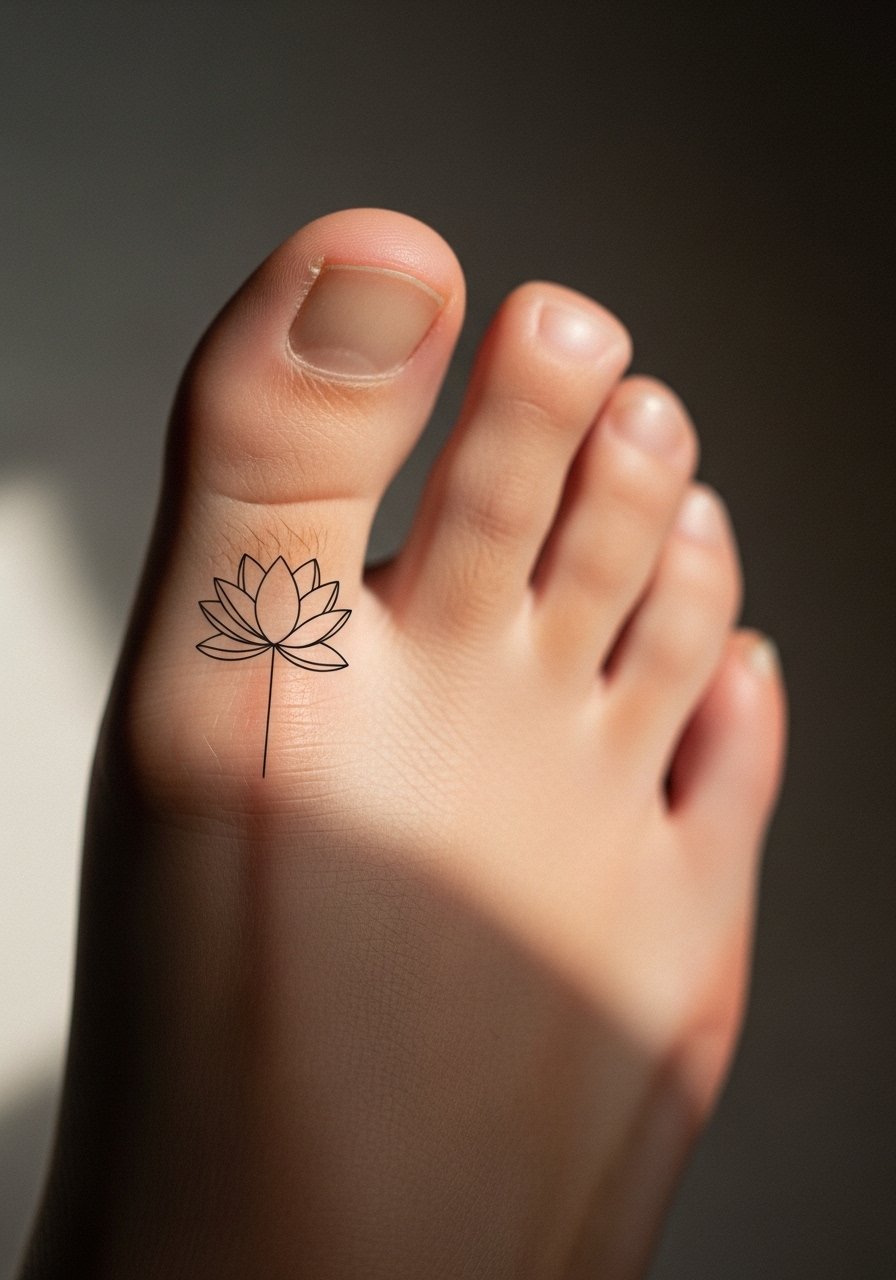
Toe tattoos are tiny and intimate but they face a lot of wear from shoes. If you choose a toe lotus, ask the artist to keep lines a touch bolder than you might expect. Healing can be tricky because socks and shoes create constant friction. The session is extremely quick but you must plan for limited shoe time afterwards. Consider sandals or open shoes for the first week to protect the area.
27. Wild herb sprig wrap on the forearm
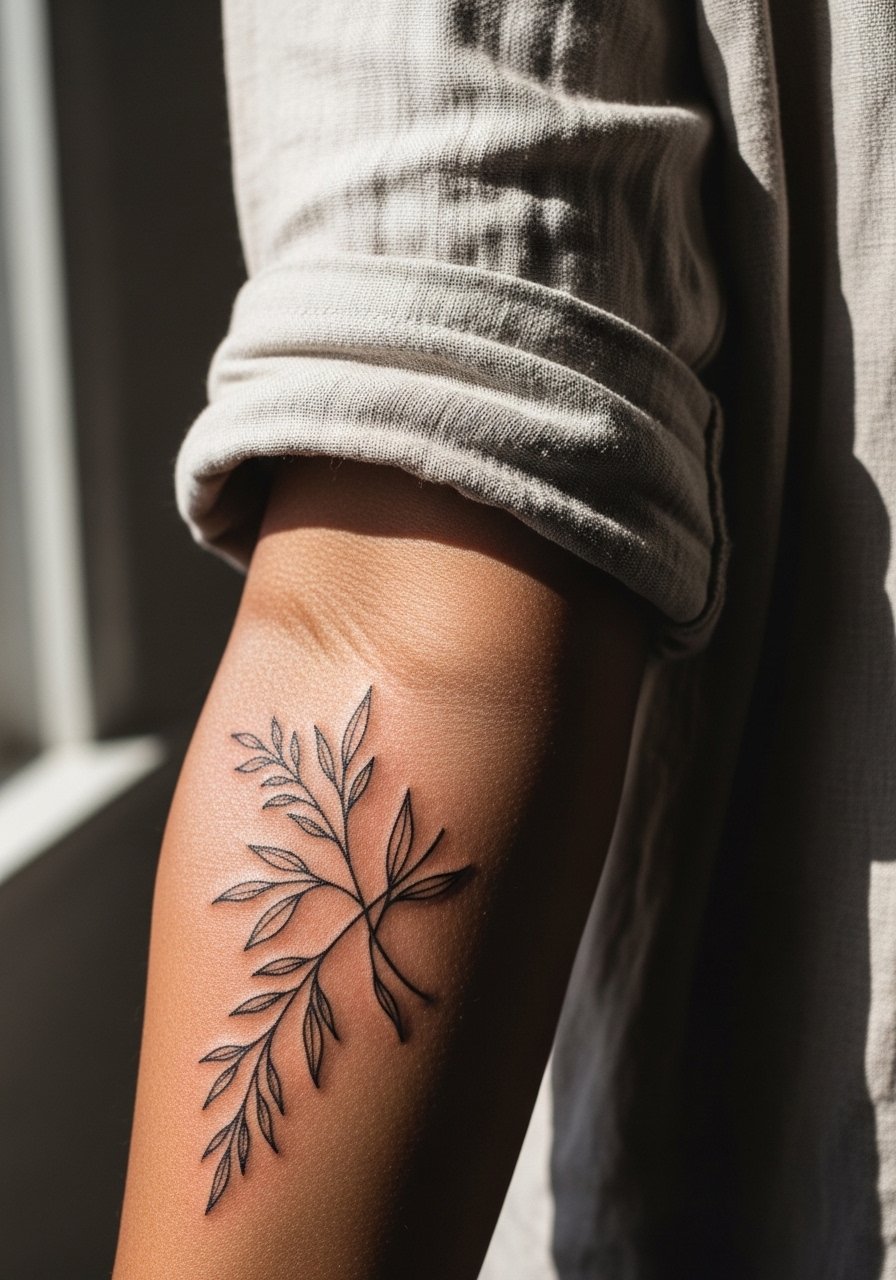
A wrap that follows the forearm curves gives a dynamic look at micro scale. Ask for a flowing composition with slightly varied lineweight so the sprig breathes. The forearm is forgiving for healing and shows texture well. Sessions can be 30 to 60 minutes. For showing off pair with rolled sleeves or a rolled linen button-down to keep attention on the vine without heavy jewelry.
Frequently Asked Questions
Q: Will fine line flowers on fingers and wrists blur faster than bolder work?
A: Fine line does tend to soften sooner on high-wear spots like fingers and wrists. One camp says touch-ups keep them crisp. The other camp argues thicker lines age without maintenance. In practice ask your artist about preferred line weight and plan a touch-up at the year mark if you want the original look preserved.
Q: How should I find an artist who does micro floral work and shows healed examples on a range of skin tones?
A: Search hashtags like #MicroFlowerTattoo and #FineLineFloral on Instagram, and check local TikTok clips for heal shots. Use filters on apps like Tattoodo or Booksy and ask to see healed photos on skin tones similar to yours during consultation. If they do not have healed examples ask how they approach line weight for darker tones.
Q: What should I wear to a ribcage or inner thigh session to make it easier for the artist?
A: For ribs wear a loose tank or a crop top you can lift. For inner thigh bring loose shorts or a skirt you can pull up. The goal is quick access without constant readjusting. A comfortable outfit makes a big difference during higher-pain spots.
Q: How often should I expect to book a touch-up for tiny floral pieces?
A: Expect touch-ups more often on hands, fingers and ankles. For most fine line pieces a one-year check is common. If you choose slightly bolder single-line work, intervals can stretch to two or three years. Ask about shop policies on small touch-ups when booking.
Q: Are UV-reactive inks safe and do they look good on darker skin tones?
A: UV inks are experimental and opinions vary. Some artists use them carefully and have healed examples. On darker tones UV effects can be less visible in normal light and might not glow as strongly under blacklight. Ask about healed photos on similar tones and whether they recommend standard color instead.
Q: Any advice to avoid surprise shop minimums for micro tattoos?
A: Ask for a flat-rate price for the specific micro design before booking and confirm deposit refund policies. If a shop only quotes hourly ask whether they can set a small-piece minimum so you do not get hit with unexpected fees.
Q: Which placements are best for photos that show the healed texture of dotwork or stippling?
A: Inner forearm and shoulder blade show stipple and dotwork most clearly because they heal flat and are easy to photograph in natural light. Rolling sleeves or wearing an open linen shirt helps highlight the texture when you want to show the piece.