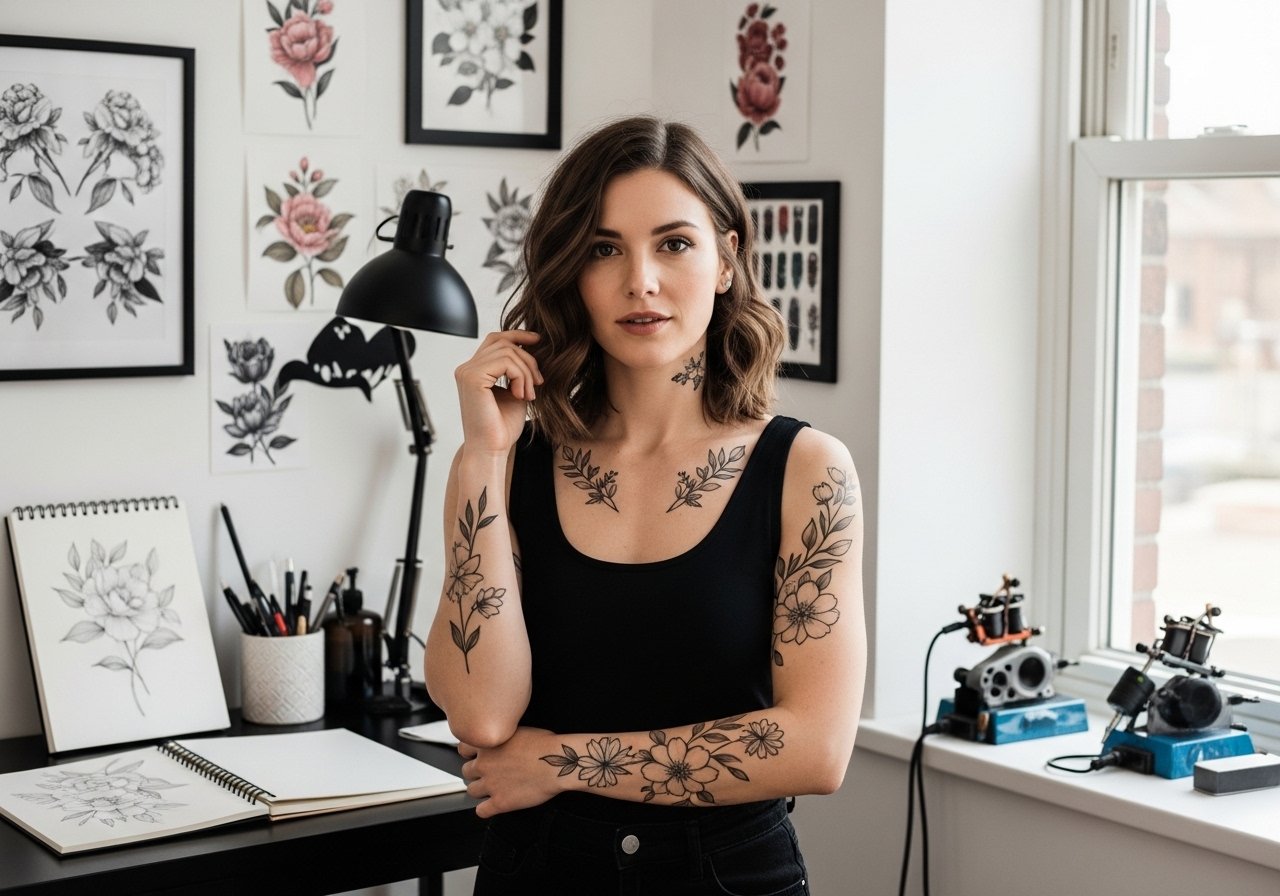
Fine line trends look perfect on saved grids, but on dark skin they often soften into ghosts faster than people expect. I hear three complaints over and over: micro lines that vanish in photos, artists who say color will not show when it can, and last-minute studio cancellations that wreck timing. This list skips tired hype and focuses on feminine options that read clearly on deeper tones, what to ask for in consults, and first-week realities so you leave the chair feeling prepared.
1. Fine Line Floral Wrist Piece
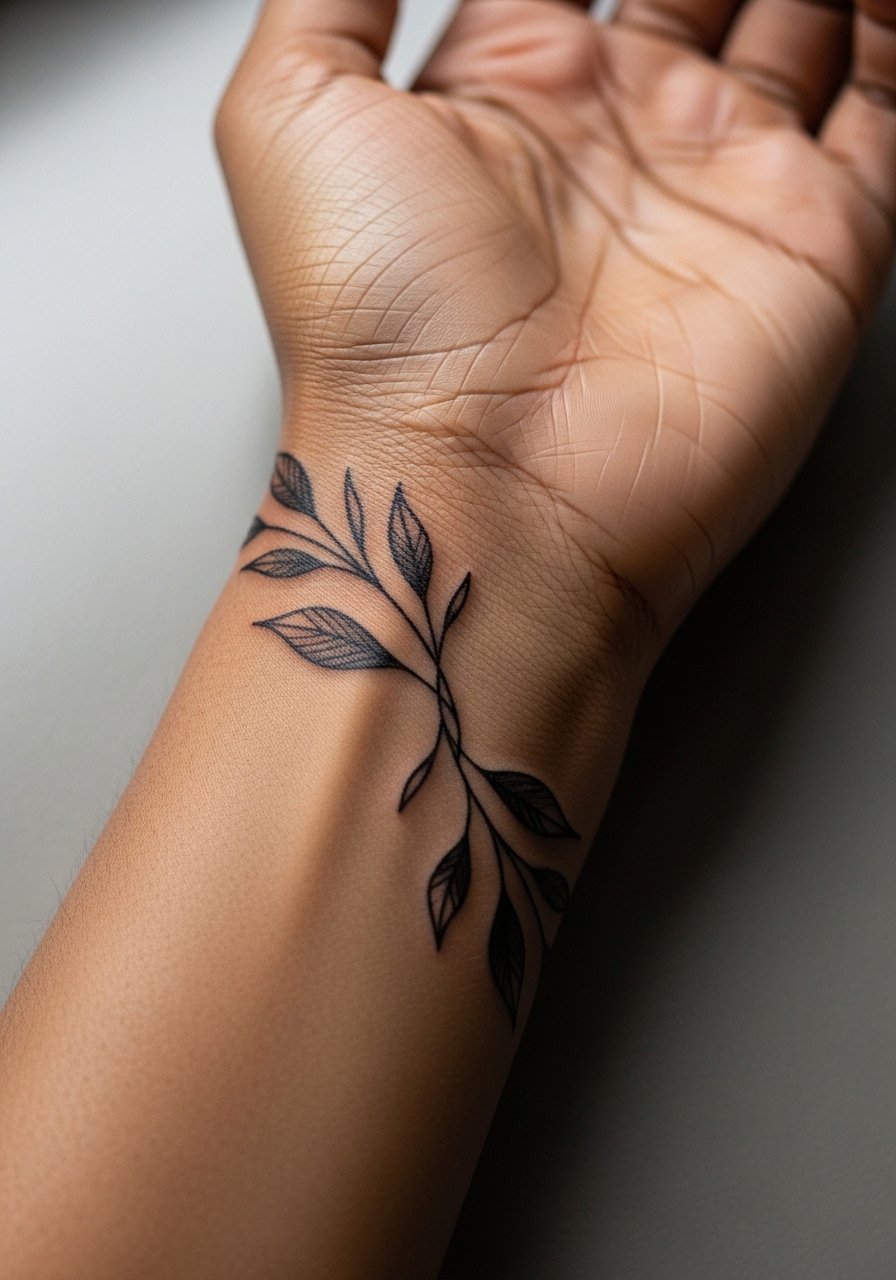
Ive seen delicate wrist florals read soft and elegant at first and then fade into a shadow if the lines are too tiny. For dark skin, ask for slightly strengthened stems and intentional negative space rather than hairline single-needle work. Expect a quick session around an hour, light pain, and a touch-up within one to two years if you like ultra-fine details. A common mistake is demanding one-needle thickness across the board. During the session wear a sleeveless tank top so the artist has clear access and your bracelets do not shift the stencil. Pair the healed piece with thin gold bangle stacks to frame the wrist without covering the linework.
2. Blackwork Mandala on the Collarbone
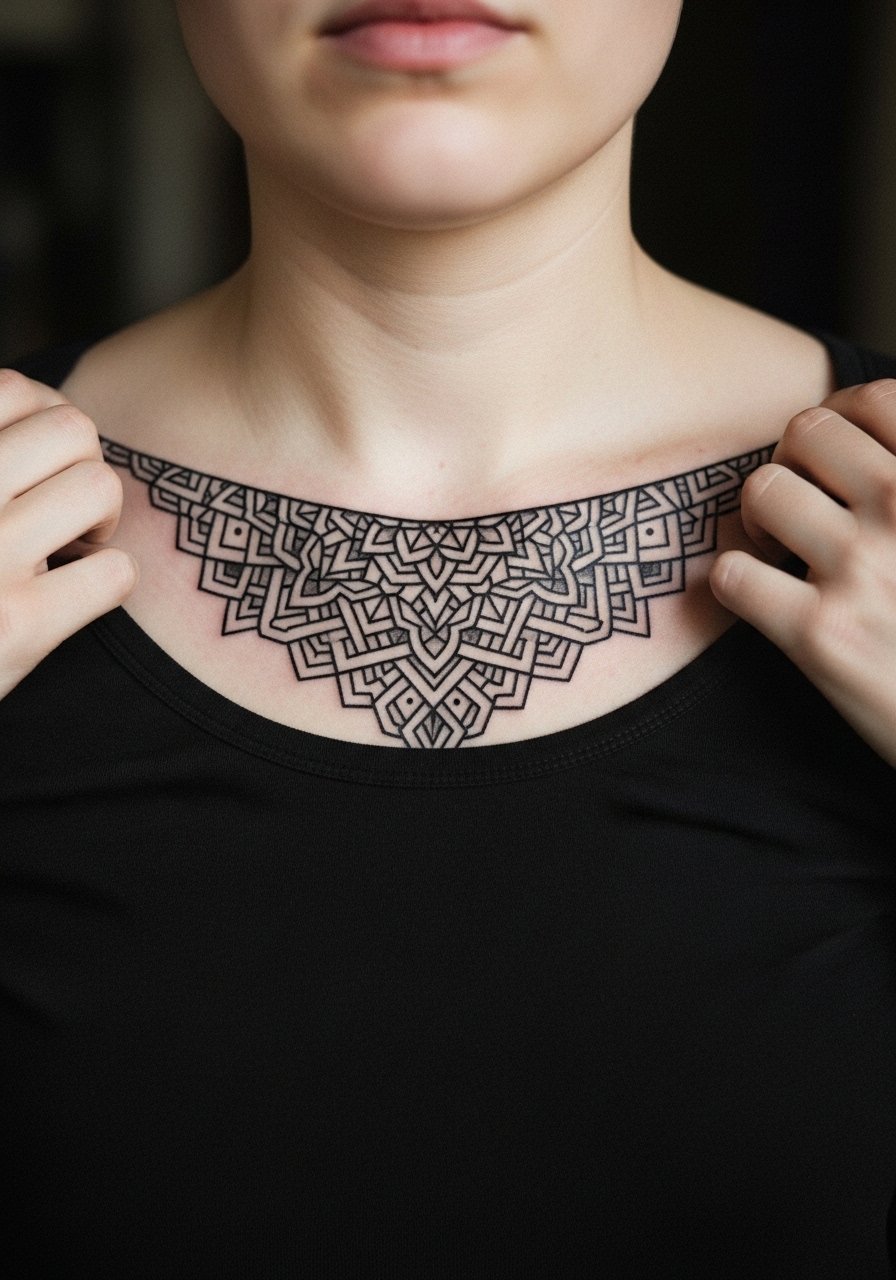
There is a reason solid black mandalas hold up on darker tones. High saturation and defined negative space keep the pattern readable for years. Pain over the collarbone is moderate and sessions run one to two hours depending on size. Tell your artist to space dense elements so dot work or stipple shading does not merge over time. One pitfall is asking for overly tiny filigree that loses shape as the skin stretches. For showing it off, try an off-shoulder linen top with a delicate chain necklace so the mandala sits against a solid backdrop.
3. Neo-Traditional Rose on the Outer Thigh
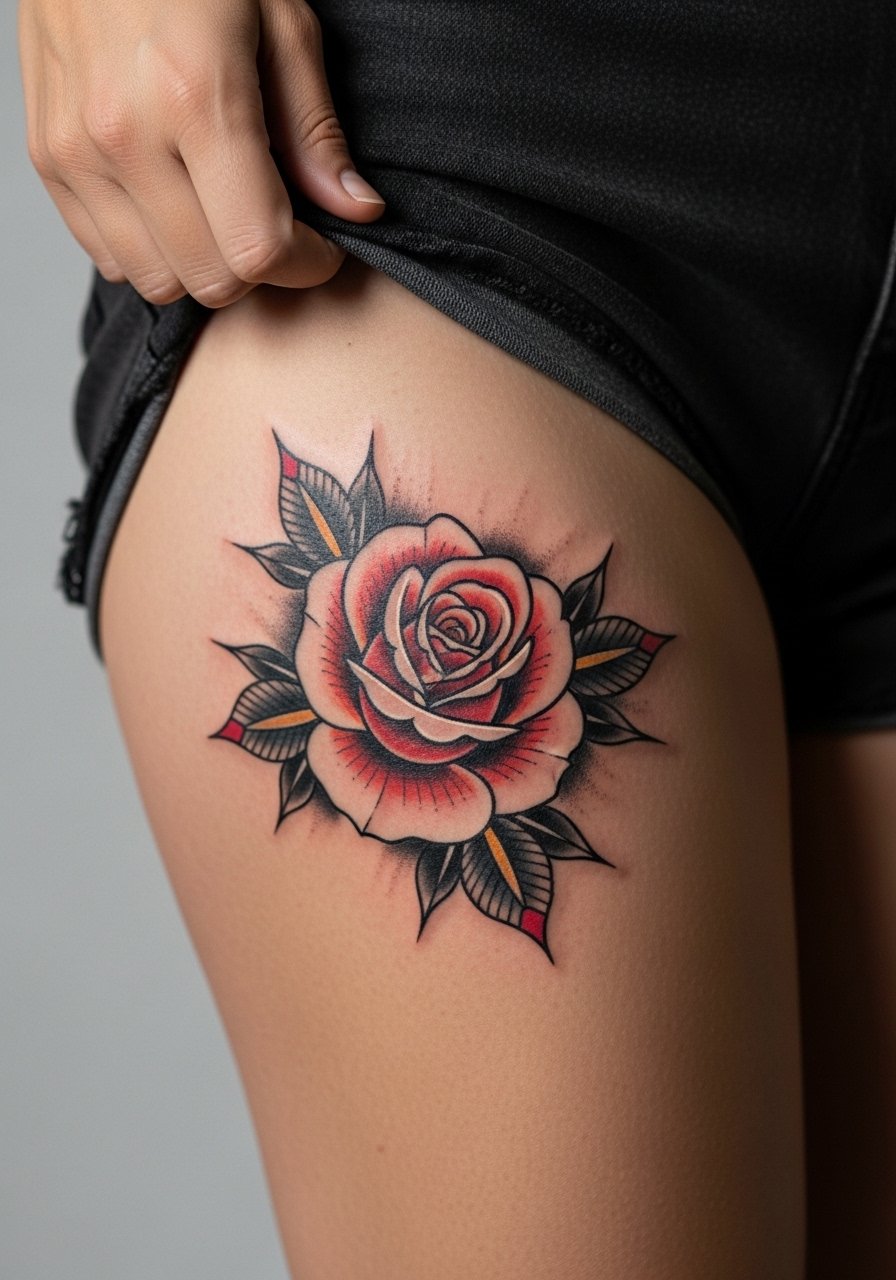
Thigh pieces age differently because of body changes and friction. The neo-traditional rose with thicker outlines and selective shading resists softening on fuller skin. Expect moderate pain and a multi-session plan for color saturation. If you plan weight fluctuation, position the design along the outer thigh where it stretches less than inner thigh. A mistake I see is compressing petals too tightly; ask for clear contour with room inside the petals so they do not merge later. To show it off, a high waisted A line skirt or a slit dress frames the curve and the ink.
4. Micro-Realism Butterfly on the Inner Forearm
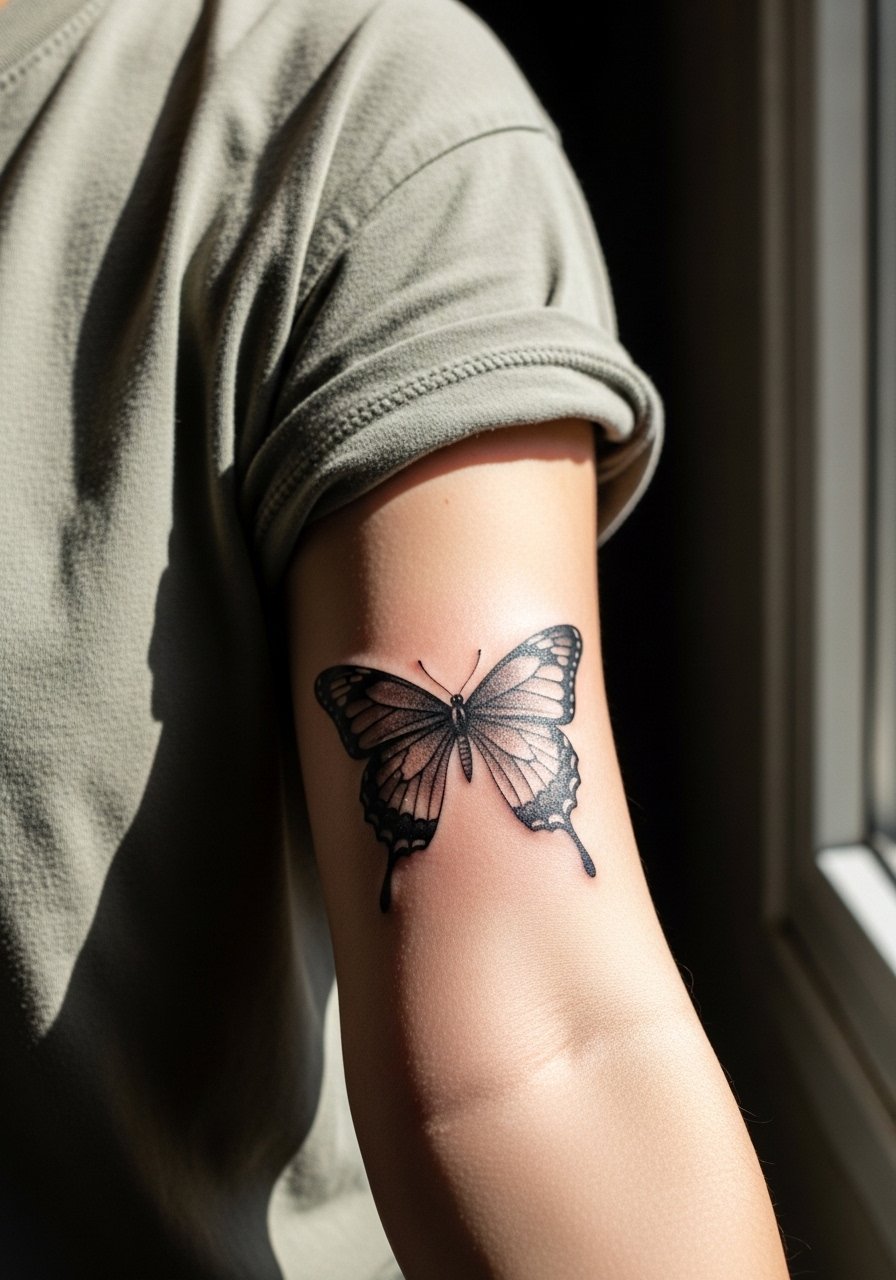
Micro-realism thrives on contrast, and on dark skin the trick is to ask for crisp linework with layered shading rather than tiny dots alone. Inner forearm sessions are low to moderate pain and typically two sittings for depth. Common error is expecting minute color nuance without the saturation to back it up; request healed photos of similar skin tones from your artist. The design will keep motion if the wings have clear negative space. Style it with a cashmere sweater pushed to the elbows when you want the detail to peek out, and wear a thin silver cuff on the opposite arm for balance during photos.
5. Ornamental Vine Ankle Wrap
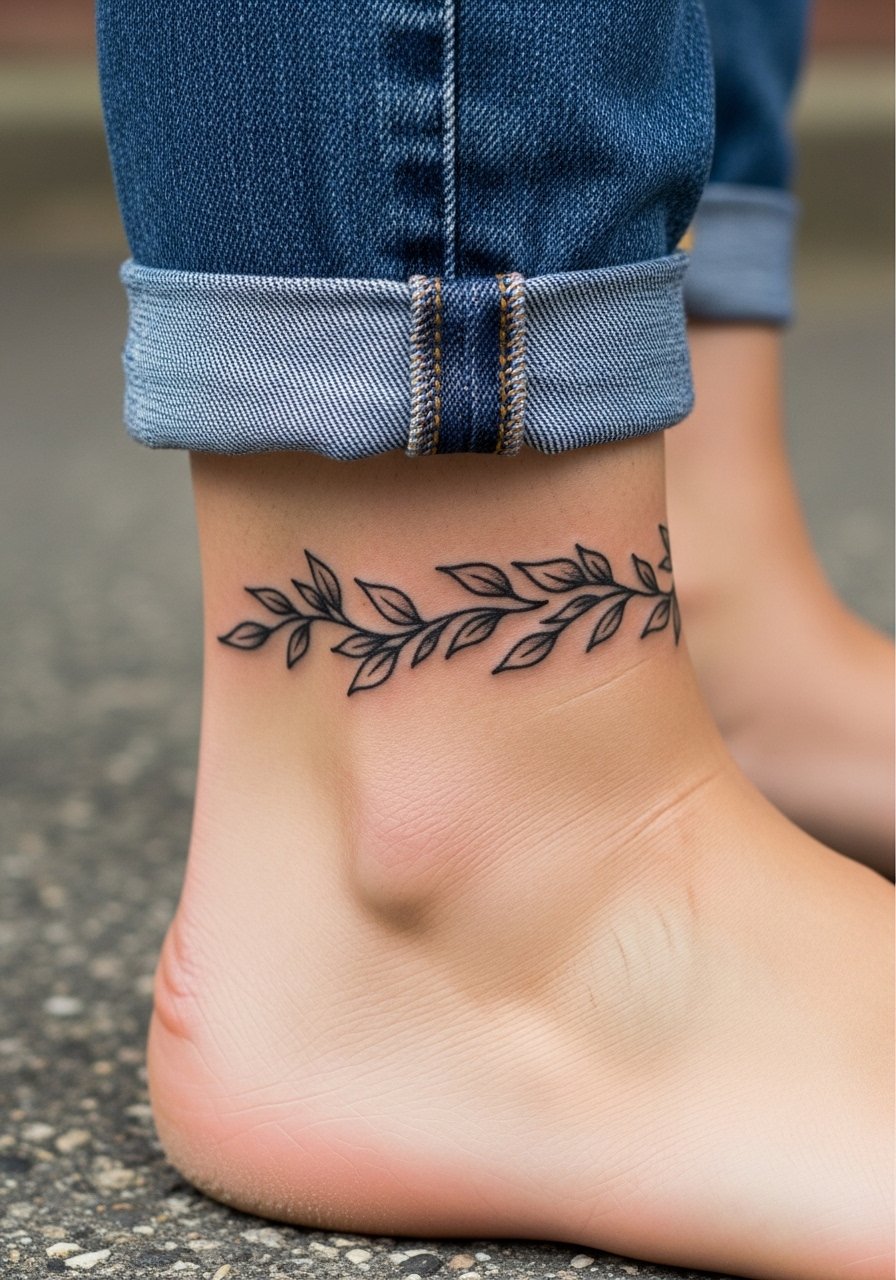
Ankle work faces high friction from shoes and socks, so thicker linework and repeated motifs help the vine survive the first year. Sessions are short and tolerance is moderate. A common mistake is asking for filigree too close to the bone where blowout risk is higher. Ask your artist to place slightly off the bone and to use spaced repeats so the wrap reads even if a section softens. For the session wear loose pants you can roll up easily like jeans to roll cuff. For showing it off, strappy heeled sandals lengthen the leg and keep attention on the wrap.
6. Minimalist Crescent Moon on the Ribcage
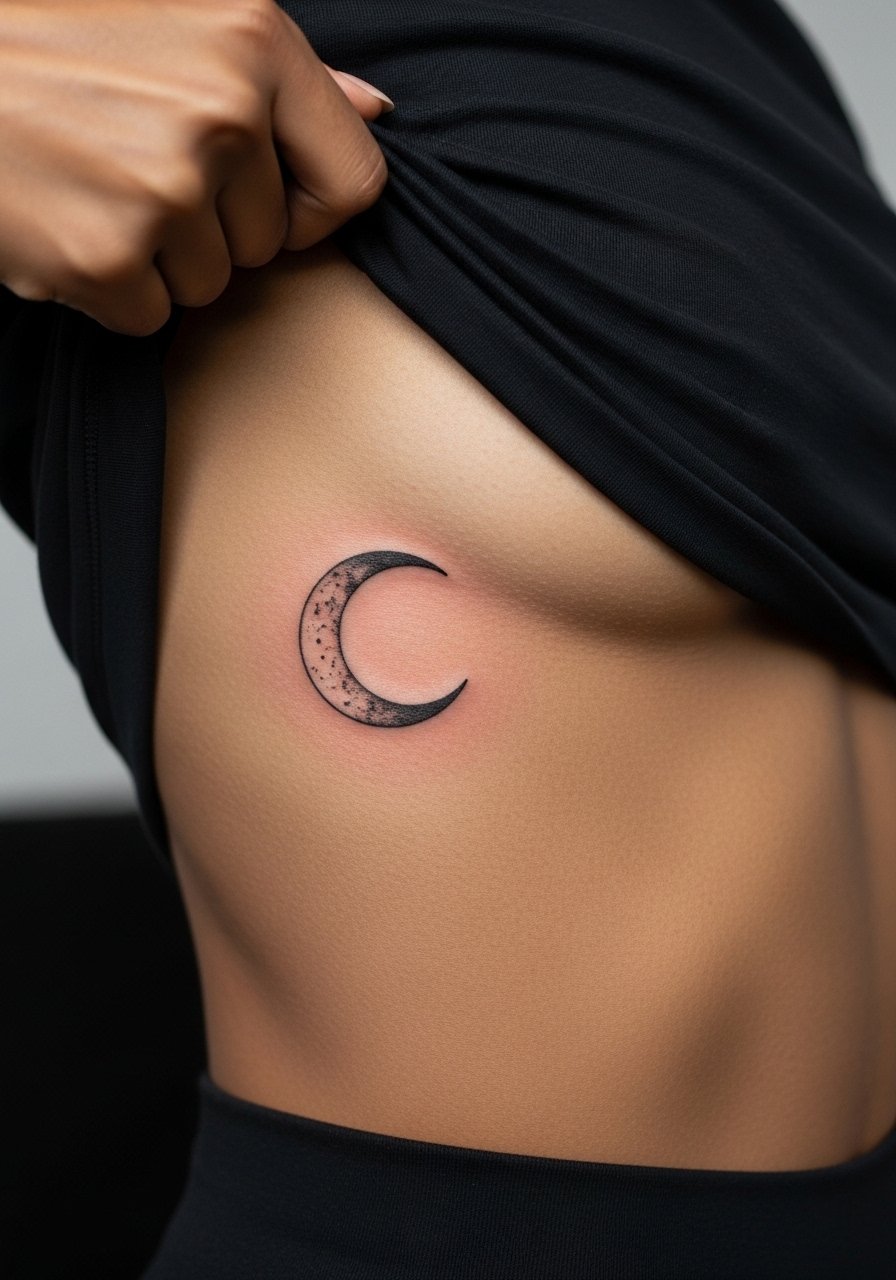
Fair warning, the ribcage is one of the higher pain placements, but a small crescent can heal elegantly when placed with skin movement in mind. Fine line fans split on ribs. One camp says the stretch blurs lines fast. The other says proper depth and spacing keep the line crisp. When you consult, ask which camp the artist belongs to and to show healed ribs on similar skin tones. Keep the moon slightly larger than a hairline tattoo and expect a one-session appointment with possible touch-up. For the session, wear a sports bra you can lift so only the ribcage is exposed.
Studio Day Picks
The wrist, ankle, collarbone, and ribcage pieces above all need different prep and first-week care, so a few targeted items smooth the session and the initial healing.
-
Indie shea butter balm. A lighter balm that many with oilier dark skin prefer because it moisturizes without feeling heavy while the fine line wrist work settles.
-
Australian tea tree salve. Dries quicker than petrolatum-based options in humid climates, useful for ankle wraps and areas that rub.
-
UK breathable wrap alternative. Lets skin breathe during the first 24 hours, which some people with darker skin find less likely to trap moisture.
-
Japanese rice bran oil. A thin hydrator that soothes healed skin and adds sheen for photos without clogging pores.
-
Earth-tone pigment set. For artists doing color work, earth tones offer richer contrast on deeper tones than bright neons, which can look muddy as they age.
7. Watercolor Peony on the Shoulder Blade
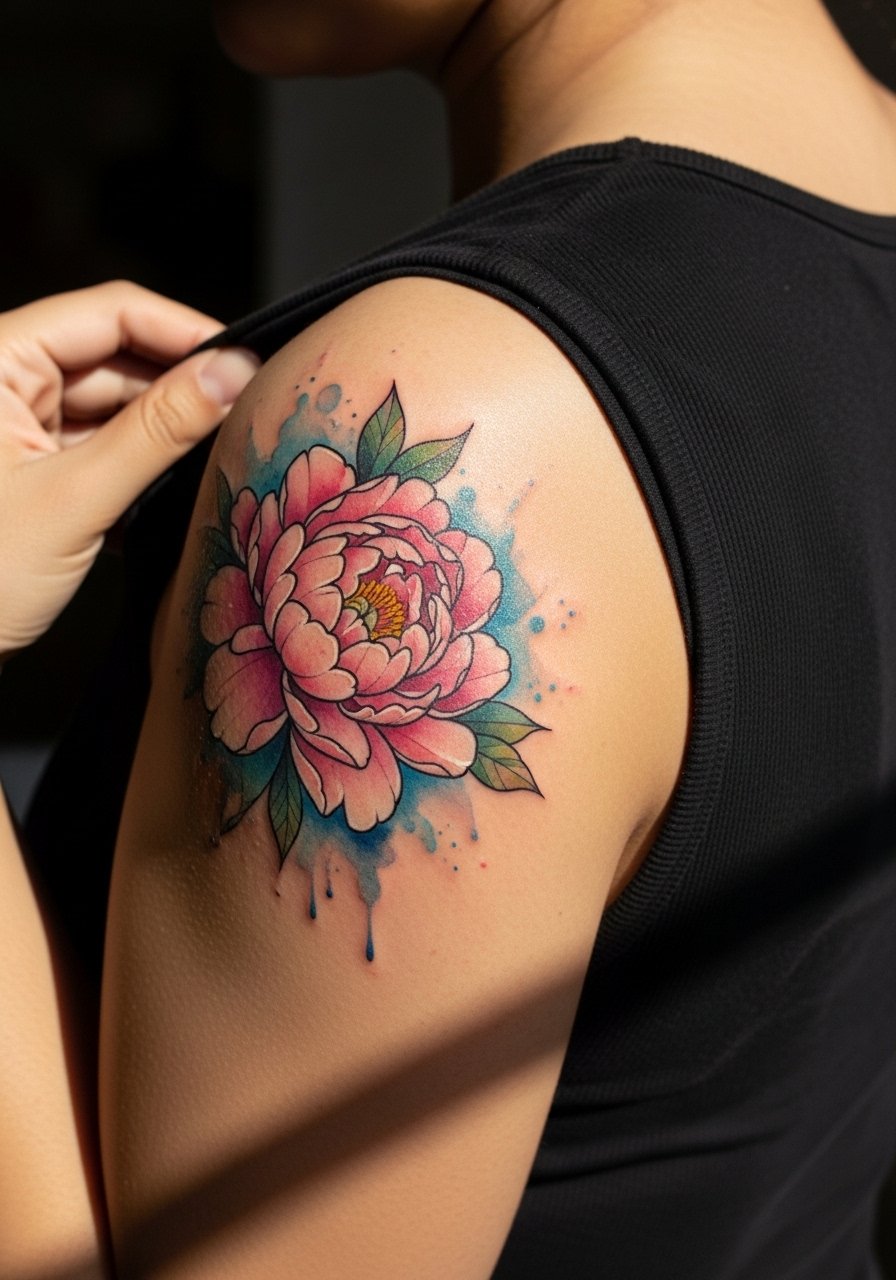
Watercolor can absolutely work on brown skin when artists lean into deeper purples and muted pinks rather than pastels that disappear. Shoulder blade placement gives room for painterly blends and tends to move less than the thigh. Expect medium pain and multiple sessions for color packing. A usual misstep is asking for pale tints that need heavy layering to appear. During the session wear a loose tank top you can shift to expose the upper back, and choose darker pigment mixes so the color reads after healing.
8. Ignorant Style Lotus on the Calf
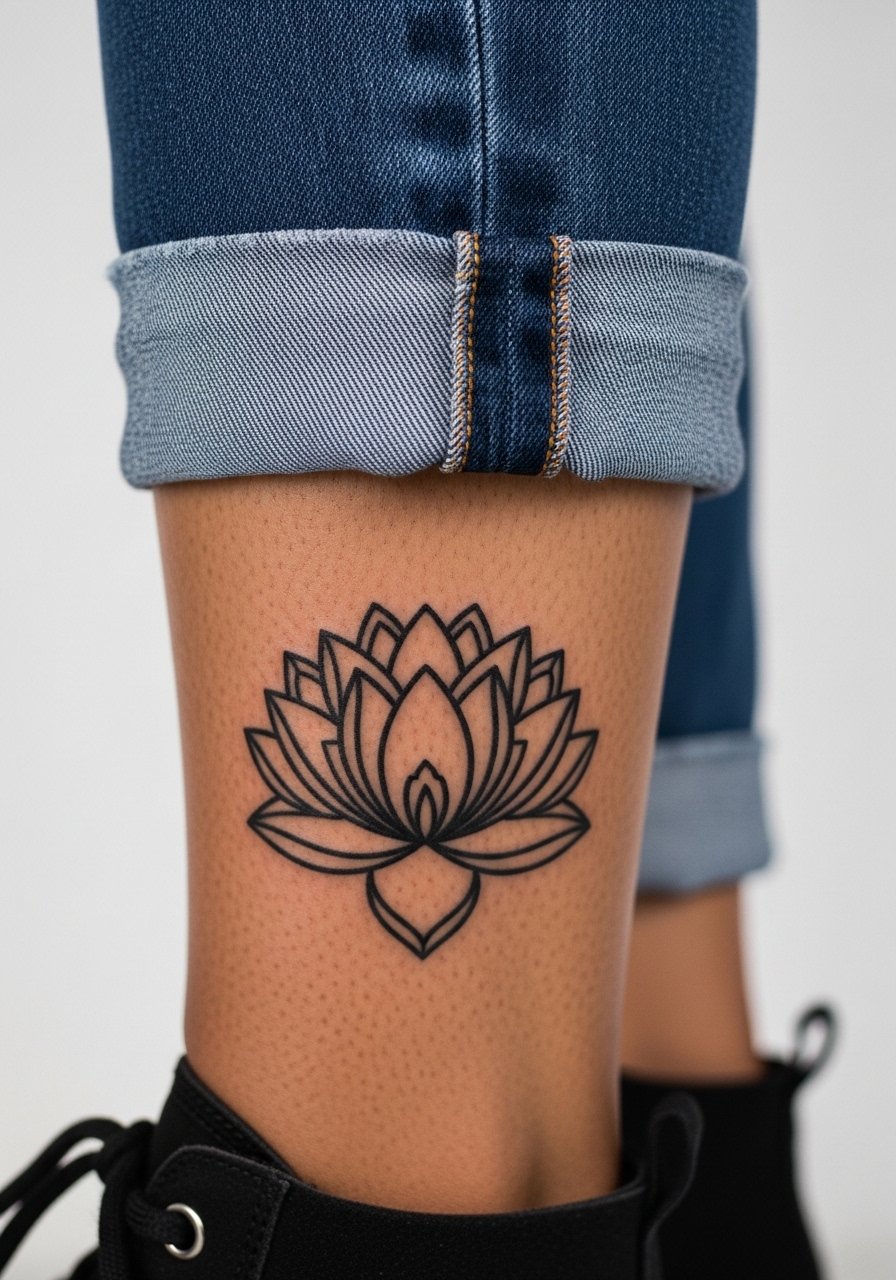
Calf work takes pounding from movement and fabric, so the ignorant style with chunky naive lines is practical for longevity. Sessions are comfortable for most people and usually finish in one sitting. The biggest mistake is overcomplicating the naive aesthetic with tiny details that contradict the style. For showing it off, roll a pair of bootcut jeans or pick a midi dress with a side slit. During the session wear loose bottoms you can pull down without pressure on the area.
9. Fine Line Script on the Inner Bicep
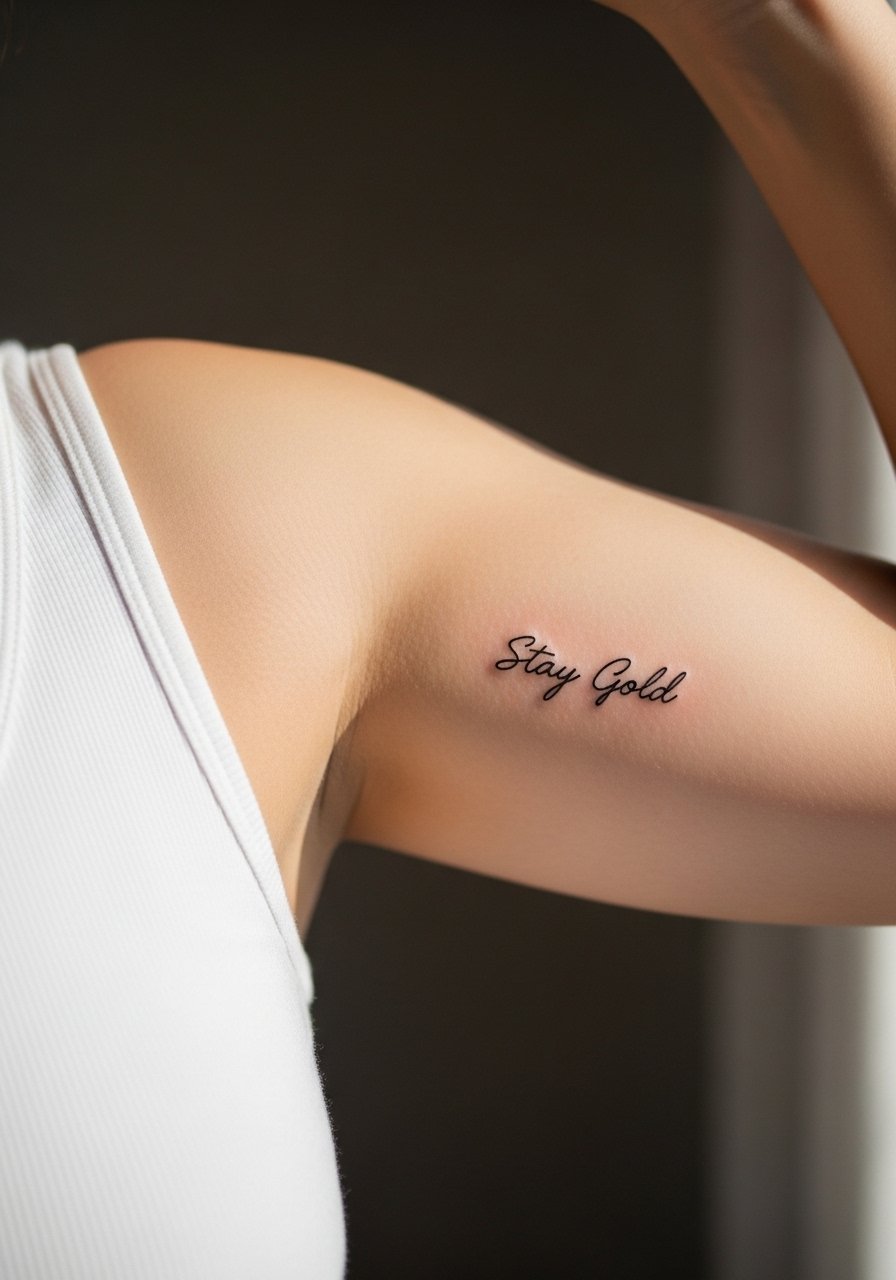
Inner bicep skin is tender and prone to stretching, so script needs slightly heavier line weight than you'd pick for forearm work. The session is short but sensitive. A common error is requesting ultra thin cursive without seeing healed examples on similar skin. Ask for healed portfolio pieces from the artist and plan a touch-up in a year. For the session wear a tank top so the artist can access the area cleanly. For photos, a sleeveless bodysuit or racerback tank highlights the script when you flex.
10. Blackwork Henna-Inspired Hand Design
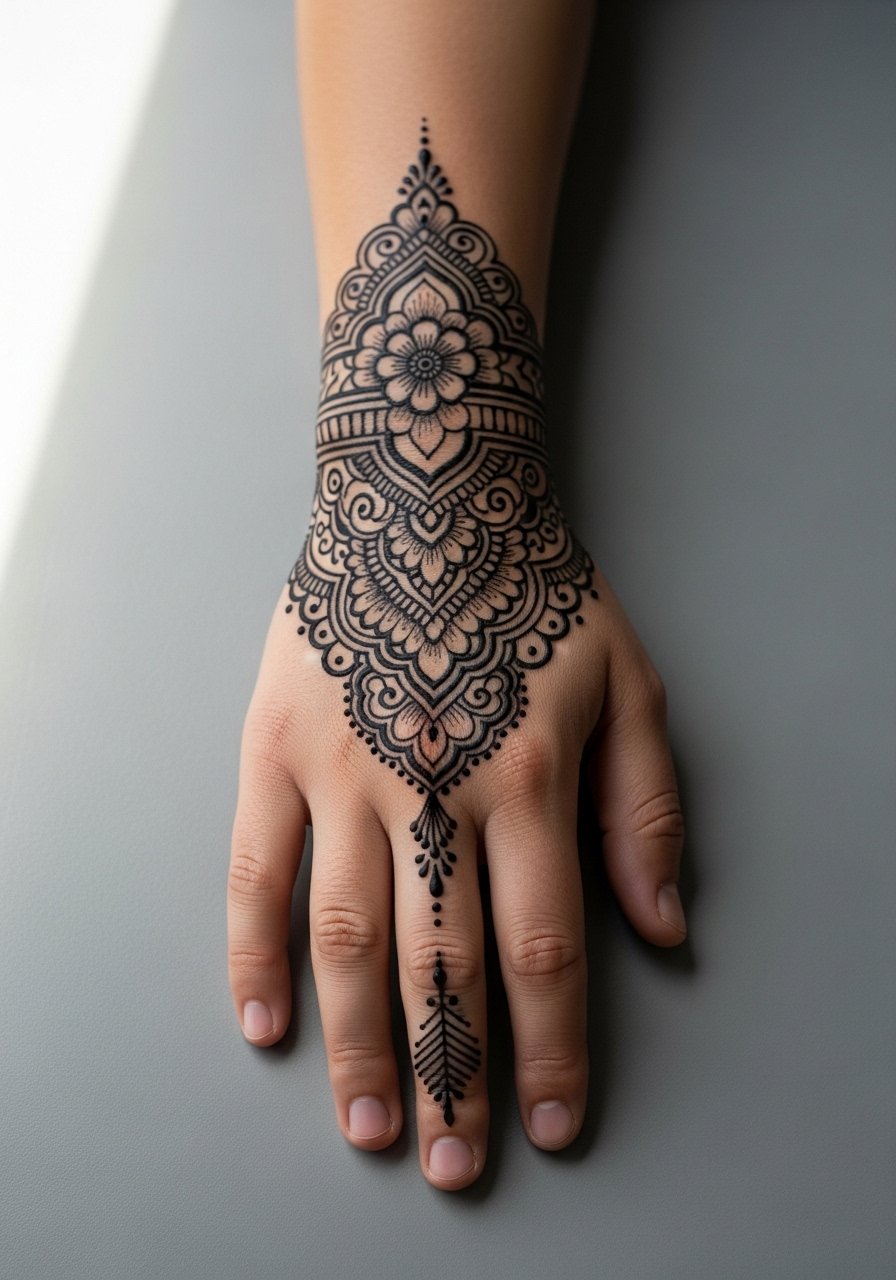
Hand tattoos are high-maintenance because of constant washing and sun exposure, so thicker blackwork with negative space fares much better than lace-thin filigree. Expect stronger pain and a longer touch-up cycle. The common mistake is trying to replicate ephemeral henna detail at tiny scale; instead, ask for modernized motifs that consider hand motion and wash cycles. Note that hand tattoos still affect some workplaces, so think about career implications before committing.
11. Neo-Traditional Siren on the Upper Arm
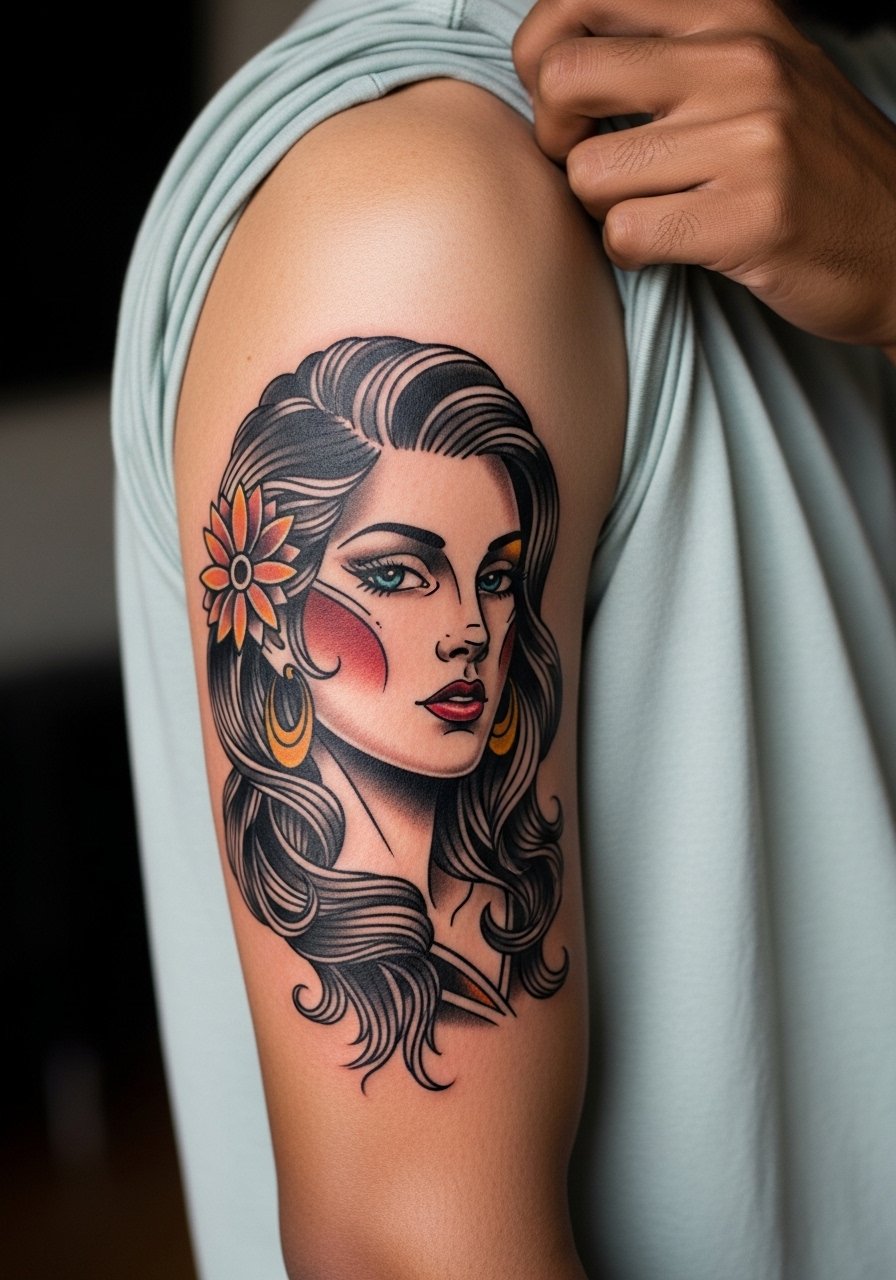
Upper arm soft tissue handles color well and the neo-traditional approach with bold outlines and selective fills ages clean. Sessions run longer and may require multiple sittings for saturation. A mistake is piling on too many small details in the hair and scales which can blur into an unloved mass. For a feminine look, ask for selective color accents rather than full saturation. During the session wear a loose short-sleeve tee you can slide for full access.
12. Ornamental Dotwork Spine Piece
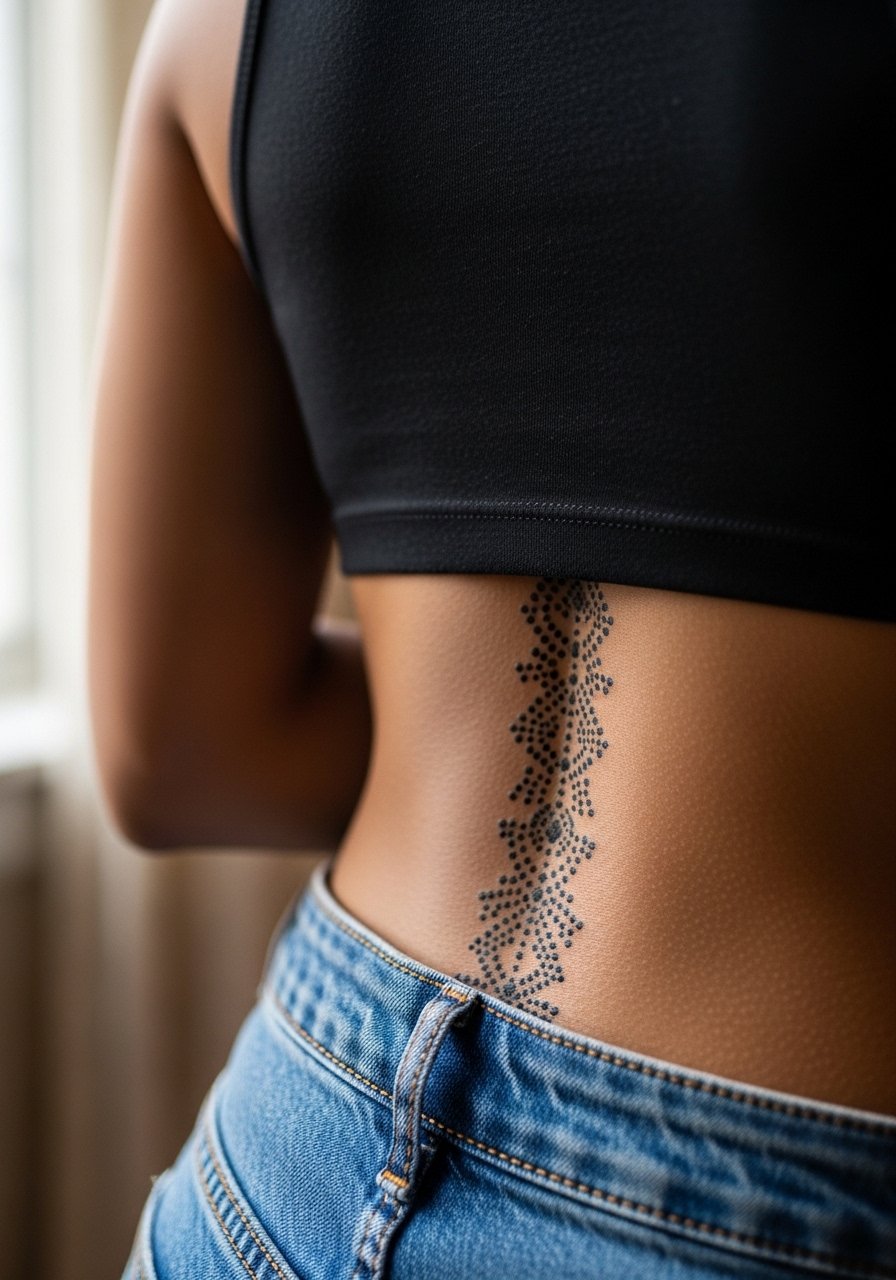
Spine pieces read dramatically on darker tones when the artist uses confident dot density and negative space. Sessions are longer and the area is tender. An error people make is compressing dots into bands too tight for skin to hold cleanly. Ask for spacing that allows subtle shifts without losing the vertical flow. For showing off, open-back or halter dresses reveal the line and posture enhancement the piece gives.
13. Micro-Realism Portrait on the Upper Chest
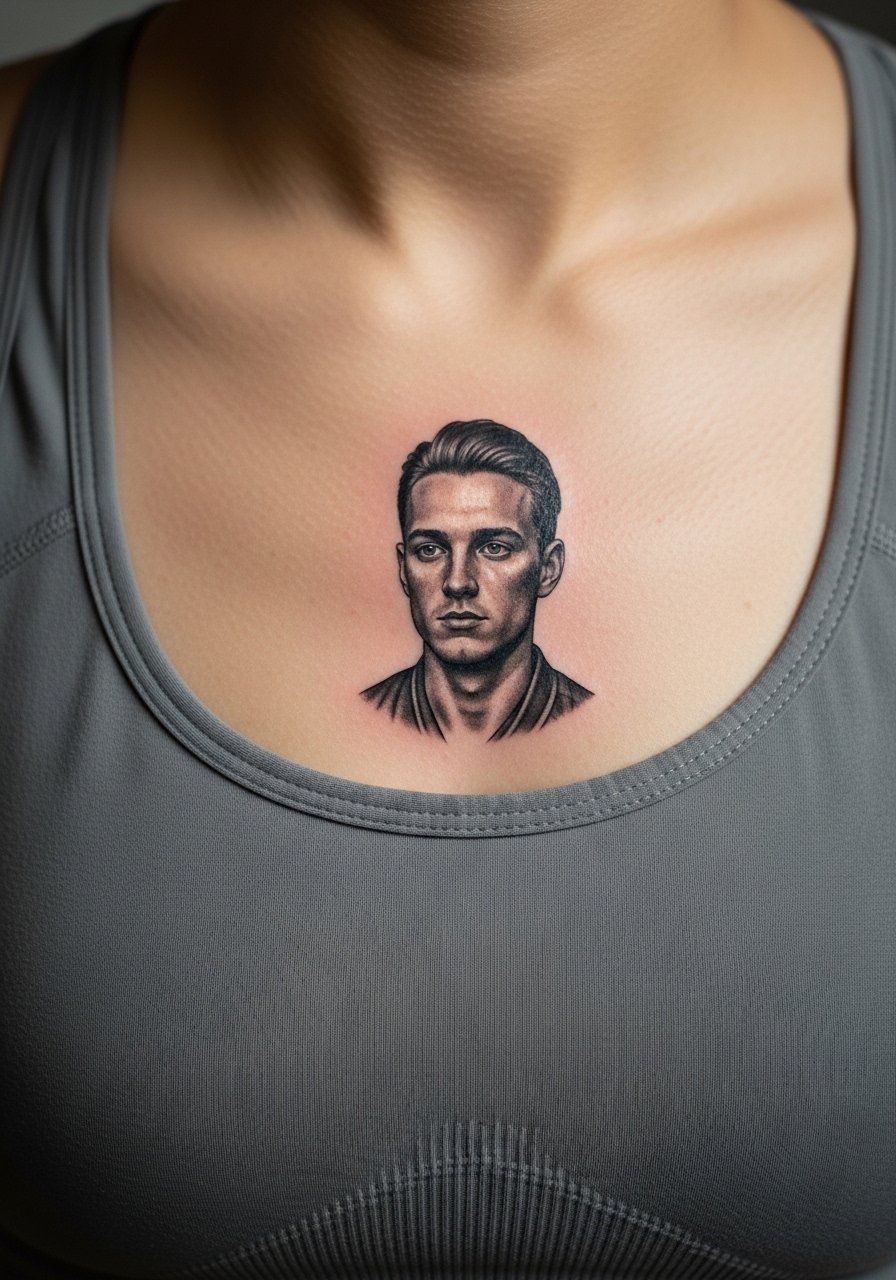
Chest portraits can be rewarding but are tricky on pigmented skin because contrast is everything. I recommend artists who use heavier mid-tones and layered shading instead of relying on tiny highlights. Sessions can be long and numbing is often requested for comfort. The mistake is expecting photographic nuance at tiny scale. If you plan color, insist on earth-tone palettes that survive on deeper skin. Wear a fitted sports bra for session access and compact stencils for accurate placement.
14. Minimal Line Anklet on the Foot
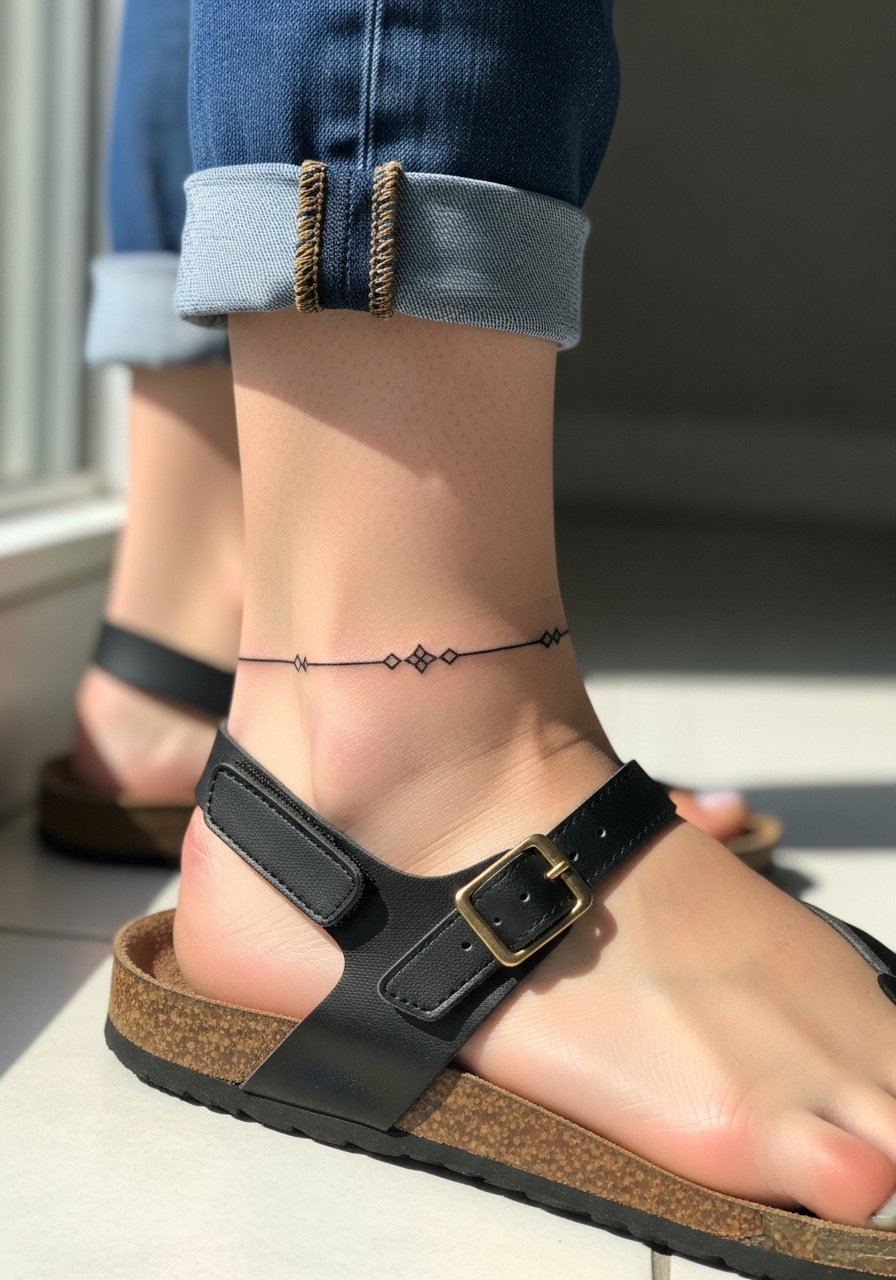
Foot and anklet tattoos face footwear friction and sunlight. For dark skin choose slightly bolder lines that read from a distance. Sessions are short but aftercare is crucial. A frequent slip-up is asking for ultra-fine wrap lines that the foot rubs away in weeks. Communicate that you want spaced motifs and thicker connecting lines. For showing it off, wear sandals or cropped pants so the anklet sits cleanly against skin.
15. UV-Reactive Accent on the Inner Wrist
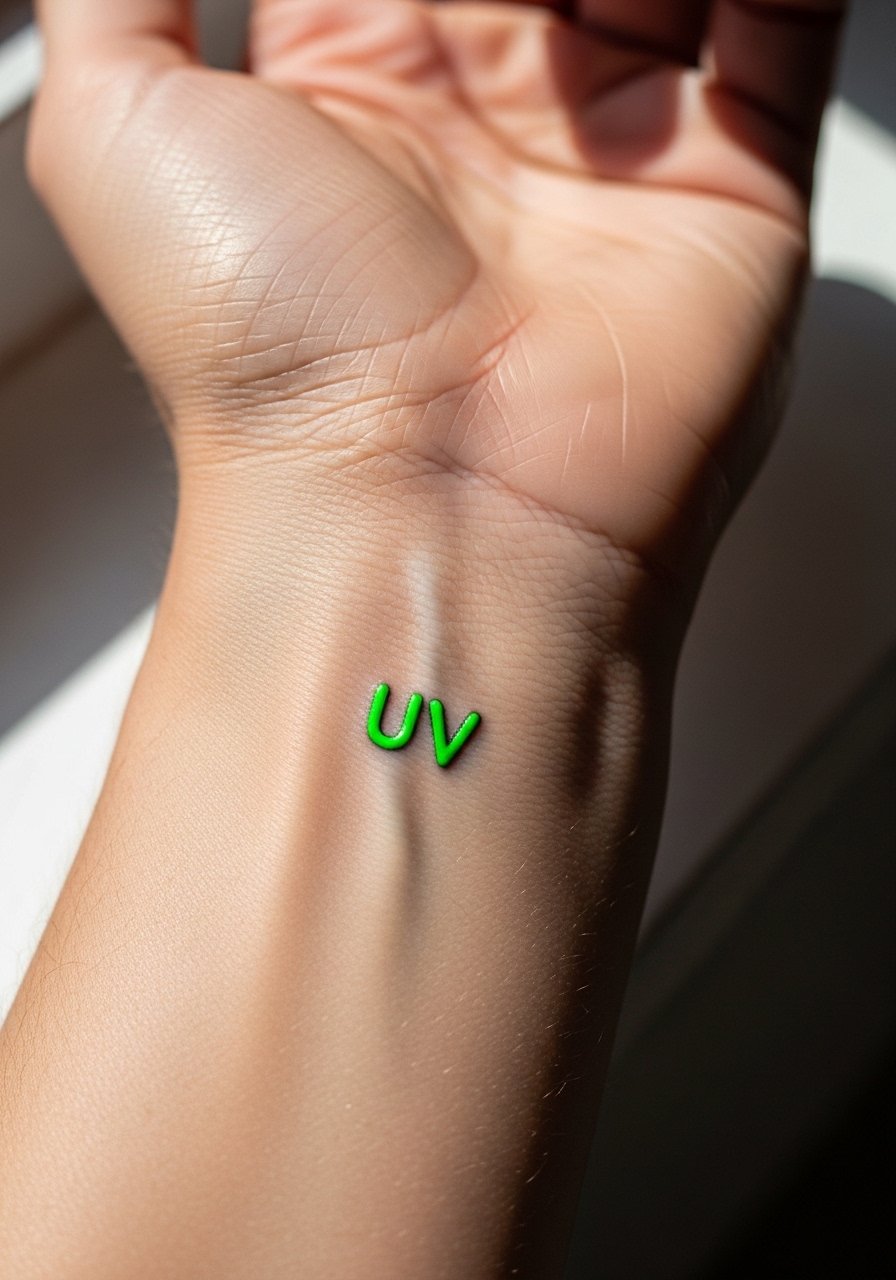
UV-reactive ink can be playful for dark skin because it glows under blacklight yet stays subtle by day. Not all artists work with these inks, so ask for healed swatches on similar skin tones. The controversy here is safety and longevity; some artists avoid UV ink while others embrace it for nightlife pieces. Sessions are short but plan a patch test to confirm no reaction. For the appointment wear a sleeveless tank to give clear wrist access.
16. Stipple-Shaded Floral Along the Forearm
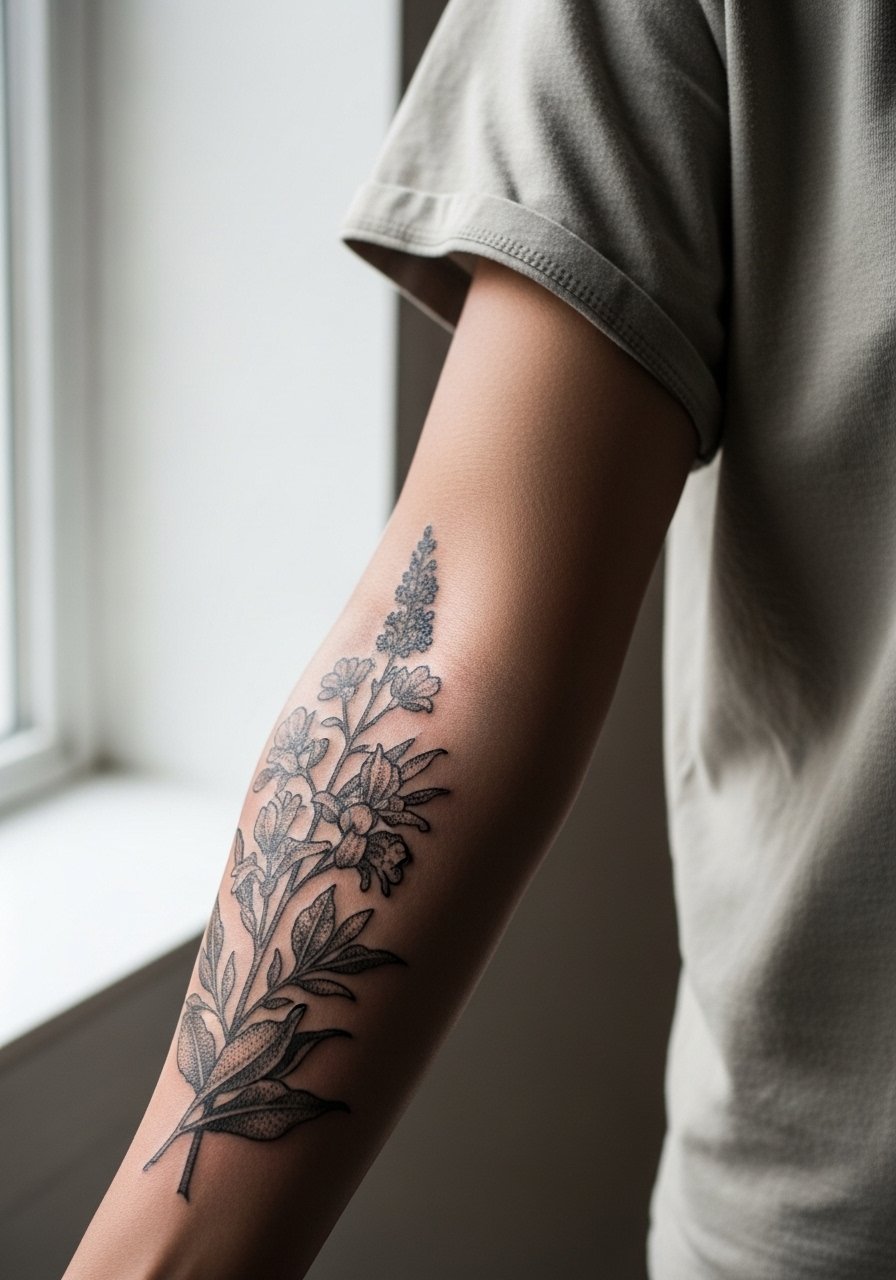
Stipple shading reads beautifully on darker tones when the artist calibrates dot density for skin tone. Outer forearm sessions are comfortable and visible. A common mistake is densifying dots too fast which creates a block of gray instead of textured shadow. Ask the artist to map shading gradients and show healed examples on similar tones. For showing it off, roll sleeves or wear a loose short-sleeve tee for casual reveals.
17. Script Wrap Behind the Ear
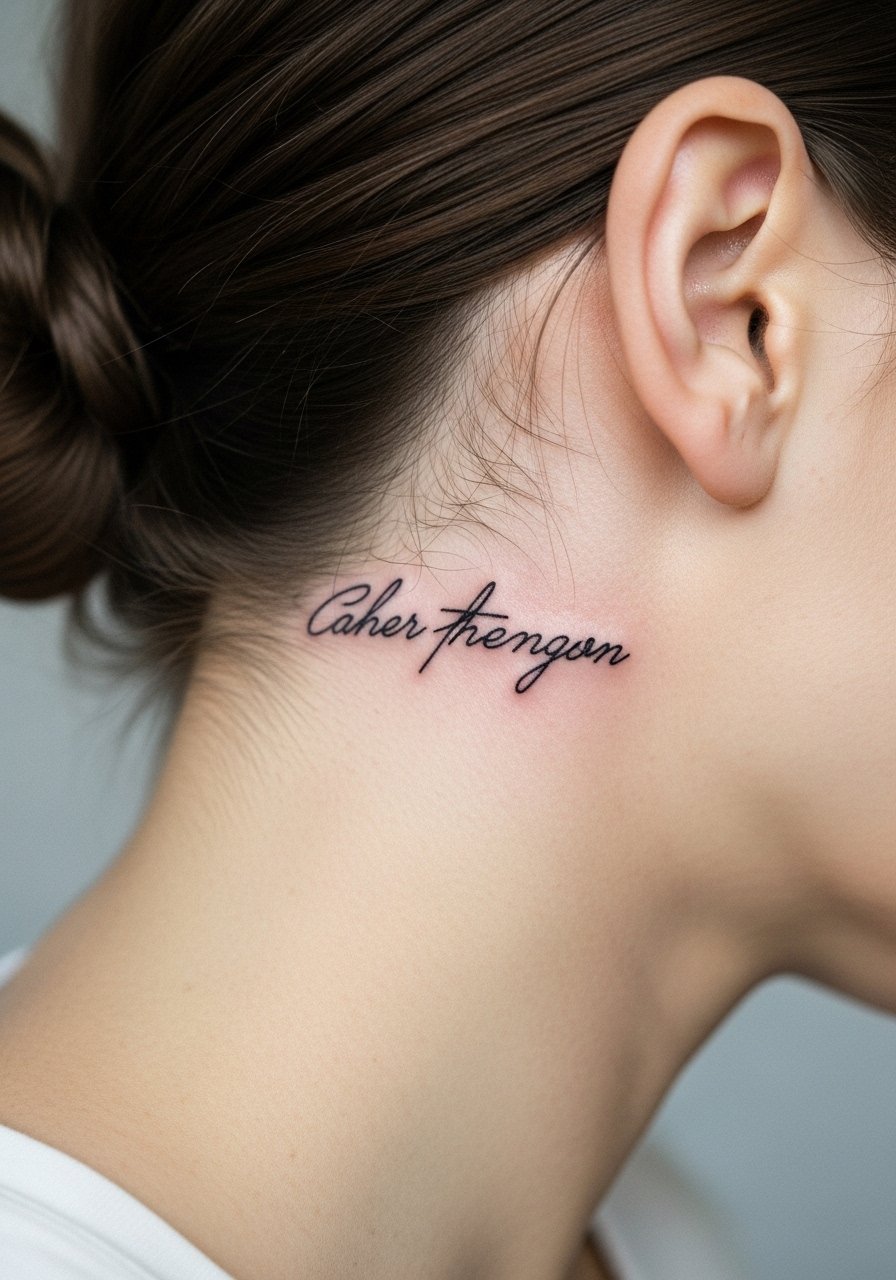
Behind-the-ear placements need precise framing because they are so small. Ask for slightly bolder letterforms than you would on the forearm and request to preview the stencil while hair is tucked. The area heals fast but is tender. The mistake is trying to cram long phrases in that zone. If you want a visible reveal, style hair back or choose short haircuts for photos.
18. Geometric Chest Band Near the Collarbone
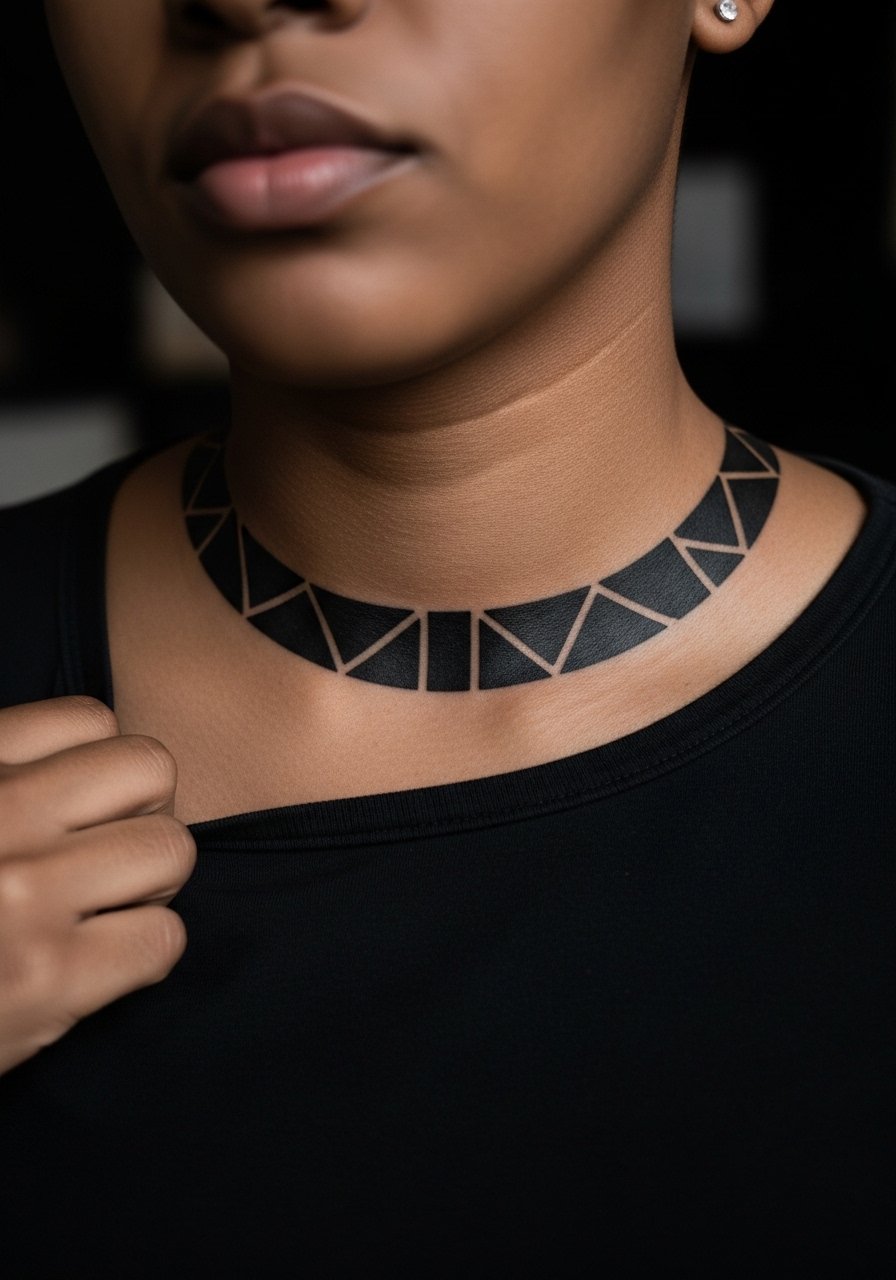
Chest bands anchor nicely across the collarbone when negative space and bold shapes are prioritized. Expect moderate pain and a session length that depends on symmetry. A top error is asking for too-fine tessellation that blends into an unrecognizable mass. Ask your artist to space elements with deliberate breathing room. For showing it off, an off-shoulder linen top showcases the geometry cleanly.
19. Thigh Patchwork of Micro-Realism Motifs
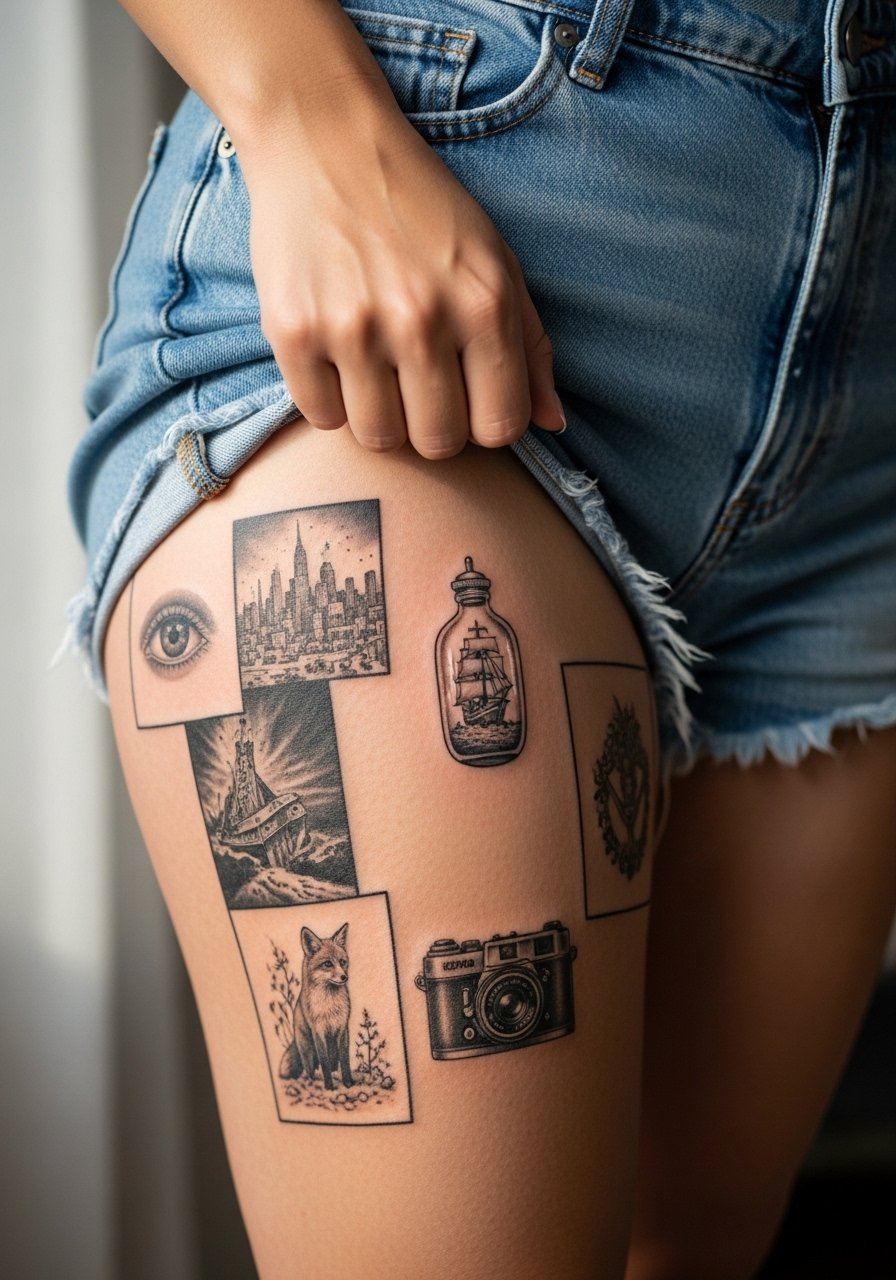
Patchwork on the thigh is a smart way to collect micro pieces without committing to a sleeve. Outer thigh skin tolerates shading and color and moves less than inner areas. Common mistakes include mismatched scales between motifs and crowding. Ask for a flow plan so each motif has space and the overall composition breathes. For session wear loose joggers you can pull down without rubbing the fresh ink.
20. Minimalist Starlight Finger Dots
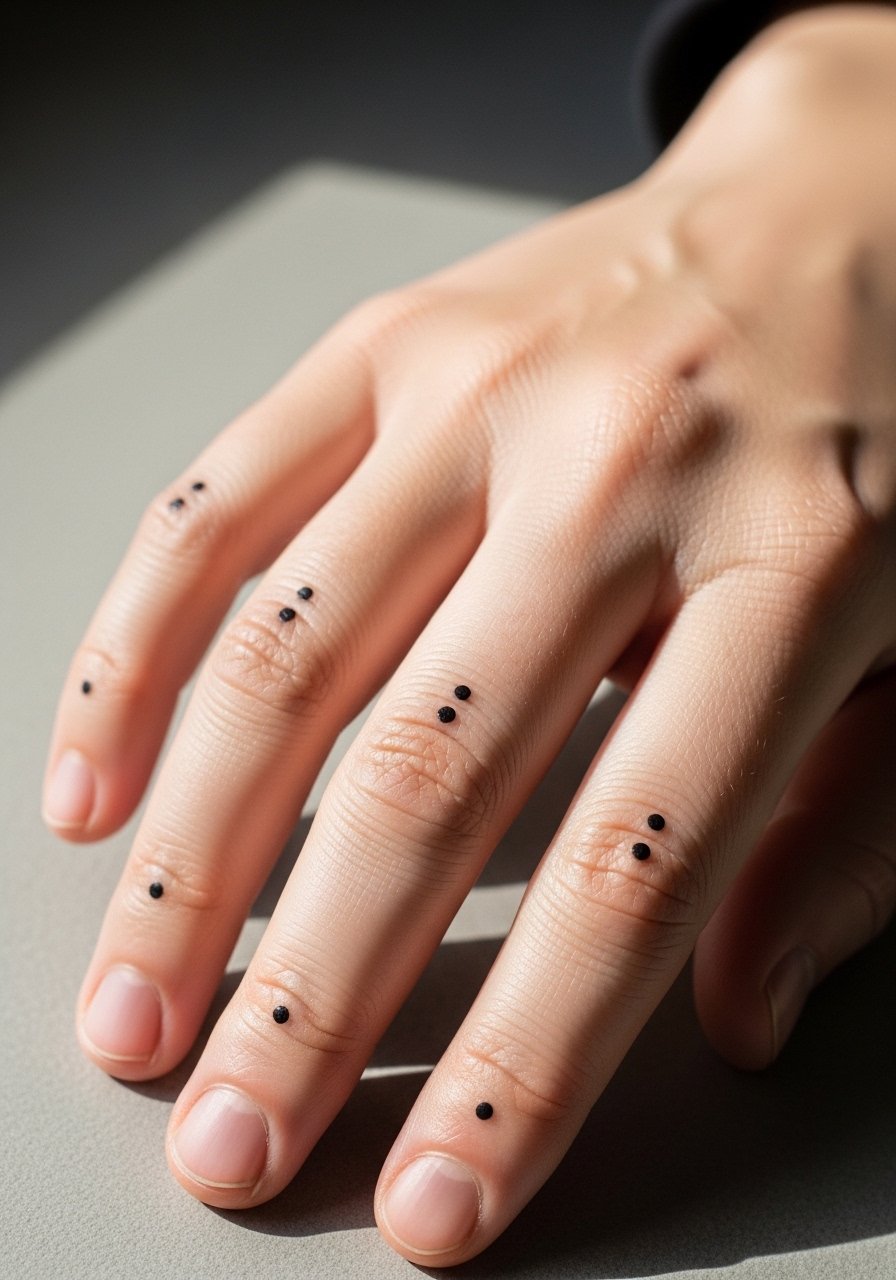
Finger tattoos are high friction and fade faster, so dot clusters work better than thin script. Expect quick sessions but plan for touch-ups. A mistake is requesting detailed linework across knuckles. For longevity, ask for spaced dots and thicker anchors. Keep in mind hands are visible in many workplaces and may influence career choices.
21. Hybrid Fine Line with White Ink Highlights on the Thigh
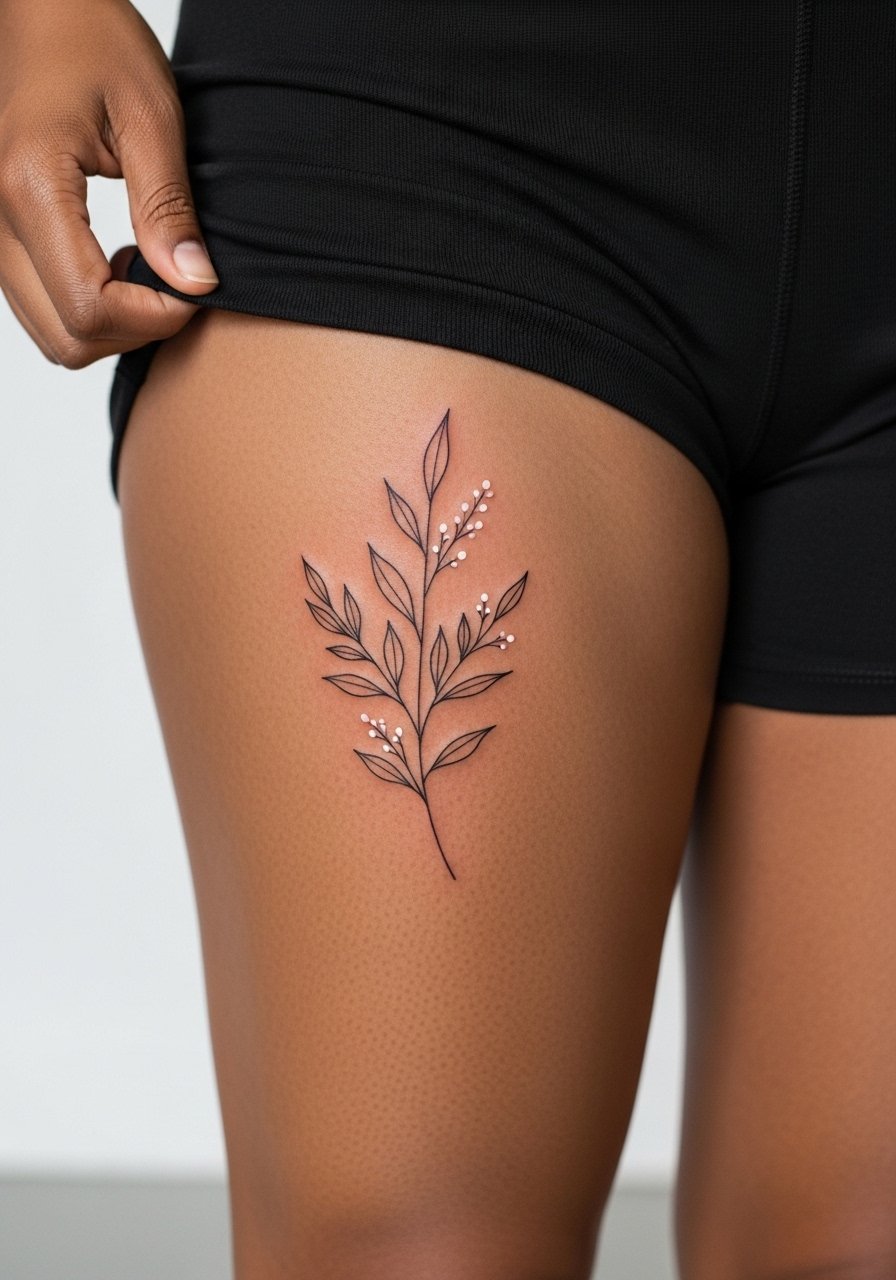
White ink highlights can create extra pop on deeper tones when used sparingly and over dark contours rather than as the primary pigment. Thigh placement gives room for layered work and body oil after healing can enhance sheen. The mistake is overusing white in small areas where it fades into a chalky blur. Ask the artist to use white for tiny reflective points only and to show healed examples on similar skin tones.
22. Protective Ornamental on the Side Rib
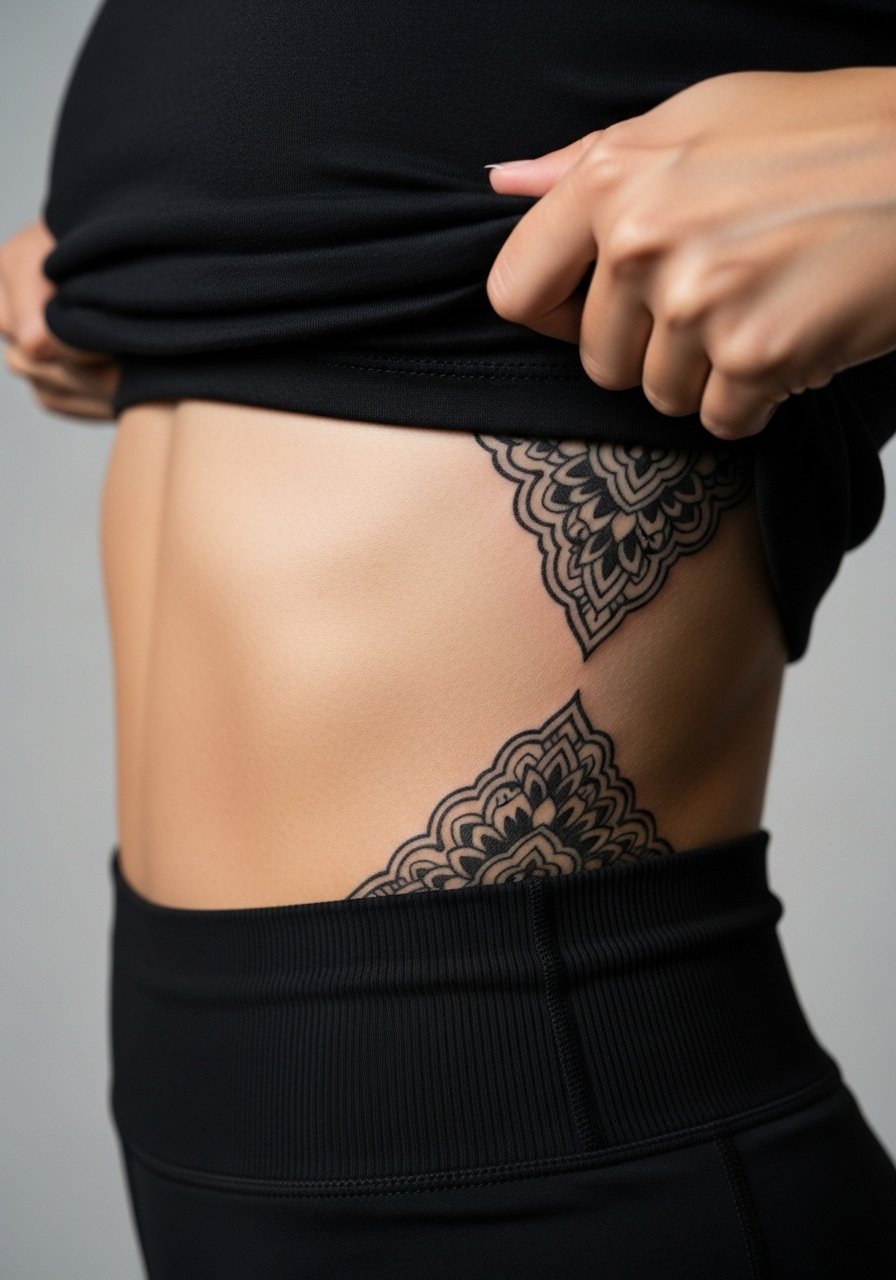
Side ribs are intimate and show movement, so choose patterns that account for stretch. Bold black shapes with clear spacing last longer than tiny lacework. Pain is high here, and sessions may be broken up. The debate about fine line on ribs is real. One camp warns of fast blur from stretch and movement. The opposing camp says spacing and correct depth make it viable. Ask which approach your artist favors and expect a touch-up if you plan major body changes.
23. Floral Sternum Band
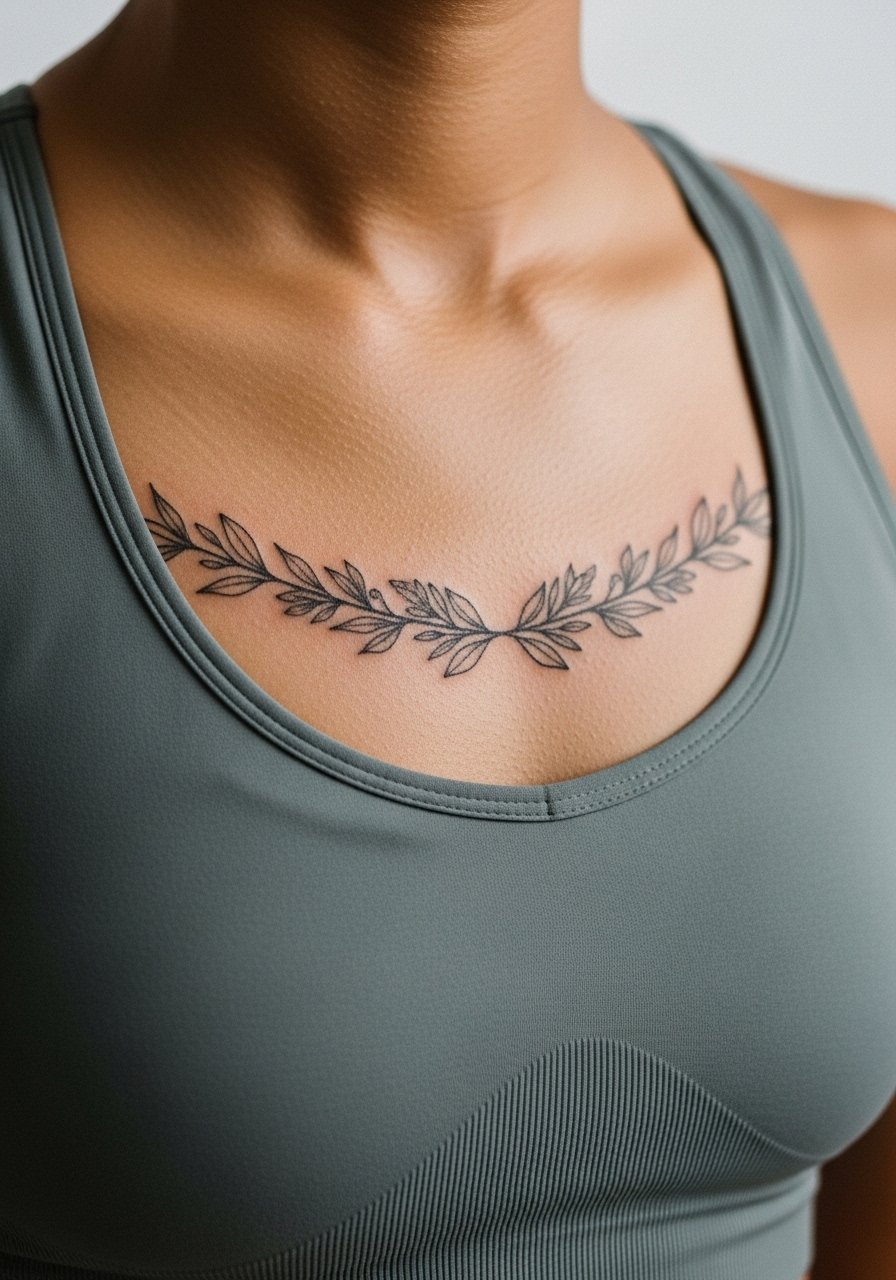
Sternum work looks intimate and pairs well with centered floral bands that follow the bone structure. Sessions are sensitive and often short for small bands. A common mistake is asking for too much fine filament near the sternum where skin reacts differently. Request slightly bolder outlines and plan for sunscreen over the healed area to preserve contrast.
24. Black-and-Gray Sleeve Patch on the Upper Forearm
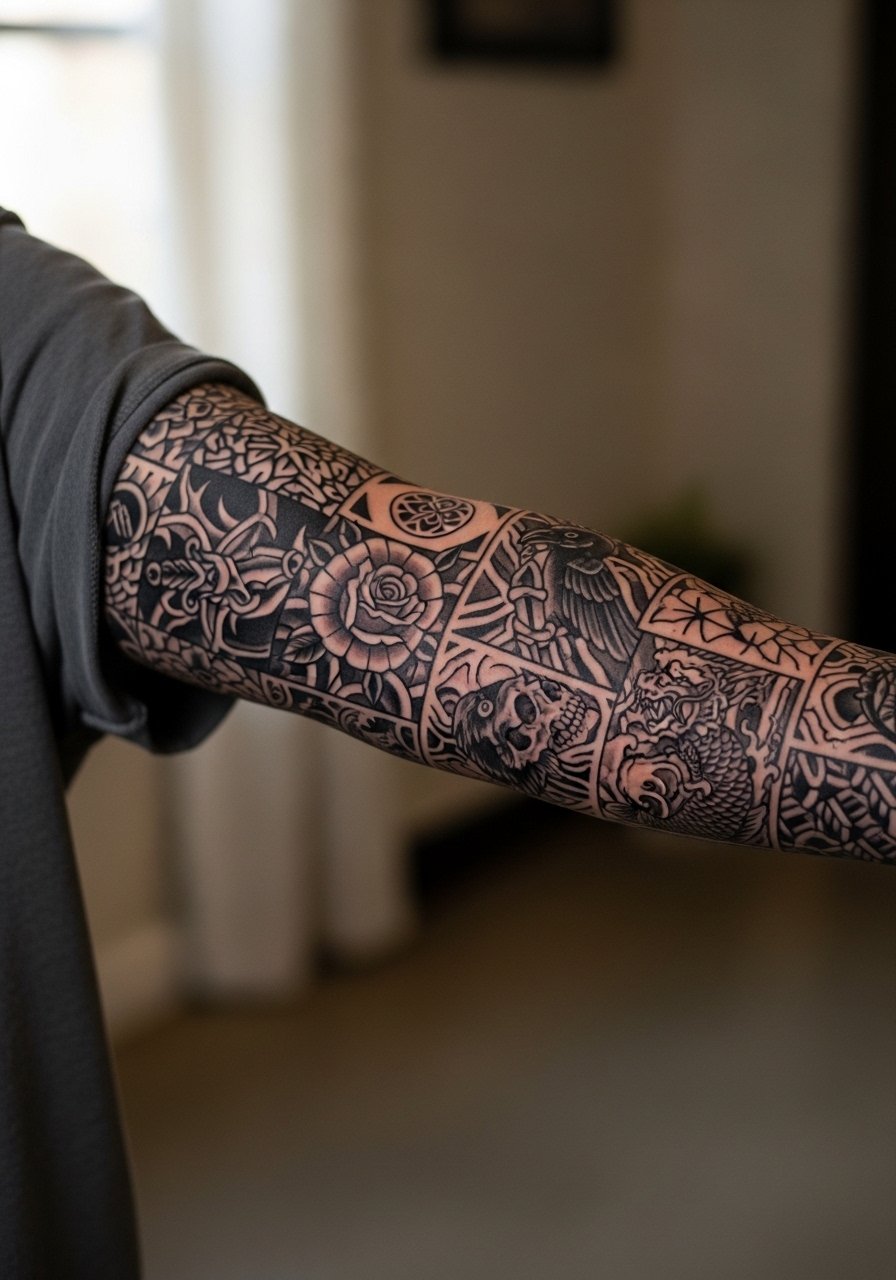
A sleeve patch that mixes stipple, whip shading, and solid black holds together on darker skin when the artist balances saturation. Outer forearm sessions are manageable and can be split across visits. The error is blending too many tiny textures without heavy anchors. Ask for bold focal points and mid-tone gradients rather than only micro detail. Roll sleeves and wear a loose short-sleeve tee for session access and casual reveals.
25. Hip Bloom at the High-Cut Line
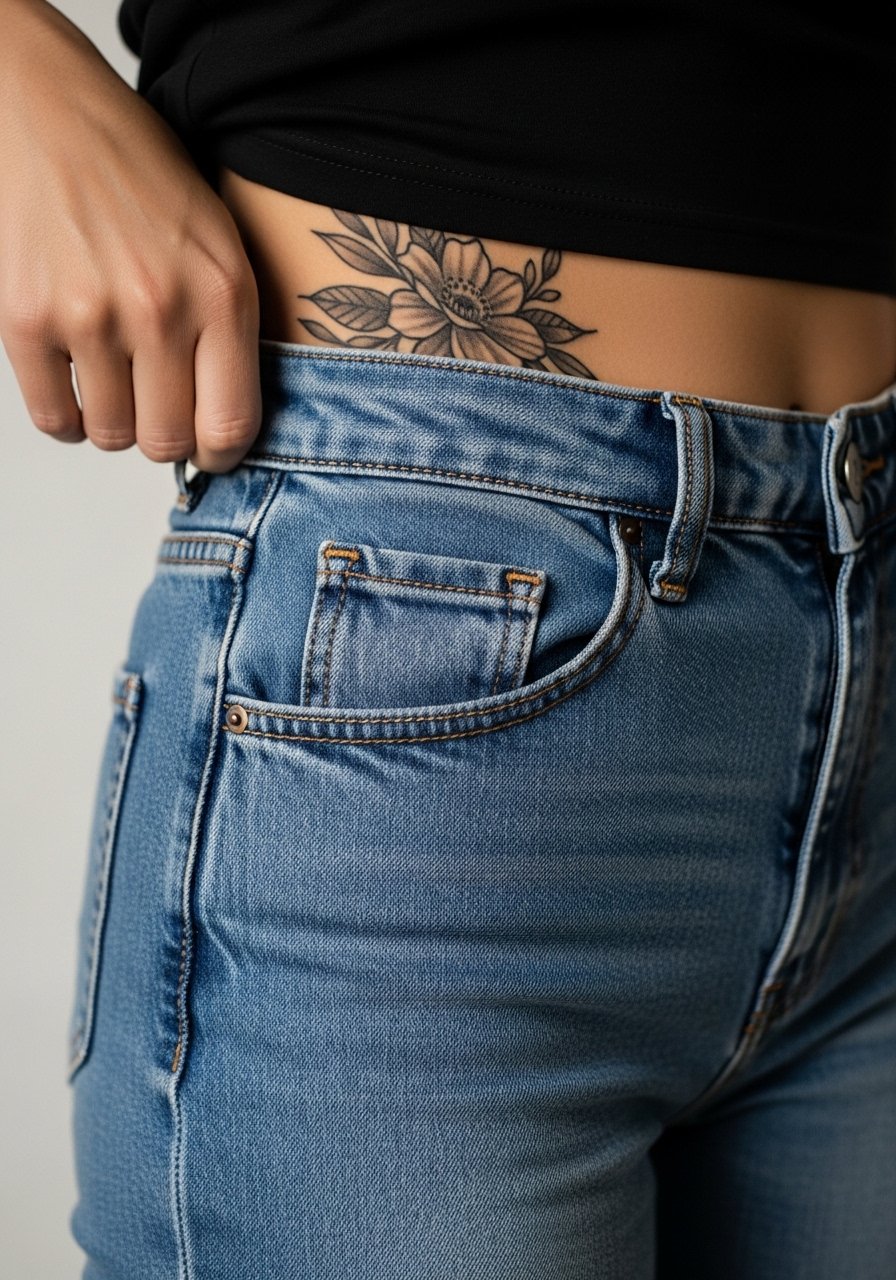
Hip placements are playful and easy to hide. Position the bloom near natural garment lines so the design peeks from swimwear or high-cut bottoms. A mistake is placing the focal point where high-waisted clothing consistently rubs. During the session wear high-waisted bottoms you can shift slightly to expose only the tattoo zone.
26. Tiny Script on the Nape of the Neck
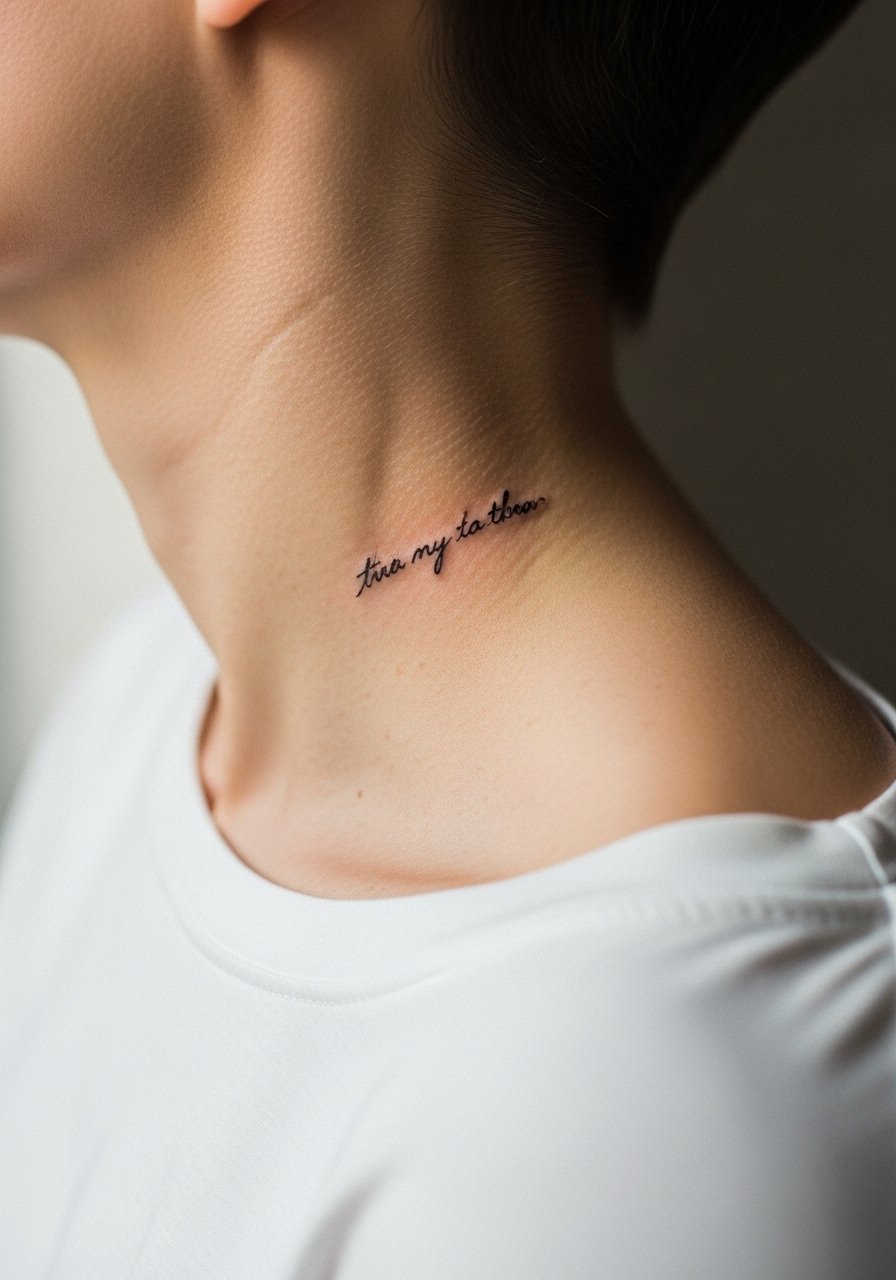
Small nape scripts work if you pick letterforms with thicker counters so strokes do not fill in. The area heals quickly but is sensitive when hair rubs. Ask for a short phrase and preview the stencil while your hair is tied. For subtle reveal, a wide-neck shirt with the collar shifted keeps the tattoo tasteful in photos.
27. Lower Back Floral with Negative Space
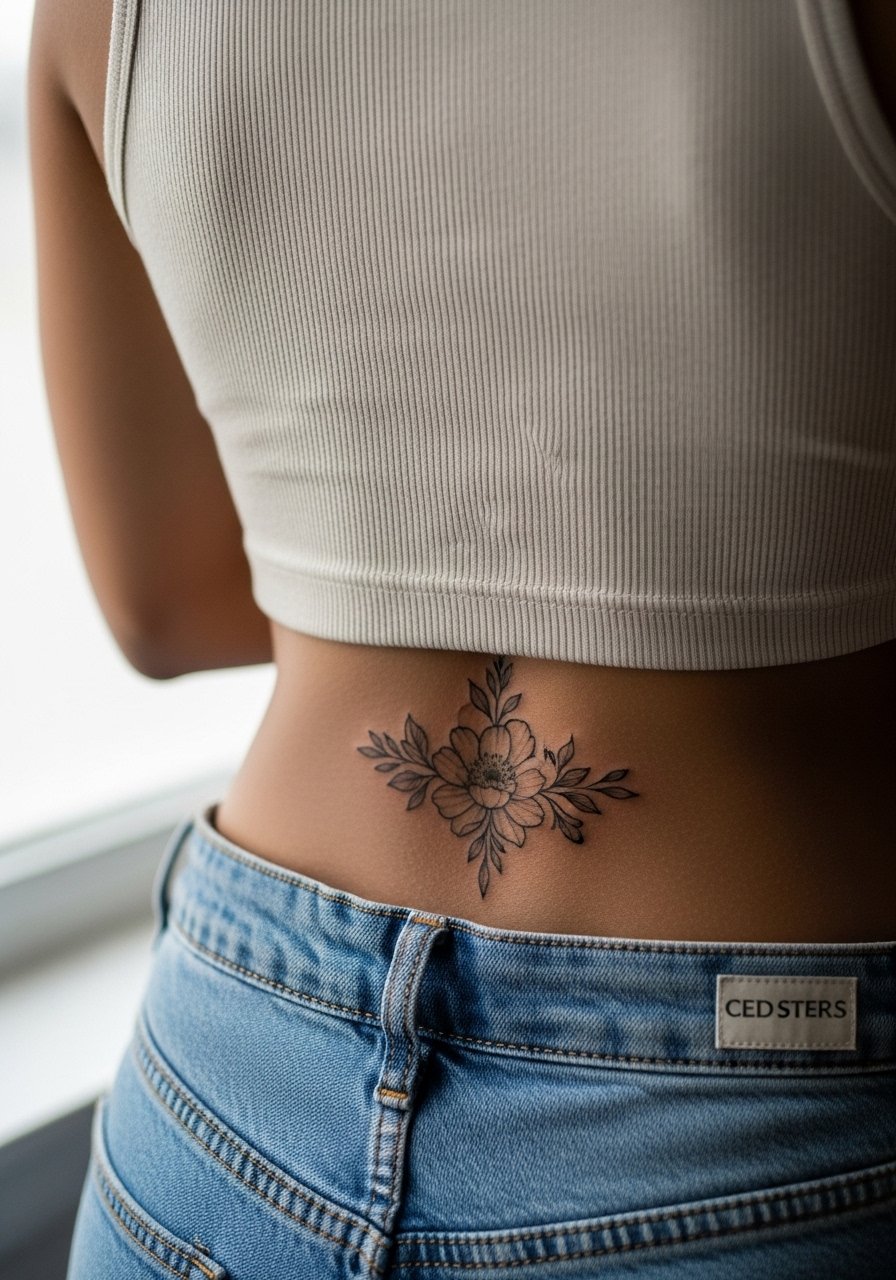
Lower back ink ages well if the composition follows the spine and hips, using negative space to preserve clarity. Sessions are moderate and healing benefits from avoiding tight waistbands in the first weeks. A frequent error is packing too many small leaves that blur into texture. Instead, ask for deliberate spacing and modest detail so the motifs remain readable even if you gain or lose weight.
Frequently Asked Questions
Q: Will fine line wrist and ribcage tattoos fade faster on dark skin than on lighter tones?
A: From what Ive seen, fine line tends to need touch-ups sooner regardless of tone, but placement matters more. Wrists get rubbed and washed constantly, which accelerates softening. Ribs move with breathing and body changes. If you love fine line, ask an artist experienced with darker skin for slightly heavier line weight and a planned touch-up at year one or two.
Q: Can color, especially purples and pinks, really show up on brown skin?
A: Yes, if artists use earth-tone mixes and pack saturation thoughtfully. Neon palettes can muddy, but deeper purples, warm browns, and muted pinks often hold richer contrast. Ask to see healed color photos on similar skin tones during consultation and request earth-tone blends rather than bright pastels.
Q: How should I balance Saniderm versus dry healing for a hand or calf piece?
A: Artists and collectors split into two camps. One group prefers Saniderm for fast protection and less mess. The other prefers dry healing to avoid occlusion and let scabbing form naturally. For hands and calves, think about friction. If you sweat a lot or wear boots, a breathable wrap alternative may help. Try a short patch test or follow the artist’s method for areas they specialize in.
Q: What should I wear to a collarbone or shoulder blade session to make it easy for the artist?
A: For collarbone pieces wear a button-up shirt you can slide aside or a wide-neck top. For shoulder blade work a loose tank top that shifts is ideal. Comfortable, easy-access clothing prevents unnecessary stencil adjustments and keeps the session efficient.
Q: If an artist cancels a guest spot, how do I find a reliable replacement who understands dark skin contrast?
A: Use discovery pathways like searching hashtags #darkskintattoo or #finelinedarkskin on Instagram, check TikTok reels filtered by those terms, and look for portfolios on apps that let you filter by style and skin tone. Also scan r/tattoos community threads for recent recs in your city. Ask for healed photos on similar skin tones before you book.