
Fine line white ink is trending on feeds, and the gap between what looks perfect in a studio photo and what lives on your skin is bigger than most people expect. I hear the same concerns at conventions and on community threads: fading, ghosting, and sessions that get canceled. Read the tips below to pick designs that suit your skin, plan the appointment, and know which pieces really benefit from a proactive touch-up plan.
1. Minimal line white ink wave on the wrist
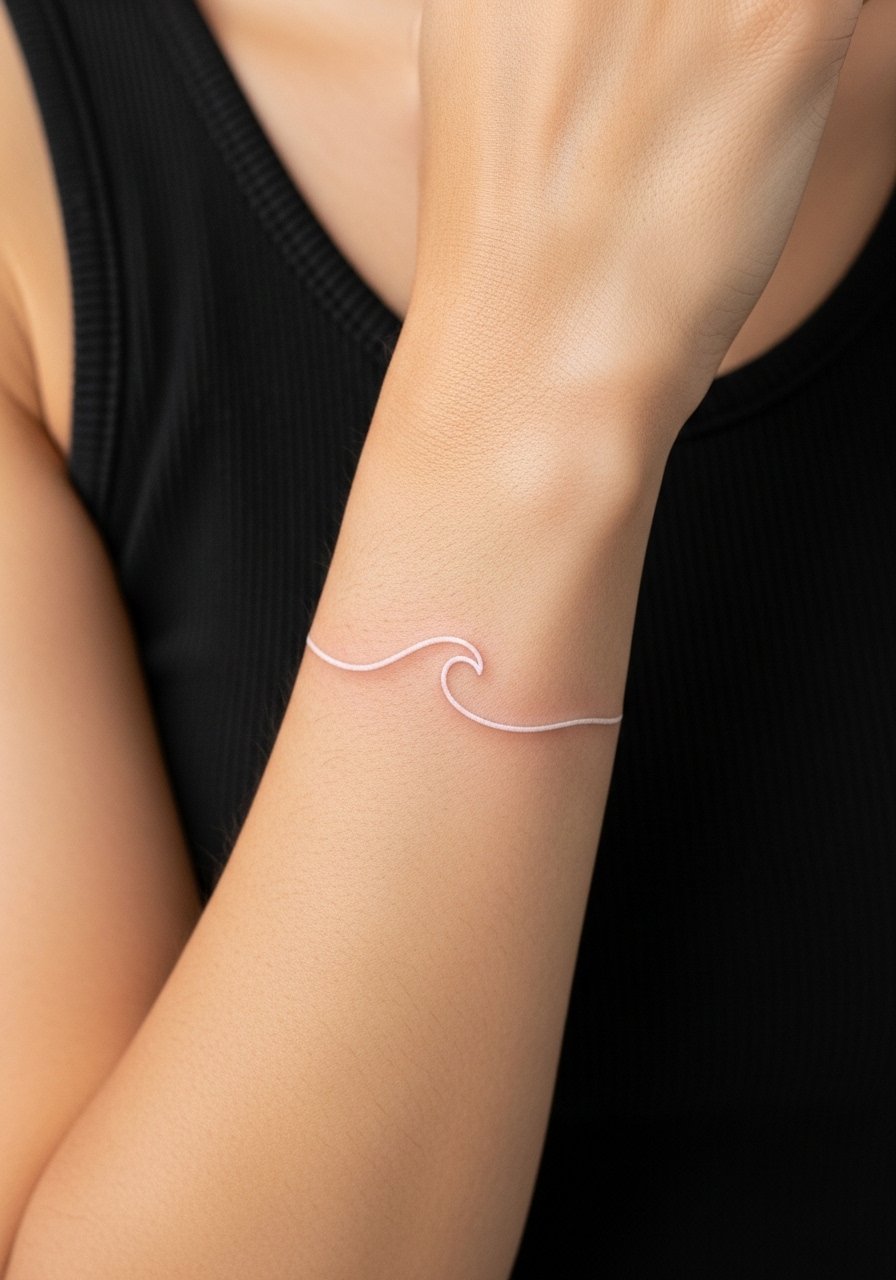
The wrist is a classic for single needle minimalism because the shape reads like jewelry. I recommend asking for a slightly bolder needle gauge than your saved photo shows. That reduces the chance of the wave ghosting into a faint scar by month six. Common mistakes include going ultra-thin and then needing touch-ups every six to twelve months. For session day, wear a sleeveless tank top so the artist has full access to the entire wrist and forearm. Expect a light sting for ten to twenty minutes and plan for a quick touch-up at around six months if you live in direct sun.
2. Fine line white ink constellation on the inner forearm
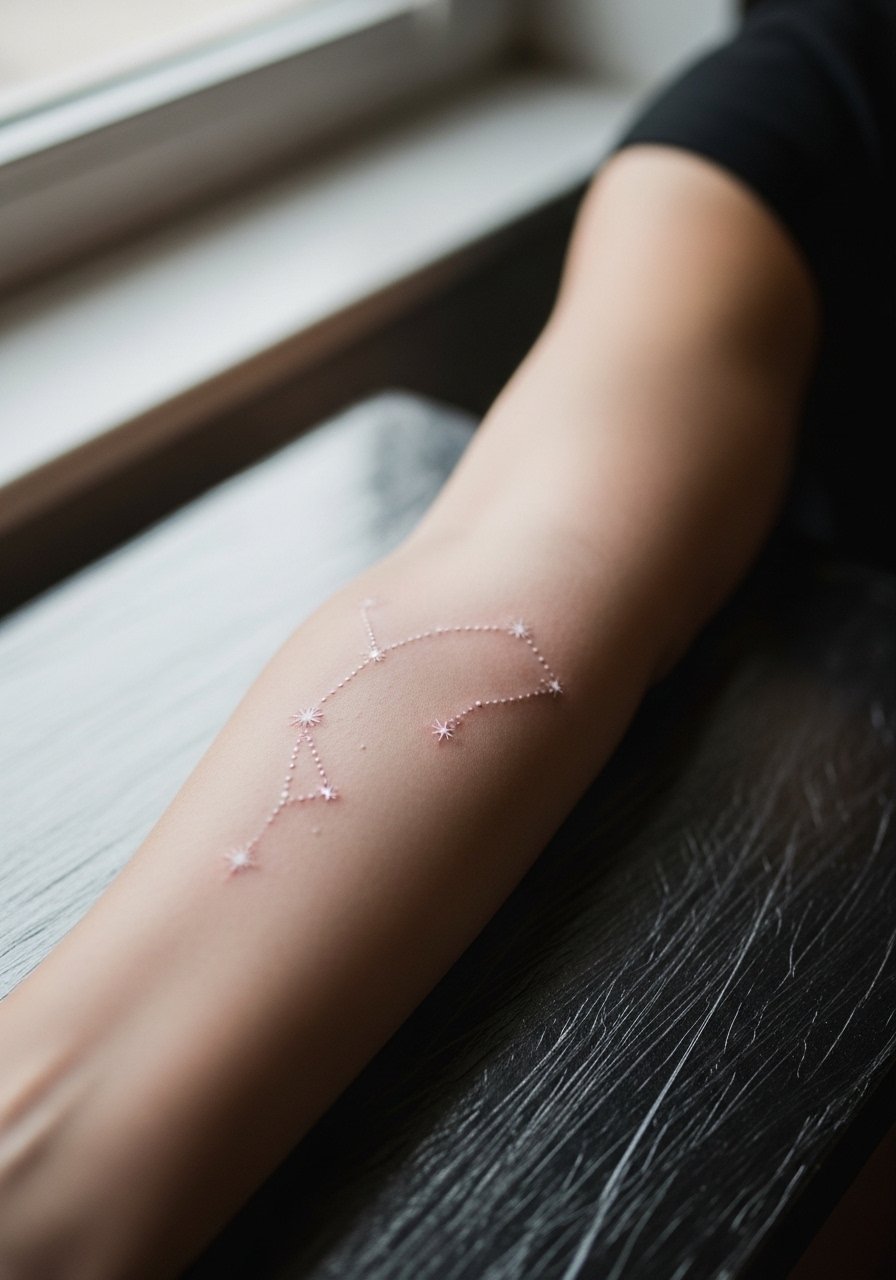
This one works when the dots have room to breathe. Ask your artist to space the stars slightly wider than the Instagram reference. The difference between a constellation that holds shape at two years and one that mashes together is spacing and subtle stipple shading under the white. A common aging pattern is faintening of the brightest stars by year three, especially with heavy sun exposure. For showing it off, roll a linen button up shirt sleeve to mid-forearm. The session takes longer than a wrist flash because of the dotwork detail, but pain is usually low to medium.
3. Minimal white ink heart outline on the collarbone
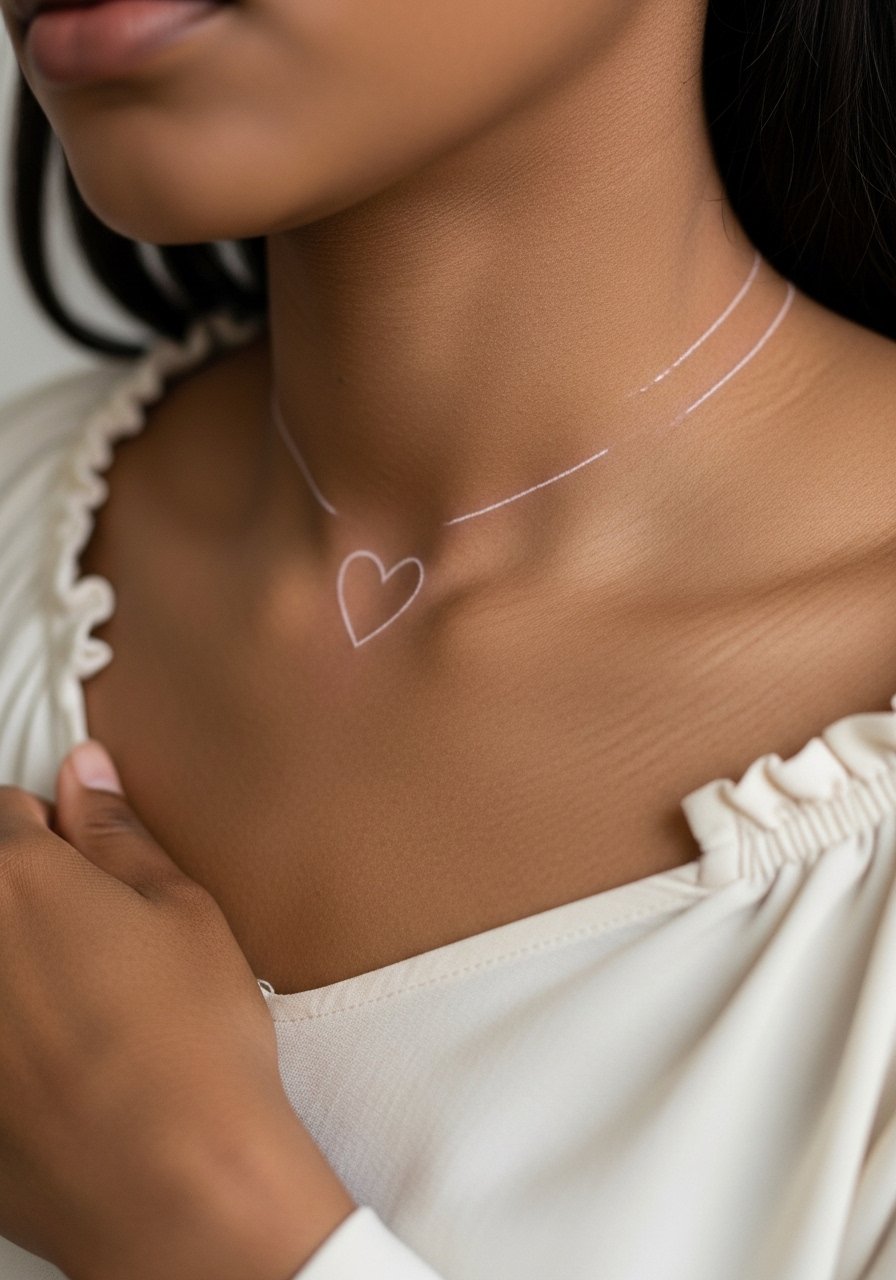
Collarbone pieces flatter the bone structure and can look like faint jewelry when healed. Tell your artist you want the heart to "sit on the bone" rather than float in soft tissue. That placement helps lines read over time. A frequent mistake is placing the heart too low where it blends into chest texture as the skin moves. Wear an off shoulder blouse for the reveal and bring a strapless bra for the session. Expect medium sensitivity on the collarbone edge and plan a touch-up around the one-year mark if it softens.
4. Single line white ink feather on the ankle
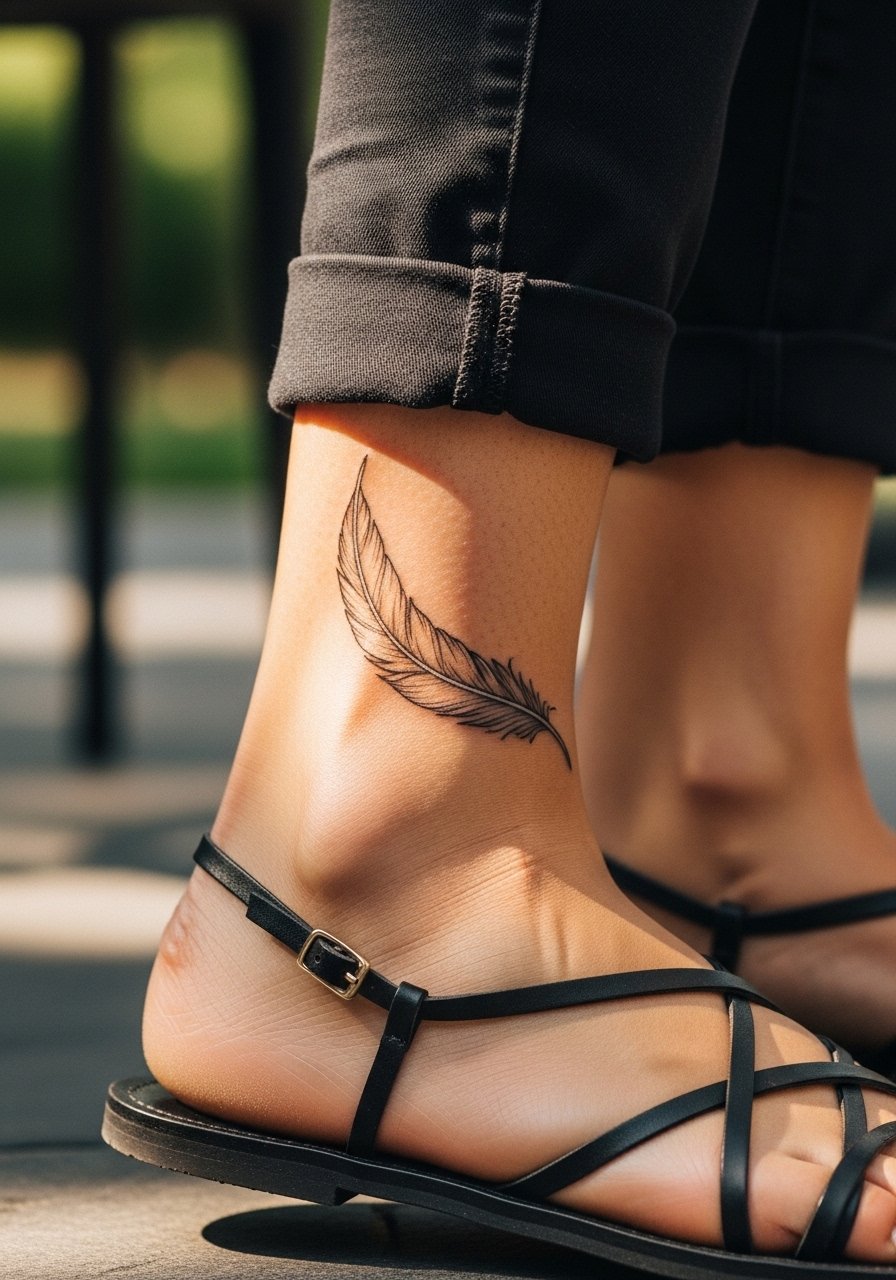
An ankle feather peeks out of sandals and looks like constraint-free jewelry. Because ankles rub a lot against socks and shoes, ask for a clean outline with a slightly stronger line weight than your reference. The usual error is going stitch-thin, which promotes early fade and scabbing issues. For the session, wear cuffed ankle pants or shorts so the artist can work without fabric interference. Pain is brief and sharp near bone. Expect the first touch-up sooner than for an arm piece if you spend a lot of time hiking or in closed shoes.
5. Geometric white ink mandala on the shoulder blade
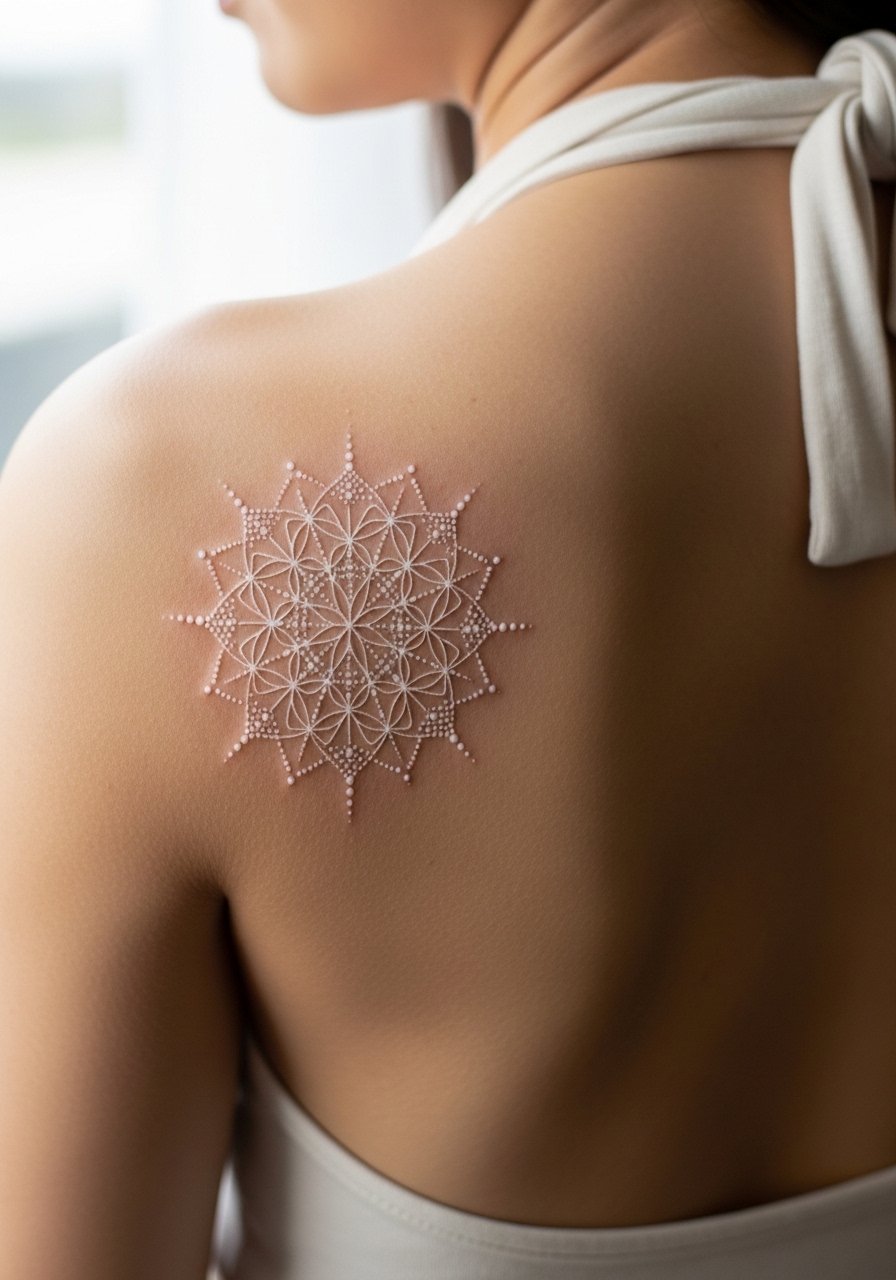
Shoulder blade mandalas age well when scaled correctly. I've seen small mandalas that crammed too many lines and then blurred after eighteen months. Ask for fewer radiating rings with negative space between the dots so the pattern reads clean even as lines soften. Pair the healed piece with a backless halter top to let the geometry read like jewelry. Session wear should be a loose tank or button-down you can pull aside. This area is low pain and usually needs one follow-up within the first year.
6. Minimal line white ink arrow on the ribcage
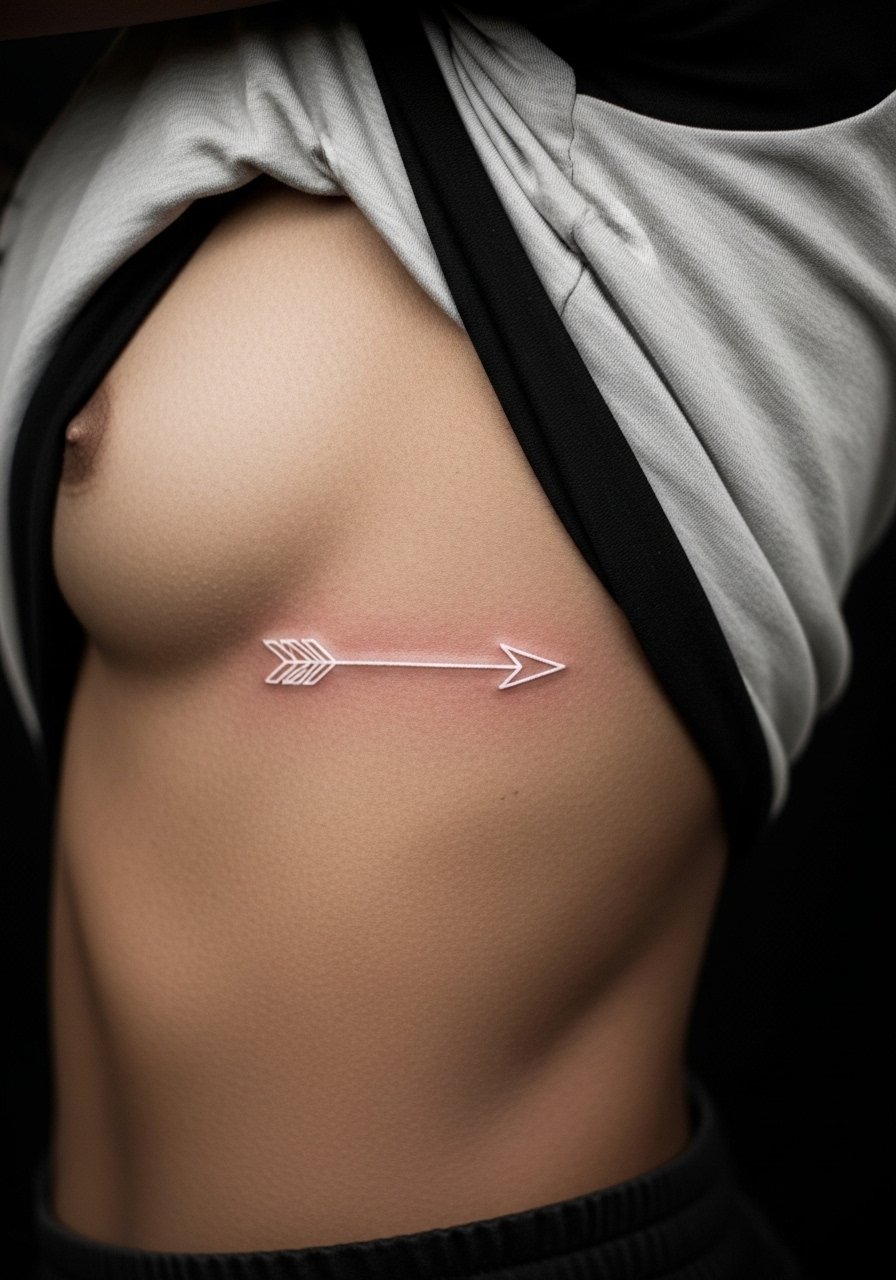
Fair warning: ribs are one of the more painful spots. The debate among artists is explicit. One camp says fine line on ribs blurs quickly because of skin stretch and movement. The other camp argues that with correct depth and spacing the lines settle fine. Ask where the artist stands and schedule a short test patch if possible. Avoid ultra-thin picks for this placement. For the session, wear a cropped side slit tee or sports bra so the area is reachable without twisting. Plan for a scheduled touch-up at six to twelve months.
Studio Day Picks
The wrist, collarbone, and rib ideas above have different prep and friction concerns. Pack a few items that keep the session smooth and the first week manageable.
-
H2Ocean Arctic Ocean Saline Spray. Gentle saline spray cleans fine line areas without leaving residue, useful for the wrist and ankle pieces after showering.
-
Indie White Ink Balm by Skin Magick. A thin, non-greasy balm that helps white lines avoid yellowing on collarbone and forearm placements.
-
Luminary UV Aftercare Lotion. Light lotion that artists have mentioned for boosting UV-reactive whites on mini designs without irritation.
-
Japanese Rice Bran Oil Serum. Ultra-thin moisturizing option for delicate linework on ribs and inner arms.
-
Thin Tattoo Film (breathable protective film). Breathable film protects the rib and side torso pieces from clothing friction during the initial healing window.
7. White ink script quote on the inner bicep
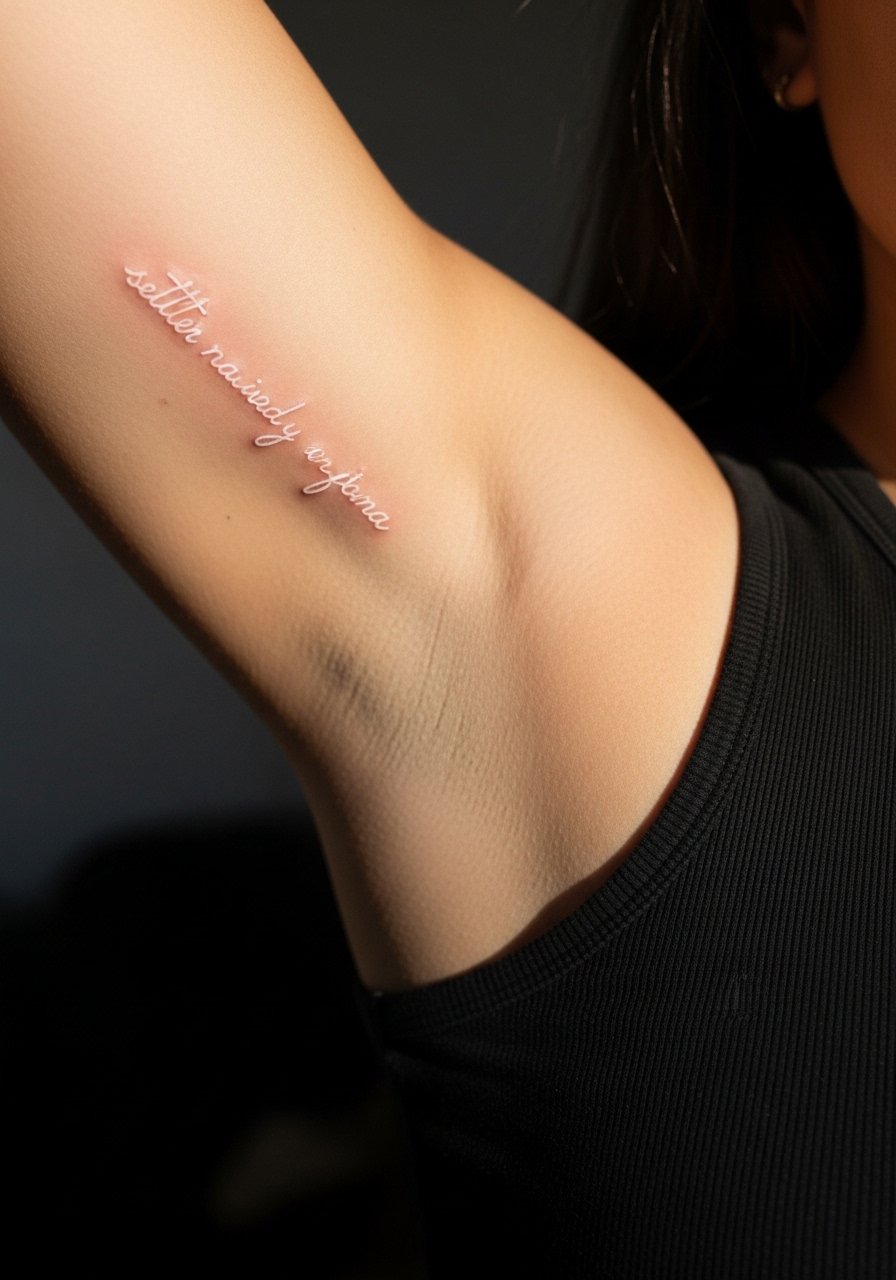
Inner bicep script sits private and personal because the area is less visible by default. Tell your artist the exact font size and the phrase you want, and confirm the exact spacing with a stencil while sitting. A frequent mistake is picking a font too narrow which can break into faint dashes as it heals. The inner arm is modest on the pain chart but needs careful aftercare because of sweat and friction. Bring a thin chain pendant necklace or looser sleeve clothes for the session. Plan a touch-up around six to nine months if the lines soften.
8. Dainty white ink lotus on the thigh
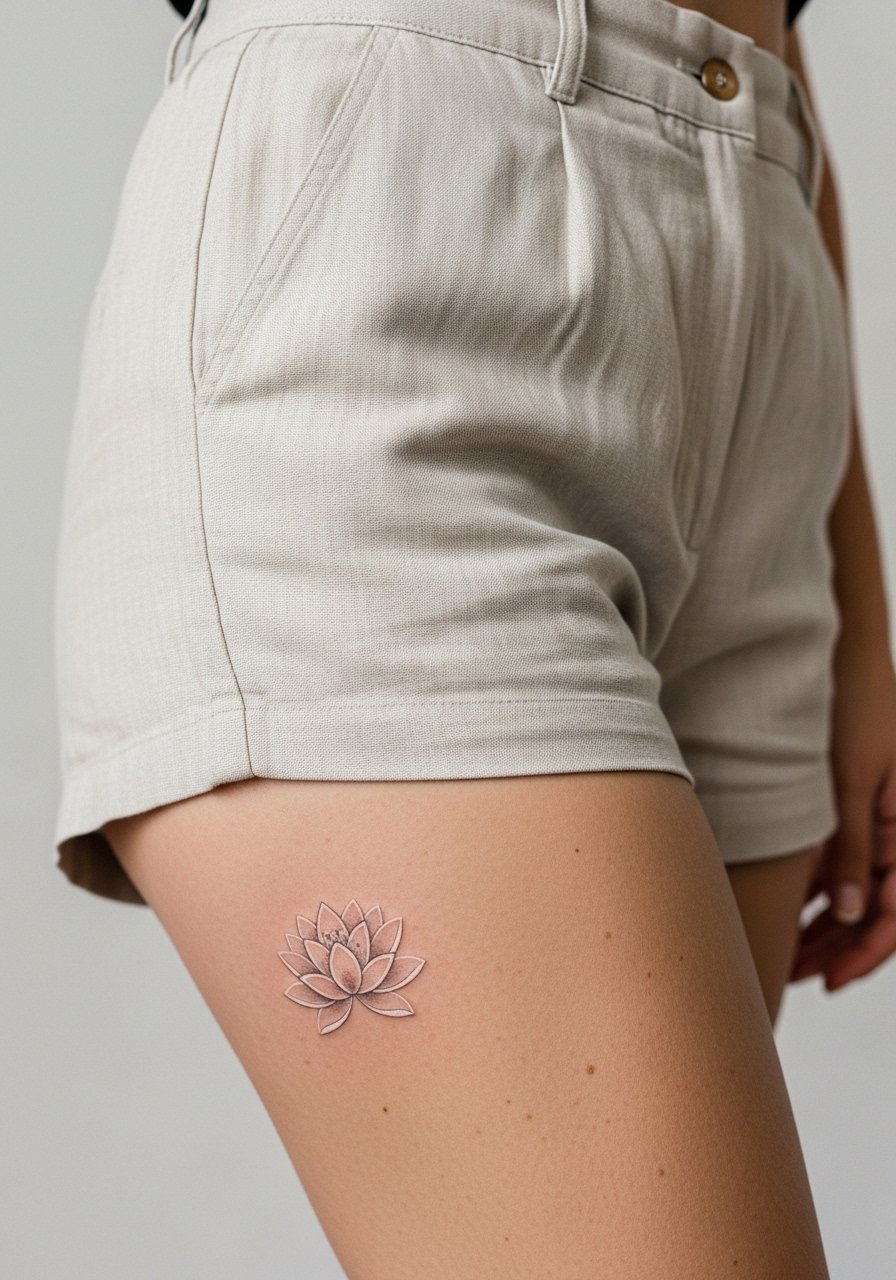
Thigh pieces scale well with curves, and the inner thigh can be forgiving when you allow the design a slightly larger footprint. Ask for soft white shading beneath the line so the lotus reads against varied skin tones. People often choose too-small versions that vanish when tanning fades. For the session, wear loose shorts or a wrap skirt so the artist can position the leg comfortably. Pain varies with placement. Expect the healed lotus to hold longer than wrist minis but still budget for a check at the one-year mark if your weight fluctuates.
9. Minimal white ink moon phases on the calf
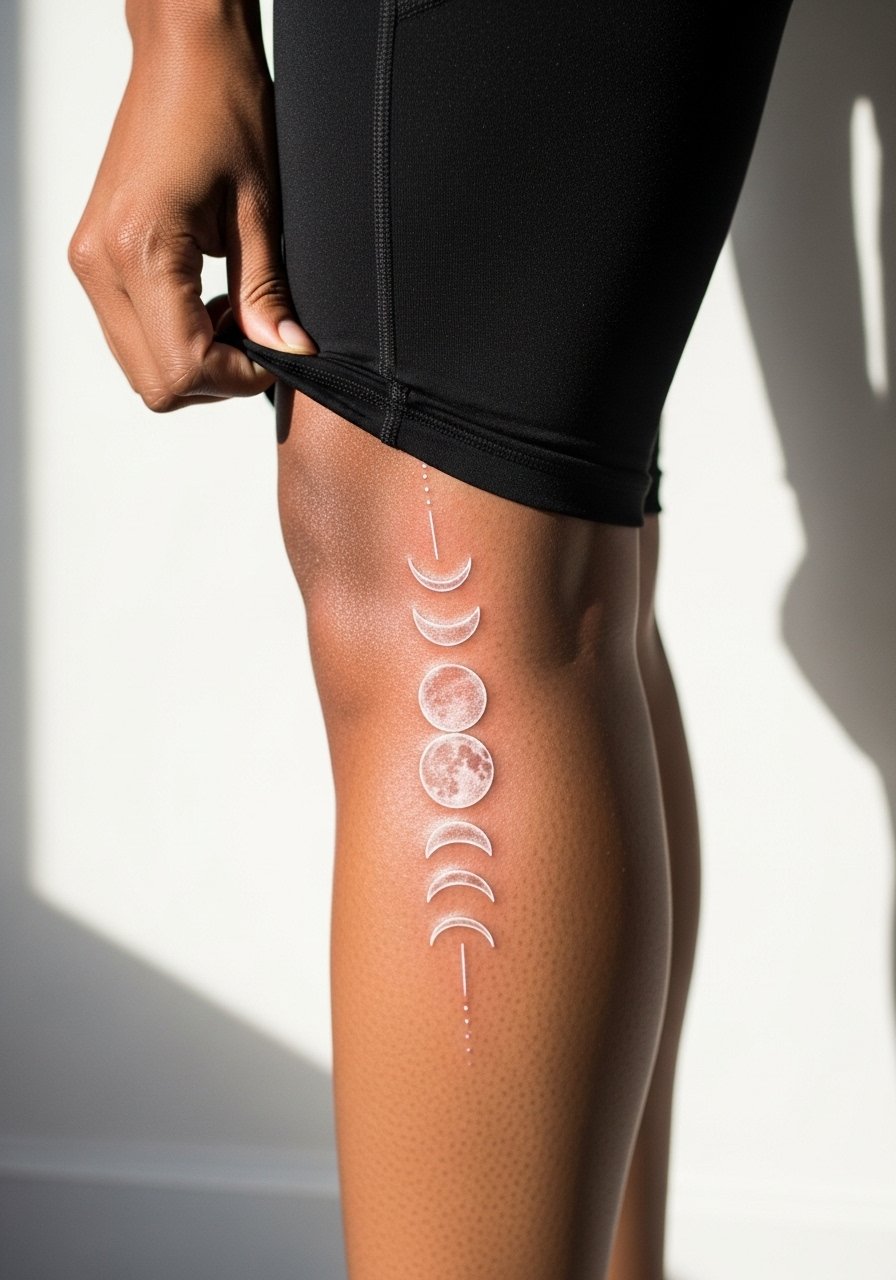
Calf pieces are great for vertical motifs because they move with the muscle. Tell your artist you want consistent spacing and uniform crescent thickness so the phases age evenly. A common mistake is squeezing too many phases into a short vertical span which blurs over time. Show-off pairing here is casual activewear and crop tops, so bring cropped activewear leggings for the reveal. Session pain is moderate and touch-ups are usually minimal unless you spend lots of time in the sun.
10. Single stroke white ink bird on the back of the neck
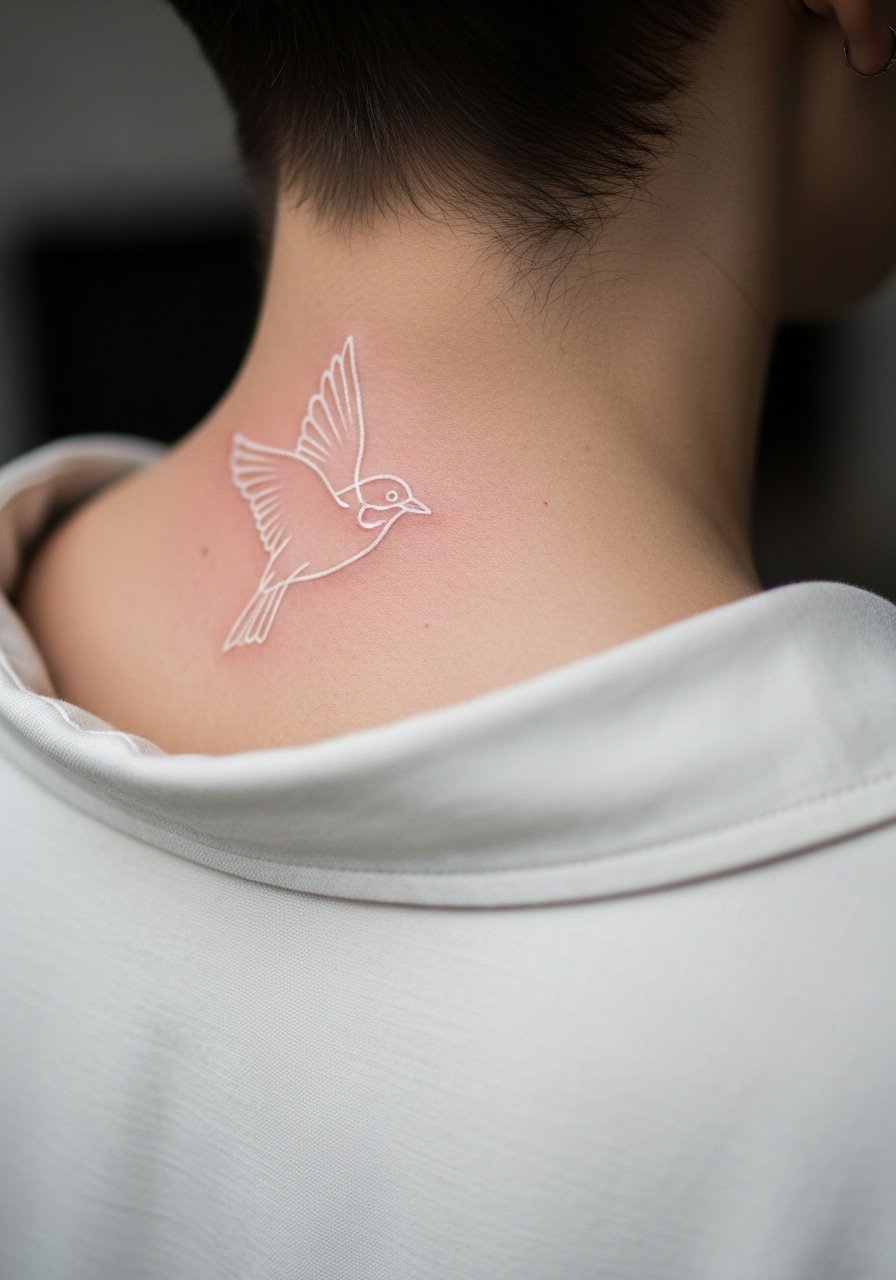
Back-of-neck work reads nicely when hair is up because it acts like a private accent. Ask for a single-stroke reference so the bird keeps motion without extra dots. Sweat and hair rub can make the piece itch while healing, so schedule when you can keep hair off the area for the first week. Pair this look with a pearl choker necklace or high-neck crop tops to balance the reveal. Pain is low to medium and touch-ups are common if the area is frequently covered by collars.
11. White ink minimalist tree down the spine
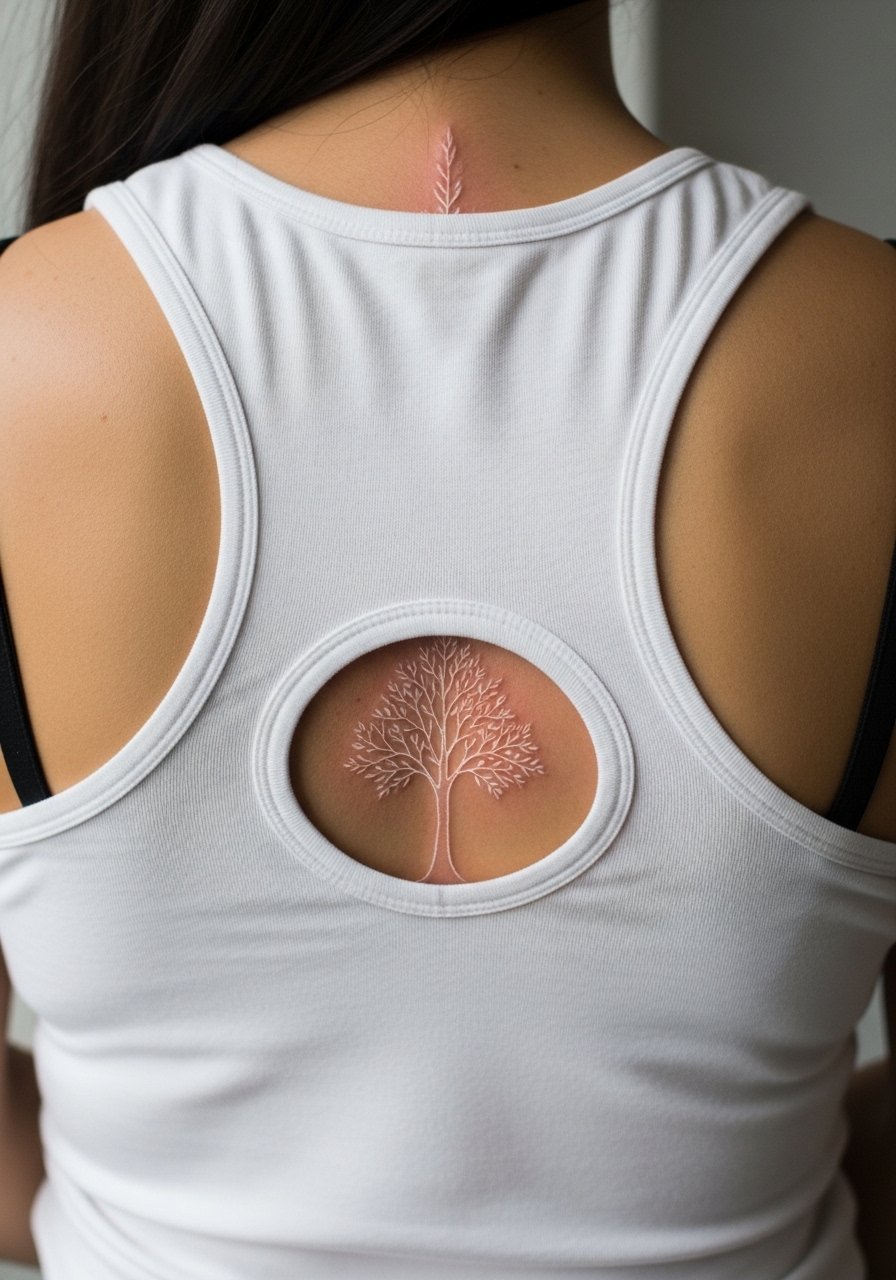
Spine work elongates the silhouette and looks sculptural under backless clothes. When you want longevity, ask for slightly more spacing between branches and a little negative space around the trunk so the fine lines do not merge as the skin moves. A common mistake is cramming detail into a thin vertical band. For session wear, a racerback tank gives the artist access without full exposure. Pain ranges from medium to high depending on how close the needle gets to bone. Expect touch-ups at one year on very fine branches.
12. Dotwork white ink rune on the finger
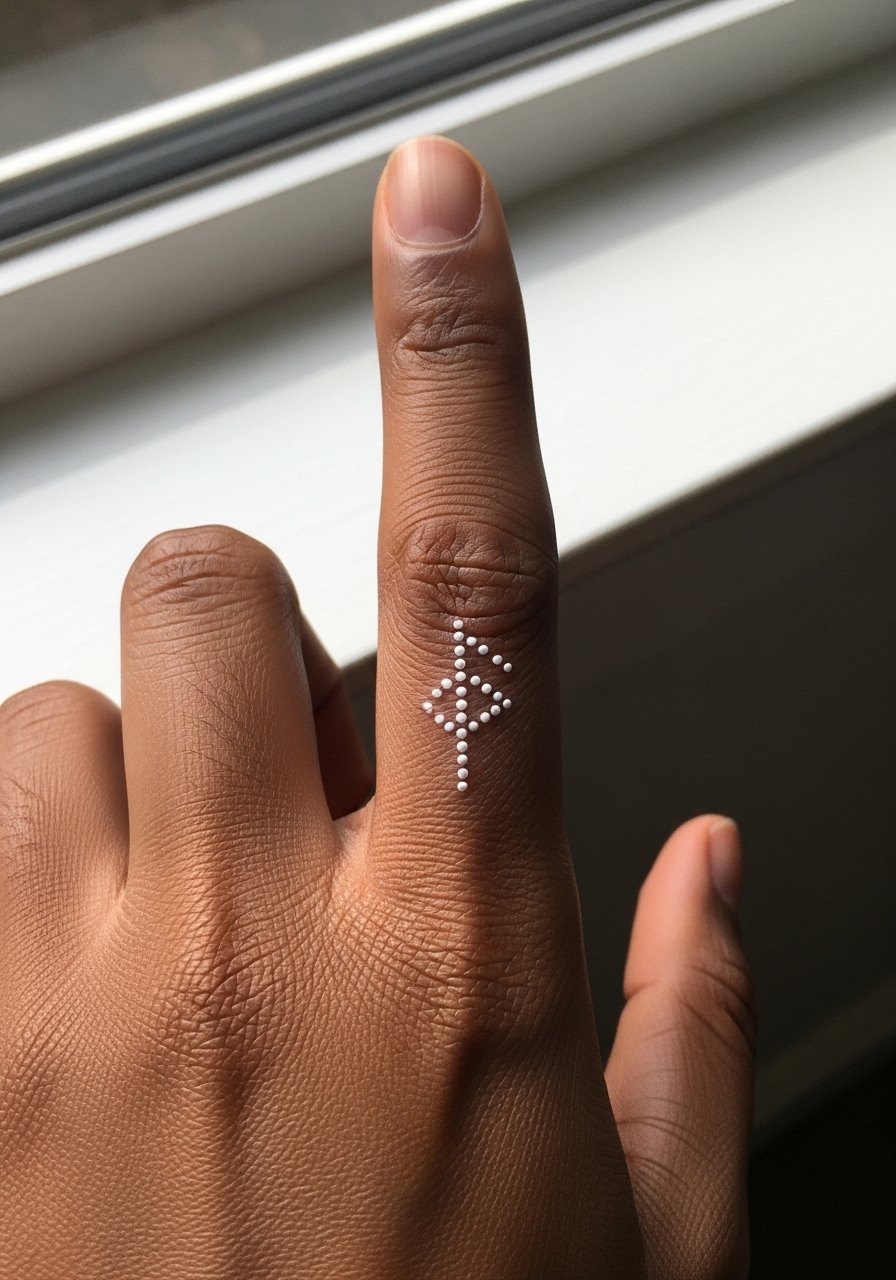
Finger pieces are tempting because they feel discreet and symbolic, but white ink on digits is high risk for early fade. The controversy here is clear. One group says micro runes glow under blacklight and hold perfectly for months. The opposing view points to constant hand washing and friction that pushes the white out fast. If you opt in, choose a slightly larger dot pattern and budget for a touch-up within three to six months. Use a soft hand routine after the session and protect the finger from heavy work for the first two weeks. Expect the first touch-up sooner than for arm work.
13. Fine line white ink wave crest on the elbow
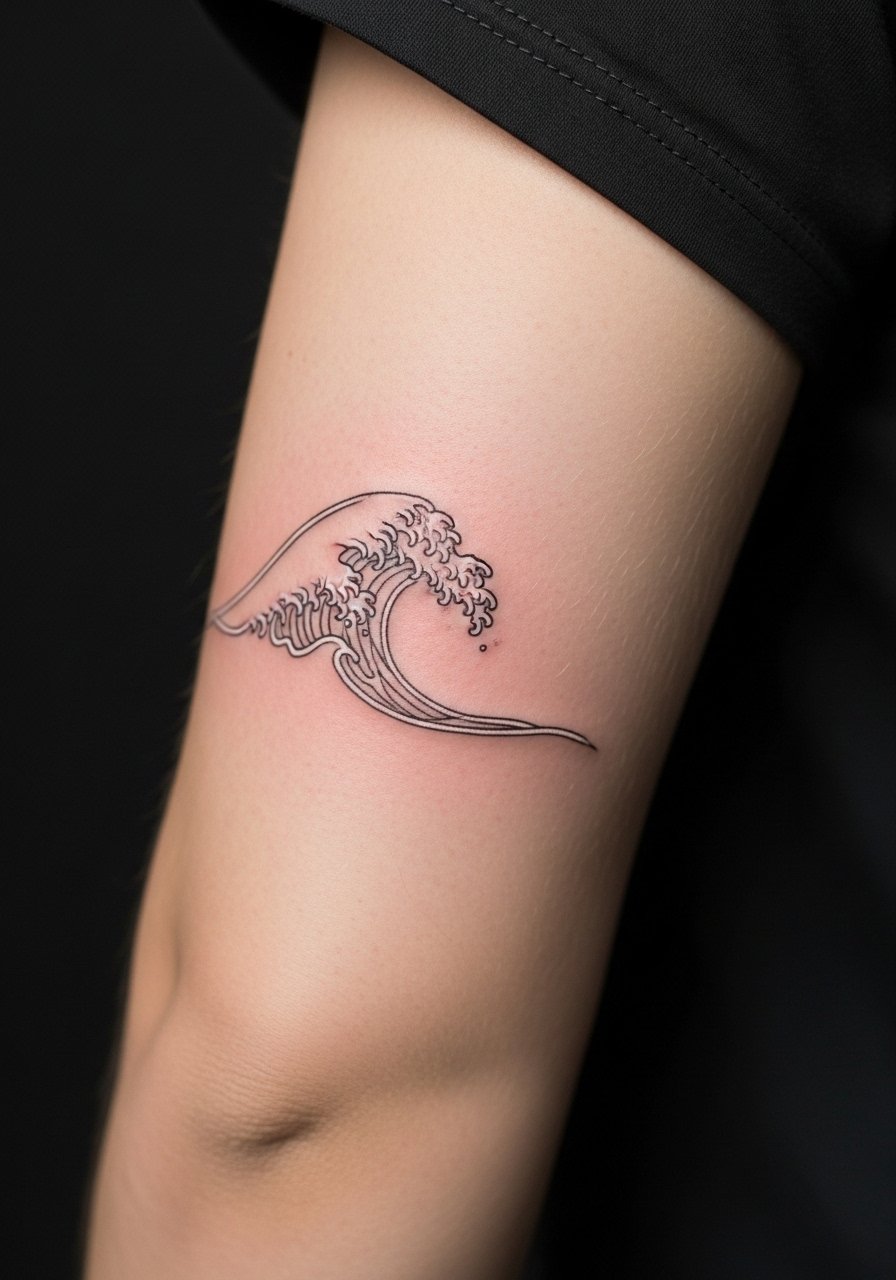
Elbow pieces sit on mobile skin and need design choices that accommodate flex. Ask the artist to avoid very tight curves directly over the joint and to anchor the design with slightly bolder terminal points. A common mistake is placing too much tiny detail over the fold which becomes distorted when you bend the arm. For session wear, pull on a short sleeve loose shirt that lets the artist move the elbow freely. Pain is brief but sharp on the bone and touch-ups are likely at year two because of the mechanical stress.
14. White ink crescent behind the ear
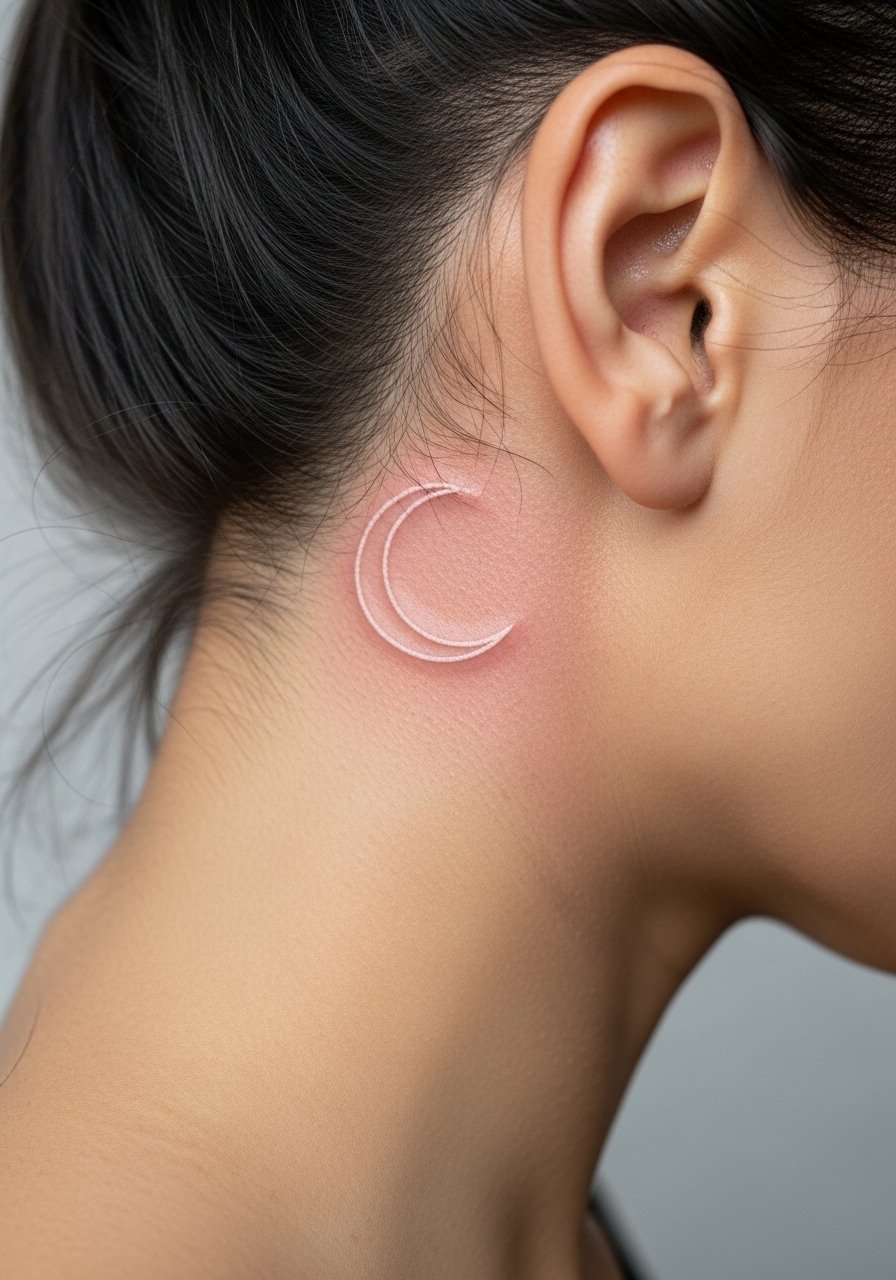
Behind-the-ear tattoos are delicate and read as small accents when hair is up. Request that the artist place the stencil below the hairline so the piece does not sit on the ear cartilage. The usual error is pushing detail into a tiny patch which vanishes as hair and sweat interact. For session comfort bring a hairstyle that keeps hair off the area for the week after. Pain is low and follow-up is often cosmetic rather than structural.
15. Tiny white ink star cluster on the shoulder cap

Shoulder cap tattoos are forgiving because they sit on flatter, less mobile skin. Ask for varied star sizes with a deliberate spacing plan so the cluster holds for years. A common mistake is uniform dotting which flattens into a smudge over time. Wear a loose tank top for the session and plan for minimal pain. These pieces often need only cosmetic brightness touch-ups at two to three years unless you spend heavy time in sun.
16. Minimal white ink compass on the top of the foot

Top-of-foot tattoos rub against shoes and socks, so preparation matters. Ask for clear negative space between compass points and a slightly stronger line weight where the design meets the skin. People who pick very fine compasses then walk in closed shoes regret it because friction can pull pigment in the first weeks. For the session, wear sandals so the foot is free and dry. Pain can be moderate near bone. Expect one touch-up after footwear habits return to normal.
17. White ink minimalist skyline on the inner wrist
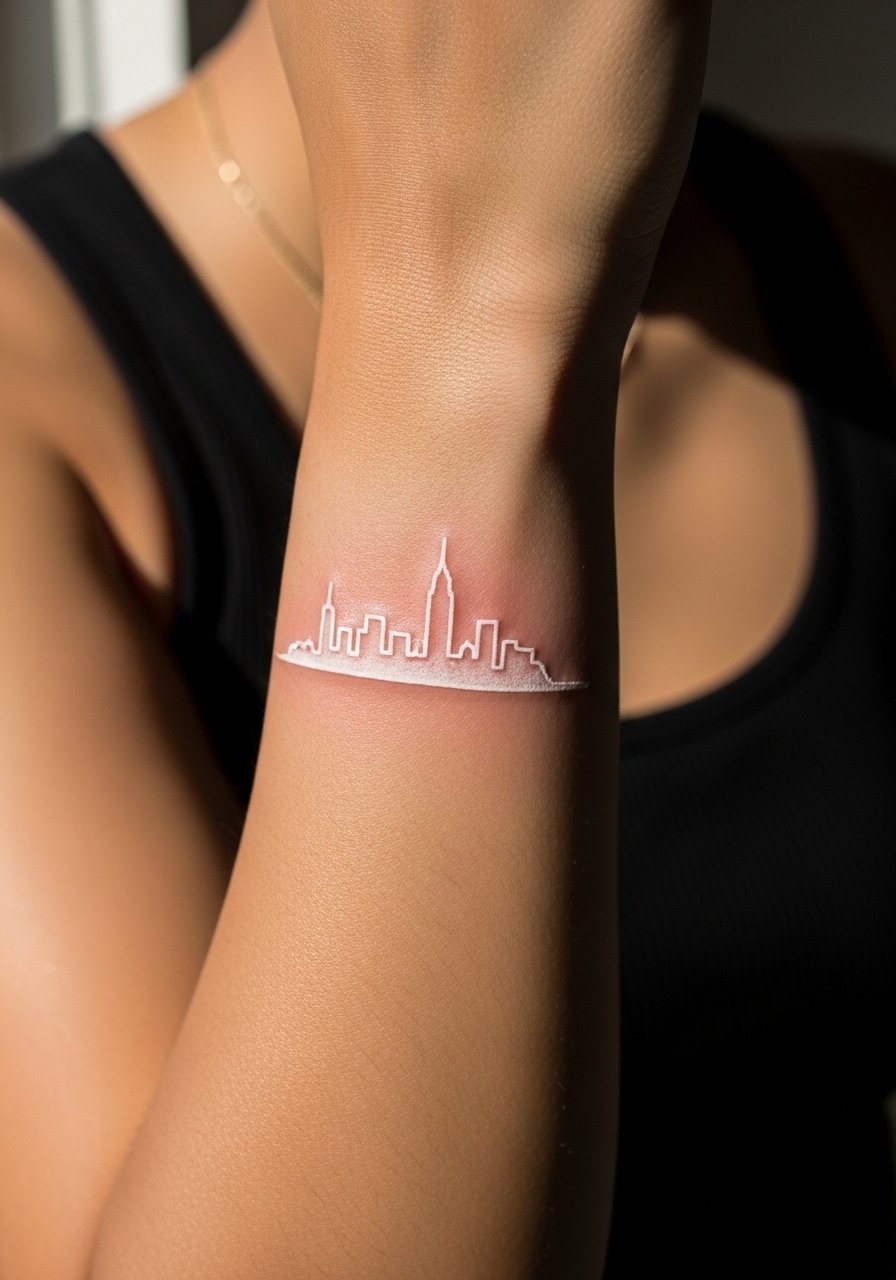
Inner wrist horizontals are subtle and pair well with bracelets. Tell your artist you want a slightly thicker baseline so the skyline retains contrast as it heals. A common mistake is relying on ultra-fine horizontal lines that blur after daily motion. For the session wear a sleeveless tank top and bring a thin dainty bracelet stack to preview how the piece looks with accessories. Pain is low and touch-ups are typical at year one if you live in strong sun.
18. White ink minimalist bee on the hand
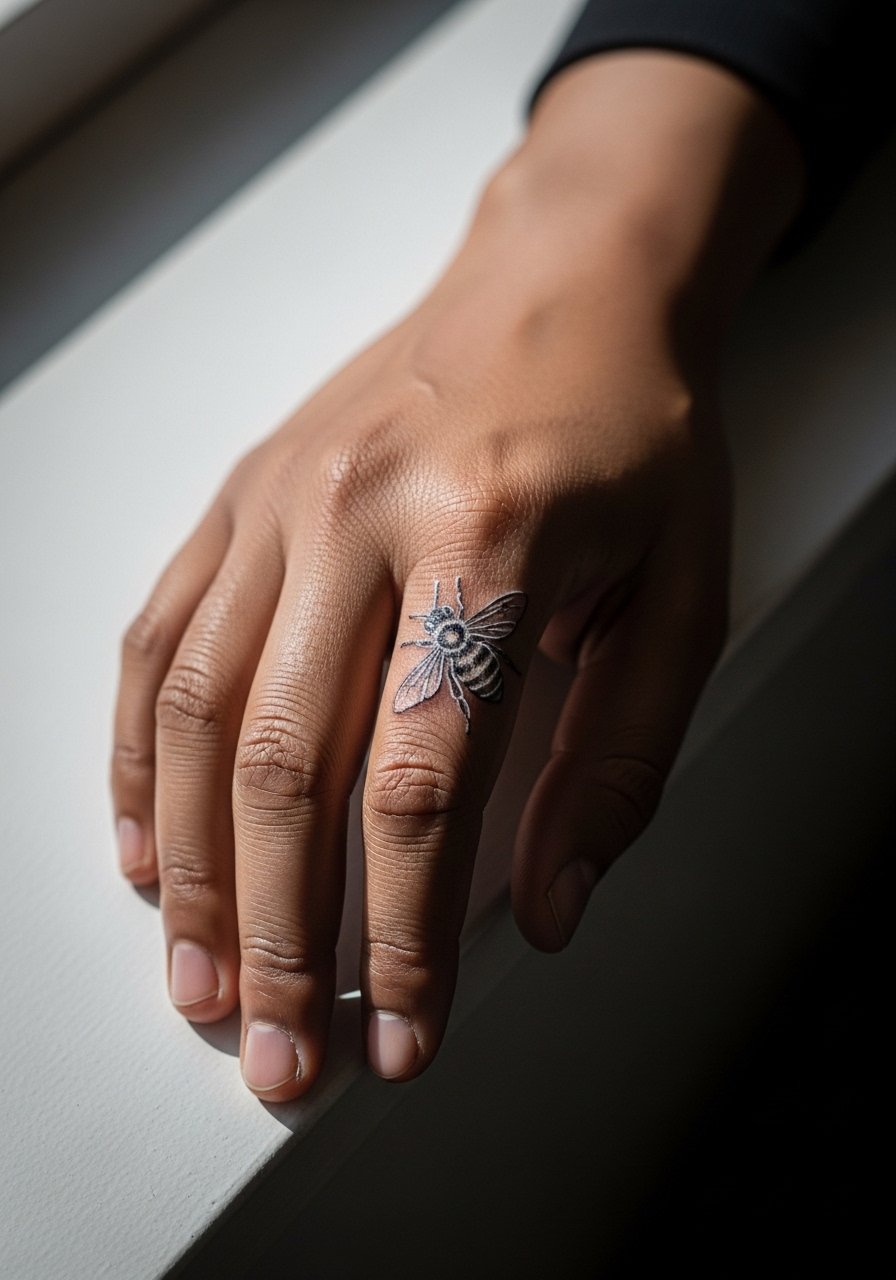
Hand tattoos take constant abuse from washing and manual tasks. I advise a slightly bolder outline for any hand mini so the design survives the inevitable wear. The common mistake is treating hand white ink like a finger flash. The hand ages faster and will likely need regular touch-ups. Keep in mind some workplaces still frown on hand ink. For the session, make sure the hand is rested and clean. Pain varies but the area is highly visible while healing.
19. White ink minimalist anchor on the outer ankle
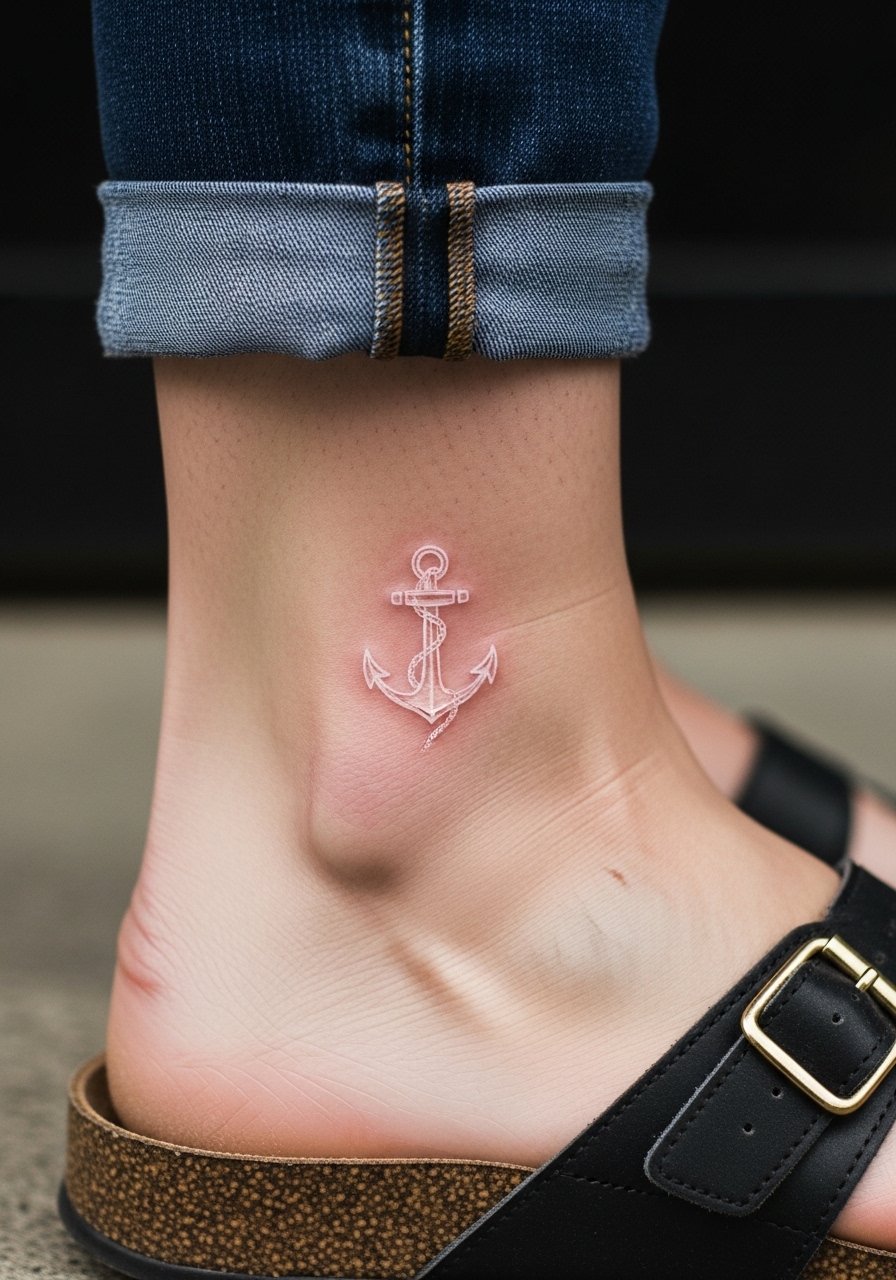
Ankle anchors are a classic small-piece choice that works when the artist slightly widens the central shaft for longevity. Thin anchors tend to fragment with repeated shoe friction. For the session, wear strappy flat sandals and cropped pants. Pain is short and focused on the bone. Expect a small touch-up within the first year if you frequently wear closed shoes.
20. White ink micro floral behind the knee

Behind-the-knee tattoos sit on mobile skin and are often hidden in daily life. Ask for a limited set of petals and open negative space to prevent the floral from merging when you bend. People often pick dense designs there and then find the pattern blurs after months. For the session, wear loose drawstring linen pants you can pull up easily. Pain is medium and touch-ups are routine because of skin movement and friction.
21. White ink tiny crescent on the rib under the bra line
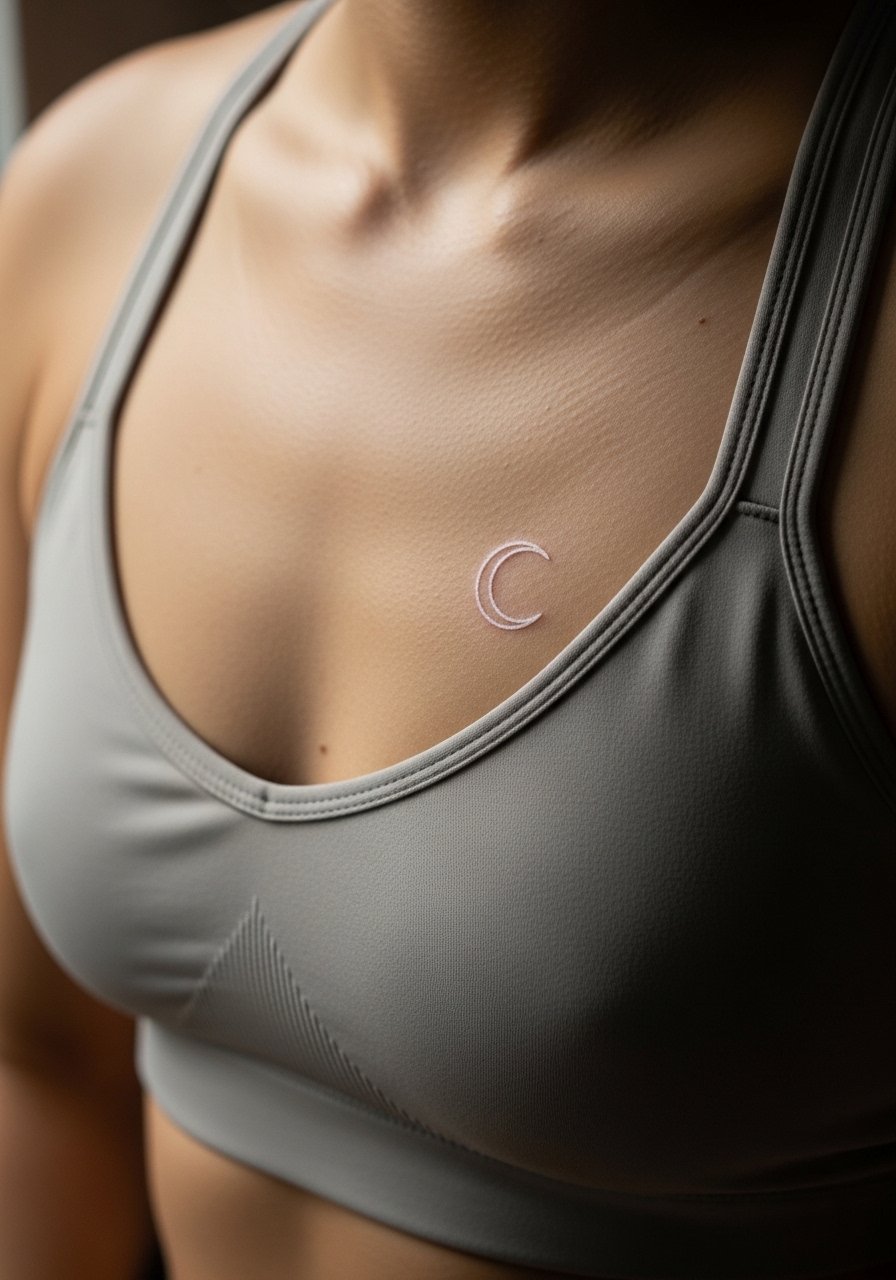
Small rib-cage crescents are intimate and best when given a slightly larger scale to survive stretch and movement. The common error is picking a micro size that disappears as the skin recovers. For session comfort, wear a sports bra so the artist can access the side torso without full exposure. The area is sensitive and touch-ups are more likely than for arm minis.
22. White ink single dot at the clavicle junction
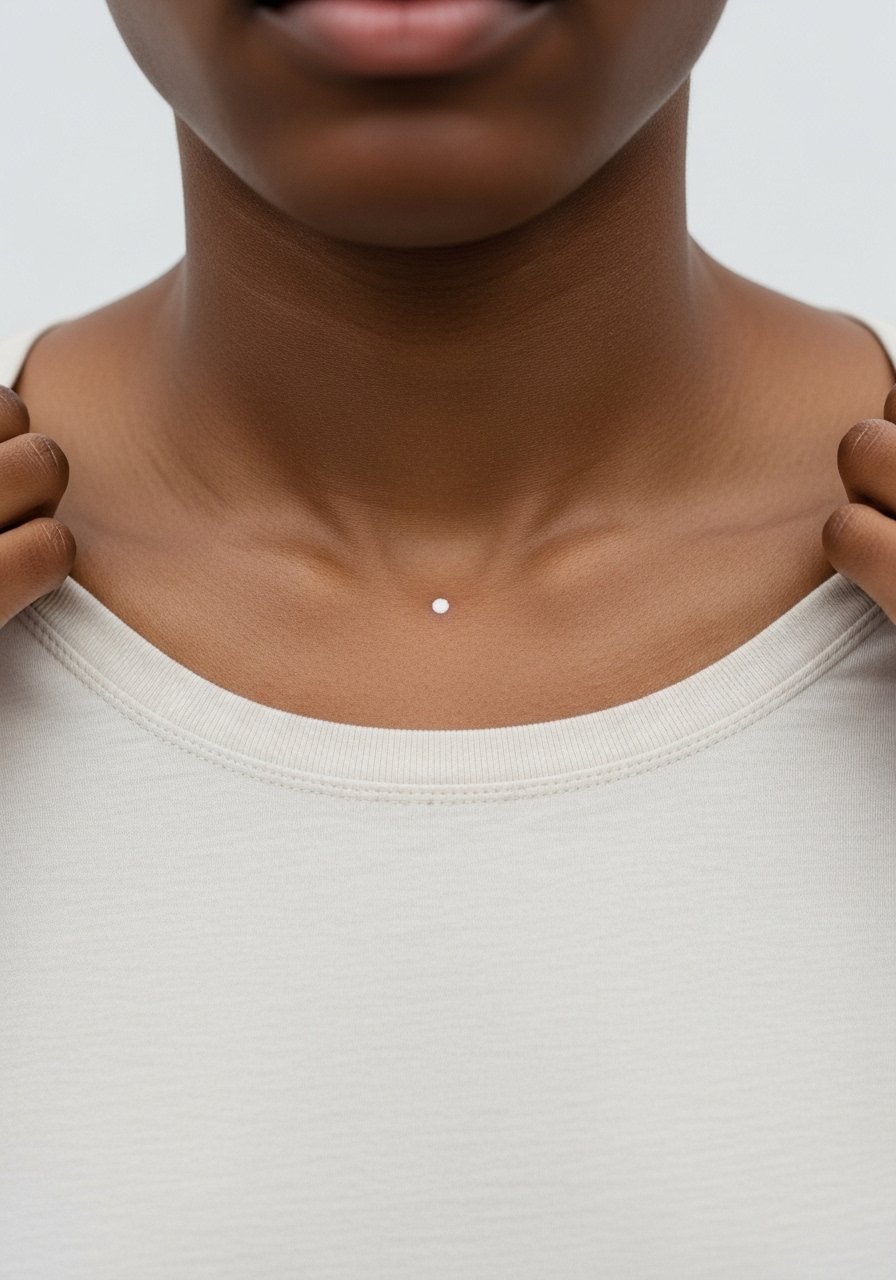
A single dot can feel symbolic and almost invisible until it catches light at certain angles. Ask your artist for needle depth confirmation so the dot reads and does not scar. The most common mistake is inconsistent depth which either fades or lifts. Wear a wide-neck shirt to the session. Pain is low and maintenance is usually minimal unless the area sees heavy friction from straps.
23. Fine line white ink arrow behind the ear on the neck line

Side-neck accents work if you plan to keep hair up for the reveal. Ask for the arrow to sit just below the hairline and not on the ear cartilage. People make the mistake of crowding the area with extra marks which age poorly. For session wear, a loose collared blouse gives access while keeping you comfortable. Expect a cosmetic touch-up option if rubbing from collars becomes an issue.
24. White ink minimalist seed packet on the upper arm
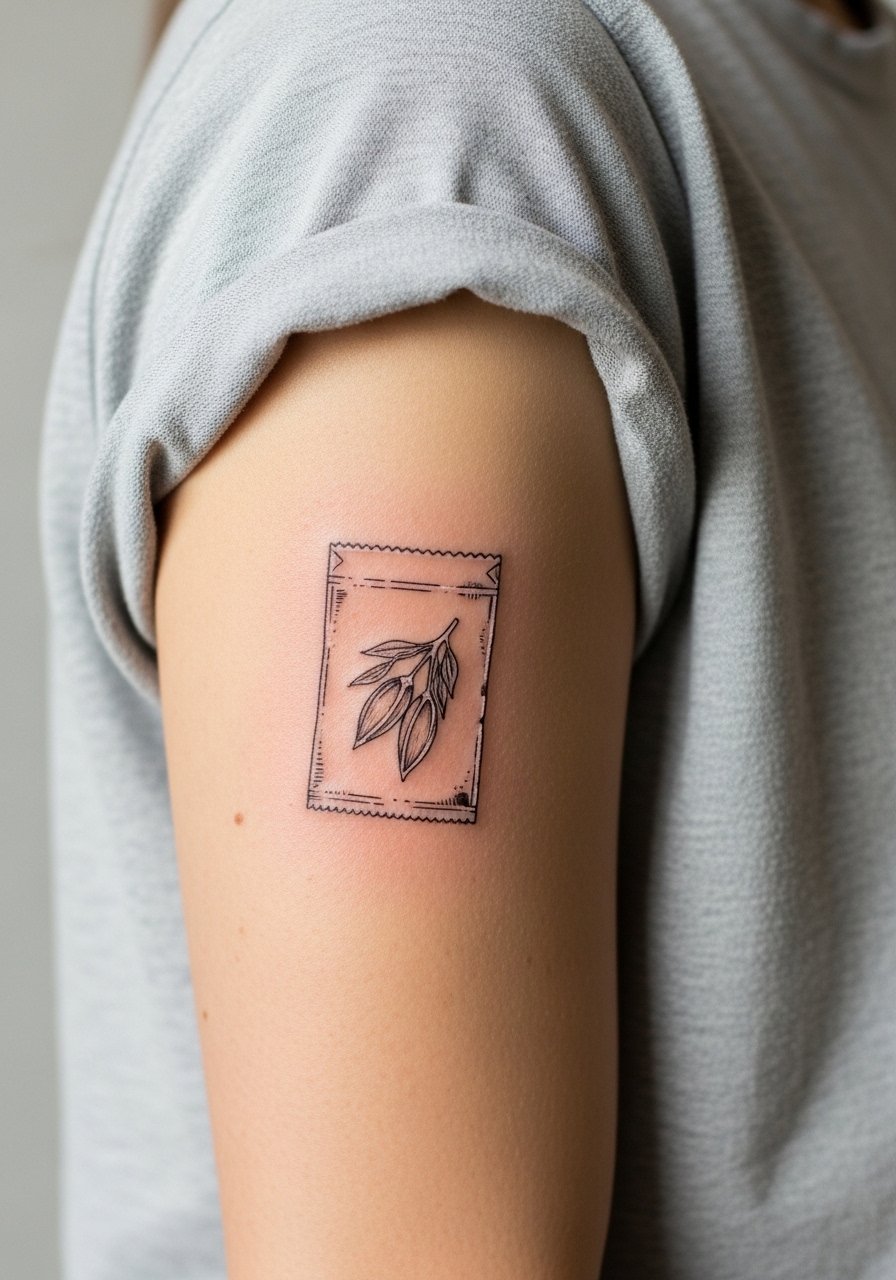
Upper arm pieces are forgiving and great if you want a tiny emblem that lasts. Tell your artist you prefer slightly open negative space around the packet so that the icon does not feel cramped as the ink softens. Many pick compact versions that need refreshes sooner than expected. For the session, wear a short sleeve loose shirt that can be rolled up. Pain is low and touch-ups are uncommon unless you expose the area to heavy sun.
25. White ink tiny compass rose on the wrist side
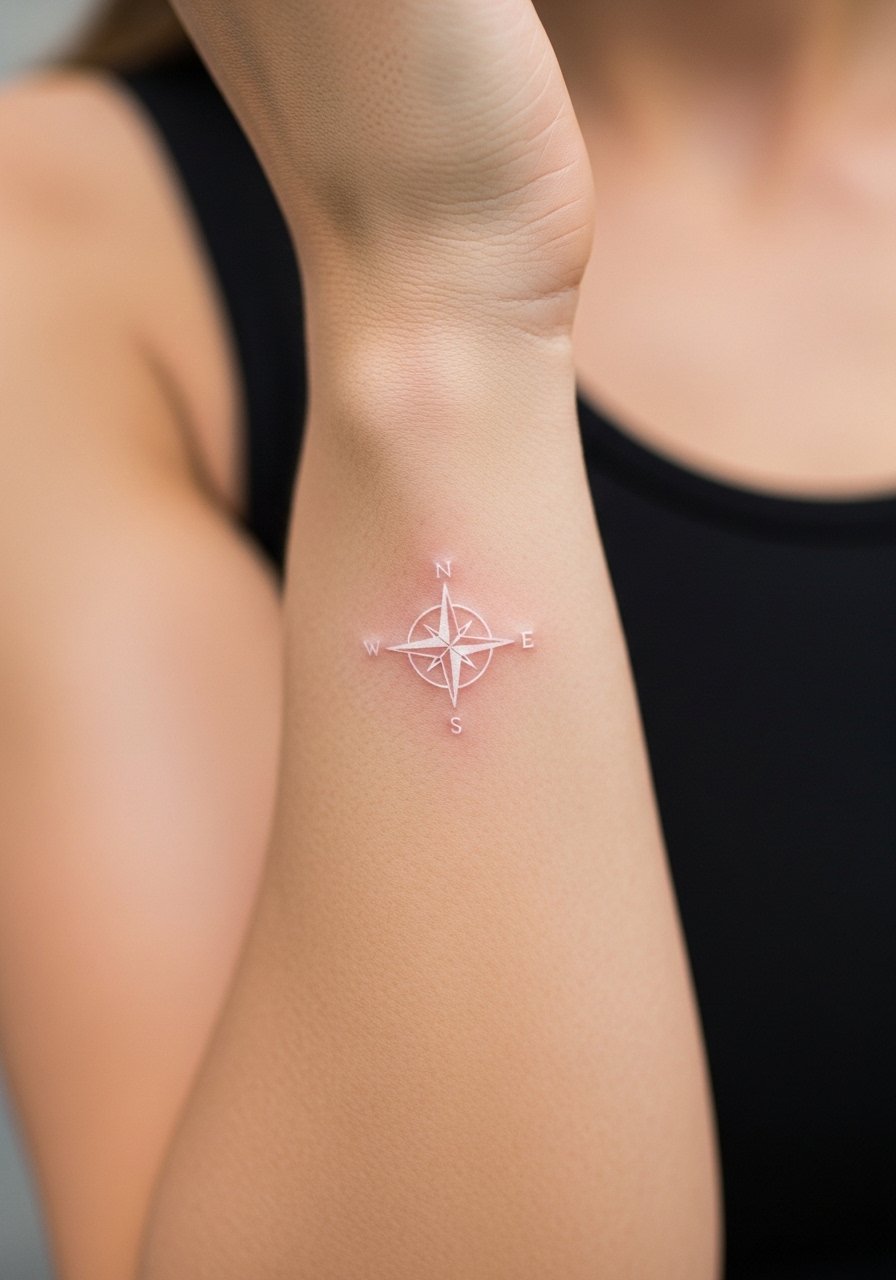
Wrist-side compass roses work as subtle directional markers. Ask for a slightly thicker cardinal point so the design retains shape after healing. A mistake I see is over-detailing the center which can blur when the wrist bends. Bring a dainty bracelet stack to check balance. Pain is mild and touch-ups may be needed if you swim or expose the area to sun frequently.
26. White ink minimalist constellation curve on the outer forearm
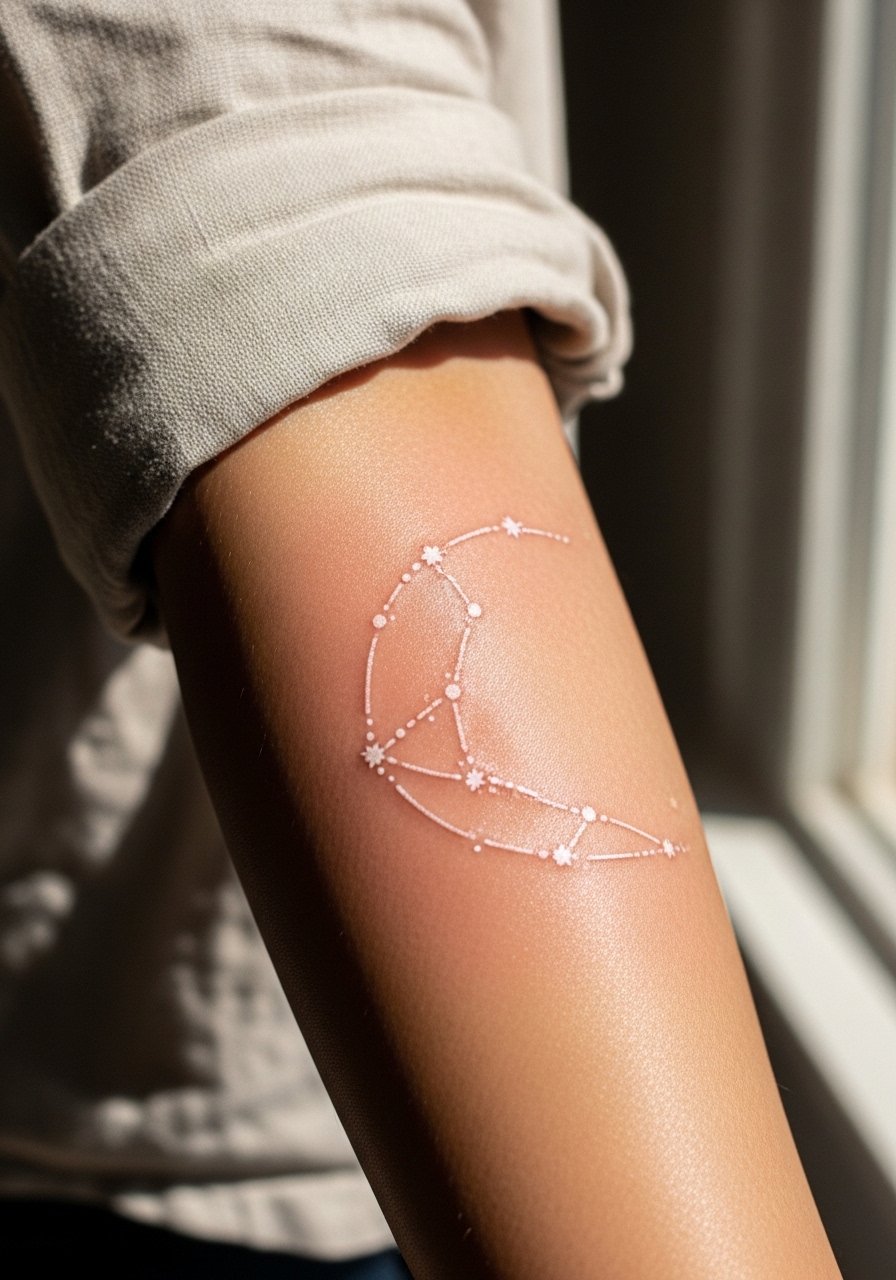
Outer forearm curvature suits elongated constellations and benefits from spaced dotwork with a directional flow. Tell the artist you want a gentle arc so the pattern complements muscle movement and reads longer. A common error is forcing the curve too tight which causes the dots to compress with age. For showing it off, roll a linen button up shirt. This placement has low pain and usually holds well with standard touch-ups at the one-year point.
27. White ink single-line mountain range across the collar of the clavicle
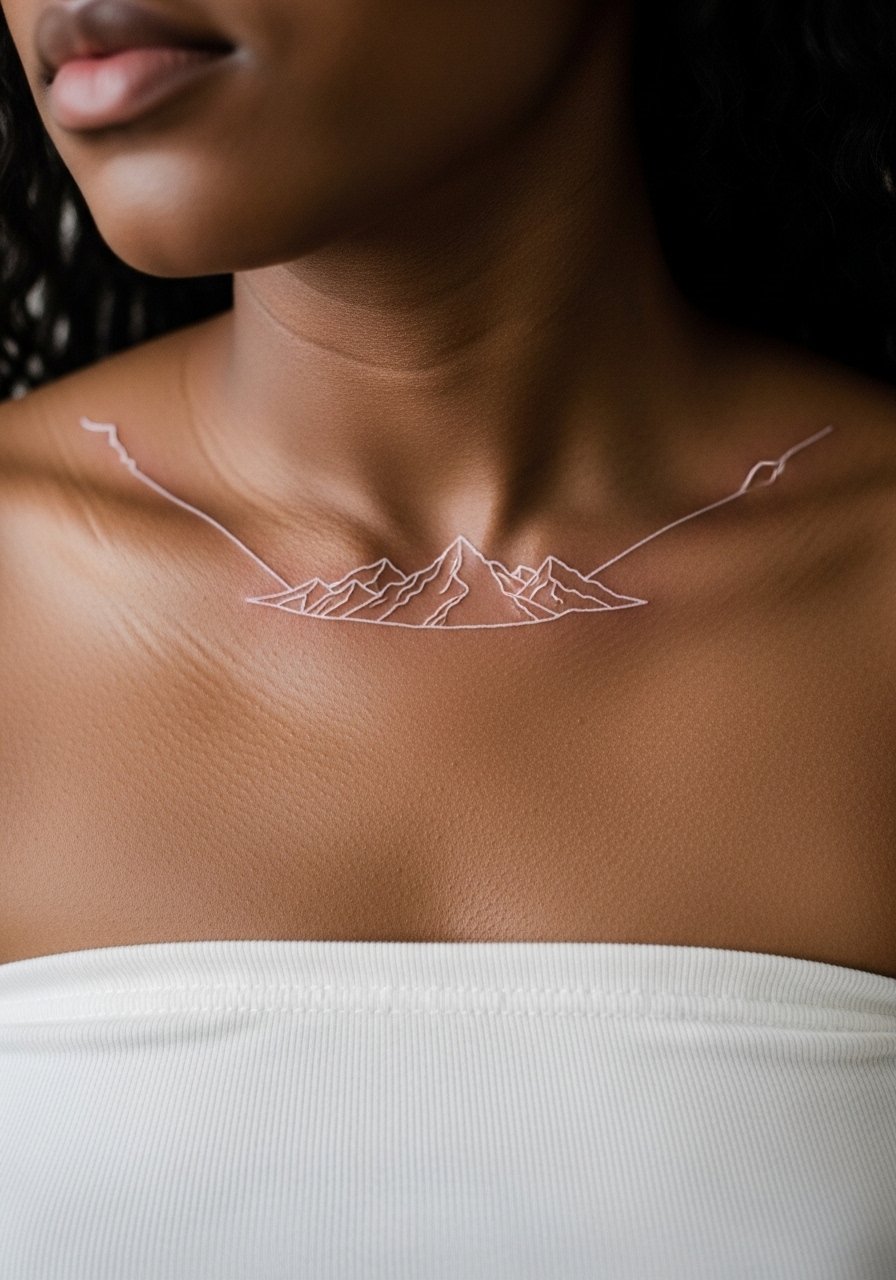
Clavicle-top mountains are graphic and pair well with off-shoulder pieces. Ask your artist to keep the peaks bold enough to survive the natural skin texture there. A frequent mistake is making the peaks too thin which softens into pale lines within a year. For the session wear a strapless cotton top so the area is easily accessible. Pain is moderate and a small touch-up at the one-year mark is common if you want the peaks crisp.
Frequently Asked Questions
Q: Will a white ink wrist wave show up on medium or dark skin?
A: It depends on contrast and the exact white formula used. For medium and dark tones, artists often use UV-reactive white or slightly bolder line weights to help the piece pop. Ask for a patch test and for portfolio examples on similar tones so you get realistic expectations.
Q: How often should I budget for touch-ups on minimal white linework?
A: Plan for at least one touch-up within six to twelve months for most fine white pieces. High-friction areas like fingers, hands, and ribs usually need attention sooner. Build touch-ups into your budget and discuss a maintenance plan with the artist before booking.
Q: Should I use Saniderm or dry healing for white ink ribs and fine dotwork?
A: Artists are split on this. Some prefer Saniderm because it keeps the area clean and can protect faint lines. Others favor dry healing to avoid ink lift during scabbing. Ask your artist which method they recommend for white ink and follow their instructions closely for the best chance of retention.
Q: Can I pair a collarbone white heart with necklaces without losing visibility?
A: Yes. Choose fine chains that sit just above the tattoo so they frame rather than cover it. A fine gold necklace chain sits nicely and keeps attention on the collarbone outline without rubbing the fresh ink.
Q: Are there white ink designs that work better with UV or glow mixes?
A: UV mixes can amplify white ink in low light, especially for small runes, dots, or festival minis. If you want that effect, make sure the artist is experienced with UV blends and that you test it on your skin tone first to avoid surprises.