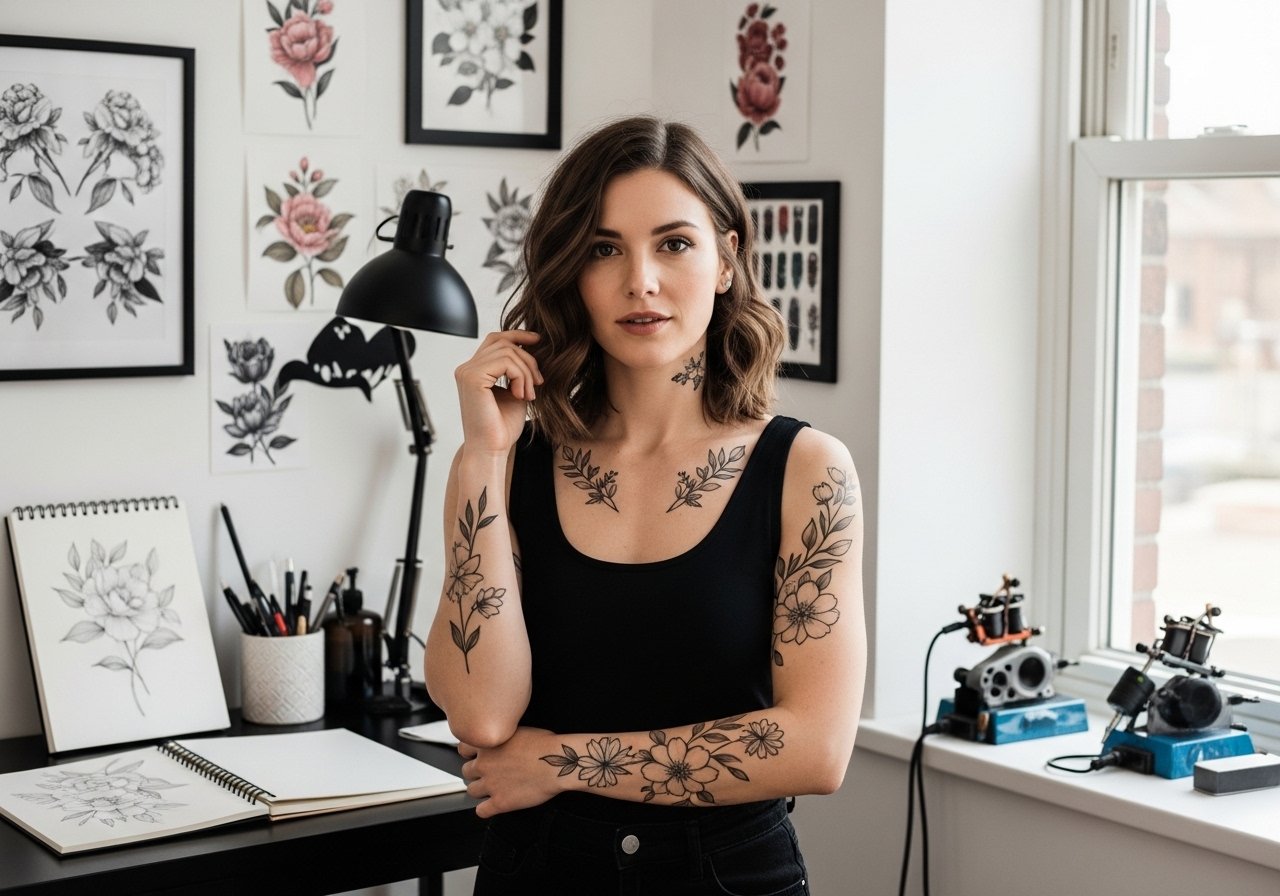
The tattoos that still read clearly at year five are often the ones that looked simple on day one. Heavy linework and solid saturation age into readable shapes, while tiny, intricate petals on high-movement skin tend to blur faster. I’ve noticed that November flowers like chrysanthemums reward spacing and bold outlines more than fussy detail. Below are traditional takes on autumn blooms, scaled and placed so they hold up, beginning with a classic upper-arm piece you can wear every day.
1. Bold Chrysanthemum on Outer Upper Arm
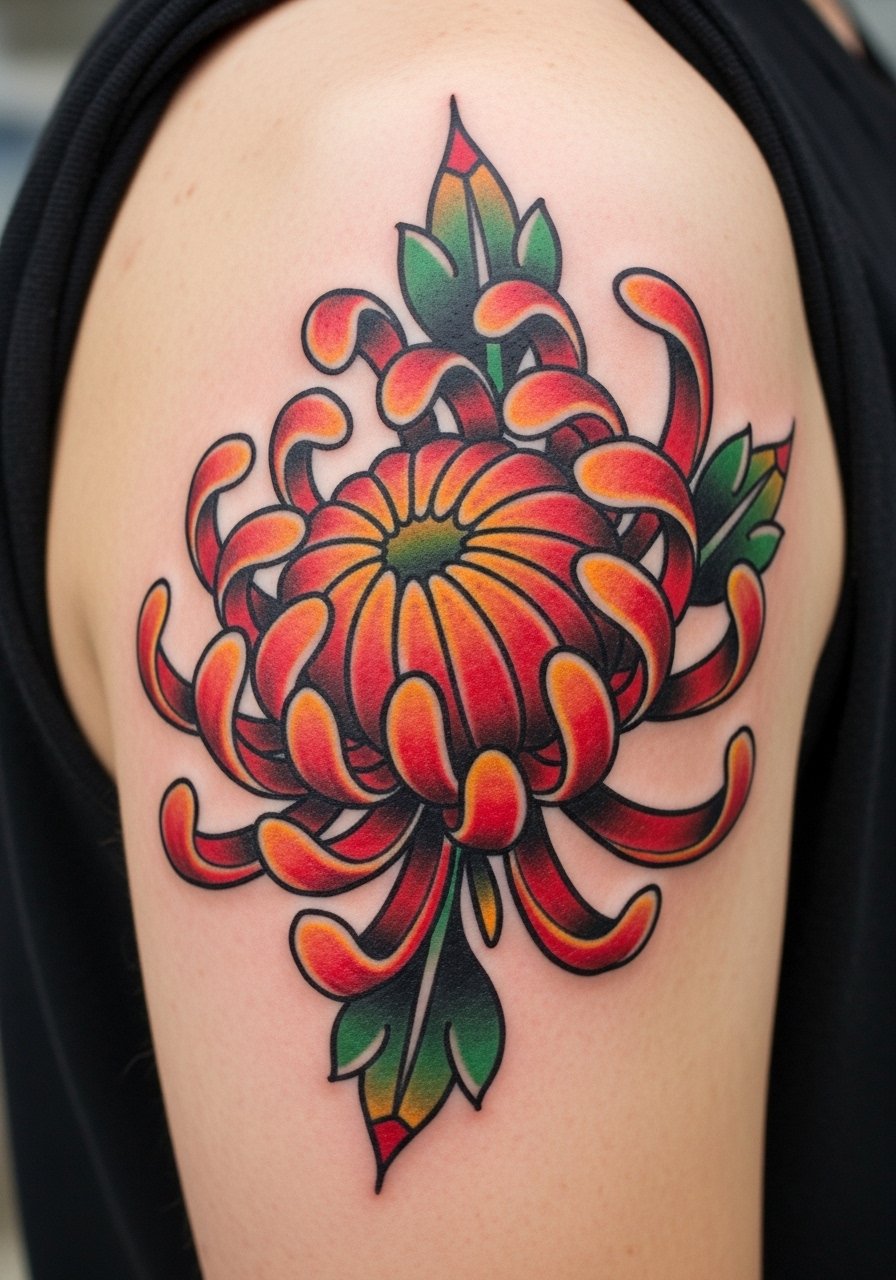
This is the go-to if you want a November flower that reads from across a room. I recommend telling your artist to favor strong linework and heavy petal fills rather than micro-detail. Pain is mild for most people and a single session usually covers it. The biggest mistake is trying to squeeze too many small petals into a compact circle. That variation merges as the ink settles and you lose petal definition. Expect a touch-up around year two to refresh saturation if you sunbathe frequently. Pair it with rolled sleeves for showing it off or wear a loose button-down shirt to keep skin accessible during the session.
2. Classic Chrysanthemum Sleeve Accent
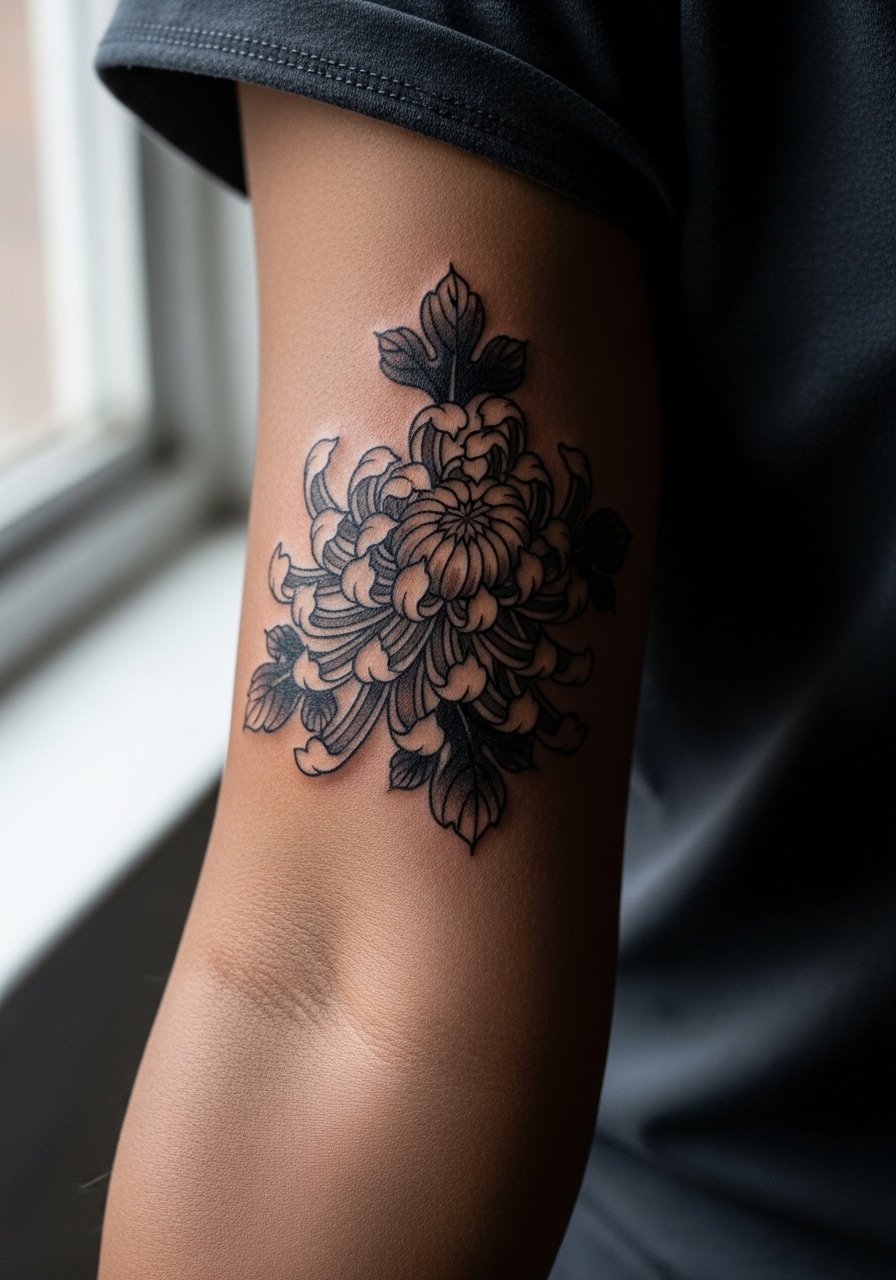
If you are building a sleeve, this cluster acts as a strong anchor. In consultation, ask for slightly exaggerated petal edges and negative space between blooms so the piece breathes as the arm moves. Forearm work shows first, which means it also gets the most sun exposure. Expect the linework to soften at 6 months and a clearer read by year two if you keep sun off it. Common mistake is putting the smallest petals on the most curved part of the forearm where blowout risk is higher. Session time is usually two to three hours for a medium cluster and discomfort is moderate. Style it with cuffed linen shirts and a minimalist watch like this minimalist watch that frames the forearm without covering the linework.
3. Single-Petal Wrist Accent
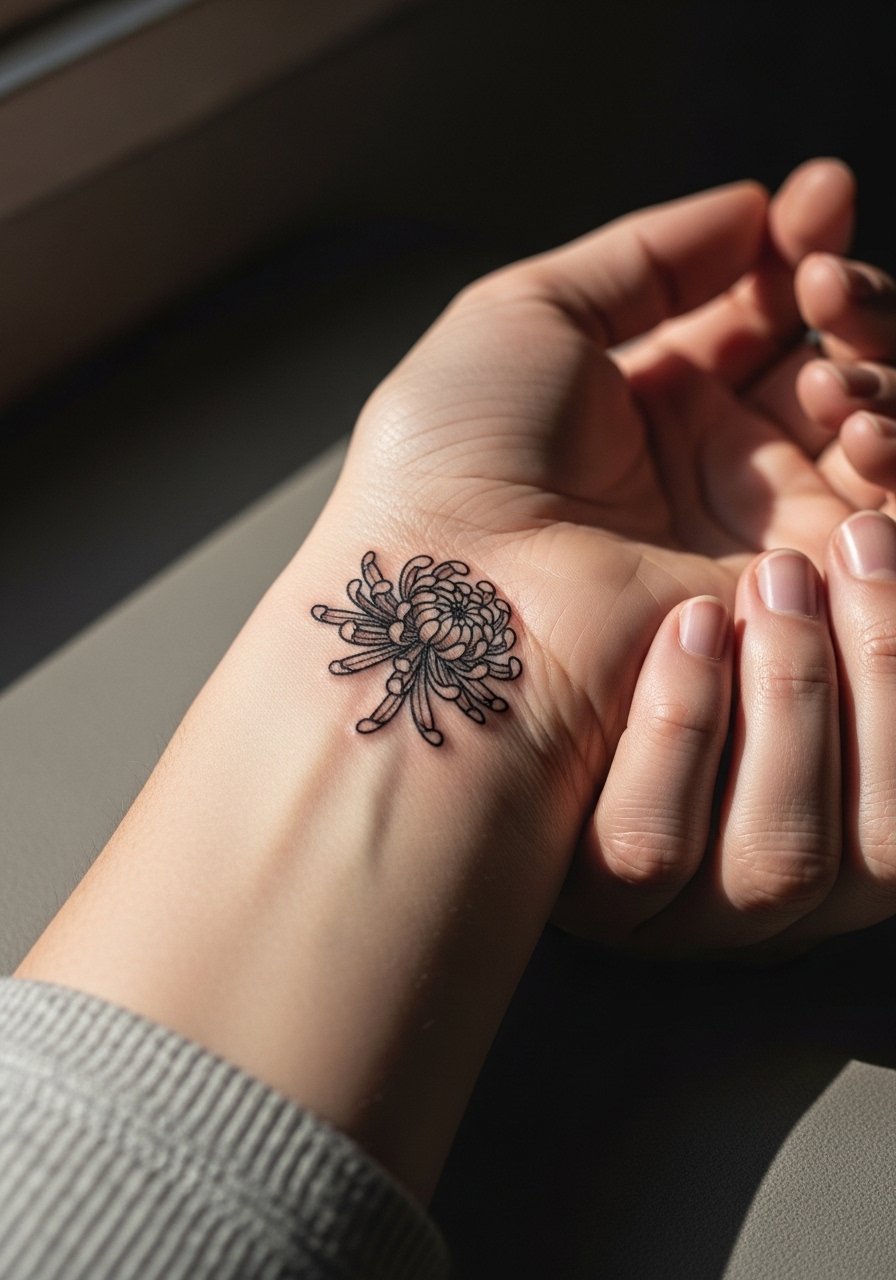
A wrist petal reads intimate and delicate while using the traditional bold outline to last longer. Fair warning, the wrist is a high-friction zone. Tell your artist you want a slightly thicker outer line and more open interior negative space. Many clients think ultra-fine detail will look elegant but it tends to blur with daily washing and bracelets. Expect a possible touch-up at year two. Session is quick and the pain is noticeable but bearable for most. For showing it off, stacked dainty bracelets work well. Try a thin chain bracelet that complements the petal without rubbing the tattoo.
4. Collarbone Chrysanthemum with Banner
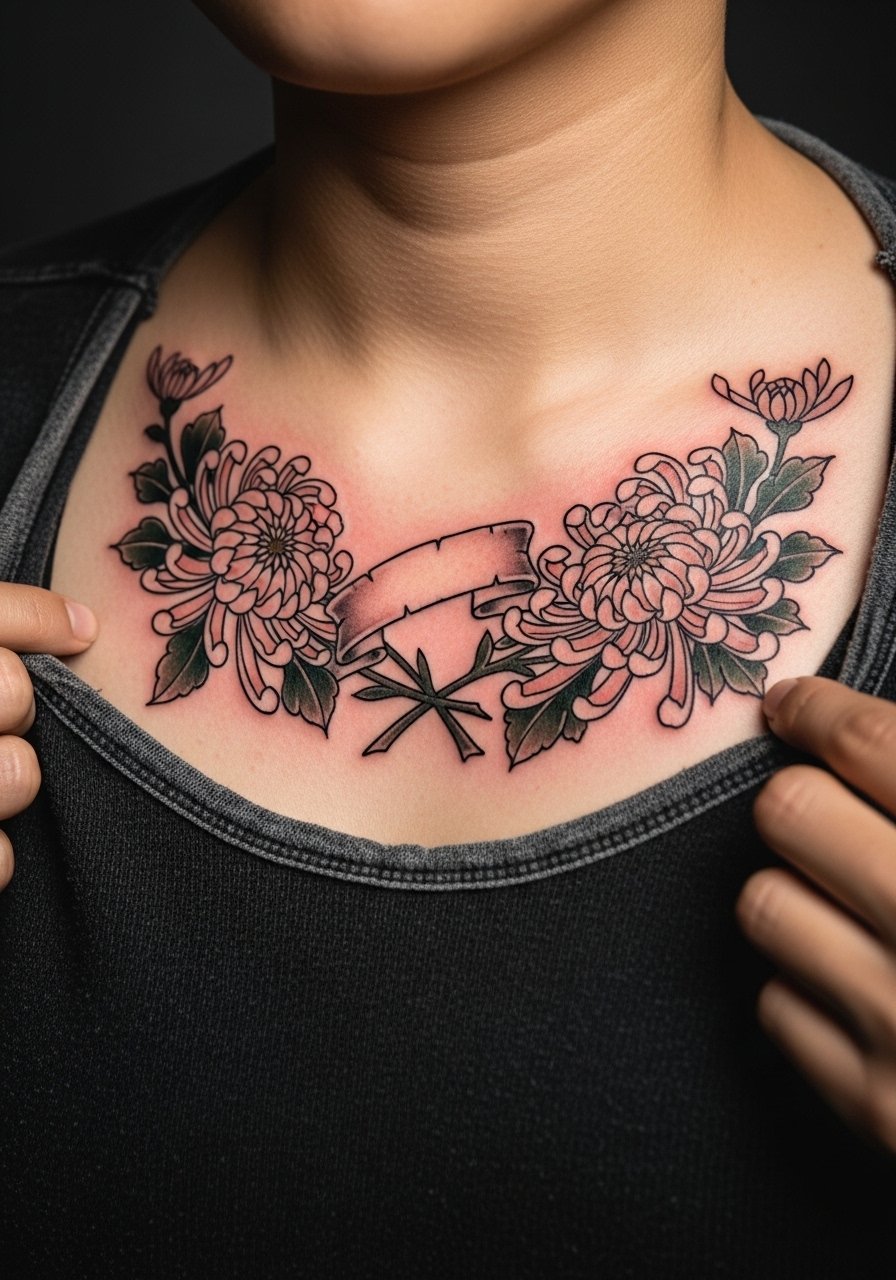
Upper-chest pieces are dramatic and photograph well. When booking, ask to keep the banner proportionate so the lettering does not shrink into the petals over time. The controversy about chest placement exists because one camp says fine line here blurs quickly. The other camp believes careful depth and spacing hold it. I side with spacing and clear outlines for this area. Expect a few hours under the needle and a bruised feeling the day after. If you want an outfit that frames the work, an open-neck blouse highlights the collarbone without exposing more than needed.
5. Sternum Chrysanthemum Cluster
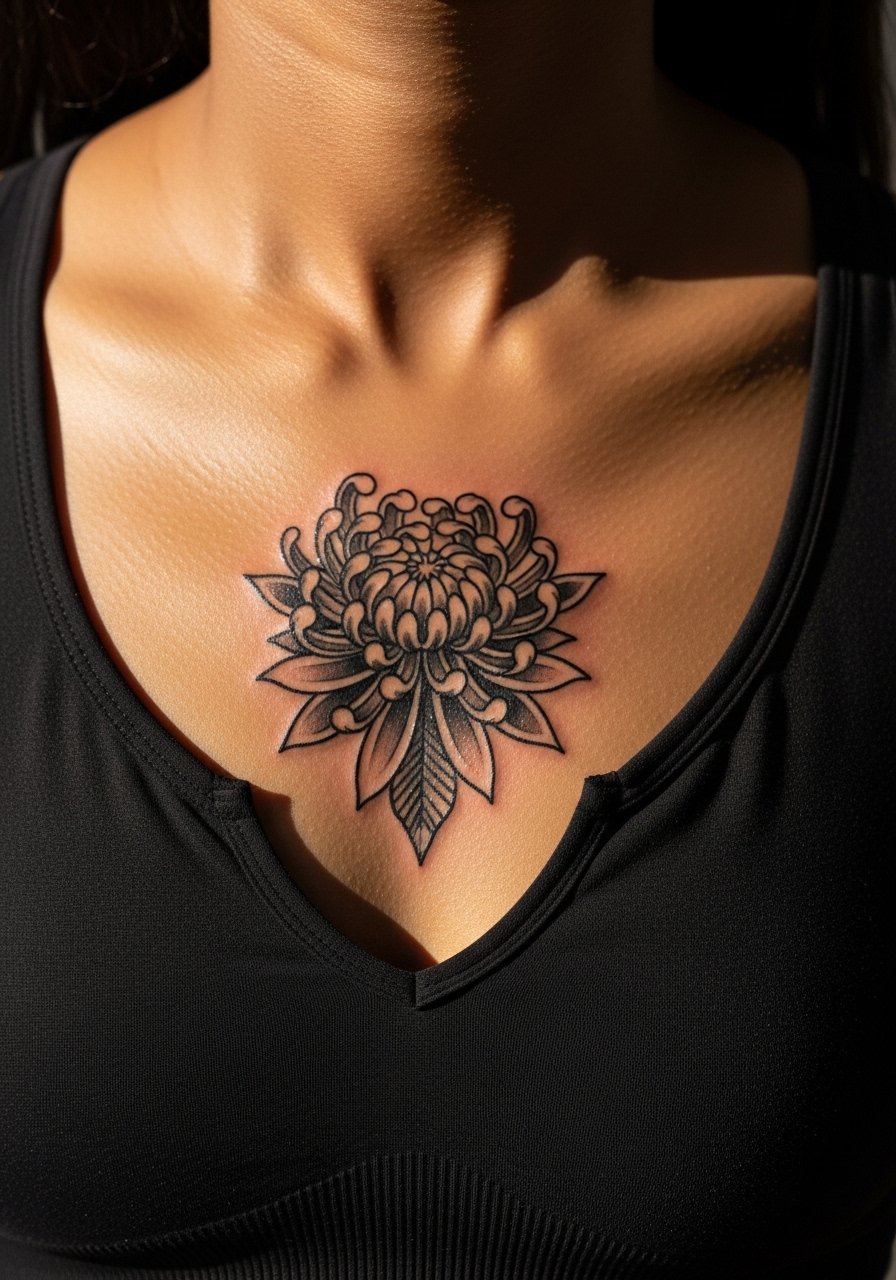
The sternum gives space for vertical compositions that breathe. Note that sternum sessions hit a higher pain threshold for many people and require a patient pacing. Tell your artist you want larger petal shapes and avoid dense stipple shading that can compact over time. A common problem is trying to cram script into the same area as tight petals which makes both elements muddy once healed. For session wear, pick a sports bra or zip-up you can remove easily and replace without stretching the area. Expect a touch-up option offered at months six to twelve because this spot sits close to movement and clothing friction.
6. Aster and Chrysanthemum Mini Back Piece
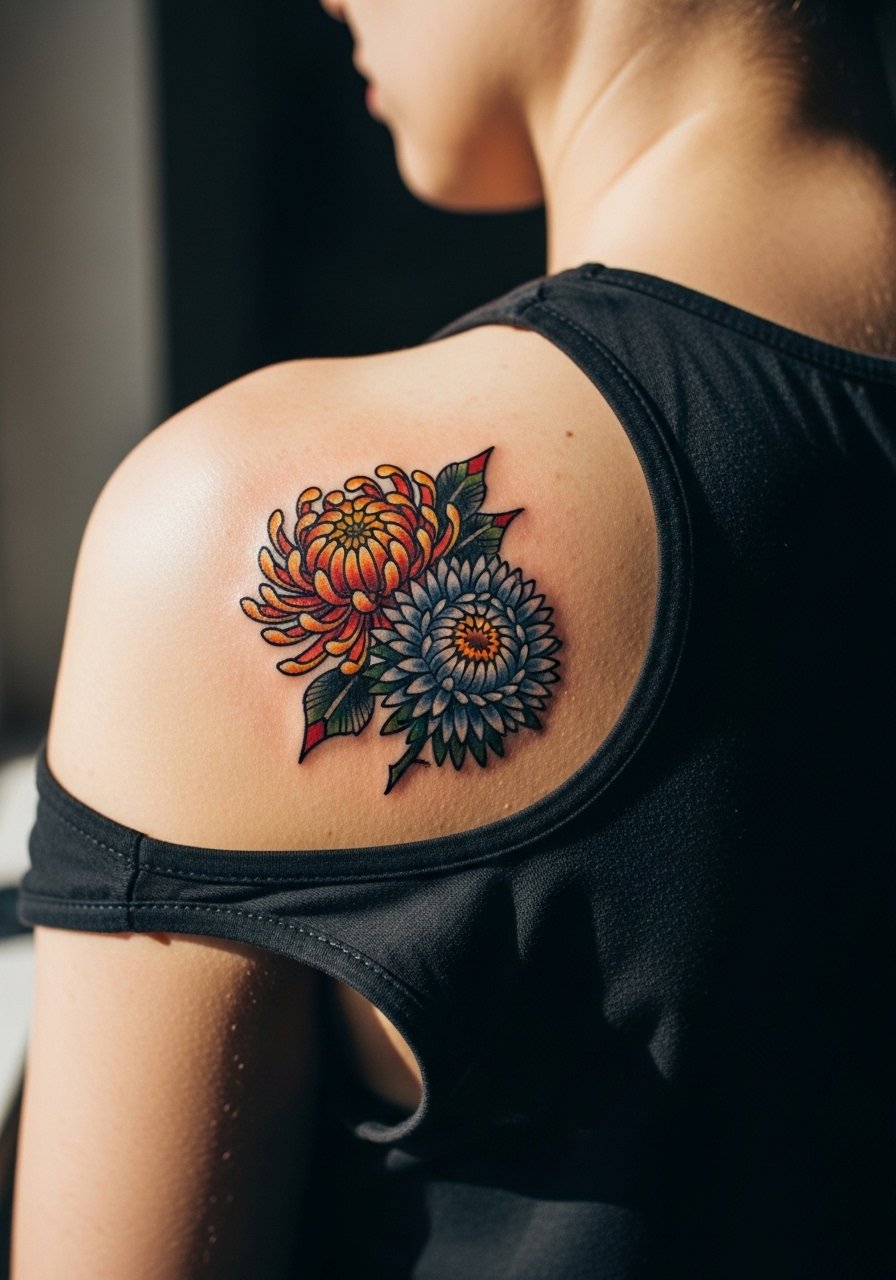
A tiny back piece reads like a secret detail when covered and a statement when revealed. When you consult, bring references for contrast between the chrysanthemum and the smaller aster so the two hold their shapes separately. Most of the aging here comes from weight change and stretching more than sun. The session is short and pain low. A mistake I see is over-detailing the asters; keep those simpler so the chrysanthemums remain the focal point. For after-session comfort, wear a loose tank top or button-down you can lift without rubbing. The vertical space on the shoulder blade is forgiving and touch-ups are rarely urgent.
Studio Day Picks
The outer arm, wrist, and upper chest pieces above share common prep and healing needs, so a few thoughtful items smooth the session and the first week.
-
Stencil transfer paper kit. Lets you preview the composition on skin so small adjustments for petal spacing are easy before the needle hits.
-
Topical numbing cream. Good for short wrist or sternum sessions when sensitivity spikes and you want to stay still through crisp linework.
-
Thin protective film roll. Keeps forearm and wrist pieces clean during the first week of frequent hand washing and daily friction.
-
Fragrance-free gentle body wash. Cleans the healing tattoo without irritating the linework, which matters for fine petal edges.
-
Aquaphor healing ointment. A thin layer in the initial days locks in moisture for traditional saturation without clogging the surface.
7. Sleeve Cap Chrysanthemum That Wraps the Shoulder
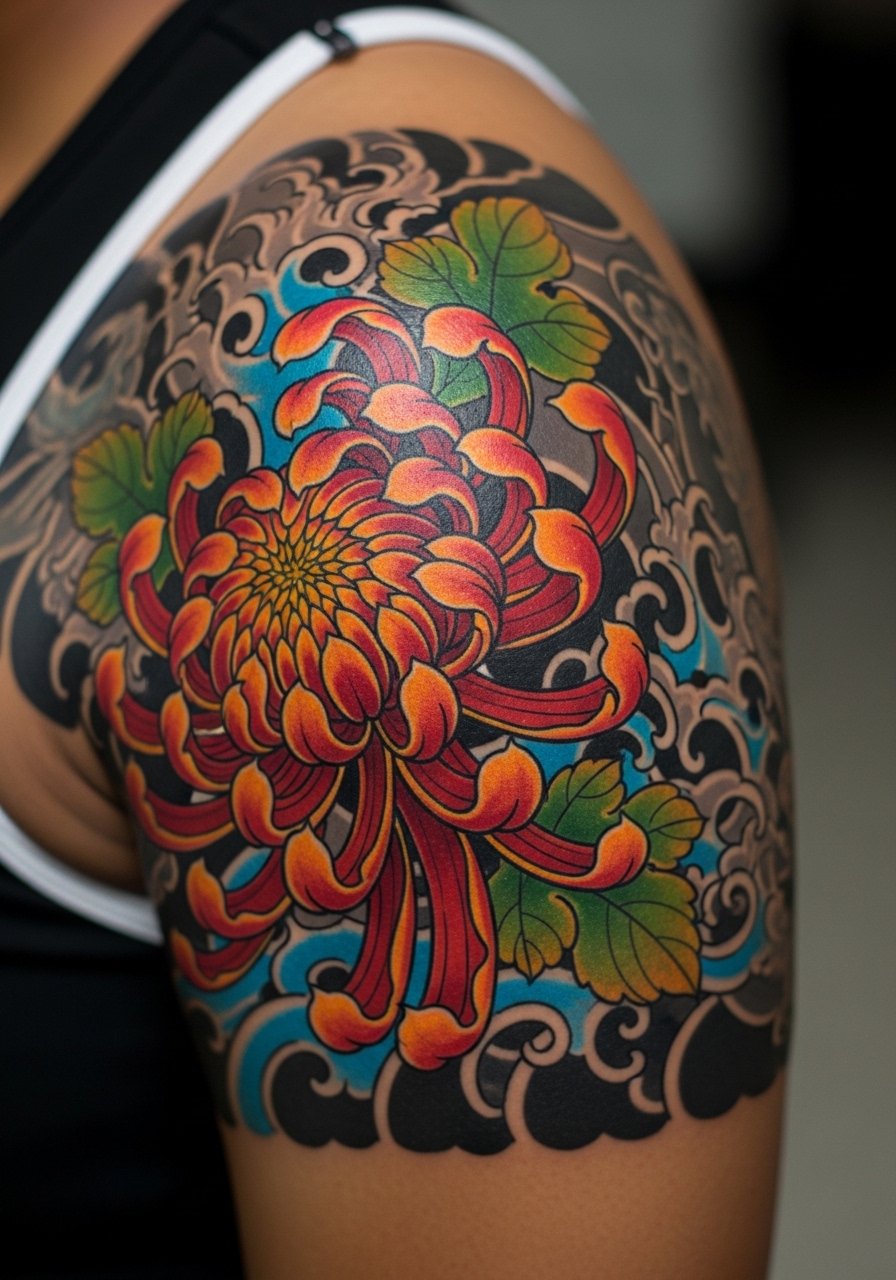
This placement marries upper-arm boldness with shoulder movement. I recommend asking for petal edges that follow muscle contours so the design keeps its flow as you raise the arm. Pain is moderate and session time depends on how much color you want. People often request tight shading on the shoulder edge which tends to blur into the deltoid crease. Avoid that by asking for breathing room and punchy outlines. Over time, expect the outermost edges to mellow rather than disappear. For clothes, slip on a loose tank top on session day so the artist can access the shoulder without a tug.
8. Ankle Bloom with Stem and Leaves
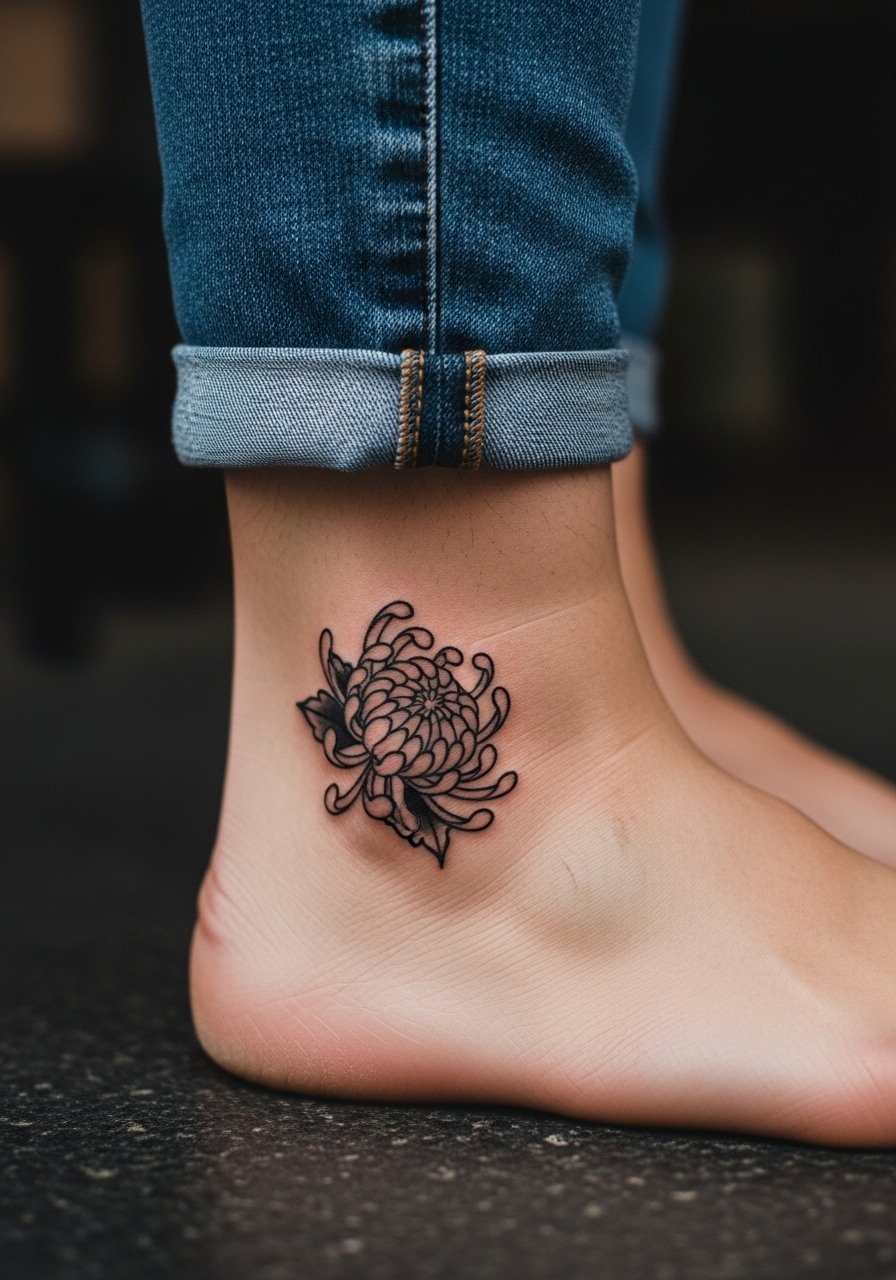
Ankle tattoos face constant rubbing from shoes and socks. Tell your artist to keep the stem thin but the outlines of petals bold to preserve shape against friction. The session is brief but the healing window requires care because scabs can catch on fabrics. Common mistake is making stems too long into the foot where blowout risk increases. Expect a touch-up after a year if you wear low shoes often. For showing it off, rolled jeans or sandals work well. Consider a pair of minimalist sandals that reveal the ankle without scraping the fresh ink.
9. Inner Bicep November Flower Medallion
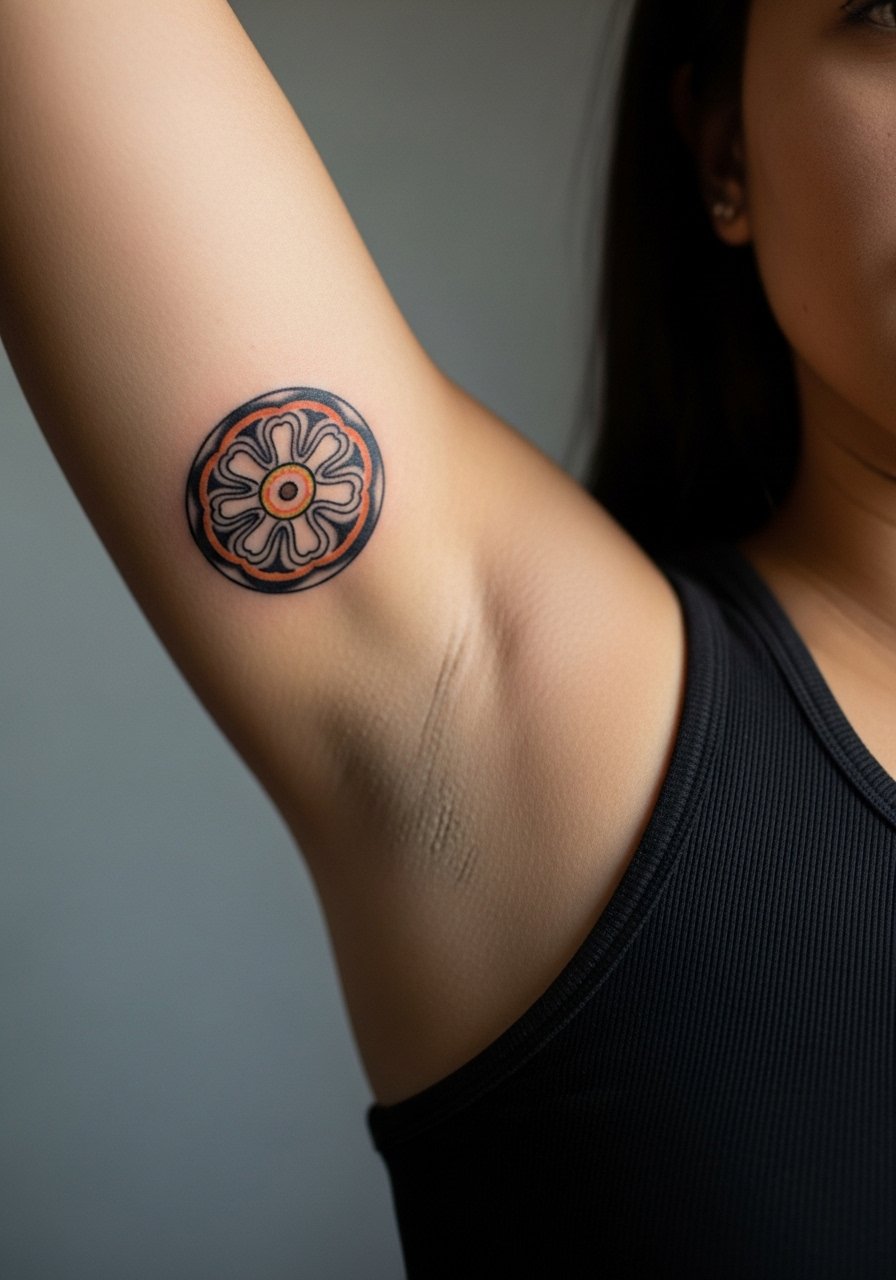
The inner bicep gives a private canvas that surprises when revealed. Fair warning, this area is more sensitive so the pain level is higher for some clients. Ask for slightly thicker linework and open centers on the petals to avoid compression from muscle movement. One mistake is over-detailing the center where dot work might compress into a muddy patch. Over two years the design can shift subtly with muscle changes, so a touch-up at year two is common. For session logistics, wear a loose tank so the artist can access the area easily.
10. Finger Tip Single Petal
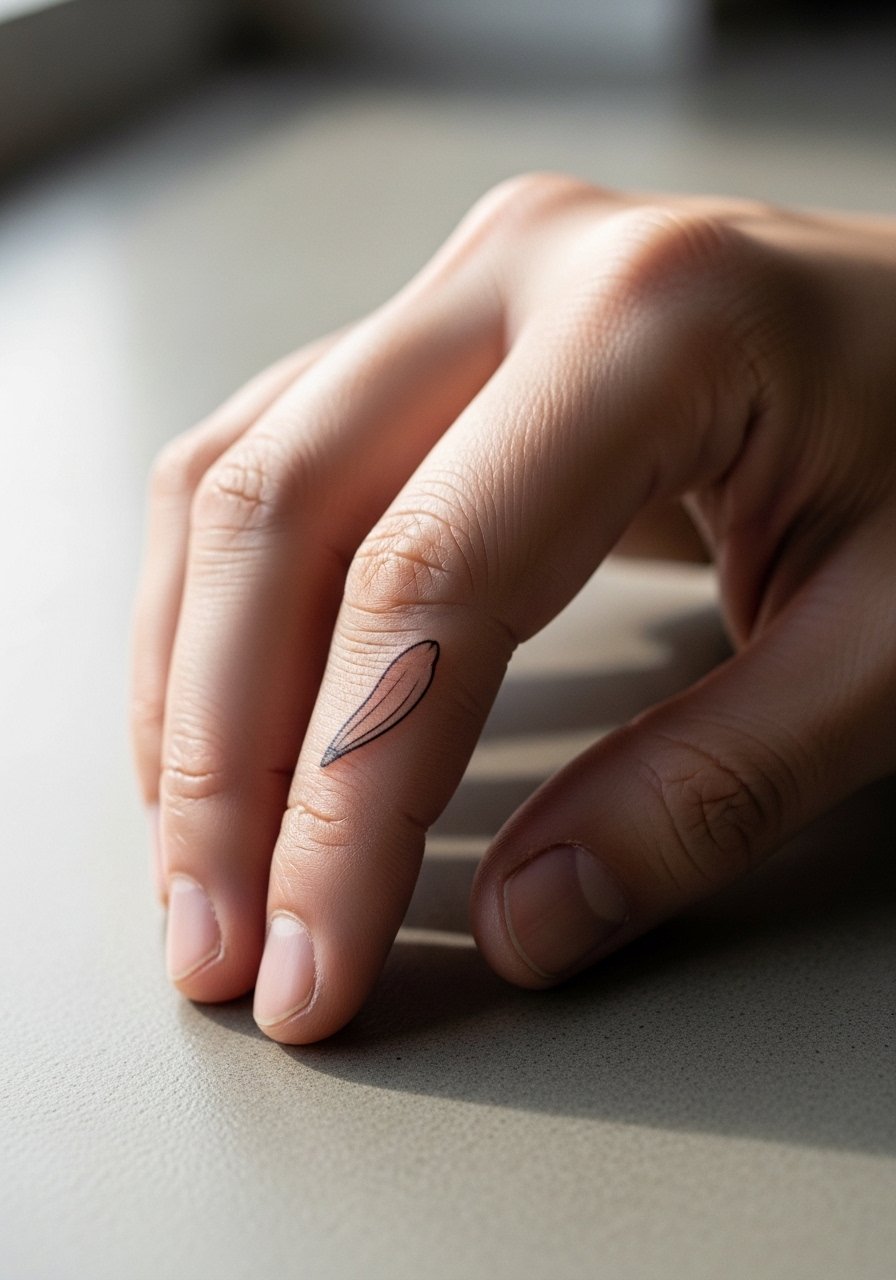
Finger tattoos are visually prominent but notoriously fickle. Discuss realistic expectations with your artist and ask for bolder outlines rather than micro lines. One camp says finger work is fine with more passes and careful placement. The other camp warns that hand and finger skin sheds and moves too much, causing rapid fading. Be prepared for touch-ups more often than with arm pieces. The session is short but expect faster fade from soap and sun exposure. For show-off styling, a simple delicate ring can frame the petal without rubbing the ink.
11. Calf Chrysanthemum Pairing
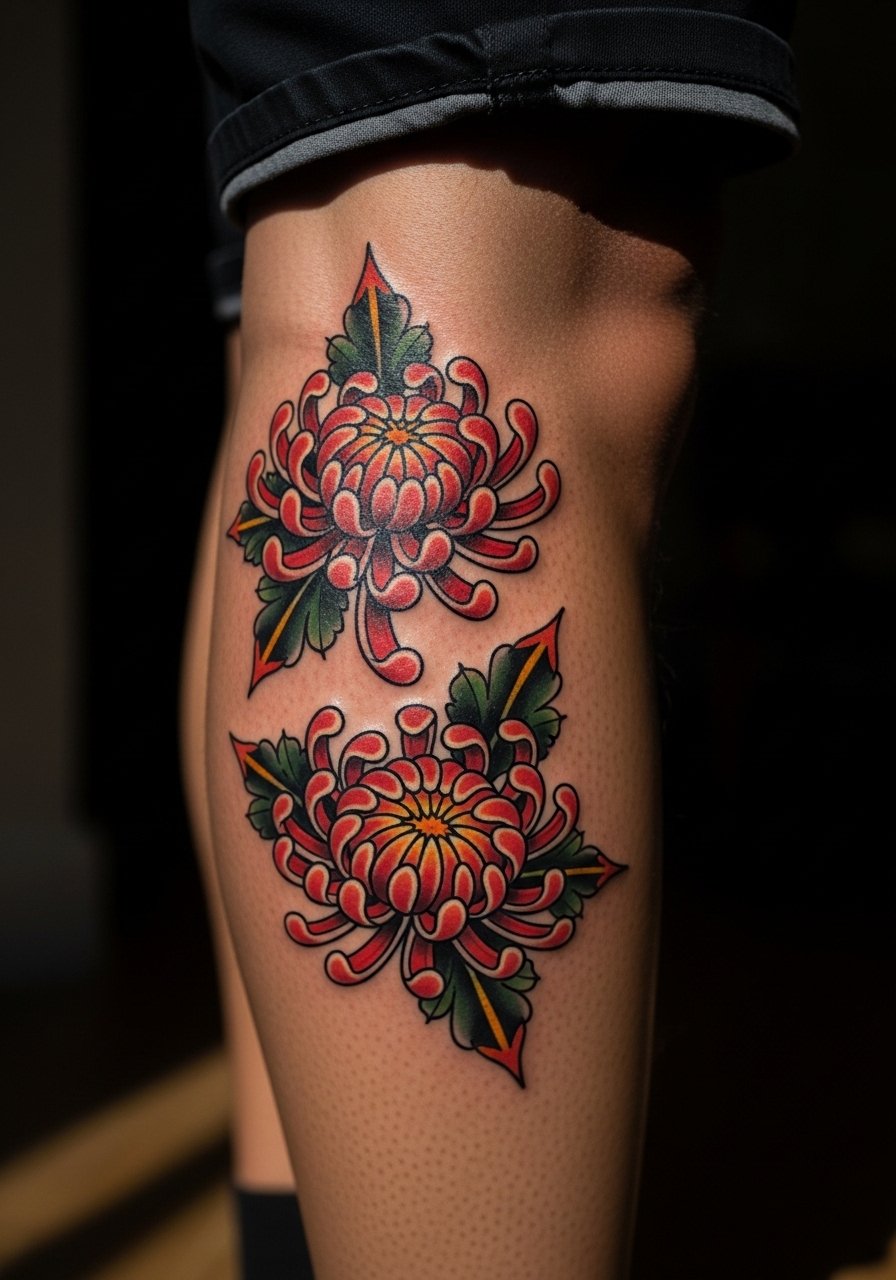
Calf pieces let you play with scale while keeping the design away from constant friction. When you sit down with your artist, request a composition that reads whether you are standing or seated. A common mistake is placing tiny inner details that disappear when the muscle flexes. Sessions are usually comfortable and last one to two hours for this size. Over time color remains truer than on high-motion areas. For session wear, put on loose shorts so the artist can work without fabric pulling the healed area.
12. Ribcage Chrysanthemum Panel
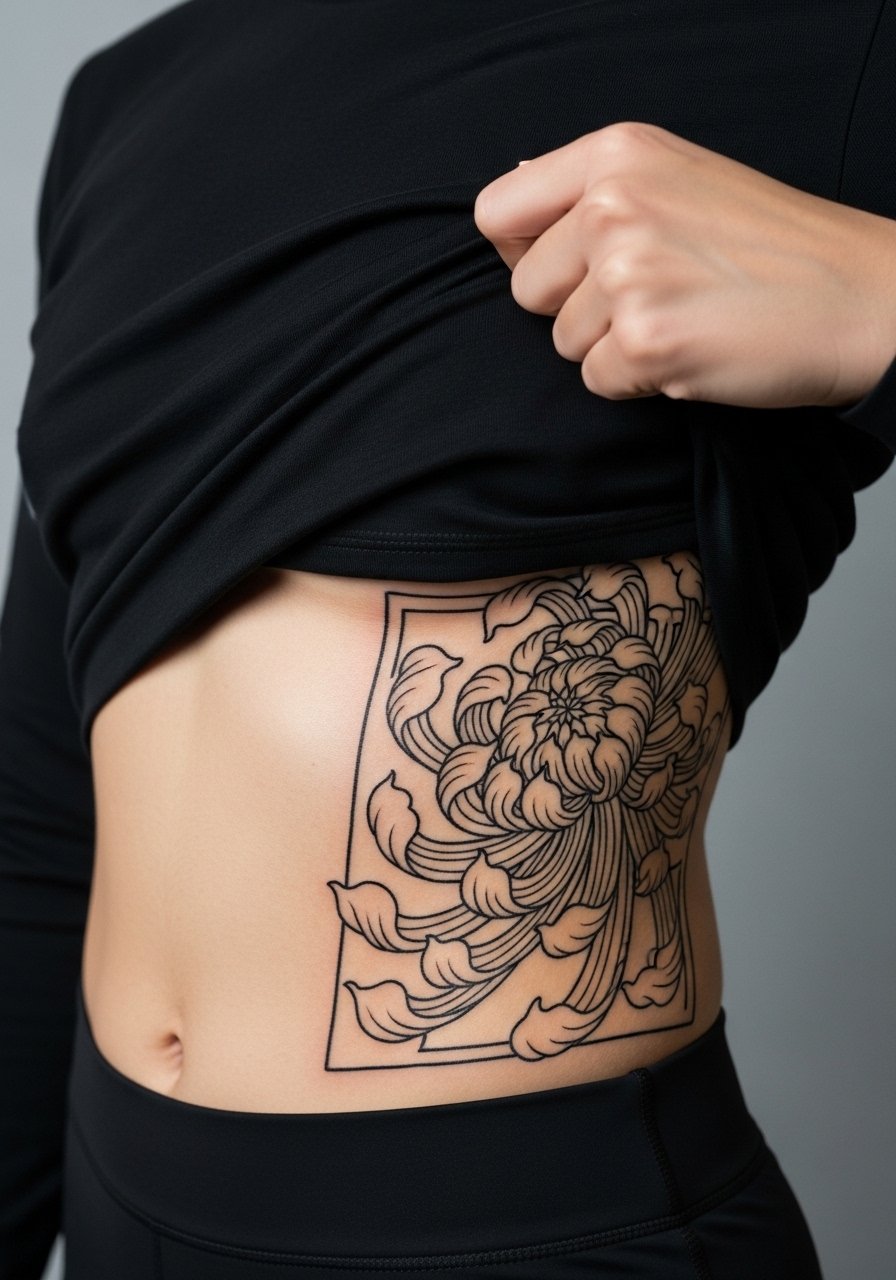
Ribcage tattoos come with a well-known debate. One group of artists argues that fine line here blurs within two years. The other group says careful needle depth and spacing keep the lines readable. I advise larger petal shapes and bold outlines for ribs because the skin stretches with breathing and weight changes. Pain is high for most people and sessions take longer when stretching is involved. A common error is insisting on tiny script alongside tight petals which does not age well. For the appointment, wear a cropped top you can lift without stretching the area.
13. Back-of-Neck Chrysanthemum Knot
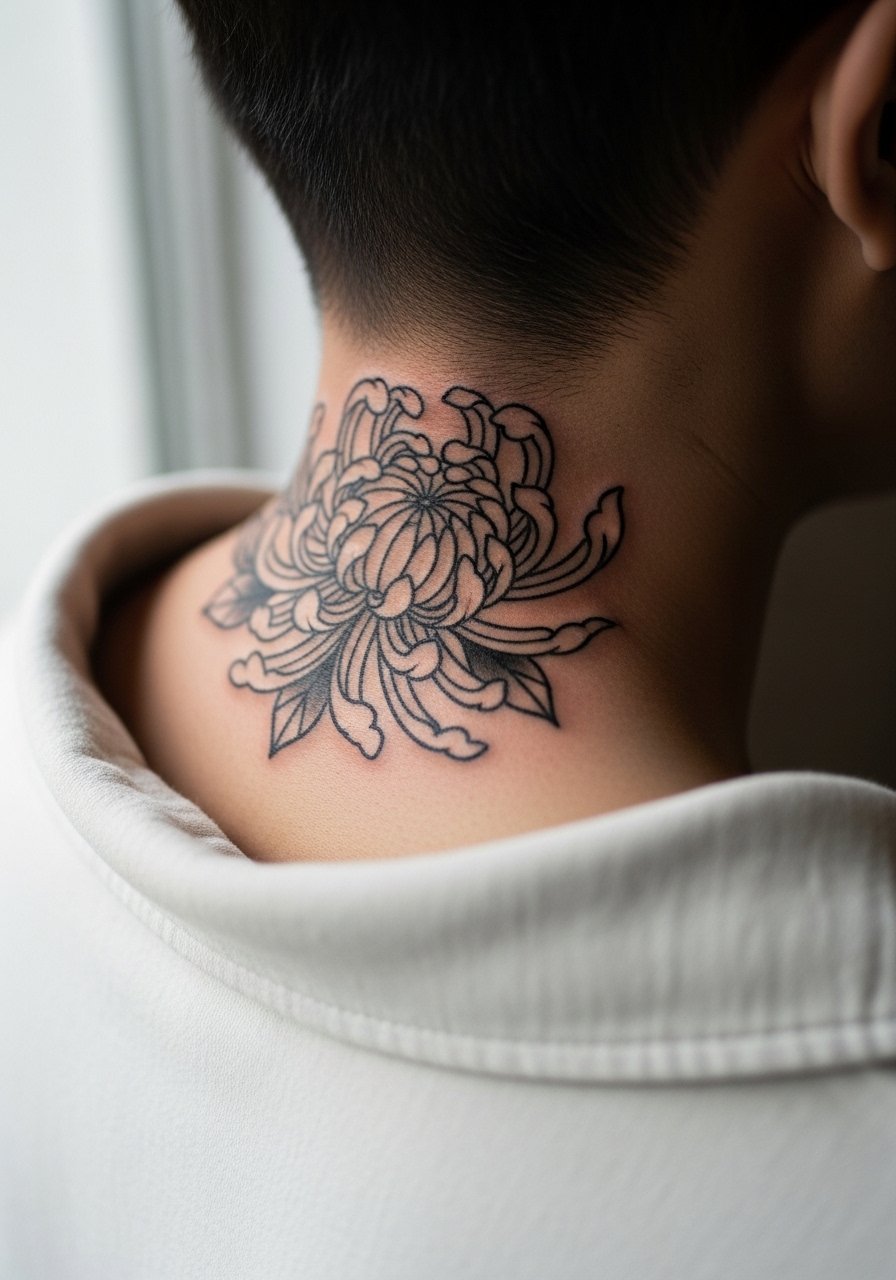
The nape is a great spot for a subtle November flower that peeks out with certain hairstyles. Tell the artist you want compact spacing and bold outer lines to prevent softening with neck movement. Pain is moderate and sessions are brief. A mistake I see is overfilling the center with tiny dots which collect into a dark blob over time. If you work in conservative environments, remember neck visibility varies with hair and clothing choices. A small, bold piece here will need less frequent touch-ups than a wrist or finger tattoo.
14. Thigh-Side Chrysanthemum Spray
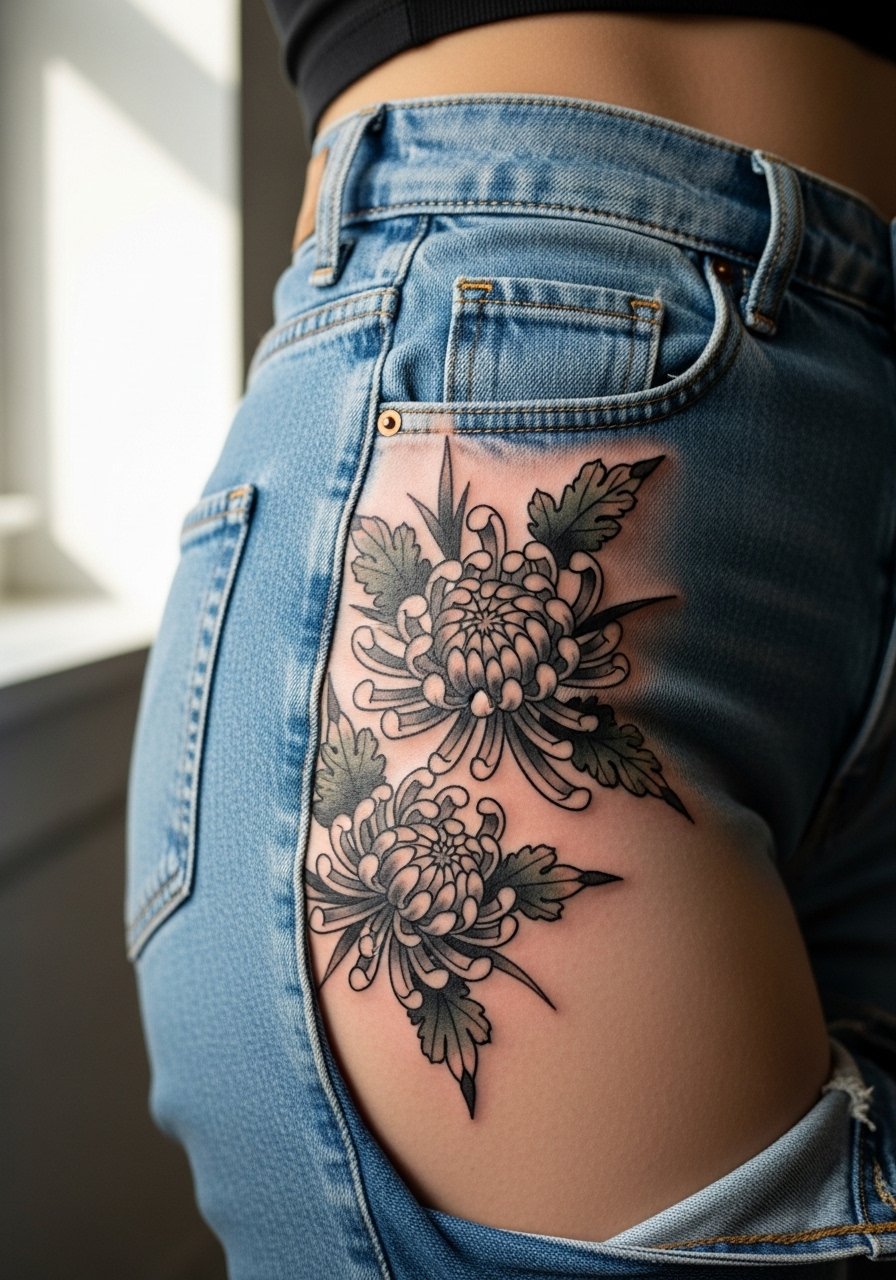
Upper-thigh and hip areas are forgiving for size and detail. I often recommend slightly larger petals and gentle stipple shading that ages into soft texture rather than muddied spots. Session discomfort is moderate and healing benefits from loose clothing. People sometimes choose tiny fills that disappear under the fabric rub. For the session, wear high-waisted denim or shorts you can pull down a bit to expose the area without full exposure. When showing it off, a high-cut swim bottom or skirt works well. Try pairing with a high-waisted skirt that frames the spray during warm weather.
15. Lower Back Single Bloom
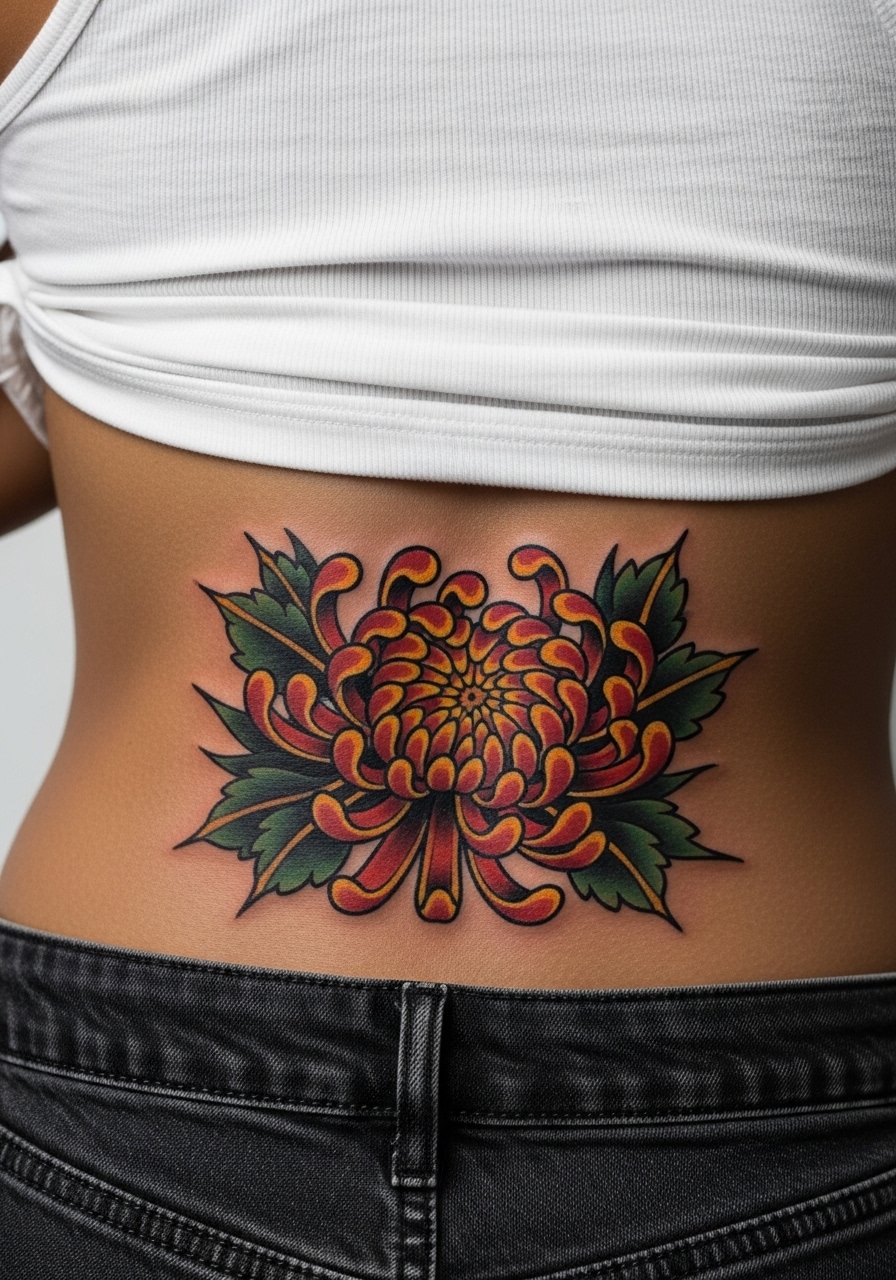
Lower-back blooms are a classic placement that gives a horizontal canvas. Keep petal outlines bold and centers open if you anticipate weight fluctuation. A common mistake is clustering too many small elements that lose definition with stretching. Session time is moderate and the area tolerates longer shading passes. For people concerned about visibility, this location stays private unless intentional clothing choices reveal it. Expect touch-ups when the color starts to dull from sun exposure or friction with belts.
16. Shoulder Blade Single-Flower Focal
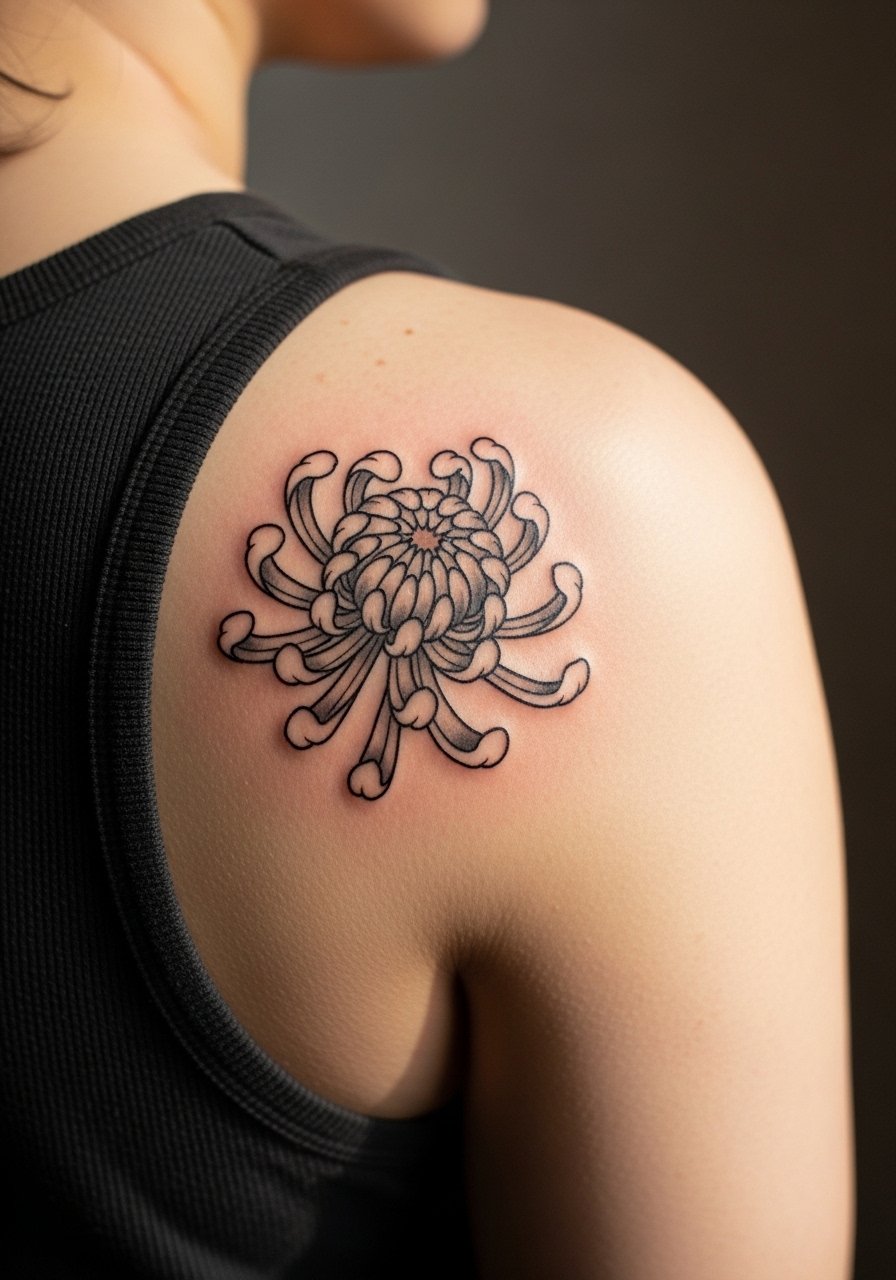
The shoulder blade keeps the bloom in a place that moves with the scapula and not with the skin that stretches daily. I advise asking for a slightly tilted composition to follow your shoulder blade shape so the petals do not distort when you reach forward. The session is comfortable and usually one hour. The biggest error is crowding the area with extra tiny leaves that get lost as the ink settles. For showing the piece, open-back tops and strappy dresses put the focus where it belongs. Consider an open-back dress for special occasions.
17. Petite Aster and Mum Collar Accent
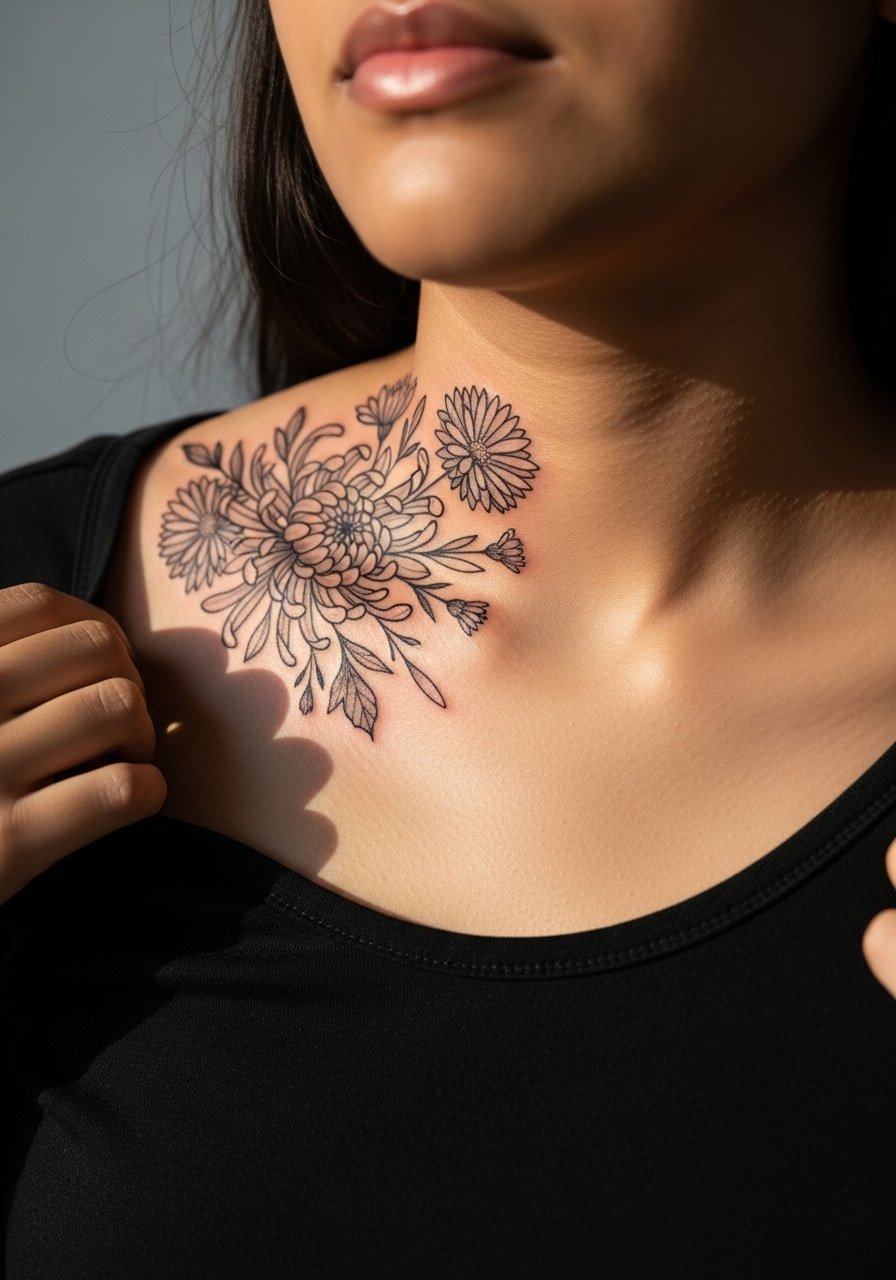
A mixed cluster along the collarbone gives a refined nod to November flowers without overwhelming the chest. Request clear separation between the chrysanthemum and the smaller aster by using different outer line weights so each holds its identity as the skin settles. The area tolerates fine detail less well than the outer arm so avoid packing the center with dot work. Expect a touch-up option at the one-year mark if you spend a lot of time in the sun or swim often. For session comfort and access, wear a wide-neck shirt that you can pull slightly aside without stretching.
Frequently Asked Questions
Q: Will a traditional chrysanthemum tattoo fade faster on the wrist than on the upper arm?
A: Yes, wrists typically fade faster because of constant washing and friction from bracelets. Traditional saturation and thicker outlines slow that fade, and the upper arm generally holds color longer. For a wrist piece expect more frequent touch-ups than for the outer upper arm.
Q: Is fine line work recommended for ribcage chrysanthemum pieces?
A: Artists split into two camps. One says fine line on ribs blurs within two years because of skin movement. The other says with careful depth and spacing it can settle fine. I recommend larger petal shapes and bolder outlines for ribs unless your artist has a strong, proven portfolio of fine-line rib work.
Q: How should I dress for a sternum or chest chrysanthemum session?
A: Wear a fitted sports bra or a wide-neck top you can lift or pull aside without stretching the skin. That lets the artist work cleanly and keeps you comfortable during a longer session. An open-neck blouse is a helpful option for after the session if you want to frame the area.
Q: Do finger and hand chrysanthemum tattoos affect job prospects?
A: Hand tattoos remain controversial in some industries and more accepted in others. If you work in a conservative field, consider placements you can cover. If your employer is casual, a small finger or hand piece may be fine but expect faster fading and more touch-ups.
Q: How often should I plan for touch-ups on traditional flower work?
A: It depends on placement and sun exposure. High-friction areas like hands and ankles may need refreshes every one to two years. Arm, shoulder, and back pieces often last longer before needing attention. Keeping the tattoo out of intense sun reduces how often you will want a touch-up.