
Fine line watercolor looks like it lives forever on your saved board, but the truth is watercolor inks and soft washes need careful placement to keep their character as the years pass. The trick is picking motifs that read well as color blurs slightly, and choosing spots that avoid heavy friction or rapid sun exposure. Start with the ideas below and you will have options that age with personality, not regret.
1. Tiny Watercolor Compass on the Inner Wrist
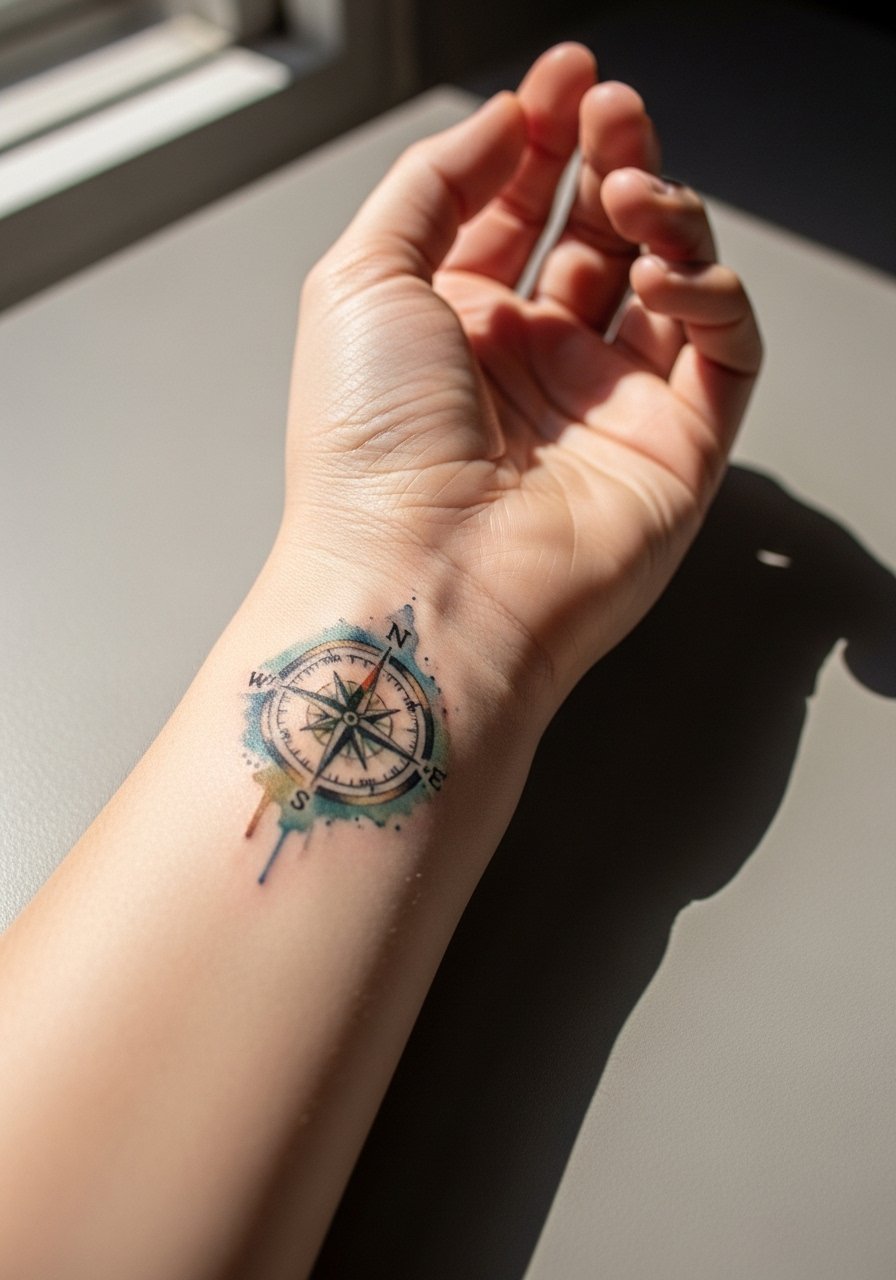
A tiny watercolor compass makes a subtle nod to touring life and travel references in the band's lyrics. I recommend this for anyone who wants a discreet tribute that still reads as color after a few years. Tell your artist to keep the washes slightly outside the compass linework so the pigment has room to breathe and avoid tight blending that turns muddy. Fair warning the wrist sees constant washing and friction, so expect a touch-up at year two to three for saturation. Session time is short and pain is low. For showing it off, roll sleeves up and pair with a thin chain bracelet that frames the wrist without covering the compass.
2. Watercolor Lyric Script Along the Inner Forearm
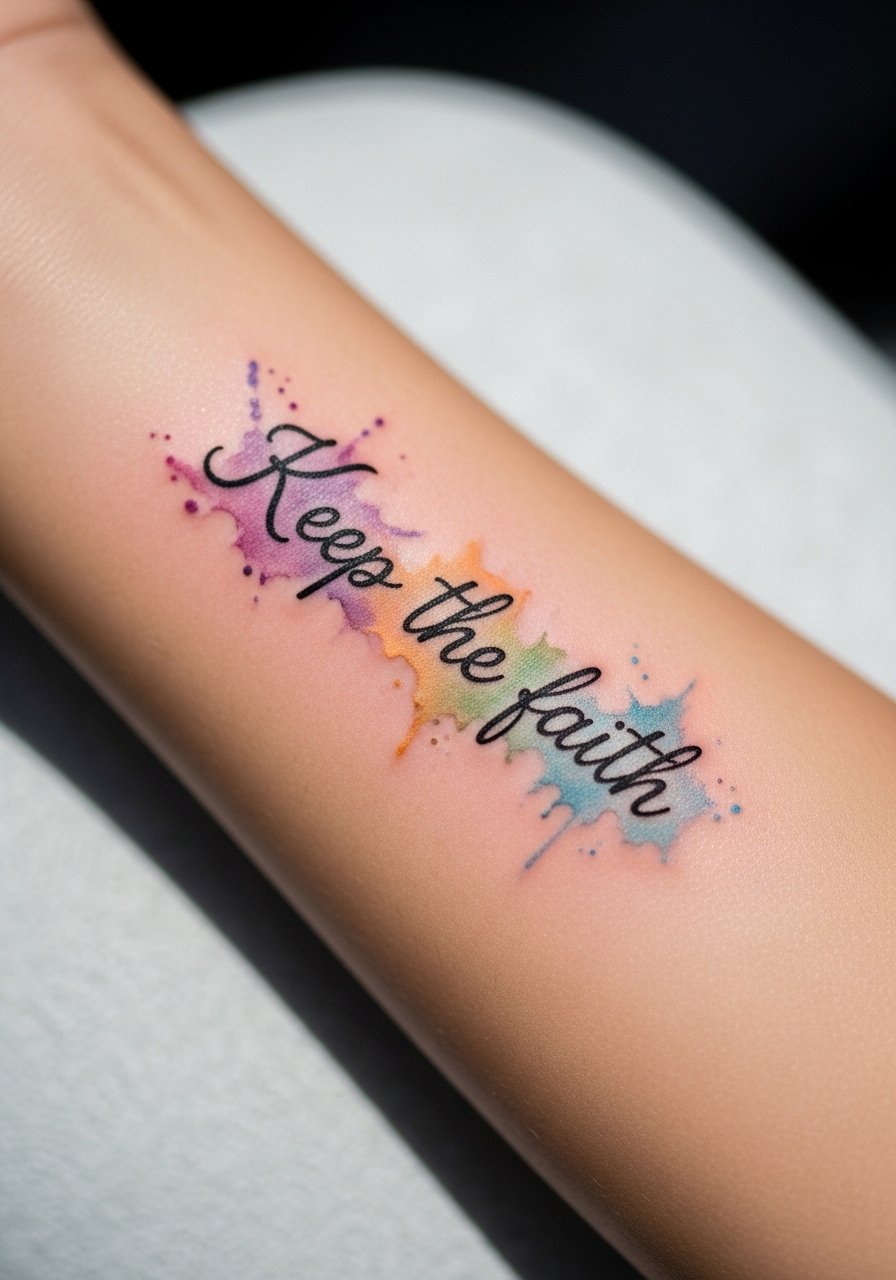
A faded watercolor script that quotes a favorite line blends personal meaning with soft color. Ask for medium-weight linework and slightly looser letter spacing so the script stays legible as the washes soften. Most mistakes I see are people requesting tiny, cramped lettering. That looks elegant fresh and then blurs. This placement ages reasonably well because the forearm has less stretch than the ribs. Expect a single-session appointment for a short line and a likely touch-up at year three if you want crisp letters. For session comfort, wear a short-sleeve button-down you can roll up easily so the artist has full access.
3. Watercolor Arrow with One Direction Lyrics on the Ribcage
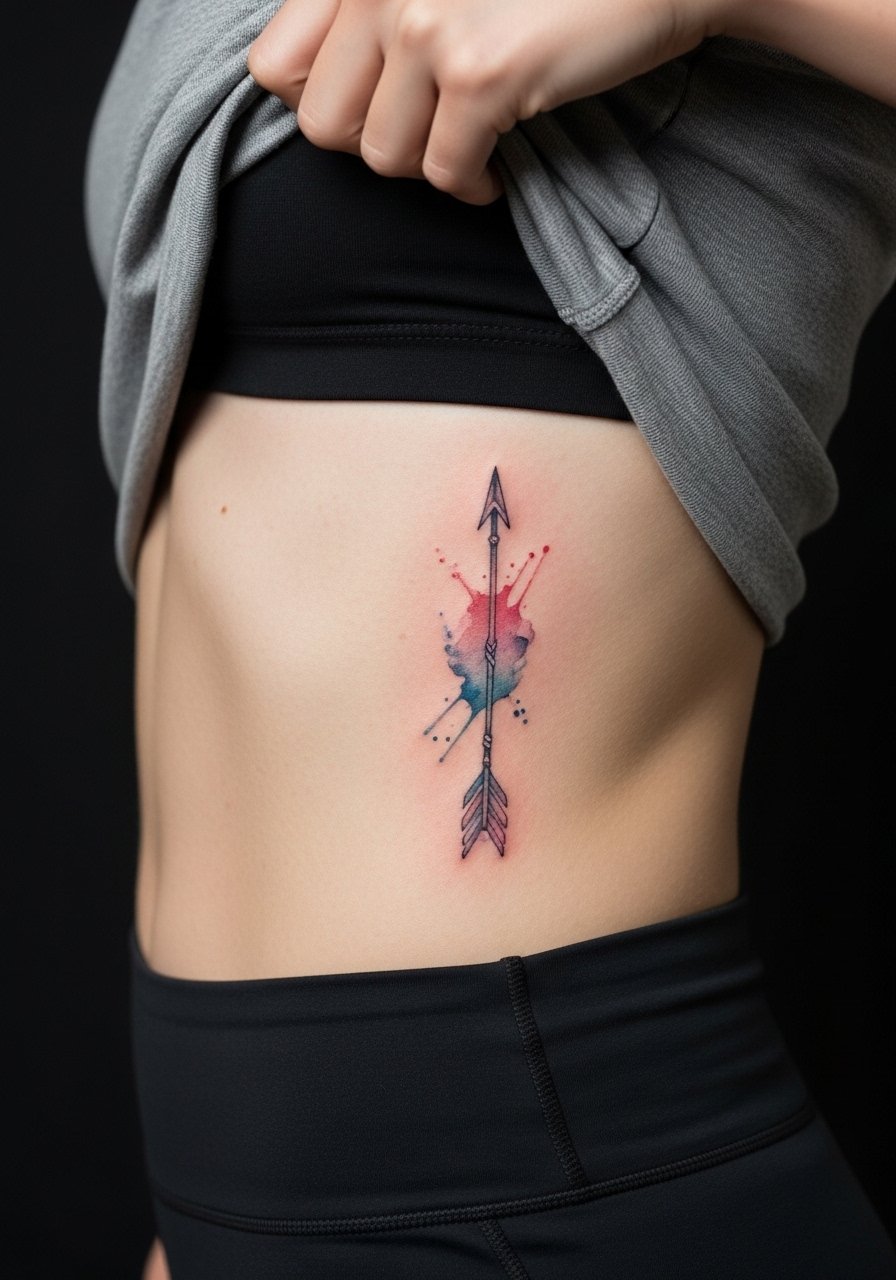
Ribcage watercolor reads cinematic, but it is a higher-pain, higher-risk placement for fine line. Artists split into two camps on ribs. One camp says the skin there stretches and compresses so thin lines blur within two years. The other camp argues that with careful depth and spacing the work settles fine. If you go for it, ask your artist to increase spacing between arrow shaft lines and keep the watercolor diffuse outside the arrow. Expect a longer session and plan for at least one touch-up. For the appointment, wear a cropped athletic top you can lift slightly so only the rib area is exposed.
4. Minimalist Watercolor Heart with Tour Dates on the Side of the Hand
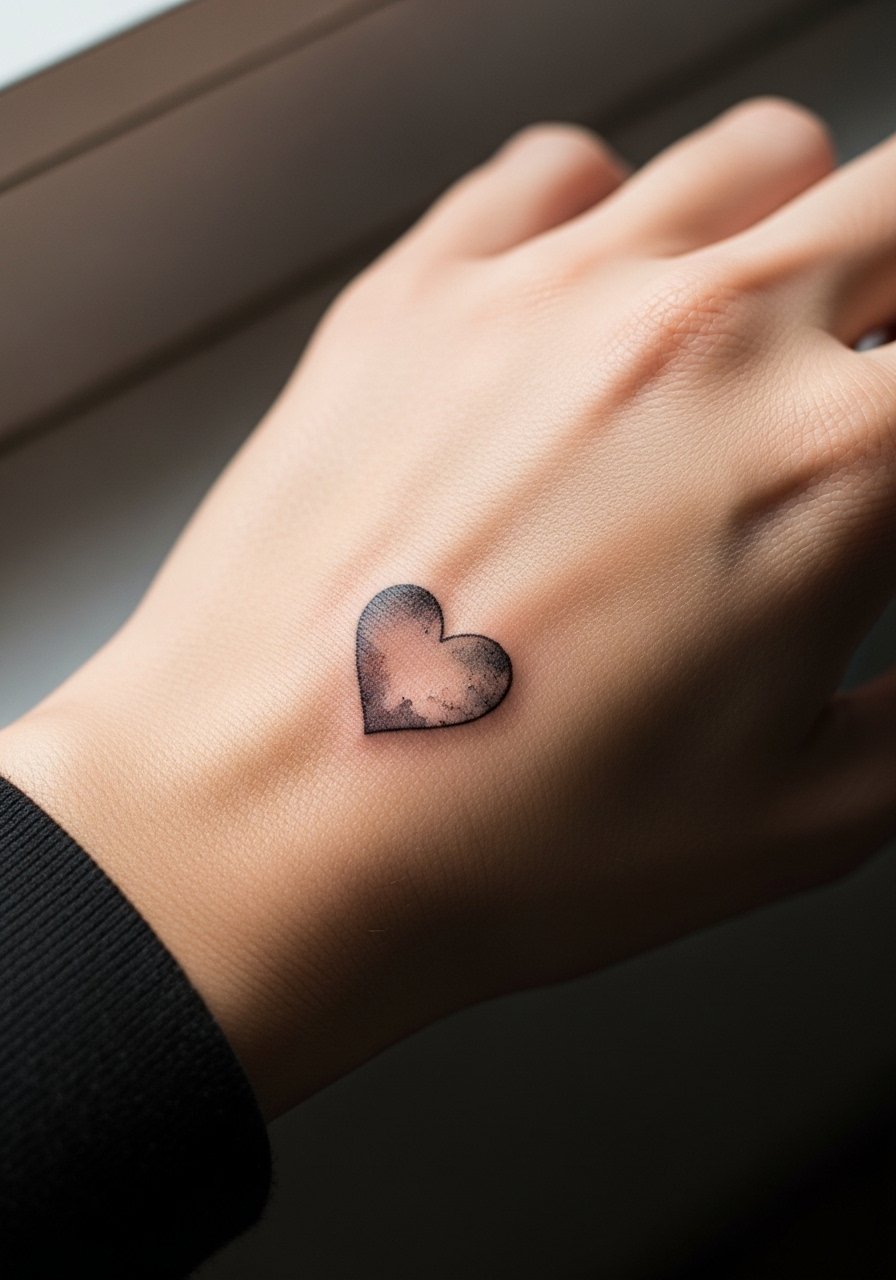
Hand pieces are statement-heavy and require honest planning. A watercolor heart with tiny tour-date numerals works if you accept faster fading and touch-ups. The biggest mistake is asking for detailed numerals too small. Hands get washed constantly and rub against surfaces, so expect touch-ups more often than for an arm piece. If you want longevity, keep the heart slightly larger and the dates bold enough to survive two years of wear. Session time is short but the pain is sharp. Consider pairing with a delicate ring set that complements without obscuring the design.
5. Watercolor Feather with Song Title on the Collarbone
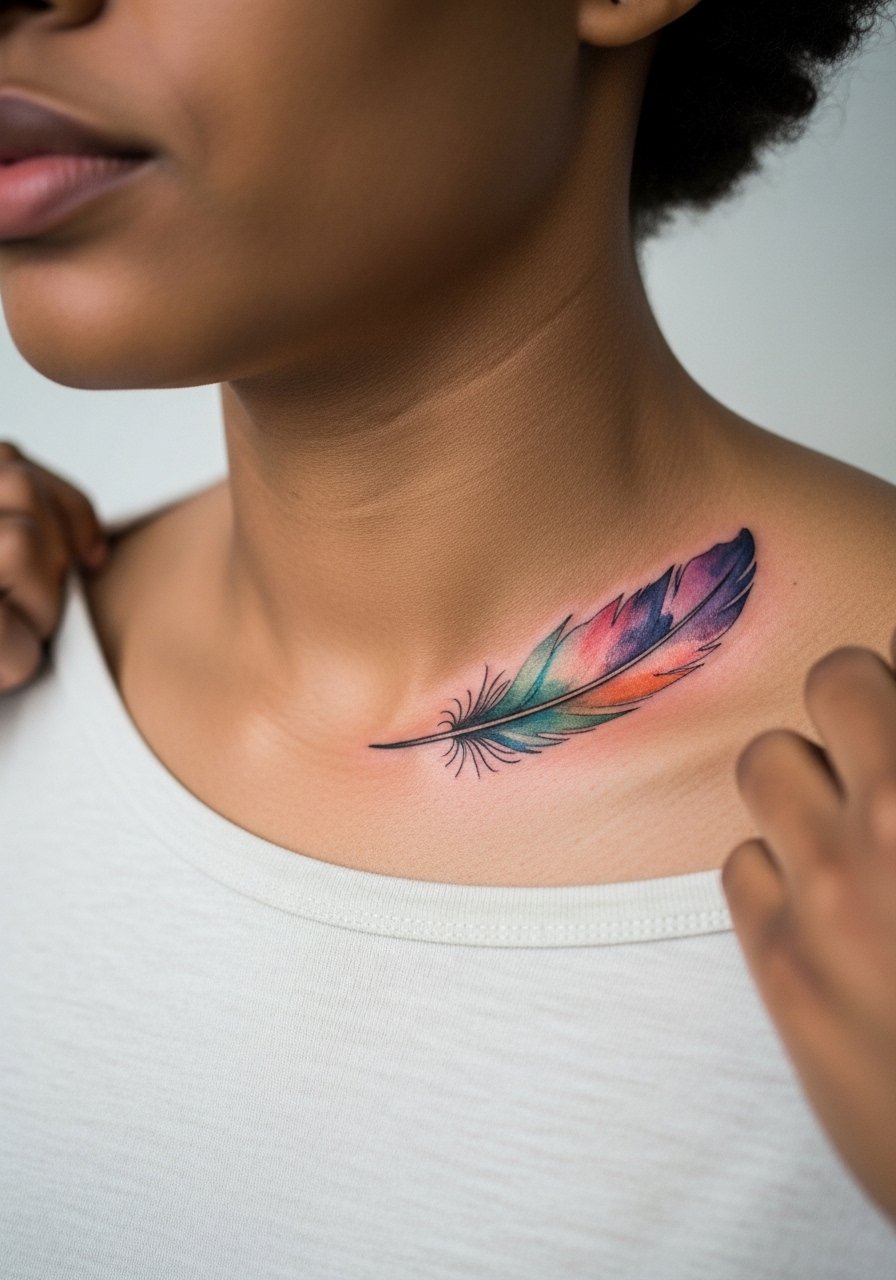
A feather wash across the collarbone reads airy and moves well with off-shoulder tops. The collarbone can show thin lines clearly for years if the pigment is placed slightly deeper than surface level. Tell the artist to balance delicate linework with a slightly more saturated wash near the quill to anchor the color. People often ask for the entire feather as faint washes. That looks ethereal fresh and then loses definition. For the session, wear a wide-neck sweater or blouse that can be pulled aside for access. This placement looks great with open necklines for nights out.
6. Subtle Watercolor Guitar Outline on the Upper Arm
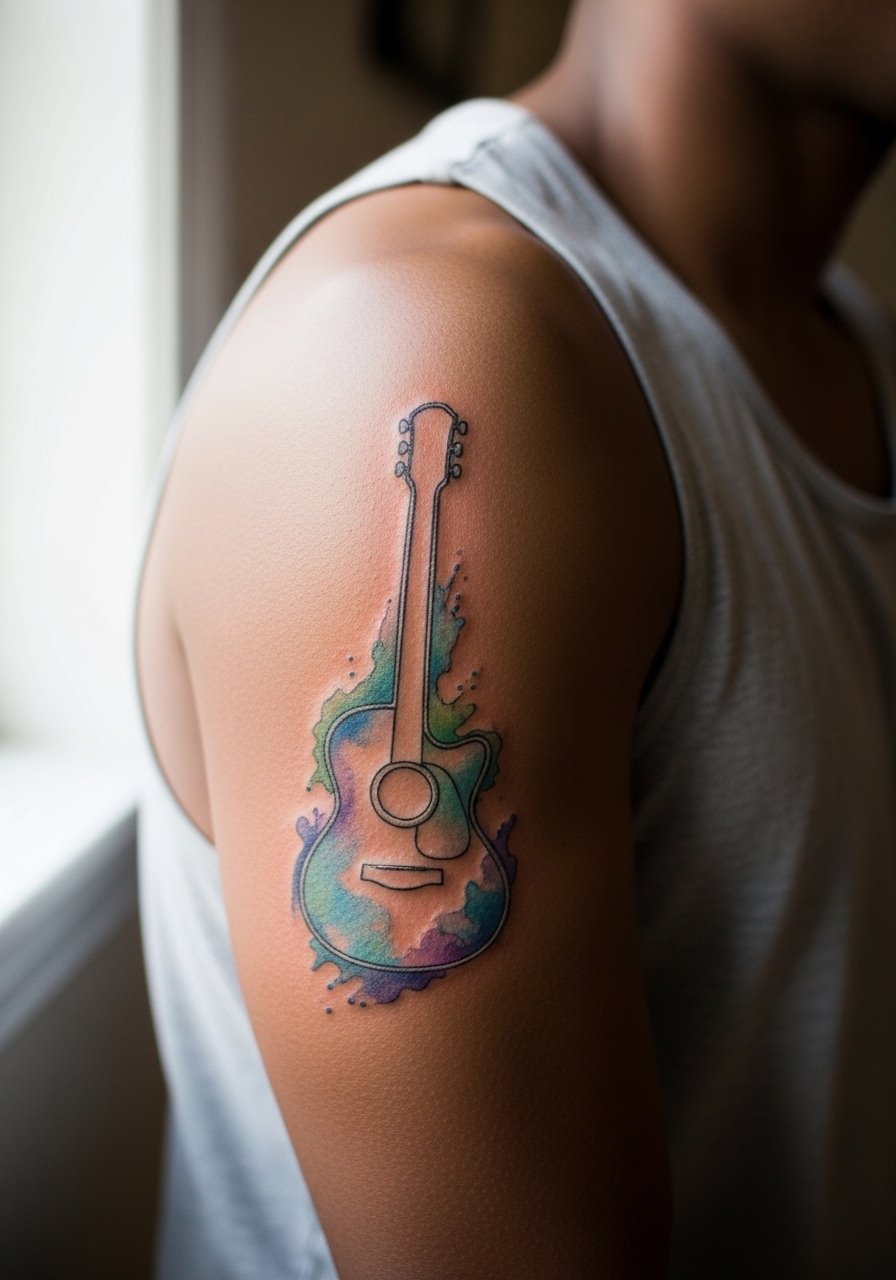
An upper-arm guitar sketch in watercolor is forgiving for softness and spread. The muscle here provides consistent canvas and the area handles saturation well. When you consult, ask for a slightly bolder outline and lighter washes inside so the silhouette stays readable as pigment migrates. The common mistake is asking for feathered edges without any anchor, which becomes a blotch over time. Expect moderate pain and a single-session booking. Roll your sleeve to show this design with a sleeveless denim jacket that frames the arm without hiding the watercolor.
Studio Day Picks
The collarbone and upper arm pieces above need different prep than wrist and hand work, so these items smooth the session and the first week.
-
Stencil transfer paper kit. Lets you preview line placement on curvy areas like the ribcage and collarbone before the needle touches skin.
-
Thin protective film roll. Useful for wrist and hand pieces that face constant friction from typing and handwashing.
-
Topical numbing cream. Applying per instructions eases the edge on rib and sternum sessions without affecting the artist's work.
-
Fragrance-free gentle body wash. Cleans healing watercolor washes without stripping pigment, especially for collarbones and forearms.
-
Aquaphor healing ointment. Thin layers in the first days help manage scabbing on delicate watercolor fills without clogging.
7. Watercolor Constellation with Band Initials on the Ankle
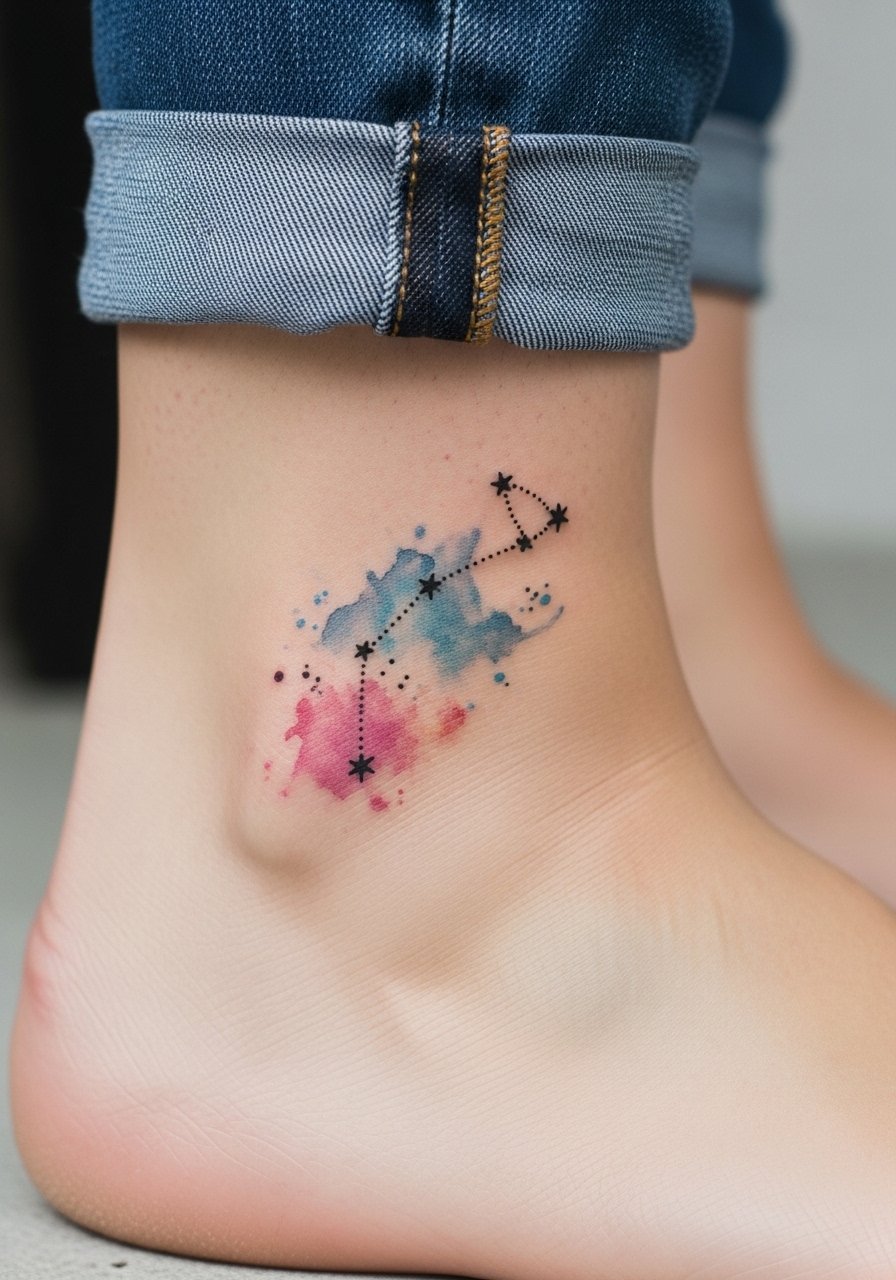
An ankle constellation with a small band initial blends subtle fandom with jewelry-like placement. The ankle endures shoes and socks friction, so keep the washes minimal around the joints. A common error is heavy saturation right next to the bone which leads to faster fading. Tell the artist to anchor the stars with tiny, slightly darker dots so pattern survives. Session time is short and pain is moderate near the bone. Show it off with cropped jeans and a thin anklet that frames the piece without rubbing it.
8. Watercolor Portrait Silhouette of a Band Member on the Upper Back
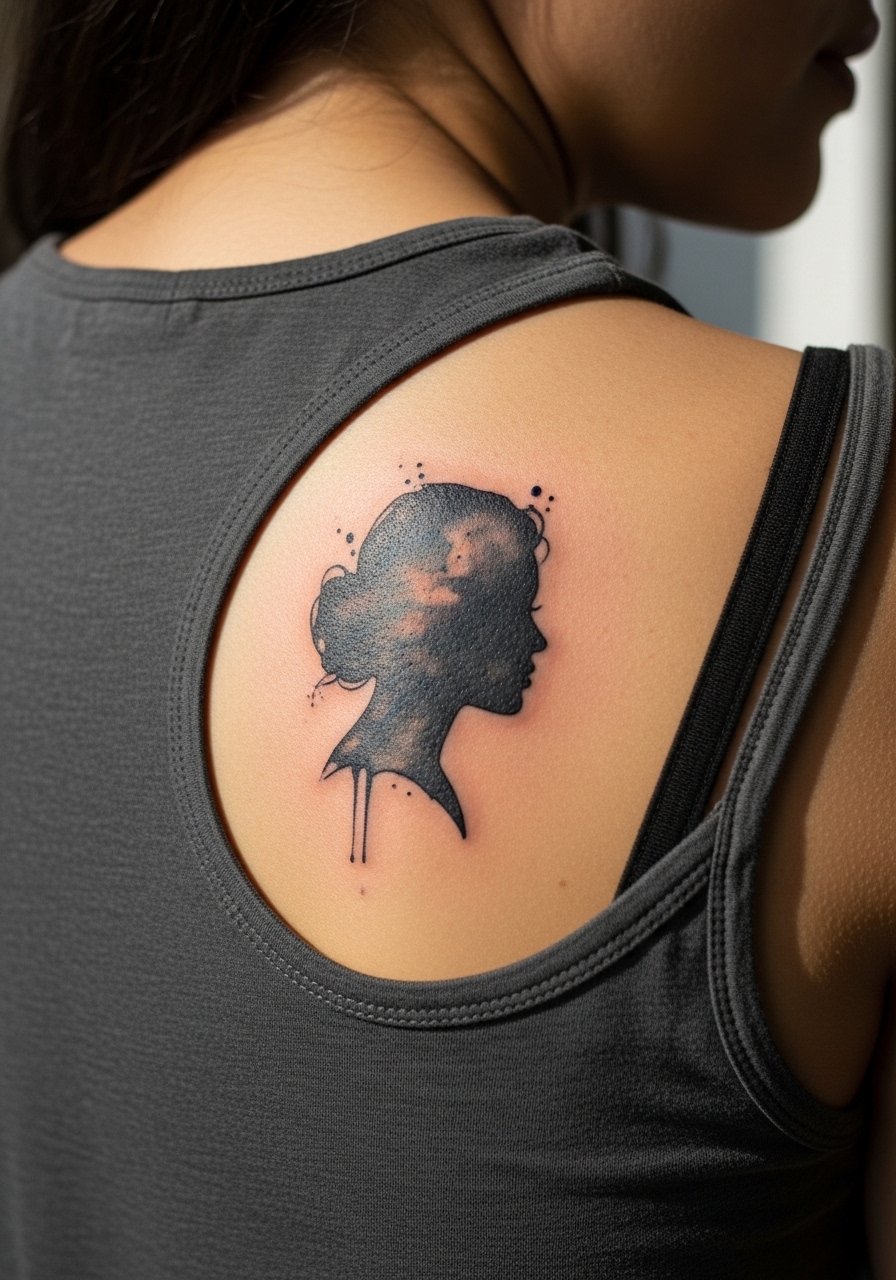
Silhouettes in watercolor are a discreet way to reference a favorite band member without full realism. The upper back is forgiving for soft washes and ages cleanly with minimal touch-ups if UV exposure is limited. During consultation, ask the artist for a contrast plan so the silhouette keeps an edge while the watercolor halo can freely fade. The mistake I often see is asking for tiny facial details inside a wash. That detail disappears. Session time is moderate. For the appointment, bring a [button-down] (https://www.amazon.com/s?k=loose+button+down+shirt+mens&tag=inkdaisy-20) you can pull aside so the artist has wide access to the back.
9. Watercolor Paper Plane with Tour Coordinates on the Side Rib
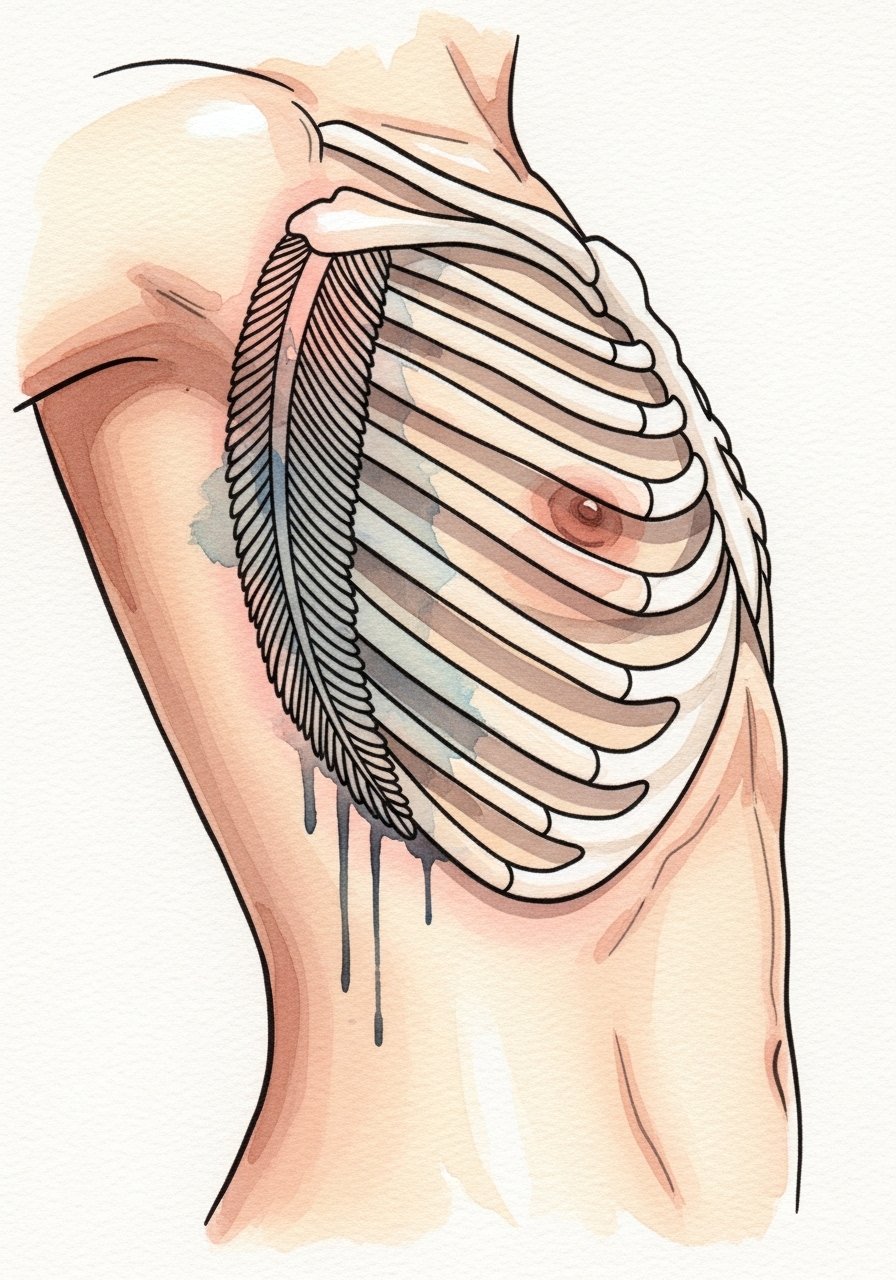
Coordinates and tiny motifs read personal, and a paper plane pairs well with travel-themed song lines. The side rib is a sensitive spot and the skin moves a lot. Tell the artist to scale the coordinates boldly enough to survive two years of stretch. A common mistake is asking for dense watercolor blends next to text. Keep the plane and coordinates separated by negative space. Expect a longer session and a fair bit of soreness afterward. For the session wear a cropped top that lifts easily and keeps the rest of your torso covered.
10. Watercolor Floral Wreath with Lyric Circle on the Shoulder Blade
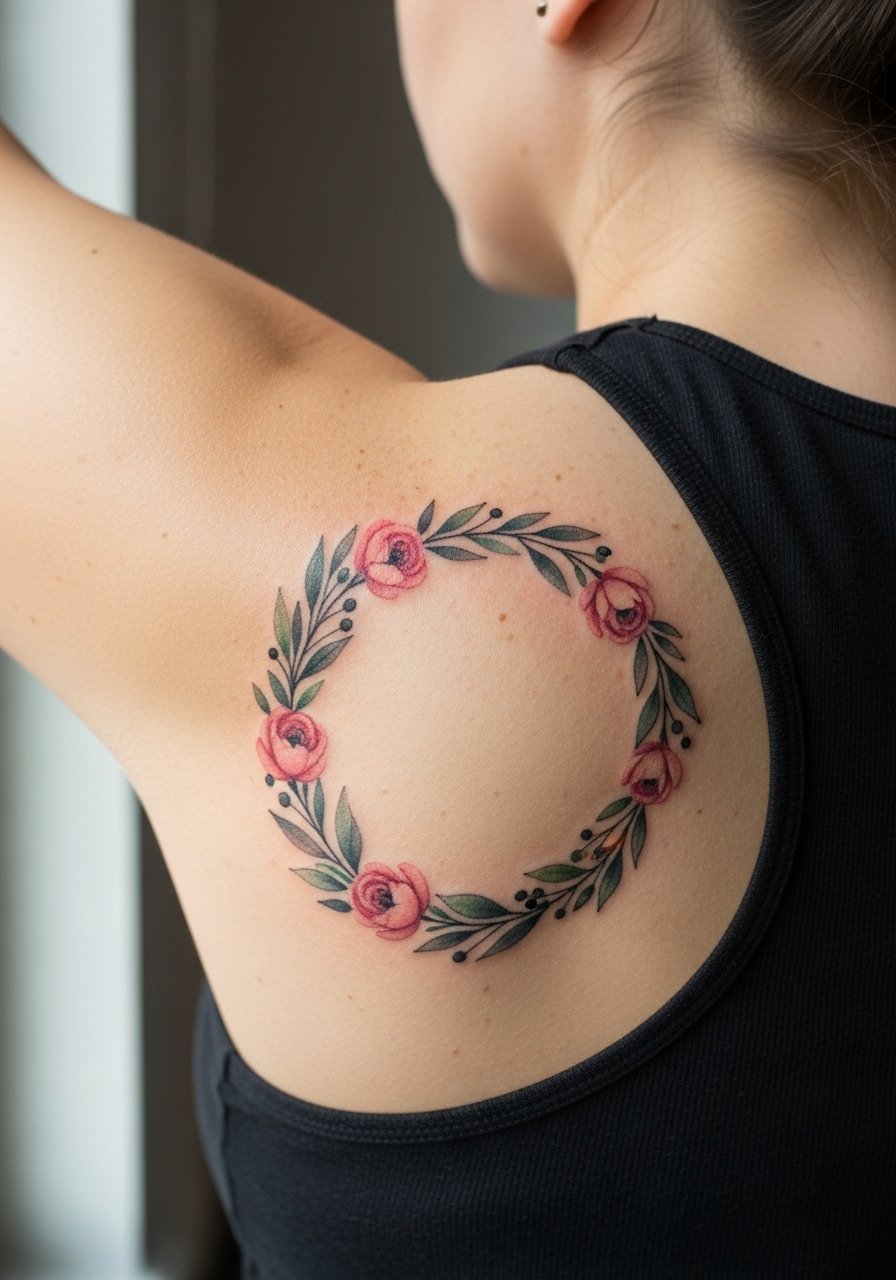
A wreath framing a short lyric line uses color to add mood without heavy detail. Shoulders tolerate watercolor well and the rounded surface helps washes sit naturally. Ask for a bolder outer circumference so the wreath reads as shape even if inner petals soften. People sometimes request too many tiny blooms. That detail flakes and loses identity. Session time is moderate and pain is low for this placement. Pair it with a loose tank top for easy access on the day and for showing off with cutaway backs.
11. Watercolor Anchor with Tiny Dates on the Inner Bicep
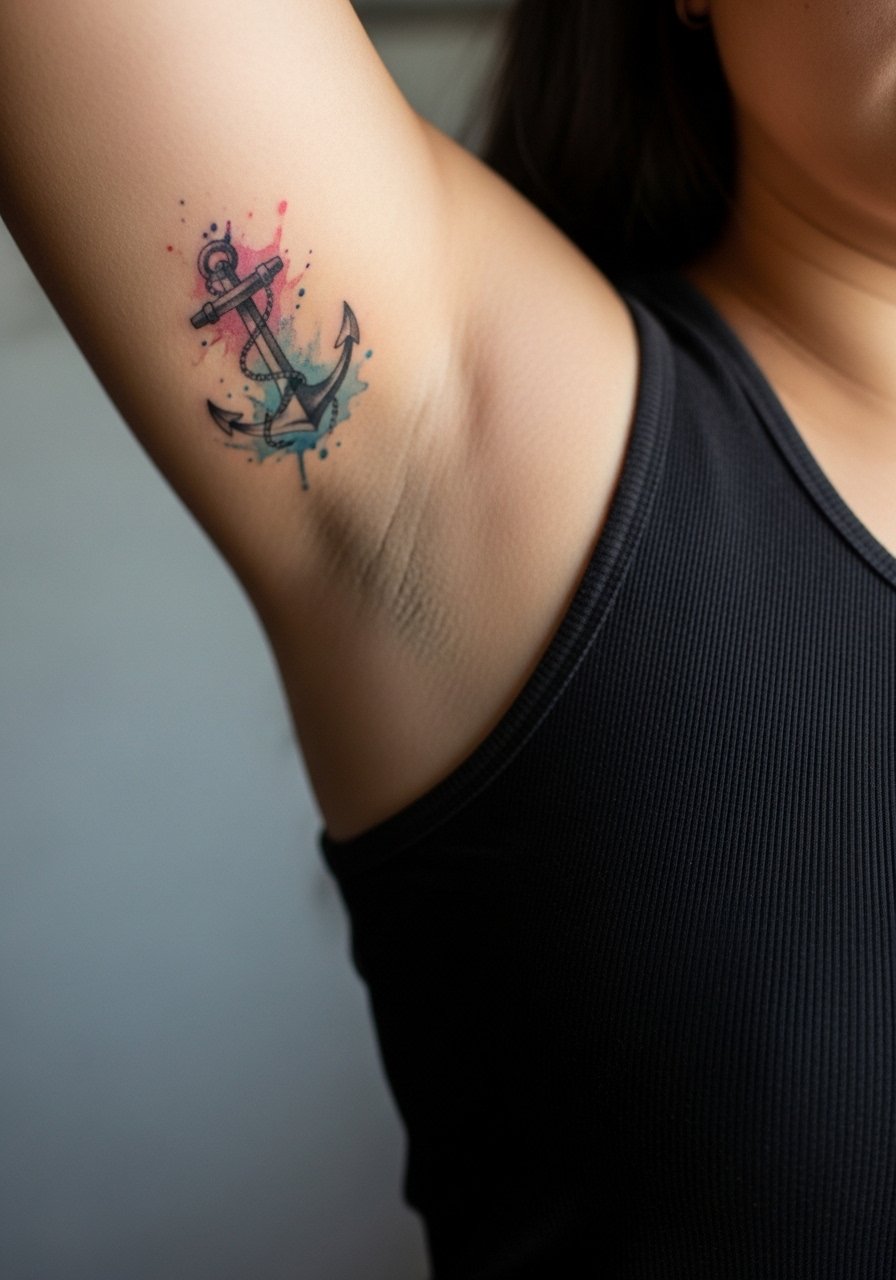
Inner bicep tattoos sit in a spot that stretches with muscle movement. An anchor keeps strong form while watercolor fields soften around it. A frequent error is placing fine shading inside the anchor then expecting it to stay crisp as skin shifts. Ask for a slightly heavier anchor line and sparse washes. Pain here is moderate and the session is manageable. If you plan to build a sleeve later, tell your artist during consultation so the piece can sit in the right orientation. For the session, wear a sleeveless tee for neat access.
12. Watercolor Vinyl Record Outline on the Calf
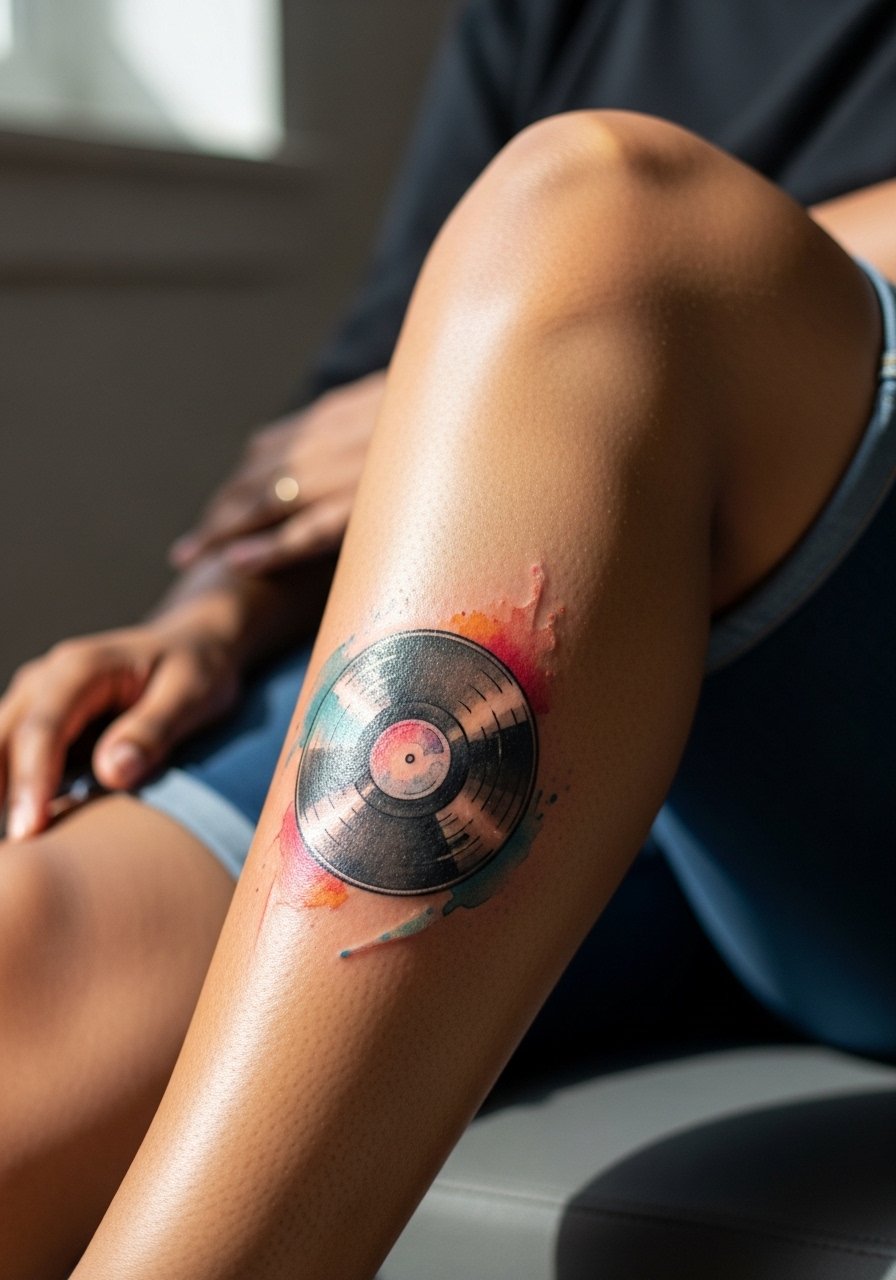
A vinyl record in soft washes reads like a badge for music lovers and plays well on the calf. Calves allow saturation and the skin here holds color longer than hands or feet. Consult on scale so grooves are suggested rather than hyper-detailed. The common mistake is demanding super-fine grooves that disappear. Session time is moderate, and pain is often mild. For daily style, this pairs well with sneakers and rolled socks. Try a pair of cropped shorts to keep the tattoo visible without excess rubbing.
13. Watercolor Bird with a Small Band Logo on the Side of the Neck
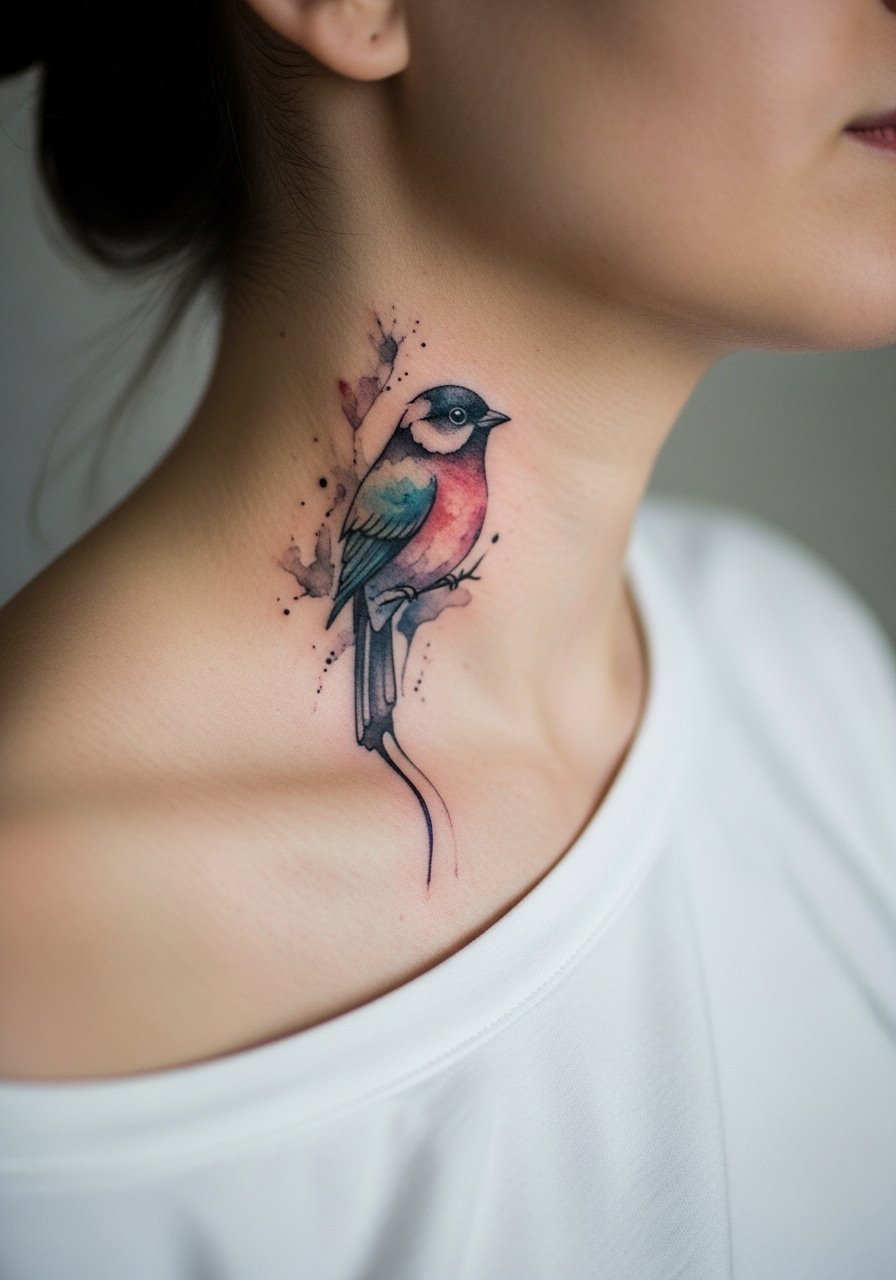
Neck pieces read bold even when small. A watercolor bird with a tiny band logo feels personal yet not overt. Artists differ on neck placement and healing. The debate comes down to technique and how you work with public-facing jobs. If you choose this spot, make the logo subtle and accept a likely touch-up at year two. Tell the artist exactly how visible you want it to be for work reasons. Session pain is high and healing needs careful aftercare. Pairing with a wide-neck sweater frames the area when you want to hide it.
14. Watercolor Script Wrapped Around the Wrist with Soft Splashes
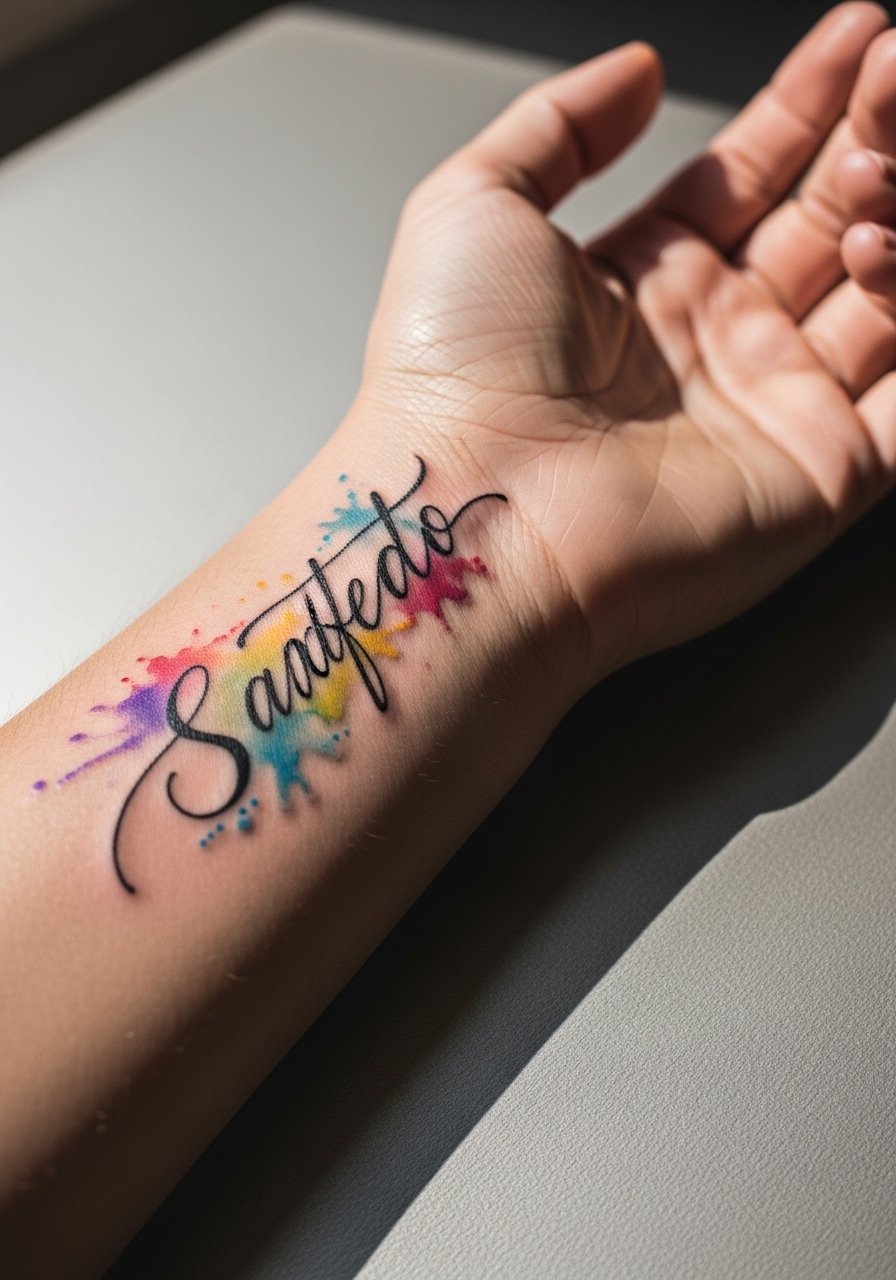
A wraparound script on the wrist reads like a bracelet and works well with color splashes that hint at a watercolor aesthetic. Keep the lettering spaced and slightly larger than you think. The wrist is unforgiving for tiny type. The common mistake is packing too many words into a small circumference. For longevity, ask for slightly bolder letters and keep splashes outside the script. Expect frequent contact with clothing cuffs and watches, so plan touch-ups at two to three years. Wear a minimalist watch that complements the wrap without rubbing the art.
15. Watercolor Morse Code Bracelet on the Ankle
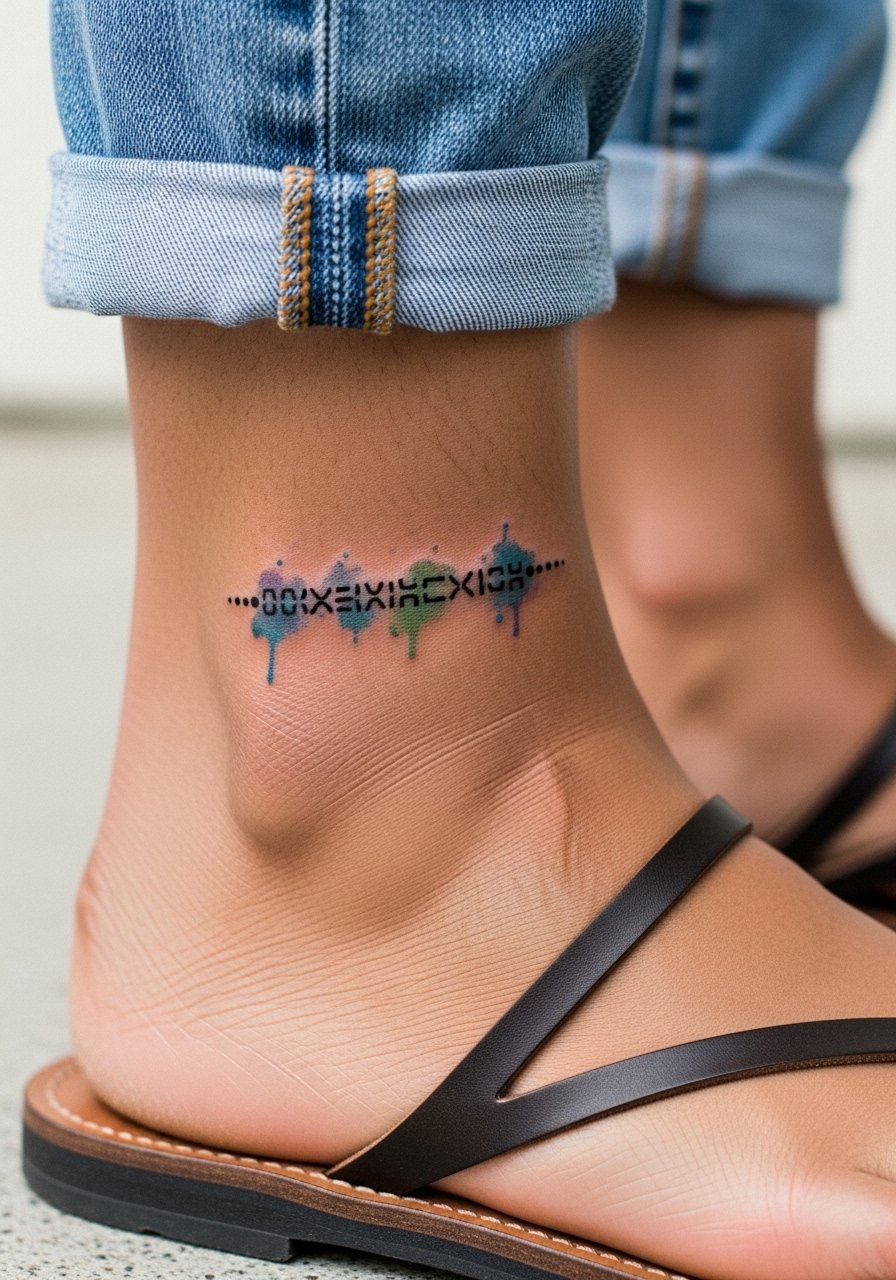
Morse code offers a private message in a graphic form that pairs neatly with watercolor fills. Around the ankle, the symbols need enough spacing to stay readable. A usual mistake is making dots and dashes too small. If you want privacy but also longevity, scale up by 20 percent from your initial plan. Ankle work deals with shoe friction so expect a touch-up sooner than calf pieces. Session time is short. Pair with simple sandals that show the bracelet without trapping the ankle area.
16. Watercolor Cluster of Tiny Stars Behind the Ear
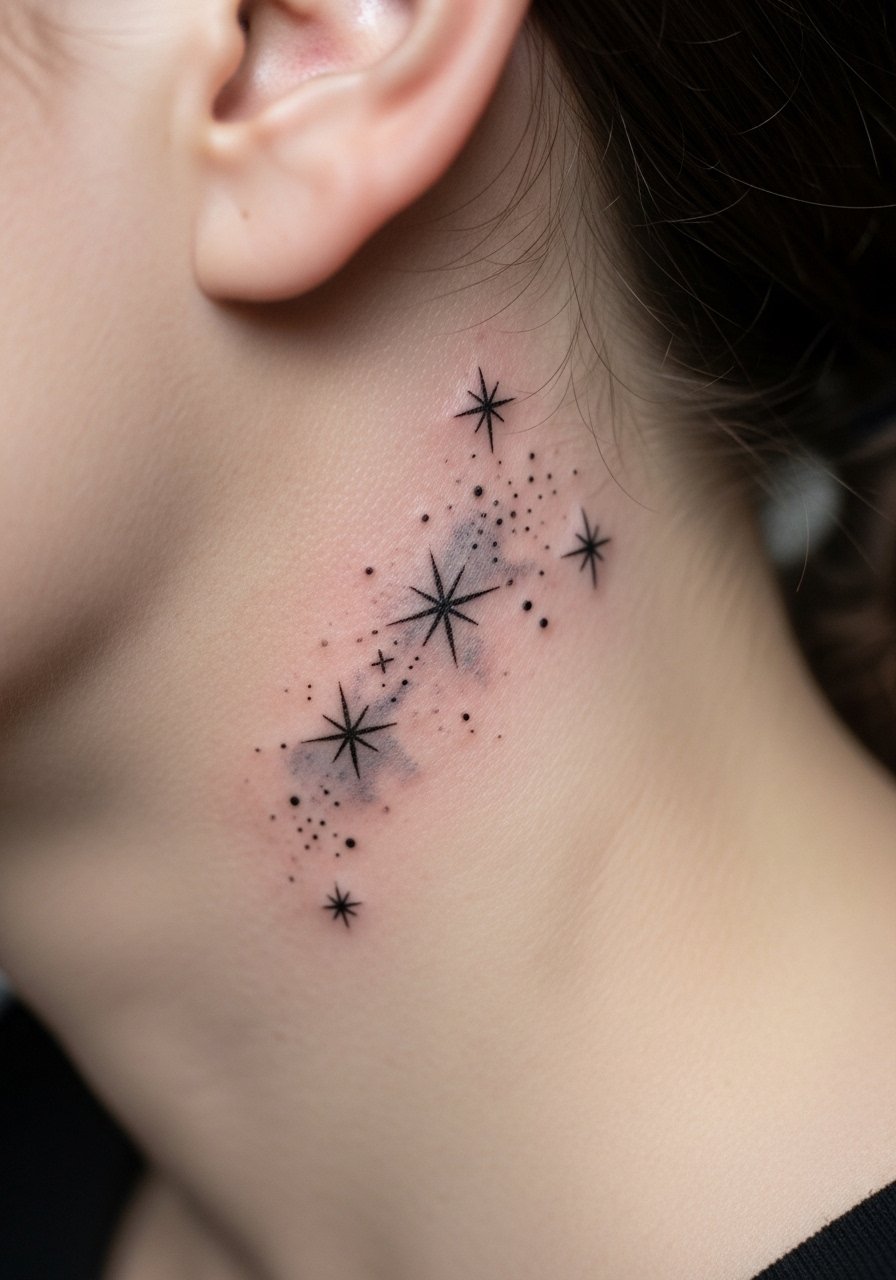
Behind the ear is a discreet spot that works for micro motifs. A cluster of soft stars reads delicate and the location hides well under hair. Keep the stars slightly bolder than you imagine so they do not diffuse into the hairline. Many clients ask for ultra-faint dots which vanish. The session is quick but the area is sensitive. When choosing an artist, check for experience with small placements near the hairline. For the day of the appointment, wear your hair up or a loose shirt with a high neckline.
17. Watercolor Broken Heart with Tour Date on the Sternum

Sternum placements show dramatic watercolor very well but they require specific experience to execute safely. Expect a higher pain level and a longer healing window. A common mistake is requesting too much color density across the sternum, which leads to uncomfortable scabbing. Ask the artist about their sternum experience and how they manage saturation. The session feel is intense for short bursts. For the appointment, wear a fitted sports bra so the area is exposed only where needed.
18. Watercolor Crescent Moon with Song Lyric on the Side Hip
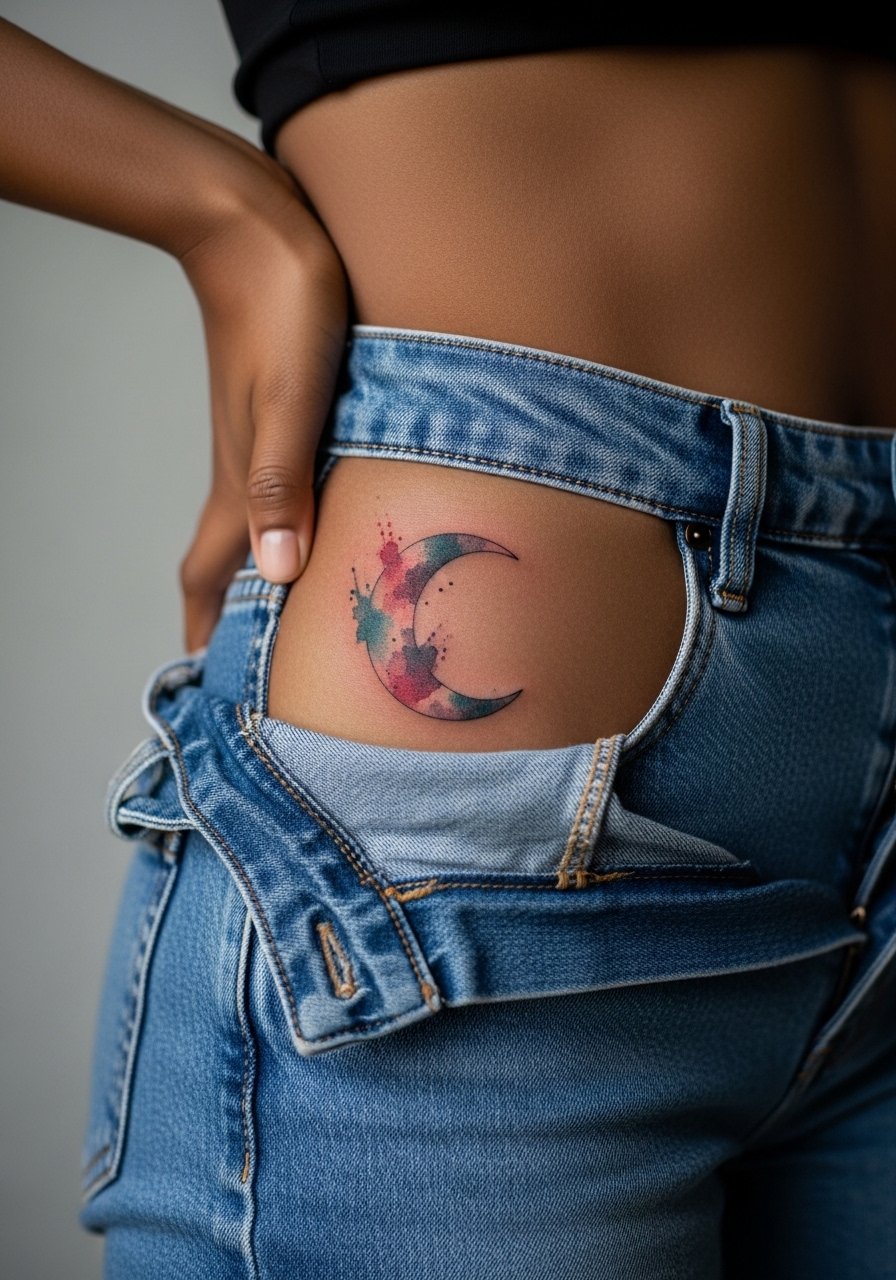
Hip tattoos let you keep a big watercolor shape hidden or revealed depending on wardrobe. A crescent moon with a lyric curve looks intimate and holds color well if not regularly rubbed by waistbands. The common mistake is placing it where high-waisted clothing will constantly chafe. Ask for the ideal vertical placement so the moon sits just outside waistband lines. Session time is moderate and expect tenderness when sitting for a few days. For wearing out, an open-back dress shows it off without stretching the skin.
19. Watercolor Skyline Band around the Forearm
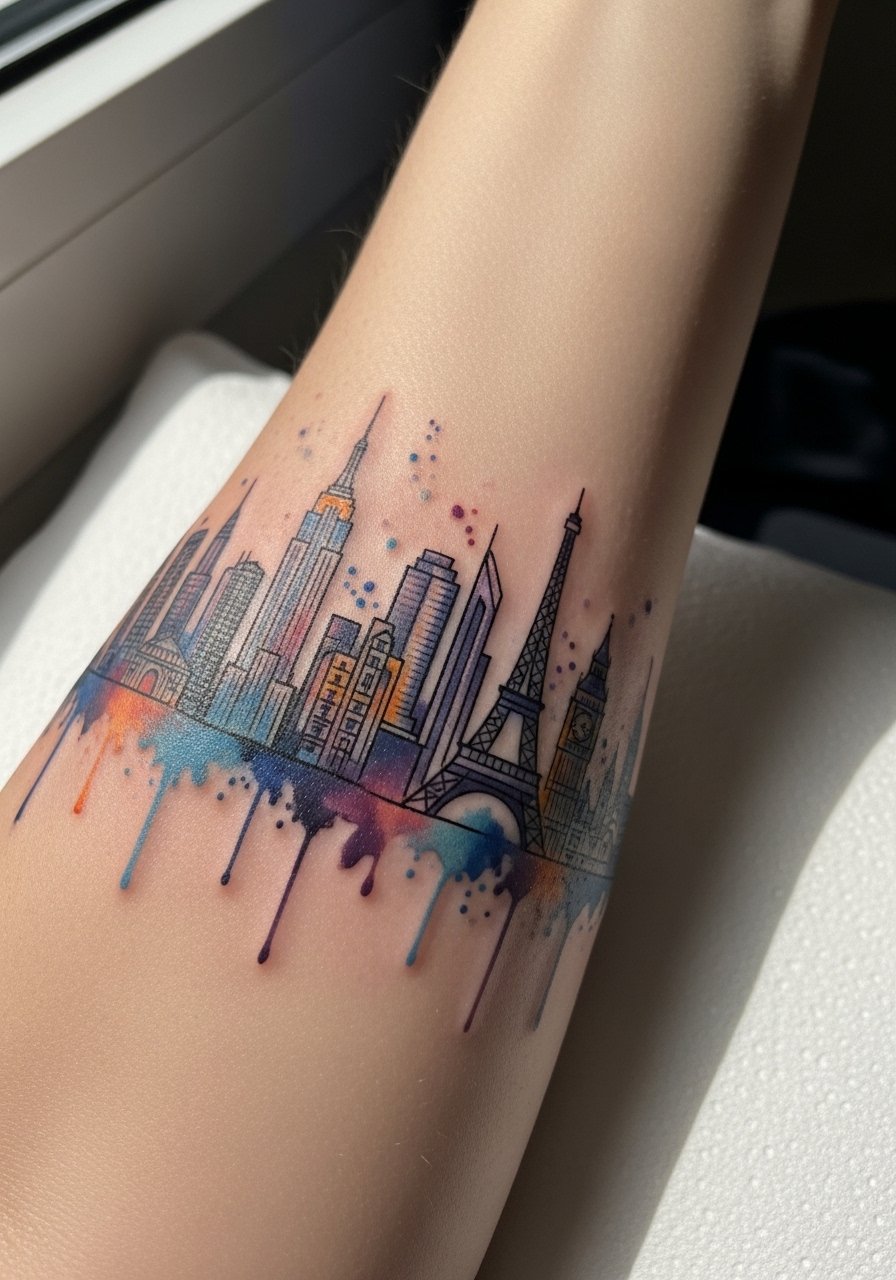
A skyline band uses negative space and washes to convey memory and place. Forearm wrap tattoos are visible daily so keep contrast in the skyline silhouette so it continues to read as you move. The biggest mistake is going too detailed for a thin band. Simplify the silhouette and let the watercolor provide atmosphere. This placement ages well with modest touch-ups. Session length is moderate. Pair with a rolled sleeve linen shirt to show the band cleanly without crowding it.
20. Watercolor Script Inside the Finger with Tiny Splash Accent
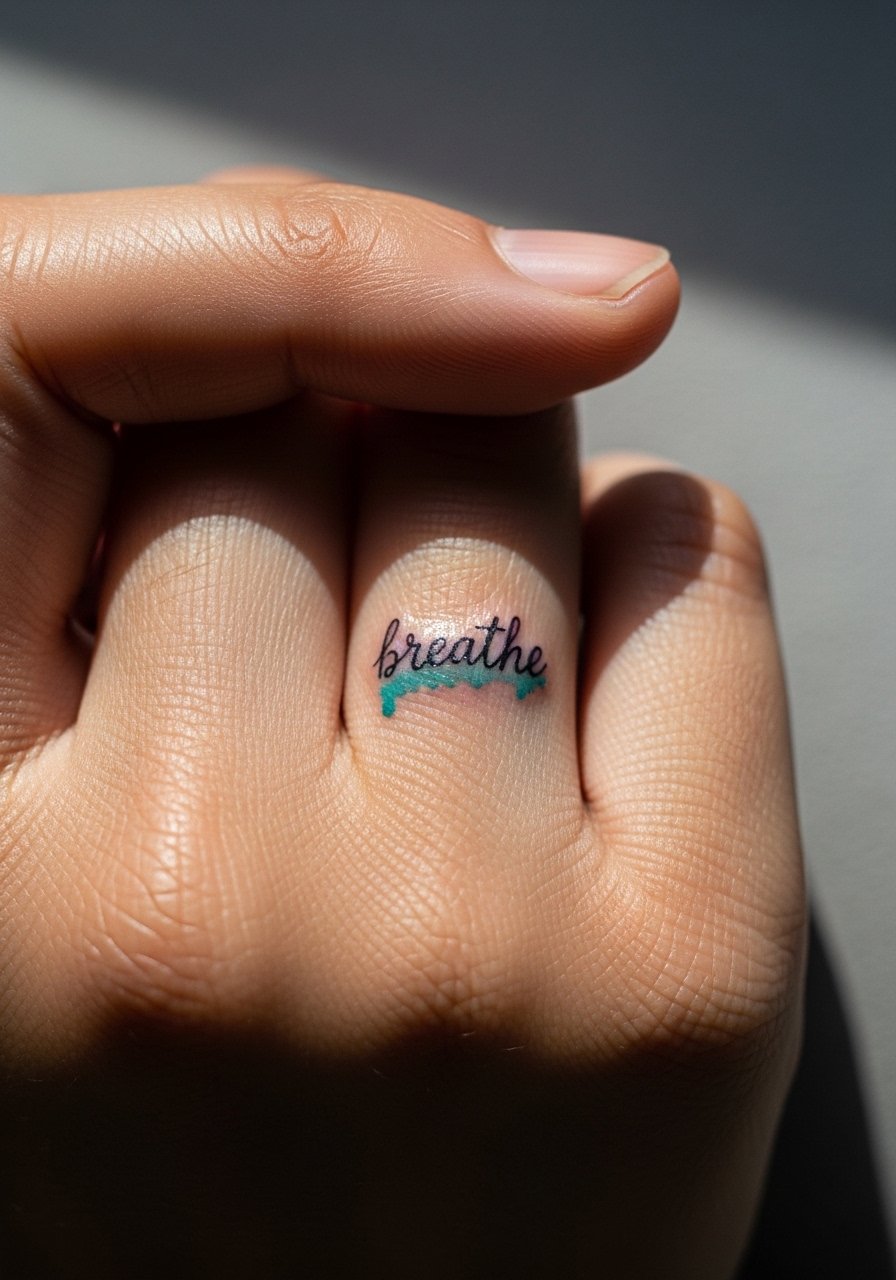
Finger tattoos are high-maintenance and fade fast. An inside-finger script needs boldness in the letters and minimal watercolor bleed. Artists argue about finger longevity. One camp treats them as temporary and uses bolder lines. The other camp will refuse small scripts because of the high touch-up rate. If you go ahead, keep the script very short and expect annual touch-ups. The session is quick but painful. For accessorizing, wear a thin midi ring that sits beside the script instead of covering it.
21. Watercolor Crescent Spine Piece with Lyric Trail
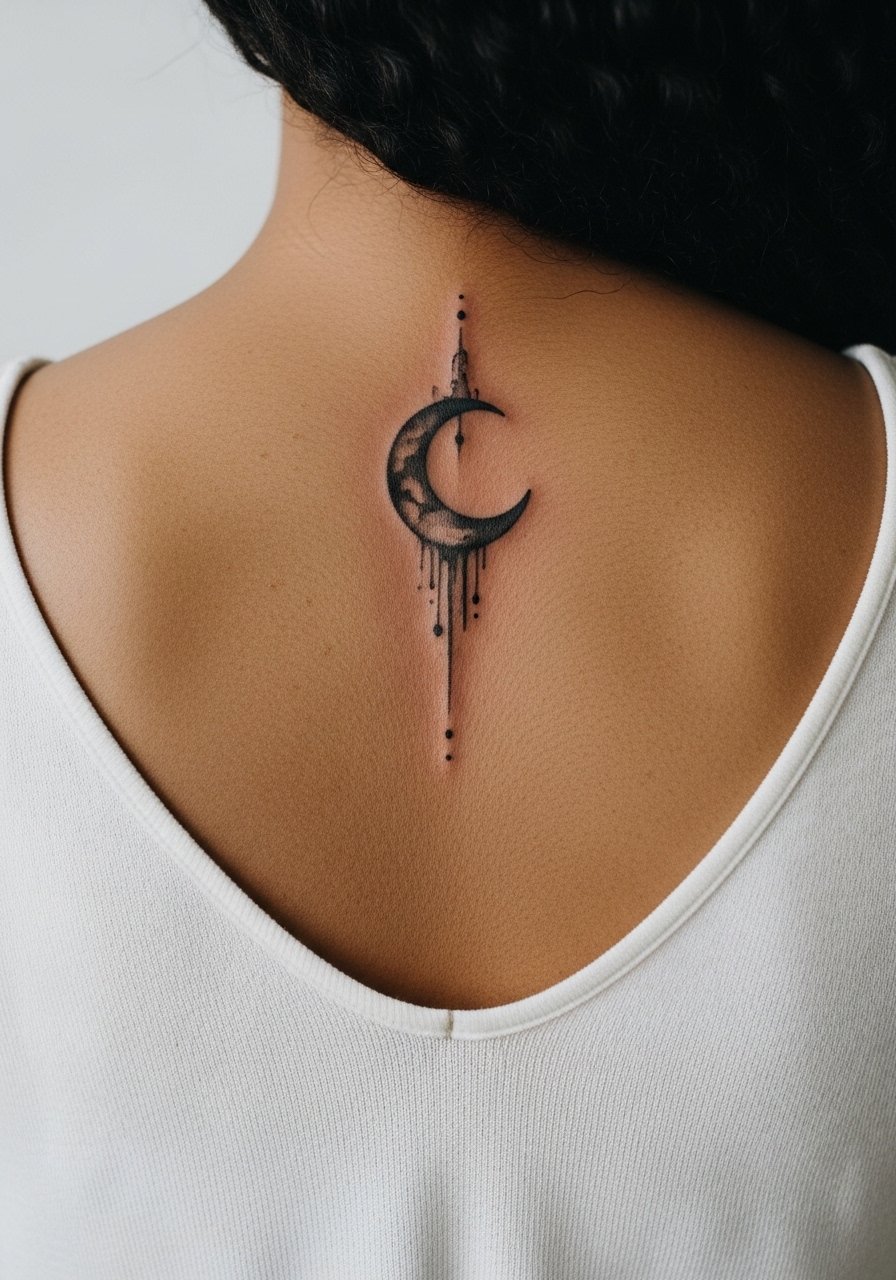
Spine pieces look dramatic and photograph well with watercolor washes that trail along vertebrae. The spine can be a higher-pain spot and the tattoos here age depending on sun exposure for back-baring clothing. Avoid tiny script hugging the spine too closely. Keep the lyric trail spaced and slightly offset from the darkest washes. Expect one to two sessions and a touch-up possibility at year three. If you plan to show it off, choose open-back garments. For the session, wear an open-back top so the artist can work without you being fully exposed.
Frequently Asked Questions
Q: Will watercolor-style tattoos need more touch-ups than traditional blackwork?
A: Yes, watercolor fills and soft washes tend to lose saturation faster than dense blackwork. It depends on placement and sun exposure. Watercolor in low-friction, low-UV areas like the upper arm or back can last years before a touch-up, while hands and fingers often need refreshes every one to three years.
Q: Can I get a small watercolor lyric on my ribs if I want it to stay legible long-term?
A: You can, but the ribs move and the skin texture changes with breathing. Ask your artist to increase letter spacing and use slightly bolder linework for the text. The debate among artists is real. One group says ribs blur lines quickly. The other group says with careful technique it holds. Your best move is to discuss touch-up plans before booking.
Q: What should I wear to a sternum or ribcage watercolor session?
A: Wear something that exposes only the target area. For sternum choose a fitted sports bra. For ribs pick a cropped top you can lift. That keeps you covered and gives the artist clean access. A simple recommendation like a fitted sports bra makes the day easier for both of you.
Q: Are there specific aftercare items I should buy for watercolor tattoos?
A: The products I recommend are listed in the Studio Day Picks block above. In short, gentle fragrance-free wash, thin protective film if needed for high-friction spots, and a basic healing ointment in the first days help watercolor heals without heavy scabbing.
Q: Do watercolor tattoos look good on darker skin tones?
A: They can, but pigment choice matters. Richer midtones and contrast around edges help watercolor read on deeper skin. Ask the artist for color tests on your skin tone or a small healed sample area during consultation. Many artists will adjust saturation and palette specifically for darker skin to keep the washes readable.