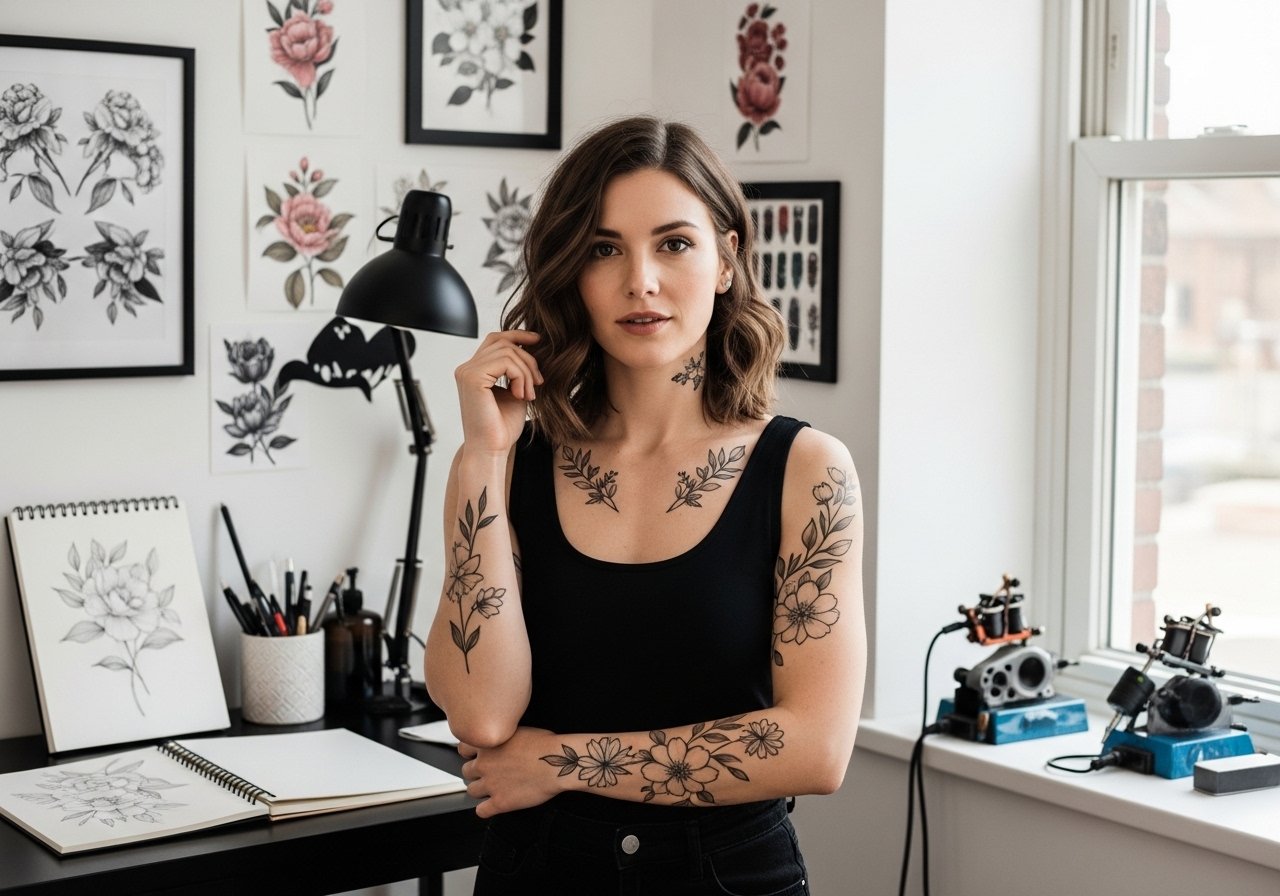
The tattoos people still point to a decade later are often the ones that started with a clear constraint, not a list of must-haves. Simpler compositions, solid linework, and honest placement choices mean a lot more than extra detail on the reference photo. Below are 21 traditional biblical art designs that hold up over time, with notes on aging, consultation points, and what to wear to your session.
1. Fine Script Verse on Inner Forearm
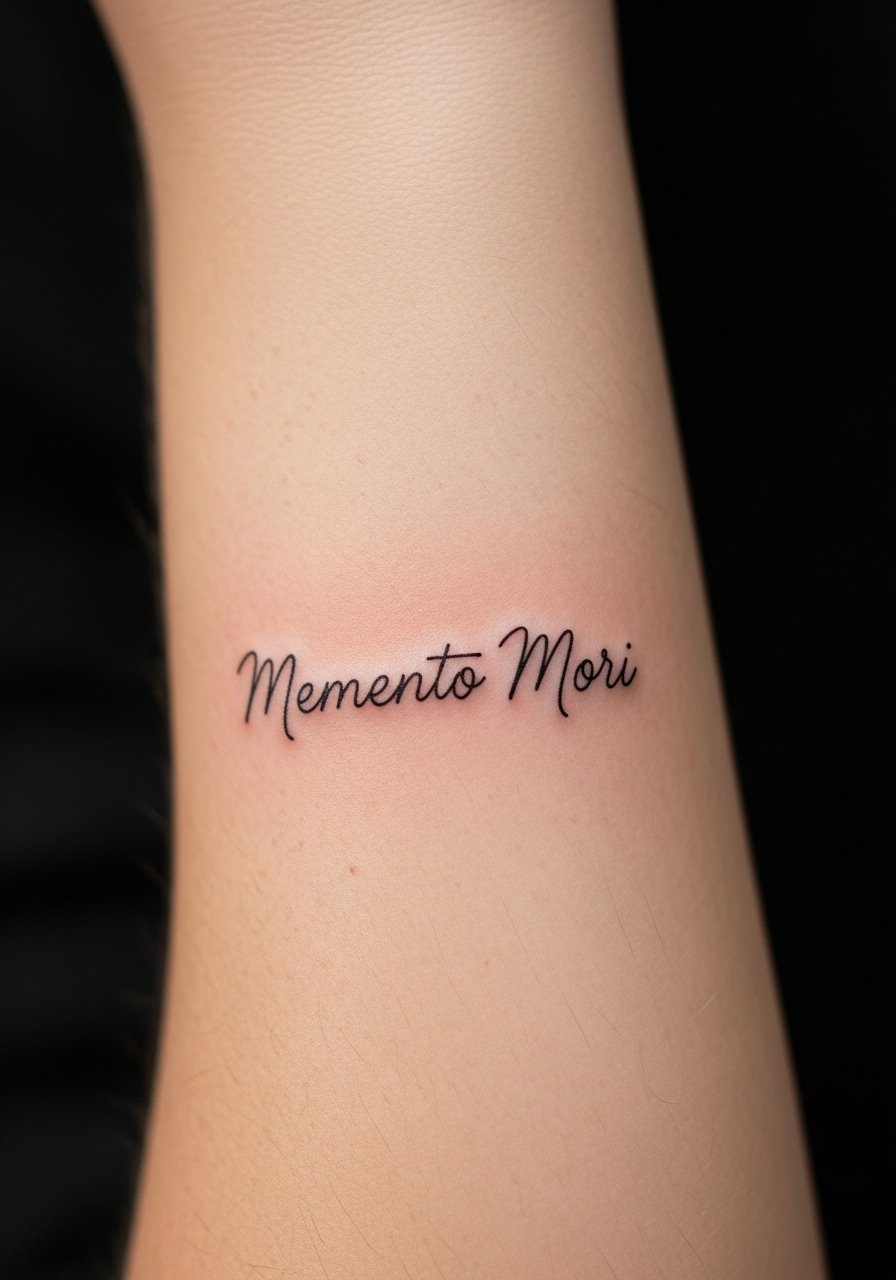
A short scripture or verse in fine script reads like jewelry on the inner forearm. Recommend a slightly heavier single-needle line than ultra-micro script, especially if you want legible letters at year three. Tell your artist you want consistent linework and to avoid tiny serifs that blur. Common mistake is asking for paragraphs too small, which chews up readability by year five. Pain sits around a four for most people and a single session is typical. For showing it off, rolled sleeves work well, so consider a racerback tank for summer outfits.
2. Tiny Cross on the Wrist
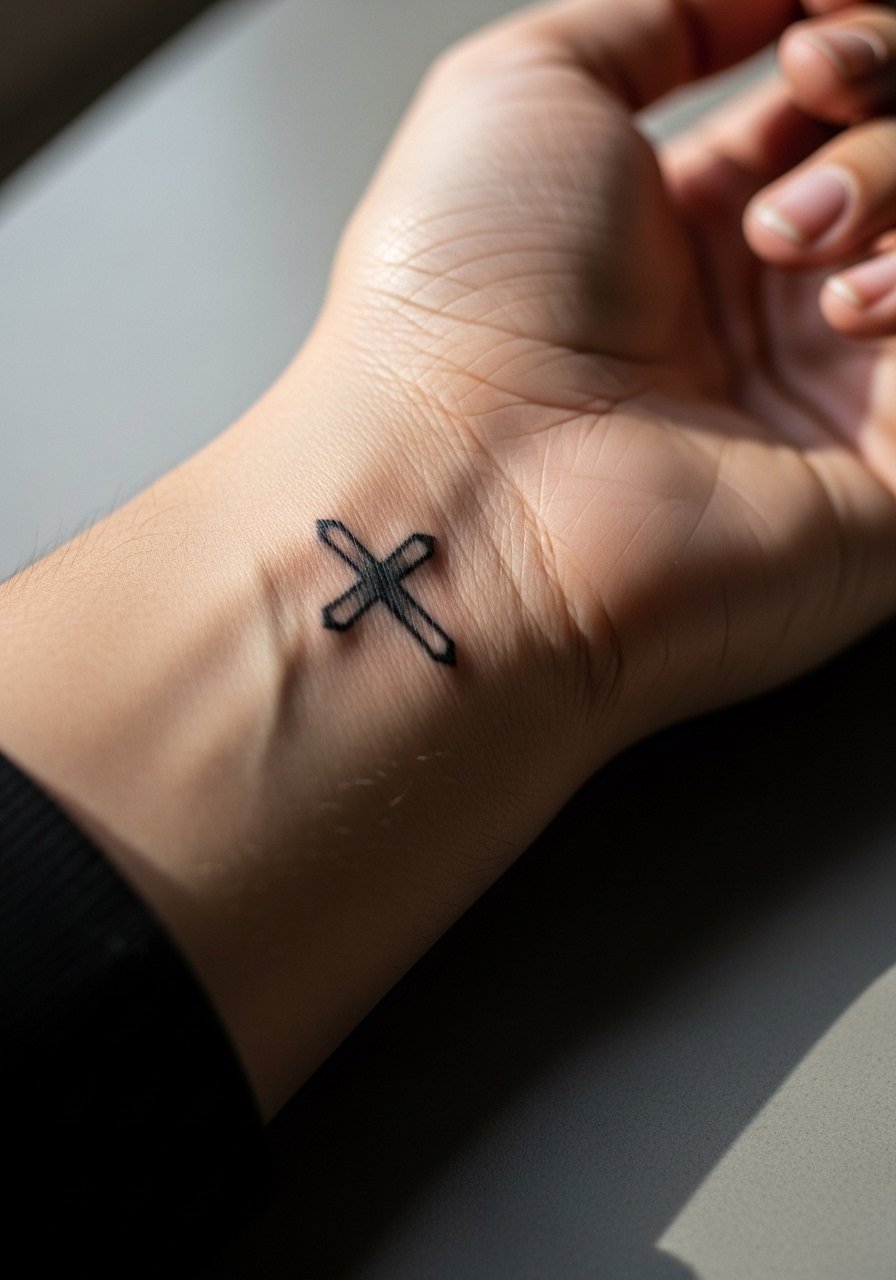
Wrist crosses are concise and symbolic, but the wrist is a friction zone. Expect touch-ups sooner than on thicker skin. Ask your artist for a bold outline and moderate saturation so the shape reads even as edges soften. The biggest mistake is making the cross too thin or too tall, which invites blowout from repeated washing and jewelry contact. Session time is short but the area stings more than forearm work. Pair the piece with stacked bracelets for deliberate framing, like a beaded bracelet set that keeps attention on the wrist without rubbing the fresh ink.
3. Cherub Micro-Realism on the Ribcage
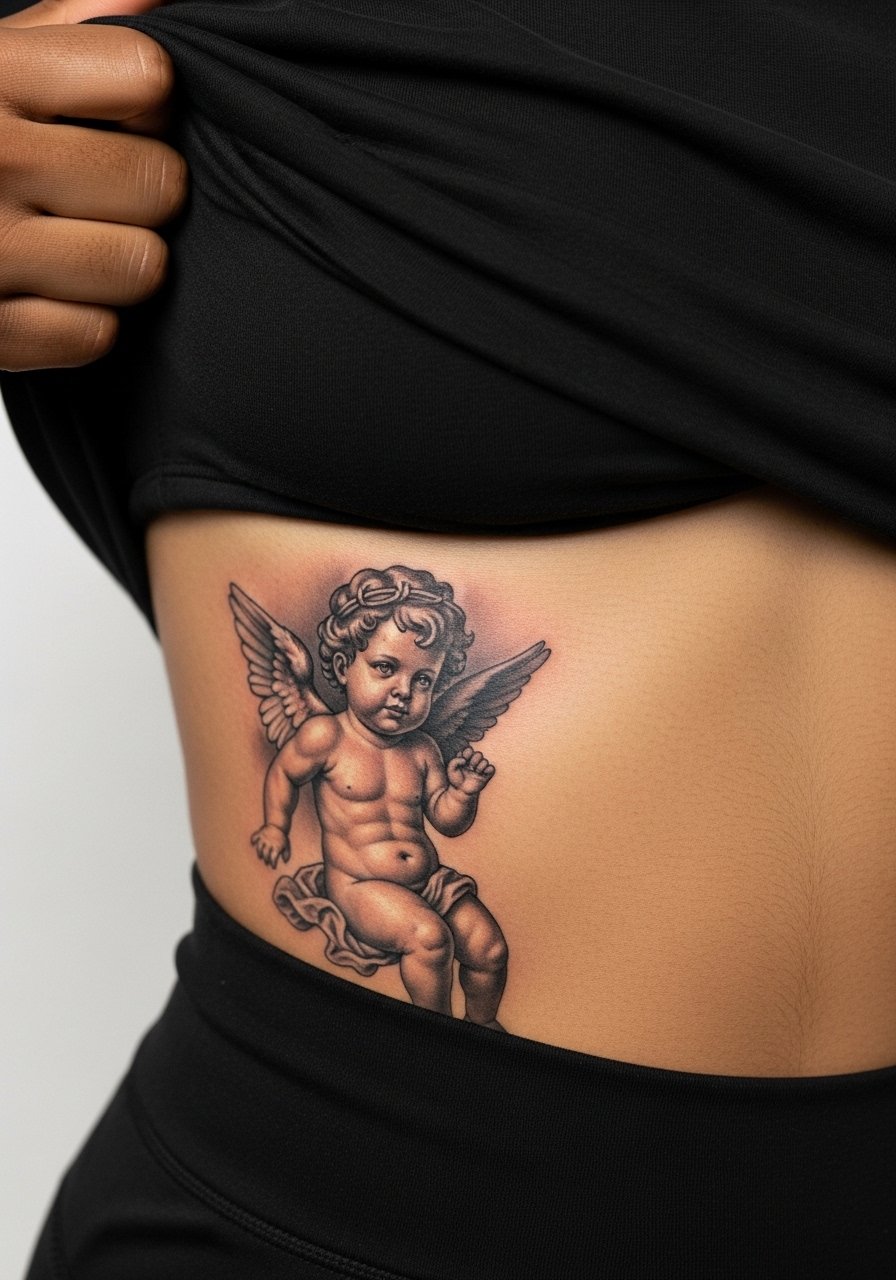
Ribcage pieces read intimate and cinematic, and the skin there shifts with breathing. Artists split on fine detail in this zone. One camp argues that dense fine line work blurs within two years because the skin stretches. The other camp says careful spacing and proper needle depth let micro-realism hold. Name the debate out loud in your consultation so the artist can recommend scale. Expect a higher pain score, often a seven, and plan for shorter sessions across two visits. For sensitive placements like this, wear a cropped top you can lift easily so the artist only exposes the tattoo zone.
4. Stained-Glass Panel on Upper Arm
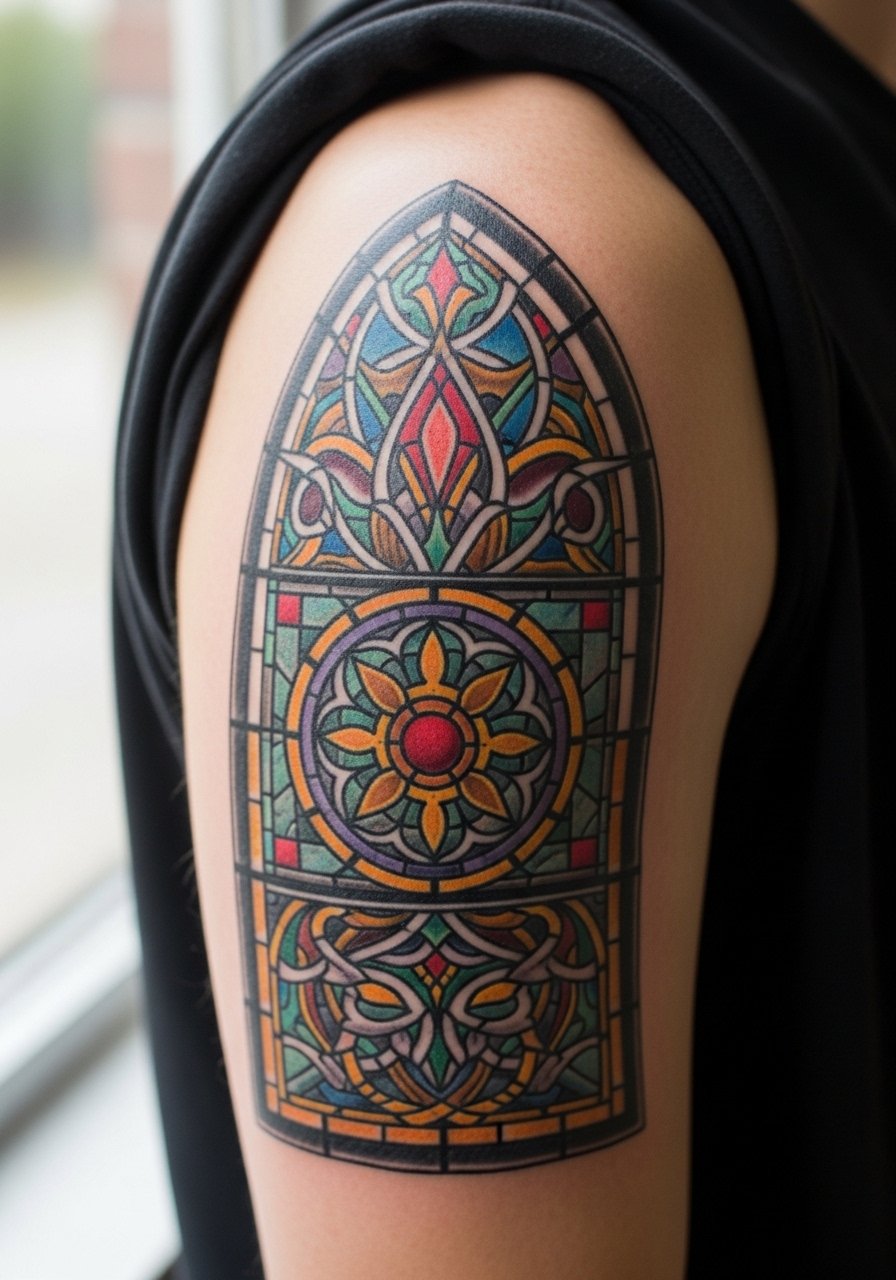
Stained-glass motifs translate well into saturated traditional color. Ask for bold outlines and flat color planes rather than tiny gradients. A common rookie move is asking for micro-detail inside each pane, which ages into muddled blocks. This placement is forgiving for saturation. Expect moderate pain and a single longer session or two shorter ones for layering. For the appointment, a loose button-down shirt pulled aside gives the artist clean access while keeping you comfortable.
5. Sacred Heart Sternum Piece
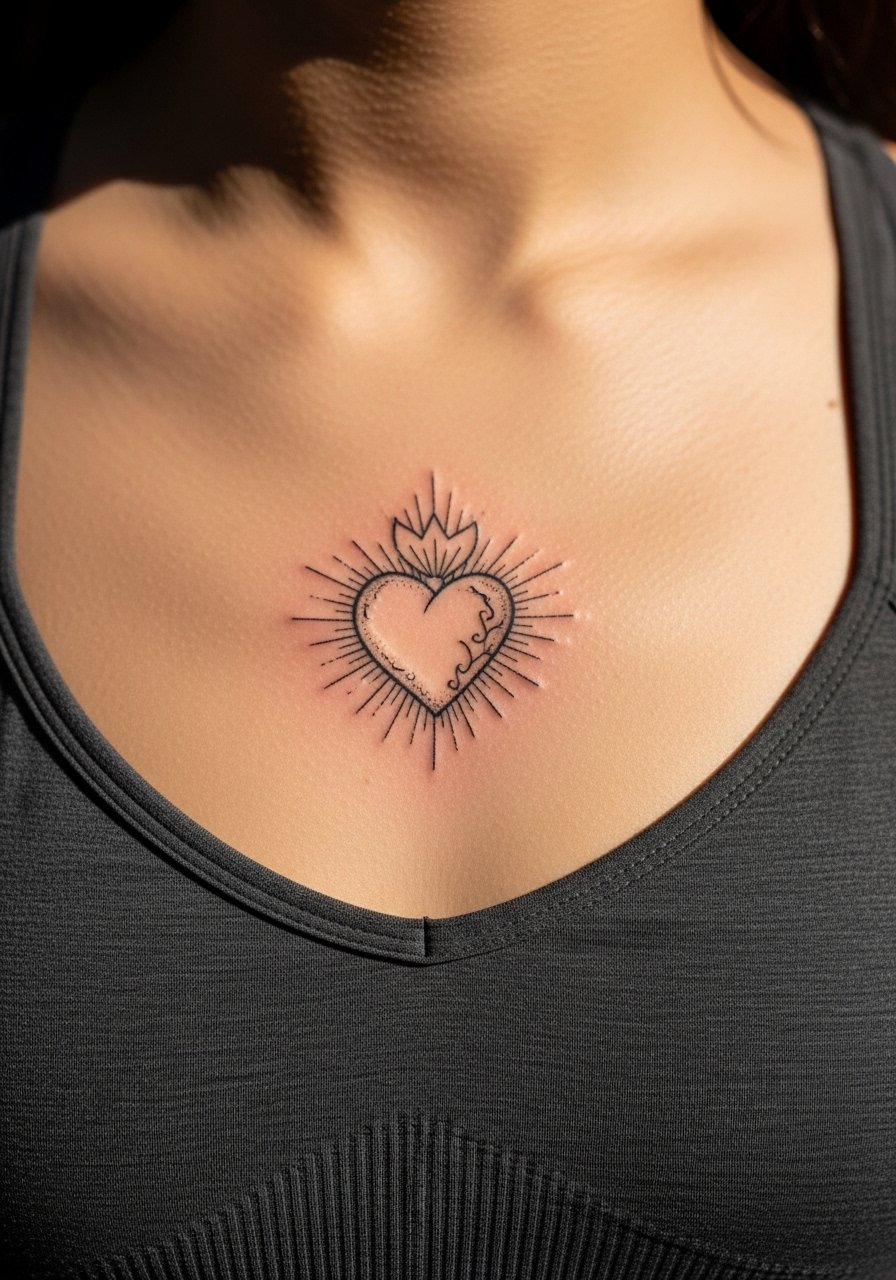
The sternum holds symbolic weight but sits on a curved, sensitive surface. Most people feel this as one of the higher pain placements. The risk is that overly dense detail around the center point can scar or flatten. Ask for guarded saturation and for the artist to keep negative space around the focal heart. Many opt for a two-visit plan so the artist can check how the skin responds. Because this area is intimate, pick a fitted sports bra for the session so only the tattoo zone is exposed.
6. Rosary Wrapped Around Wrist and Hand
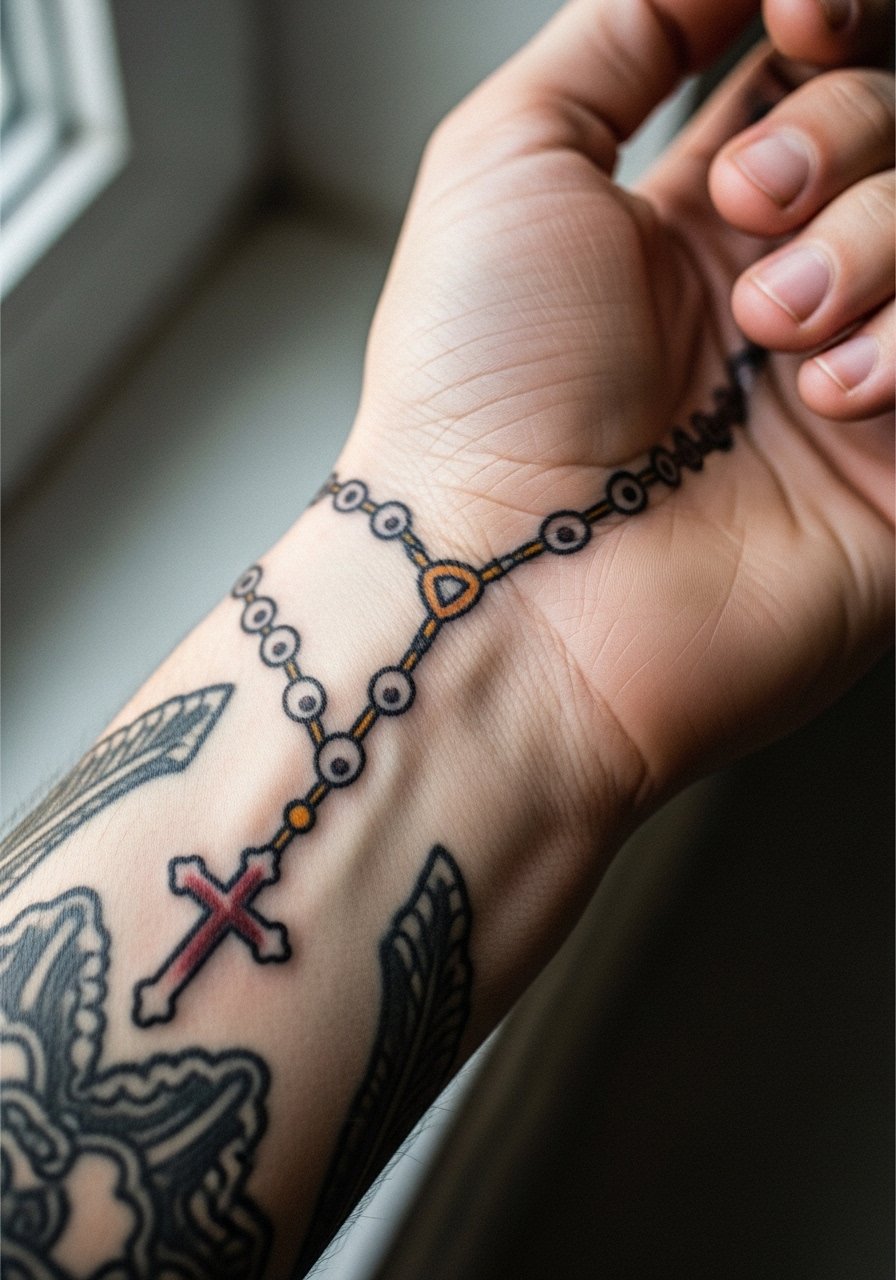
Rosary wraps read as narrative and they encounter daily abrasion. The common mistake is placing beads too close together or adding tiny highlights that disappear. Ask your artist for slightly larger bead spacing and durable outline weight. Hand and finger edges tend to fade faster, so expect touch-ups at two years. This design can have religious sensitivity, so state whether you want a literal replica or a stylized version. Pair it with a thin chain bracelet when showing it off, but avoid tight bands during the first few weeks.
Studio Day Picks
The small wrist and chest-adjacent pieces above have different prep needs than full back or thigh work. These five items smooth the session and the first week of healing.
-
Stencil transfer paper kit. Lets you preview the composition on skin before the needle goes down, which matters for short scripture and wrist pieces.
-
Topical numbing cream. Applied as directed before a ribcage or sternum session to take the edge off without altering linework.
-
Thin protective film roll. Useful for wrist and hand pieces that face constant washing and friction during the first week.
-
Fragrance-free gentle body wash. Cleanses healing skin without stripping inks or irritating delicate fine-line areas.
-
Aquaphor healing ointment. A thin layer during the initial days helps maintain moisture for small detailed work without clogging fine needle channels.
7. Dove with Olive Branch on Shoulder Blade

A dove is a classic symbol and the shoulder blade is forgiving for detail and color. I recommend medium line weight and solid saturation so the silhouette stays distinct at year five. The frequent error is overworking tiny feather strokes that blur into texture later. Sessions run moderate in length and sting less than sternum work. For outfit pairing, open-back dresses frame a shoulder blade tattoo well, try an open-back midi dress for evenings when you want the piece to read like jewelry.
8. Lamb on the Calf
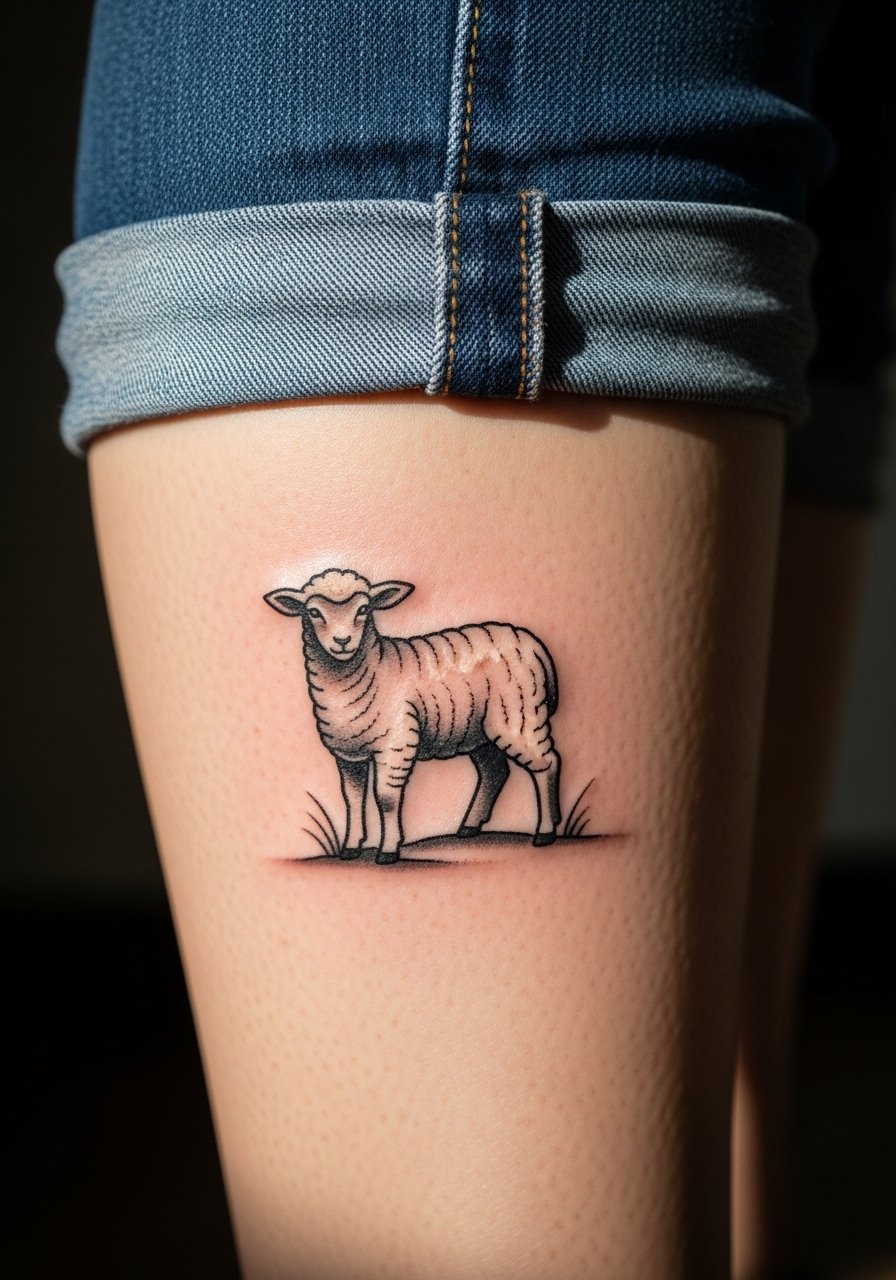
Calf pieces age predictably because the skin there moves less and sees less abrasion. Ask for a solid outline and soft stipple shading rather than tiny cross-hatching that can flatten. A common mistake is compressing too much detail into a palm-sized design. Expect a single session and low pain. For casual show-off pairing, ankle boots and rolled jeans display calf work without competing for attention. Consider a loose drawstring linen pant for comfortable post-session wear.
9. Crown of Thorns on the Wrist
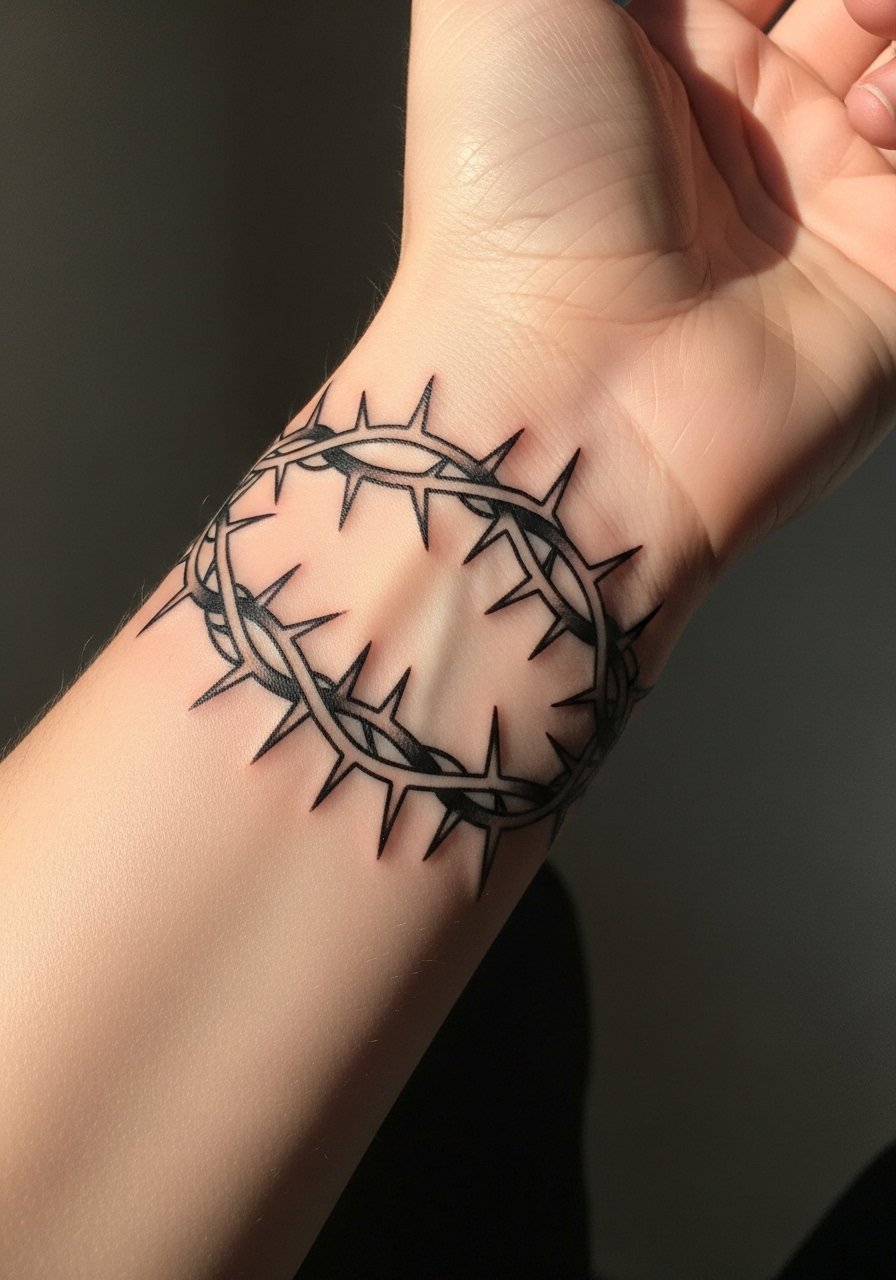
A circular thorns motif needs careful spacing to avoid the prickly lines merging as the wrist flexes. Tell your artist you want alternating thicker and thinner spikes and to keep negative space consistent. The wrist's friction and frequent washing can soften the spikes, so touch-ups are common by year two. This design has clear religious resonance, so be explicit about whether you want a literal cultural symbol or a stylized interpretation.
10. Noah's Ark on Upper Arm
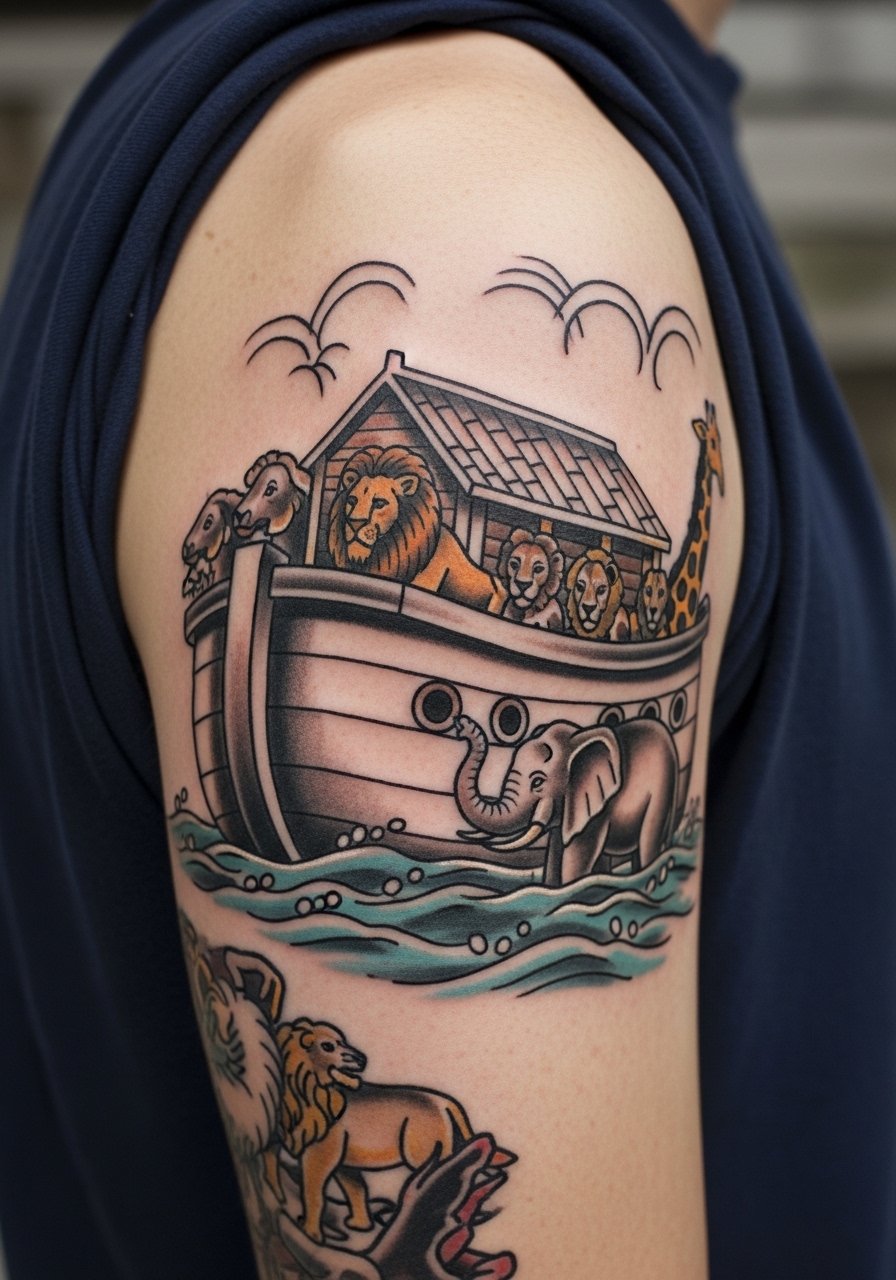
Narrative scenes like an ark work best as medium-sized panels on the upper arm where the canvas is forgiving. Avoid cramming tiny animals into a palm-sized piece. During consultation, point to the primary focal elements you want and let the artist simplify background details. This placement handles saturation well and ages into a readable illustration. Session times vary depending on color layers. For the appointment, a loose button-down shirt pulled aside gives the best access.
11. Jonah and the Whale Back Piece
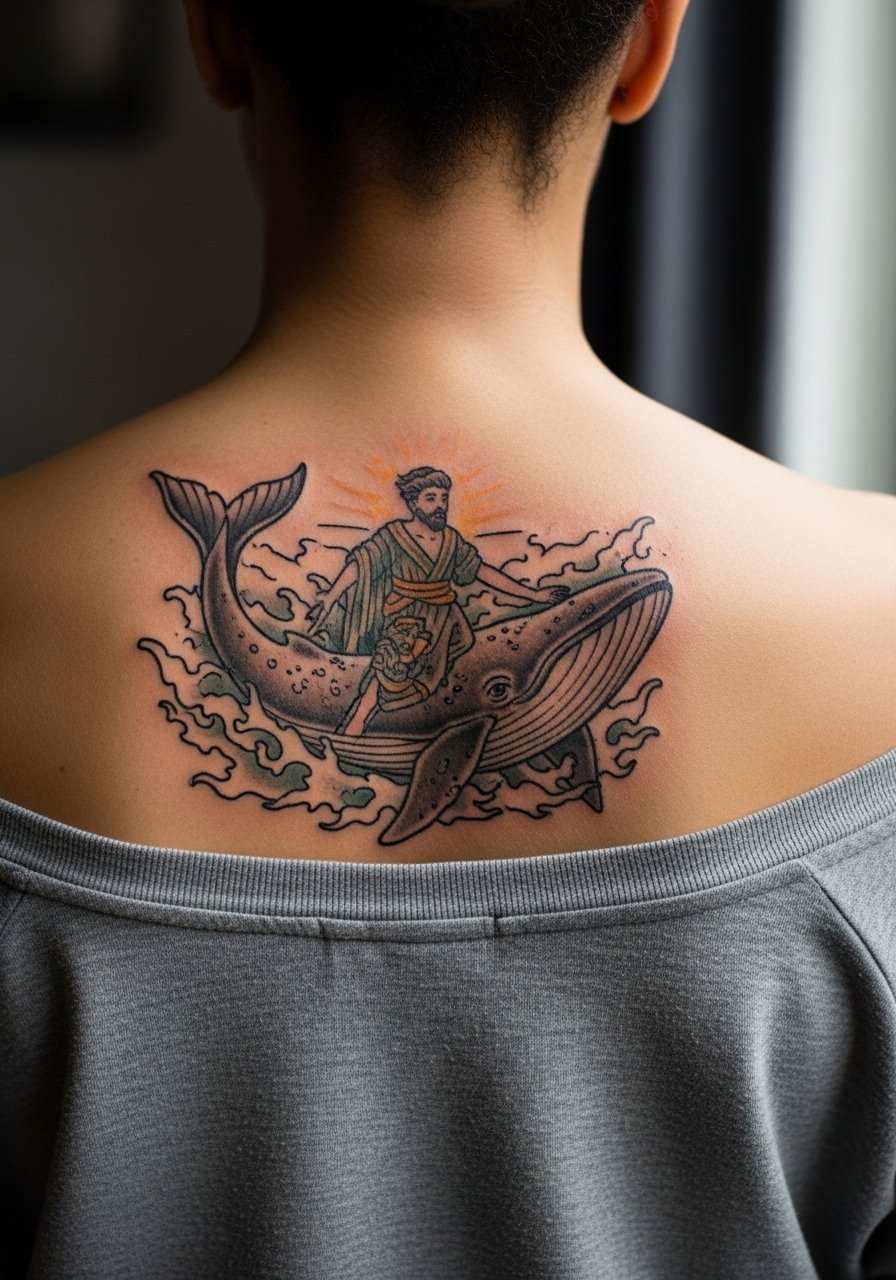
Large back scenes let traditional biblical narratives breathe. Ask for bold composition with clear foreground, midground, and background so the scene does not flatten over time. The mistake is requesting too many tiny figures across a wide area. Expect multiple sessions and an honest discussion about layering. For discovery, browse museum prints and centuries-old stained glass panels as compositional references rather than copying modern flash wholesale. A wide-neck shirt you can pull aside keeps the session tidy.
12. St. Michael the Archangel in Blackwork
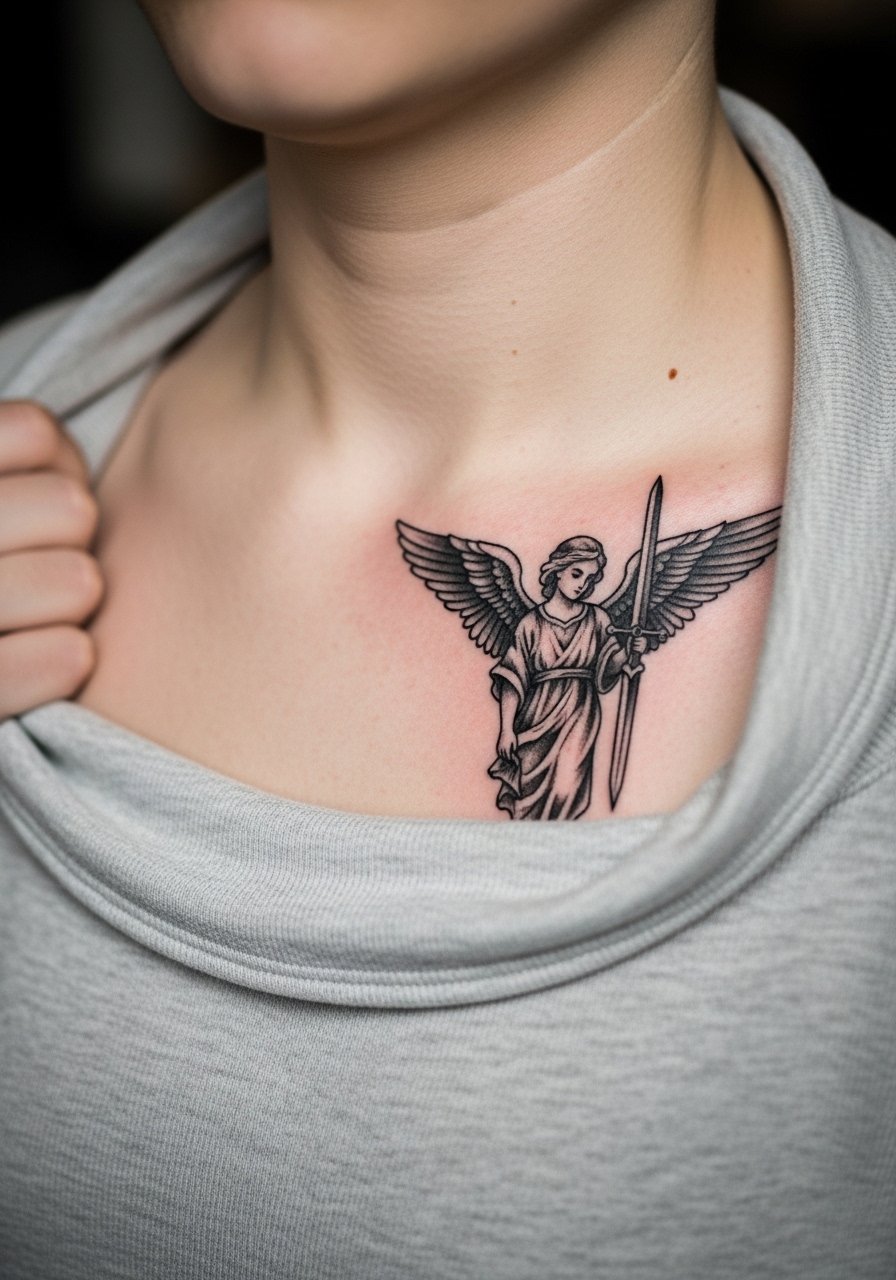
Sacred figure tattoos carry both visual and cultural weight. One camp favors faithful, icon-style depictions with specific attributes. The other favors interpretive, stylized renditions that avoid exact replicas. Name which you prefer during consultation so the artist knows whether to study historical iconography. The chest, especially near the collarbone, needs careful plan for symmetry. Pain is moderate and sessions may split into outline and fill days. Pair with a wide-neck shirt for easy access during the appointment.
13. Stained-Glass Halo Around a Portrait on Thigh
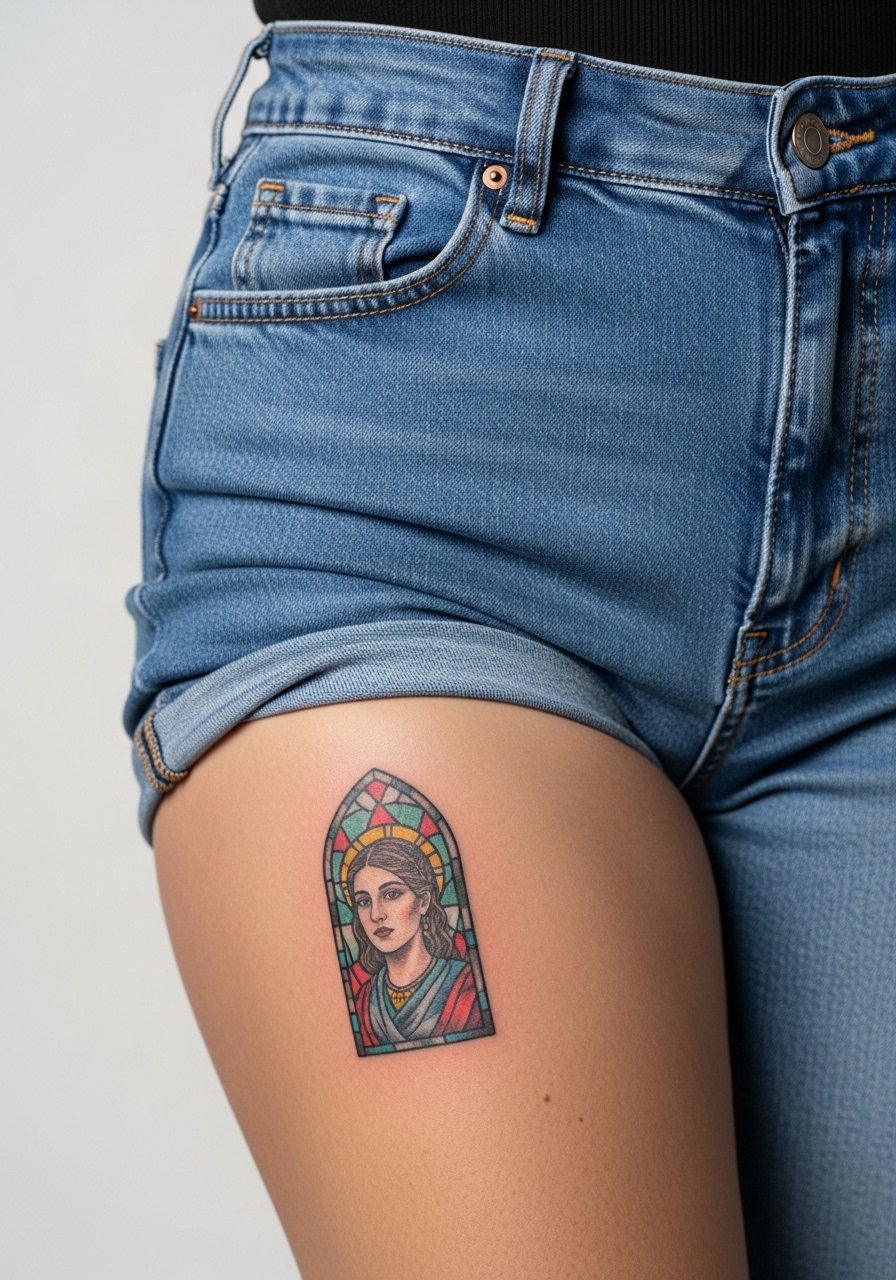
The thigh is forgiving for color and detail, and stained-glass halos frame portraiture elegantly. Avoid over-detailing the portrait at tiny scales. Ask for simplified facial planes and richer color blocks in the halo for longevity. Pain is lower on the outer thigh and session times can be comfortable for longer sittings. For the session, high-waisted jeans that you can shift slightly work well, and they let you leave the studio dressed comfortably.
14. Burning Bush Motif on the Collarbone

Collarbone pieces sit at a high-visibility spot and the skin there can make outlines appear sharper at first. The trap is using angular lines that catch glare and age unevenly. Ask for modest line weight and small areas of negative space to breathe. Pain is middle-range and sessions are usually short. For outfits, halter tops or wide-neck shirts frame collarbone tattoos well, try a thin chain pendant necklace when showing the piece.
15. Psalm Scroll Wrapped on Forearm
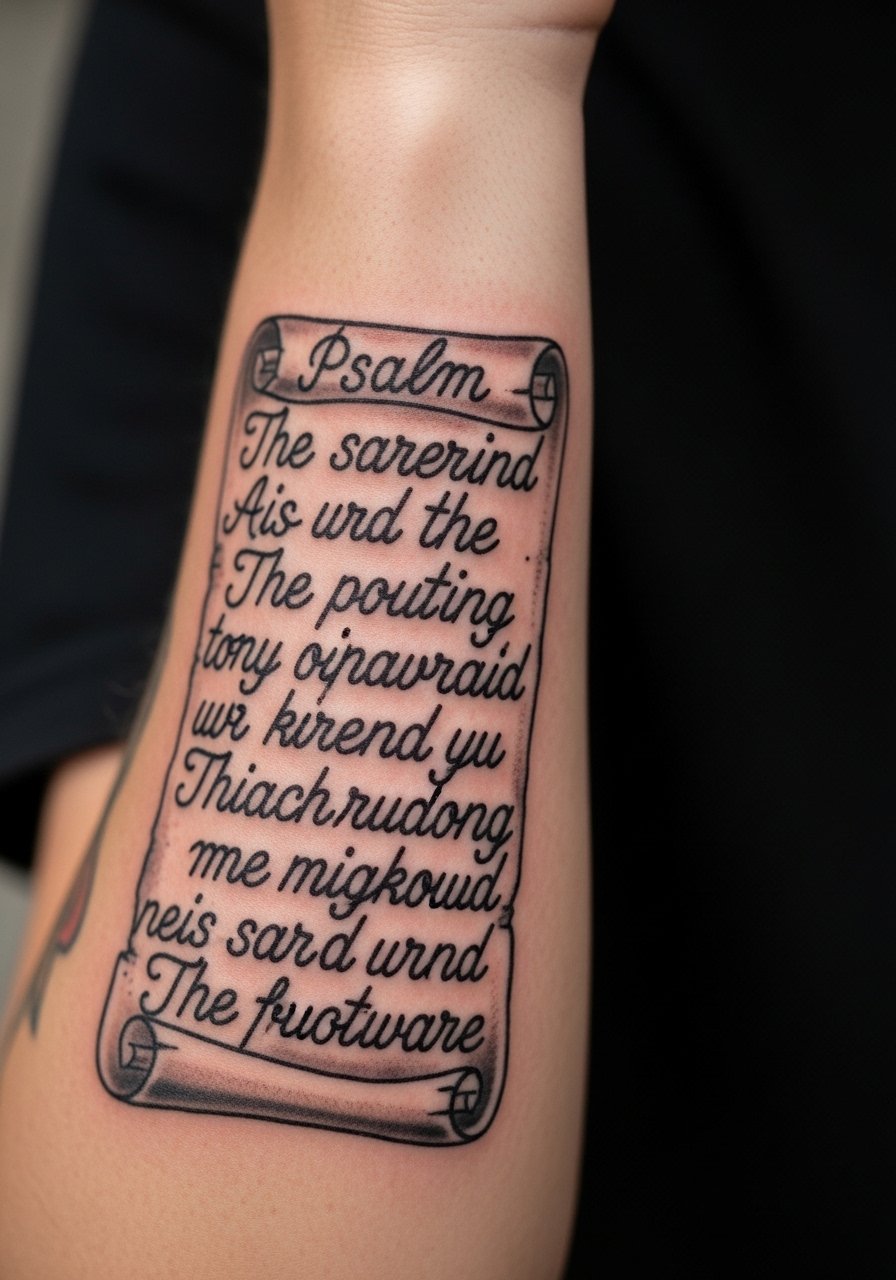
Long-form text works on the forearm where you have room to size letters for legibility. A frequent error is asking for a paragraph to fit into a thumb-width band. Tell the artist the exact phrase and desired font weight so they can scale letters. Expect low to moderate pain and a single session for a medium-length scroll. For showing it off, rolled-up linen shirts in neutral tones keep the forearm clean and visible, so consider linen button-down shirts for warm weather.
16. Moses with Ten Commandments on Upper Arm
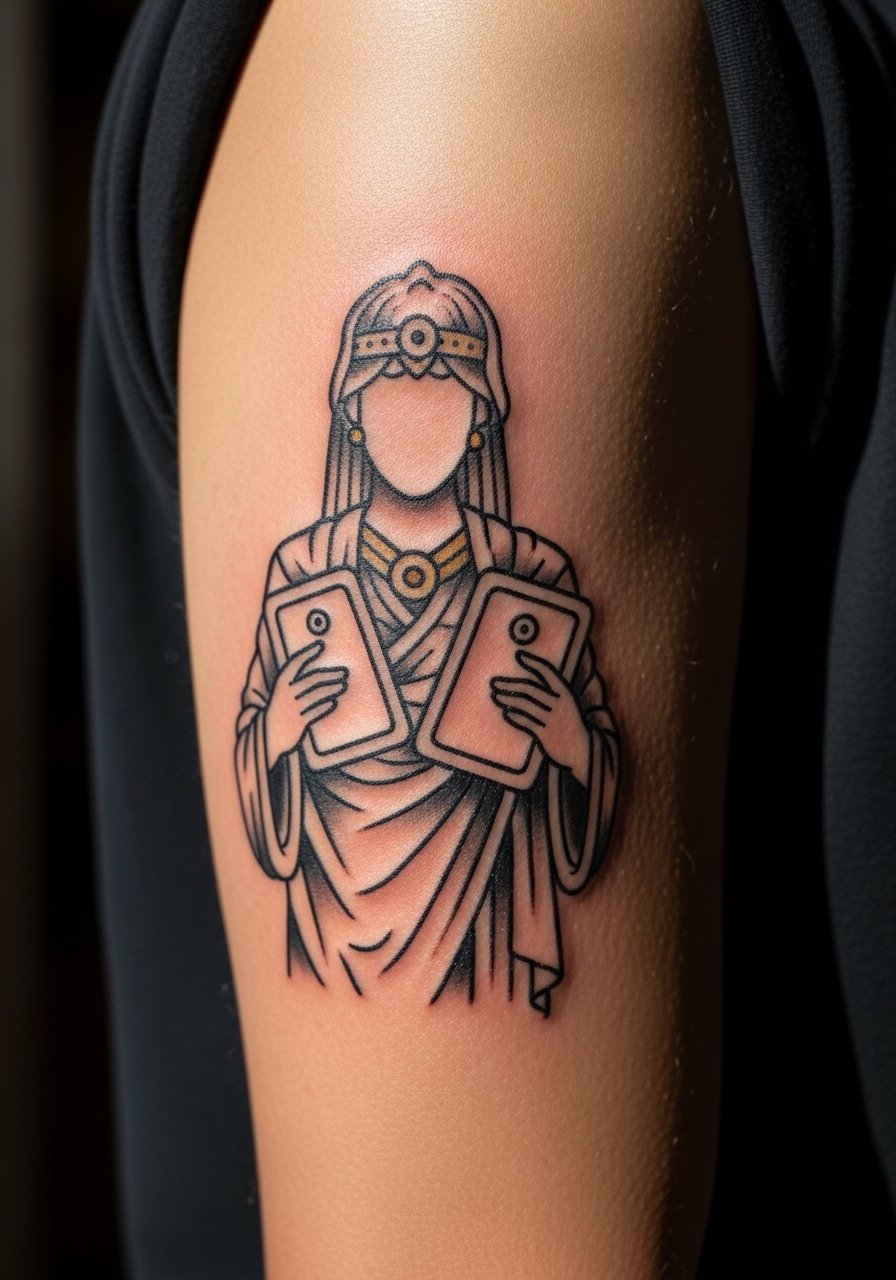
Figurative scenes like Moses and the tablets need clear focal points. Avoid filling the piece with tiny inscriptions that will fade into texture. Ask your artist to emphasize strong silhouettes and simple tablet marks rather than readable script. The upper arm is forgiving for saturation and handles contrast well over time. Sessions vary by size, and touch-ups are less frequent than on hands or ribs.
17. Stipple-Shaded Lamb and Cross on Inner Bicep

Inner bicep work shows well under clothing but can be tricky for fine details. Stipple shading works nicely because dots age more gracefully than dense hatching in areas that see stretch. The common mistake is placing too many tiny dots in a compact zone. There is moderate tenderness during the session. For the consultation, tell the artist you want dot work rather than continuous shading and ask about expected touch-up timing.
18. Psalm Verse in Latin Along the Spine
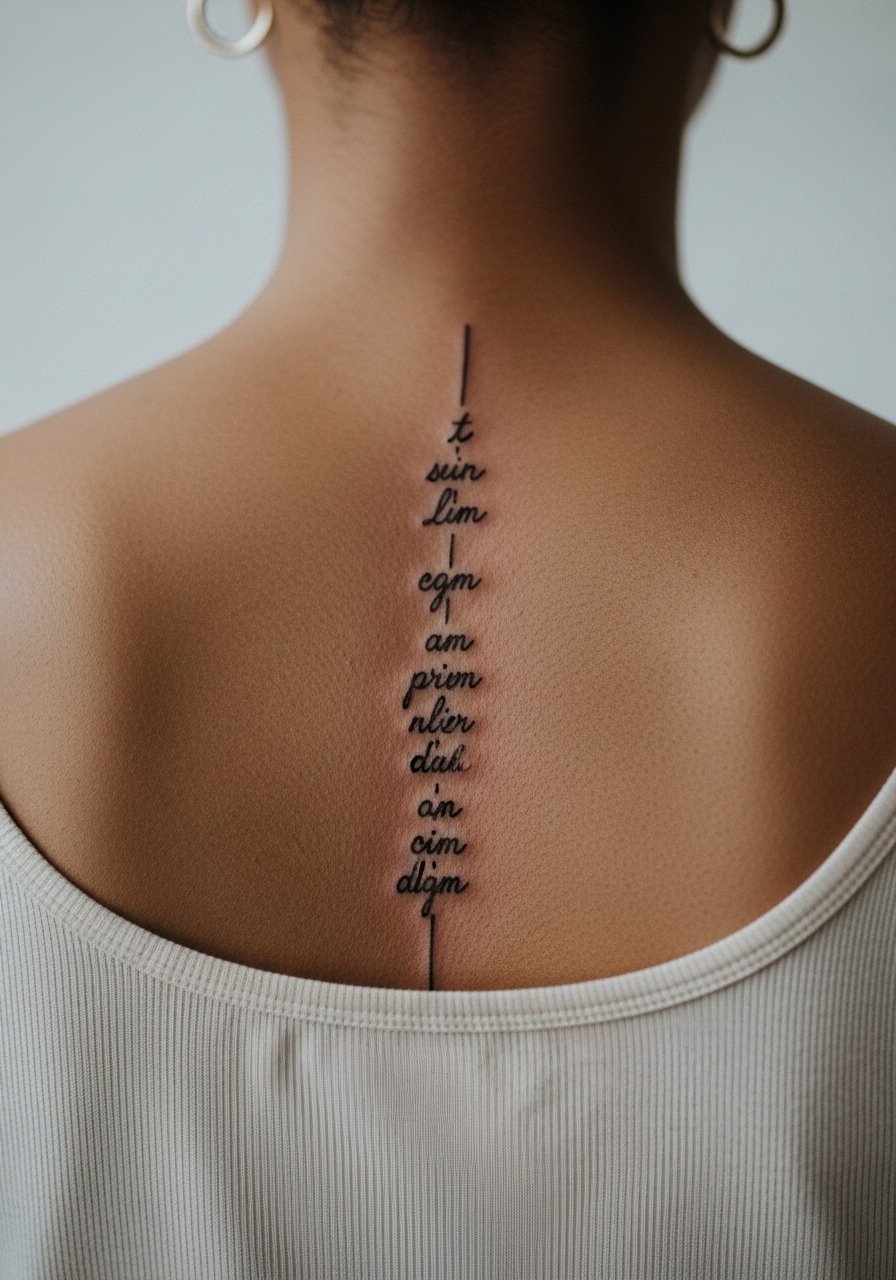
Spine scripts have cinematic effect but the vertical stretch of the skin can affect letterform. Ask for slightly wider kerning and steady line weight to preserve legibility. Some artists warn that very thin scripts there tend to blur faster. Session pain varies by person but is usually higher over the bony center. For showing the piece, open-back dresses or halter tops frame the spine elegantly when you want it visible.
19. Palm Tree and Ark Minimal Scene on Ankle
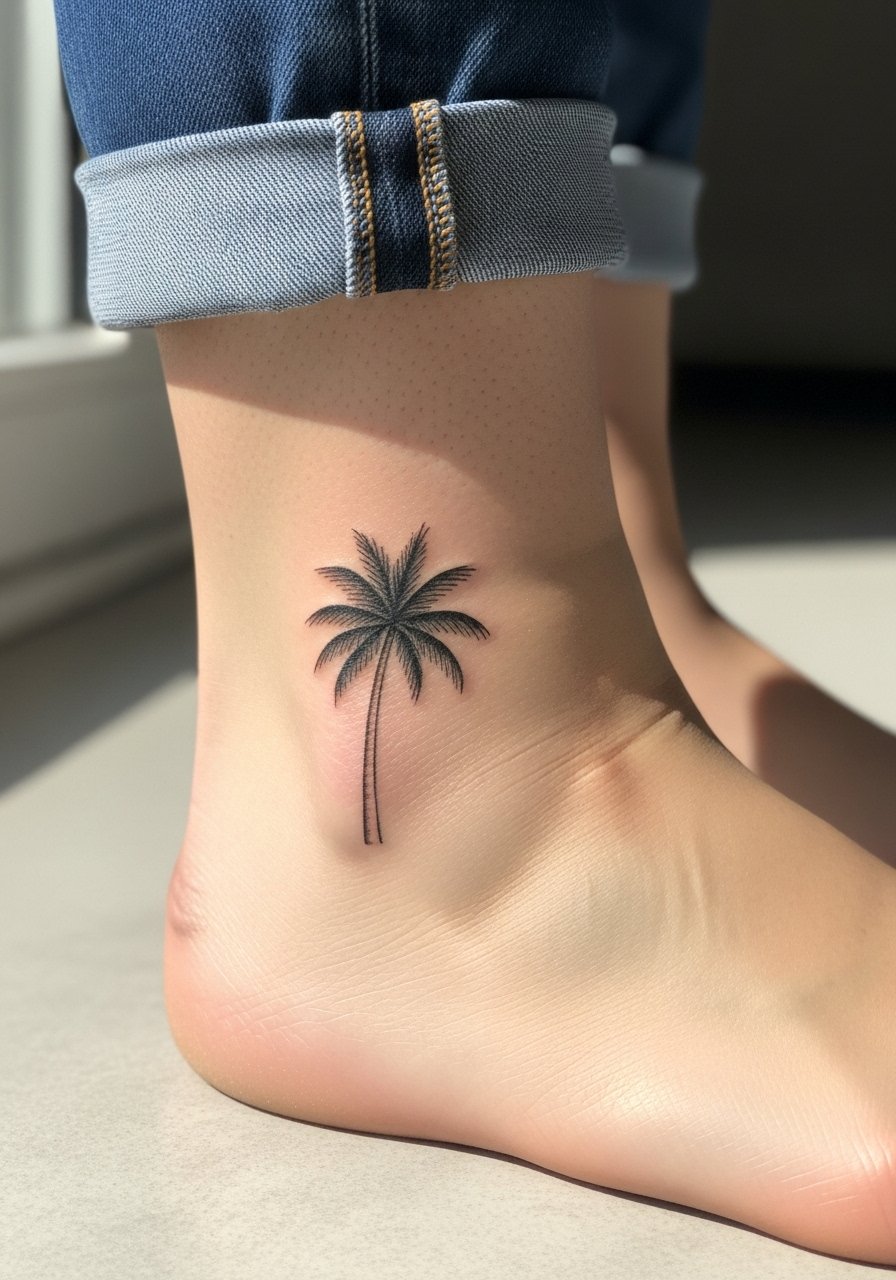
Ankle scenes are charming and accessible, but ankles see a lot of friction from shoes and socks. The usual mistake is adding fragile detail that fails under repeated rubbing. Ask for bolder outlines and avoid tiny fill work. Pain is lower than ribs but spikes when near bone. For session comfort, roll your pant leg and wear loose shoes that do not press the area afterward. Sandals or low-cut sneakers help in the first week.
20. St. Francis with Birds on Upper Chest

Religious figure tattoos on the upper chest should balance reverence and readability. One common misstep is over-cramming small animal details around the figure, which makes the whole piece read noisy. Ask for clear negative space around the main figure and for animals to be suggested rather than fully rendered if the canvas is small. This placement lives in a spot that can show through shirts, so consider how visible you want it day to day.
21. Minimal Stained-Glass Window Panel on Thigh
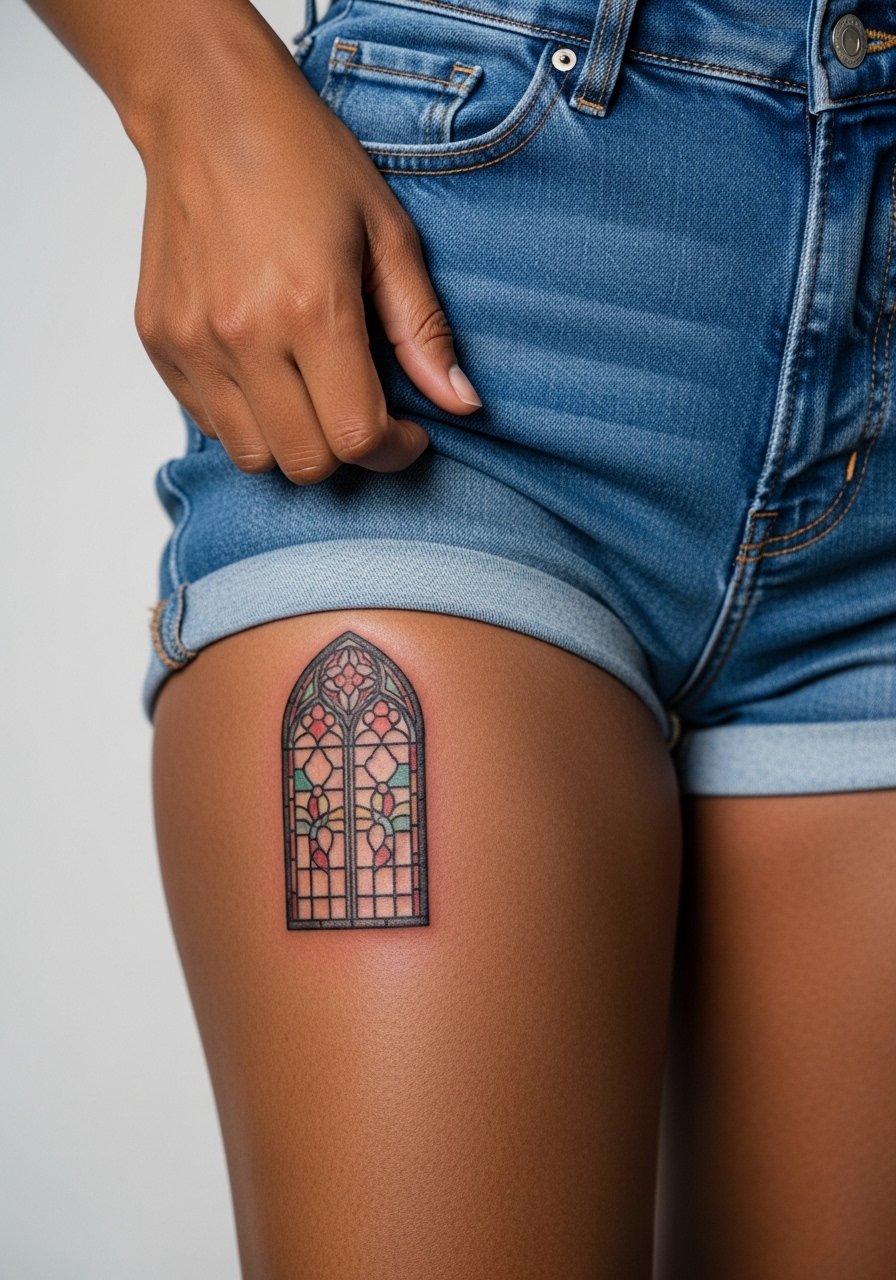
Thigh panels are excellent for sharing a narrative without daily exposure. Minimal stained-glass with simplified lead lines and solid color blocks will age better than micro-detail. Avoid asking for tiny ornamental motifs unless the panel is large. Sessions can be long but comfortable thanks to the soft canvas. For post-session comfort, loose shorts or skirts reduce pressure on the area while it heals.
Frequently Asked Questions
Q: Will fine line script blur faster than traditional bold linework on the forearm?
A: Fine line script does tend to soften sooner than bold traditional outlines because the needle channels are narrower. On the forearm you can extend legibility by asking for slightly heavier single-needle work and by sizing letters so they have room to age. Expect touch-ups sooner than you would for thick black outlines if you want the script to remain crisp.
Q: Are chest and sternum biblical pieces more likely to need touch-ups than upper arm scenes?
A: In my experience, chest and sternum work can show touch-up needs sooner because of thinner skin, movement, and the way clothing rubs those zones. Upper arm scenes sit in fleshier areas and often hold saturation longer. Talk with your artist about planned layering if you want deep color that lasts.
Q: Is there controversy around replicating religious iconography exactly versus stylizing it?
A: Yes. One group prefers faithful, icon-style reproductions with traditional attributes. Another group argues for stylized or interpretive versions to avoid direct replication of sacred art. Both approaches are valid. Be explicit in the consultation about whether you want historical fidelity or a modern reinterpretation so the artist can plan composition and reference sources accordingly.
Q: What should I wear to a ribcage or sternum session to stay comfortable and practical?
A: Wear a fitted sports bra or a cropped top you can lift that keeps exposure to the tattoo zone minimal. A zip-up hoodie is also practical because it lets you stay covered during travel without shifting the garment over the fresh piece. A fitted sports bra is a reliable option for sternum sessions.
Q: How often might hand and wrist rosary pieces need touch-ups?
A: Hand and wrist pieces face daily friction and frequent washing, so touch-ups are common around the two-year mark. Be prepared for a lighter maintenance plan than for upper-arm or thigh work. Choosing slightly bolder outlines and spacing beads can lengthen the interval between visits.