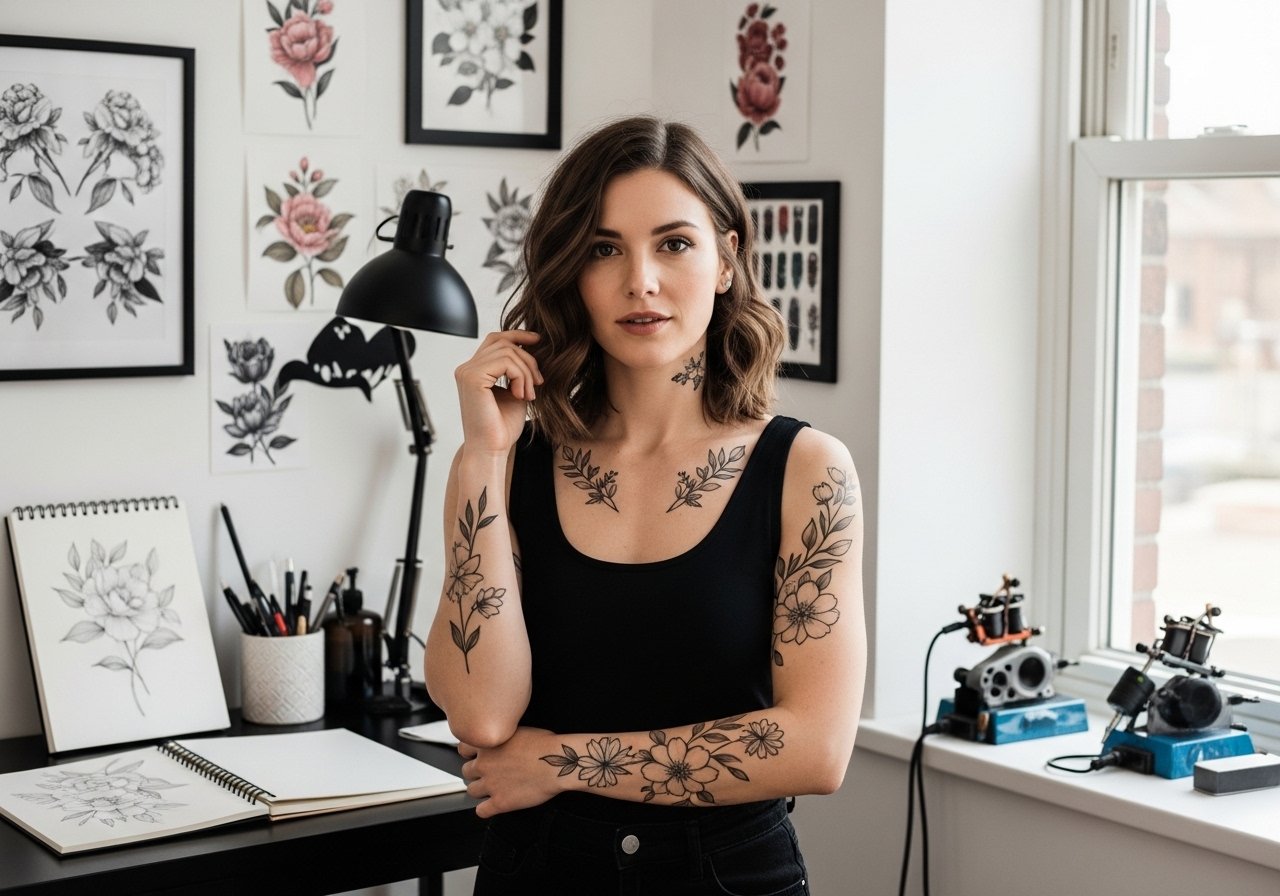
Fine line third eye pieces are everywhere online right now, and the fresh photos make them look effortless. The reality is that sketch-style linework and tiny geometric eyes age differently depending on placement and skin texture. Where you put it, how deep the artist sets the linework, and what you wear in the months after the session determine whether it still reads clean at year three. Read on for practical designs and what to tell your artist.
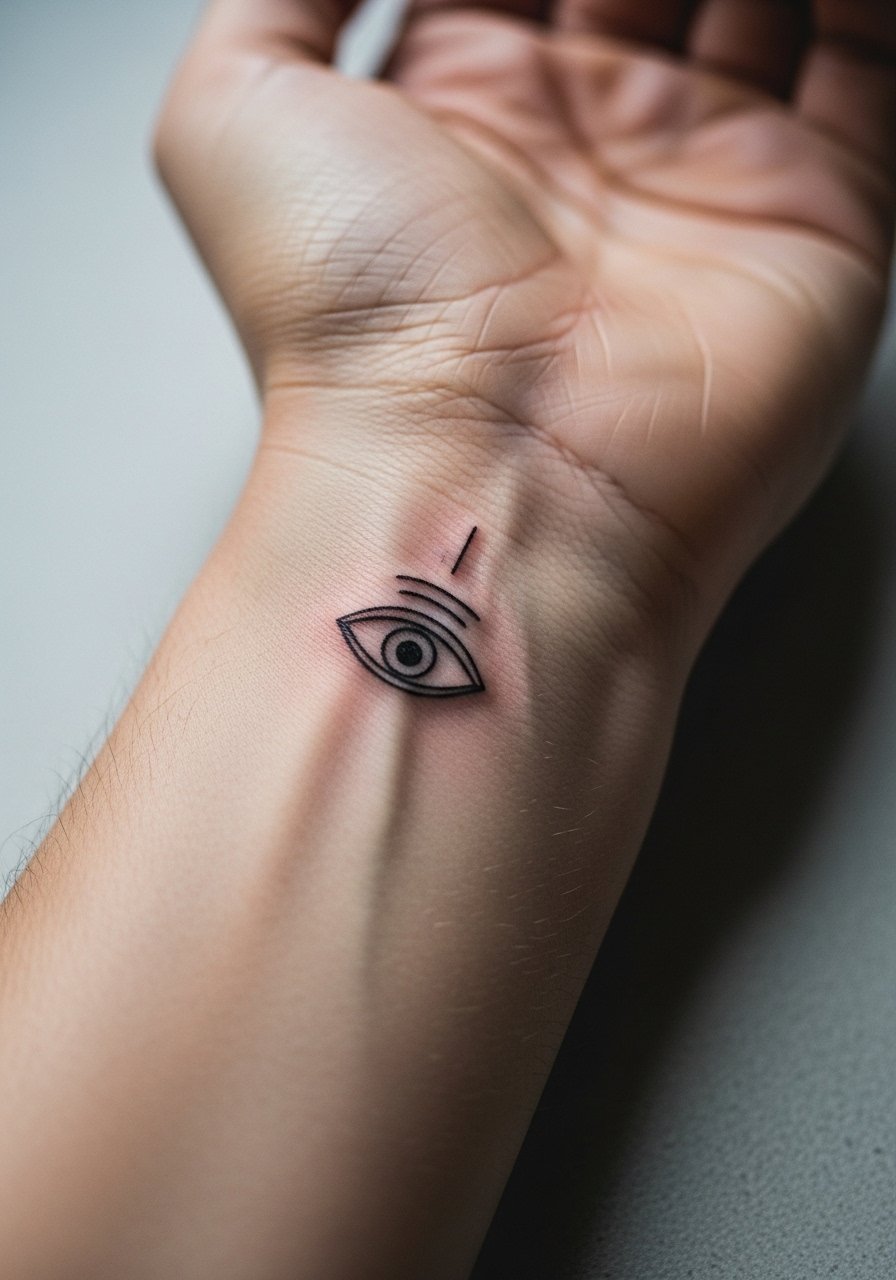
1. Tiny Third Eye on the Inner Wrist
This tiny third eye reads like a private talisman, and the wrist is forgiving for minimal sketch shading. Fair warning, the wrist sees a lot of sun and motion, so ask your artist for slightly heavier linework than you think you want and plan a touch-up at year two. The session is short and feels like light scratching, but the area bruises easily. For the appointment wear a loose button-down shirt so you can roll up the sleeve without tugging the fresh ink. Blowout risk is low here with proper depth, but avoid overly fine parallel lines that merge as the tattoo ages.
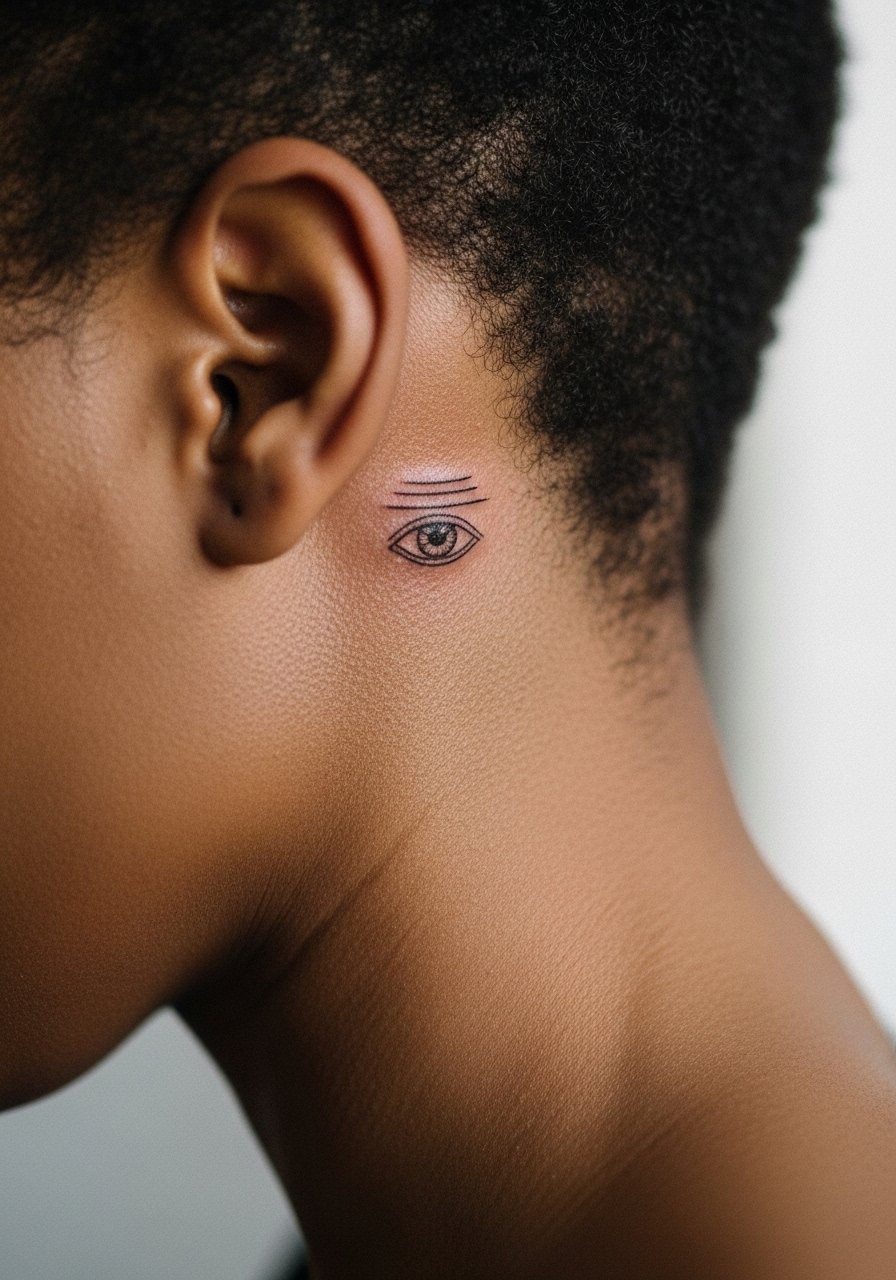
2. Fine Line Third Eye Behind the Ear
Placed on the skin behind the ear below the hairline, this tiny sketch eye is discreet and reads as a secret detail when hair is tucked up. The area is sensitive and tricky to photograph. Tell your artist you want minimal stipple shading and a soft outer lash, not dense shading that can migrate. Session feel is brief but the skin there is thin, so expect higher sensitivity and a touch-up timeline around year two. For bookings search local shop directories and show the artist clear photos from the same angle you want. This placement needs a specialist who does small work on delicate skin.
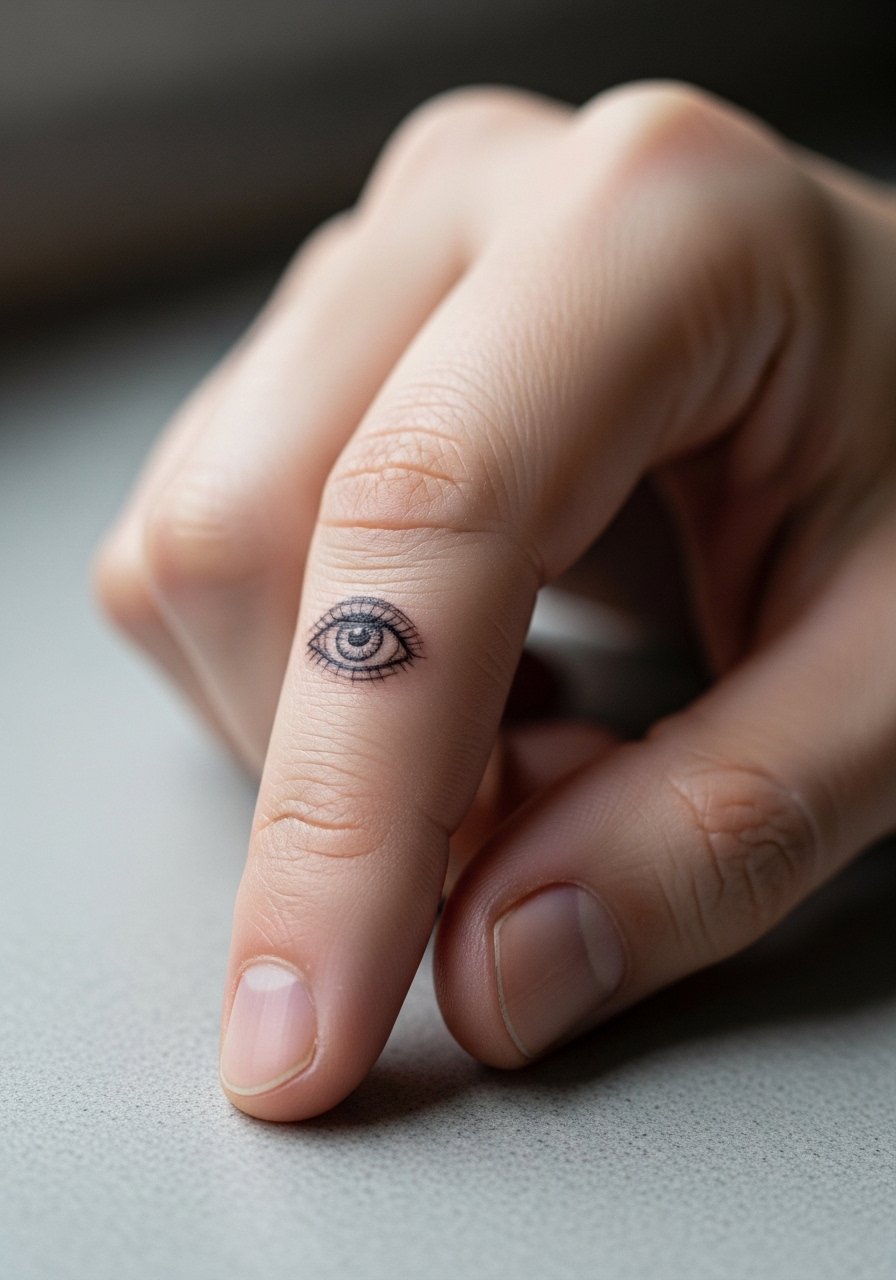
3. Minimalist Third Eye on the Side of the Finger
Tiny third eye on the finger is bold in its subtlety, but fingers are a high-friction zone that ages fast. Most people I know who end up happy with finger work plan for touch-ups every 12 to 18 months. During consultation ask for single-needle linework with minimal shading so the artist avoids over-saturation that leads to early blur. The session feels like a quick sting and a lot of movement for the hand. For showing it off, pair the piece with a thin stacking ring on the adjacent finger to frame the eye without crowding the linework. Expect some softening by year two.
4. Third Eye Over the Collarbone
A sketch third eye near the collarbone reads like jewelry if placed just above the bone. Artists are split on whether collarbone fine line holds better with heavier contrast or with airy spacing. One camp argues heavier contrast prevents early fading. The other camp says softer lines look more elegant and still settle if spaced well. Ask your artist where they stand and why before booking. For the session wear a wide-neck shirt you can pull slightly aside to expose only the area needed. The area is visible and photographs well, but avoid dense stippling close to the bone because it can look muddy over time.

5. Micro Third Eye on the Side of the Neck
Side neck placement reads assertive even when the design is small. Pain is higher than on the arm, and the skin moves when you swallow, so tell the artist you want slightly larger spacing inside the iris to protect against early merging. The session feels sharp for a short time and swelling can make lines appear thicker for a week. Think about visibility for work and events before committing. If you plan to show it selectively, a wide-neck sweater layers well and helps hide or reveal the piece. Touch-ups are common at year two for this placement.

6. Stipple-Shaded Third Eye on the Upper Forearm
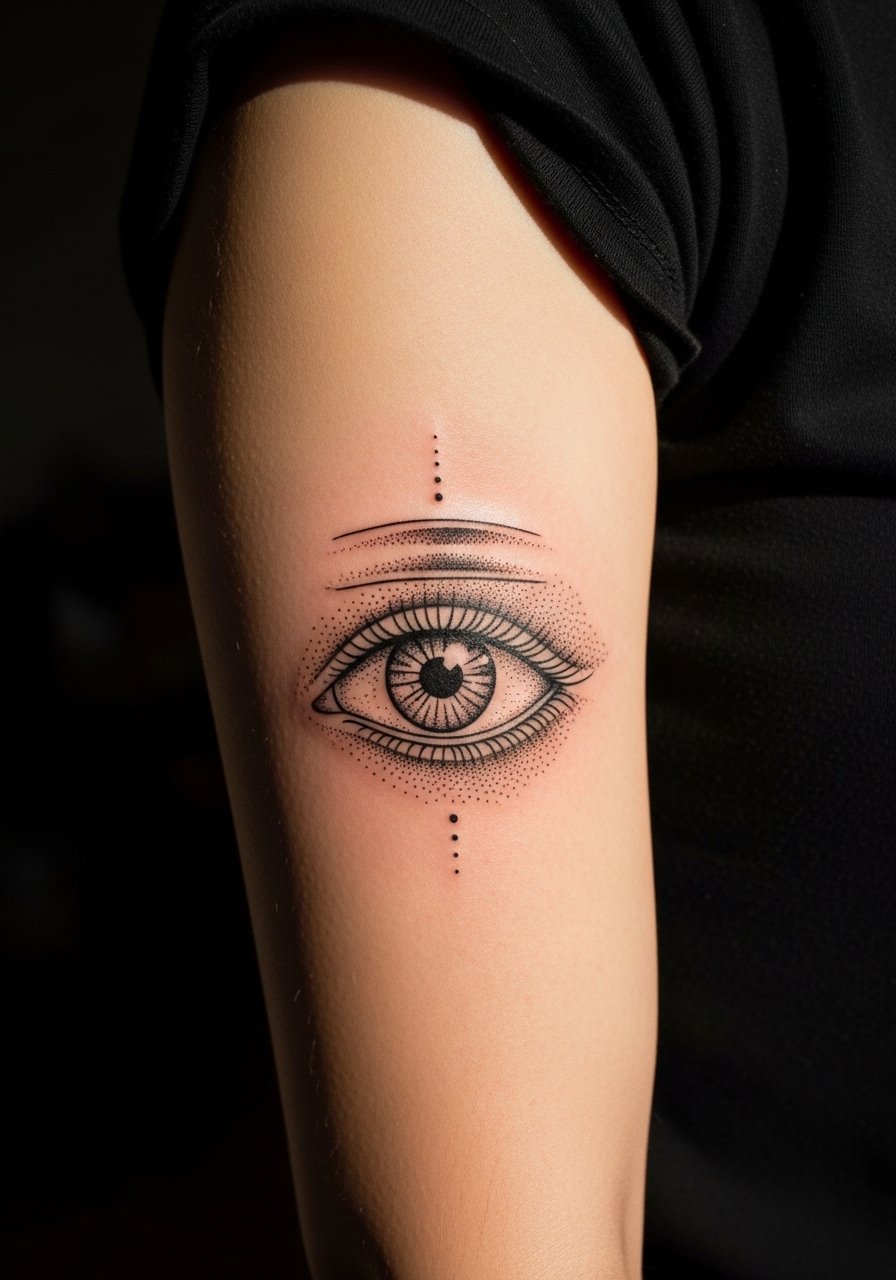
This placement is forgiving and shows off sketch shading without too much wear. For this version ask for stipple or dot work for the shadow instead of heavy whip shading. I recommend medium line weight in the iris to keep contrast as color softens. Expect the session to last 45 to 90 minutes depending on size. A common mistake is requesting ultra-thin lines that look delicate initially and then require touch-up sooner. For the session wear a short-sleeve linen shirt so the artist can work without obstruction, and you will have easy aftercare access. Over two years the dot work will soften but usually keeps the piece readable.
Studio Day Picks
These first forearm, wrist, and neck pieces ask for different prep and short-term care, so pack items that make the session and the first week easier.
-
Stencil transfer paper kit. Lets you preview placement on the wrist and forearm before the needle goes down, which helps with the tiny-eye alignments in ideas above.
-
Topical numbing cream. Applied per instructions before the session eases sensitivity for neck and collarbone work without altering linework when used correctly.
-
Thin protective film roll. Keeps delicate wrist and finger tattoos clean during the first days of friction from typing and showering.
-
Fragrance-free gentle body wash. Mild cleansers reduce irritation for healed-looking linework on the forearm and neck.
-
Aquaphor healing ointment. Thin layers during the first 48 to 72 hours lock in moisture for fine line work without clogging the channels.
7. Single-Line Third Eye on the Nape
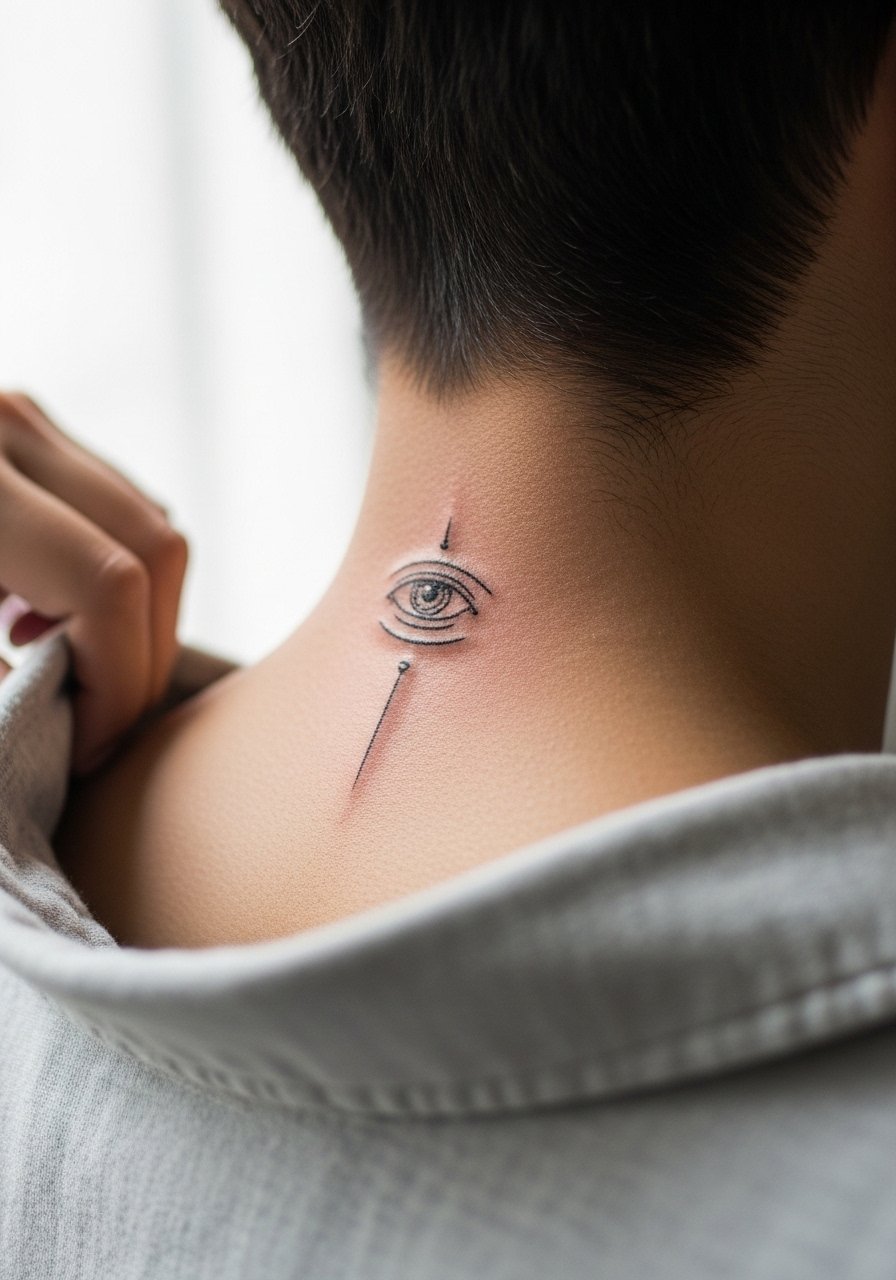
A single continuous line forming a third eye at the back of the neck is elegant and discreet under hair. The area sits above the shirt collar so session access is easy if you wear a collared top you can pull to one side. Expect a medium pain level and a short session. The main mistake is shrinking the design too small to preserve subtlety, which speeds up blending. For showing it off with short hair, a silk scarf or low bun reveals the nape without pulling focus from the jawline. Ask the artist about touch-up timelines since small, continuous lines can need a follow-up at year three.
8. Tiny Geometric Eye Above the Ankle
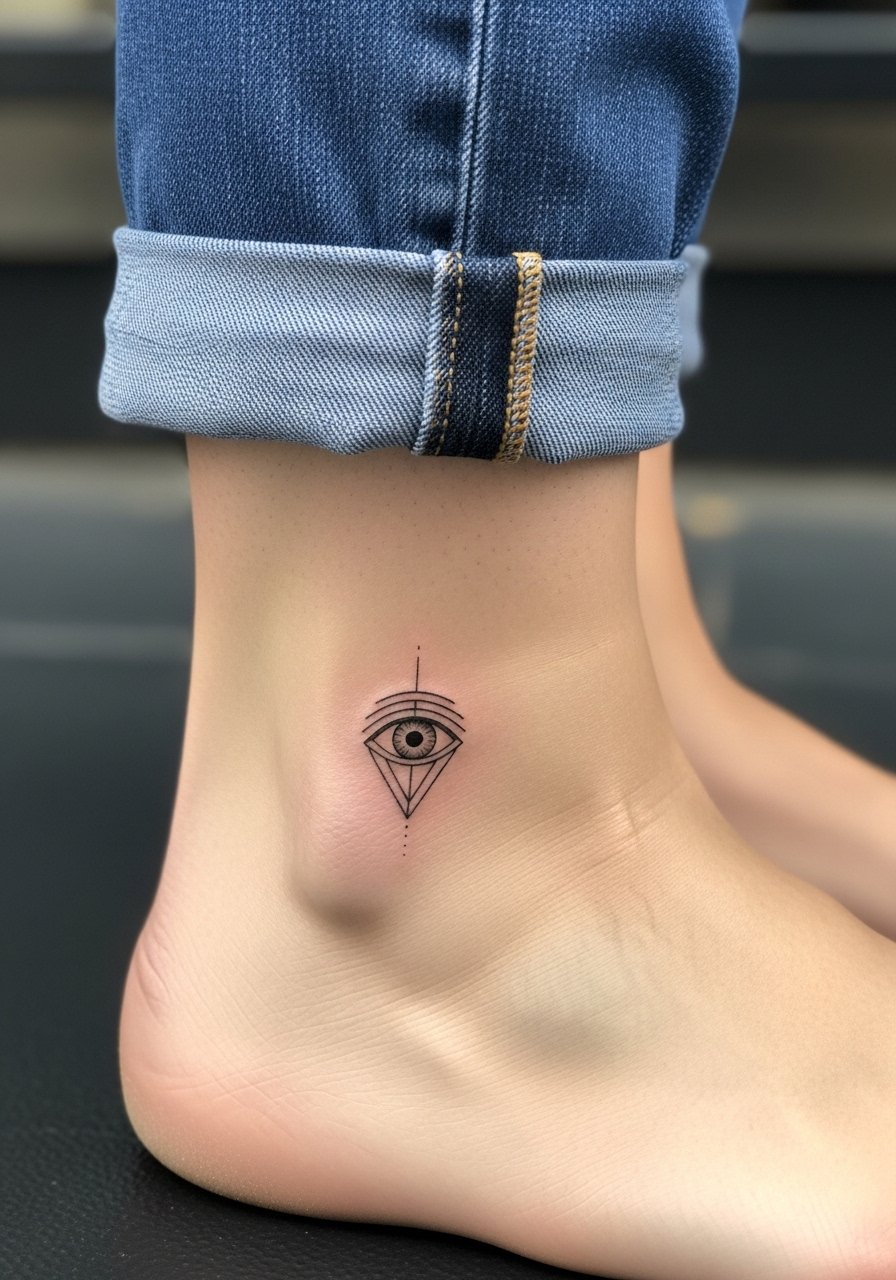
Ankle placements handle geometric sketch lines well if you allow space for the lines to breathe. The skin there moves with gait and socks can rub the area, so expect some early fading if the piece sits directly under a shoe strap. The session is quick but can sting around the bone. A common error is requesting dense cross-hatching. Keep shading light and ask for slightly bolder contour lines. For the appointment wear pants you can roll up or a skirt so the artist can access the area cleanly. Healed, the ankle will soften but the silhouette usually remains recognizable.
9. Micro Third Eye on the Sternum
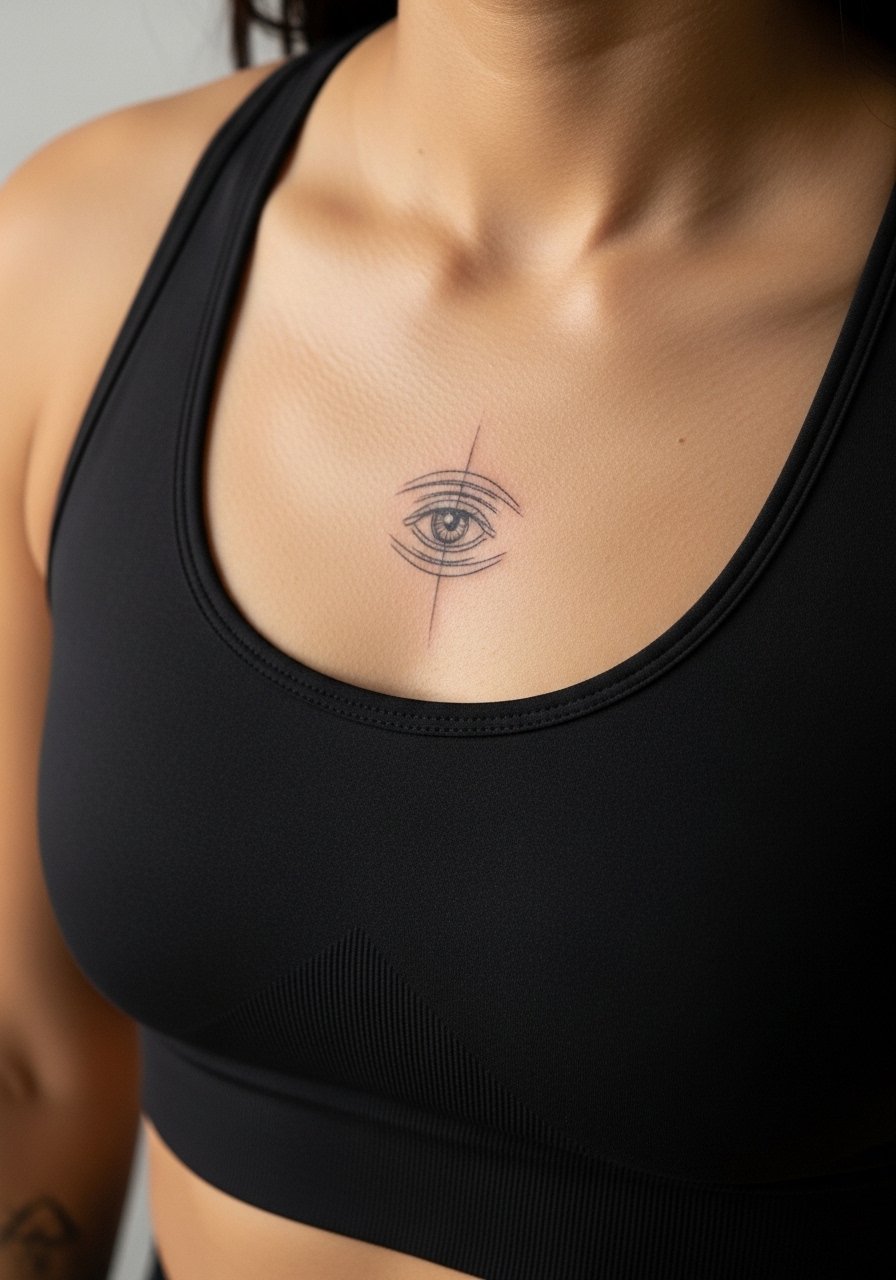
Sternum third eyes work well when paired with soft stipple and negative space around the iris. This is a sensitive placement and sessions can be longer due to breathing and movement. Artists split on fine line here. One camp says the sternum stretches and blurs small lines. The other camp argues that with measured depth and spacing, the design holds. Ask your artist which camp they fall into and why. For the session wear a fitted sports bra or bandeau so only the area beneath the fabric shows during work. Expect touch-ups around year two for dense detail.
10. Thin Third Eye on the Side Ribcage
Ribcage sketch pieces look delicate on the day but need spacing to age. Artists are divided over fine line on the ribs. One group says the constant expansion and contraction blurs lines within two years. The other group maintains that with proper needle depth and larger spacing, fine line can last. Name both viewpoints in your consultation and ask to see healed photos of similar work. The session is uncomfortable for many and may require breaks. For the session wear a cropped top that can be lifted without exposing more than the tattoo zone. Expect touch-ups at year two to reinforce thin contour lines.

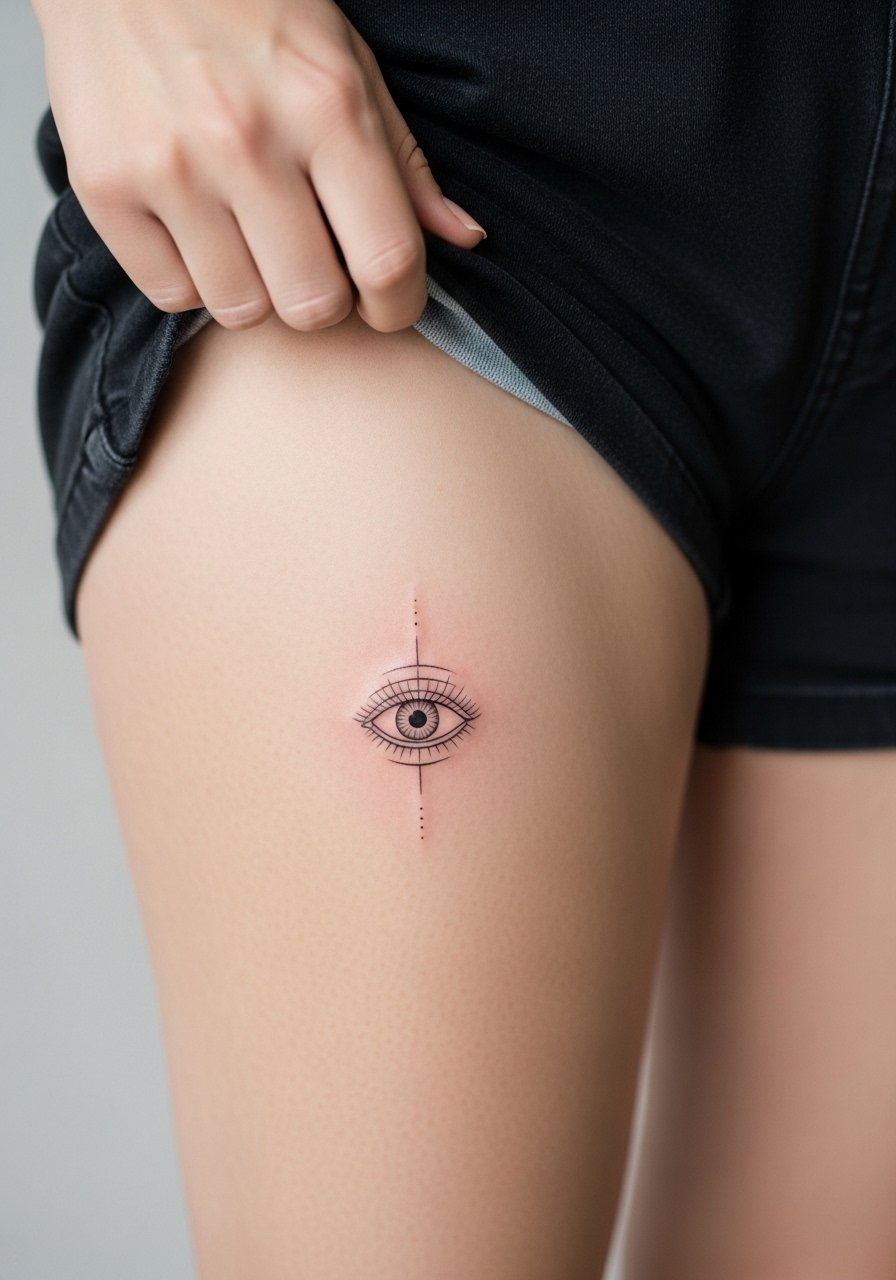
11. Minimal Sketch Eye on the Upper Thigh
Inner thigh third eyes feel intimate and age differently than outer-leg work. The skin here is softer and less exposed to sun, so stipple shading stays subtle for longer. The main mistake I see is placing complicated cross-hatching in a tight space. For the session wear shorts that can shift easily, like a pair of high-waisted shorts so the artist has clean access without discomfort. Expect the session to be moderately sensitive but manageable. Touch-ups are less frequent here because of low friction and limited sun exposure.
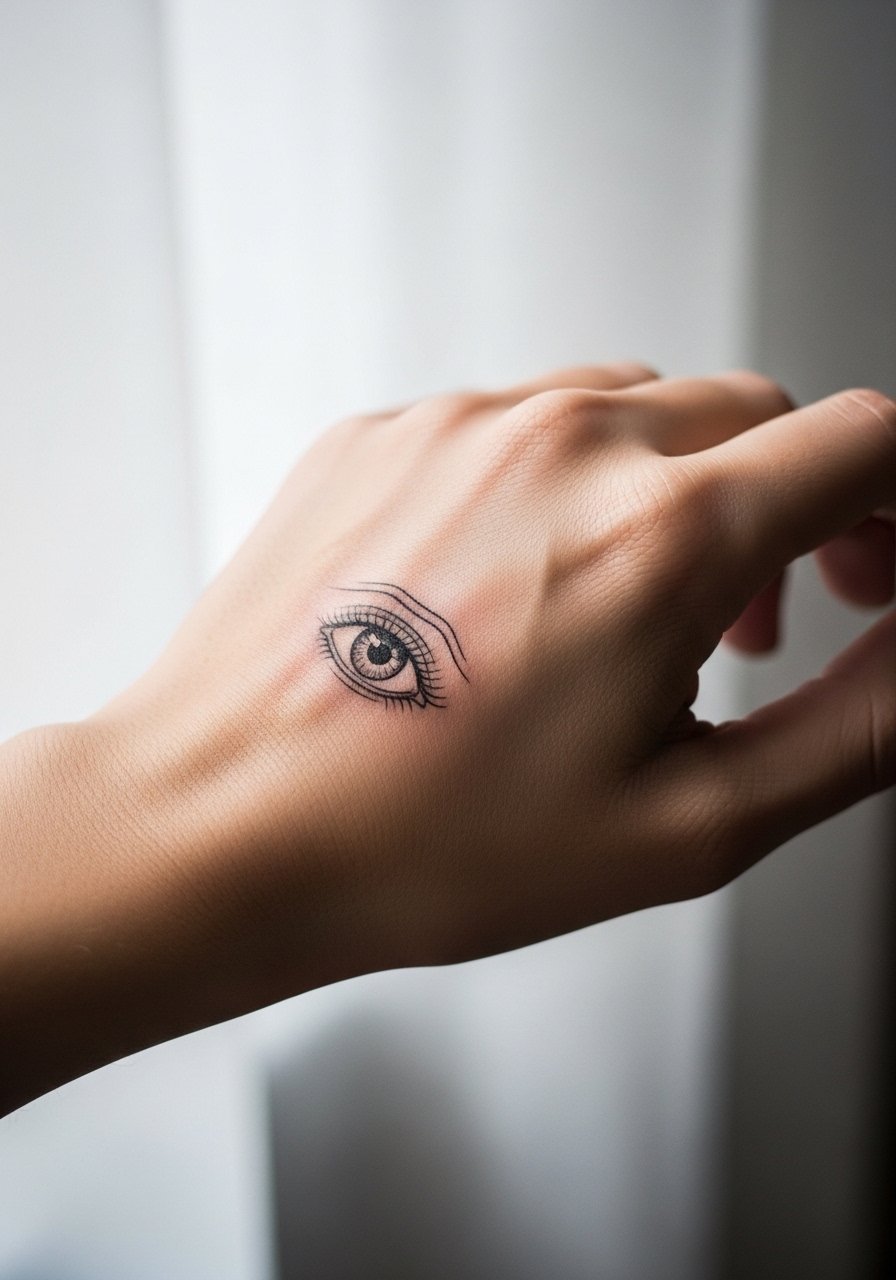
12. Single-Eye Sketch on the Back of the Hand
Hand pieces demand honesty about longevity and professional visibility. The back of the hand sees constant washing and friction, so lines that look crisp at day one often need maintenance sooner. During consultation ask for slightly bolder contour lines and minimal internal detail to keep the eye readable. The session is sharp and the healing window is active, so plan for frequent cleaning. For accessorizing a minimalist watch can frame the design without crowding it. Think through career considerations before committing to this placement.
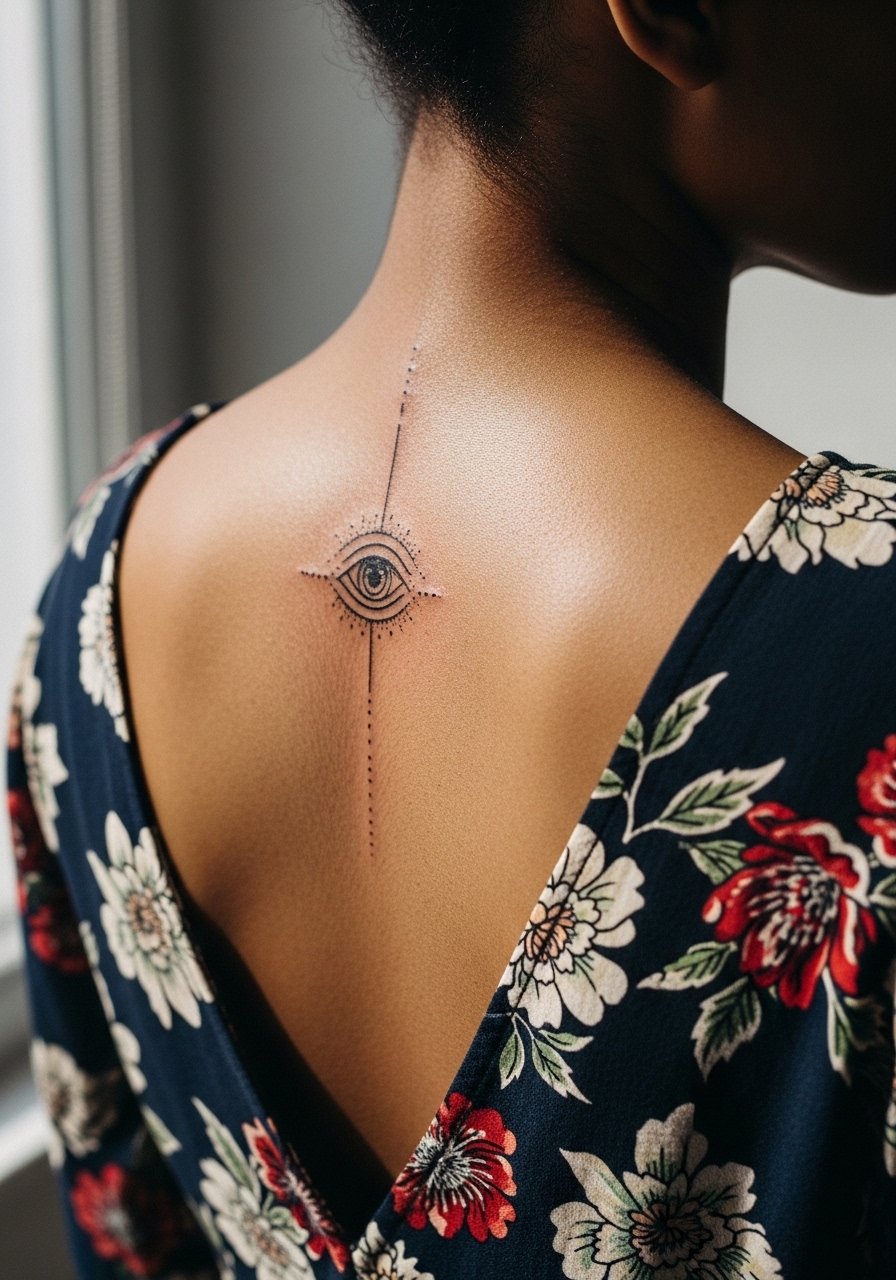
13. Linear Third Eye Along the Spine
A vertical third eye down the upper spine reads elegantly with negative space and light stipple. The spine area tolerates longer sessions, but holding still is necessary. A common mistake is compressing detail into a narrow column. Request breathability in the spacing and a test stencil that follows the spine curve. For showing it off, open-back dresses or halter tops reveal the line without competing. Try a simple open-back dress to frame the vertical placement. Expect the piece to soften in two to five years, with touch-ups focused on the central line.
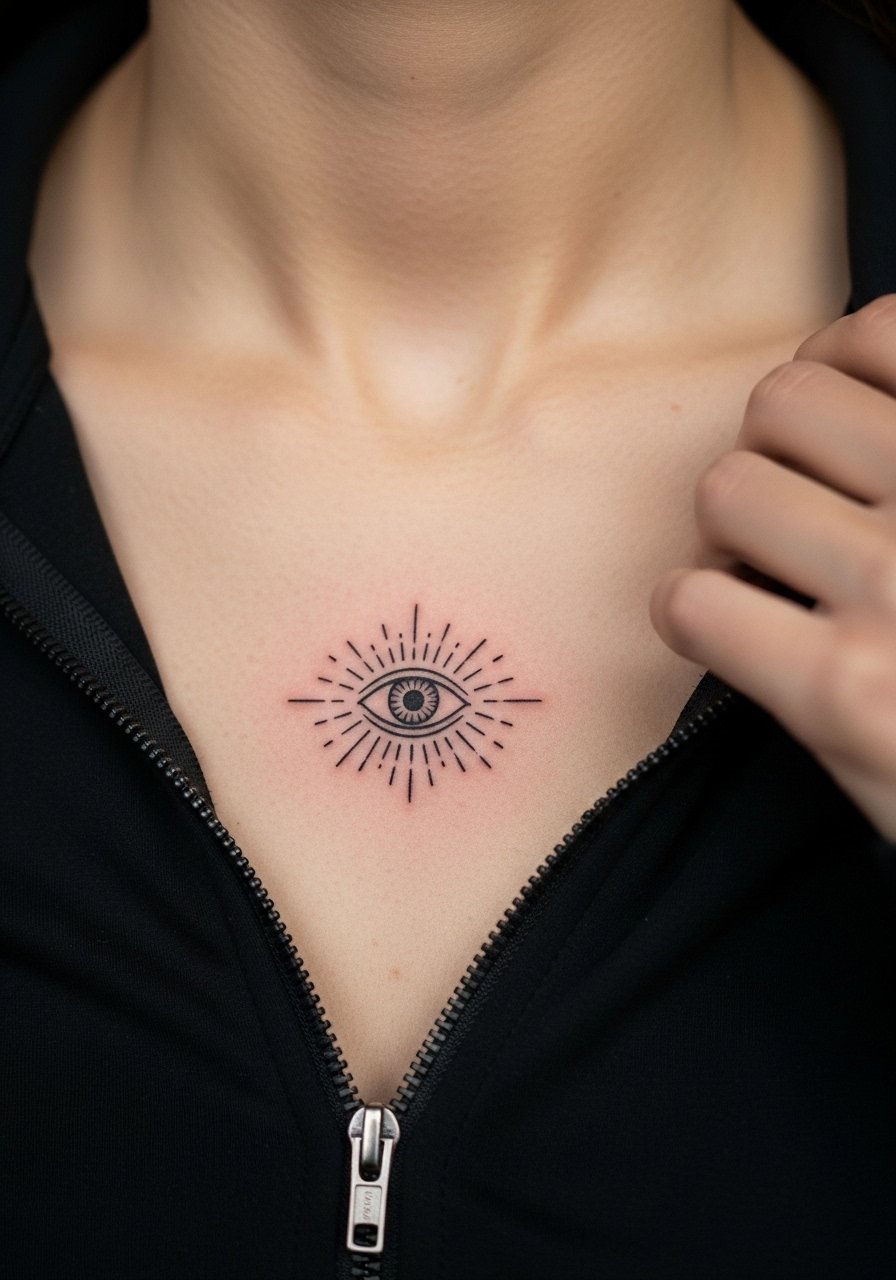
14. Third Eye with Minimal Rays on the Sternum Edge
This version sits just off-center near the sternum edge and uses short sketchy rays. The area is sensitive and sometimes reacts by swelling. Tell your artist you want short, single-stroke rays rather than dense radiating shading to reduce the chance of early merging. For the session wear a bandeau or zip-front top so access is simple and exposure is minimal. If you plan necklaces, a thin pendant sits above the piece without competing. Expect a touch-up at year two for the fine rays.
15. Tiny Third Eye on the Calf
Calf placements are low-friction and great for sketch shading that preserves texture. The skin is thick enough that subtle stippling holds well across seasons. A common mistake is asking for ultra-fine internal detail that disappears with clothing friction. During consultation ask for medium spacing and avoid heavy cross-hatch. Session feels like moderate pressure rather than sharp stinging. For showing it off with summer outfits, pair with ankle strap sandals or cropped trousers that draw attention to the lower leg. Touch-ups are uncommon in the first three years when done right.
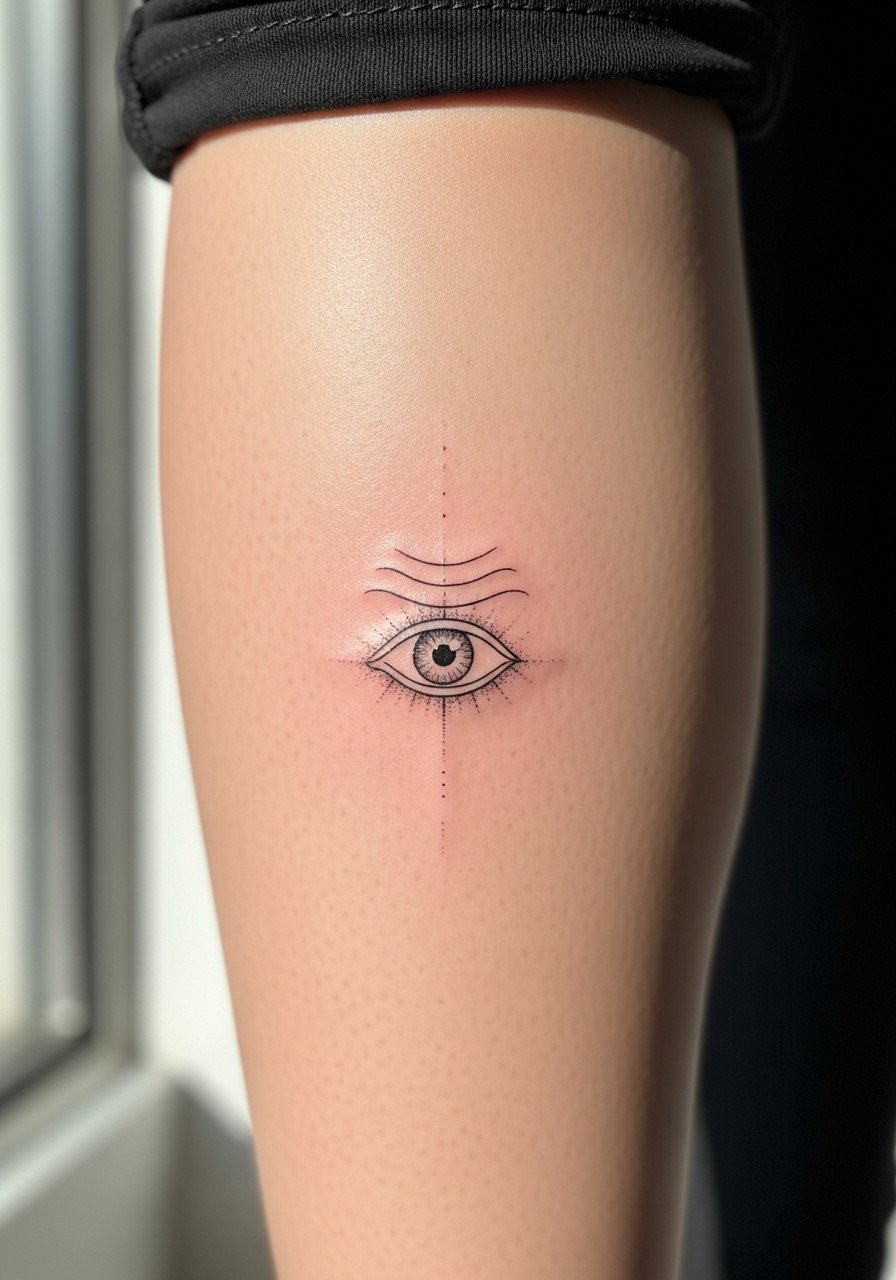
16. Fine Line Third Eye Between the Shoulder Blades
This placement sits under the bra line for most people and keeps the work low-exposure. The area tolerates longer sessions and heals steadily when sun is avoided. Tell the artist you want airy lashes around the iris and no dense fill to prevent early touching up. Session feel is moderate and you will likely need to remove clothing that rubs the area for the first week. For after sessions, keep sunscreen in mind once healed. This position is a good compromise between visibility and longevity.

17. Minimal Third Eye Under the Clavicle Line
A small eye tucked under the clavicle sits well with neckline jewelry and layered tops. The clavicle area can feel sharp during the session due to proximity to bone. Ask for slightly thicker outer lines and sparse inner detail to protect against softening. For showing it off, a thin chain pendant necklace sits just above the eye and frames it without competing. Expect minor softening by year three and budget a touch-up if you want the iris crisp long term.

18. Single-Stroke Third Eye on the Upper Arm
Upper arm placements handle single-stroke sketch approaches well because of muscle and consistent sun protection with short sleeves. The session is quick and tolerable for most. The most common error is compressing too many lashes into a compact space. Ask for defined spacing and a bolder outer contour. For the appointment wear a loose tank top so the artist can work freely and you avoid fabric pressure on the healing area. Healed, the design keeps its character for years with minimal touch-ups.
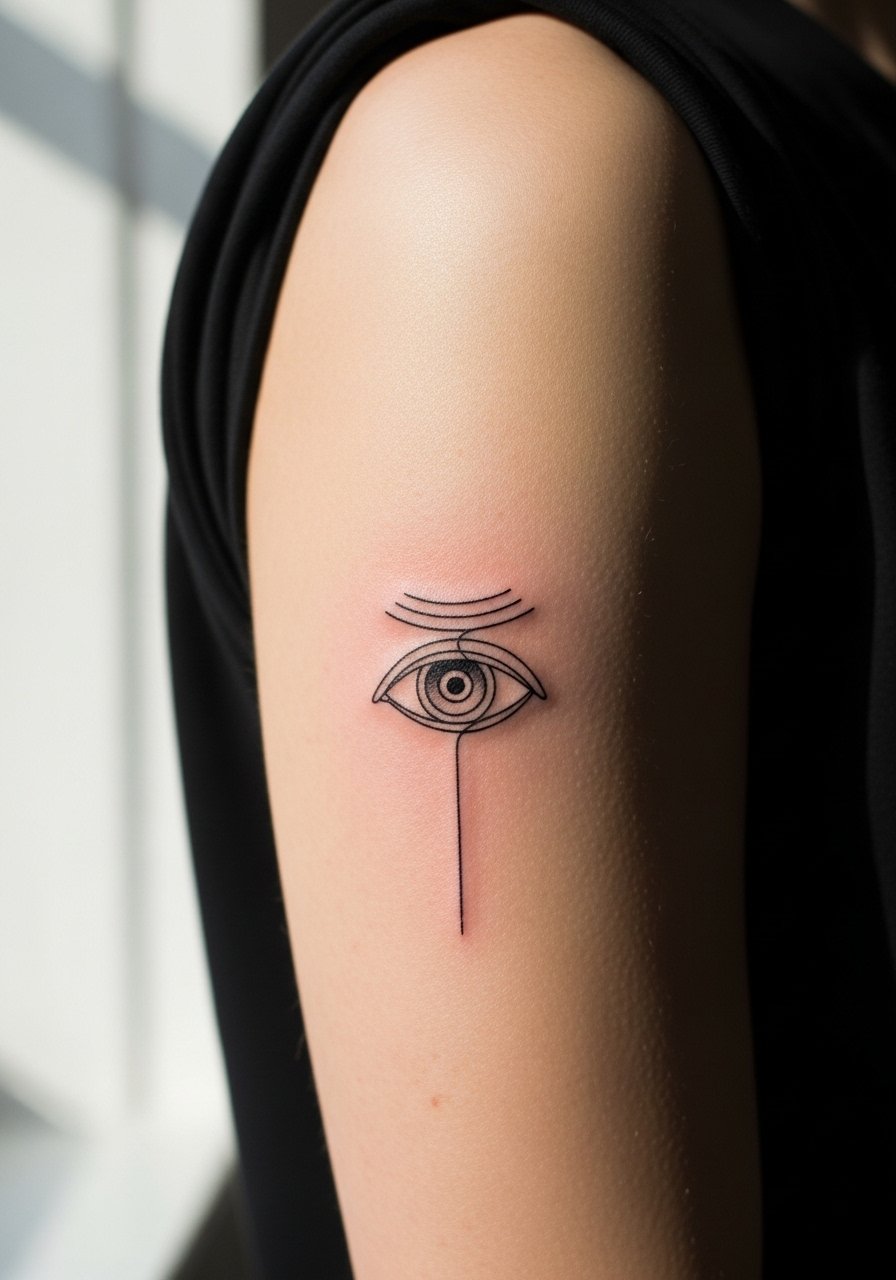
19. Micro Script Eye Above the Ear Hairline
This micro eye sits just above the ear hairline and plays with negative space and script-like lashes. Sensitive area caution applies and the artist should be experienced with tiny work near hair. A mistake I see is using dense shading that catches on hair follicles. For the session, tie your hair up and wear a scrunchie or hair clip so the artist has full access and hair does not disrupt the stencil. Touch-ups at year two are common for fine lashwork in this spot.

20. Small Third Eye on the Outer Shoulder Blade
An outer shoulder blade piece is a classic spot for sketch shading because the area sees little friction and moderate sun exposure when uncovered. Ask for light stipple and modest contour to keep the iris legible over time. The session is generally comfortable and allows for slightly larger composition than the forearm. For showing it off wear a tank top with thin straps that frames the shoulder without covering the piece. Expect the linework to soften around the lashes after several years, but the silhouette usually stays strong.
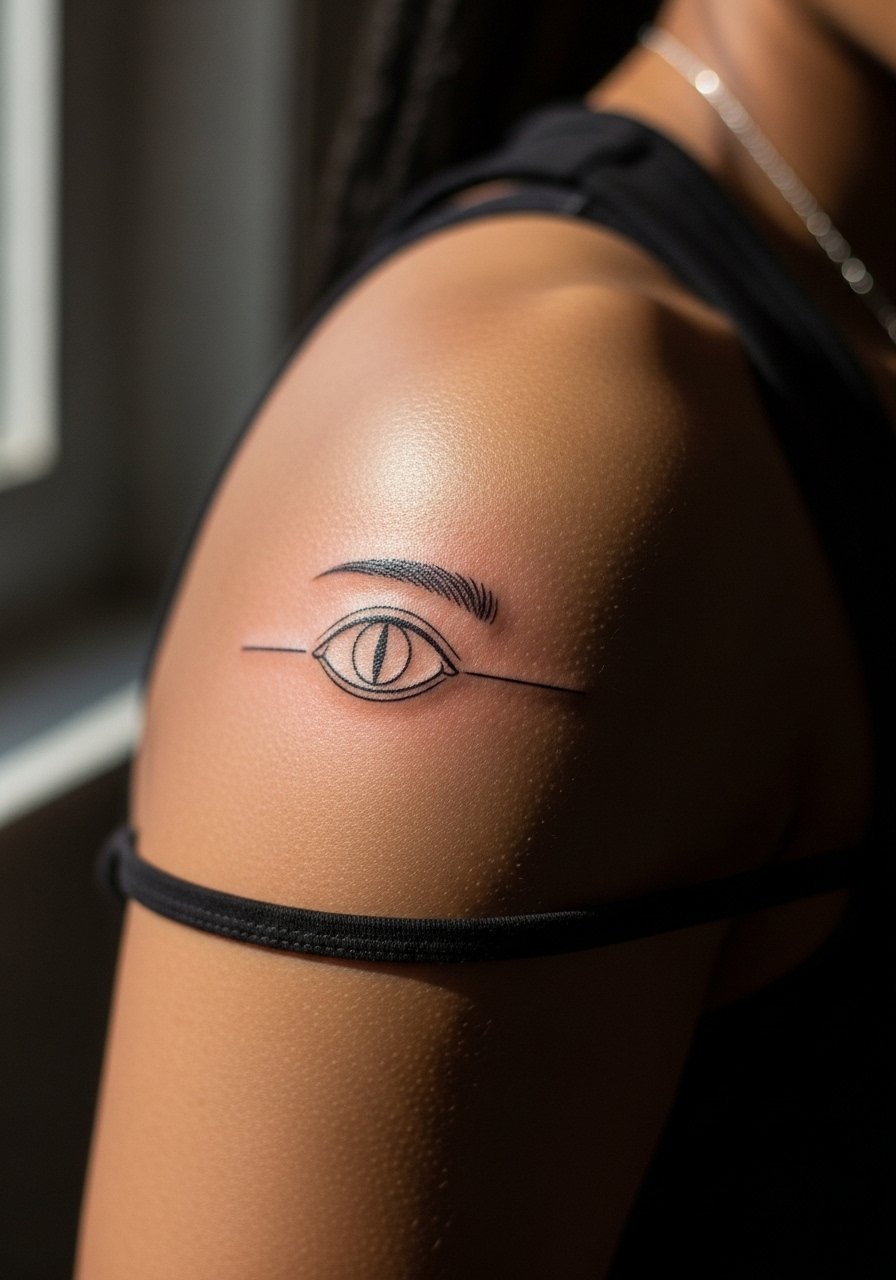
21. Tiny Third Eye on the Side of the Foot
Foot tattoos are notorious for early fading due to friction from shoes and moisture. If you want this placement, ask for stronger contour lines and minimal inner detail because the foot tolerates lower saturation. The session is painful around bone areas and healing takes longer. For appointments wear sandals so the artist can work without obstruction and you reduce rubbing afterward. A simple flat leather sandal helps when the area starts to peel. Expect touch-ups at year one or two depending on footwear habits.
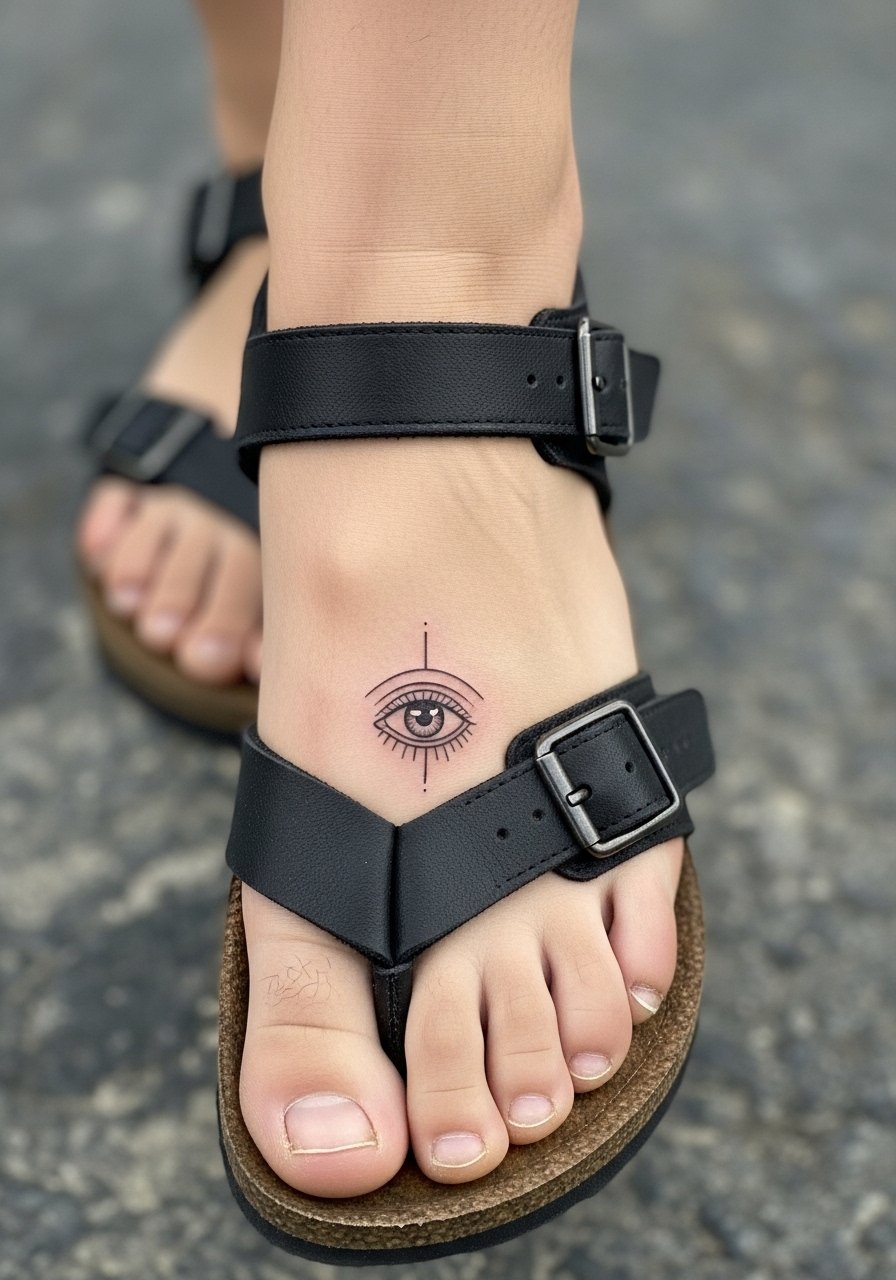
22. Third Eye with Negative Space on the Thigh Side
Side thigh placements benefit from negative space and larger spacing in the iris. The skin there is forgiving and sees limited sun exposure if clothed. A common mistake is adding too many thin internal lines that flatten over time. For the session wear high-waisted bottoms you can shift, such as a pair of high-waisted leggings so the artist has clean access. Expect the piece to remain readable with minimal touch-ups because friction and UV exposure are low in this zone.
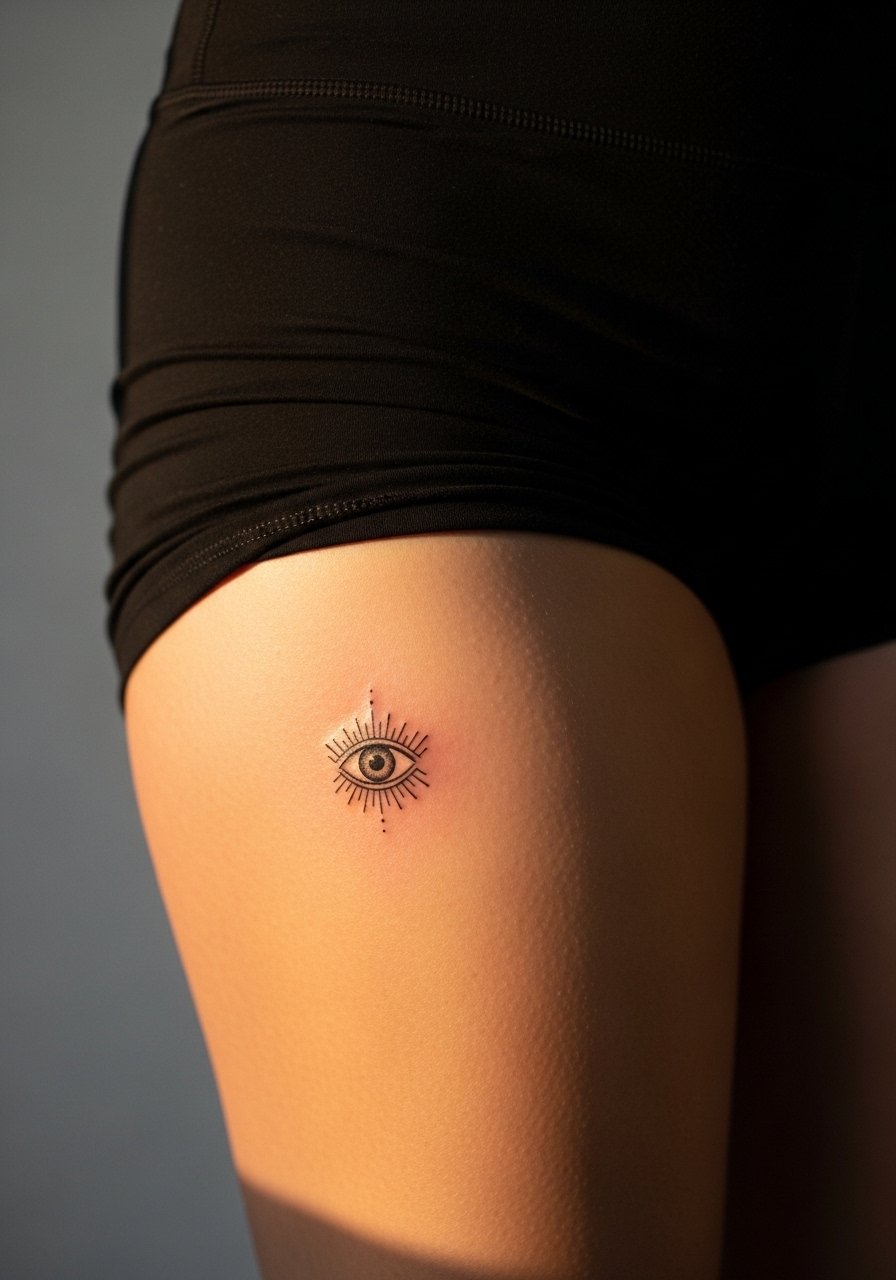
23. Sketch Third Eye on the Inner Bicep
Inner bicep placements are discreet and suit delicate sketch lines when sized properly. The skin there is soft and can bruise, so the session can feel tender for a bit. The error I see is shrinking designs too small. Ask for spacing inside the iris and lighter shadow around the lashes to maintain clarity. For the appointment wear a tank top with the arm raised to provide access. A loose drawstring linen pant is comfortable for longer sessions and keeps pressure off your arm while you heal. Touch-ups are usually a low frequency here.

24. Minimal Third Eye on the Hip Bone
Hip placements look great in swimwear and low-rise trousers. The skin moves with sitting and stretching, so the artist should design with that motion in mind. For the session wear high-cut shorts or bikini bottoms that expose only the hip placement and keep the rest of the body covered. Avoid dense cross-hatching near the bone since it can blur. The session is moderately sensitive and healing benefits from loose clothing. If you plan to wear frequent low-rise jeans, expect some friction-related fading and a potential touch-up at year two.
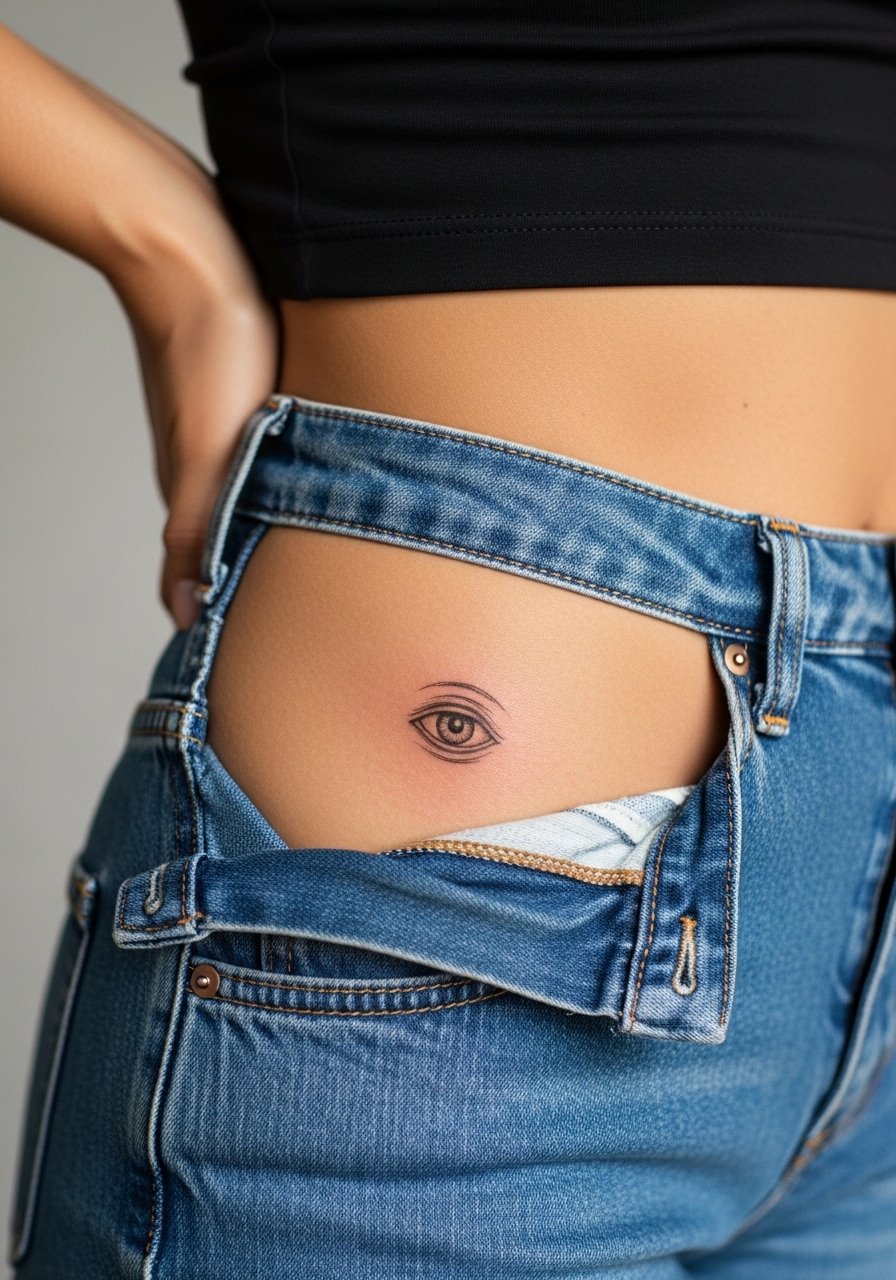
25. Single Iris Eye on the Inner Wrist Wrap
A wrap-style third eye that curves slightly around the inner wrist reads like a small charm. The wrist sees motion and washing, so the smart move is to ask for slightly larger spacing and a thicker outer contour. The session is brief and feels like a constant tickle. For the session wear a loose button-down shirt that you can roll up without pressure. Over time expect softening of inner detail, but the wrap silhouette usually stays intact with a touch-up at year two.

26. Tiny Third Eye Near the Clavicle with Script Accent
Pairing a small eye with a short word or date beneath it adds meaning but complicates aging. Text must be spaced and sized to avoid blurring. Specify the exact script and exact text to the artist and show examples of healed script in that exact font size. For the session wear a wide-neck top you can shift without exposing more skin. A thin chain pendant necklace complements the placement without covering the script. Expect minor softening of the letters by year three depending on sun exposure.
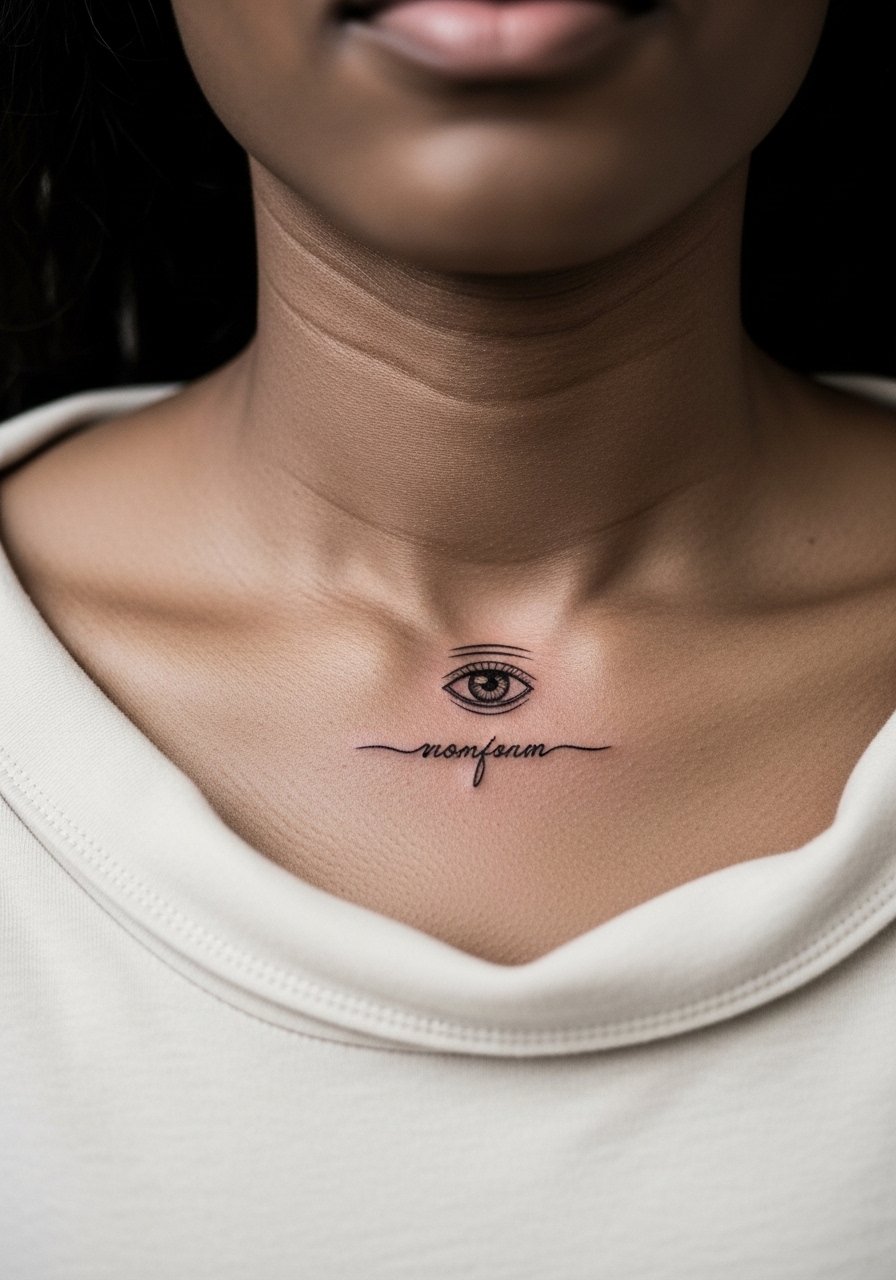
27. Micro Third Eye on the Fingertip Pad
This tiny fingertip pad eye is extreme minimalism and must be approached with realistic expectations. Fingertip skin regenerates quickly so the design will fade and blur more rapidly than most locations. If you want this, accept frequent touch-ups and tell your artist you prefer bolder, single-stroke contour rather than interior detail. The session is brief and can feel sharp. For daily life avoid constant water immersion and consider a ring that does not sit on the same pad to reduce rubbing. Expect maintenance at least once a year.

Frequently Asked Questions
Q: Will a sketch style third eye blur faster than a filled blackwork version on the ribs?
A: Sketch styles use thinner lines and lighter shading so they are more vulnerable on the ribs, which stretch and move a lot. A filled blackwork eye will hold contrast longer, while a sketch version will likely need touch-ups earlier. Discuss with your artist how much spacing and depth they recommend for ribs before booking.
Q: How should I describe the exact look I want to avoid a stylistic mismatch in consultation?
A: Bring photos that show healed work, not just fresh pieces, and point out the line weight, spacing inside the iris, and the type of shading you like. Say whether you prefer stipple, single-stroke lashes, or airy negative space. Ask the artist for healed examples of similar placements to confirm expectations.
Q: If I want to hide a small clavicle third eye occasionally, what clothing choices work best?
A: Wide-neck shirts, high collars, or a thin scarf hide clavicle pieces without rubbing the fresh tattoo. For sessions wear a loose button-down you can pull aside so access is direct without stretching the skin.
Q: How often should I realistically expect touch-ups for finger and hand third eye placements?
A: Fingers and hands are high-friction and exposed, so plan for touch-ups every 12 to 24 months depending on habits and sun exposure. If you frequently wash with harsh soaps or wear rings that rub the area, schedule touch-ups closer to the 12-month mark.
Q: Are certain skin tones better suited to sketch style third eyes?
A: Sketch styles can work on any skin tone when contrast and spacing are adjusted. From what I have seen, artists increase contour weight slightly on darker skin and focus on spacing and negative space on lighter skin. Ask to see healed photos on a range of tones during consultation to match the technique to your skin.