
Fine line neck tattoos look delicate in photos and personal in real life, but the reality is more complicated. Fine minimal lines read crisp for the first year, then they soften based on placement, sun exposure, and skin movement. I have watched the same small script age differently on two people who sat in the same chair, and that gap between trend and reality is what shapes the advice below.
1. Delicate Script on the Side Neck
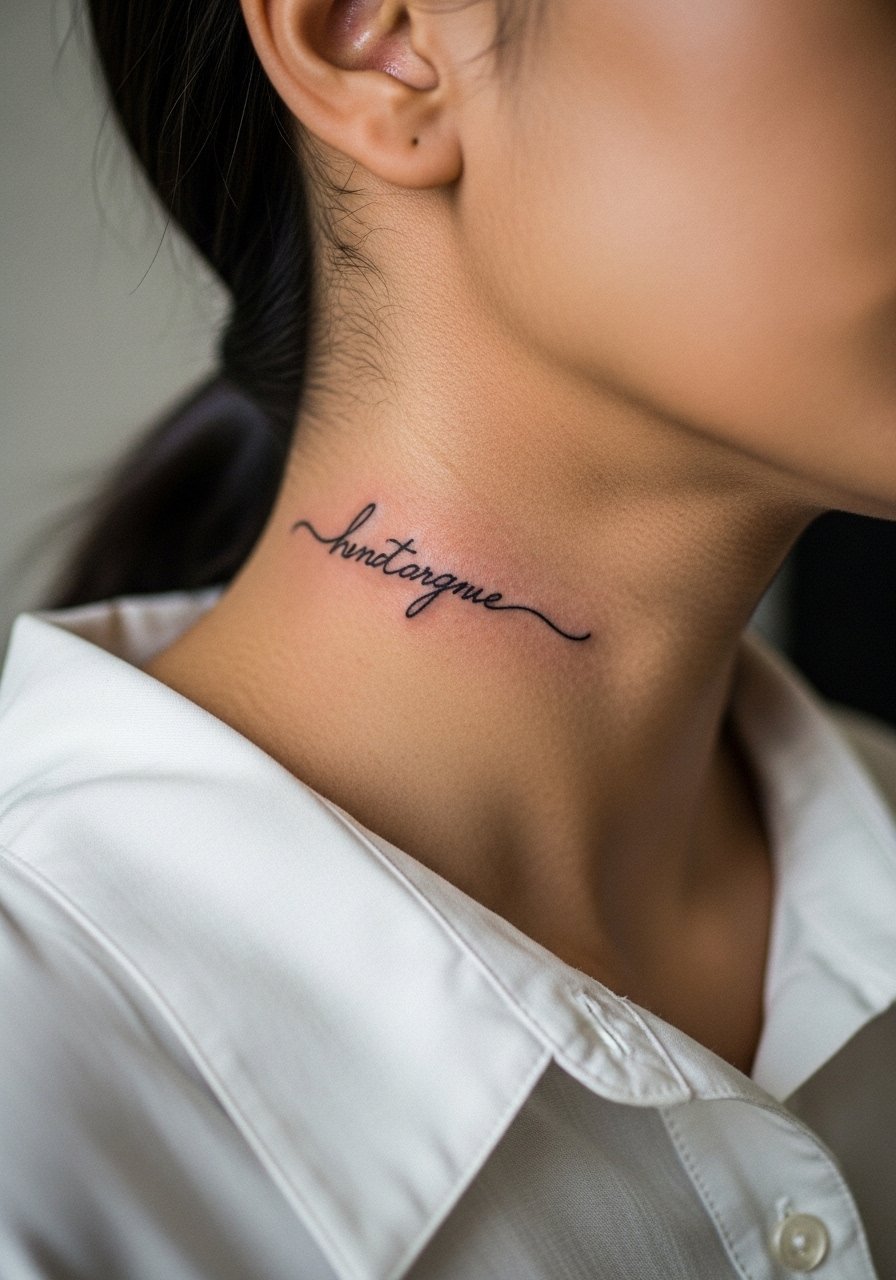
A thin script along the side of the neck reads like a permanent necklace, elegant when the letters are spaced for skin movement. Fair warning, the side neck moves with swallowing and head turns, so ask your artist for slightly heavier line weight than you think you need. Expect moderate pain, brief sessions under an hour, and a likely touch-up around year two, depending on sun exposure. The common mistake is requesting ultra-tiny lettering that later joins into a soft blur. For the session wear something the artist can pull aside easily, like a wide-neck shirt, so the collar does not rub the stencil during sit-down. Because neck tattoos stay visible, think through career impact before you book.
2. Nape Curve That Mimics a Necklace
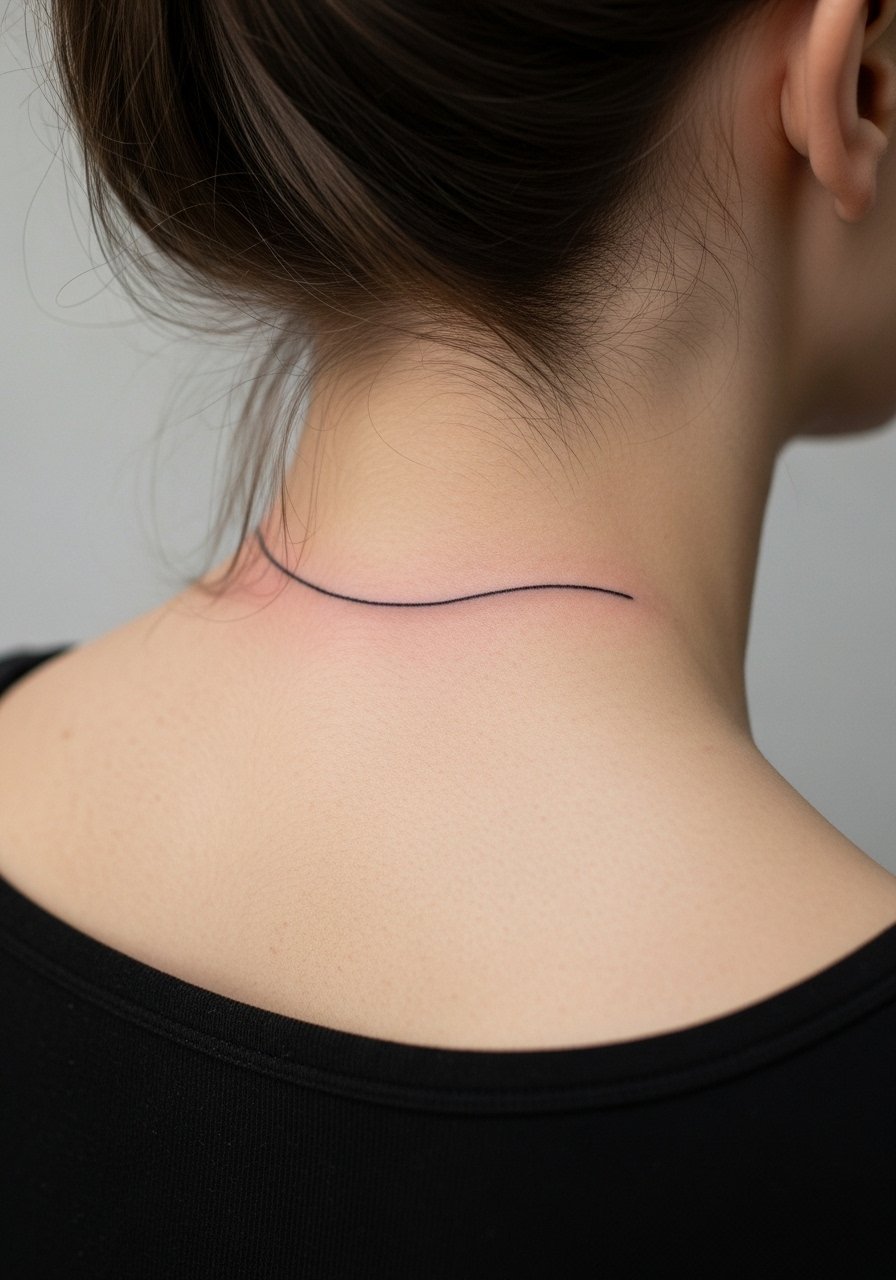
This gentle arc sits along the base of the skull, where movement is less extreme than the side neck and the line tends to hold better. I recommend this when you want the necklace illusion without actual jewelry. Tell your artist to map the curve to your collarbones so it reads balanced when your hair is up. Sessions are short and the pain is mild to moderate. A frequent error is centering the curve too high, which looks awkward when hair is worn down. Paired with low-back or open-collar tops, the line reads like a deliberate design choice. For showing it off, a thin chain pendant necklace sits above the ink without competing.
3. Micro Botanical Vine Along the Side Neck

A micro vine uses tiny leaves and spacing to survive the stretch and motion of neck skin. When I see these age well, the artist left breathing room between leaf clusters and avoided compressing detail. In consultation, ask for spaced leaves and stipple shading rather than filled-in micro detail. The session is short but precise, and the pain is usually moderate. The typical mistake is packing too many leaves into a narrow strip, which blurs by year three. Pair this style with hair up looks or a loose button-down shirt for evenings, the collar frames the vine and keeps attention on the linework. Trust your artist on spacing, and ask to see healed photos of similar work.
4. Front Throat Single Horizontal Line

A single bar across the throat is striking because of its simplicity, but it raises two common debates. One camp says front throat pieces age unpredictably because the skin there shifts with breathing and swallowing. The other camp insists that with correct depth and a slightly heavier engine speed, the line settles cleanly. I tell clients the truth, it depends on technique and skin type. Pain here is higher than the nape, and sessions are short but intense. The most frequent mistake is asking for a near-invisible hairline stroke that disappears from three feet away after a year. For the session, wear a top with an easily adjustable collar so the artist can access the area without you pulling at clothing.
5. Tiny Constellation at the Side of the Neck
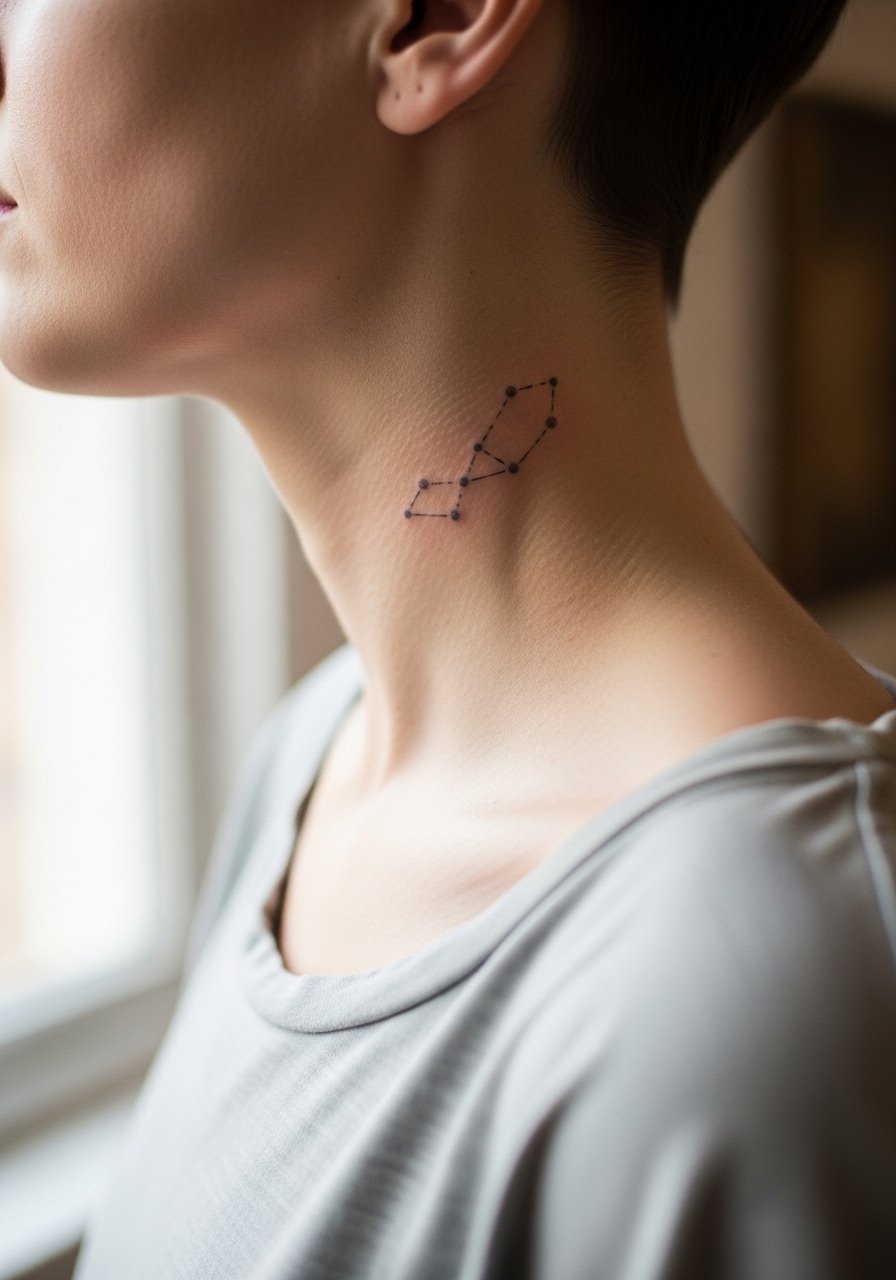
Constellation layouts are forgiving because negative space keeps dots from merging as they age. Bring reference photos that show line weight and dot spacing so your artist matches the scale you want. Expect a light to moderate sting during the session and a short appointment, often under an hour. A typical error is compressing star dots too close, which creates a smudge over time. For show-off looks, a delicate choker or short pendant pairs cleanly, and for the appointment wear a wide-neck tee so the stencil sits flat. Touch-ups around two to three years are common for this scale.
6. Necklace Illusion Chain Across the Collar

This tattoo mimics a delicate chain without the weight of actual metal. In practice, ask the artist to space links so they do not merge and to use slightly bolder linework than a typical micro piece. Pain is low to moderate and session time is brief. The mistake I see most often is trying to match a jewelry chain with razor-thin lines that disappear when healed. For evenings out, a low scoop or V-neck dress frames the chain illusion, and for the session wear a scoop-neck top that you can pull aside easily.
Studio Day Picks
The side-neck scripts, nape arcs, and collar chain pieces above need slightly different prep than a forearm flash, and a few items smooth the day and the first week.
-
Stencil transfer paper kit. Lets you preview the exact placement on soft neck skin so you and your artist can make small shifts before the needle touches skin.
-
Topical numbing cream. Applied about 45 minutes before can take the edge off sensitive throat and nape work without affecting line definition when used properly.
-
Thin protective film roll. Keeps delicate neck pieces clean during the first days when shirts might rub the area.
-
Fragrance-free body wash. Gentle cleansing without added scents helps keep thin linework free of irritation while it forms a crust.
-
Aquaphor healing ointment. A thin layer in the first 48 hours retains moisture and prevents excessive scabbing on the thin skin of the neck.
7. Minimal Moon Behind the Ear, Neck Edge
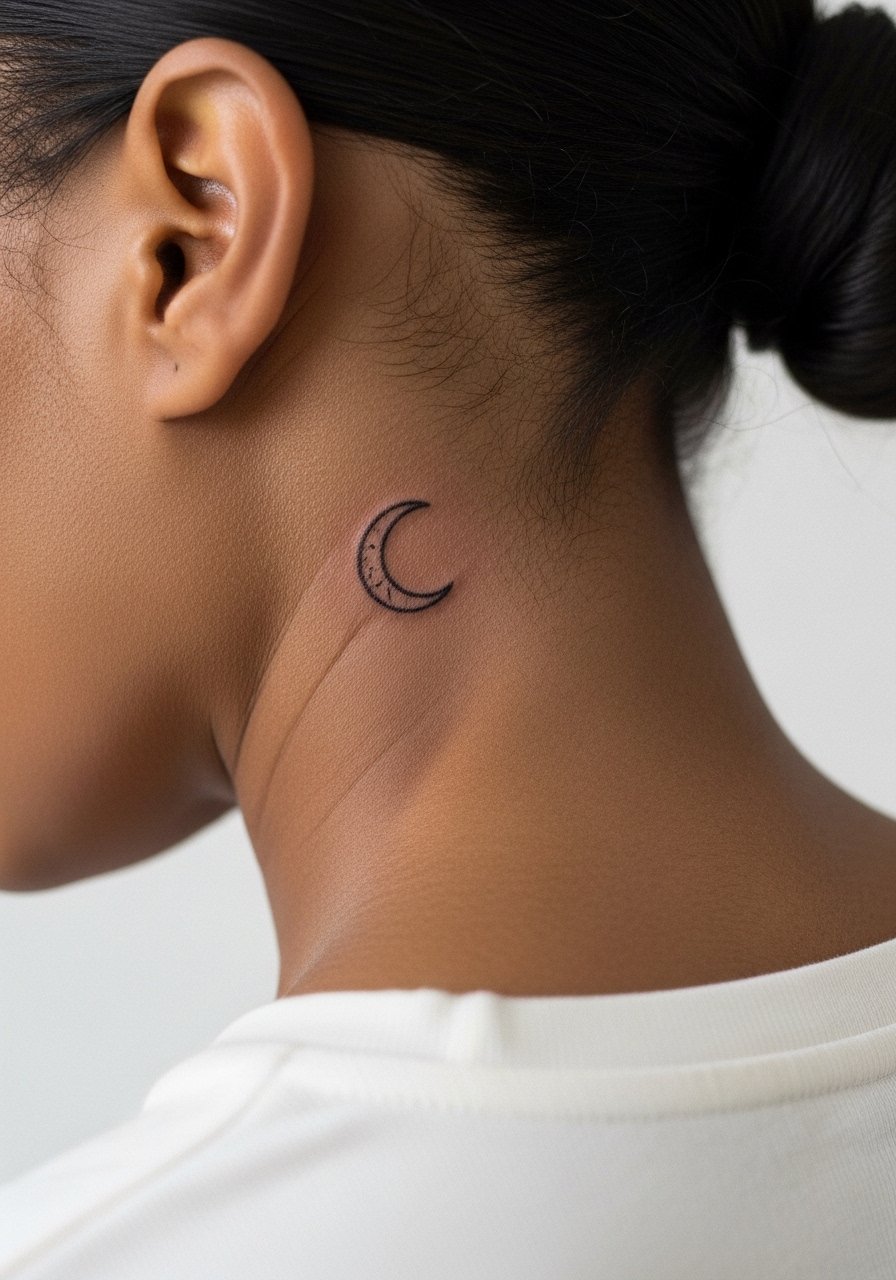
Behind-the-ear pieces sit at the border of ear and neck, and they read like a quiet accent when hair is down. For safety and aesthetics, describe placement as below the hairline on the neck, not on the ear itself. Expect mild to moderate discomfort, short sessions, and potential touch-up needs if the ink migrates under thin skin. A common error is asking for overly detailed micro imagery in such a tight zone. If you plan to hide or reveal it, styling with hair clips or a half-up hairstyle shows it selectively. For the appointment, wear hair up and bring pins.
8. Tiny Geometric Stack Along the Side Neck
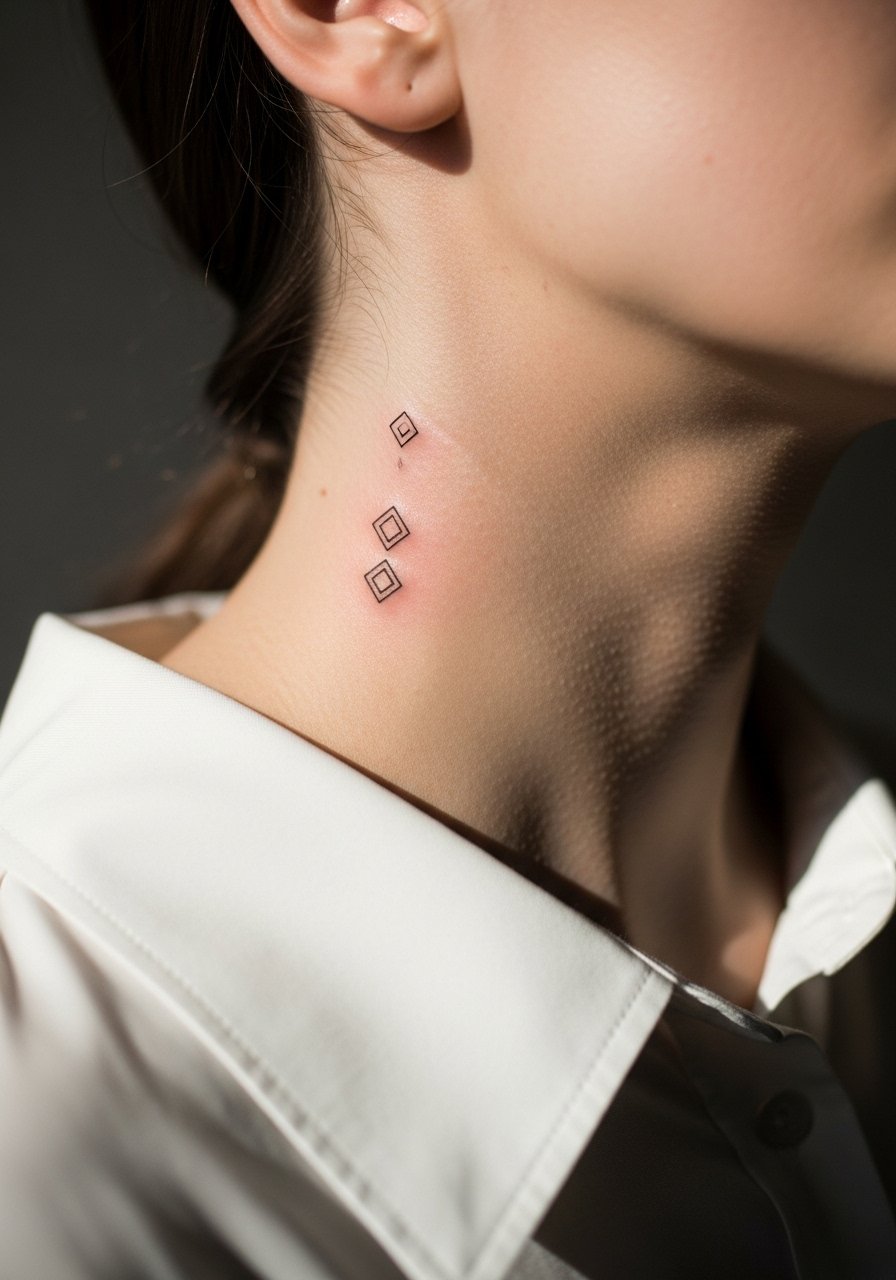
Stacked geometry works because simple shapes keep negative space between elements. When clients ask me, I recommend equilateral spacing and slightly bolder outlines than micro dots to avoid merging over time. The session is quick and the pain moderate. A repeated mistake is scaling the shapes too small, which turns crisp triangles into an indistinct mark after a couple of years. Pair stacked shapes with collared shirts worn open or a minimal pendant so the neck area feels intentional. For the session, a wide-neck shirt keeps collars from smudging the fresh stencil.
9. Soundwave Tattoo on the Side Neck

A soundwave is personal and graphic, and it stands out because it is a recognizable shape from a distance. The main consultation note is to bring the exact audio converted to a clean vector so the line remains faithful to the waveform. Expect a short session and targeted discomfort. The most frequent mistake is trying to compress too much waveform detail into a narrow band, which becomes illegible when healed. For show-off looks, a slightly lowered collar or a pendant that sits above the wave keeps attention on the design. Ask the artist about long-term legibility if you plan complex waves.
10. Micro Star Trail at the Nape
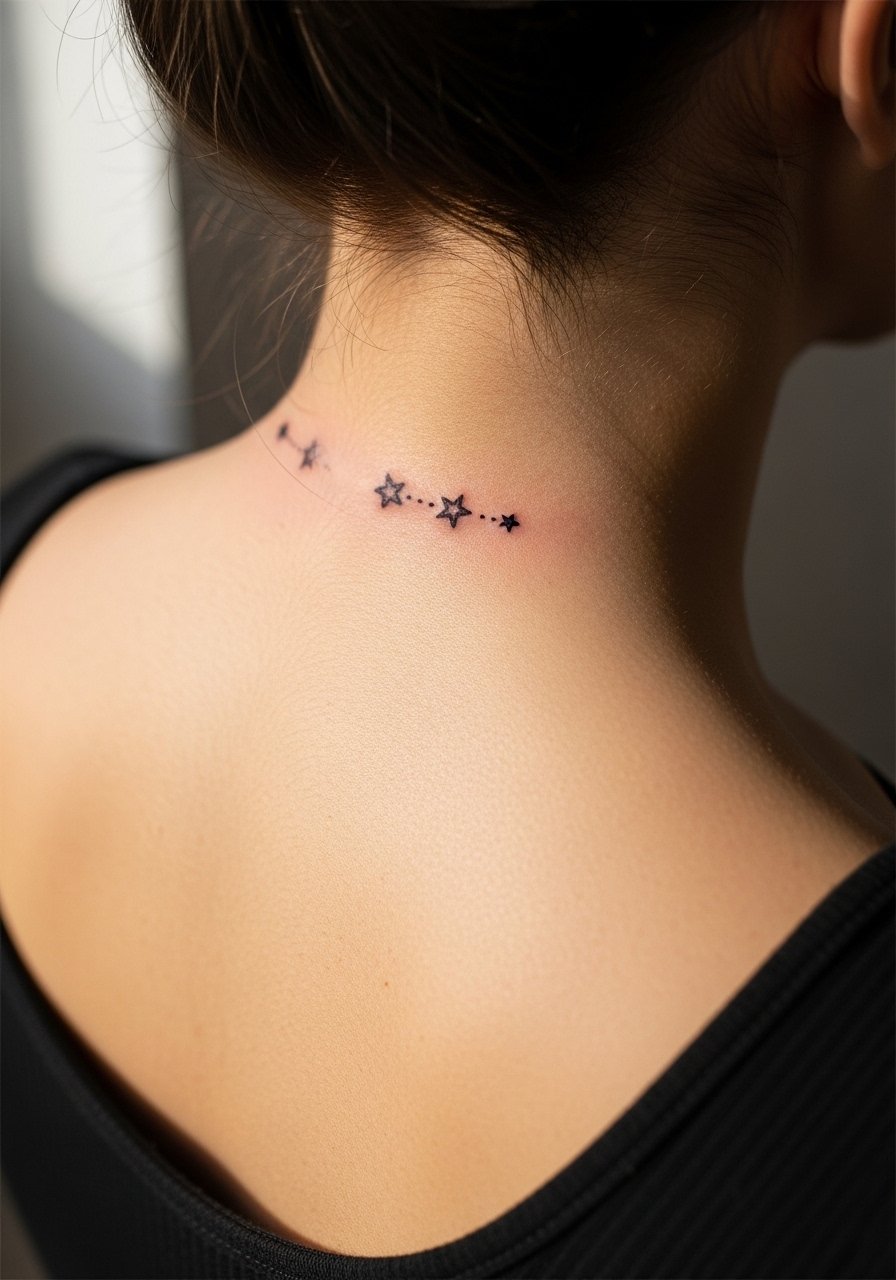
A micro star trail at the nape benefits from skin that moves less than the side neck, so dots maintain spacing longer. I tell people this is one of the lower-risk neck placements for longevity. Sessions are short and pain is low to moderate. A common oversight is packing more stars than the space allows, which leads to merging in a couple of years. This spot pairs with updo hairstyles and backless tops for evenings. For the session wear a scoop-neck that you can pull slightly down so the artist can access the nape without tugging.
11. Tiny Roman Numerals Along the Collar Island
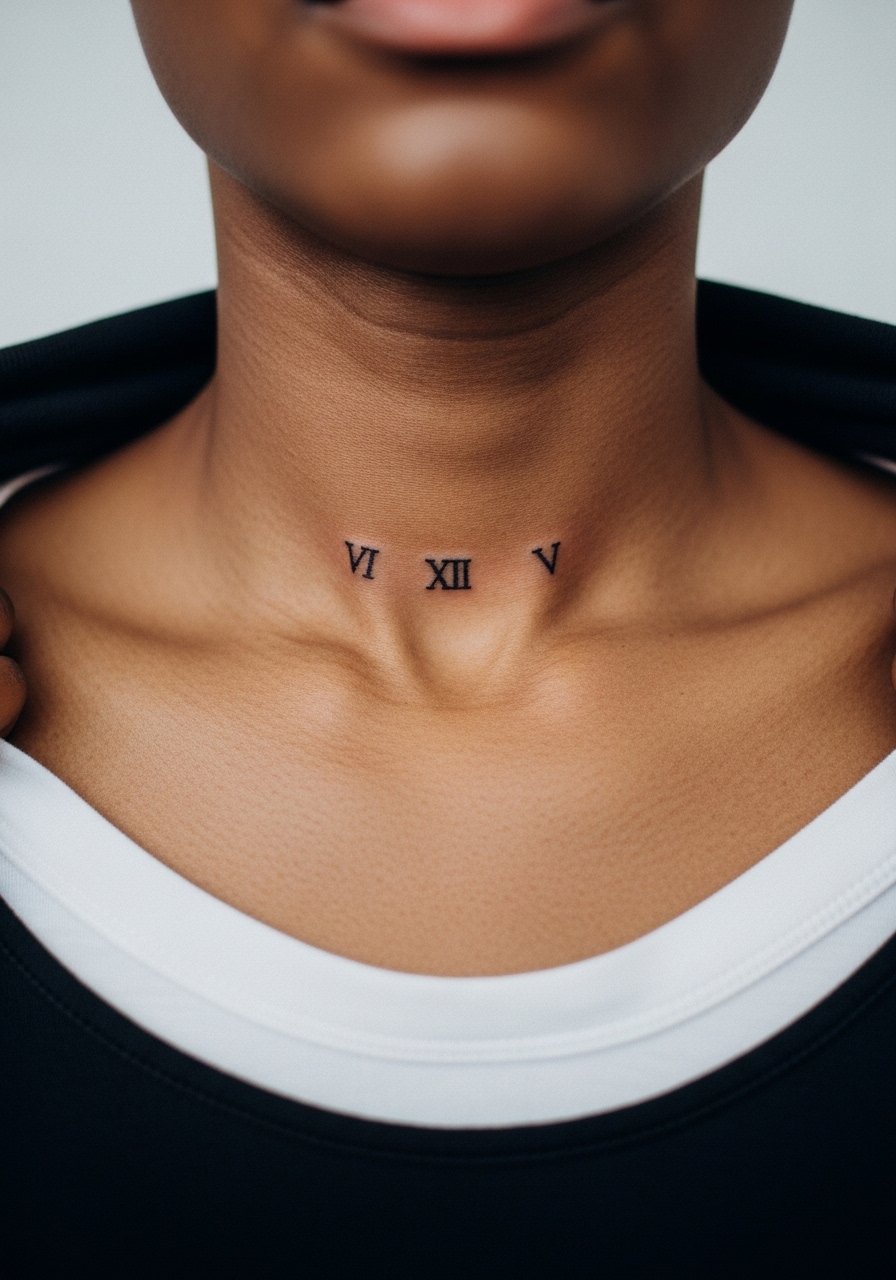
Roman numerals read clean as a linear element that blends collarbone and neck areas. When requesting numerals, specify the exact characters you want, because generators and stencils sometimes render unexpected variants. Pain is moderate and sessions are brief. The usual mistake is choosing a very thin serif that fills out into a soft bar when healed. Keep numerals moderately sized and ask for clear spacing. For showing it off, open-neck shirts or a thin chain pendant draw the eye to the collar and the tiny numerals.
12. Tiny Arrow Along the Side Neck
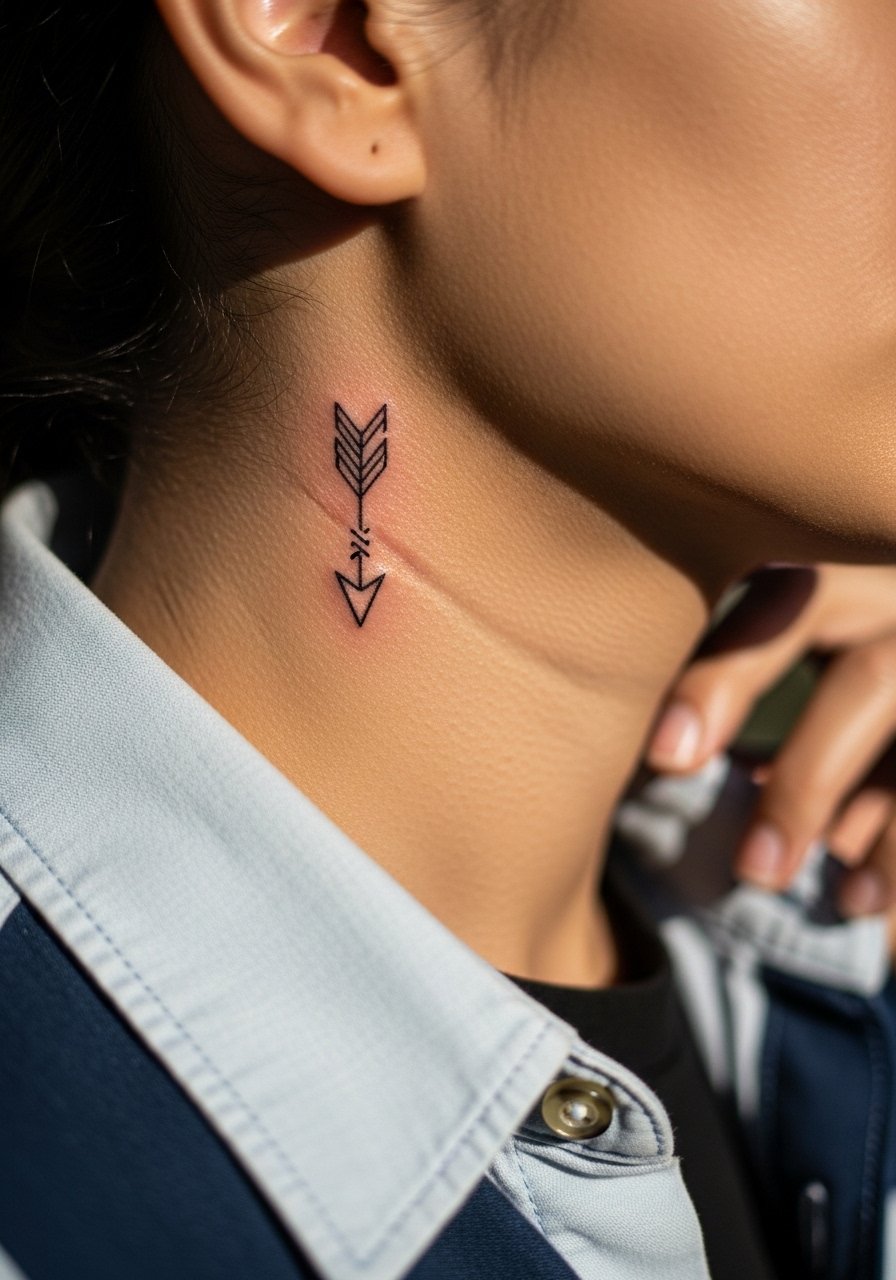
A small arrow is directional and reads well when the line weight is consistent. For longevity, avoid tiny feather details at the tail, since they tend to blur. The session is quick, pain is moderate, and a touch-up around year two may be needed if you sunbathe often. People often request arrows that are too slender, and the result is a faint line that loses personality. This placement looks intentional with open collars and layered necklaces, and for the session wear a button-down shirt you can pull aside without stretching the fabric.
13. Minimal Crescent at the Back of the Neck Along the Hairline
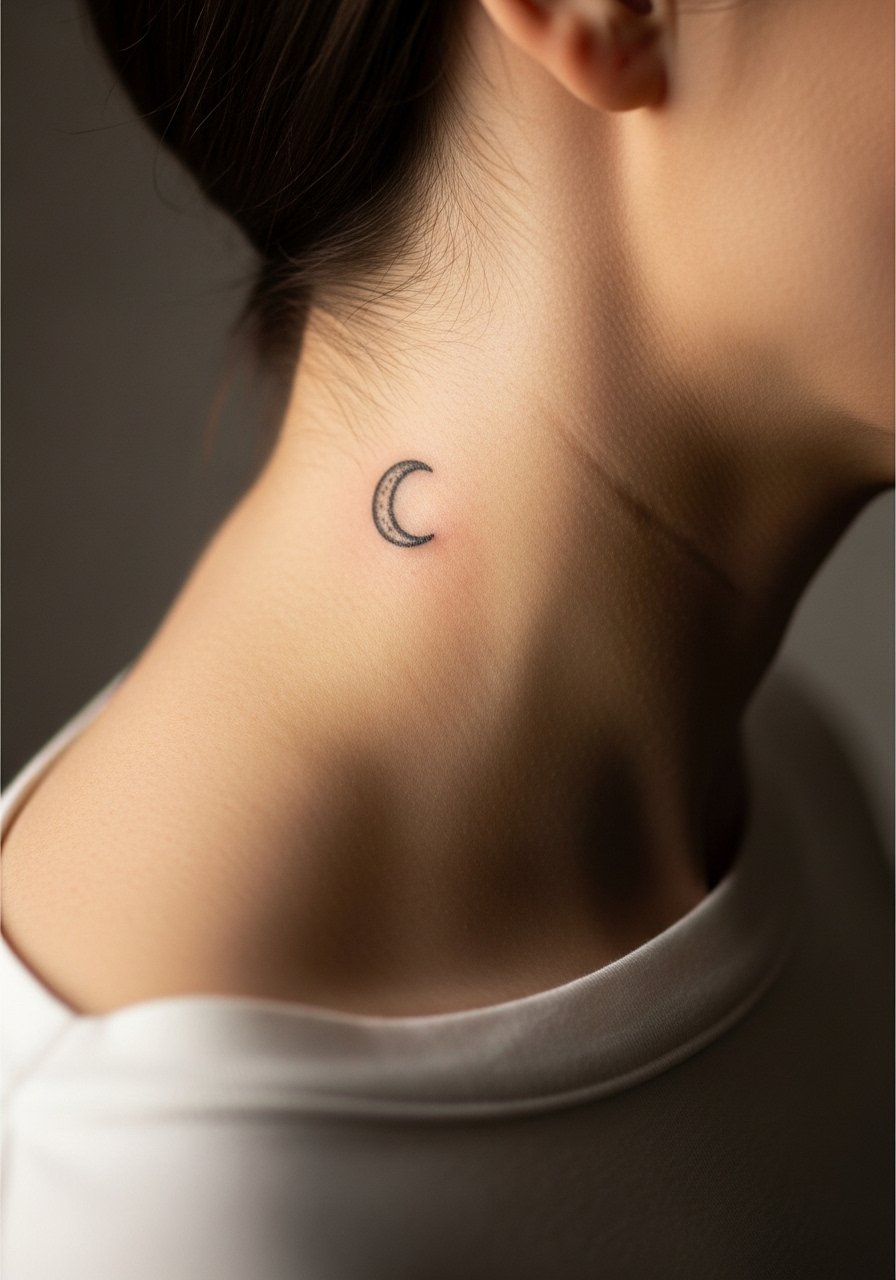
A crescent tucked under the hairline feels private yet visible when you wear your hair up. I advise clients to position the curve so daily hair brushing does not constantly rub the fresh scab. Pain is mild to moderate, and sessions are brief. The most common error is placing it too low where shirt collars rub it during the first week. For show-off styling, half-up hairstyles or low buns make the shape a subtle focal point. If you need to hide it for work, discuss exact placement with your artist to keep it within the hairline.
14. Thin Snake Line Curving Around the Side Neck
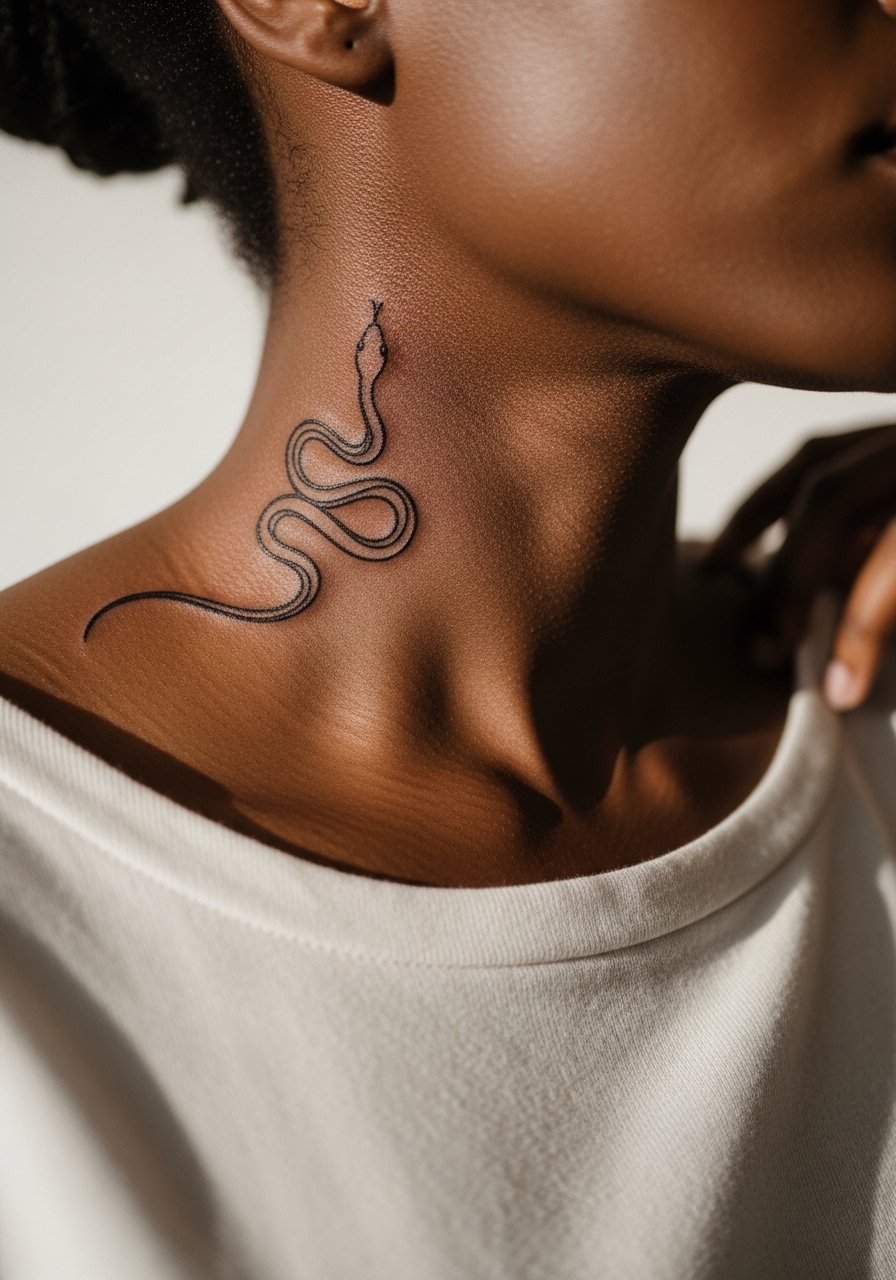
A snake rendered as one flowing line reads sleek and modern, but the design must have generous spacing and no micro scales in a tiny area. Tell the artist you want a silhouette with airflow between curves so it does not become a dark blob over time. Expect moderate pain and a session that may run a little longer if the line follows complex curves. The mistake people make is asking for intricate scales at a tiny size, which quickly loses definition. Pair with turtlenecks pulled down slightly or open collars, and know that highly visible neck snakes can draw strong reactions in some circles.
15. Minimal Script Centered at the Nape

Center nape script is intimate because it sits where hair often hides it. There is an ongoing split among people about neck tattoos and professional perception. One group accepts visible neck ink as personal expression that can be styled into professionalism. The other group worries about workplace bias and long-term consequences. I suggest thinking about visibility in daily life and asking your artist for slightly bolder lines to help longevity. Pain is moderate and sessions are short. Avoid ultra-fine tiny cursive if you want the word to remain legible after several years.
16. Tiny Keyhole at the Front Base of the Neck
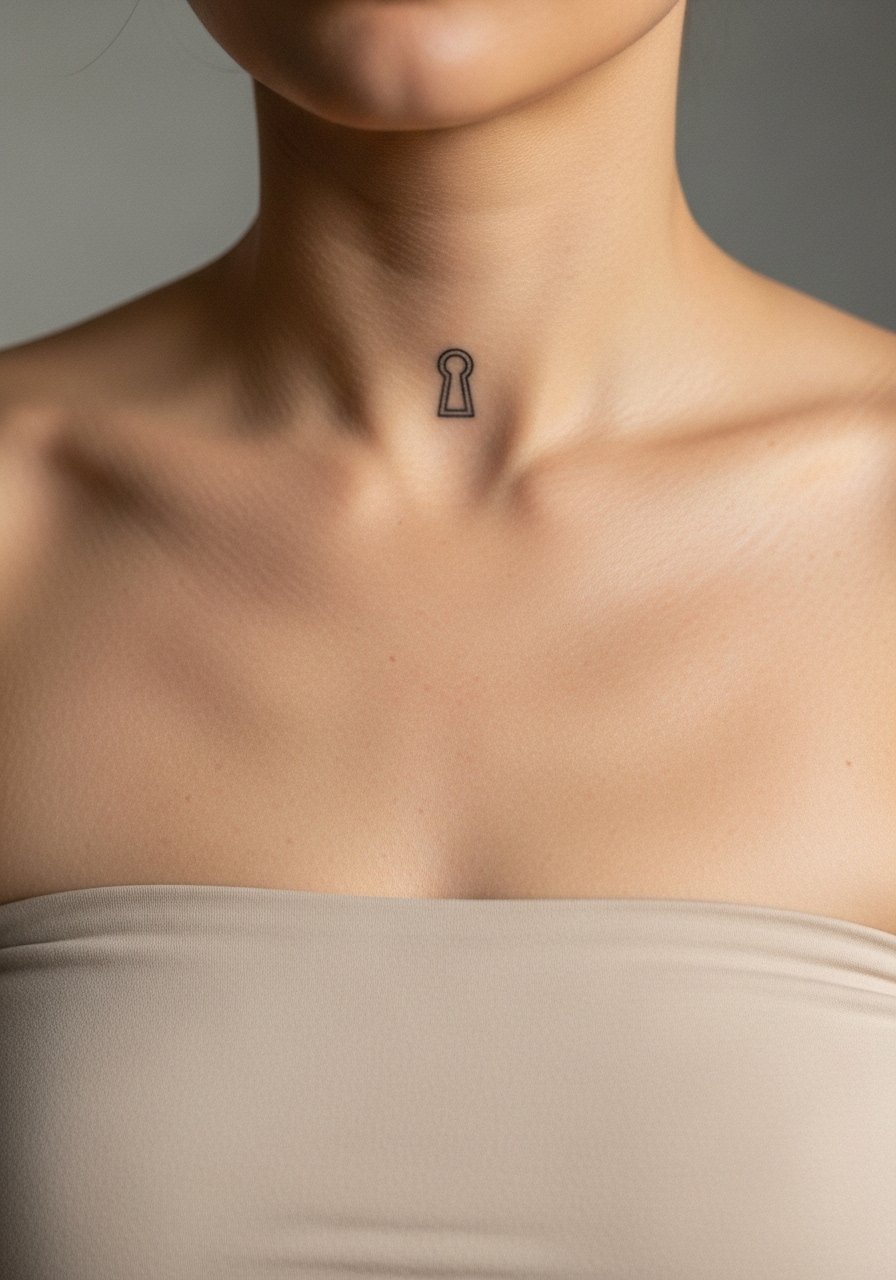
A small keyhole at the throat base reads symbolic and subtle if centered precisely. Because it sits near the sternum, the artist must account for breathing motion and chest expansion. Pain ranges from moderate to higher, and the session time is short but focused. The common mistake is placing it too low onto the sternum where fabric rubs and scabs more easily. For clothing, a bandeau or open-neck top frames the keyhole without competing for attention. If you have concerns about sensitivity in this zone, discuss depth and placement openly during the consult.
17. Minimal Vertical Line of Dots at the Center Back Neck
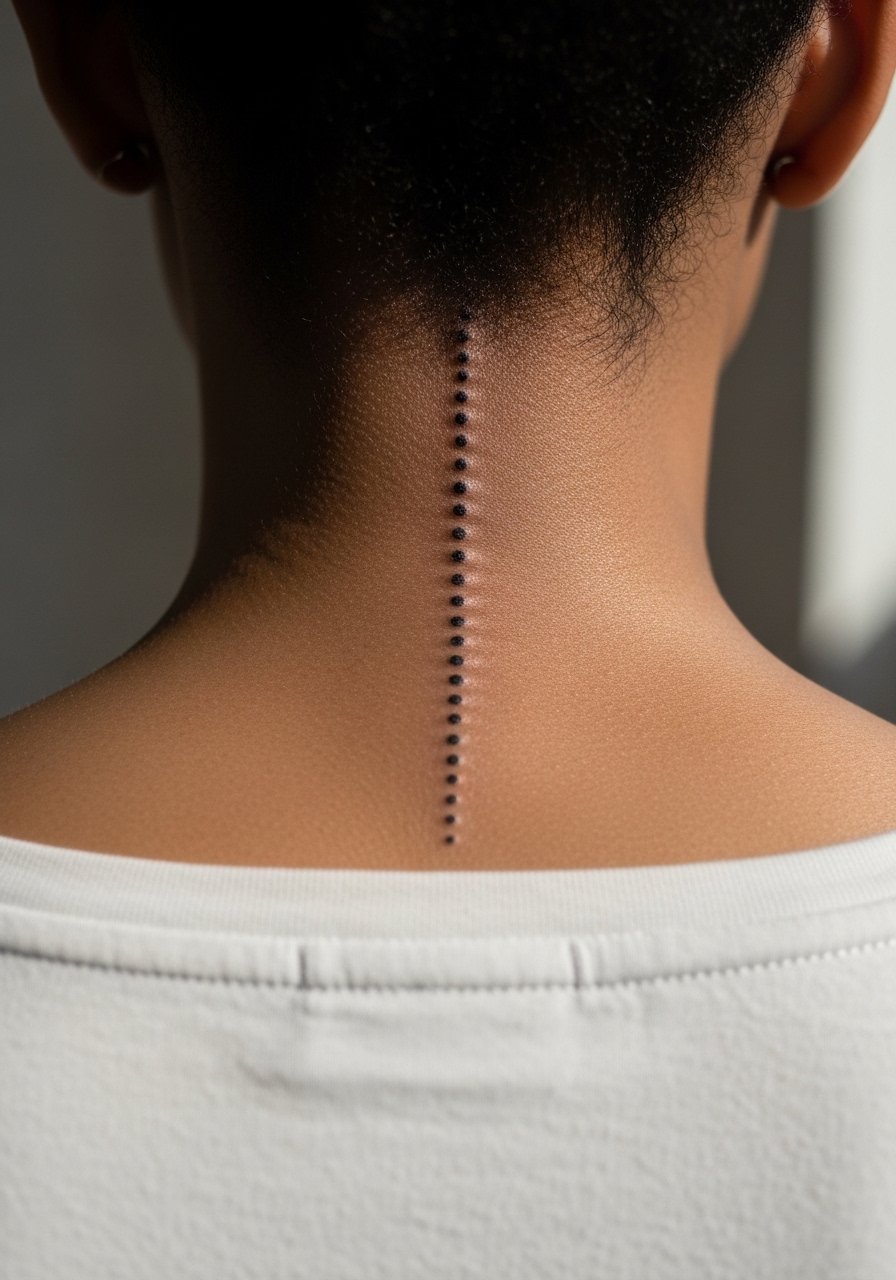
A dotted vertical stripe reads modern and subtle, and because dots maintain separation better than continuous micro-lines, this idea is resilient. In consults I tell clients to space dots intentionally so they can breathe as the skin stretches. Pain is mild to moderate and the appointment is short. Common errors are reducing the dot size too much, making the line fade into a faint smudge. For styling, short hair or updos show the line, and for the appointment wear a wide-neck shirt so the collar does not press on the fresh dots.
Frequently Asked Questions
Q: Will a minimal fine line neck tattoo need touch-ups more often than a forearm piece?
A: It depends on placement and sun exposure, but generally neck skin moves more and sees more sun than a forearm. Expect a higher chance of a touch-up around year two to three for very fine work, and ask your artist to leave space between elements and slightly more weight where necessary.
Q: Are neck tattoos safe for people with sensitive skin or keloid history?
A: If you have a history of keloids or hypertrophic scarring, bring that up during consultation. Some artists steer clear of high-risk skin or recommend test spots. For sensitive skin, ask for healed photos of similar placements and plan for conservative line weight.
Q: Can I hide a side neck or nape tattoo for work without surgery?
A: Yes, many people style hair down, use scarves, or choose clothing with higher collars to conceal a nape or side neck piece. Think about your daily wardrobe during the consult so placement aligns with how you plan to show or hide the tattoo. A wide-neck shirt or a loose scarf covers small nape work easily.
Q: How should I prepare for a neck tattoo session to reduce swelling and discomfort?
A: Hydrate well the day before, avoid alcohol the night before, and wear a top that gives the artist clean access like a wide-neck or button-down. A short nap before the session and a snack afterward help with lightheadedness if the area feels sensitive.
Q: Do minimal line neck tattoos have cultural sensitivity considerations I should know about?
A: Some symbols and scripts carry cultural or religious significance. If a design traces to a specific tradition, consider slight personalization or ask your artist about respectful variations. It is fine to honor the origin while avoiding direct appropriation.