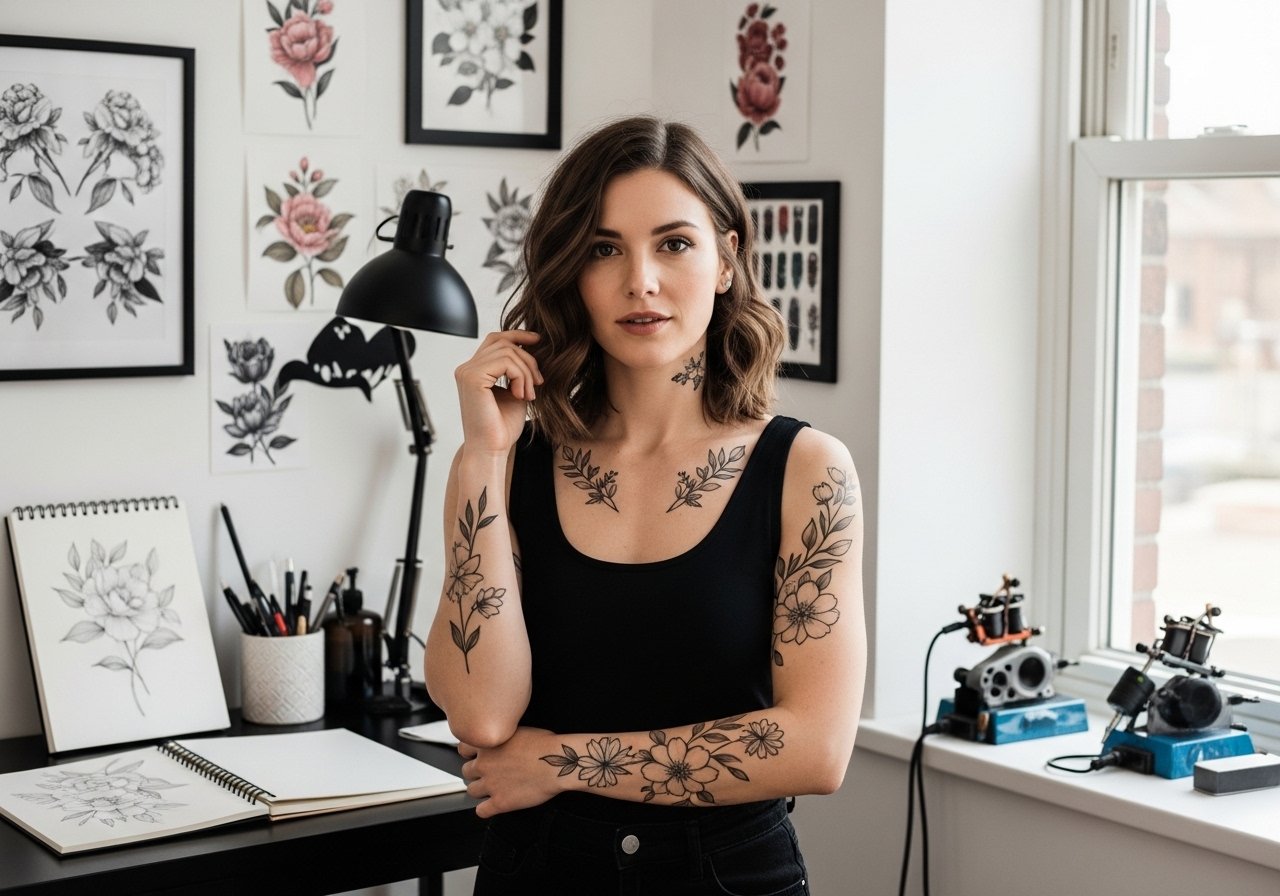
Fine line shoulder work is everywhere online, but what holds up after three summers of sun and gym time is a different story. The tattoos that age well on broad, moving shoulders give space to the design and use bold anchors where needed. Below are 17 shoulder-focused ideas that balance impact with longevity, plus what to ask for in your consult so the piece still looks intentional years from now.
1. Geometric Shoulder Cap with Negative Space
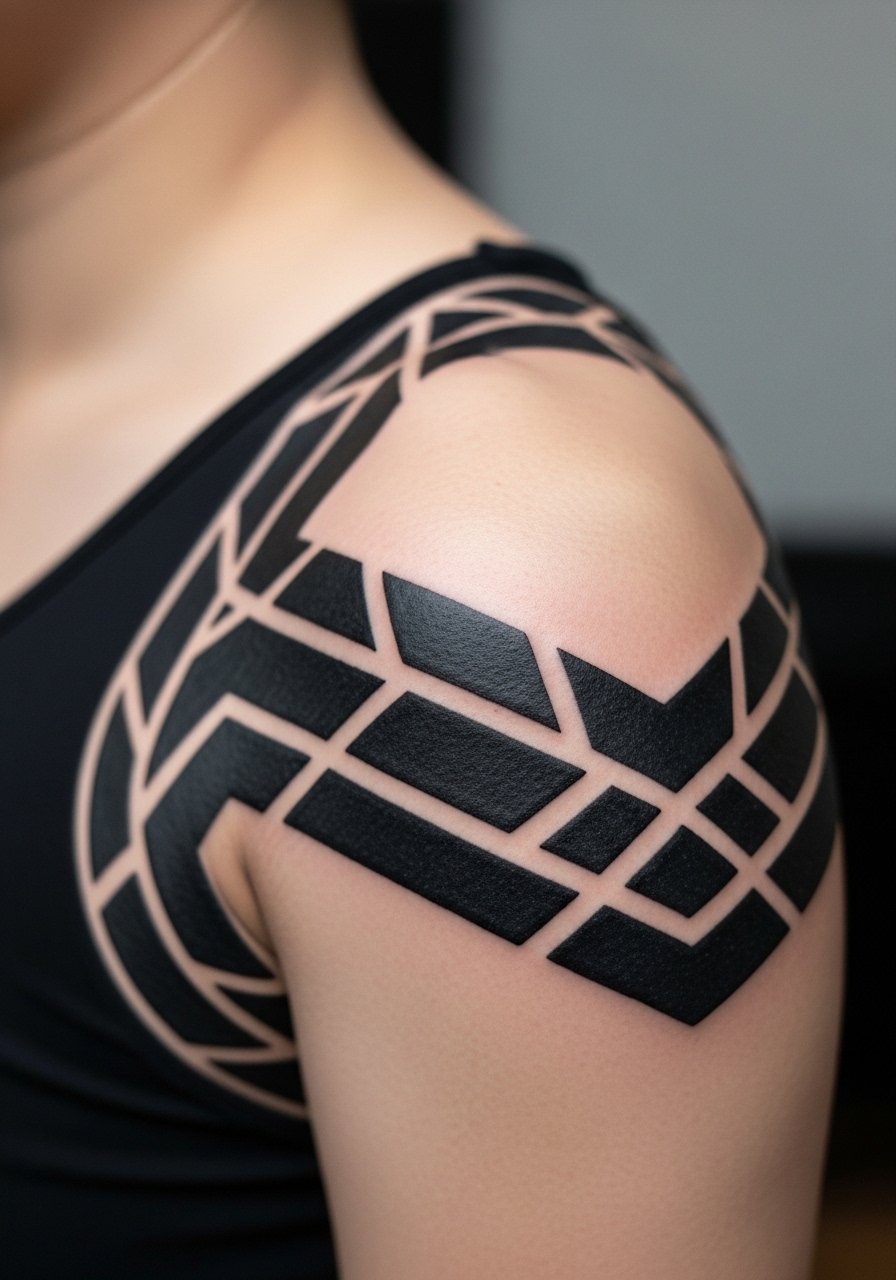
I prefer this when you want a piece that reads from across the room, not just up close. Ask your artist to design with deliberate gaps so the high-contrast shapes do not merge as the skin stretches. Fair warning, the deltoid can feel like a 5 out of 10 on pain scales for many men, and a typical session runs two to three hours depending on saturation. The common mistake is shrinking the pattern to fit a smaller shirt size, which causes the shapes to blur in three to five years. Expect a possible touch-up at year two for heavy black saturation. For the appointment, bring a loose button-down shirt you can pull aside so the artist has full access to the shoulder.
2. Neo-Traditional Dagger and Rose, Shoulder-to-Bicep Flow
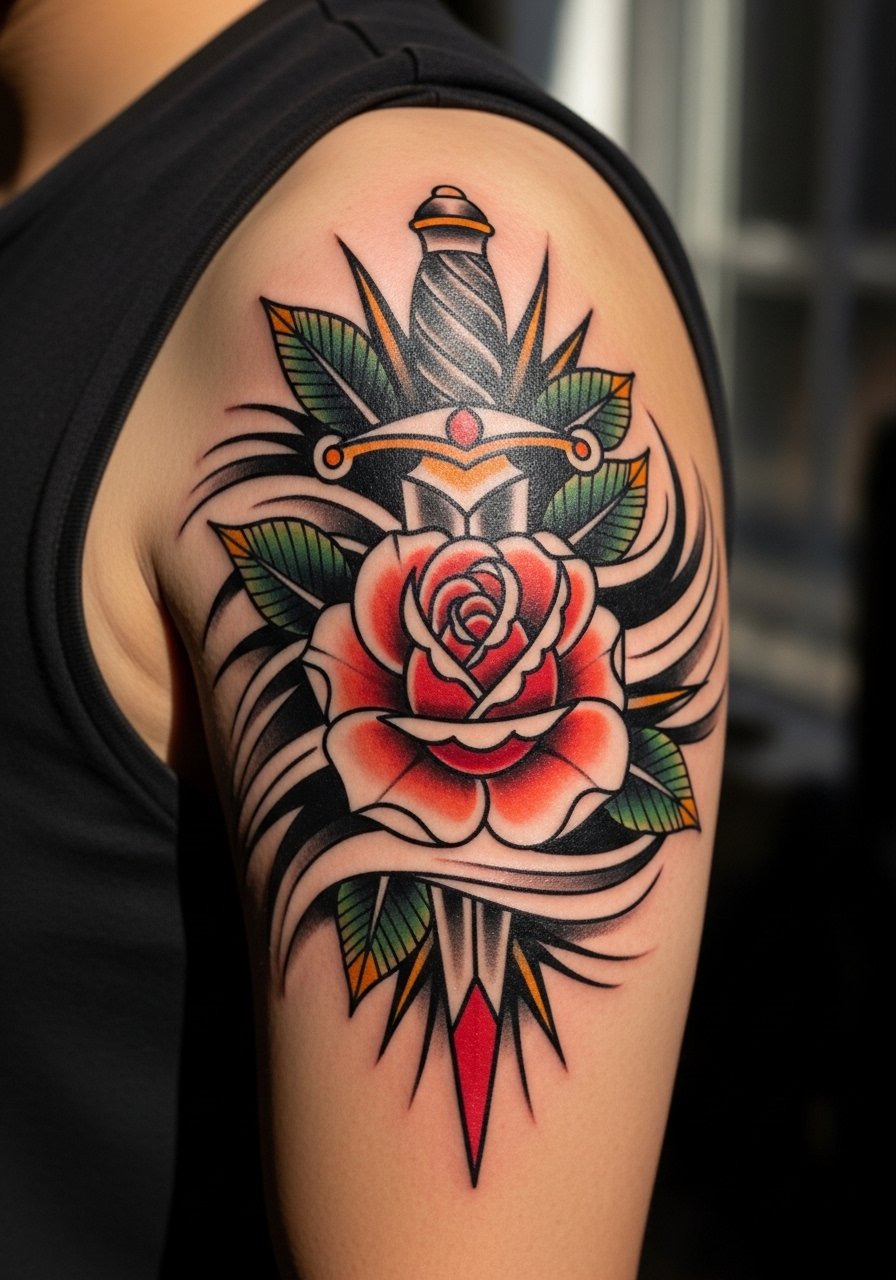
I've seen this style hold up well when the artist leans into thicker outlines around the dagger and uses denser saturation in the core colors. In consultation, show full-body reference photos so the flow onto the bicep is mapped to your muscle movement. A mistake is asking for tiny petals and thin stems in a high-motion area because those details blur first. The session feels steady pressure with occasional stinging when shading the bicep. Expect full saturation to settle in at six months and then soften by year three. For showing the piece off, short sleeves and a fitted crew tee frame the shoulder without cutting the silhouette.
3. Blackwork Polynesian-Inspired Shoulder Band
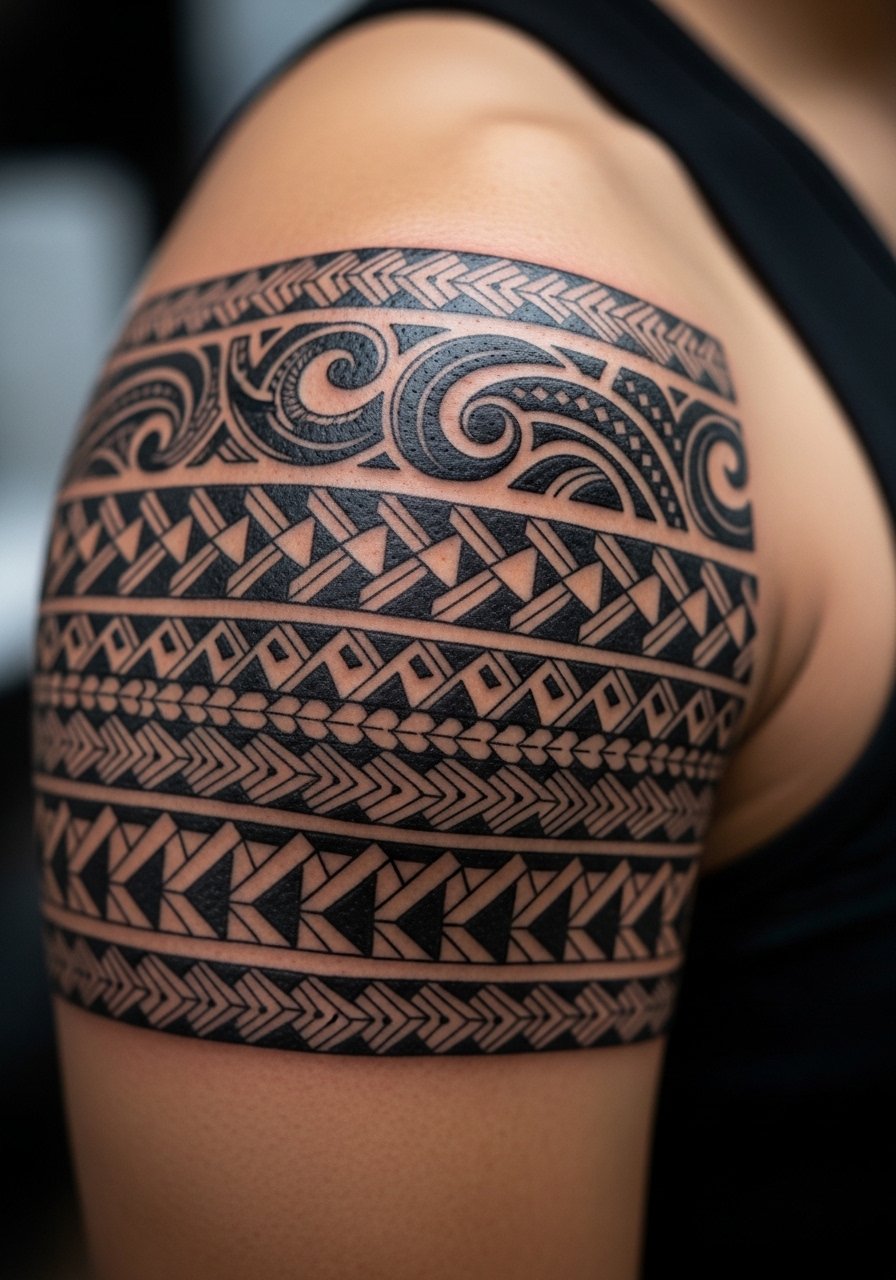
This design requires cultural sensitivity. The patterns trace to Polynesian carving traditions, so consider variations or an origin note instead of direct replication. When you sit for this band, tell your artist which motifs you prefer and why, so they can adapt rather than copy. The skin on the outer shoulder tolerates heavy blackwork well, but a common error is running the band too thin near movement points where blowout risk is higher. Session time is often split across two appointments for clean edges and even saturation. For session comfort, a tank top that you can pull aside keeps the chest covered while the shoulder is exposed.
4. Minimal Compass Medallion on the Deltoid
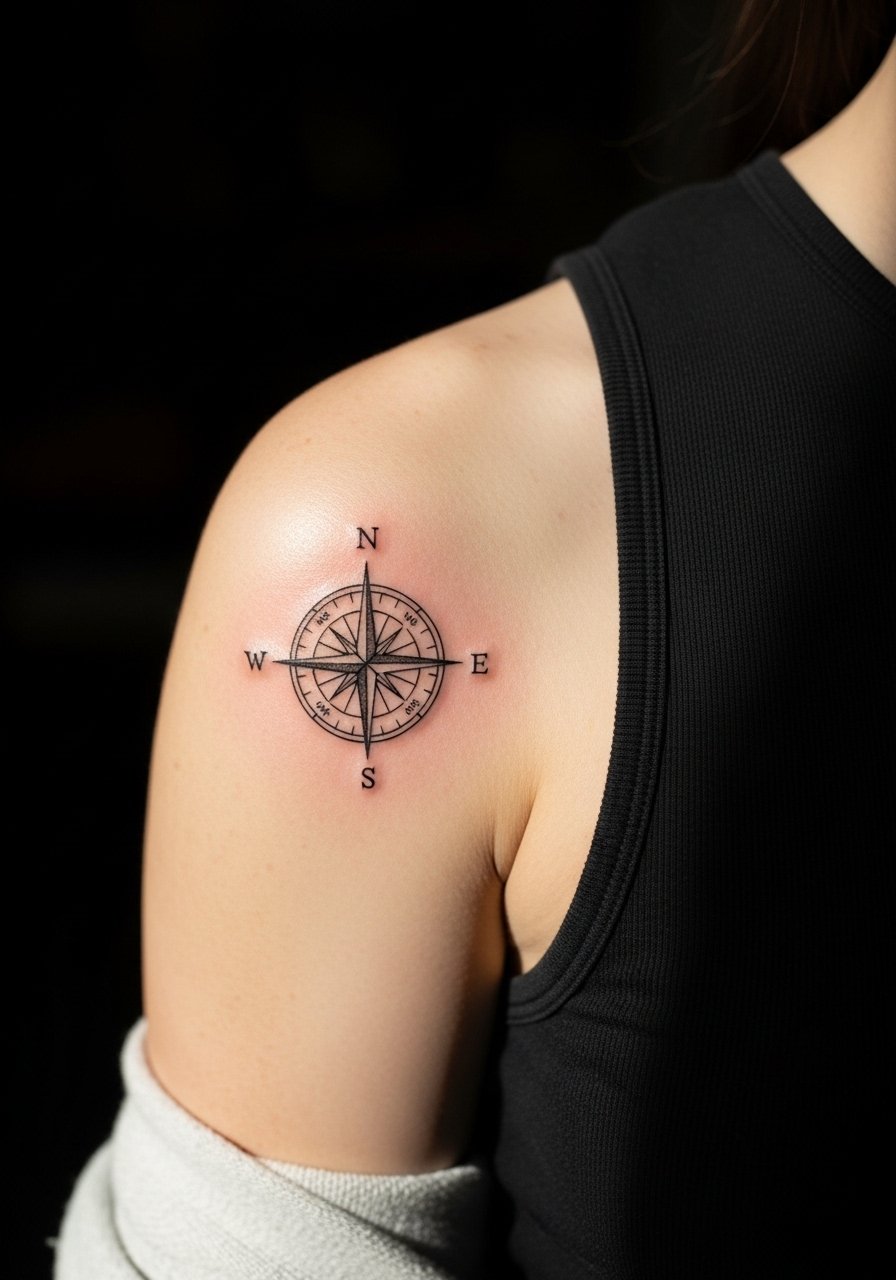
The visual impact lead applies here. A small compass reads neat on a broader shoulder when placed dead center and sized for the muscle. Tell the artist you want slightly thicker primary points and lighter secondary lines so the main shape survives years of wear. The biggest mistake is insisting on ultra-fine arrows that disappear after sun exposure and gym friction. Pain is low to moderate and session time is usually under an hour. For show-off style, a short-sleeve linen shirt with the sleeve rolled once keeps the shoulder visible without feeling staged.
5. Stipple-Shaded Floral Shoulder Bloom
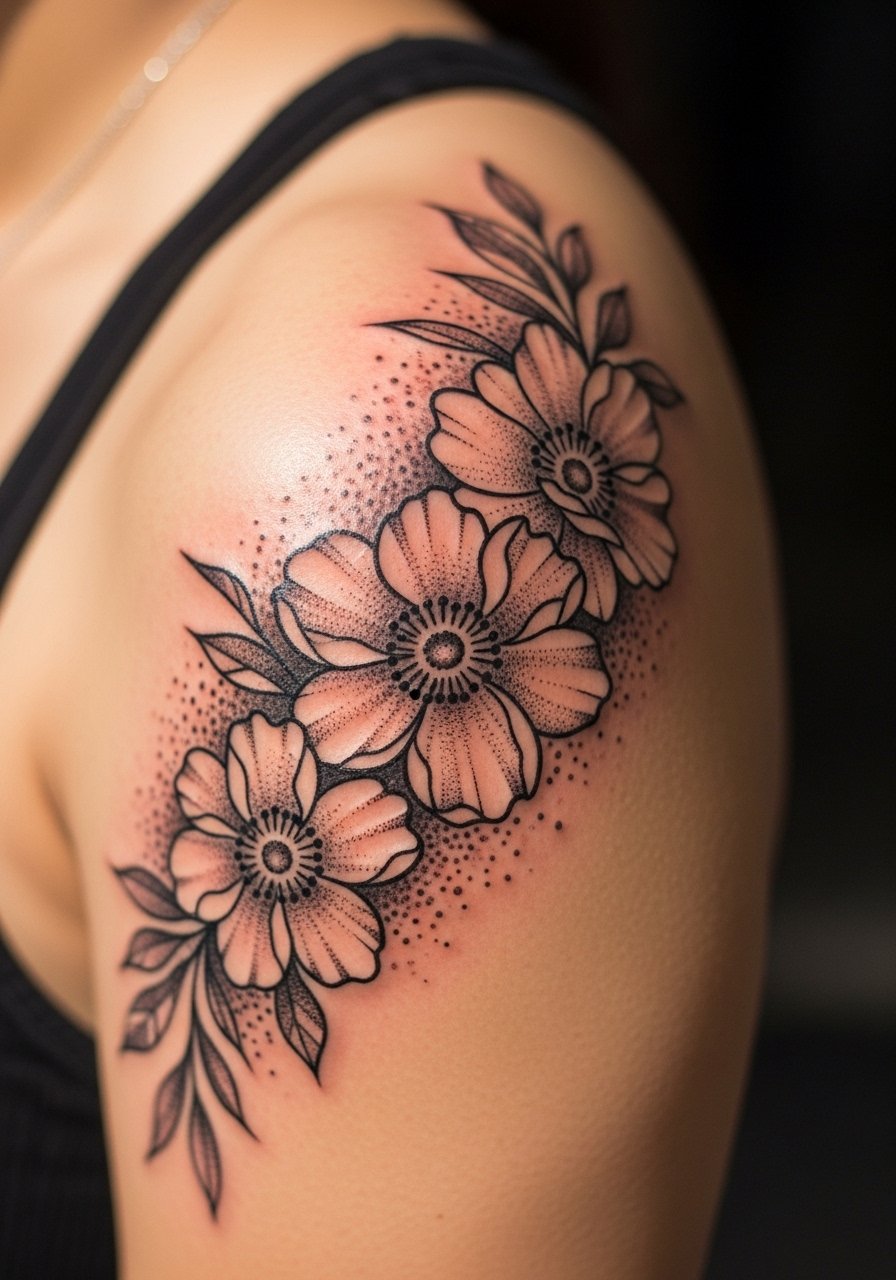
When you want detail that reads like texture, stipple shading gives depth without heavy color. In consult, ask for clear examples of stippling density because too-tight dots will merge over time. A common version that ages poorly uses one continuous gradient with no anchors for contrast. This approach often needs a touch-up at year three to restore point contrast. The session feels like long, meticulous passes rather than quick shading bursts. For the appointment, wear a short-sleeve tee you can lift so the artist can reach the back and side of the shoulder.
6. Dramatic Blackwork Half-Sleeve Shoulder Anchor

Consultation lead works best here. Bring photos showing how the half-sleeve will sit under short sleeves and how you plan to layer clothing. The shoulder is excellent for large black fields because the skin keeps saturation well. The common mistake is over-detailing the interior of the black fields which disappears as the ink settles. Sessions are long and may be split into two or three visits. Expect touch-ups on edges after heavy exposure seasons. For showing the piece, sleeveless gym wear shows the full wrap, and a muscle tank pairs cleanly without hiding the anchor.
Studio Day Picks
The first six shoulder pieces above range from small deltoid medallions to blackwork half-sleeves, and prepping right smooths the session and the first week of healing.
-
Hydrogel dressing sheets. Cushions fresher blackwork and reduces friction on the edge of shoulder caps during sleep and movement.
-
Fragrance-free body wash. Gentle cleansing keeps dot work and stipple shading from drying into flaky residue in the first week.
-
Thin breathable adhesive film roll. Helpful for shoulder bands and small medallions that sit near shirt seams.
-
Topical numbing cream. Use cautiously and discuss it with the artist; it can ease long blackwork fills for sensitive clients.
-
Aquaphor healing ointment. Thin layers in the initial days keep saturated blackwork supple without clogging pores.
7. Japanese-Inspired Koi and Wave Shoulder Scene

Visual impact lead. This style reads as a narrative that needs space to breathe, so avoid compressing the koi into a tiny patch. Tell your artist which element you want to dominate and where you plan to place clothing seams so nothing important sits under a sleeve hem. Traditional shading handles the shoulder motion well, but a mistake is layering too many small scales and expecting them to read at a glance. Session time is often multiple hours and sometimes split. For show-off pairing, an open-button short-sleeve shirt shows the flow without exposing the chest.
8. Minimalist Band with Subtle Textures
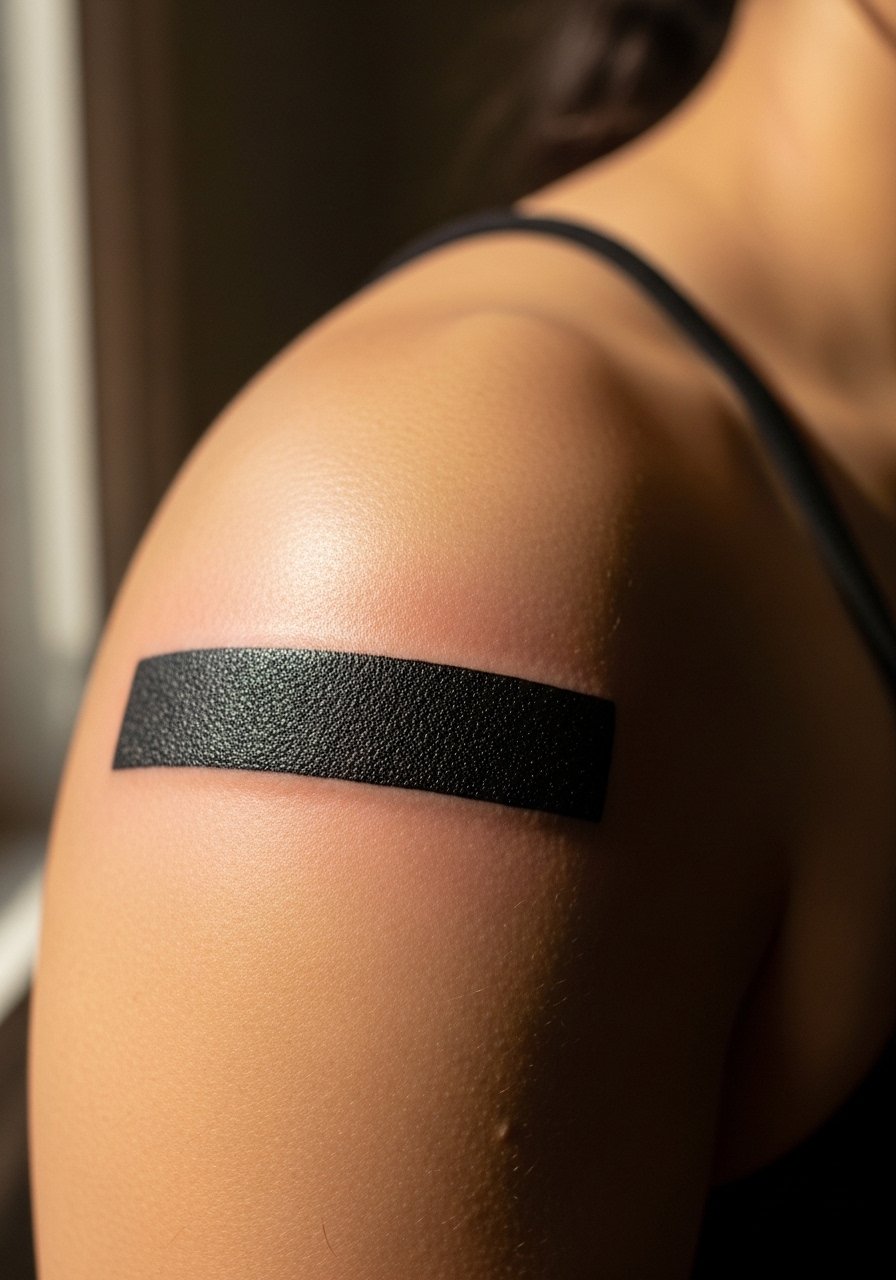
Mistake lead. The biggest error with minimalist bands is placing them too low where shirt collars rub. When you ask for a band, specify exact placement relative to the neckline. Pain is mild and sessions are short, but this type relies on clear spacing so it does not look like a scar over time. For longevity, request slightly heavier linework for the primary edge. Wear a classic crew tee for the session so the artist can check how the band sits while you stand naturally.
9. Illustrative Falcon Shoulder Piece
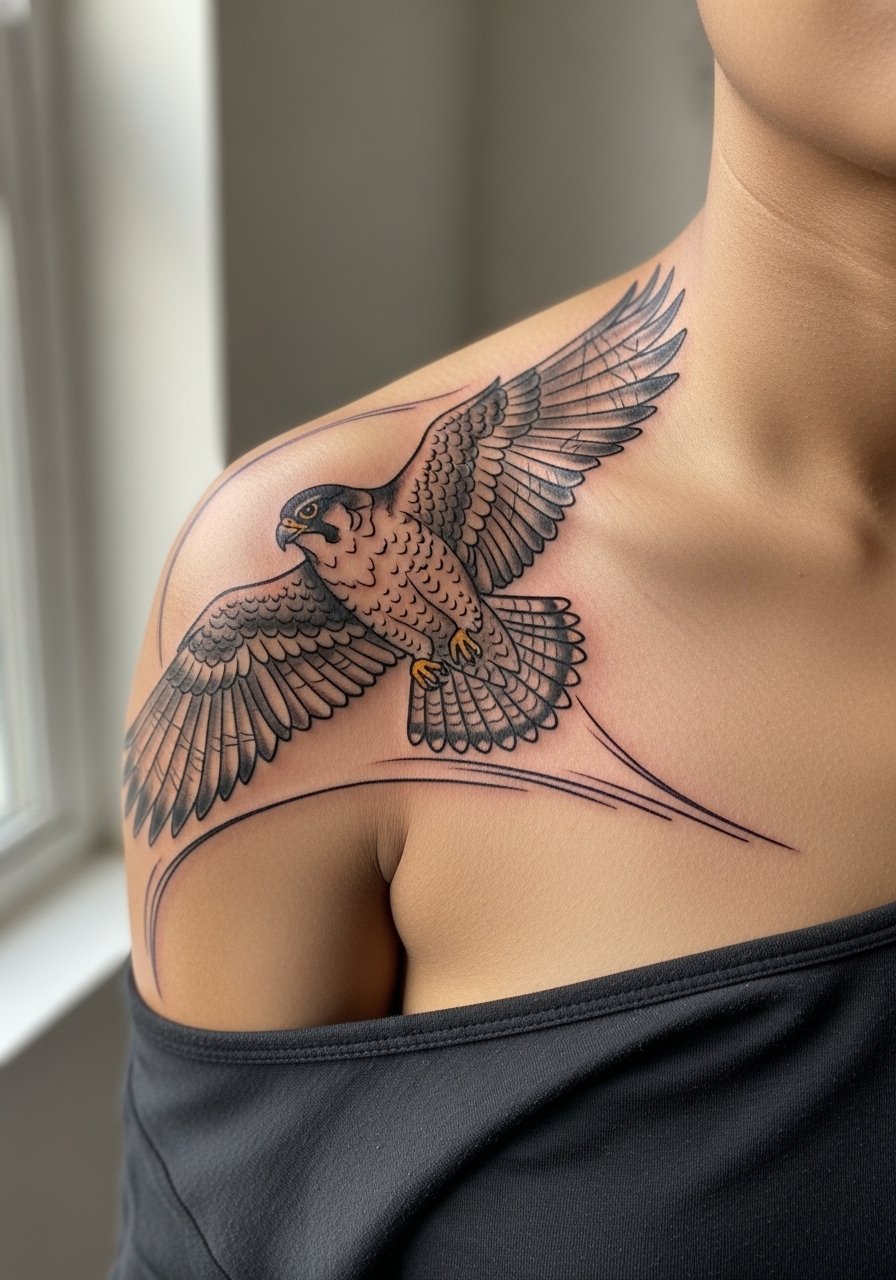
Consultation lead. If you want motion in a shoulder piece, map the wings across the muscle so the image looks dynamic when you lift your arm. Tell the artist how far you want the wing to reach toward the chest or back. A common mistake is anchoring the head in a wrinkle line which can warp the portrait over time. Session pain varies when shading across the front of the shoulder near the clavicle. For showing this bird off, short sleeves and an open-neck henley keep the shoulder visible while appearing deliberate.
10. Band of Celtic Knotwork on the Shoulder Ridge
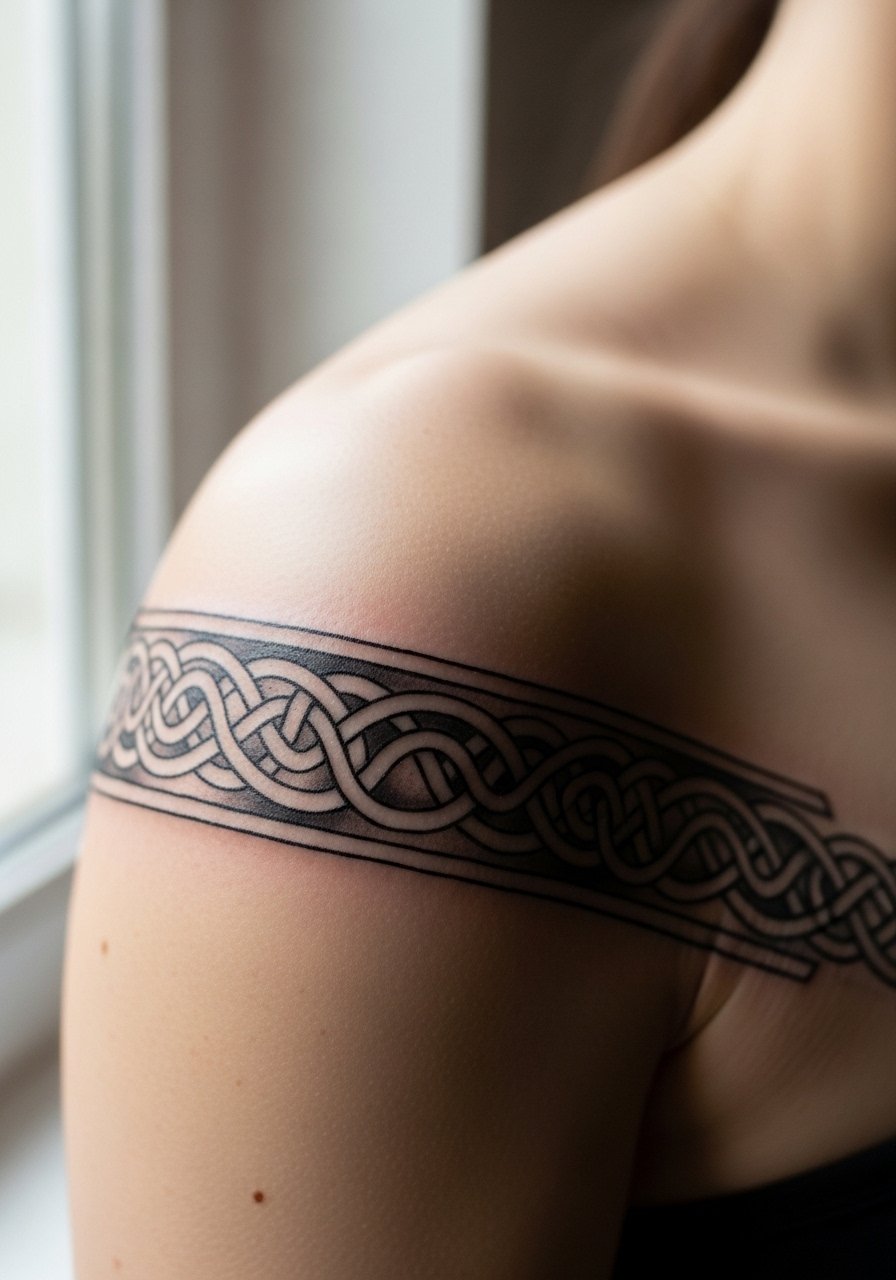
Controversy lead. Knotwork can split opinions. One camp treats exact historical patterns as homage and expects strict replication. The other camp recommends modern reinterpretation to avoid cultural misappropriation and ensure the pattern fits the body. Decide which side matters to you and tell your artist. The mistake is letting the knot scale down too far which causes lines to merge. Sessions are focused on steady outlines and may require follow-up linework at year three. For the appointment, a button-down shirt you can pull aside keeps the chest covered and the shoulder exposed.
11. Organic Brush-Stroke Shoulder Splash
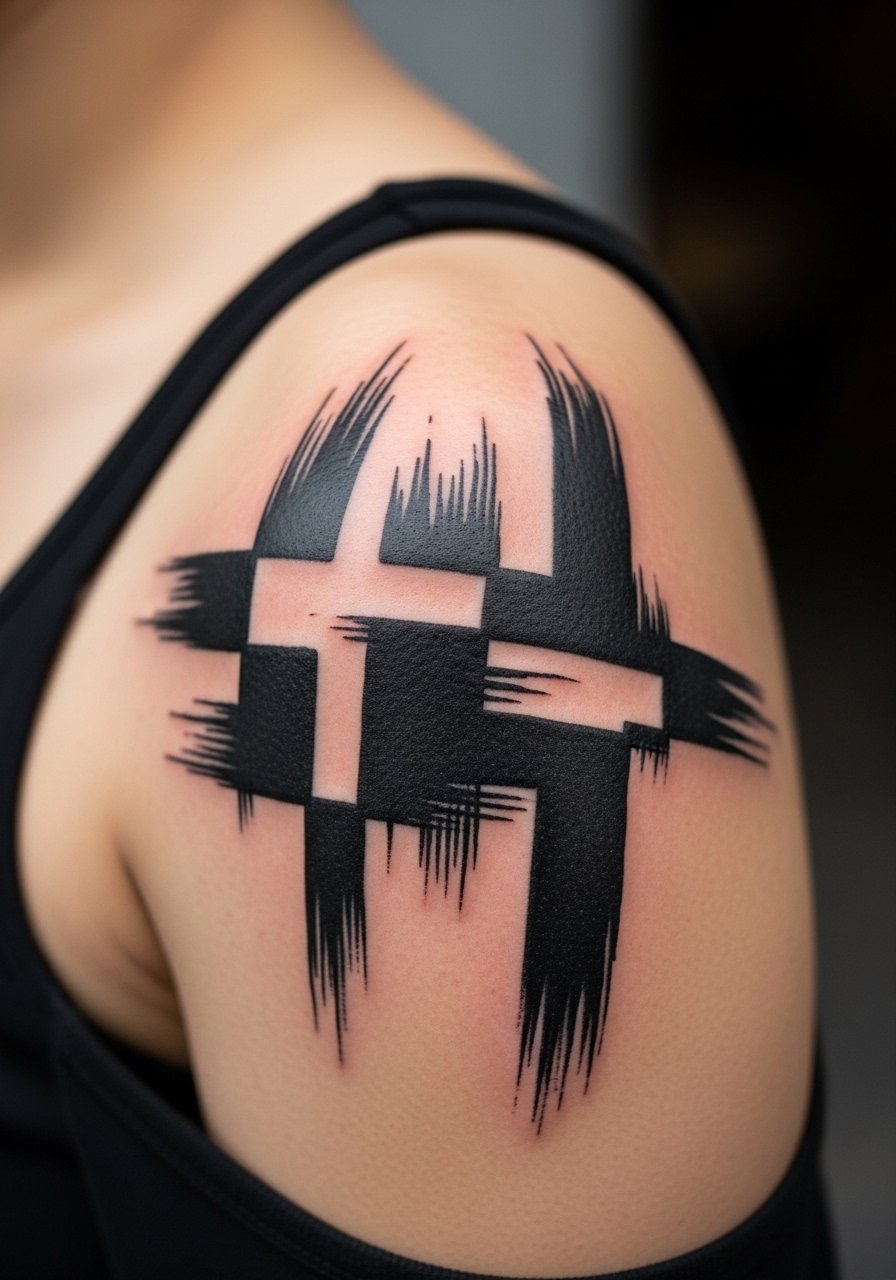
Personal observation lead. This freeform look ages like a painting when the artist purposefully leaves open areas rather than packing every space. When you consult, ask for mockups that include how the stroke sits with body motion. The mistake is asking for tiny brush marks that read like dots later. Sessions are quicker, but because the piece is less structured, it benefits from an artist skilled at composition. For showing it off, pair with a relaxed short-sleeve shirt or a crewneck sweatshirt with sleeves pushed to the elbow. A thin chain necklace can also draw attention up toward the shoulder.
12. Compass Rose with Micro-Realism Map Fragments

Aging/healing lead. Micro-realism elements like tiny map fragments can look sharp at six months but fade into soft smudges if placed too small. Ask for bolder anchor lines around the compass and more negative space around the tiny details. The common error is insisting on dense micro detail without allowances for touch-ups. Sessions split into outline and shading tend to produce more consistent long-term results. For session comfort, wear a wide-neck shirt you can pull aside so the area is exposed but the chest stays covered.
13. Ornamental Baroque Panel on the Shoulder Blade

Mistake lead. The baroque look requires balance; people often request too much tiny scrollwork which turns into texture blur. Tell your artist which focal element to emphasize so the piece has a clear visual anchor. Expect this placement to be sensitive when shading near the spine edge but otherwise manageable. Sessions may be medium length because of the fine contrast work. For showing the piece, a button-back shirt that reveals the shoulder blade in a single motion makes the ornament read like jewelry.
14. Biomechanical Shoulder Panel with Negative Space
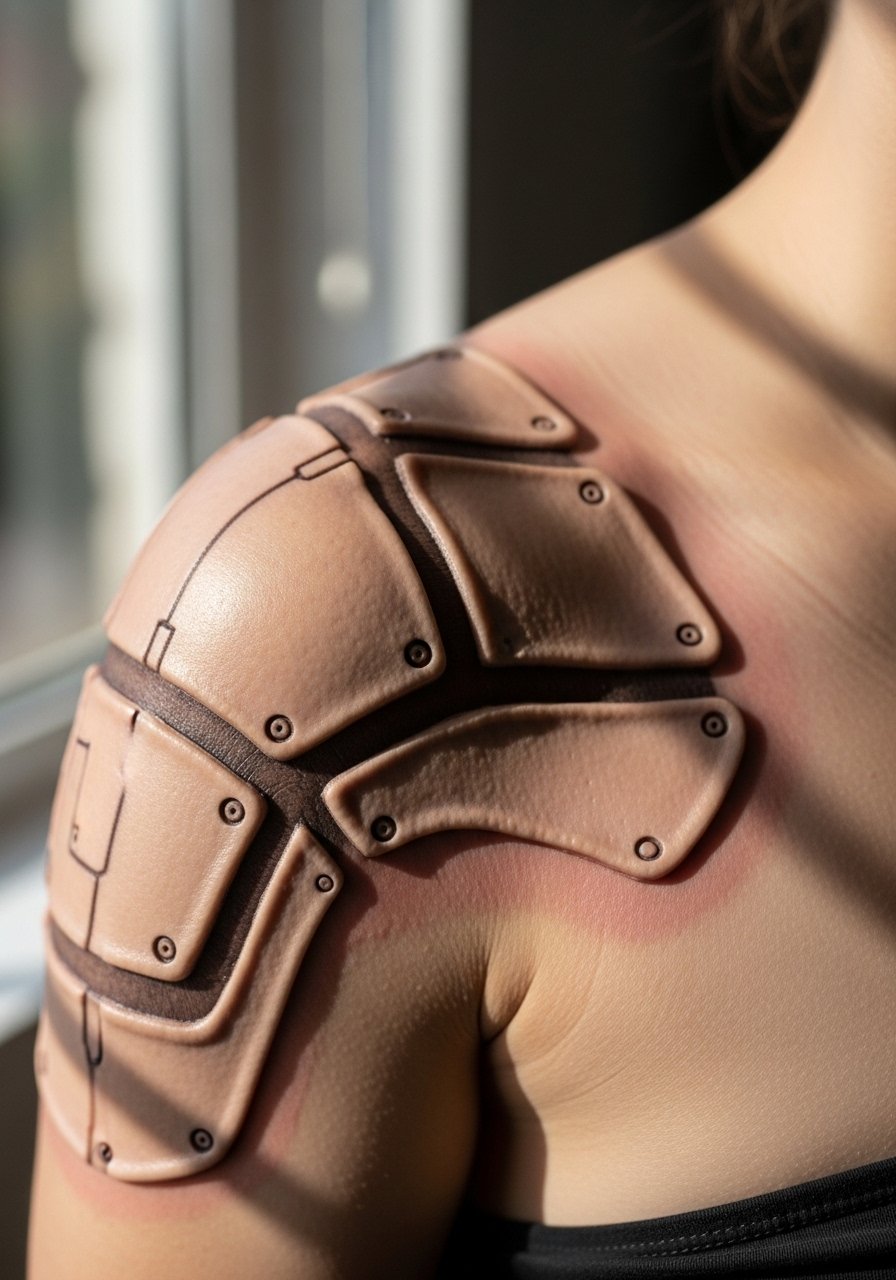
Visual impact lead. This style benefits from clear divisions between metal-like plates and skin gaps so the illusion stays crisp. A common mistake is over-detailing internal wiring which becomes indistinct. Session time can be long because of layered shading and multiple values. In consultation ask for mockups from several angles so the parts flow with muscle movement. For the session, wear a tank top you can shift so the artist can reach both the front and rear of the shoulder.
15. Stacked Anchors and Nautical Elements Around the Cap
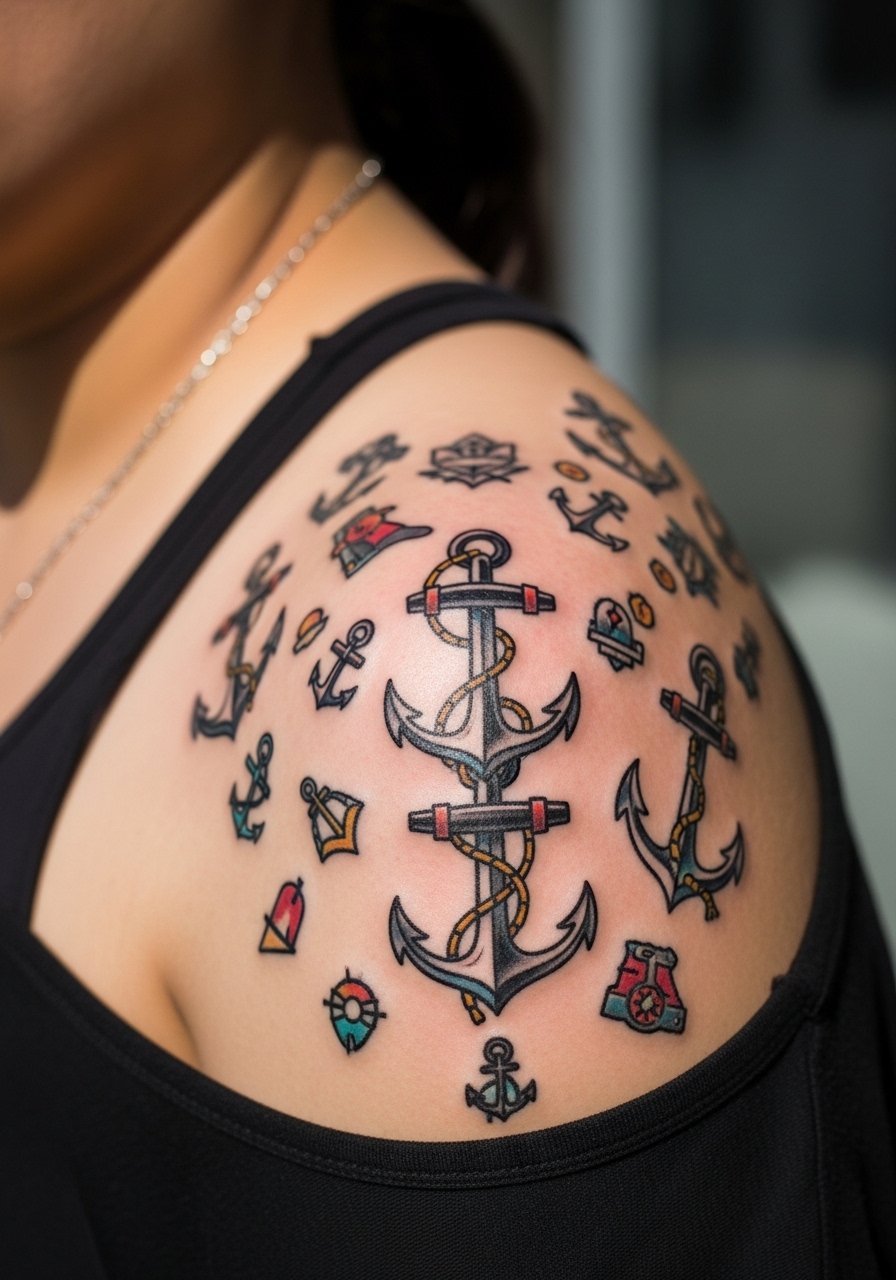
Aging/healing lead. Nautical icons age predictably when large anchors get bolder outlines and tiny stars are left simple. Tell the artist you want the anchors to function as visual anchors so the smaller icons can be replaced in a later touch-up if needed. The session feels like classic shading and color packing rather than fine-line work. For showing this collection, a short-sleeve chambray shirt pairs with the nautical theme and keeps shoulders visible.
16. Script Banner Curving Over the Shoulder
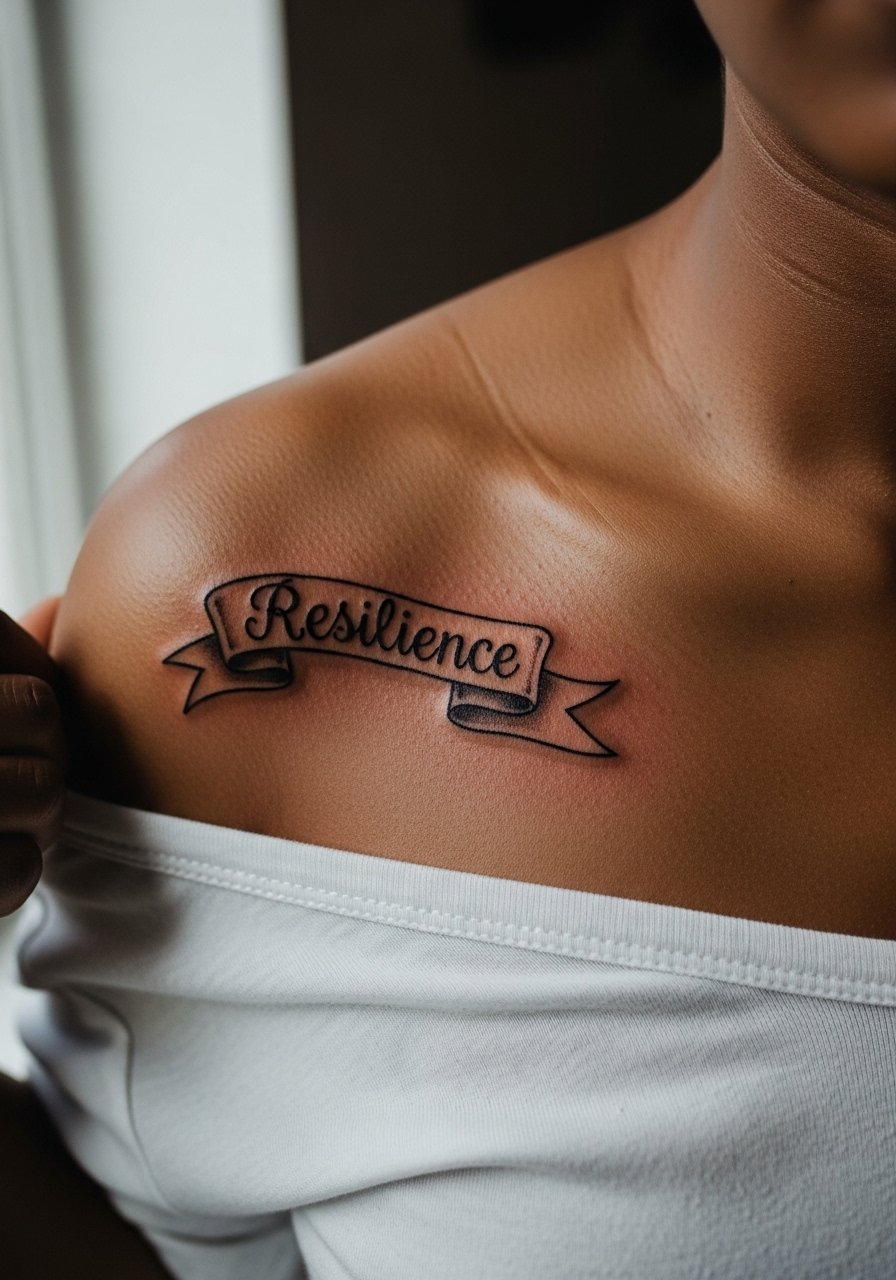
Consultation lead. When you want a phrase across a moving area, spell out exact letter spacing and ask for a stencil check with you standing and stretching. One camp prefers tight cursive while another prefers block serif for durability. The common mistake is choosing tiny script that blurs into an unreadable line. Sessions are short for outline and may need touch-up for letter edges at year three. For the studio day, wear a wide-neck shirt so the artist can review placement when you stand normally.
17. Half-Mandala Shoulder Halo that Tucks Under Sleeve

Mistake lead. The biggest mistake with mandala shoulder pieces is packing too many concentric rings right at the sleeve edge. The fix is intentional spacing on the outer rings so the pattern breathes when the fabric rubs. Tell your artist you want the outermost ring slightly bolder to withstand friction. Sessions are detail-oriented and often split to preserve crispness. For showing off, roll sleeves once or pair with a short-sleeve linen shirt so the mandala reads as a designed halo rather than an accidental edge.
Frequently Asked Questions
Q: How does shoulder skin affect fine line versus bold blackwork for men?
A: Shoulder skin offers enough muscle and padding that bold blackwork keeps its contrast longer while fine line work needs more breathing room. I tell clients that if you want fine line on the deltoid, increase spacing and slightly thicken primary outlines to avoid early blurring. Placement and sun exposure still matter.
Q: Will a shoulder tattoo interfere with gym routines during healing?
A: It depends on the movement involved. Heavy benching or shoulder presses that rub new ink against clothing or straps will irritate healing areas. I advise light upper-body days for the first two weeks and to wear softer fabrics that do not chafe the site, like a loose cotton tee during workouts.
Q: Are Polynesian and Celtic shoulder designs appropriate for men who are not from those cultures?
A: Artists are split. One group treats faithful replication as homage when done respectfully and with permission, while the other group favors stylized reinterpretation to avoid appropriation. If cultural origin matters, discuss intent with your artist and consider a modified pattern that acknowledges roots rather than copying directly.
Q: How often should shoulder tattoos get touch-ups compared with forearm pieces?
A: From what I have seen, shoulders often need fewer touch-ups than forearms because they get less daily abrasion and sun. That changes if you spend a lot of time shirtless or in sun. Expect possible color restoration at year two to five, depending on saturation and exposure.
Q: Can I have a shoulder piece that later connects into a sleeve?
A: Yes. Plan the anchor points and negative space now so future additions can integrate without reworking existing linework. Ask your artist for mockups showing potential sleeve expansion paths so the shoulder piece serves as a deliberate start rather than an obstacle.