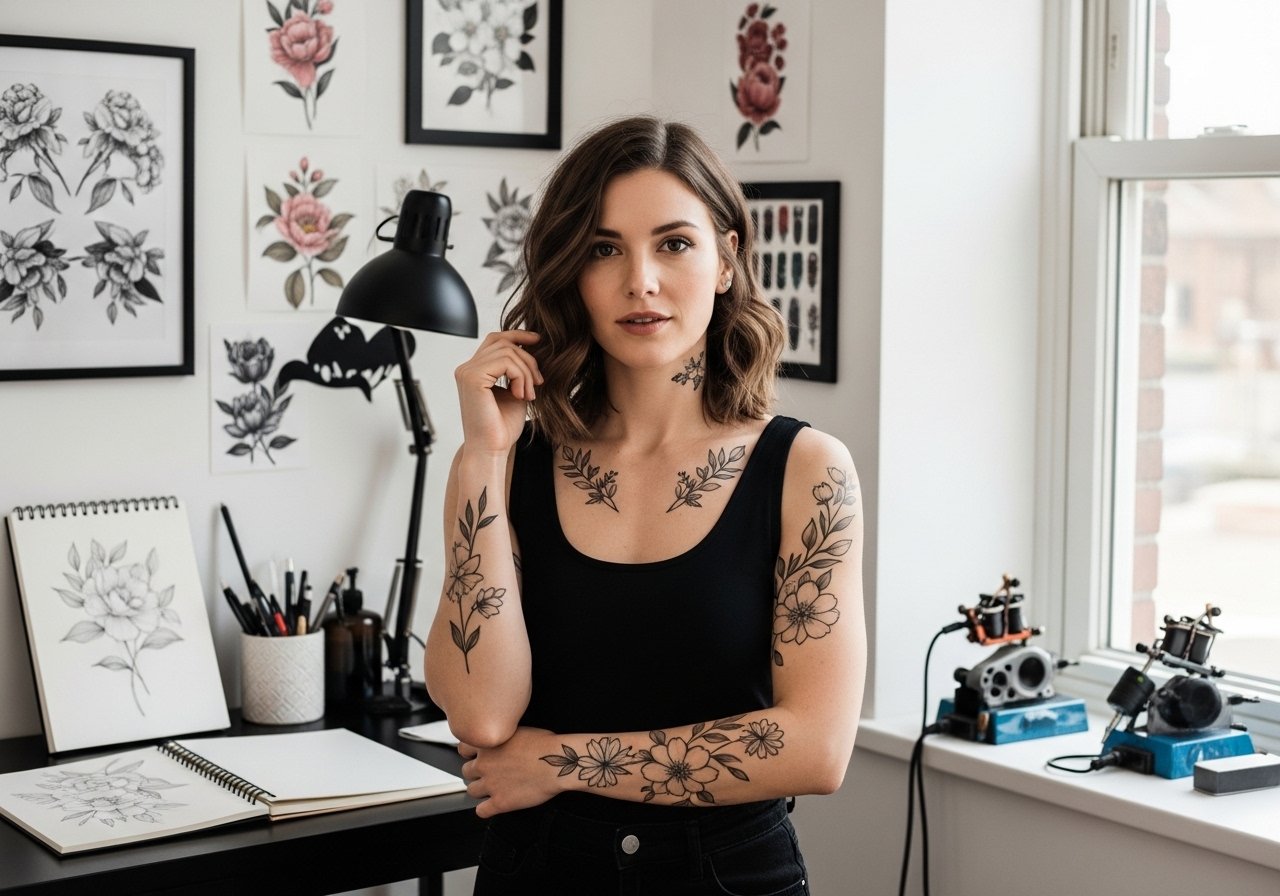
Fine line trends fill feeds, but what holds up on skin is often different from what looks best in a photo. The designs that age cleanly start with spacing, needle depth, and placement choices that respect movement and sun exposure. Read these 17 sleeves and panels with an eye for how each will look at six months, two years, and five years healed, and what to tell your artist in the chair.
1. Fine Line Botanical Inner Forearm Sleeve
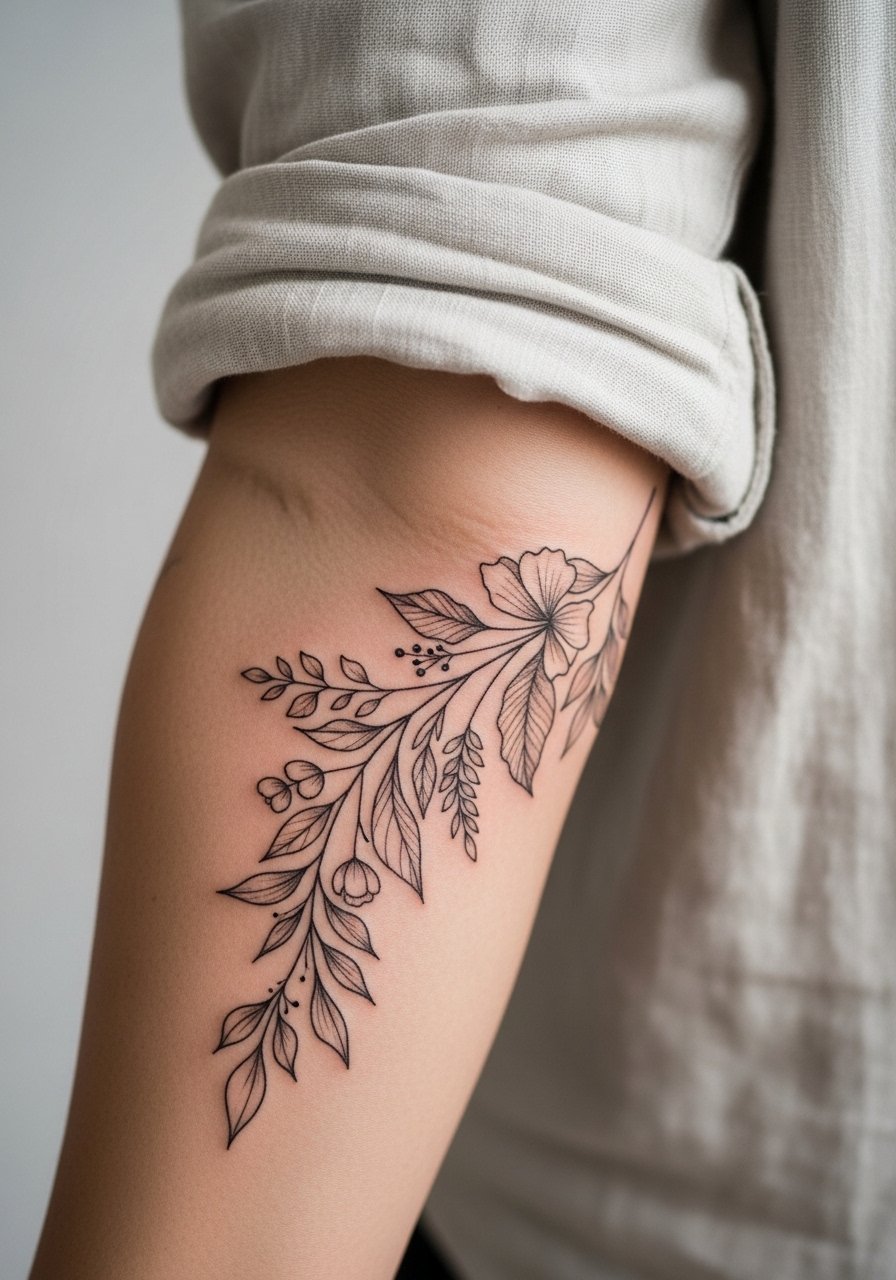
I recommend this when you want intricate stems and negative space that still reads from a short distance. Fair warning, the inner forearm is forgiving for detail but the mistake most people make is asking for lines too thin and too dense. Tell your artist you want slightly heavier linework in the main stems and lighter stipple shading around edges so the shapes breathe. At six months the contrast looks crisp, at two years the micro detail softens, and by five years a touch-up on the thinnest stems is common. For the session wear a loose button-down shirt you can roll up without rubbing the fresh ink.
2. Japanese-Inspired Blackwork Sleeve on Upper Arm
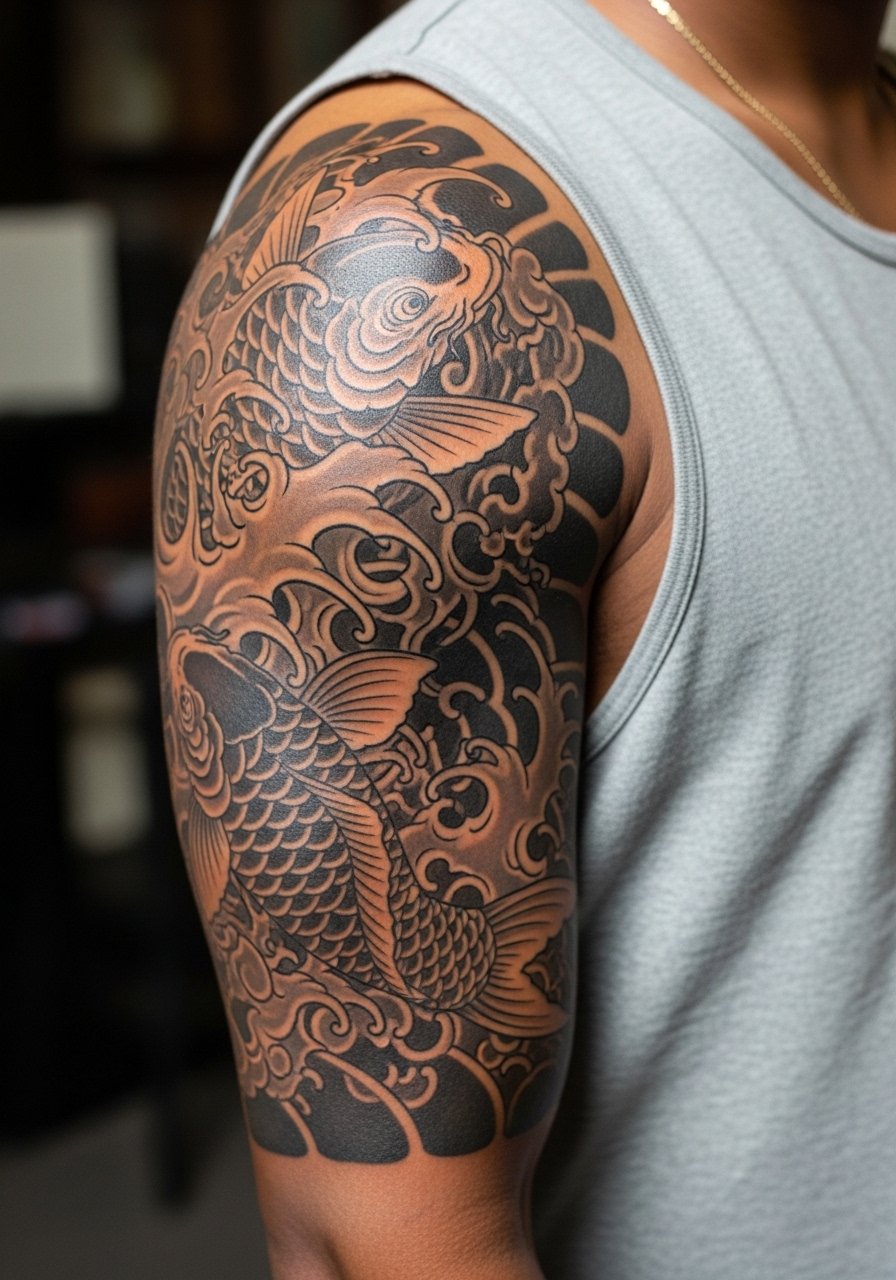
There is a real visual impact when bold black fills and negative space meet traditional motifs. Expect a medium session intensity for the bicep and a few long passes to build saturation. The common error is trying to cram too many tiny motifs into one panel, which makes touch-ups harder later. Request clear separation between major elements so blowout risk is reduced where the skin flexes. At year two the black will mellow to charcoal but keep strong shape. Pair this with a loose tank top during the session so the artist can work the whole upper arm easily.
3. Geometric Mandala Half Sleeve on Outer Forearm
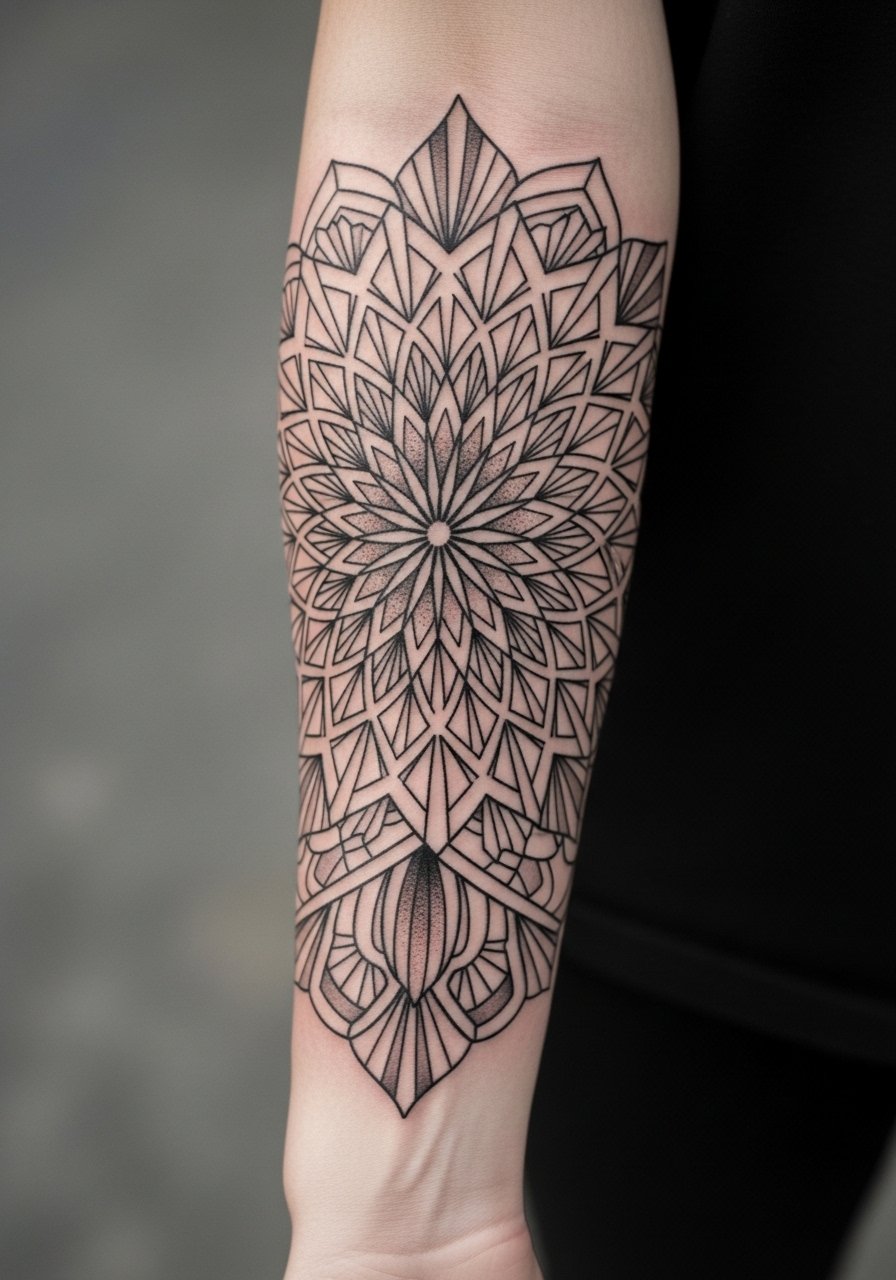
Geometric mandalas look best when scaled to the limb, not shrunk to fit. The biggest mistake is going too small and then seeing lines merge as the piece heals. Tell your artist to keep the main circles at least two to three finger widths apart for longevity. Pain is mild on the outer forearm, sessions run in modular blocks, and touch-ups are usually at year three for tightening. For showing the piece off, rolled sleeves or a short-sleeve linen shirt frame the symmetry without competing with the pattern.
4. Micro-Realism Wolf Head on the Bicep
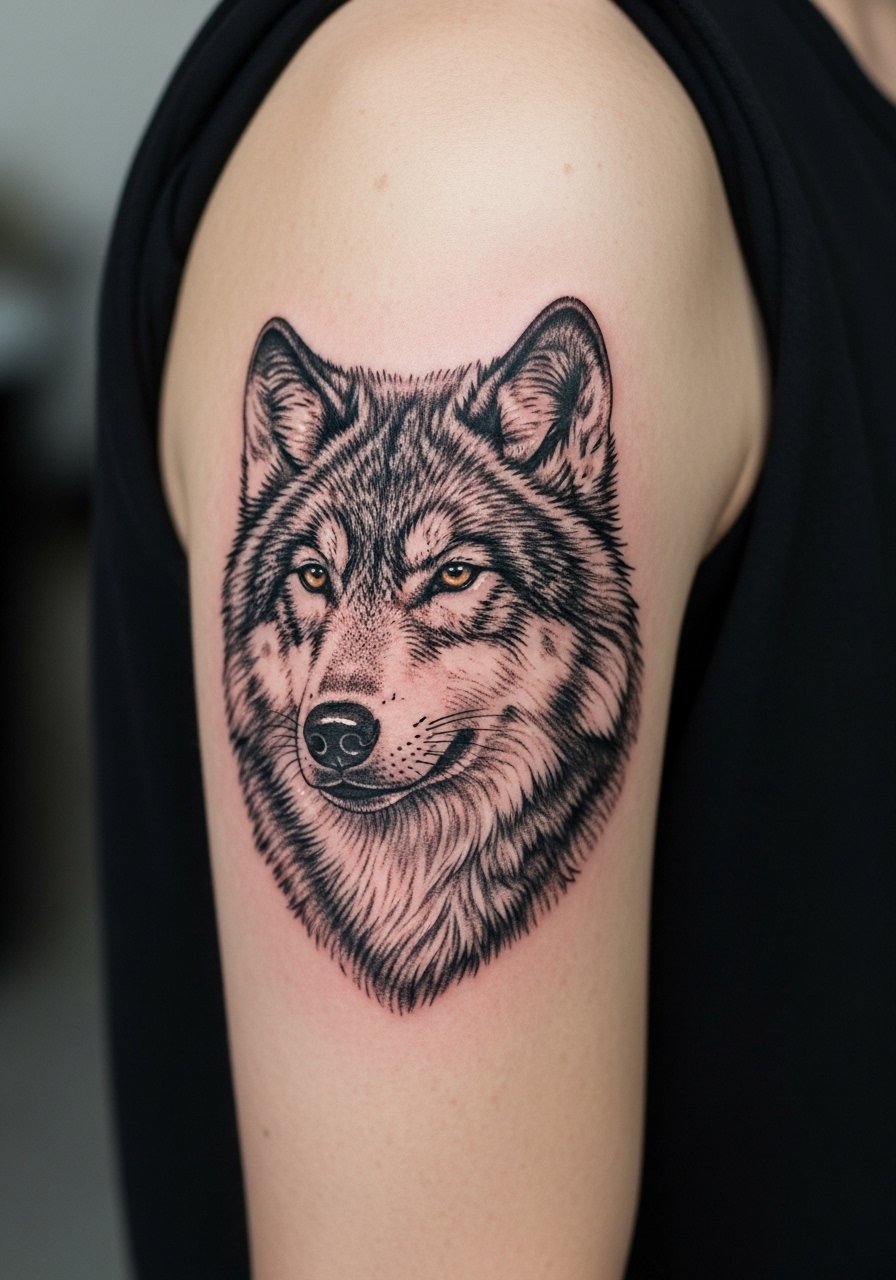
Micro-realism demands careful contrast planning. I tell clients this style needs a bit more session time to layer stipple shading and small dots instead of heavy fill. The common aging issue is losing midtone detail, which is why I recommend asking for slightly bolder anchors around the eyes and jaw so the subject still reads at arm's length after two years. The bicep's motion keeps blowout risk low, but expect a touch-up window around year three. For the appointment wear a sleeveless tank for easy access and minimal fabric interference.
5. Traditional Americana Full Sleeve Panel on Lower Arm
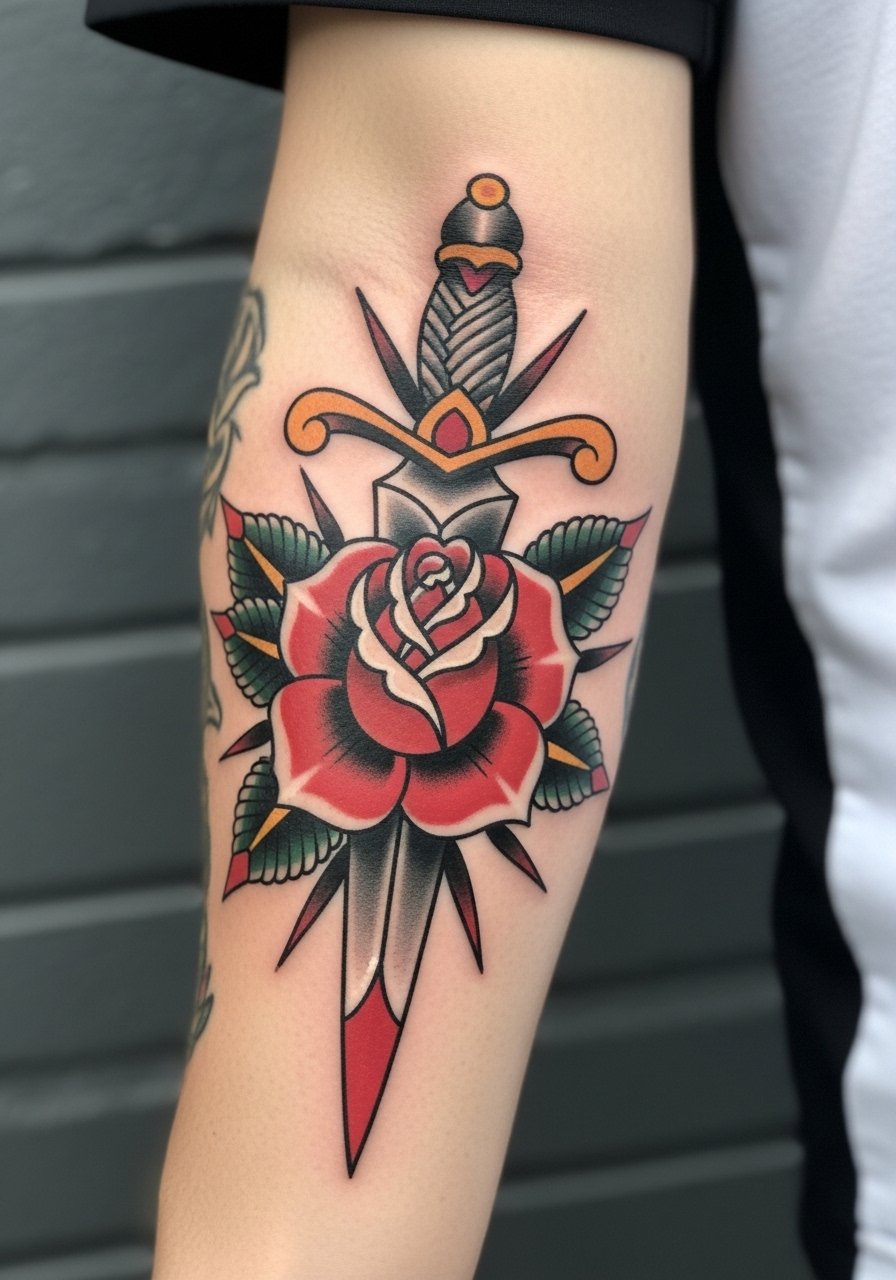
Bold outlines and saturated color are the aging secret for long-lasting readability. The common mistake is asking for too much tiny detail inside the flowers, which flattens into muddiness over time. Tell your artist to keep strong black borders and simple color blocks for the roses and dagger. Expect the most vibrancy at six months, slight softening by year two, and a stable silhouette by year five. Pain at the lower arm is low, session time moderate, and touch-up needs are less frequent than micro-detail work.
6. Sleeve Collage: Script, Portraits, and Negative Space
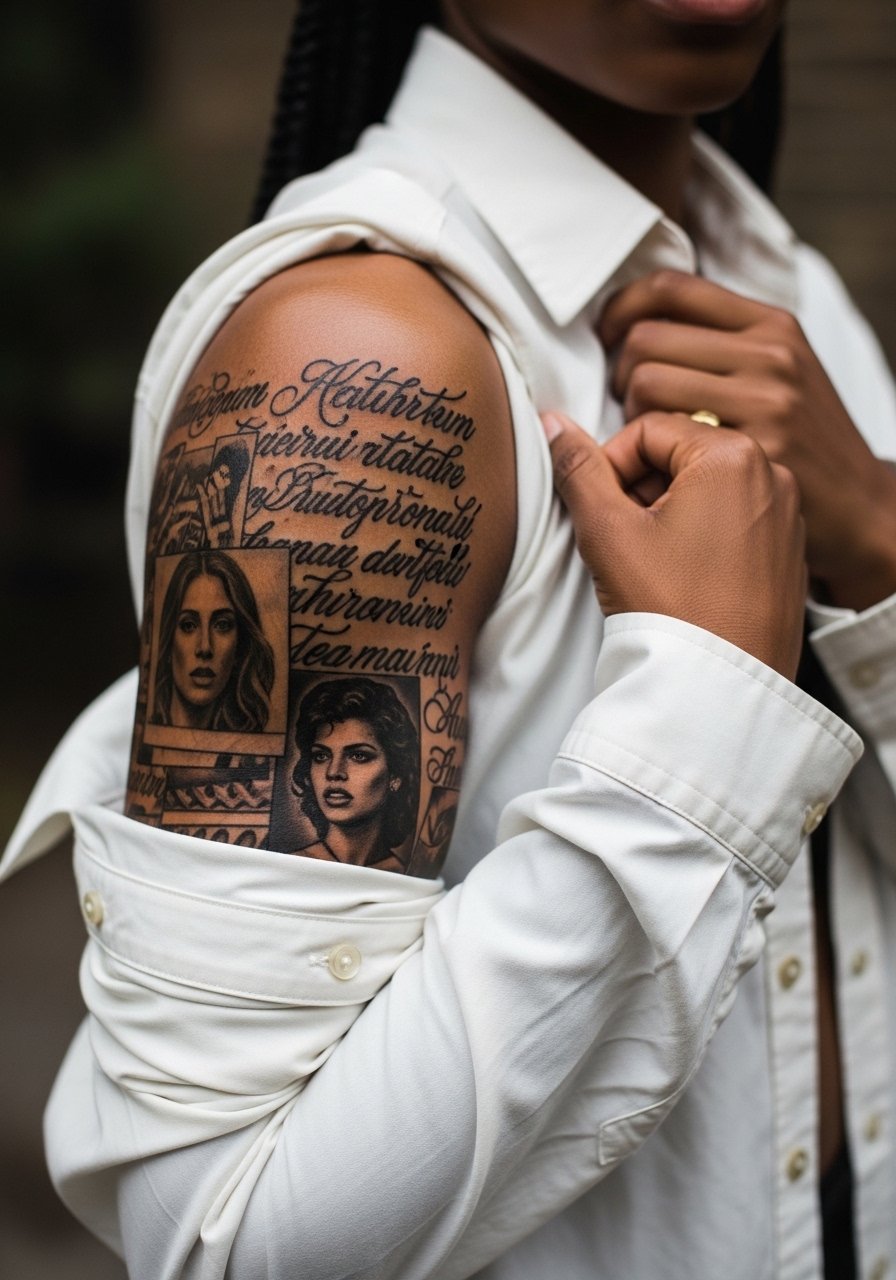
This mixed-syle sleeve can be stunning when the composition has breathing room. The biggest consult error is asking for overlapping fine-script types next to detailed faces. Ask your artist to map the negative space deliberately so each element has its own zone. Portraits need deeper saturation in shadows to hold up, while script needs slightly thicker letterforms than clients expect. Expect portrait areas to need touch-ups sooner than bold blackwork. For the session wear a loose button-down shirt you can easily pull aside without stretching the skin.
Pack Smart
The arm, forearm, and bicep pieces above have different access needs, and a few small items make the studio day smoother.
- Stencil transfer paper kit. Lets you preview line placement on skin before the needle hits, helpful for the botanical and mandala layouts above.
- Topical numbing cream. Used per instructions it eases wrist and inner-arm sensitivity without changing how the artist works.
- Thin protective film roll. Keeps forearm and wrist pieces clean during the first week when friction is highest.
- Fragrance-free gentle body wash. Cleans healing skin without stripping the delicate linework in fine pieces.
- Aquaphor healing ointment. A thin layer melts into fresh ink and keeps moisture balanced during the initial healing window.
7. Full Sleeve Irezumi-Inspired Panel on Upper Arm
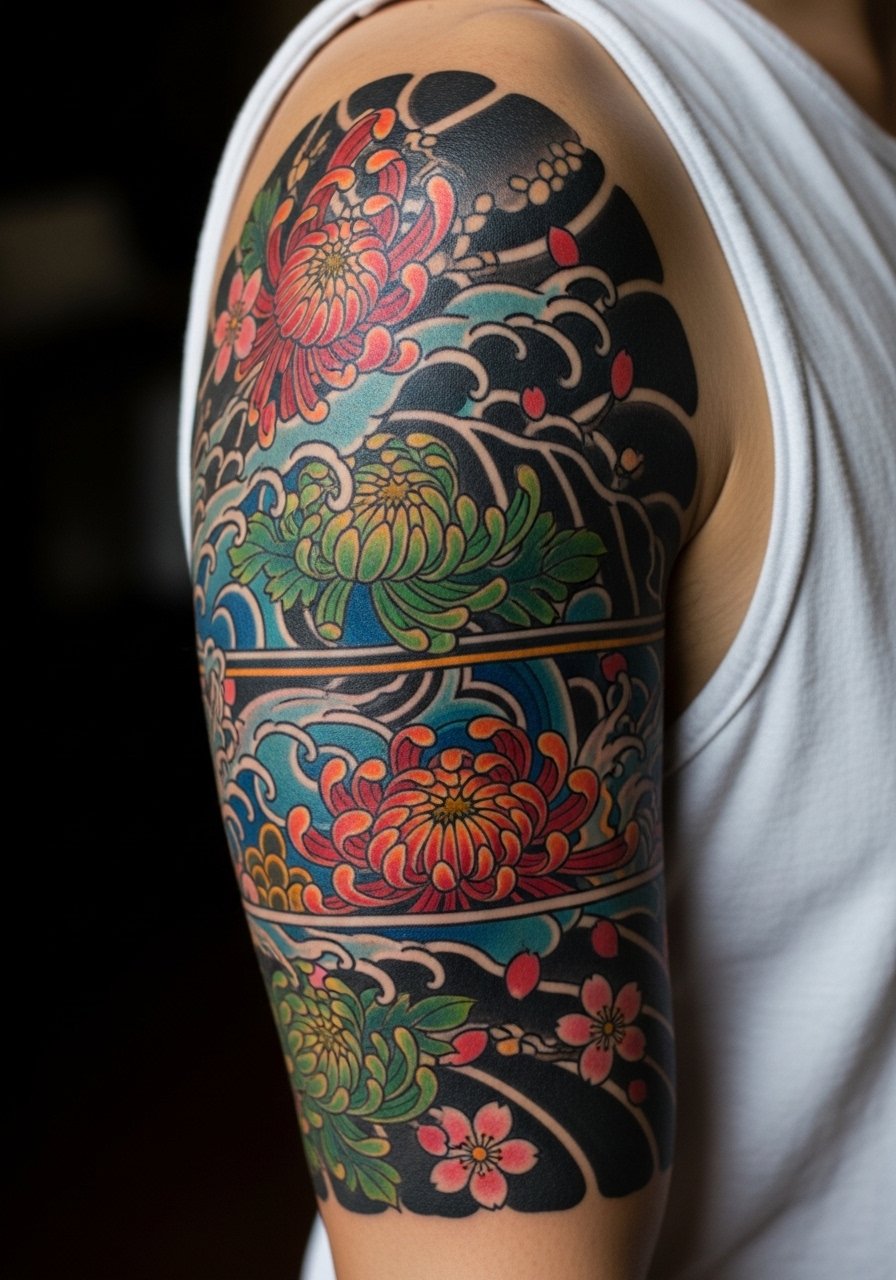
Traditional Japanese motifs translate well into sleeves because the shapes read at distance and close up. Respect origin and avoid direct copying of sacred iconography. The controversy here is familiar: one camp argues strict historical designs should be preserved, the other supports modern reinterpretation. Name your preference during consultation and ask for references that show the balance you want. Expect long sessions to build saturation and a touch-up at year three for high-contrast elements. The upper arm handles heavy coverage well, with lower blowout risk than inner-arm placements.
8. Watercolor-Style Sleeve Accent on Outer Bicep
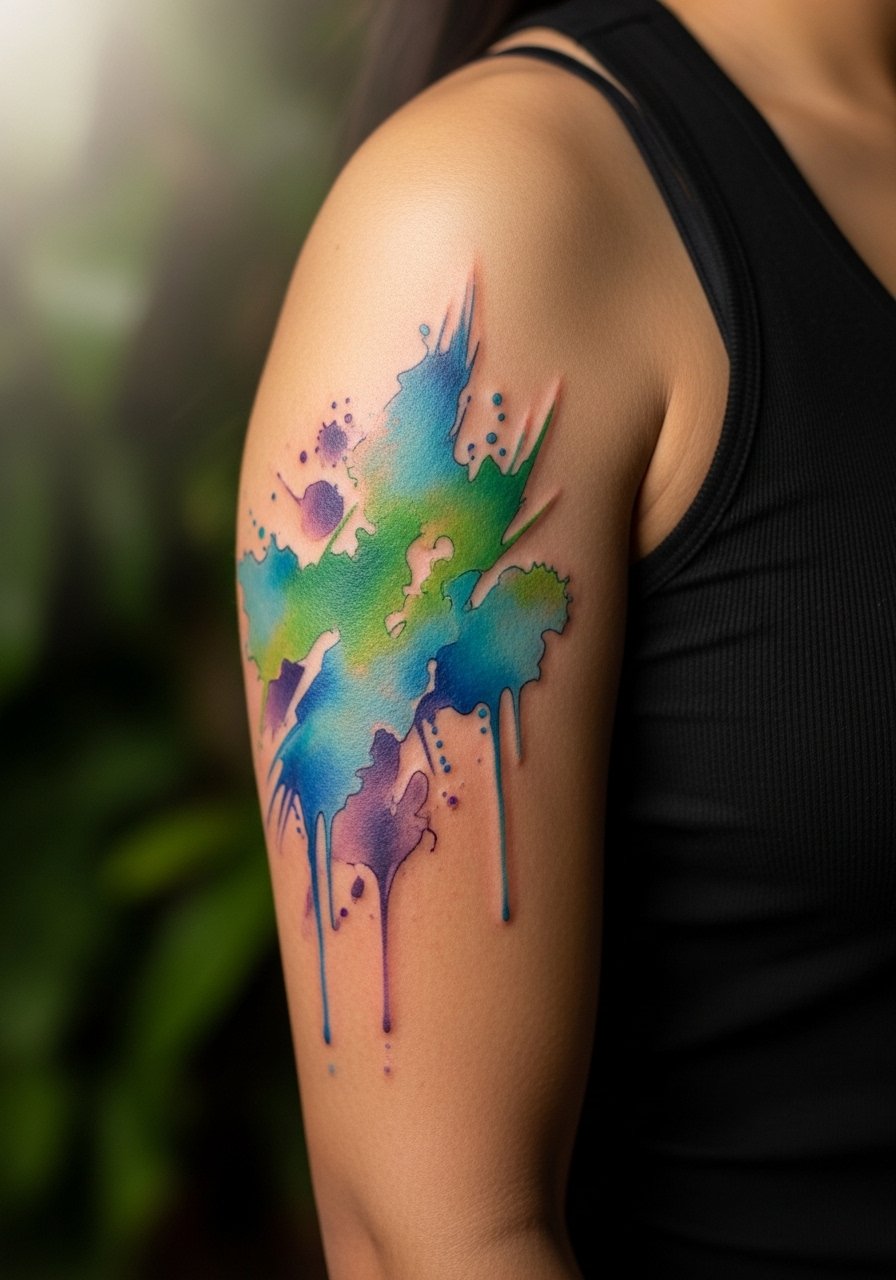
Watercolor style is gorgeous fresh but requires design choices that consider long-term bleed. The mistake is letting watercolor elements run right up against fine black outlines with no buffer. Ask your artist to leave a thin margin of uninked skin between washes and linework to reduce merging. At six months the colors will still pop, at two years the edges soften, and at five years some hues may need re-saturation. For the session, a racerback tank style or similar is best for underarm access and comfort.
9. Geometric Blackwork Full Sleeve on Shoulder to Elbow
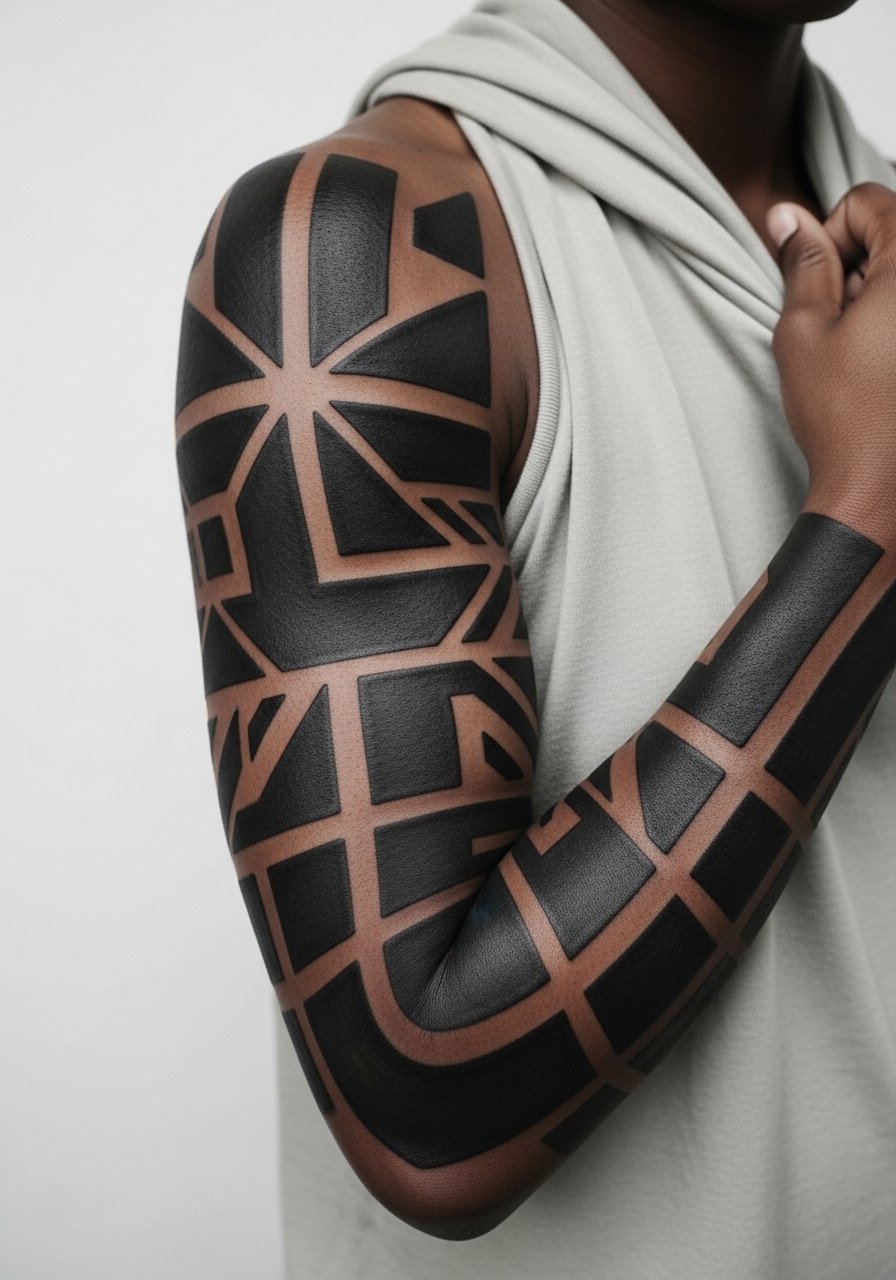
Geometric blackwork ages well because large shapes keep contrast. The common error is overworking tiny intersections of lines that sit on joints where skin stretches. Tell your artist to prioritize larger motifs near the joint and place tighter detail in steadier skin zones. Pain on the shoulder is moderate and sessions can be done in blocks. Expect touch-ups in high-motion zones sooner than on the upper arm. Pairing this with a wide-neck shirt shows the shoulder without exposing more than needed.
10. Full Sleeve of Mythic Creatures Wrapping the Arm
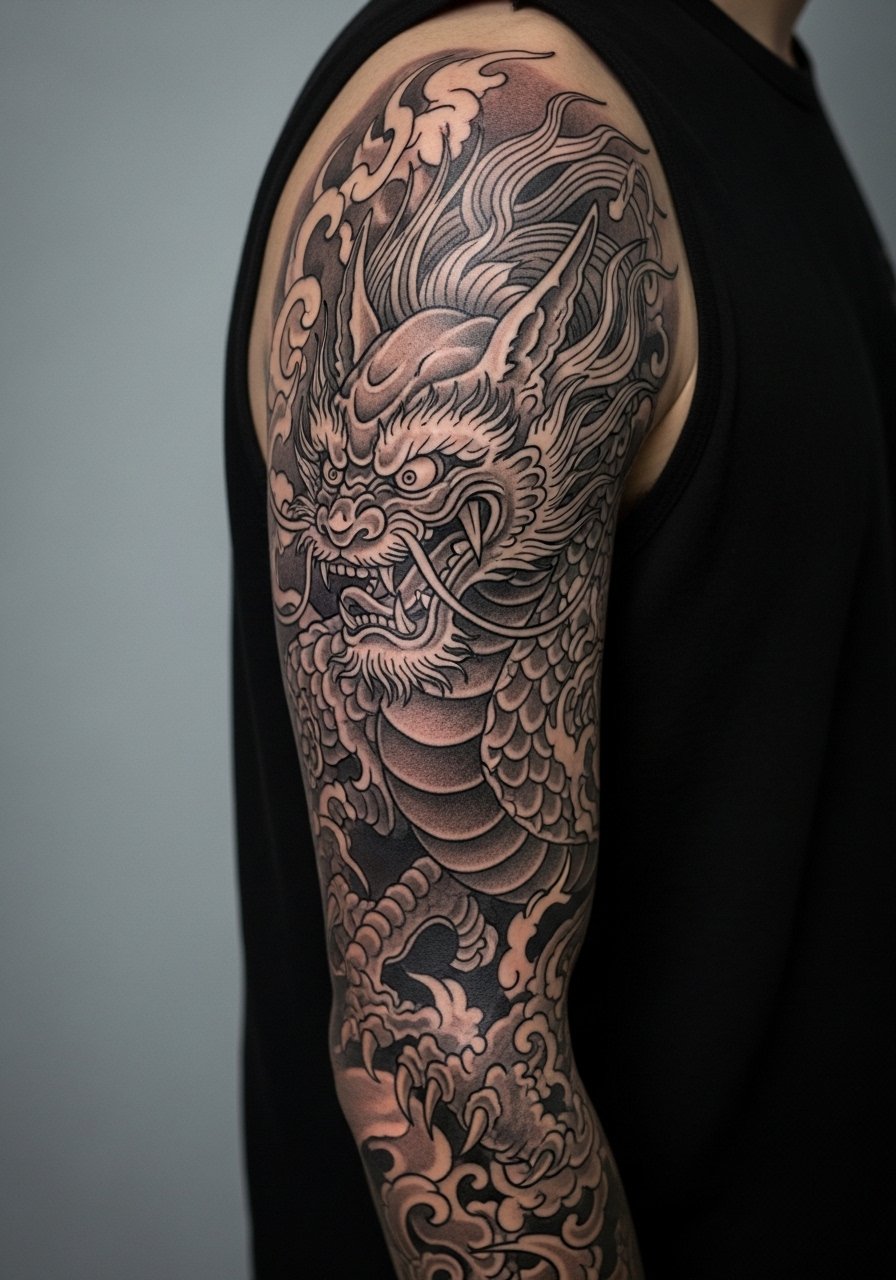
Narrative sleeves that wrap need intentional pacing. The biggest mistake is adding too many focal points which dilutes the reading order. During consultation map the sequence you want seen from different angles. Session time varies with coverage, and healing feels like repeated light stinging more than one intense block on arms. Color saturation in shaded areas holds longer than micro detail. For showing this off, a sleeveless muscle tee gives clear sightlines without constant sleeve rubbing.
11. Full Sleeve Cover-Up Panel on Lower Arm
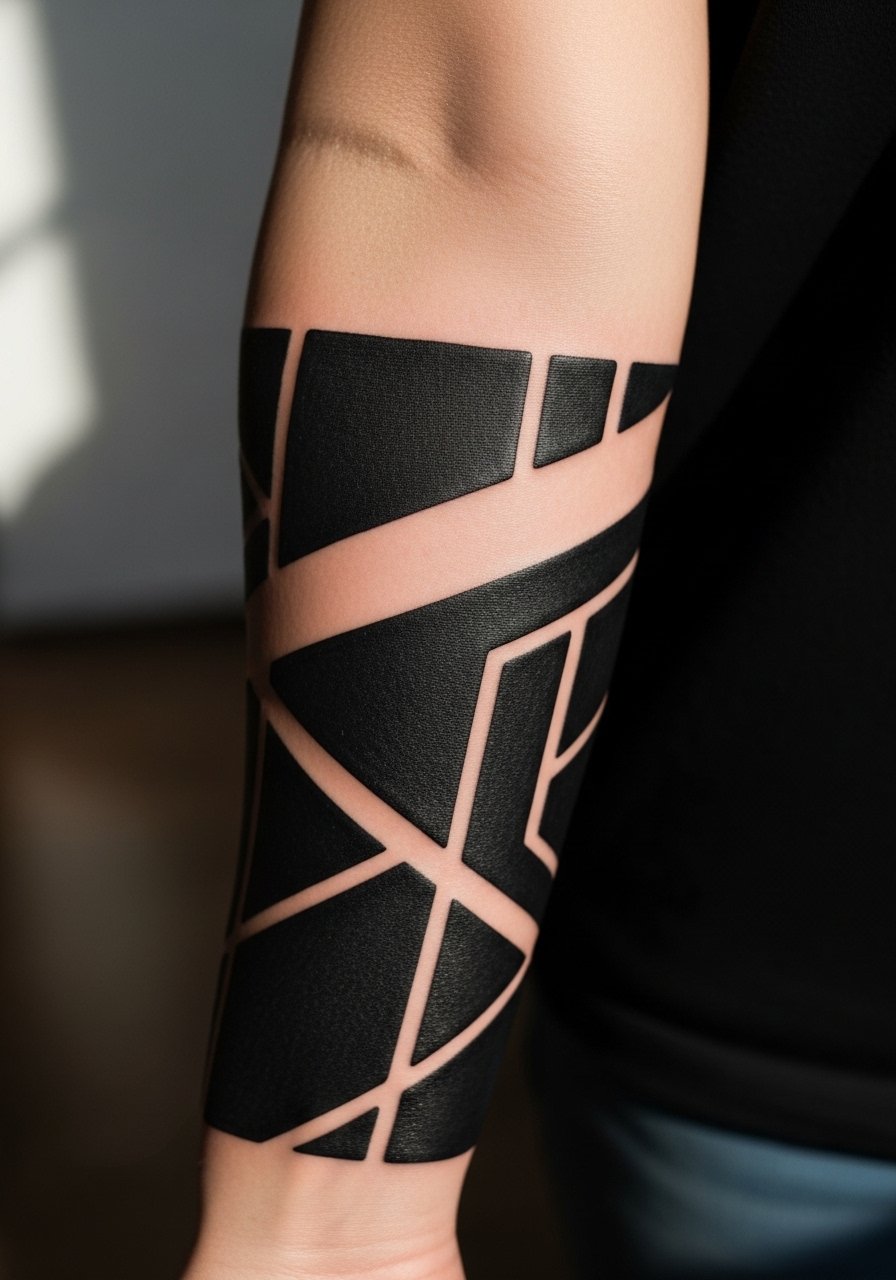
Cover-ups are an art of contrast and rework. The practical error is trying to cover a dark, saturated piece with light detail only. A successful cover-up uses denser black or color blocks to reframe the old shapes, then layers new elements around them. Expect more session time and a higher likelihood of follow-up touch-ups. Ask your artist for a staged plan that includes multiple sittings and a realistic timeline. For the appointment wear a short-sleeve shirt you can roll without stressing the skin.
12. Neo-Traditional Sleeve with Bold Color on Full Arm
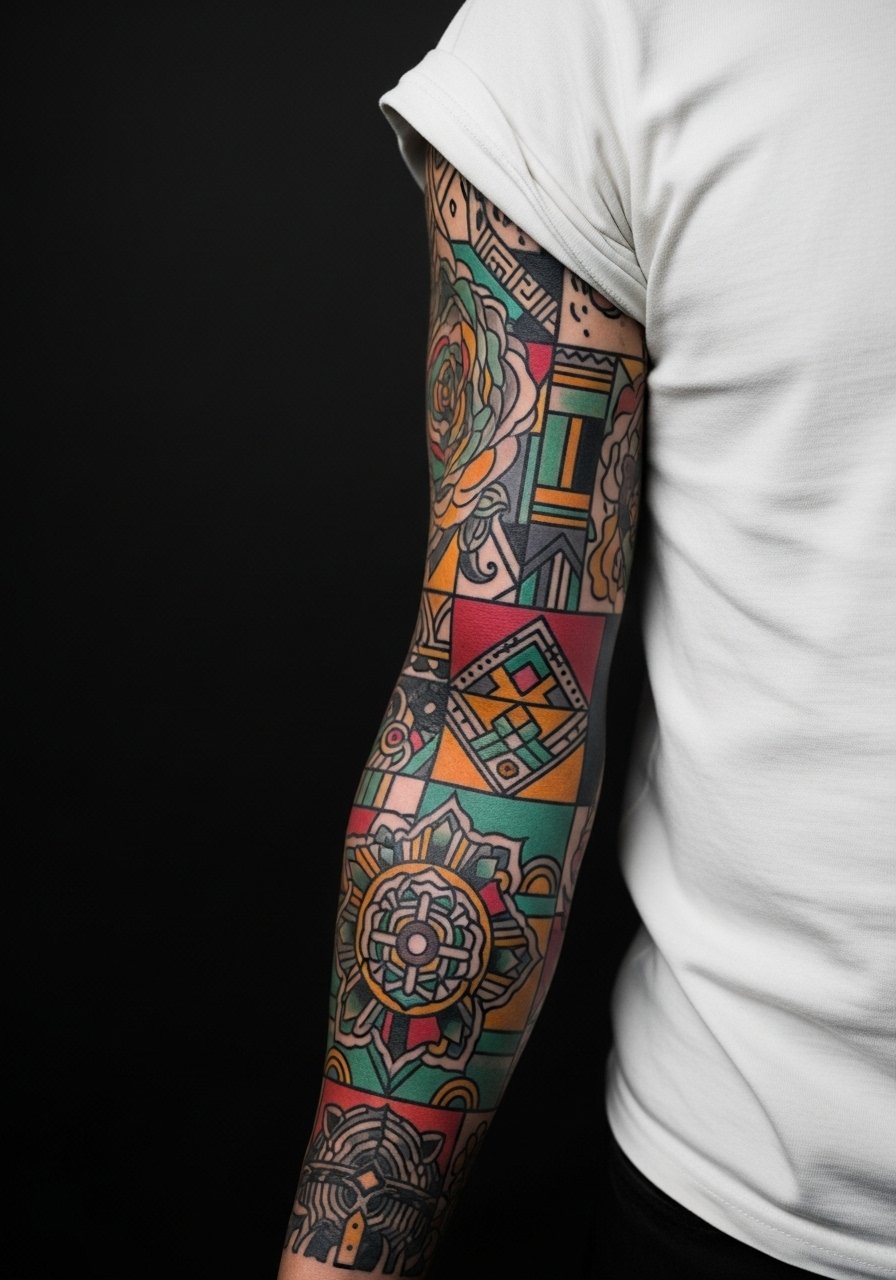
Neo-traditional pieces blend illustrative shapes with saturated paint-like fills. The common mistake is tiny color gradients that lose strength over time. Ask for clean color fields and punchy outlines so the piece ages into a clear visual. The full arm takes longer to heal when multiple panels are done at once, and you will notice more scabbing where color density is highest. Plan touch-ups at year two to rebalance any uneven saturation from early healing.
13. Sleeve of Blackwork Script and Negative Space Bands
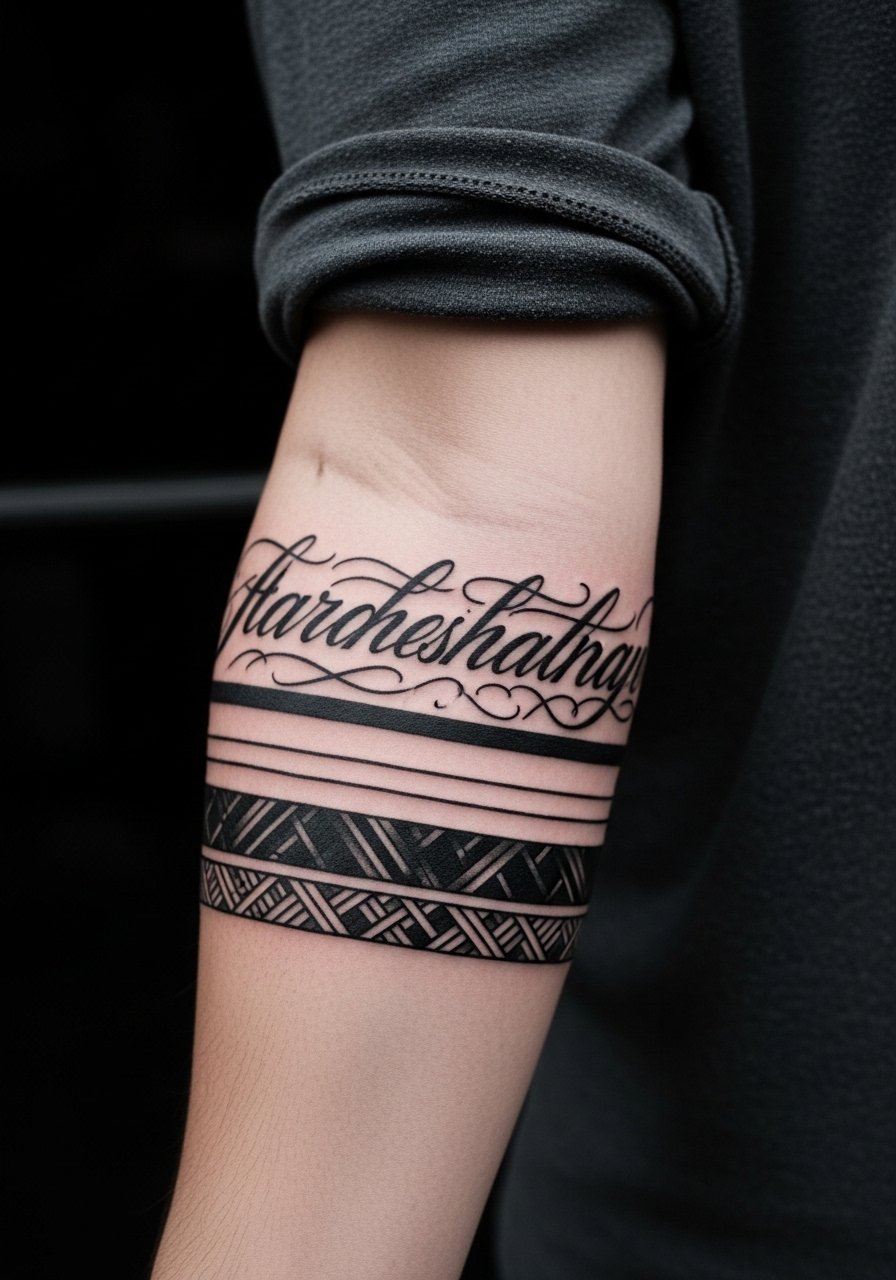
Script that runs along banded negative space looks modern and reads well at a distance when letterforms have slight weight. The usual mistake is asking for ultra-thin lettering that disappears as it heals. Ask for modest weight in letters and clear spacing between words. Sessions are quick for script bands, pain is low on the forearm, and touch-ups for thin areas at year three are common. This style pairs with a minimalist watch on the opposite wrist to balance the arm aesthetic.
14. Black and Gray Sleeve with High Contrast Portraits
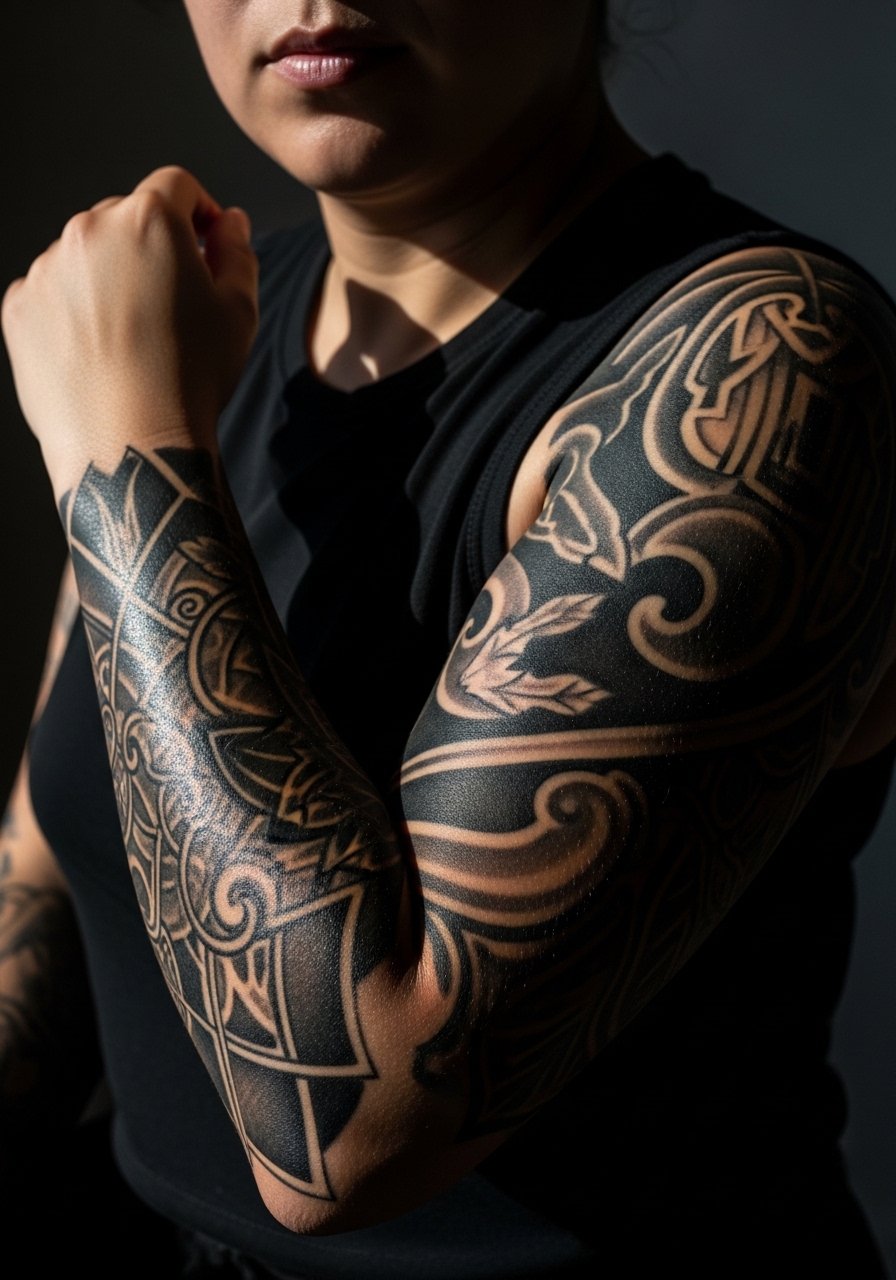
Portraits need high-contrast anchors to hold facial features over years. The typical misstep is relying on midtone stipple without strong dark points. Tell your artist to mark deep shadow anchors in initial passes to preserve form as the midtones soften. Expect longer healing for heavy shading areas and a likely touch-up to restore fine shadow balance after a year or two. If you plan multiple portrait panels, space them so each face has breathing room.
15. Full Sleeve of Botanical and Geometric Hybrid
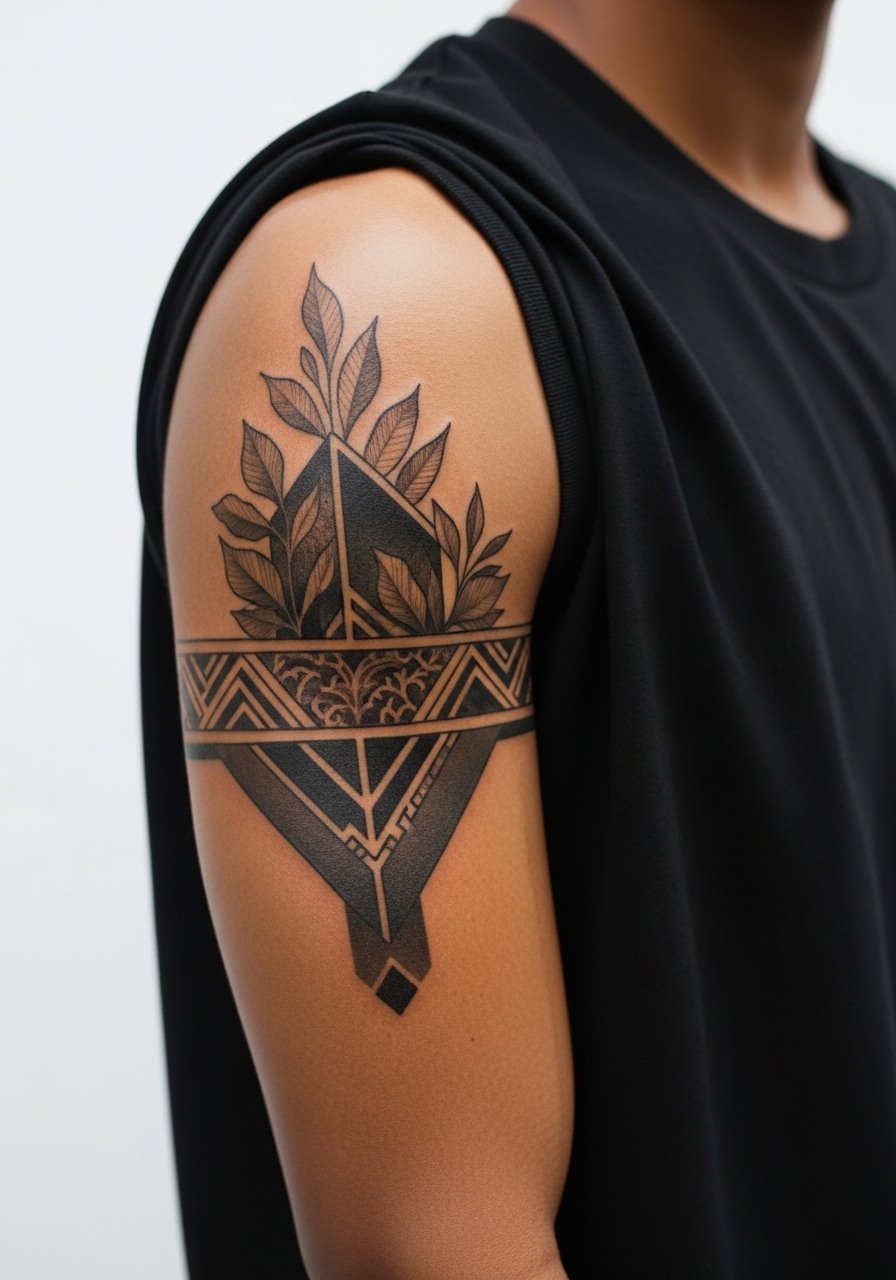
Hybrid sleeves can age beautifully when the botanicals sit within larger geometric anchors. A frequent error is letting delicate leaf veins run into tight geometric lines. Ask your artist to use negative space as a buffer and to alternate line weights between organic and geometric zones. Sessions will alternate between shading and linework blocks, which helps healing. For the session wear a loose drawstring linen pant if any lower arm movement is involved, though that is more relevant for full-arm positioning.
16. Sleeve Accent: Minimalist Linework Wrapping the Wrist
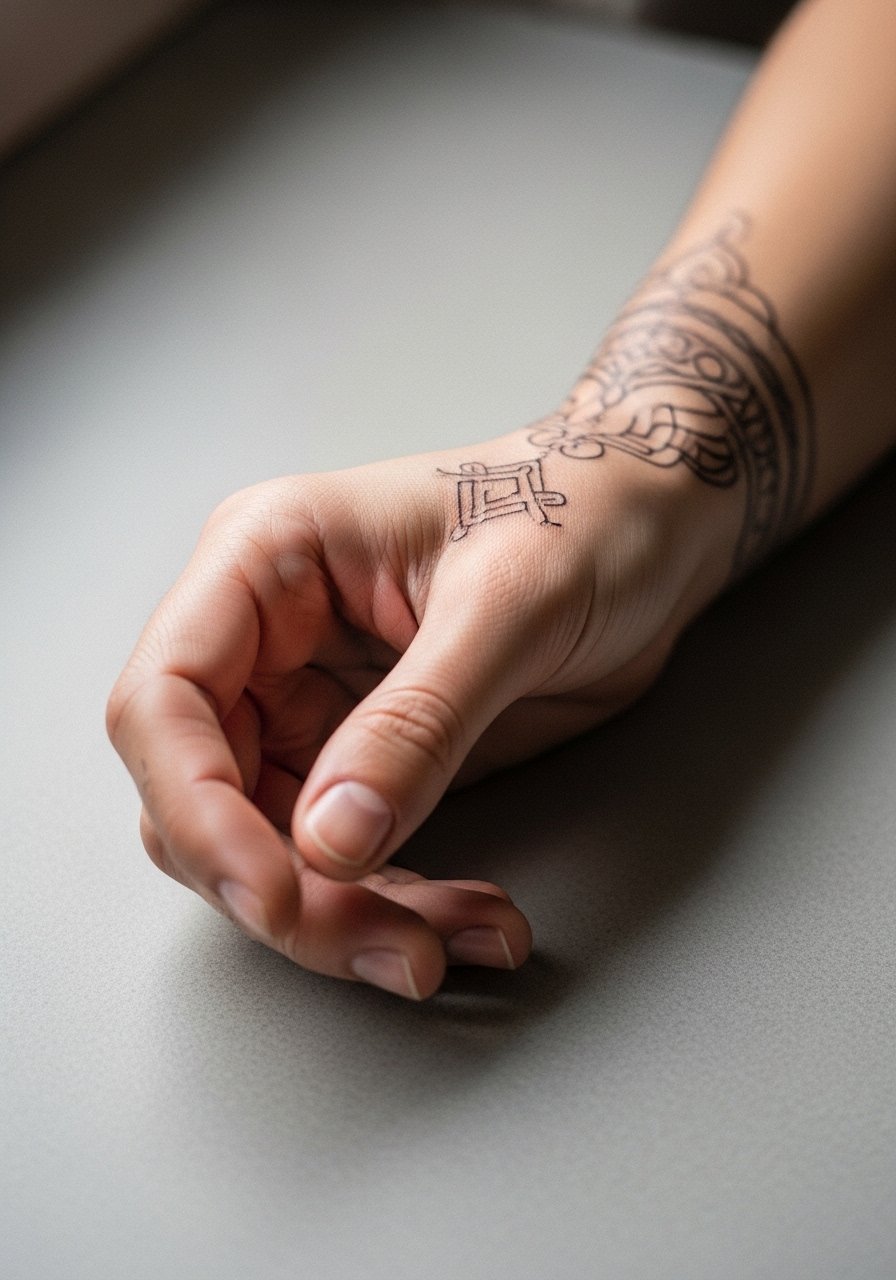
Wrist accents are visible and subject to daily friction. The major mistake is too-tight linework close to the joint which leads to blurring. Ask for slightly thicker primary lines and lighter connecting strokes so the motif holds. This placement is higher risk for touch-ups, often at year two for thin detail. For the session consider slipping on a thin chain bracelet after the healing window to complement the wrap without rubbing the fresh ink.
17. Full Sleeve with Interactive Negative Space and Skin Tone Play
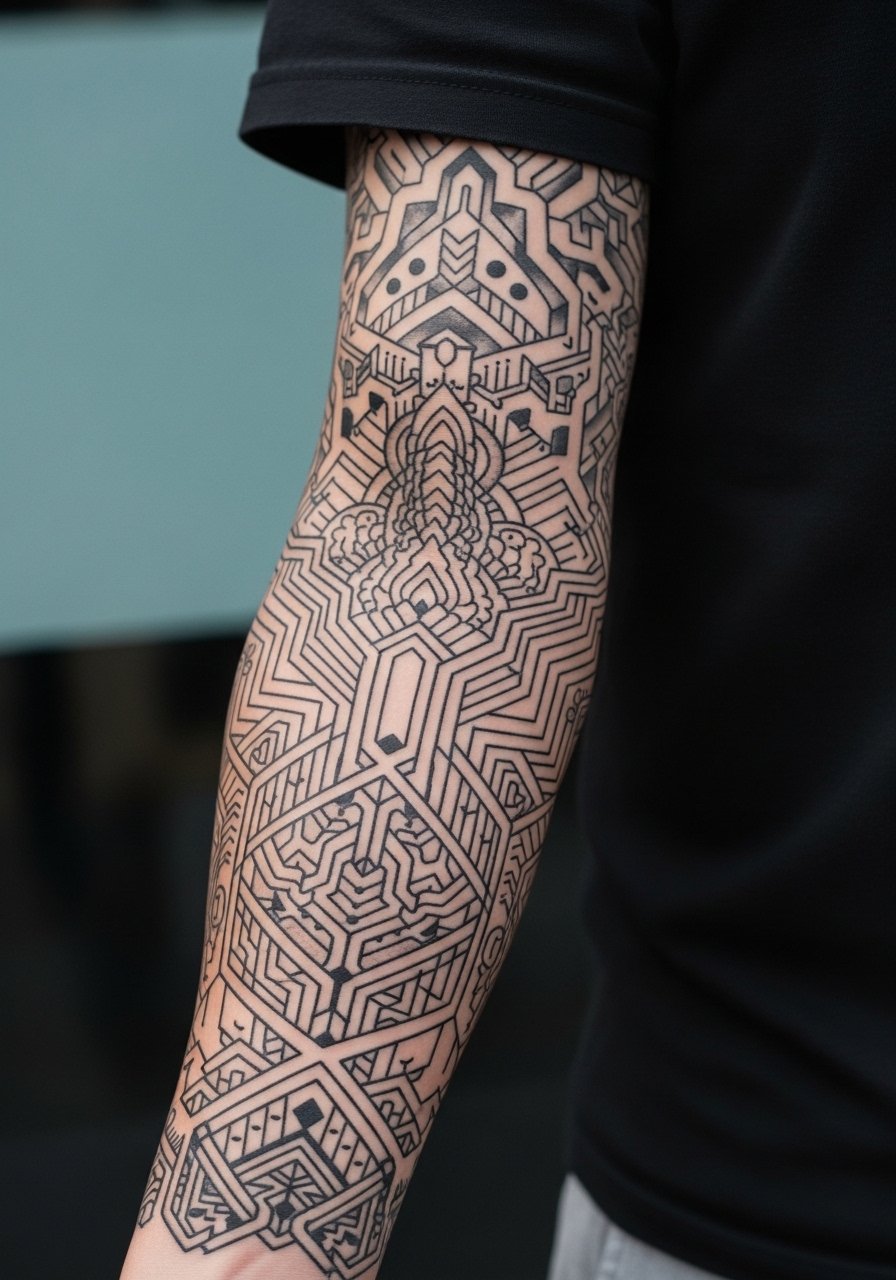
Designs that lean on negative space are clever and tend to age well because the skin is part of the image. The common error is making the negative shapes too narrow, which lets shadow and natural skin texture interfere. Ask for bold separations and test the stencil on the skin to visualize breathing room. Expect that the edges will stay readable longer than micro-hatch detail, and plan a light touch-up at year three to refresh any softened transitions. For the appointment wear a short-sleeve shirt you can pull aside without pulling the skin taut.
Frequently Asked Questions
Q: Will fine line elements in a full sleeve blur into each other over time?
A: Fine line pieces can merge if they are too dense or too small, especially near joints. I recommend asking your artist to space major lines and to thicken anchors slightly so that the design maintains form at two to five years.
Q: How should I prepare clothing-wise for a chest or sternum session in this lineup?
A: Wear a fitted sports bra or a wide-neck top that you can pull slightly aside so the artist only exposes the tattoo zone. That keeps the area accessible while keeping the rest of your torso covered and comfortable.
Q: Do watercolor-style sleeve accents need different touch-up timelines than traditional blackwork?
A: Yes, watercolor washes tend to fade faster and often need re-saturation sooner. Expect follow-up at year two to three for color refreshes, while bold black fields often go longer between touch-ups.
Q: Are wrist and hand accents likely to affect job prospects?
A: Hand and wrist tattoos still carry professional considerations in some fields. Think about your career and whether you need easy concealment before committing to highly visible wrist work.
Q: How do I ask an artist about cultural motifs without being insensitive?
A: Name the origin and ask for context during consultation, or request a respectful reinterpretation that avoids sacred symbols. Most experienced artists will welcome the conversation and suggest tasteful alternatives.
Q: If I want a portrait and script in the same sleeve, how should I sequence the work?
A: Map out the visual flow with your artist so each element has its own zone and negative space. Many clients do portraits first and add script later in separate sessions so healing does not overlap and so touch-ups can be targeted.