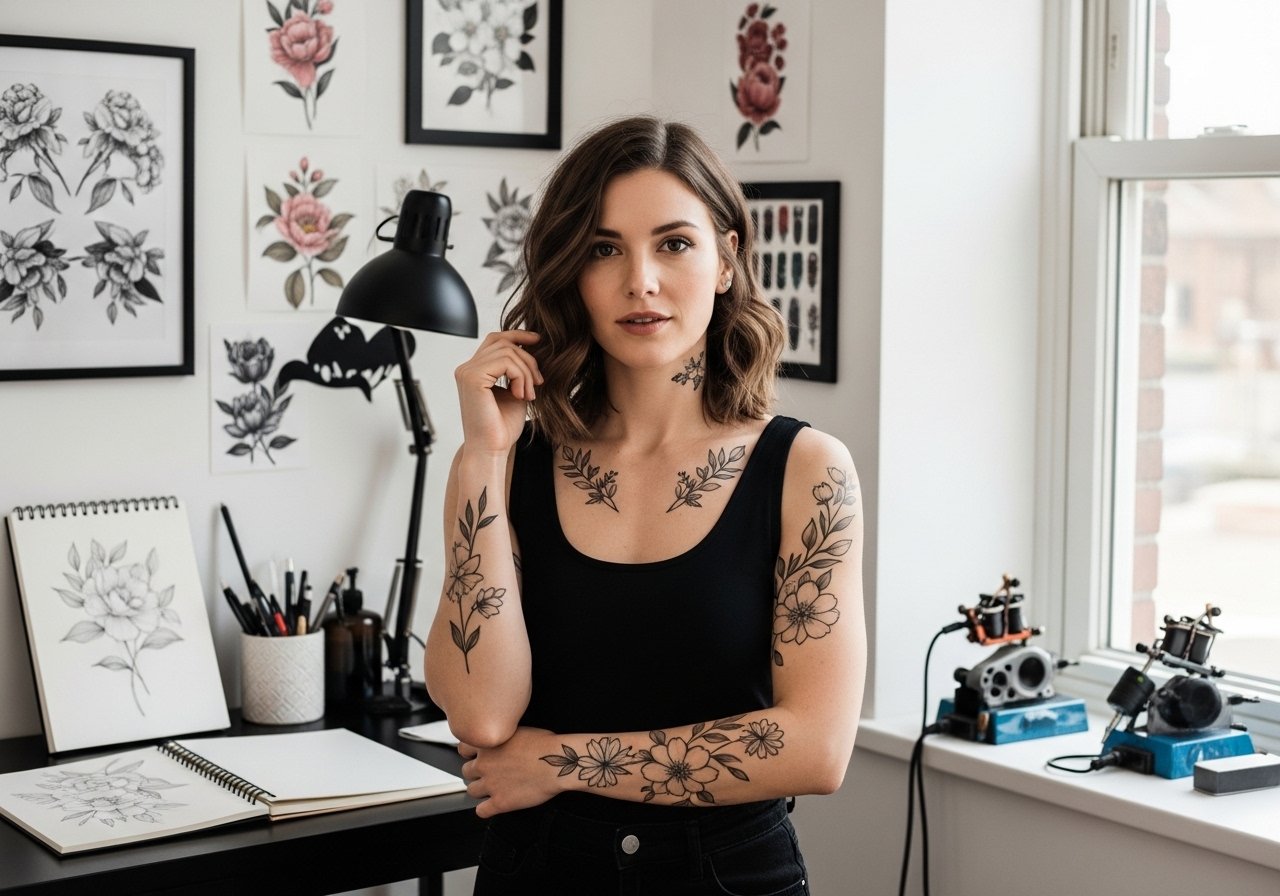
Fine line flower tattoos are everywhere online, but what really matters is how they look off the screen five years from now. I watch people pick designs that read tiny and delicate in a photo and then blur with sun and friction. This list focuses on Japanese floral ideas that balance detail with longevity, plus what to ask your artist in the consult so the motif holds its shape as skin changes and seasons of life pass.
1. Delicate Sakura Branch on the Inner Forearm
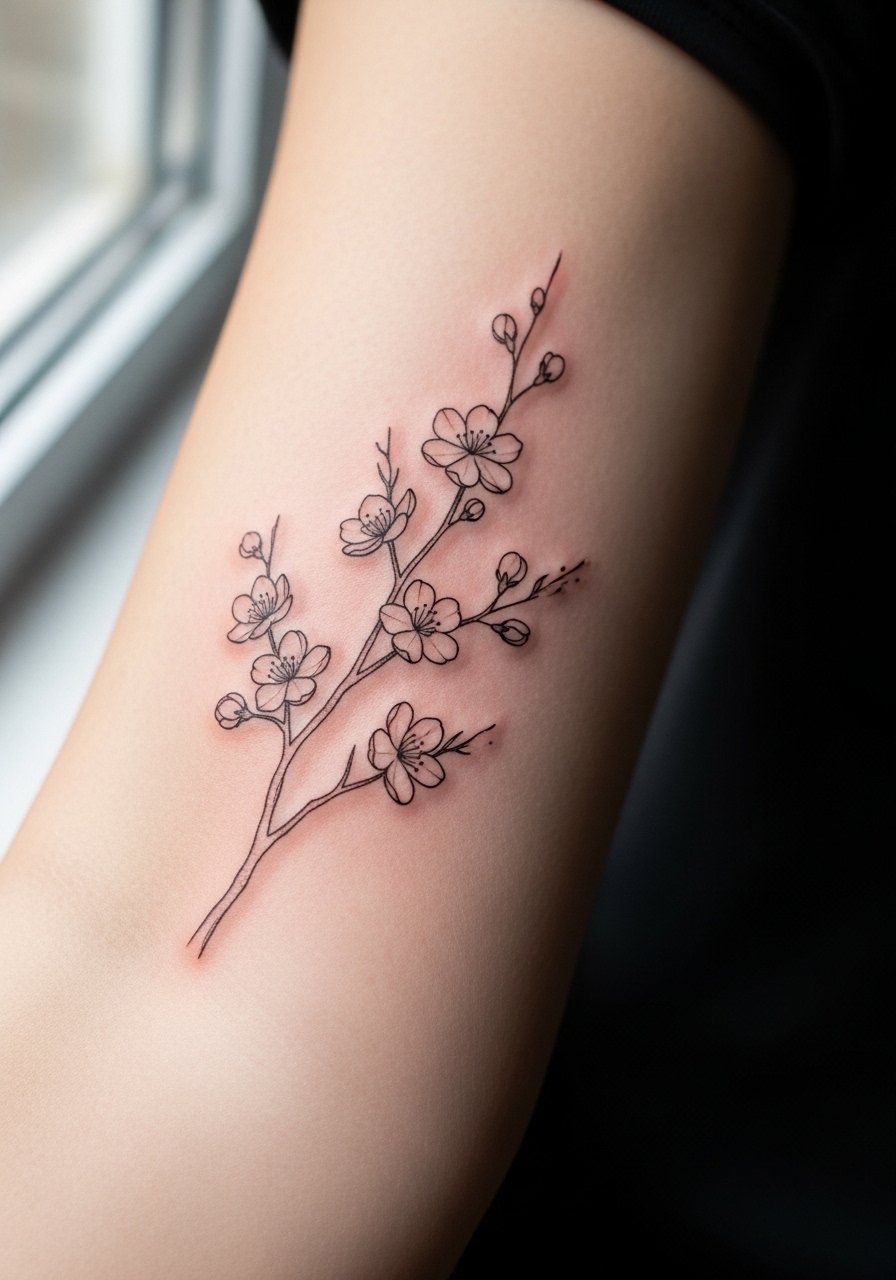
I recommend a thin sakura branch here when you want a readable piece that can be shown or covered easily. Fair warning, the inner forearm is a high-motion zone, so tiny gaps will merge over years if the architect of the design is too compact. In consultation, ask your artist for slightly heavier primary stems and hairline secondary branches so the silhouette stays clear at year two and five. Session time is usually one hour to90 minutes depending on placement. Pain sits at a manageable level. For showing it off, rolled sleeves or a loose linen shirt frames the forearm without masking the blossoms.
2. Single Chrysanthemum on the Shoulder Cap
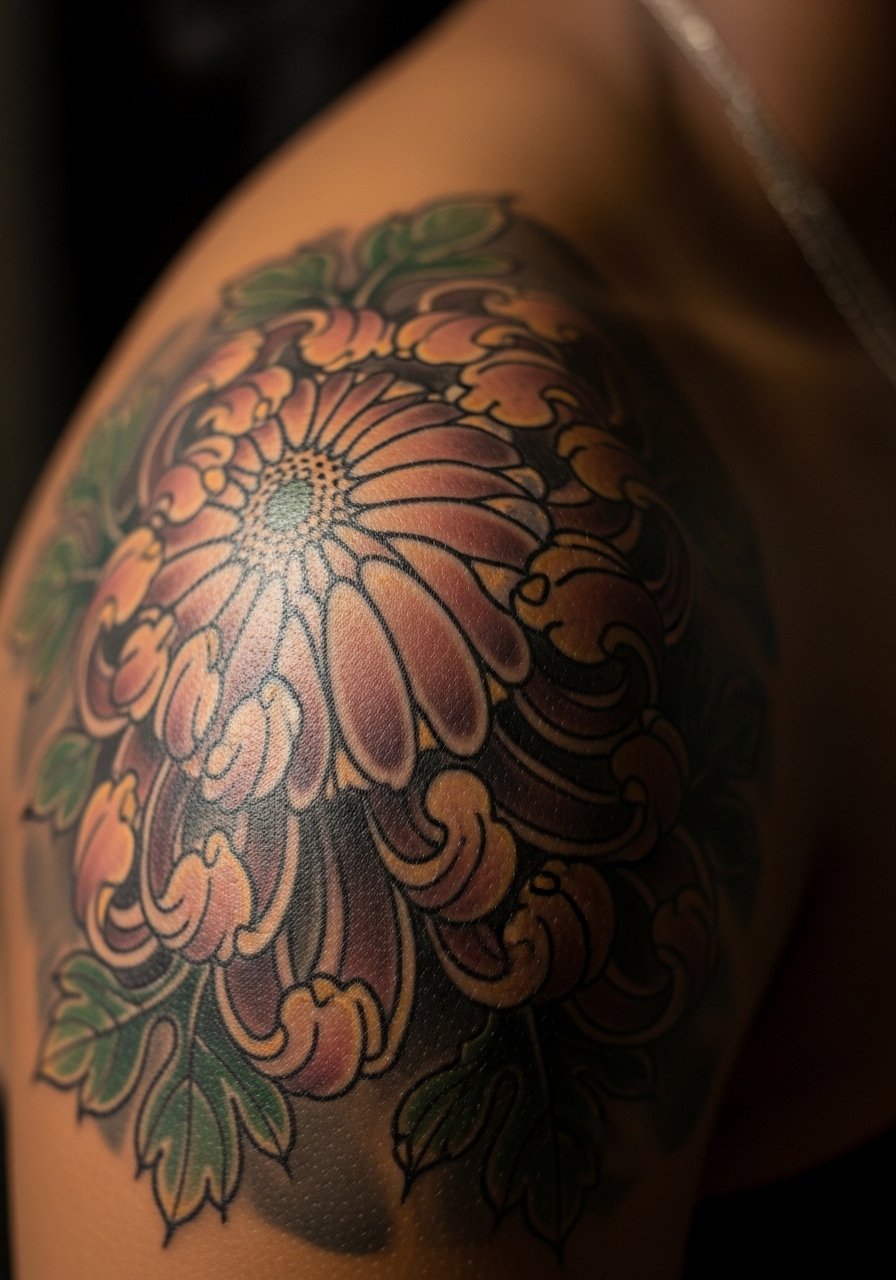
This placement takes color saturation well and reads from across a room. Expect one to two sessions for a fully saturated chrysanthemum. The shoulder has low blowout risk, but constant sun exposure will fade edges if you skip sunscreen later. Tell your artist you want bold outer petals with softer internal shading so the flower keeps a strong silhouette while the interior ages into gentle texture. For the appointment, wear a loose button-down shirt you can slide off or pull aside without tugging the design.
3. Miniature Peony Behind the Ear, Below the Hairline
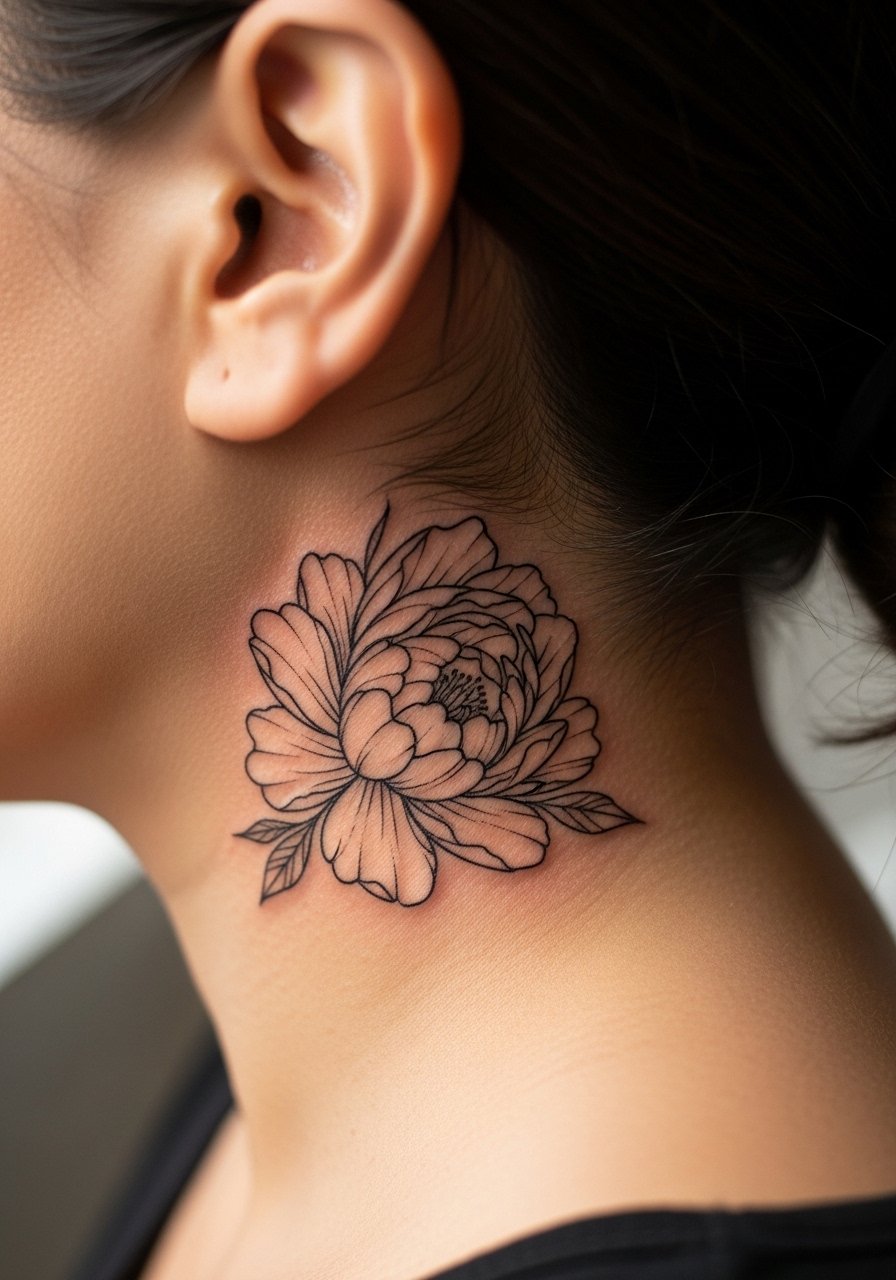
Behind the ear is charming because it blends into hair and can be private. The location requires a quick consult note that the tattoo will be partially hidden by hair most of the time. Pain is brief but sharp since the skin is thin. Ask for slightly deeper linework near outlines so the petals do not disappear as hair oils and shampoo rub the area. This placement also benefits from a short session so the artist can stop and re-stencil if a line shifts. If you want to show it more, a cropped hairstyle will highlight it naturally.
4. Blackwork Lotus on the Calf
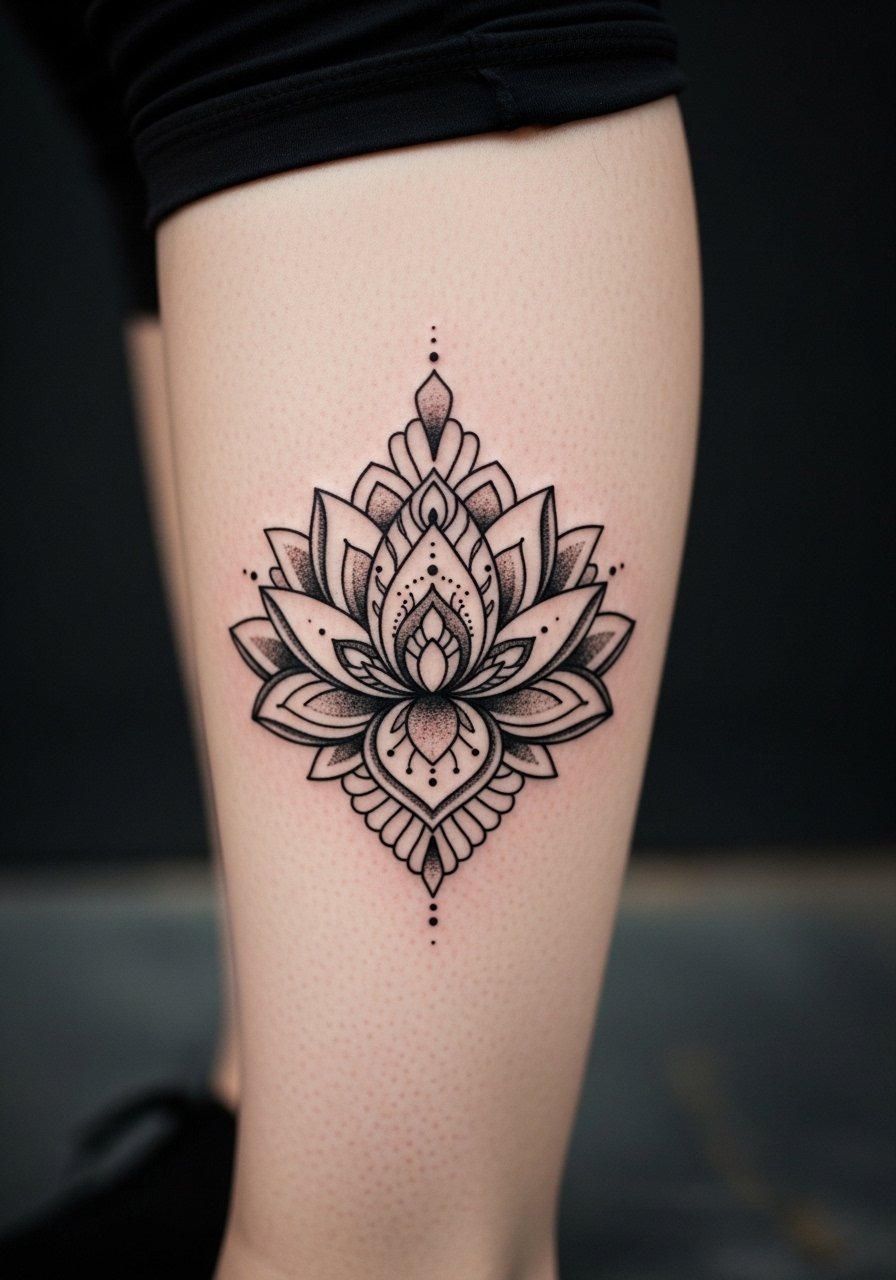
The calf carries heavy saturation well and ages predictably because the skin is thick. I often suggest the calf for larger botanical blackwork because it lets the artist play with negative space and stipple shading that holds up. Tell your artist you want bold primary outlines and stipple shading rather than solid small dots packed tightly, which can smear over time. Session time is often two to three hours depending on size. For showing the piece, wear rolled-up trousers or a mid-length skirt with a side slit to let the lotus sit front and center.
5. Stylized Camellia on the Collarbone
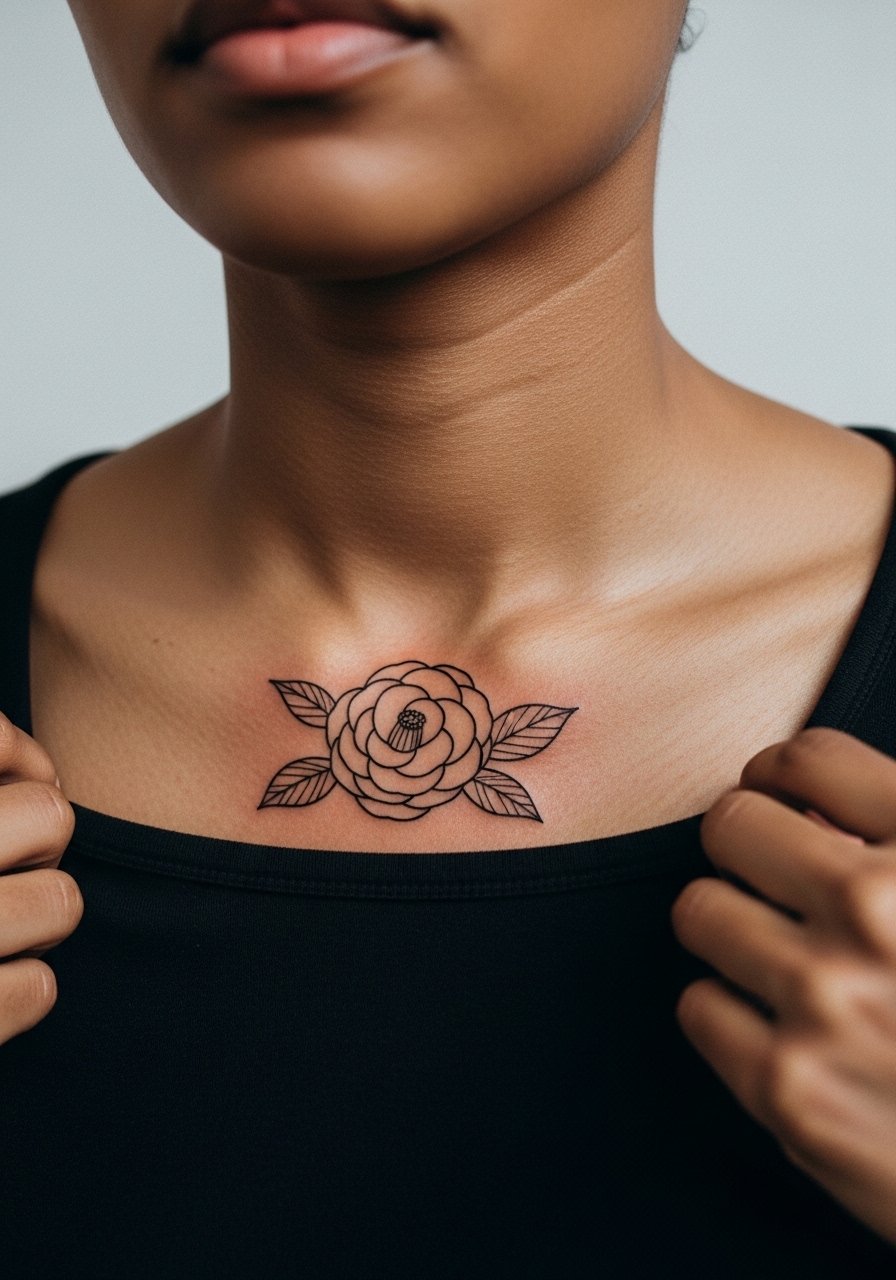
Collarbone pieces read intimate and elegant but require a careful layout so the natural curve of the bone does not compress petals. Expect the session to be sensitive around the bone with short rest breaks. The common mistake is asking for ultra-fine petals pressed directly on the bone. Instead, ask for slightly larger petal chambers and soft shading behind them so the outline survives movement and clothing friction. For a night out, an open-back top or a wide-neck shirt shows the camellia without distracting from its lines.
6. Sleeve Accent: Wisteria Dropping Over the Inner Elbow
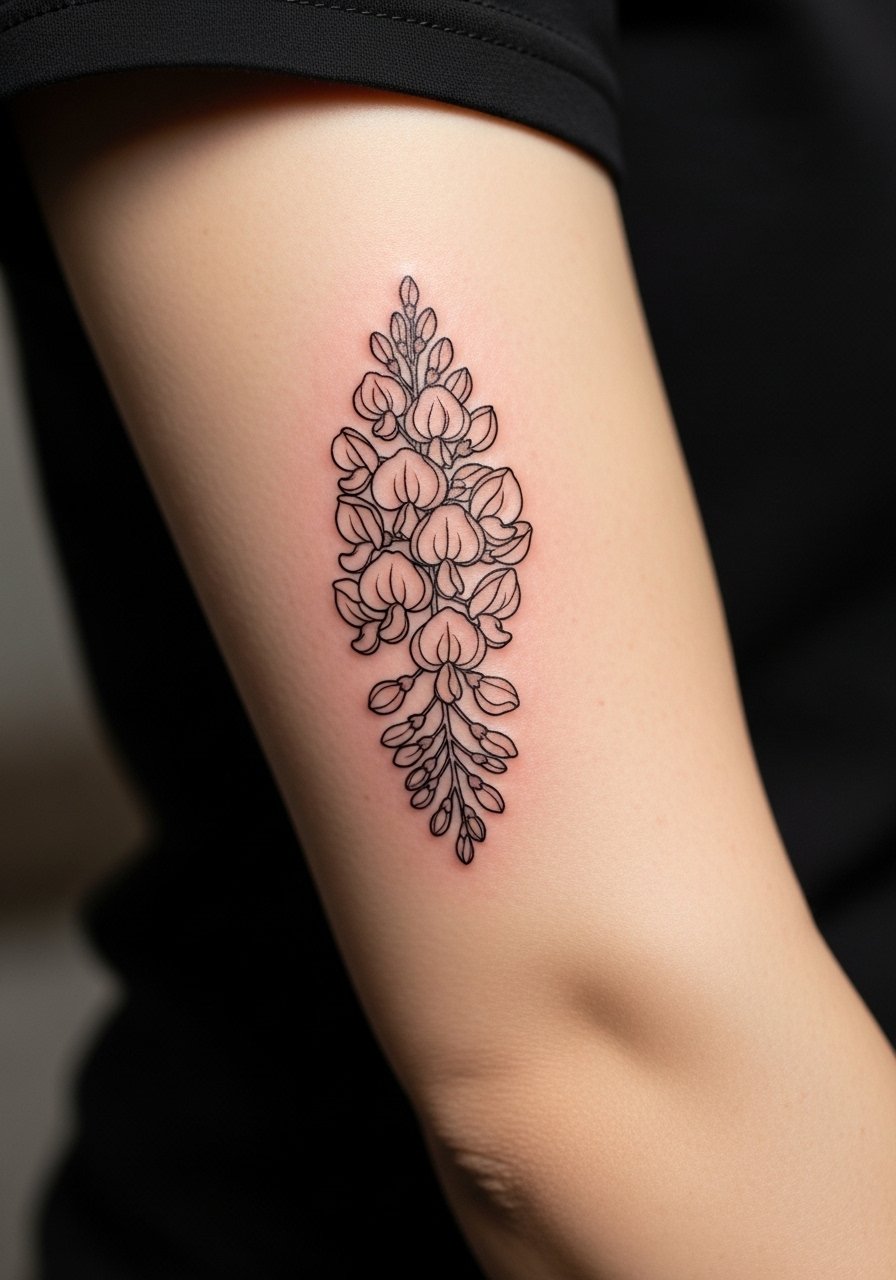
Inner-elbow work is a commitment. The area flexes a lot, so very tight line compositions will merge. I suggest asking your artist for spaced clusters and a few thicker anchor stems. Sessions for an accent like this are often broken into short passes to reduce swelling. Pain spikes when the needle crosses the crease. For the session, wear a loose long-sleeve button shirt you can slide the arm out of without rubbing the fresh work.
Studio Day Picks
The forearm, collarbone, and inner elbow pieces above need different session gear than thigh or back work. A few compact items make the chair day smoother.
-
Stencil transfer paper kit. Lets you preview how the linework will sit on curved areas like the collarbone and inner elbow, which prevents repositioning mid-session.
-
Topical numbing cream. Useful for brief sharp spikes on the inner elbow and behind-the-ear placements when applied according to the artist's guidance.
-
Thin protective film roll. Helps with friction zones like wrists and fingers during the first week when hands get constant washing.
-
Fragrance-free gentle body wash. Cleans the healing area without stripping natural oils that protect linework.
-
Aquaphor healing ointment. A thin layer in the first few days keeps fine line pieces moisturized without suffocating the skin.
7. Traditional Ume Blossom Centered on the Back of the Neck
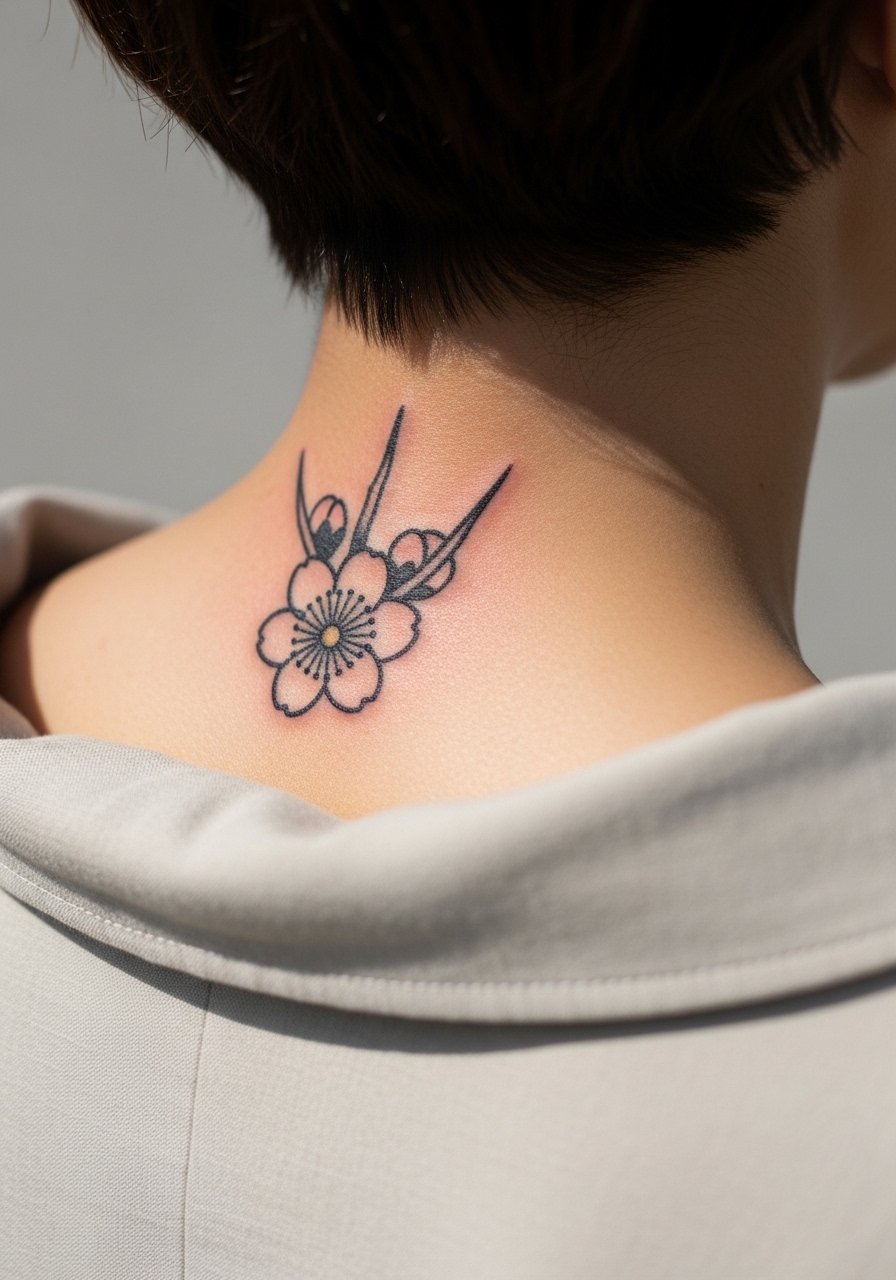
A back-of-neck placement reads like a statement when your hair is up. Pain is moderate and quick. The main consultation note is to clarify how visible you want it with hair down. The common mistake is asking for ultra-dense shading right where hair oils will sit, which can accelerate softening. Ask for clean outer linework and slightly open internal shading for long-term clarity. For showing the piece, a wide-neck sweater or a collared shirt worn open will reveal the blossom without overexposing sensitive skin.
8. Ribcage Kiku Cluster in Fine Line
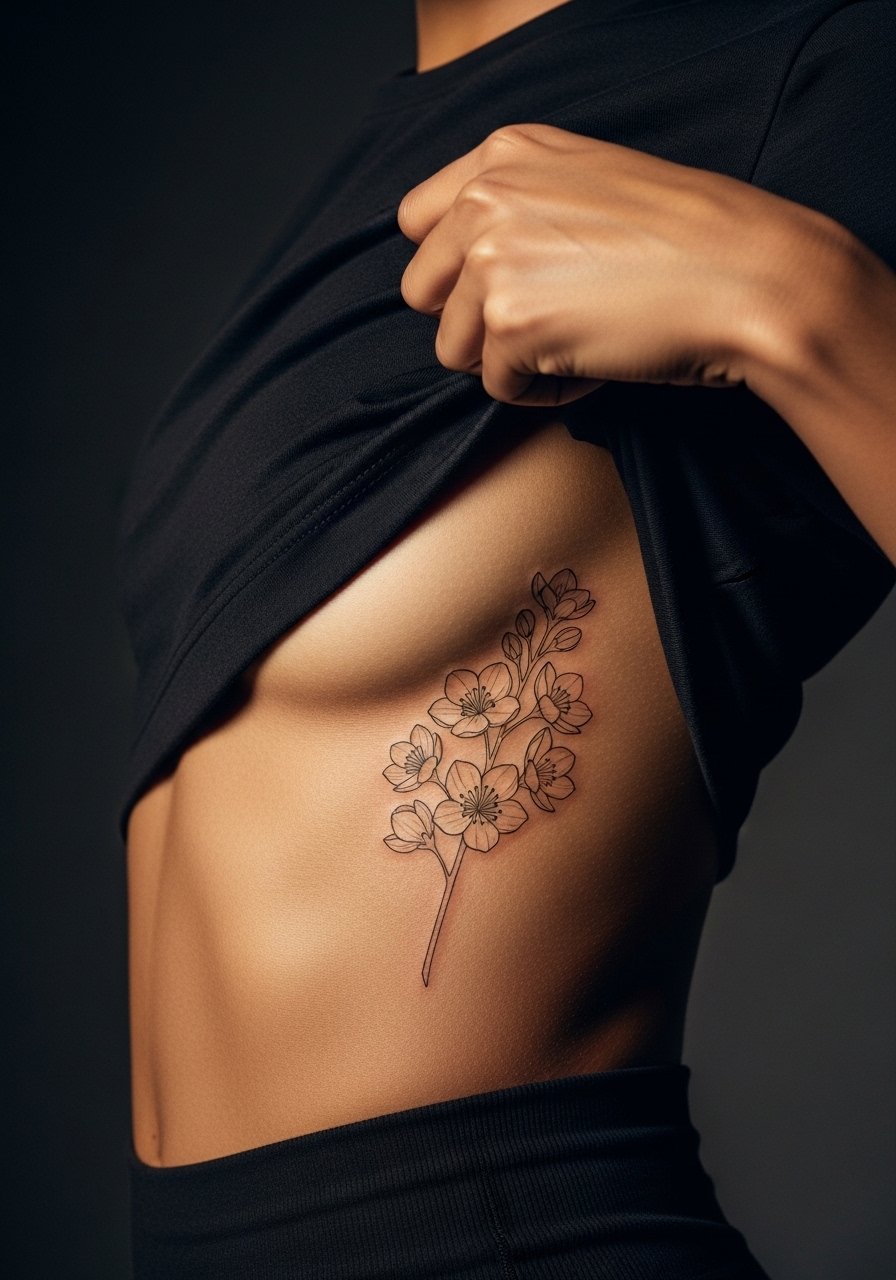
Rib work sharply divides opinion. Artists split into two camps. One camp says the skin there stretches and swells so much that fine line blurs within two to three years. The other camp argues that with proper needle depth and generous spacing the lines settle fine. I tell people to ask the artist which camp they belong to and to see healed photos on similar skin tones. The session is deeper and more painful than most spots. Design advice is to space petals and use soft contouring rather than threading micro stems right up to bone.
9. Minimal Iris on the Ankle
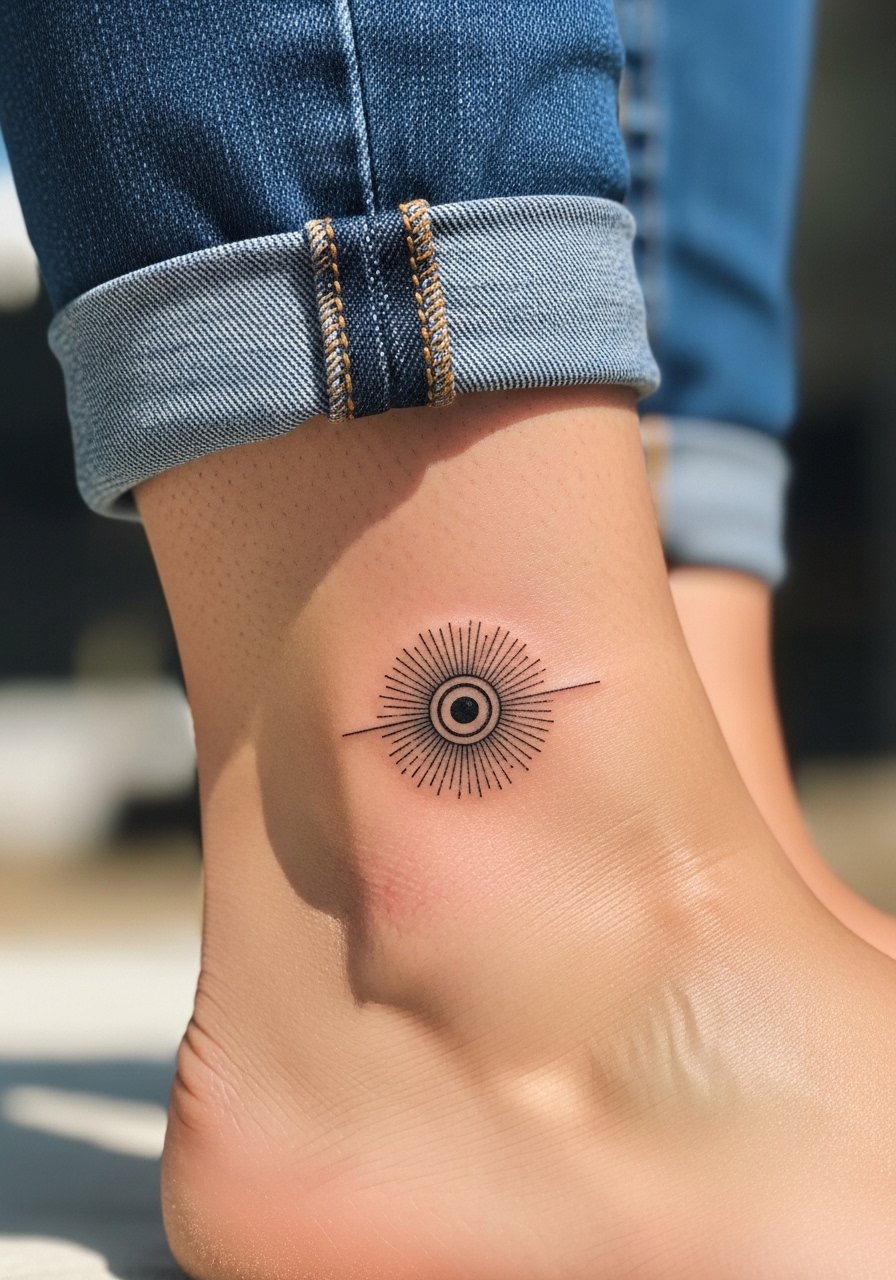
Ankle tattoos live through a lot of friction from socks and shoes. The common mistake is placing delicate cross-hatched shading too close to the edge where shoes rub. I recommend a simple outline with light internal shading and expect a touch-up around year two if you walk a lot. For the session wear, pull on stretchy ankle socks or wear sandals to avoid pressure on the area immediately after.
10. Sleeve Connector: Maple Leaves Flowing into Wave Lines
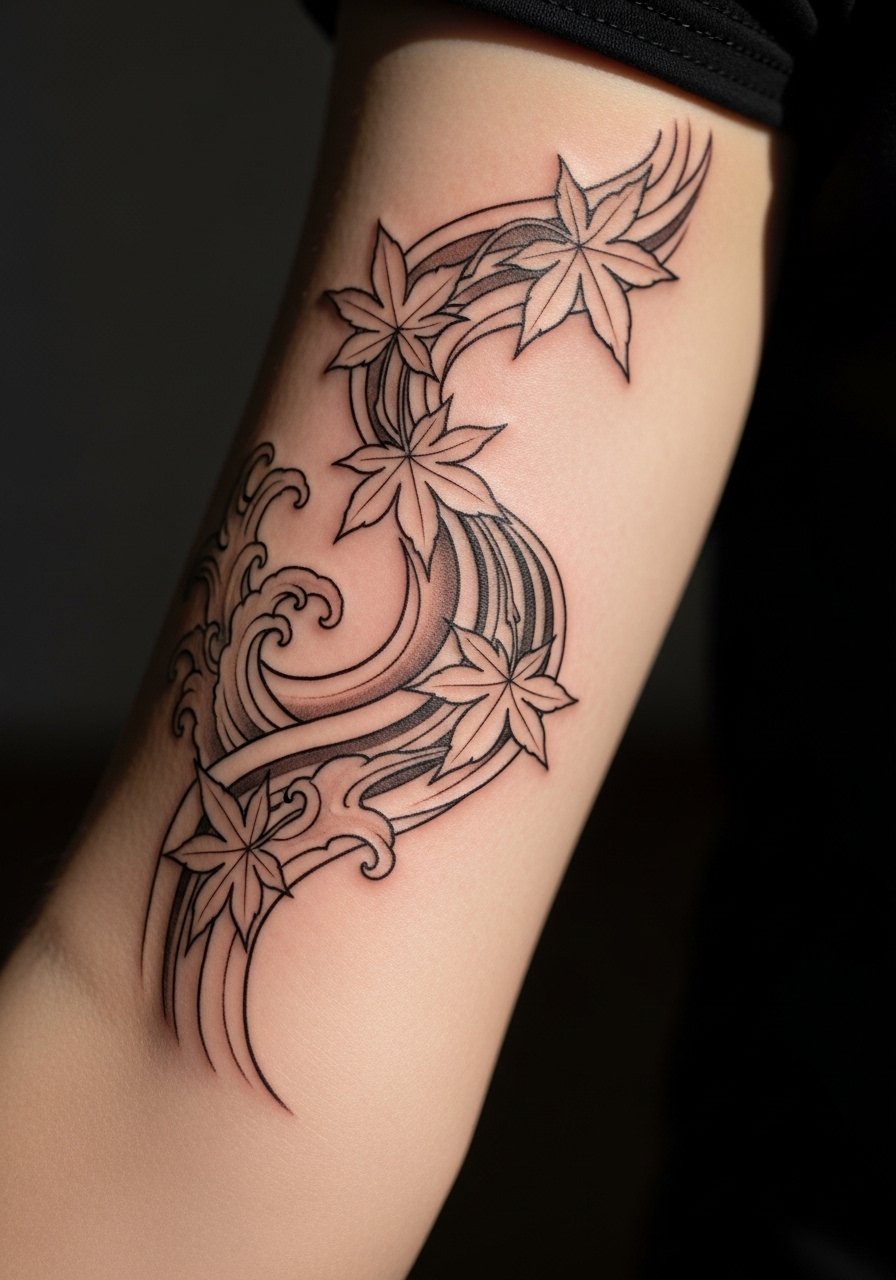
This connector piece works well when you are blending botanical and water motifs into a sleeve. Tell your artist you want the maple leaves slightly larger near the wrist and progressively smaller toward the elbow so the flow reads naturally when the arm moves. The common aging issue is packing too many fine veins into leaves, which disappear as ink spreads. Session time varies by length but plan multiple passes. For showing the connector, cuffed sleeves or a racerback tank keeps attention on the flow.
11. Hand Edge Camellia Along the Thumb Web
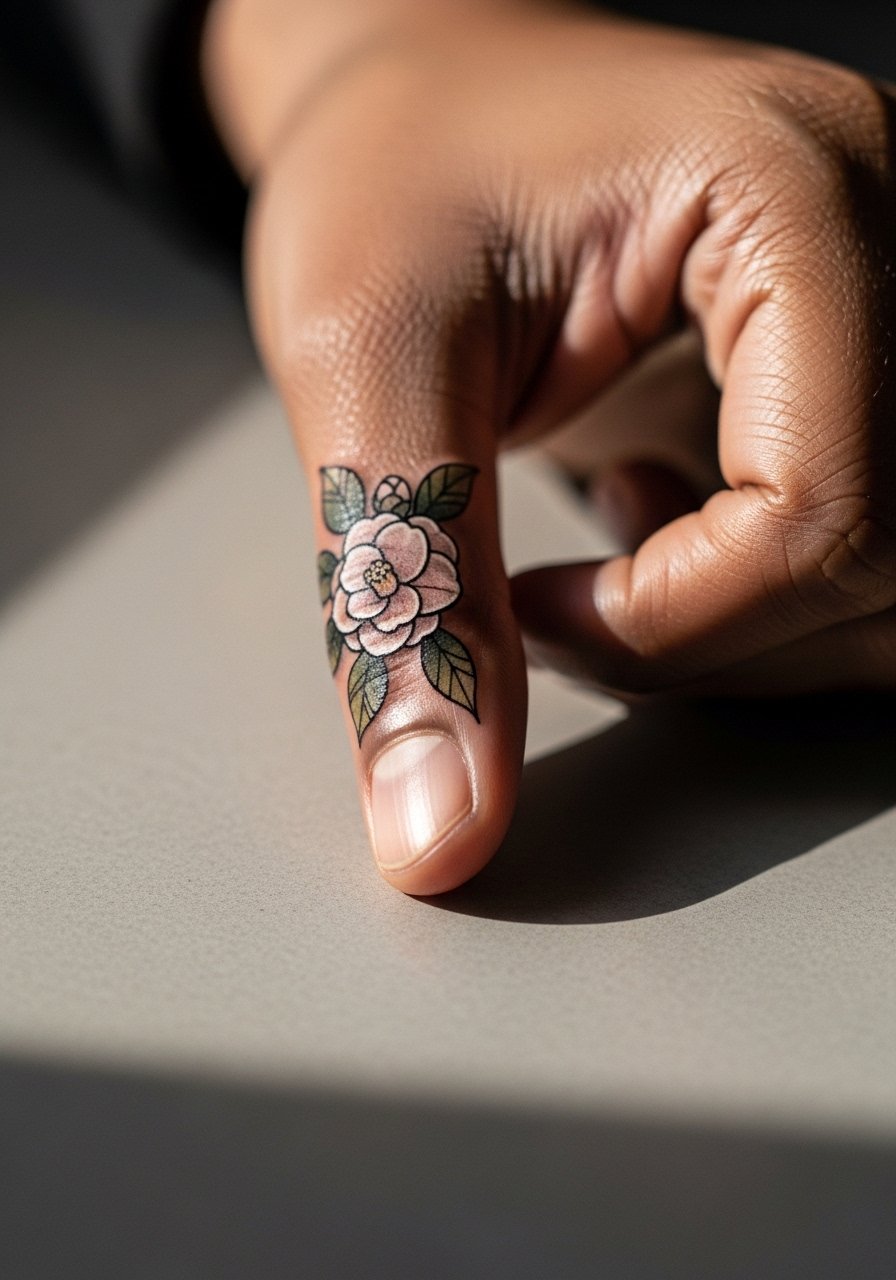
Hand tattoos are useful and visible, but they also carry social consequences in some workplaces. The debate is blunt in the community. One group accepts the trade-off for constant visibility. The other group warns that some hiring managers still respond negatively even today. If you choose the thumb web, ask for bolder outlines and accept that touch-ups will be more frequent. Sessions are short but can sting because of thin skin. If your job is flexible with appearance, a subtle camellia here can be a daily signature.
12. Subtle Kiku Medallion on the Upper Chest
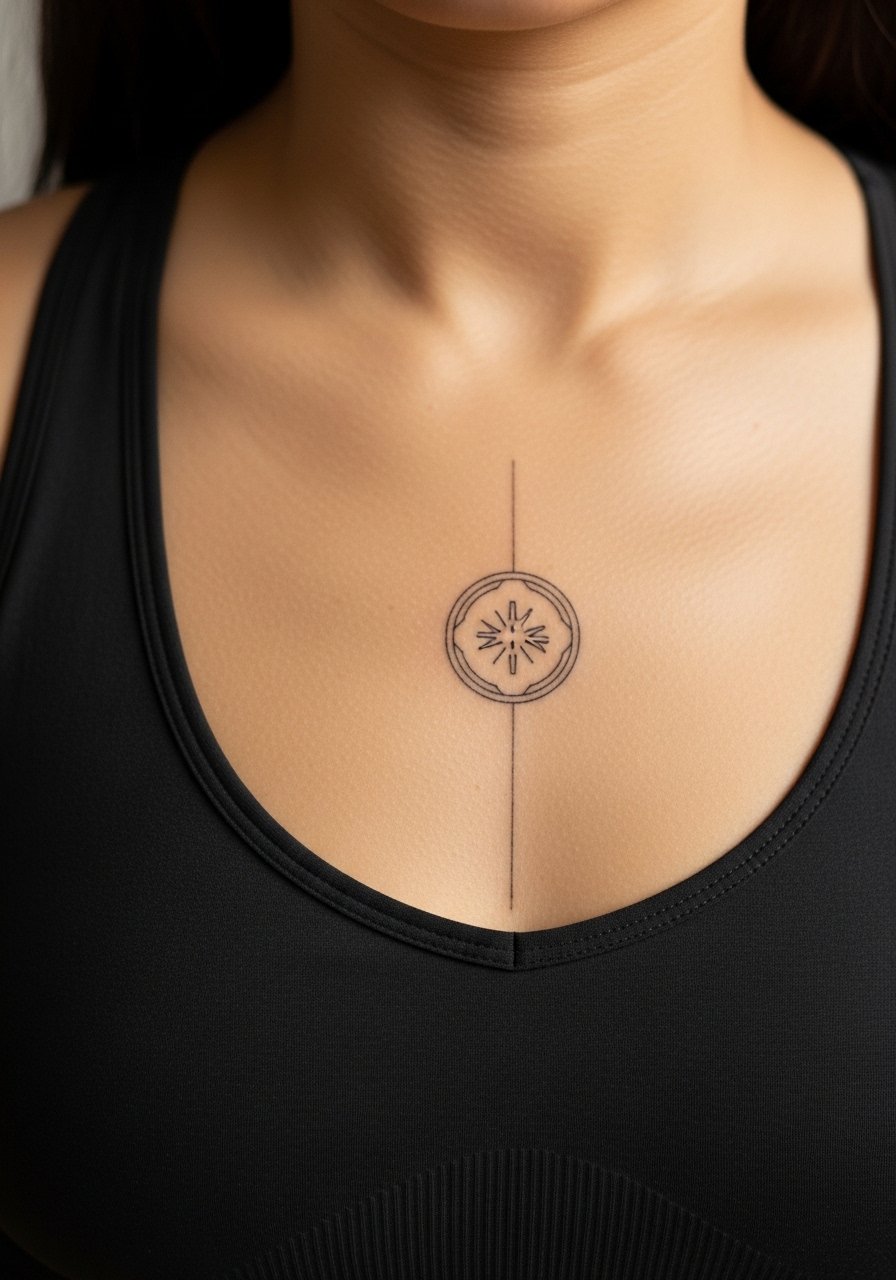
Sternum and upper chest pieces need layout care because fabric meets skin there constantly. The standard mistake is centering an overly dense medallion that rubs against bra lines and then loses interior detail. Ask your artist to keep the outer ring slightly heavier and the center airy. The session is sensitive, but the visibility options make it worth it for many people. For the session, a fitted sports bra or zip-front top makes access easier and keeps you comfortable.
13. Longitudinal Peony Along the Rib Arch
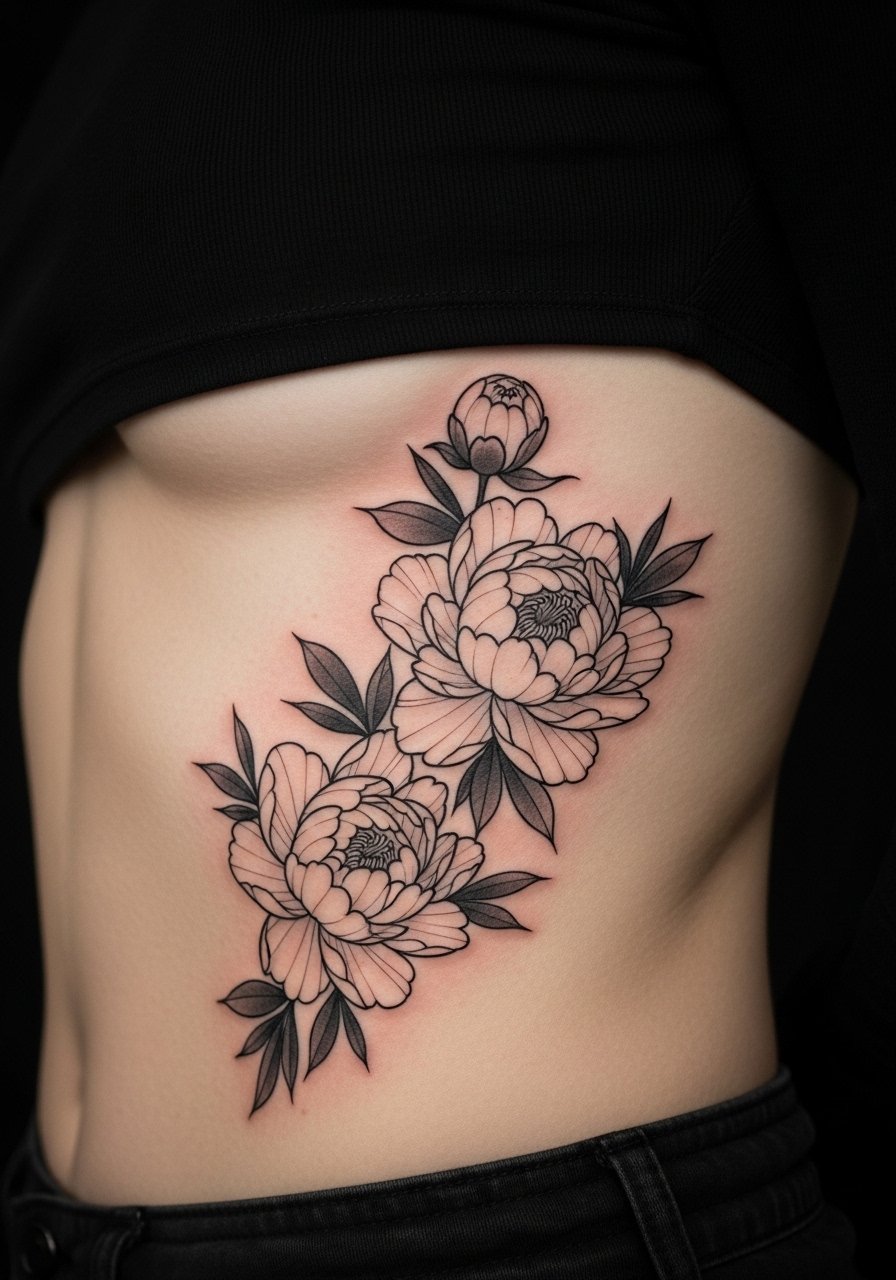
A long rib arch peony benefits from negative space to avoid busy internal detail. My advice is to keep petal edges open and to place weight on the outer contours. Blowout risk increases when lines are too close together. Expect significant sensitivity during the session and a multi-hour appointment. Because this style often blends with traditional Japanese backpieces, mention in consult how it will pair with future expansion so spacing remains available.
14. Hip Bloom Cluster, High-Cut Placement
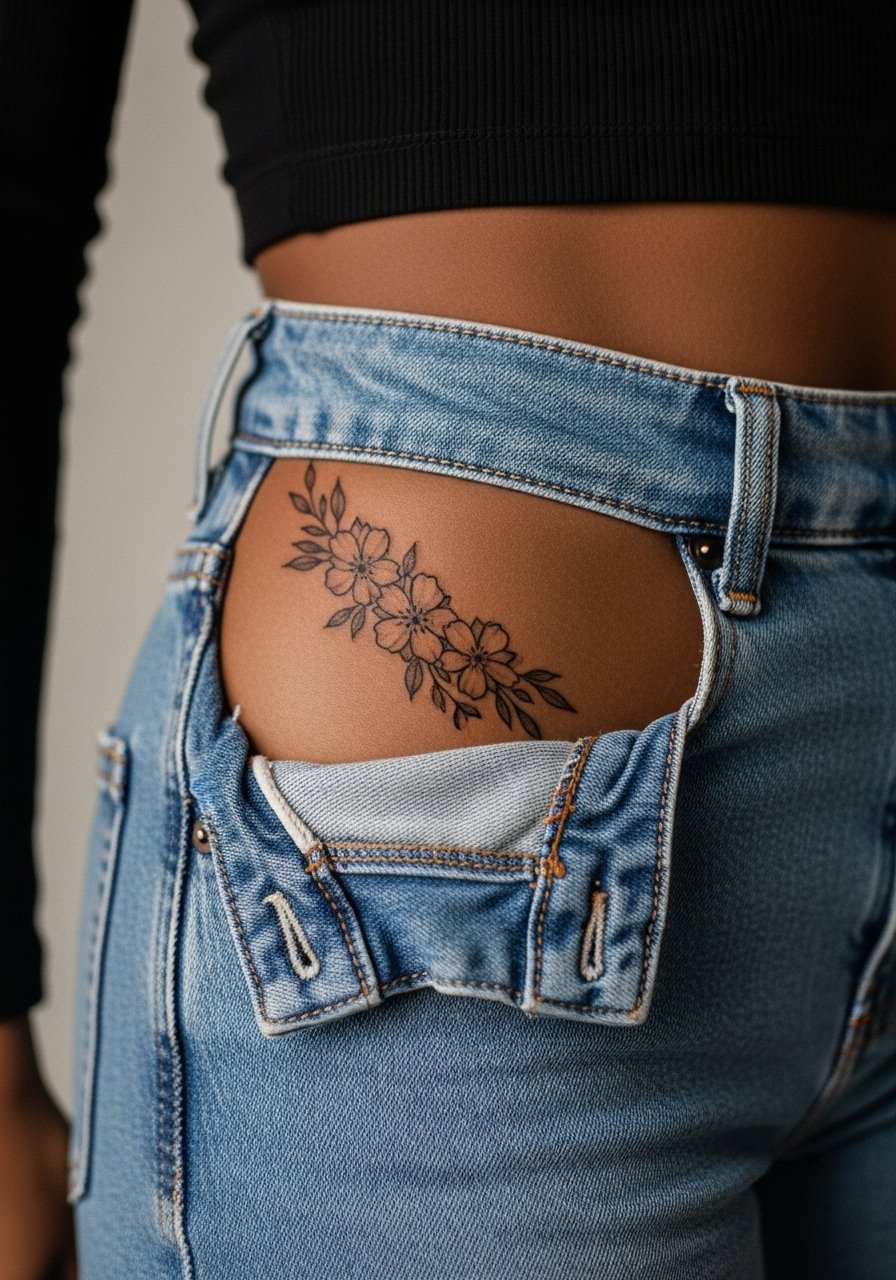
Hip placements are flattering because they live under clothing most of the time, which reduces UV exposure. The typical mistake is asking for micro-dot shading that sits under waistbands. I recommend placing the bloom slightly higher and keeping the lower stem minimal to avoid constant friction. Sessions are moderate in length and oddly comfortable because of the padding. For session day wear, high-waisted shorts or a wrap skirt makes access simple and avoids pulling on the new work.
15. Inner Thigh Botanical Band
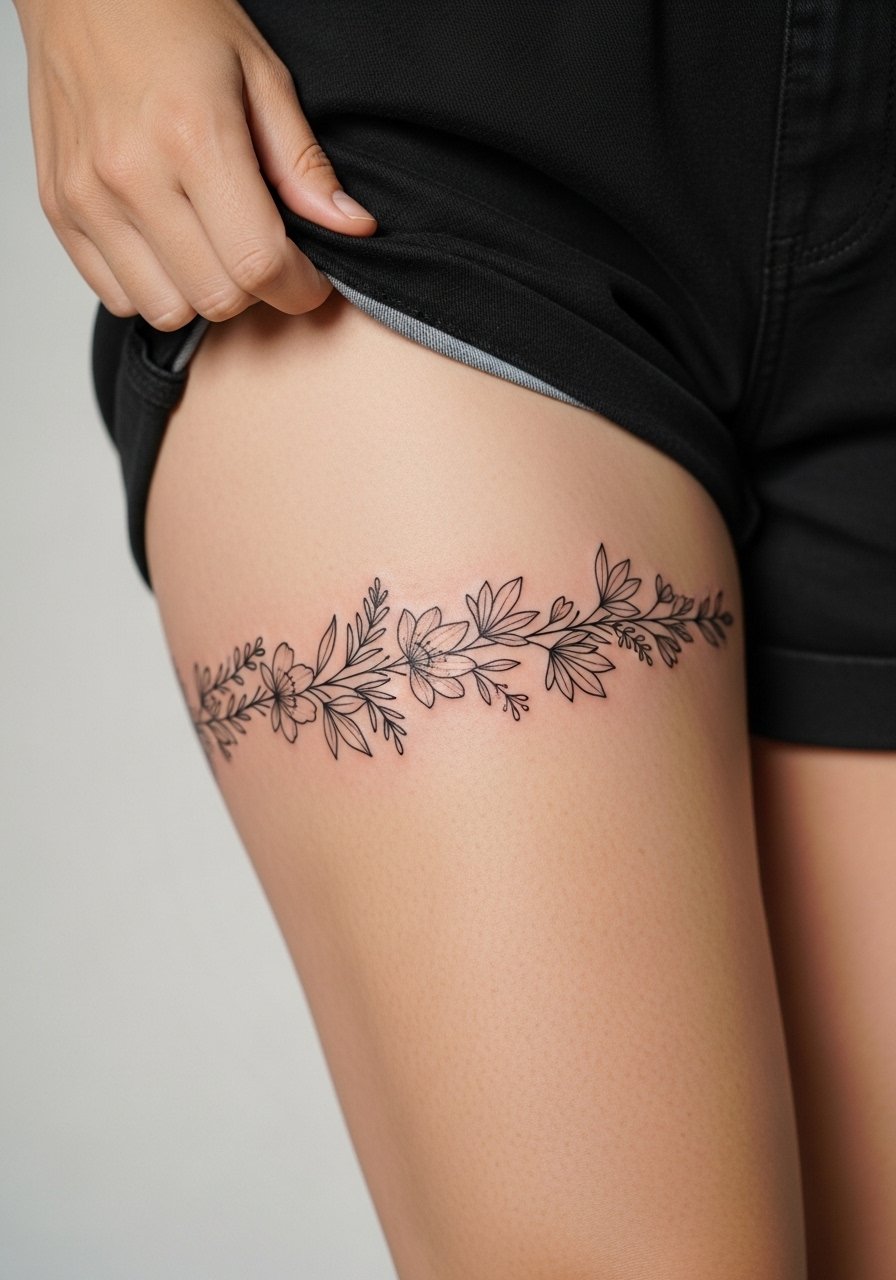
Inner thigh tattoos age differently because they are hidden from regular sun exposure. That helps preserve delicate linework. The main downside is session sensitivity and potential friction from clothing. Ask the artist for a composition that favors vertical stems over tight clusters so the piece breathes. For the appointment, wear loose shorts or a drawstring linen pant so the artist can easily access the area and you can leave without irritating the fresh ink.
16. Sleeve Focal Point: Peony with Wind Bars Near the Elbow
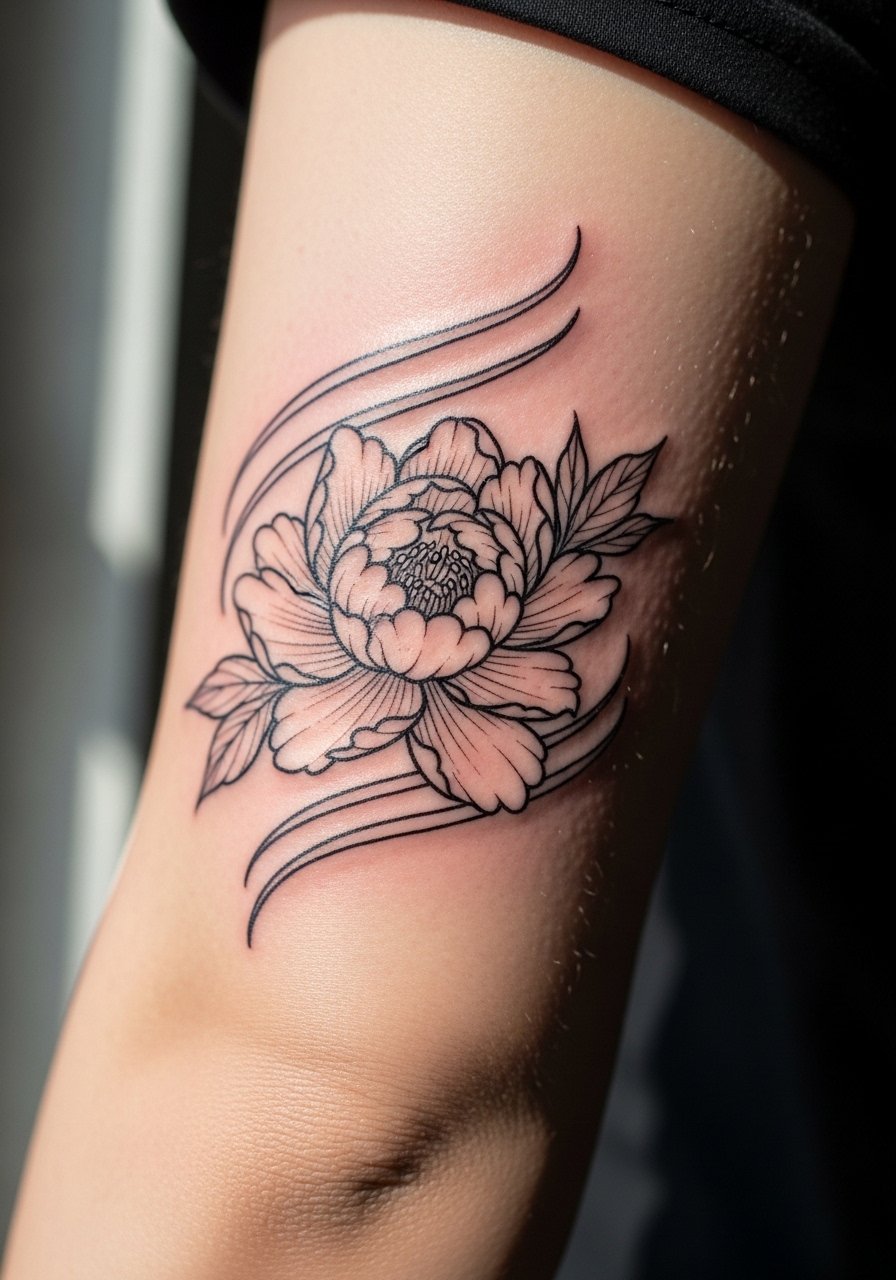
This focal point reads well on a half or full sleeve because the peony anchors the movement. The elbow area is rough on linework because of bending. I recommend slightly larger petal overlaps and wind bars that create motion without dense hatching. Sessions often split into two blocks to let swelling subside. If you intend to expand into a full sleeve later, tell your artist during the consult so anchor points line up with future pieces.
17. Small Sencha Leaf Cluster on the Wrist
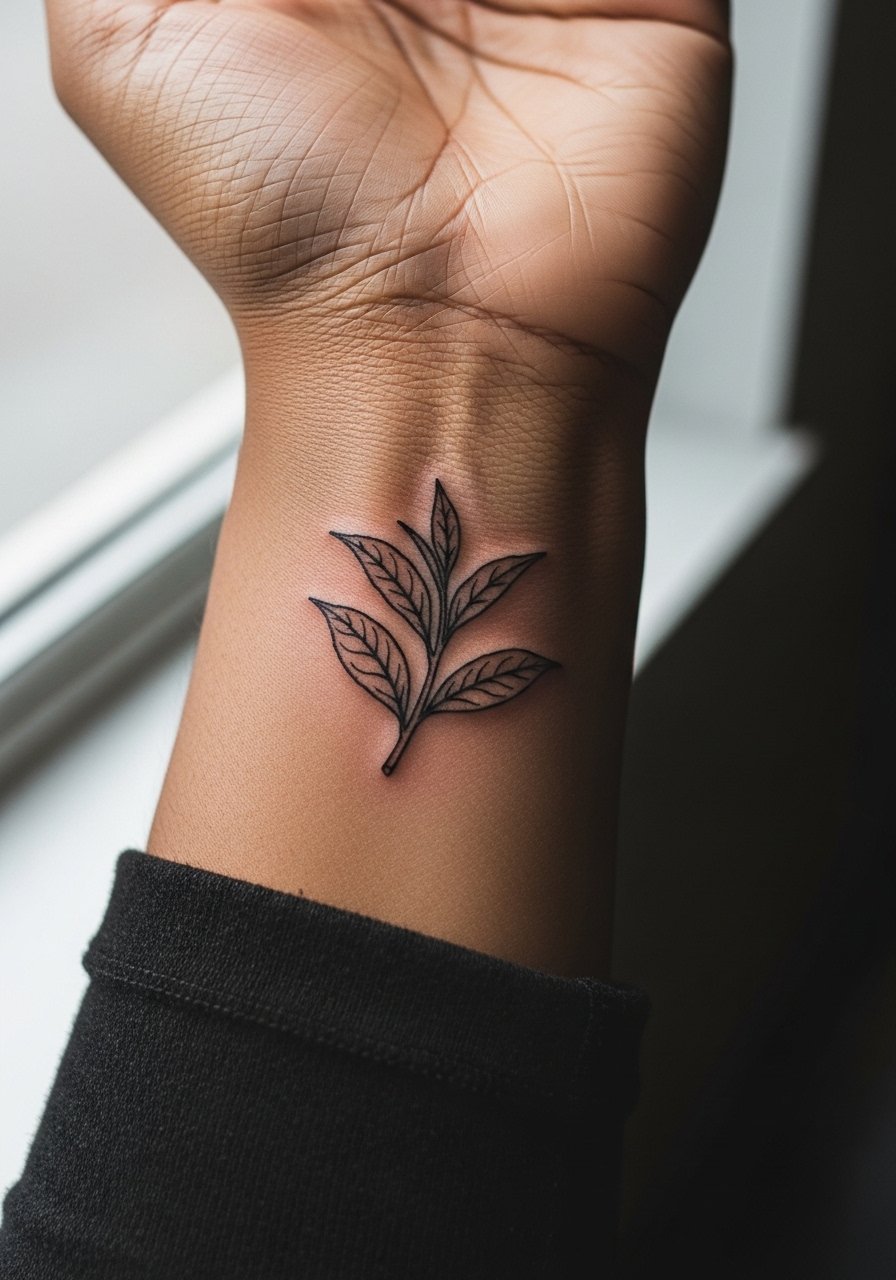
Wrist tattoos are visible and wear fast from washing and friction. The common mistake is compressing too many tiny veins into the leaves. I suggest simplified veins and a slightly heavier outline, which gives the leaves structure without losing the minimal look. Expect touch-ups every two to four years depending on sun exposure. For daily wear, stack with a thin chain bracelet that complements the wrist without rubbing the ink.
Frequently Asked Questions
Q: Will fine line sakura on the forearm blur faster than a bold chrysanthemum on the shoulder?
A: From what I have seen, yes. Fine line on high-motion areas tends to soften faster than saturated color on thicker skin. The forearm needs slightly bolder primary stems to keep the silhouette, while shoulder saturation protects against early loss of definition.
Q: Are ribcage florals worth the pain given the controversy about fine line there?
A: It depends on the artist and the spacing you choose. Artists split into two camps. One camp warns fine line blurs on ribs within a few years. The other camp says careful depth and spacing make it hold. Ask to see healed rib photos from the artist on similar skin tones before booking.
Q: How often should I expect touch-ups for wrist or hand floral pieces?
A: Plan for touch-ups earlier than for larger, protected pieces. For wrist and hand work, a realistic touch-up timeline is around year two to four, depending on sun exposure and friction. Heavier outlines lengthen that window.
Q: What should I wear to a shoulder or chest tattoo session to make access easier?
A: Wear clothing that the artist can shift without rubbing the area. For chest or collarbone sessions a wide-neck or zip-front top works well. A wide-neck shirt makes access simple and keeps you comfortable.
Q: Is it cultural appropriation to get traditional Japanese floral motifs like kiku or ume?
A: These motifs have historical context. Many people choose to honor that by asking for slight stylistic variations, learning about the symbols, and discussing intent with an artist who understands the tradition. That approach respects origin without turning the design into a direct copy of sacred imagery.
Q: How do I find an artist who specializes in Japanese flower work without naming specific accounts?
A: Use discovery pathways like local shop directories, guest lists at tattoo conventions, niche Reddit threads, and portfolio roundups on artist collectives. Look specifically for healed photos on similar placements and skin tones to judge how a style ages.