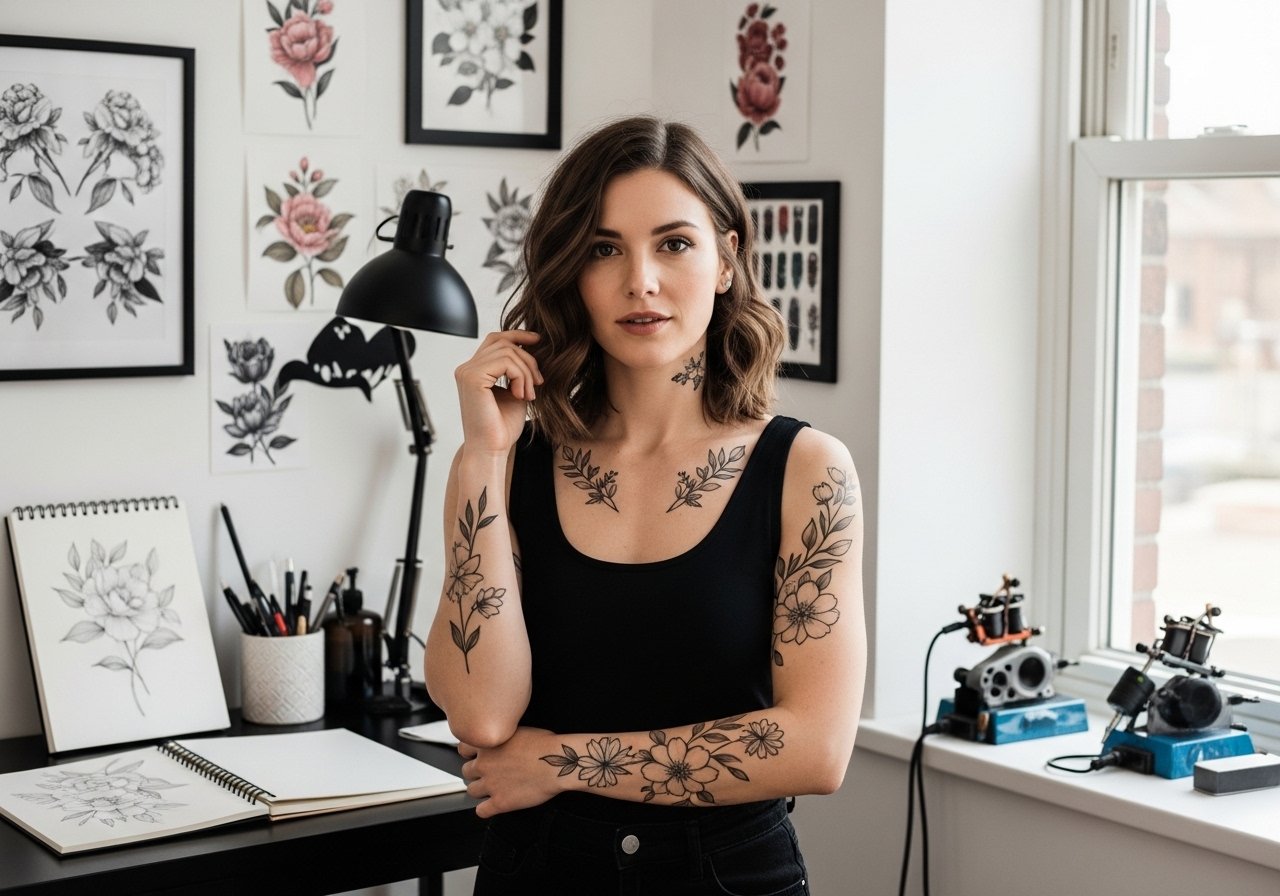
Fine line and chunky blackwork are both trending for Y2K back pieces, and that split matters more than most people expect. I've noticed small details that read great on a phone can soften or merge on the back faster than on arms. This list focuses on Y2K tattoo ideas placed on the back that balance early-2000s flair with smart sizing, artist notes, and wardrobe tips so the piece still looks intentional years from now.
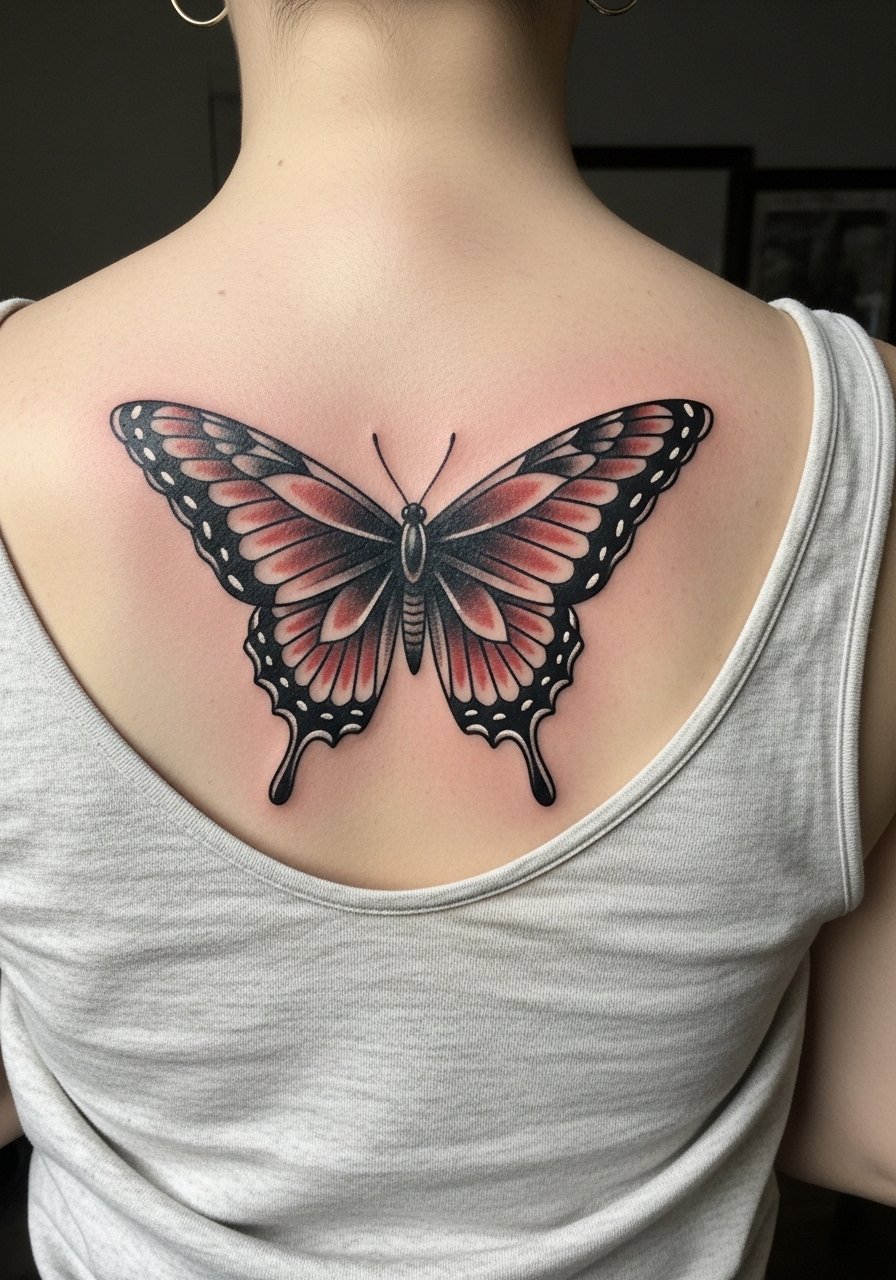
1. Y2K Butterfly Wings on Upper Back
A butterfly stretched across the upper back reads like a modern reinterpretation when you pick cleaner linework and restrained saturation rather than full watercolor fill. I tell clients to ask for slightly thicker outline weight across the wing joints so the shape holds if the color softens. Pain on the shoulder blade is mild to moderate and a single session usually covers a 6-10 inch span. Common mistake is asking for tiny delicate veins inside the wings, which merge over time. For the session wear a loose tank or a loose button-down shirt you can pull aside, and for showing it off try a backless crop top that frames the wings without competing.
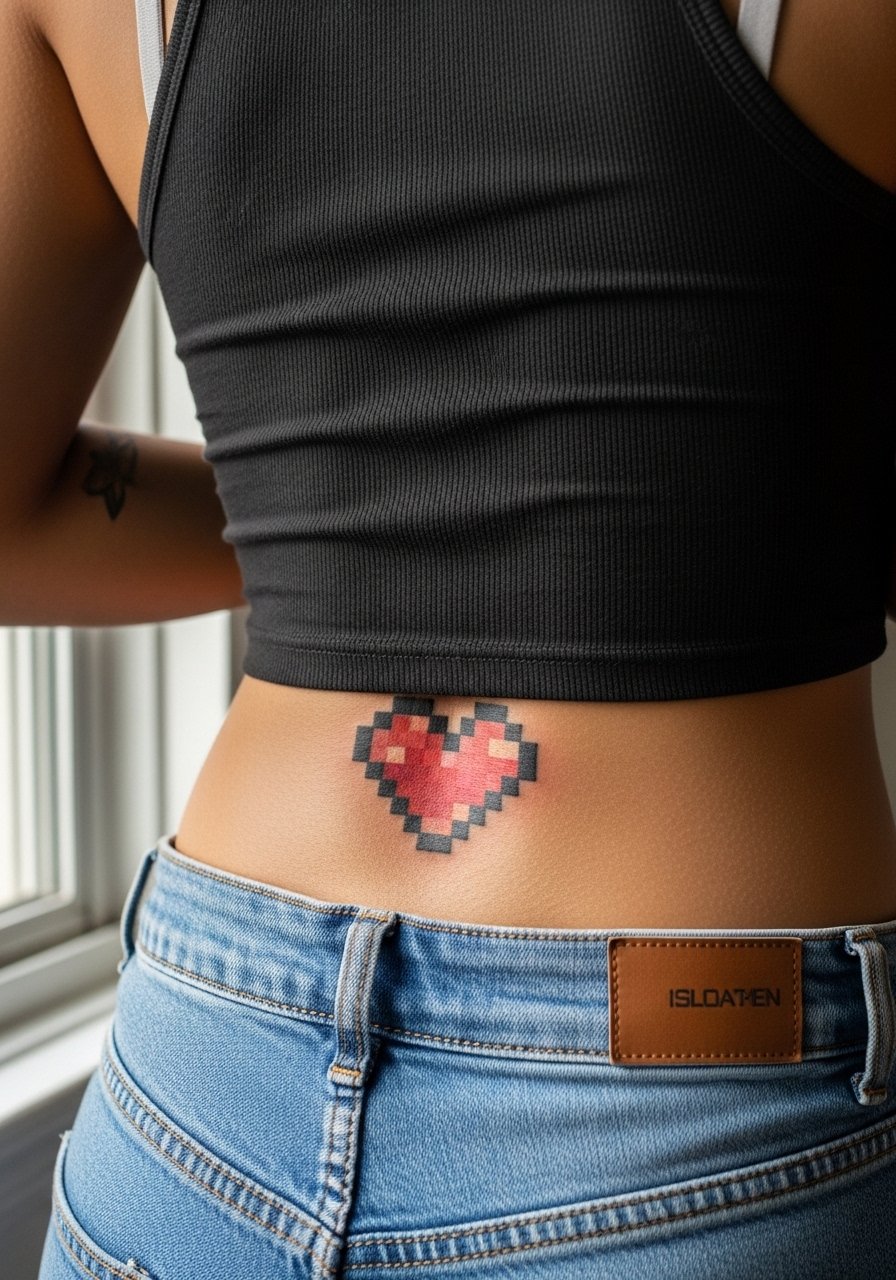
2. Pixel Heart Patchwork on Lower Back
Pixel art suits lower back patchwork since the square shapes tolerate slight stretching better than fine lines. Ask your artist to size each pixel larger than you think, and to include neon accents as small saturated dots rather than thin gradients. Lower back sessions can be comfortable if you arrive in elastic-waist bottoms that sit low, and you should avoid tight waistbands during healing. A common aging issue is tiny pixels fading into gray blobs, so expect a touch-up at year two to keep the neon pop. Pair this with a low rise mini skirt for festival looks and wear high-waisted pants home from the session to avoid rubbing the fresh work.
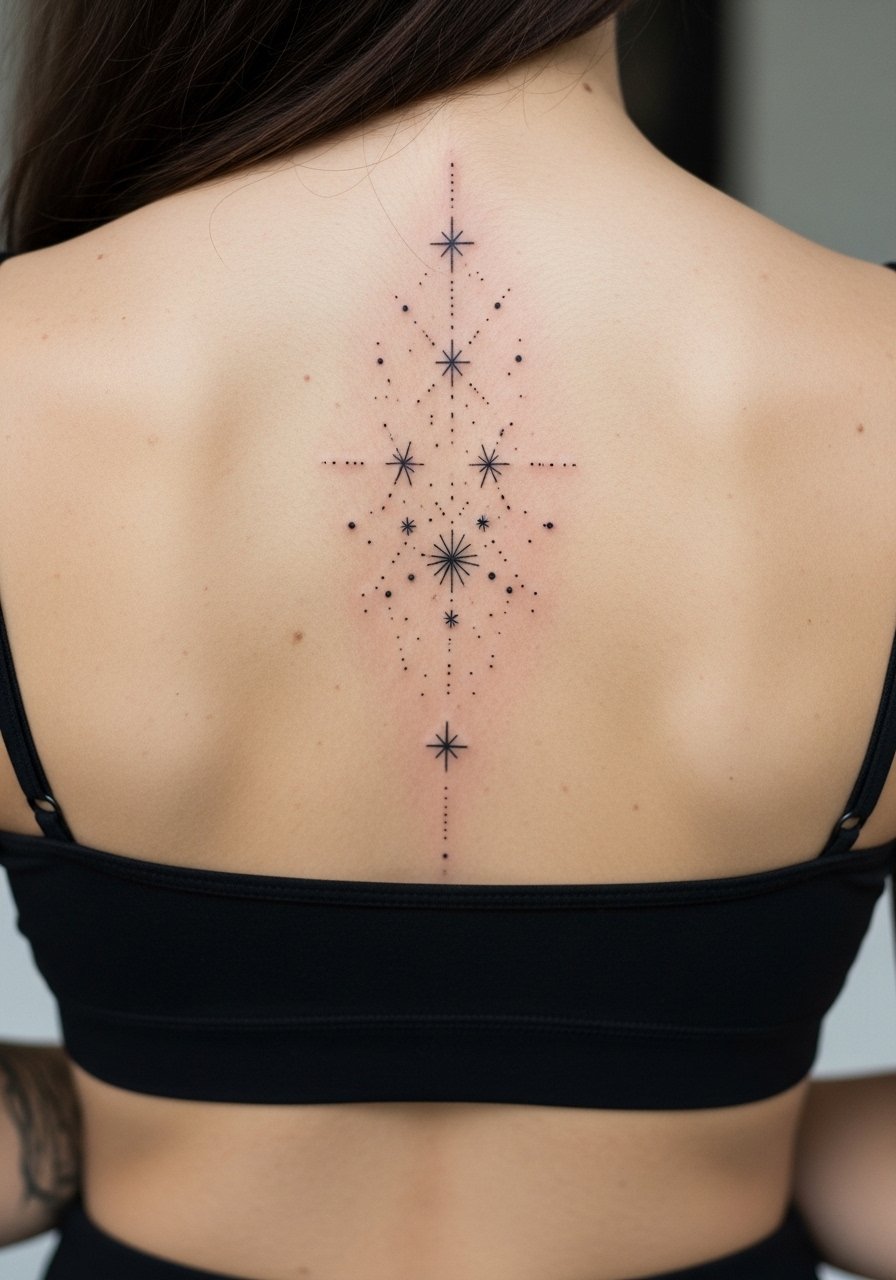
3. Cosmic Star Cluster Along the Mid-Back
A vertical cluster of tiny stars along the spine gives millennium-era futurism without covering the entire back. For longevity, request black ink with micro-dot shading and moderate spacing so the stars do not merge as they age. Expect a single session for an 8-inch vertical piece and medium pain along the spine. Tell your artist you want the piece to read from three to five feet away, not just on a phone crop. For the session, a strappy cutout bralette provides access and keeps straps from crossing the spine. Over time the dots will soften, so plan on a light touch-up at the two- to three-year mark if you want crisp points.
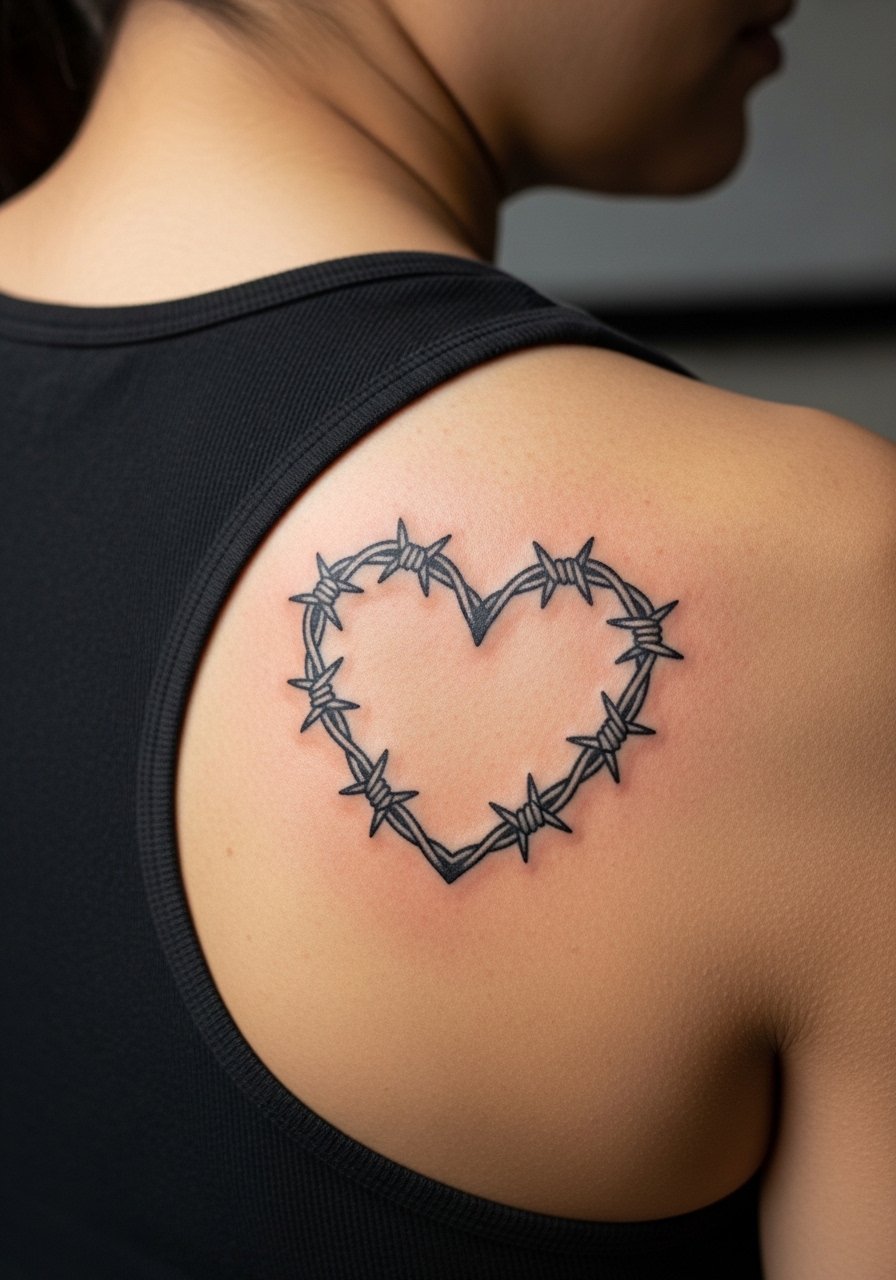
4. Barbed Wire Heart Upper Back Outline
This combines a heart silhouette with barbed wire wrapping across the upper back for a bold throwback feel. The design benefits from solid blackwork with a splash of red highlights where the wire intersects the heart. Shoulder blade placement keeps pain moderate and the lines durable if the artist spaces the barbs slightly apart. Common mistake is overly intricate barb detail done too small, which blurs into a single dark line over several years. For consultation, bring clear reference images showing the scale you want and ask about contrast so the red remains a highlight rather than a muddy fill.
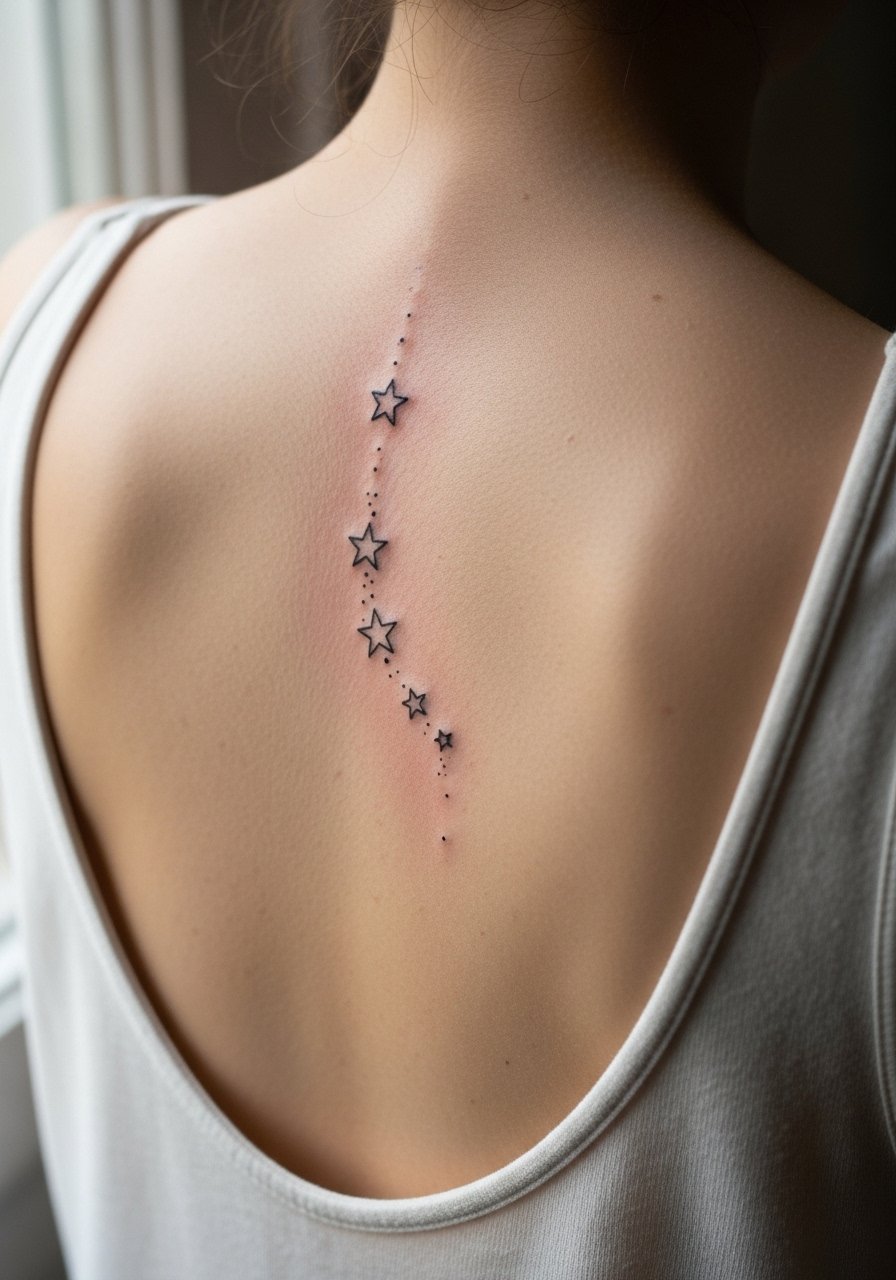
5. Dainty Star Trail Down the Spine
The minimalist spine trail reads like jewelry when executed with fine line, but artists split on this placement. One camp argues that fine line on the spine blurs faster because the skin stretches and rubs. The other camp says if you use slightly larger spacing and professional depth, the trail settles well. I recommend asking your artist where they land on that debate before booking. This design is excellent for someone who wants subtle Y2K sparkle but plans for touch-ups around year three. Pain is higher on the spine than on fleshier areas, and session time is usually a single focused hour. For showing it off, an open back tank top pairs perfectly and keeps the trail visible without fuss.
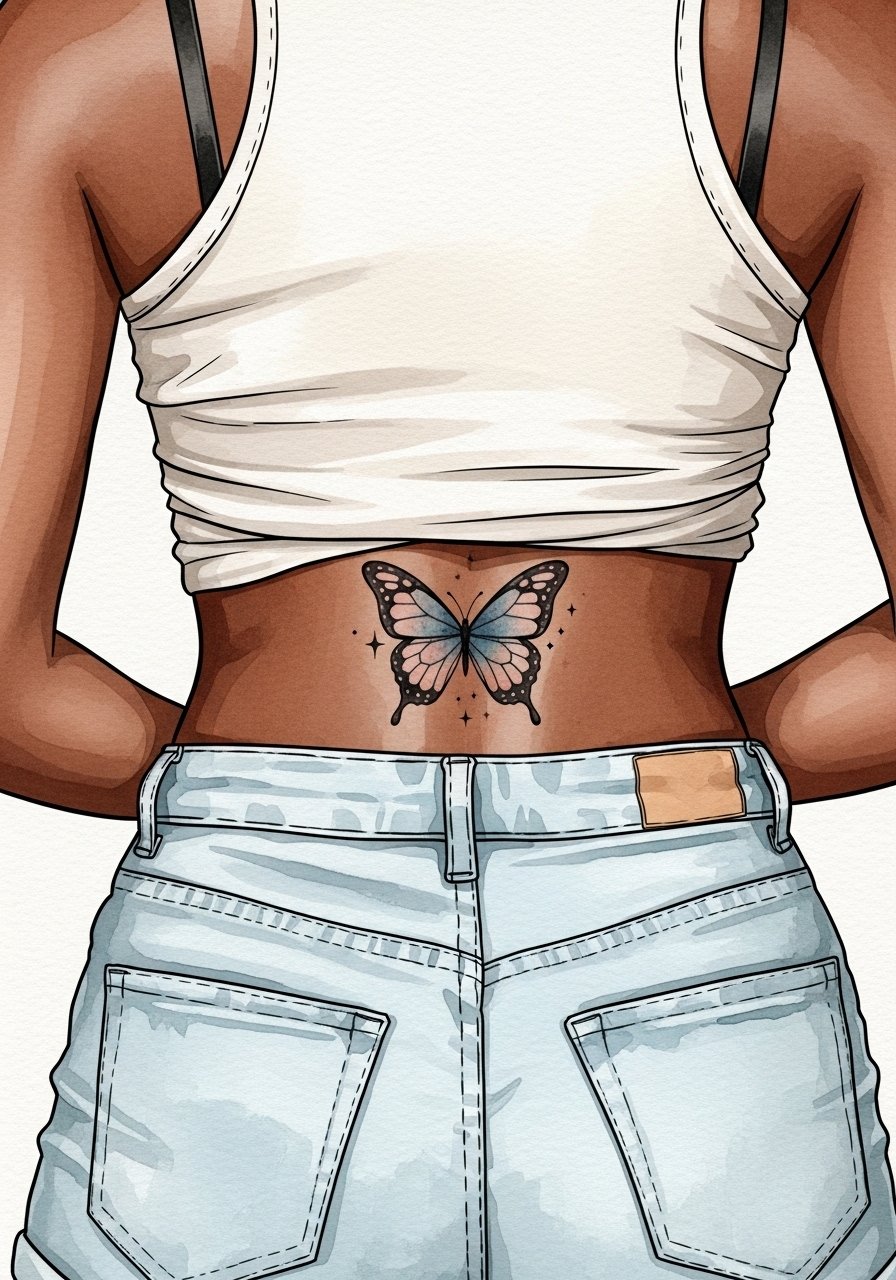
6. Butterfly and Stars Lower Back Dimple Piece
A center low-back watercolor butterfly with tiny star accents leans into early-2000s playfulness but choose soft washes anchored by dark edges so the composition does not vanish as it heals. Lower back skin can get sweaty in summer and friction from waistbands speeds fading, so schedule sessions in cool months and plan on a gentle first-week routine. Session feel is relaxed for most people, and a single appointment handles a 6-inch centered piece. For showing it off, pair with a neon thong bikini or a sheer mesh bodysuit at festivals. Avoid tiny inner details in the wings to reduce blur risk.
Studio Day Picks
Those first six back pieces cover both small and medium placements that need different prep. A few items make the session and first week easier whether you have a spine cluster or a low-back patch.
-
Stencil transfer paper kit. Lets you preview the exact placement on skin, which is useful for symmetric wings and center-back mandalas before the needle hits.
-
Topical numbing cream. Applied as directed ahead of time eases the spine and lower back sensitivity without changing the linework when used properly.
-
Thin protective film roll. Keeps lower back and shoulder blade tattoos cleaner during the first few days when clothing friction is highest.
-
Fragrance-free body wash. Gentle cleansing supports healing for watercolor and fine line pieces covered above, so the pigments do not get irritated.
-
Aquaphor healing ointment. Thin layers for the initial days lock in moisture for delicate linework while avoiding clogging the needle channels.
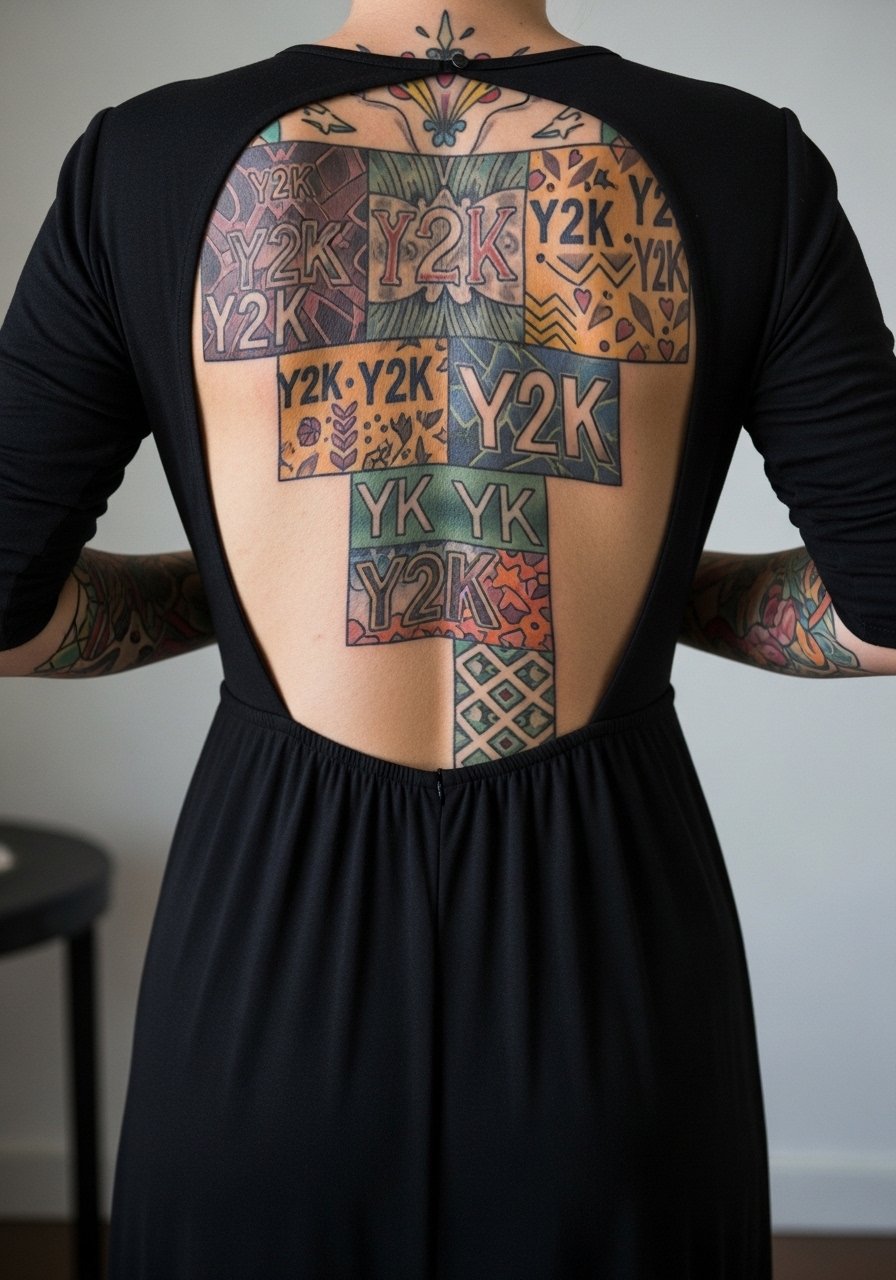
7. Patchwork Y2K Symbols Full Back Panel
A full-back patchwork lets you build a 2000s collage of hearts, stars, flames, and tiny icons that each mean something personal. Start with a few medium elements and add guest-spot pieces over time so the full panel grows without looking crowded. Big panels age well when each motif has breathing room and consistent line weight across the composition. Plan multiple sessions and expect the chair time to be split over several appointments. For large pieces, travel to a specialist who does back panels and bring notes on scale and theme. The main error is squeezing too many micro elements into a single session, which makes touch-ups inevitable.
8. Neon Gradient Tribal Back Piece
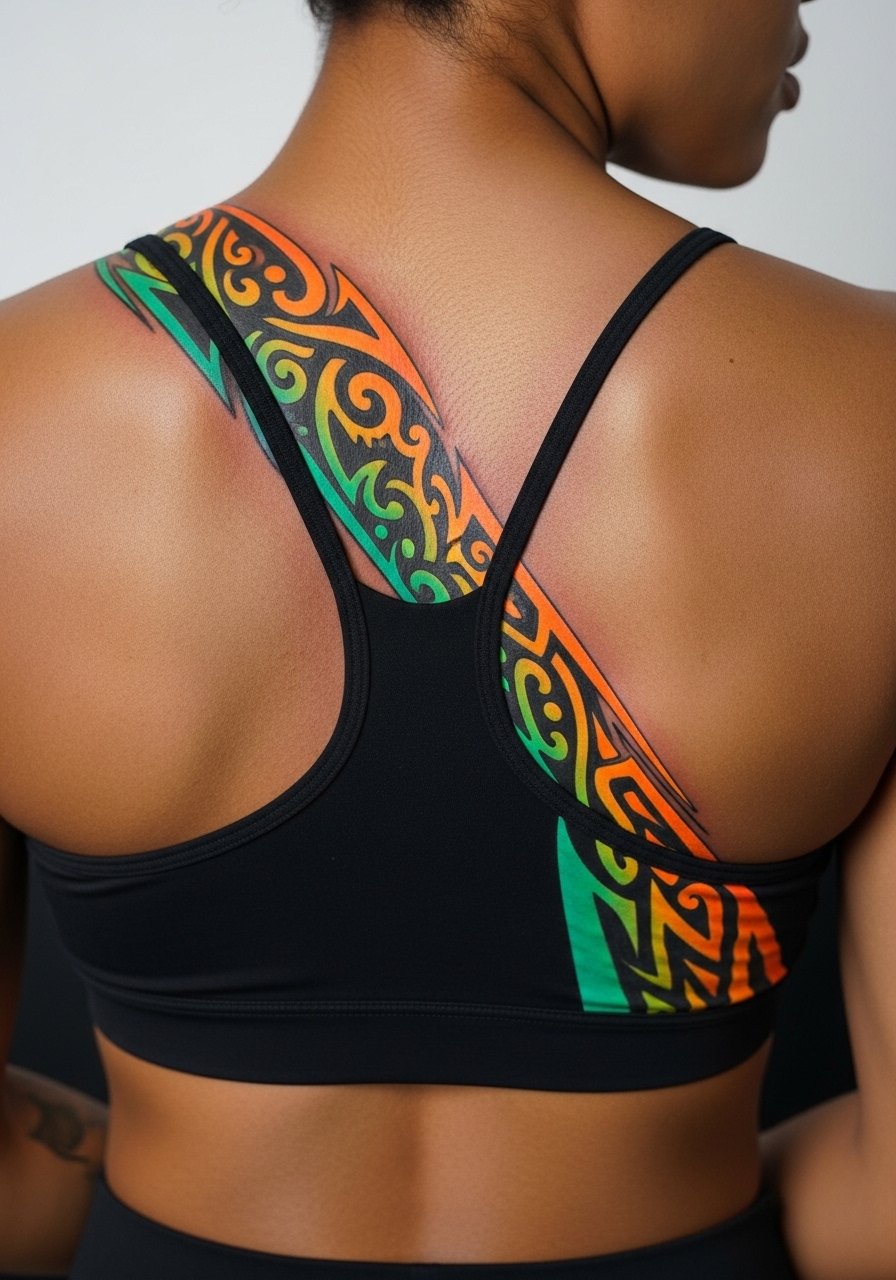
Neon gradients that sit under dark shapes capture a club-era glow that reads electric under blacklight, but artists disagree on the color approach. One camp favors bright UV-reactive inks and layered gradients to recreate the Y2K club aesthetic. The other camp argues that stark blackwork holds up longer without color migration. Call out this debate in your consultation and ask for mockups under normal light and blacklight if UV is part of the plan. Shoulder-to-lower-back sweeps need multiple sessions and careful aftercare to keep the neon crisp. For evening looks, consider a backless sports bra or velvet open-back dress to let the gradient sing.
9. Micro Pixel Stars on the Shoulder Blades
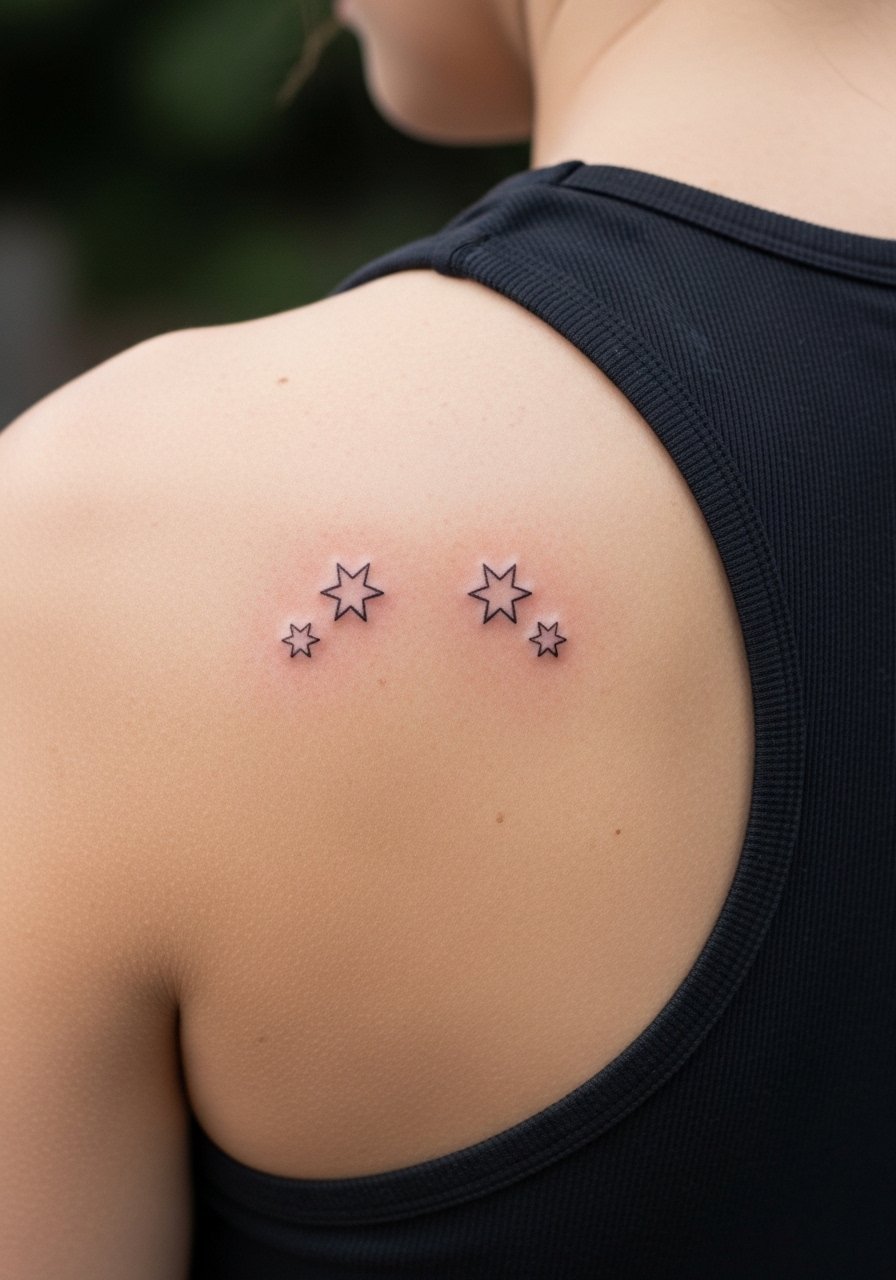
Tiny pixel stars on each blade are low-commitment and great as add-on pieces for collectors building a Y2K theme. Keep each star at least two to three millimeters across so pixels do not dissolve into gray with time. Shoulder blade skin is forgiving and pain is low, and a single quick session covers mirror-symmetric pairs. For showing them off, halter neck sundresses and delicate chain necklaces draw the eye up and frame the cluster. A good session outfit is a racerback tank you can easily pull aside so the blades are fully accessible to the artist.
10. Celestial Heart Mandala Center Back
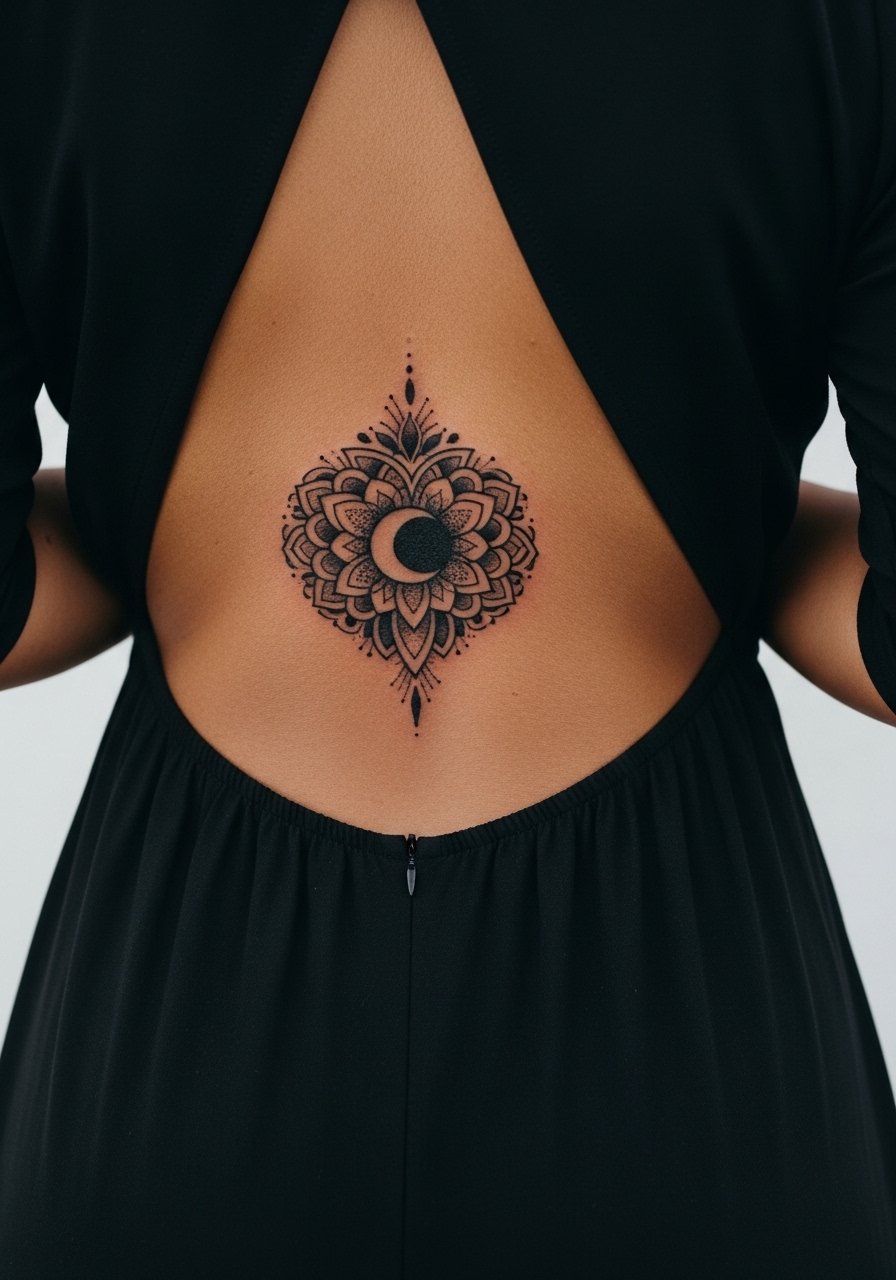
A circular mandala with a tiny celestial heart at center sits mid-back and balances spiritual geometry with Y2K motifs. For durability, ask for slightly wider negative space between the concentric rings and for stipple shading rather than dense fill in inner bands. Expect two sessions for a 7-inch piece and higher pain around the spine-adjacent areas. The most common mistake is compressing too many tiny details into the circle, which turns into blotchy shading after healing. For evenings, an open-back maxi dress highlights the mandala and keeps photos clean.
11. Y2K Flame Trail Arched Above the Lower Back
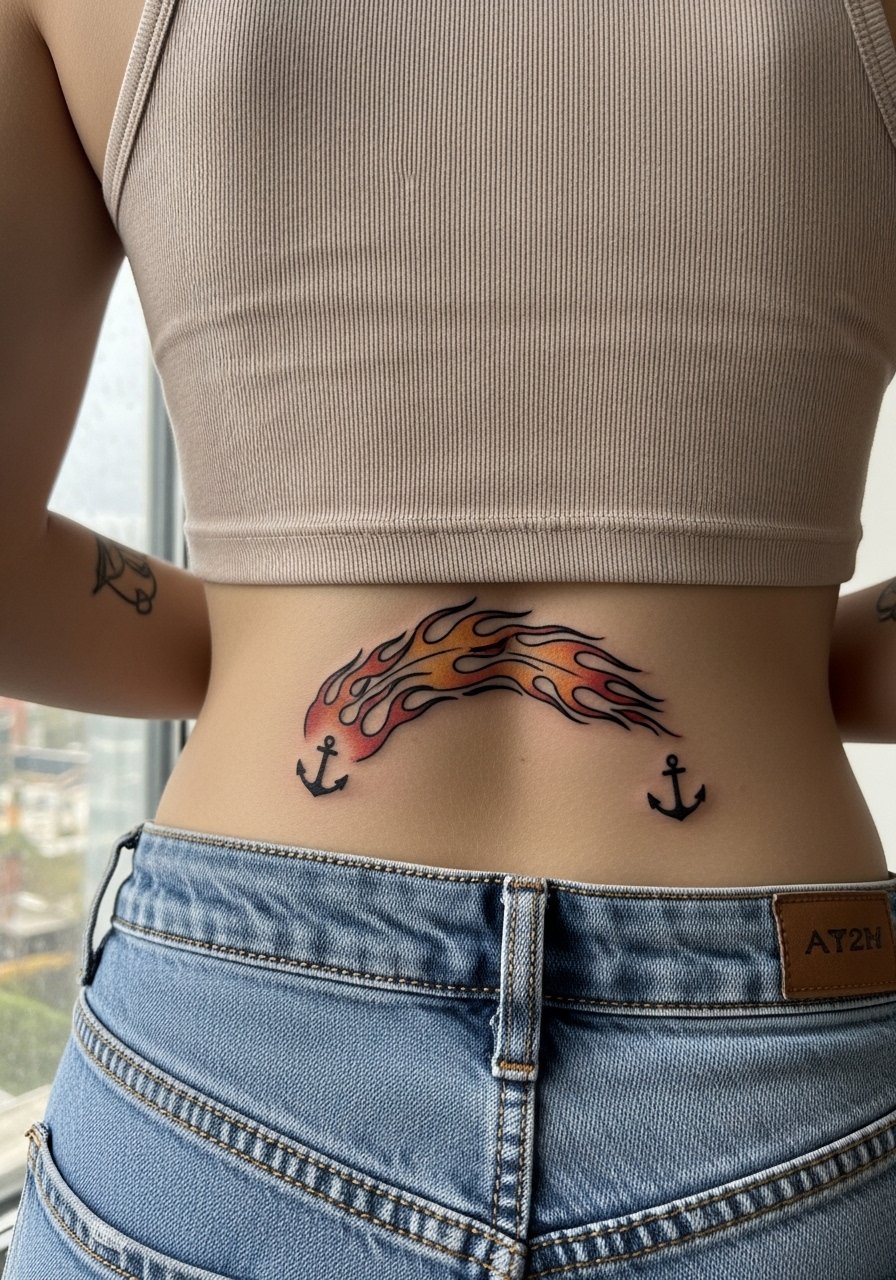
A small flame trail arched over the lower back nods to burnout culture without taking over the entire area. Neo-traditional color transitions from orange to black work well if the artist uses solid outlines to anchor the gradient. The placement lends itself to quick sessions and a one-appointment finish for a 5-inch arch. Beware of doing the trail too thin, because heat and friction from clothing make thin gradients disappear first. For session wear, pull down high-waisted bottoms slightly so the artist can access the area without tight elastic rubbing the fresh ink.
12. Fine Line Butterfly Silhouette Along the Spine
A vertical butterfly silhouette running the length of the spine reads delicate and intentional when scaled to the full back. This is a fine line heavy piece where the controversy from the fine-line camp applies again. One camp warns that fine line over long vertical spans on the back can blur and need early touch-ups. The opposing camp says that with proper depth and careful spacing the silhouette keeps grace without losing form. Ask your artist for spacing diagrams that show how the negative space will evolve over five years. Expect two sessions and higher spine discomfort. For wardrobe, a strappy cutout bralette or open-back top lets you reveal the silhouette while keeping straps out of the way.
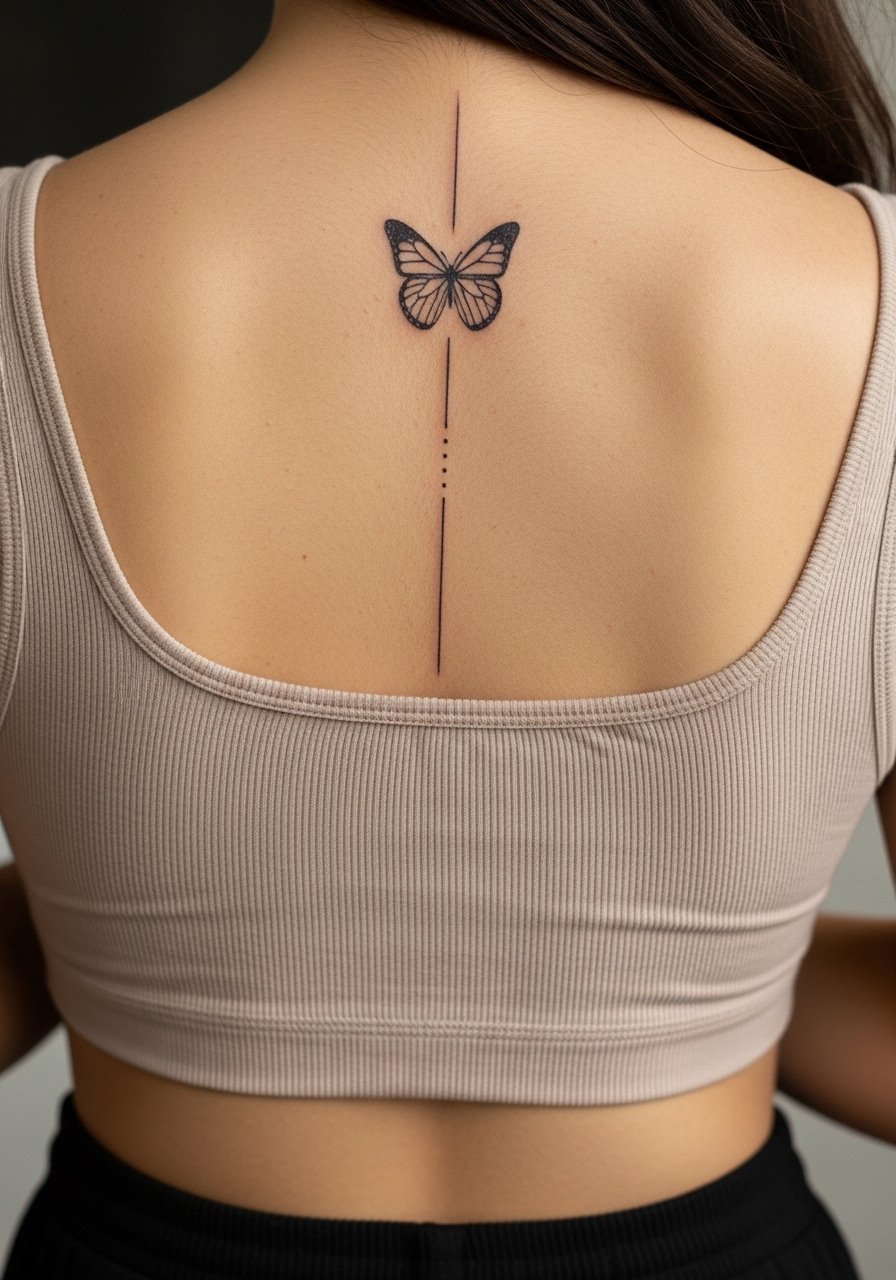
13. Pixel Heart Interactive Back Puzzle
This playful concept starts with a cluster of pixel hearts on one side of the back and is designed so guest artists can add matching halves or new motifs over time. Tell your artist you want alignment guides for future additions and leave extra blank space inside the grid for growth. Sessions are short and focused, and pain depends on placement across fleshier or bonier zones. The risk is overfilling early on, which removes the flexibility patchwork relies on. For session wear, elastic-waist pants that you can pull down slightly are the easiest option so the artist can reach the lower and mid back comfortably.
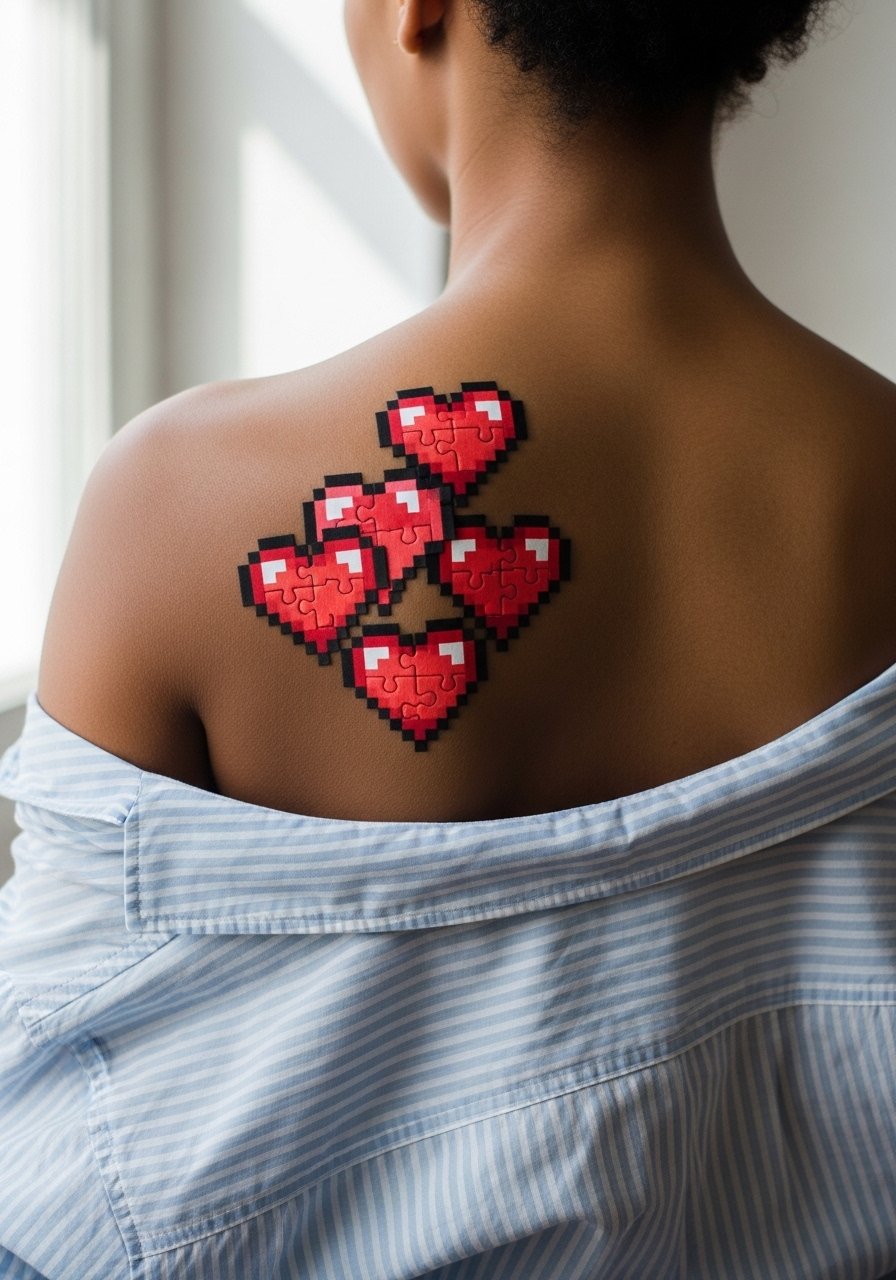
14. Spine-Aligned Flip Phone Charm Star Chain
A vertical chain of small star charms mimics the look of flip-phone accessories from the early 2000s when placed along the spine. For durability, ask for tiny dot anchors between charms so each star keeps its separation as the skin shifts. The visual impact is subtle and wearable, and the piece photographs well with off-shoulder blouses that reveal the chain. Pain is moderate along the spine and the session is usually under two hours. Expect softening of the smallest points at the two-year mark, so plan for a light touch-up if you care about crisp dots.
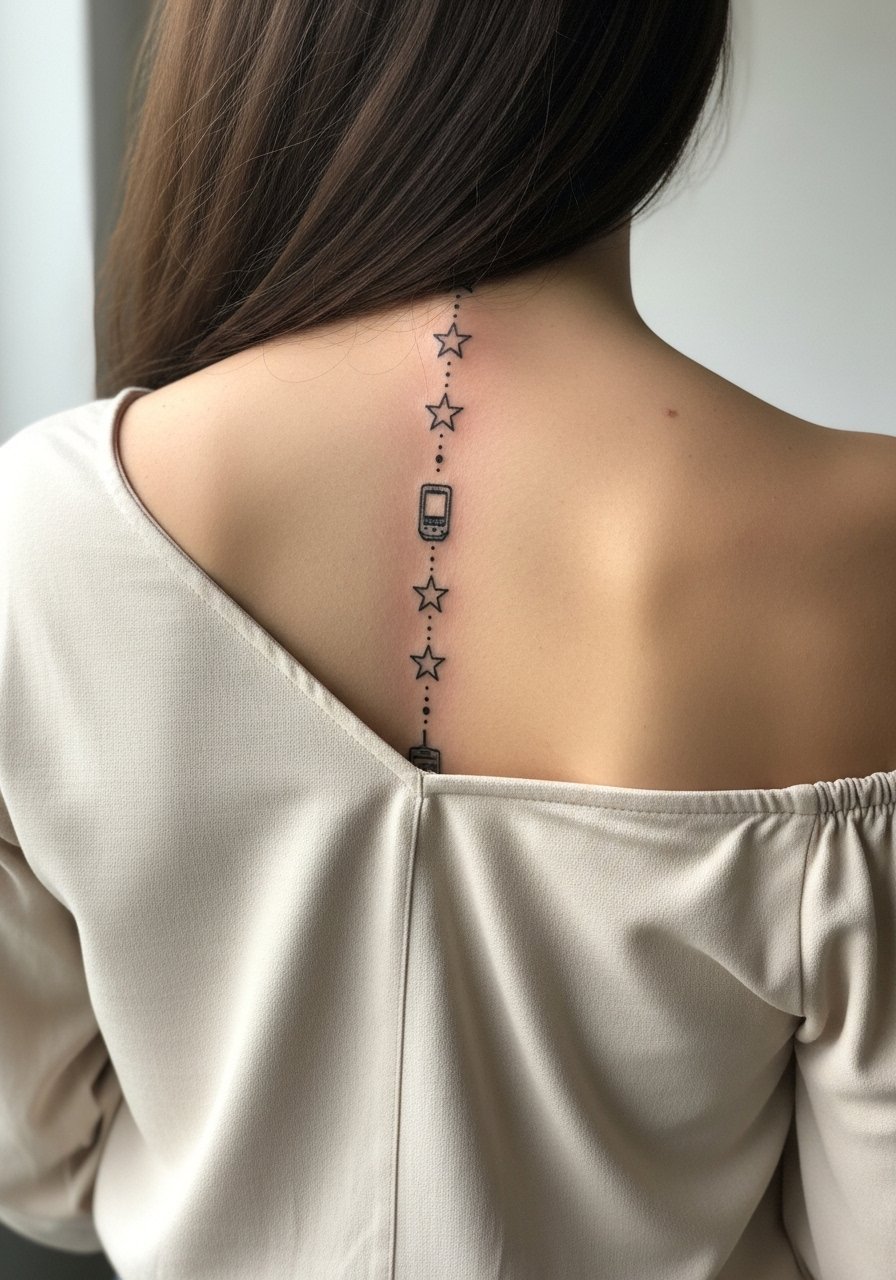
15. UV-Reactive Neon Full Back Map
A large neon map or constellation field done with UV-reactive inks creates a club-ready full back that remains understated in daylight and vivid under blacklight. UV inks demand a different conversation about longevity and visibility, so discuss how the piece will look in normal light and under UV before committing. Full back UV work takes multiple sessions and careful layering to prevent color migration. For show, a velvet evening dress or satin open-back piece makes the neon read like a living garment in low light.
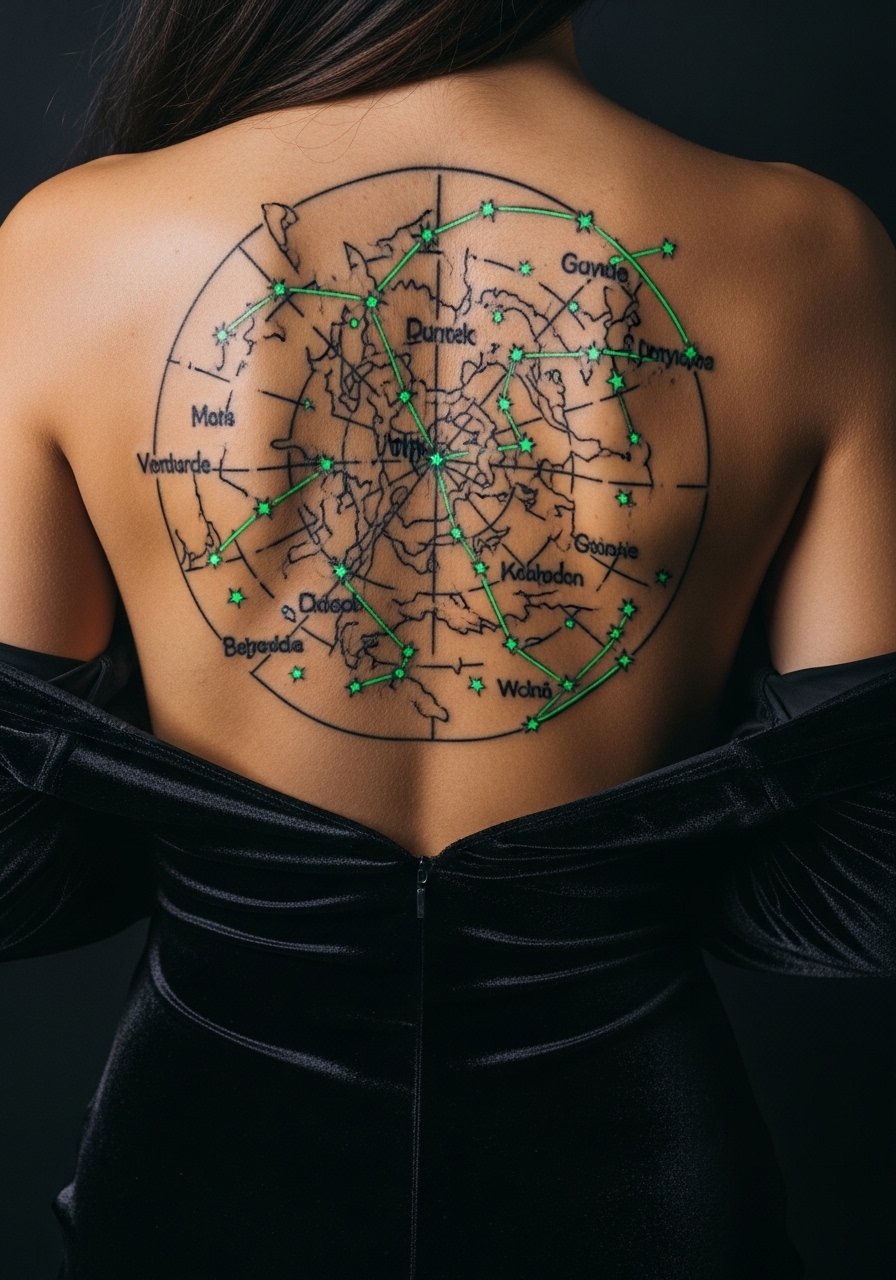
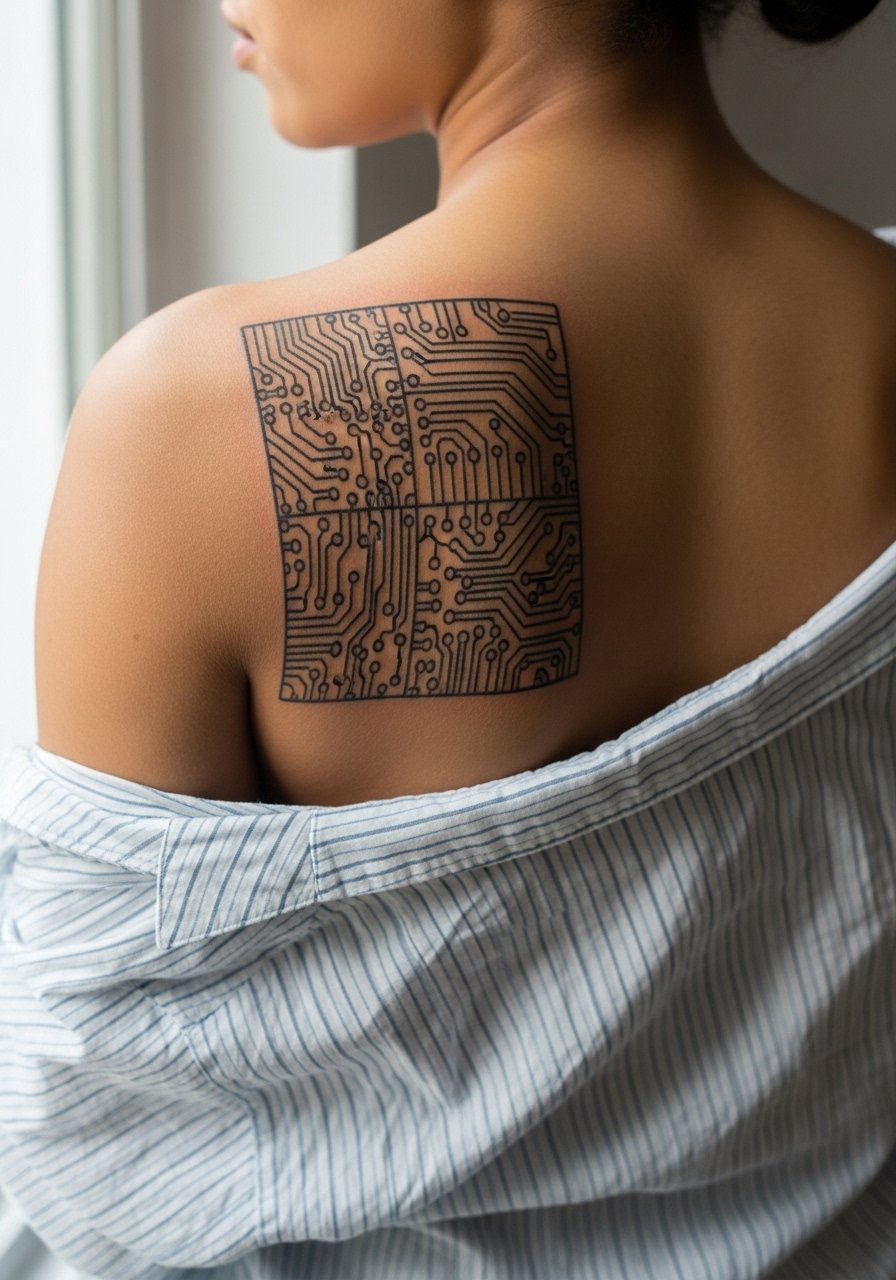
16. Circuitboard Patchwork Across the Upper Back
A circuitboard-inspired panel mixes tiny geometric traces and micro icons for a tech-forward Y2K vibe. This ornamental approach needs consistent linework width across motifs so no single trace disappears over time. Upper back flesh is forgiving and the piece works as a multi-session build. The main mistake is making the traces too fine; opt for slightly bolder paths where the design crosses shoulder blades. For appointments, choose a loose button-up or a tank that gives the artist clear access while keeping your shoulders comfortable during longer sessions.
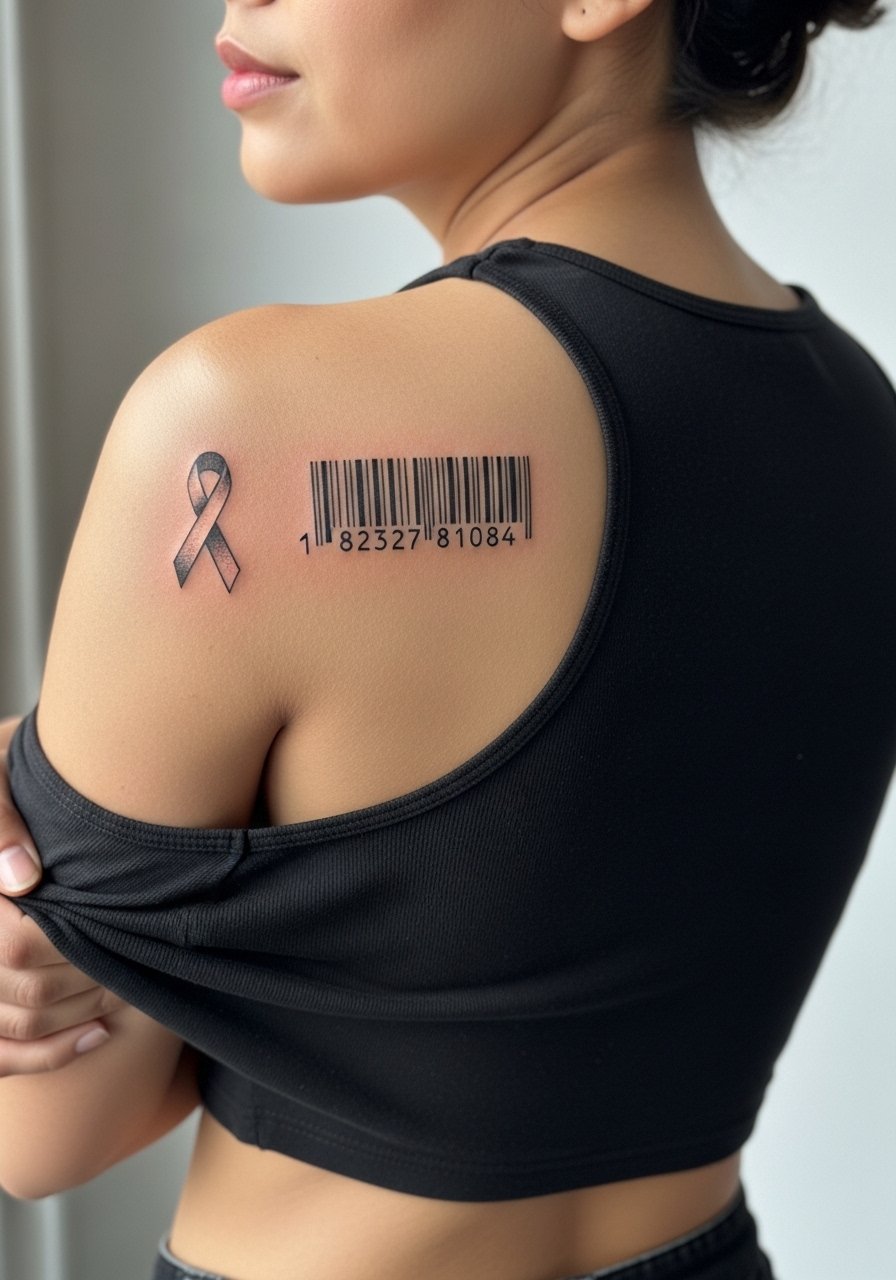
17. Barcode Ribbon Across the Shoulders
A thin barcode ribbon that sits along the shoulders reads modern and subtle when spaced correctly and kept monochrome. It adapts well to small text or numbers incorporated into the bars if you want a tiny personal detail included. Shoulder ribbons tolerate wash and wear, and pain is generally low to moderate. The common error is compressing readable text into the bars where healing makes the numbers illegible. Try a simple, bold barcode and save any micro text for adjacent areas.
Frequently Asked Questions
Q: Will fine line star trails on the spine blur faster than bolder star clusters?
A: It depends on spacing and skin type. Many artists recommend slightly larger gaps and modest dot anchors for spine trails so the points do not merge as the skin ages. If you prefer very crisp dots at year five, plan for a touch-up then.
Q: How should I choose between a patchwork full back and a single large ornamental piece?
A: Patchwork gives flexibility to add motifs over time and suits people who travel to guest spots. A single large piece reads more cohesive straight away and often needs fewer touch-ups in the long run. Think about whether you want adaptability or instant cohesion before booking.
Q: Are UV-reactive inks safe for full back pieces and do they need special care?
A: UV inks used properly by experienced artists can be safe, but they tend to fade differently than standard pigments. Ask how the artist layers UV with black anchors and what touch-up timelines they suggest. Nightwear or event clothing that exposes the back will make UV pieces stand out.
Q: Where do I find artists who specialize in Y2K back styles if I do not want modern reinterpretations?
A: Search the hashtags mentioned in community boards and filter for "neo-traditional" or "ornamental" plus your city on booking platforms. Look for portfolios with multiple healed back examples rather than just fresh photos so you can judge how their work ages.
Q: What should I wear to a back session to make the artist's job easier?
A: Wear something you can move around in that reveals only the tattoo zone. For upper back pieces a loose button-down shirt works well. For lower back pick elastic-waist bottoms you can lower slightly. Comfort makes longer sessions far more manageable.