
Fine line ankle tattoos are everywhere on saved boards, but trends and real life diverge more than people expect. What looks razor-sharp in a studio photo can soften within a few years if the line weight, placement, and footwear all work against you. These Billie Eilish inspired ankle ideas focus on designs that read well fresh and that still hold personality after the first touch-up window.
1. Neon Heart Outline on Outer Ankle
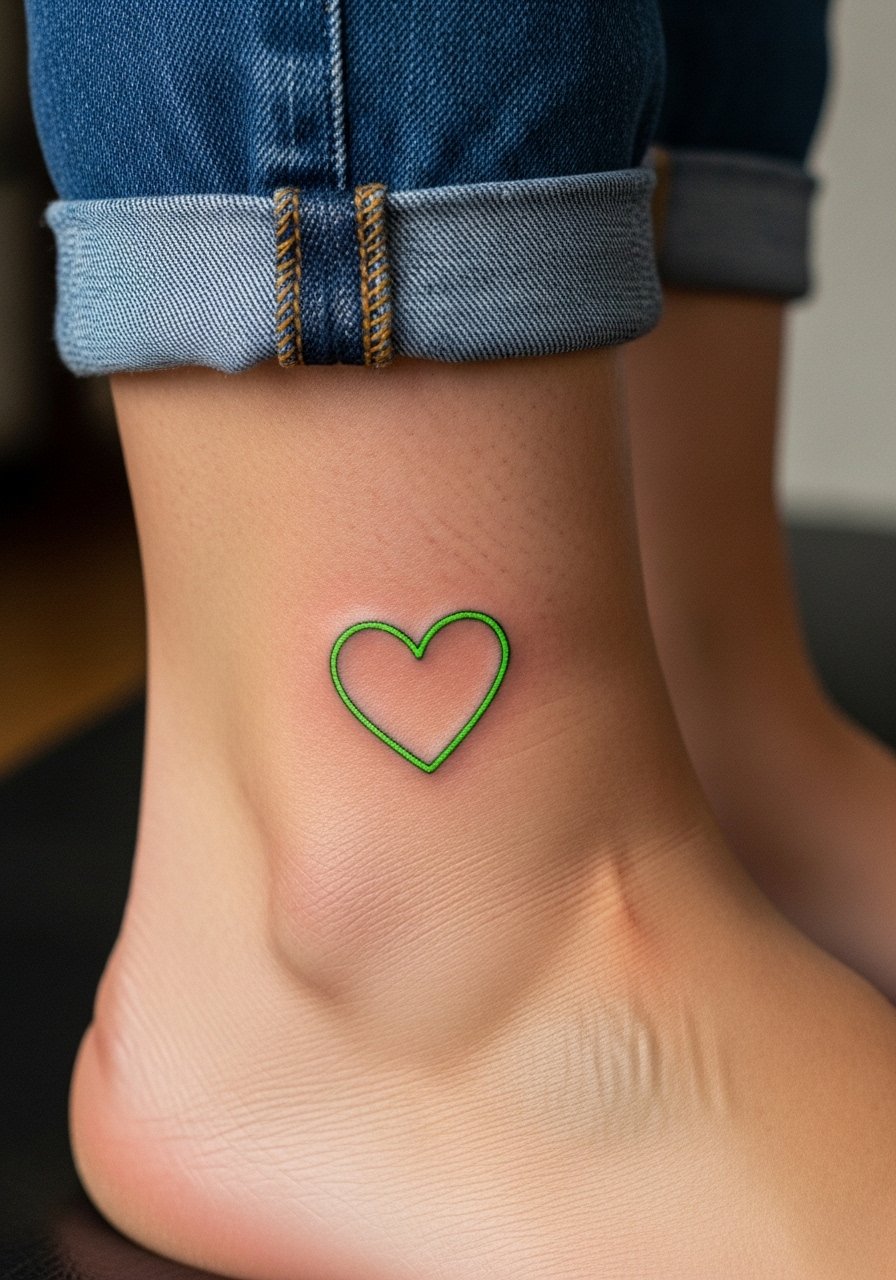
A single neon green heart in thin linework reads like a quiet nod to Billie without copying anything literal. Choose slightly heavier line weight than the absolute hairline to keep the shape readable after two years. Tell your artist you want one clean contour at a modest scale, not a micro hairline. The biggest mistake is going too small for the ankle where friction from shoes can blur the thinnest lines. Expect mild fading by year two with more softening if you prefer sandals often. For showing it off wear ankle strap sandals or roll your jeans so the heart sits right at skin level.
2. Tiny Script Lyric Along the Ankle Bone
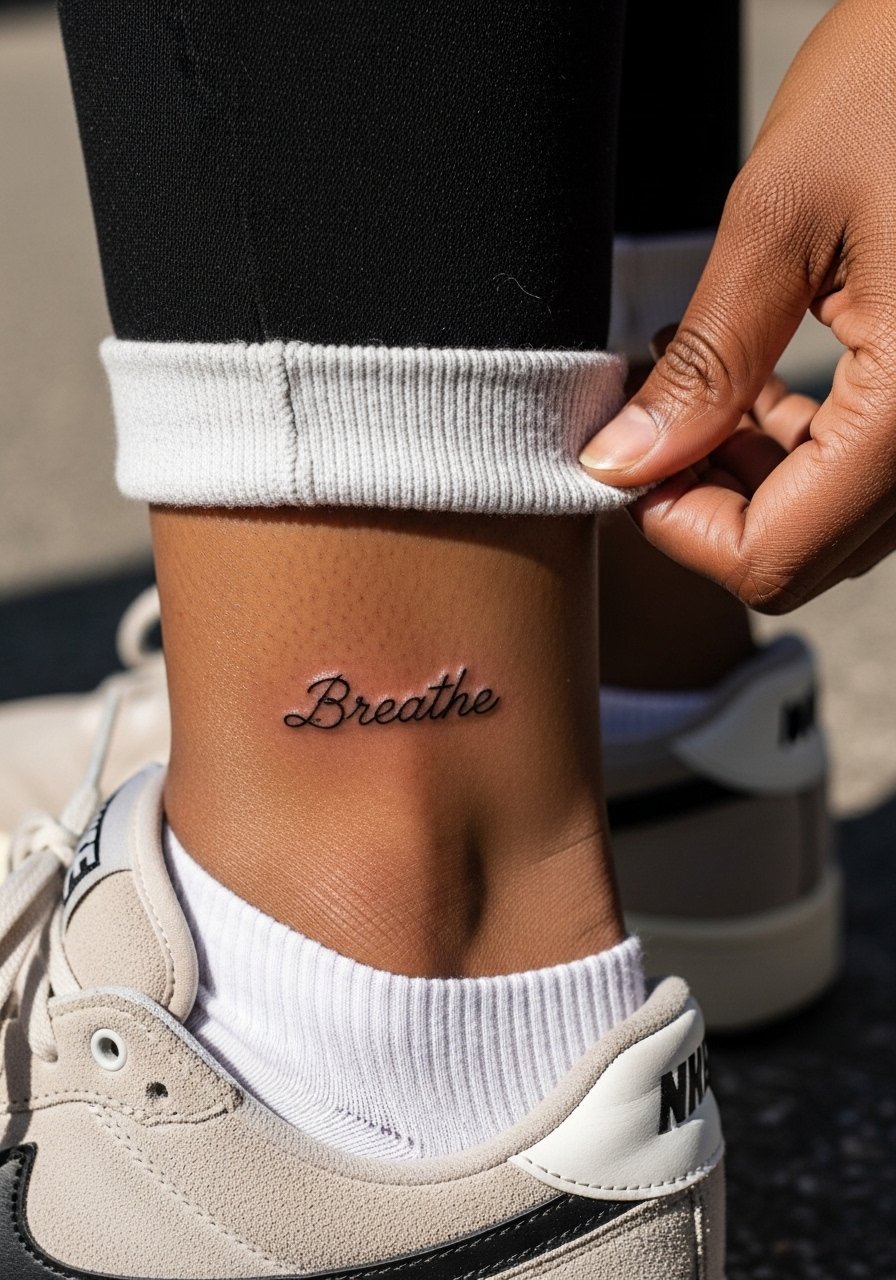
A short lyric tucked along the ankle bone gives a private touch that can peek out with cropped pants. Keep the lettering scaled to readable size and ask for letter spacing that favors longevity. Many people ask for ultra-tiny cursive and then need a touch-up when letters merge. At six months the script should still be crisp, at two years the lines soften, and by five years you may need a redraw to maintain legibility. Wear cropped wide leg jeans or low socks when you want to show it off, and bring a reference showing exact letter spacing to your consultation.
3. Micro Moth Nestled Behind the Ankle Bone
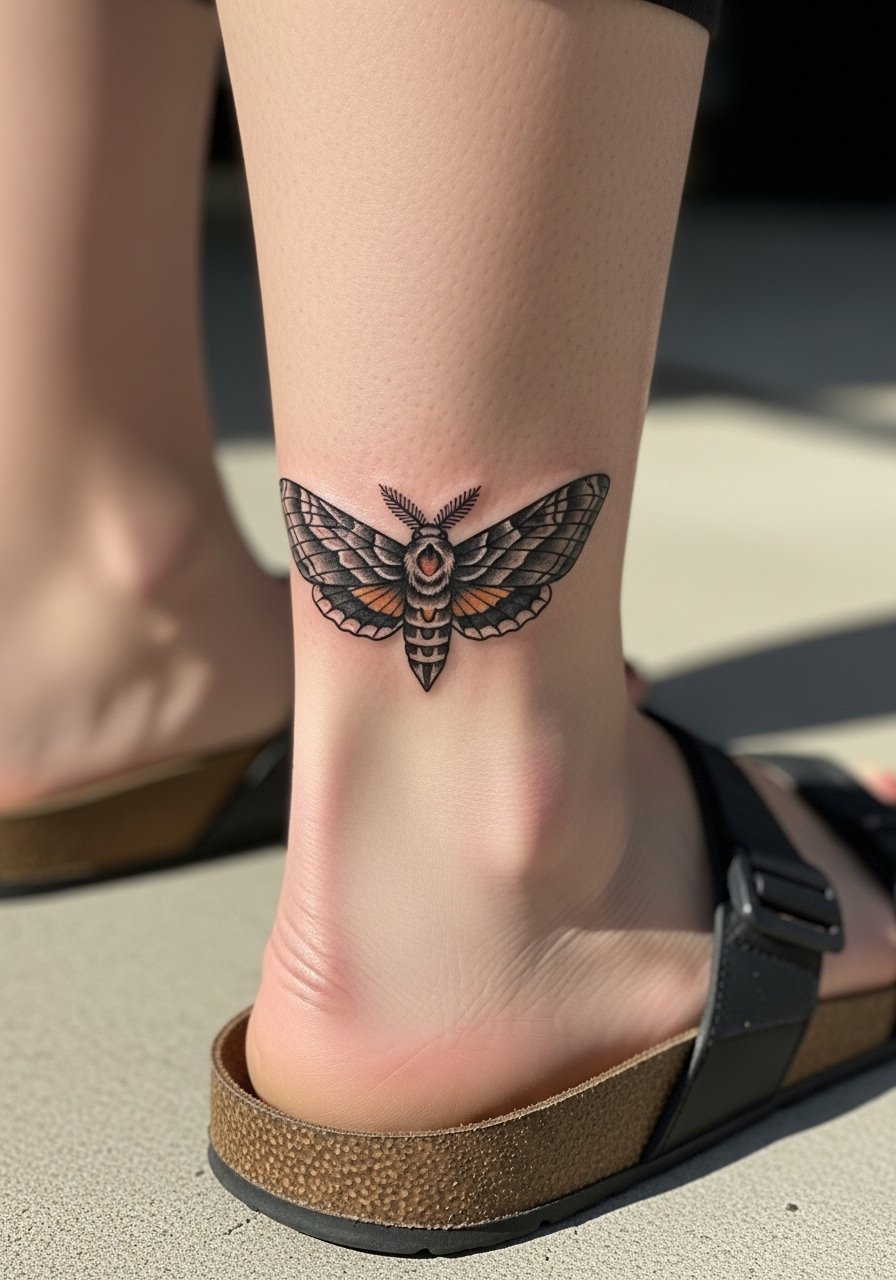
A small moth fits the Billie aesthetic in a way that reads like mood more than a portrait. For micro realism choose a needle pack that gives soft stipple shading rather than heavy saturation so the wings keep texture. Artists debate whether micro realism should be done super small. One camp says the fine detail survives with perfect depth, the other camp warns tiny shading will blur in high-movement spots. Ask your artist where they land and expect a touch-up at 18 to 24 months for the shaded areas. During the session the ankle can feel tingly because of bone proximity, so plan a short comfort break and wear open toe sandals to avoid pressure on the area afterward.
4. Billie-Inspired Tiny Bee Near the Heel
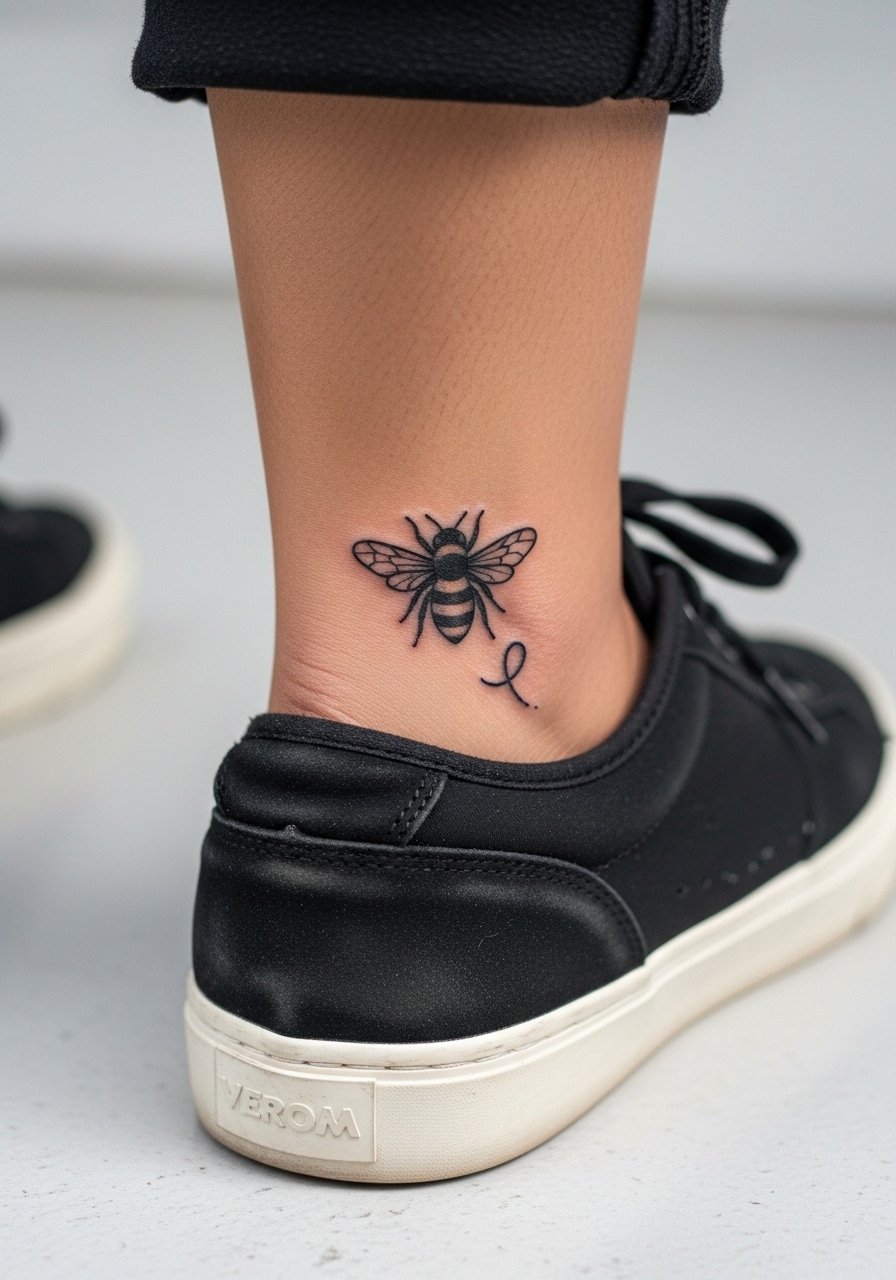
A compact bee in bold blackwork keeps its silhouette through years of wear. For this placement ask for a slightly bolder outline so the central forms do not lose separation. The common mistake is asking for too much interior dot work at a tiny scale. That detail tends to merge under skin movement. Expect the bee to sit clean at six months and need only minor saturation refreshes at year three. Ankle tendons and the heel area move a lot so mention blowout risk to your artist. Style it with low back sneakers or sandals that leave the heel visible.
5. Tiny SMILE Glyph on the Inner Ankle
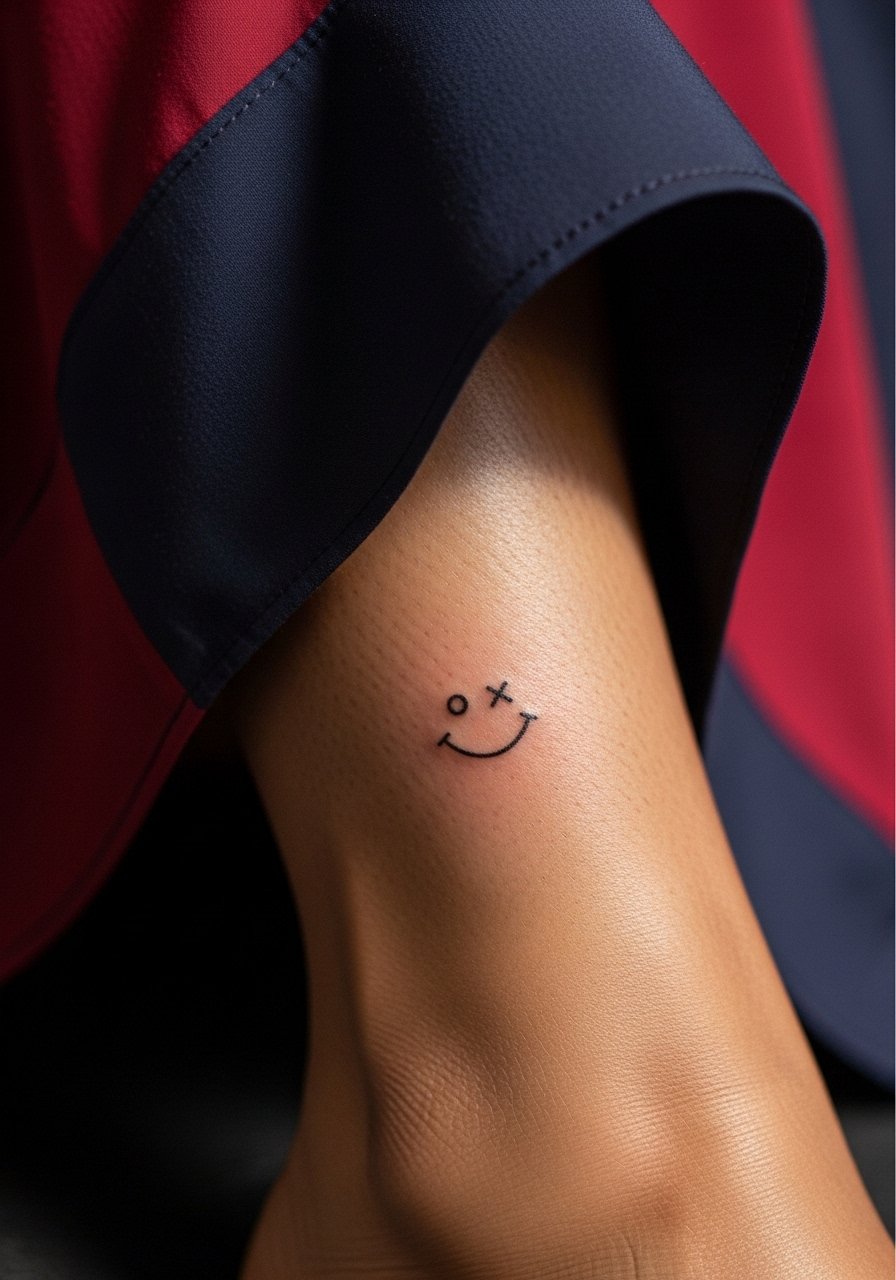
A tiny smiling glyph is playful and ideally placed on the inner ankle where it stays personal. Inner ankle skin can be thinner and more reactive, so brace for more sensitivity during the session. The biggest mistake is compressing a glyph into microscopic proportions. Ask for a size that reads from arm's length and for slightly rounded corners to avoid premature blurring. At two years expect softening, especially if you wear booted footwear often. For show-off outfits pair with a midi skirt with a side slit that lifts slightly when you walk.
6. Tiny Barcode or Date in Clean Monospace
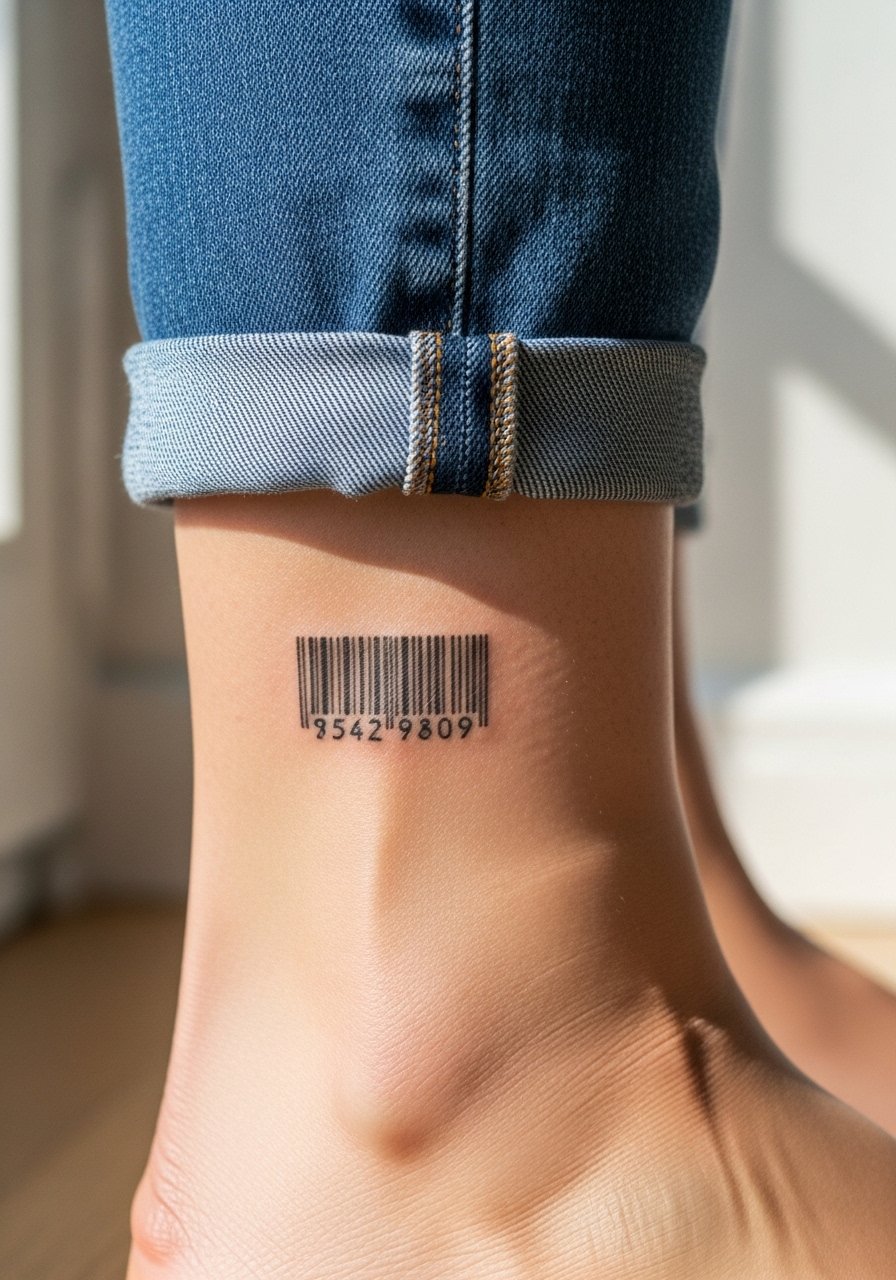
A barcode or meaningful date in monospace reads modern and minimal around the ankle. The risk here is precise straight lines merging if placed too small. Ask for crisp, slightly thicker bars and bring a printed reference that shows exact spacing. A common aging pattern is the bars softening unevenly where shoe friction is highest. This piece usually needs a touch-up at year three if you wear boots a lot. For session ease wear pants you can roll up without binding, like cuffed denim.
Pack Smart
The designs above live in high-friction real estate, so the right prep and first-week items help protect fine lines and small blackwork while the skin settles.
-
Stencil transfer paper kit. Lets you preview placement along the ankle bone so you confirm height and tilt before the needle hits.
-
Topical numbing cream. Apply as directed before an ankle session to ease the sharp tingly moments near bone.
-
Thin protective film roll. Helps guard ankle pieces from rubbing against socks and shoes in the first 48 hours.
-
Fragrance-free gentle body wash. Keeps the area clean during showers without stripping ink from delicate lines.
-
Aquaphor healing ointment. Thin application in the first days reduces crusting on small fine line work without suffocating the skin.
7. Tiny Lightning Bolt on the Side Ankle
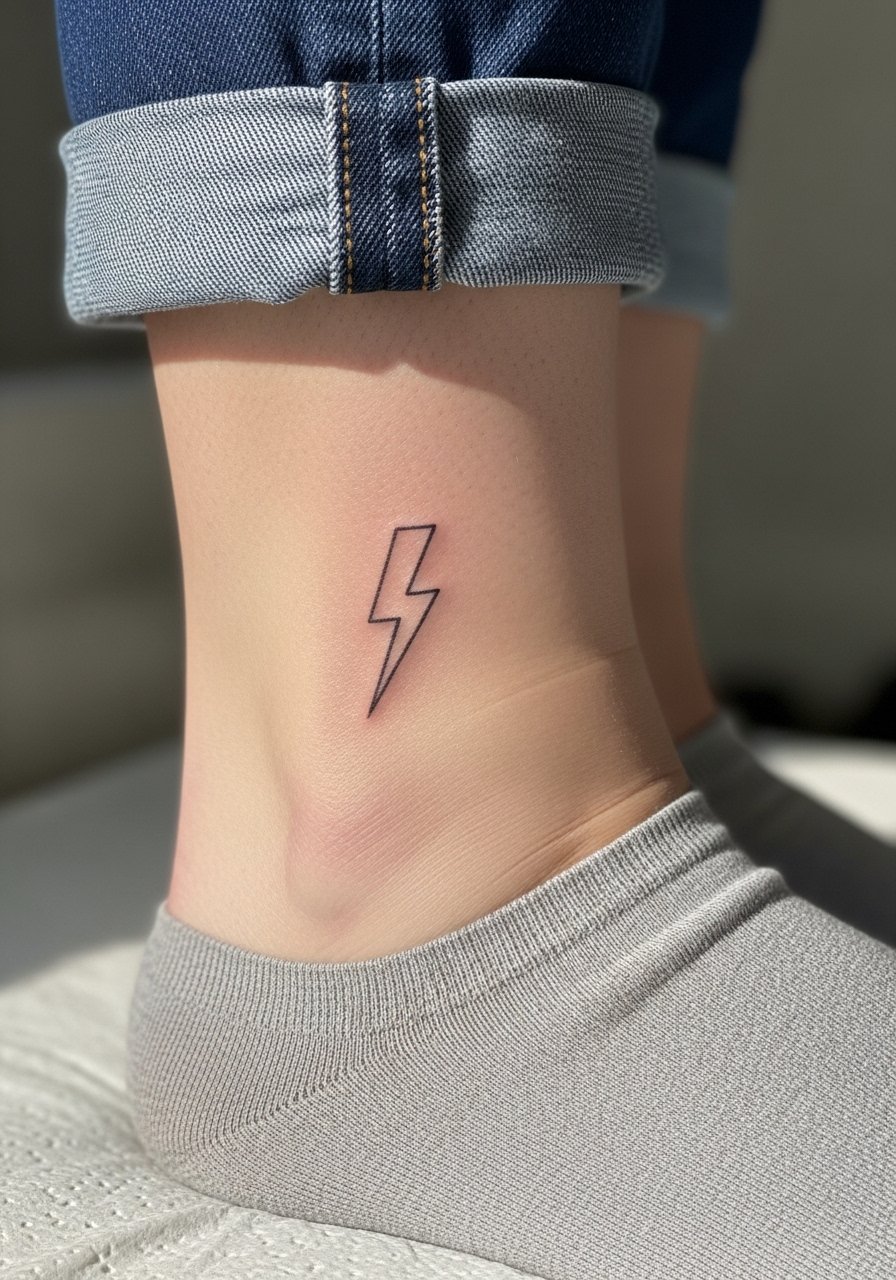
A single lightning bolt is bold without being busy and fits Billie-adjacent aesthetics. To keep it readable ask for a slightly tapered endpoint instead of hairline edges. The common error is requesting hairline tapering that disappears with skin movement. Expect the bolt to stay crisp at six months and need minimal saturation at year three if you avoid constant ankle rubbing. During the session you will feel brief sharp sensations where the skin is thin. Pair with rolled crop jeans so the bolt peeks with each step.
8. Miniature Green Splash Abstract
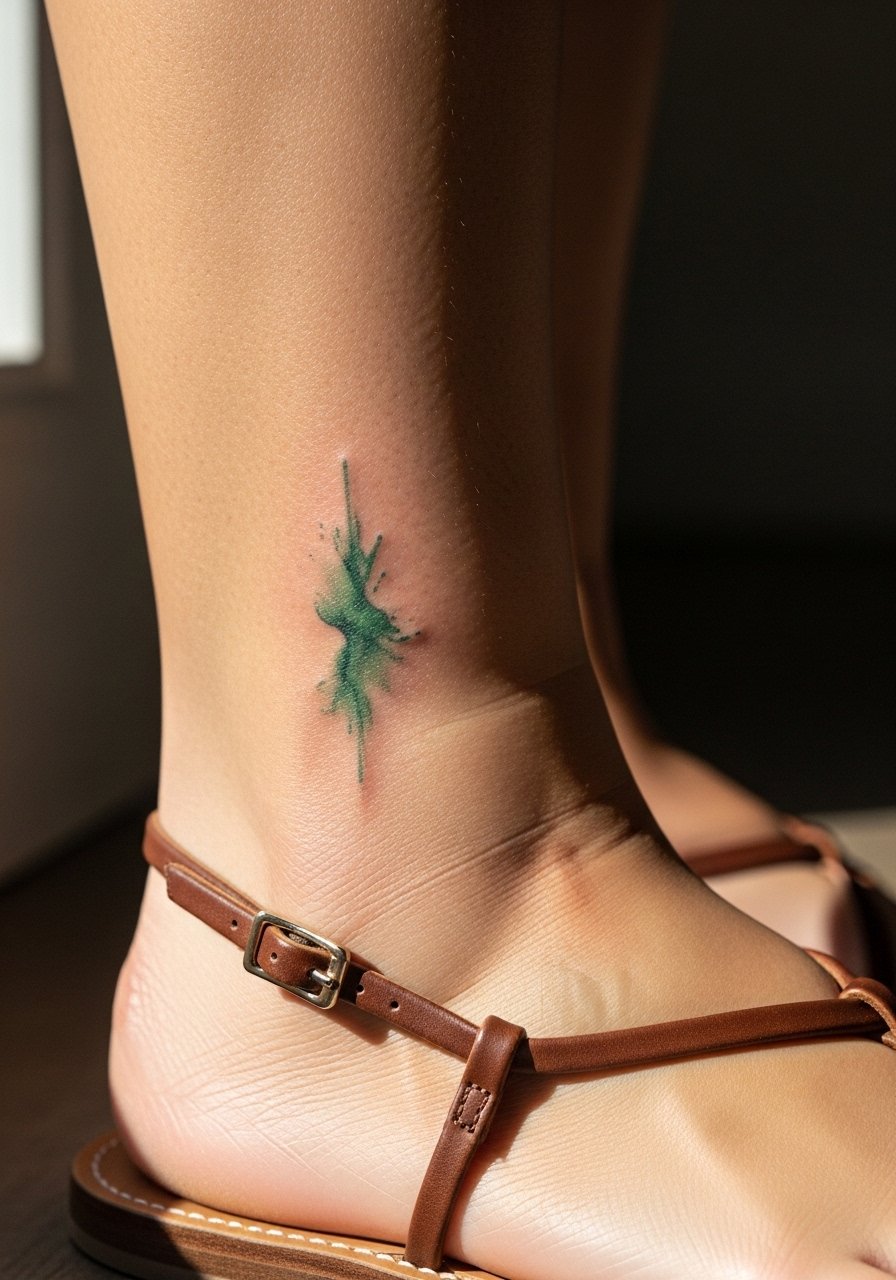
A tiny splash of neon green ink reads like a color accent rather than a literal symbol. Color on the ankle fades faster than black, so ask for a slightly more saturated first pass and for pigment placement that avoids thin corners. Many people regret asking for watercolor edges here because they feather in the first year. At two years the green will have softened and may need a color boost. For an outfit that complements the accent try neon trim sandals or a cuffed pant to let the color pop.
9. Micro Skull with Subtle Shading
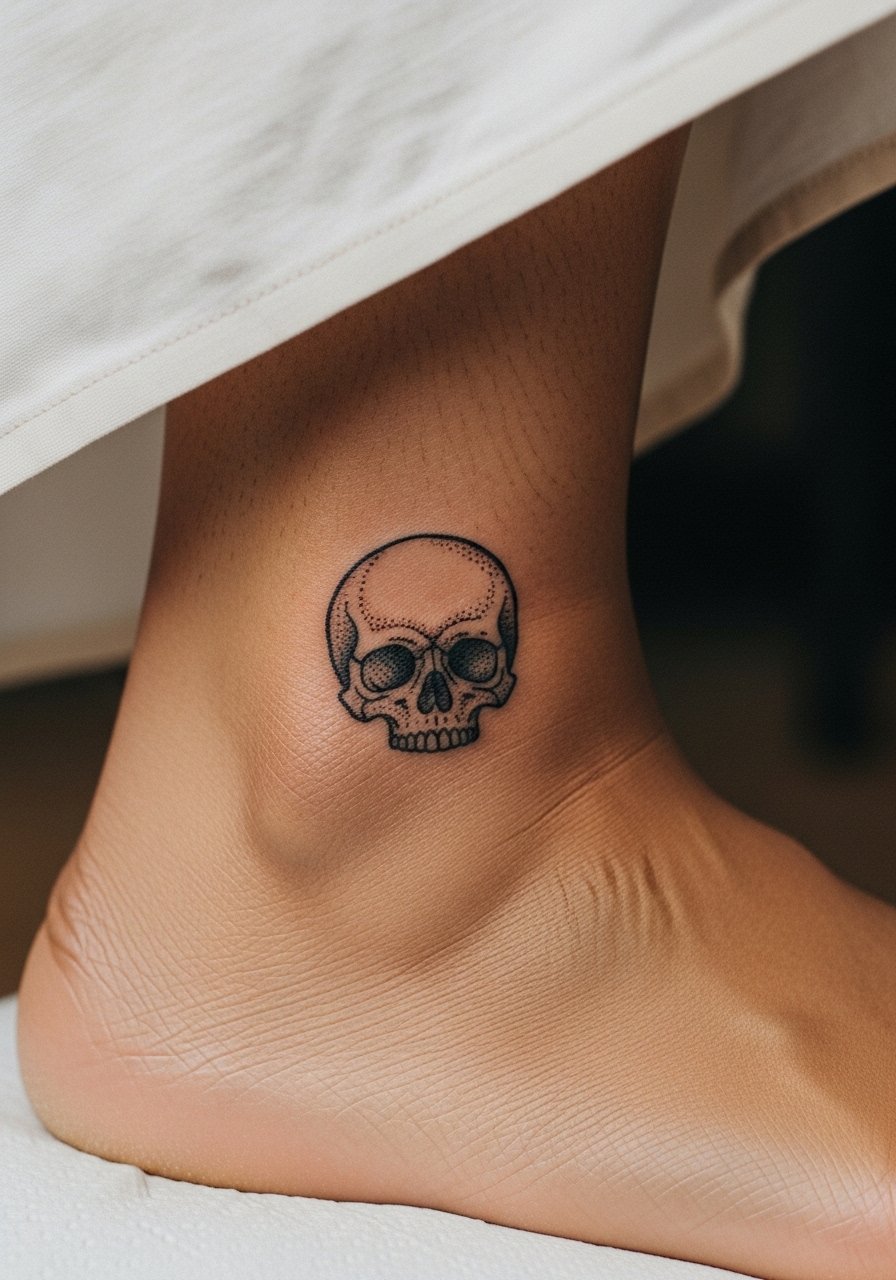
A micro skull balances edge and delicacy when kept small and simplified. Ask for stipple shading instead of heavy solid fills to preserve texture as it ages. The mistake is packing too much interior detail into a tiny skull which can read as a dark blob later. Expect a clean look at six months and slight softening in cheek and eye shading by year two. For showing it off pair with a short slip skirt so the inner ankle is visible when you sit.
10. Tiny Anchor with Billie-Style Accent
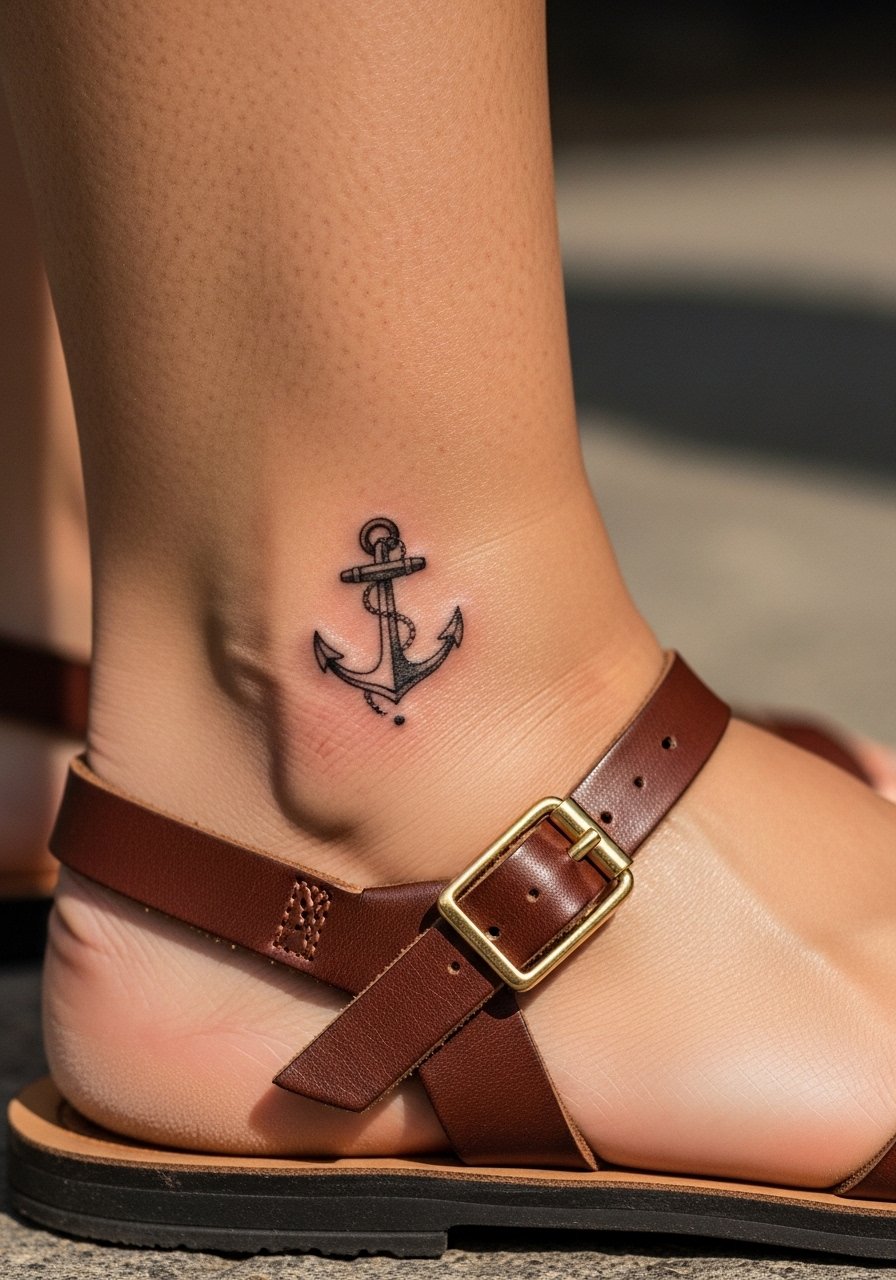
An anchor makes sense for someone who likes subtle symbolism. On the ankle ask your artist for stronger line anchors and minimal interior crosshatch. A common aging issue is fine crosshatch blending into the anchor body. At two years expect gentle softening of interior dots and a need for a touch-up only if the anchor becomes indistinct. During the session the ankle feels variable depending on how you sit, so wear flexible footwear like ankle strap sandals that you can remove easily while the area settles.
11. Tiny Crescent Moon Above the Ankle Bone
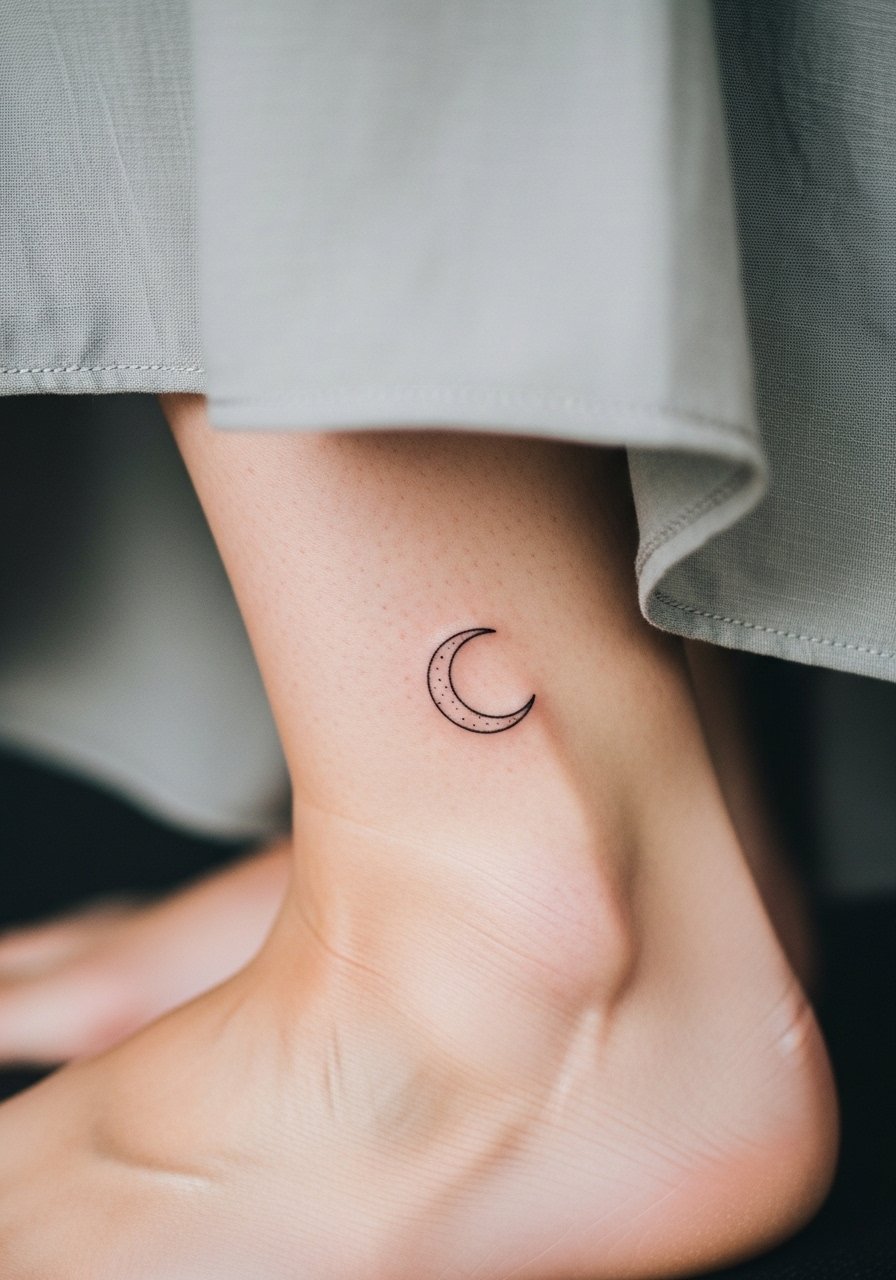
A crescent moon translates well to an ankle placement because its curve follows the bone shape. Tell the artist you want a gentle curve with slightly increased line weight along the outer edge to avoid gaps as the skin moves. The mistake is choosing a near-hairline crescent. That version often needs a thicker outline at the first touch-up. At five years you may prefer a refresh to bring contrast back. Style with flowing midi skirts to let the moon appear with motion.
12. Tiny Chain Link That Wraps Slightly
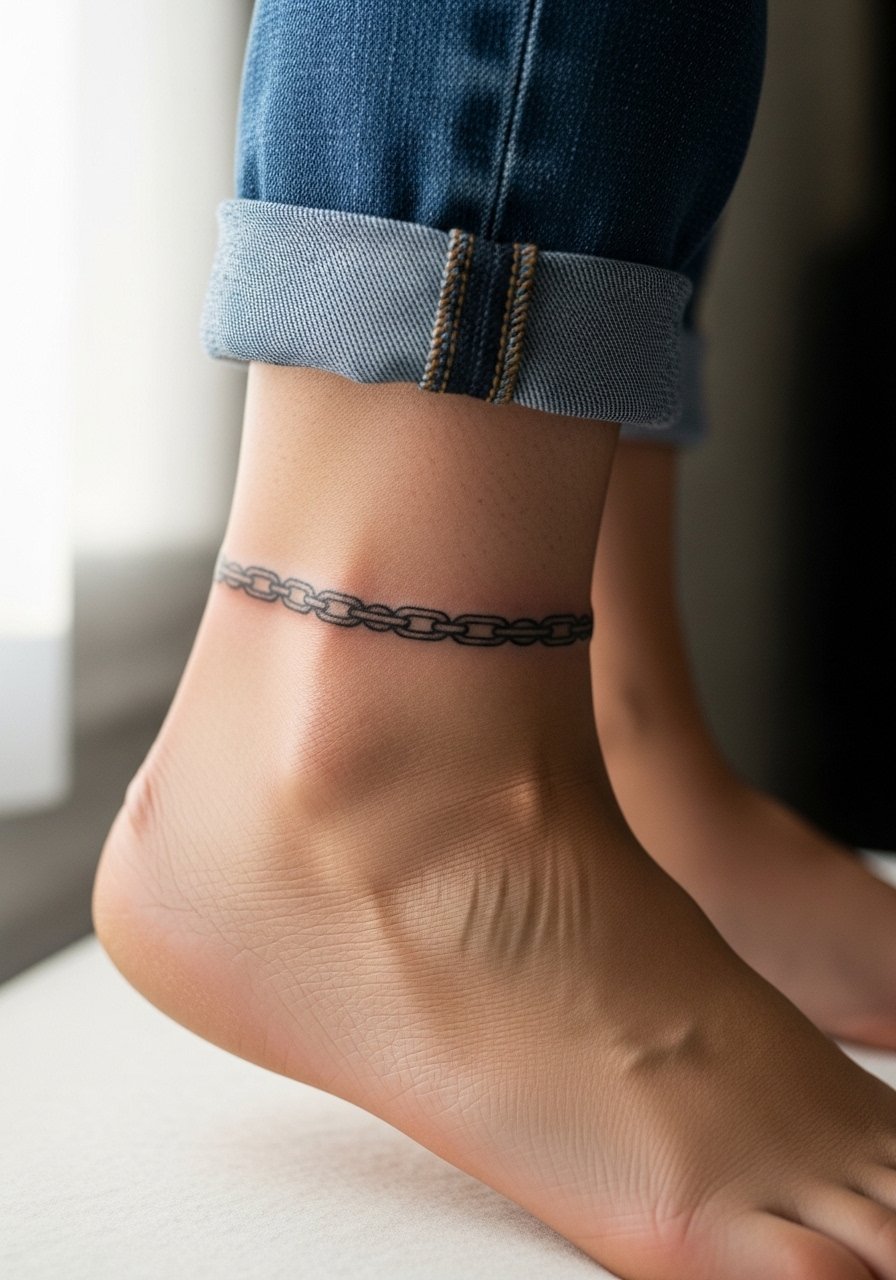
A delicate chain that wraps the ankle works as a permanent anklet with attitude. Avoid super thin links because the points where links meet can blur. Ask for deliberate spacing so each link ages separately. The common mistake is asking for a full micro chain at ankle circumference which can look crowded. Expect the piece to soften most where socks rub. For a show-off look pair with low profile ankle boots that let the chain peek over the cuff.
13. Tiny Scripted Initials Hidden Near the Heel
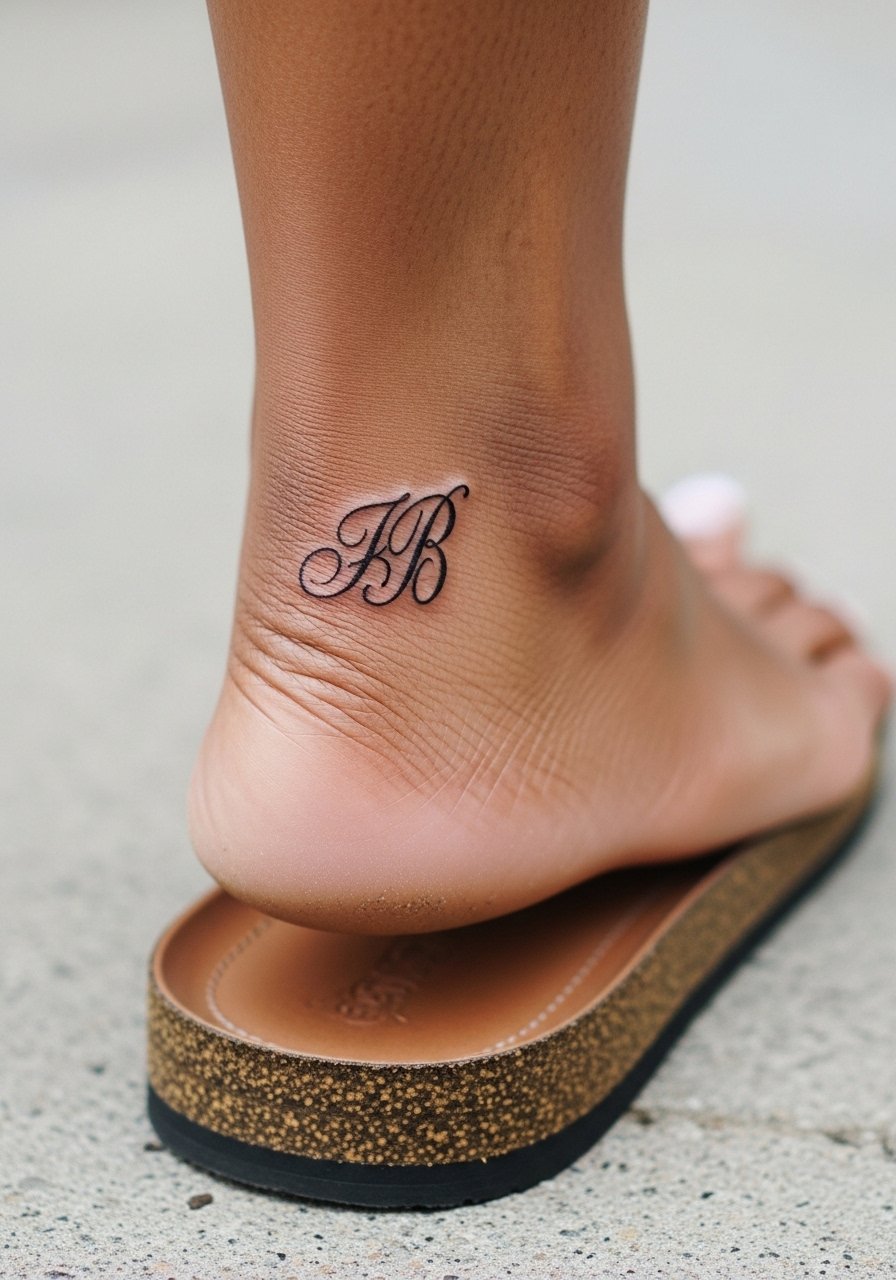
Initials near the heel are discreet and personal. Heel skin is prone to movement so ask for a slightly bolder script with clear counters. The usual error is choosing ultra-delicate loops that fill in by year two. Expect minor blurring in the first couple of years and budget for a touch-up if you want crisp lettering long term. For footwear that keeps the piece visible pick slide sandals that rest below the heel line.
14. Tiny Eye Motif Over the Ankle Tendon
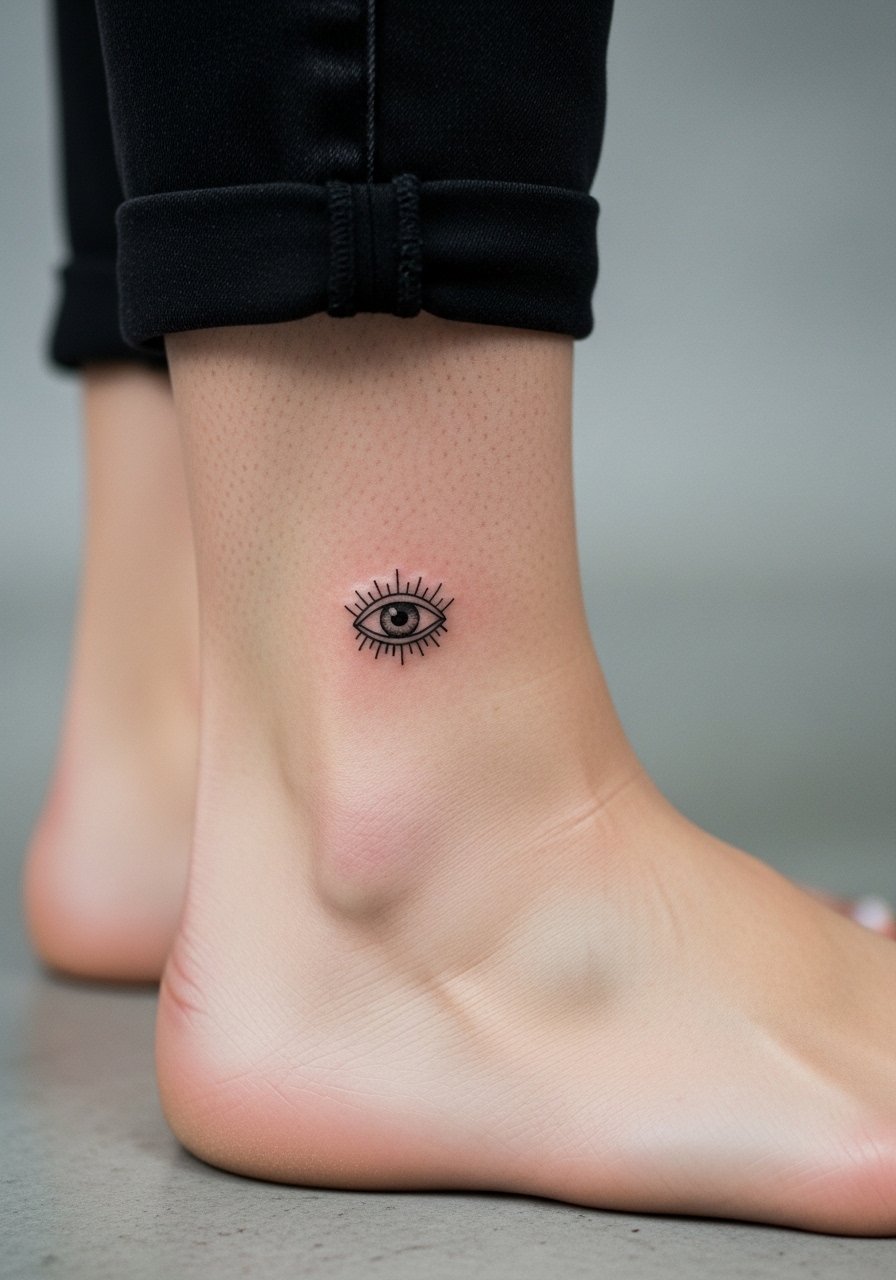
A small eye placed over the tendon reads like a talisman. Tendon areas can be sensitive and cause intermittent pain during the session. Ask for simple linework and avoid tiny lashes or heavy inner shading. The common mistake is overcomplicating the iris at a micro scale which becomes indistinct. At two years the eye should still be recognizable if spaced well. When you want to show it off, cuff trousers or wear cropped tailored pants so the tendon rests visible.
15. Micro Portrait Silhouette of a Side Profile
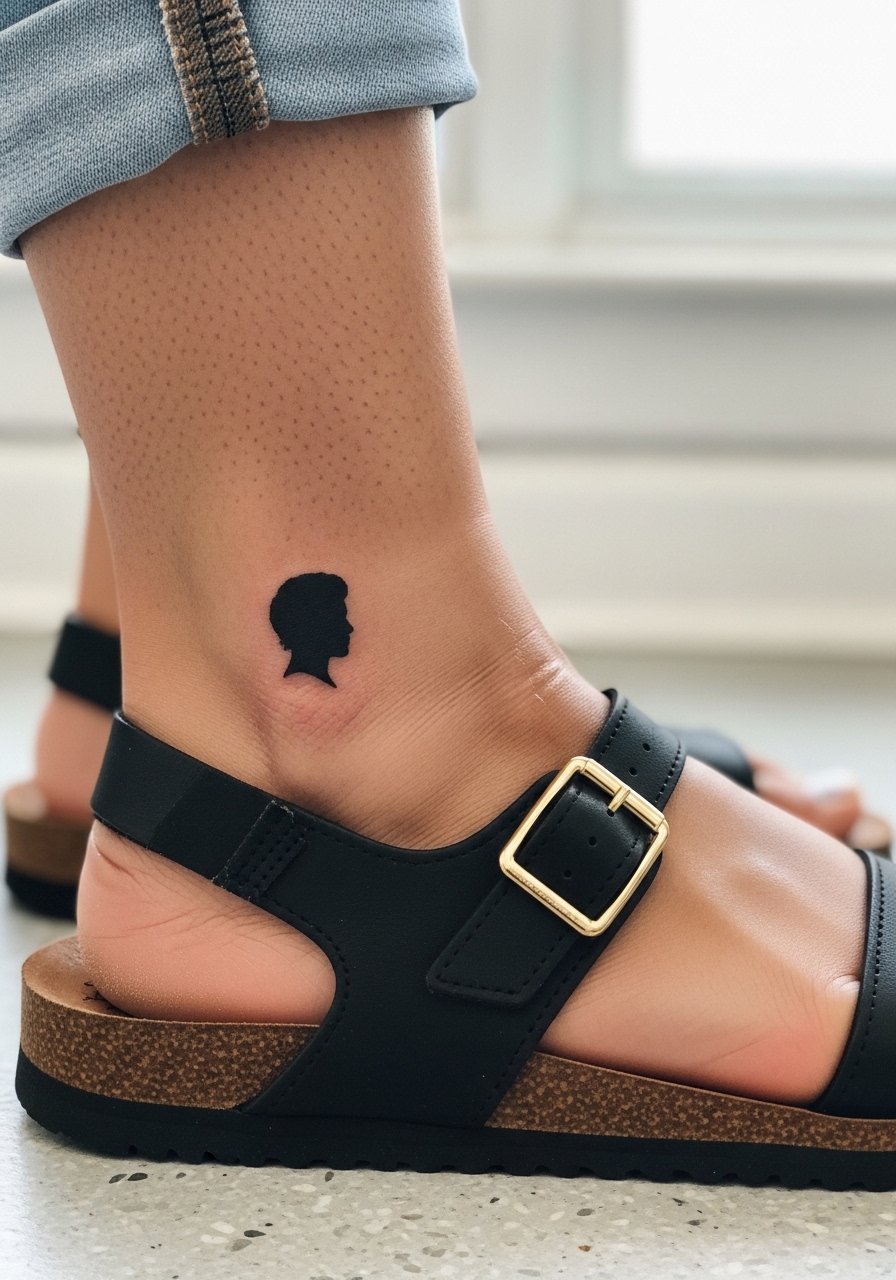
A silhouette suggests a likeness without full detail and keeps the ankle readable over time. Ask for a simplified contour and avoid facial features at tiny sizes. The mistake people make is demanding full micro realism in a space that cannot support it. Expect a clean silhouette at six months and minimal touch-up needs at year three if the outline is bold enough. Pair this piece with open sandals to let the profile show when you step.
16. Tiny Sheet Music Note Near the Ankle
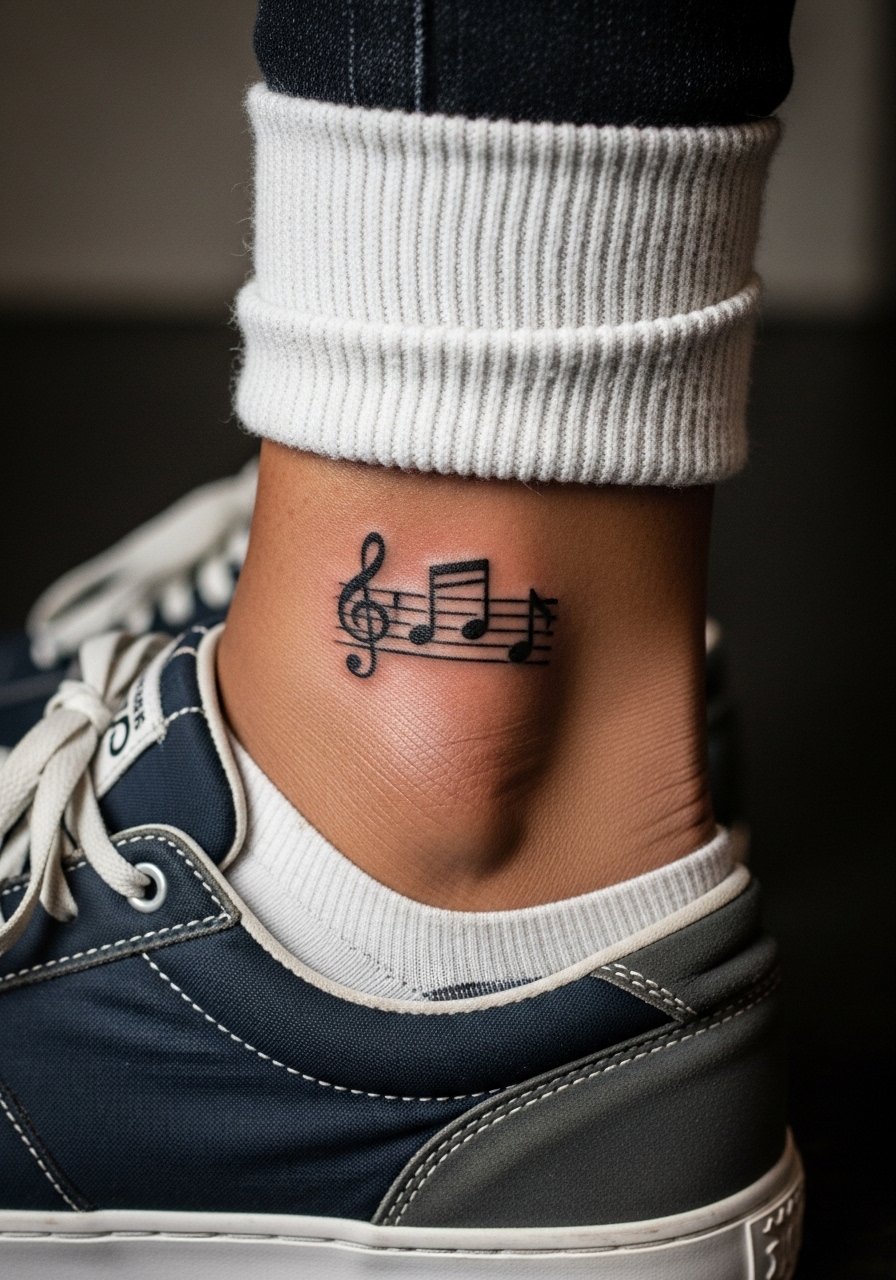
A single music note captures fandom without being literal. For longevity ask for a slightly heavier stem so the note keeps shape as the paper-thin line softens. A frequent error is requesting micro stems that merge into the note head. By year two expect slight softening where shoe collars contact the area. For showing it off wear low sneakers with rolled socks so the note is visible when you sit or walk.
17. Minimalist Shark Tooth on the Lateral Ankle
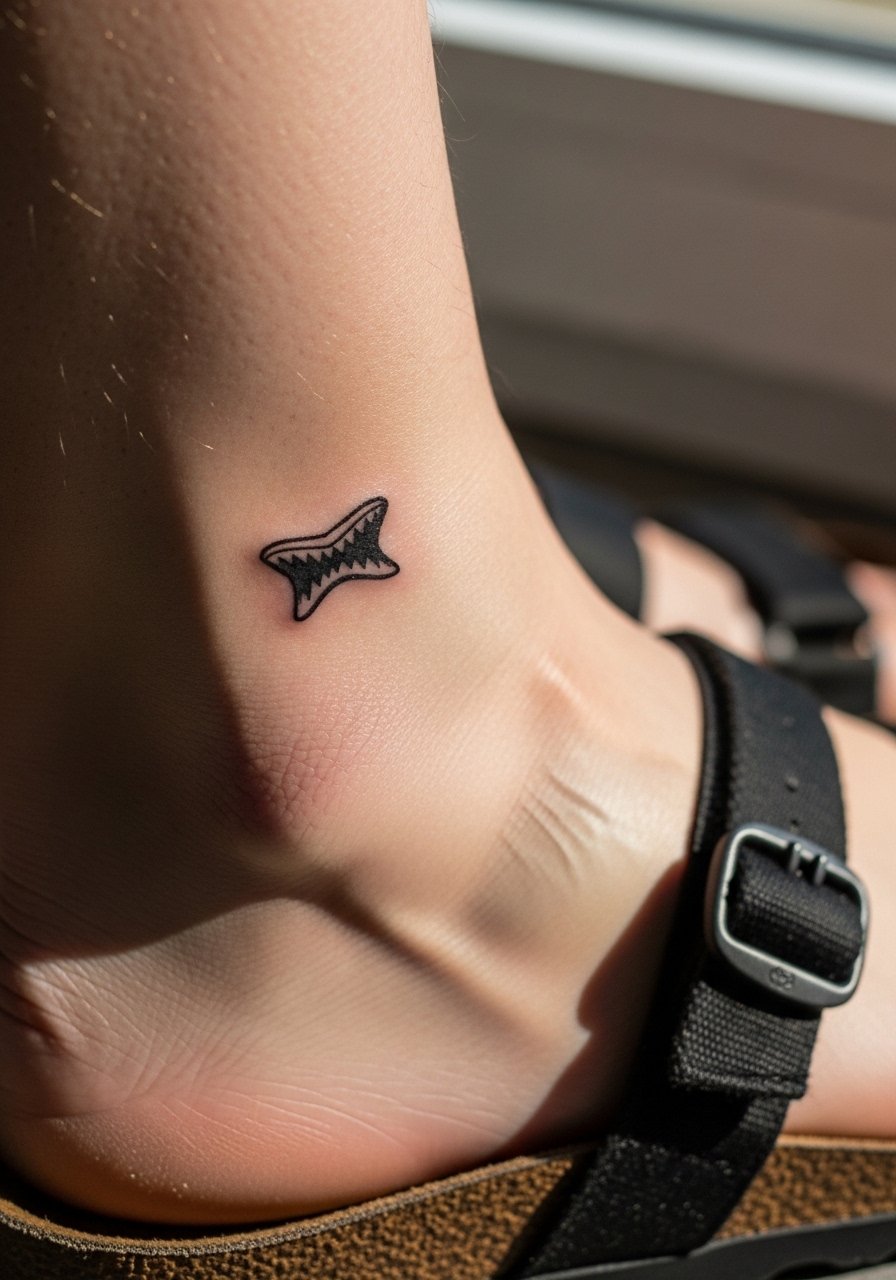
A shark tooth icon reads aggressive and neat when kept simple. To preserve form ask for a clean triangular silhouette and avoid interior dot work. The common mistake is adding texture that fills in with time. Expect good readability at six months and small softening by three years. Ankle bone pressure varies so plan footwear that does not press against the triangle while it heals. A good show-off option is minimalist sandals.
18. Tiny Keyhole on the Inner Ankle
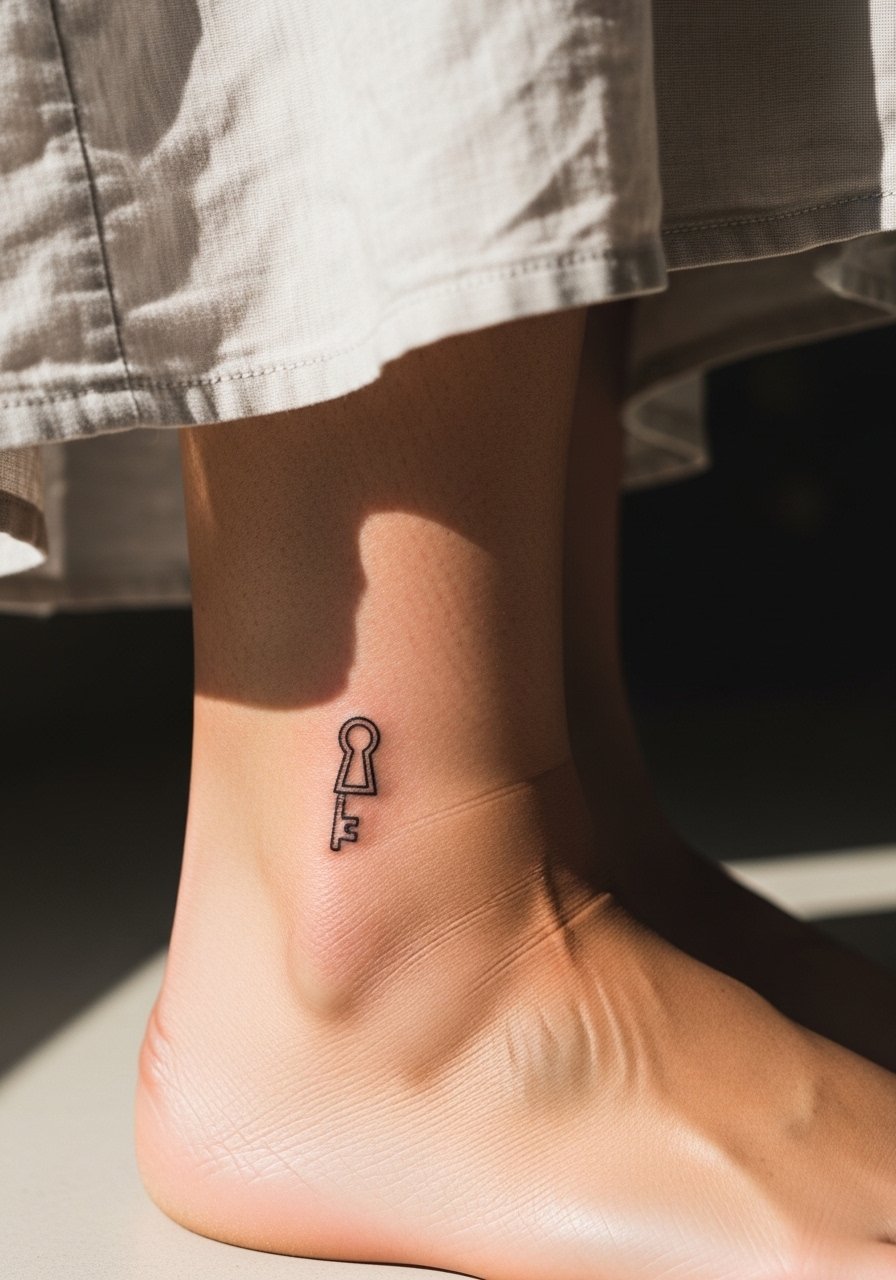
A keyhole suggests intimacy and mystery when placed on the inner ankle. The inner skin tends to be more reactive so expect a sharper sting during the session and a slightly longer redness period. The main mistake is overcomplicating the keyhole with fine filigree. That detail often blurs. For durability ask for simplified negative space and a bold perimeter. For nights out pair it with ankle strap heels that sit above the keyhole.
19. Tiny Floral Sprig Along the Ankle Tendon
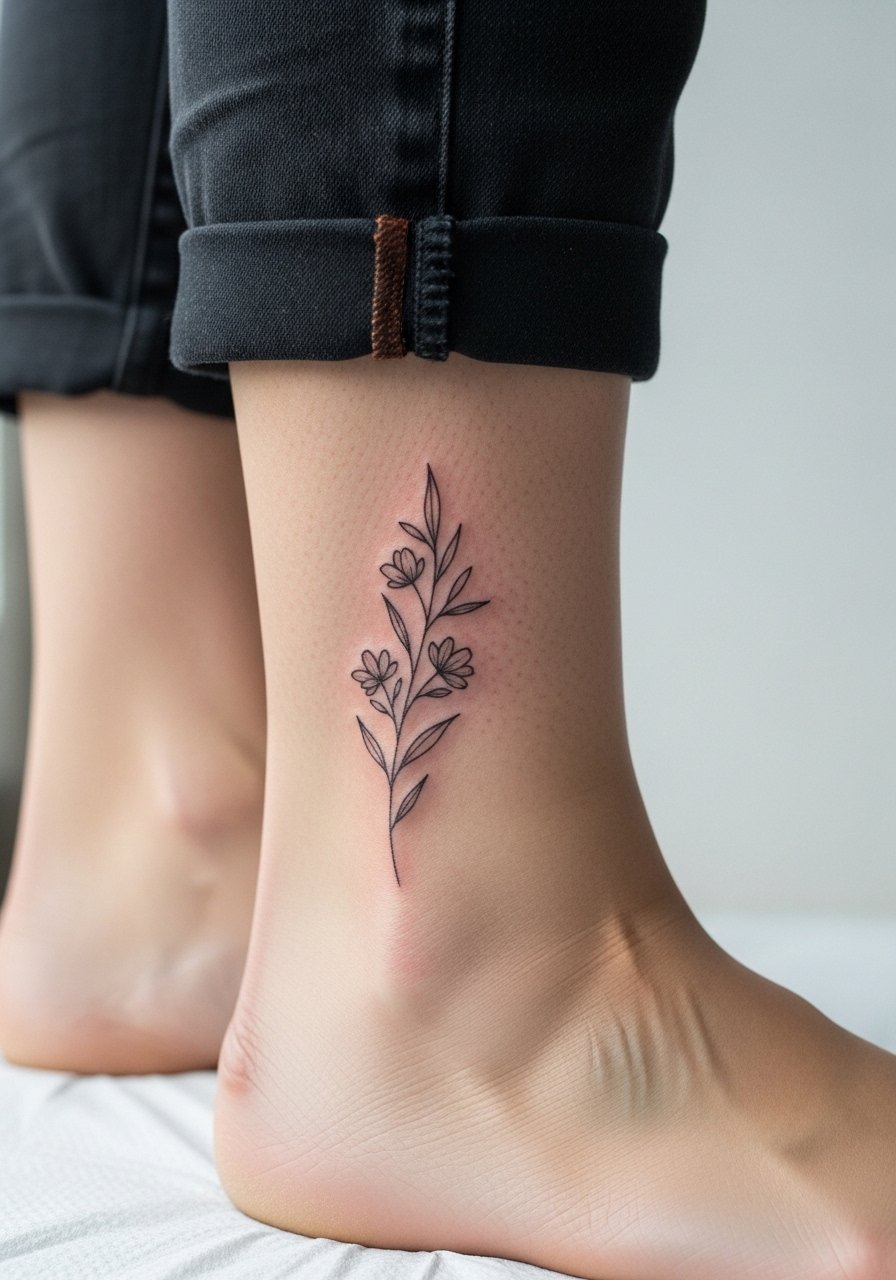
A linear sprig follows the natural curve of the ankle and ages predictably if each leaf has room. Overcrowding the sprig with too many leaves is the mistake that leads to visual muddiness. Ask the artist for open spacing and subtle stipple shading. At two years expect gentle softening in the smallest leaf points. For display, cuff trousers or pair with slip-on sandals that leave the sprig uncovered.
20. Tiny Spider Web at the Ankle Crease
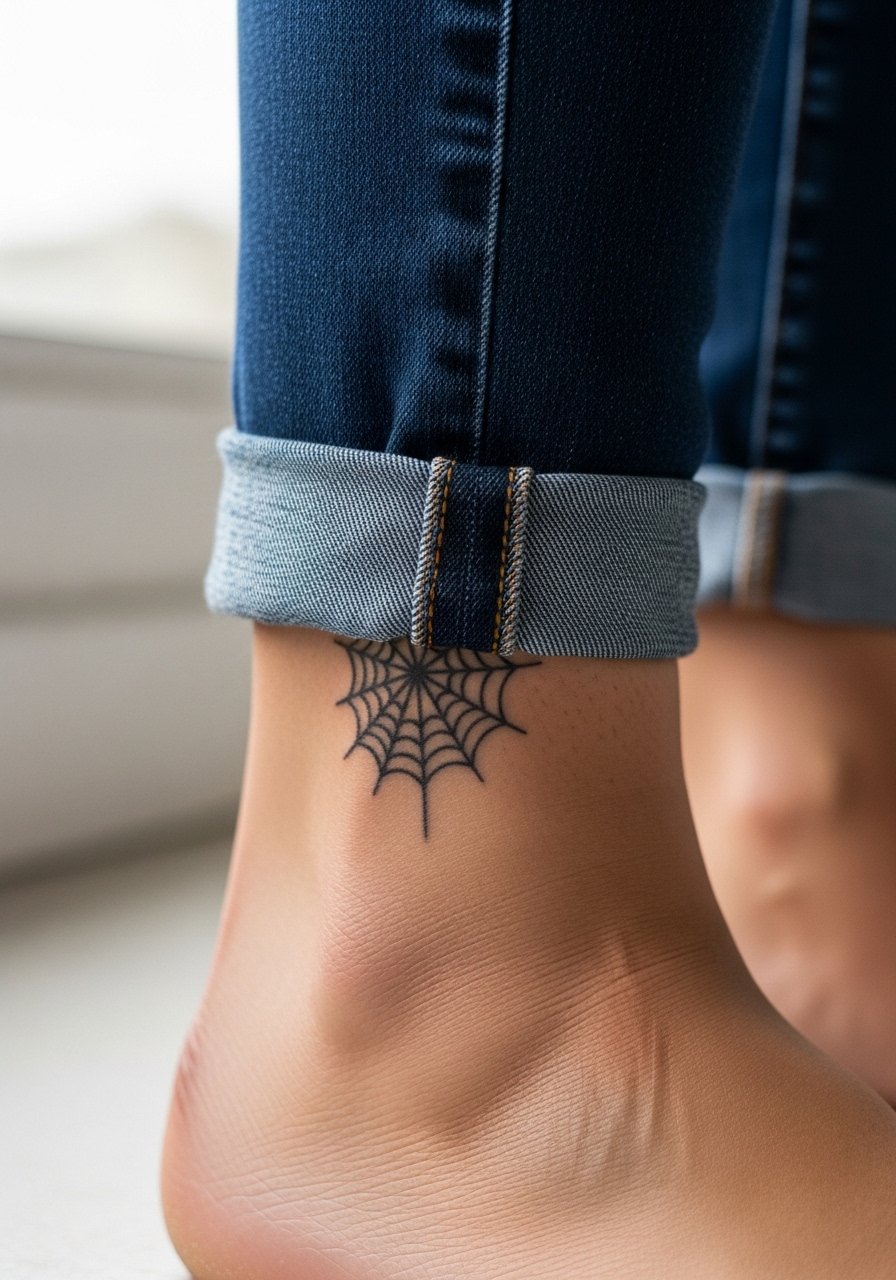
A tiny stylized web can be read as edge or ornament depending on styling. If you want a clean look ask for larger gaps between concentric lines rather than dense weaving. Dense micro webs tend to blur into a patch over time. Because the ankle crease moves a lot schedule a shorter session with small breaks. For outfits, roll trousers or choose cuffed jeans that let the web show when you walk.
21. Micro Botanical Wreath Around the Ankle Bone
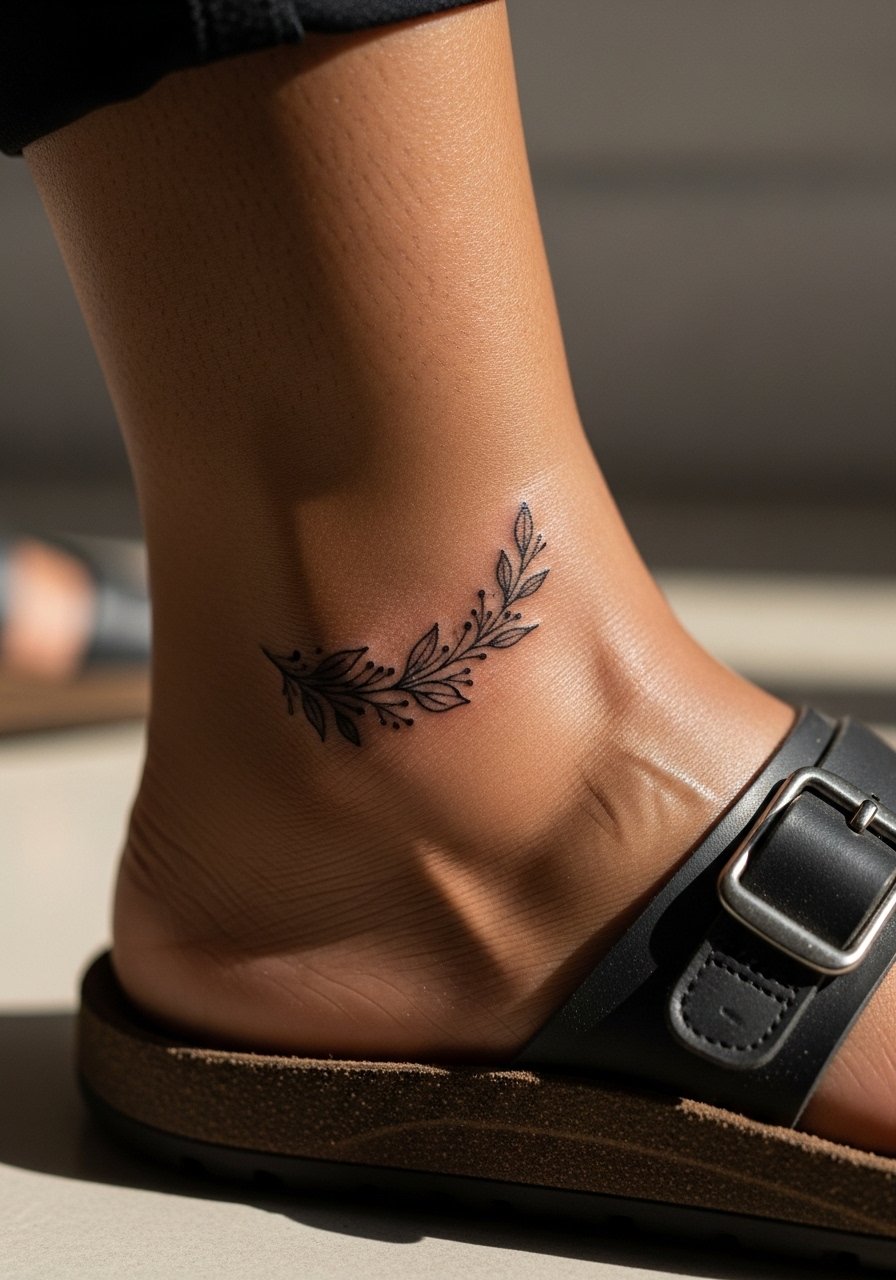
A partial wreath gives the idea of an anklet without the full band. Ask for distinct leaf spacing so each element holds up separate from its neighbors. The usual error is trying to cram a full continuous band into a tiny circumference which loses definition. Expect the wreath to look lovely at six months and to need minor touch-ups at three to five years depending on footwear friction. Pair with thin strap sandals to let the wreath peek.
22. Tiny Crossed Needles Motif
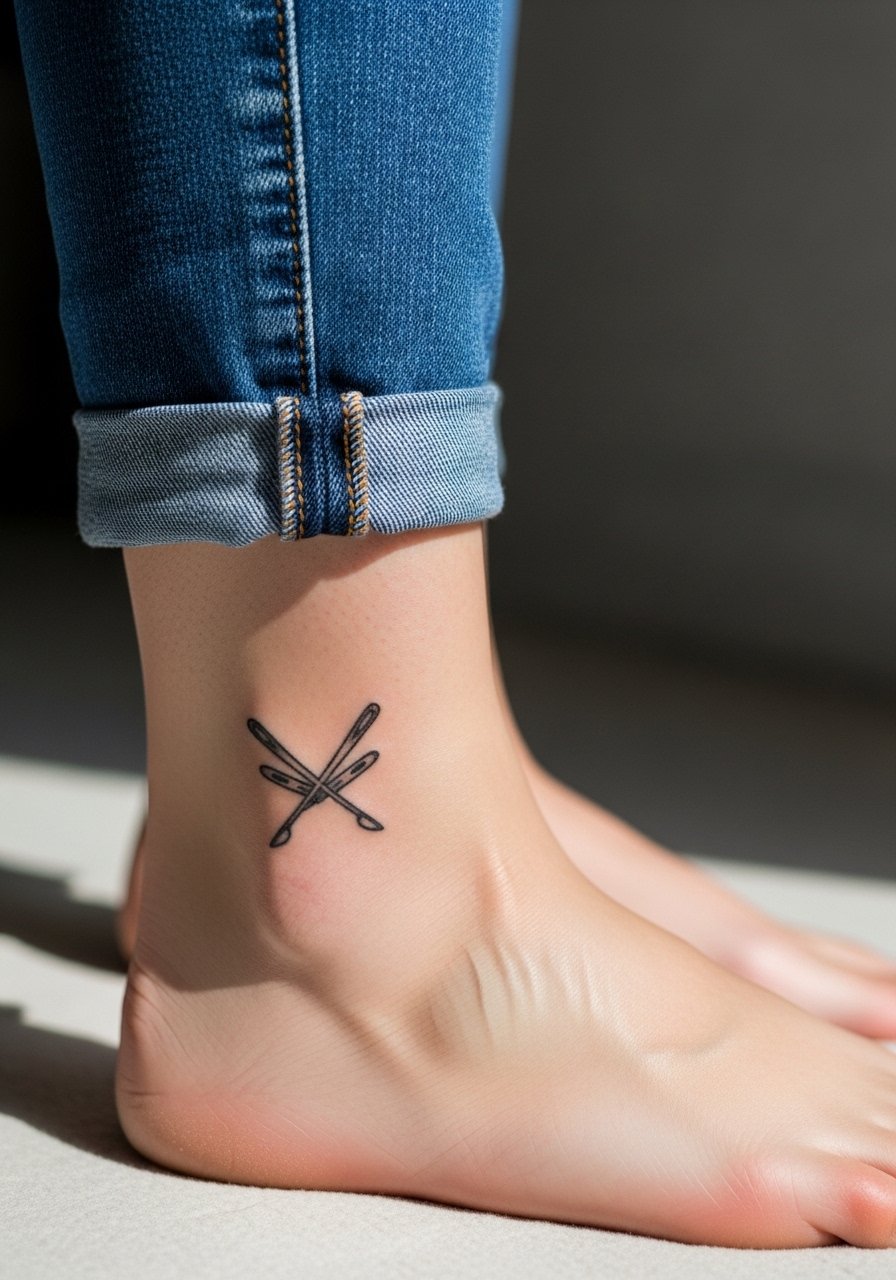
A tiny crossed needles motif nods to craft and can be literal or symbolic. For longevity pick slightly bolder intersection points to avoid them merging into one dark spot. People who insist on hairline intersections often find the crossing looks muddy after a year. The ankle tends to need a lighter touch from the artist to prevent blowout. For comfort during the session wear shoes that remove easily like slip-on canvas sneakers.
23. Small Barbed Wire Accent Around the Ankle
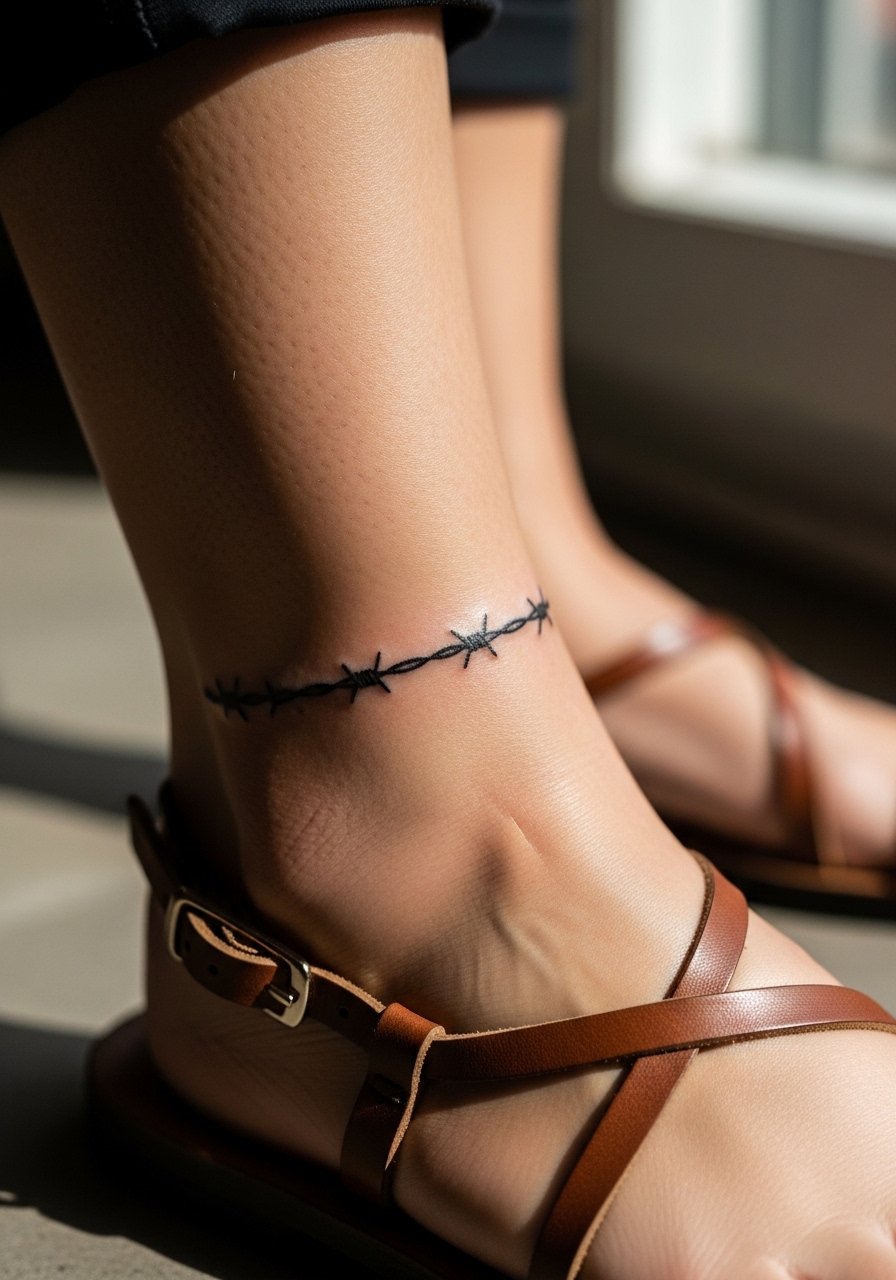
A barbed wire anklet reads punk and needs careful spacing so each barb stays distinct. The typical mistake is compressing barbs into a continuous thin thread. That version blurs quickly with movement and shoe friction. Request extra spacing and a slightly thicker barb junction. Expect touch-up at year three if you want crisp points. Style it with chunky sandals to play up the contrast.
24. Tiny Paper Plane Taking Off From the Ankle
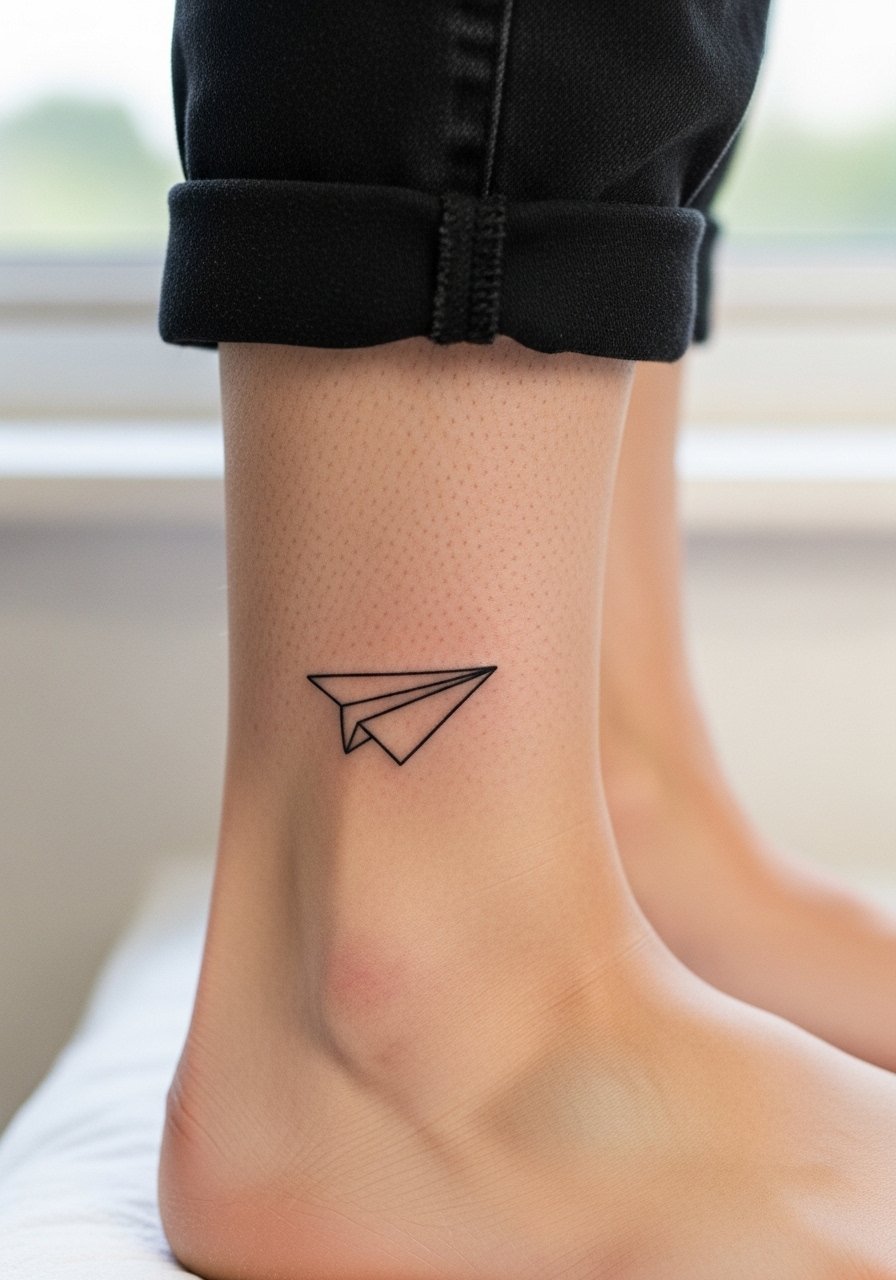
A small paper plane feels light and moves with the ankle when you walk. Keep the folds simple so small shadows do not fill in. The error is over-detailing folds and creases that cannot hold at micro scale. By year two the plane should remain recognizable if the edges are solid. For session ease wear clothing you can shift besides footwear, for example cropped trousers.
25. Minimalist Number or Roman Numeral Stack
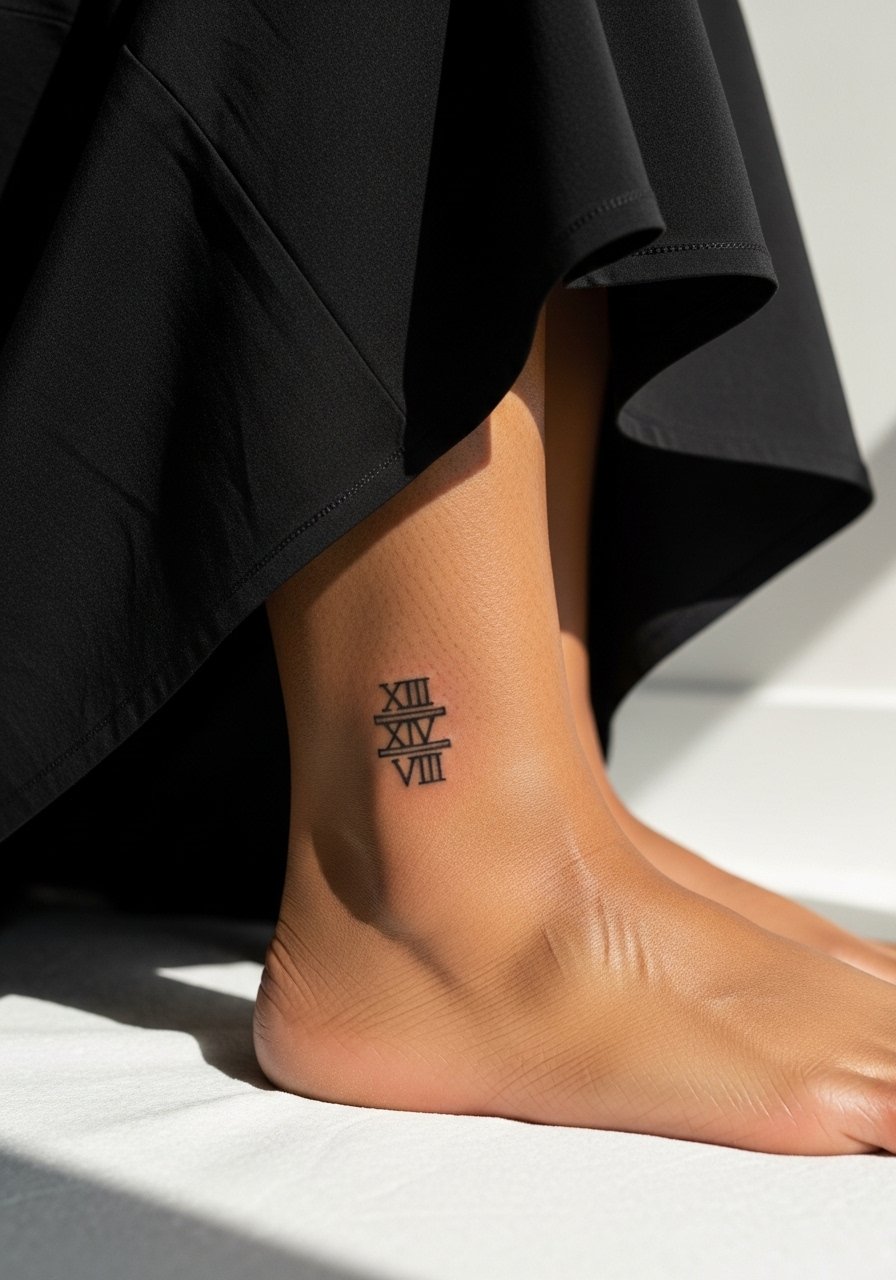
A date in roman numerals reads classic and discreet. The key is spacing between numerals to avoid stroke endings filling together. Many people ask for extremely compact stacks which lose separation after a short time. For a long-lasting look request moderate spacing and ask the artist about letter height. By year three a light touch-up may be needed to sharpen thin bars. Pair with ankle strap heels to keep the area visible.
26. Tiny Crescent and Star Duo on the Ankle
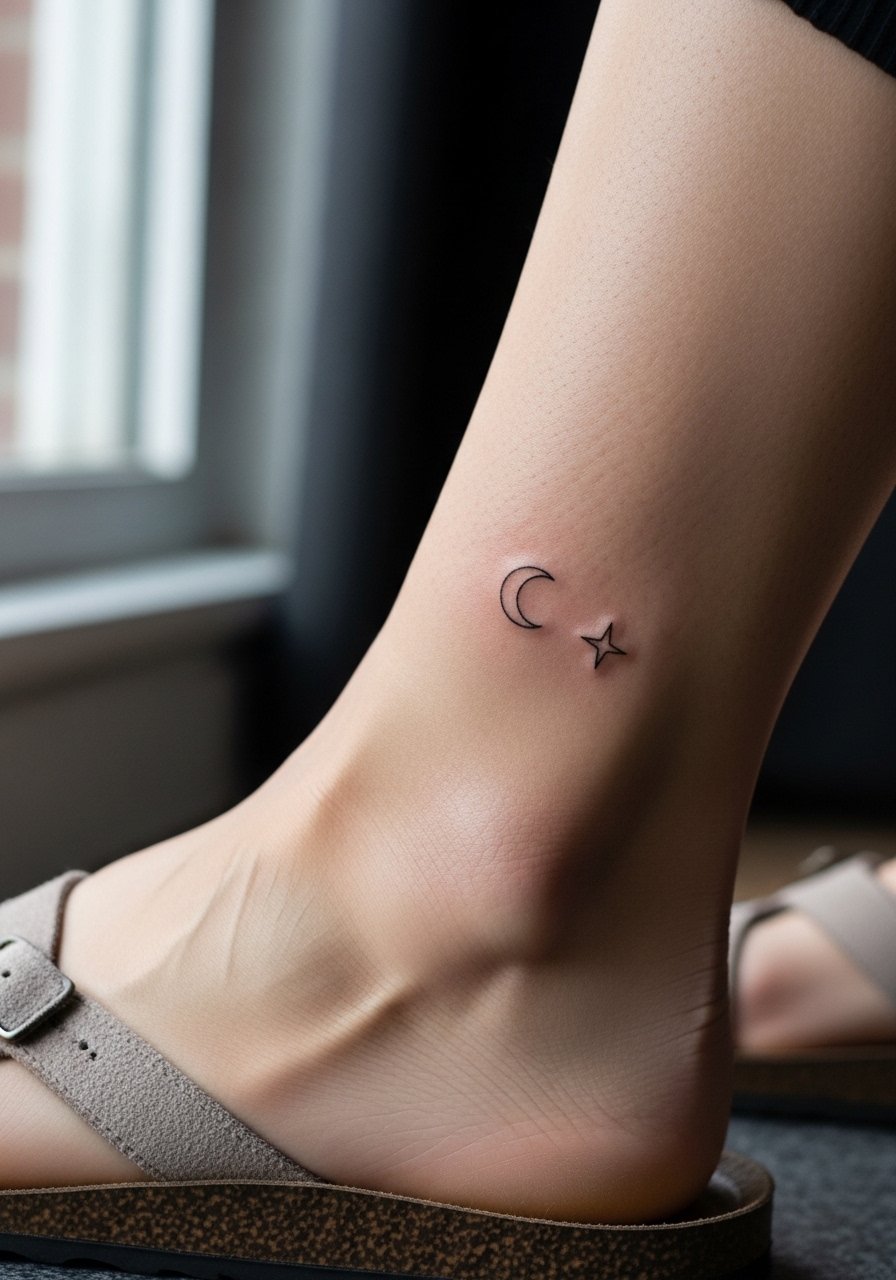
A tiny moon and star pair makes for a compact anklet motif. For endurance ask for clear separation between the shapes and a slightly bolder star point. The mistake is placing the star too close to the moon so the two elements lose definition as the skin softens. Expect the pair to stay legible at two years with a possible minor refresh by year four. Style it with strappy sandals when you want the contrast to show.
27. Tiny Echoed Dot Row Along the Inner Ankle
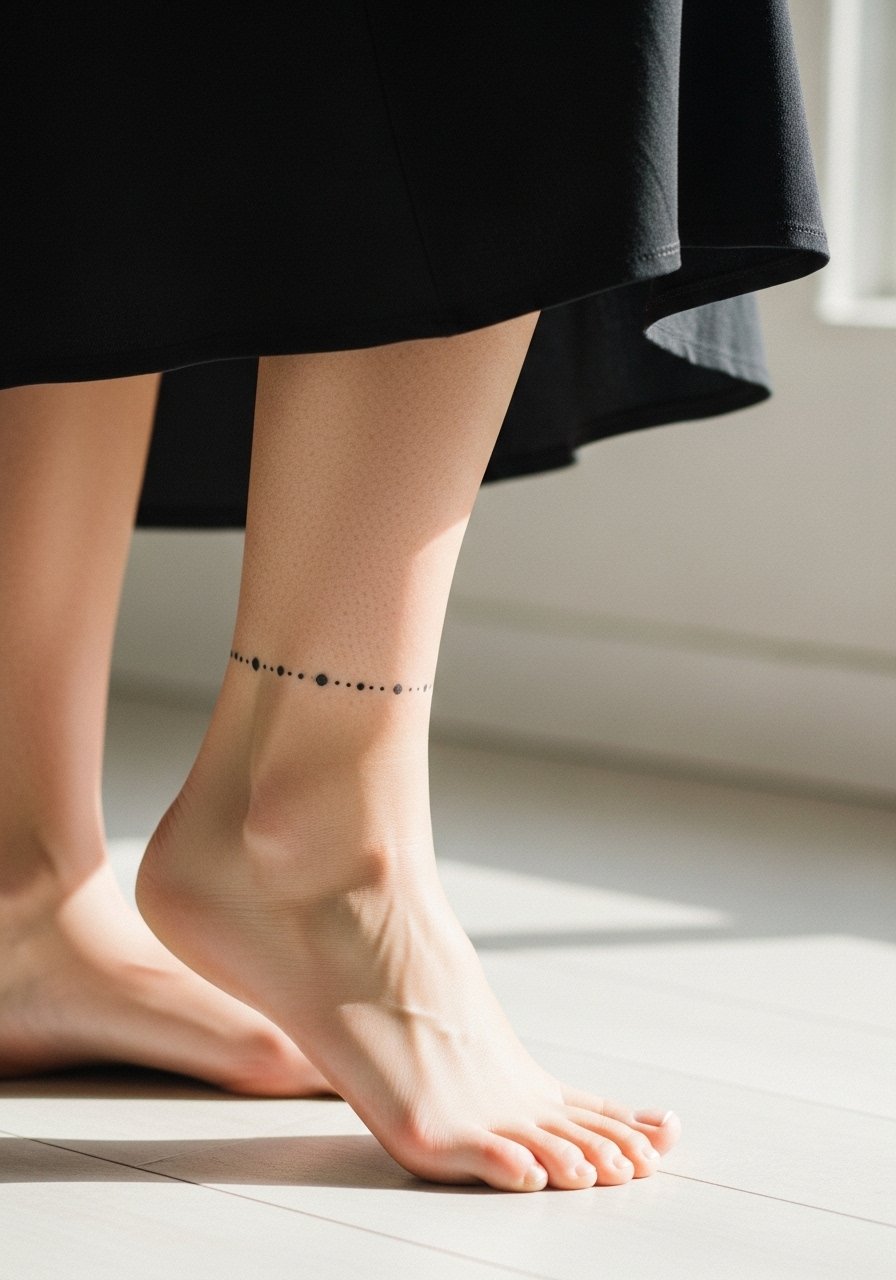
A line of echoed dots feels like punctuation and works well on the inner ankle. Ask for consistent dot size and spacing because any irregularity becomes obvious as the skin heals. Dots that are too close end up merging into a thin line after a year. Expect a sharp look at six months and possible softening by three years depending on activity and footwear friction. For display pick shoes that do not cover the inner ankle, like open sandals.
Frequently Asked Questions
Q: How does fine line on the ankle age compared with bold blackwork?
A: Fine line softens sooner than bold blackwork on ankles because the thinner channels disperse faster under repeated friction. Bold outlines maintain silhouette longer but can read heavier. In my experience expect fine line touch-ups around two to three years and bolder linework to need fewer refreshes.
Q: Are celebrity-inspired tattoos, like Billie Eilish motifs, culturally sensitive or problematic?
A: Fans split into two camps. One camp sees celebrity-inspired tattoos as a heartfelt tribute and personal meaning. The other camp worries about copying commercial imagery or wearing someone else’s brand as identity. If your design borrows recognizable elements think about whether you want an original twist. Ask an artist about custom variations so the piece feels personal rather than derivative.
Q: What should I wear to an ankle tattoo session to make the artist’s job easier?
A: Wear clothing that exposes the ankle without binding. Options I recommend are cuffed jeans or a skirt you can lift briefly. A loose shoe you can remove easily helps during and after the session. One useful option is a pair of open sandals so you avoid pressure on the fresh ink.
Q: How does footwear affect healing for ankle tattoos?
A: Footwear that rubs the ankle increases scabbing and friction which speeds fading. Slides or sandals that do not press on the tattoo for the first week are gentler than boots or high socks. If you must wear closed shoes pick ones with a loose collar and avoid tight socks during the initial healing window.
Q: If I want a Billie-inspired lyric or portrait, should I get it on the ankle?
A: The ankle is great for short lyrics or simplified portraits because it reads as a small statement. Full portraits rarely work well at ankle scale. If you want a lyric, prioritize spacing and choose short lines. If you want a likeness, consider a larger nearby placement so the detail survives.
Q: When should I schedule a touch-up for micro shading or color on the ankle?
A: Plan a touch-up conversation at your consultation and expect micro shading or neon accents to sometimes need touch-ups between 18 months and three years. Skin type, sun exposure, and footwear habits accelerate fading, so discuss a realistic timeline with your artist.
Q: Can I get a healed look reference before booking to see how the ankle placement reads?
A: Yes. Ask the artist to place a stencil and wear the shoes and socks you usually have on to check how the design sits in real life. That preview often reveals whether a line needs thickening or a motif should be repositioned.