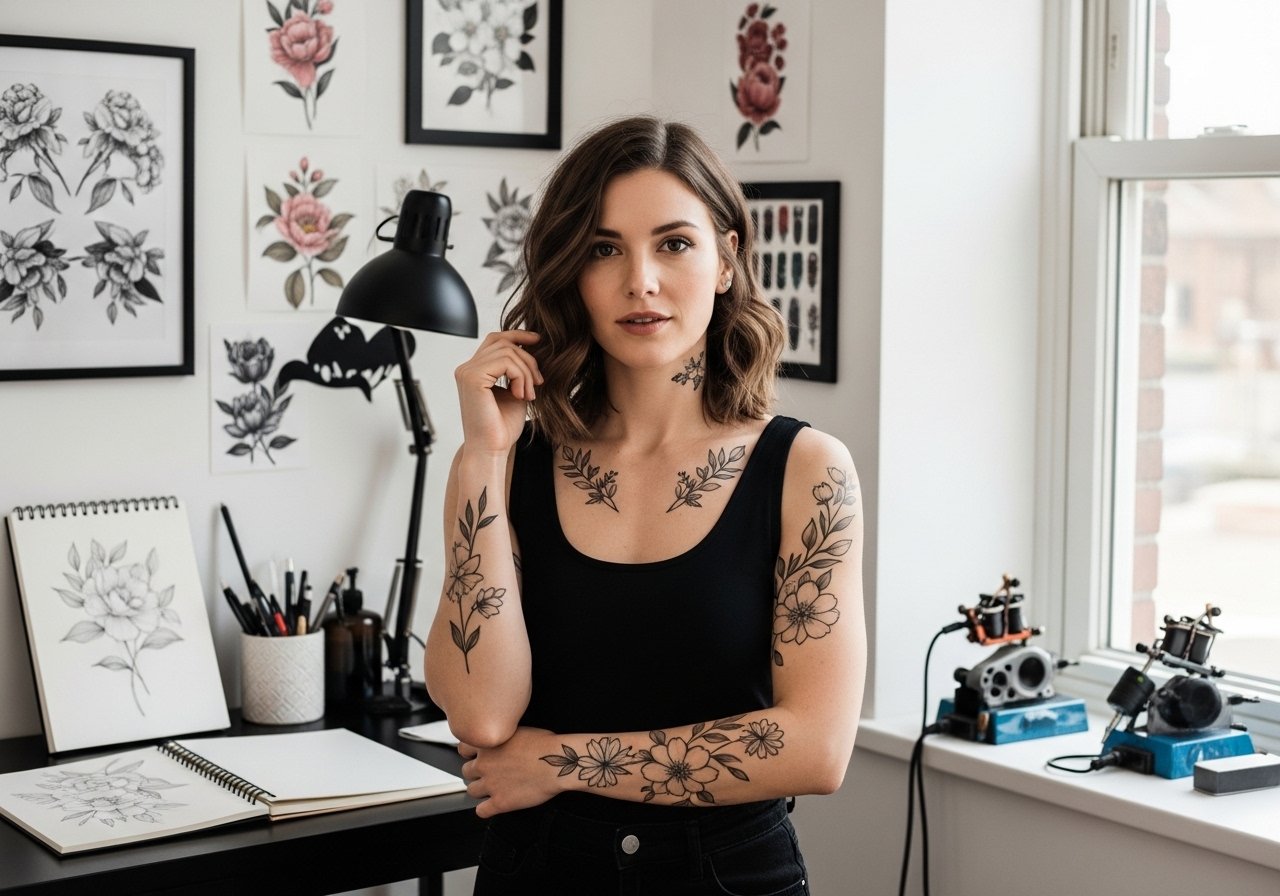
Fine line trends dominate feeds, but the quarter sleeve that still looks clean at year five usually leans on confident negative space and bold anchor elements. If you want a sleeve that reads intentional rather than overworked, think about how each motif will interact with the curve of your deltoid and the stretch toward the elbow. Start with pieces that stand alone and photograph how they sit on your arm before booking.
1. Japanese Koi and Waves on the Shoulder
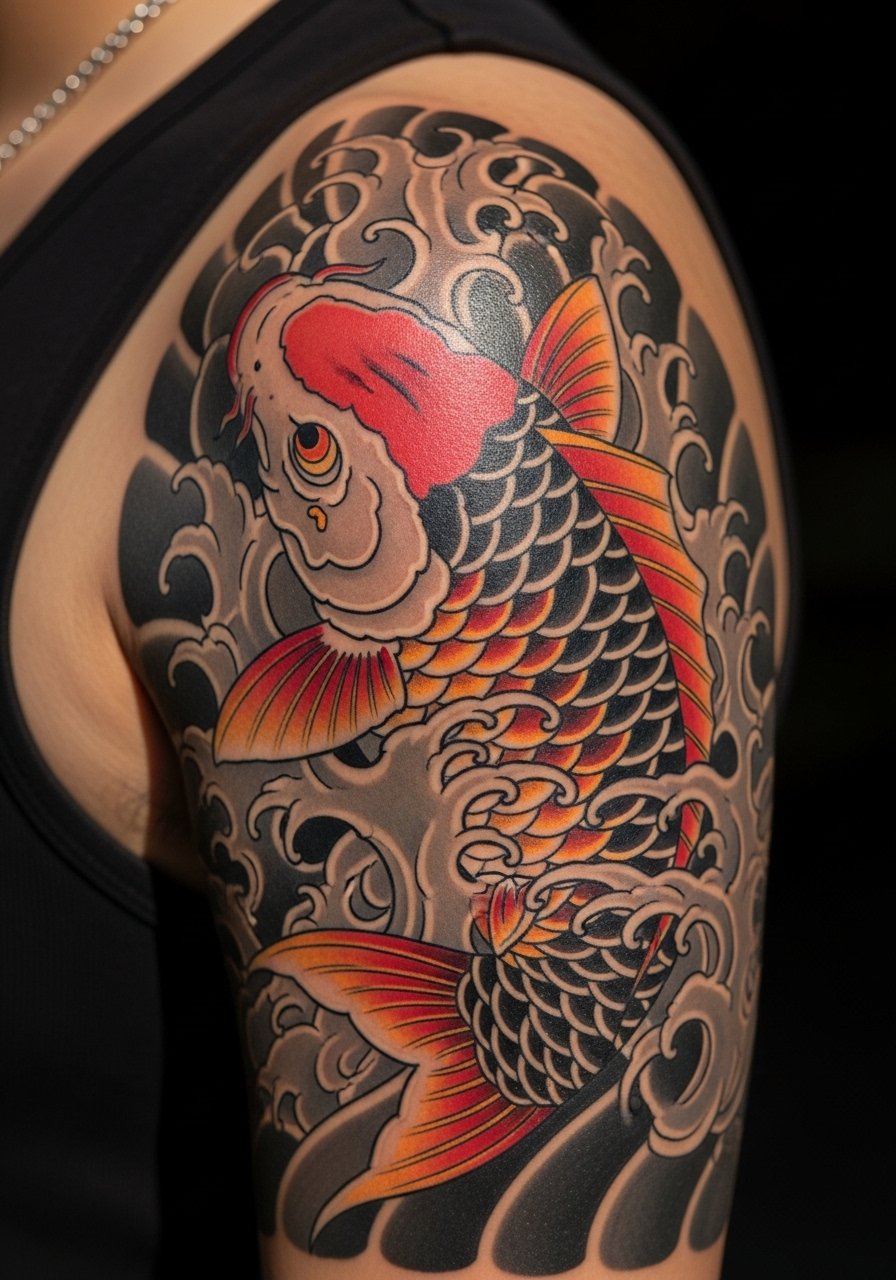
A quarter sleeve that borrows from Irezumi motifs gives the shoulder real presence without crowding the elbow. Tell your artist you want scale and flow first, then detail. Ask for larger scales and bold outlines near the shoulder so the piece holds when photographed at a distance. Common mistake is over-detailing the top of the arm where skin moves most. Expect a longer first session for saturation and a touch-up at year two for color settling. For the session, wear a loose button-down shirt you can slide off the shoulder without tugging at fresh ink. This design shows well if you plan to expand later into a half or full sleeve.
2. Bold Blackwork Bands with Negative Space
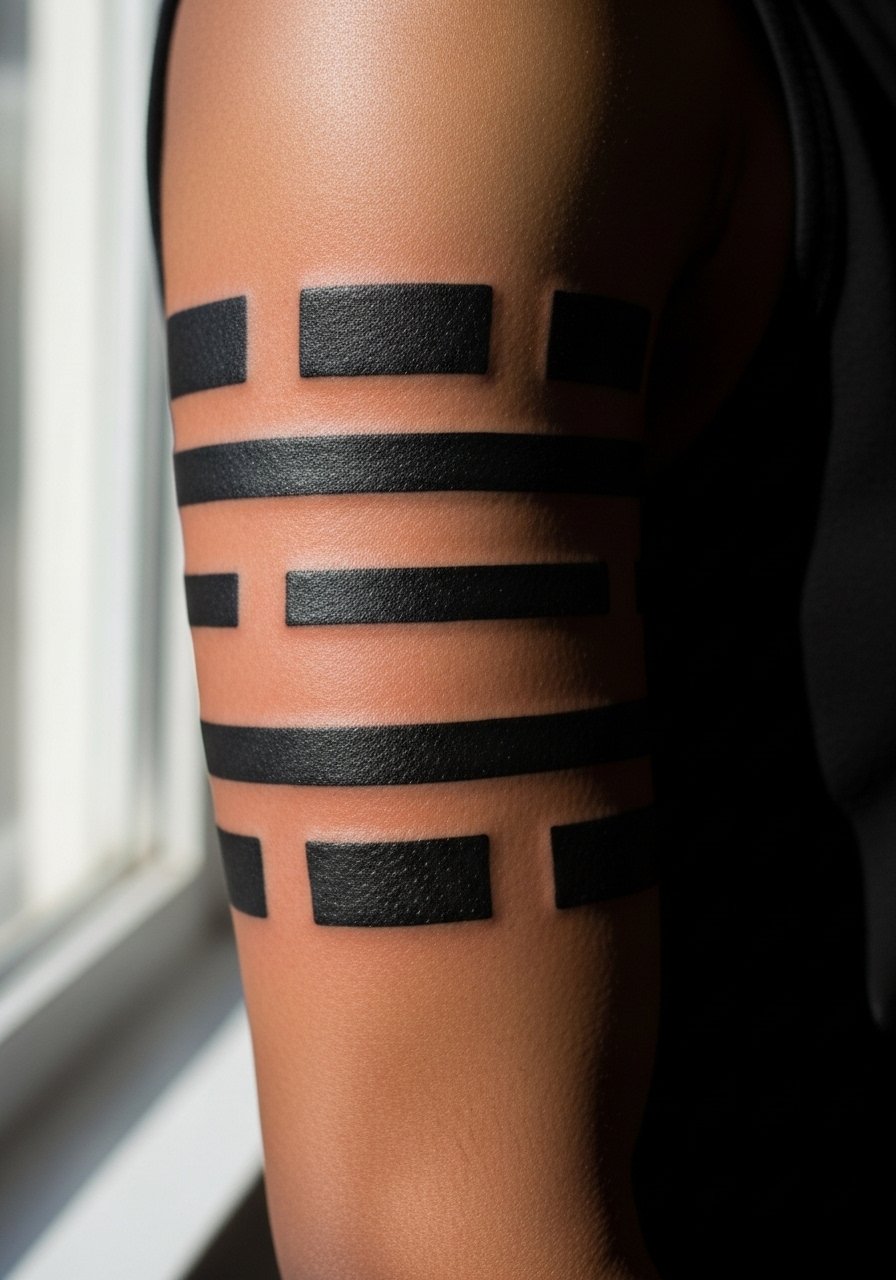
Blackwork bands read strong from across a room and age predictably because saturation beats subtlety for longevity. In consultation, specify consistent lineweight and ask for slightly wider spacing between dense fills to prevent early muddiness. A frequent error is making the bands too thin, which invites blowout and early softening. The session feels steady and rhythmic, and pain is moderate on the outer arm. Expect a touch-up at year three if you want the blackout absolutely uniform. Pair this with a short-sleeve tee with sleeves that hit just above the band to show the breaks.
3. Neo-Traditional Animal Portrait with Floral Accents
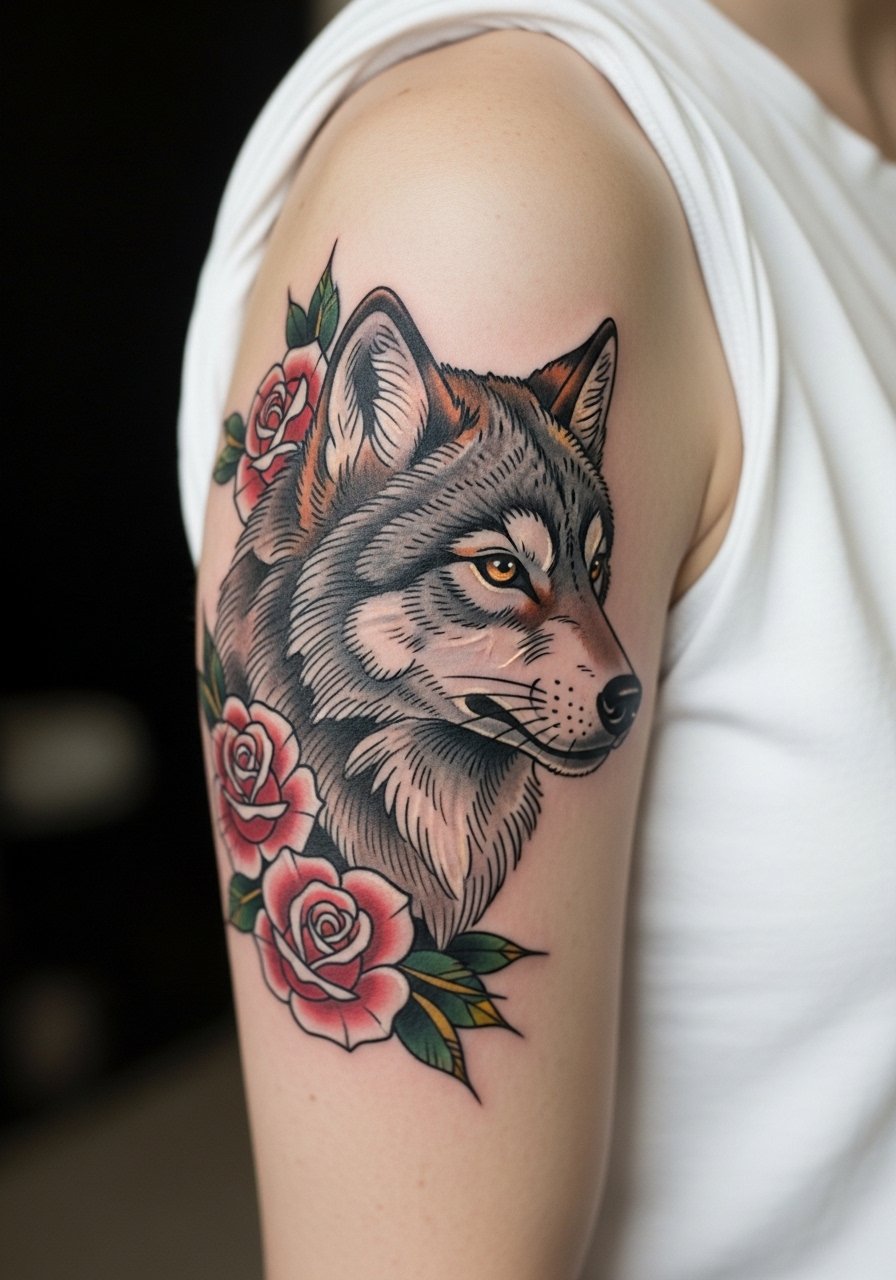
This hybrid keeps the realism readable while leaning on bold linework so the portrait holds up. Say to your artist you want saturated shadows and simplified fur texture rather than hyper-photoreal detail. The common version that ages badly is a tiny photo-real face squeezed into the shoulder; that tends to blur. Expect a two-session approach with an initial outline and color block, then a saturation pass. If you plan to show it off, cuff a rolled-sleeve flannel so the portrait sits at eye level when your arms are relaxed.
4. Geometric Mandala with Dot Work Transition
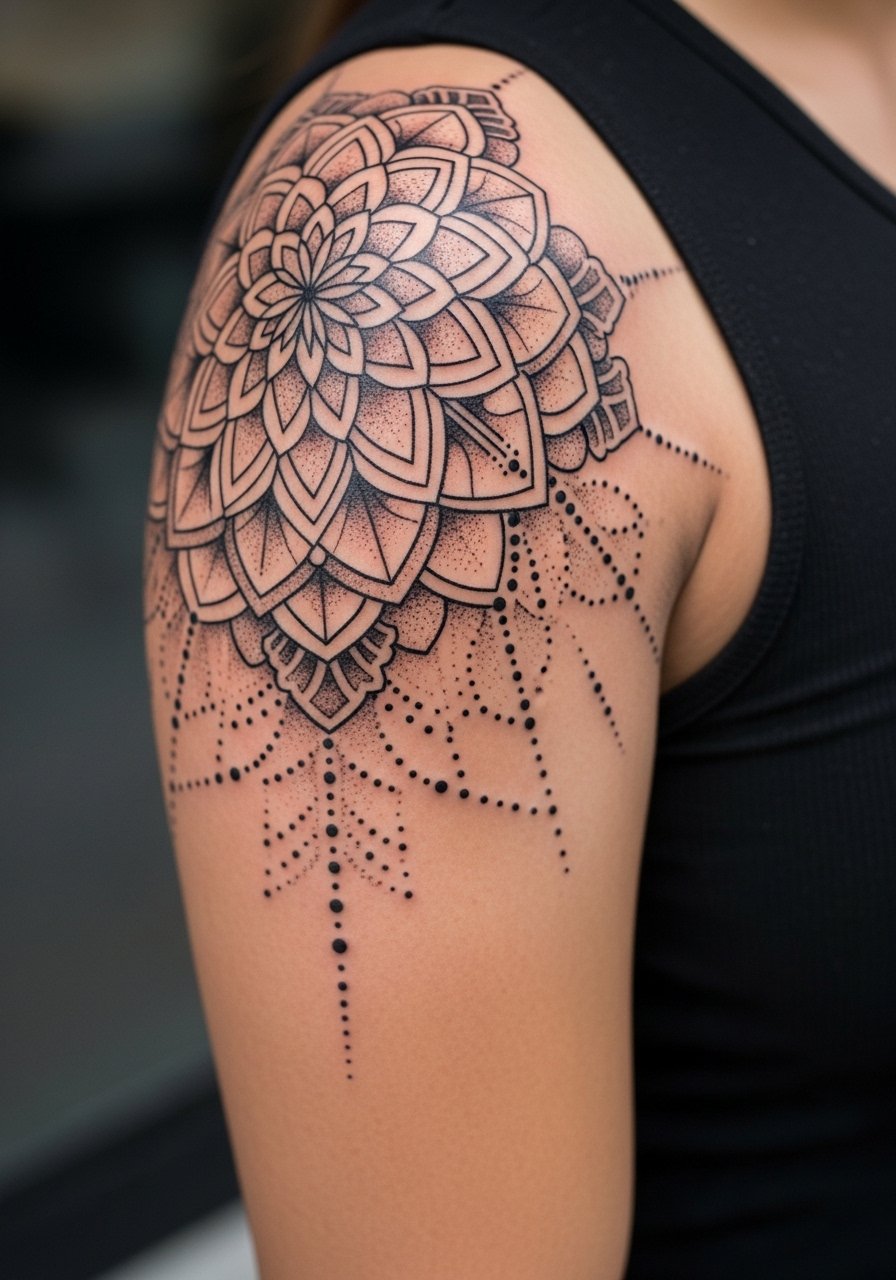
A mandala that starts bold at the shoulder and dissipates into stipple is a practical quarter sleeve approach. Tell the artist to leave breathing room between dense geometry and fine dot sections. Artists split on how tight mandalas should be on curved surfaces. One camp warns that dense geometry shrinks under skin tension. The other camp says careful spacing and needle depth solve most issues. Ask the artist which approach they prefer. Common mistake is over-compressing the mandala pattern. The session is detail-heavy, so expect slower machine work and a higher touch-up likelihood around year three. Pair with a minimal canvas watch that frames the design without crowding the wrist area.
5. Classical American Traditional Anchor and Banner
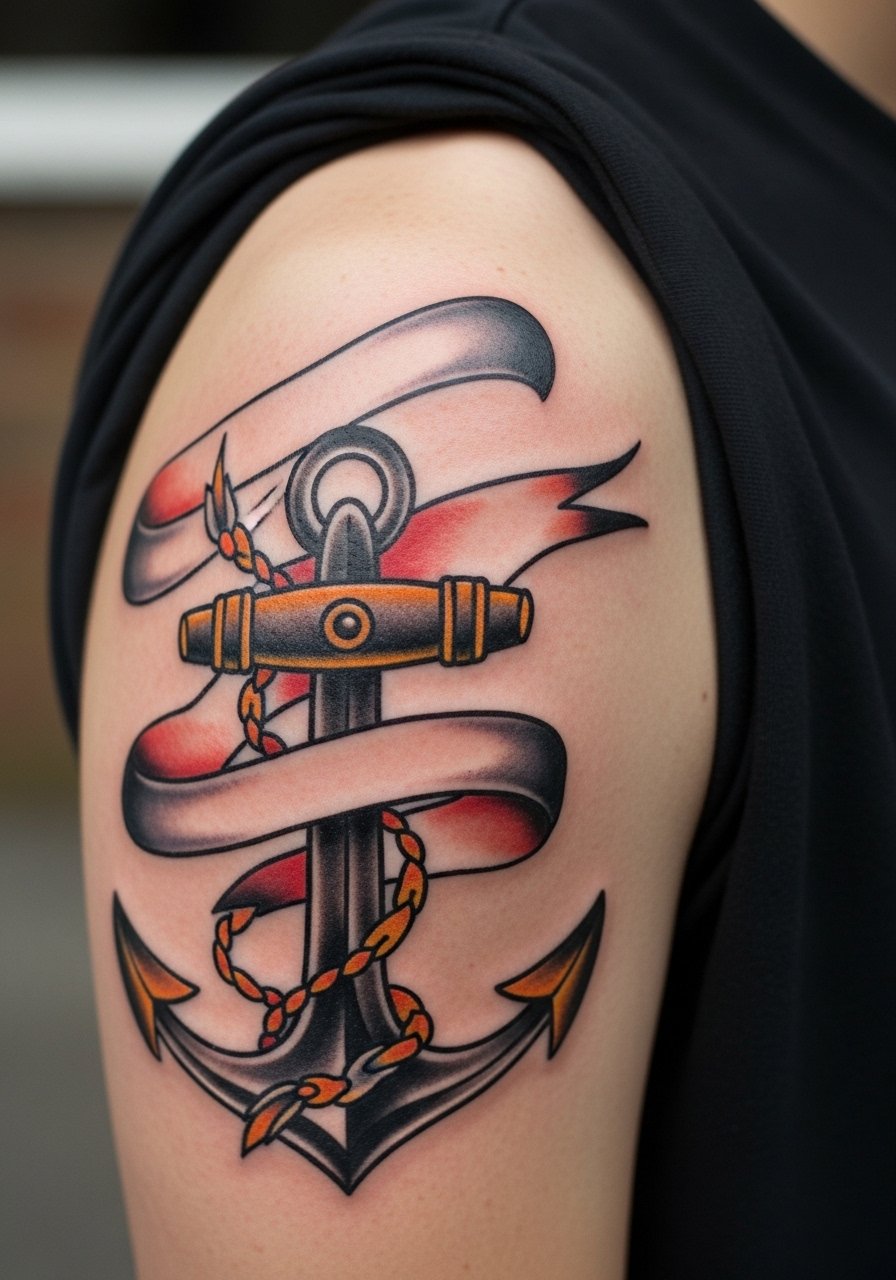
Traditional elements are a solid choice for a quarter sleeve because the thick outlines and restrained palette age into a dependable silhouette. During consultation, show reference banners with clear negative space so text remains legible over time. A mistake I see is shrinking banners to fit too many words. Keep lettering short and bold. Pain is manageable on the deltoid and session times are moderate. You may need a touch-up for color fade after several years if you spend time in the sun. Wear a crew neck tee you can roll or pull aside easily for the artist to access the shoulder.
6. Micro-Realism Portrait Fragment with Soft Shading
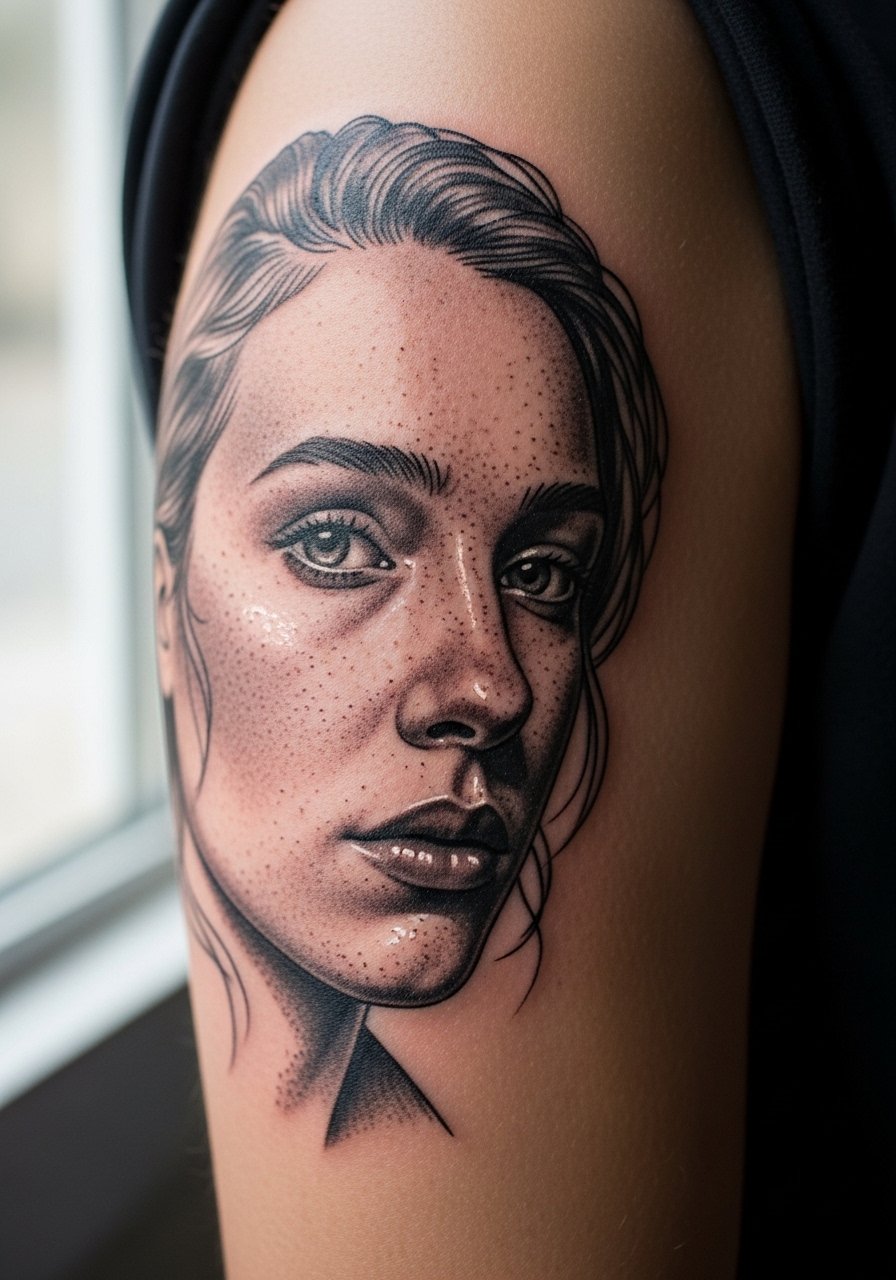
Micro-realism can sit well in a quarter sleeve when used as a focal fragment rather than an entire photographic scene. Tell the artist you want one focal face or eye with surrounding negative space. The common failing is crowding too many tiny realistic elements into the arm. That invites early blurring. Expect intense, careful machine work and a realistic touch-up timeline of two to three years for crispness. For the session, a zip-up hoodie makes access easy without too much fabric against fresh ink.
Studio Day Picks
The pieces above range from bold blackwork to fine micro-realism, and each asks for slightly different prep and first-week care.
-
Stencil transfer paper kit. Lets you and the artist preview placement on the arm before a single needle so symmetry and flow feel right for quarter sleeve layouts.
-
Topical numbing cream. Applied as directed reduces the sting during dense saturation passes on the bicep and shoulder.
-
Thin protective film roll. Useful for protecting band edges and fresh blackwork from rubbing against clothing in the first 48 hours.
-
Fragrance-free gentle body wash. Cleans the area without stripping pigment while you follow the artist's recommended routine.
-
Aquaphor healing ointment. A thin layer during the initial healing window keeps saturated fills from scabbing excessively.
7. Ornamental Mandala Running Over the Deltoid
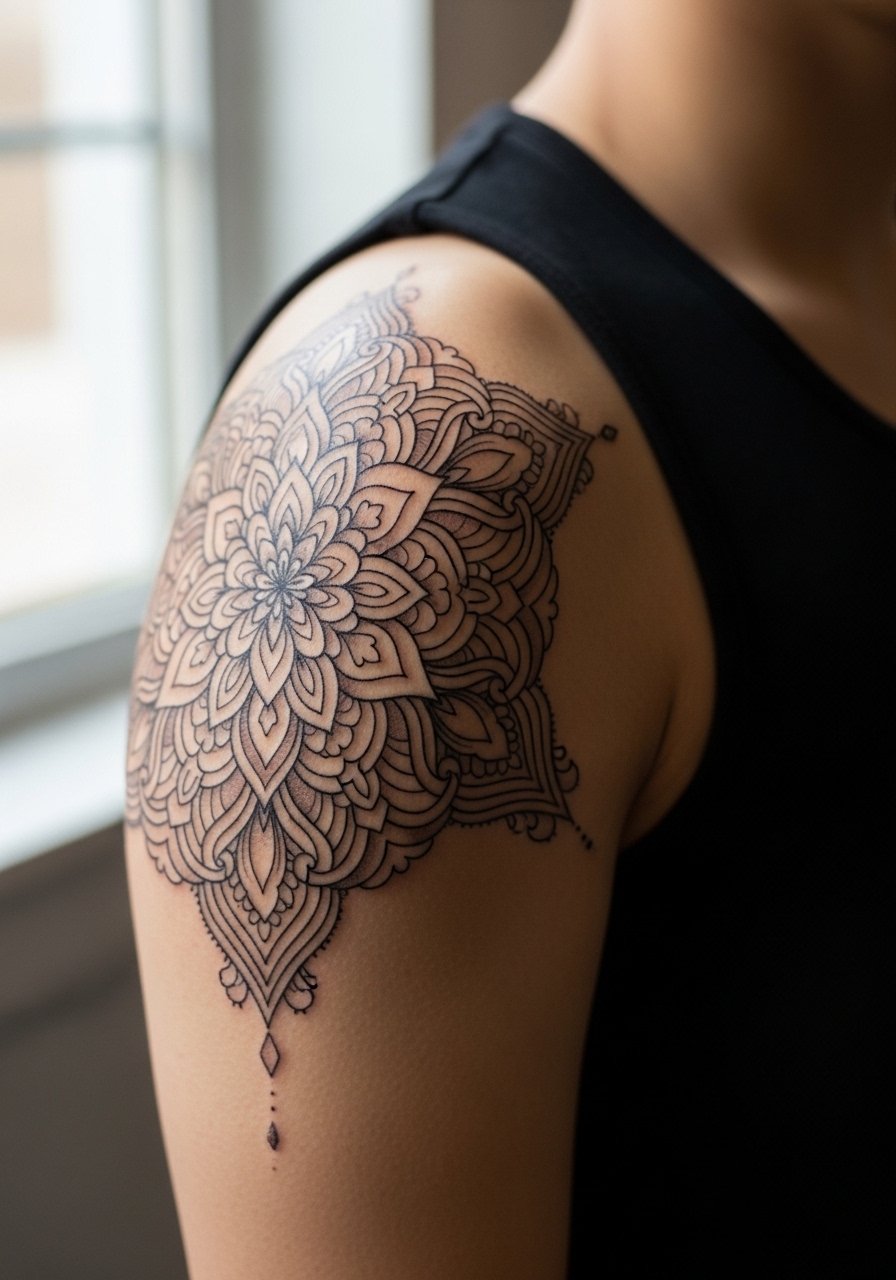
An ornamental mandala anchored on the deltoid translates well as a quarter sleeve starting point. During consultation ask for thicker outer shapes and lighter internal detail so the pattern reads at arm distance. The frequent mistake is insisting on ultra-fine interior dots that vanish over time. This design is low to moderate on pain and is good for someone who wants ornamental options without a full sleeve. For sessions, bring a muscle-fit tank you can lift the shoulder out of. If you are concerned about cultural origins, mention to your artist you want original motifs inspired by mandala geometry rather than a direct cultural replica.
8. Nautical Compass with Map Shading
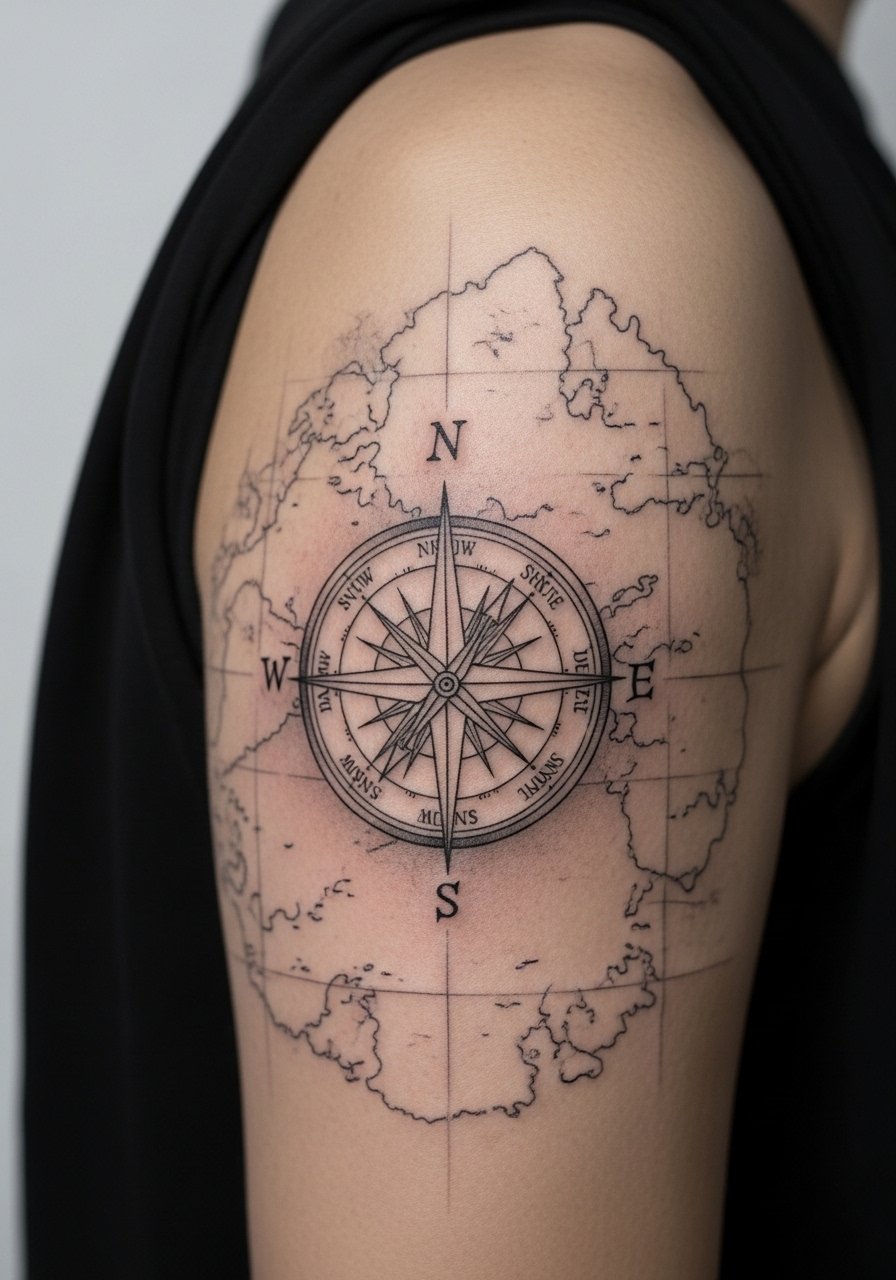
A compass works as a bold central motif with map-style washes that fade toward the elbow. Tell your artist you want the compass crisp and the map intentionally low-contrast. A common error is making the background too busy, which competes with the compass. Expect two sessions, one for line and one for subtle wash. This piece pairs nicely with a casual rolled sleeve chambray shirt that frames the compass when you roll the sleeves up for warmer months.
9. Floral Cluster That Wraps and Breathes
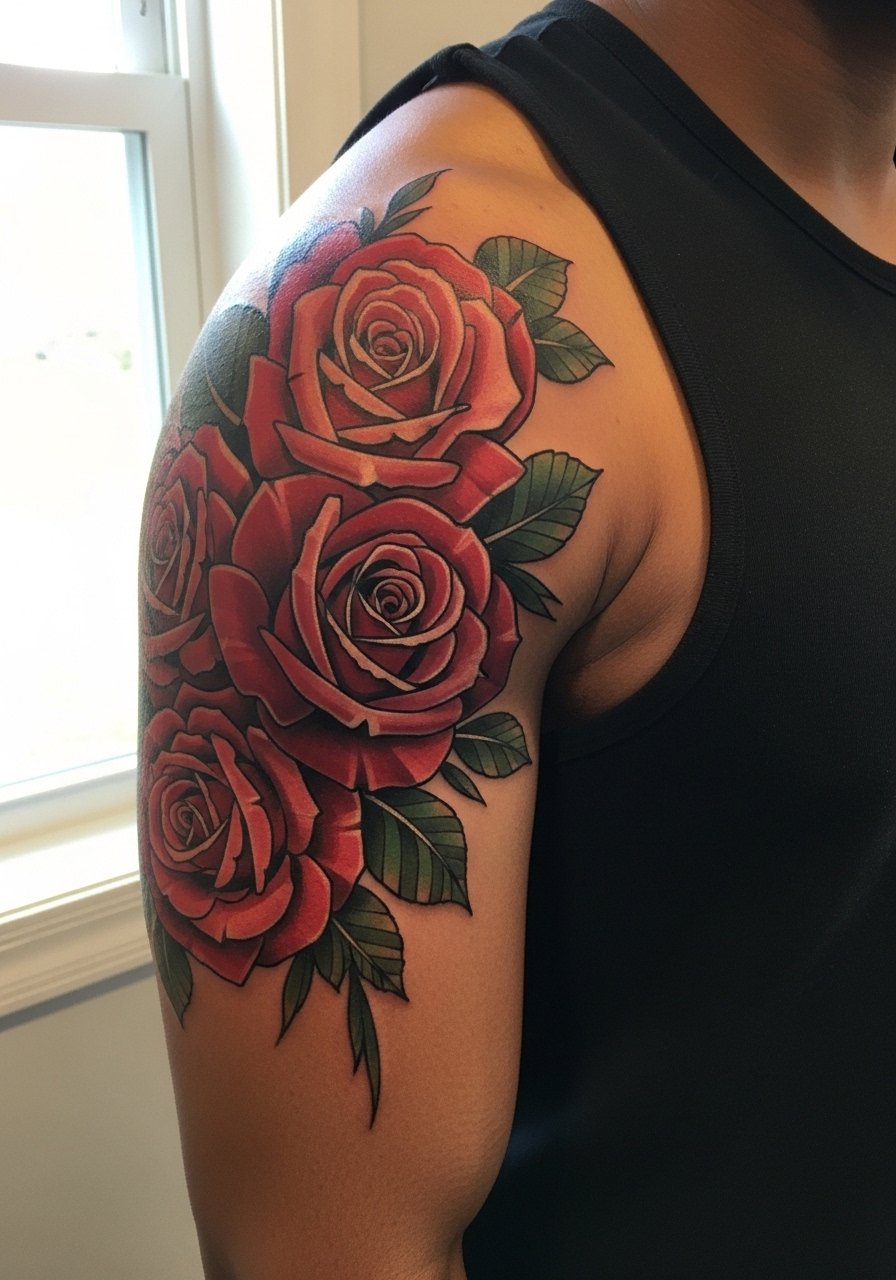
Floral clusters stay readable when artists use larger petal shapes and clear negative space between elements. In consultation, specify which flowers should be focal and ask for simplified leaf textures near joints. A mistake is over-detailing veins on every petal, which blurs over time. The session will feel patchy as the artist alternates outlines and fills. Expect a minor touch-up in a couple of years if you want petals crisp. For showing it off, try a linen short sleeve shirt that keeps attention on the wrapped floral edge.
10. Geometric Animal Hybrid for Clear Silhouette
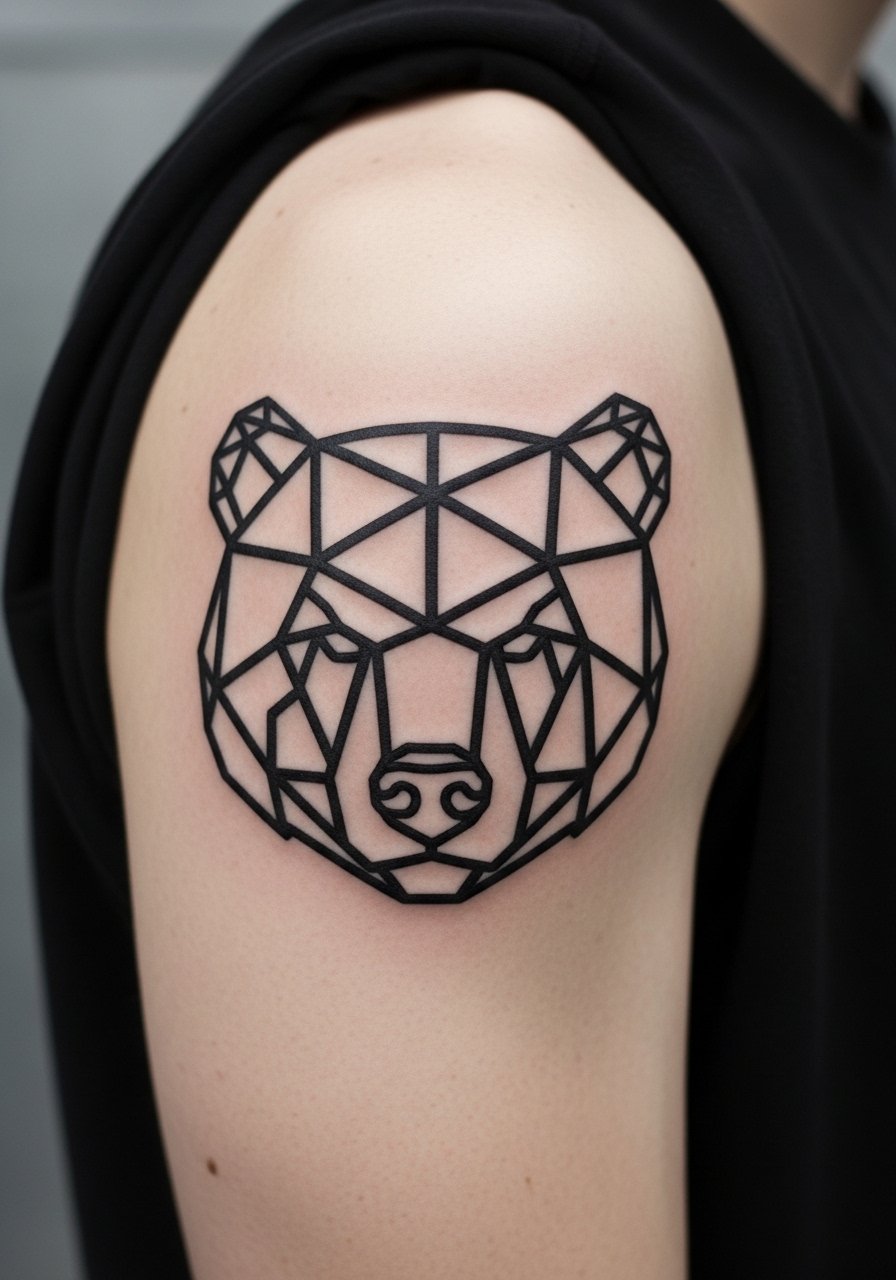
Combining an animal silhouette with geometric fills gives you a motif that reads from across a room and keeps detail minimal enough to age well. Tell the artist you want the silhouette solid and the internal geometry spaced so edges do not merge. The usual mistake is making the geometry too dense. Expect moderate pain and a one or two-session build depending on saturation. Pair this with a heavy cotton tee and roll the sleeves to show the transition.
11. Script Band with Decorative Motif
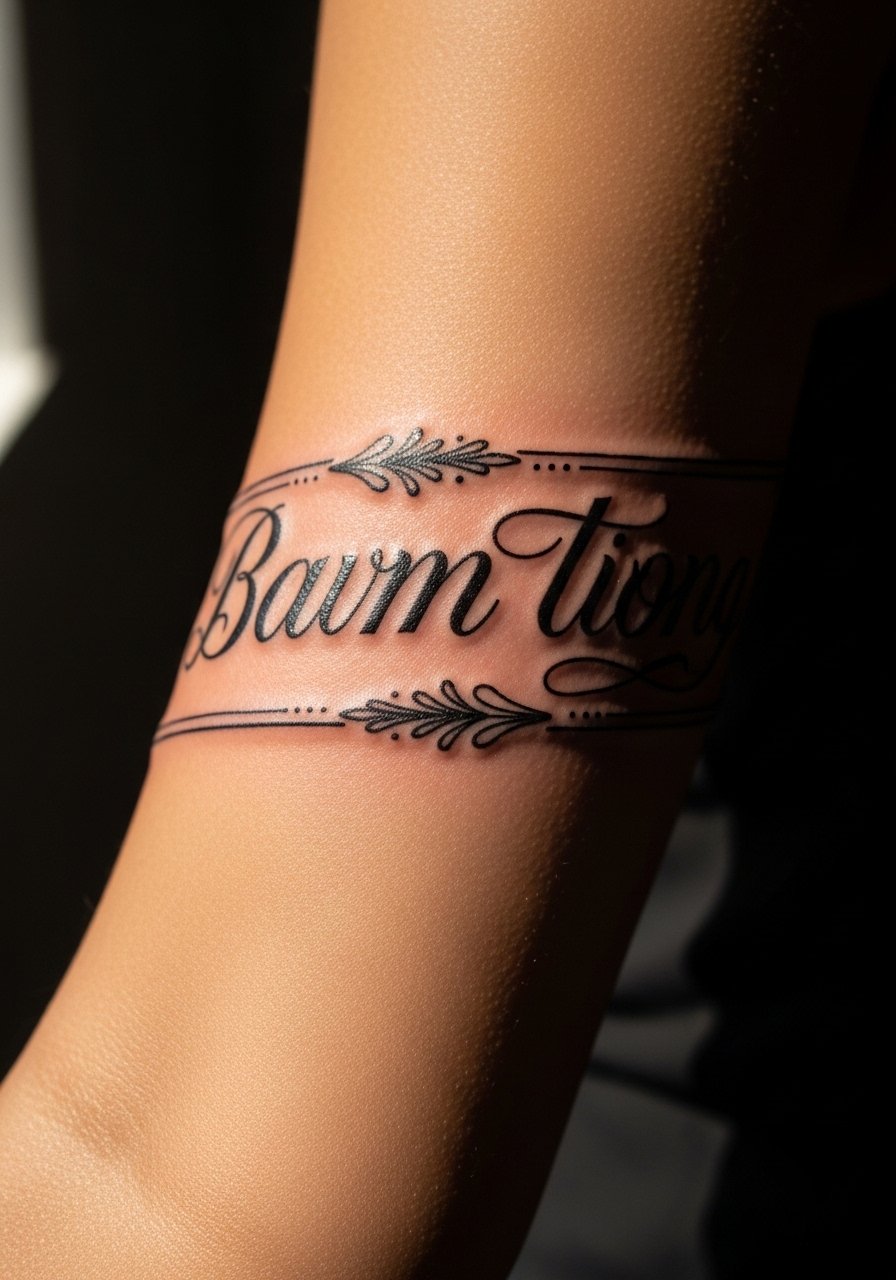
Script can anchor a quarter sleeve when it's sized for the arm's curvature. Ask for thicker strokes in high-motion areas so letters do not thin out as skin ages. A common error is squeezing too many words into a small band. Keep phrasing concise. The session is short and precise but expect a touch-up within a few years if you carry heavy sun exposure. For the session, wear a button-down you can pull aside so the artist can place the stencil without fabric interference.
12. Comic-Inspired Panel with Bold Borders
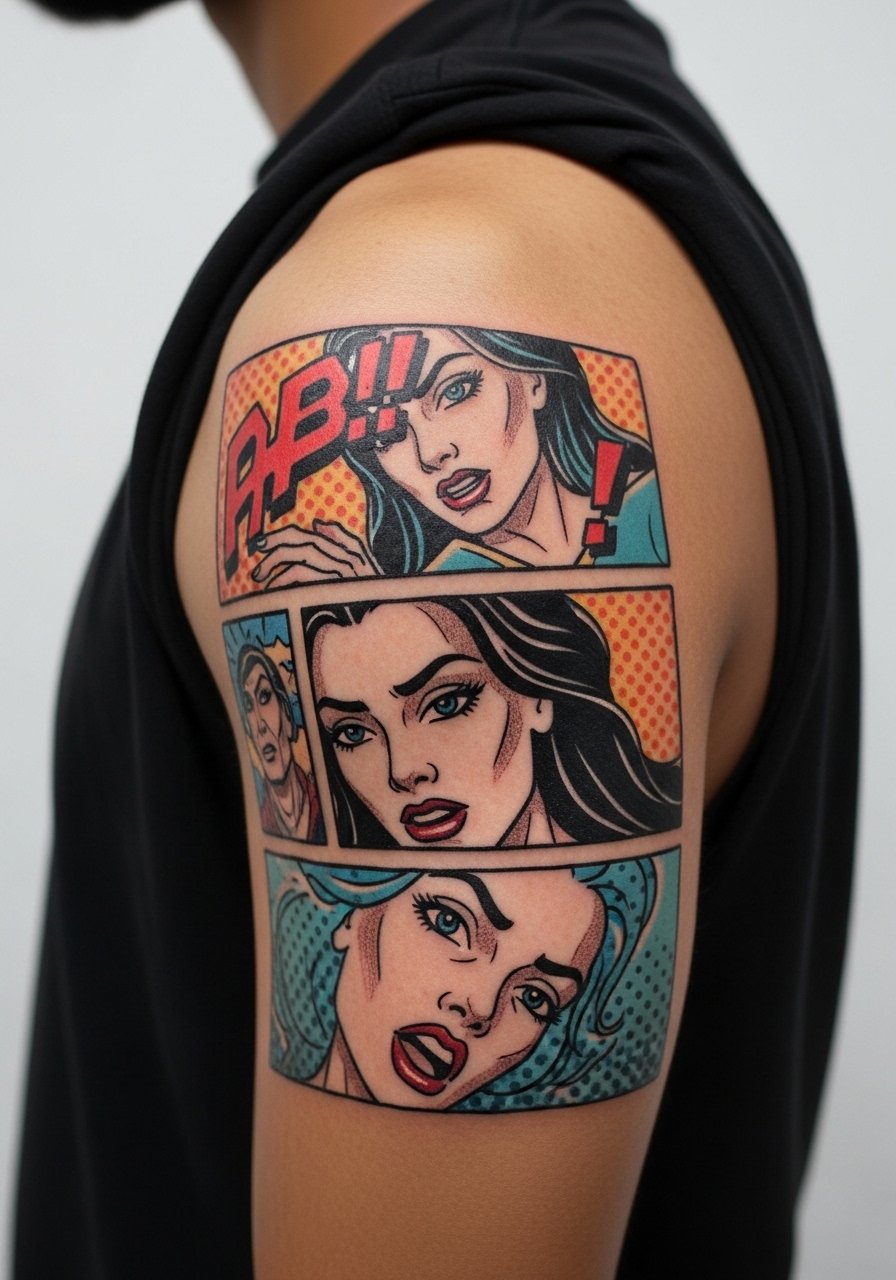
A comic panel works when you want narrative without a full sleeve. Tell your artist the number of panels and keep each scene simple. People often try cramming too many scenes into the quarter sleeve which blurs storytelling. Sessions can be modular so you can add panels over time. This reads well with a casual wardrobe; try a graphic tee with short sleeves to let panels peek out naturally.
13. Nautical Sleeve Accent with Rope and Wheel
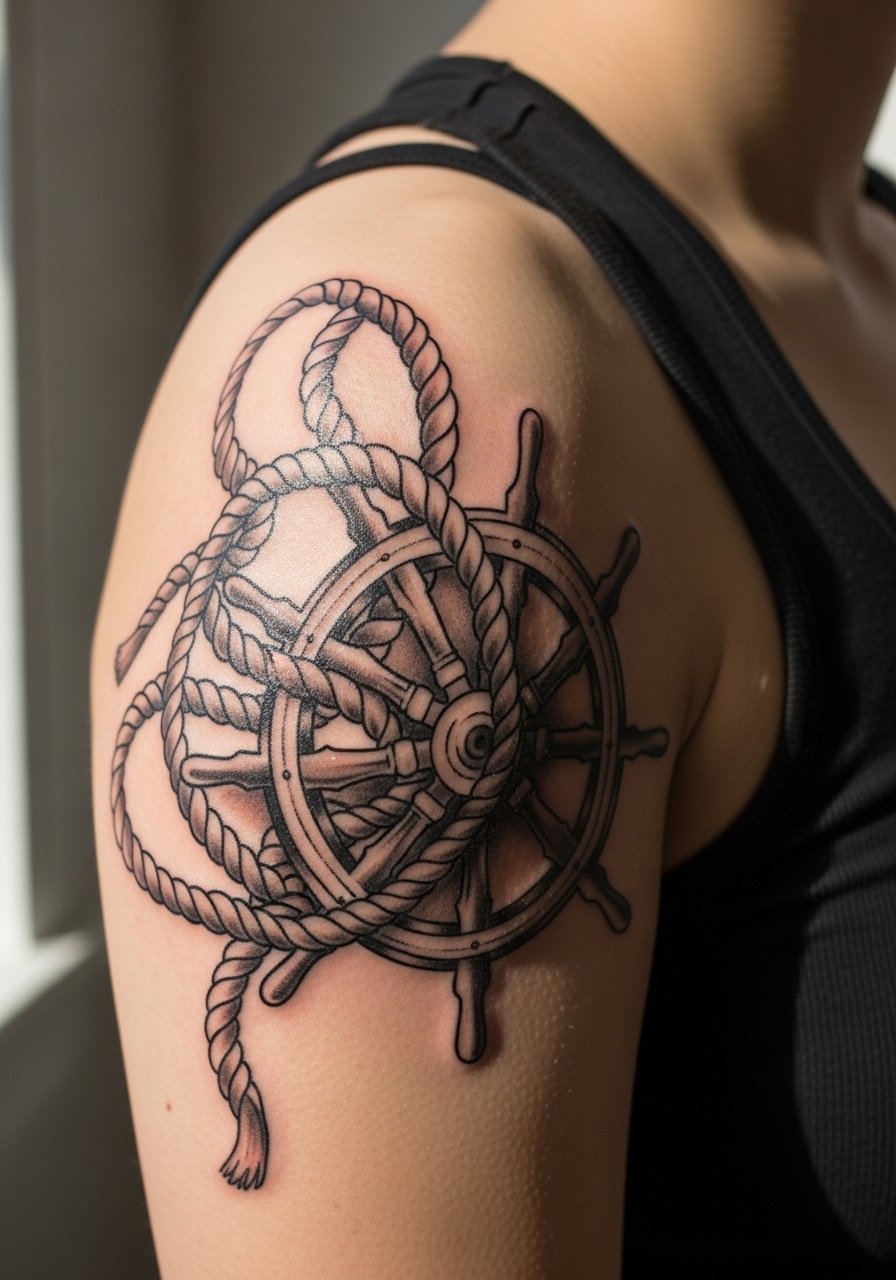
Nautical accents hold because of strong lines and recognizable symbols. In consultation, say you want rope texture implied rather than hyper-detailed. A mistake is over-texturing the rope so it muddies with motion. Expect a single long session and a light touch-up later for crisp edges. For showing off, cuff a short-sleeve button shirt so the wheel sits at elbow level when your arm is down.
14. Stipple Shaded Landscape Horizon
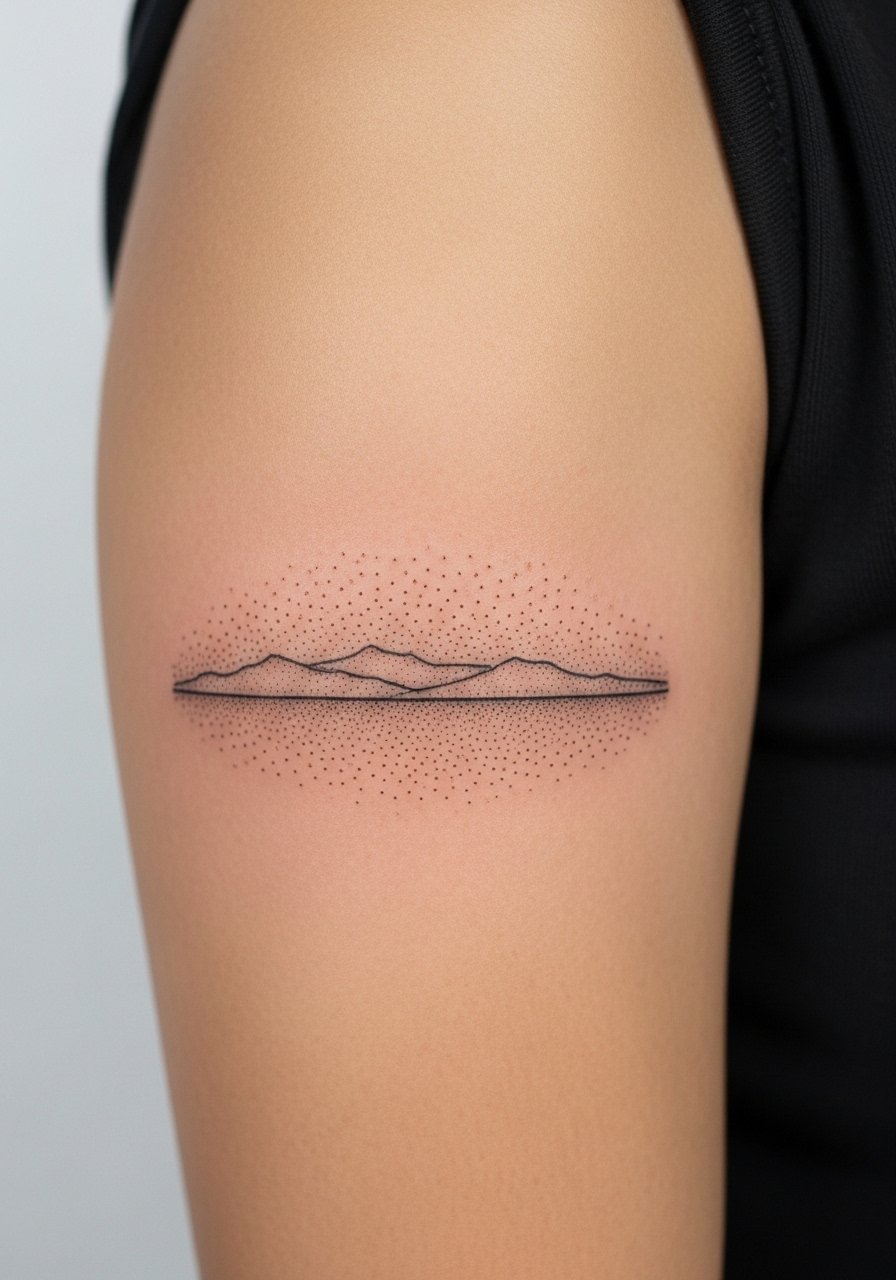
A horizon or landscape in stipple shading gives a calm, low-contrast quarter sleeve that ages subtly. Ask the artist for larger dot sizes near the elbow so areas do not compact. The mistake is clustering dots too tightly which can appear muddy in a few years. Sessions are slow and require patience. This piece pairs well with a lightweight henley that frames the shaded band without competing for attention.
15. Heraldic Shield with Bold Crest
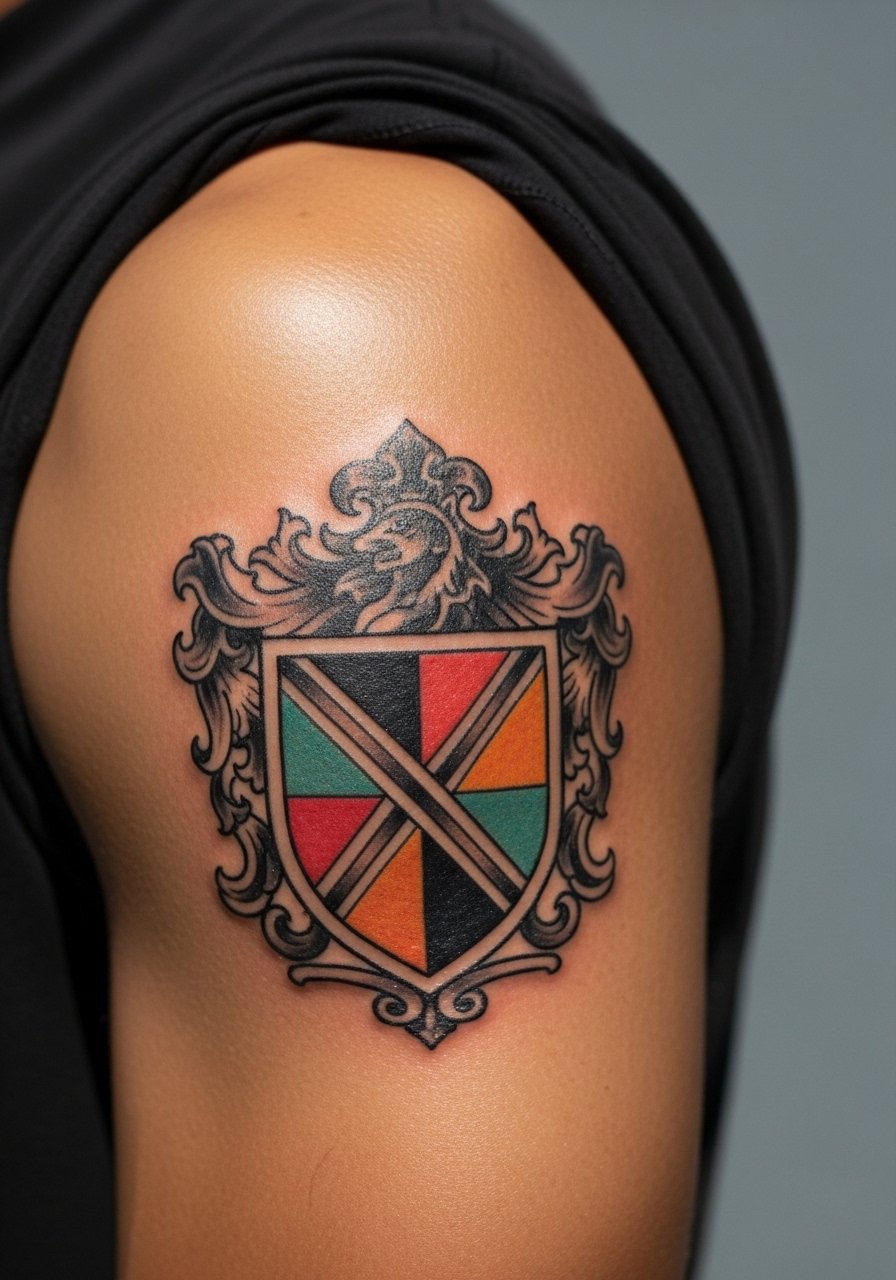
Heraldic shields give a strong, centered focal point for a quarter sleeve and are great if you want expansion options later. Tell the artist you want the shield proportions simple and the crest elements slightly oversized for legibility. The common mistake is overloading the crest with tiny symbols. Expect moderate pain and a clear touch-up plan for color fills. For the session, wear a loose short sleeve shirt that makes it easy to sit unchanged for longer machine time.
16. Abstract Brushstroke Blackwork
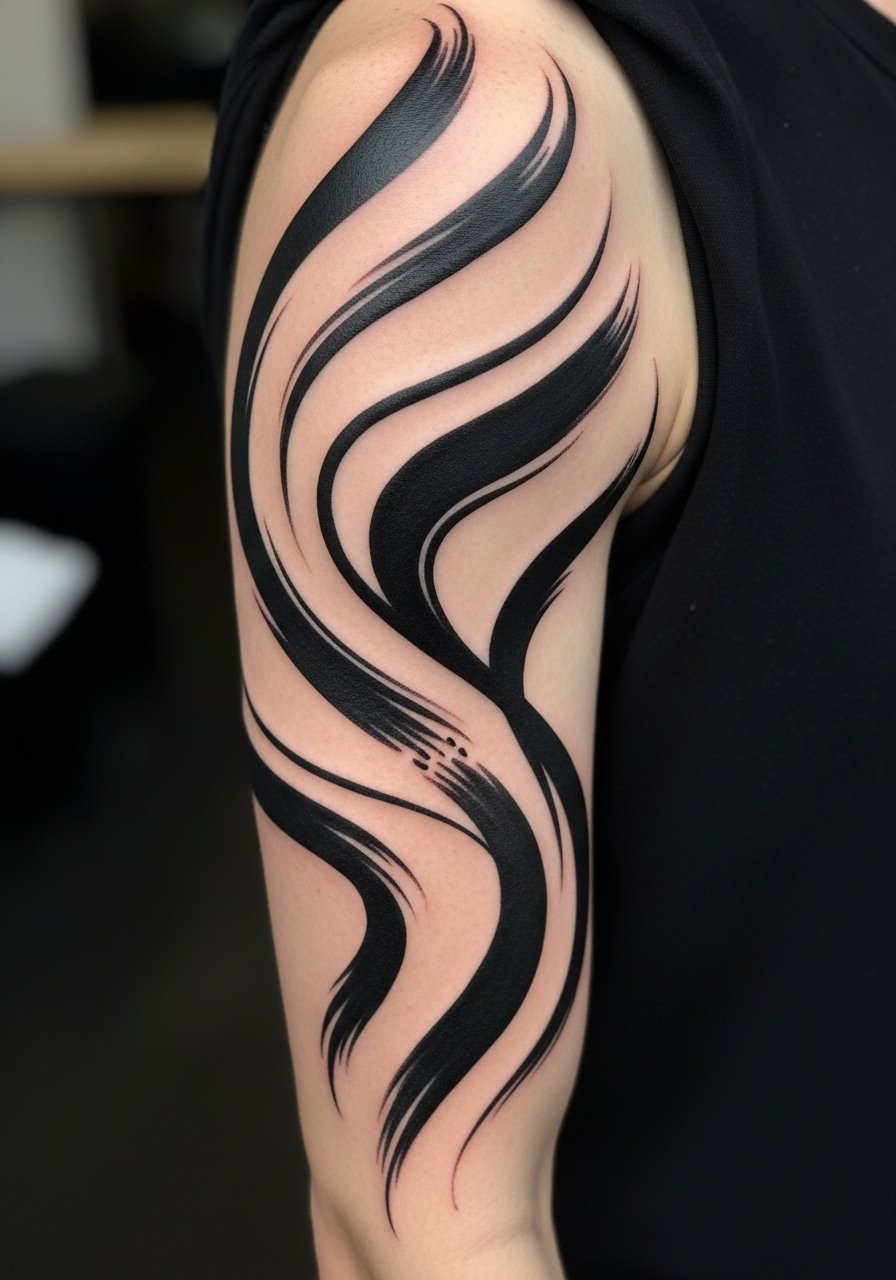
Abstract brushstroke pieces lean into composition over subject matter, so tell your artist where you want visual weight. A mistake is starting with too many competing strokes that clash as the arm moves. Sessions are energetic and fast in places where the artist fills broad strokes. Touch-up frequency is lower for bold shapes but edges may need attention by year four. This look plays nicely with a fitted short sleeve tee to highlight the brush motion.
17. Botanical Sleeve Starter with Varying Scale
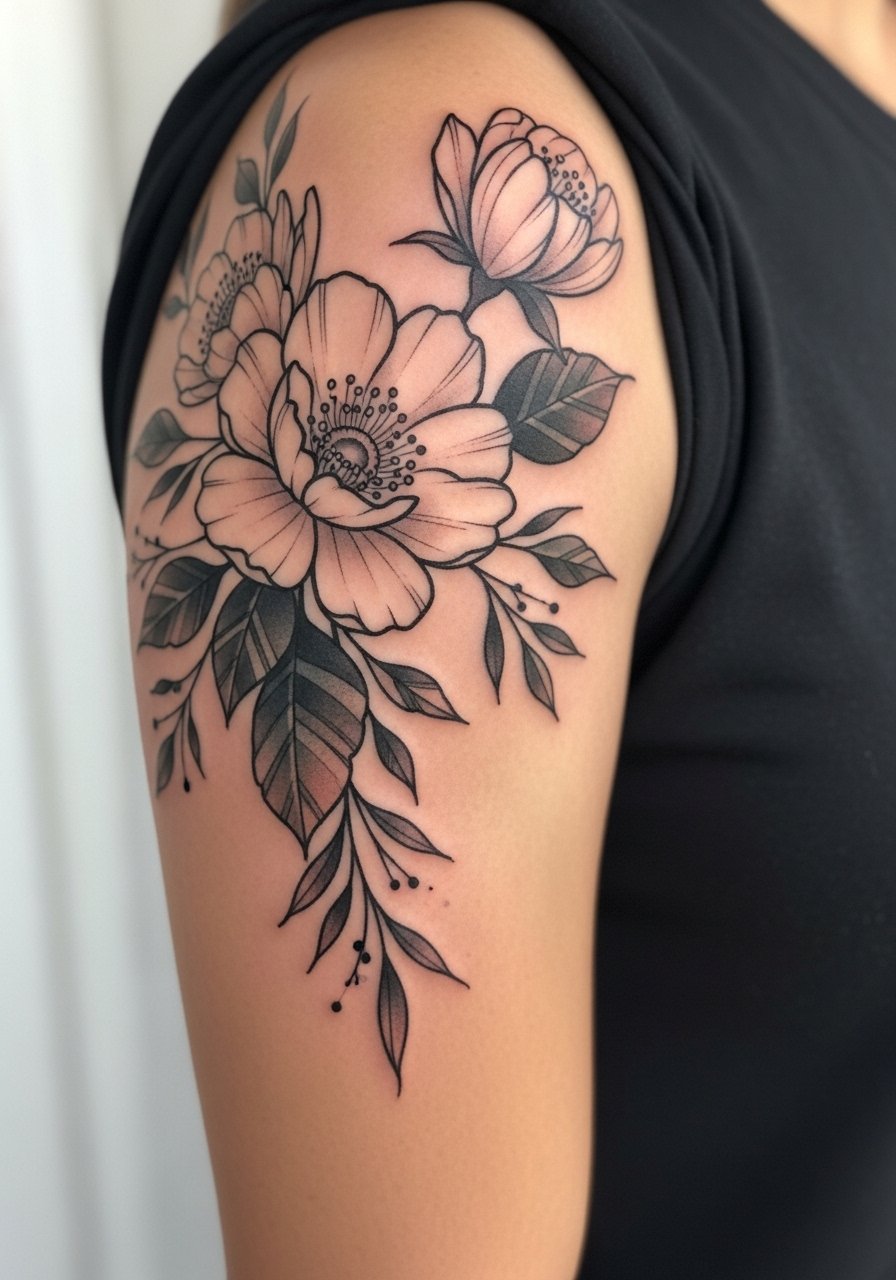
Starting a botanical quarter sleeve with varying scale lets you build toward a half sleeve later while keeping immediate cohesion. Tell your artist you want large focal flowers at the shoulder and lighter sprigs toward the elbow so the arm reads layered. The usual mistake is making every element the same scale which flattens the composition. Sessions are layered and may require multiple appointments. For the day of your appointment, wear a zip-up jacket you can remove without stretching the fresh work.
Frequently Asked Questions
Q: Will fine line details survive on a quarter sleeve that wraps the deltoid?
A: Fine line can survive on the deltoid if you ask for larger negative spaces and slightly thicker lineweight near high-motion areas. From what I have seen, ultra-fine lines need more spacing or they ask for touch-ups sooner. Discuss how the design will curve with the muscle during the consultation.
Q: How many sessions should I expect for a neo-traditional portrait that sits in a quarter sleeve?
A: Plan for at least two sessions, one for outline and basic placement and another for saturation and texture. If the portrait is heavily detailed, add a third session for refining. Session length depends on how much color and shading you want in the initial pass.
Q: Are there styles here that are a bad fit if I work outdoors or in the sun a lot?
A: High-contrast blackwork and bold traditional work stand up better to regular sun exposure than delicate micro-realism and tiny dot work. If your lifestyle includes a lot of sun, prioritize bolder motifs and plan on more frequent touch-ups for finer work.
Q: Can I start with one of these as a quarter sleeve and expand later into a half or full sleeve?
A: Yes. Designs that leave intentional negative space and strong anchor pieces at the shoulder are easiest to expand. Tell your artist you want future growth so they can plan flow and spacing ahead of time.
Q: How should I find an artist whose portfolio matches the specific style I want for a quarter sleeve?
A: Look through local shop portfolios, attend conventions when possible, and use curated hashtags and directory searches to find artists who specialize in the technique you want. Ask to see healed photos from at least two to three years on similar skin tones if possible.
Q: Will darker skin tones affect my choice of palette or technique for these quarter sleeve ideas?
A: Some pigments and filling techniques read differently on darker skin tones, so ask your artist how they adjust saturation and contrast. In my experience, bolder color blocks and higher contrast outlines help motifs remain distinct over time.