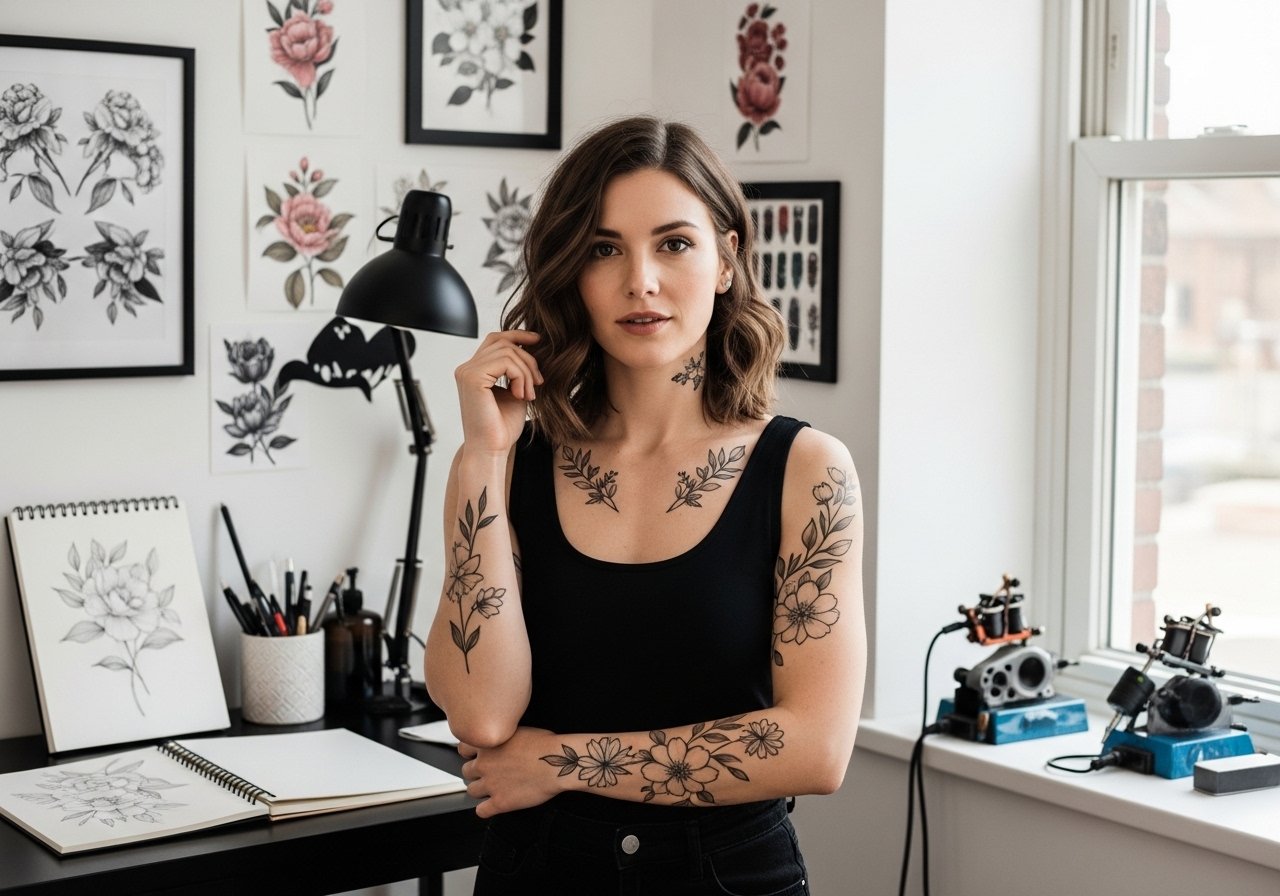
Fine line memorial pieces have a moment right now, but longevity matters more than the initial photo. I have sat in five shops across Brooklyn and seen the same saved boards translated into a dozen different outcomes. What holds at year five is less about the trend and more about placement, spacing, and realistic expectations. Below are 17 reference ideas that balance feeling, readability over time, and how to show them off.
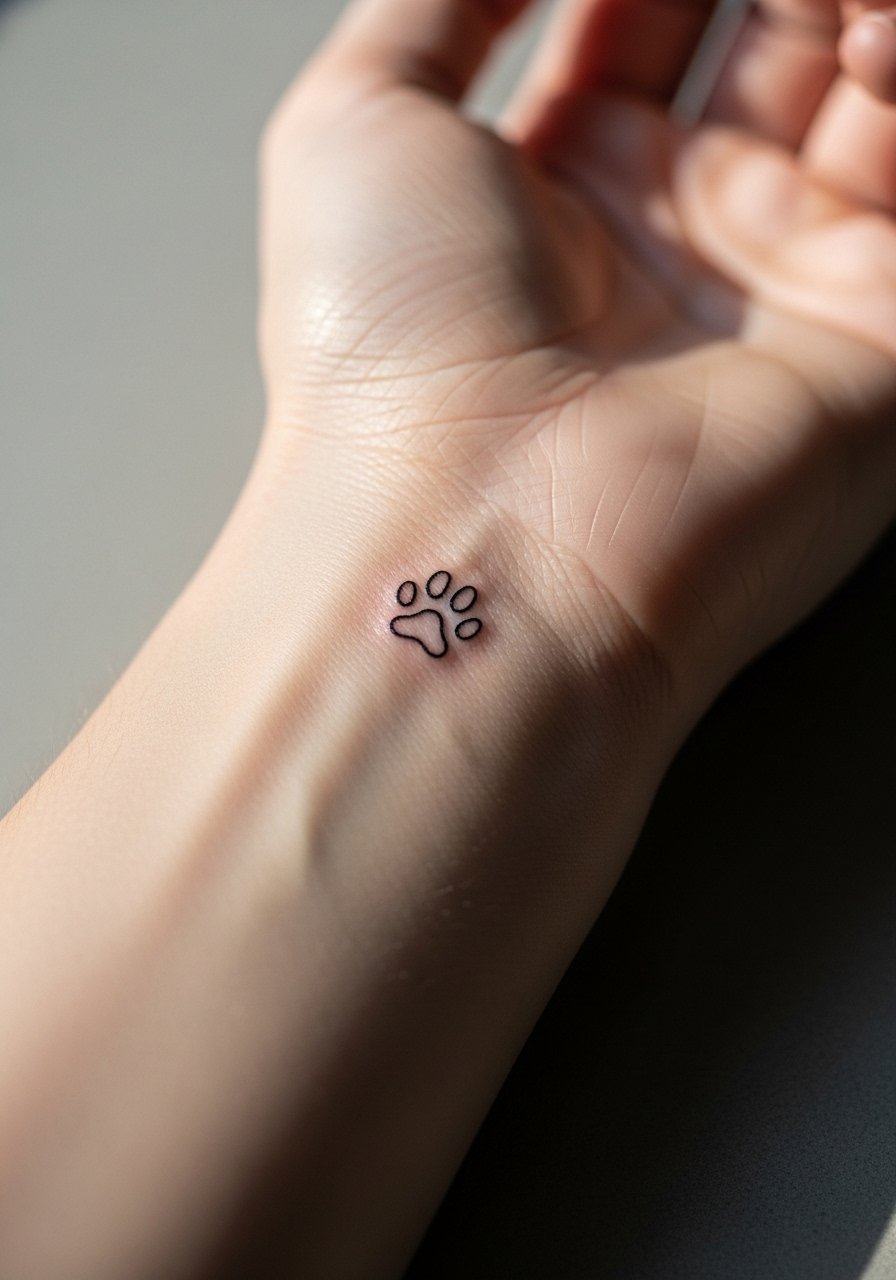
1. Minimalist Paw Outline on Inner Wrist
A single-line paw print on the inner wrist reads personal and quiet, and it is a great first memorial for someone unsure about scale. Fair warning, the wrist is a high-motion zone so ask your artist for slightly thicker linework than the reference photo to prevent early blur. The session is short and usually tolerable, about thirty to forty-five minutes. For showing it off, wear a thin chain pendant necklace that sits just above the wrist to frame the piece without covering it. Common mistake is asking for hairline lines that vanish after a year, so request a modest line weight and plan a touch-up around year three if needed.
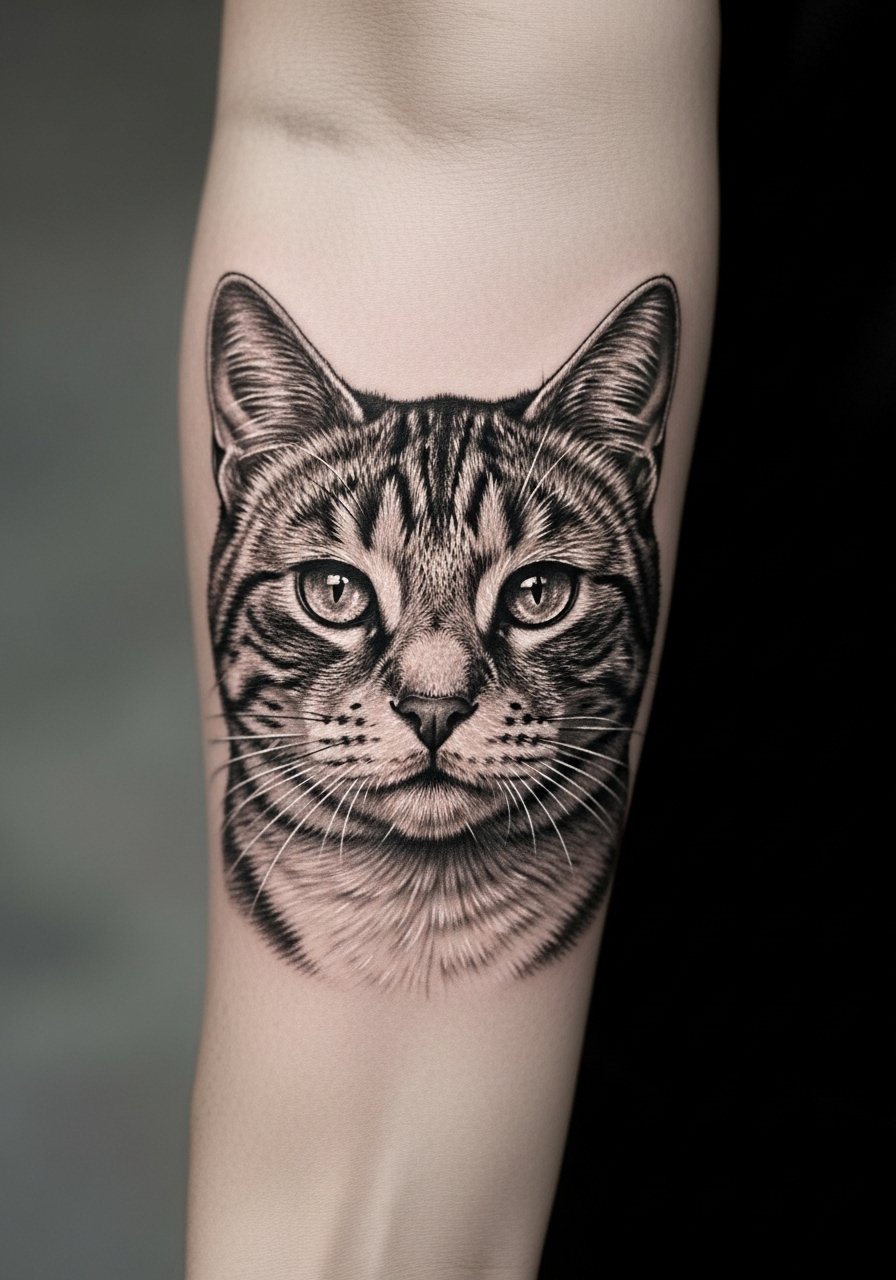
2. Micro-Realism Cat Portrait on Inner Forearm
A small black and gray portrait captures recognizable features without taking a whole sleeve. Tell your artist which photo shows the eyes best and ask for a soft background instead of heavy shadows so the face reads at arm’s length. The inner forearm holds detail well for several years if the artist spaces stipple shading so it does not merge. Expect about a one- to two-hour session and mild soreness afterwards. Avoid requesting ultra-fine whisker lines alone, because they can break up; instead, pair them with slightly denser surrounding shading for longevity. Pain level is moderate and blowout risk is low on this placement.
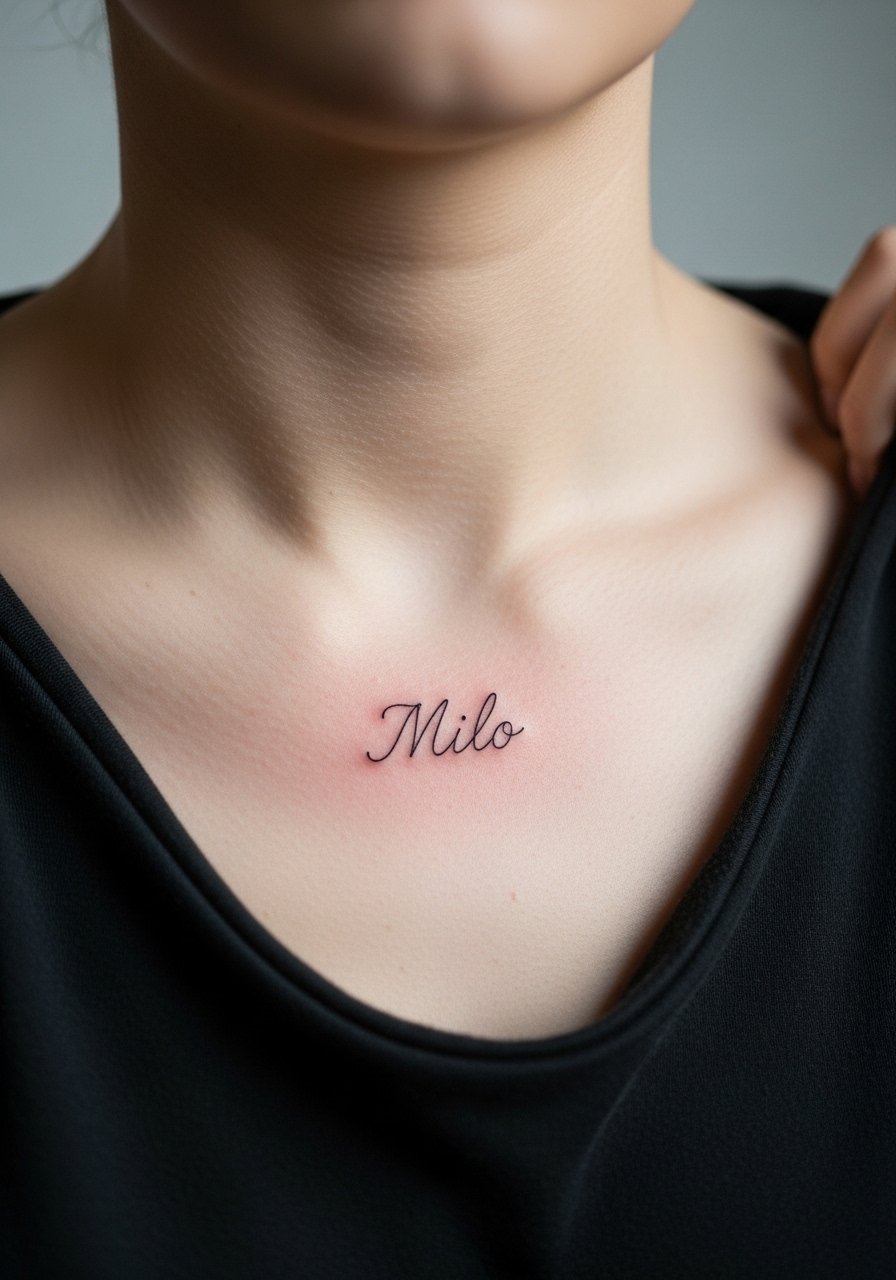
3. Scripted Name Under Clavicle
A delicate script of your cat’s name just under the clavicle sits where it can be intimate or visible depending on wardrobe. During consultation, specify exact lettering style and show the exact spacing you want. The upper chest moves with breathing, so one camp argues fine script blurs over time, and the other camp says careful needle depth and slightly larger letter spacing solve that. If you lean into visibility, pair it with a thin chain pendant necklace that complements the curve of the script. Pain on the clavicle is higher than the forearm, and touch-ups around year three are common for thin lettering.
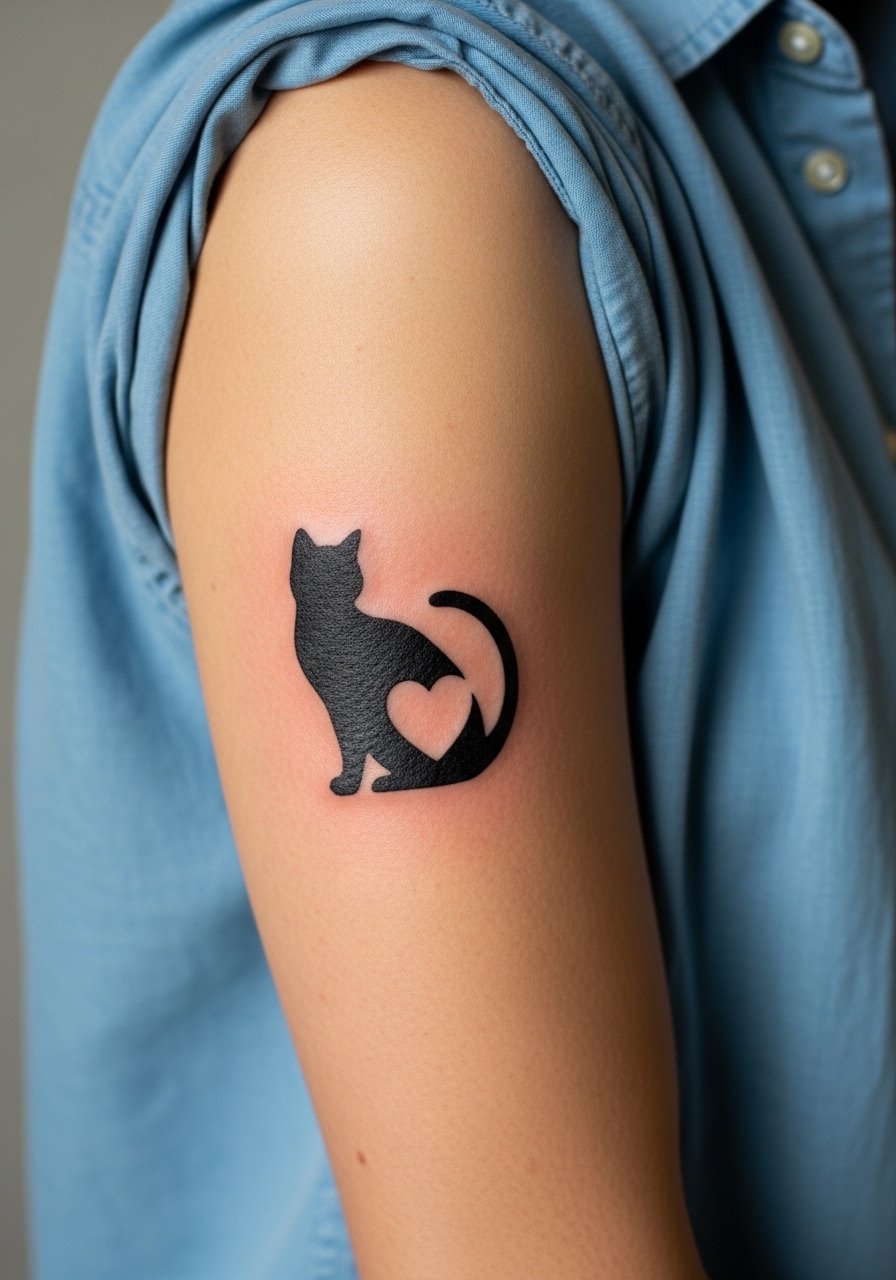
4. Silhouette with Negative Space on Upper Arm
A solid silhouette of the cat with a negative-space heart or star inside reads bold from a distance and holds up well. Ask for a slightly tapered edge rather than a razor-thin contour so saturation stays consistent. Larger surface like the upper arm allows for saturated blackwork that ages into a readable shape, unlike tiny silhouettes that flatten over time. For sessions, wear a loose button-down shirt you can pull aside so the artist has clear access. This piece usually takes under two hours and has low blowout risk when placed on the fleshy outer arm.
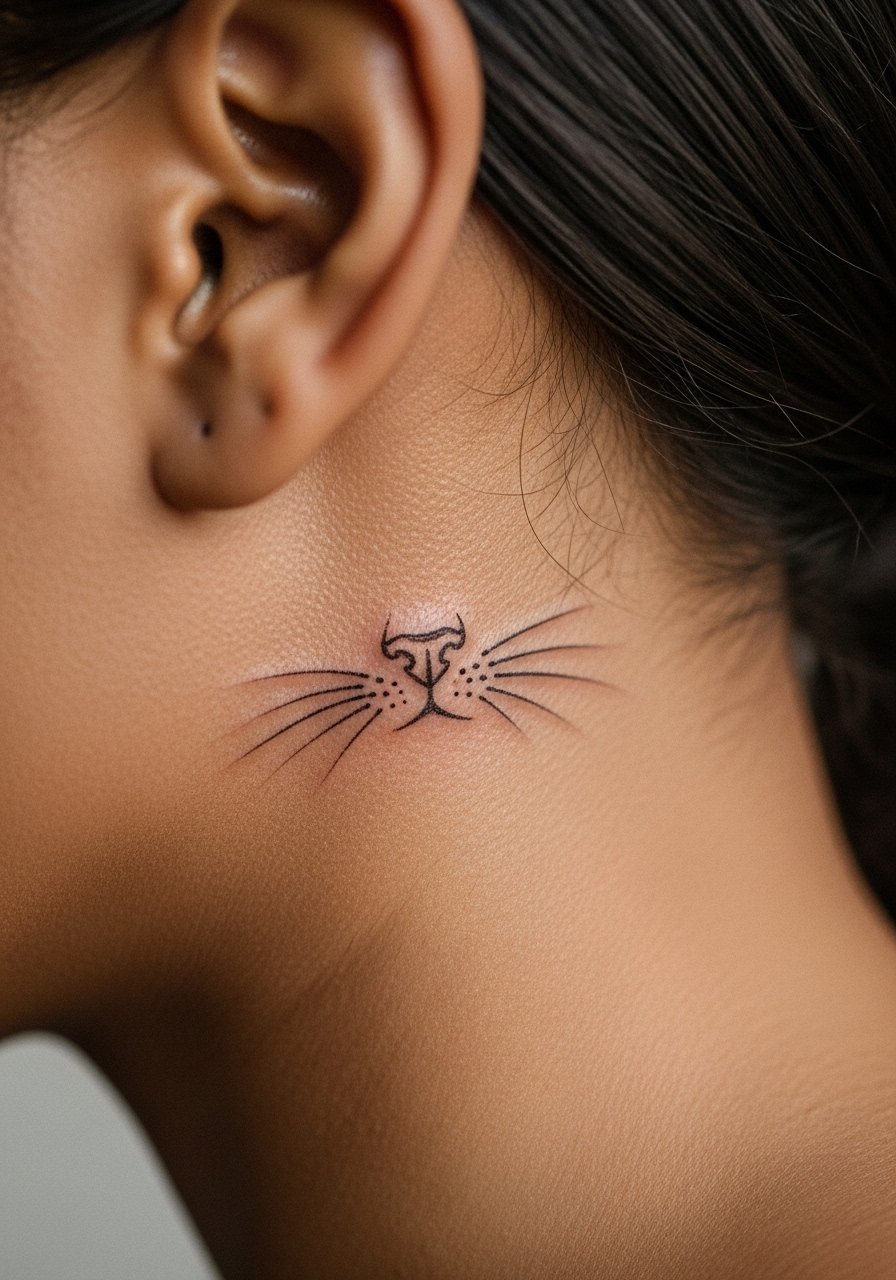
5. Tiny Nose and Whiskers Behind the Ear
A tucked-away minimal nose and whisker set behind the ear feels private and unexpected. Because behind-the-ear placement is small and the skin there is thin, ask your artist to keep the design simple and avoid dense shading. The session is fast and pain is low, though touch-ups happen sooner because hair growth and shampooing interact with the area. In studio, clarify exact placement by marking while you sit. This location reads as a quiet nod in conversation and does not compete with other pieces.
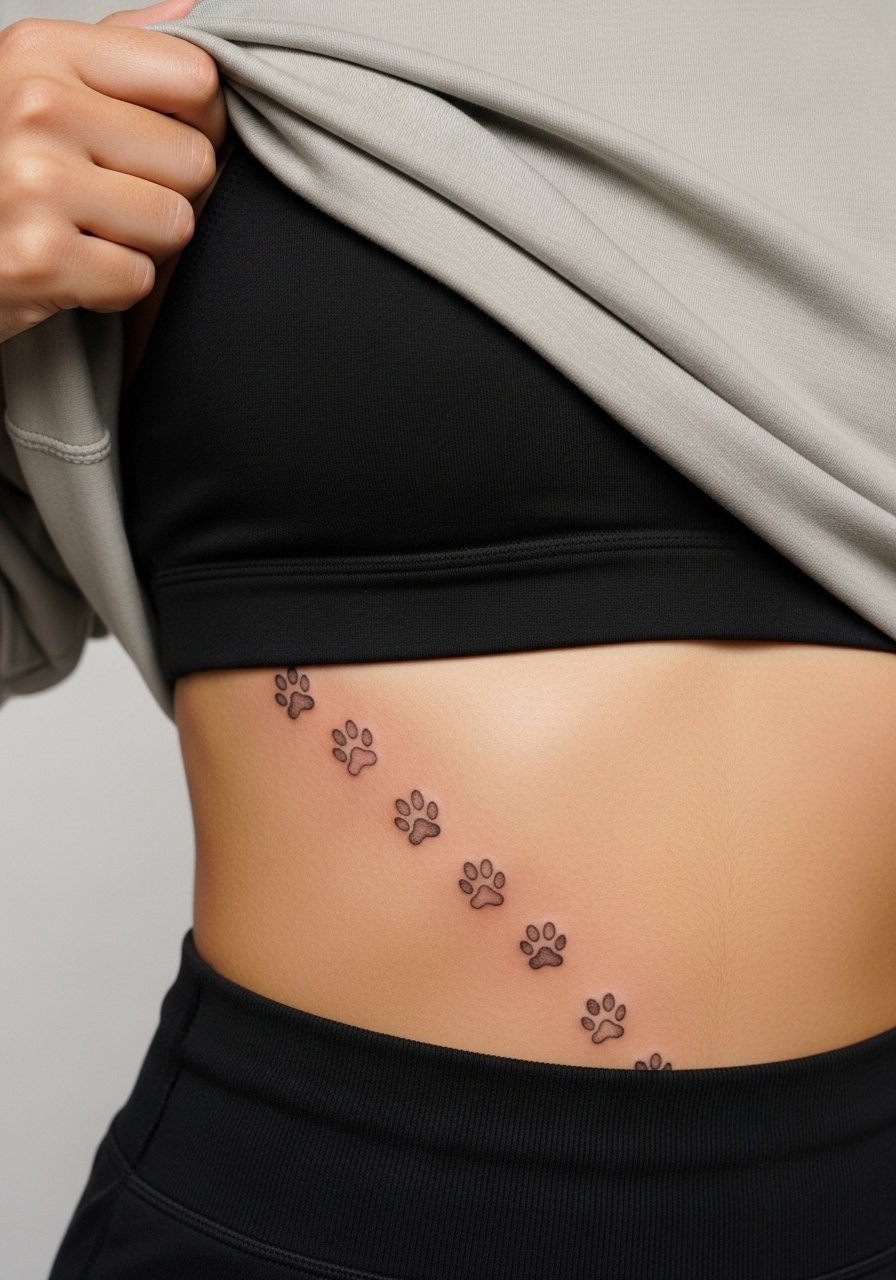
6. Pawprint Trail Along the Side Ribcage
A trail of small pawprints down the ribcage feels cinematic and follows body movement beautifully, but the ribs are a challenging canvas. Fair warning, ribs score high on pain charts and one camp warns that fine line there blurs more quickly, while the other camp says proper needle depth and spacing preserve detail. For the session, wear a cropped athletic top you can lift slightly so only the rib zone is exposed. Plan for a longer session and expect sensitivity for several days after. A common mistake is asking for too many tiny prints; give each mark breathing room to age.
Studio Day Picks
The wrist, forearm, and ribcage pieces above ask for different prep and the right items smooth the session and the first week.
-
Stencil transfer paper kit. Lets you preview placement on the skin so the paw trail and clavicle script read where you expect them.
-
Topical numbing cream. Applied per the product instructions it eases ribcage and clavicle sensitivity for those longer sessions.
-
Thin protective film roll. Helps wrist and finger pieces stay clean while you wash hands and type in the first days.
-
Fragrance free gentle body wash. Cleanses sensitive chest and underarm areas without irritating newly inked skin.
-
Aquaphor healing ointment. Thin layers keep linework moisturized during the initial healing window without suffocating fine needle channels.
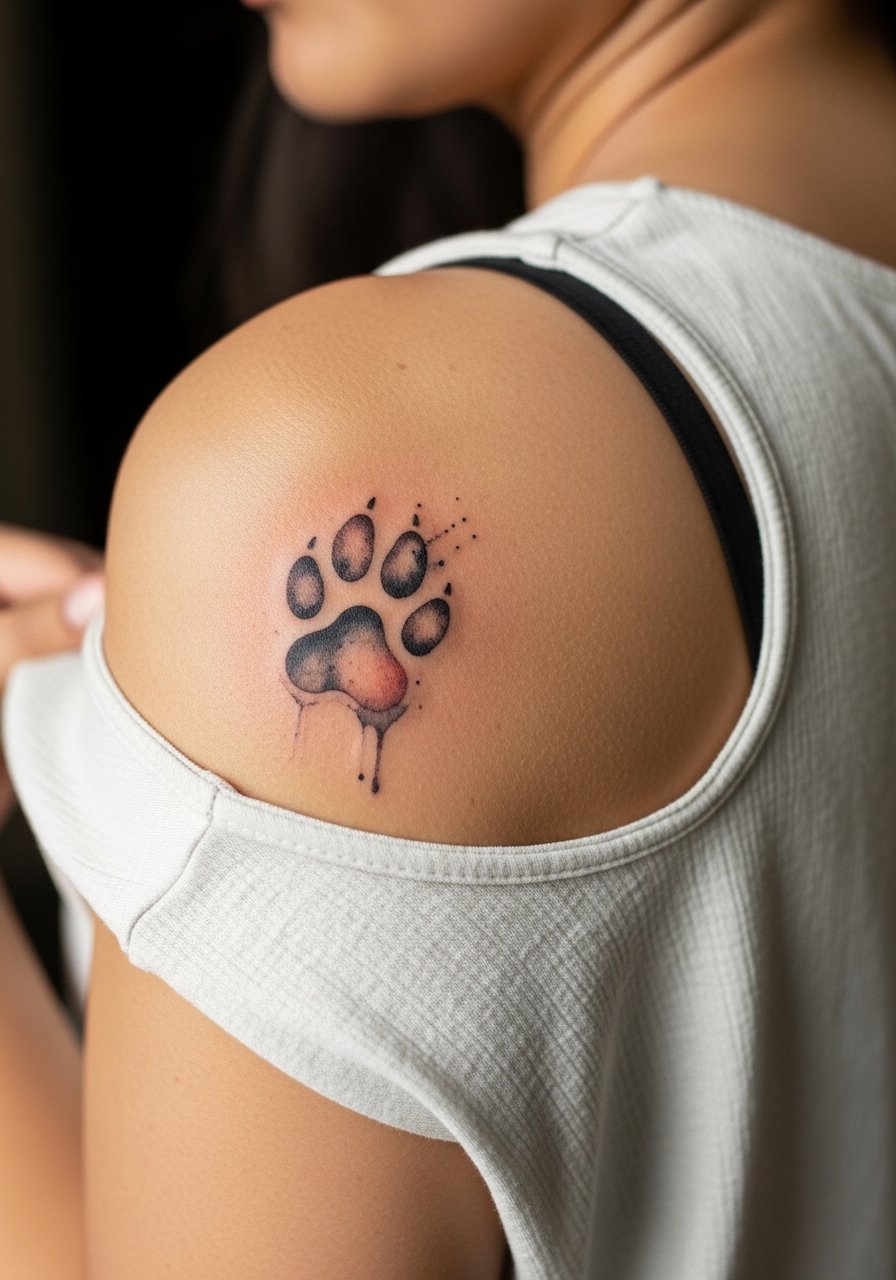
7. Watercolor Pawprint with Light Color Wash on Shoulder Blade
A soft watercolor wash behind a paw outline on the shoulder blade feels painterly without heavy linework. Shoulder blades take color well if the saturation is moderate and the washes are separated from dense outlines. During consultation, ask the artist to show healed examples of similar washes on comparable skin tones to anticipate fading. For session comfort, a loose tank top is best so the upper back is exposed only where needed. Expect moderate soreness when sleeping on your back for a week and plan wardrobe accordingly. The design ages into a soft wash rather than crisp pigment.
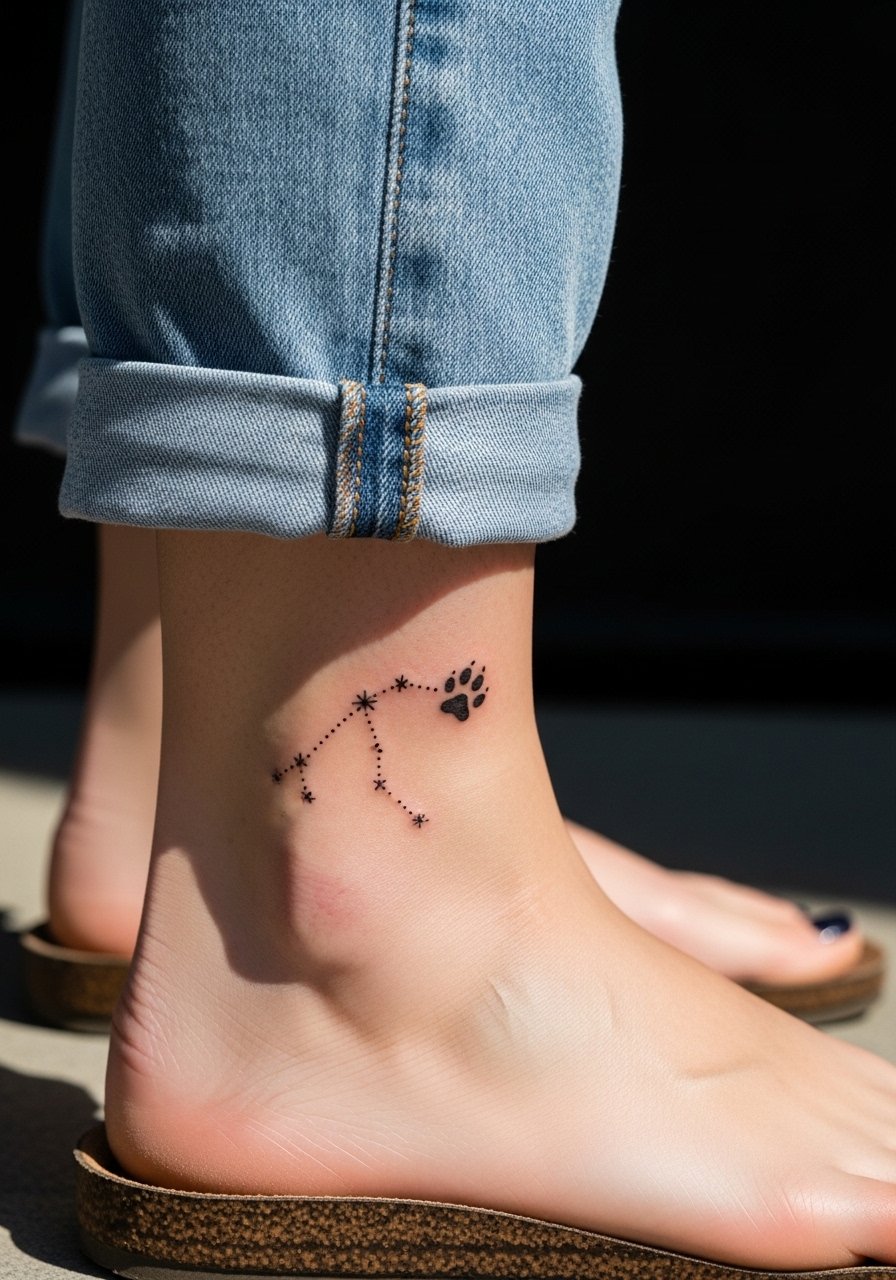
8. Tiny Constellation of Stars with Paw Accent on Ankle
A constellation made from tiny dots and a single paw accent sits neatly above the ankle and reads like hidden meaning. Because ankles face shoe friction, ask for placement just above where your shoe edge hits. For the session, wear pants you can roll up easily and a pair of sandals so the area remains undisturbed after. The session is brief and generally low pain. Common mistake is placing the dots too close together which makes the constellation merge; leave space and consider a light touch of shading around the paw so contrast lasts.
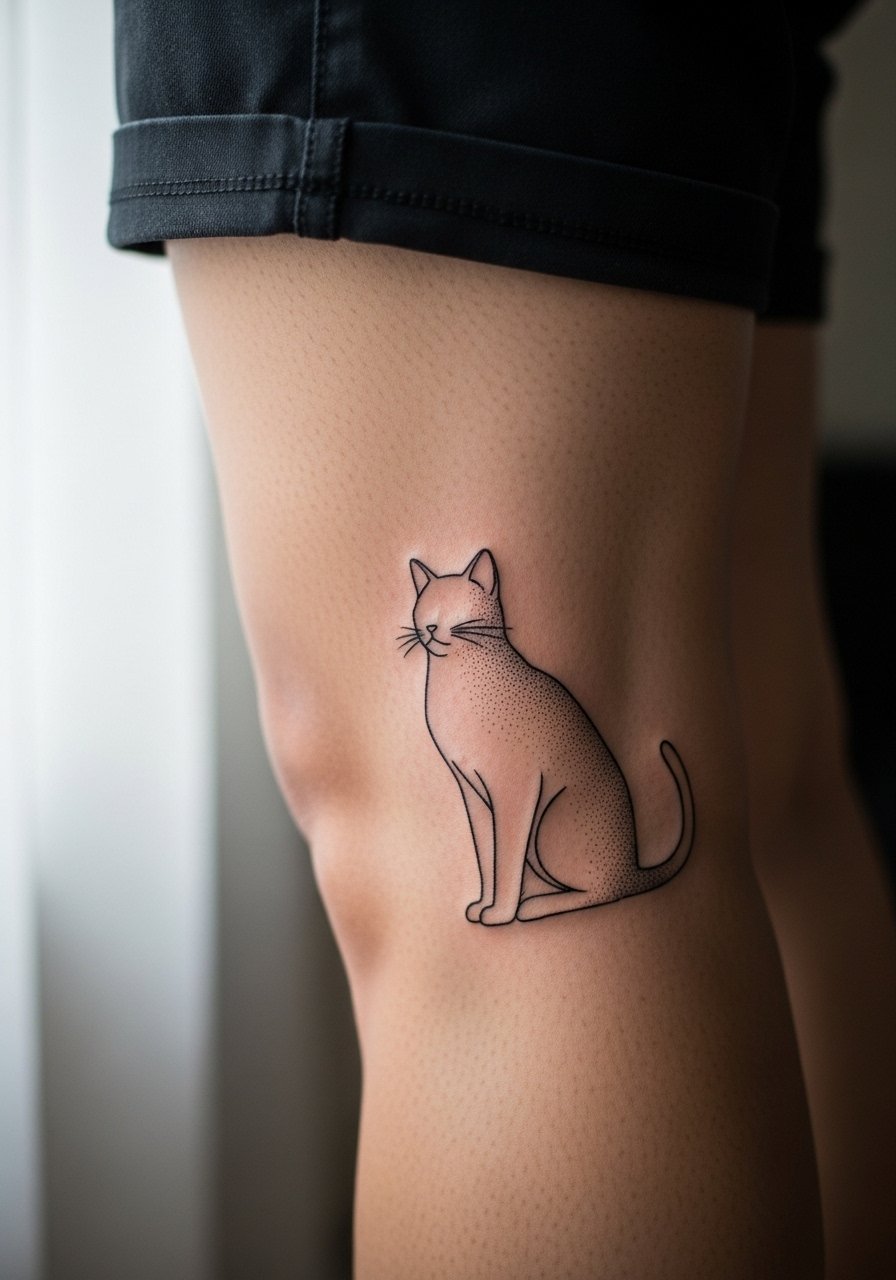
9. Line-Work Cat Silhouette on the Calf
A vertical silhouette on the calf reads like a quiet column and photographs well in profile. Calf muscle gives the artist room for clean linework and stipple shading that holds. Mention during consultation whether you want the silhouette aligned with muscle fibers or centered on the bone, because movement changes how the piece sits when you walk. Sessions are comfortable and healing is straightforward, though heavy socks or boots can cause irritation early on. The design remains legible for years with modest touch-ups to the outline if needed.
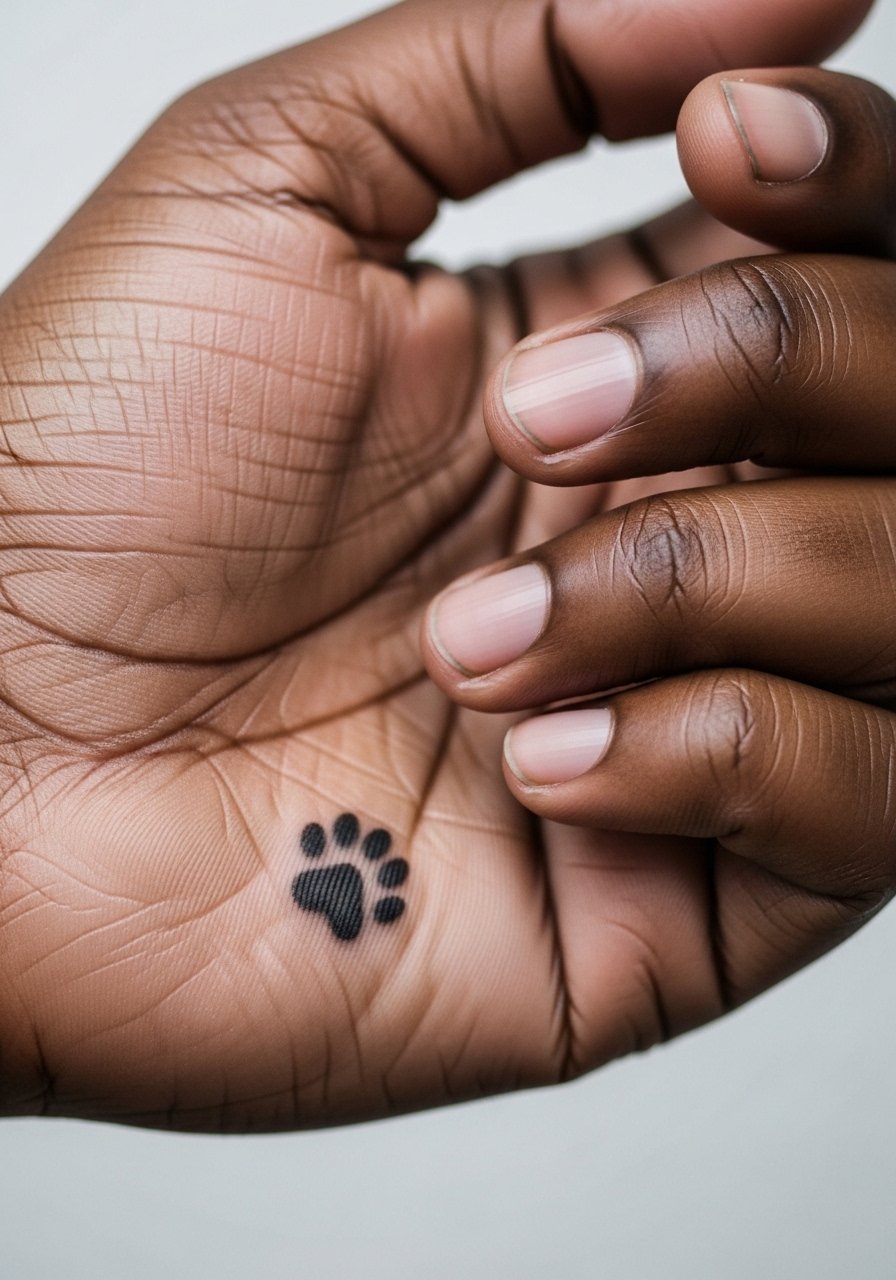
10. Heart-Shaped Pawprint on the Hand
A small pawprint forming a heart on the back of the hand makes a clear public memorial. Hand tattoos deal with heavy wear from washing and sun exposure, so request slightly denser saturation and expect earlier fading. If you plan to show it off, minimal rings work as framing, and a stackable ring set can complement without covering the artwork. The session is short but the healing window is active because of daily use. Know that many artists will advise on placement to avoid high-friction spots near knuckles.
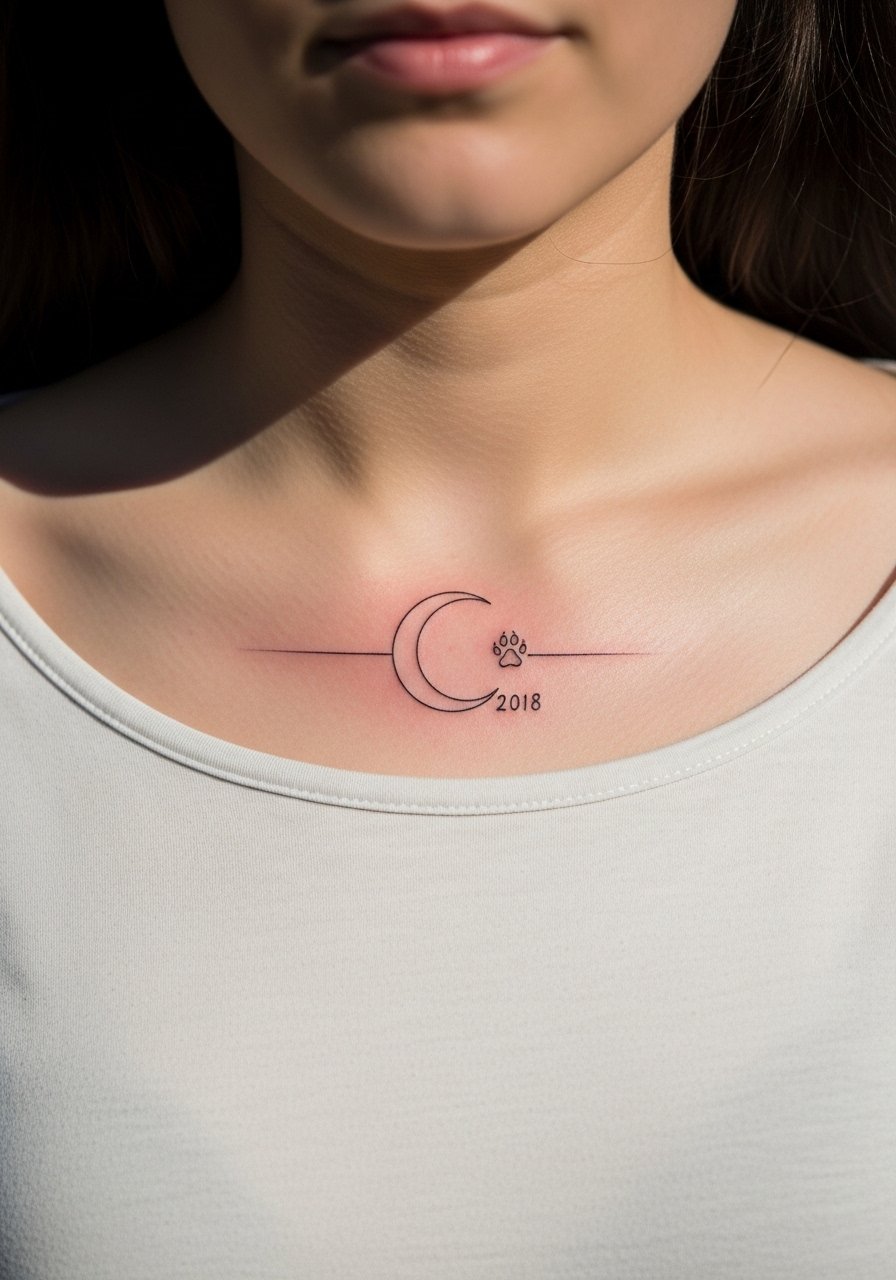
11. Collarbone Crescent with Paw and Date
A small crescent moon with an inset paw and a tiny date on the collarbone reads like a quiet ledger of memory. Keep numbers in a simple font so they remain legible as the skin changes. The collarbone sits where clothing can rub it, so bring a wide-neck or open-collar shirt to your session to minimize irritation. Expect moderate pain and potential touch-up needs for the tiny digits by year three. The strongest versions use negative space carefully to avoid crowding the crescent.
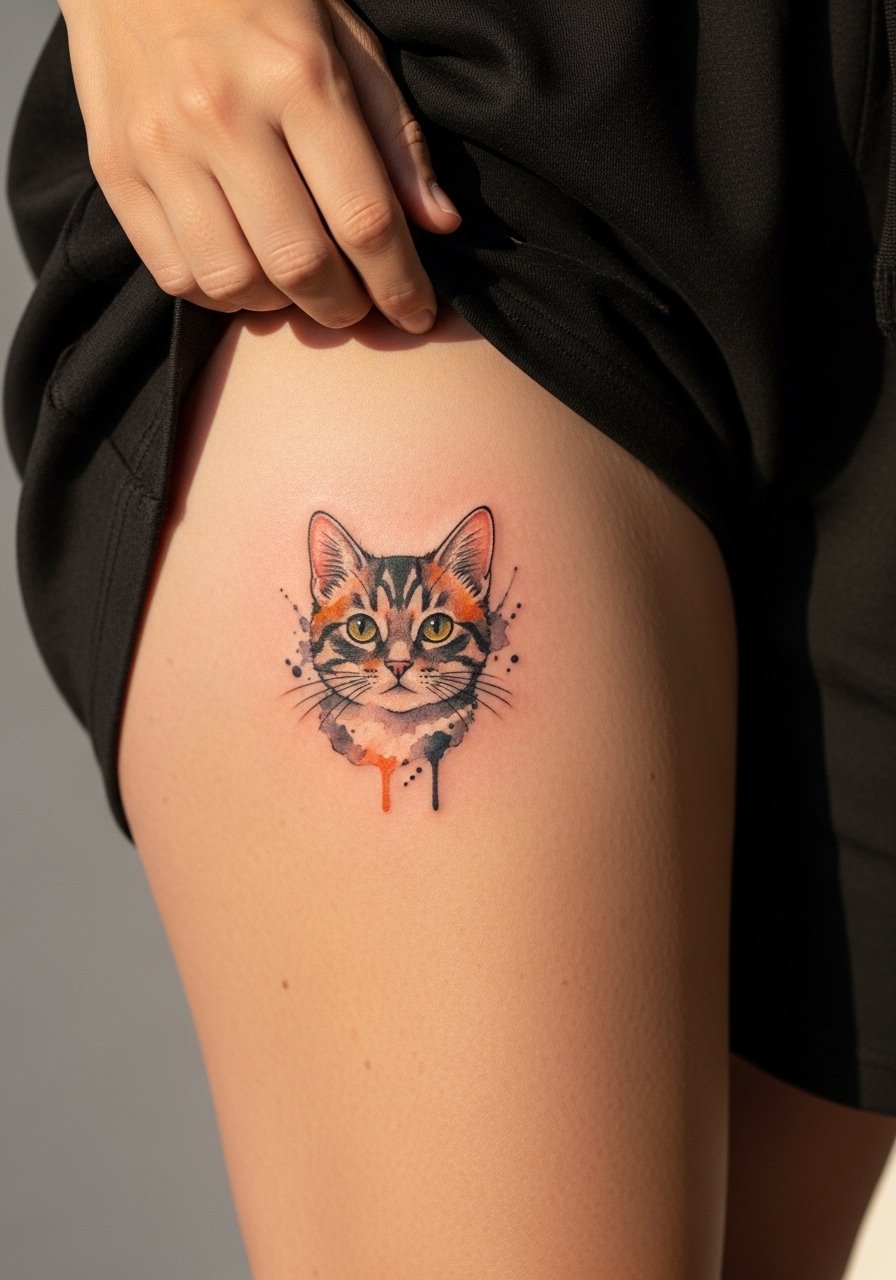
12. Small Watercolor Portrait on Upper Thigh
An upper thigh location lets you pick a larger micro-realism portrait or a painterly wash that stays private or shown selectively. For the session, wear loose shorts you can shift so the artist has clean access, like a loose drawstring linen pant you can roll up. Thigh flesh accepts color and detail well and the healing is generally comfortable. A common mistake is compressing too many fine details into a small oval; choose a slightly bigger canvas so facial features remain readable after healing.
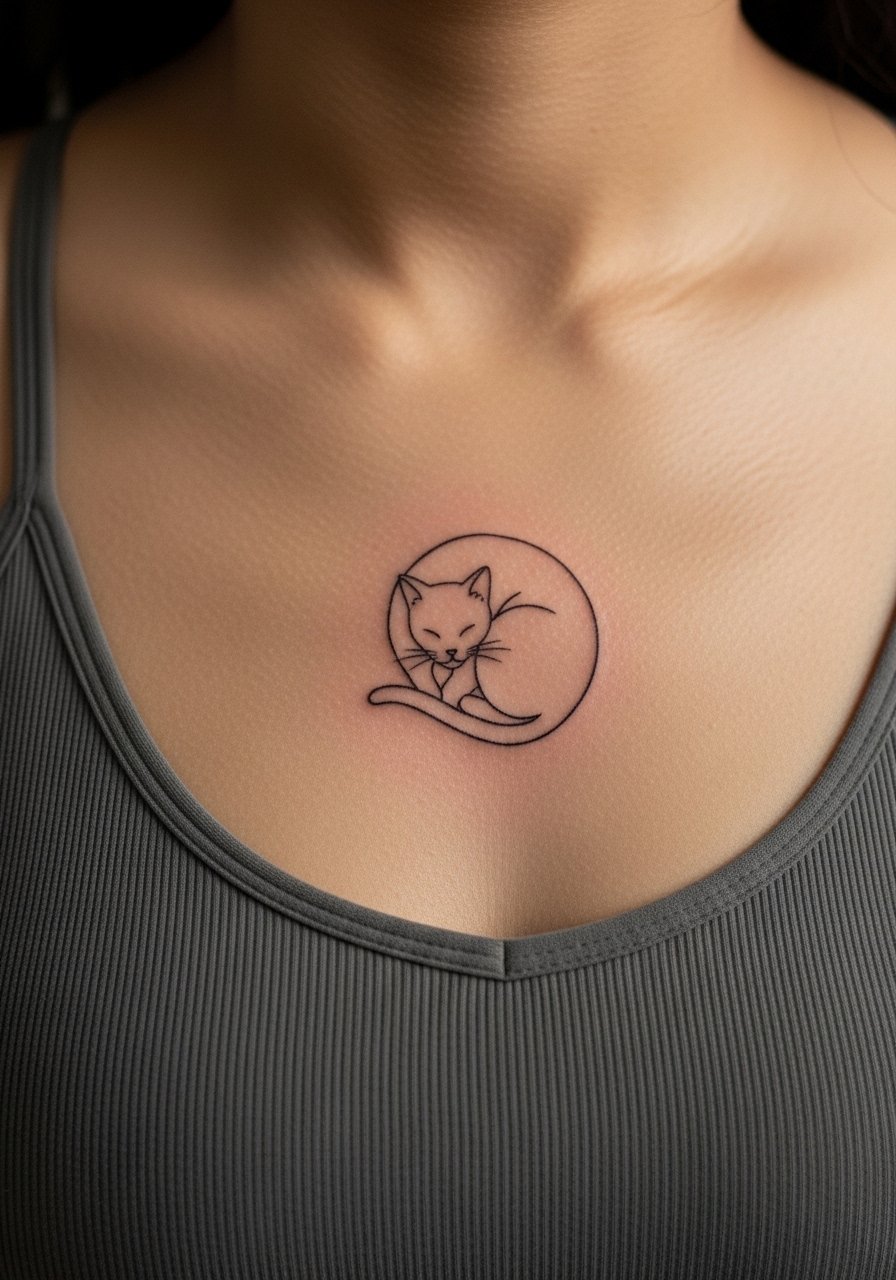
13. Simple Line Art of Cat Sleeping on Sternum
A tiny line sketch of a curled cat centered on the sternum is intimate and reads well under a fitted top. Because sternum placement is sensitive, wear a fitted sports bra or bandeau so the artist has access while you remain covered everywhere else. Sessions can be brief but the area is tender during healing. Artists disagree about how fine a line should be here, so ask where they place their ink depth. The advantage is that the area is rarely in direct sun, which helps color retention.
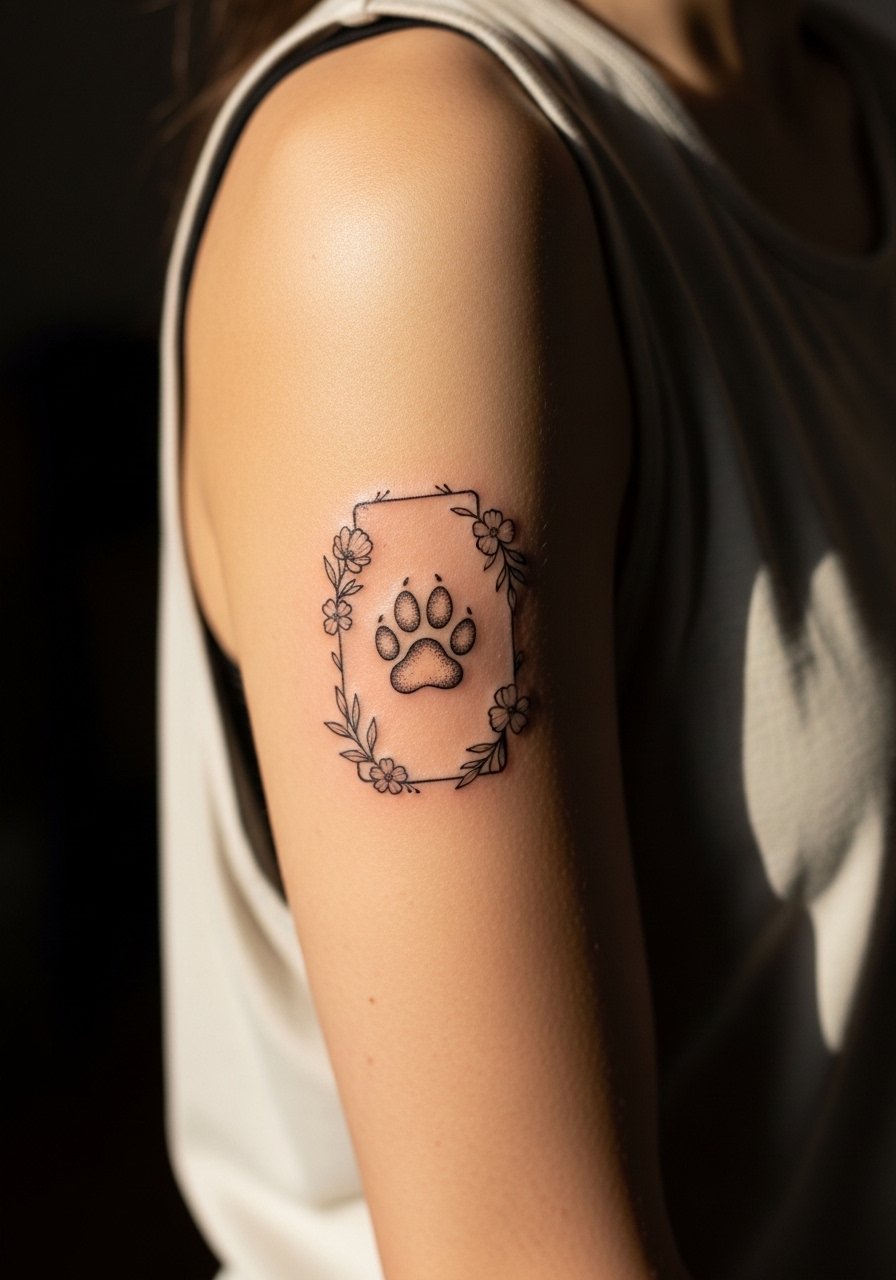
14. Floral Frame Around a Paw on Upper Arm
Pairing a small paw with a lightweight floral frame gives the memorial an organic border that wears well. Upper arm placement allows for stipple shading and small color pops that age into a soft texture instead of muddying. For the session, a loose tank top provides access and comfort. Tell your artist which blooms matter to you so they can simplify petals for longevity. The floral linework should have room between elements to reduce merging over time.
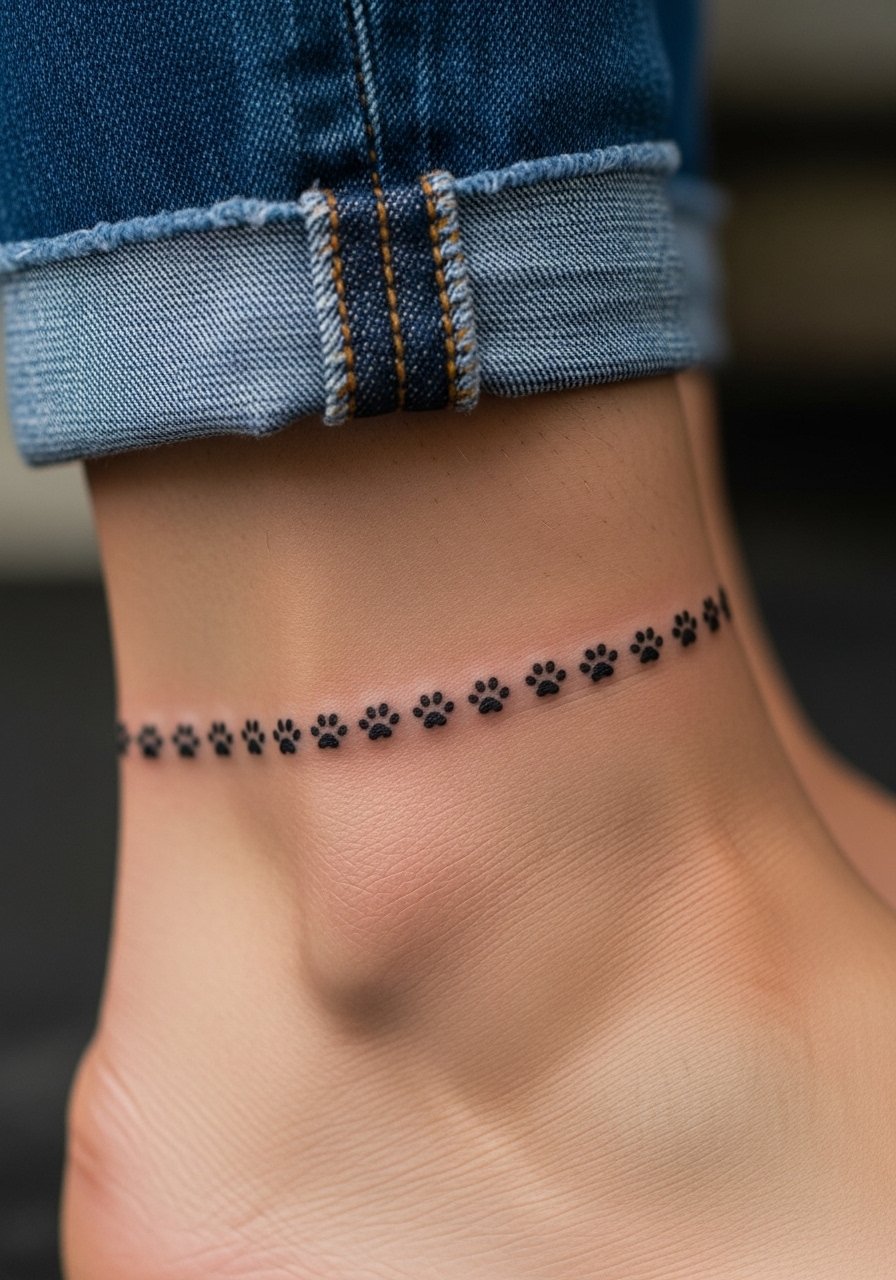
15. Thin Band of Tiny Pawprints Around the Ankle
A ring of tiny pawprints circling the ankle reads like a permanent bracelet. Because the ankle sees a lot of movement and footwear friction, request slightly bolder dots and place the band higher on the ankle to avoid shoe edges. Sessions are short and the area heals quickly, though touch-ups are common for thin bands. When planning placement, sit in the chair with the artist and test how it sits when you stand and walk. Picking a simple repeating rhythm helps it hold together visually over time.
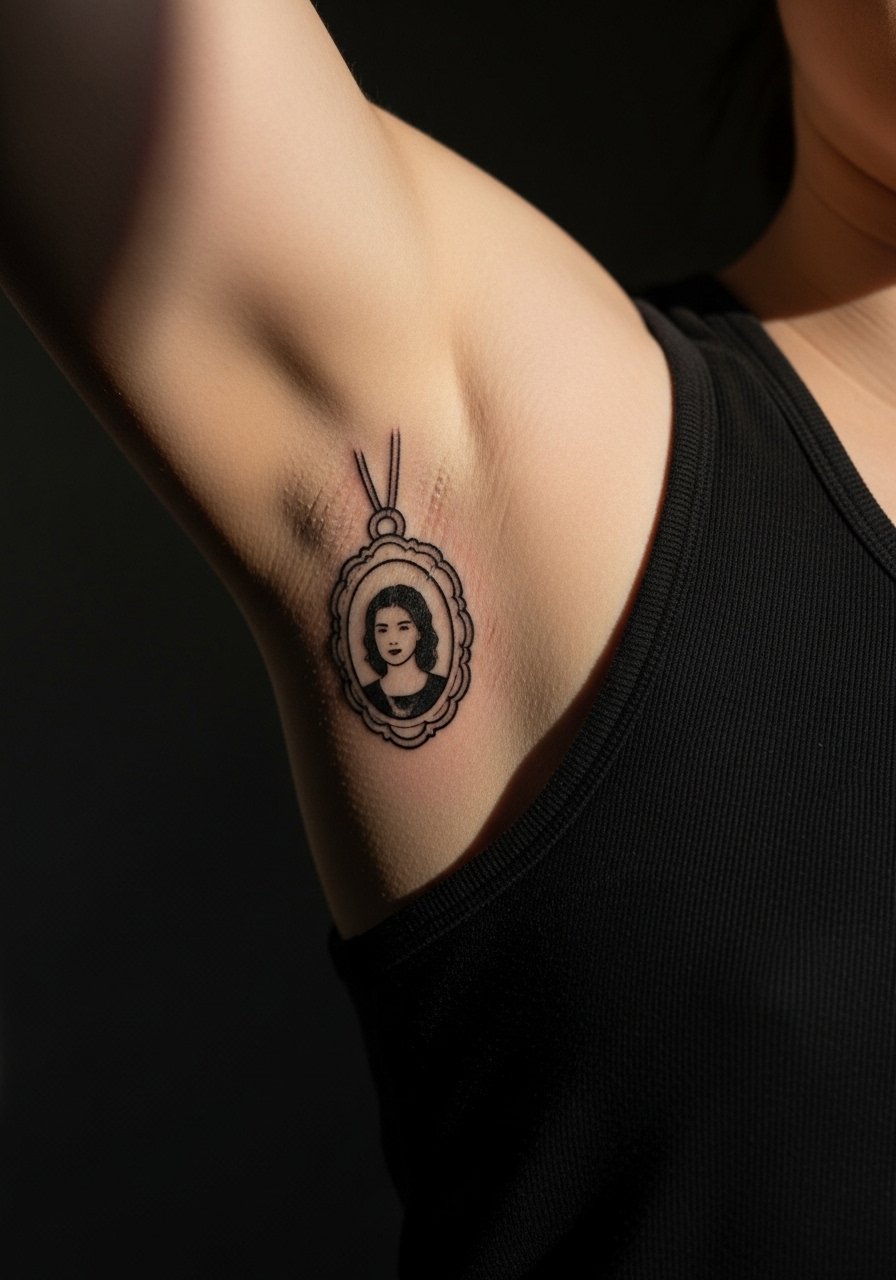
16. Negative-Space Portrait in a Locket Shape on Inner Bicep
A portrait rendered in negative space inside a locket silhouette on the inner bicep feels like a private keepsake. Inner biceps are sensitive, so wear a tank top with a loose armhole during the session to expose only the work area. The inner arm moves with daily motion and can blur if details are too tight, so ask for slightly increased spacing around facial features. Expect a moderate pain level during the session and plan a touch-up once the piece settles.
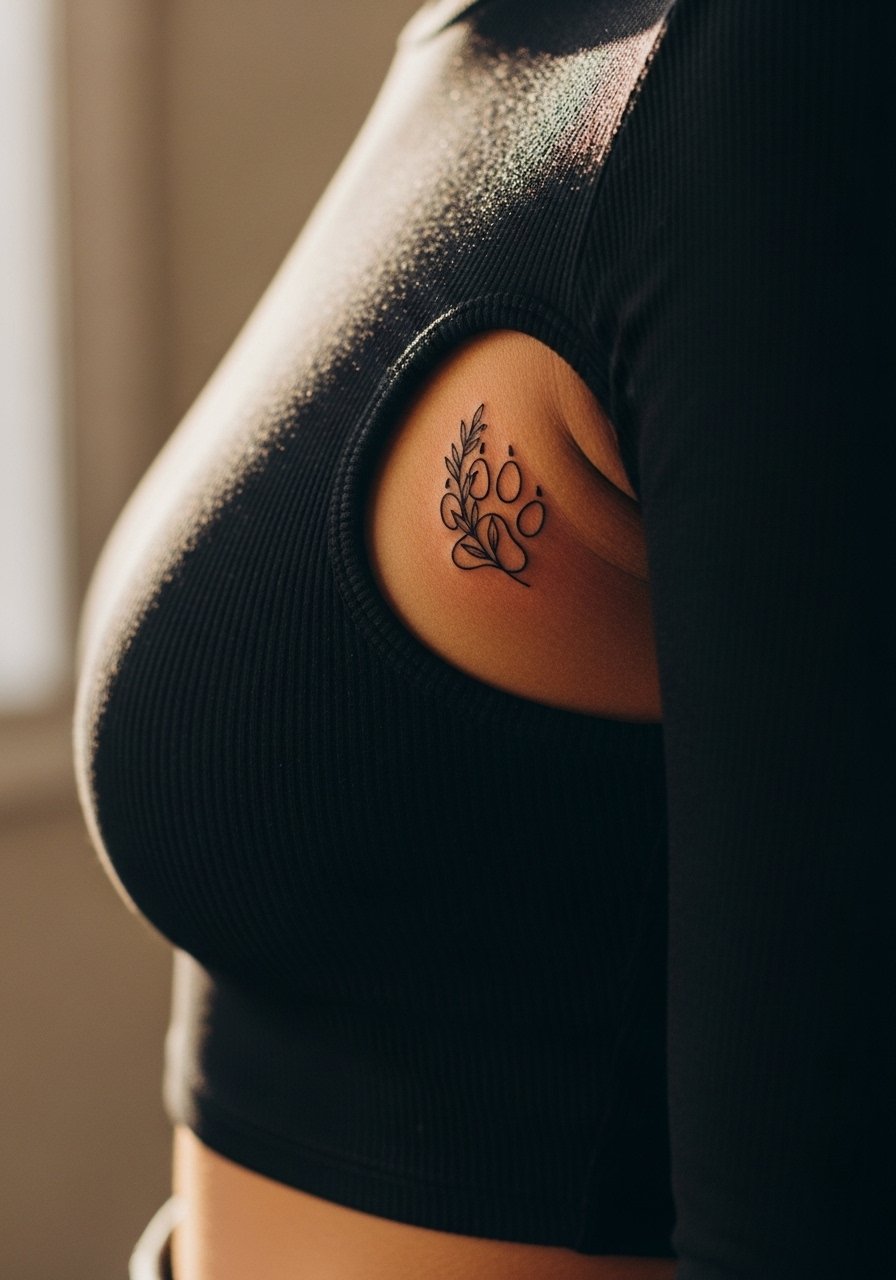
17. Small Paw with Botanical Accent Along the Rib Side
A single paw with a trailing botanical sprig on the side torso reads intimate and moves with breath. Because side torso and ribs are sensitive, the session can be longer and pain is higher. For modest exposure, come in wearing a cropped top that can be lifted slightly to show only the tattoo zone. One common oversight is packing too much detail into the sprig; leave negative space so the stems do not merge into the paw over time. The result is a piece that stays personal and can be shown in open-back or crop styles.
Frequently Asked Questions
Q: Will fine line paw designs blur faster on the wrist and ribcage compared to the forearm?
A: Fine line behaves differently by placement. The wrist and ribcage are high-motion or thin-skin areas so tighter lines can merge sooner. The forearm has forgiving tissue which helps lines stay distinct longer. Ask your artist about slightly bolder line weight for wrists and ribs to extend clarity.
Q: How should I prepare clothing-wise for a sternum or ribcage session?
A: Wear a fitted sports bra or a cropped top you can lift so only the work area is exposed. That minimizes cold drafts and helps the artist keep the rest of you covered. Many people bring a loose hoodie to put on immediately after the session for comfort.
Q: Can watercolor-style memorials be combined with a micro-realism portrait without losing detail?
A: Yes if they are planned as complementary layers. Keep the portrait area crisp and place watercolor washes with deliberate gaps so color does not sit directly on top of tight facial detail. Discuss spacing and healed examples with your artist beforehand.
Q: Are hand and finger memorials risky for people who work with their hands a lot?
A: Hand and finger tattoos face frequent washing and friction so expect faster fading and earlier touch-ups. If your job requires frequent glove use or heavy washing, consider relocating the piece slightly higher or choosing a denser motif to compensate.
Q: What are practical wardrobe choices to show a collarbone or upper chest script?
A: Open-collar shirts, wide-neck tops, or open-back midi dresses frame clavicle work without covering it. Light fabrics in neutral tones let fine line scripts read clearly without competing for attention.
Q: How often should I realistically plan touch-ups for tiny memorial lettering or minute portraits?
A: Tiny lettering and minute portraits commonly need touch-ups around the two to four year window depending on sun exposure and skin type. Plan for a consult in year two to evaluate whether a light refresh will preserve legibility.