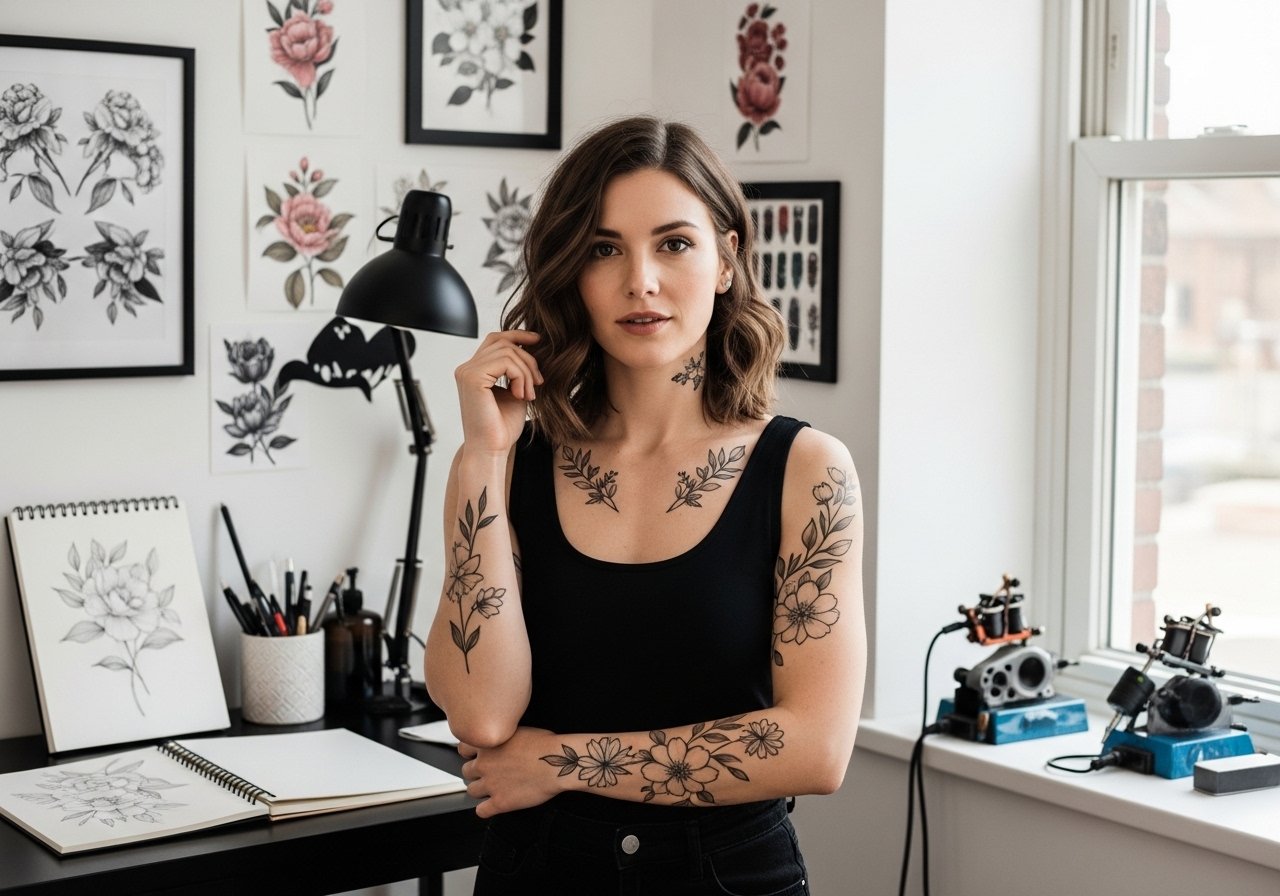
Fine line sibling tattoos have gone from matching hearts to clever complements that read like private language. Think about choices that still look intentional after years, not just great in thumbnail photos. Pain, fading, and placement regret are real worries, and the designs below aim to balance those risks with shared meaning so you and your sibling leave the chair satisfied and still smiling years later.
1. Paired Minimal Script on Inner Forearm
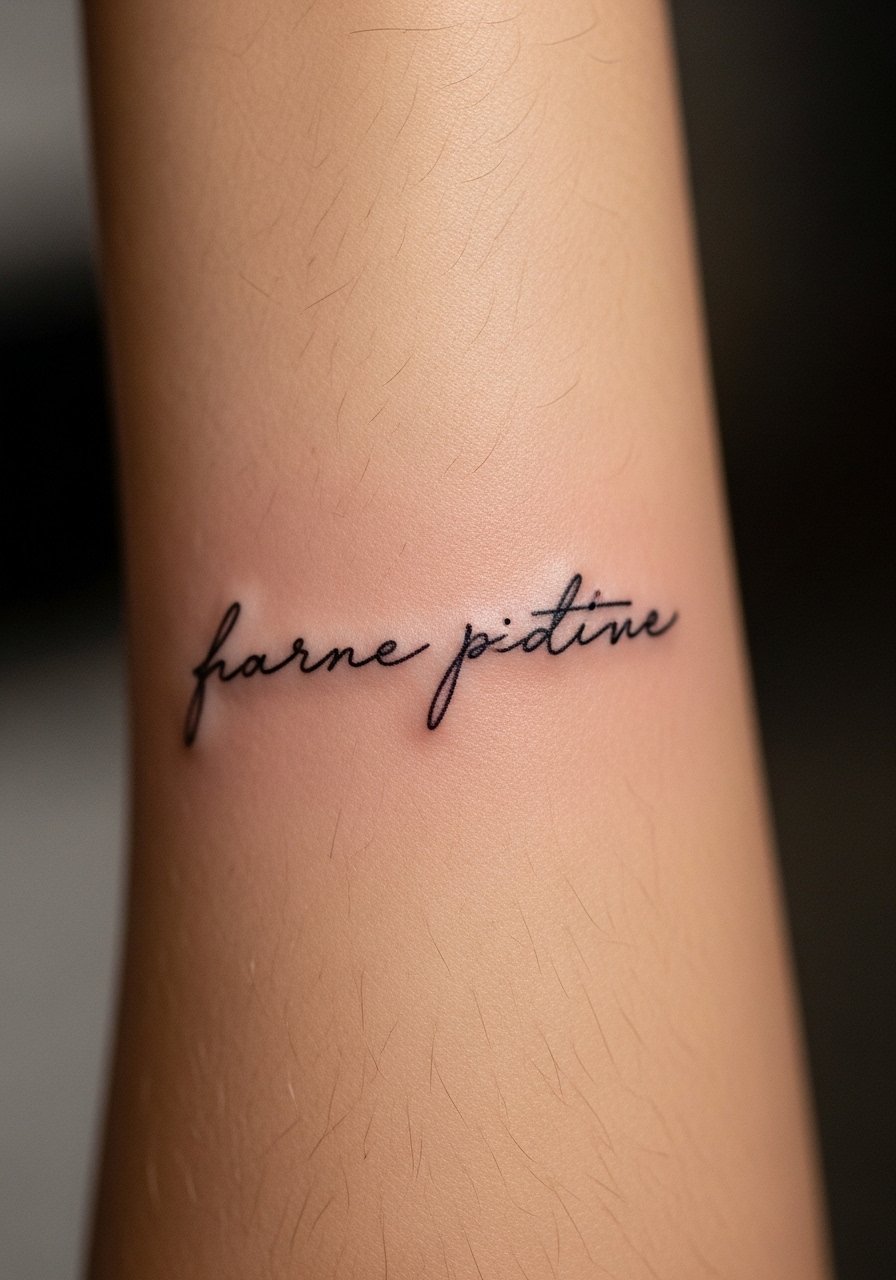
A pair of tiny matching words on each sibling's inner forearm reads like a short conversation when you sit side by side. I recommend keeping letterforms slightly wider than what looks delicate on an app. Tell your artist you want clear spacing between letters and ask for reference photos of healed script, because script that is too thin often blurs into a soft line by year two. Expect a low to medium pain level and a short session. For the appointment wear a loose button-down shirt you can slide up for access without tugging at the skin.
2. Mirror Constellations on Ankles
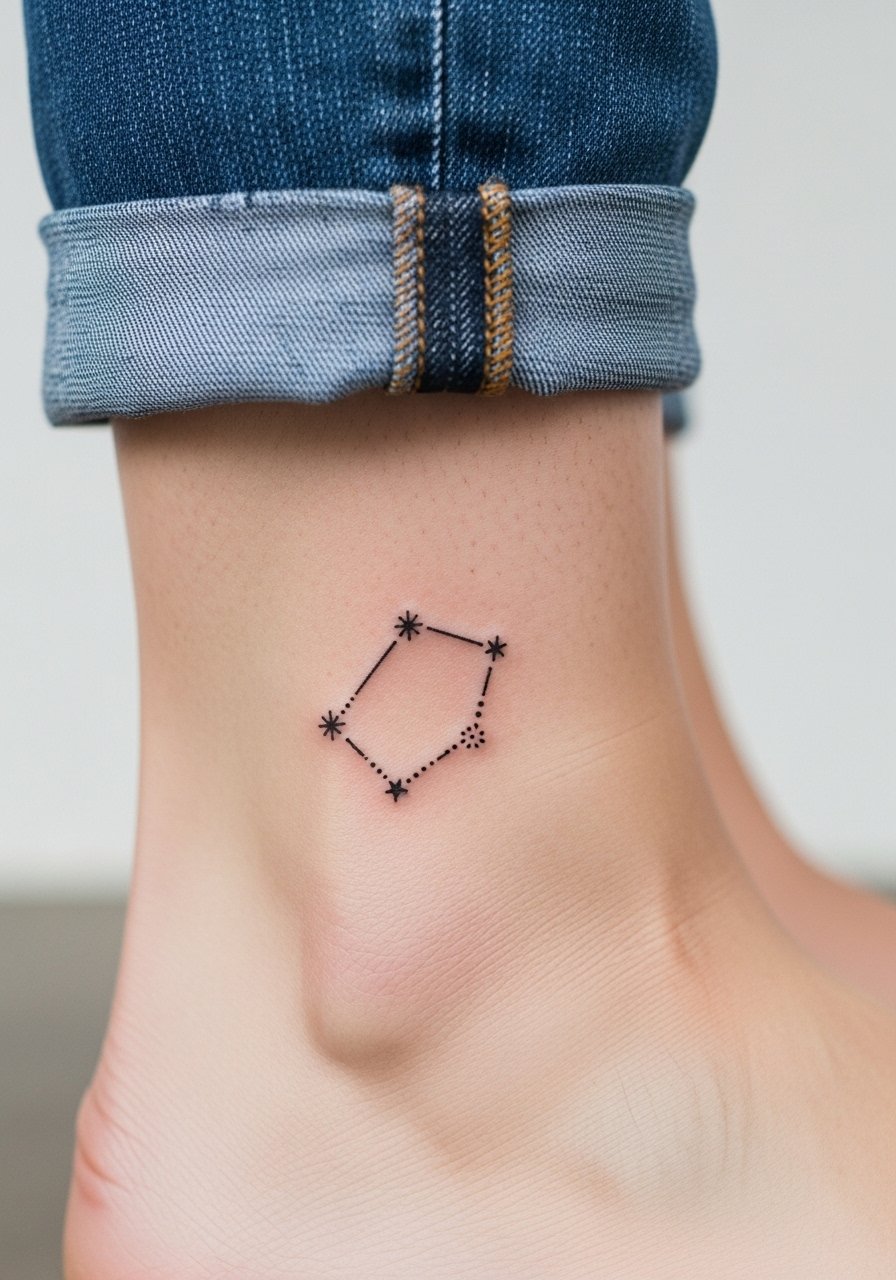
Two mirrored constellations are a low-commitment way to match and age well. Because ankles see shoe friction and frequent washing, keep the dots spaced and avoid ultra-fine connecting lines that can merge over time. In consultation ask for slightly bolder dots and single-needle connecting lines that are thicker than the reference photo looks in thumbnail. Session time is short and pain is moderate. For showing it off, rolled jeans or strappy sandals frame the ankle without covering the ink.
3. Split Heart Linework on Ribcage
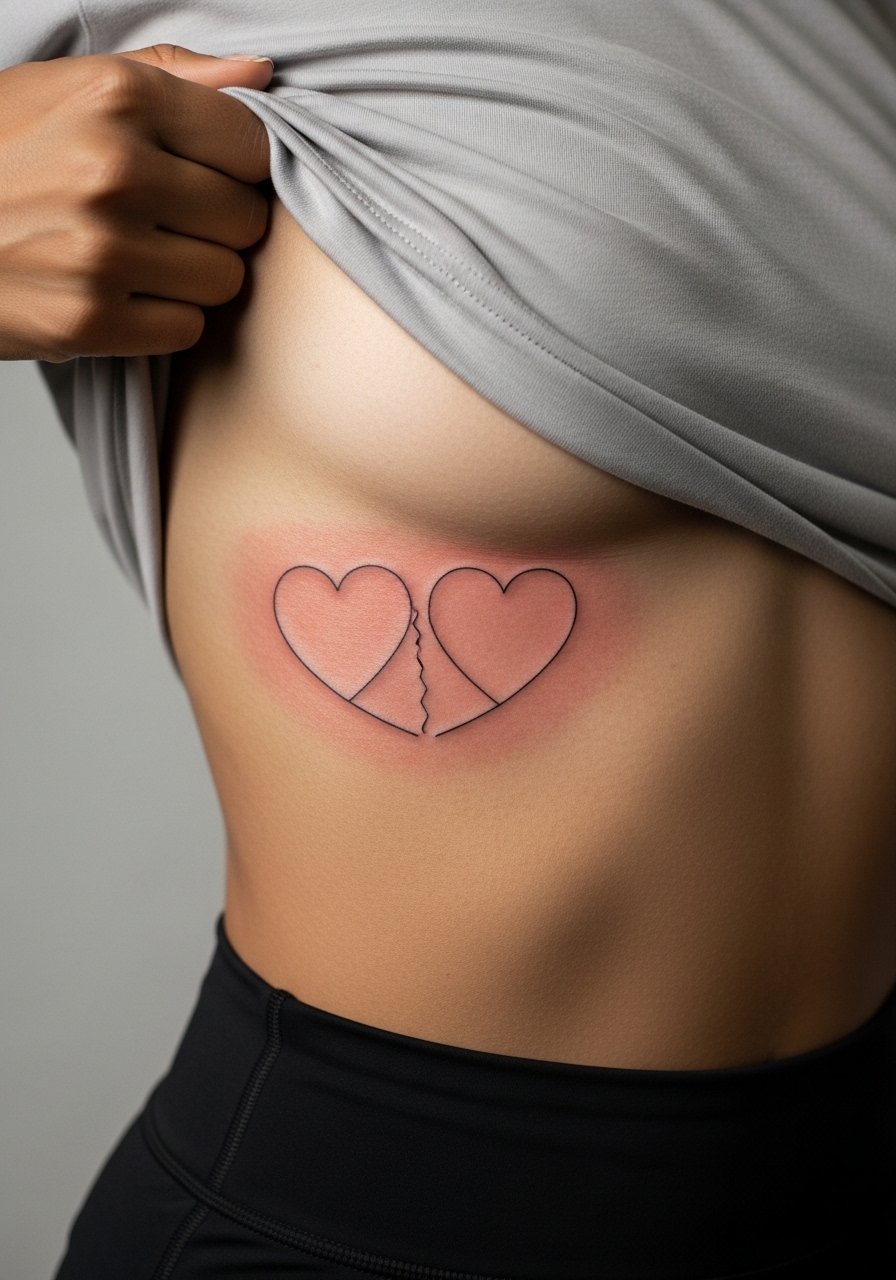
The ribcage is a sensitive area and the session feels longer than it looks. The split heart is visually strong when each sibling carries one half. Artists are divided on fine line here. One camp says ribs stretch and blur the lines quickly. The other camp says careful depth and spacing keep fine line readable. Ask the artist which side they prefer to tattoo and whether they recommend slightly heavier linework. Plan for a more intense session and a likely touch-up window at year two to three if you want the halves to remain crisp.
4. Tiny Matching Finger Symbols
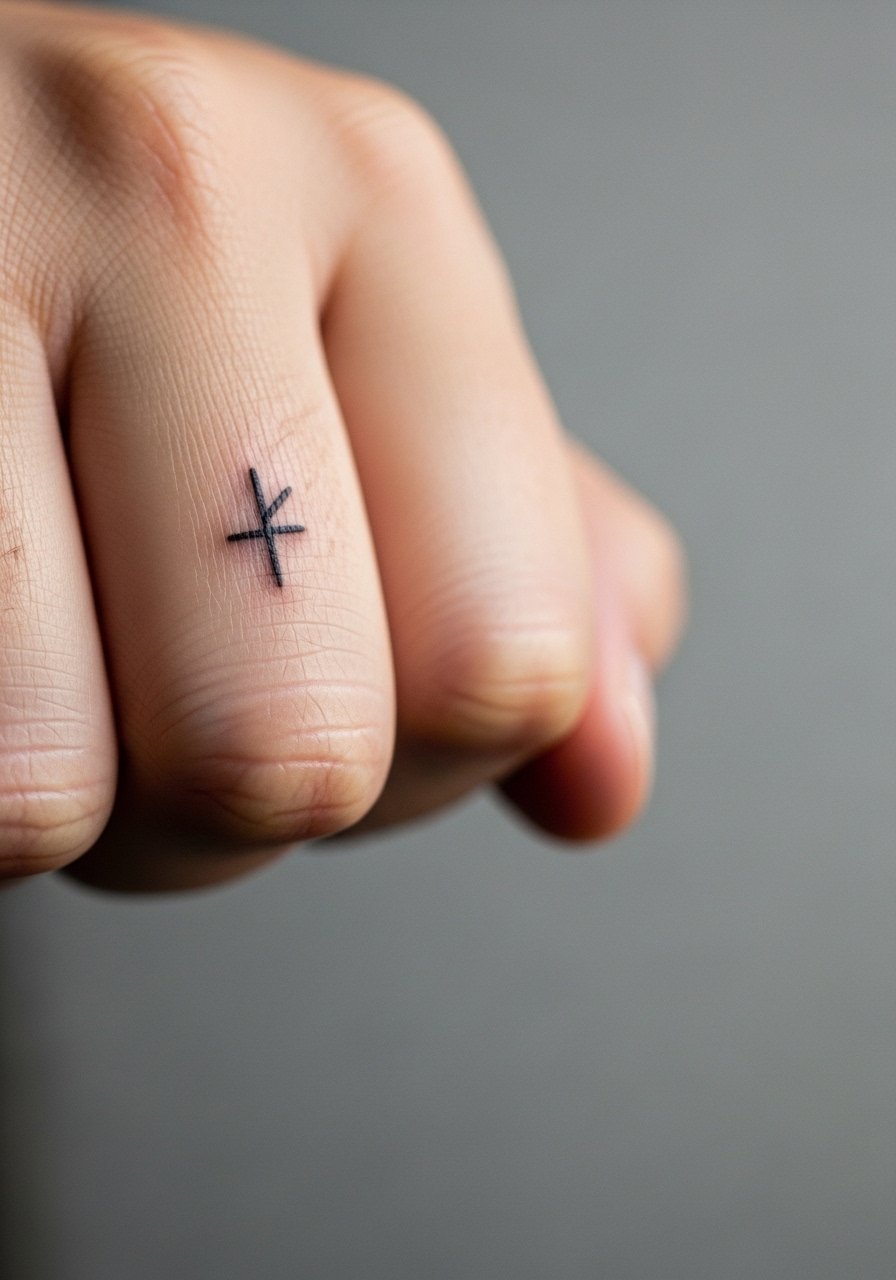
Fingers heal under constant friction and are prone to early fading. A simple symbol or glyph works if you accept touch-ups as part of the plan. Ask for a shallow, bold outline rather than complex fill, because dense shading balloons faster on fingers. Sessions are quick but the healing week is fussy. Keep in mind hand and finger ink can affect perceptions in some workplaces, so discuss career context with your sibling before booking.
5. Complementary Sun and Moon on Shoulders
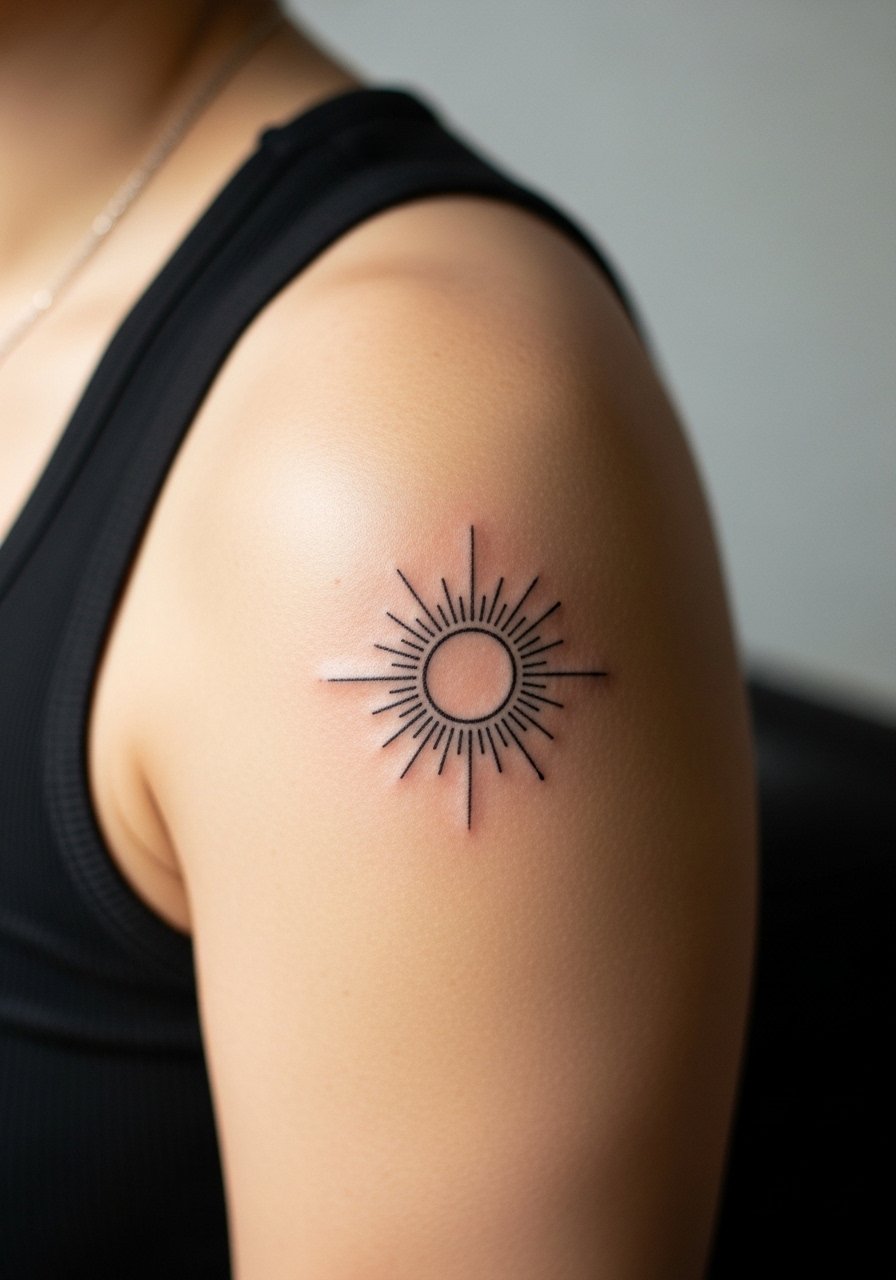
One sibling gets a sun on the right shoulder, the other a moon on the left. Shoulders offer enough flat surface for crisp linework and they age predictably if the pieces avoid tiny, dense detail. Tell your artist you want slightly more spacing in shaded areas to prevent stipple from merging. Session time is moderate and pain is mild. For showing it off, a loose tank top works well so you can slip a strap and reveal the placement without fuss.
6. Interlocking Puzzle Pieces on Wrist
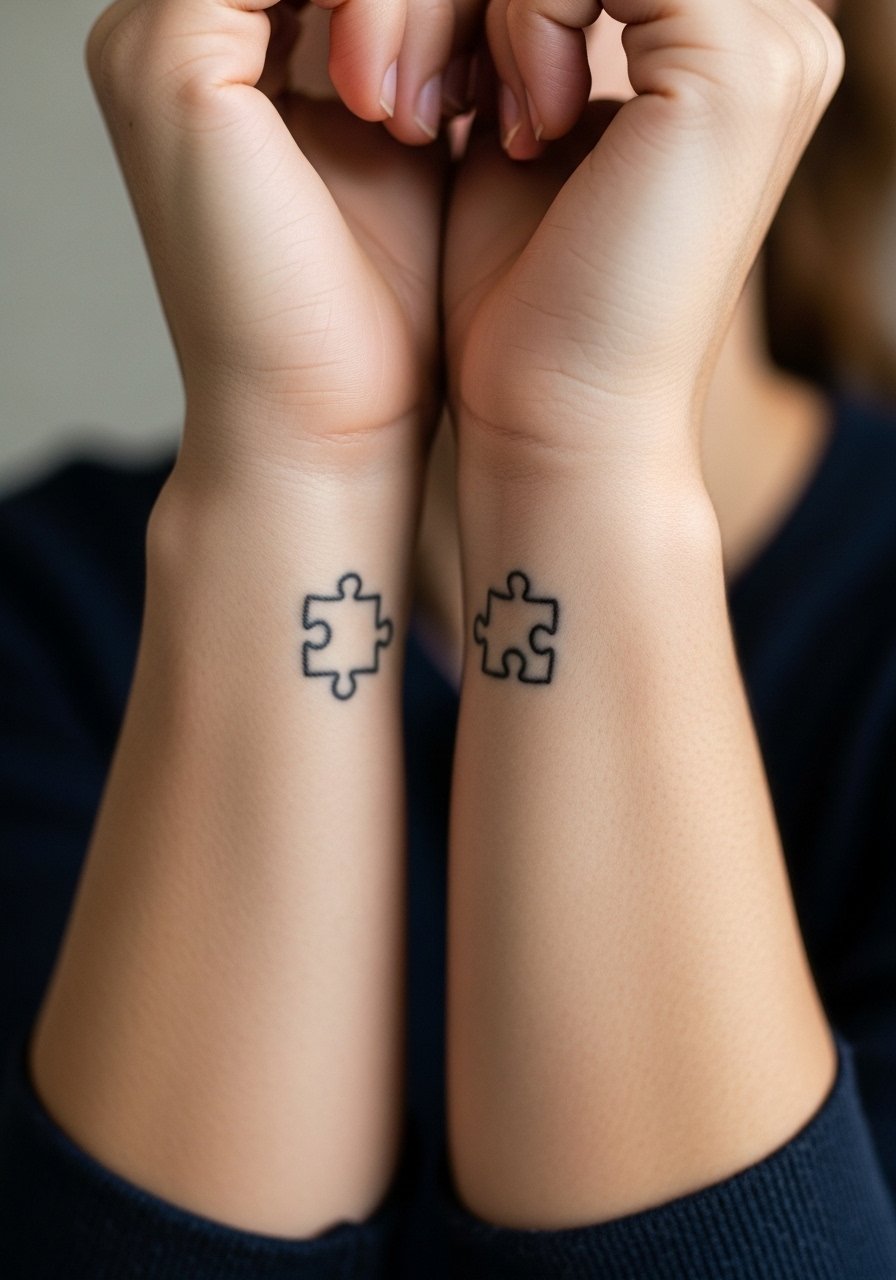
Wrist placements are great for small matching pieces, but they rub against watches and bracelets. Ask your artist for slightly bolder linework and less negative space inside the puzzle notch so the shape keeps reading as pieces. The session is short and pain is moderate. Style it with a thin chain bracelet to complement the wrist without causing constant friction.
Pre-Session Essentials
The wrist and shoulder pieces above heal differently from rib and finger work, so a few small items smooth out the session and the first week.
-
Stencil transfer paper kit. Lets you and your artist preview line placement on skin before committing, which is useful for off-center wrist and shoulder designs.
-
Topical numbing cream. Applied 45 minutes before eases the sting for rib and inner forearm sessions without altering linework when used as directed.
-
Thin protective film roll. Keeps finger and wrist tattoos cleaner during the first week of handwashing and typing, reducing scabbing-related ink loss.
-
Fragrance-free body wash. Gentle cleansing helps the delicate surface of fine line wrist pieces heal without irritation from perfumed products.
-
Aquaphor healing ointment. A thin initial layer after the first day helps keep fragile needle channels moist while the tattoo forms its protective scab.
7. Birth Coordinates on Collarbone
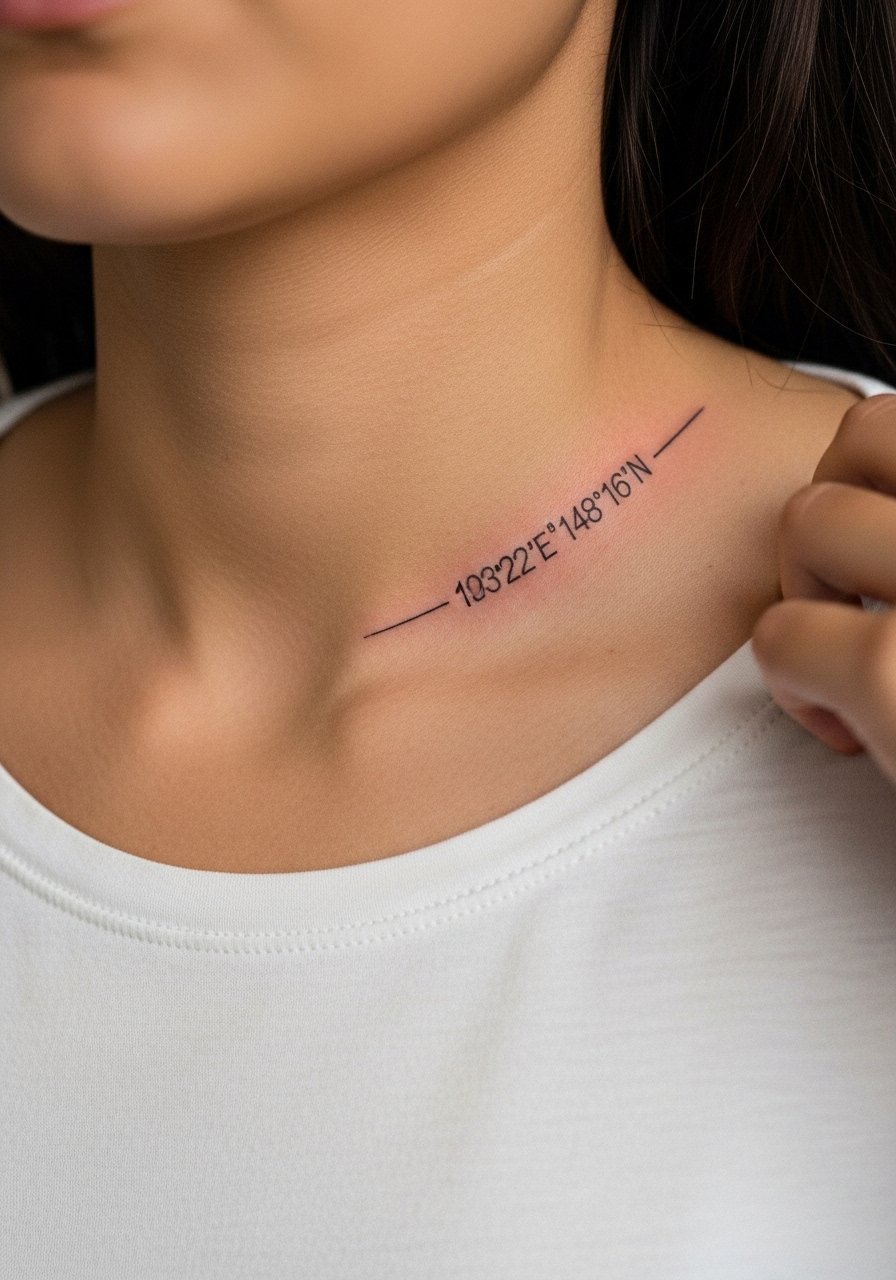
Coordinates are a quiet, personal way to share a location that matters to both of you. Collarbone skin holds linework fairly well but the area sees sun exposure, so plan for sunscreen on healed ink. Request a minimal sans-serif numerals style and ask to preview the exact spacing. Sessions are short and pain is mild to moderate. Pair the finished piece with an open-neck blouse when you want the collarbone to be part of your outfit.
8. Half-Lock Half-Key on Biceps
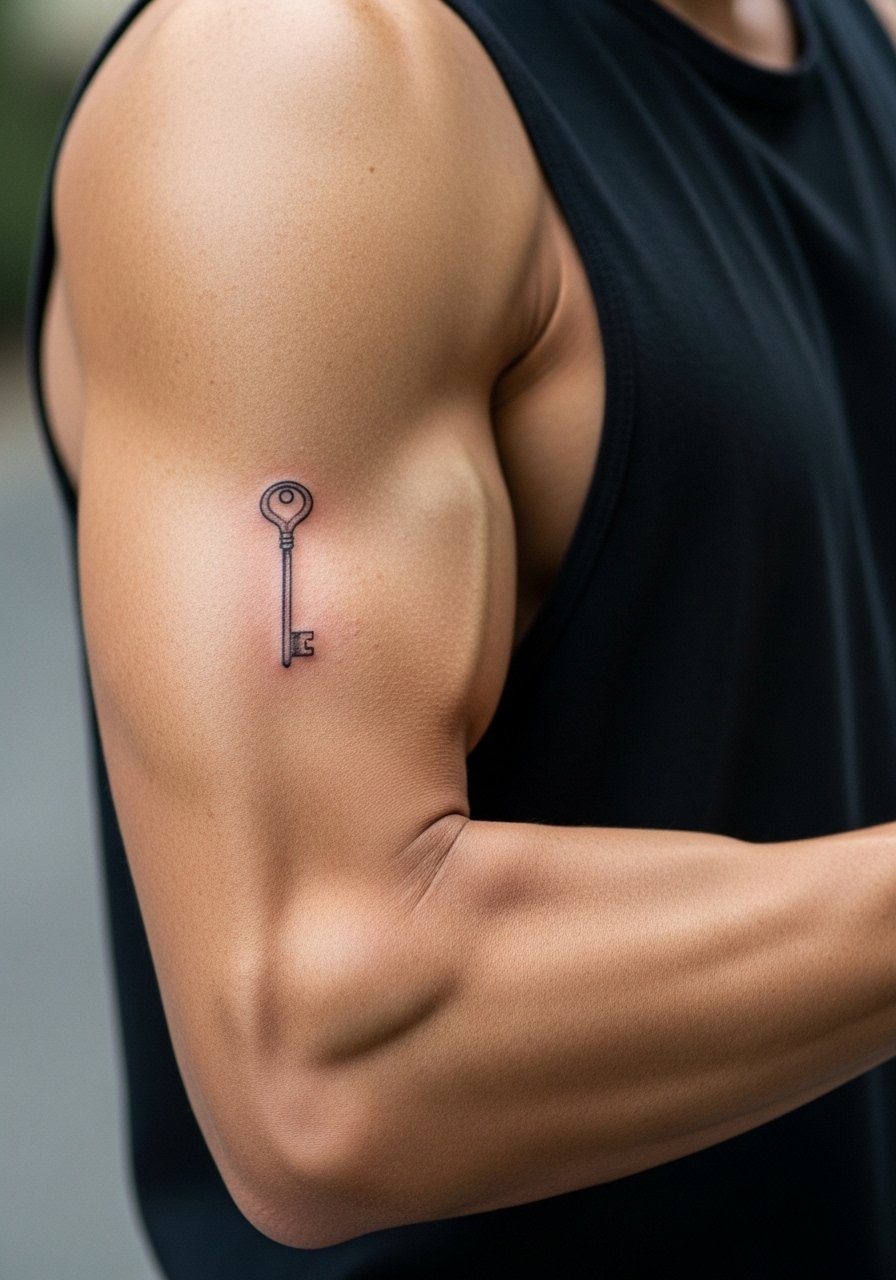
Two small complementary icons split across biceps read clearly from a distance and age well because the upper arm is stable skin. Tell your artist you want the key and lock to read as a pair when arms sit side by side. Avoid tiny internal teeth in the key that can blur; instead use negative space to suggest detail. Session time is moderate. For the appointment wear a loose tank top so your artist can reach the bicep without you being uncomfortable.
9. Matching Birth Flowers on Calves
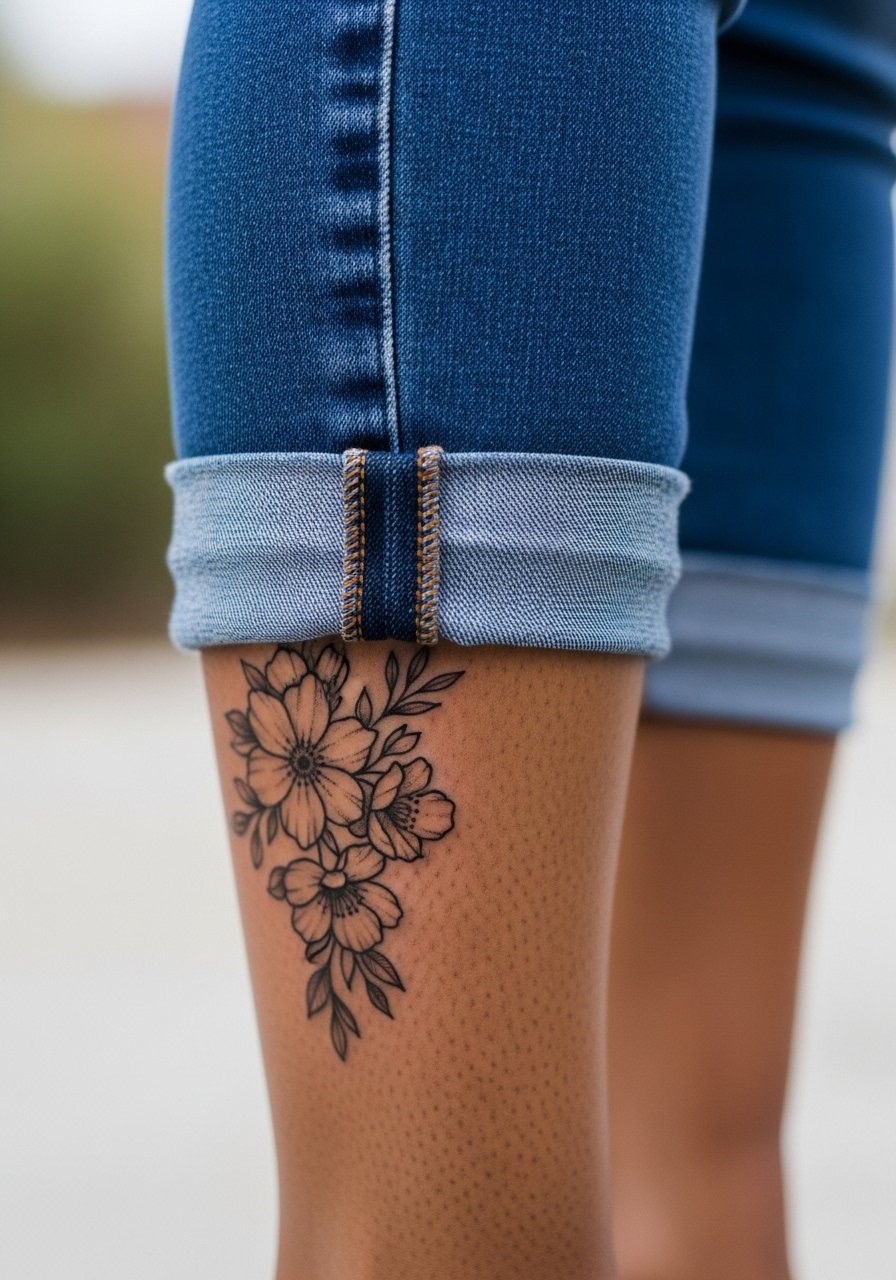
Calves let florals breathe and allow for scalable detail without the squeeze of cramped placements. For longevity, ask the artist to keep fine stipple shading spaced out rather than dense stippling. The session can be longer if you want color saturation. Pain is mild to moderate. For showing it off pick outfits with cropped trousers or a midaxi skirt that exposes the lower leg without overexposure.
10. Soundwave of a Shared Phrase on Ribcage Sternum
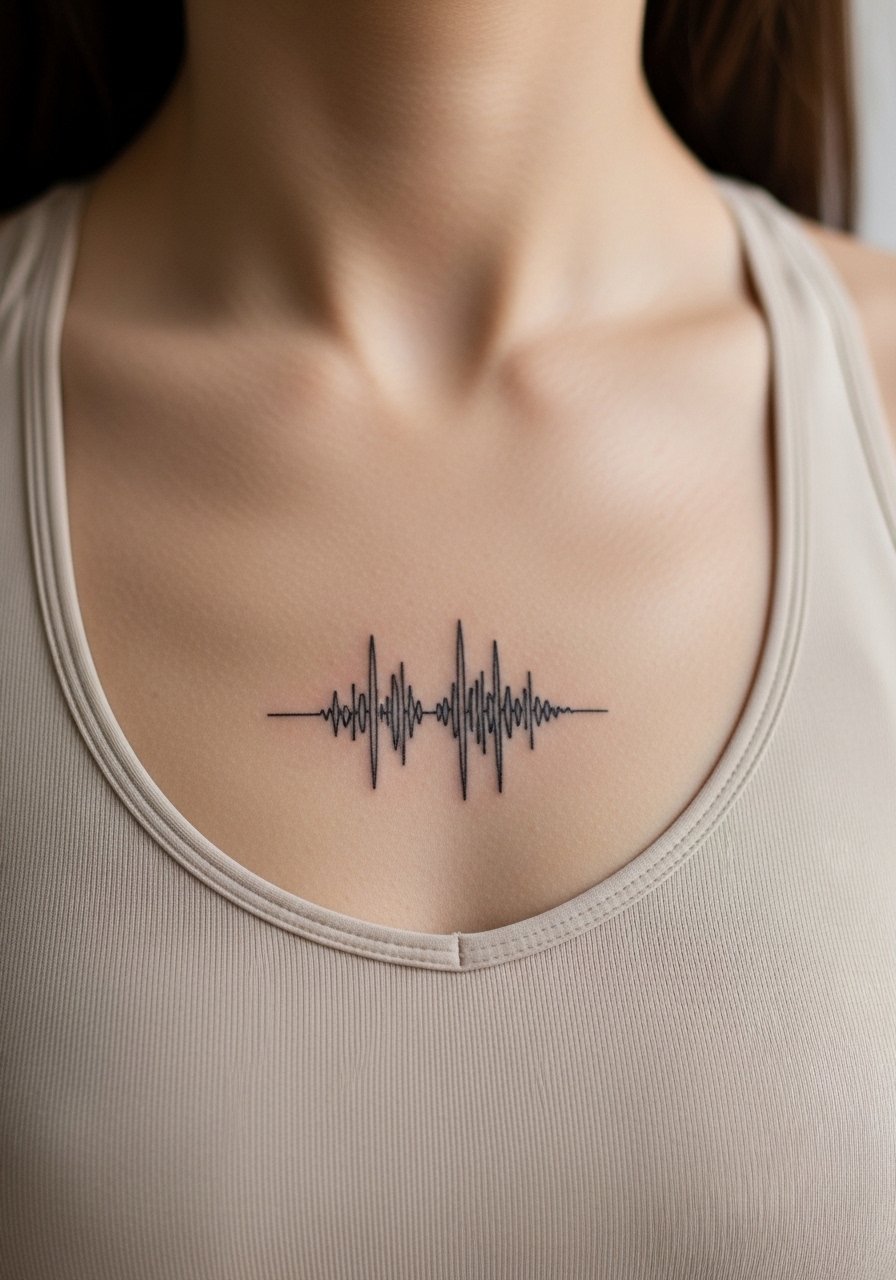
A short soundwave that represents a sibling phrase or laugh is intimate and works best on chest or sternum. Sternum sessions demand an experienced hand and careful depth. One-sentence note about professional considerations: chest placements are more visible in social settings than you might expect. During consultation bring a clean audio file so the artist can render a clear waveform and ask for simplified peaks for better longevity. The session is moderate to high in discomfort and often requires a longer healing check-in.
11. Tiny Matching Anchors Behind the Ear
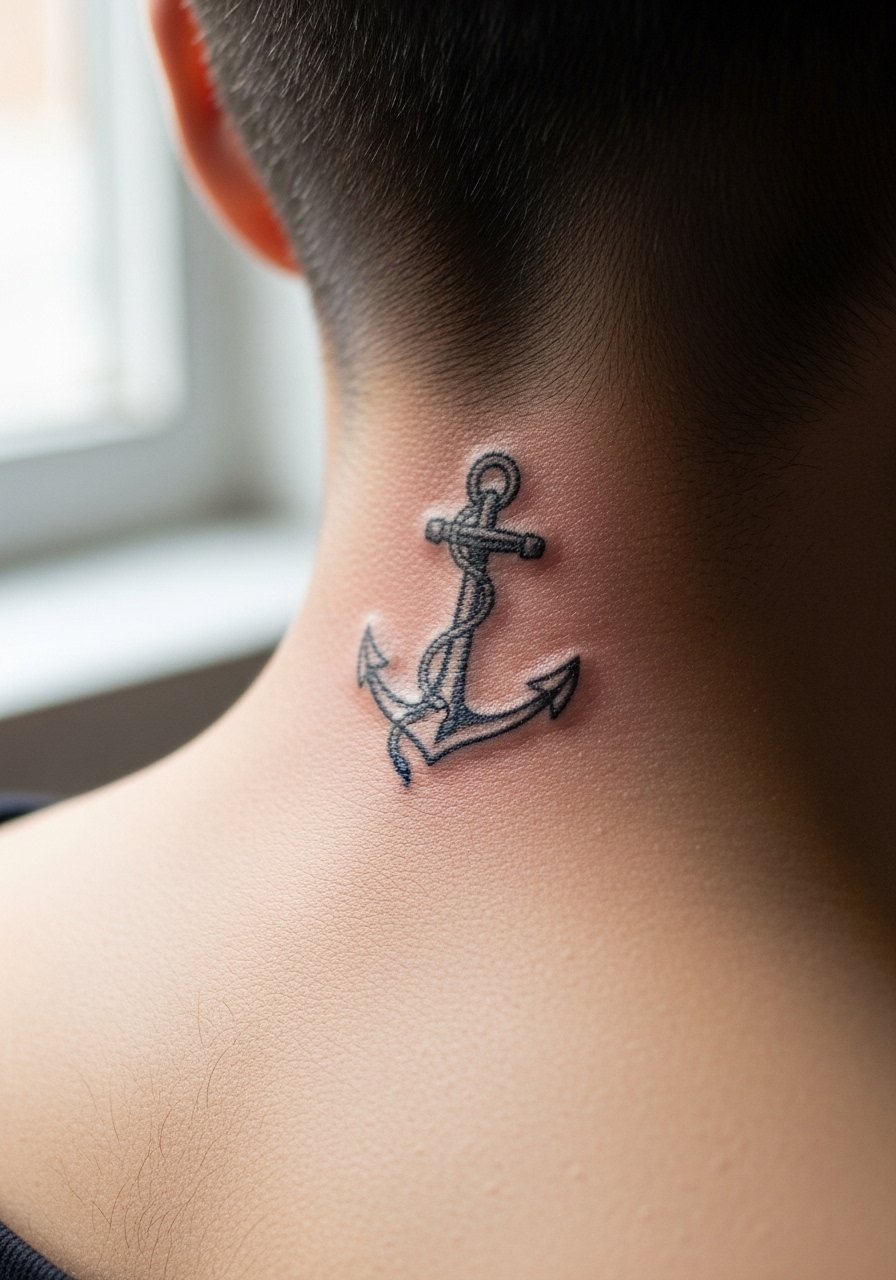
Behind-the-ear snippets are subtle and private. For these small placements ask for a compact silhouette rather than interior detail because small interior work often loses clarity. Pain is mild. For the session wear hair up and a button-down shirt with the collar low so the artist can access the area without you needing to be shirtless.
12. Fingerprint Halves That Match
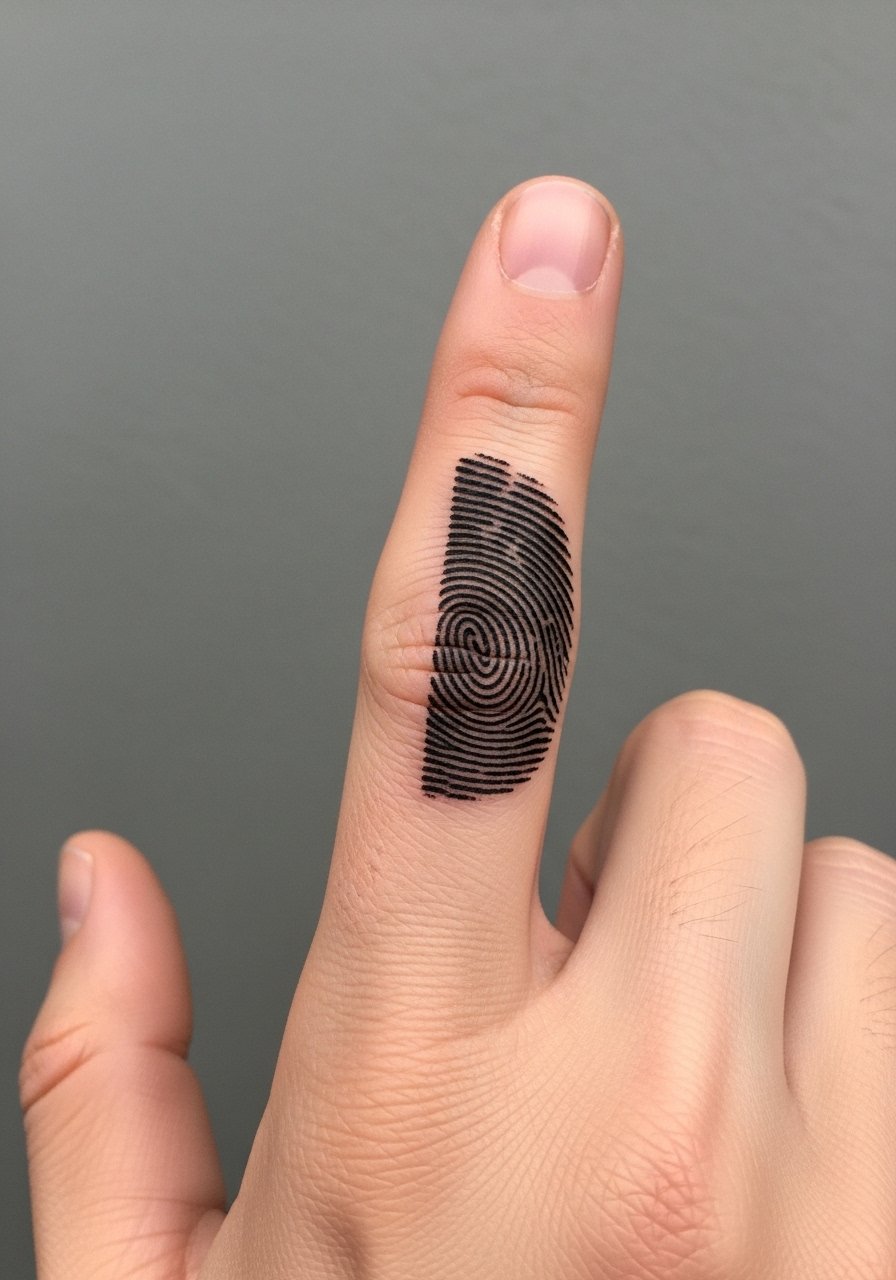
Turning each sibling's fingerprint into complementary halves is deeply personal and visually distinct. Fingers are high turnover for ink, so expect touch-ups. Ask the artist to trace a simplified ridge pattern and to scale the design slightly larger than the exact print for clarity. The session is quick but healing needs attention. Consider pairing with delicate rings rather than chunky bands to avoid rubbing.
13. Micro-Realism Pet Portraits on Upper Arm
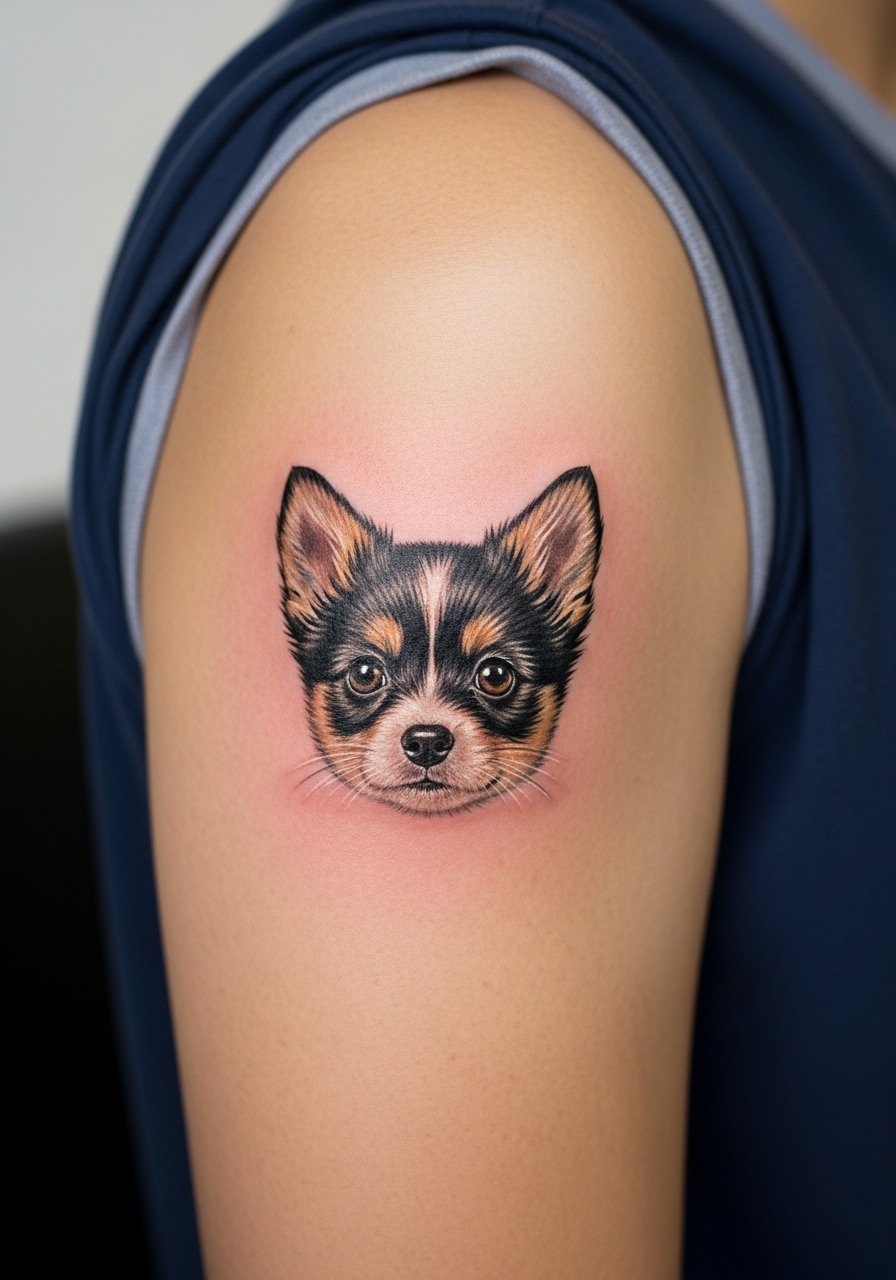
If you and your sibling shared a pet, matching micro-portraits work well on the upper arm where shading and tiny detail hold up. Micro-realism needs a steady hand and time, so expect a longer session. Bring multiple clear photos and point out which facial features you want emphasized. Ask about touch-up expectations for tonal work because subtle shading can lighten over years. Wear a short sleeve tee for easy access.
14. Minimal Line Portrait Halves on Calves
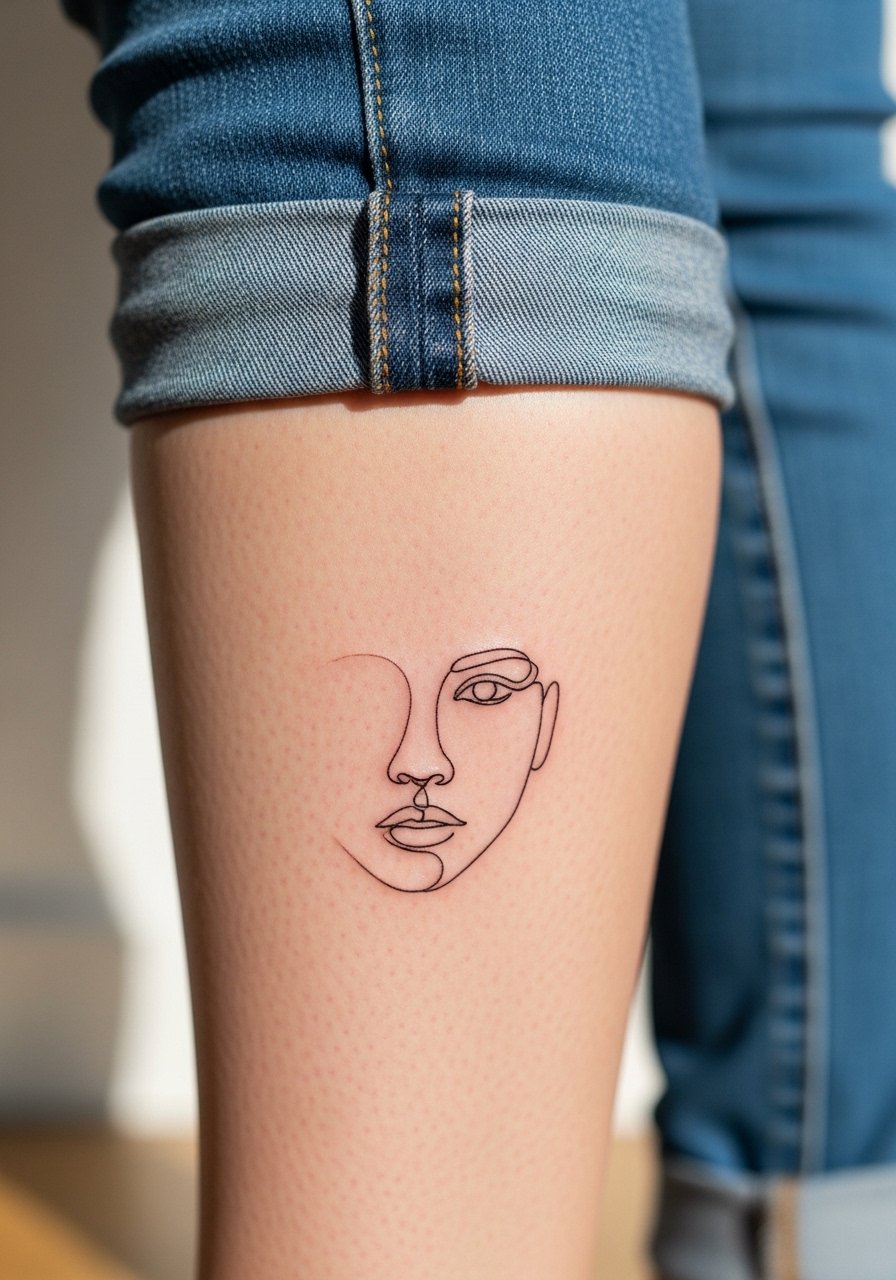
A single continuous line portrait split across calves becomes a full face when you stand together. Calf skin is forgiving but avoid ultra-complex line overlap that can read like smudge at distance. Tell the artist you want decisive single strokes and ask to see a healed example of similar scale. Session time is moderate and pain is mild. For showing it off try cropped trousers that stop above the design.
15. Matching Roman Numerals Behind the Collar
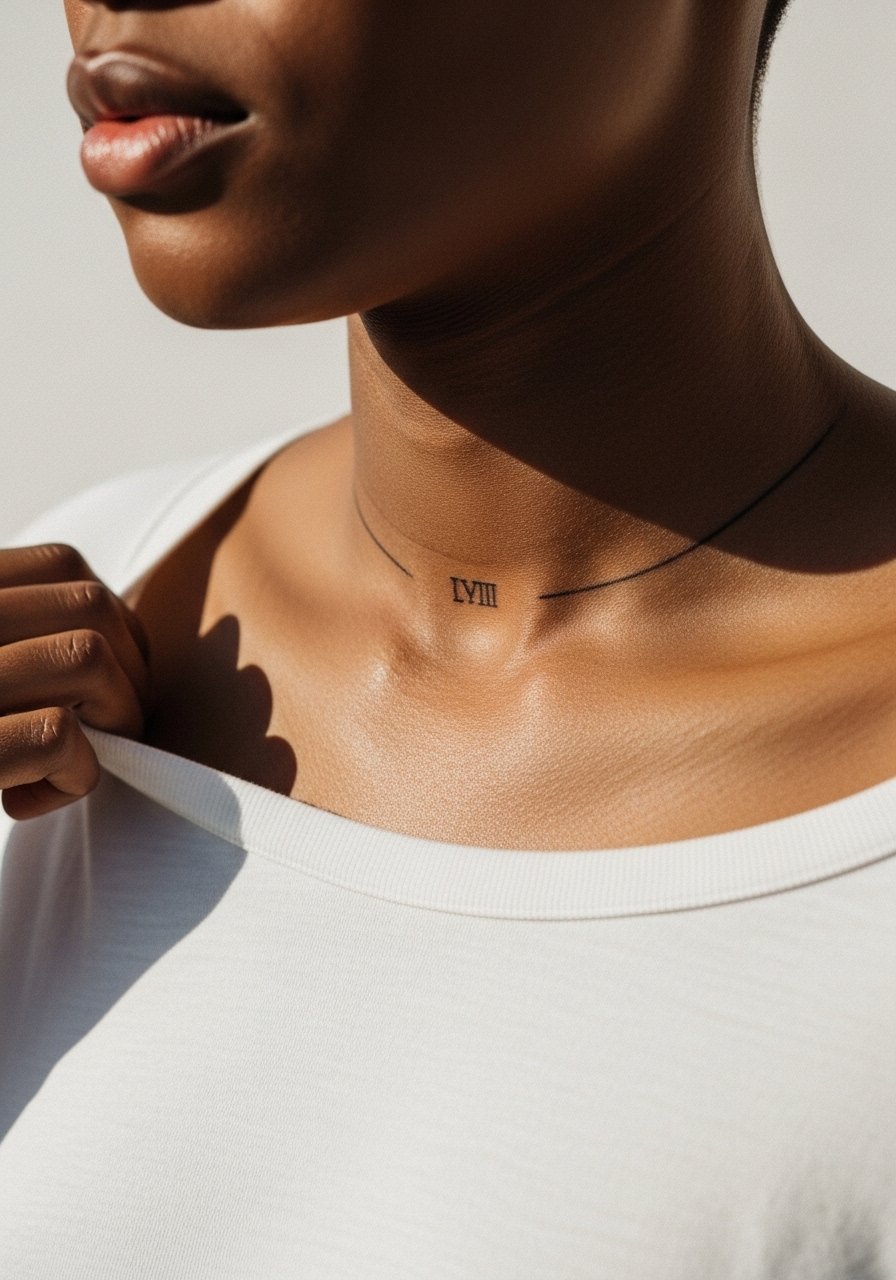
Roman numerals are quietly bold and age cleanly when the characters are spaced and sized for the collarbone curve. Ask your artist to map the numerals along the bone rather than across delicate crepey skin. Sessions are short and discomfort is mild. For outfits, a crew neck sweater with a lowered collar can show the placement without fully exposing the chest.
16. Matching Tiny Paper Planes on Ankles
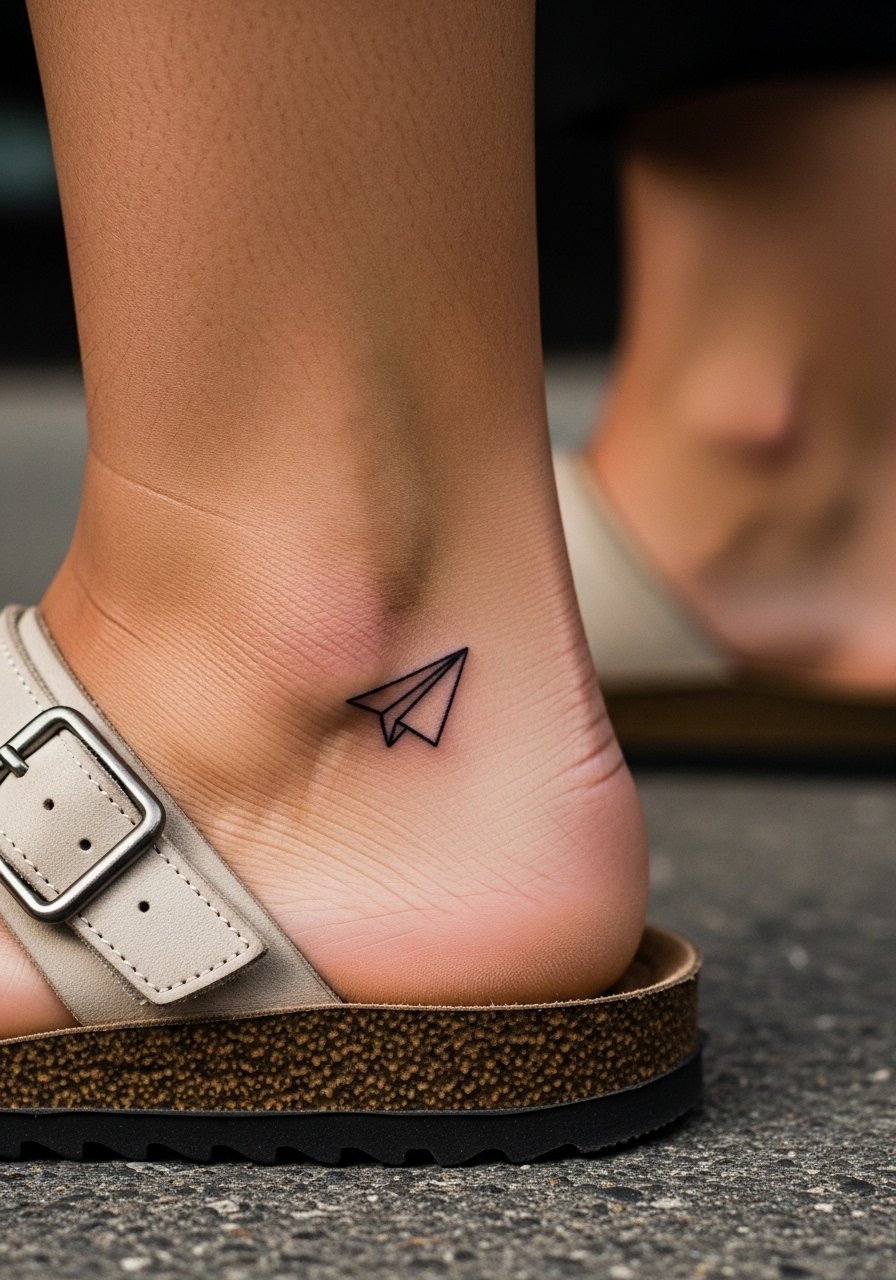
Paper planes feel youthful and travel-friendly as sibling symbols. Ankles need slightly bolder outlines to withstand shoe and sock friction. Say you want clean outer contours and avoid internal hatch shading. Session is brief and pain is low to moderate. Pair with an ankle strap sandal for casual reveals.
17. Complementary Crescent Mandala on Outer Thigh
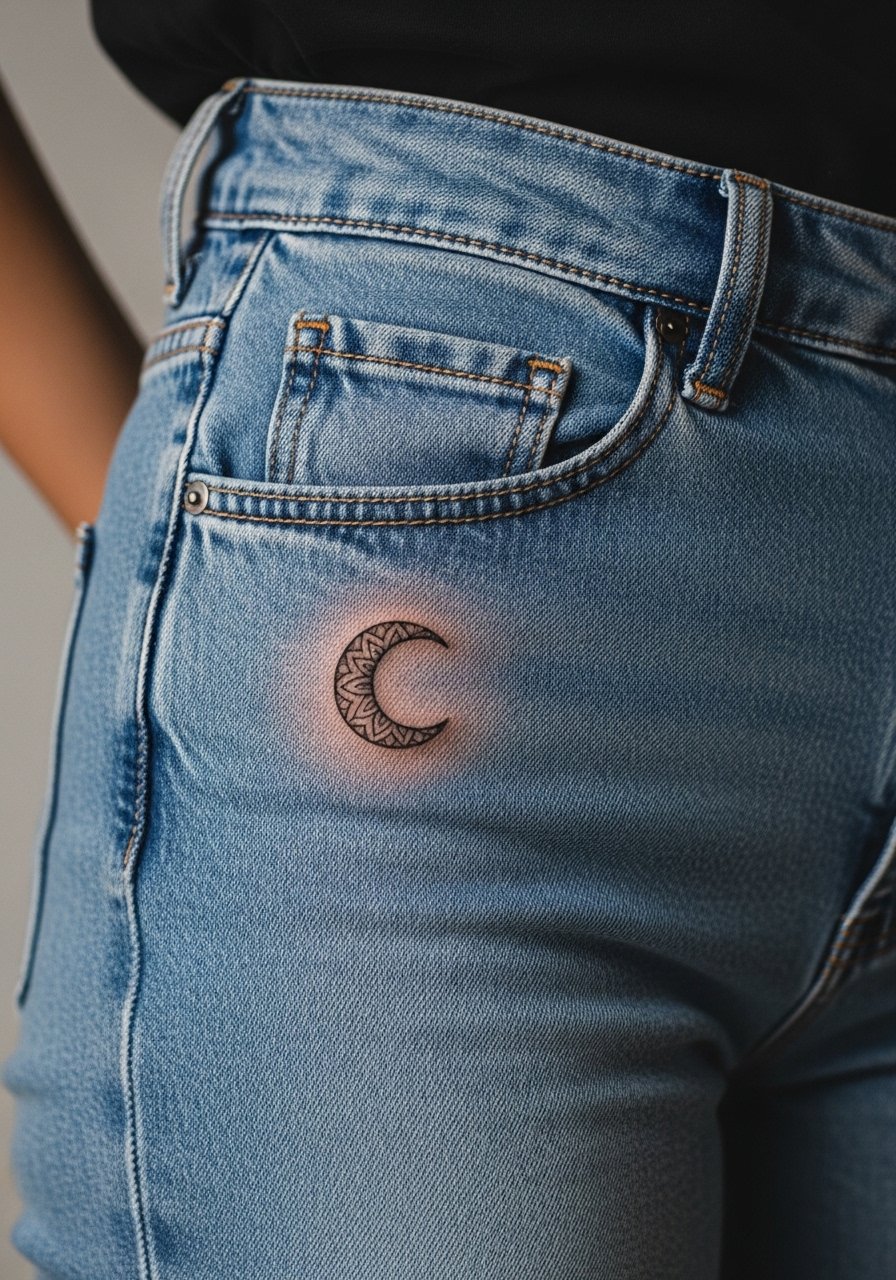
Thigh canvas lets you scale a mandala so the negative space keeps the pattern legible. If you want a crescent-shaped piece, tell the artist to use openwork and avoid dense dot clusters that compact over time. The session is comfortable for most people and healing is straightforward. For the appointment wear high-waisted shorts so the artist can access the hip without the discomfort of constant shifting.
18. Barcode Coordinates on Inner Wrist
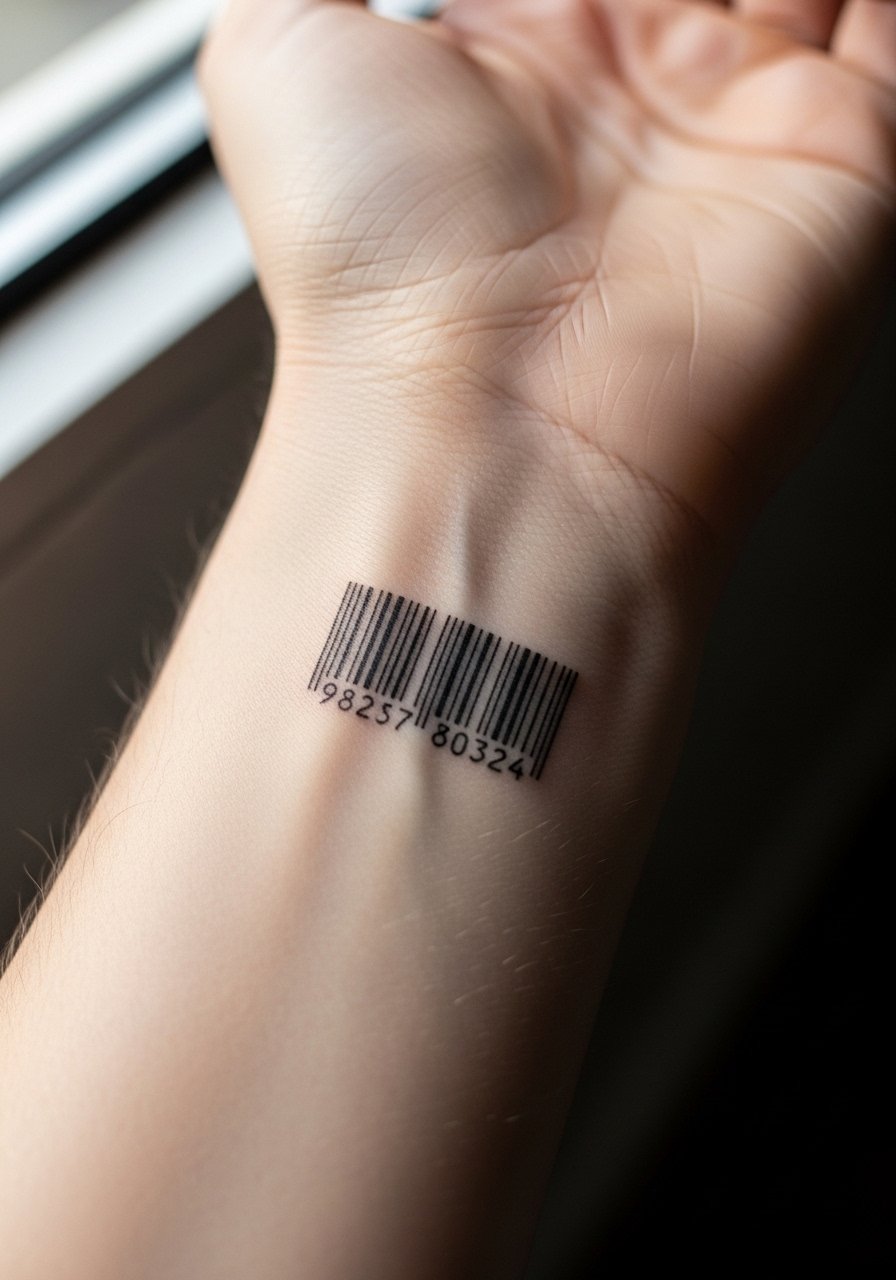
A barcode or linear coordinate bar is graphic and modern, but lines that are too close risk merging. Ask for slightly thicker bars and spacing, and preview a healed sample at similar scale. The wrist is prone to rubbing, so expect lighter contrast over time. Sessions are short and pain is moderate. Pair with a minimal watch that does not press directly over the ink.
19. Matching Tiny Arrows on the Side Rib
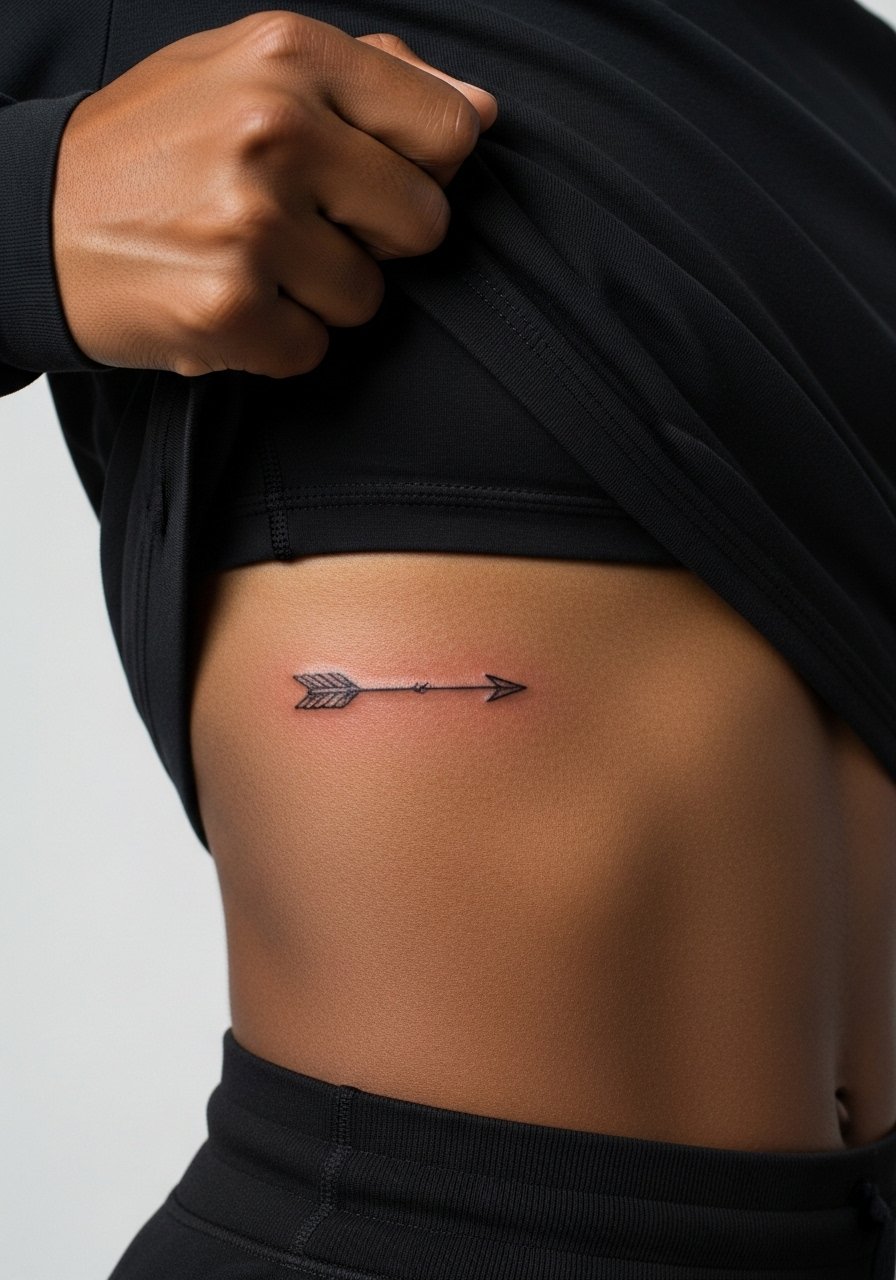
Rib tattoos can look crisp but sting more during the session. A single tiny arrow on each sibling offers direction without heavy detail. Because ribs can blur with tiny parallel lines, ask for single-line contour and slightly larger spacing. Expect a higher pain rating and plan breaths and breaks. This one benefits from an experienced artist familiar with rib placements.
20. Matching Tiny Horseshoes on the Back of the Arm
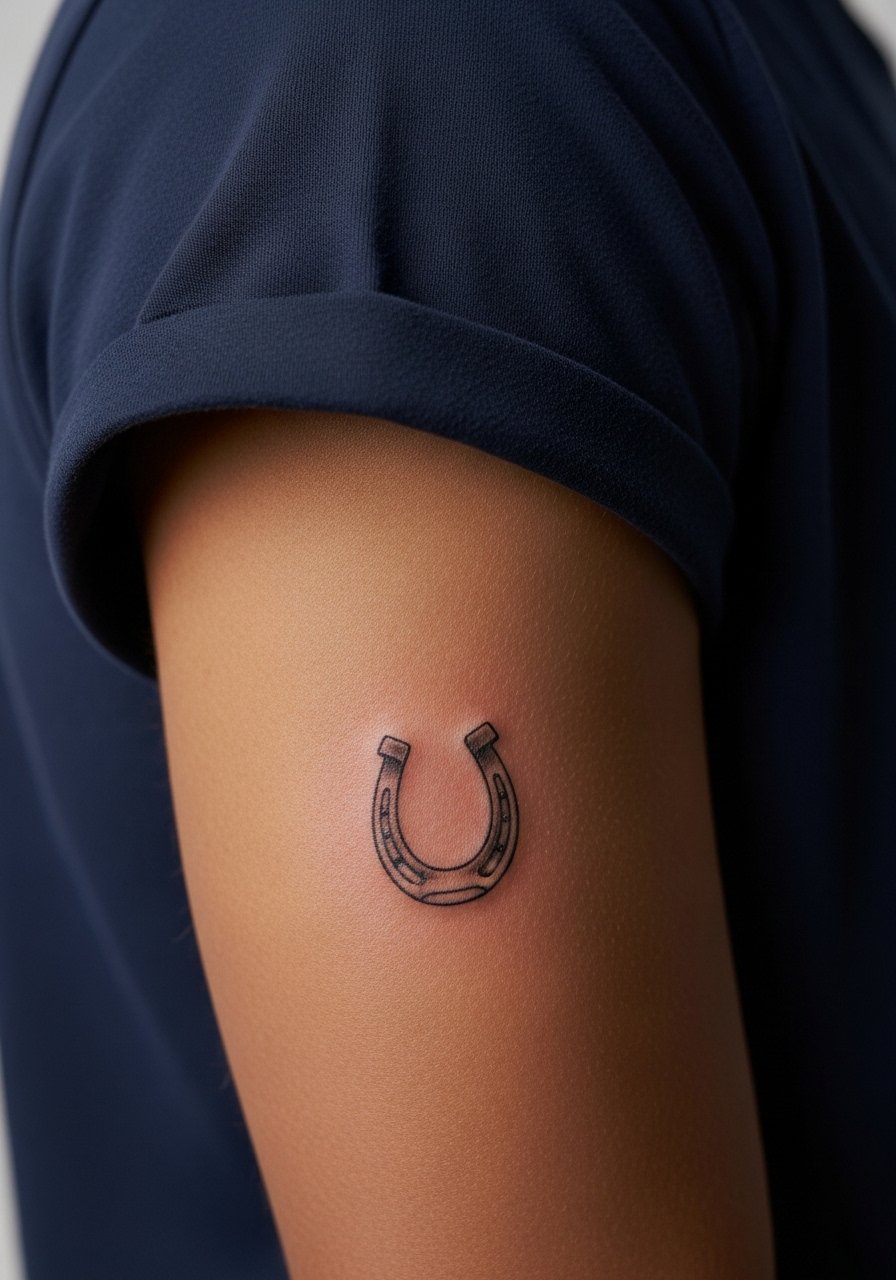
The back of the arm is forgiving for small motifs and typically ages better than inner-arm placements. Horseshoes make quick, low-pain sessions. Ask for clean negative space inside the arc so the shape stays readable. Wear a short sleeve tee for easy access on the day.
21. Matching Minimal Map Outlines on Forearms
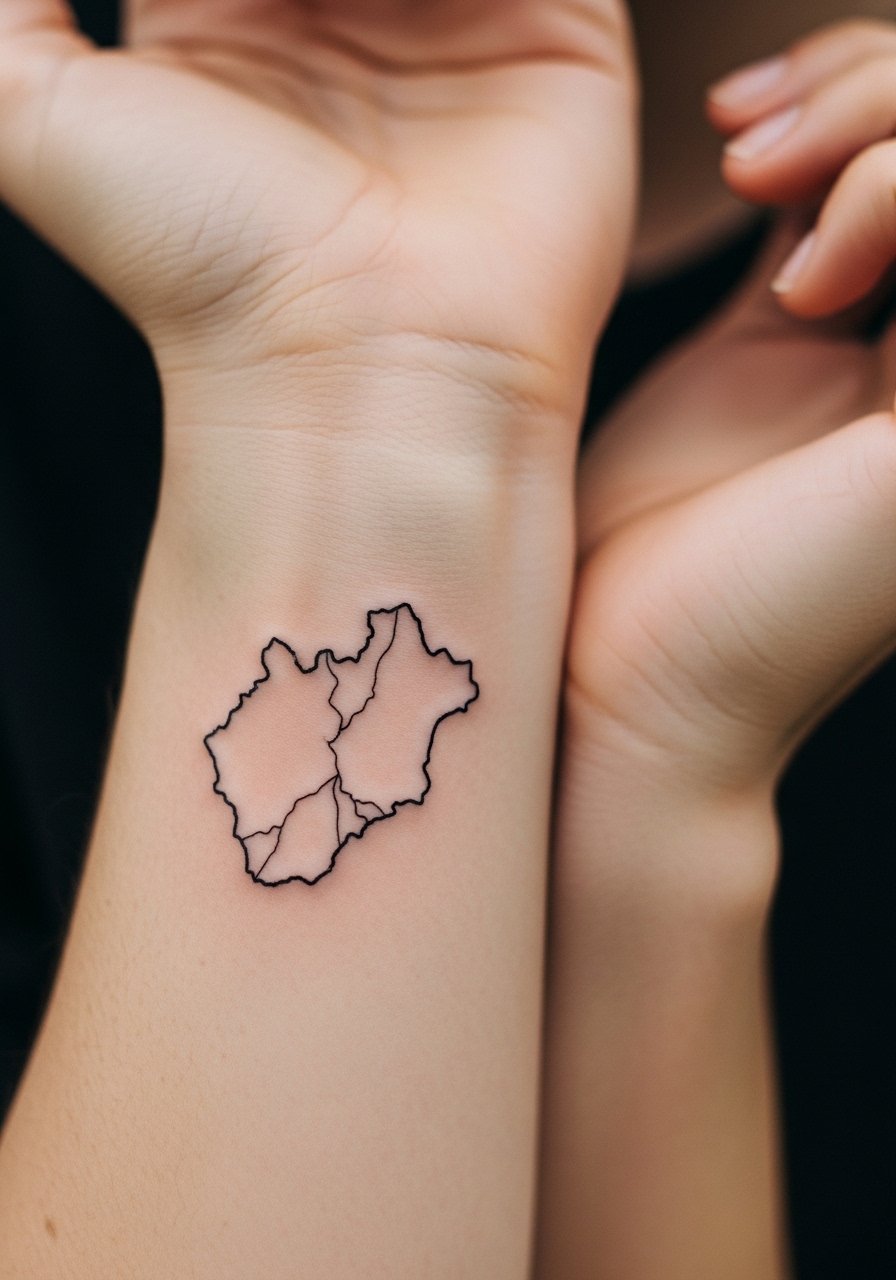
Matching map outlines of a hometown or meaningful spot sit well on the forearm where lines stay stable. Keep interior detail minimal and ask for slightly bolder outer contour to avoid geographic fuzziness later. Sessions are moderate and healing is predictable. For showing off try rolling sleeves or a linen shirt with rolled sleeves.
22. Matching Minimal Wave Lines at the Ankle
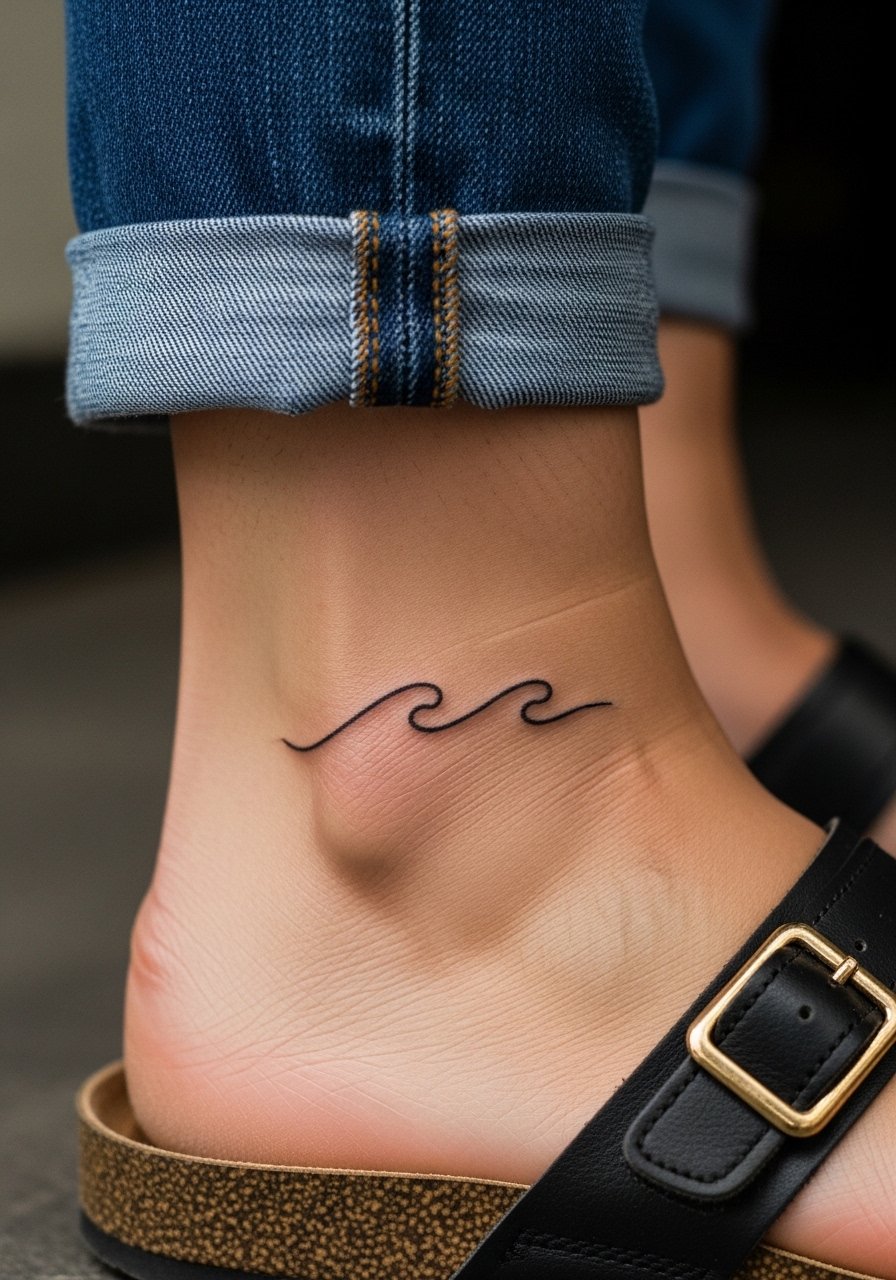
A low-profile wave line pairs well for siblings who grew up near water. Keep the line weight consistent to prevent the crest details from collapsing. Ankles see repeated movement, so ask for slightly heavier single-stroke lines. Sessions are quick and pain is moderate. Pair with a canvas slip-on for casual reveals.
23. Complementary Botanical Sprigs on Inner Biceps
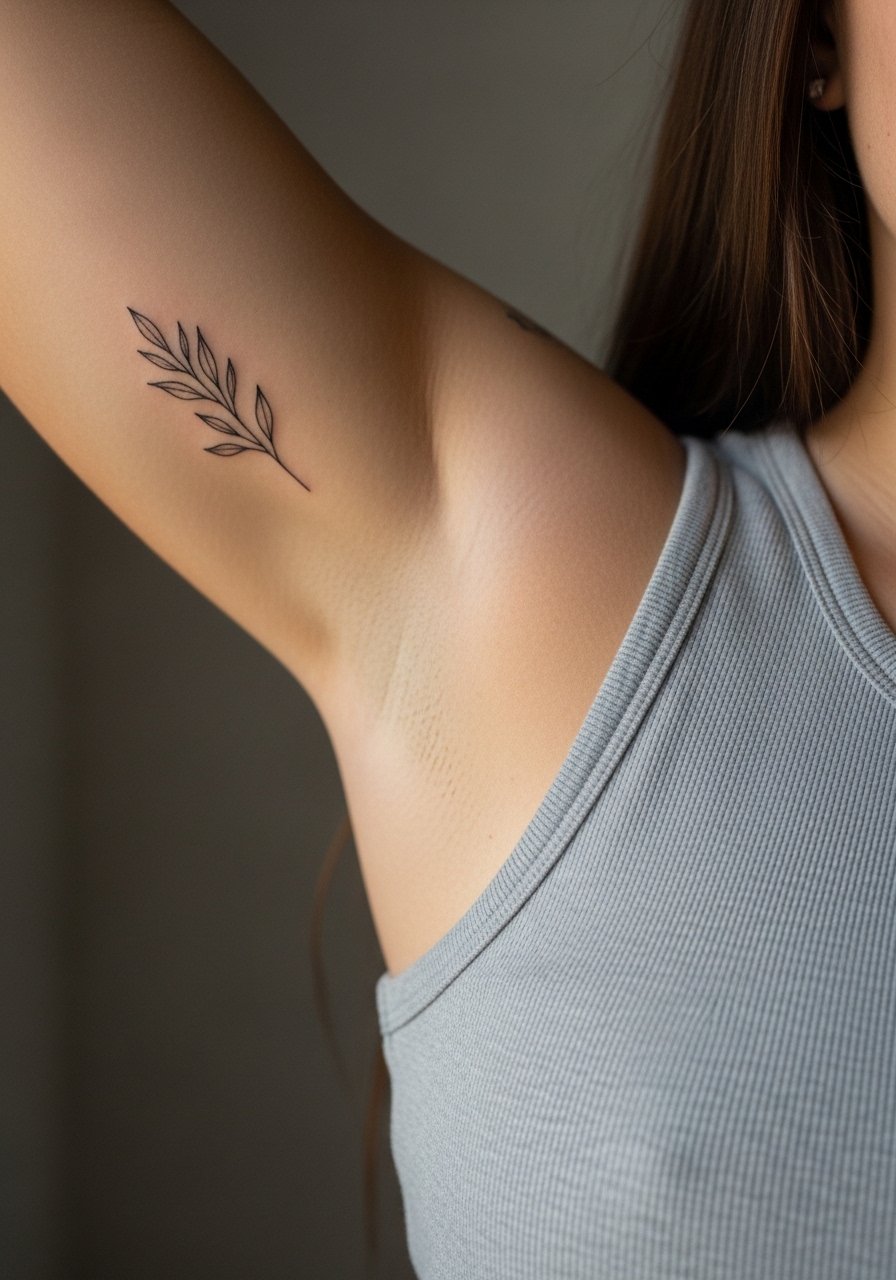
Inner bicep pieces look intimate and are hidden when you want them to be. The skin there can be softer and slightly more prone to stretch, so ask for simpler stems and spaced leaves to avoid merging. Pain is moderate. For the appointment wear a tank top that gives the artist clean access without rubbing the area.
24. Matching Minimal Gemstones on Ankles or Collarbones
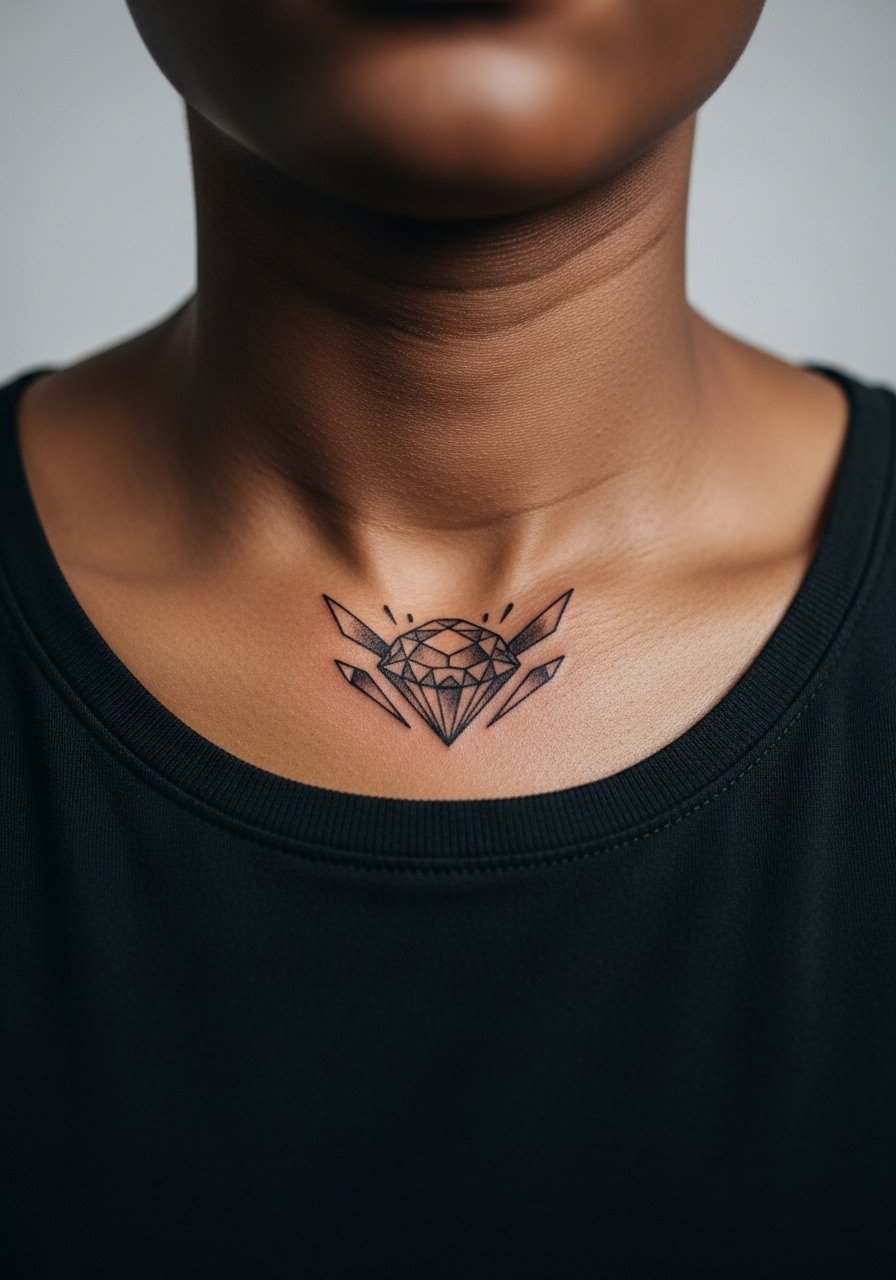
Gemstone icons are compact and symbolic. Where you place them matters for aging. Collarbone versions need sun protection to maintain saturation, while ankle gems need slightly thicker outlines. During consultation specify whether you want color fill or monochrome linework and ask how that choice ages. Short session and low to moderate pain. Pair a collarbone gem with a thin chain pendant necklace to frame the piece.
25. Matching Tiny Musical Notes on the Wrist
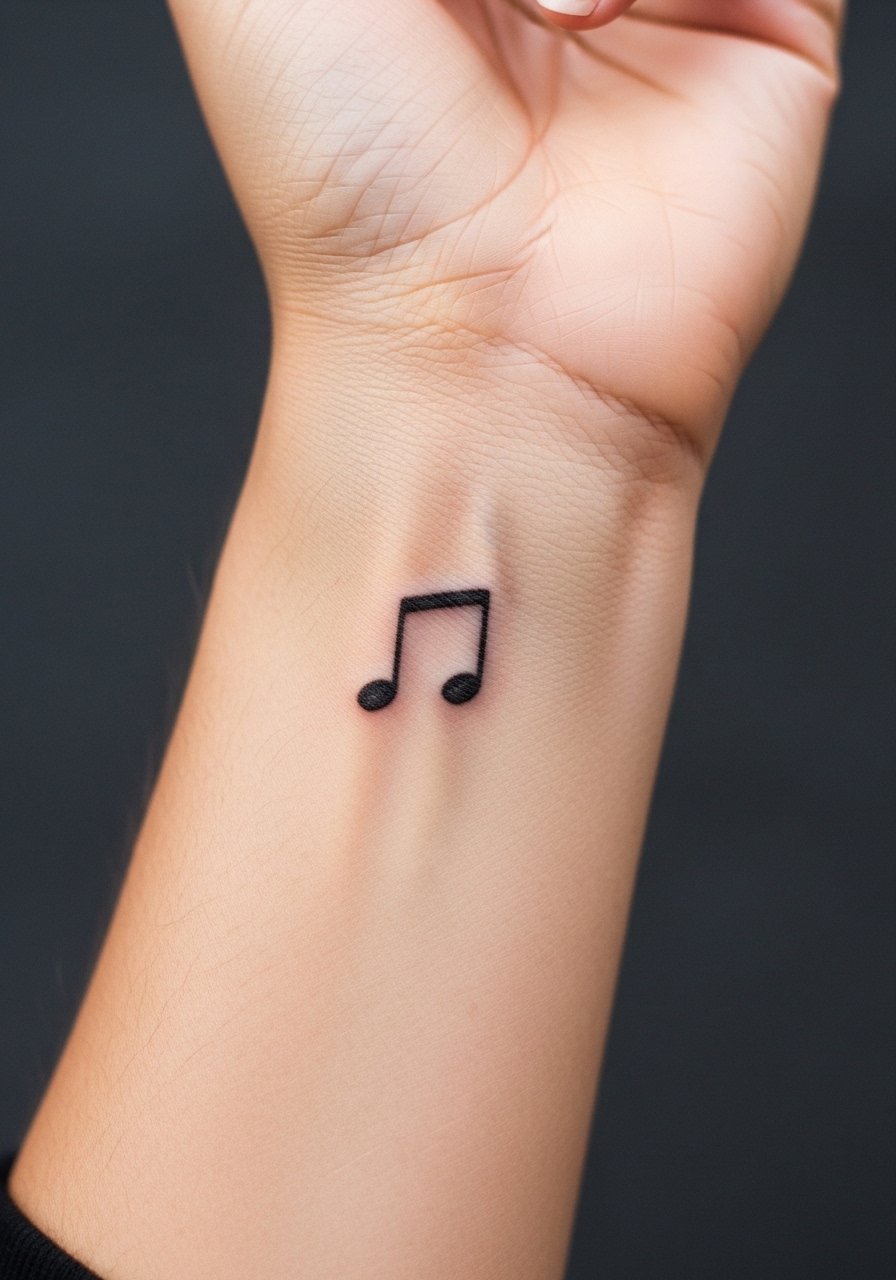
Musical notes are classic and compact. The wrist needs slightly bolder stems rather than micro-hairline strokes to remain legible. Ask your artist to avoid tiny internal fills that can blur. Sessions are brief and discomfort is moderate. For the first week avoid bracelets rubbing directly on the fresh ink; after healing a delicate bracelet keeps attention on the wrist without pressure.
26. Matched Minimal Coordinates as Morse Code on Forearm
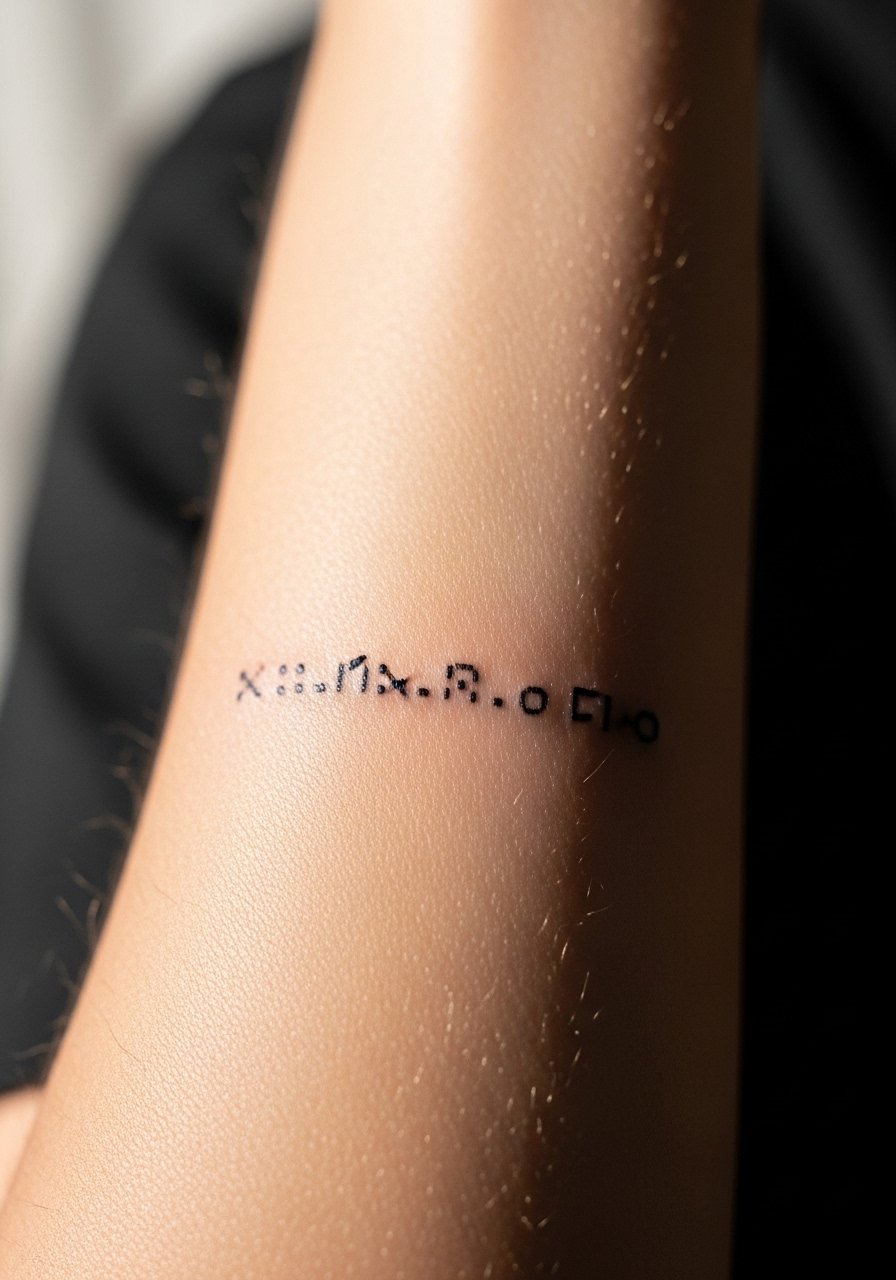
Encoding coordinates or a message in Morse code is subtle and pairs well with forearms, where the small dash and dot rhythm is readable at a glance if spaced properly. Ask your artist to increase the dot diameter slightly compared with reference files so the code keeps reading after a couple of years. Sessions are short and pain is low to moderate. For the appointment wear a long-sleeve shirt you can roll up.
27. Complementary Half-Moon and Full-Moon on Lower Back
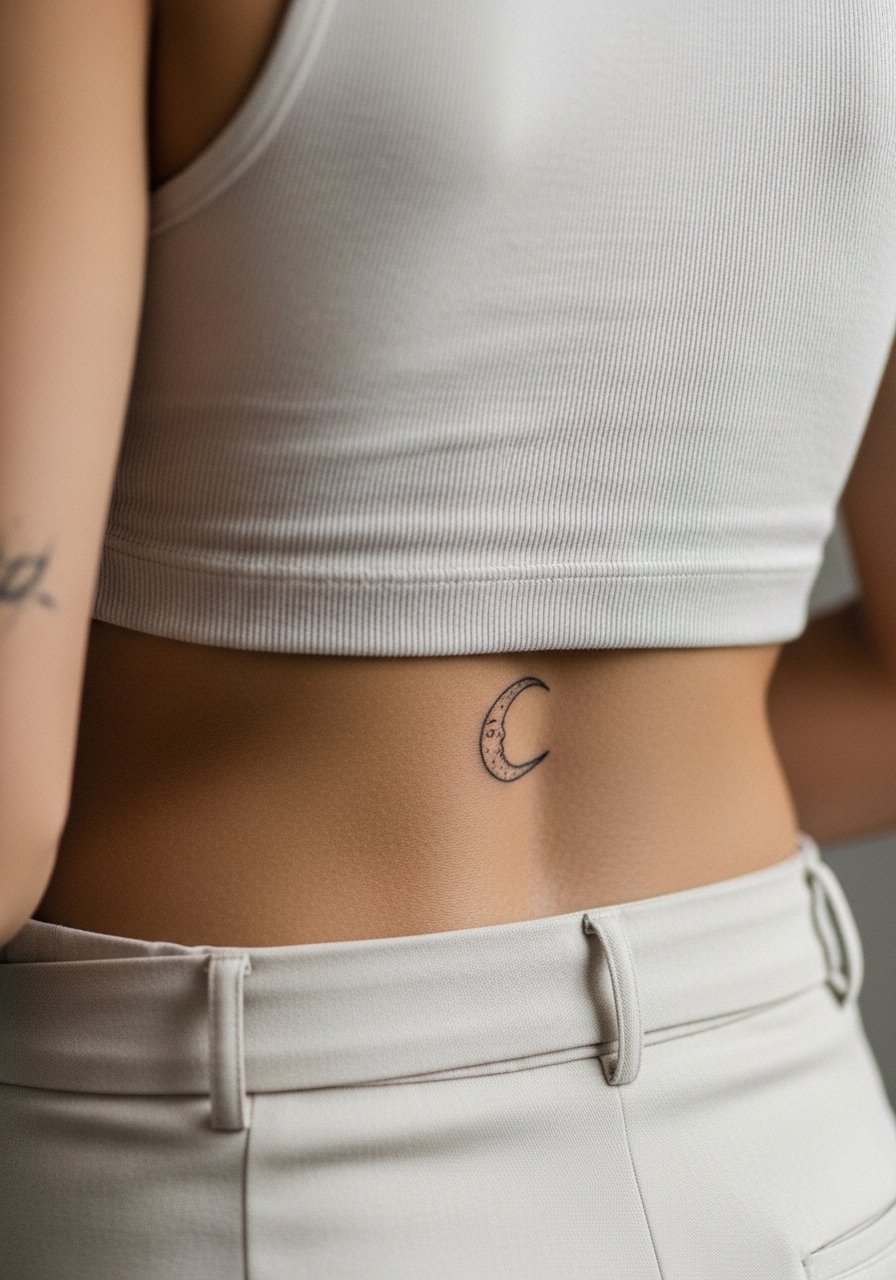
Lower-back placements let you scale complementary moon faces so each sibling has a distinct phase. Keep detail open and avoid dense dot work that can compact on softer skin. Sessions are moderate in time and pain. Consider wardrobe choices for revealing the area with confidence, like a low-rise skirt or tank tops that sit above the waist.
Frequently Asked Questions
Q: How long before matching fine line wrist tattoos need a touch-up?
A: It depends on your lifestyle and exposure. I have seen fine line wrist pieces start to soften at year two in people who wash hands often and wear bracelets daily. Expect a touch-up window around year two to three if you want the lines to stay crisp.
Q: Are matching ribcage tattoos more likely to blur than forearm pieces?
A: Artists split into two camps. One argues rib skin and movement make fine line blur faster. The other says proper needle depth and spacing keep lines readable. Ask the artist where they stand, and if they recommend heavier linework or more spacing for ribs.
Q: Should siblings get identical tattoos or complementary halves?
A: Both work. Identical pieces read clear and uniform. Complementary halves or mirrored designs age a little more forgivingly because one medium-sized piece often outlives tiny matching micro-detail. Think about how visible you want the connection to be in daily life.
Q: How should I prepare clothing-wise for a chest or sternum session?
A: Wear a fitted sports bra or a wide-neck shirt you can pull aside. That keeps exposure minimal and gives the artist stable access. A zip-up hoodie is also handy for travel to and from the studio.
Q: Do hand and finger tattoos affect job prospects?
A: They still can in some professions. If you or your sibling work in conservative environments, consider placements that are easy to cover during shifts or opt for inner-arm or thigh placements that stay private.