Fine line watercolor is trending hard on feeds right now, but it does not always age the way it looks in that first swipe of sunlight. I've noticed pastel pieces on tan skin can lose crispness faster, artists sometimes cancel color sessions when a mix needs more time, and small colorful tats routinely jump in price between consult and booking. Read on for 17 vivid ethereal tattoo ideas and practical notes that help you get the glow without the surprises.
1. Ethereal Fairy Silhouette on the Collarbone
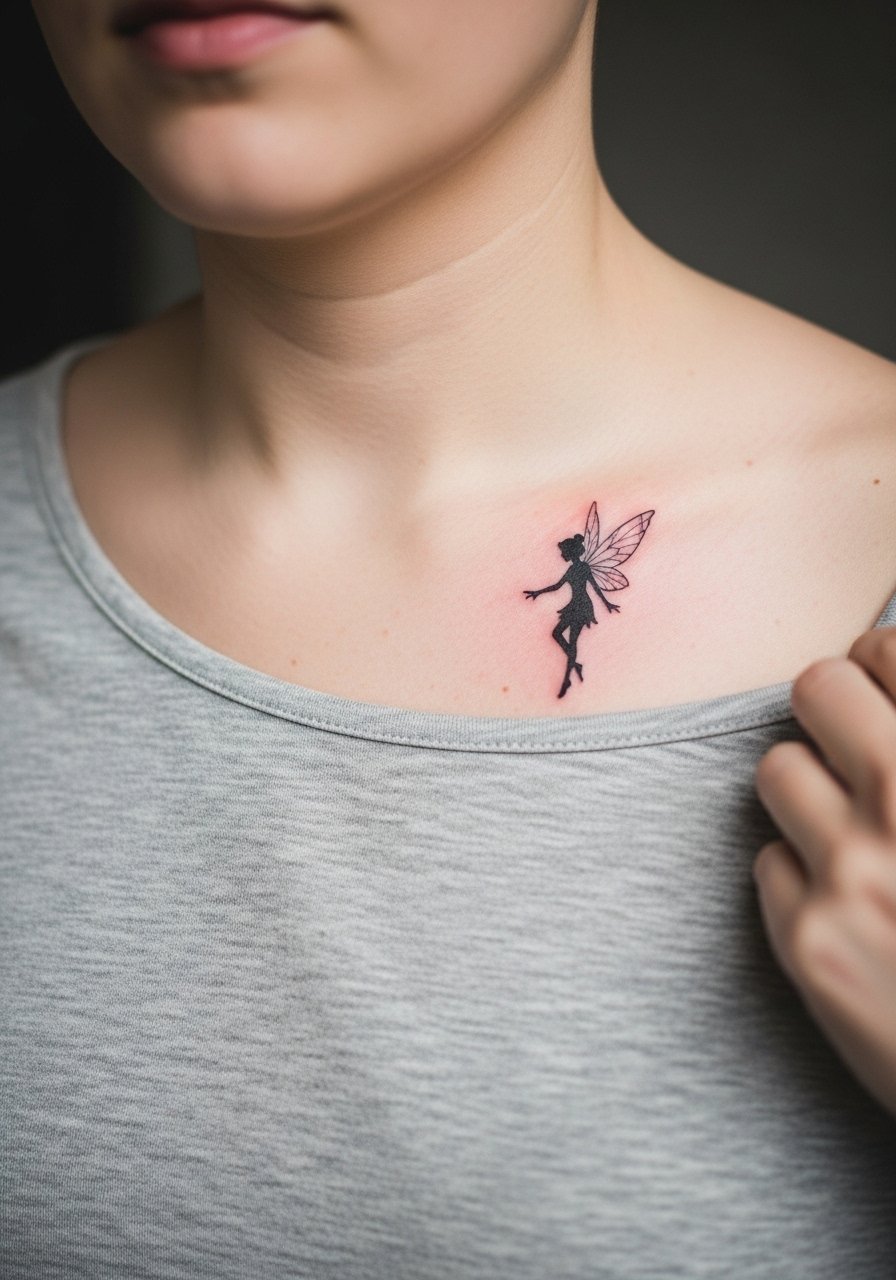
I recommend this collarbone fairy when you want a piece that moves with the shoulder and shows off white-ink highlights. Tell your artist you want slightly bolder anchor lines under the pastel washes so the form keeps contrast as the colors fade. Most mistakes come from making the wings too thin across high-friction zones where bra straps sit. Expect a one to two hour session and a touch-up at 6 to 12 months for pastel refresh. For the appointment, wear an off shoulder blouse women you can pull to the side so the artist has clean access without exposing more than needed.
2. Celestial Moon Phases on the Inner Wrist

Fair warning: wrist skin sees a lot of sun and friction, and fine watercolor fades faster there than on covered spots. Ask for slightly more saturation in the core of each moon and a faint halo created with dot work to preserve the silhouette over time. A common misstep is asking for ultra-tiny moons with near-zero spacing. That compresses linework and leads to merging after a year or two. Session time is usually under an hour and pain is low to moderate. To show it off pair the piece with a thin chain bracelet on the opposite wrist so the tattoo has breathing room visually.
3. Angelic Figure with Translucent Wings on the Upper Arm

I've seen upper arm angel pieces hold color better than forearm minis because the area gets less sun exposure. During the consult, request diffused gold washes and a soft white halo for the glow effect. The biggest mistake is too much detail crammed into a small area, which blurs into blotches over time. Expect a two-session build for full layering and a typical touch-up window around year two. The session feels like moderate pressure but manageable with breaks. For evenings out the tattoo reads nicely under a sleeveless maxi dress where the arm shows naturally.
4. Fairy Dust Trail at the Ankle
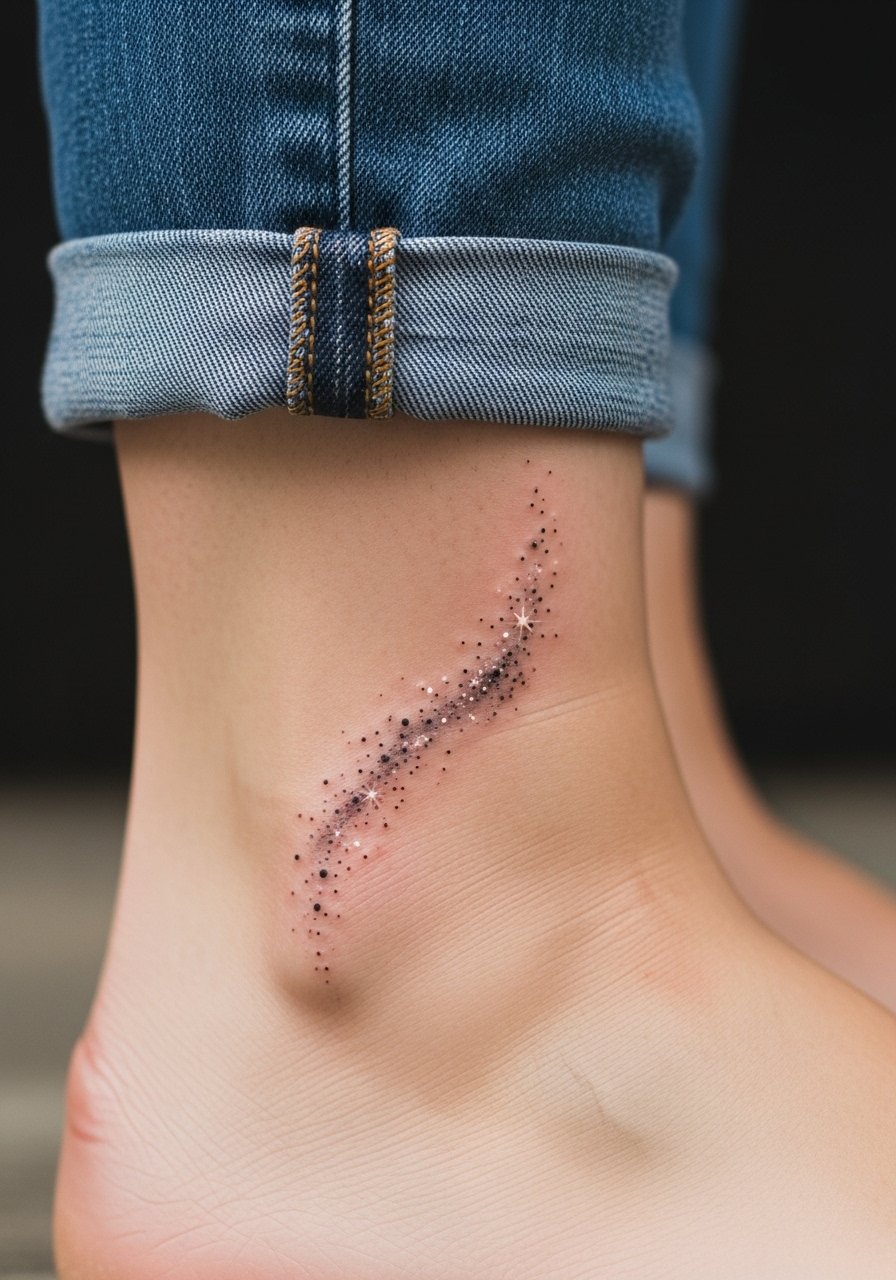
Ankle pieces are seasonal show-offs and they endure lots of friction from shoes and socks. For better longevity pick dot work and tiny iridescent color accents over continuous solid washes. A common error is placing the trail too low where shoe straps rub daily. This one is typically a single session under an hour with a moderate pain level. If you want to wear the piece often, pair it with strappy heeled sandals or cropped linen pants so the shimmer peeks without constant abrasion.
5. Floating Island Landscape on the Thigh

Thigh work holds color well because it gets minimal sun and less daily friction. This larger 6 to 10 inch design often needs multiple sessions to layer the faded-edge watercolor correctly. Tell your artist you want vibrancy in the first pass but faded edges that blend into skin tone to mimic an aurora. The common mistake is asking for full saturation in one long session which strains the skin and slows healing. Expect three to four sessions and plan for measured touch-ups years down the line. For session ease wear loose shorts you can pull down just enough so the artist reaches the area comfortably.
6. Ghost-Like Spirit on the Neck and Collarbone

Neck and upper chest pieces look fragile and ethereal, but they test your tolerance for visible ink. Artists are split on nitty-gritty technique here. One camp says fine line on the neck blurs quickly because the surface moves a lot. The other camp argues that with correct needle depth and spacing the lines can stay crisp. Ask the artist which camp they follow and why. Expect one to two sessions and plan on touch-ups at a shorter interval than sleeve work. For the chair wear a [strapless top or button-up](https://www.amazon.com/s?k=str strapless+top&tag=inkdaisy-20) you can open or pull to the side for access while keeping exposure minimal.
Studio Day Picks
The collarbone, wrist, ankle, shoulder, and thigh pieces above need different prep than a full back piece, so a few targeted items smooth the session and the first week.
-
Stencil transfer paper kit. Lets you preview placement and scale on skin before the needle hits, which is crucial for collarbone and wrist motifs.
-
Topical numbing cream. Applied as suggested, it can make ankle and sternum sessions more tolerable without interfering with fine line work.
-
Thin protective film roll. Useful for finger and wrist pieces that face constant washing and rubbing in the first days.
-
Fragrance free gentle body wash. A mild wash prevents irritation during early healing for sensitive watercolor washes.
-
Aquaphor healing ointment. A thin layer in the initial days helps retain moisture on fine line tattoos without clogging needle channels during healing.
7. Ethereal Butterfly Metamorphosis on the Finger

Finger tattoos show quickly and fade fast because of constant washing and friction. For a glowing tiny butterfly ask for micro-realism shading with color shards placed inside a slightly bolder black silhouette to anchor the motif. A frequent mistake is insisting on a pure watercolor fill without any outline, which ghosts within months. The session is short but punchy and touch-ups are common within a year. To minimize rubbing during the first week, avoid stacking rings on that finger and consider pairing the look with a dainty chain bracelet on the opposite wrist rather than rings on the tattooed hand.
8. Mystic Portal Swirl on the Shoulder Blade
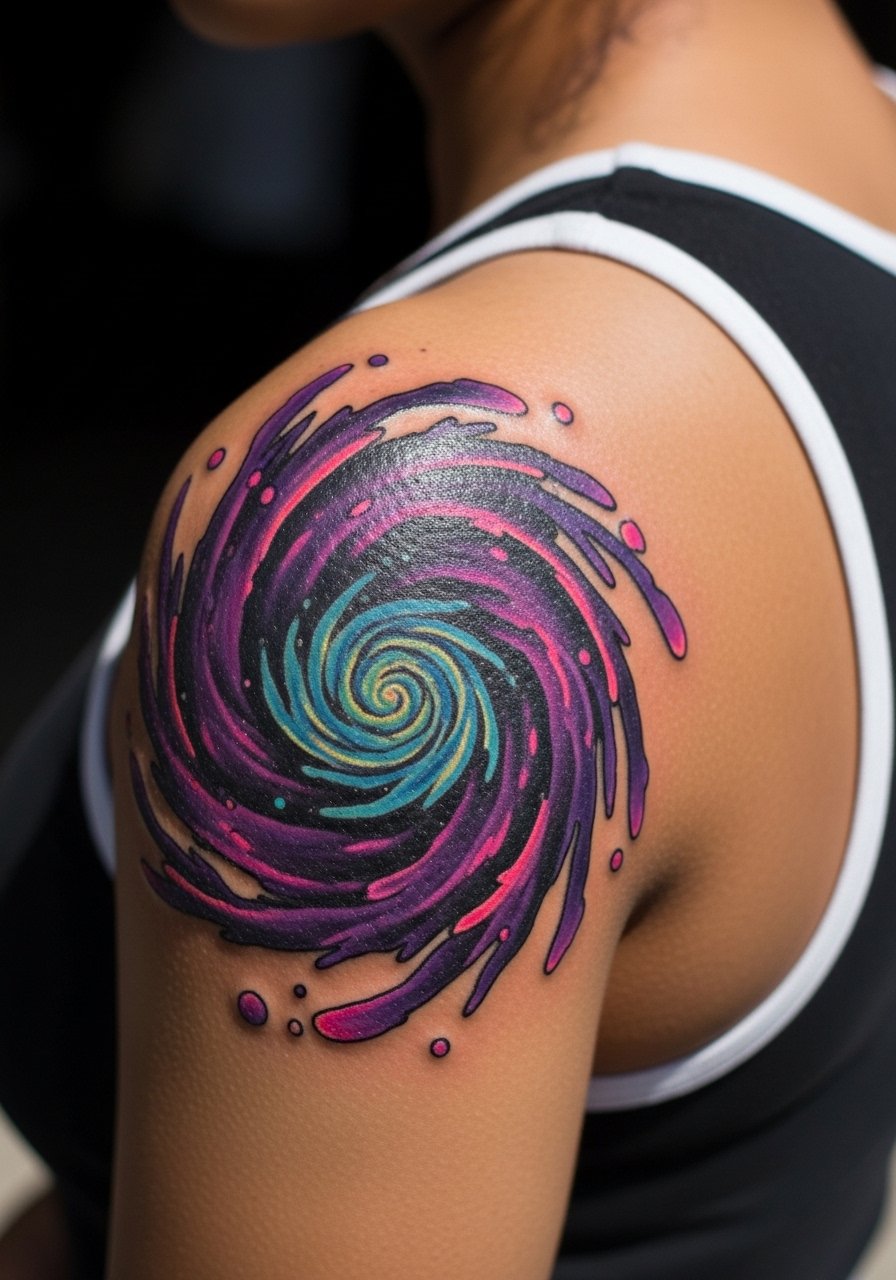
Shoulder blade pieces photograph well and live in a low-friction zone, which helps preserve soft nebula washes. During consultation, ask the artist to design strong contrast zones near the center of the portal to keep the eye focal as the outer washes fade. The mistake is crowding the swirl with tiny stars that merge later. Two sessions are common for depth building and neon accent placement. For the session wear a halter top women or loose tank so the artist can reach the blade without you being exposed.
9. Floating Ethereal Flowers on the Inner Bicep

Inner bicep skin is soft and takes ink differently than outer arm areas. I recommend stipple shading with soft blue and pink washes and white highlights to preserve dew drop reflections. A real mistake is compressing fine petals into too tight a space, which leads to blurred edges after stretching. Expect one session lasting one to two hours and touch-ups at two years for pastel revival. For the appointment, wear a flowy short sleeve blouse or tank to let the artist lift the arm without full exposure.
10. Celestial Siren Full Back Start
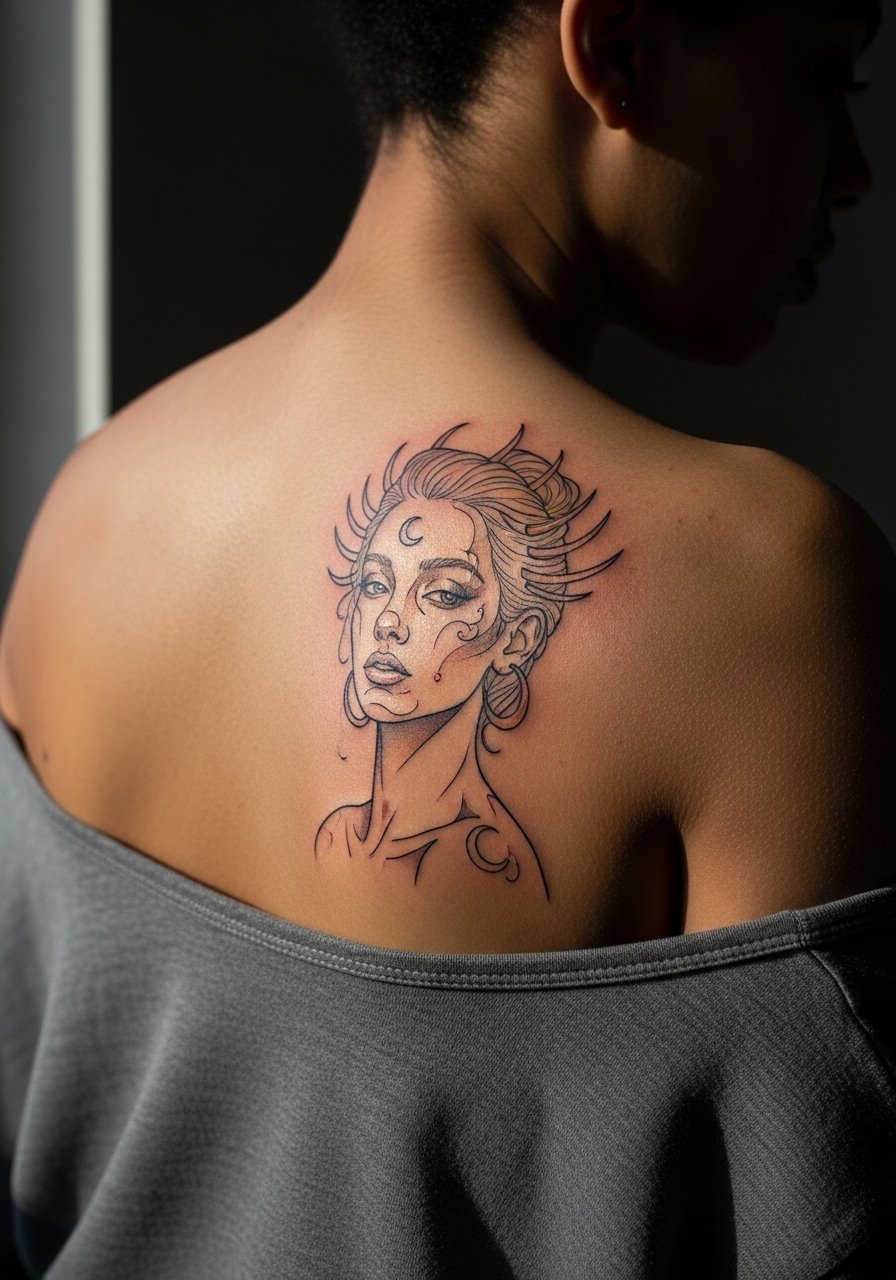
Large portraiture and sleeve-start sirens require strong composition planning and multiple color mixing sessions. Tell your artist you want black outlines anchored in the corners so the galaxy eyes stay legible as pigments soften. The main error is treating a back portrait like a single-session flash. These pieces take four or more sessions and need staged color passes. Healed color at year two often reads softer than on day one. For discovery, search tags like #EtherealTattoo and filter for artists who post healed photos rather than only fresh photos to assess longevity.
11. Whispering Wind Spirits on the Outer Forearm
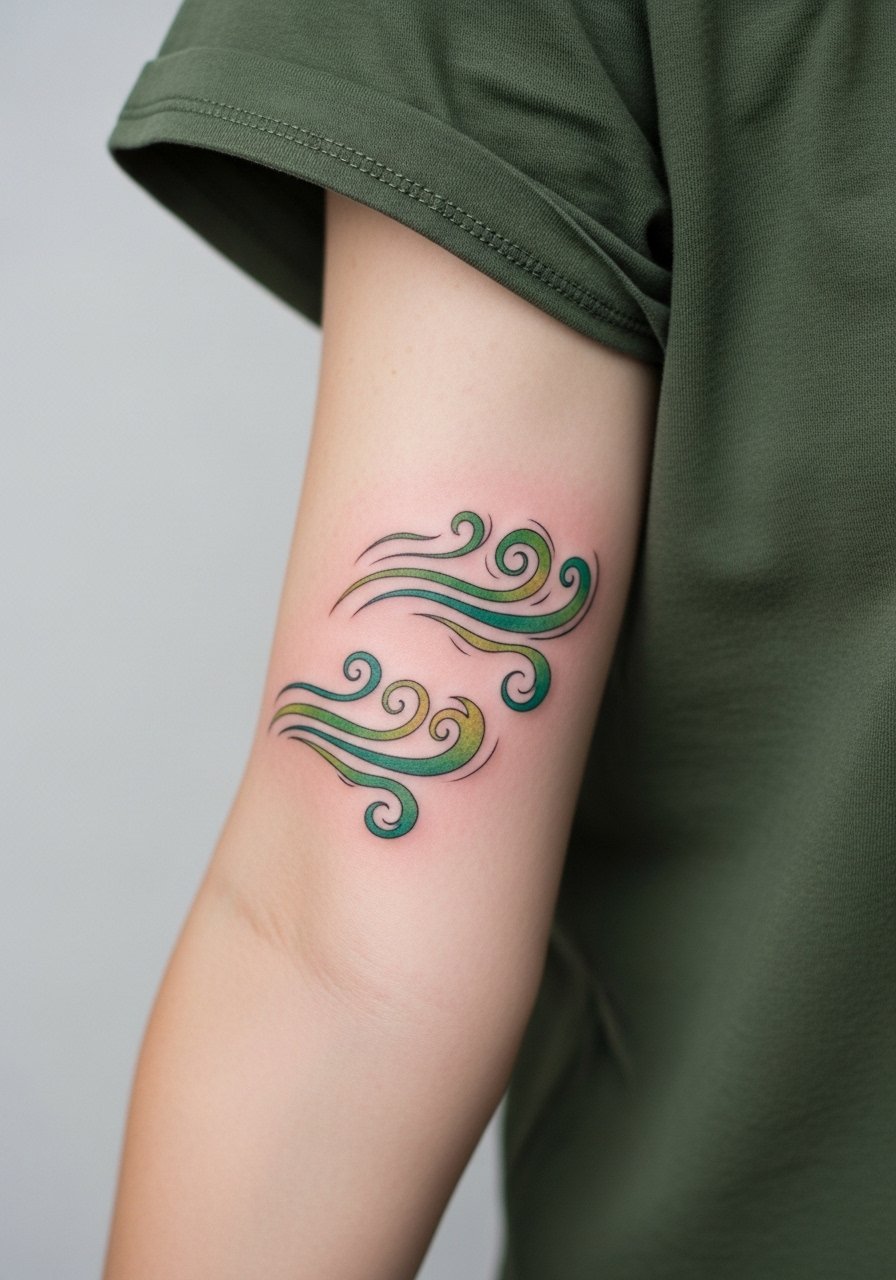
Outer forearm is forgiving for elongated designs and shows off linear movement effectively. Ask for a hybrid black base with green-blue washes that fade out to skin tone so the movement keeps clarity as color diminishes. A common issue is too many thin overlapping strokes in the same tonal range which blend into a single wash later. Expect two sessions for layered fades and touch-ups at year two. For showing this one off, roll sleeves and pair with a linen button down shirt rolled to the elbow so the piece is framed but not crowded.
12. Luminous Crystal Cluster on the Sternum

Sternum work is intimate and needs an artist comfortable with symmetry and geometric placement. Request refracted-light highlights and slightly thicker outer facets so the prism holds as the center pigments soften. The major mistake is insisting on micro-fine facet lines across uneven skin, which can blur with movement. One to two sessions are typical and touch-ups depend on how much sun exposure the chest receives. For the session wear a fitted sports bra or bandeau so fabric lines give the artist stable edges to reference when placing the design.
13. Ethereal Phoenix Rising on the Calf
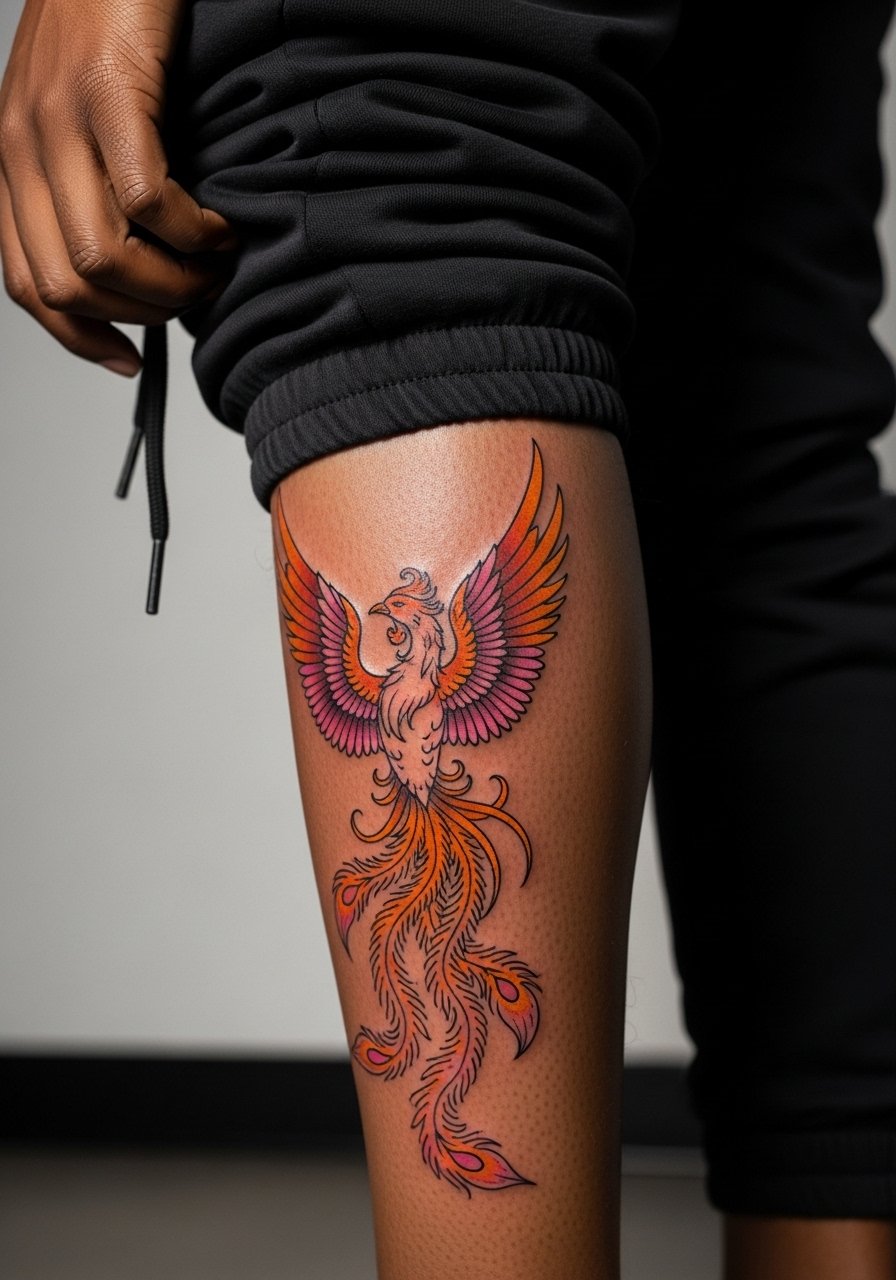
Calf placement is a great compromise for medium-large color work that you can choose to show or cover. Ask for graduated saturation from the body outward into softer washes in the feathers so the phoenix sensation remains as pigments fade. The common error is too much fine detail in the feather tips, which fray visually over time. Sessions usually stretch across three sittings for shading and linework. Wear loose joggers you can roll up so the artist can access the area without fabric pressure.
14. Spine-Floating Illusion Tattoo

Spine placements offer motion illusions when you move, but the area shifts a lot with bending and weight changes. For a floating effect along the spine, space elements deliberately and use slightly bolder anchor lines so segments do not splice together as the skin moves. Artists are split on how fine is too fine here. One group says micro-lines are fine with steady stretch management. The other prefers stronger anchors. Ask which they recommend and why. Expect moderate pain and two sessions. Consider pairing the reveal with open-back pieces in your wardrobe.
15. Ethereal Butterfly on the Wrist
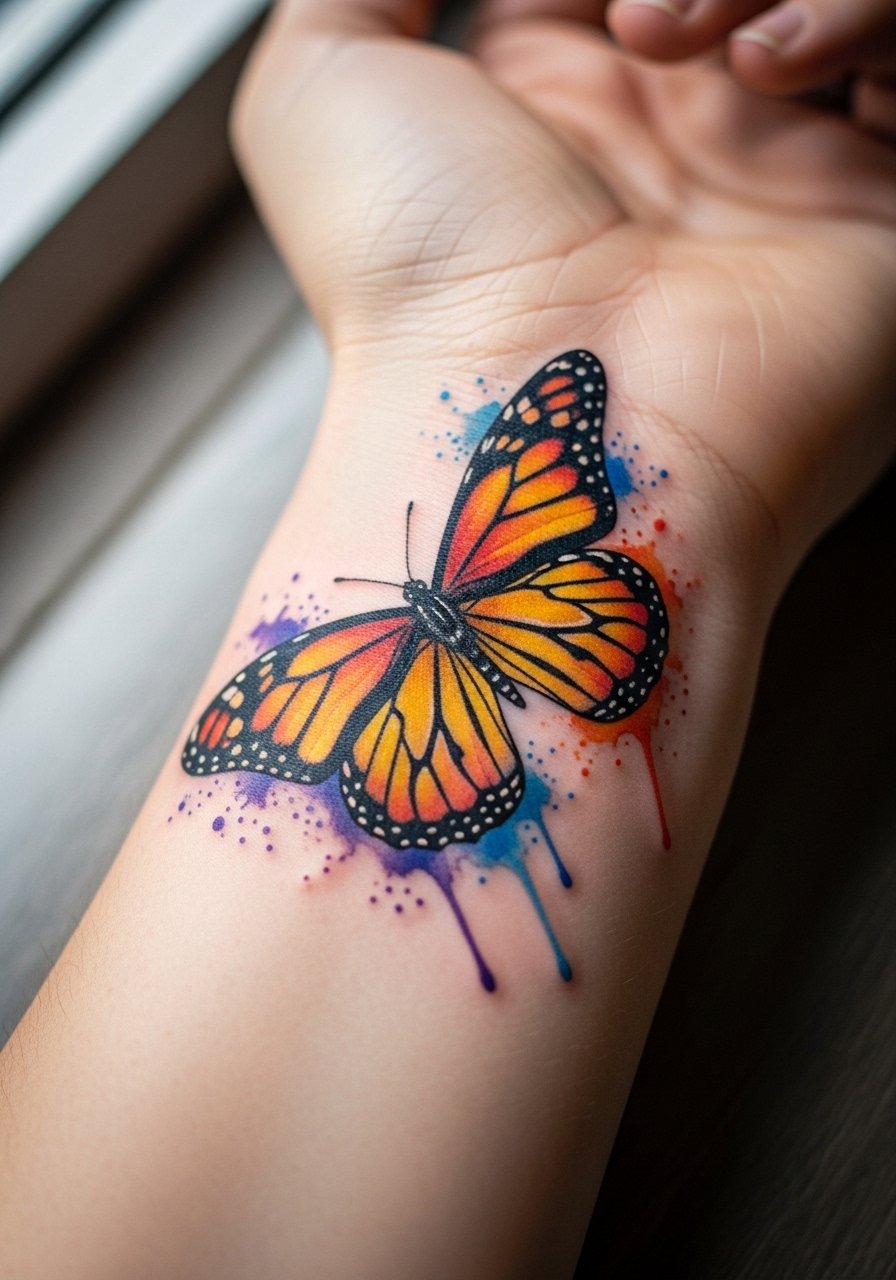
Wrist tattoos face sun and soap daily, so a hybrid approach works best. Ask for a faint black outline with rainbow shard fills so the silhouette remains readable as colors soften. The common mistake is asking for a fully outline-free watercolor on the wrist. That style simply ghosts faster than you want. Sessions are short and touch-ups tend to be annual for high-saturation palettes. For showing it off, a minimal silver cuff bracelet on the opposite arm complements without crowding the wrist.
16. Lower Back Nebula Accent
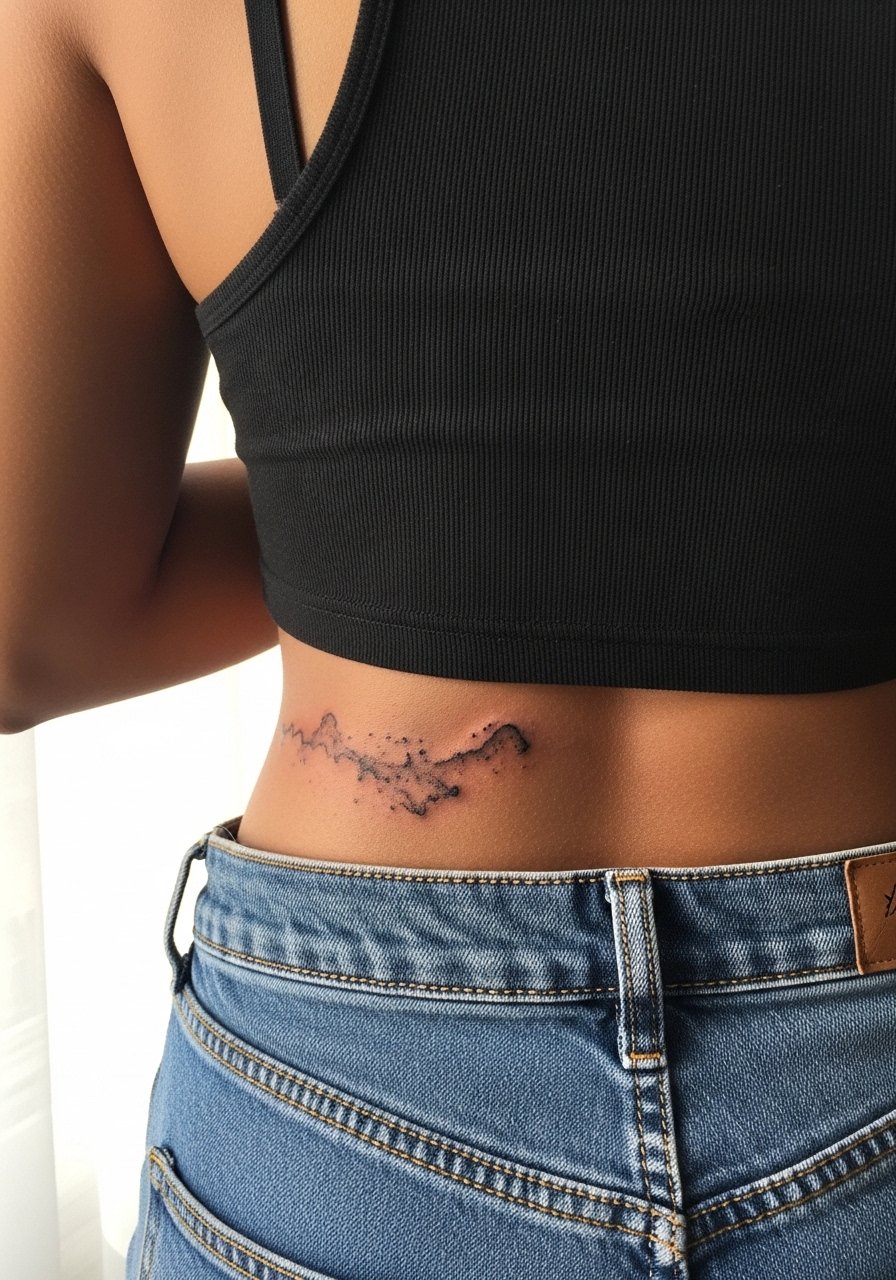
Lower back canvas lets you place more saturated nebulas because the area gets less daily abrasion. For ethereal prisms, ask for layered glazing techniques that blend into the skin tone at the edges. Avoid over-detailing small stars that will merge after healing. This piece is medium pain and often handled in a single long session or two shorter ones. The lower back can shift with weight changes, so note that stretch will affect how linear elements read years later.
17. Dotwork Nebula Around the Ankle

Ankle wraps look fantastic in summer, but they face shoe straps and socks. Dot work with spaced nebula dots and a few neon accents resists early merging better than dense washes. A mistake I see often is attempting a full circular nebula too low where footwear constantly rubs the design. Expect a single session and plan for touch-ups if you wear ankle boots often. For warm-weather styling, cropped linen pants and sandals let the wrap peek without constant pressure.
Frequently Asked Questions
Q: Do fine line watercolor tattoos fade faster on darker skin tones?
A: From what I've seen, very faint pastels can lose contrast faster on darker tones because saturation shows less vibrancy from the start. A practical fix is a hybrid approach with a modest black or deeper base color and brighter color pops on top. Ask the artist for healed photos on similar skin tones and plan for a touch-up window in the first year.
Q: How should I plan a consult if an artist cancels color sessions due to custom mixing issues?
A: Confirm color prep during booking and ask whether the artist mixes onsite or uses pre-mixed palettes. If a specialist mix is needed, consider booking a guest slot at a convention or with an artist who lists watercolor or fine line color as their main focus. Leave extra time between consult and session so color prep does not become a last-minute reason to reschedule.
Q: Is Saniderm better than dry healing for colorful ethereal pieces?
A: Artists divide into two camps. One group says protective film preserves saturation and keeps bacteria out, which helps color stability. The other group prefers controlled dry healing to avoid moisture buildup that could affect line crispness. My advice is to ask the artist how they usually manage colorful inks and follow their protocol for the first 48 to 72 hours, then adjust with gentle, fragrance-free care.
Q: Which placements age best for pastel nebula or fairy motifs?
A: Covered areas like thighs, upper arms, and the lower back tend to preserve pastel transitions longer because they avoid daily sun and friction. High-exposure spots like wrists, fingers, and ankles show faster fading. If you love a wrist or ankle look, plan for a slightly bolder outline or annual touch-ups.
Q: How much should I tip for a custom ethereal color session?
A: Tipping norms vary, but many clients aim for twenty percent for custom color work. Some people prefer a flat amount for small pieces. Value your artist's time and complexity of color mixing when deciding. If you ask about tipping in the consult, the artist will usually give a reasonable expectation for their area.
Q: What should I wear to a shoulder or collarbone session for comfort and access?
A: Choose clothing that gives easy access without over-exposure. For collarbone and shoulder work wear an open-back or cold shoulder top or a button-up you can slide aside. That keeps the area reachable while preserving modesty during the session.