Fine line tattoos are everywhere on saved boards right now, but the way they age is the real conversation. Bold blackwork tends to hold contrast in high-motion spots, and watercolor pieces need better placement or else they talk to you about fading after a year. If you want cute Twenty One Pilots ink that still looks like ink in three years, pick the right style for the spot, ask the right questions in the consult, and plan a realistic touch-up window before you book.
1. Fine Line |-/ Logo on Inner Wrist
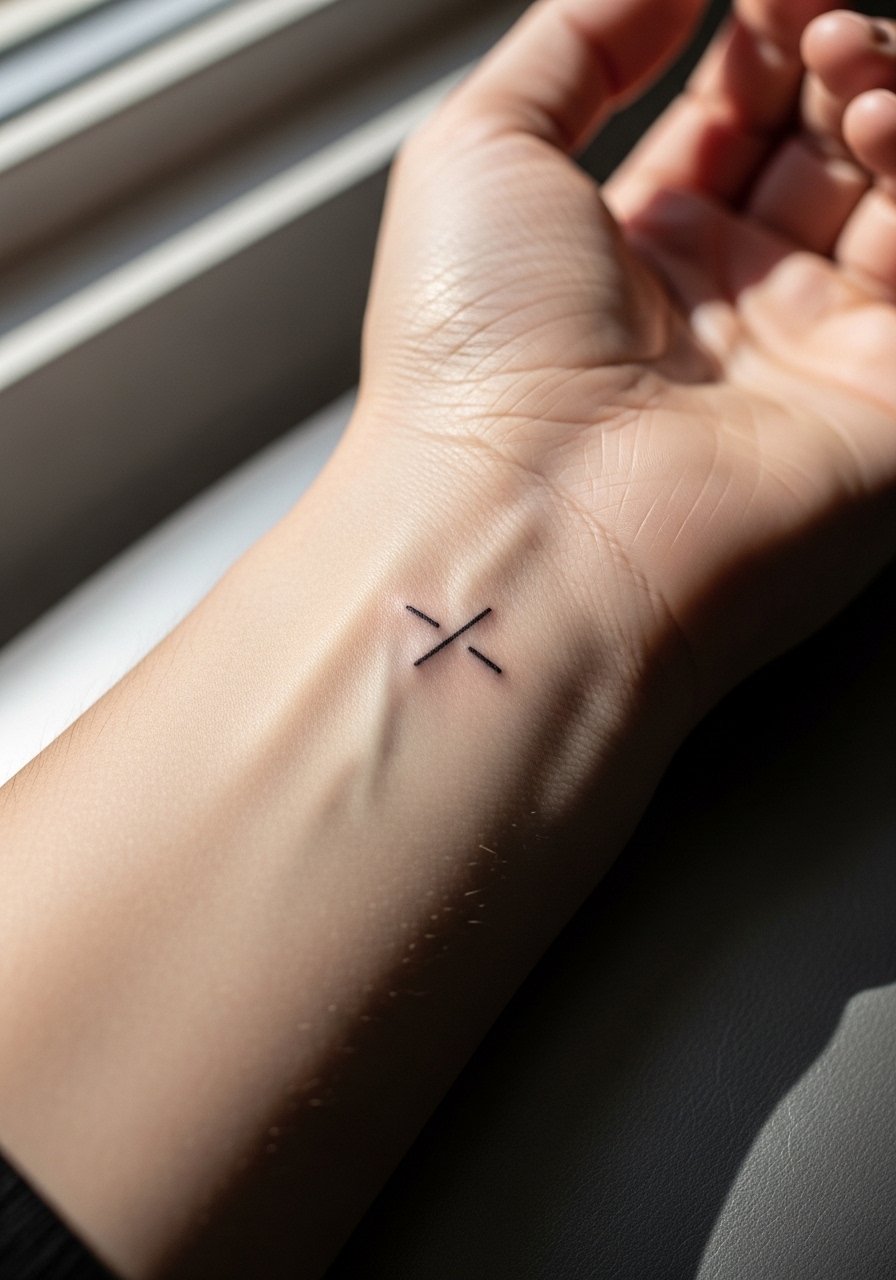
I recommend this for first timers who want a subtle nod to the band without committing to a big piece. Tell your artist you want single-needle linework with slightly increased spacing between strokes so the logo stays legible at year two and five. Common mistake is making it too tiny, which accelerates blurring. Expect light discomfort on the wrist during the 20 to 40 minute session. For longevity, plan a small touch-up at 12 to 18 months. This placement looks great with a thin chain bracelet on the opposite wrist when you want to show it off during summer.
2. Blurryface Mask Outline in Bold Blackwork on Forearm
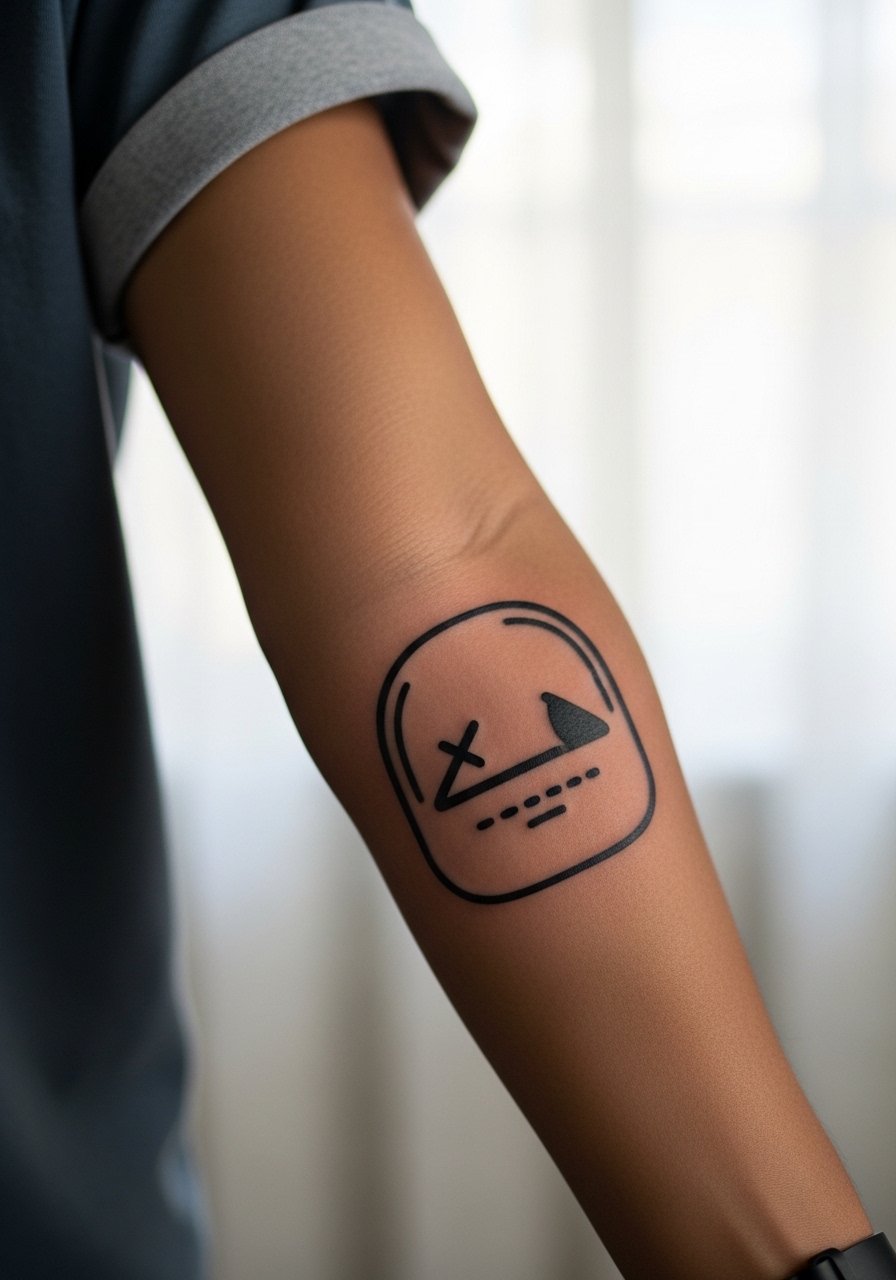
This is for fans who want the album icon to read from a distance. Bold black fills resist fading more than fine line in high-motion areas. Ask for clear solid fills and crisp edges during the consultation so the mask holds up under frequent washing and sun exposure. Pain sits around a five out of ten on the forearm. A common aging issue is patchy saturation from shallow shading. If you sweat during summer healing, expect slightly slower color locking. Pair it with a rolled sleeve button-down for casual showing off and wear a loose short-sleeve button-up to the session for easy access.
3. |-/ Logo with Watercolor Accents on Shoulder
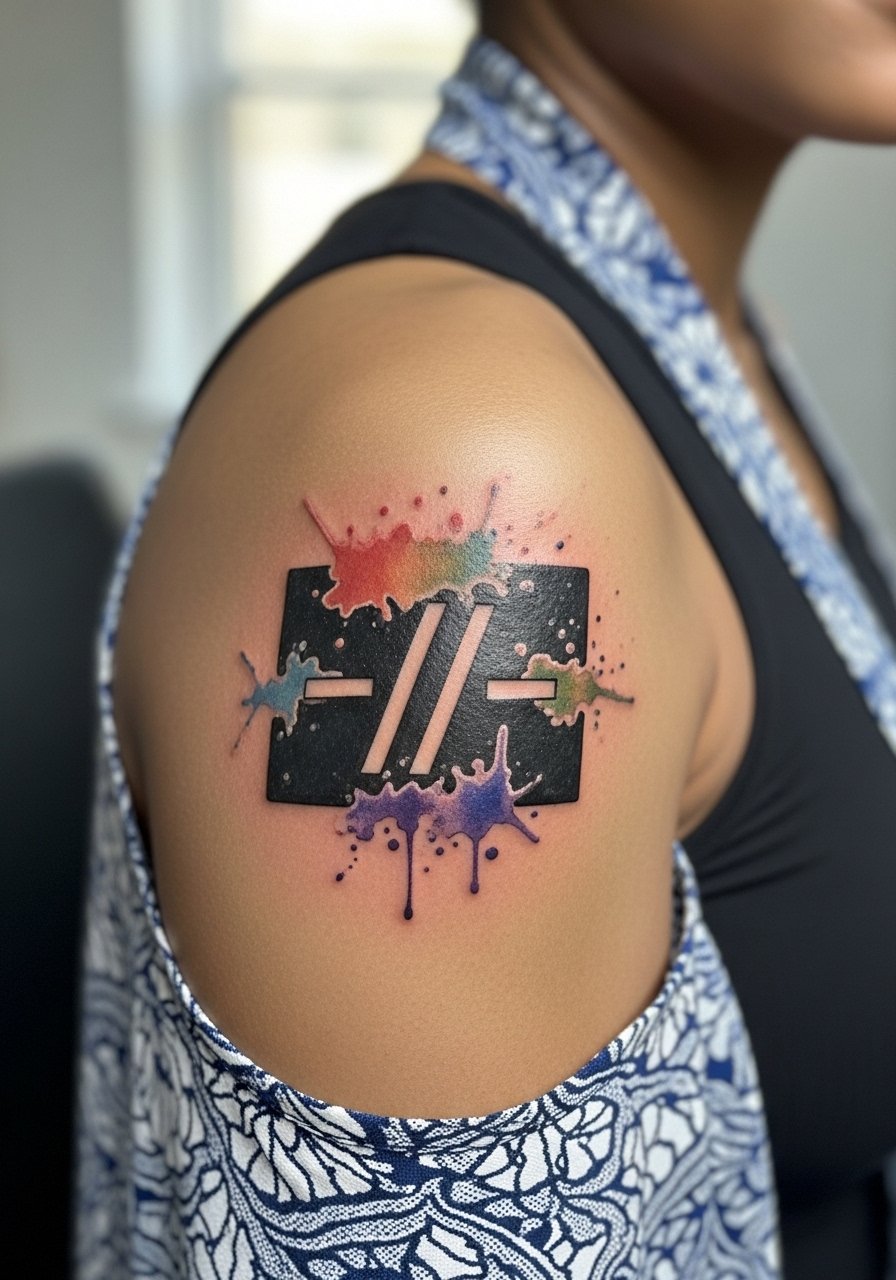
Watercolor adds emotional color but it needs room to breathe. Most watercolor versions fade quicker on exposed spots, so place this on the shoulder where sun exposure is controllable. In consult, ask the artist for saturated color edges and a black anchor to keep the design readable as pigment softens. The session can be one to two hours depending on color layers, and expect more sensitivity near bone. The controversy here is clear. One camp loves the painterly fading for its softness. The other camp prefers black outlines to protect longevity. If you want to show it off, an open shoulder top frames the color without competing.
4. Minimalist Trench Symbol at the Ankle
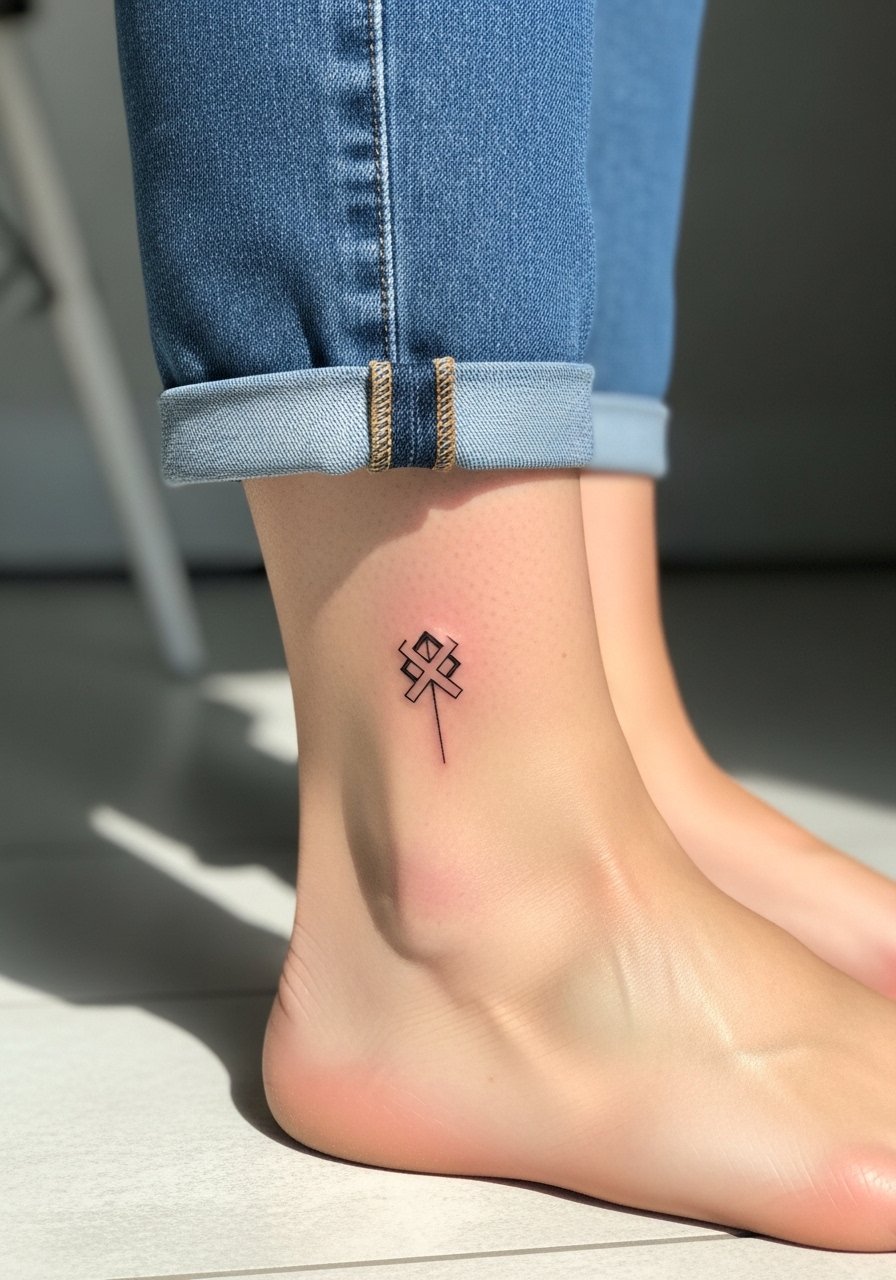
Ankle micro symbols read as easy, wearable fandom. The trick is size. Too small and the single-needle mark can blur into a smudge. Tell the artist you want a tiny footprint but keep the mark just big enough for 1mm line spacing. Pain is lower than ribs but expect bone vibration on the ankle for a 15 to 30 minute session. For showing it off, try cropped straight jeans or a flowy ankle skirt. I recommend bringing a pair of shorts to the appointment so the artist can have clear access without rolling fragile fabric.
5. Neon Grave Lyrics Script Across Collarbone
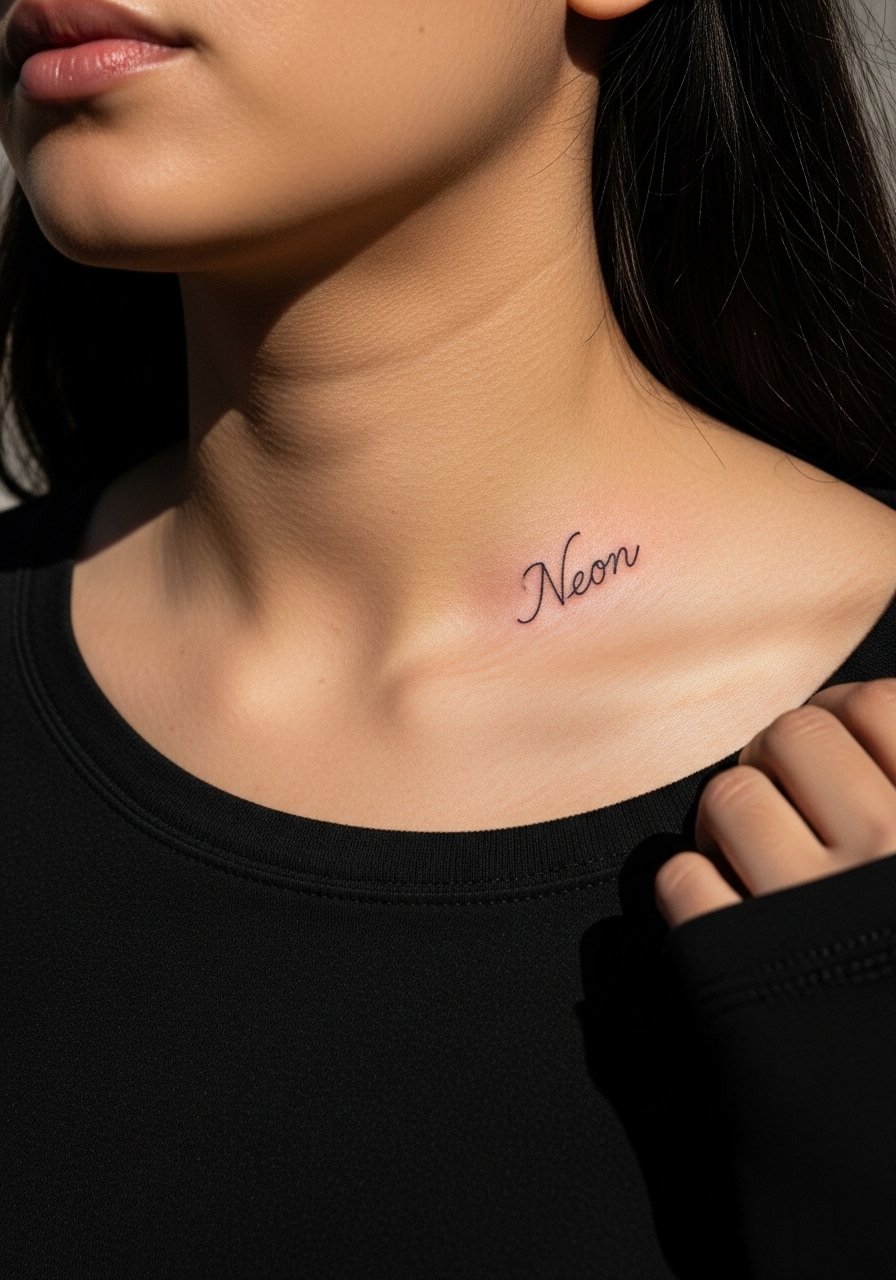
Script across the collarbone uses the bone curve to make lyrics feel intentional. Ask for single-needle script but request slightly fuller strokes than a hairline so the letters do not collapse over time. The collarbone can be a 6 to 7 on the pain scale for some people because of thin skin. A common mistake is requesting tiny cursive that becomes unreadable with body changes. Touch-ups at two to three years are normal for fine line scripts. This piece pairs neatly with a thin chain pendant necklace that sits just above the script without crowding it.
6. Self-Titled Album Bicycle in Blackwork on Upper Arm
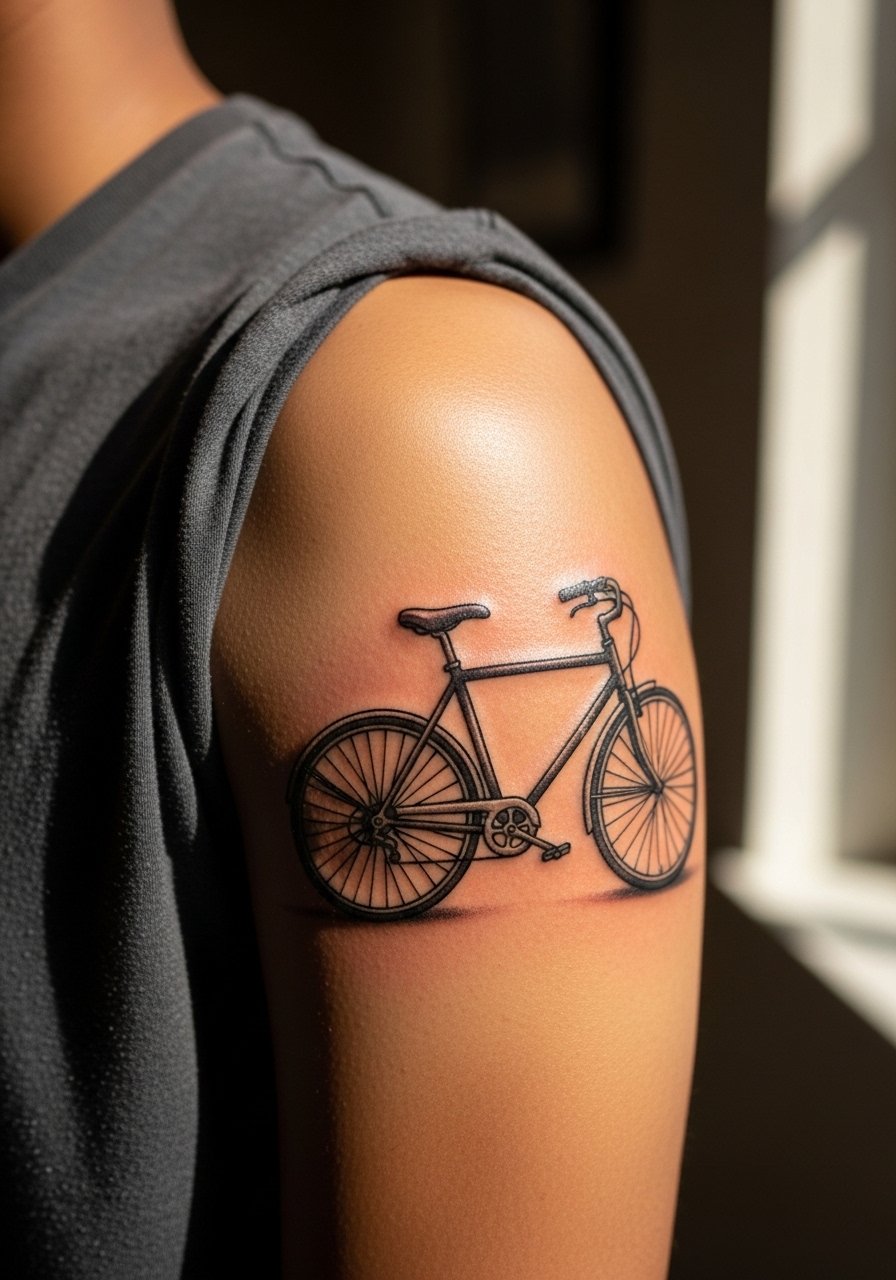
An upper arm illustrative bike reads nostalgic and sits well in a sleeve start. Most artists will build this across two sessions if you want strong shading. Tell your artist you want bold contour lines and moderate shading so it photographs well from a distance. The upper arm tolerates deeper saturation, so blowout risk is low with proper needle depth. Expect session soreness but mild pain compared to ribs. For show-off wear after healing, sleeveless tees or a kimono in earth tones complements the neo-traditional feel. Bring a sleeveless tank to the session for easy access.
Studio Day Picks
Those wrist and collarbone pieces above heal differently from larger arm work, so a few small items smooth the session and first week.
-
Tattoo Goo healing balm. A thinner formula that many people prefer for linework because it keeps ink channels clear while hydrating the skin.
-
After Inked lotion. Lighter than greasy options and useful in dry climates while you wait for the first scab to settle.
-
Manu & Inku pigment care oil. Artists I have heard from mention it for color retention in watercolor pieces.
-
Fragrance free gentle body wash. Cleanses the area without stripping pigments, which helps fine line logos on wrists and collarbones.
-
Aquaphor healing ointment. Thin layers in the first days reduce discomfort and protect newly inked areas from friction.
7. Vessel-Era Eye Symbol Behind the Ear
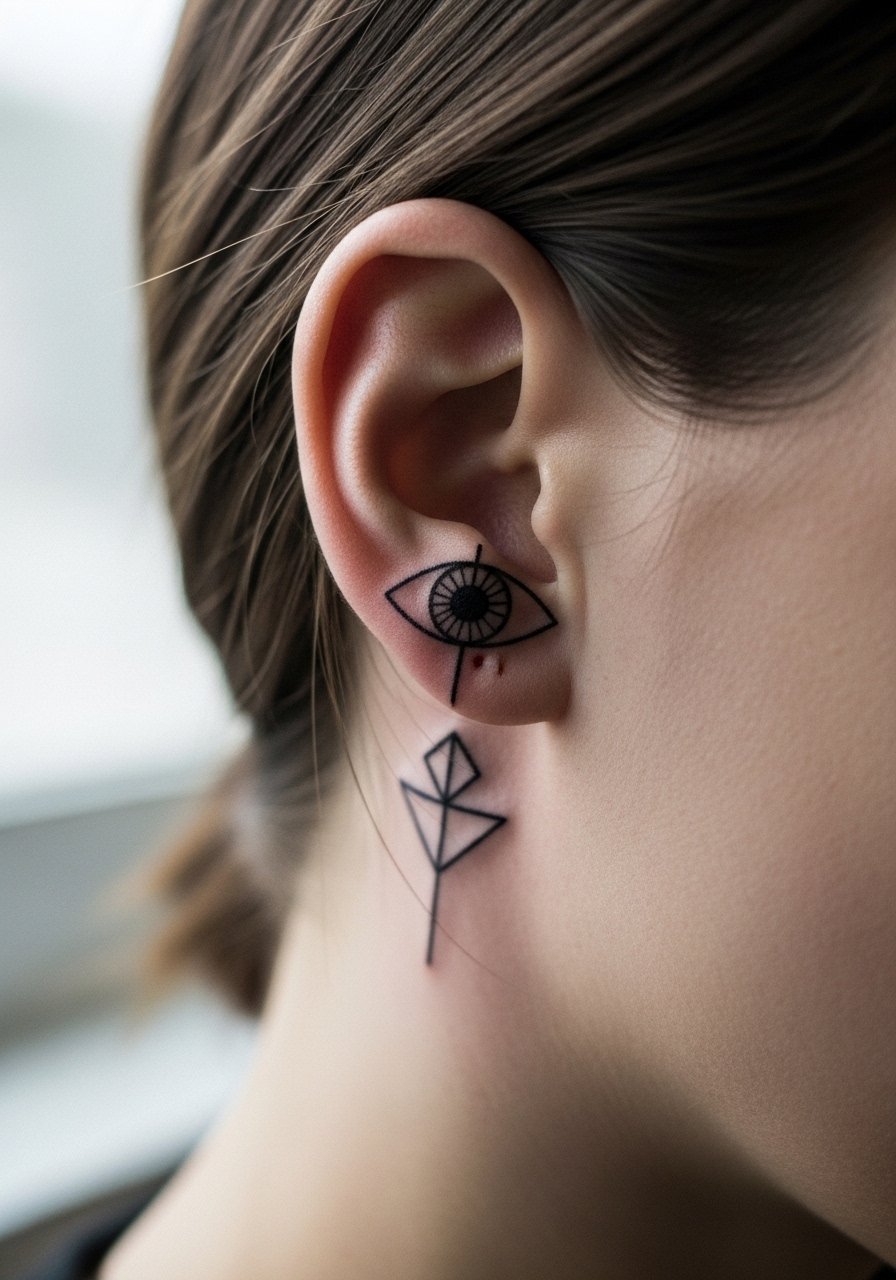
The behind-ear spot is discreet and eerie in the best way. Because the skin there is thin, keep the design under an inch and request a simple black outline. Artists split on micro fine line behind the ear. One camp warns that hair friction and sweat blur the mark fast. The other camp says with proper depth it settles nicely. Ask your artist where they stand in that debate before booking. The session is short and the pain is low to moderate. If you are planning visible jewelry, wear hair up for the appointment so the artist has clear access.
8. Scaled and Icy Flame Watercolor on Thigh
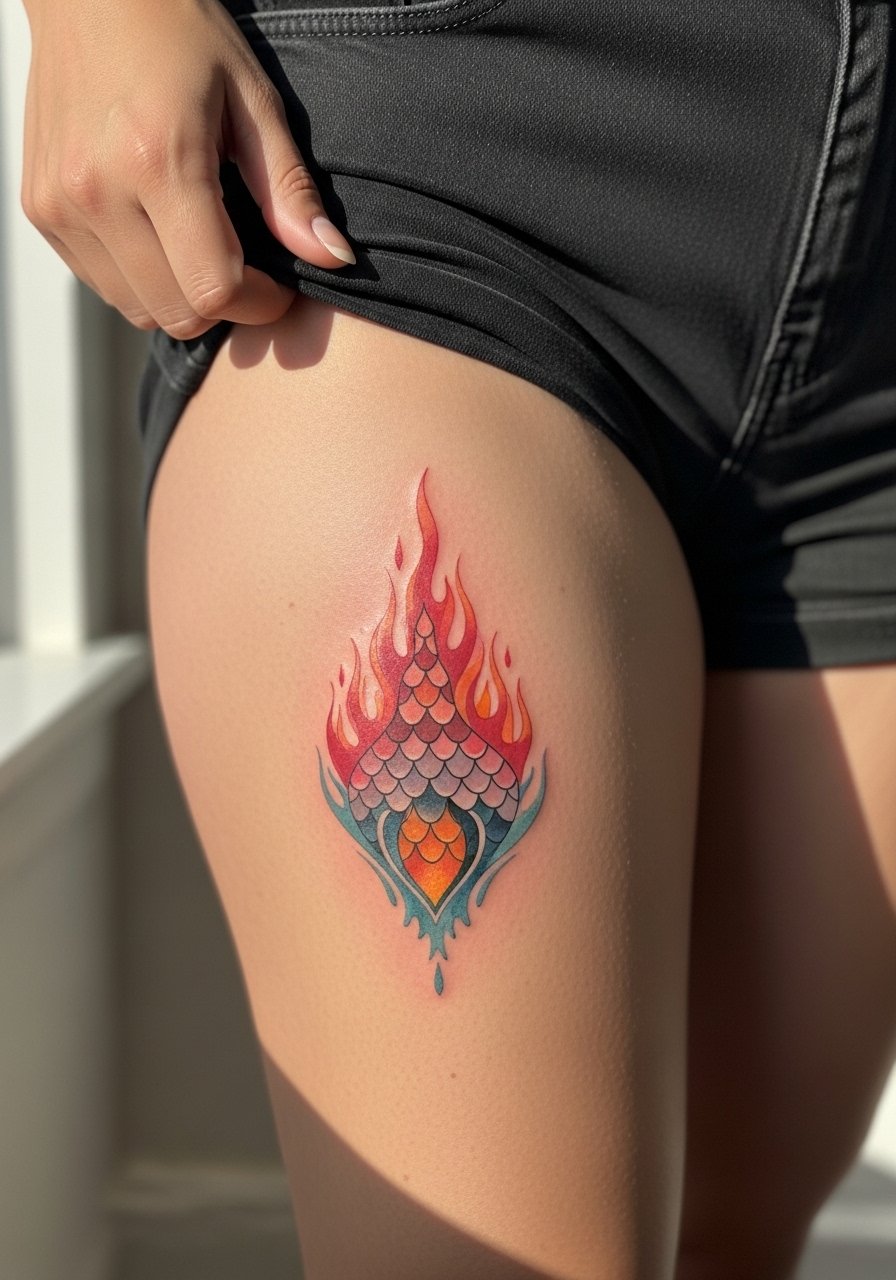
Thigh placements are forgiving for color and aging. For watercolor flames, ask for saturated edge points to prevent the pigment from bleeding into surrounding skin over time. Most of these sessions are single long sittings, and pain ranges from moderate to high depending on inner thigh proximity. A common mistake is choosing a tiny color patch that melts into skin texture. For the session, wear loose shorts or a skirt you can adjust easily so the artist can position the leg without pressure. After a few months the color softens elegantly, but heavy sun will lighten the reds fastest.
9. Clique Hand Symbol on the Side of the Hand
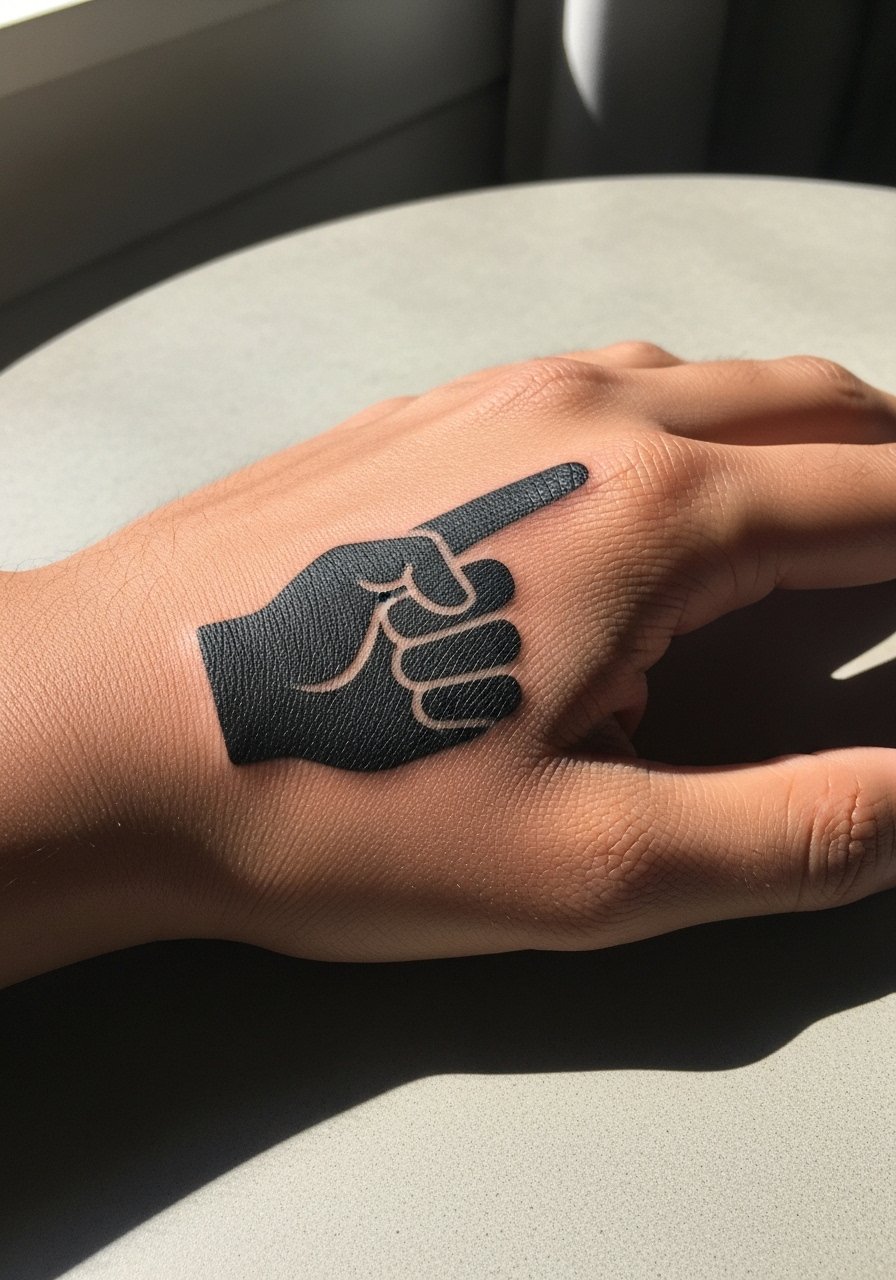
Hand tattoos have specific trade-offs. They take sunlight and washing daily, so dense blackwork is the most durable approach for a small clique symbol. Tell your artist you want packed saturation and that you accept the possibility of more frequent touch-ups. Hands can hurt more because of thin skin and many small bones. Expect color migration risk if the artist goes too shallow. Consider career implications before inking the hand. For showing it off, simple neutral accessories or a minimalist watch keep attention on the symbol without competing.
10. Oasis Lyrics in Curved Fine Line on Collarbone Curve
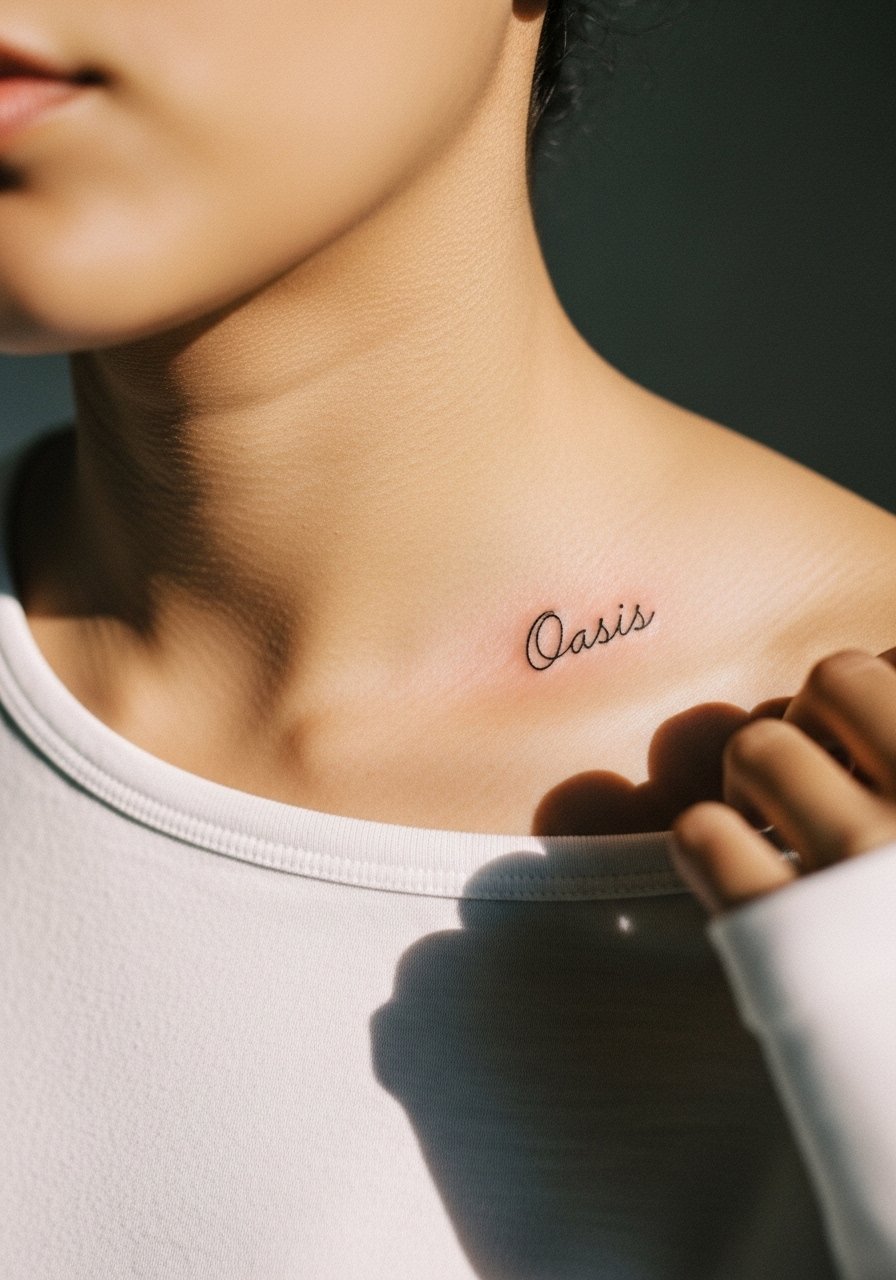
Curved scripts that follow the collarbone look intentional when the letter spacing is planned for the bone curve. The biggest mistake is letting letters compress at the dip of the clavicle. Tell your artist to map the text on the body as a stencil and walk through spacing before ink. Pain is similar to other collarbone scripts. In healing, expect slightly slower scab lift near the bone. For a showing outfit, a thin chain pendant necklace or a low V-neck keeps the focus on the arc without crowding the type.
11. Dema Cityscape Start on Outer Forearm
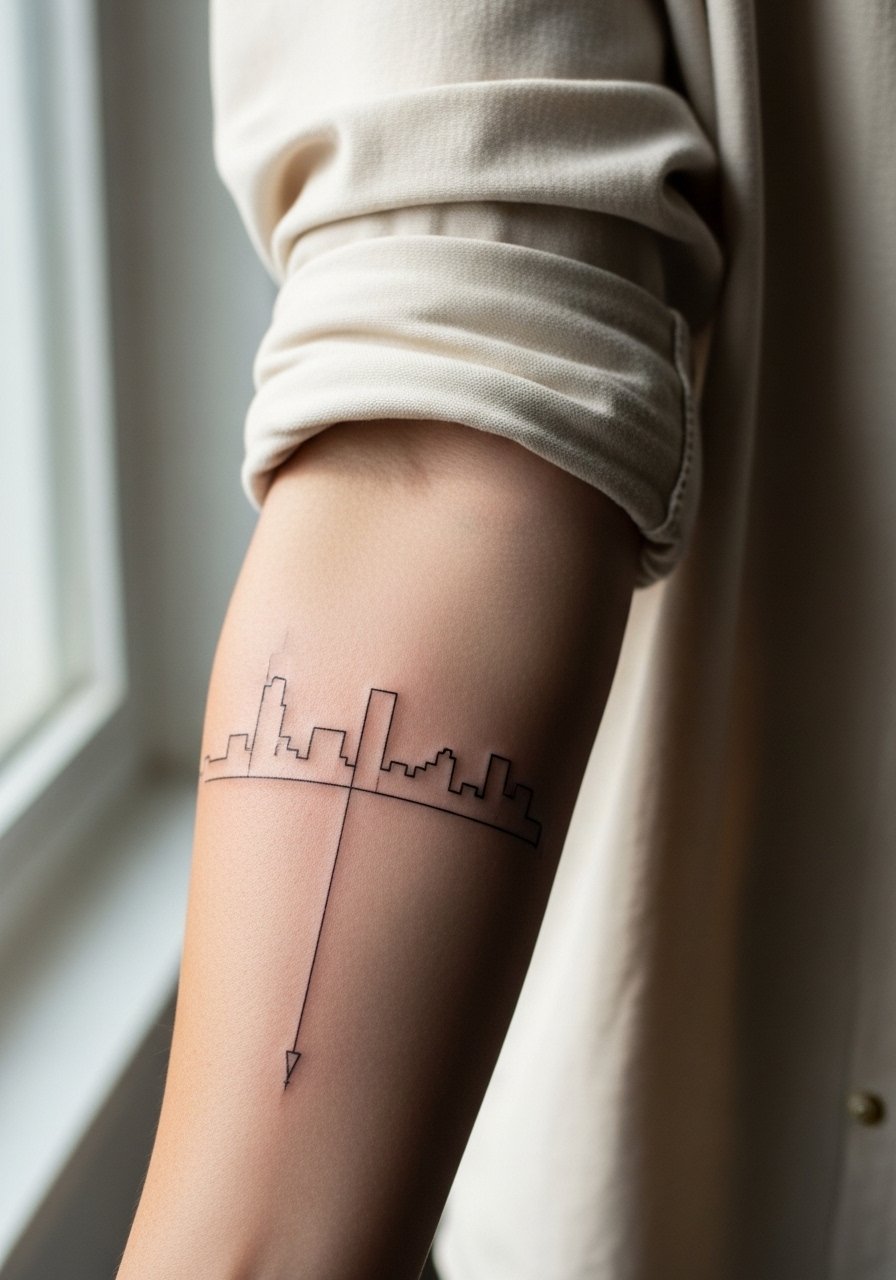
Forearm cityscapes are perfect for fans who want lore nods without a full sleeve right away. Scale matters. Tight, dense skylines inside a small area soften into indistinct blocks after a few years. Ask the artist to leave negative space and to use varied line weights so each building remains readable at two and five years healed. Pain is manageable across the outer forearm. For session comfort wear a linen button down you can roll up and that does not tug against the skin while the artist works.
12. Chlorine Molecule Neo-Traditional on Shoulder Blade
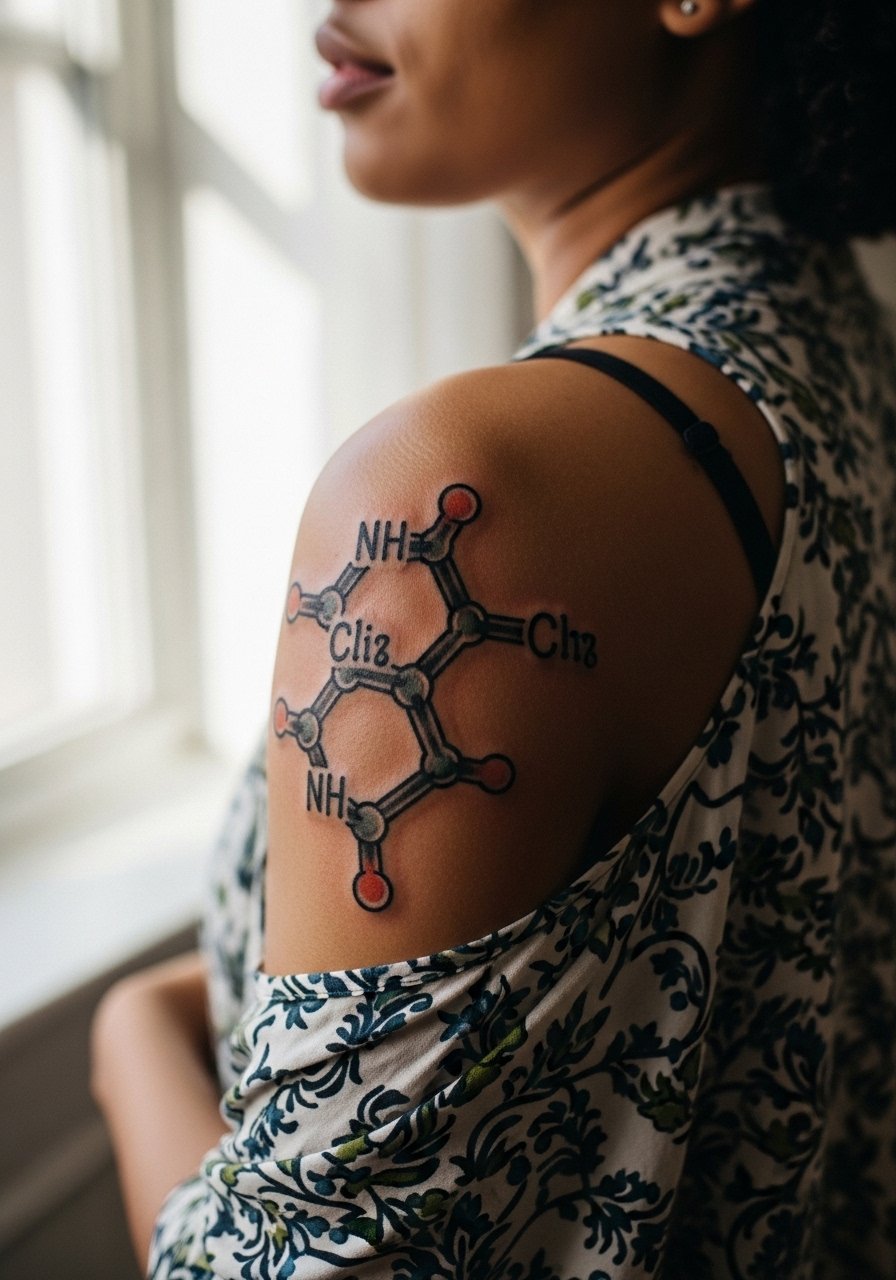
Illustrative molecules balance science and aesthetic nicely on the shoulder blade. The area tolerates color and a few sessions for shading because the skin is stable. During consult request a neo-traditional approach with punchy blacks and muted color accents to keep molecular elements crisp against the skin. Pain is low to moderate and the session usually runs one to two hours. Pair with sleeveless tees or a sleeveless kimono after healing to show the composition naturally. If you want the chemistry to read in photos, test how the colors look on your tone with the artist first.
13. Micro Trench Symbol on a Finger
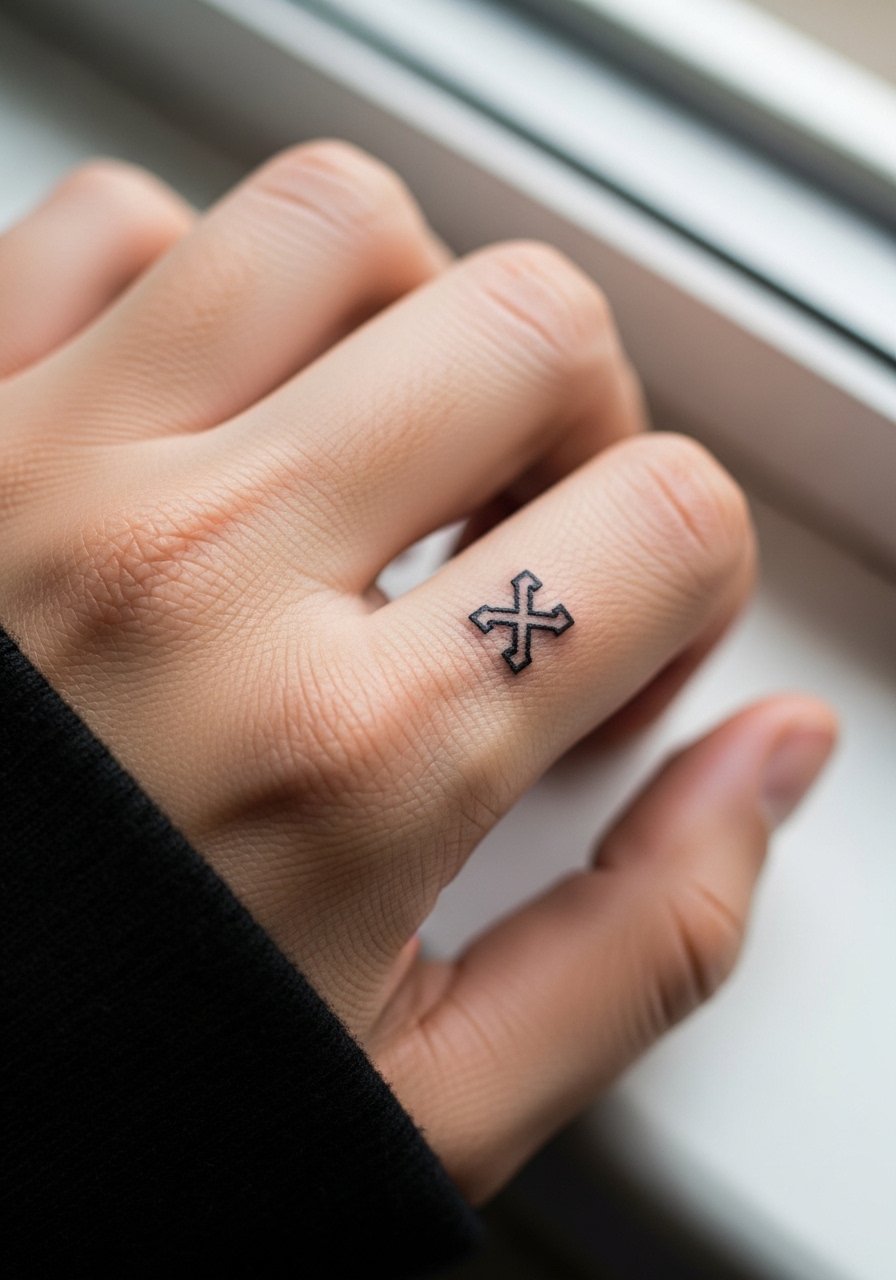
Finger micro symbols have high charm but high maintenance. The skin on fingers sheds more and the ink sits near joints, so expect faster fading and possible touch-ups every year. In the consult, ask for slightly heavier lines than a true hairline so the trench mark reads for longer. The session is short but can be intense because of sensitivity. One real mistake is expecting wedding-ring permanence from a finger flash. If you want to limit visible fading, plan the symbol slightly off the joint and use a denser line. No clothing pairing is needed for daily show-off, but a slim ring on the opposite hand keeps attention balanced.
14. Bicycle in Fine Line on Inner Bicep
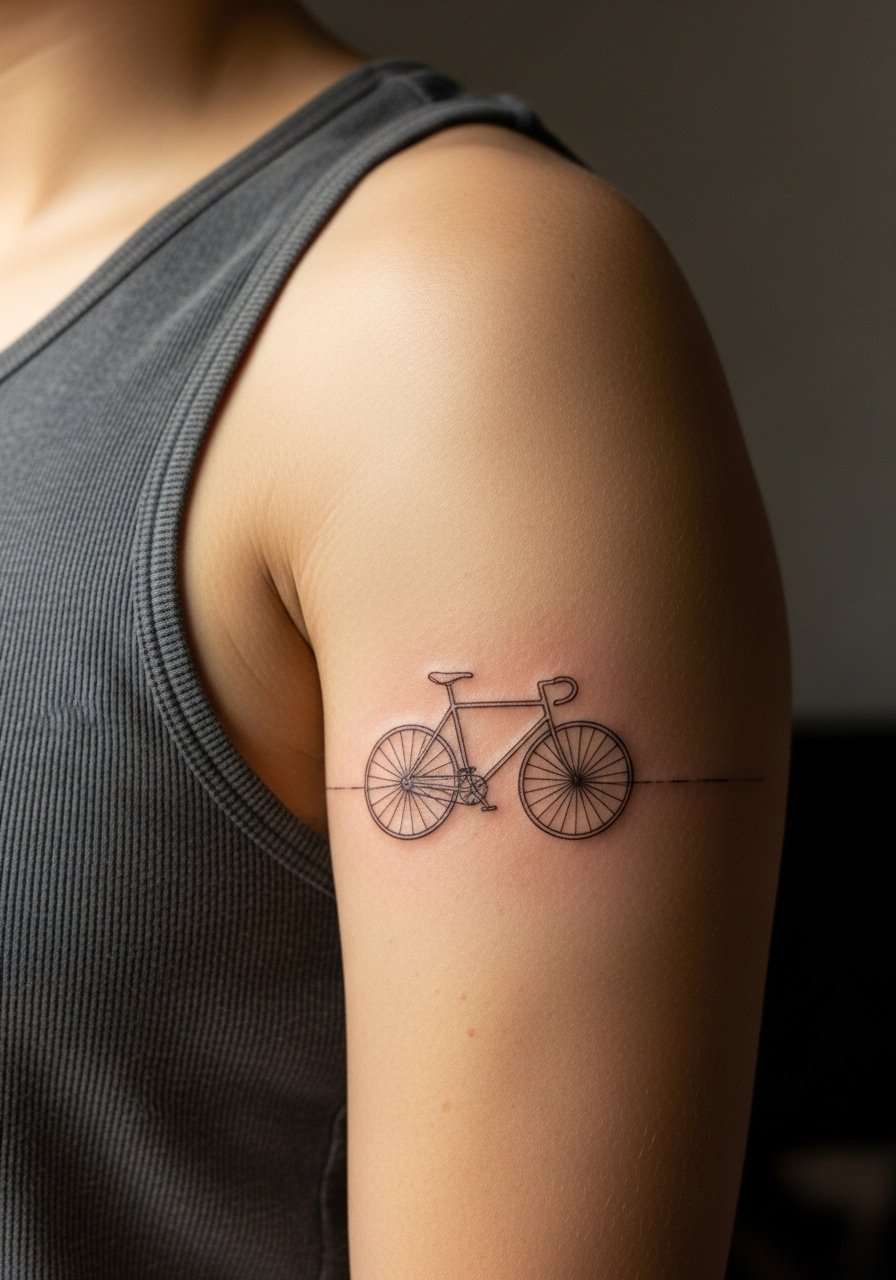
Inner bicep placements feel private and age well because they are shielded from sun. If you prefer fine line, this is one of the safer spots for small detailed bikes. Ask the artist for slightly bolder single-needle strokes to cut down the chance of early feathering. The inner bicep can be a more painful area, commonly a seven on some scales, and you will feel deeper vibration than on the outer arm. For the session wear a loose tank so the artist can access the site without heavy fabric tugging. Touch-ups may be minimal if you avoid sun and heavy friction.
15. Scaled Flame Accent on Calf
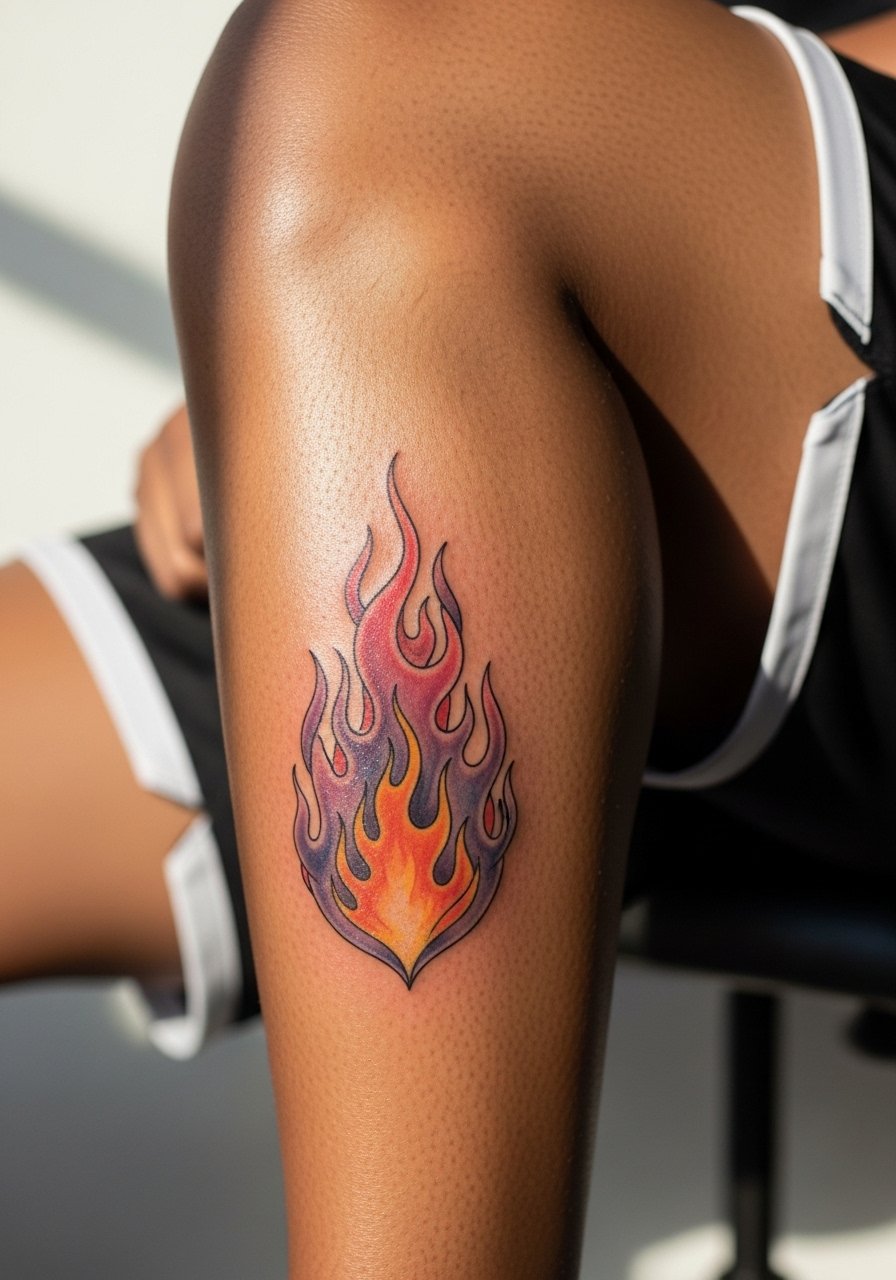
Calf placements are forgiving for bold color and larger blackwork. For watercolor scaled flames ask your artist to anchor the color with darker spots so the composition retains structure over time. Sessions are comfortable with the leg supported, and pain is generally lower than ribs or sternum. A frequent error is putting watercolor too close to areas that rub against pants seams. For show-off wear, rolled bootcut jeans or shorts keep the piece visible. If you exercise heavily, plan a slightly higher saturation initially to accommodate future lightening from friction.
16. Tiny Trench at the Ankle Bone
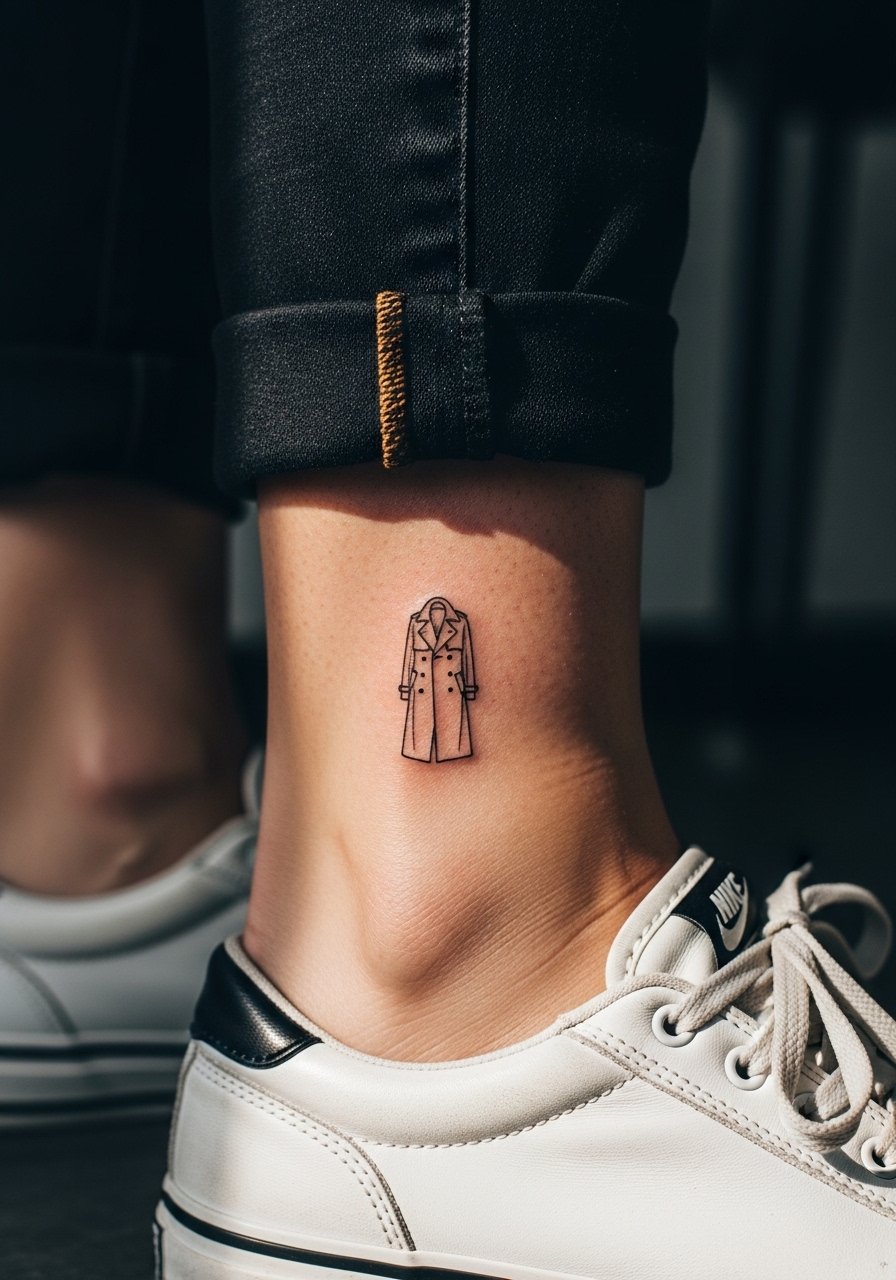
This micro placement is discreet and simple. The ankle can be a tricky surface for single-needle work because of movement and thin skin. Ask for a small but not minuscule size with a slightly heavier line for retention. Pain spikes around bone contact during the 10 to 25 minute session. Expect touch-ups sooner than on thicker skin like the thigh. For showing it off, cropped straight-leg jeans or sandals are a natural match. Bring loose pants you can roll for the appointment so the artist can work without fabric rubbing the area.
17. Dema Mini Cityscape Near the Rib Cage
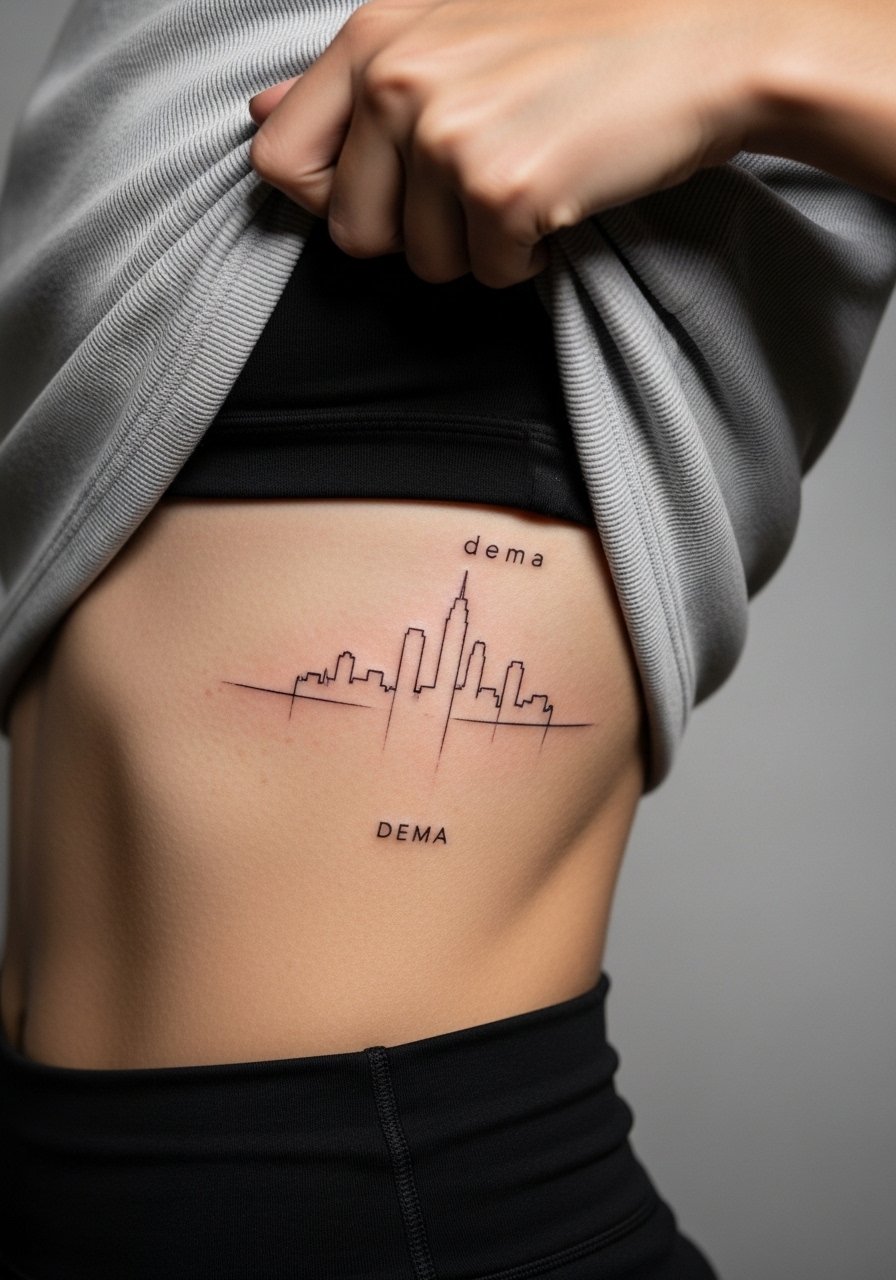
Ribcage skylines have a strong narrative vibe but they demand placement planning because the skin stretches with movement. Artists disagree about fine line on ribs. One camp says the constant expansion and contraction blurs details within two years. The other camp argues that with correct needle depth and spacing, fine line can settle fine there. I advise mapping the skyline wider than you think and accepting a higher pain threshold. Sessions are usually longer and uncomfortable near the bone. If you plan future weight changes, consider a slightly larger composition so the lines do not compress.
Frequently Asked Questions
Q: Will a fine line |-/ logo on the wrist need touch-ups often?
A: In my experience fine line logos on wrists usually need a refresh around 12 to 18 months. The wrist is a high-motion, high-wash area and the thin single-needle marks can soften faster than bold blackwork. If you prefer fewer touch-ups, discuss a slightly heavier line weight with your artist before booking.
Q: Are watercolor lyrics harder to keep vibrant on darker skin tones?
A: Watercolor pigments can read differently across tones. From what I have seen, high-contrast anchors and slightly deeper initial saturation help color read well on medium and dark skin. Ask the artist to test color swatches on your skin or show healed examples on similar tones before committing.
Q: Should I pick blackwork or fine line for hand or finger pieces?
A: Hands and fingers favor blackwork for longevity because constant washing and friction fade delicate lines quickly. If you love a micro fine line, accept yearly touch-ups. For a low-maintenance option choose bold fills or small geometric shapes that tolerate wear.
Q: Is Saniderm or dry healing better for small wrist tattoos?
A: Artists and fans split into two camps. Saniderm users say it reduces scabbing and speeds early healing. The dry healing camp worries about trapped moisture on delicate linework. I recommend asking your artist which method they prefer and following their routine, since they know how their ink settles.
Q: What should I wear to a collarbone or shoulder session?
A: For collarbone work wear a wide-neck shirt or a tank you can pull aside easily. For shoulder pieces a loose tank or button-down that opens at the shoulder keeps the area accessible and comfortable.
Q: How do I find a good match for Twenty One Pilots lore designs if I am traveling?
A: Search hashtags like #TwentyOnePilotsTattoo and #FineLineTOP on Instagram for style matches. TikTok can show healed examples and local tags help find guest spots. Reddit threads in r/tattoos often surface recent guest spots if you include the city name in your search.