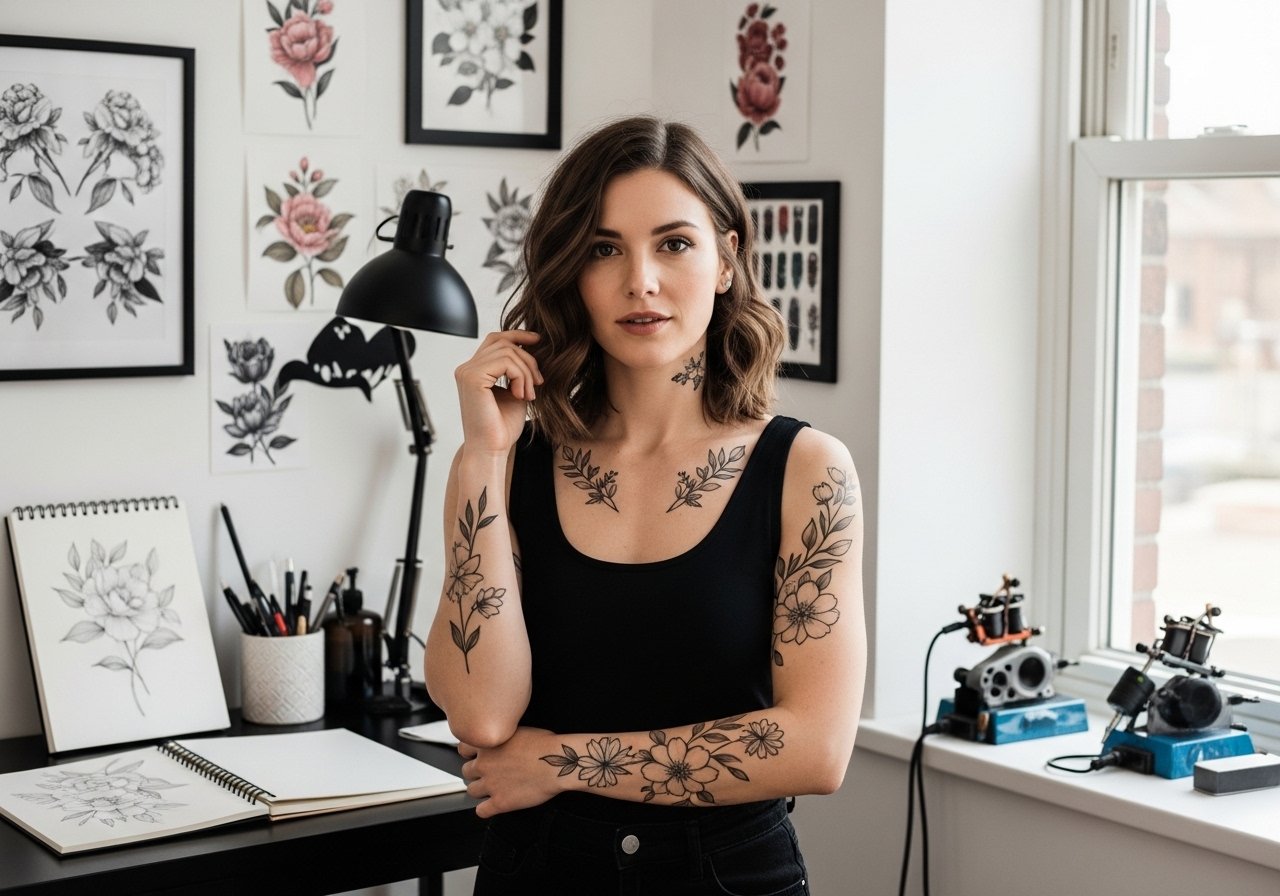
Fine line tattoos are everywhere on feeds right now, and the trend looks crisp fresh. The catch is that what posts reward and what lasts on skin are not the same thing. Placement and spacing matter more than the prettiest stencil, and some of the daintiest Billie Eilish nods need tiny adjustments so they still read after a year. Below are 17 scaled-down Billie-inspired ideas that account for aging, pain, and wardrobe so you get a look that actually lives well on your skin.
1. Fine Line Fairy Trio on Back of Hand
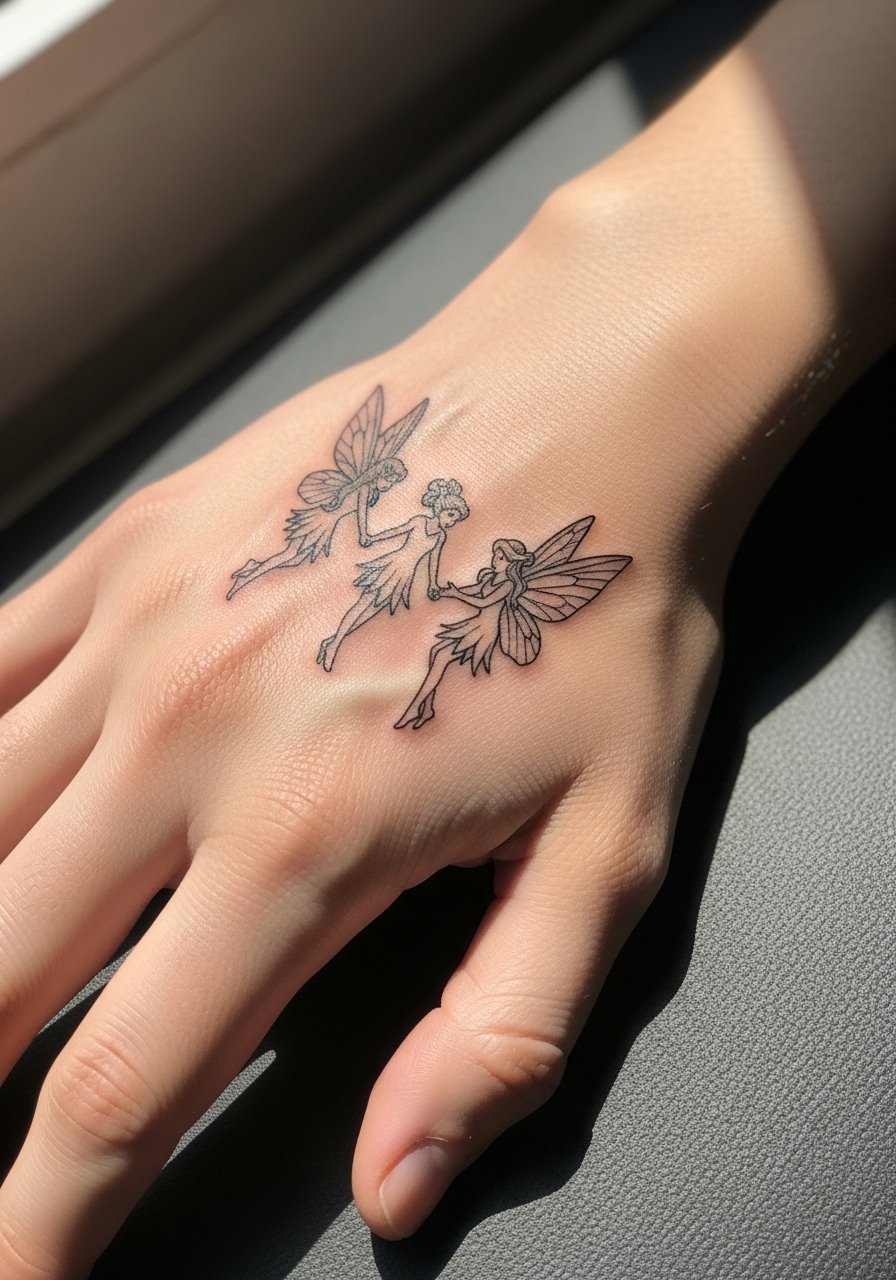
I’ve seen the fairy trio on hands enough to know it reads charming in photos and asks for touch-ups in real life. Hand skin moves a lot and fine line there tends to blur unless the artist spaces the wings slightly and uses slightly stronger linework. Tell your artist you want single-needle finesse but ask for a little more depth on the outer contour so the trio does not merge after a year. Expect a quick session and higher sensitivity on the knuckle area. Pair the piece with a thin silver ring stack to frame the back of your hand when you show it off. Note the debate around hands: one camp says fine line fades fast on hands, the other says technique can make it last. Ask where your artist stands.
2. Gothic Script "Eilish" on Upper Chest
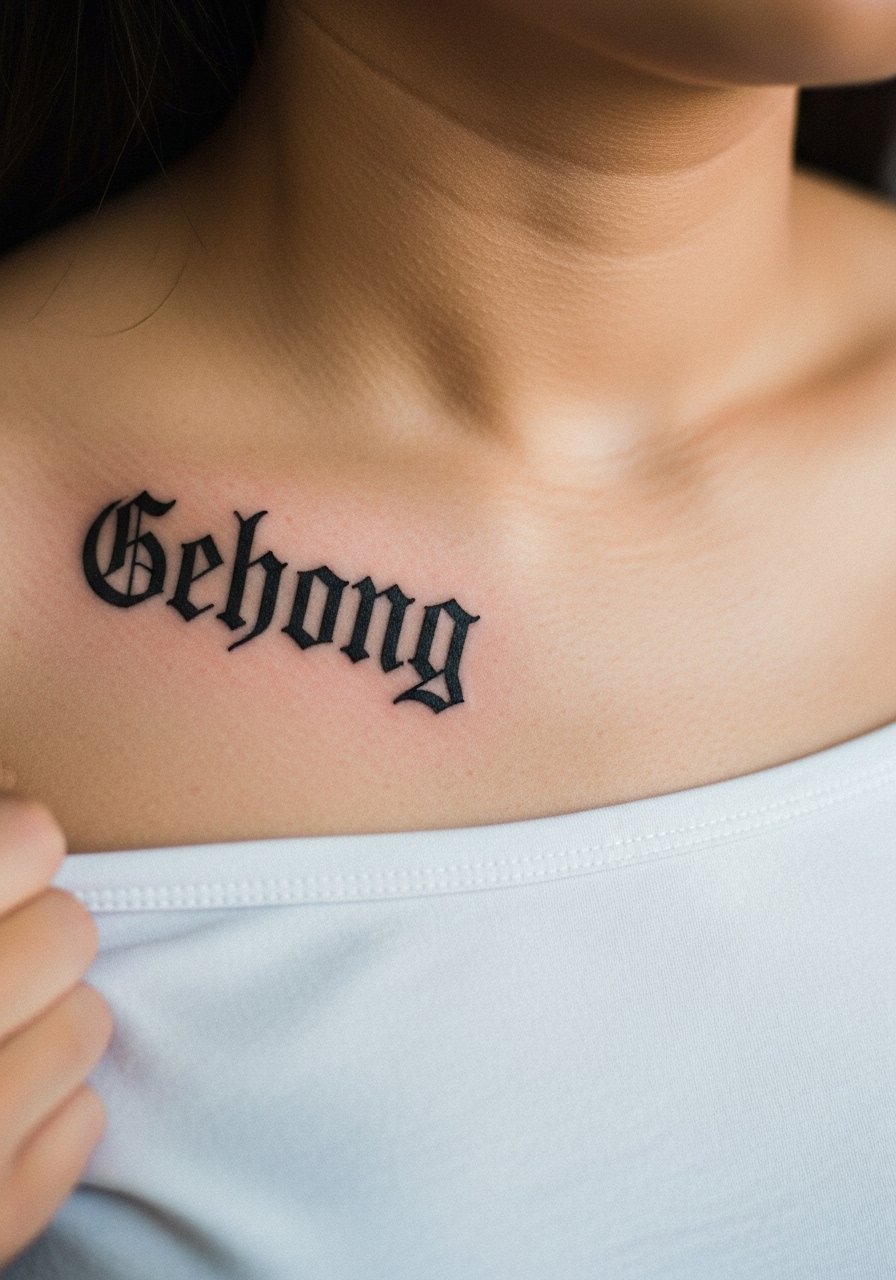
Fair warning: upper chest and collarbone can look wider on skin than on a phone mockup, so size accordingly. For a hidden, confident placement pick a slightly condensed blackletter style at 2-3 inches. During consultation, ask the artist to sketch the spacing over your collarbone curve so the letters do not compress when you move. The skin here is stable so touch-ups are usually rare. If you want this piece to sit with outfits, try a silk v neck blouse or layer a dainty chain necklace layer so the script peeks out without competing. Quick note for careers that are conservative: a chest script is hidden most days but will show with low necklines.
3. Abstract Spine Column, Minimalist Blackwork
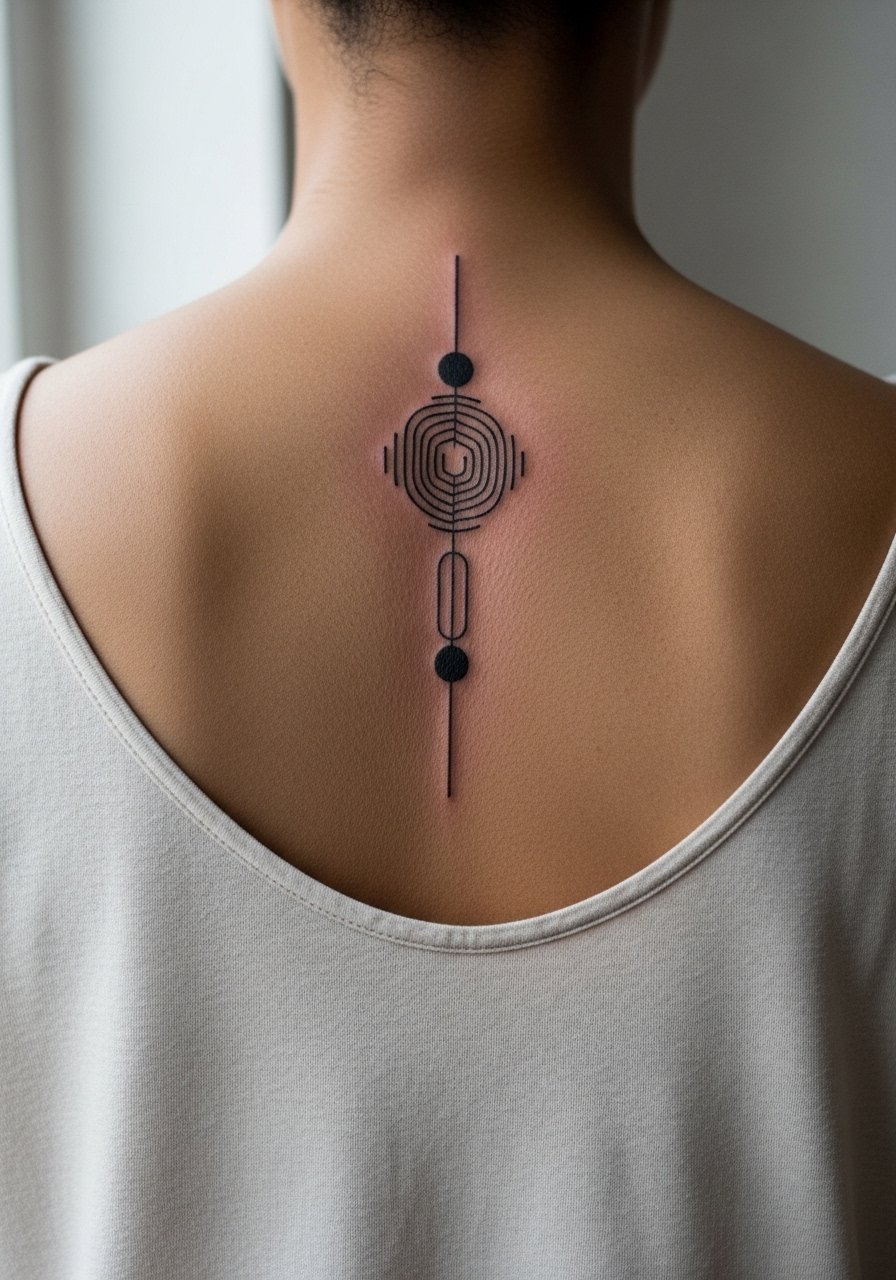
Most clients choose a spine column to elongate the torso. The ribs and lower back behave differently so tell your artist whether you want the whole column or a shorter 4-inch segment. Artists will often recommend slightly bolder linework in the first millimeter to prevent blowout where skin is thin. Expect a longer session than a wrist piece and a medium pain score if positioned over bone. This design pairs well with open-back pieces, so bring a backless crop top black if you plan to show it off. Ask about spacing so dense elements do not merge at year two.
4. "Hard & Soft" Duality Text on Hip
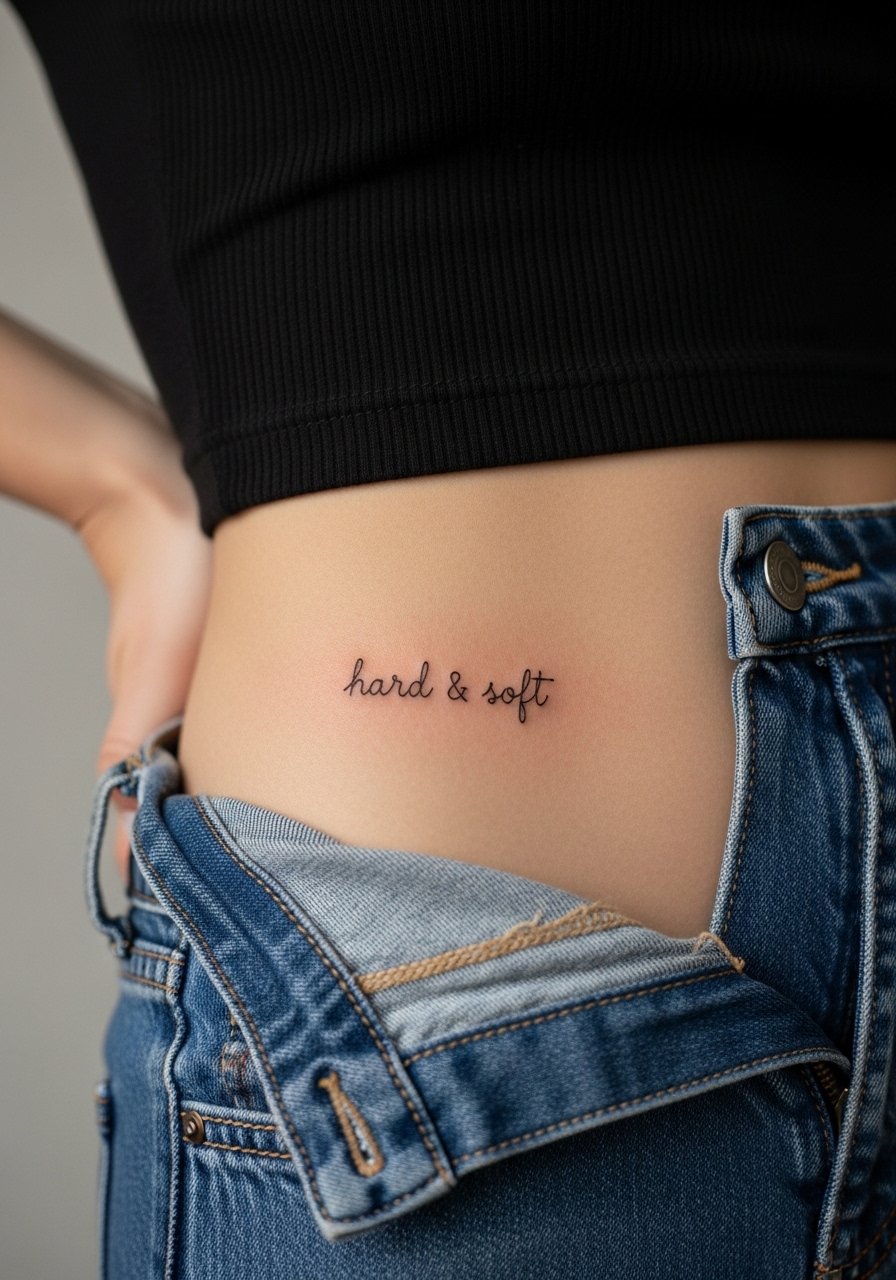
When you want a private emotional nod, the hip is useful and forgiving. The biggest mistake is making the text too small across curves. Request a slightly larger x-height in the script and ask for a subtle pair of yin-yang dots to balance the phrase visually. The inner thigh and hip shift with weight gain and clothing. Plan for a touch-up if your weight fluctuates. For summer-ready looks pick high cut bikini bottoms or a side slit mini skirt to frame the placement. Session wear should include loose shorts or a skirt you can shift easily.
5. Minimalist Broken Heart Motif on Wrist
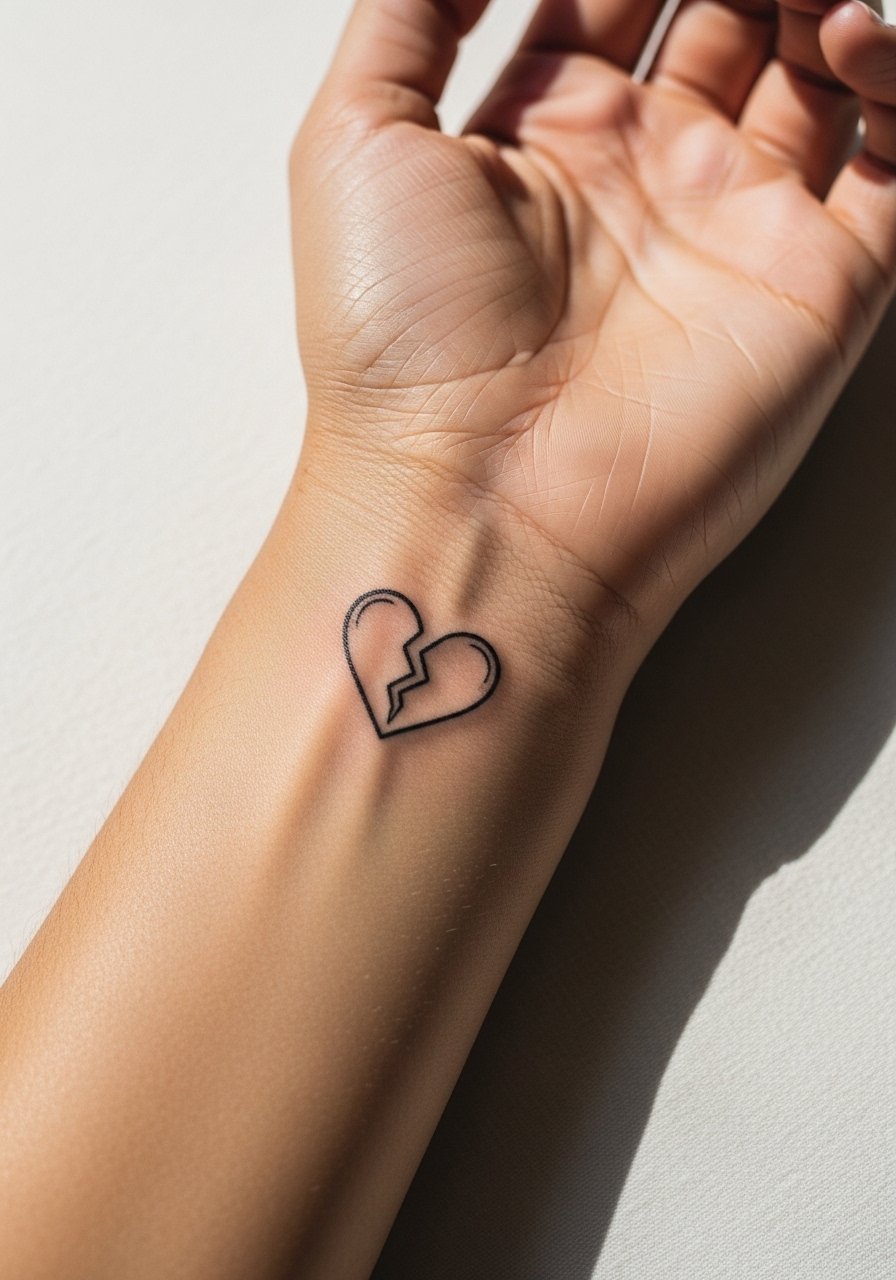
Most people want the wrist because it is visible and simple to hide with long sleeves. The common error is pushing the lines too close together. Ask for a slight gap and a tiny anchor dot so the broken halves keep definition as they soften. Expect moderate soreness for a short session. Fine line on wrists can blur with heavy sun and friction, so plan a touch-up timeline at year two. Style it with a thin cuff bracelet to balance the wrist without covering the motif. Keep the artist aware if you type a lot or wash hands frequently.
6. Dainty Moon Symbol on Inner Forearm
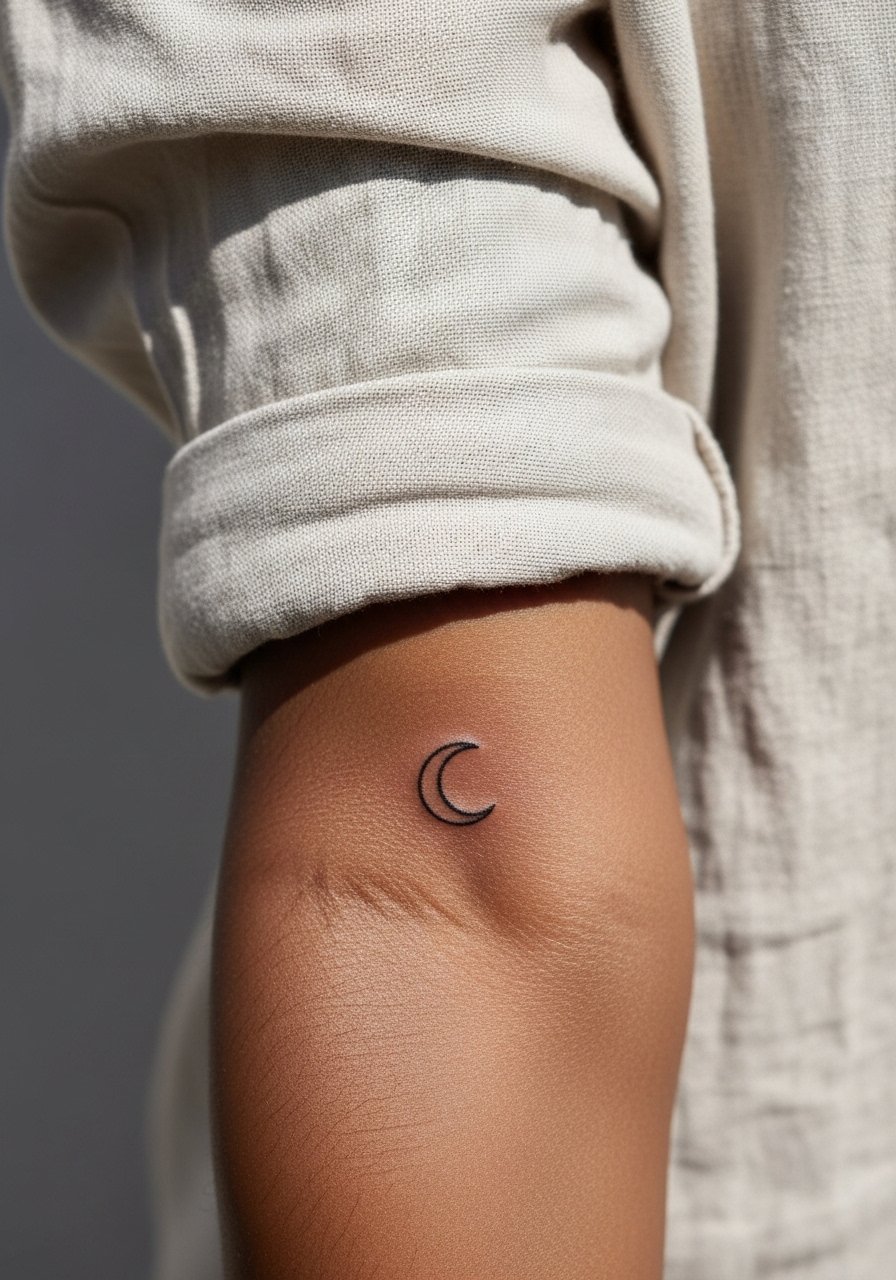
When done on the inner forearm, a small moon feels personal and shows well with rolled sleeves. The common version that ages poorly is drawn too faintly. Ask the artist for a subtle increase in contrast on the crescent edge so it photographs and heals with presence. Pain is low to moderate and sessions are short. Over five years expect some softening, especially with sun exposure. For session comfort wear a loose short sleeve shirt you can roll comfortably. If you have darker skin, ask for slightly heavier line weight to maintain visibility.
Heal Smart
These first six placements include high-friction zones and small linework, so a few specific items smooth the session and early healing.
-
Indie thin balm for fine line. Lighter than standard ointments, it helps keep single-needle channels hydrated without clogging, useful for delicate hand and wrist work.
-
Australian breathable healing wrap. An alternative to heavier films that reduces residue for areas like the hip and forearm where adhesive rubbing is a problem.
-
Single-needle ink conditioner. Small-batch formula that artists sometimes recommend for fine line retention on hands and wrists.
-
Fragrance free gentle body wash. Cleanses sensitive zones like chest and hip without stripping the fresh linework that tiny script depends on.
-
Aquaphor healing ointment. Thin layers during the first few days lock in moisture for fine line pieces without heavy residue.
7. Scaled-Down Dragon Outline on Outer Thigh
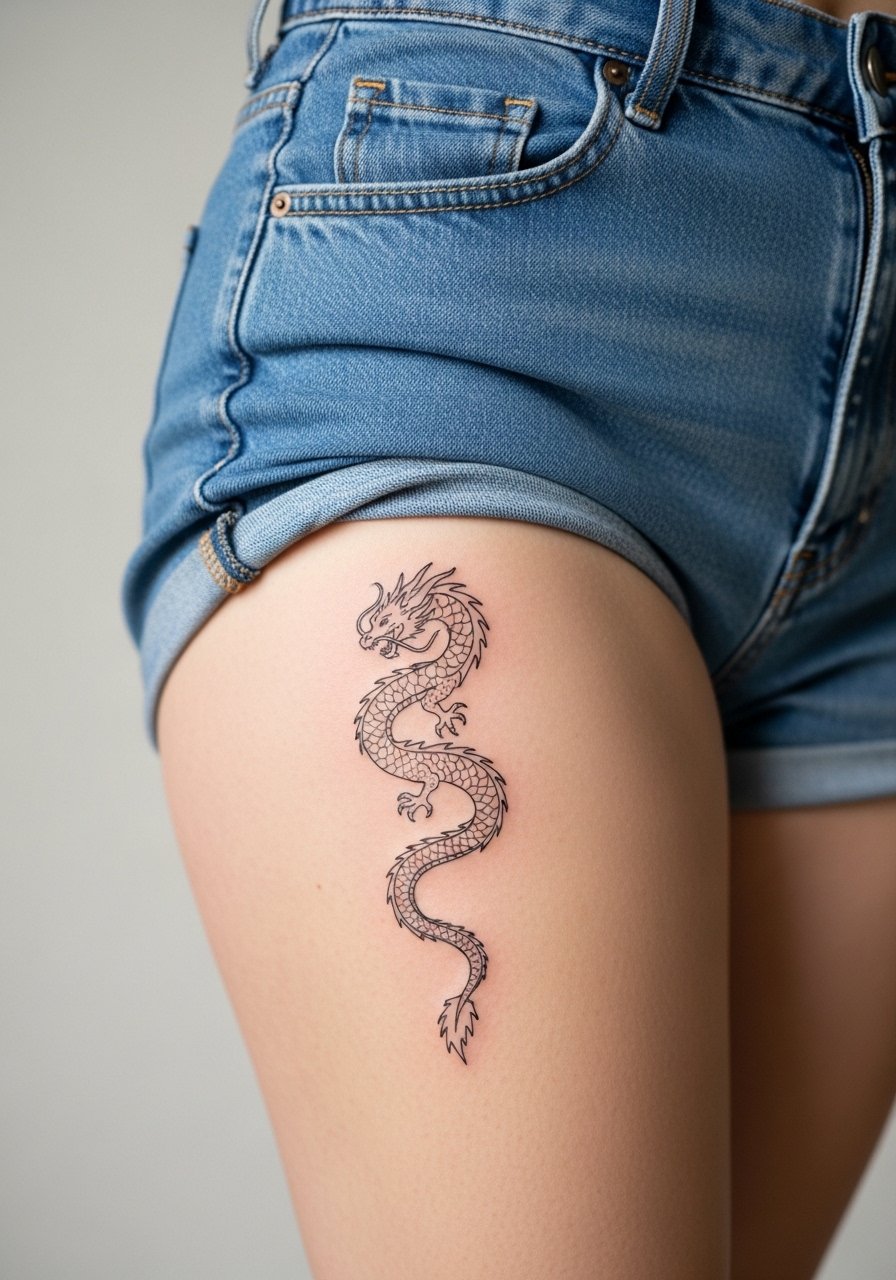
The thigh gives room to scale the dragon down without losing detail. I recommend a 3-inch outline with intentional negative space inside the body so it reads from a short distance. The outer thigh is lower friction than inner thigh so the lines hold well. Expect a medium pain level and a one to two hour session depending on complexity. If you want to reveal it casually, try pairing with high cut bikini bottoms. Ask the artist to map the curve over muscle so the tail does not warp with movement.
8. Playful Doodle Outline on Shoulder Blade
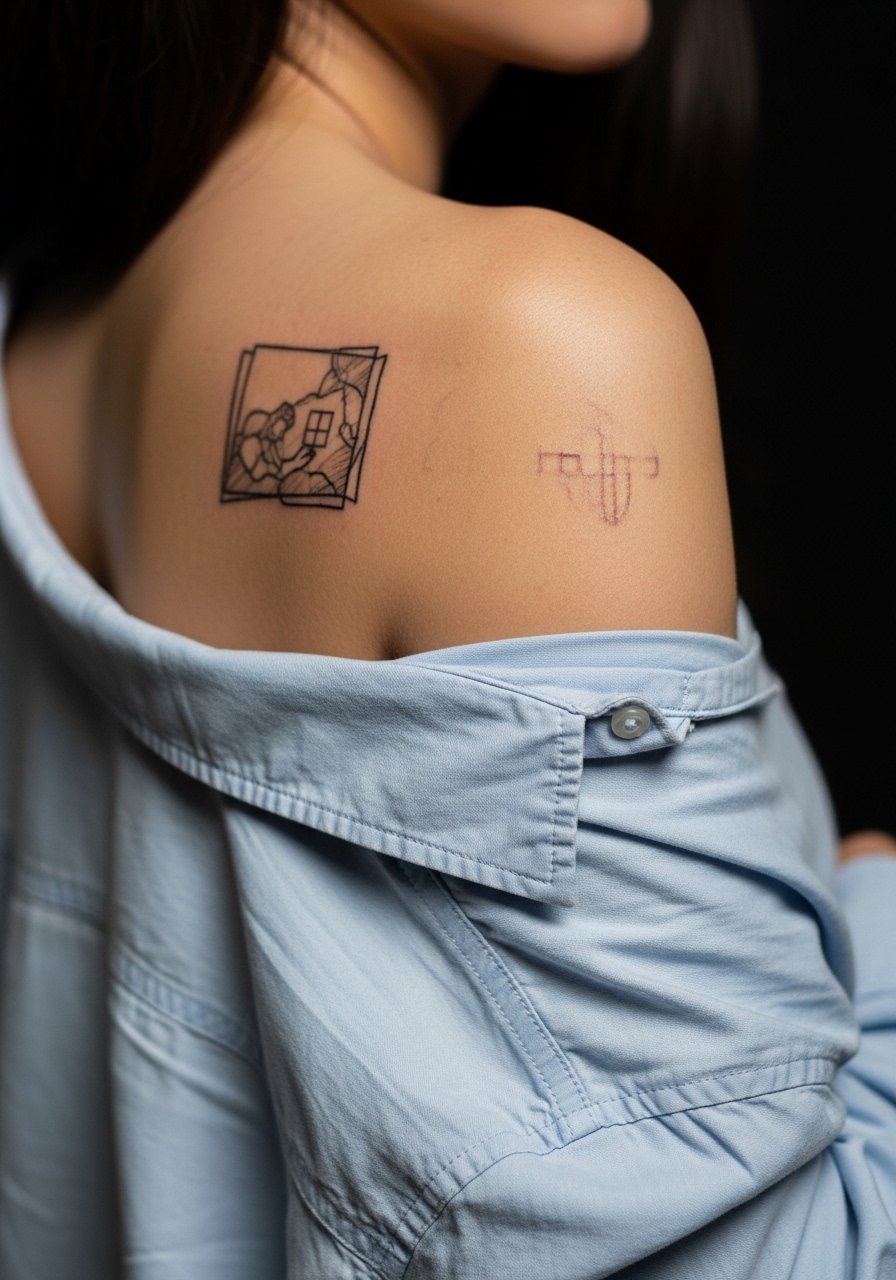
When translated from Billie's sketchbook vibe, the shoulder blade is forgiving and shows well under casual tops. The biggest mistake is crowding the doodle into too small a space. Ask for an airy composition with spaced strokes and light stipple shading so it breathes as it heals. Pain is low to moderate. For the session wear a loose button up shirt women you can pull aside without stretching. Over two years, stipple holds better than ultra-thin single lines in this spot.
9. Lyrical Quote Snippet Curved Along Thigh
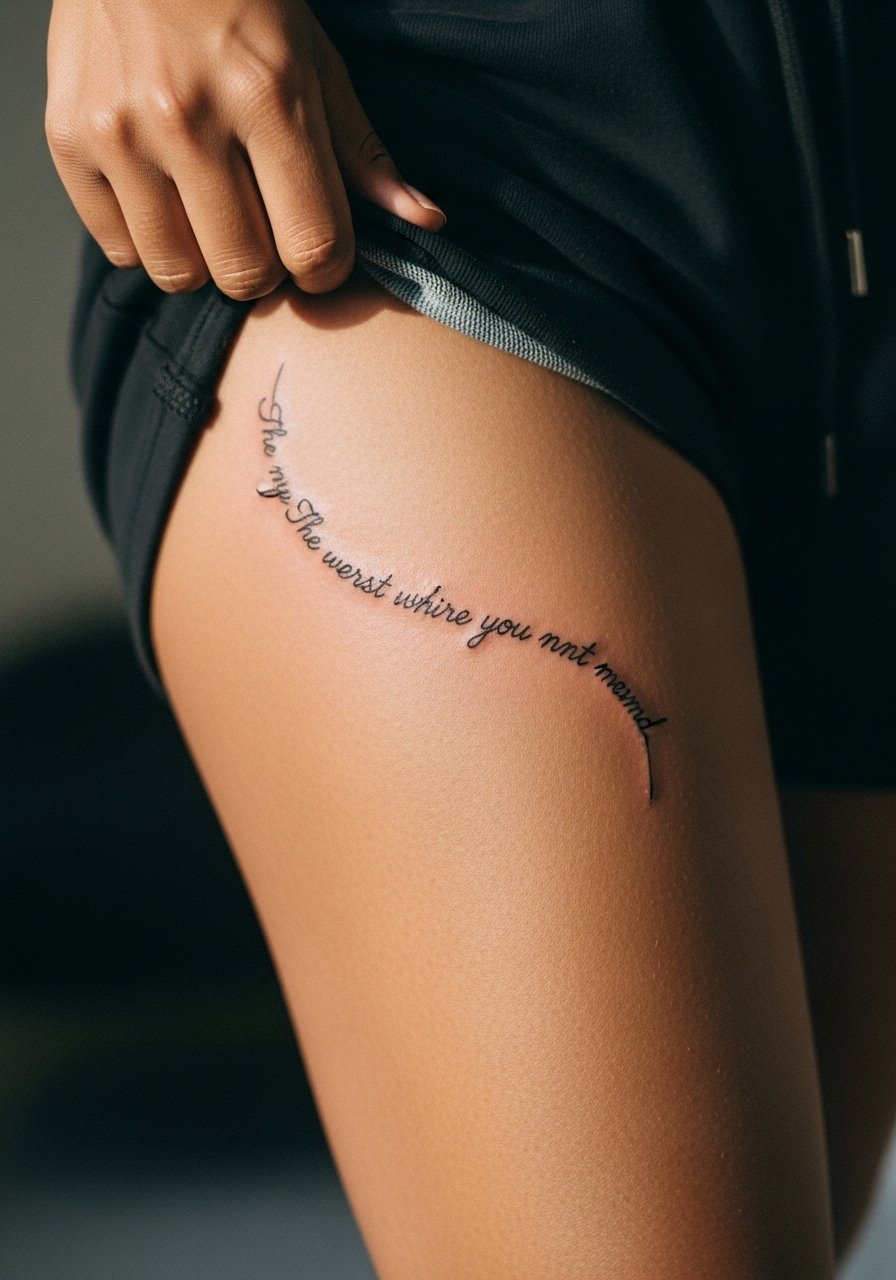
The thigh is a favorite for quotes because you can make the arc follow the body's curve. The common error is ignoring contour, which makes the text read crooked when standing. During consultation show how you sit and stand so the artist sketches the curve accordingly. This placement tolerates bolder line weight, which helps with visibility on darker skin. Expect higher sensitivity on inner thigh compared with outer thigh. For the session pick loose drawstring shorts you can lift easily. Plan to re-evaluate leg weight changes if you expect future shifts.
10. Tiny Fairy Wing Accent on Ankle
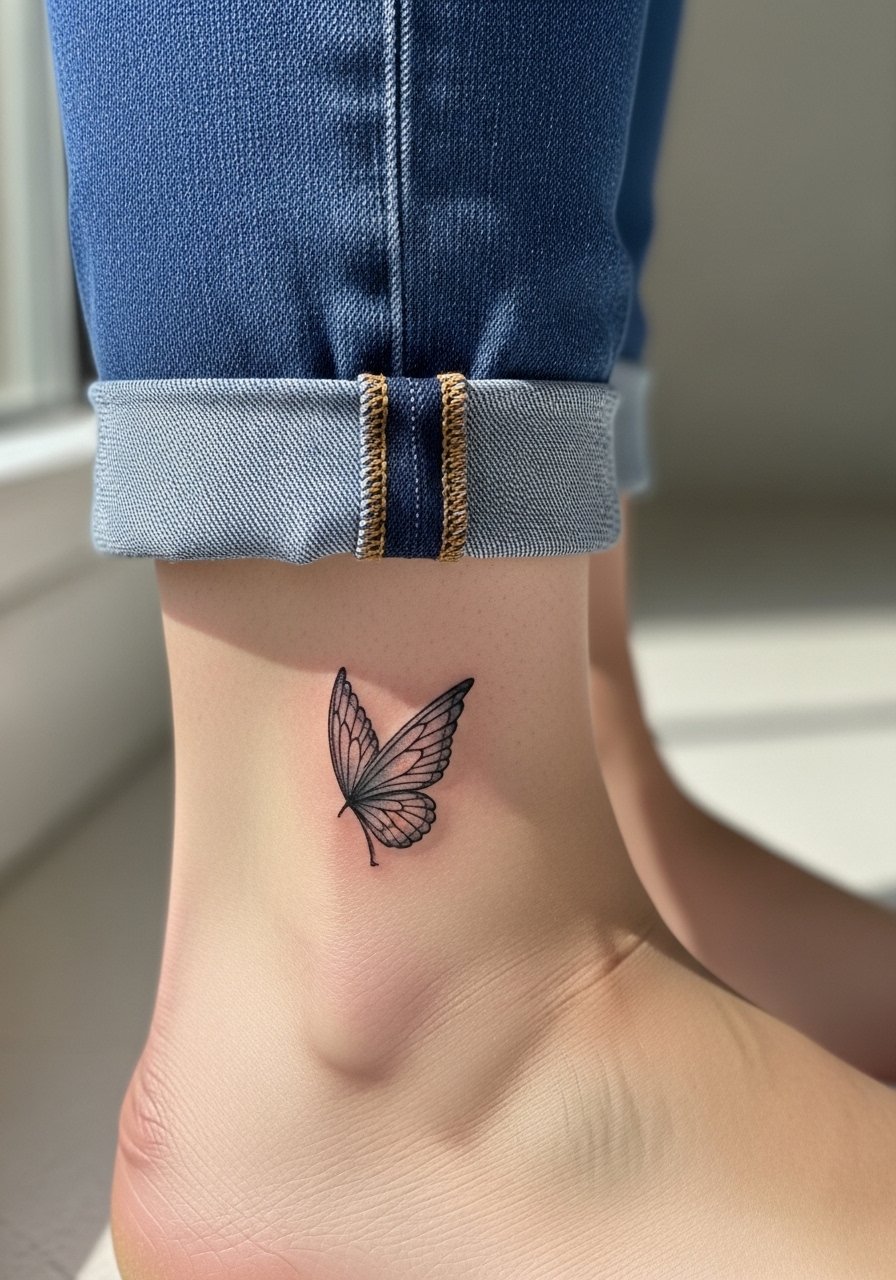
Ankle tattoos face a lot of rubbing from shoes and socks. Ask the artist to raise the outer border slightly in contrast so the wing keeps a readable silhouette after the first year. Pain is lower but expect more sensitivity near bone. A one-session micro piece heals quickly if you avoid tight socks the first week. Style it with sandals or rolled hems to show off the wing. For session comfort bring shoes that slip on and off easily so the artist can access the zone without stretching fabric over fresh ink.
11. Micro Headphone Line Art Behind the Ear and Neck
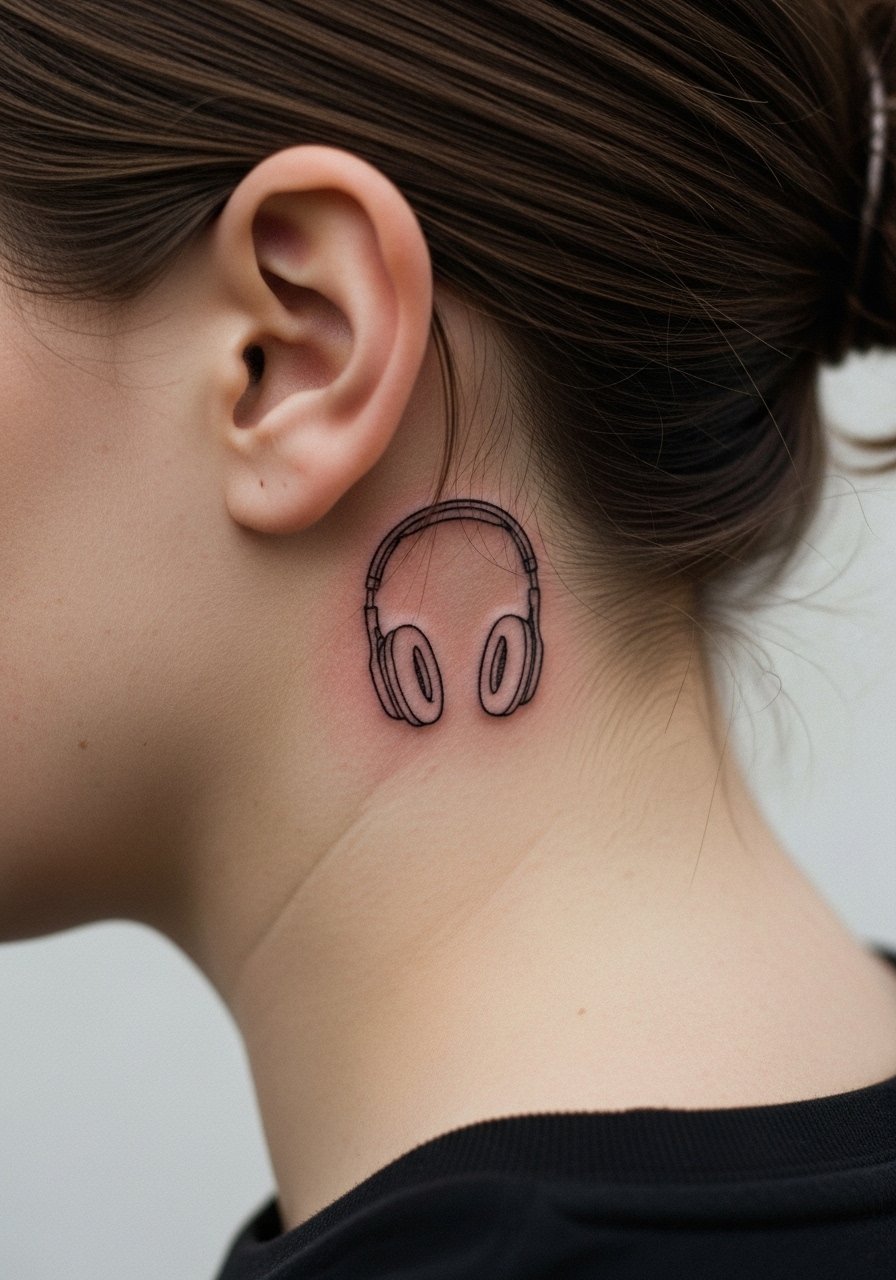
This placement is small and intimate. The behind-ear area needs precise stencil placement because the curvature of the neck changes the silhouette. Expect quick needle time and mild to moderate sensitivity. The hairy spot around the hairline can hide the design when you wear your hair down. For showing it off try a wide-neck top with hair tucked behind one ear. The debate on small neck placements centers on visibility versus professional concerns. Think through your daily look before booking. Discovering local shops through hashtags and app searches helps if you need someone who specializes in tiny neck work.
12. Minimalist Crescent + Stars on Collarbone
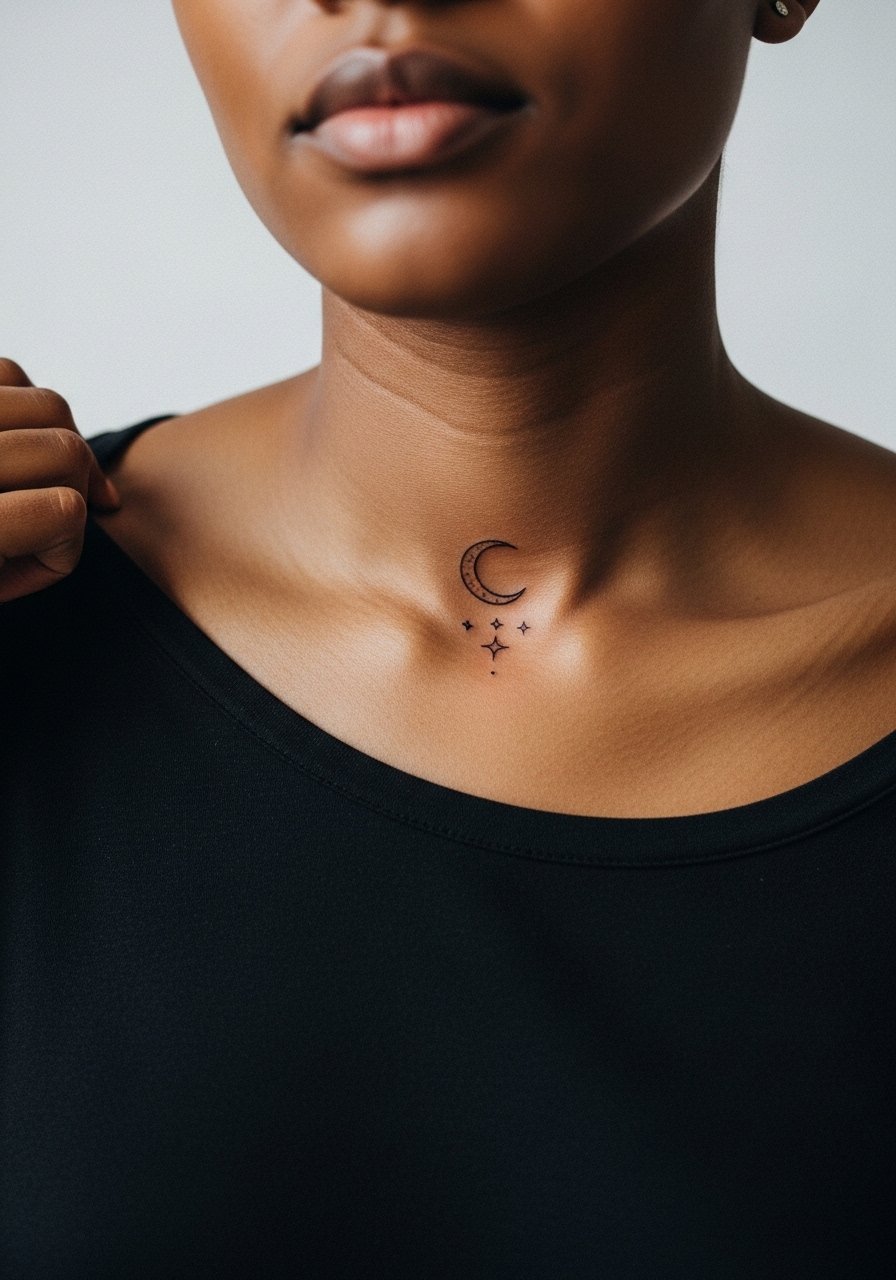
A collarbone crescent reads elegant when the spacing is planned over bone ridges. The error I see most is placing the stars too close to the crescent. Ask for gentle spacing and a slightly heavier outer crescent on darker skin so the motif photographs. Pain is moderate when the needle crosses bone. Session time is short. Pair with thin layered chains to keep attention on the upper chest without covering the marks. If you prefer a very private take, move the motif a half inch inward toward the sternum and talk to your artist about how it will age.
13. Playful Doodle on Inner Forearm
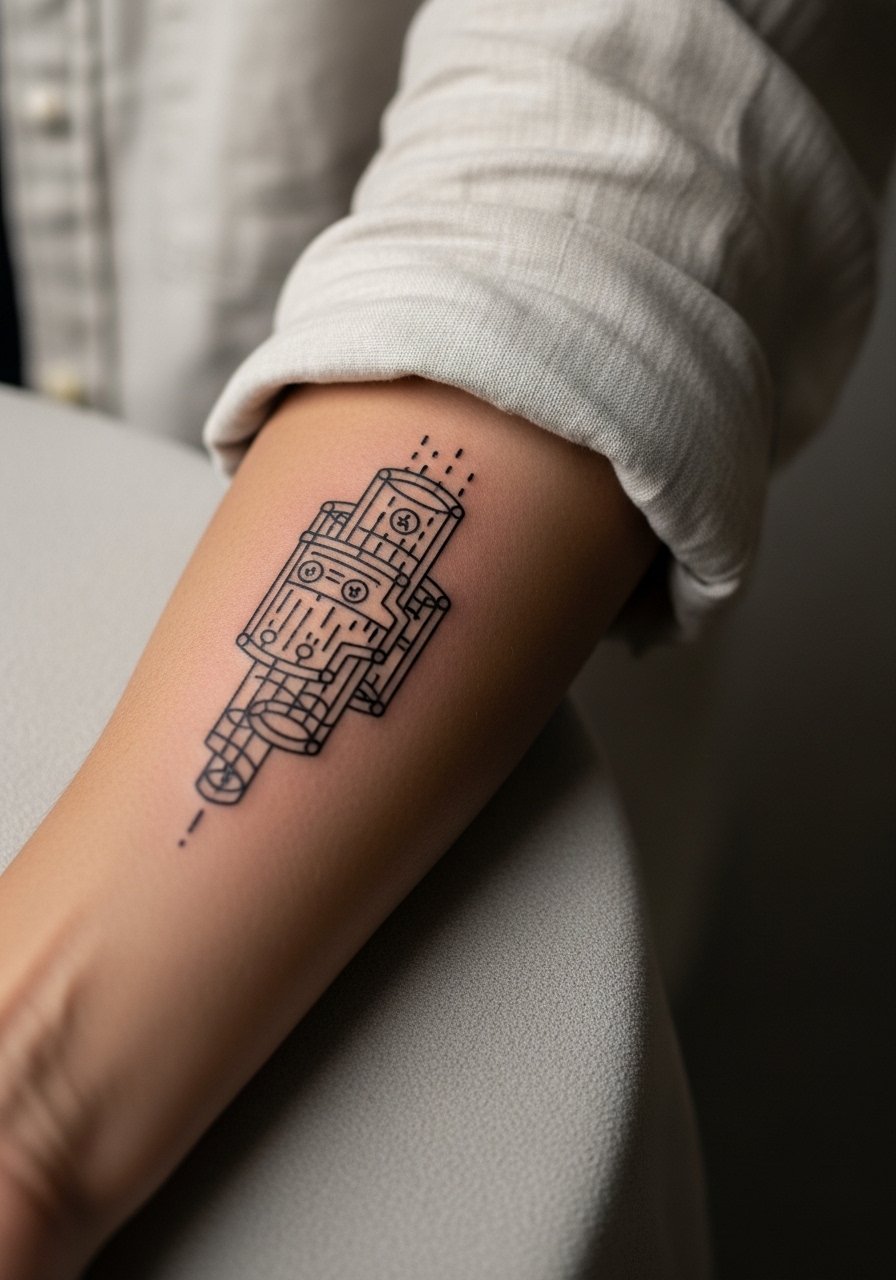
This placement is forgiving and low pain. The inner forearm is perfect for sketchy Billie-style doodles that echo her art books. A common mistake is making the strokes too thin where the design uses dense crosshatching. Ask your artist for selective stipple shading to keep the texture while preventing merge. For everyday outfits try rolled linen shirts in sand and stack a stacked bangle set on the opposite wrist to balance the look. Expect the piece to soften gracefully by year three if you protect it from the sun.
14. Tiny Black Ink Eye on Side Neck
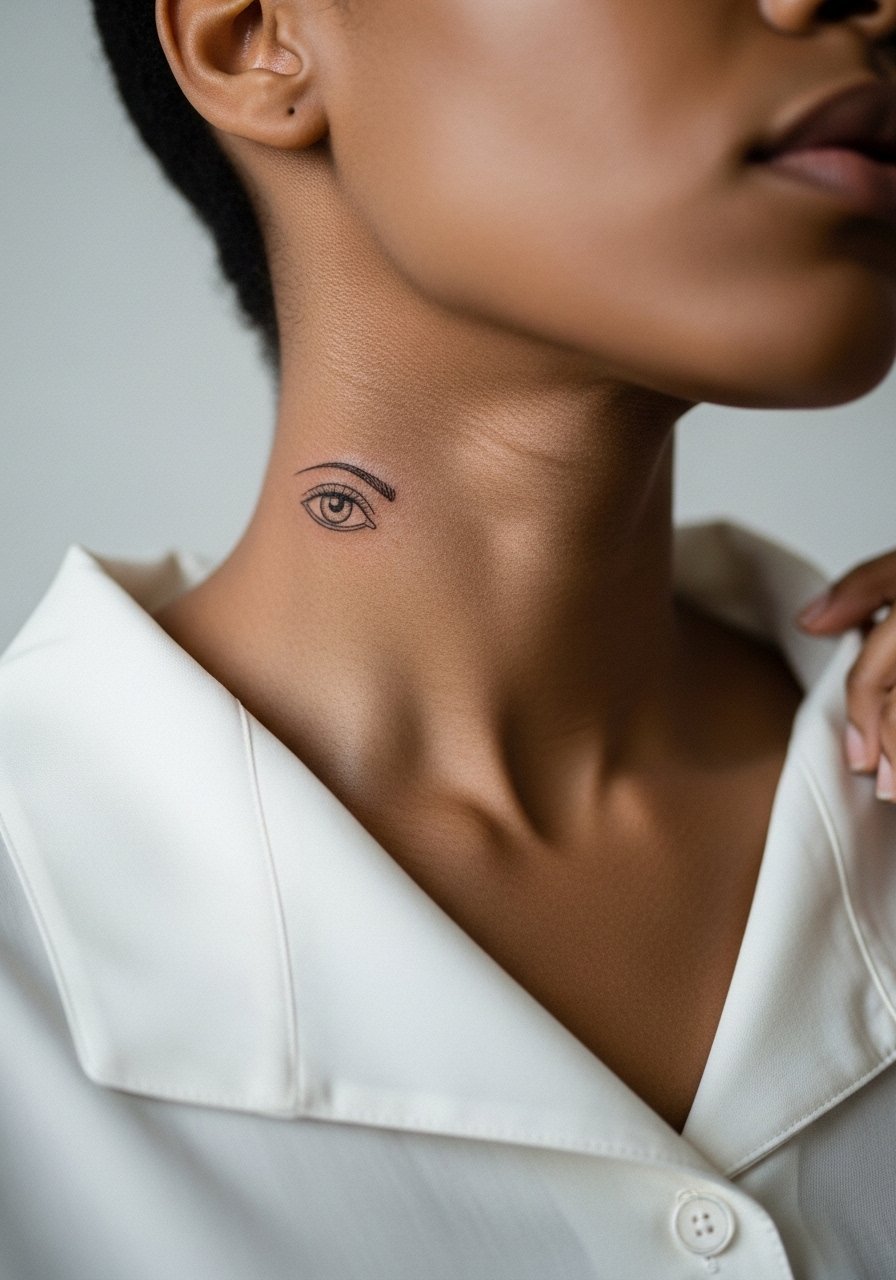
Neck tattoos show immediately so think through visibility. The side neck is a quick session with moderate sensitivity. Request the eye be scaled to the neck's curve and ask for slightly bolder lashes to retain clarity as it ages. Professionals who meet clients in person sometimes see bias against visible neck ink, so factor that into placement choice. If you do move forward, ask the artist about touch-up frequency because neck skin can be prone to faster softening.
15. Micro Matchstick or Flame on Wrist Side
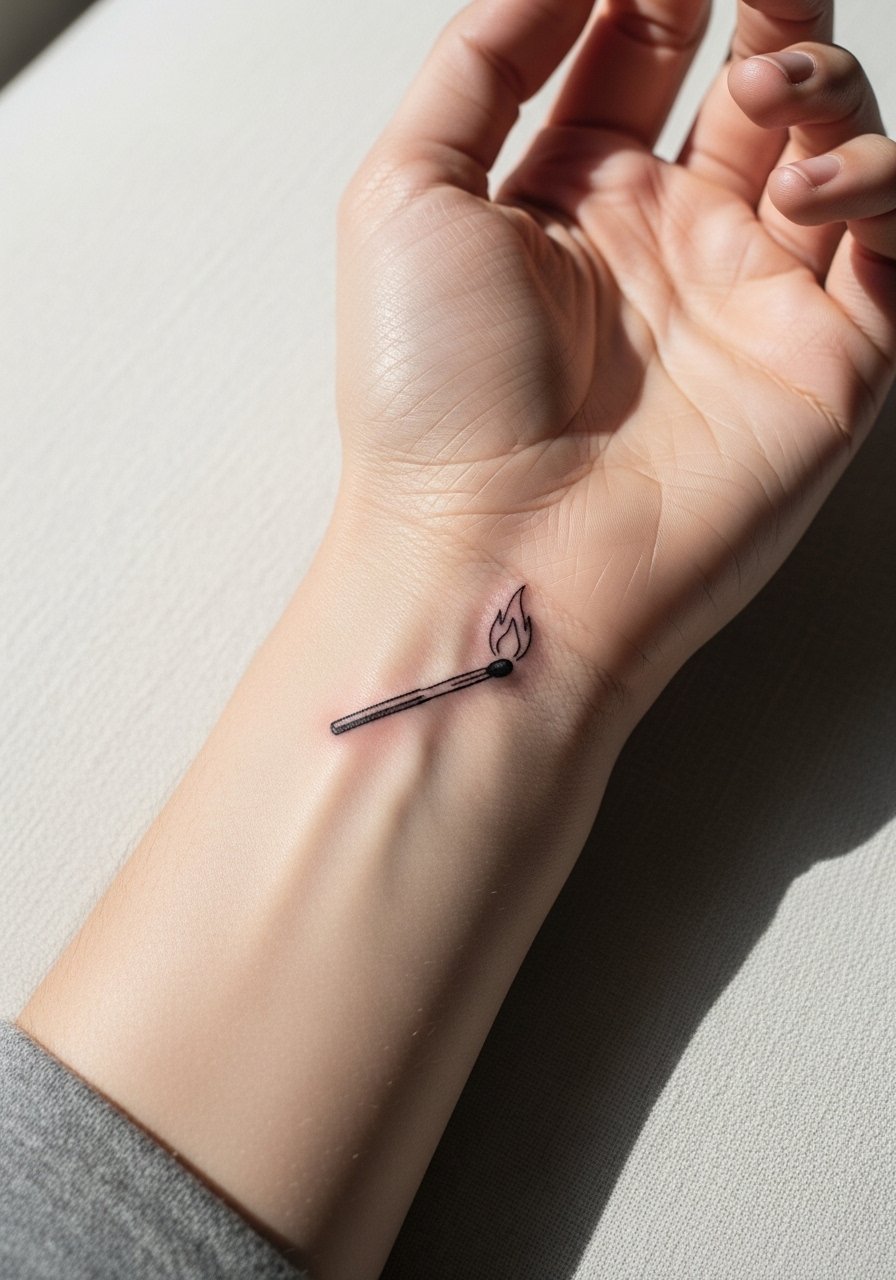
A tiny matchstick suggests subtle edge without committing to large blackwork. The mistake is making the flame too detailed for the small scale. Ask for a simplified flame silhouette so it keeps shape as lines soften. This wrist location will get friction, so plan slightly stronger line weight and a touch-up around year two. Pair with a dainty chain bracelet on the opposite wrist so both pieces read as intentional. Session time is minimal and pain is manageable.
16. Minimalist Broken Record or Music Glyph on Behind the Wrist
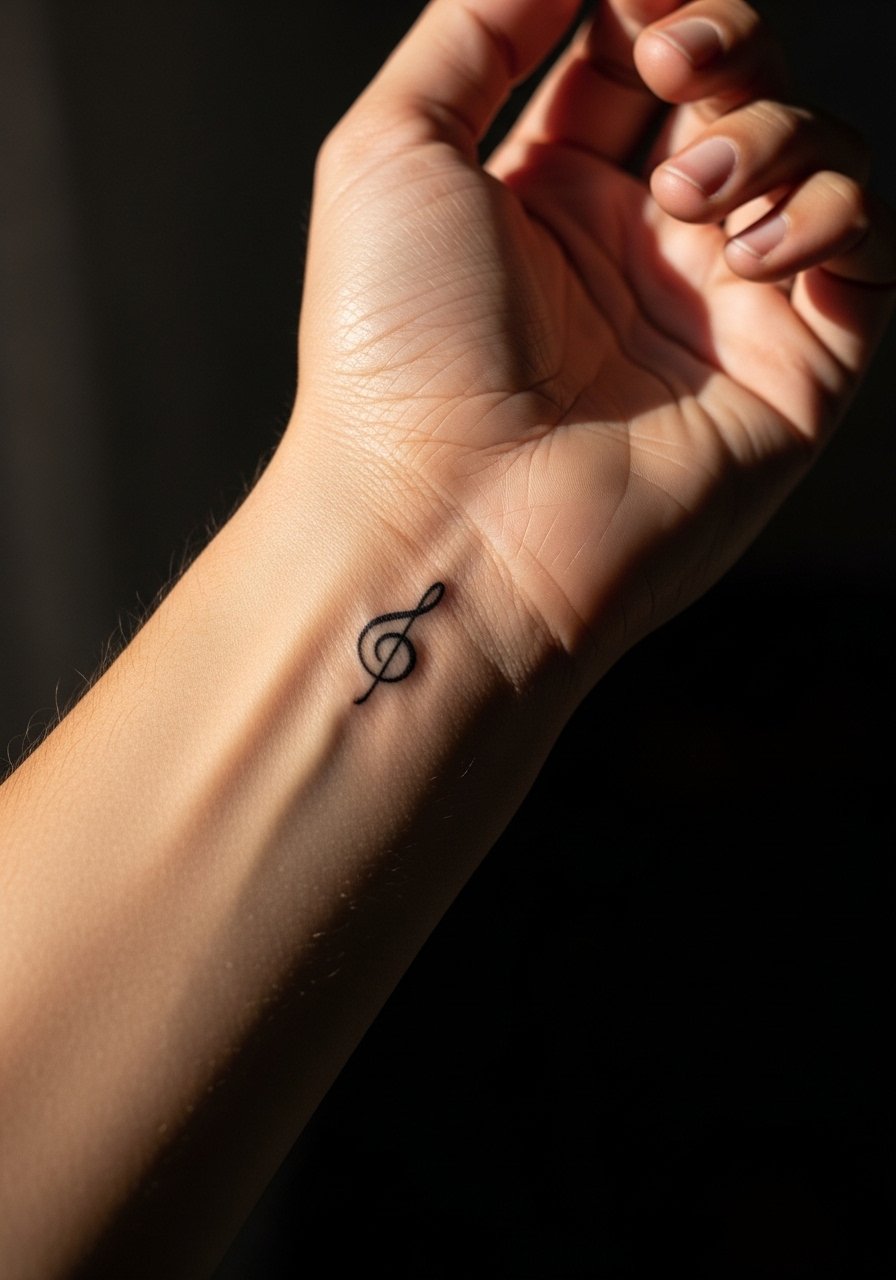
When you want a Billie nod that is clearly music-related but tiny, the broken record motif works well behind the wrist. The artist should place the design a touch higher than the crease so it does not distort with wrist motion. The main error is placing it exactly in the crease, which softens quickly. Expect a quick session and plan for a touch-up if you do a lot of wrist bending. For the appointment wear short sleeves and remove jewelry so the artist has unobstructed access.
17. Tiny Moon Phases Behind the Ear and Lower Neck
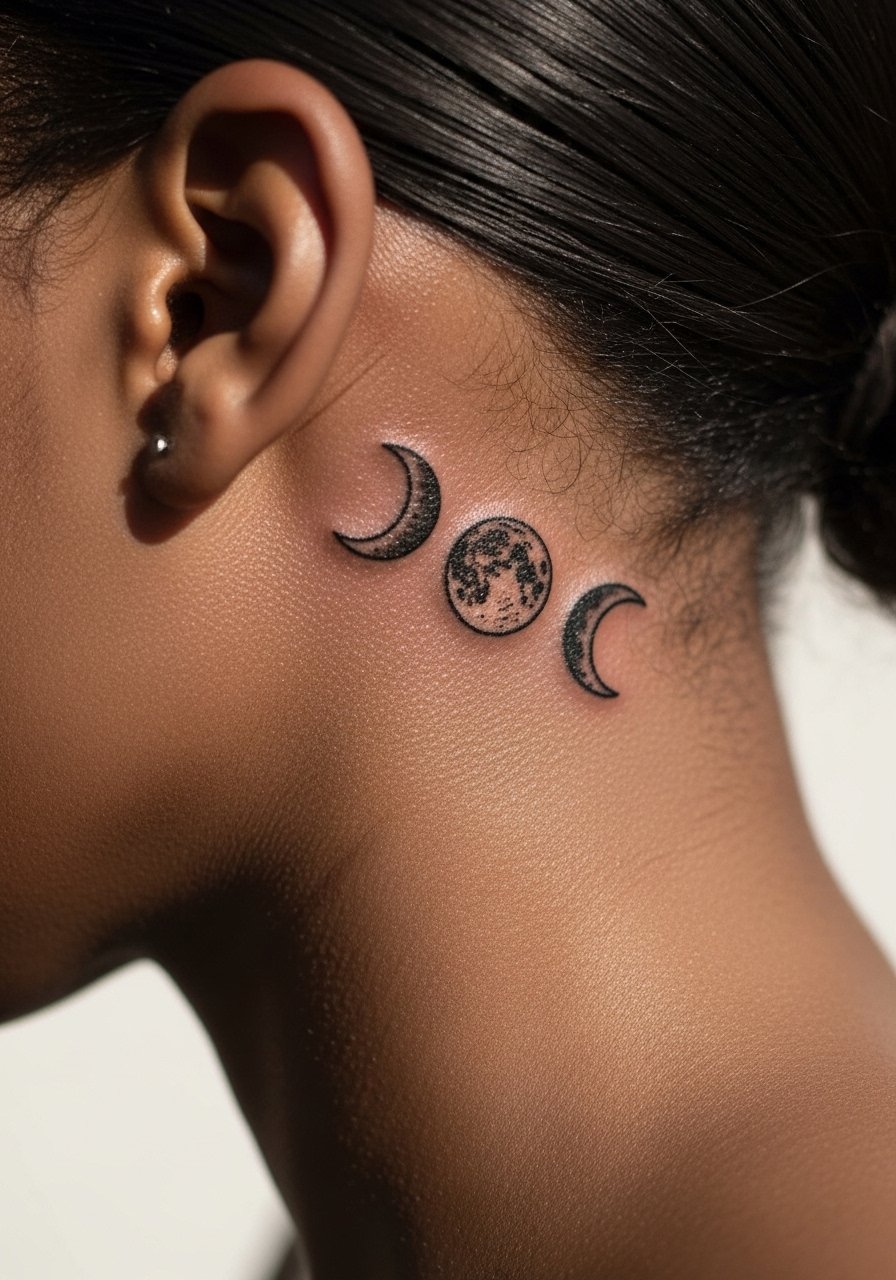
A row of phases behind the ear reads like a secret nod and fits Billie’s celestial motifs. Because the area sits under hair, placement must be precise so the sequence reads from left to right with your head positioned normally. Expect quick needle time and low to moderate sensitivity. If you prefer the row to peek when you tuck hair, discuss hairline placement with your artist. The main mistake is crowding the phases, which causes the crescents to lose definition. This low-visibility spot ages well compared with face or full neck pieces.
Frequently Asked Questions
Q: Will fine line fairies on my hand blur within a year?
A: Fine line on hands is prone to faster softening because of constant movement and washing. One camp says hands blur in six to twelve months, the other camp argues that technique and slight lineweight increases prevent it. My advice is to plan a touch-up at year one and ask the artist about single-needle retention techniques before booking.
Q: How should I dress for a chest script session to get clean access?
A: Wear a wide-neck shirt or a loose button-down you can pull aside so the artist has unrestricted access to the collarbone. A loose button up shirt women works well because you can adjust coverage without stretching the stencil. Bring a robe if you want extra privacy.
Q: Do thigh dragon outlines need a different aftercare routine than wrist pieces?
A: The thigh experiences less friction than the wrist, so basic gentle cleansing and avoiding tight clothing for the first week usually suffices. Wrist pieces face more rubbing and sun exposure so they sometimes need a little extra protection during the early healing window.
Q: If I have darker skin, do I need a different line weight for small Billie-style motifs?
A: Slightly stronger line weight often helps with contrast on darker skin. Ask the artist to test a tiny healed spot or preview with henna if you are unsure. Many artists adjust spacing and contrast rather than changing the overall style.
Q: How often will I need touch-ups for small script or tiny moons?
A: Expect touch-ups around year two to three for most fine line wrist and hand work. Hidden placements like thigh and chest typically need fewer touch-ups. It depends on sun exposure, friction, and your skin type.