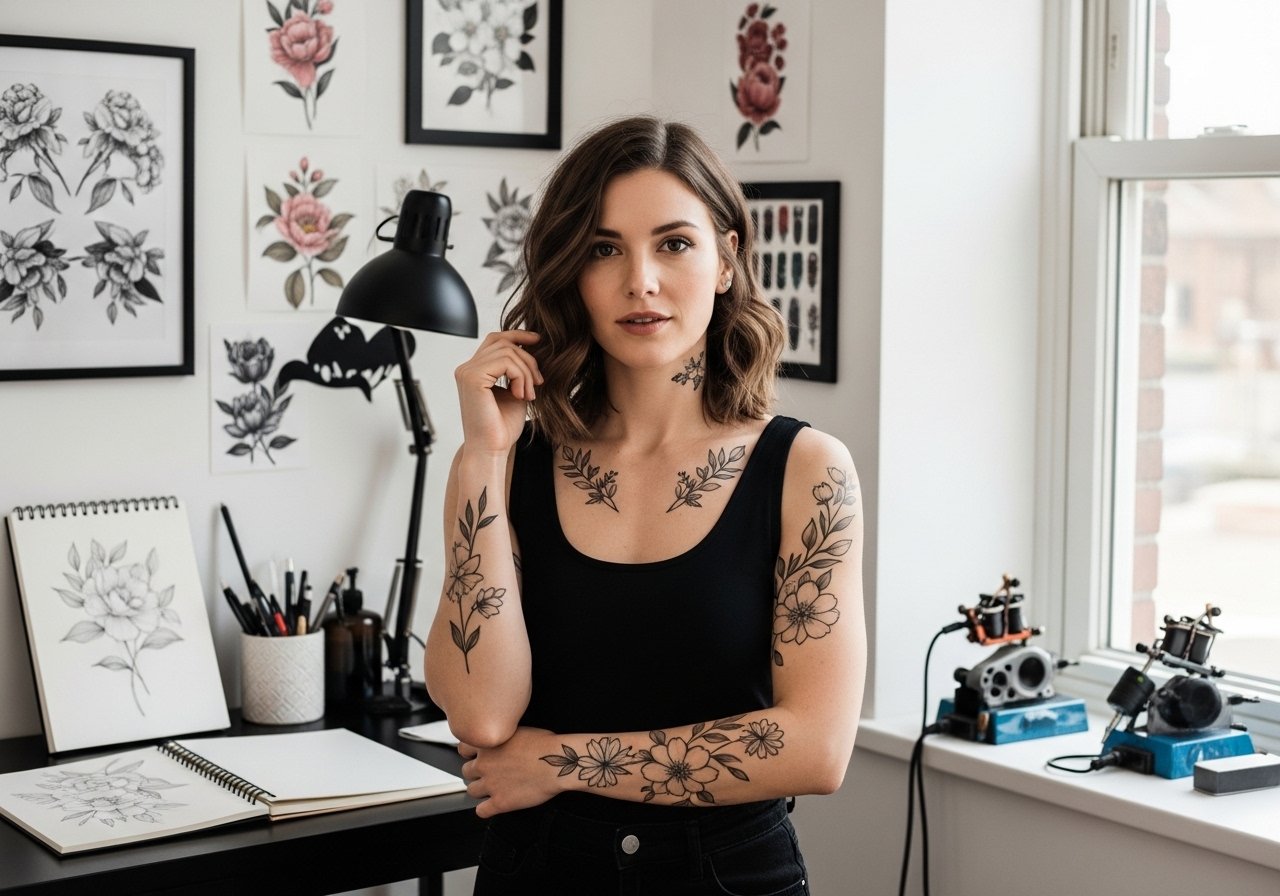
Fine line shoulder tattoos sit somewhere between jewelry and a statement, visible but easy to hide with a shirt. Trends push ever-finer detail, and the practical side of longevity and placement matters more than the saved image. Below are delicate shoulder ideas that balance scale, needle choices, and wardrobe so your piece still reads like you years from now.
1. Fine Line Floral Cascade on Outer Shoulder
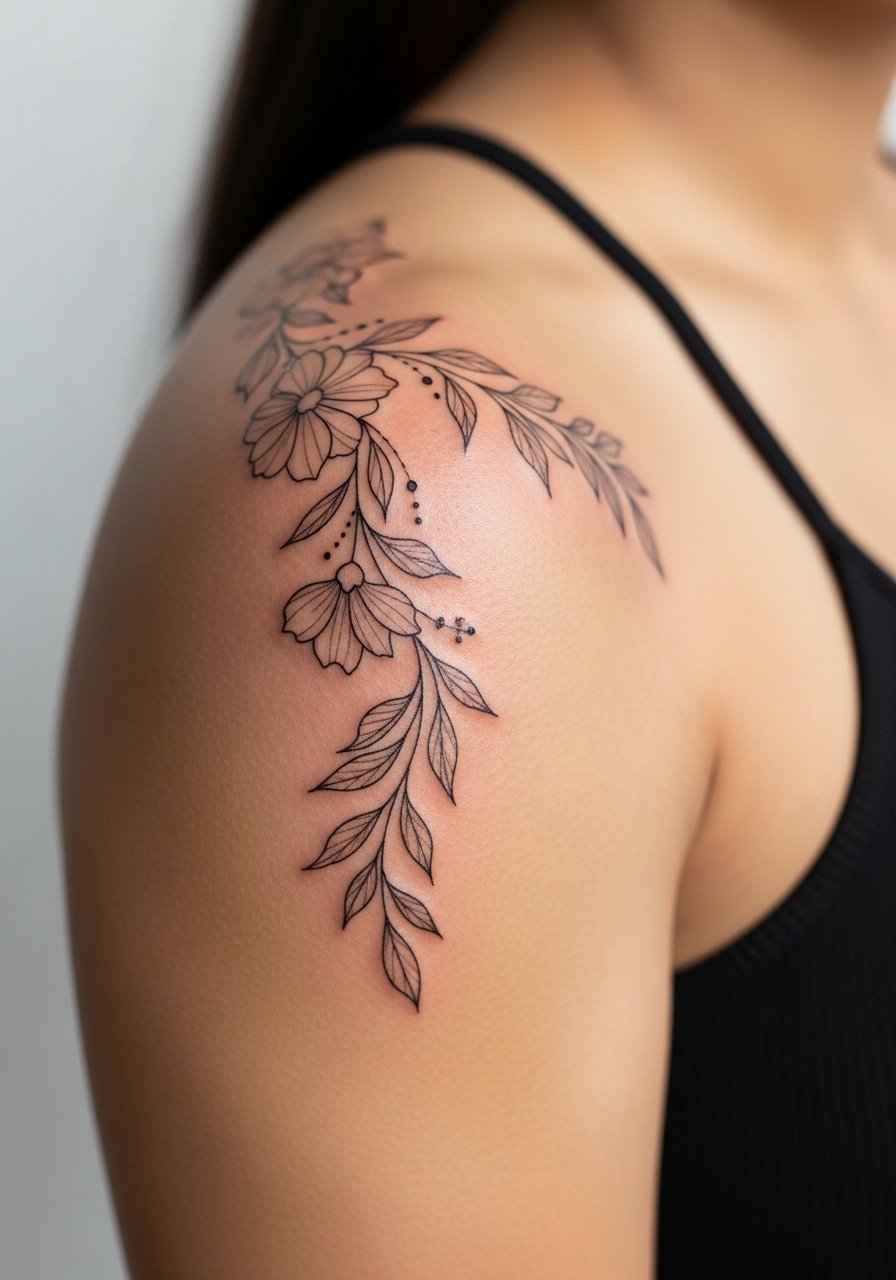
When you want feminine detail without heavy color, a fine line cascade of tiny blossoms and leaves reads delicate and moves with the curve of the bone. Consultation tip, ask for spaced stems and slightly heavier anchor lines near the bone so the central silhouette stays readable as the tiny veins blur over time. Common mistake, asking for ultra-tiny petals packed together, which risks merging after a couple of years. Expect a low pain session for the outer shoulder and most pieces finish in a single hour. For showing it off, pair with a wide-neck linen top that reveals just the upper curve of the shoulder.
2. Micro Script Shoulder Arc Along the Collar
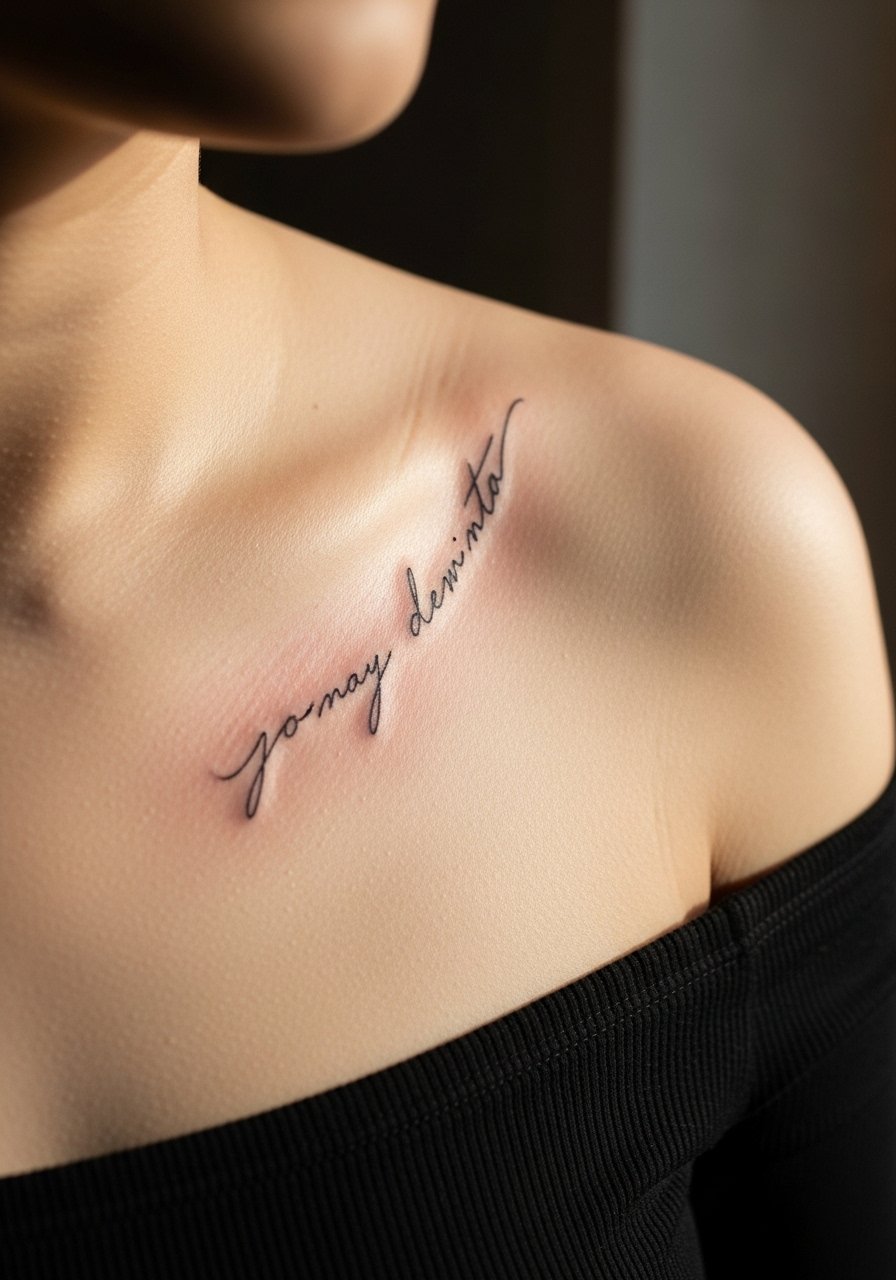
A tiny phrase or single word following the shoulder line feels personal and wears like a discreet necklace. When you sit with your artist, say the exact font size you want and ask them to stencil it in place so you can check scale in motion. Artists split on the idea of ultra-thin script on curved shoulder skin. One camp says thin script holds fine with proper depth. The other camp warns that too-fine lettering can blur faster on mobile skin. If you care about longevity, plan for a touch-up window at two to three years. Session time is short and pain is mild. Outfit tip, layer a thin chain choker to balance the arc visually.
3. Tiny Constellation Cluster Near the Shoulder Cap
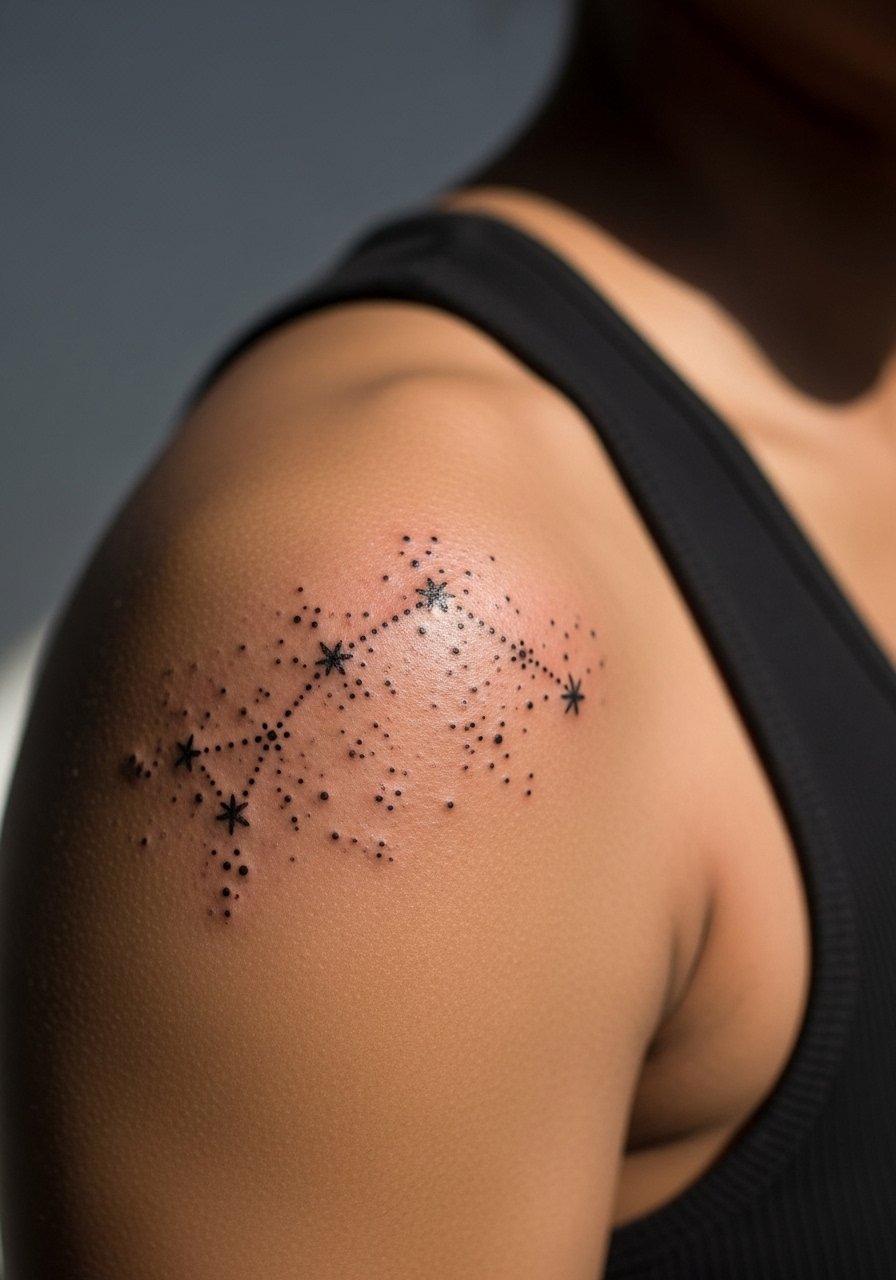
Constellations are a quiet option that read well at small sizes because they use negative space intentionally. Tell your artist you want pinprick stars with slight spacing between elements, not a dense cluster. A common error is compressing multiple tiny stars into a tight patch, which creates a blurred blob over time. Expect about 45 minutes to an hour for most small clusters. For an easy show-off look, wear a scoop-neck tank that leaves the cap visible without exposing too much skin during daily tasks.
4. Stipple-Shaded Miniature Rose on the Upper Shoulder
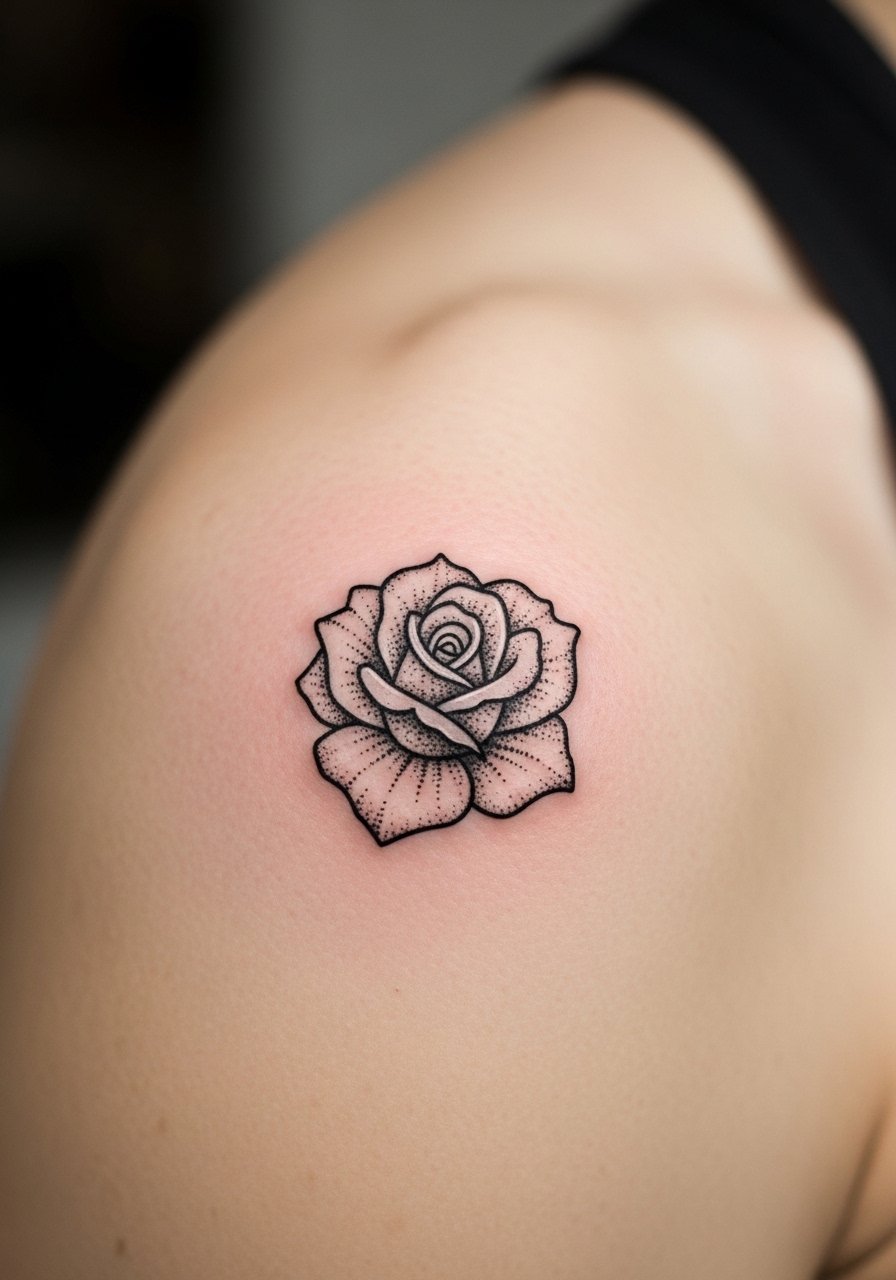
Stipple shading adds texture without heavy saturation, and a small rose with dot work keeps the piece airy. When you consult, ask for stipple rather than solid fill to preserve long-term contrast. Mistake to avoid, requesting saturated color in places meant to be delicate, which turns the design visually heavier and increases blowout risk. The upper shoulder is forgiving, so pain is low and many artists finish a micro rose in one short session. Pair this with a linen wrap blouse for evenings where you want the tattoo framed like jewelry.
5. Geometric Crescent with Thin Linework
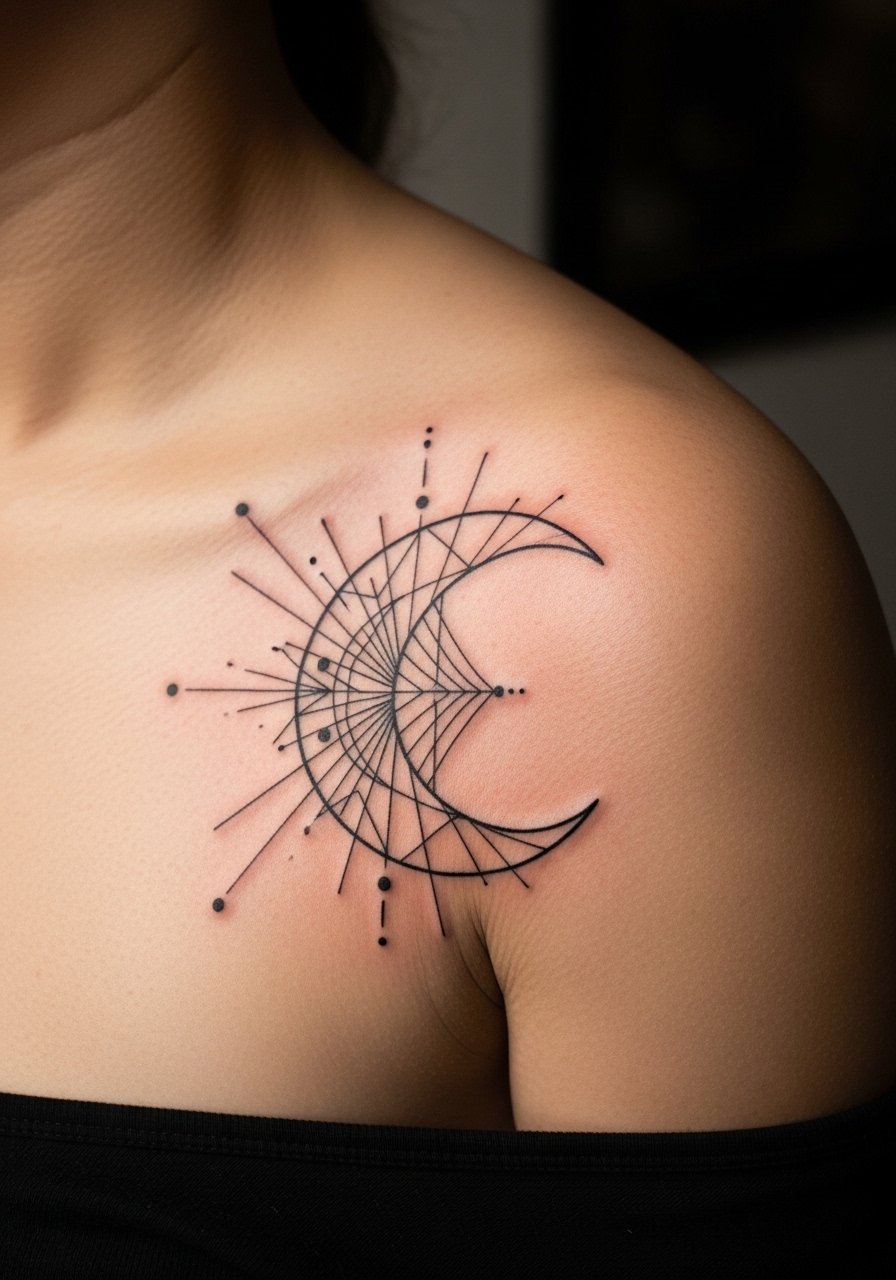
Geometry reads modern when the lines have breathing room, so keep the crescent size moderate and the inner pattern sparse. Consultation note, show clear references for line weight so the artist knows how thin is too thin for the placement. Visual impact varies with distance, but a moderate crescent keeps its shape longer than an ultra-tiny one. Expect around an hour depending on the complexity of inner detailing. For outfits, a one-shoulder top that exposes the crescent on one side gives a tailored reveal. Search keywords in the link help you find styles that match the angle.
6. Delicate Fern Flowing Over the Shoulder Blade
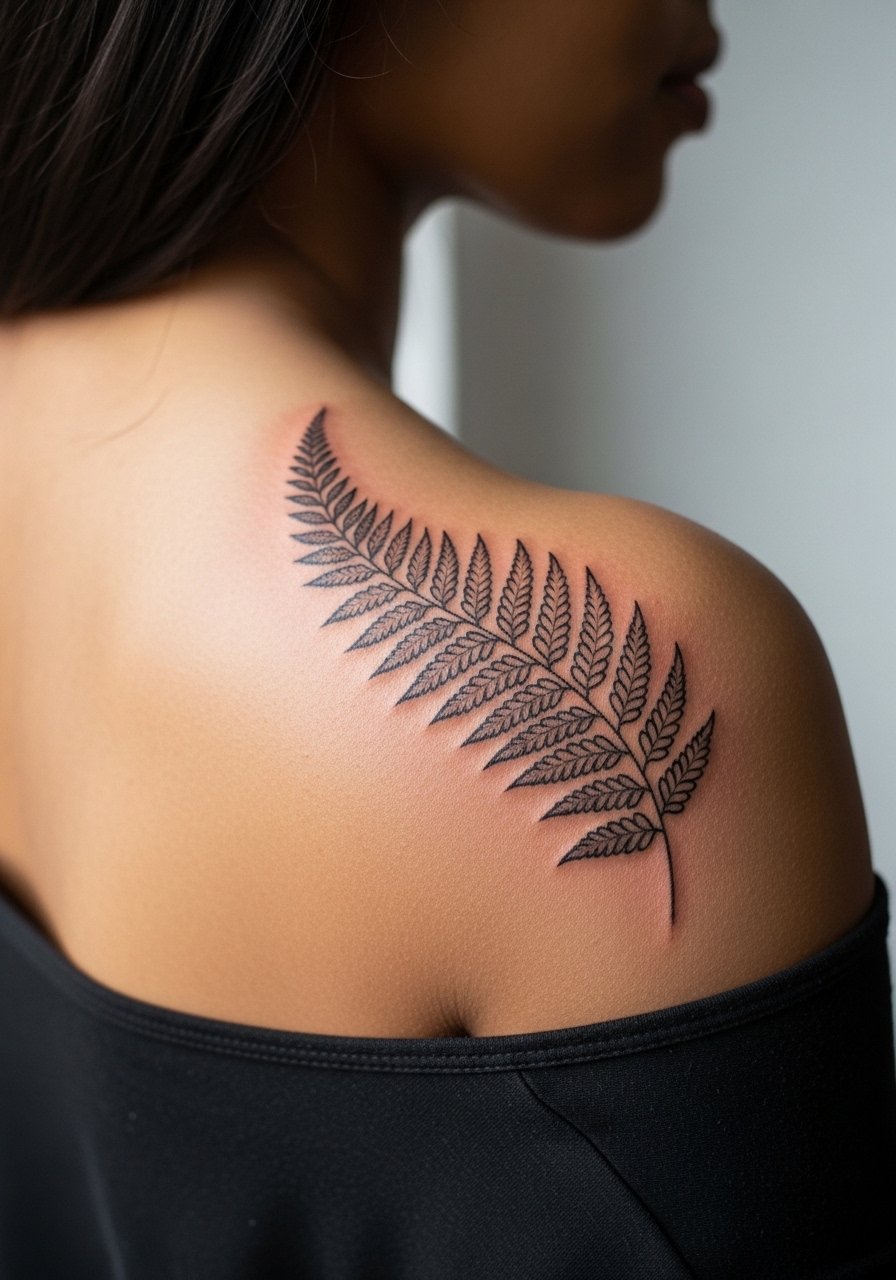
A fern follows curves naturally so the design moves with shoulders and clothing. Tell the artist to orient the main stem along the rib of the shoulder blade so the piece breathes with motion. A common mistake is an overly dense frond that turns into a shaded patch when the dots and thin lines merge. This placement shifts depending on posture, so expect light scraping sensations as the artist works the blade. For the session, bring a button-down shirt you can slide aside for access while keeping comfortable coverage.
Studio Day Picks
The outer shoulder and shoulder-blade pieces above are easy to access, but a few small items make the session and first week smoother.
-
Stencil transfer paper kit. Lets you place and adjust fine line compositions on curved shoulder areas before the needle hits skin.
-
Topical numbing cream. Useful for clients with low tolerance who still want precise, delicate work without flinching.
-
Thin protective film roll. Keeps shoulder pieces protected from friction with straps and backpacks during the first few days.
-
Fragrance-free gentle body wash. Cleans the area without irritating the tiny needle channels that fine line work relies on.
-
Aquaphor healing ointment. A thin initial layer helps with dryness and keeps delicate lines from flaking off too aggressively in the first days.
7. Minimalist Leaf Wreath Sitting on the Shoulder Cap
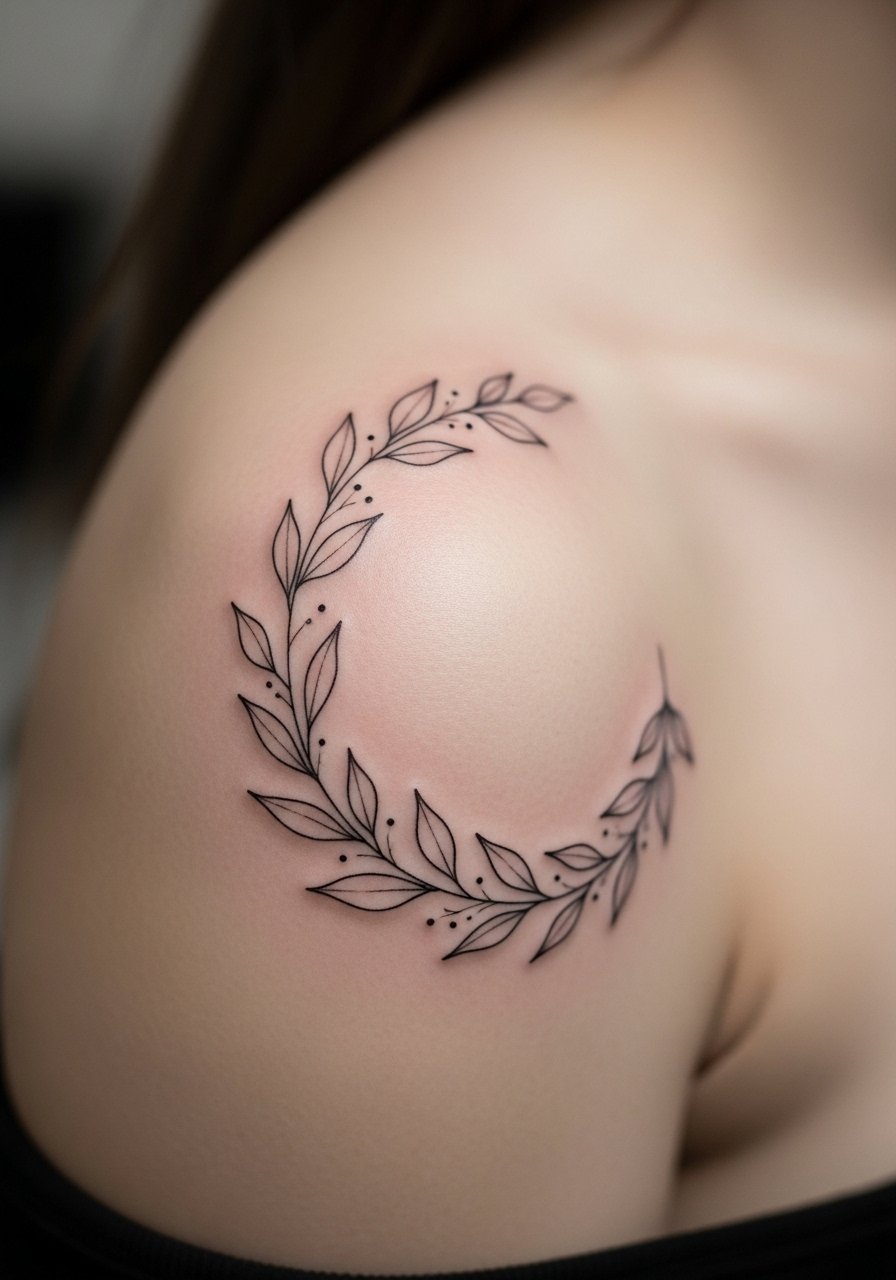
A small wreath reads like a wearable ring around the shoulder cap and pairs well with seasonal clothing. When you ask for this, request open spacing between leaves so the wreath keeps its silhouette as blending happens over time. People often make the wreath too small which reduces legibility after healing. This is a short, low-pain session and many finish in under an hour. Showing it off works with a bare-shoulder summer dress that frames the curve without adding straps that cut across the design.
8. Tiny Anchor or Symbol Nestled Near the AC Joint
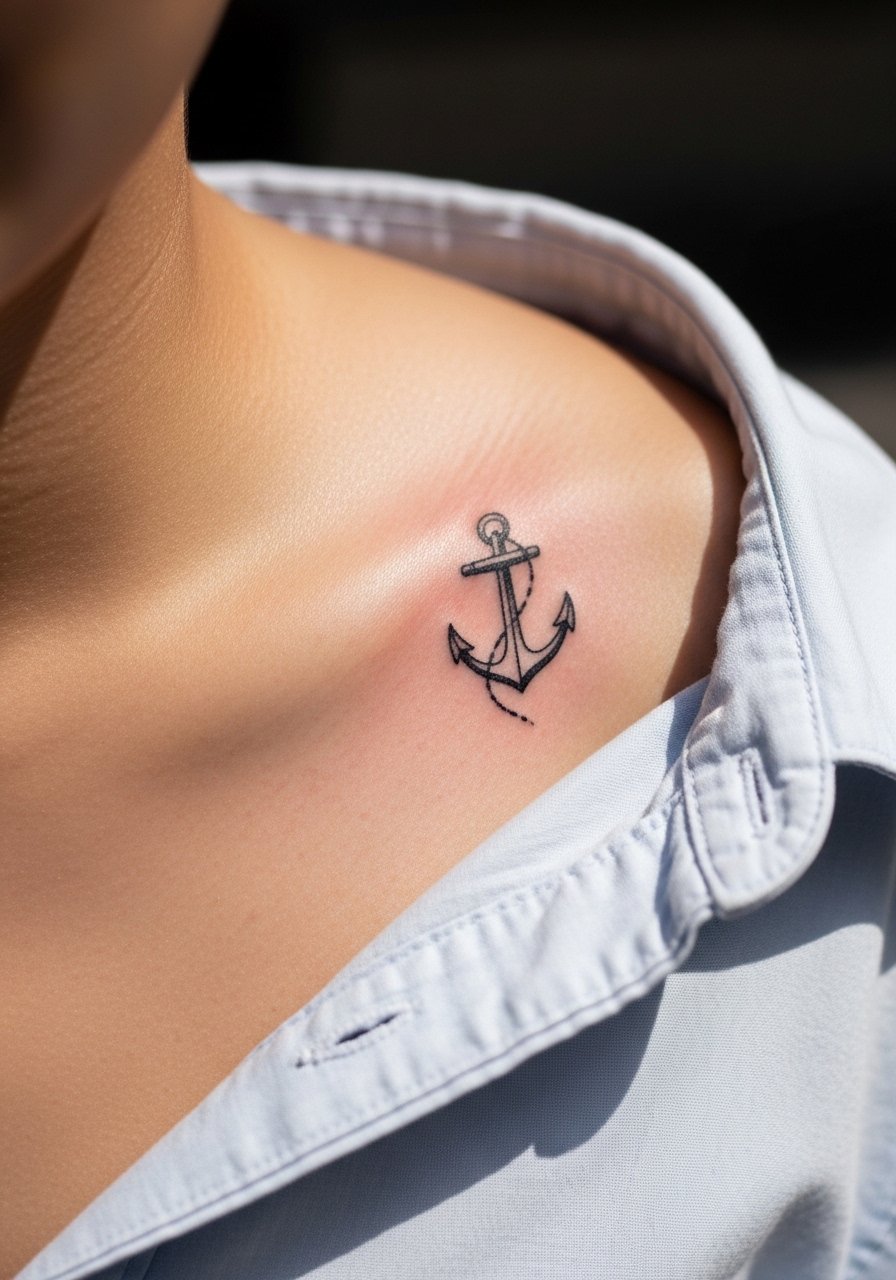
Symbols near the AC joint sit in a visible spot that still tucks under shirts easily. Tell the artist the exact millimeter size you want and ask for a paper stencil placed while you move your arm, so you can judge how it sits in motion. Mistakes happen when clients choose symbols too detailed for the scale, which dissolves into an indistinct mark later. Pain is mild and session time short. For showing it off, try a boat-neck sweater that reveals the upper shoulder without exposing the collarbone fully.
9. Micro-Realism Bee with Whip Shading
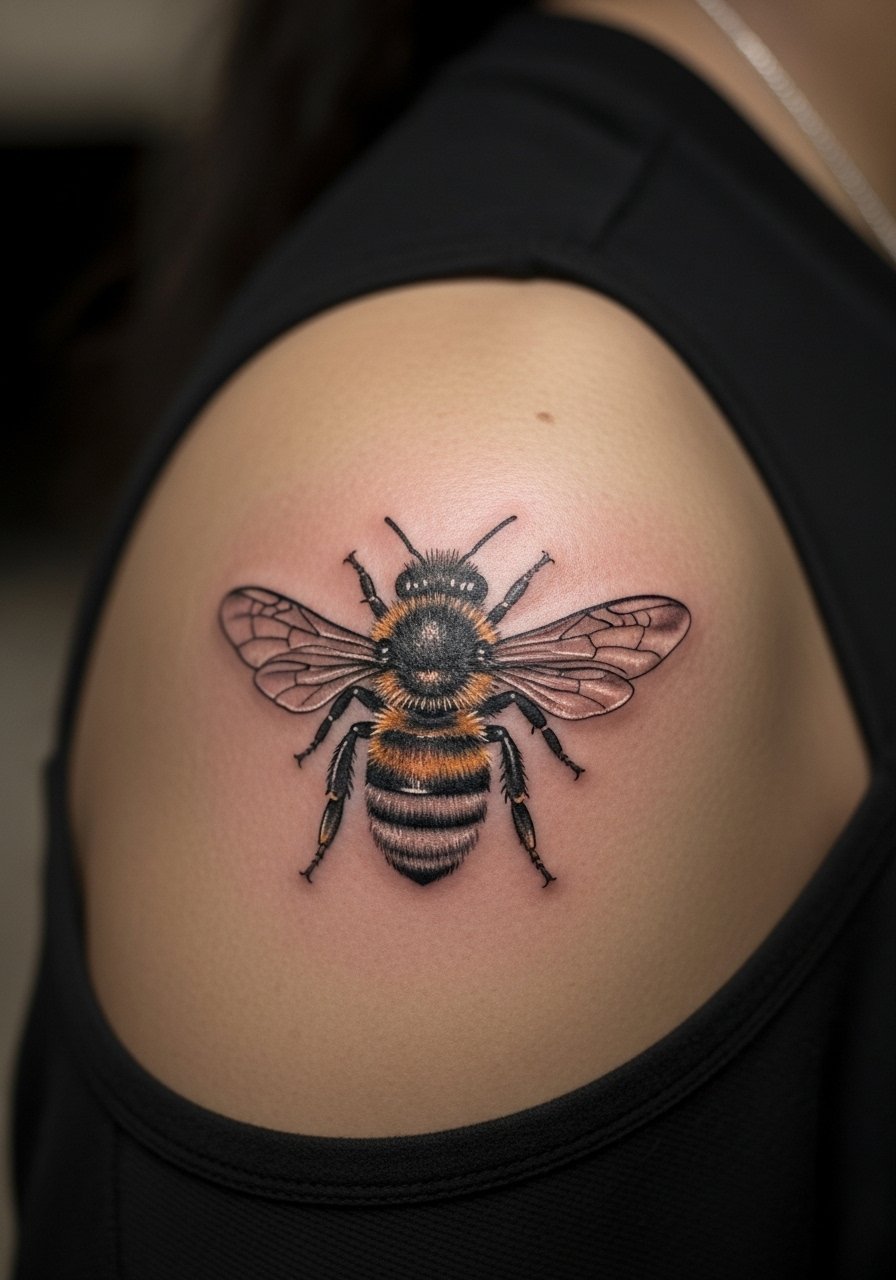
Micro-realism can give a tiny animal authenticity while keeping the piece delicate. Specify whip shading for soft wing texture and prioritize single-needle linework for antennae to avoid thick outlines. One common error is asking for too many color layers at micro scale, which competes with detail and increases blowout risk. This sits as a one-hour piece usually and hurts less than chest placements. Style it with a cropped denim jacket over a tee so the bee peeks out from under a sleeve for a casual reveal.
10. Single-Line Continuous Wave Along the Shoulder Edge
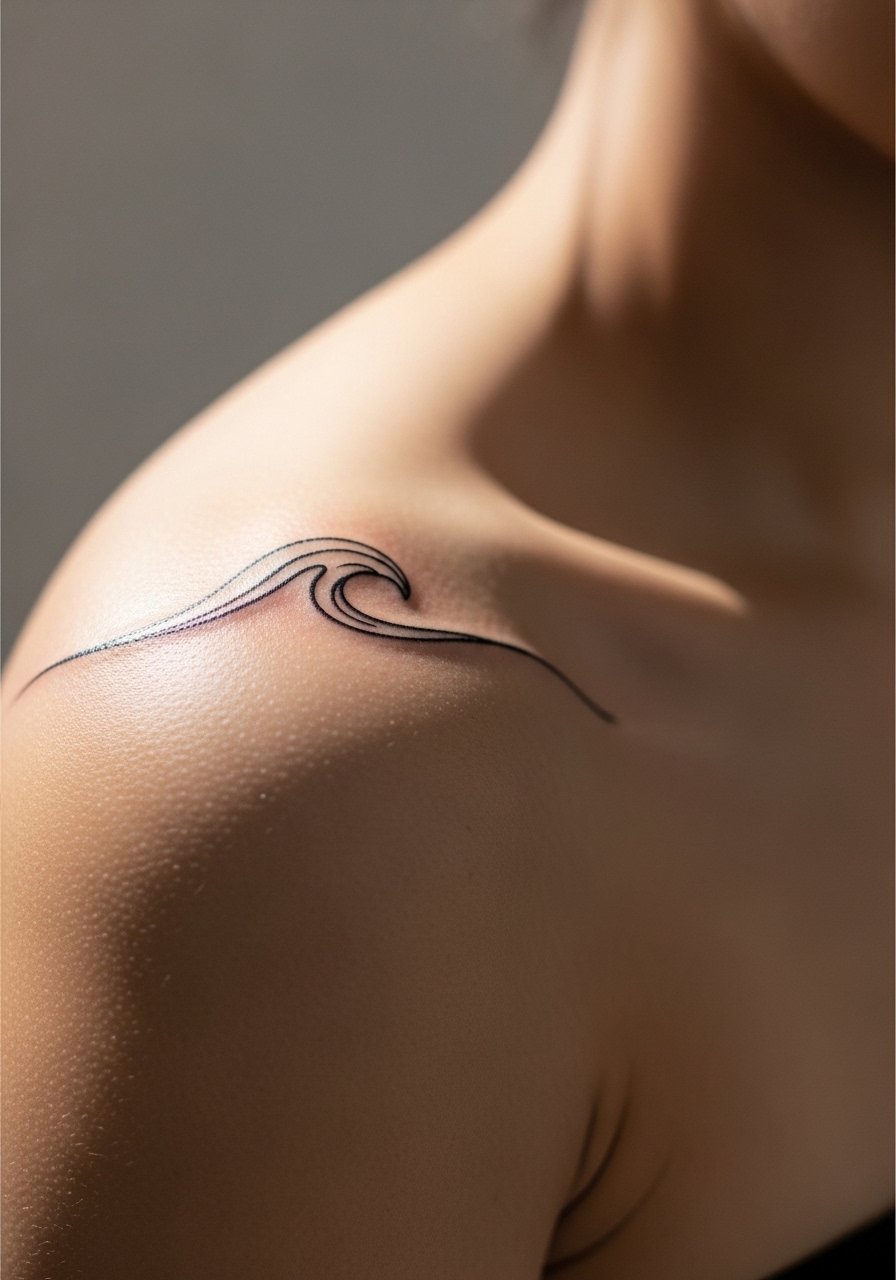
A continuous single-line motif uses movement and negative space to stay readable even as thin lines soften. During the consult, ask the artist to test the line on skin to ensure the single pass is steady. Artists debate single-pass single-line work because one camp trusts a confident continuous stroke for character and integrity while another prefers multiple light passes to control depth. If you pick single-pass, accept a slightly longer touch-up timeline. The session is quick and pain is low. For outfits, a slip dress with thin straps shows the line without crowding it with accessories.
11. Tiny Lotus at the Shoulder Peak with Dot Work Halo
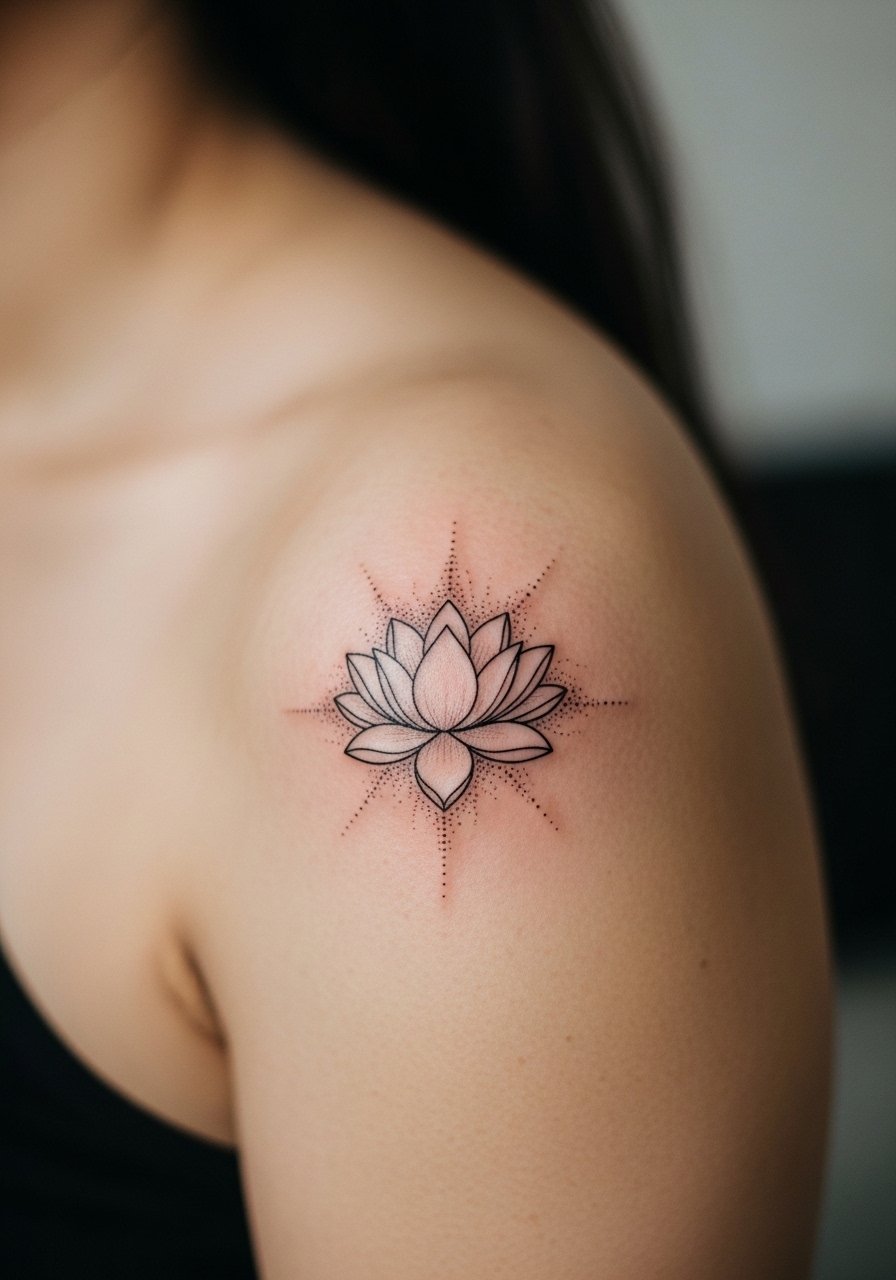
Lotus motifs work well as centered shoulder peaks and the dot halo creates visual breathing space. Ask your artist for slightly increased spacing between halo dots so they do not read as a wash over time. A common mistake is a dense halo that flattens into shading at year two. Expect low pain and a short appointment. For a refined look, pair with a delicate pendant necklace that sits above the collarbone and lets the lotus sit alone.
12. Petite Mandala Petal at the Lateral Shoulder
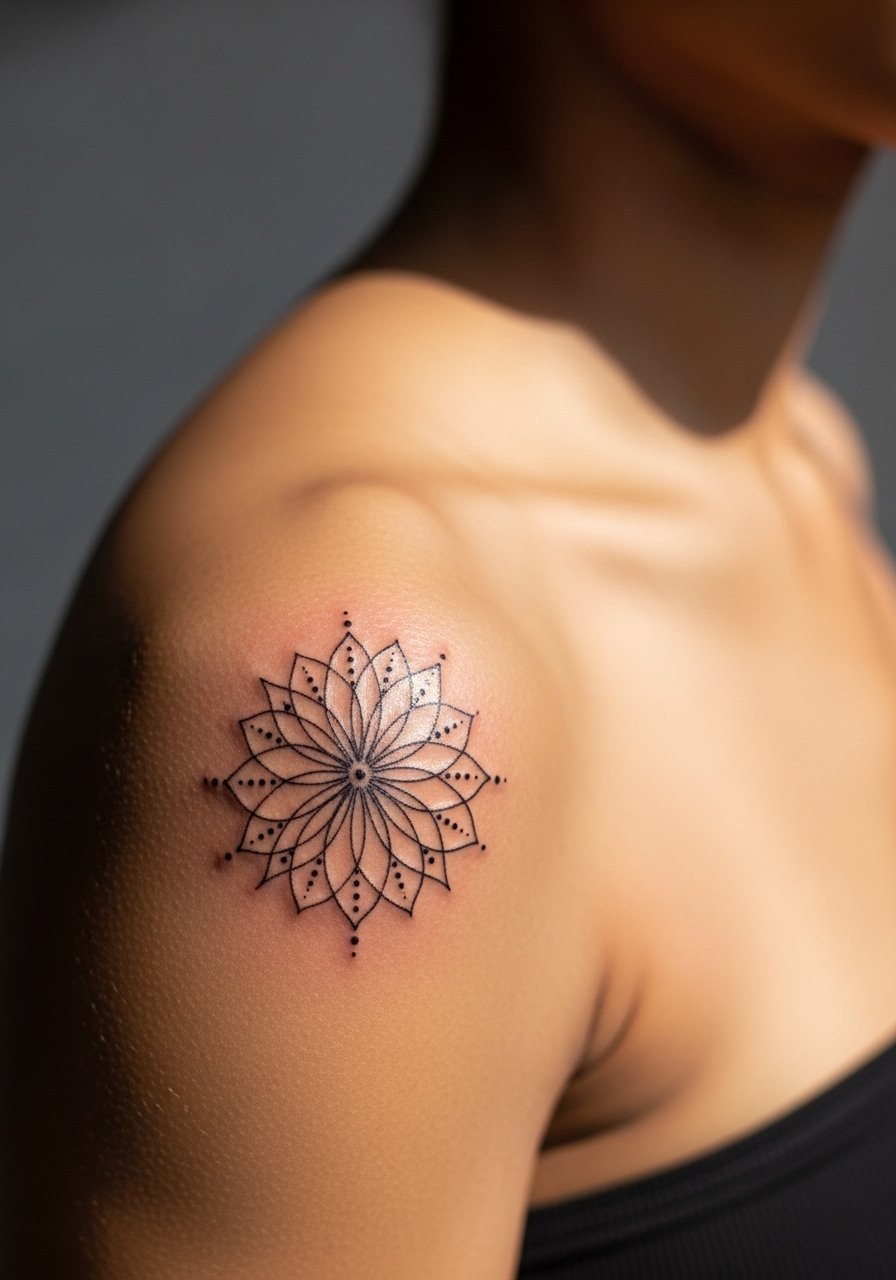
Mandala fragments can be scaled down to sit on the shoulder without becoming a dense circle. Tell the artist you want a fragment rather than a full mandala so the petals breathe and avoid high-contrast solid fills that age into patches. There is a debate among artists about how small mandala details should be. One side says thin radials hold if spaced. The other side argues the skin there stretches and smudges dense radials. If you want long-term clarity, plan for slightly larger petal spacing and expect a touch-up in a few years. Wear a cap-sleeve tee to frame the motif without covering it.
13. Tiny Arrow Along the Shoulder Slope
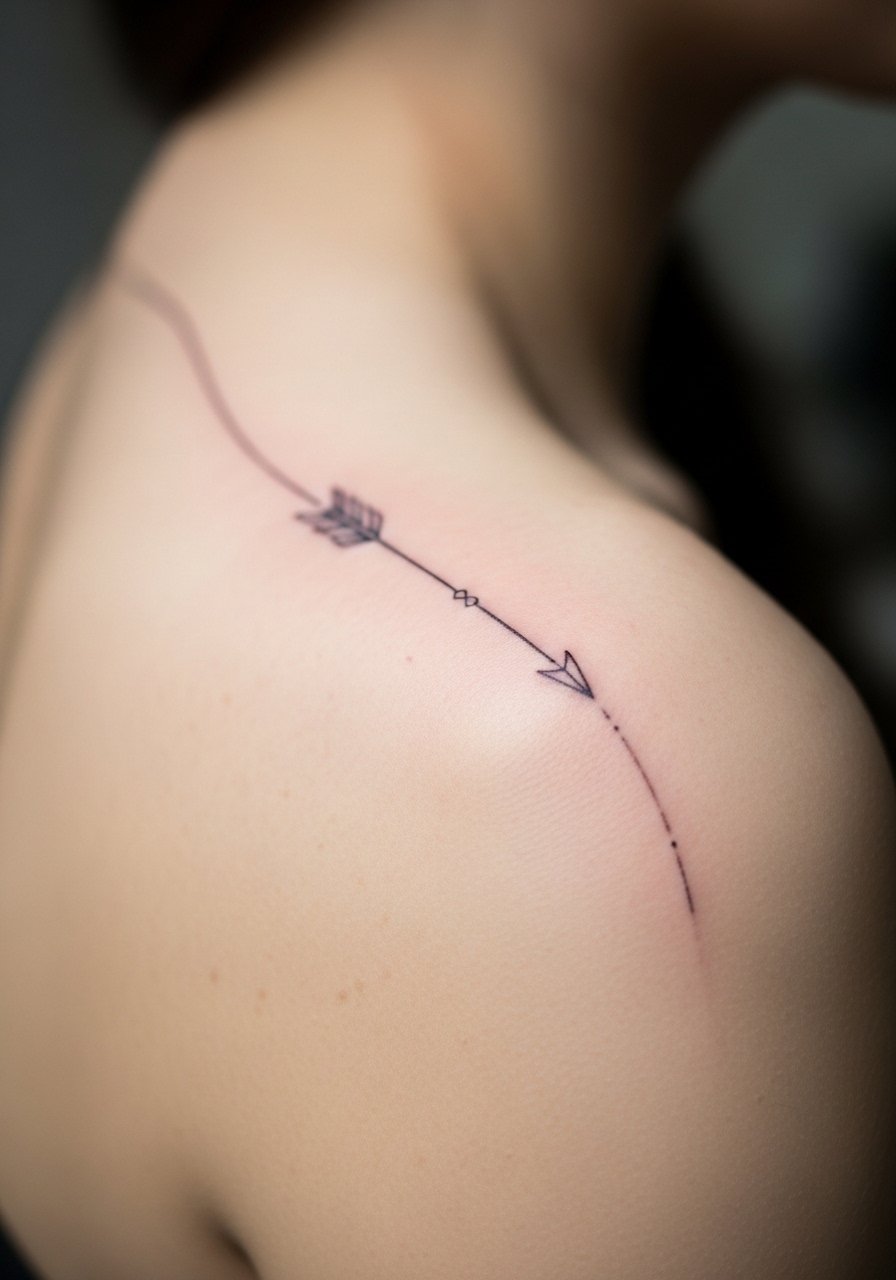
An arrow that follows the shoulder slope reads dynamic without needing heavy ink. In consultation, specify endpoint placement so the arrow does not sit on a joint or fold, which increases distortion. A typical mistake is placing the tip where skin creases, which warps the shape when you move. This is a quick session and pain is mild. For easy display, a sleeveless knit top keeps shoulders visible while still feeling polished.
14. Micro Botanical Sprig with Subtle Color Accent
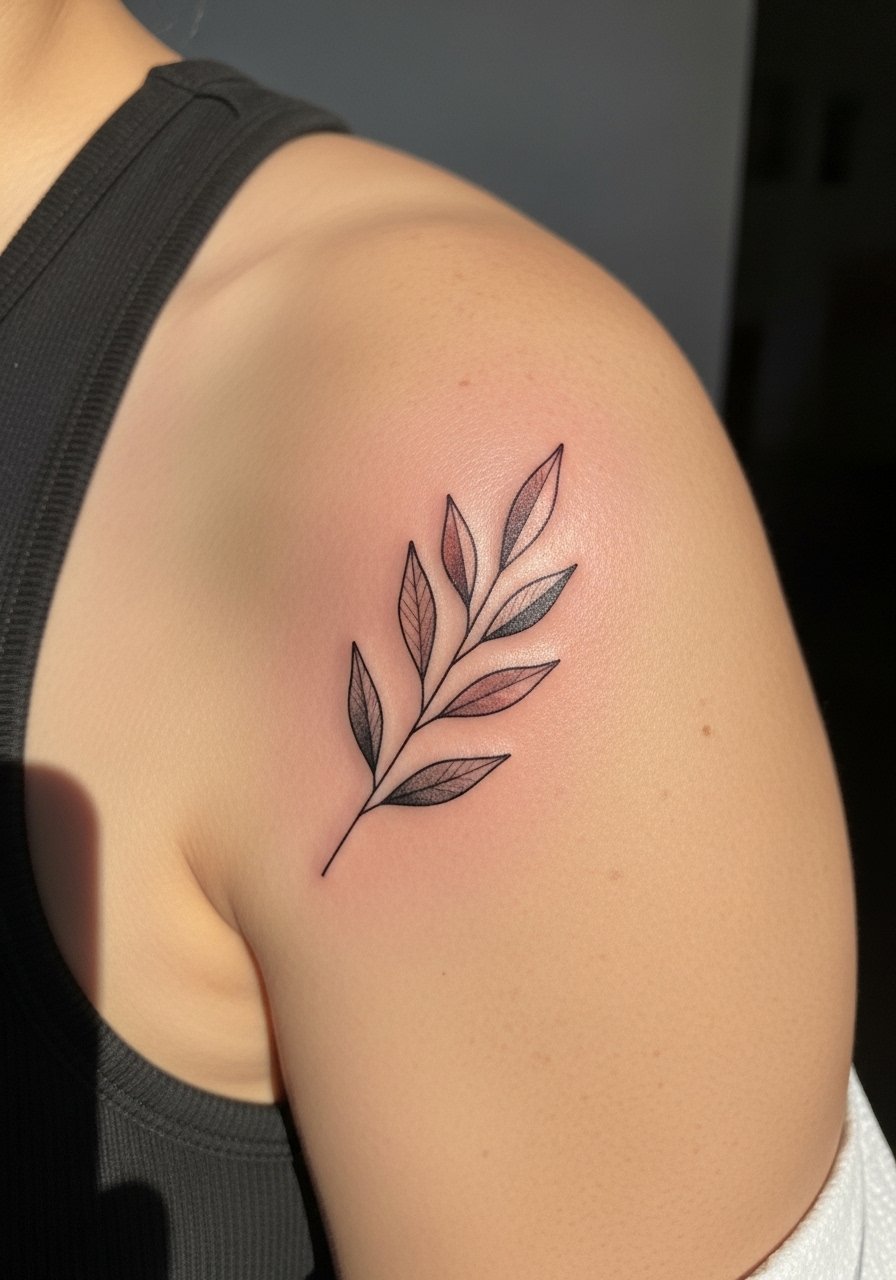
A single splash of muted color can keep a delicate piece from reading monochrome without overpowering the shoulder. Tell your artist which color to use sparingly and insist on thin color layering rather than saturation to avoid premature fading. Mistake to avoid, stacking multiple colors at micro scale which leads to muddying. Expect a slightly longer appointment if pigment layering is required. Pair this with a lightweight scarf draped to reveal the sprig when you want a softer reveal.
15. Crescent Moon with Tiny Star Trail
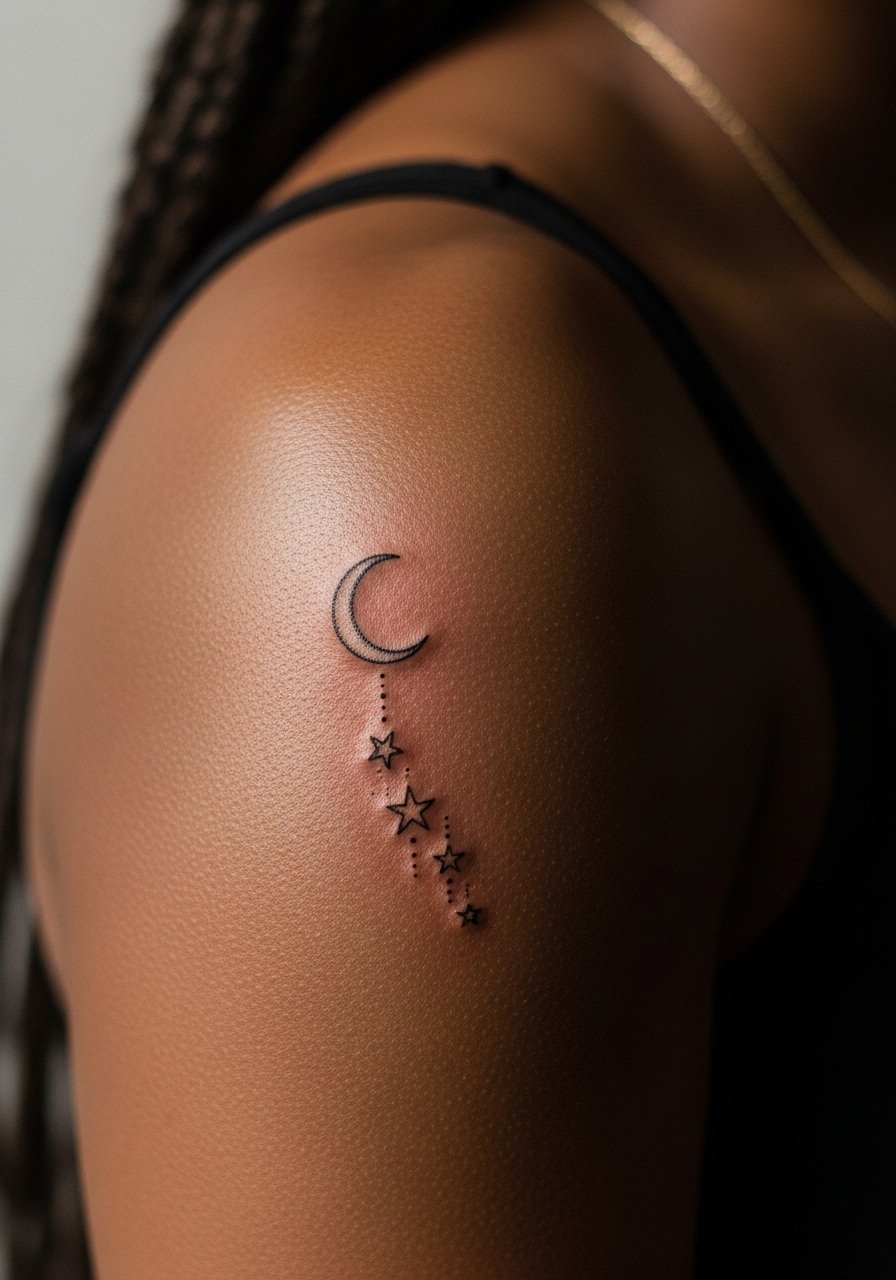
A small moon and trailing stars read like a miniature scene and balance well on the shoulder curve. Ask for star spacing that increases the farther they drift so the trail feels airy not crowded. A common mistake is stacking the trail too close to the crescent which creates a dense cluster over time. Pain is minimal and most of these finish in under an hour. For an evening out, combine with a halter top that leaves one shoulder exposed for a dramatic reveal.
16. Tiny Compass Rose on the Shoulder Edge
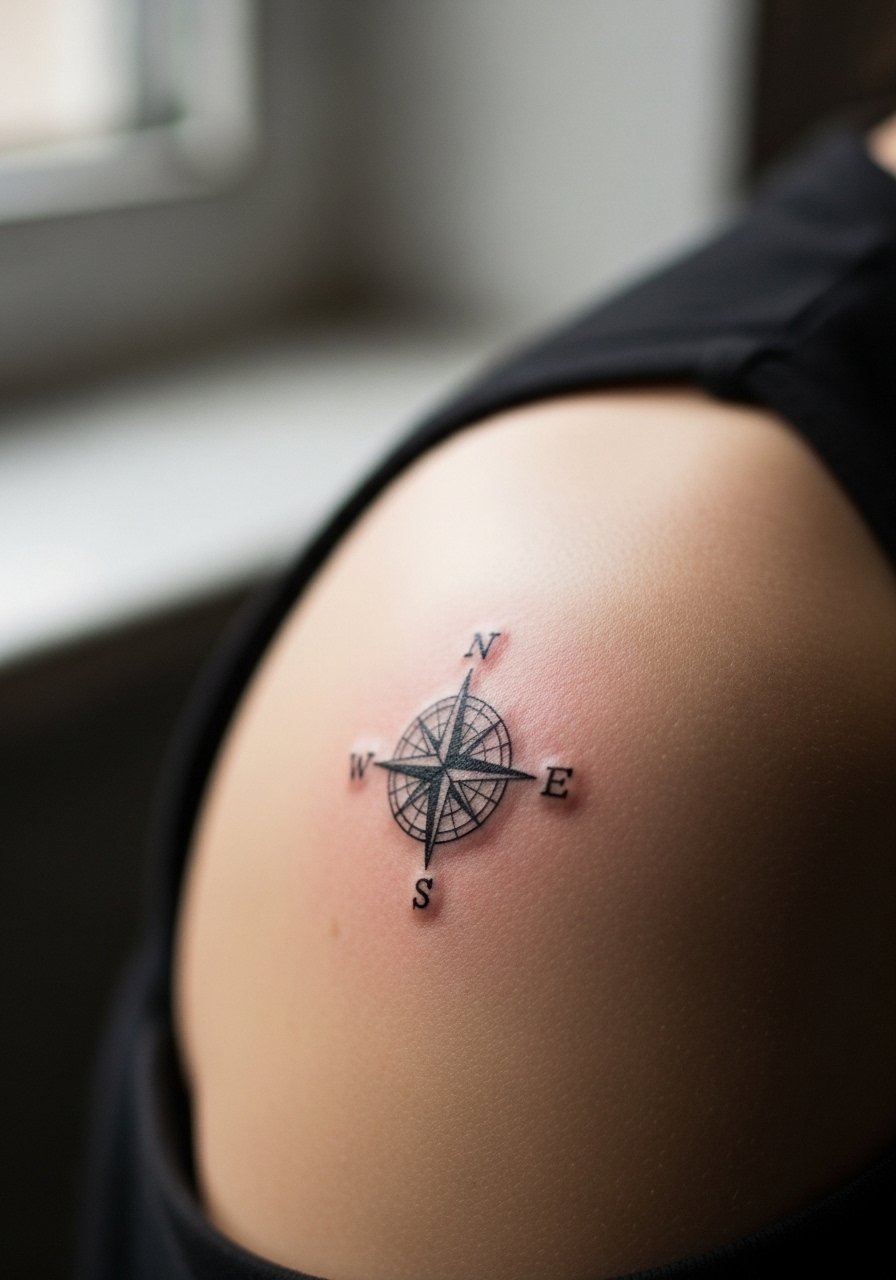
A tiny compass gives geometric structure while staying delicate. In the consult, mark north-south orientation on your skin so the compass reads correctly when you are standing rather than seated. People sometimes request extra fine points at tiny scale which blur into one mark. This placement is low pain and usually a single short session. Wear a tank with thin straps that keeps access for touch-ups and highlights the compass when you want it visible.
17. Tiny Scripted Date Hidden at the Back of the Shoulder
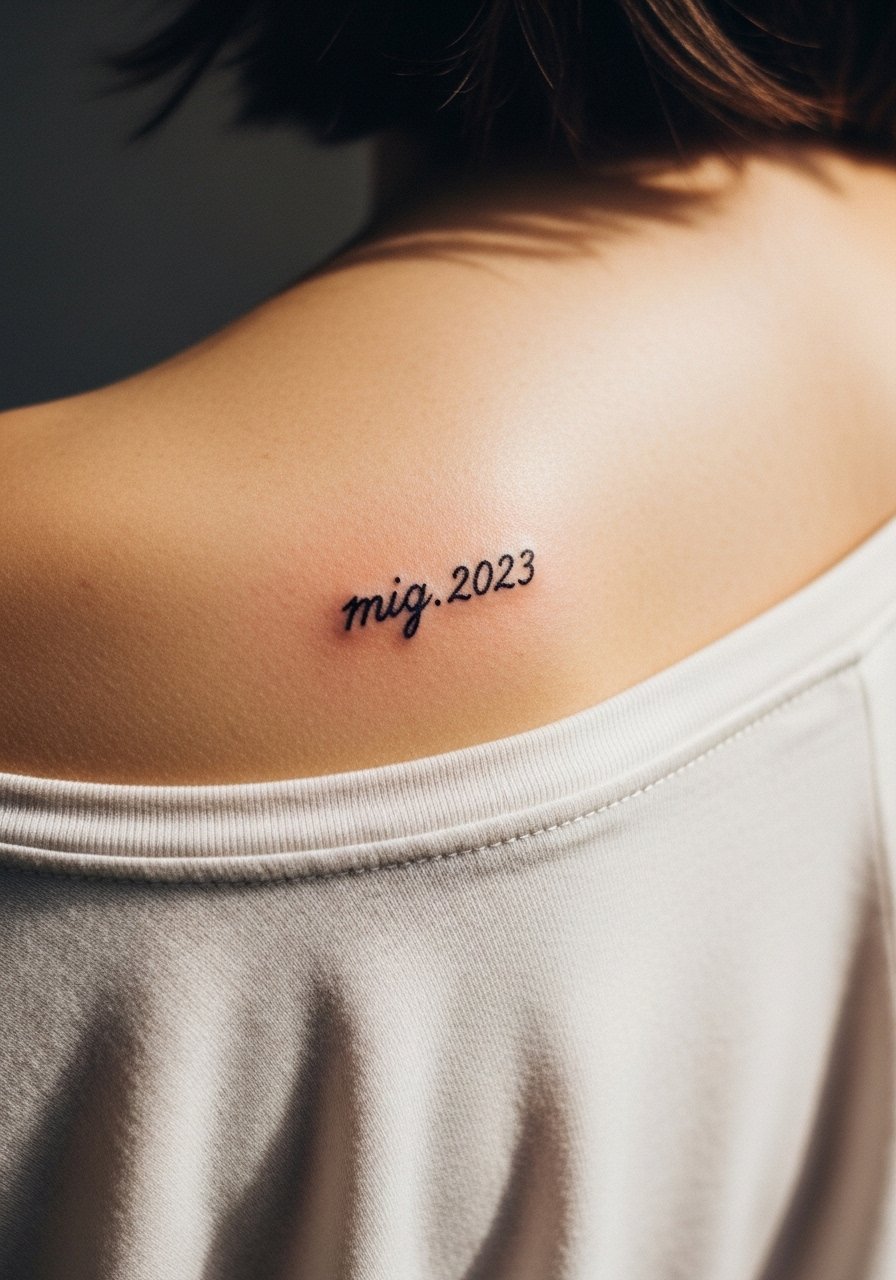
A hidden date tucked toward the back of the shoulder feels private but easy to show selectively. Exact text must be agreed in the consult because small script can blur into an unreadable line. A frequent error is picking a font that needs larger scale to stay legible. This piece is low pain and fast, and it pairs with a wide-neck sweater you can slide for a peek when you want to reveal it.
Frequently Asked Questions
Q: Will fine line shoulder tattoos blur faster than bolder work?
A: Fine line tattoos can soften more quickly than bold blackwork because there is less pigment to read once tiny amounts spread. The shoulder is a relatively stable place so spacing and slightly stronger anchor lines help. In practice, expect a touch-up sooner than for saturated pieces, and ask your artist about planned spacing during the consultation.
Q: How should I prepare my wardrobe for a shoulder appointment?
A: Wear a loose button-down or a tank top with thin straps that the artist can slide aside without you getting cold. Bring layers that you can easily remove and put back on, and avoid tight straps that press on the area immediately after the session.
Q: Do delicate shoulder tattoos need different healing care than other placements?
A: The shoulder sits under straps and bags more than other areas, so keep an eye on friction during the first week. Use protective film if you expect rubbing and choose loose clothing for sleeping. After the initial few days, normal gentle cleansing and avoidance of prolonged sun exposure go a long way.
Q: Are tiny shoulder tattoos visible in professional settings?
A: Many workplace dress codes allow shoulder tattoos under typical shirts, but visible tattoos vary by industry and country. If discretion matters, choose placement toward the back of the shoulder or plan your wardrobe so straps and collars cover the area when needed.
Q: How do I find an artist who knows how to execute delicate shoulder work?
A: Look through portfolios focusing on healed photos of fine line work and dot work on similar placements, and check local directories and hashtag searches for healed shoulder pieces. During consultation, ask to see healed shots and ask about touch-up timelines so you know what the studio expects for longevity.