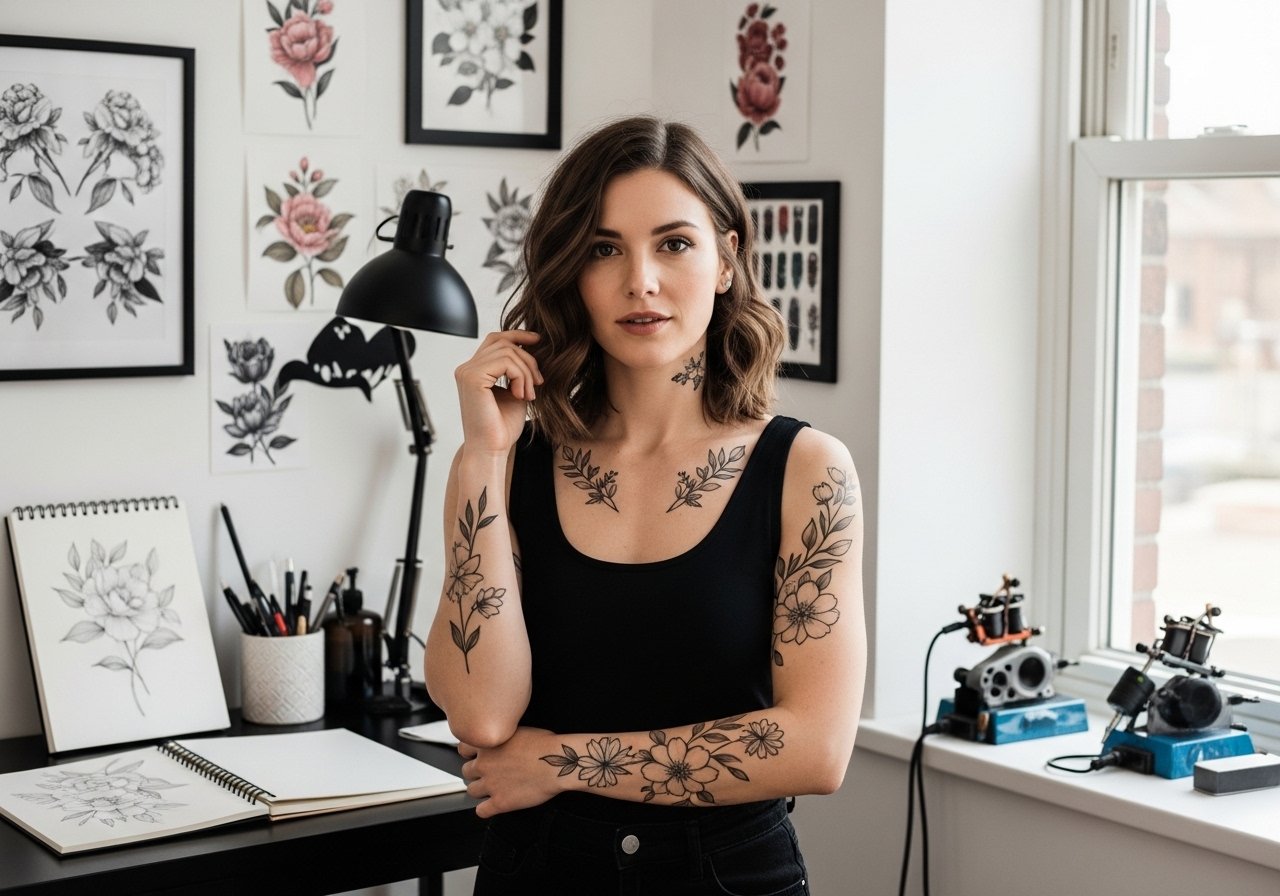
Fine line and dotwork sit next to each other in a lot of portfolios right now, and the trick is picking a design that still looks crisp after a few summers of sun and sleeves. Dotwork handles texture in a way solid fills do not, but it needs breathing room and smart placement. Read these ideas and you will find practical notes on aging, touch-ups, consultation talk, and outfit choices that show the work off.
1. Tiny "Love Yourz" Script in Dotwork on Inner Wrist

I've seen small script last best when the letters have micro spacing and slightly thicker dot clusters where curves meet. Ask your artist to space the lettering enough that dots do not touch after settling. Pain on the inner wrist is moderate and most sessions are under an hour. A common mistake is requesting ultra-thin dots for very small fonts, which tends to blur into a thin line by year three. At six months the dots keep texture, at two years fine details begin to soften, and a touch-up around year three is typical. Pair this with a thin chain pendant necklace when you want it peeking above a crew or V-neck.
2. Dotwork Portrait Silhouette on Upper Arm

Personal observation shows stipple portraits read surprisingly well on upper arms because the skin is stable and touch-ups are easy. Tell your artist you want the silhouette defined with negative space and gradual stippling for midtones. The session feels like steady buzzing rather than scratching and usually runs two to three hours. A real mistake is packing high density dots into small faces, which flattens as the ink spreads. At five years these hold texture if spacing is respected. For showing it off, roll up a loose button-down shirt sleeve so the piece sits on display without being crowded by patterns.
3. Constellation of Dots and Tiny Script Along the Side Rib
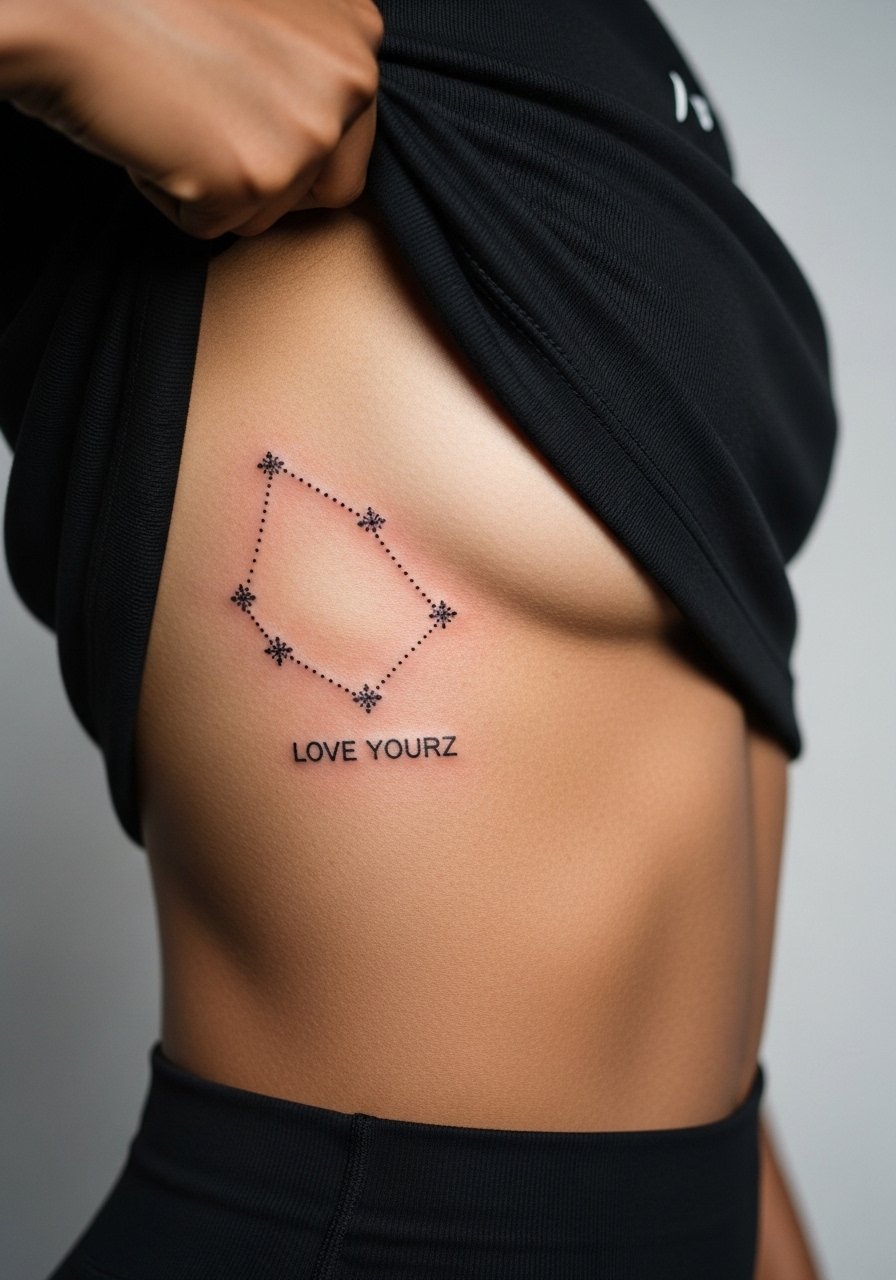
Fair warning, rib work scores high on pain scales. That said, dotwork on the side torso holds texture if you give the design room. In consultations ask for slightly larger negative spaces between dot clusters so the shading breathes as the skin moves. One camp argues ribs blur fast because of stretch, and another camp says experienced artists can lock the detail in. Name both camps to your artist and see where they stand. Sessions are split into shorter passes if needed. Wear a zip-up hoodie you can lift for access and keep warm between passes.
4. Stipple Mandala Centered on the Sternum

Most sternum pieces need careful placement because the skin crosses a lot of movement. I recommend a mandala that reads open in its center with denser stipple toward the outer rings. The session feels punchy near the bone and usually needs breaks. Artists are split about how small a mandala should be on the chest. The conservative approach is to scale up slightly to avoid early merging of dots. At two years the central negative space is what keeps the piece legible. For showing it off, the pattern pairs with an open-back midi dress for evenings or a wide-neck top for daywear.
5. Small Dotwork Cassette Tape or Vintage Micro on Inner Forearm
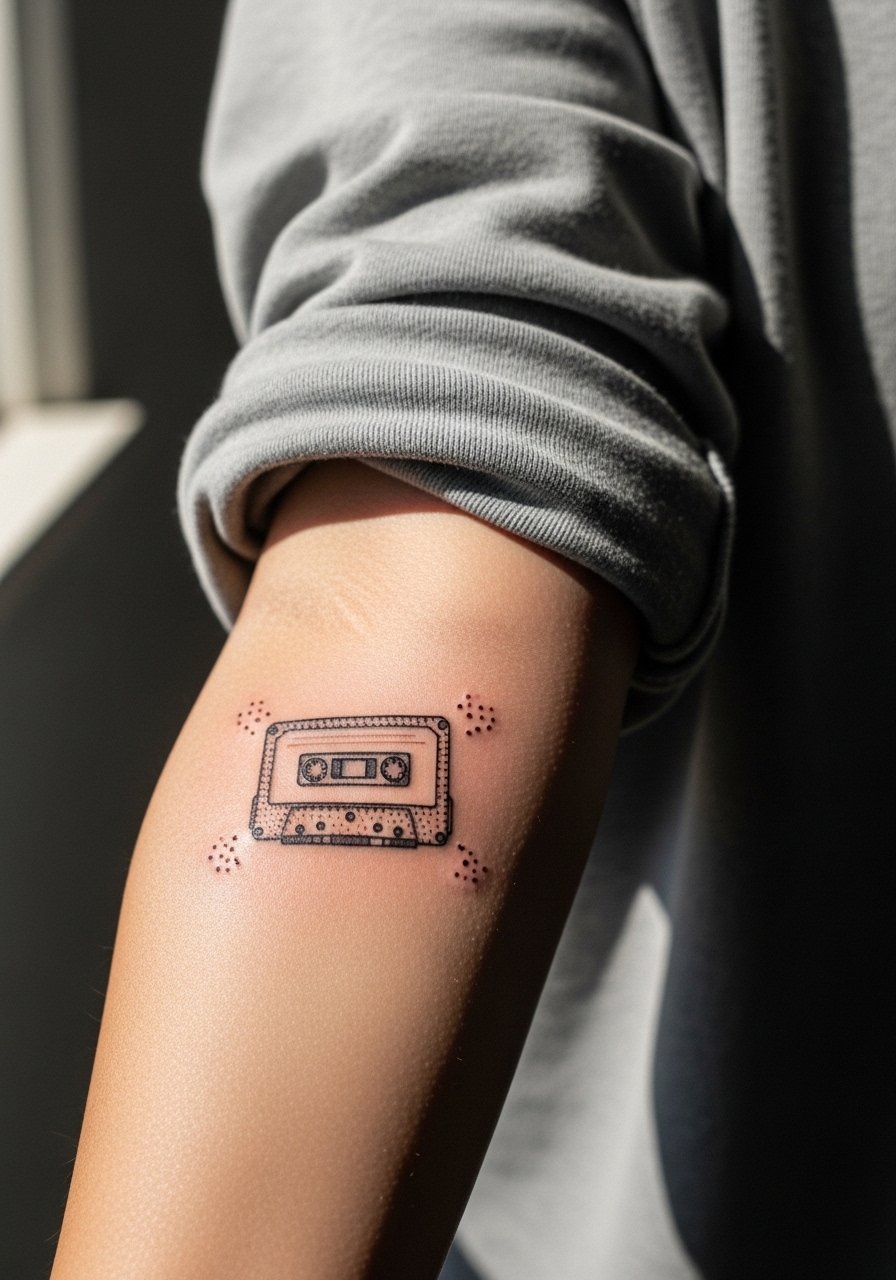
There is something about retro micro designs that ages well on the forearm because of stable skin and lower friction. When you consult, show reference for exact proportions and ask for reinforced outer dot clusters so outlines stay crisp. Sessions are short, often under 90 minutes, with low blowout risk here. A common error is shrinking the reference to fit a smaller wrist area, which loses character. At year three the reinforced clusters keep the silhouette readable. Roll sleeves and wear a racerback tank when you want the arm visible in summer.
6. Scripted "Love Yourz" with Radiating Dot Halo on Collarbone

When you want a design that frames clothing, a collarbone script with a dot halo makes the letters float visually. For longevity ask for slightly bolder dot clusters at anchor points. The collarbone area is sensitive around the bone and may need two short sessions. A common mistake is placing the script too close to the collarbone edge where rubbing from straps accelerates fading. Expect the halo to diffuse softly by year five but remain readable with a touch-up. This pairs well with a thin chain pendant necklace or an open-neck tee to keep the focus on the lettering.
Studio Day Picks
The first six ideas include collarbone, forearm, and rib placements that ask for different prep and protection during the initial healing window.
-
Stencil transfer paper kit. Lets you preview exact placement on skin which is crucial for collarbone and forearm scripts.
-
Topical numbing cream. Applied before a rib or sternum session to reduce sharp sensitivity for clients who need it.
-
Thin protective film roll. Useful for finger and wrist pieces that face constant washing and friction during the first week.
-
Fragrance-free body wash. Gentle cleansing keeps dotwork from irritation while it flakes and heals.
-
Aquaphor healing ointment. Thin application in the first days helps maintain moisture in detailed dotwork without clogging.
7. Minimal Dotwork Portrait Line on the Nape of the Neck

Consultation lead here. When you sit down for a nape piece, ask how the artist handles collar irritation and what shirt styles to avoid post-session. The nape moves and rubs against collars, which can fade dots faster. Sessions are short but require careful aftercare of the area. A common mistake is choosing a highly detailed face in a small zone. Scale up or simplify to keep the silhouette clean. For showing it off, a crewneck sweater with a lowered back collar or a wide-neck top highlights the placement without overexposing the area.
8. Fine Dotwork Lyric Line Along the Side of the Hand

Hand tattoos still affect hiring in some industries, so think about long-term visibility before committing. The side of the hand sees frequent friction and soap exposure which takes a toll on tiny dots. Artists usually recommend bold anchor dots at phrase ends so the line reads even as mid-dots fade. Pain is high and sessions are short. Expect touch-ups sooner than on the arm. For styling, a minimalist watch band or thin rings can frame the script without hiding it.
9. Tiny Dotwork Heart with Micro Script on the Ankle

Visual impact lead. The ankle is a low-friction spot that preserves small dotwork well unless you wear tight socks or boots. For the session wear short pants or rolled cuffs so the artist has clear access. A common mistake is placing the heart too close to the bone where the dots can migrate. At two years the ankle keeps good contrast if negative space is allowed. Pair this design with strappy sandals or rolled denim and consider a pair of neutral ankle socks for immediate post-session comfort.
10. Stippled Geometric Ring Around the Arm

Mistake lead. The biggest error with full bands is crowding details in a narrow band. Ask for negative breathing spaces and slightly larger dot clusters in the first pass. The upper arm provides stability so dotwork ages better there than on the wrist. Sessions for a single band can run one to two hours depending on complexity. Expect touch-ups later if you want the crisp geometric edge preserved. For showing off, sleeveless tops work best and a loose drawstring linen pant helps balance a summer look without drawing attention from the arm piece.
11. Micro Dotwork Compass on the Back of the Shoulder
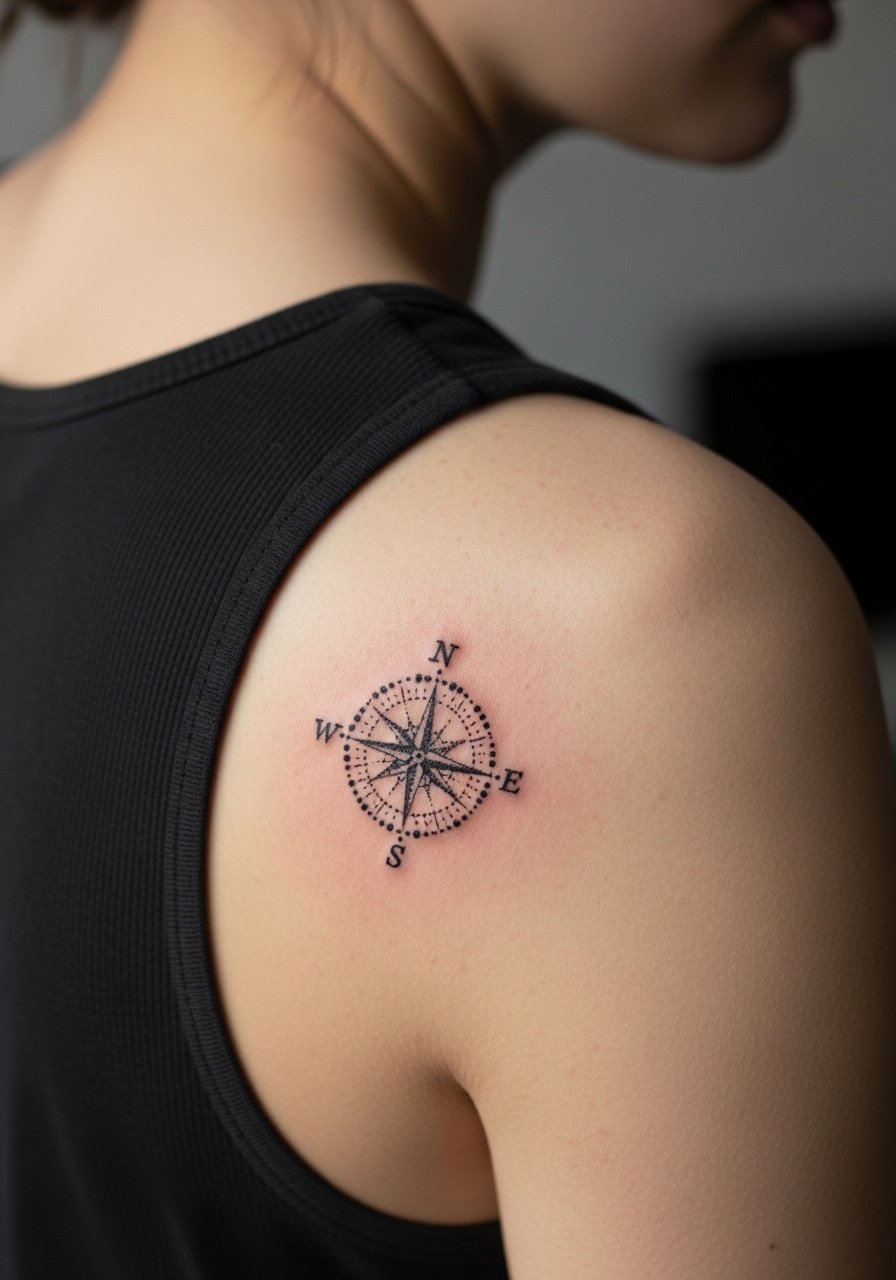
Visual impact lead. The back of the shoulder frames small dotwork nicely because it moves with clothing less than the chest. Tell your artist you want an anchored center with graduated stippling outwards so the compass stays legible. Sessions are comfortable and usually complete in one sitting. A common mistake is over-detailing the needle area. At five years this location keeps clarity if the center is bold enough. For the session wear a loose tank top you can remove or shift easily.
12. Dotwork Floral Cluster on the Hip

Personal observation shows hip and upper thigh dotwork looks dense and textured when artists use spacing to account for skin stretch. When you consult mention how the flowers should curve with the hip line so the composition moves with the body. Sessions on the hip can be ticklish and may need breaks. A mistake is compressing too many blooms into a small field which flattens over time. For the appointment wear high-waisted bottoms you can shift, like high-waisted denim, so the artist has room to work while you stay comfortable.
13. Fine Dotwork Lyric in a Vertical Spine Placement

Aging lead. Vertical pieces along the spine can read beautifully because gravity does not smear dotwork the way repeated flex does. However, the middle back sees friction from backpacks which can dull fine points. Ask your artist about protective spacing and consider a slightly bolder node at line pivots. The session can be uncomfortable near the spine but sessions are usually split into manageable segments. For show-off moments pair with an open-back dress.
14. Micro Dotwork Arrow Along the Side of the Finger

Pain warning lead. Fingers take ink poorly because of thin skin and constant abrasion. Dotwork arrows here can look crisp for a while, but expect faster fading and earlier touch-ups. Tell the artist you want reinforced anchor dots and accept that continuity may require maintenance. The session is sharp and brief. A common mistake is choosing a long phrase across knuckles where lines will break into the joints. For display pair with thin stackable rings and think about a minimalist ring set that complements the tiny motif.
15. Dotwork Half Moon Under the Collarbone
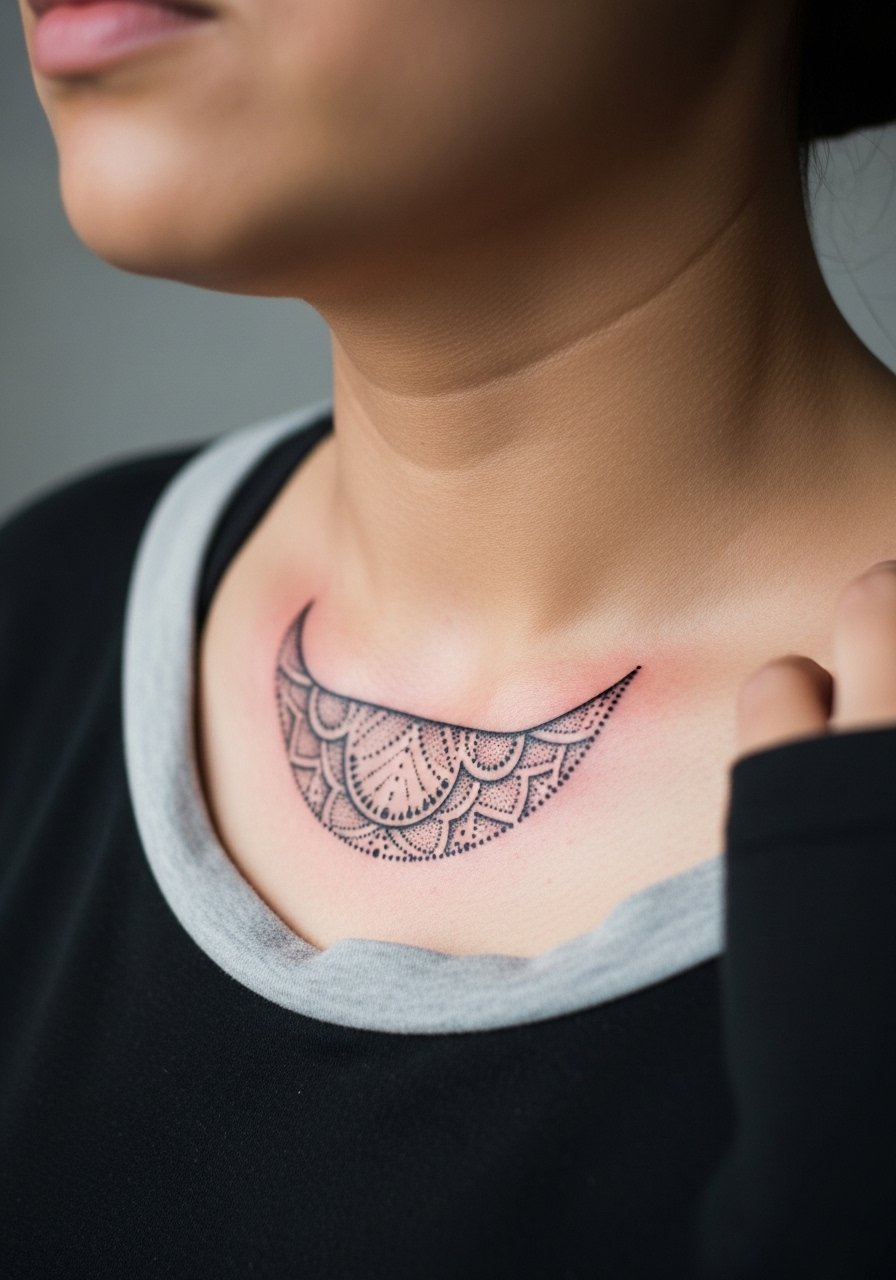
Consultation lead. Under-collarbone pieces work best when artists map the curve to avoid strap wear. Request that the densest dots sit away from likely strap contact. Sessions are moderately sensitive and often finished in a single visit. A mistake is placing the moon too close to a bra strap which accelerates fading. For styling, an open-neck blouse frames the motif and keeps lines visible without excessive exposure.
16. Dotwork Rose Bouquet on the Thigh
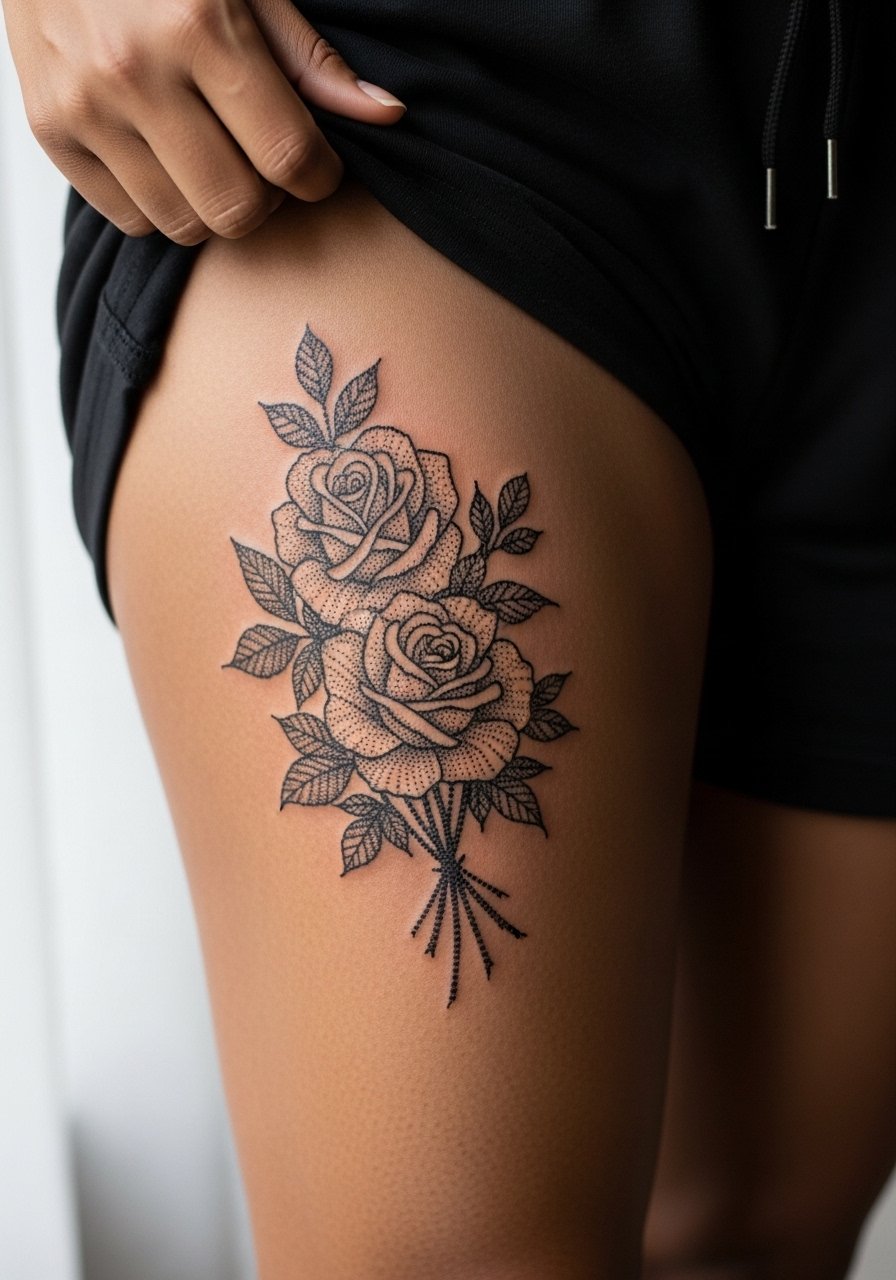
Pain warning lead. Outer thigh is forgiving and keeps dotwork texture long term because friction is low and the skin is stable. Ask your artist for midtone gradation using stipple rather than solid fill to keep the bouquet airy. Sessions here can be longer and you should wear loose bottoms to your appointment. A mistake is compressing many small buds into a tiny patch. For post-session show-off, pair with high-waisted shorts and a flowy linen skirt for evenings out.
17. Stippled Circular Back Piece at the Lower Back

Mistake lead. Lower back pieces suffer when their edge is too fine because the skin there can shift with motion. I recommend a clear outer band of denser dots to anchor the design. Sessions are comfortable but require undisturbed positioning. Expect some softening at five years if the outer ring is too delicate. For clothing, a cropped tank that rises slightly in back highlights the area without being revealing.
18. Dotwork Script Around the Ankle Bone in Circle

Visual impact lead. A circular ankle phrase reads well if the type is spaced to allow breathing. Tell the artist to test the wrap on skin movement so letters do not distort when you walk. The ankle is subject to rubbing from shoes, which causes early fading. Sessions are short and feel sharp near the bone. For showing off, pair with sandals and a pair of neutral ankle socks immediately after the session for comfort.
19. Micro Dotwork Barcode or Coordinates on the Side of the Rib

Controversy lead. Tiny linear work on the ribs sparks debate. One camp says straight lines and small dots on ribs blur quickly because of skin texture. The other camp maintains that precise spacing and depth preserve linear detail. The truth depends on the artist's technique and your skin. If you want coordinates or barcode-style lines, ask for a simplified version with stronger negative space. Sessions can be intense and split. Keep tops loose post-session and consider a zip-up hoodie you can shift for comfort.
20. Dotwork Sunburst Behind the Ear, Below the Hairline

Personal observation lead. Behind-ear placements are delicate because of hair and shampoo exposure. Make sure the artist frames the piece slightly lower than hairline and you plan haircare that avoids heavy rubbing on the site. Sessions are quick and often low cost because of size, but touch-ups are common due to conditioners and styling. For upkeep avoid tight headbands and try a wide hair clip when you wash your hair in the first two weeks.
21. Dotwork Micro Landscape Along the Outer Calf

Mistake lead. Calf work looks good when the composition follows muscle flow. Tell the artist you want the foreground dots slightly denser to hold contrast against sun exposure. Sessions are comfortable and usually one sitting. The mistake is flattening horizons into a single tonal band which washes out over time. For showing it off in warm months pair with a pair of neutral ankle socks or low trainers so the calf remains visible without rubbing.
Frequently Asked Questions
Q: How does dotwork in thin script hold up on wrists versus forearms?
A: From what I have seen, wrists face more direct friction from watches and washing, so tiny dotwork tends to soften faster there. Forearms have more stable skin and usually keep stipple texture longer. Ask for slightly larger negative space in wrist scripts and plan for a touch-up earlier on the wrist than on the forearm.
Q: If I want a detailed portrait in dotwork, which placements reduce blowout risk?
A: Upper arm and outer thigh are forgiving because they have thicker skin and less repeated abrasion. Avoid very small portraits on fingers or ribs if you want long-term detail. Mention blowout risk during the consult and ask the artist for scale adjustments.
Q: Will a collarbone script interfere with necklaces or bra straps during healing?
A: It can. Place the script slightly away from strap lines and test jewelry positions before you book. A thin pendant can sit above the lettering without rubbing if the piece is placed lower, but keep any necklaces loose for the first two weeks.
Q: Are touch-ups for dotwork more common than for solid blackwork?
A: In my experience dotwork needs more frequent micro touch-ups because the texture relies on tiny deposits that soften with sun and friction. Solid saturated black can look strong longer, but it changes the aesthetic. Plan for periodic maintenance if you prioritize fine texture.
Q: How should I dress on session day for a sternum or rib dotwork piece?
A: Wear a fitted sports bra or a cropped top that you can lift slightly so the artist has unobstructed access. A zip-up hoodie is useful to stay warm between passes while keeping the area covered.