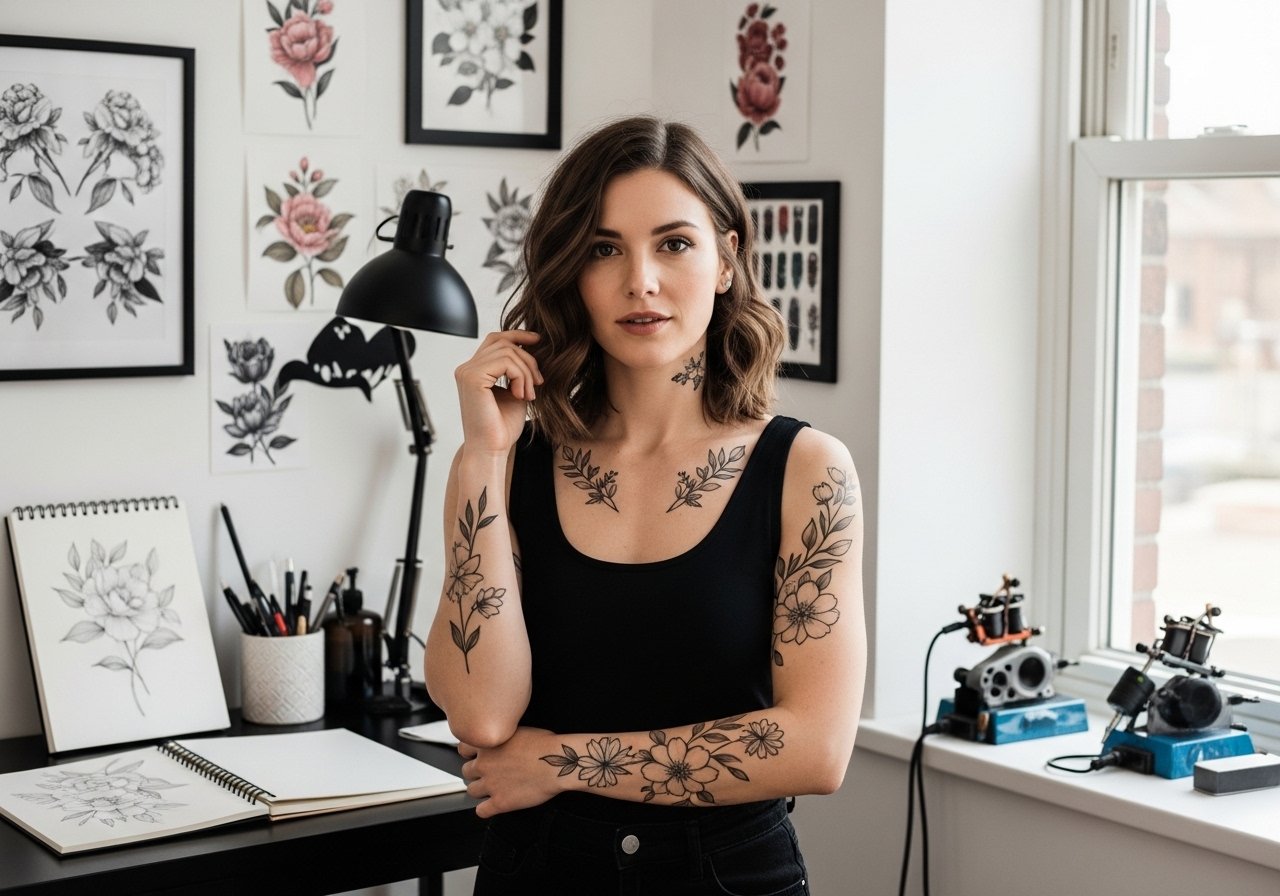
Hyper-detail viral leg pieces look incredible in the chair, but they do not always hold up. In my experience the tattoos that wear best on a full leg are the ones planned around bold linework and saturation, with negative space mapped to muscle and weight changes. Read on for 21 drawn concepts that solve for aging, placement quirks, and what to ask for at your consultation.
1. Japanese Full Leg Sleeve with Koi and Waves
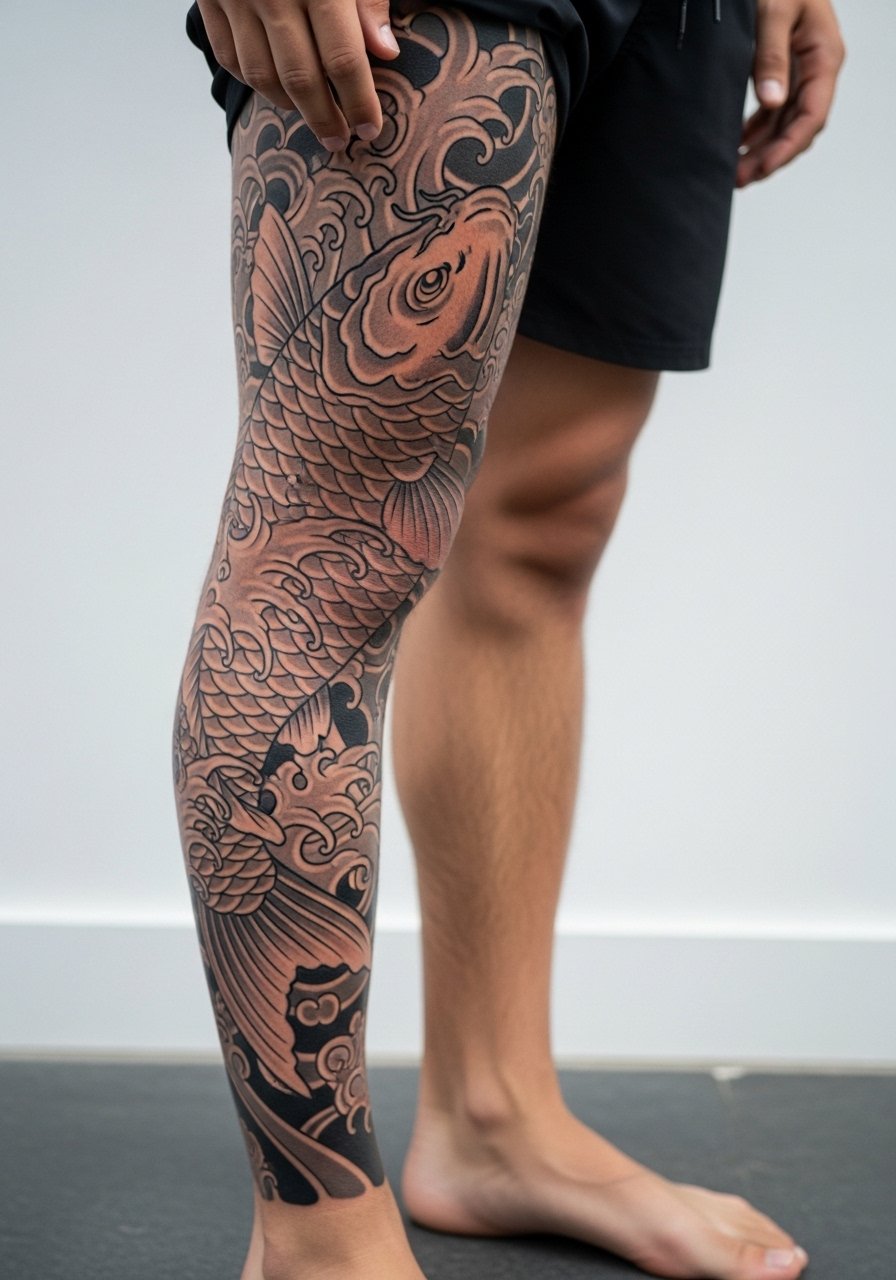
A full Japanese sleeve across the leg lets motifs breathe from ankle to hip. I recommend mapping the background waves first so the koi and masks sit where muscles flex naturally, which helps the piece read when you move. Tell your artist to plan 5 to 10 sessions and to prioritize bold outlines and saturated fills in early sessions. Common mistakes are crowding the thigh with tiny elements and expecting fine detail to hold without heavier anchors. Pain sits around a 5 to 7 on the inner thigh. For session wear, pull on loose swim trunks or elastic-waist shorts to give the artist access without pressure on the area.
2. Dragon Outer Thigh Wrap, Neo-Traditional Flow
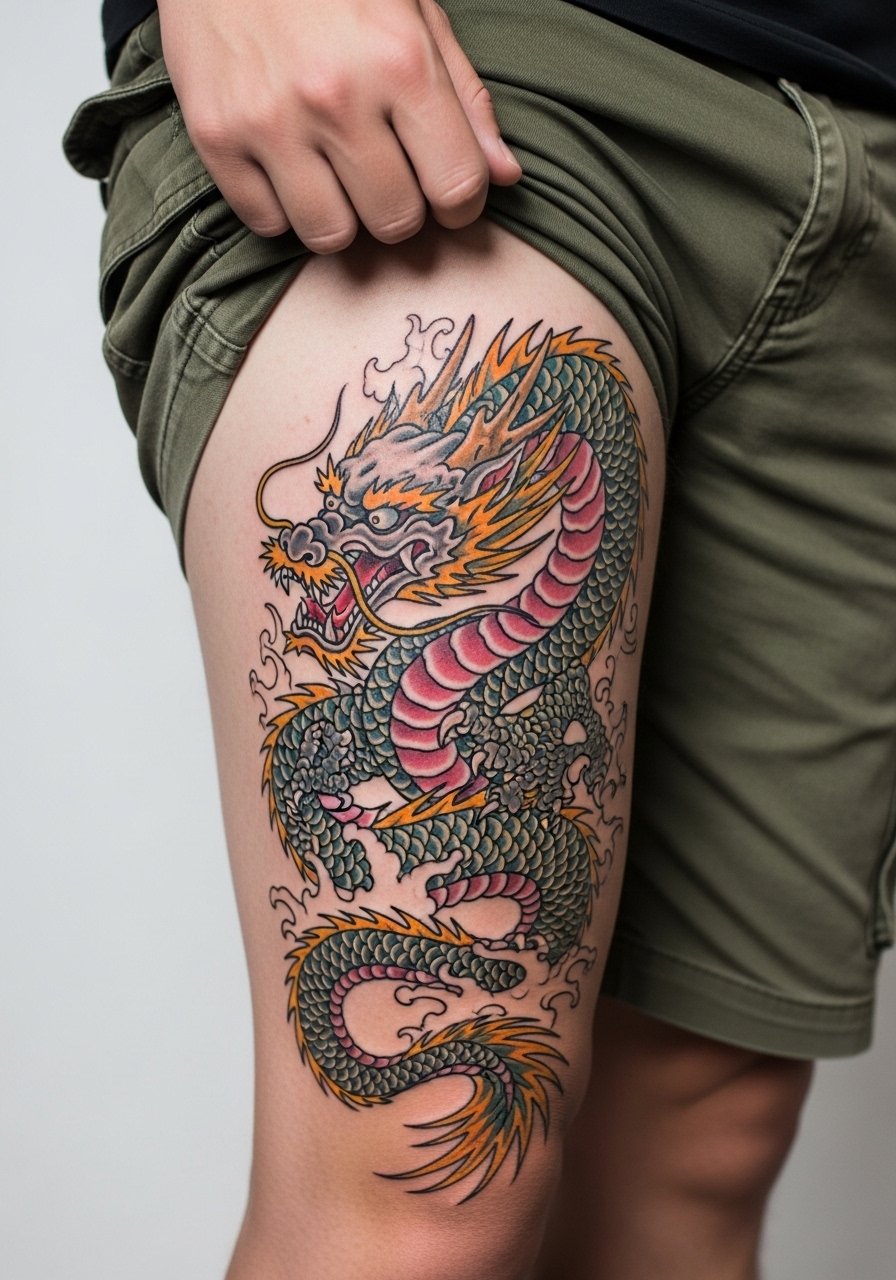
This elongated dragon follows the quad line for a dynamic wrap that flatters muscle curves without needing a full wrap. Ask the artist to elongate the body so the head lands near the hip and the tail tucks toward the knee, which keeps movement readable. Sessions usually run 2 to 4 hours, and pain on the outer thigh is moderate. For showing it off, pair with olive cargo shorts that trace the muscle flow. During the appointment wear loose athletic shorts with an elastic waist so nothing presses on fresh ink.
3. Grim Reaper Calf Full Coverage, Heavy Shaded Blackwork
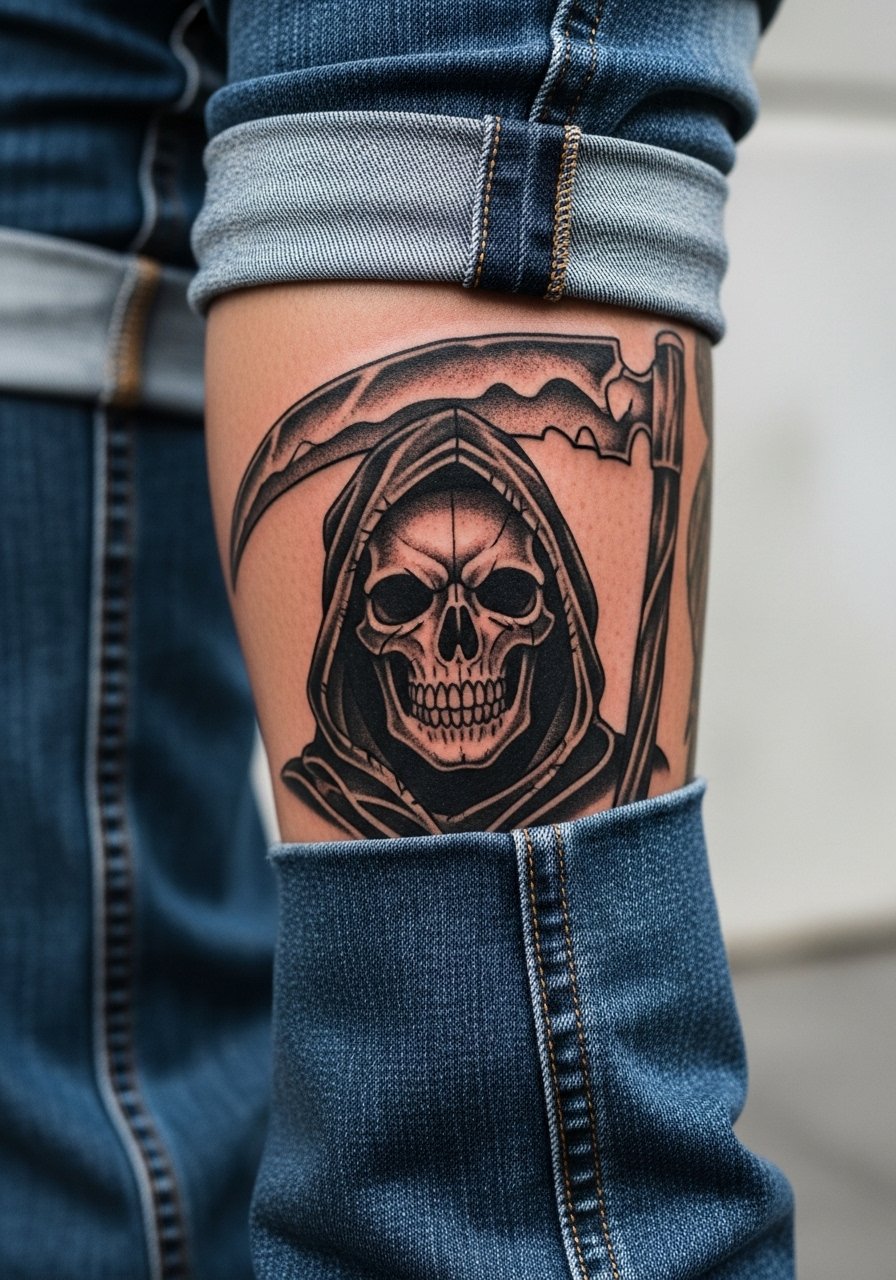
A calf oval is ideal for a dramatic blackwork figure. The curved shape keeps portraits readable if the composition stays centered and uses heavy saturation. Common aging issue is under-filling small negative pockets which can look patchy at year two. Tell your artist to pack saturation in layered passes and expect a touch-up at year two or three. The calf tolerates long sessions, and swelling is minimal. To show this off, roll bootcut jeans at the ankle or wear slim chinos that sit slightly cropped.
4. Mythical Creature Shin Line, Traditional Vertical Motif

Shin work reads when it follows the vertical axis of the tibia with bold linework that resists blowout. Artists are split on line weight here. One camp warns that thin lines on the shin blur within two years, while the other camp says that with correct needle depth and spacing fine line can settle clean. Name both camps in your consultation and ask which approach the artist favors. Expect 2 to 3 sessions and moderate pain due to bone proximity. For showing off, cuff slim-fit jeans to keep the vertical motif visible.
5. Portrait Thigh Piece, Black and Gray Realism

The flat plane of the outer thigh is the easiest place to render a face without distortion. Ask for reference photos taken in similar lighting to what you want the tattoo to mimic and insist on trial stencils so proportions read before the first pass. Portraits need deeper saturation for midtones and careful stipple shading for texture. Expect longer sessions of 3 to 5 hours and a touch-up at year two. For session comfort wear loose gym shorts with an elastic waistband to avoid pressure on the area.
6. Bold Line Skull on the Knee Cap, Traditional Focal Point
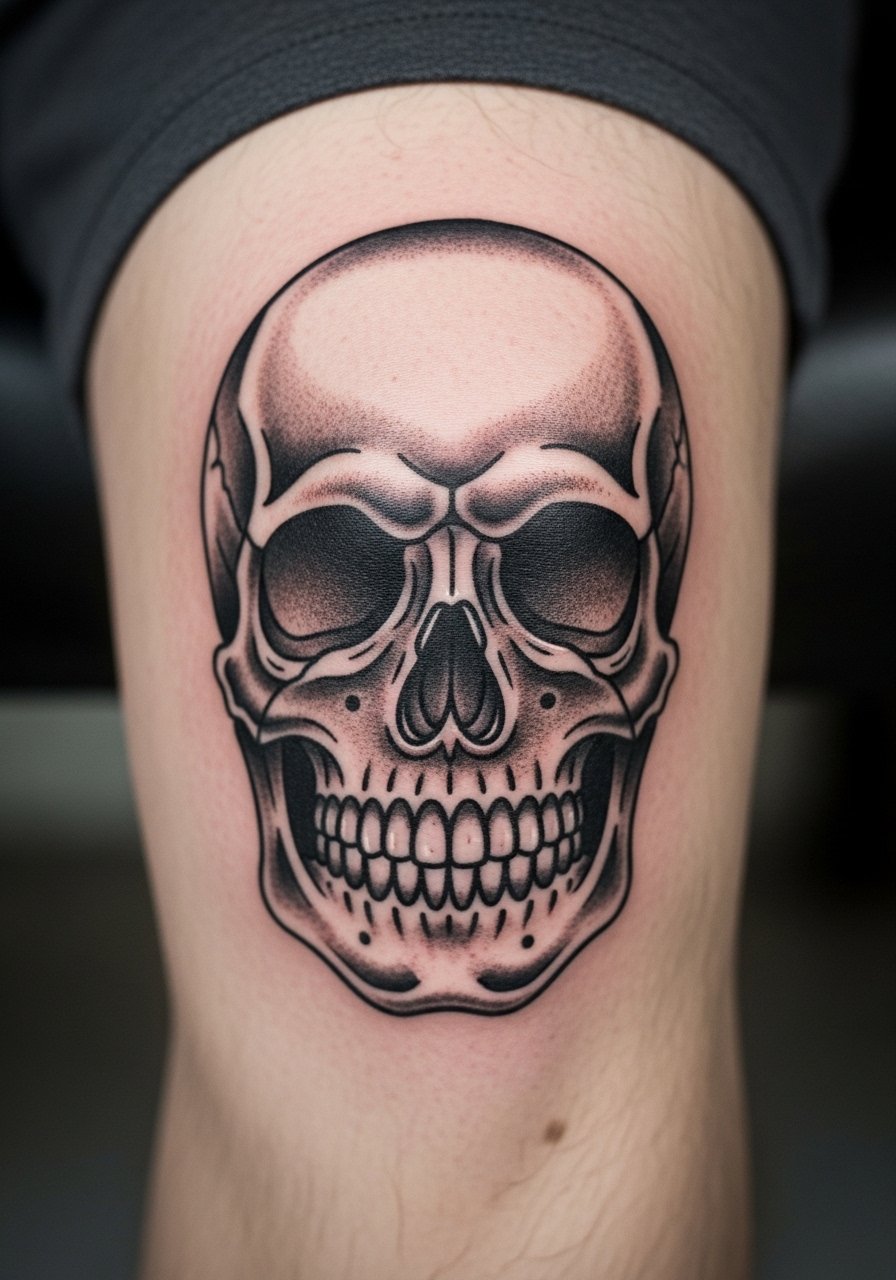
Knee caps make excellent focal points because the joint movement animates the design. Keep the skull bold and fairly simple so it does not lose definition as skin folds. A common mistake is packing fine internal detail that fractures with kneeling and bending. Expect one to two shorter sessions and a higher touch-up likelihood because the area moves and rubs against clothing. When showing off, wear knee-length athletic shorts or distressed denim shorts that sit above the joint.
Studio Day Picks
Lower body work like thigh, calf, and shin in the ideas above needs different prep than arm sessions, and a few well chosen items make the chair time and first week easier.
-
Stencil transfer paper kit. Lets you preview large compositions on skin before the needle starts, which is especially useful for the full leg and thigh narratives above.
-
Topical numbing cream. Applied as directed ahead of a long thigh or shin session takes the edge off without interfering with the artist's linework.
-
Thin protective film roll. Keeps ankle and calf pieces clean against socks and shoes during the first week of heavy friction.
-
Fragrance-free body wash. Gentle cleansing for larger leg work avoids irritation while you follow your studio's aftercare routine.
-
Aquaphor healing ointment. Thin layers during the initial days lock in moisture for bold line and blackwork areas without clogging the finer channels that portrait shading uses.
7. Symmetrical Shin Sleeve, Blackwork Lines That Anchor

A full shin sleeve with mirrored panels works when you let negative space frame the heavy black areas. I advise clear symmetry lines in the stencil so both legs can be considered if you later expand. Blowout risk is moderate on thinner skin, so ask the artist about needle spacing and edge thickness. Sessions are shorter than full thigh pieces but additive. For session wear, pull up loose track pants so the shin is fully exposed and not pressed by elastic. Healed at six months the edges should remain crisp with minimal feathering if saturation was packed correctly.
8. European Dragon Calf Oval, Compact Power
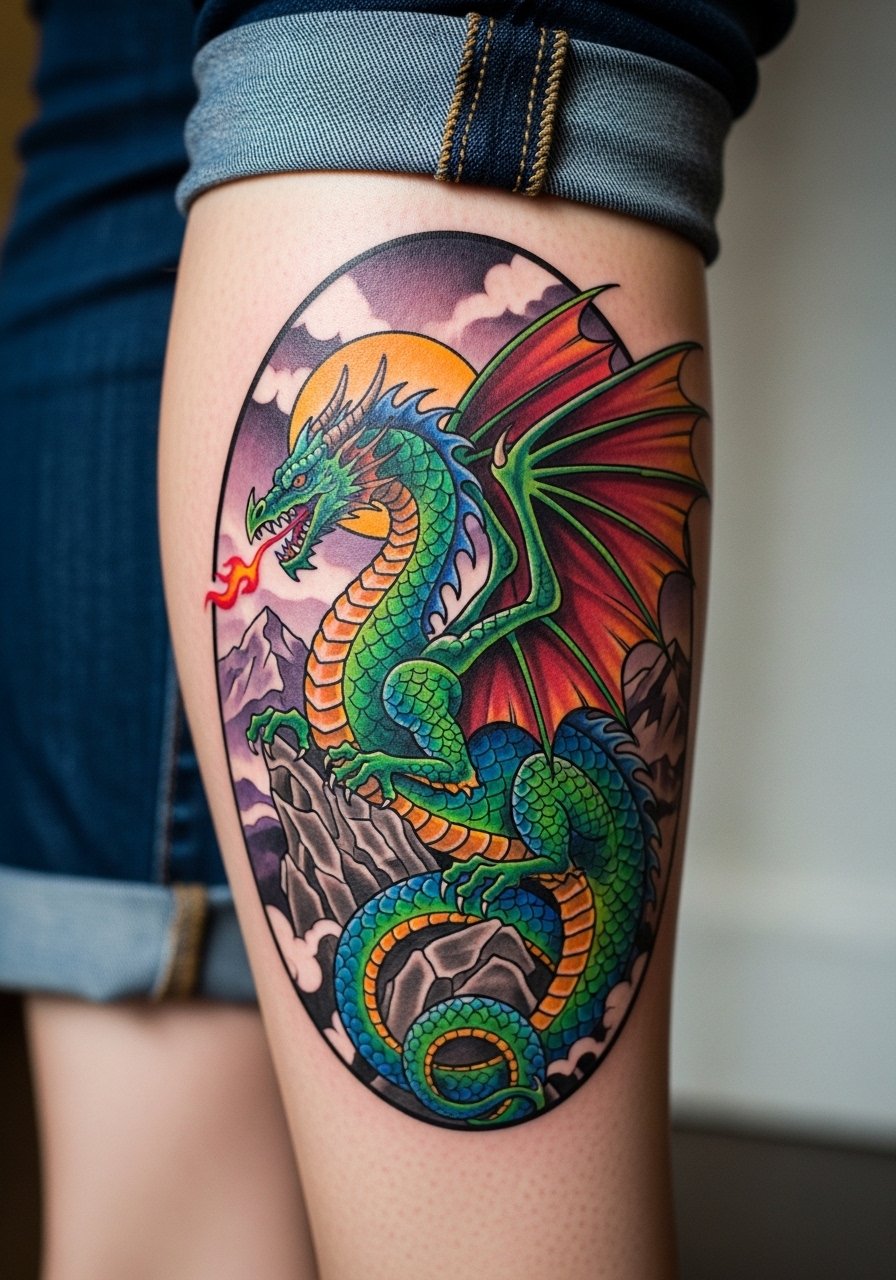
The calf oval is a natural container for a compact, powerful motif. Ask for color glazing passes to keep scales readable instead of tiny color dots that blur over time. A common mistake is over-detailing the scales without bold contrast, which flattens with age. Expect 2 to 4 sessions and strong saturation to hold through sun exposure. For showing off, cuff bootcut jeans or choose canvas low top sneakers to spotlight the lower leg.
9. Full Leg Cover-Up Narrative, Black and Gray Realism

Turning old, mismatched pieces into a unified leg narrative requires planning the darkest values first and working outward to lighter midtones. In consultations, bring clear photos of the existing ink in good light. A common error is trying to hide colors with insufficient black saturation. These jobs stretch across many sessions and can be $ signs worth of time, so expect long-term commitments and staged sittings. For the session wear choose loose scrubs or disposable shorts provided by the studio to avoid rubbing.
10. Heavy Shaded Quad Flow, Blackwork That Follows Muscle
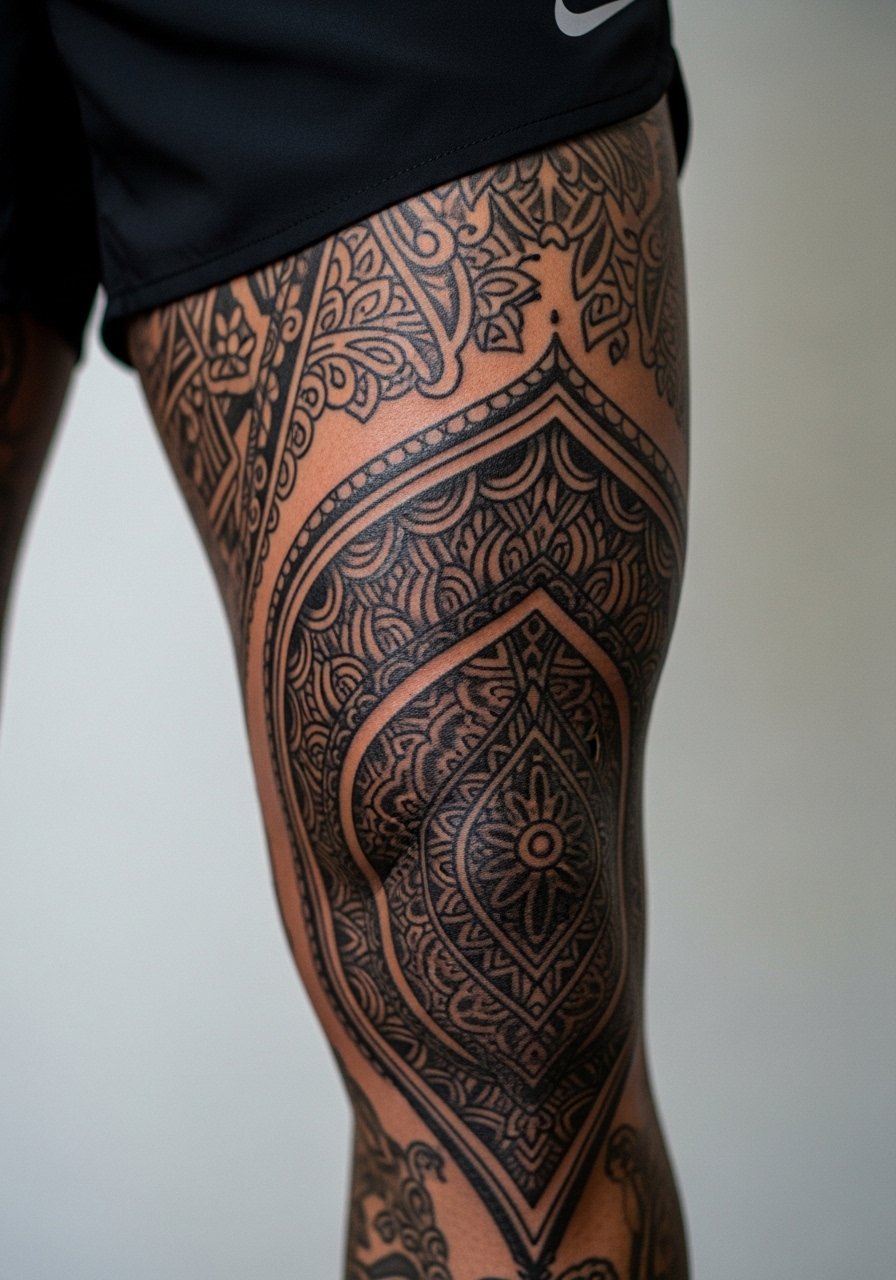
This style emphasizes the quad contours with gradient saturation and sharp negative space lines. Tell your artist which poses or camera angles you expect to show the tattoo in so they place highlights intentionally. Mistakes happen when artists ignore muscle shifts from weight change, so plan larger shapes that hold their form. Sessions are intense and may be scheduled across multiple days. For showing off, fitted cargo shorts in black trace the quad shape well.
11. Snake-Body Dragon Thigh, Japanese Flow with Space to Breathe
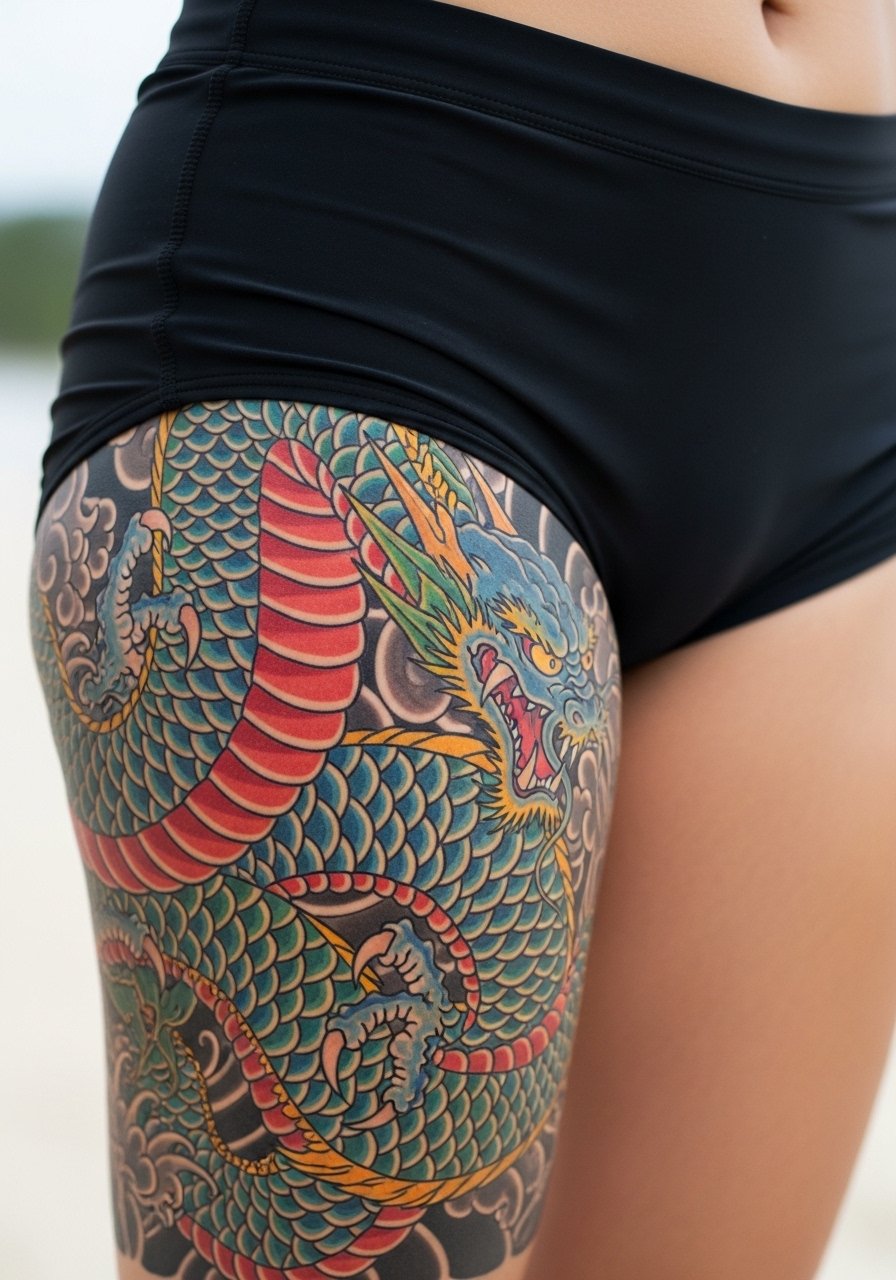
Thighs offer the room to execute long serpentine forms. I recommend mapping entrances and exits of the body so add-ons like flowers or waves slot in later without crowding. Pain on the inner thigh registers higher, so plan session lengths accordingly. A real mistake is asking for tiny, dense detail on the inner surface where skin movement and friction cause faster fading. For showing off, tailored linen pants rolled to mid-calf highlight the head and upper coil nicely.
12. Oval Calf Animal Portrait, Curve-Friendly Realism

Animal portraits on the calf read well because the calf is convex and reproduces depth. Ask the artist to compensate for curvature with slight perspective shifts so the face does not appear stretched when you stand. Common aging issues include loss of midtone contrast, which a planned touch-up at two years corrects. Sessions are usually two to three hours. For shoes and style, slim chinos cuffed at the ankle or canvas sneakers work well to keep the portrait visible.
13. Side Leg Narrative, Outer Thigh to Knee Flow
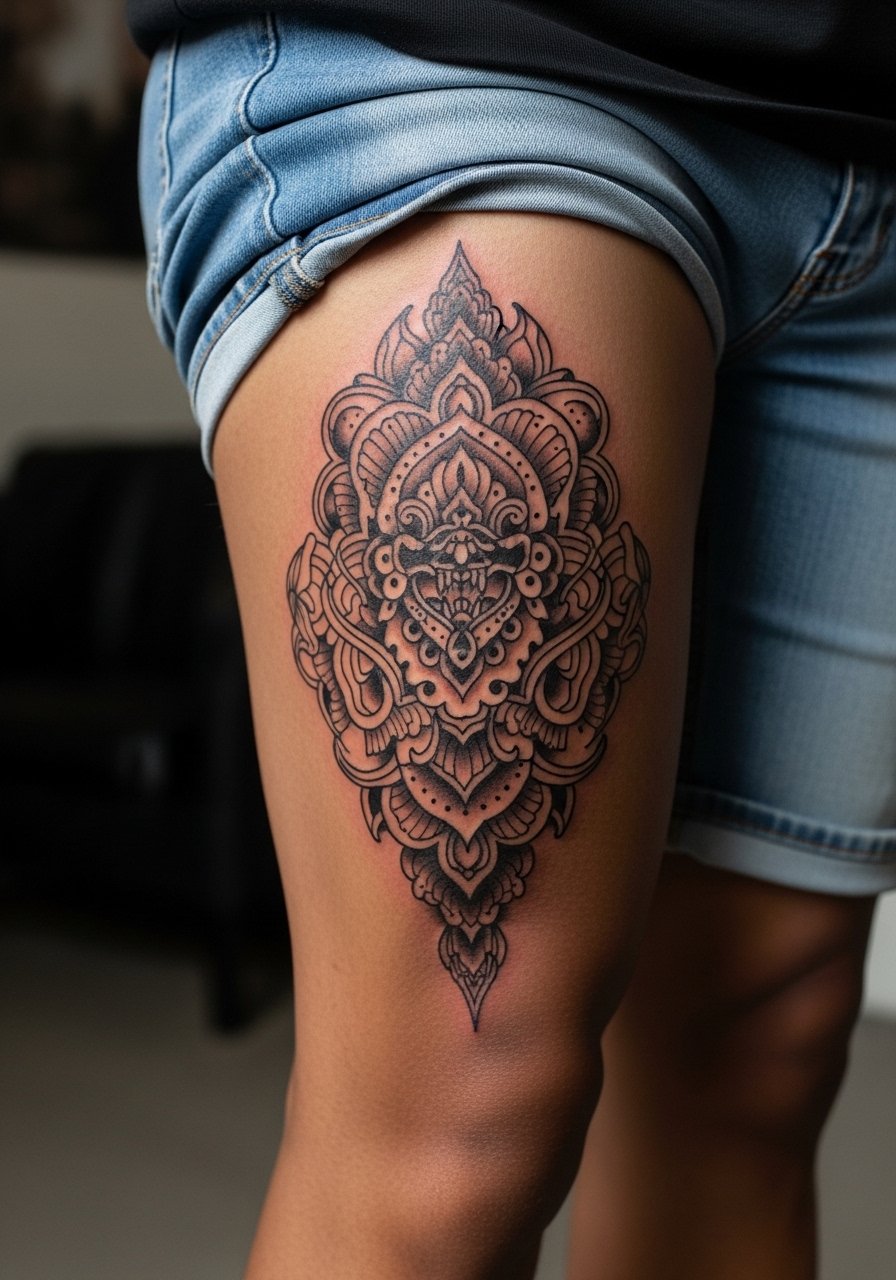
The side leg is perfect for non-wrapping, linear motifs that trace the outer quad and knee. Plan the composition so the focal elements avoid the inner crease, which compresses detail when seated. The biggest mistake is insisting on mirror symmetry without accounting for muscle asymmetry. For the session wear choose loose athletic shorts that allow full access without chafing.
14. Geometric Panel Shin, Bold Linework for Longevity
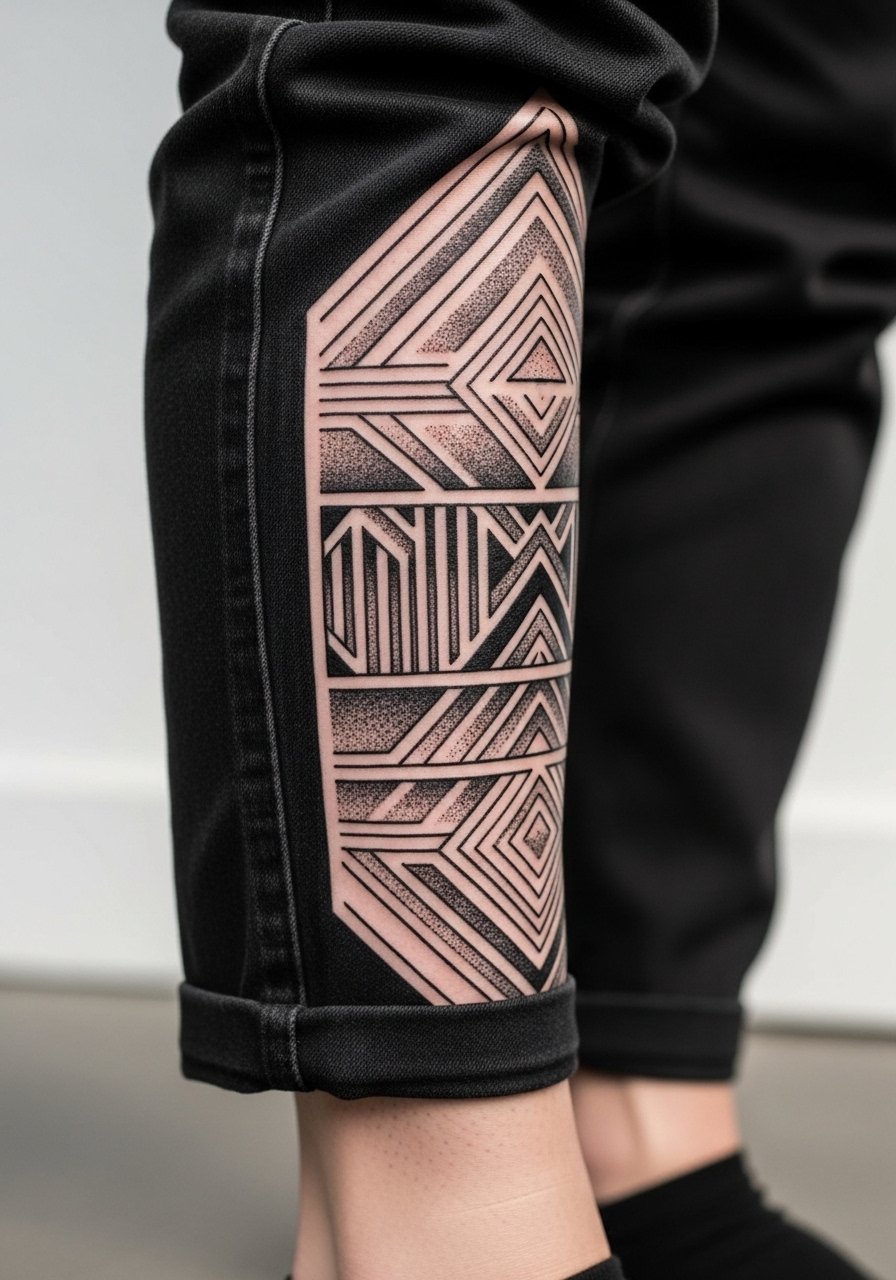
Geometric panels do well on the shin if lines are spaced to prevent merging during healing. Ask for slightly thicker outer lines and a mix of stipple shading for texture. If done too small the geometry blurs, and touch-ups become more frequent. Pain is moderate. For footwear choices, Chelsea boots or cuffed chinos frame the linework without covering it.
15. Japanese Komainu Thigh Guardian, Myth and Muscle

A guardian creature on the thigh reads well because the scale can remain large and bold. I suggest keeping facial features simplified and leaning into negative space for the mane. A common error is over-texturing stone finishes which competes with skin movement. Schedule multiple sessions to build saturation gradually. For showing off, wear fitted cargo shorts or swim trunks that stop at the upper thigh.
16. Calf Script and Motif Combo, Lettering with Surround
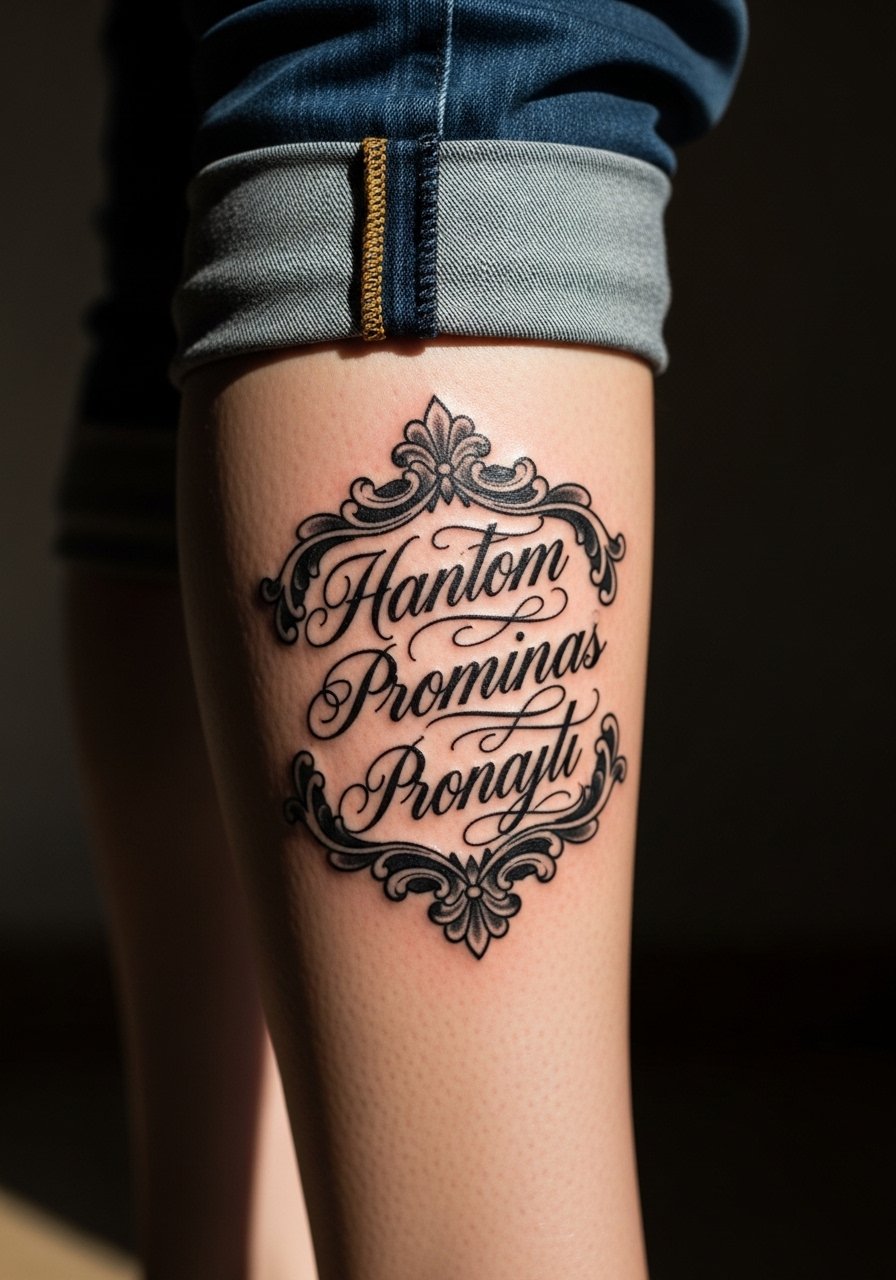
Lettering across curved calves must account for reading when standing and walking. Ask for mockups in both standing and sitting poses so line placement does not warp in common positions. Use bold serif or geometric letters rather than thin scripts on the calf to minimize blur risk. For showing off, slim chinos cuffed high keep the phrase legible and clean.
17. Knee-Centered Mandala, Radial Design That Moves

A mandala landing on the knee must accept distortion when you bend. The trick is to place the densest detail away from fold zones and use bolder outer rings to hold the shape. The mistake is packing the joint center with tiny dots which compress and blur. Expect higher touch-up rates. For casual showing off, distressed denim shorts or athletic shorts above the knee work best.
18. Pop-Surreal Calf Scene, Color That Pops Without Fading Fast
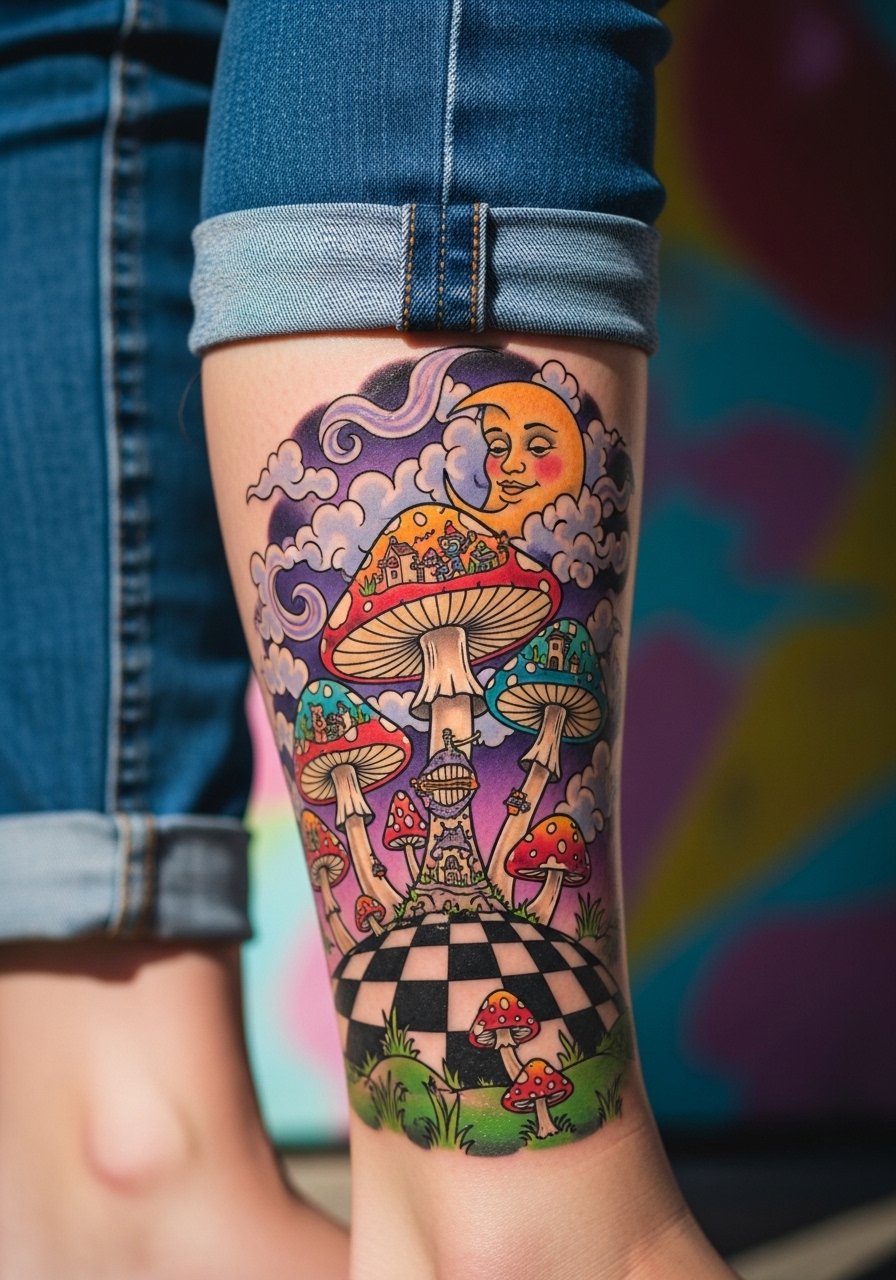
Vibrant color on the calf endures when artists use glazing layers to avoid small patches of pigment that wash out. Ask for saturated base layers and planned sun protection from day one. A common misstep is requesting tiny color gradients without a plan for future top-ups. For footwear pick canvas low top sneakers or rolled jeans to highlight the work.
19. Inner Thigh Botanical Band, Delicate Without Losing Life
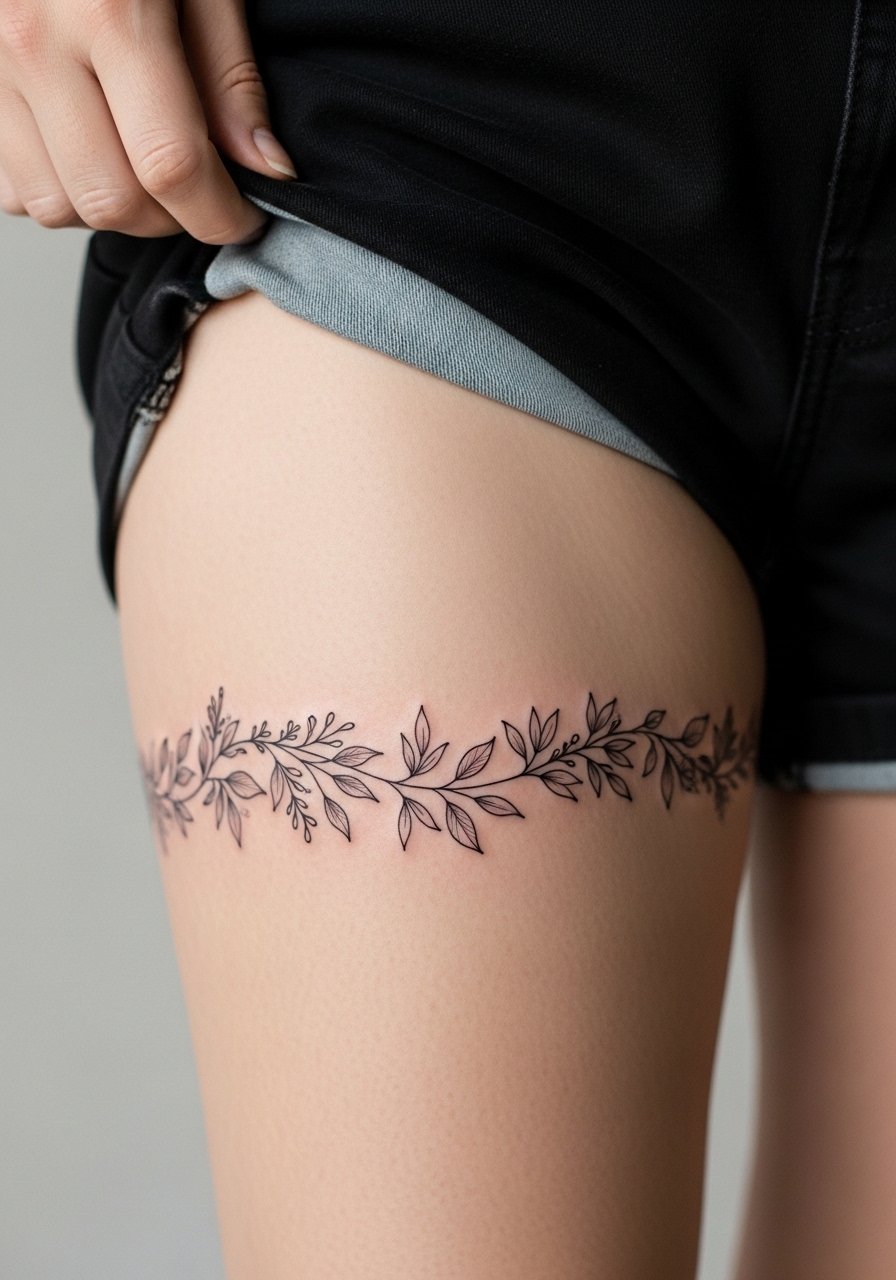
Inner thigh tattoos deal with skin stretch and friction from movement. If you want fine line, ask for slightly bolder primary stems and lighter secondary detail so the main form remains readable. Pain can be higher and sessions shorter. A common mistake is asking for dense dotwork in the zone which tends to smear with rubbing. For the appointment wear shorts you can shift or a swimsuit bottom so the artist can access the area cleanly.
20. Full Leg Mythic Narrative, Integrated Background and Figures
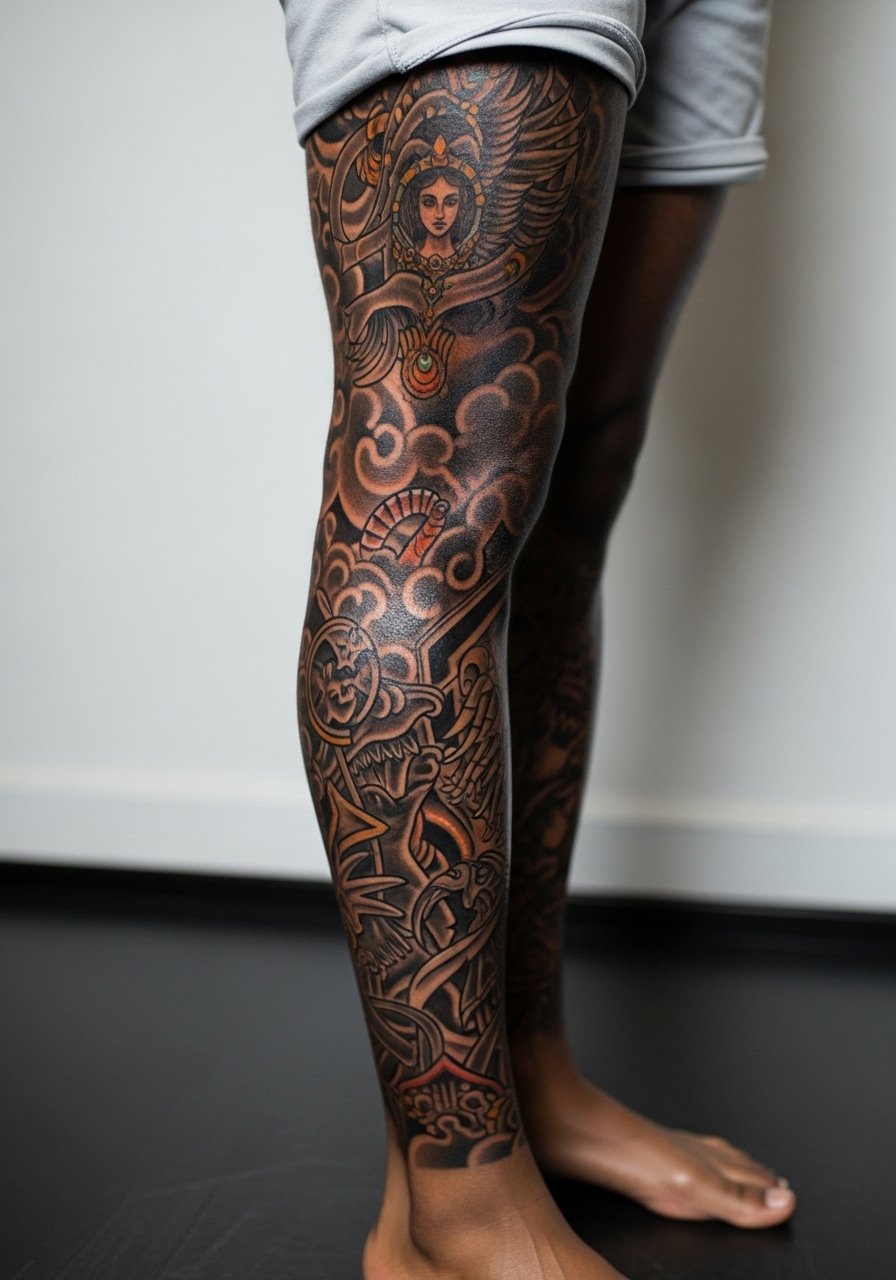
A full leg mythic narrative asks for choreography. Lay out background fills and negative space before committing to character detail so the whole leg reads as a single picture. The aging advantage of this approach is shared contrast across zones which prevents isolated fading. Avoid the mistake of pasting a wide variety of styles together. Plan sessions in thematic blocks and expect 6 or more sittings. For multi-session comfort bring loose scrubs or studio-provided shorts.
21. Heavy Shaded Ankle-to-Calf Wrap, Low-Profile Impact
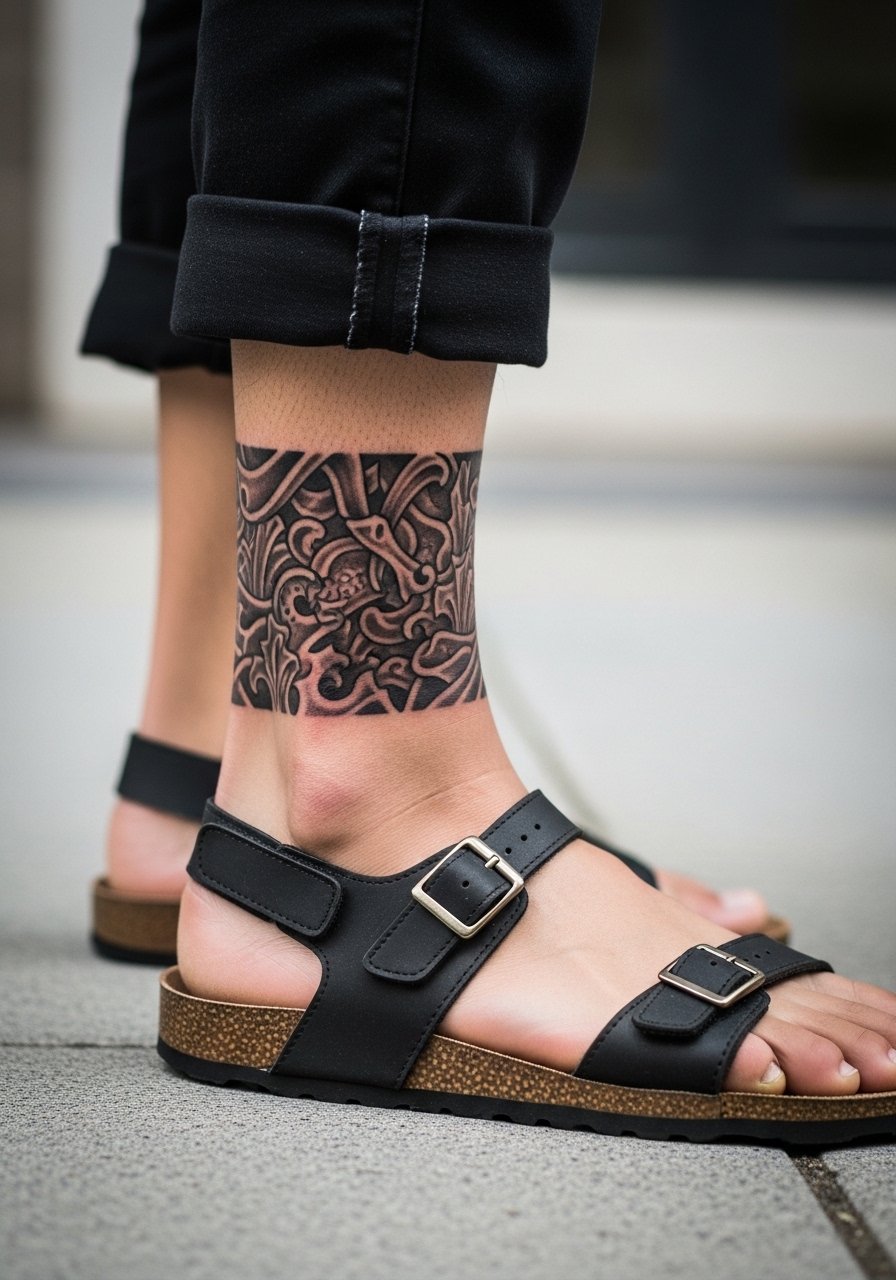
A wrap that starts at the ankle and climbs to the calf is understated but bold in movement. The ankle area faces constant rubbing from shoes and socks, so tell your artist to leave a small clear border around the ankle to avoid early scabbing catching shoes. A common oversight is tight little details at the ankle that snag during healing. For early wear, choose sandals or roll pants so nothing presses into the fresh area.
Frequently Asked Questions
Q: How much planning does a full leg tattoo need compared with a thigh-only piece?
A: A full leg takes more mapping because you must consider ankle-to-hip flow, muscle movement, and future additions. Expect multiple sessions and an evolving stencil in most cases. Bring photos of the leg in common poses and ask the artist to sketch how negative space will age.
Q: Will fine line elements on a leg blur faster than bold blackwork?
A: Fine line on legs tends to require more careful spacing and touch-ups over time, while bold blackwork usually holds longer. Artists split on this issue. One camp recommends thicker line weight for longevity. The other camp says precise spacing and correct needle depth keep fine line readable. Ask your artist which approach they have the most healed examples for.
Q: What should I wear to a thigh or outer leg session so the artist has access and I stay comfortable?
A: Wear loose athletic shorts or swim trunks with an elastic waist so the artist can roll and adjust without pressure on the area. For longer sessions a lined pair of linen pants rolled to mid-calf works well for breaks and movement.
Q: How often will I need touch-ups for a full leg with mixed styles?
A: Touch-up timelines depend on ink saturation, sun exposure, and placement. Bold blackwork might only need a minor retouch at three to five years. Detailed realism and fine line areas often benefit from a planned touch-up around year two to maintain contrast.
Q: Are there career or industry considerations for visible lower-leg tattoos?
A: Lower-leg tattoos are generally less likely to affect professional opportunities than hand or neck tattoos, but some industries still have policies about visible ink. If that is a concern, choose placements that can be covered by socks, long pants, or shoes when needed.
Q: How should I find the right artist for a full leg narrative without naming anyone?
A: Use style-specific hashtags and location tags, search studio directories, and review healed portfolio photos rather than just fresh work. I recommend checking portfolios from several shops and asking to see healed shots when possible. If you need durability in the linework, ask for healed examples of similar placements before booking.