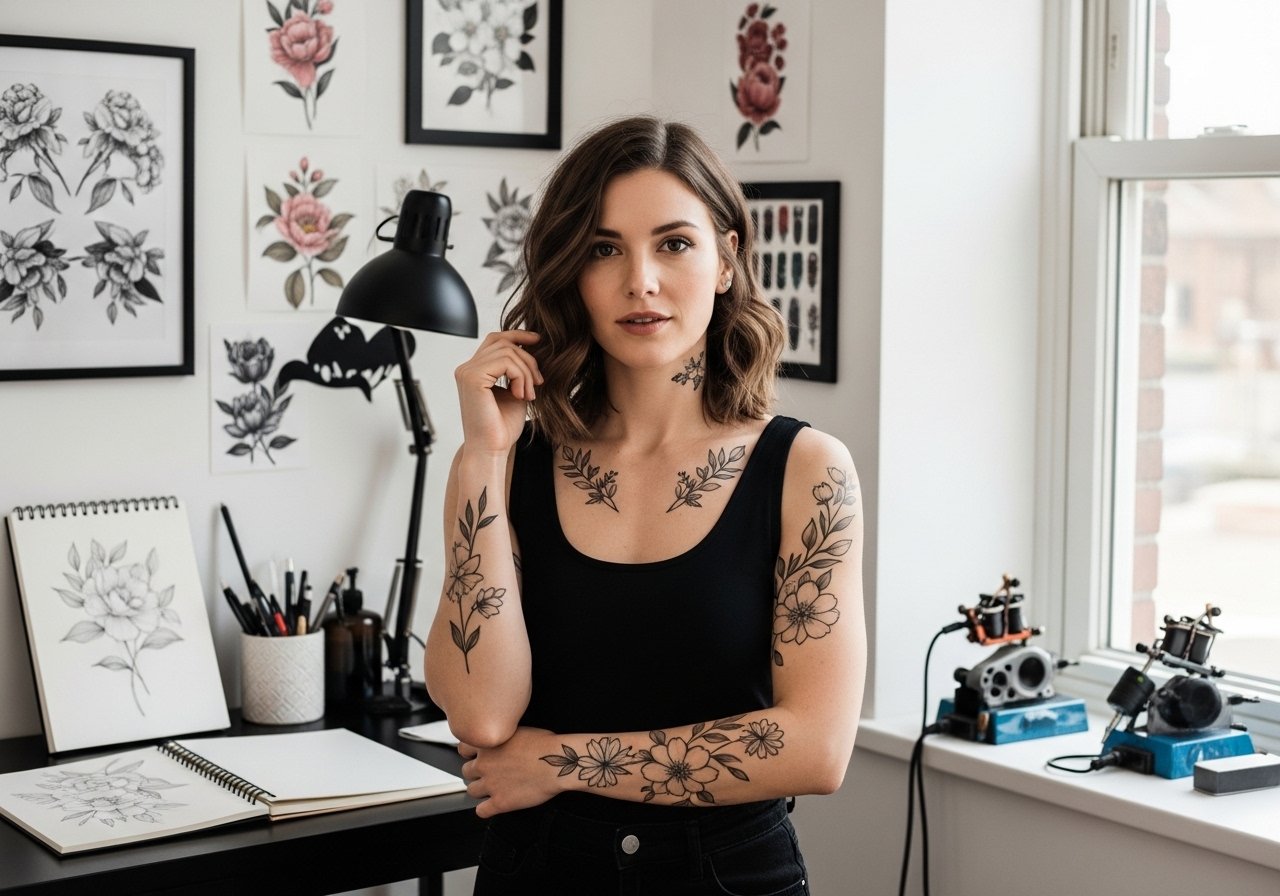
Fine line work looks amazing in photos, but it raises three real concerns people bring up in consultations: the thin script that fades faster than expected, the same infinity or heart that starts to feel cliché, and surprise pain when you pick a ribcage or sternum placement. This list balances trend and wearability, shows which pieces need touch-ups, and points to designs that actually age well so you can book with clearer expectations.
1. Fine Line "Love Yourself" Script, Inner Wrist
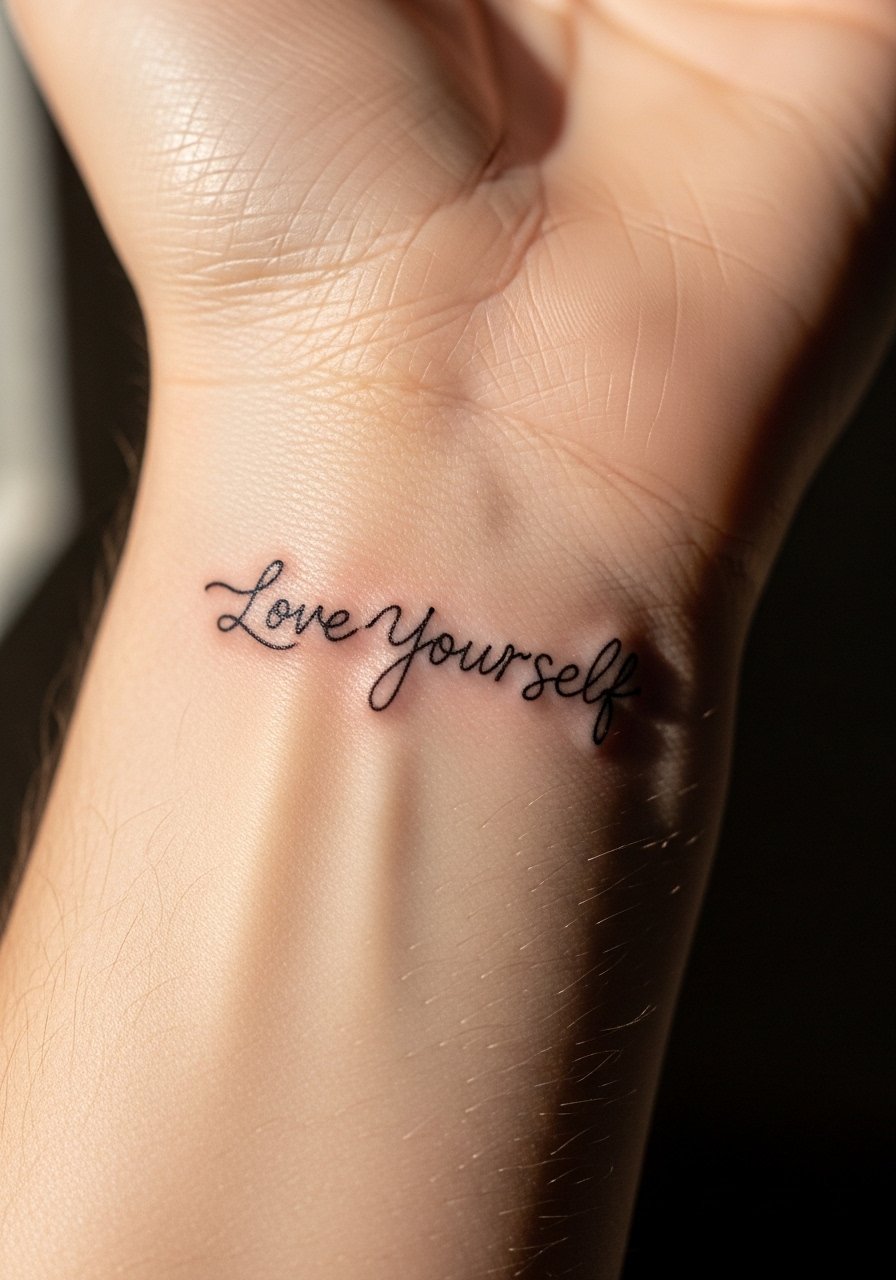
This tiny script is a classic for people who want a visible daily nudge without heavy saturation. The inner wrist feels like a one-session job and the pain is usually manageable, though expect more sensitivity than the forearm. The main mistake is asking for needle-thin lettering and placing it where frequent sun exposure and washing wear the ink down. Tell your artist you want slightly bolder single-needle strokes and space between letters so the linework can hold at year two and beyond. Pair it with a thin chain bracelet on the opposite wrist to frame the script when you wear short sleeves. Expect a touch-up timeline around year two to three for many people.
2. Minimalist Heart Banner, Outer Forearm
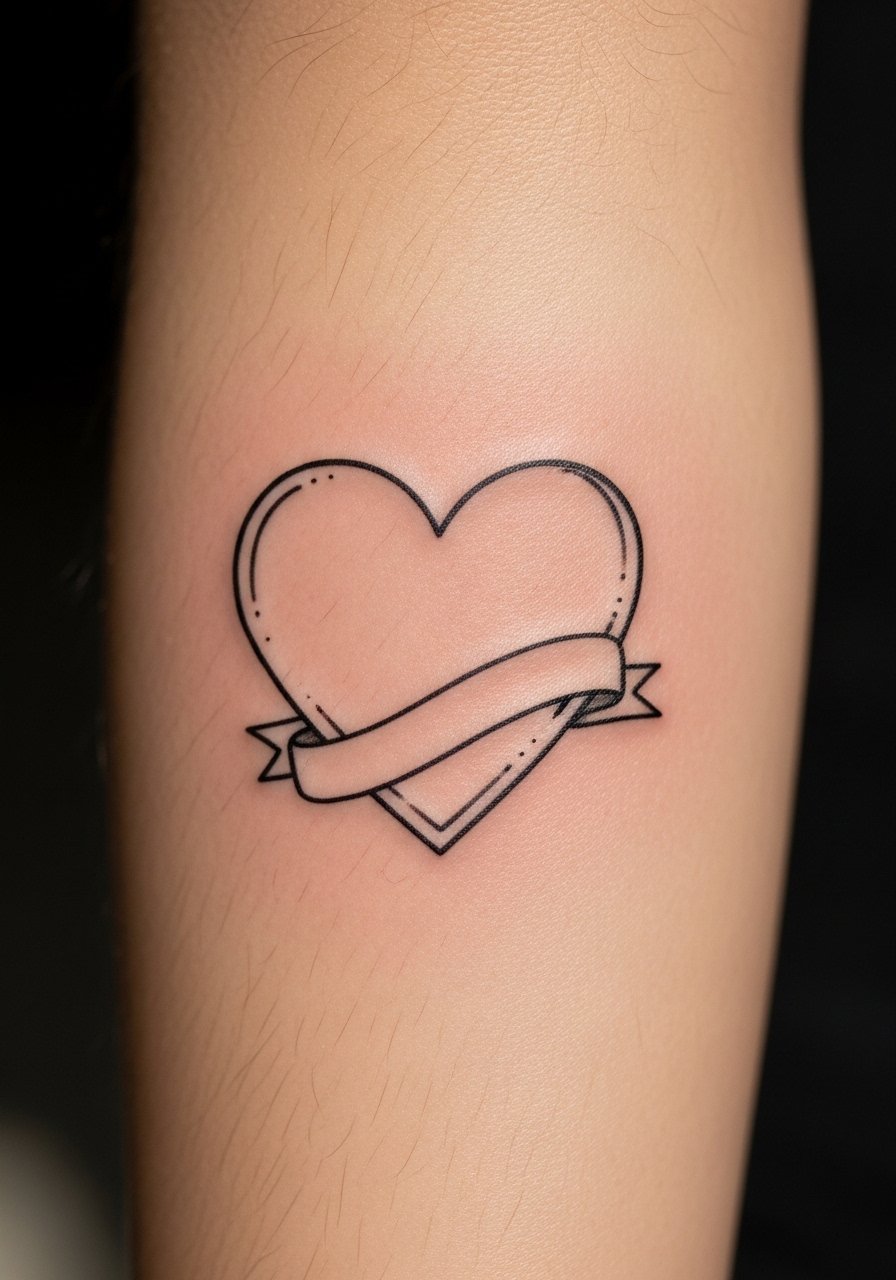
The outer forearm gives a heart banner room to breathe and makes it easy to add a name, small word, or coordinate later. Pain is low and most of these heal in one short session. A common error is crowding the banner with tiny type that blurs over time. Ask for a slightly thicker outline and clear letter spacing during the consult so the lettering still reads at two years. For showing this off, roll up a chambray shirt sleeve and wear a leather wrap cuff on the other arm. This placement usually needs no early touch-up when done with solid linework.
3. Watercolor Lotus, Side Ribcage
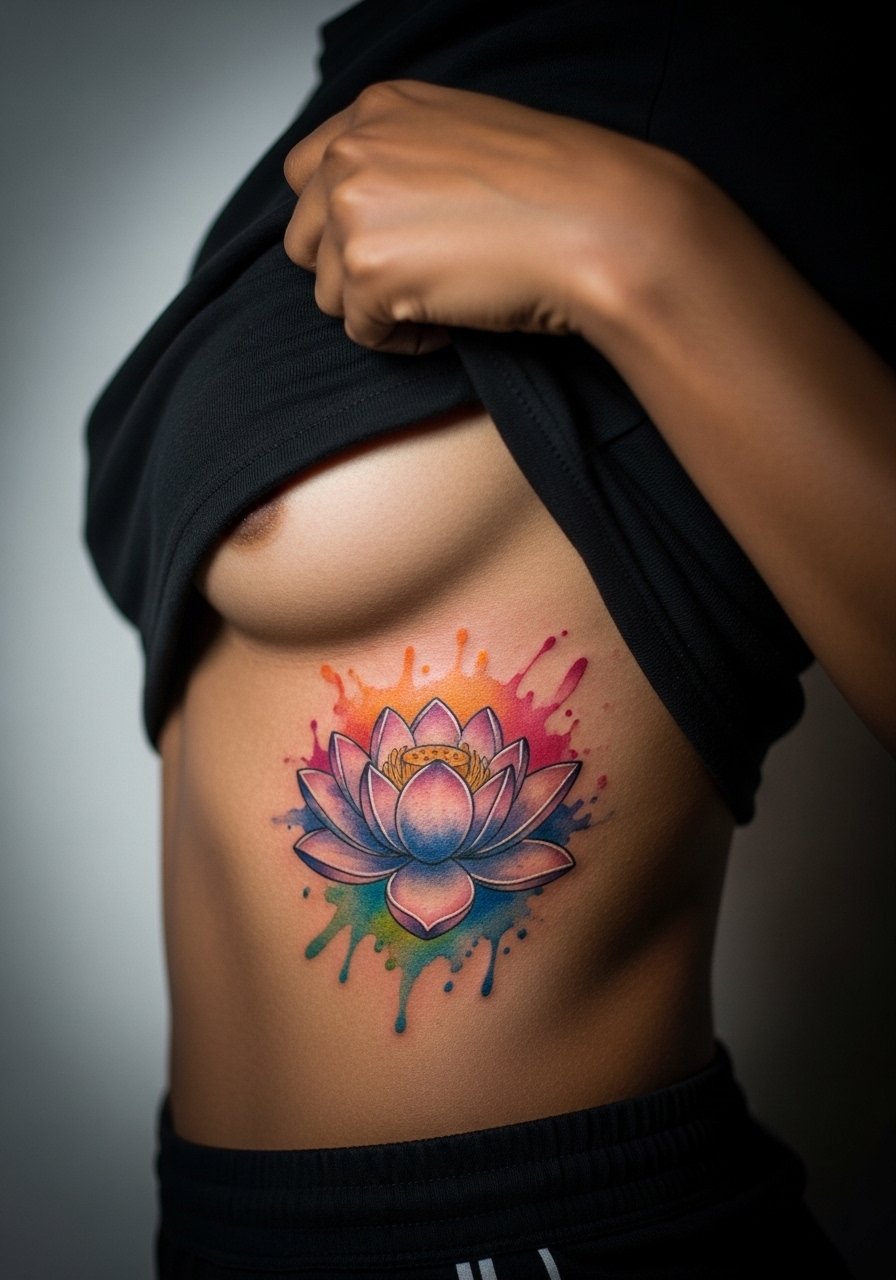
Ribcage watercolors look like emotional paintings but they demand two things from you. One, plan for a two-session booking because the area is sensitive and the color layering takes time. Two, expect soreness during the session and slower initial healing. Artists split on numbing creams for ribs. One camp uses topical numbing to help first-timers sit through long color work. The other camp says numbing masks skin response and can affect saturation. Ask your artist where they stand. To protect the piece as it heals, wear a loose cropped top to your appointment so the artist can lift fabric without exposing more skin than necessary. Watercolor needs a touch-up at year two more often than black line pieces.
4. Blackwork Mandala, Upper Shoulder
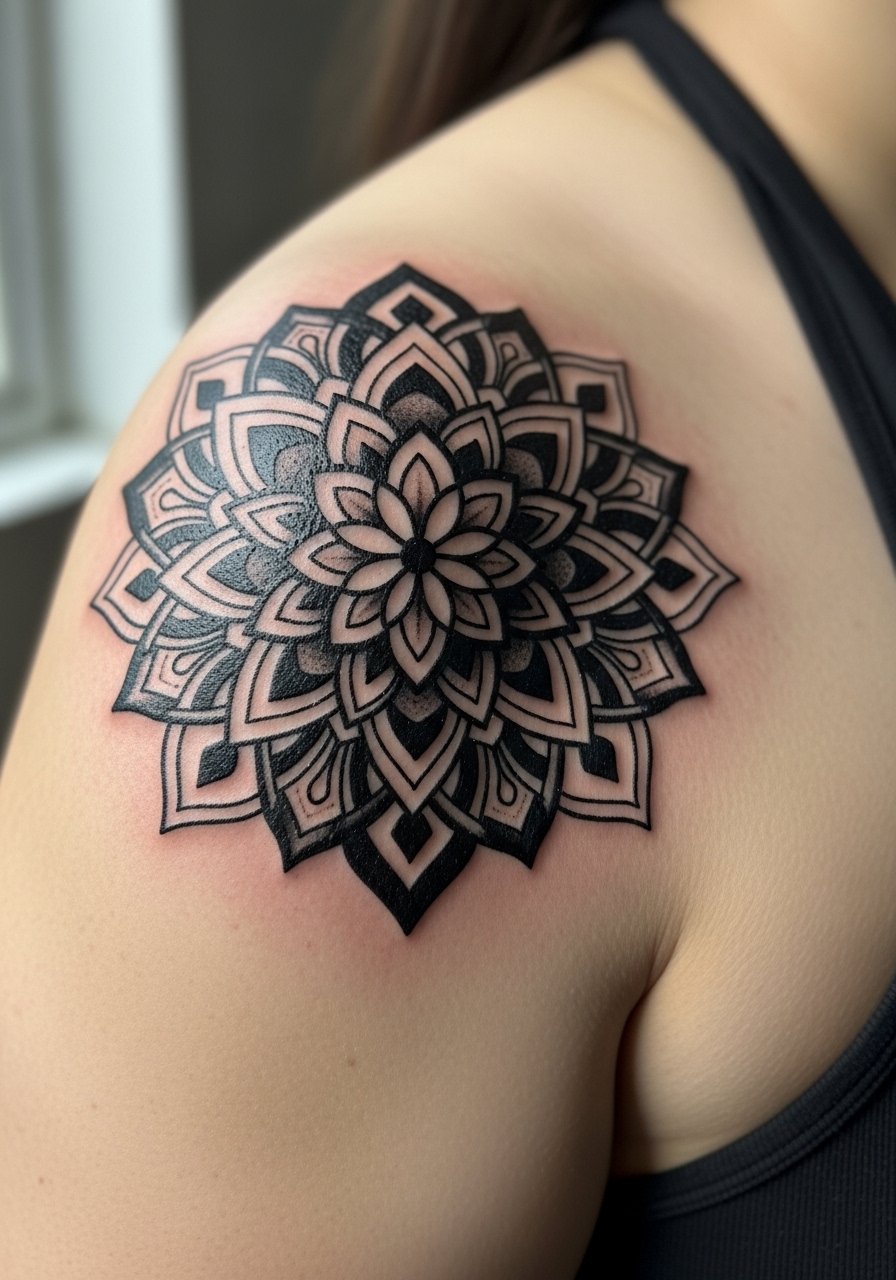
Mandala blackwork ages into a strong, graphic statement because bold saturation locks into muscle-rich shoulder skin. If you want longevity, pick thicker outlines in dense areas rather than micro-lines that merge over time. The frequent mistake is shrinking a complex mandala down too small. That causes blowout and merged detail by year three. For the session, wear a loose button-down shirt you can pull aside so the shoulder is accessible without being fully exposed. Touch-ups are uncommon for solid blackwork unless you pick a lot of negative space that needs crisp edges.
5. Neo-Traditional Butterfly, Collarbone
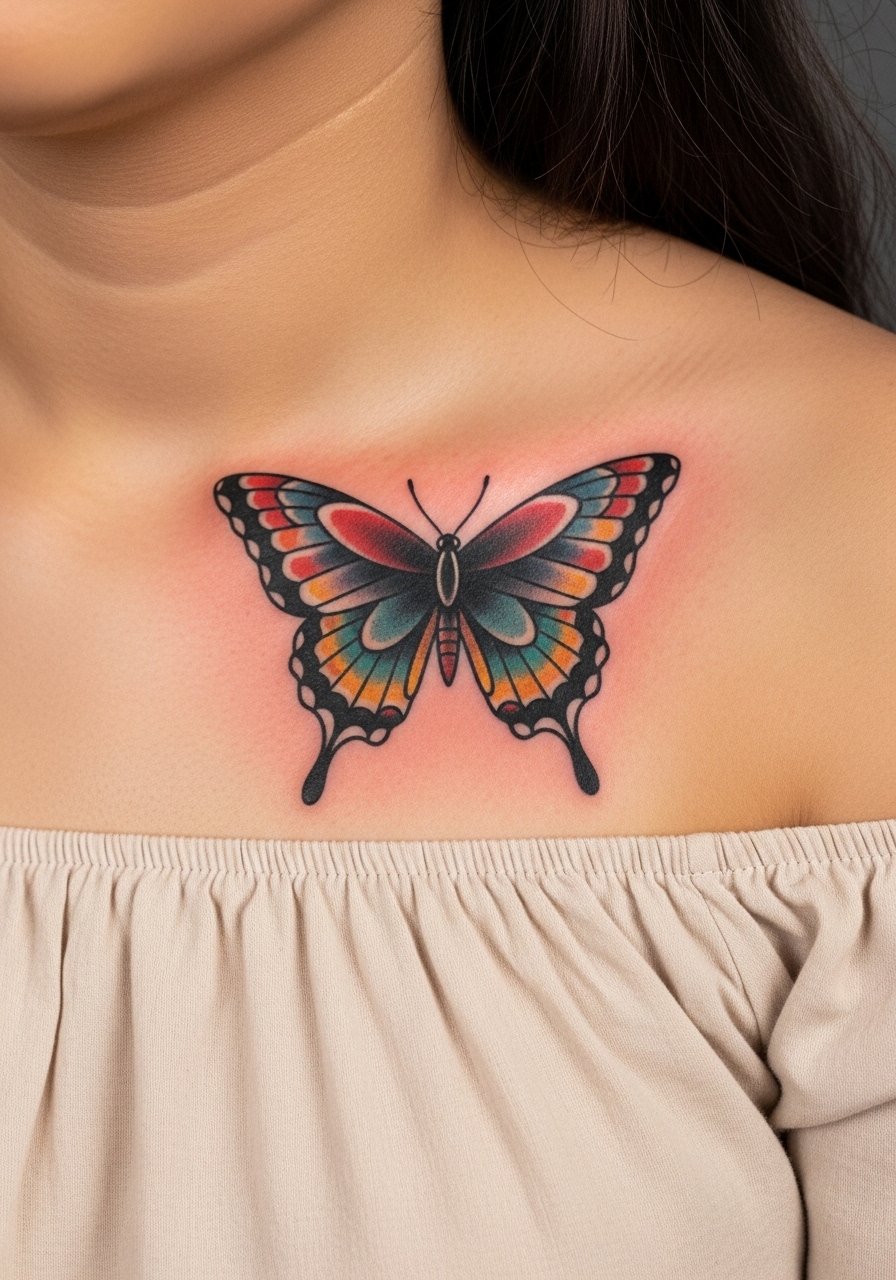
Collarbones are dramatic display spots but they come with sensitivity and a bony canvas that shows every needle strike. Neo-traditional butterflies with bold outlines and saturated fills tend to hold better than pale watercolor wings here. The usual error is asking for tiny, highly detailed wings; on the collarbone those details can blur as skin moves with clothing. Ask for strong outlines and discuss how the piece will sit with a neckline. Off-shoulder tops and a strapless midi dress work well for showing off this placement. Expect a touch-up window around year two if you spend a lot of time in the sun.
6. Micro-Realism Orange Lily, Inner Bicep
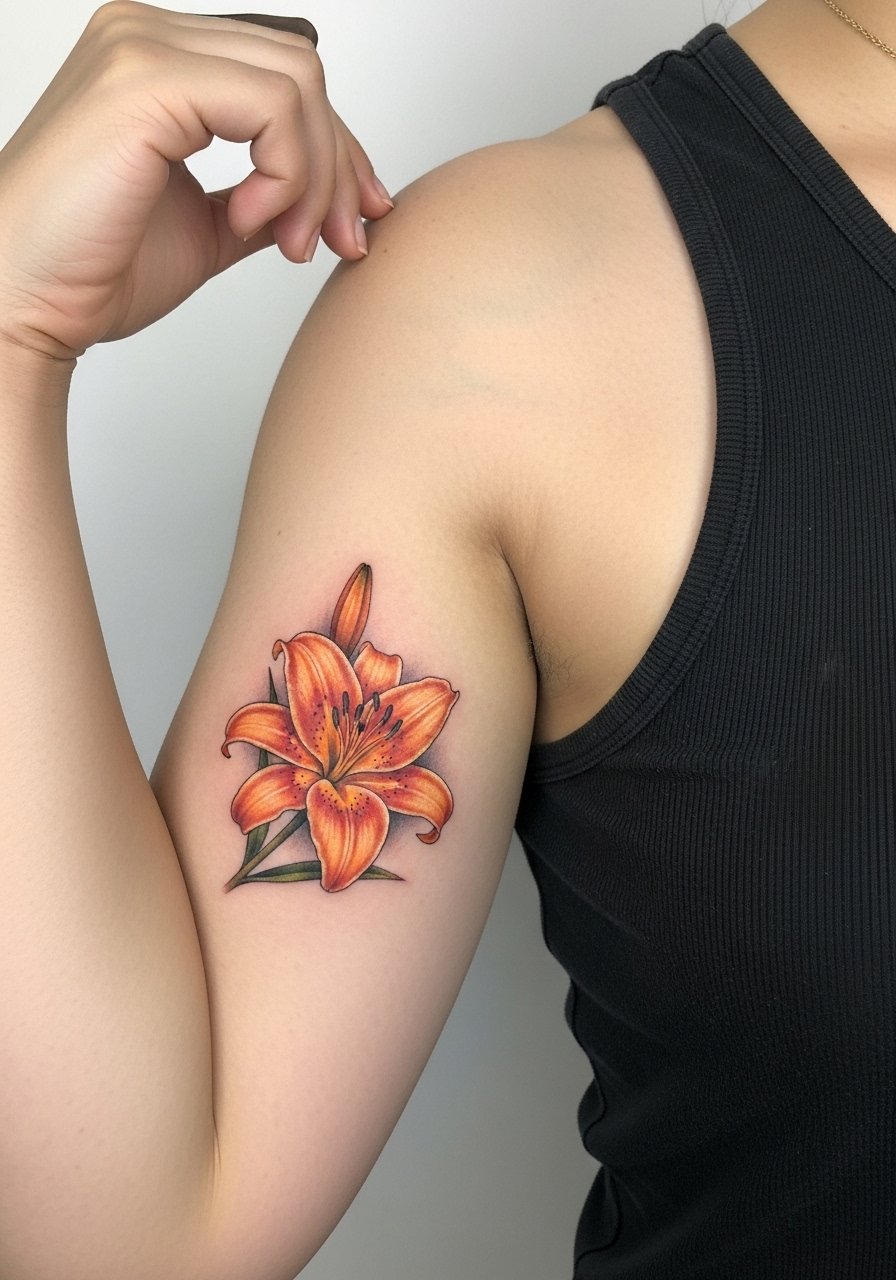
Micro-realism on the inner bicep gives a private, confidence-oriented placement that looks polished under short sleeves. The inner bicep can be tender but it is forgiving in terms of saturation. Avoid overly contrasty black outlines; they break the realism. Tell your artist you want petal edge detail and subtle petal shading that reads on darker tones. For the session, wear a sleeveless linen tank so you can lift the arm easily. Expect this type of shading to stay readable for several years, with spot touch-ups if the piece sits where friction rubs during workouts.
Pre-Session Essentials
The first six ideas above include wrist, forearm, ribcage, shoulder, collarbone, and inner bicep placements that each ask for slightly different prep.
- Stencil transfer paper kit. Lets you preview the layout on your skin before the needle touches it, which helps avoid size and spacing mistakes on wrist and collarbone pieces.
- Topical numbing cream. Useful for ribcage or sternum sessions if you and your artist agree on its use to manage sensitivity.
- Thin protective film roll. Keeps ankle and wrist tattoos shielded from rubbing during the first week, especially for designs near cuffs.
- Fragrance-free body wash. Gentle cleansing for the healing window, important for light-line forearm and wrist work that can sting from scented products.
- Aquaphor healing ointment. Thin application in the early days can help fine line work avoid dry cracking while you keep the area clean.
7. Ornamental Infinity with Jasmine Vine, Ankle Wrap
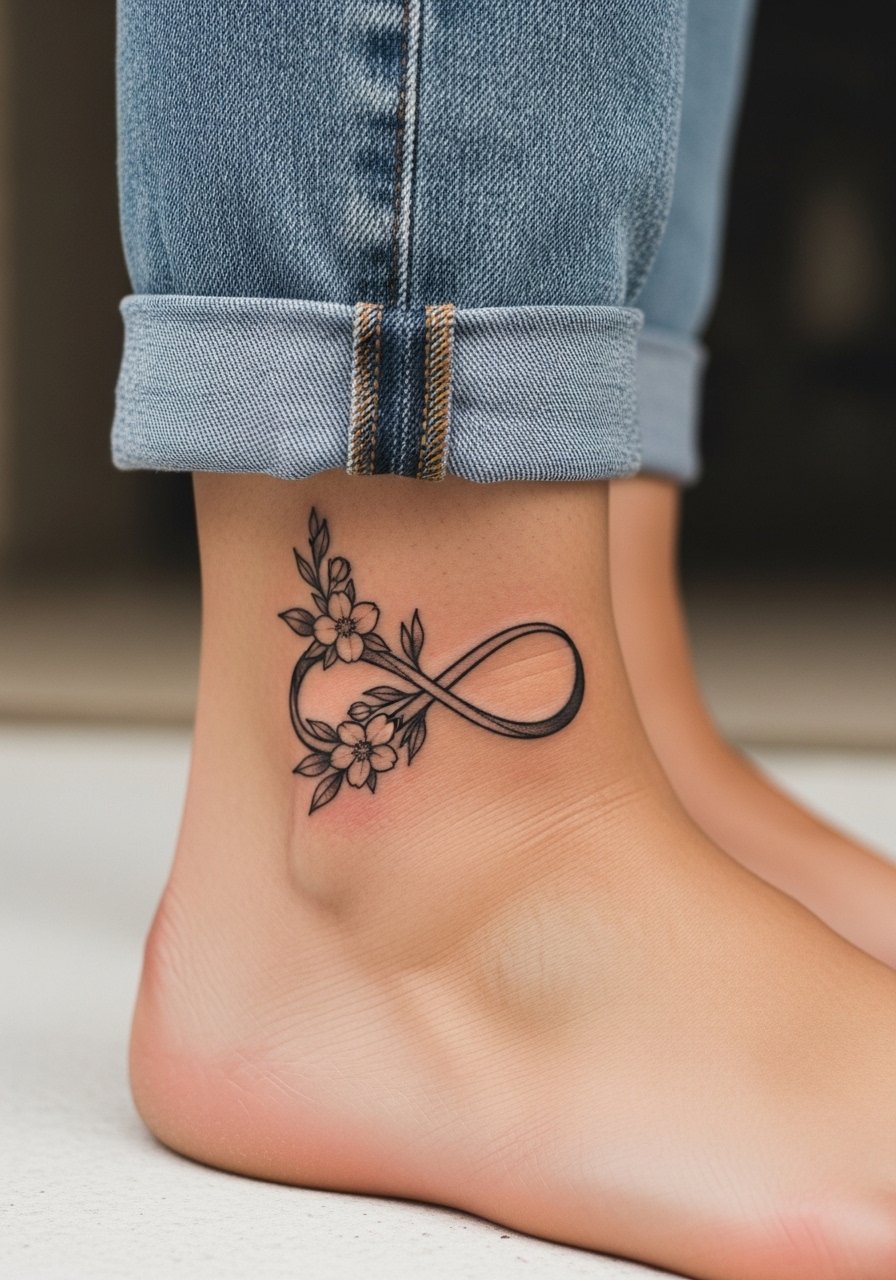
An ankle wrap reads like jewelry and stays subtle under shoes. The ankle is a friction zone, so the usual mistake is placing tiny loops too close to the bone where rubbing and shoe straps fade the ink. Ask for slightly bolder outlines and a wrap that sits a touch higher if you wear low shoes. For styling, cuffed straight-leg jeans and a simple gold ankle chain show this design seasonally. Healing can be slower because of socks and shoes, so keep the area aired when possible.
8. Fine Line Rose, Outer Thigh
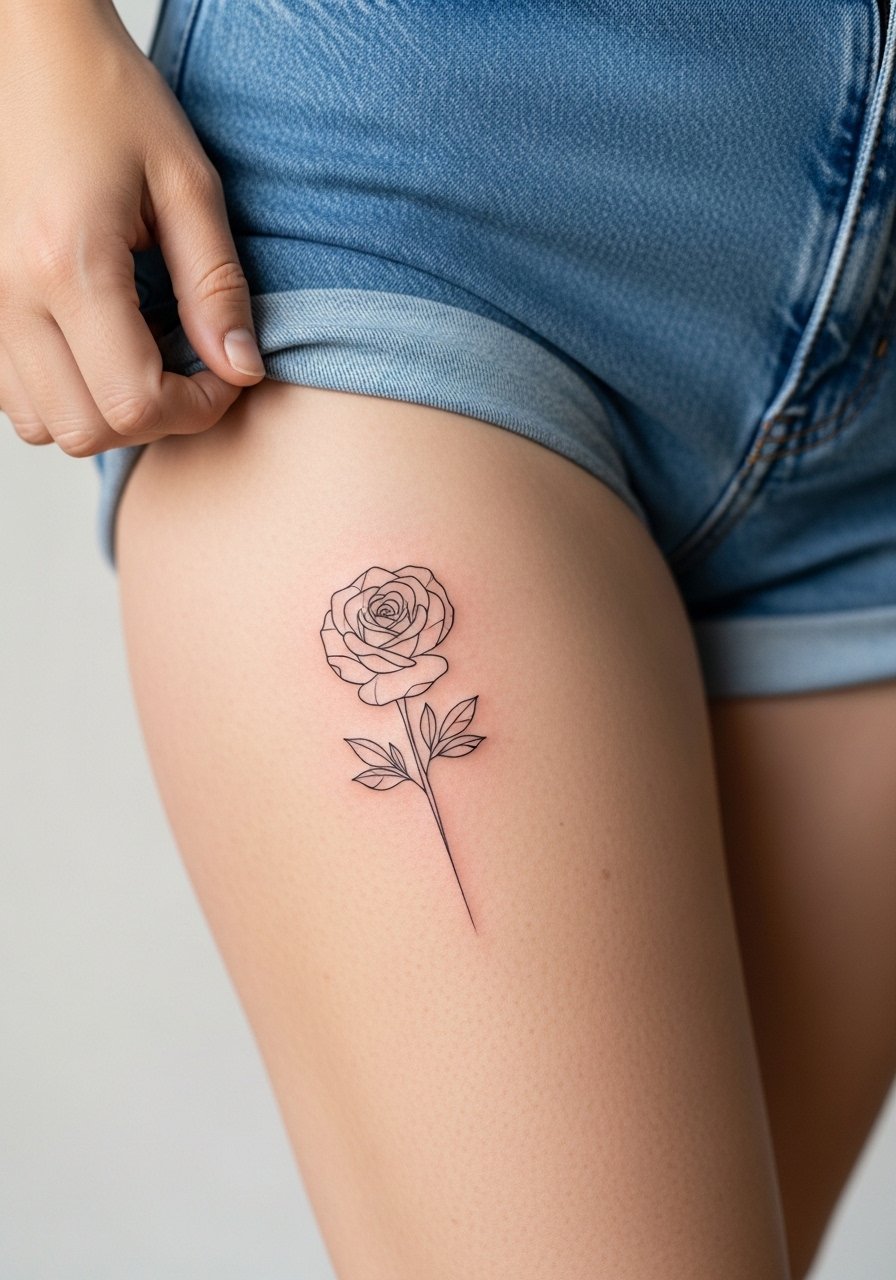
The thigh is a forgiving canvas for elongating botanical pieces and typically rates low on pain. A common mistake is creating a rose that follows a curved area without respecting future body changes, which can distort petals after weight fluctuation. Ask your artist to orient the stem along the body curve and to space petals for durability. This piece pairs well with high-waisted shorts or a slit skirt; slip into high waisted denim shorts to show the leg without competing patterns. Touch-ups are rare unless the linework is ultra-fine.
9. Minimalist Semicolon, Upper Back Spine
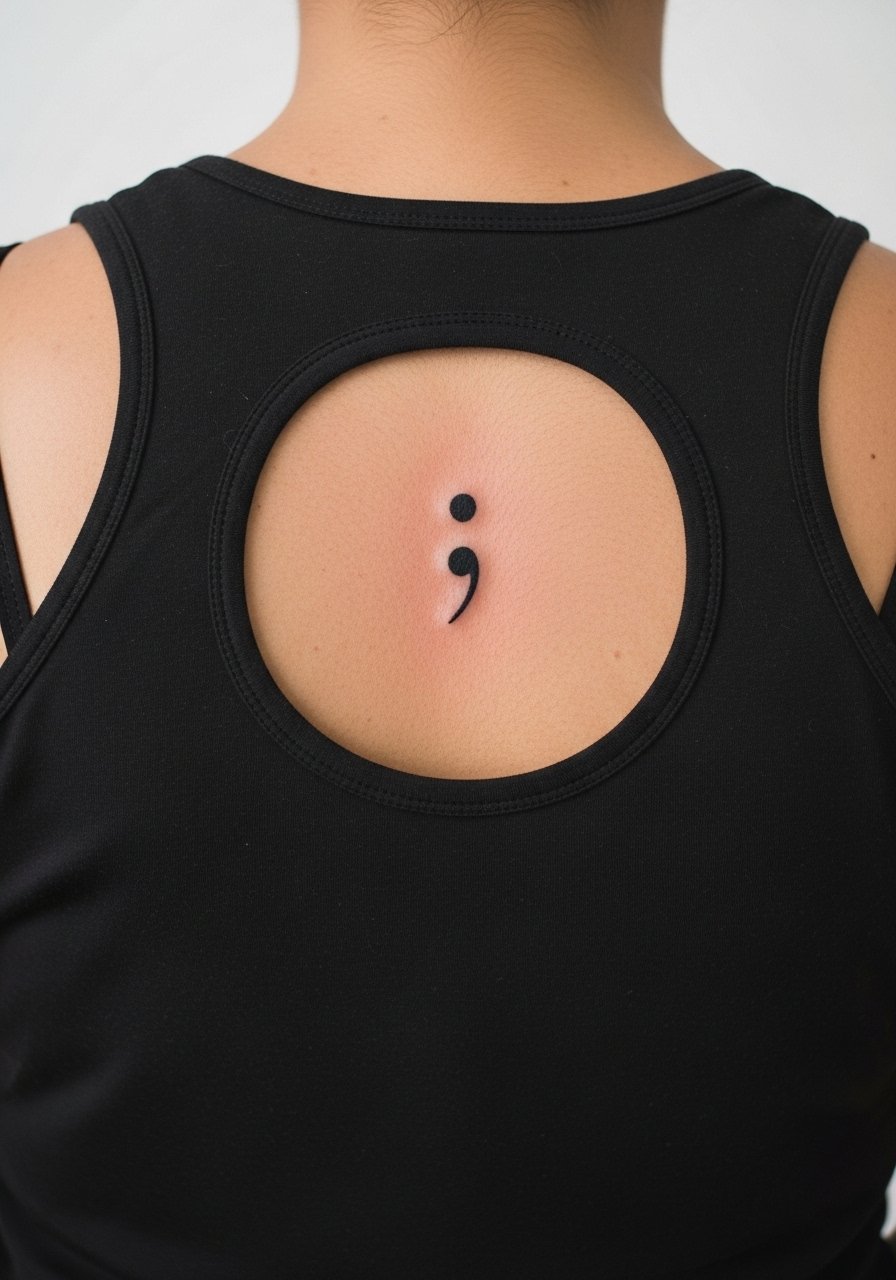
The spine reads as a quiet statement and works for people who want a mental health marker with minimal visibility. Placement can be tender while sitting or leaning during the session. The most frequent error is making the semicolon too tiny; on the spine, that leads to the dot merging with the line as the area ages. Request slightly larger scale and centered placement so it stays graphic. Pair with a racerback tank top to wear when you want it visible. Expect minimal touch-up needs if the line spacing is generous.
10. Black and Gray Self-Hug Portrait, Inner Forearm
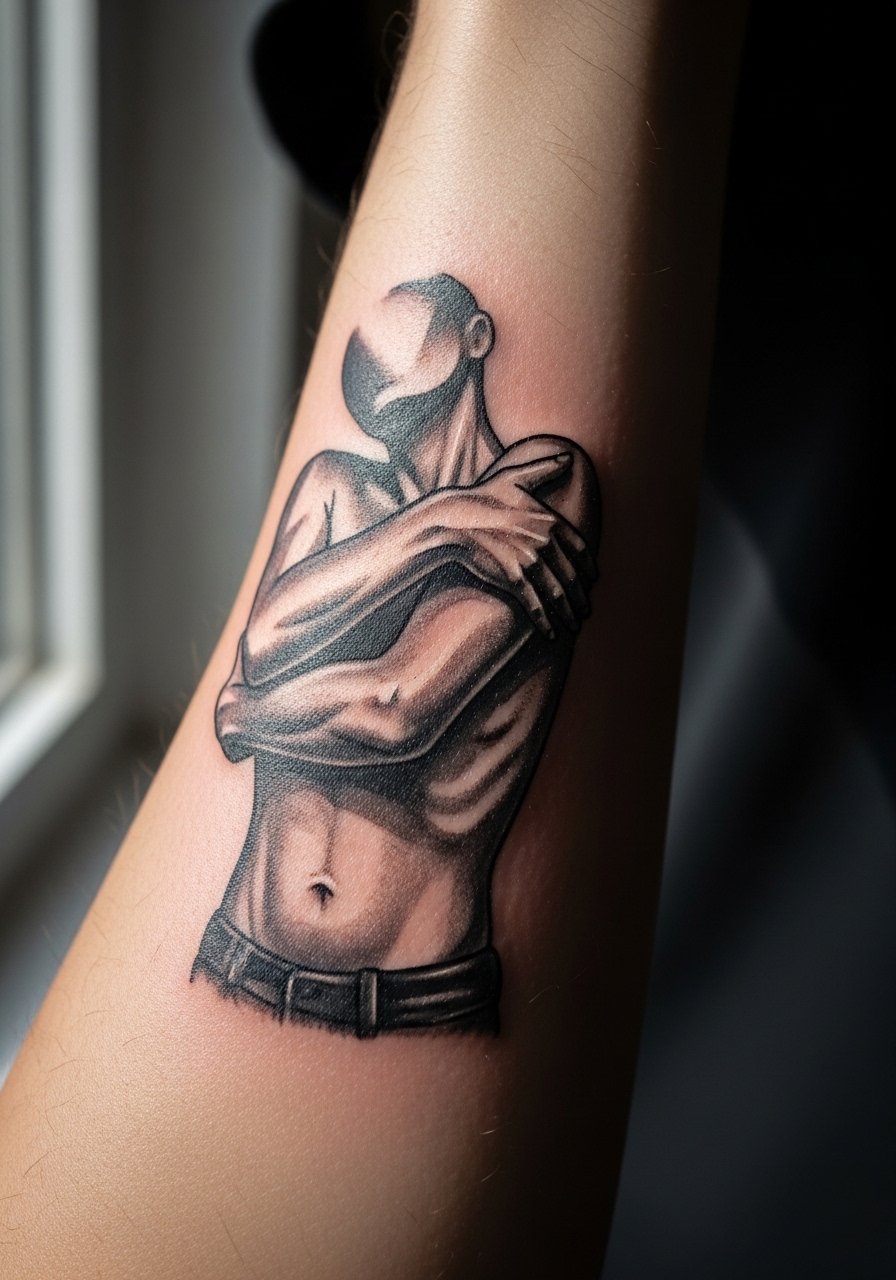
Realistic self-hug imagery on the inner forearm reads intimate and nurturing. This kind of shading needs a patient session and multiple sittings for larger pieces. A common mistake is asking for hyper-detail in a single short session which leads to overworked skin and poor saturation. Tell your artist you want staged sittings so shading settles properly. For show-off days, roll your sleeve or wear a light blue button shirt with a cuff rolled up to reveal the inner forearm. Expect the realism to soften at year two and plan for a targeted touch-up rather than a full redo.
11. Ignorant-Style "You Are Enough" Calf Quote
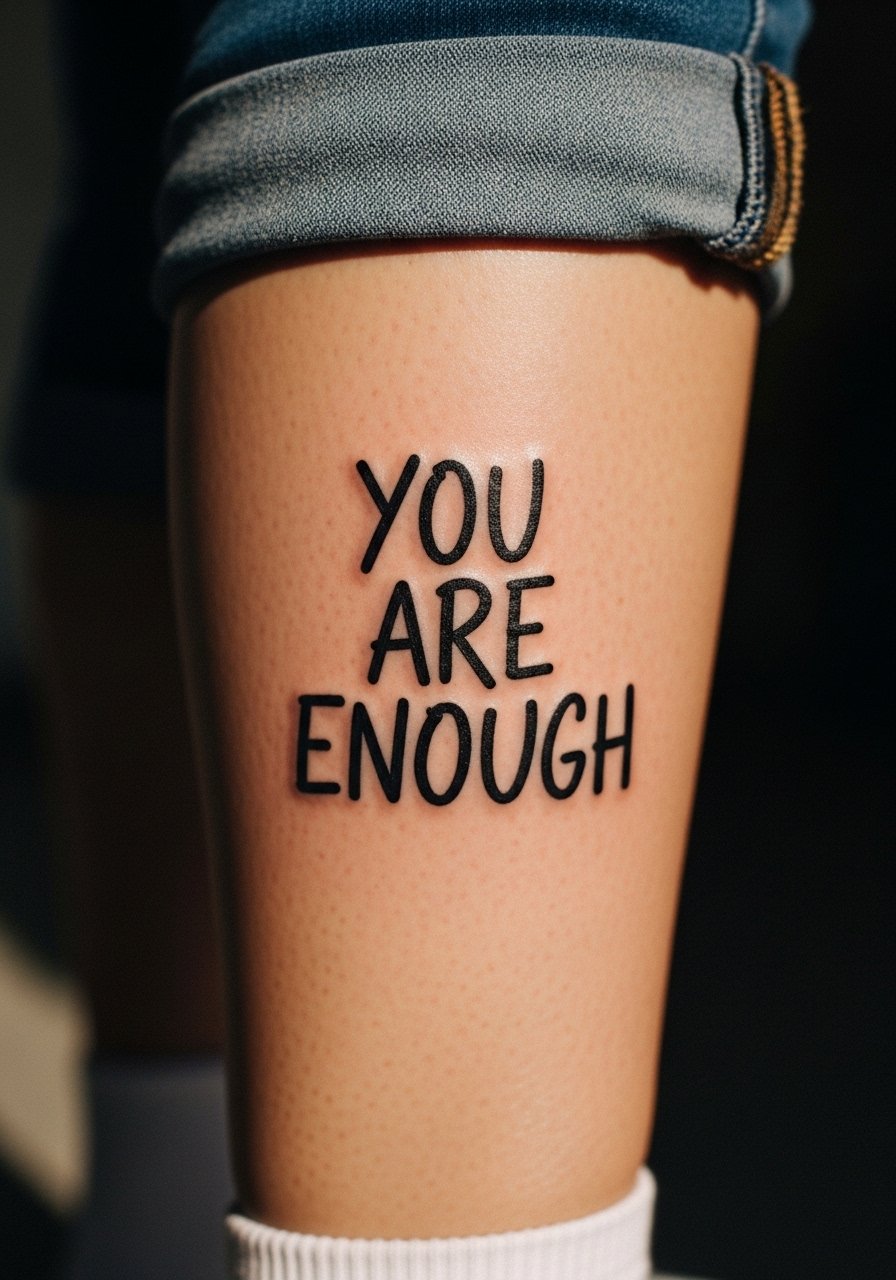
The ignorant style embraces imperfect, raw lettering that reads as honest and immediate. The calf is forgiving for medium-length quotes and sits well under shorts. The typical mistake is demanding perfect, machine-precise lettering in a style defined by human wobble. Be explicit that you want hand-drawn imperfections and leave room between words so the text breathes as the muscle moves. Calf sessions are moderate on pain and usually finish in one or two sittings. This quote can age well with minimal touch-up if the line weight is confident.
12. Watercolor Heart with Growth Vines, Side Neck
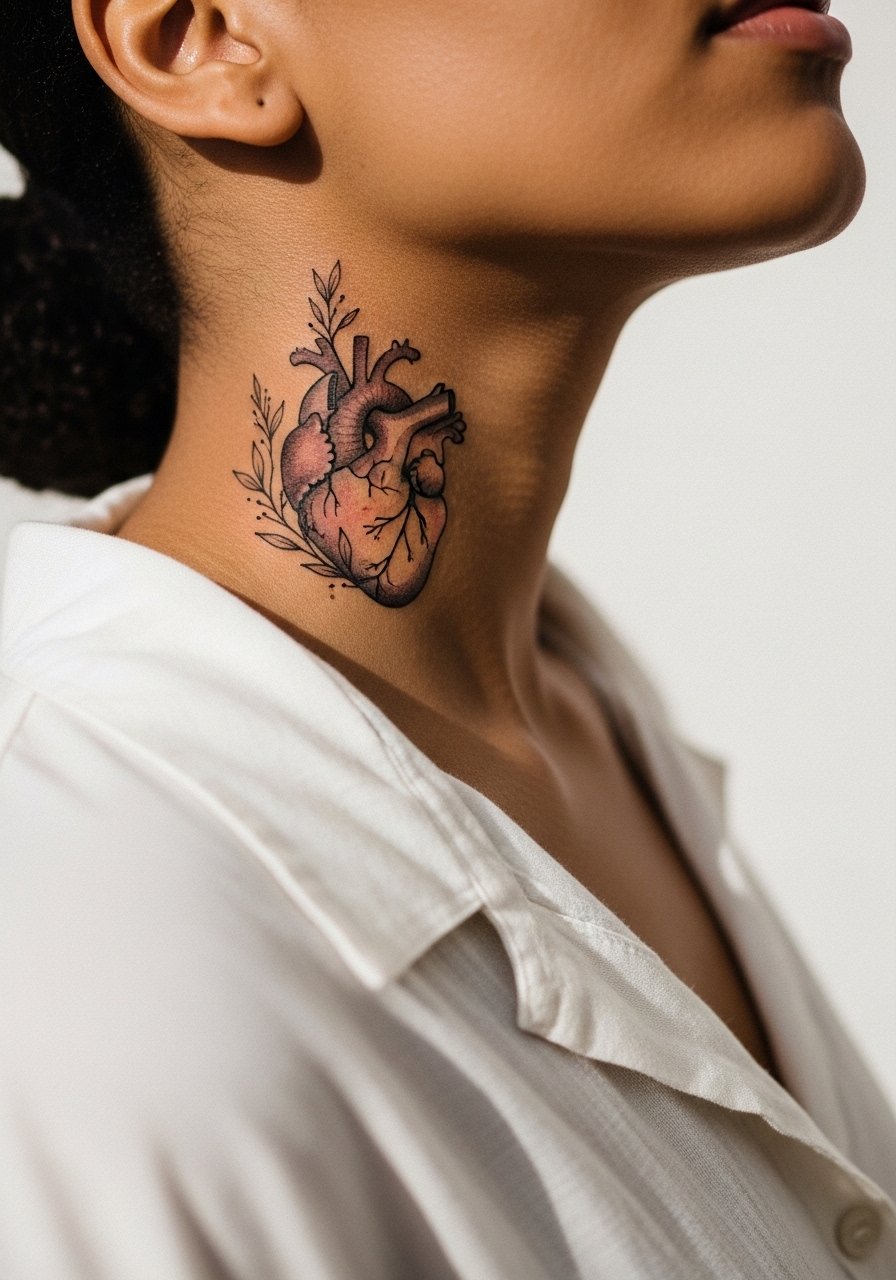
Neck work is visible and comes with social and workplace considerations. Watercolor here makes a soft statement but it needs careful color saturation to keep pastels readable on darker tones. The usual error is too faint a palette, which disappears in months. Ask for contrast points and a small black outline to anchor the pastels. Because this is a sensitive area, talk with your artist about their healing protocol. Expect annual color refreshes more than with blackwork.
13. Semicolon Paired with Growth Vines, Outer Forearm
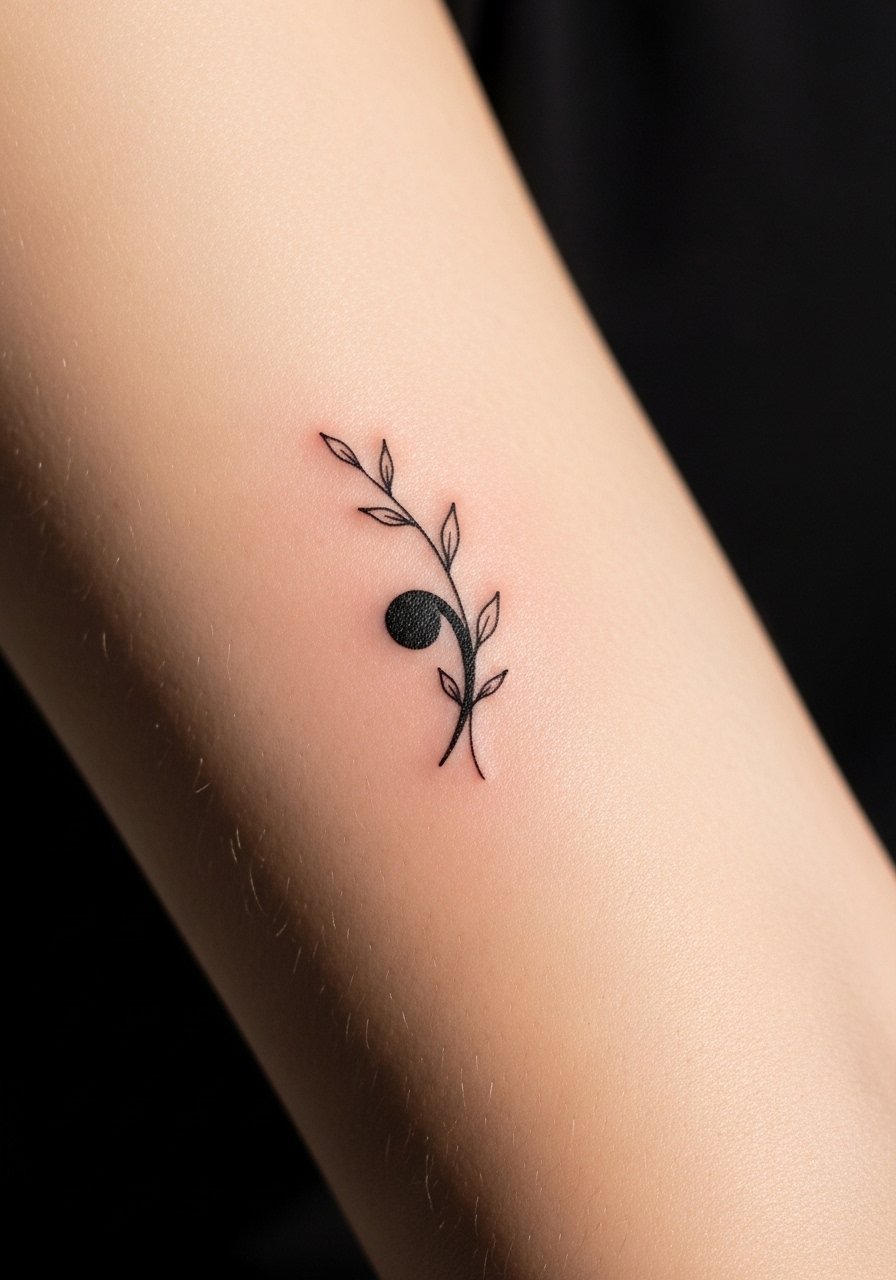
Pairing a semicolon with a growth motif customizes the mental health marker and reduces the chance the symbol reads as generic. Outer forearm placement keeps it visible but not intrusive. The common mistake is placing the semicolon too close to dense vine detail which causes merging. Ask the artist for breathing room and simplified vine stems near the punctuation. For styling, roll up a chambray shirt sleeve to frame the piece during casual days. Touch-ups are usually minimal when spacing is considered from the start.
14. Tiny Script "Breathe", Behind the Ear
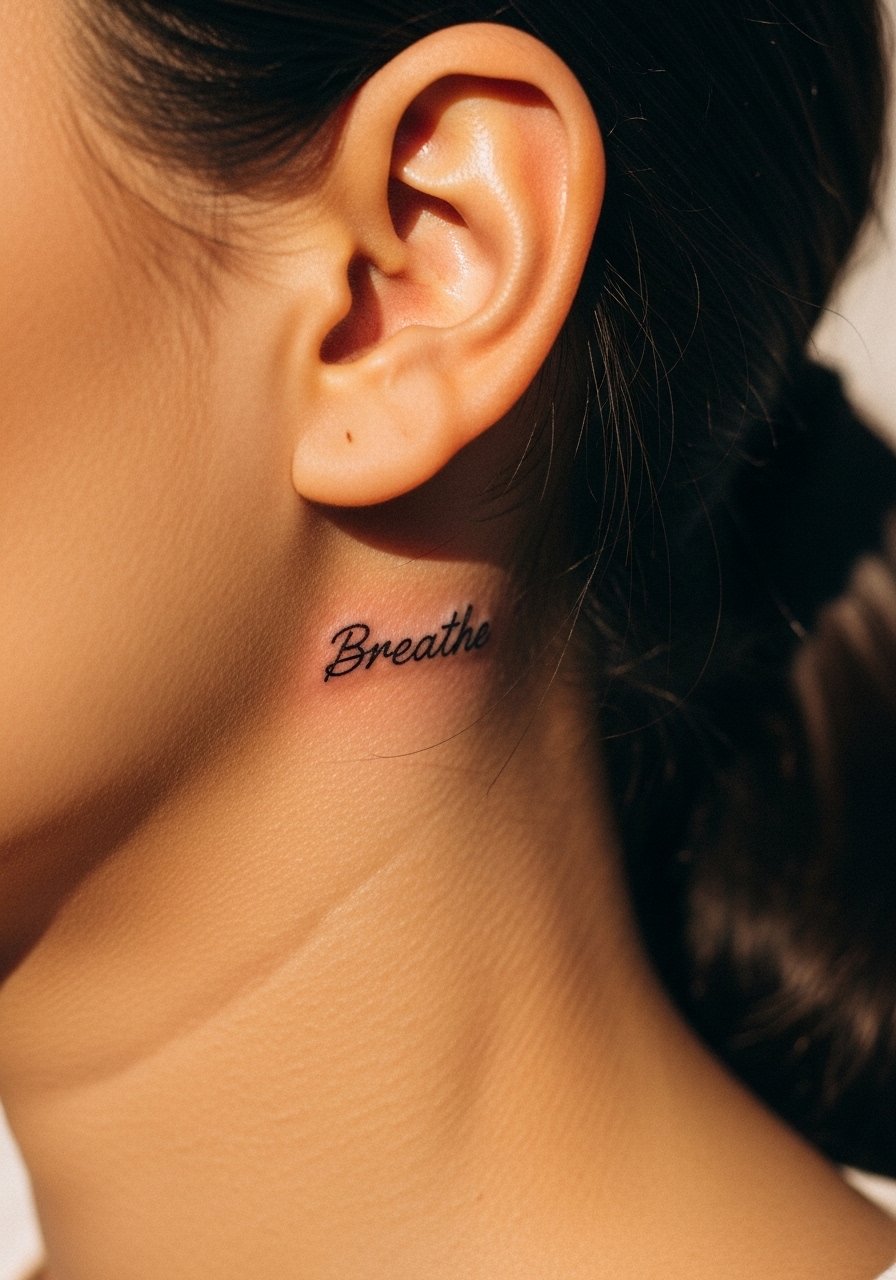
Behind-the-ear scripts are intimate and often visible only in certain hairstyles. The area is small and mobile which makes the biggest mistake asking for dense lettering. Specify exact word placement and font size so the artist can stencil accurately. This area heals cleanly if you keep hair away during the first week. Because this placement is close to the neck, expect a quick session and a low touch-up need if the script is spaced correctly.
15. Single-Word "Worthy" Script, Collarbone Edge
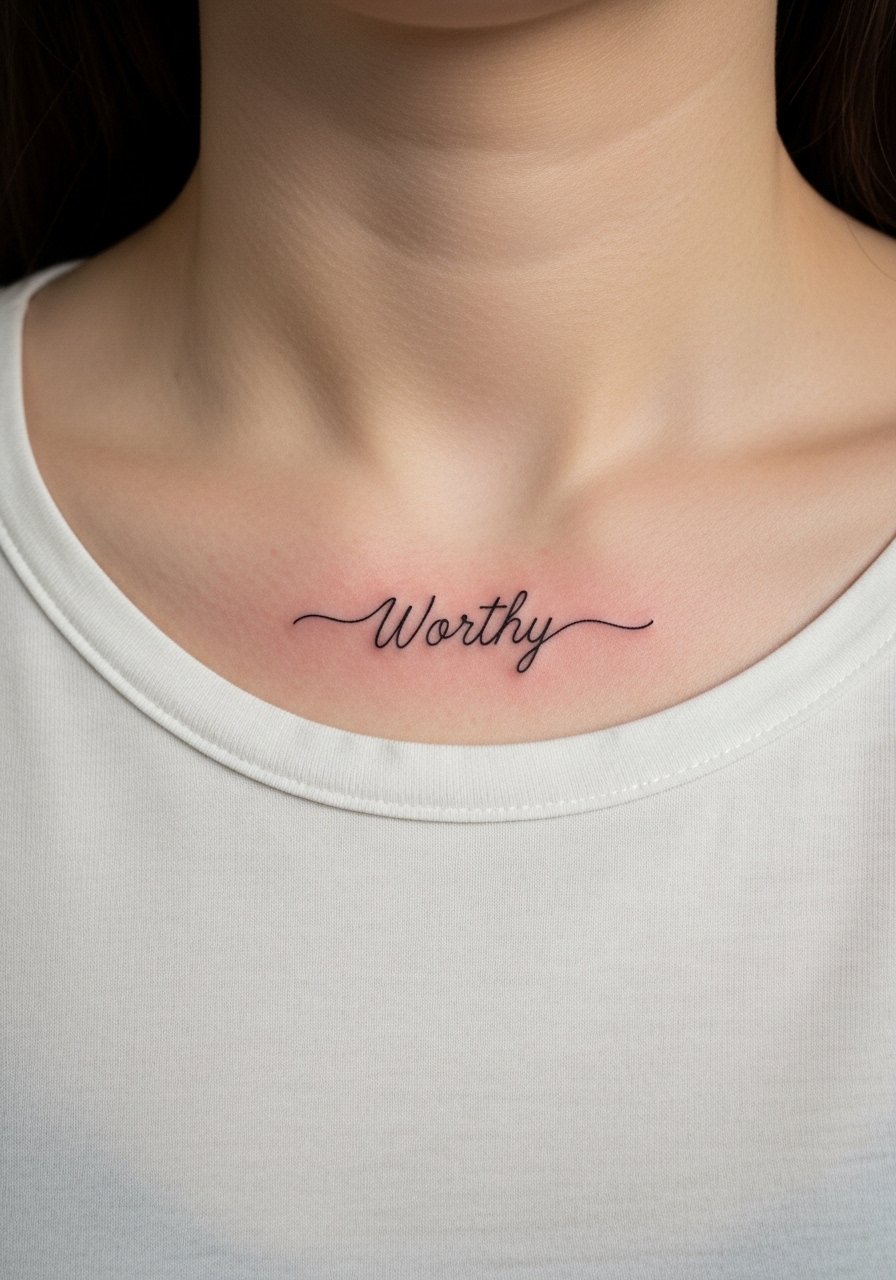
A single-word script along the collarbone reads strong and discreet. The collarbone edge is bony so the session stings more than fleshy areas. The big mistake is requesting ultra-thin strokes that disappear against clothing friction. Ask for slightly increased line weight and confirm exact placement with the shirt you plan to wear most days. Pair it with a thin chain pendant necklace so the word sits naturally in your outfits. Expect need for a touch-up around year two if you expose it frequently to sun and saltwater.
16. Dot-Work Mandala Band, Upper Arm
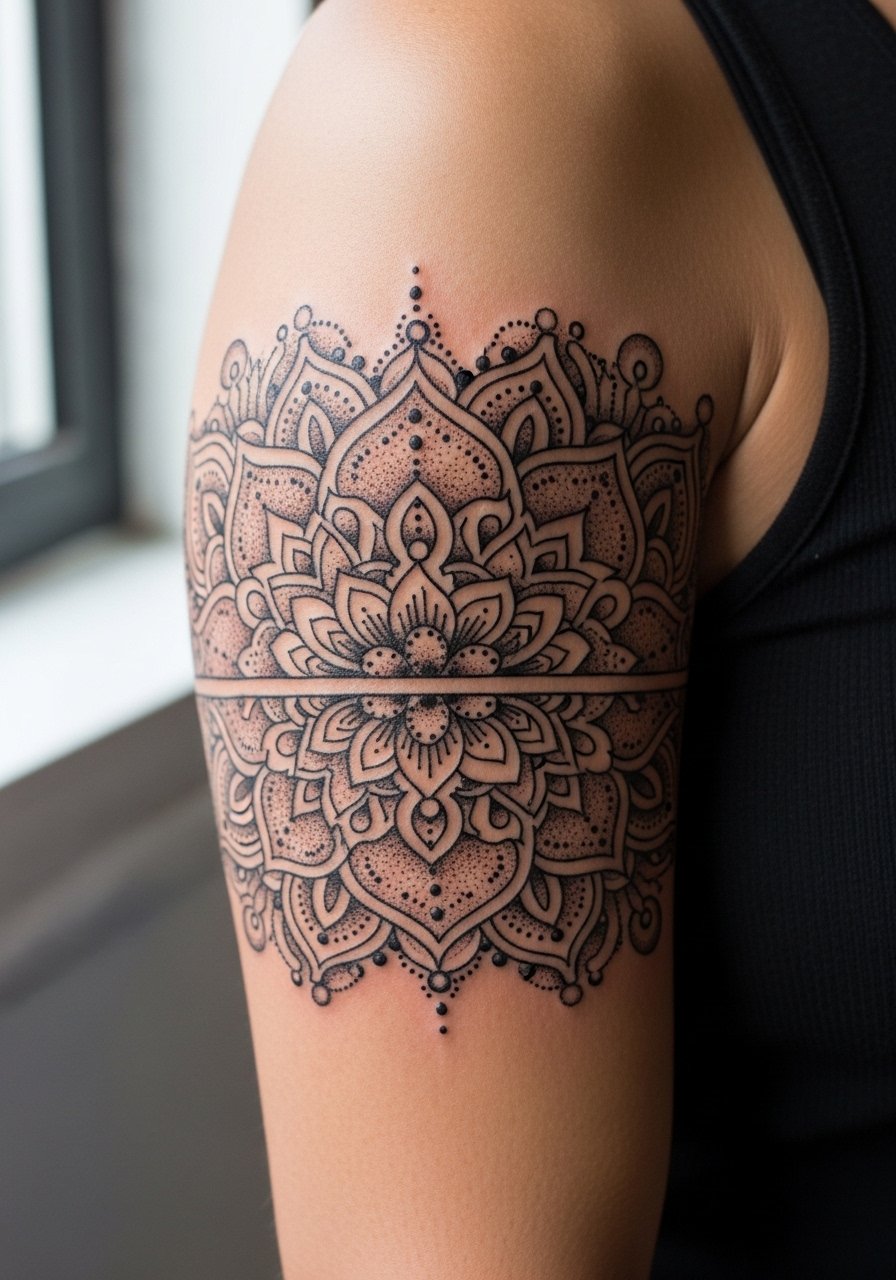
A stippled mandala band uses dot work to build texture and it holds on upper-arm skin because of lower movement and thicker dermis. The common error is packing dots too tightly in a thin band which leads to muddy shading. Tell your artist you want negative space between major motifs and a clear top and bottom edge so the band reads at distance. Session time is moderate and tends to be comfortable. Touch-ups are rare if the stipple density is planned for aging.
17. Micro-Realism Petal Cluster, Thigh
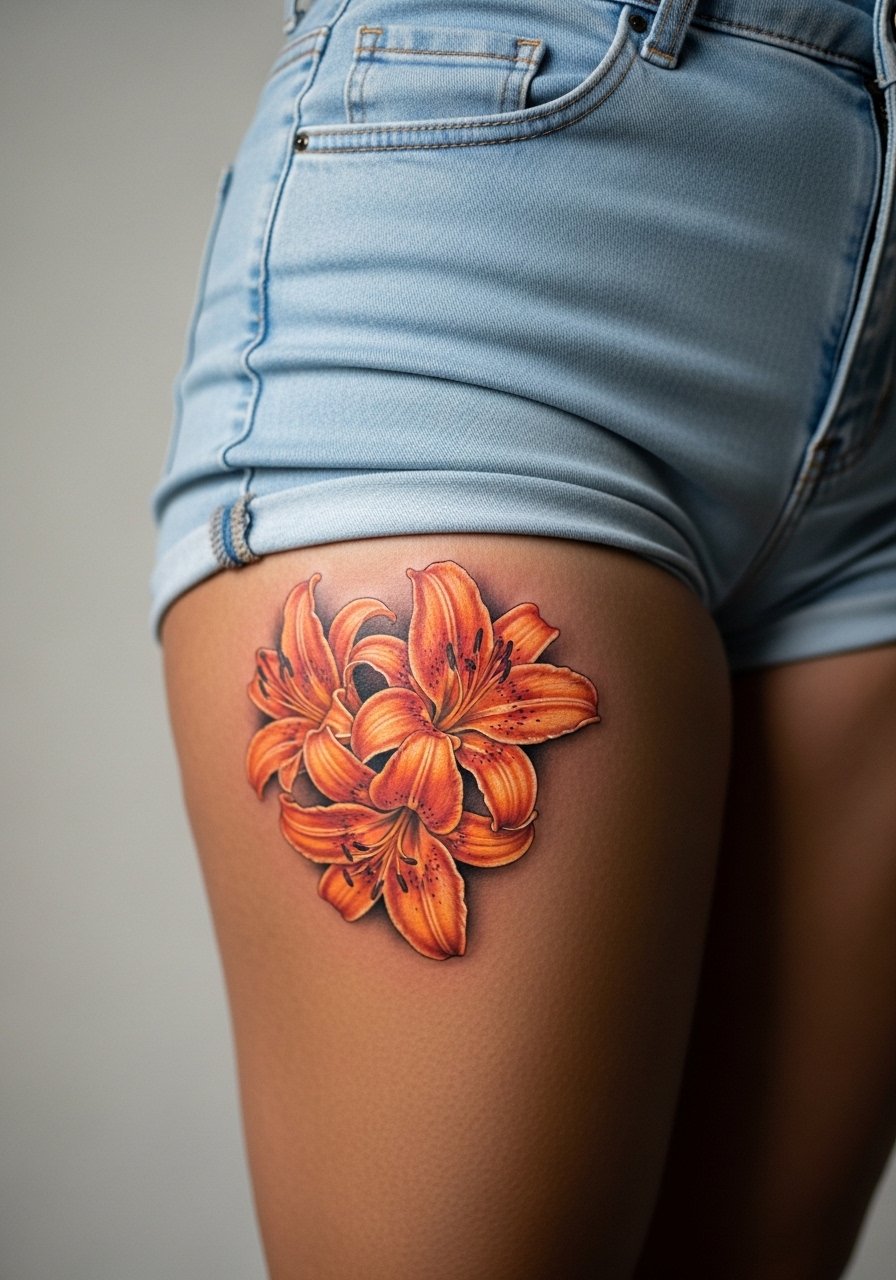
Micro-realism petals on the thigh use close shading to create three-dimensional depth and look excellent on darker tones when contrast is respected. The thigh is low pain and heals reliably. The usual mistake is requesting tiny high-contrast highlights that fade into skin texture; ask for mid-tone emphasis and subtle highlights so the petals read at arm's length. Wear loose shorts to your session so the artist can work without pulling fabric. Expect the realism to stay legible with occasional spot touch-ups.
18. Small Constellation Wrist Tattoo
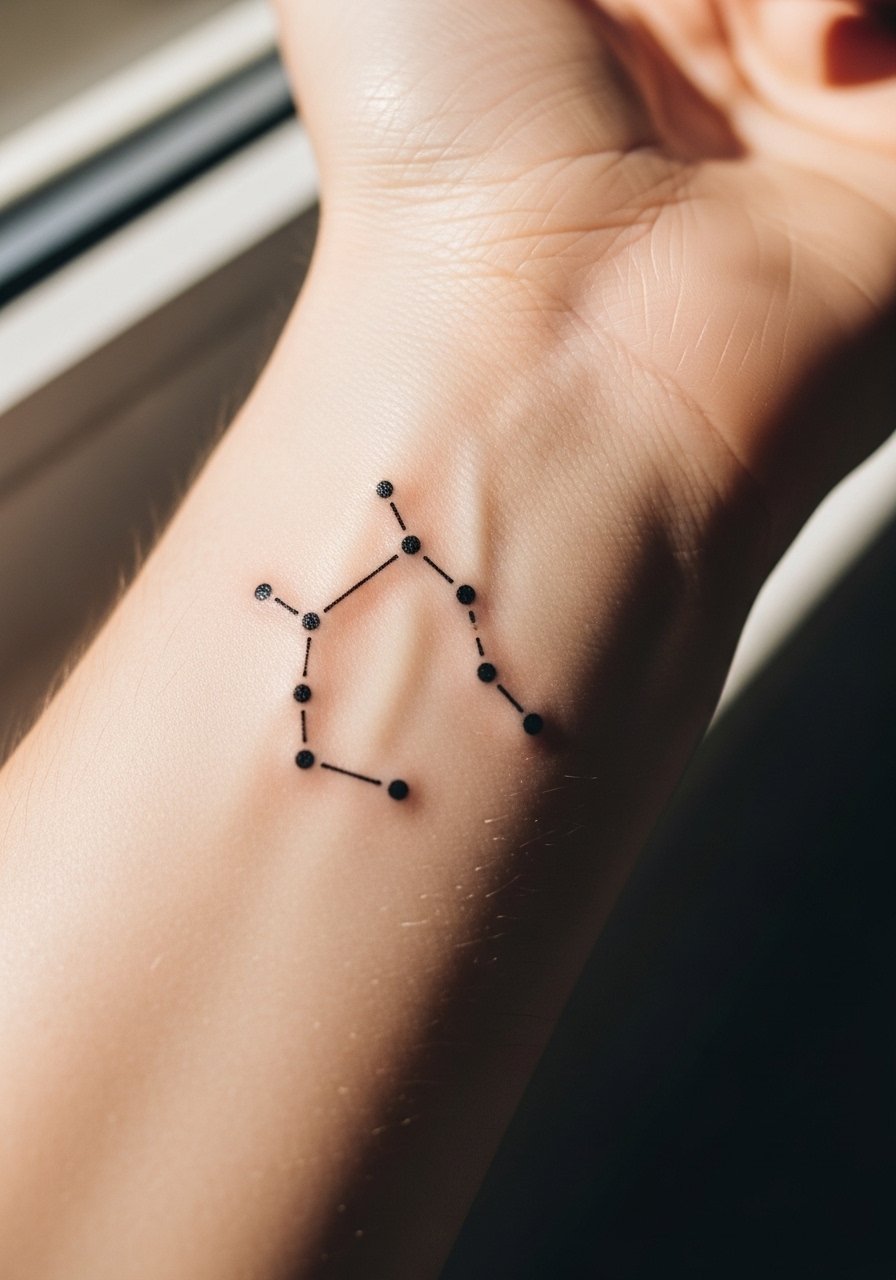
Constellation placements on the wrist give a tiny symbolic set of dots that age similarly to other fine line wrist work. The common mistake is asking for dots so small they spread into tiny smudges by year two. Ask for slightly larger dot sizes and spaced connectors so the pattern keeps clarity. Pair with a dainty bracelet stack to keep attention balanced on the wrist. This style usually needs a light touch-up after a couple of years if you often wash your hands.
19. Small Lock-and-Key Ankle Detail
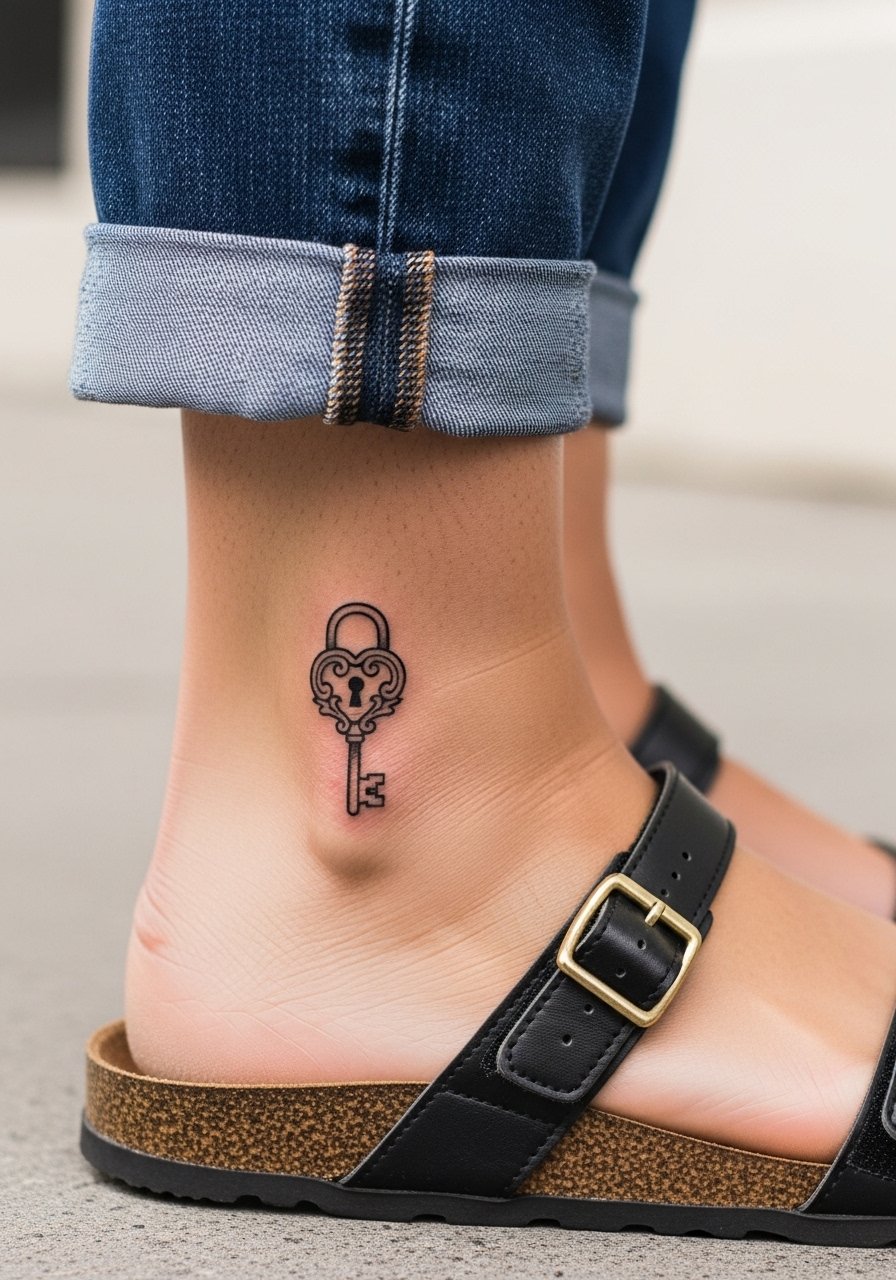
Tiny lock-and-key motifs work well as discreet personal icons at the ankle where jewelry would normally sit. Avoid placing the key too close to the bone where shoe straps rub. Ask for a compact but slightly elevated position to avoid friction. Cuffed jeans and summer espadrilles show this area nicely; try a simple espadrille flats women look when you want it visible. Healing can be slower if you wear closed shoes immediately after the session.
20. Stippled Mini Portrait, Sternum Edge
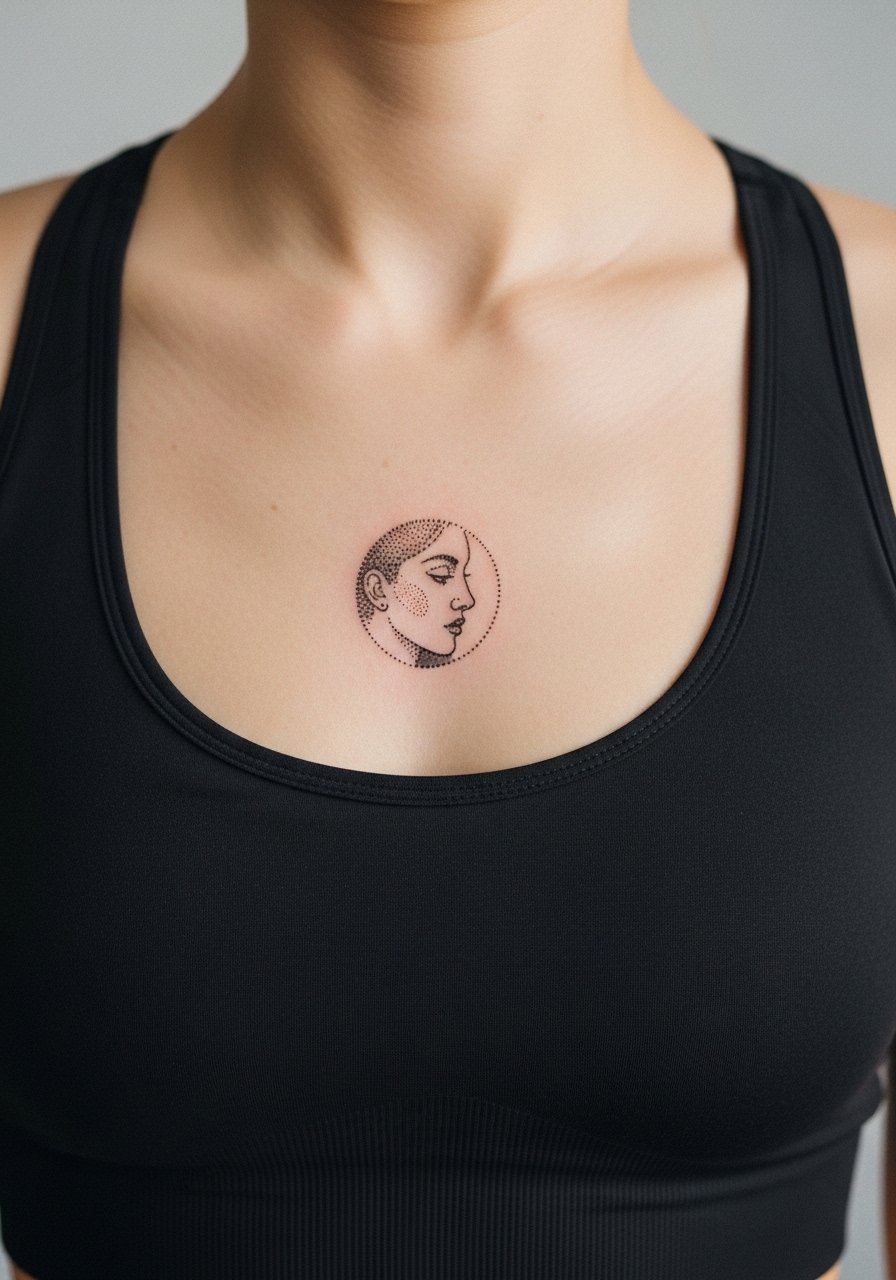
Sternum-adjacent pieces are intimate and require a focused session and careful aftercare. The common error is wanting high-contrast portrait detail at a size too small for the canvas. Ask your artist to map the portrait on your body with a stencil and agree on scale before ink. Because of location, wear a fitted sports bra to the appointment so the artist can work within clothing boundaries. Expect tenderness when lying down for a few nights and a higher chance of color softening if you expose the area to sun later.
21. Mirror Pair Butterflies, Upper Back Shoulders
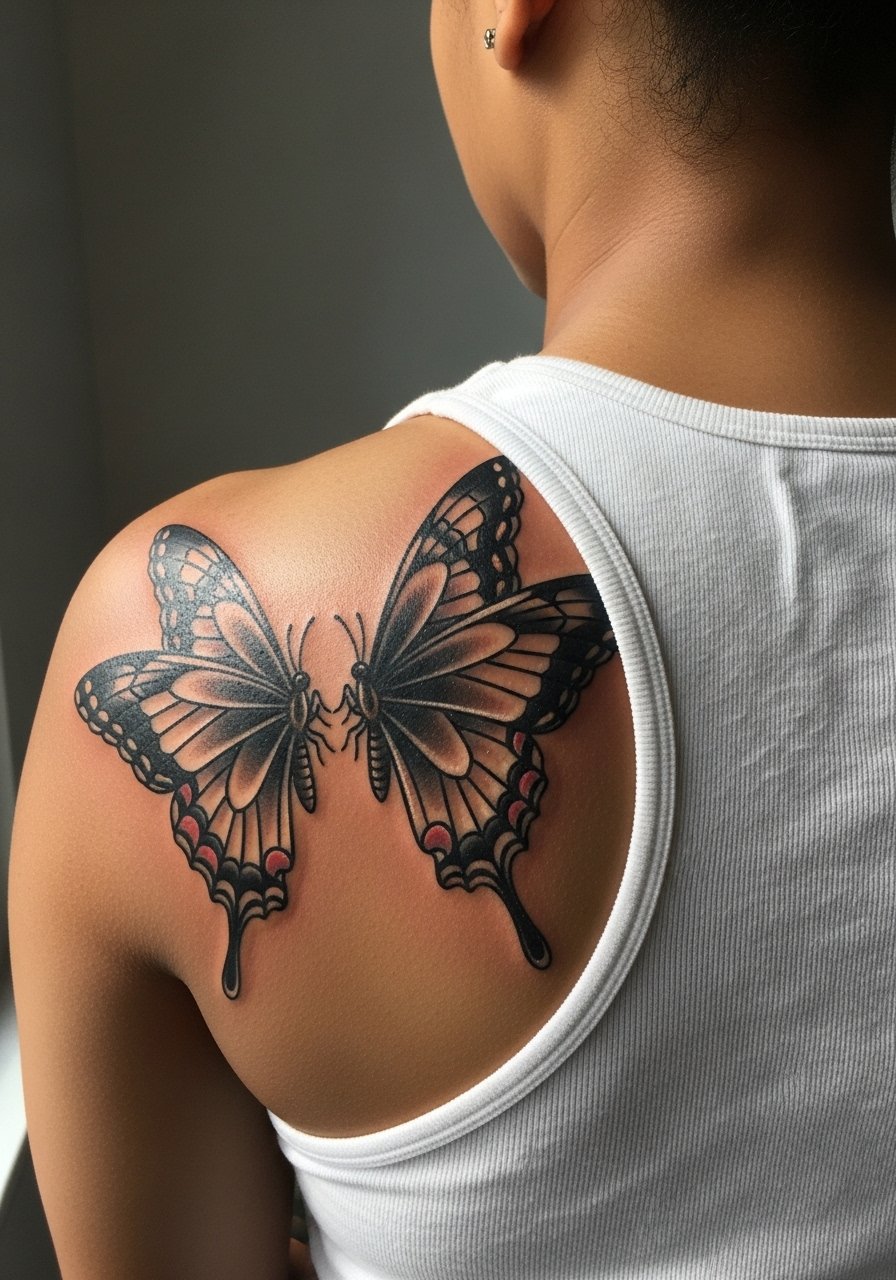
Mirrored butterflies on the upper back read as a balanced, seasonal statement and age well when the outlines are strong. The classic mistake is over-detailing the wing interiors and then not accounting for the shoulder blades' movement. Ask for bold outer lines and simplified internal shapes to preserve clarity over time. For showing off, an open-back dress or racerback tank displays the symmetry well. Touch-ups are uncommon if the initial saturation is solid.
Frequently Asked Questions
Q: Will fine line wrist scripts like the "Love Yourself" piece blur faster than bolder wrist tattoos?
A: Fine line scripts can soften sooner because the wrist sees frequent washing and sun exposure. If you want longevity, ask for slightly heavier single-needle weight and spaced letters. Plan a touch-up around year two to three rather than assuming permanent crispness.
Q: My ribcage tattoo idea scares me because of pain. Do numbing creams help or hurt the outcome?
A: Artists are split on numbing. One camp uses topical numbing to make long ribcage sessions bearable. The other camp says numbing masks how the skin reacts and can change saturation. Discuss pros and cons with your artist, and if they prefer dry sessions, follow their guidance for the best healed result.
Q: Are watercolor neck pieces harder to keep visible on medium and darker skin tones?
A: Pastels can be less readable on darker tones if contrast is low. Ask for small black anchors or tiny outlines to hold the color and choose a palette with slightly stronger midtones. Regular sun protection helps keep the color from fading faster.
Q: How often do ornamental ankle wraps need touch-ups because of shoe friction?
A: Ankles face a lot of rubbing. If the wrap sits where shoes or straps touch, expect touch-ups sooner. Position the wrap a few millimeters higher or ask for slightly bolder outlines to extend the interval between touch-ups.
Q: Can I wear normal clothes to a collarbone or sternum session, and what should I bring?
A: Yes, bring clothes that expose the area without full exposure. For collarbone work use a wide-neck shirt you can pull aside. For sternum wear a fitted sports bra or bandeau the artist can work around. Pack a loose top to change into afterward for comfort.
Q: Where should I look for more references and healed photos that match my skin tone and style?
A: Browse hashtags like #SelfLoveTattoo and #FineLineSelfLove on Instagram, search the Tattoodo app by style and location, and check Reddit r/tattoos for city-specific healed photos and guest spot recs. These discovery paths surface a range of healed examples across skin tones so you can set realistic expectations.