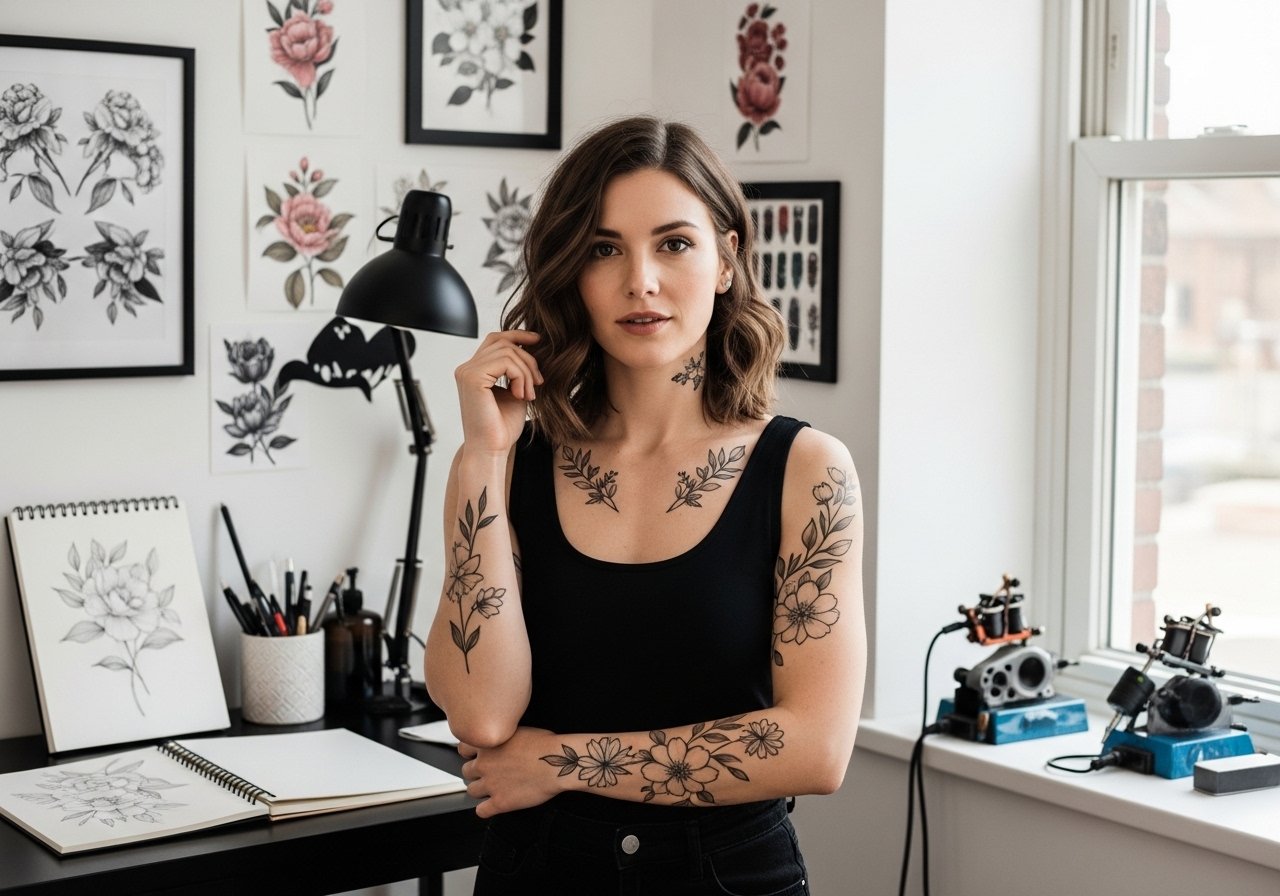
Fine line shoulder trends look flawless in photos, but real-life wear tells a different story. What reads delicate on a phone often needs spacing and the right placement to avoid merging after a year. If you want matching shoulder ink that still reads as two distinct pieces after sweat, gym months, and summer sun, these designs focus on flow, scale, and wardrobe pairing so your matching pieces age like a plan rather than a surprise.
1. Tribal Mandala on the Shoulder Cap
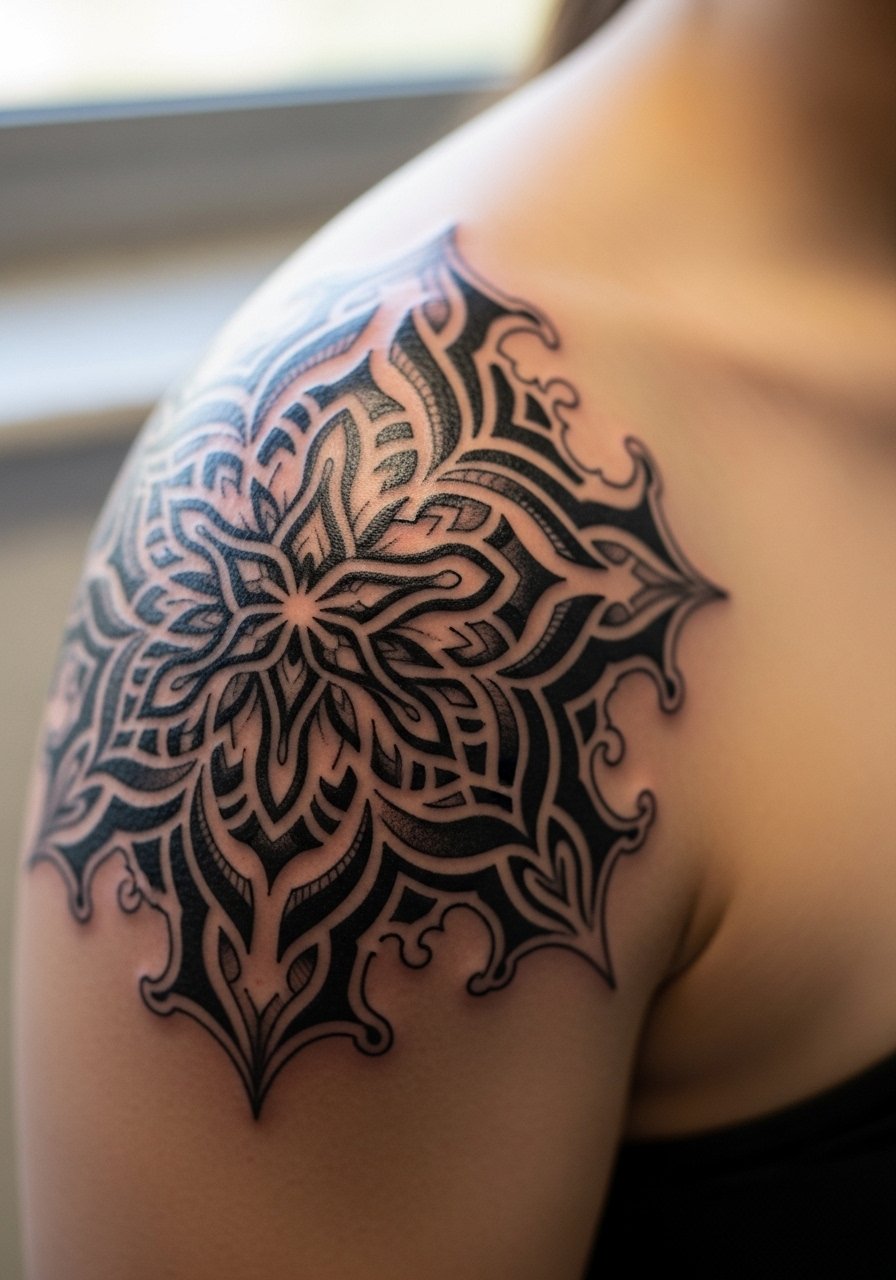
I've seen this one hold up when artists size the gaps between repeats and follow the muscle arc. Recommend a 4 to 6 inch diameter so the pattern breathes with movement. Tell your artist you want the pattern to match the deltoid peak and to avoid tiny filler dots that blur with flexing. Common mistake is shrinking a mandala for symmetry on an iPad, which later compresses when the arm moves. Expect a medium pain level on the cap and one session for most pieces. For showing it off, try a fitted muscle tank that follows the shoulder line and keeps attention on the mandala.
2. Realistic Wolf Head on Upper Shoulder
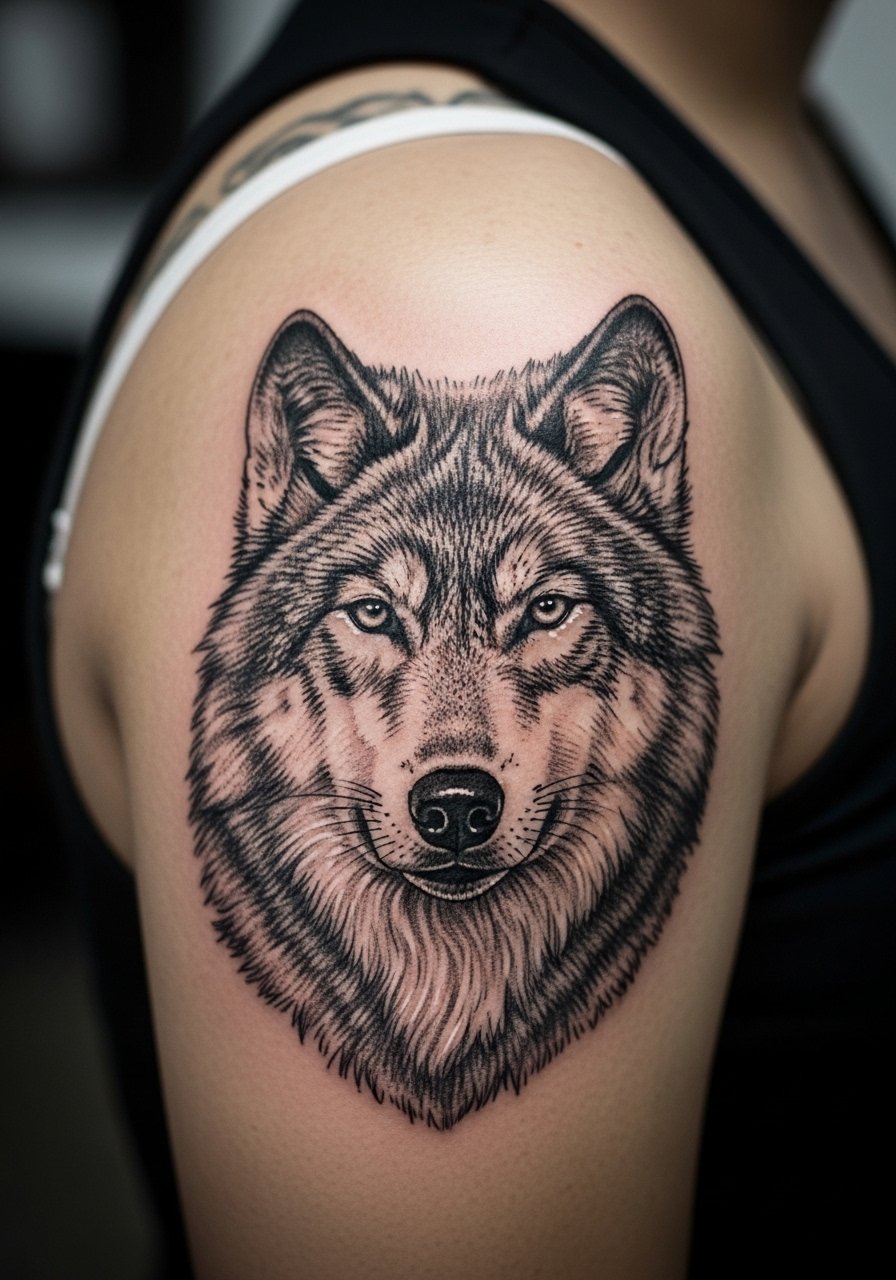
Personal observation lead starts this one. I paid attention to two clients who chose the deltoid center because the curve gives the snout room. Tell your artist to map the eyes to sit away from the peak so expression does not warp with flex. The common aging problem is losing midtone contrast from summer sweat. Expect two to three sessions for saturation and depth. The session feels focused on shading more than linework, so plan an afternoon slot. Pair with an unbuttoned henley shirt for photos that frame the portrait without covering the blade.
3. Neo-Traditional Lion with Crown on the Shoulder Blade
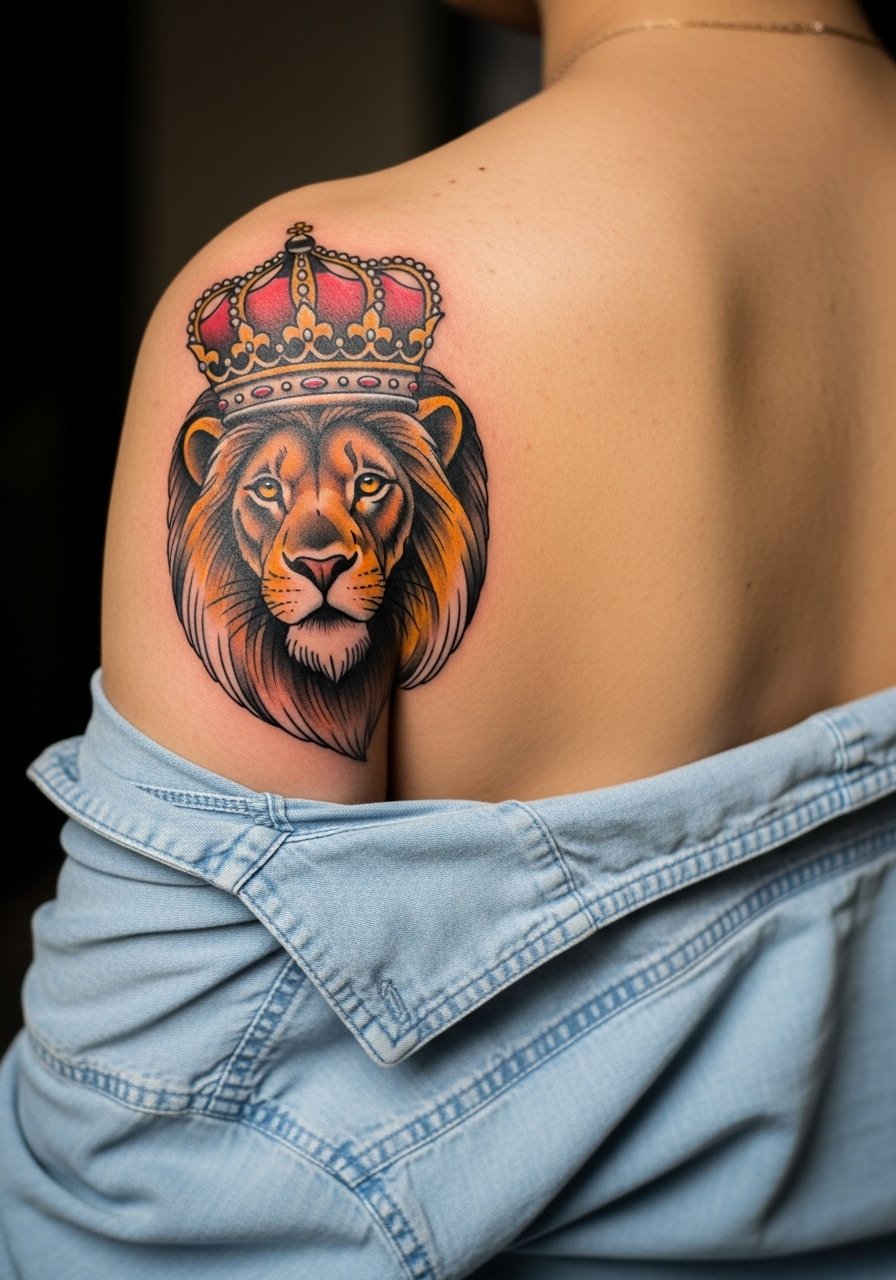
Consultation lead here. When you talk to the artist, bring color swatches and a note on how much negative space you want under the crown. The blade can hide or reveal depending on summer tops, so plan the composition to sit slightly off center of the scapula. A common mistake is packing too many elements into a six-inch span which makes the piece muddy after two years. Pain is lower on the blade than on the cap. For evenings out, pair the design with an open-back midi dress or an open back shirt for men to show the artwork without distortion.
4. Fine Line Arrow Cluster on the Front Shoulder

Mistake lead for this one. The biggest error is doing a cluster too small. Fine line pieces need breathing room on active skin or the separate arrows start to merge. Ask for slightly heavier line weight than the thinnest reference and 3 to 4 inch spacing between motifs. Expect a single session and noticeable fading by year two if exposed to sun and friction. Artists split on whether ultra-fine work holds on shoulders. One camp says fine line can last with perfect depth and spacing. The other camp warns it blurs in 6 to 12 months on mobile areas. Ask your artist which camp they work in before booking. Show it off with an off shoulder sweater that lets the arrows peek through.
5. Blackwork Geometric Armor Plate on the Cap
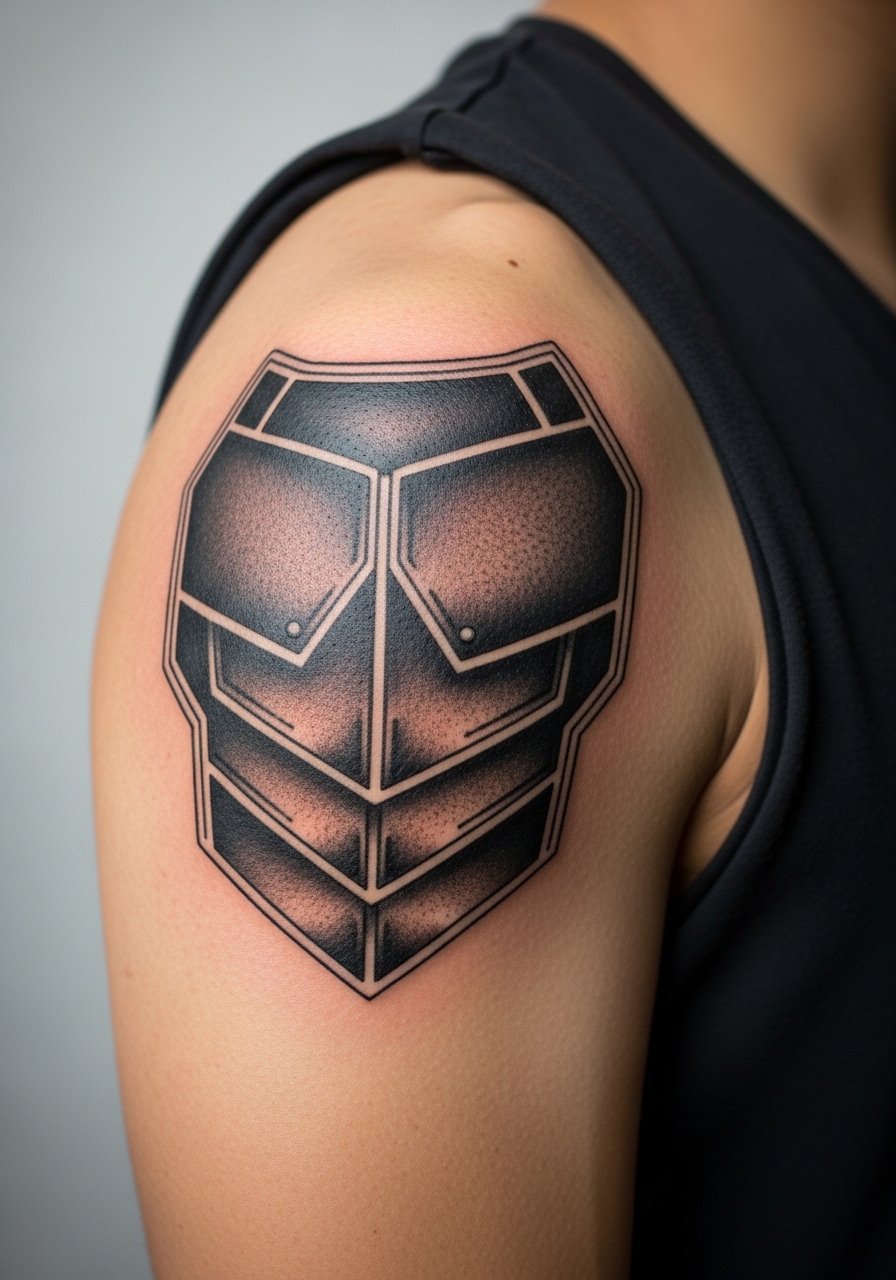
Visual impact lead. This style uses saturation and large planes to mimic muscle contours so the design reads from a distance. Tell the artist you want crisp negative shapes to avoid a filled-in blob after movement. The session is typically one to two visits depending on saturation. A common mistake is trying to miniaturize an armor plate to fit small shoulders. If you lift weights, this design holds better than fine line because the solid fields age into a visual block rather than fading into noise. For casual wear, a black athletic tank top men highlights the cap without interference.
6. Traditional Anchor with Rope, Shoulder-to-Arm Wrap
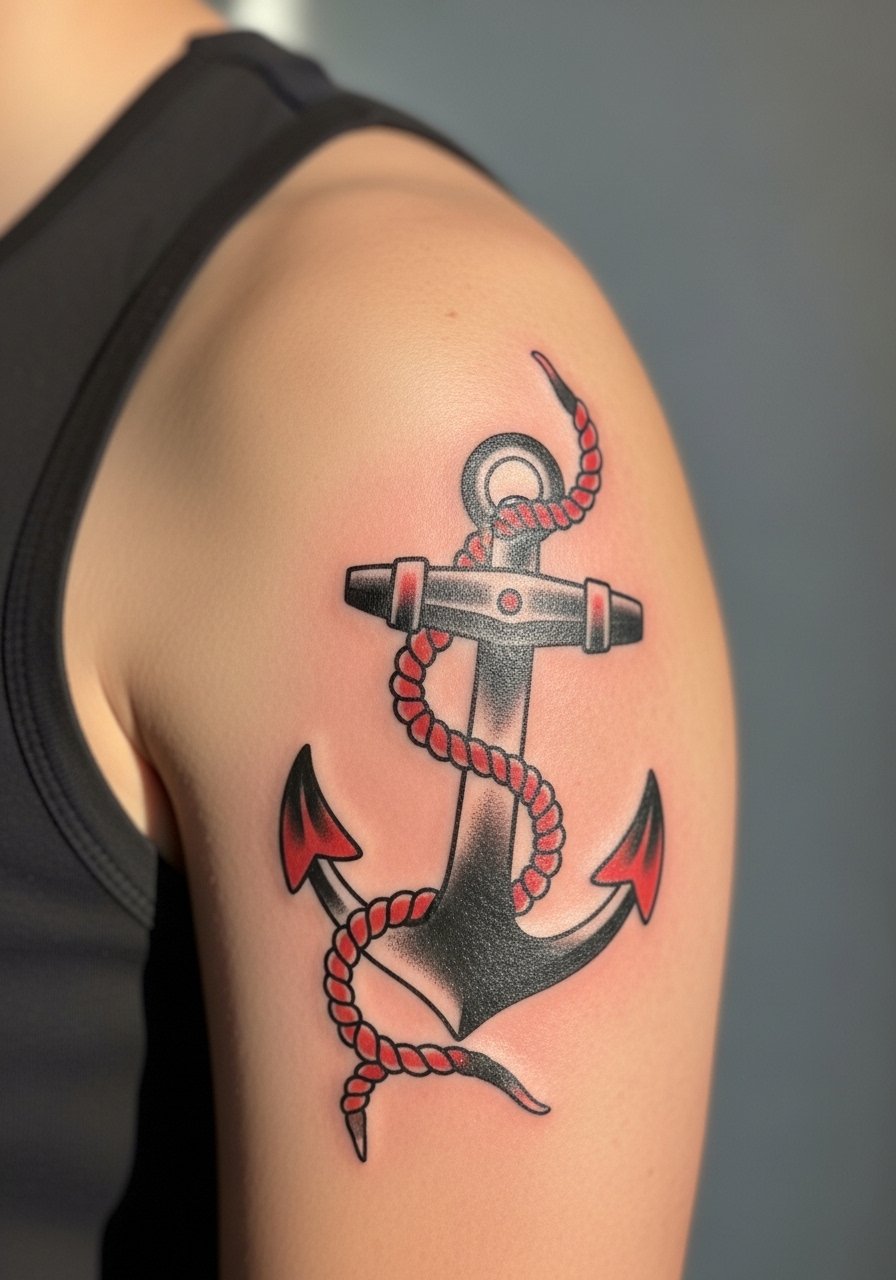
Consultation lead here. When you plan the wrap, ask your artist where the rope should meet the arm so a sleeve extension later does not break the flow. The wrap protects against looking like two separate pieces when you move. Mistake is ending the wrap too high on the cap which makes the anchor look floating. Expect two sessions for linework and color. This design pairs well with a rolled sleeve chambray shirt with sleeves pushed up to frame the rope transition during summer.
Pre-Session Essentials
The cap and blade pieces above need different prep from chest-connected tattoos, so a few smart buys smooth the session and the first week.
-
Kinship tattoo ointment. A non-greasy balm many people use during the initial heal on shoulders that sweat, which helps prevent the gooey film some report with heavier salves.
-
Australian Tea Tree Ink Fix balm. Thin texture so it soothes inflamed blade areas without the heavy residue that traps sweat.
-
Green Sheep second skin alternative. Forum users praise it for curved shoulders since it stays put without edge lift on the deltoid.
-
Indie Lotion Lab unscented balm. A lightweight, unscented option for humid climates where thicker products can clog pores.
-
Second Skin protective film. Breathable protective film for the first 24 to 48 hours on moving areas like the cap and wrap to limit friction during showers and gym visits.
7. Watercolor Phoenix Rising from the Shoulder
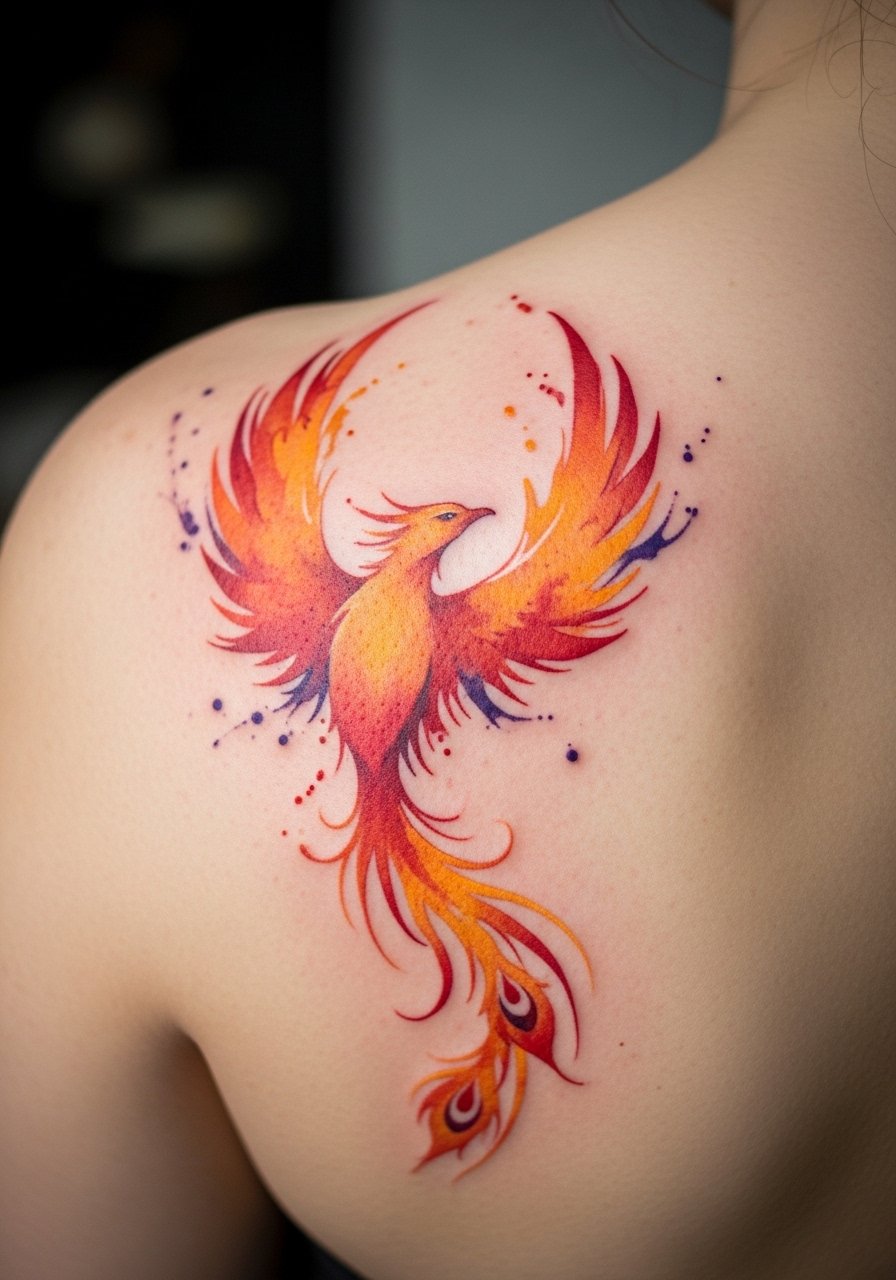
Aging and healing lead. Watercolor wings read beautifully fresh but can soften faster on shoulders exposed to sun. To keep the color motion, ask for a slightly bolder outline where the feathers meet the cap so detail remains when pigments diffuse. Expect multiple sessions for layering and touch-ups at year two as colors shift. The session involves longer shading time which feels warmer on skin. For show-off pieces, a scoop neck tank or a halter top highlights the rising motion without covering the wings.
8. Minimalist Compass Rose on the Deltoid Peak
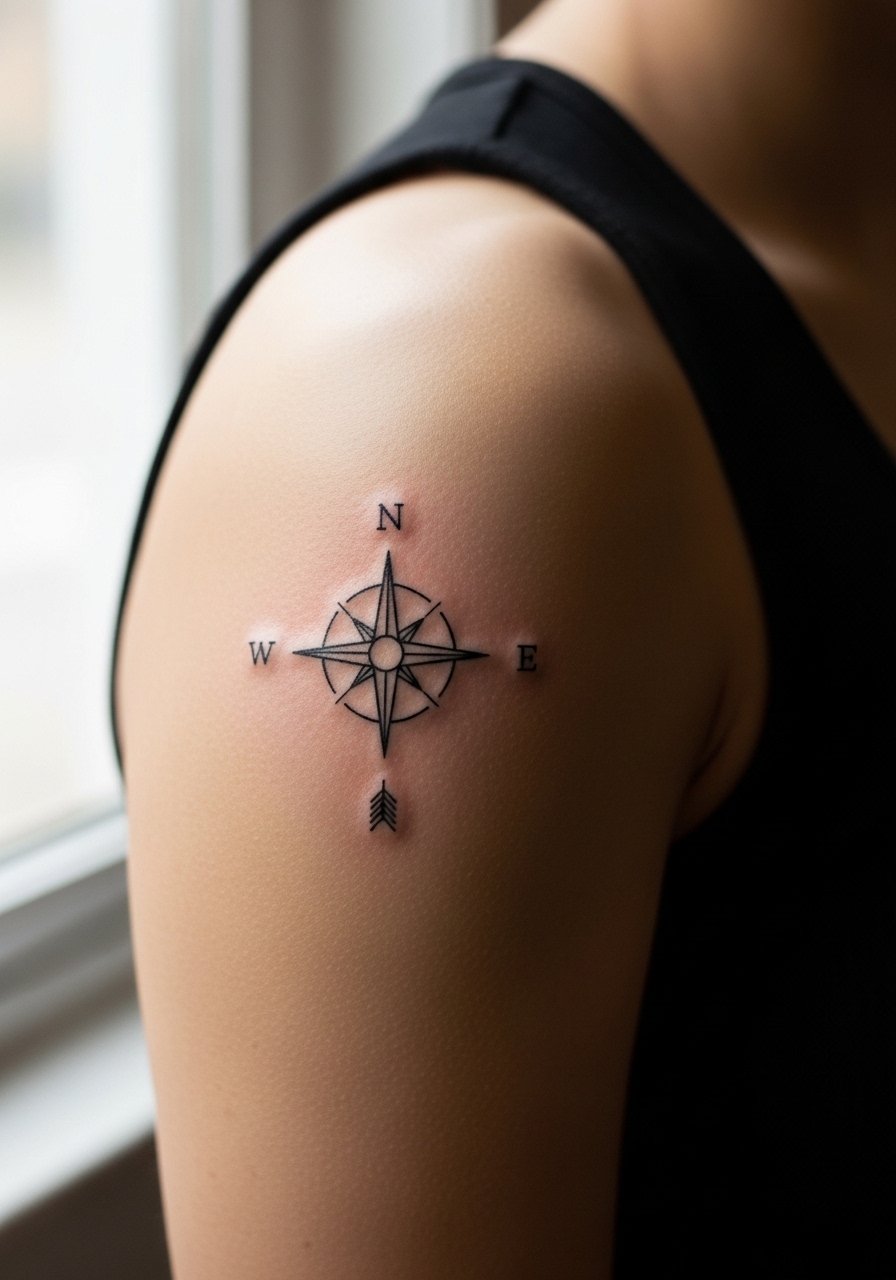
Mistake lead. People often ask for a dot size that is too small which makes the cardinal points blur after a year. I recommend a 2 to 3 inch piece with slightly heavier line weight than the thinnest reference. This placement is low pain and quick in one session. The compass ages better if centered on the peak rather than shifted toward the chest. For daytime outfits try a v neck t shirt men that frames the motif without overlap.
9. Ignorant Style Skull with Flowers, Shoulder Wrap
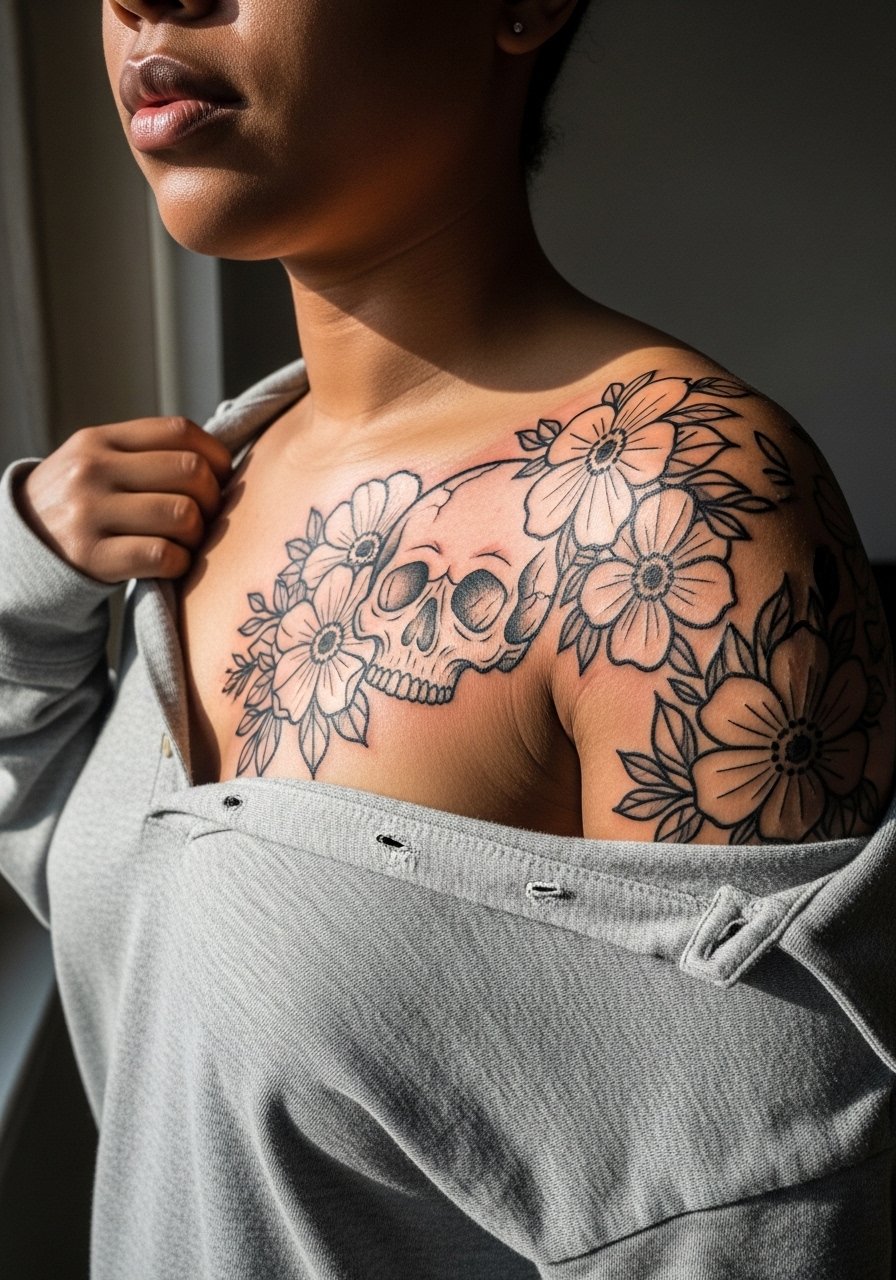
Mistake lead for edgy work. Ignorant style lives in heavy naive lines, but when a wrap crosses the chest the chest movement can distort facial placement. Ask the artist to stagger elements so the skull is primarily on the cap and the flowers carry onto the chest. Expect two sessions. For session wear bring a loose button-down shirt you can pull aside for chest access without smearing ink.
10. Ornamental Mandala Wings on the Blade
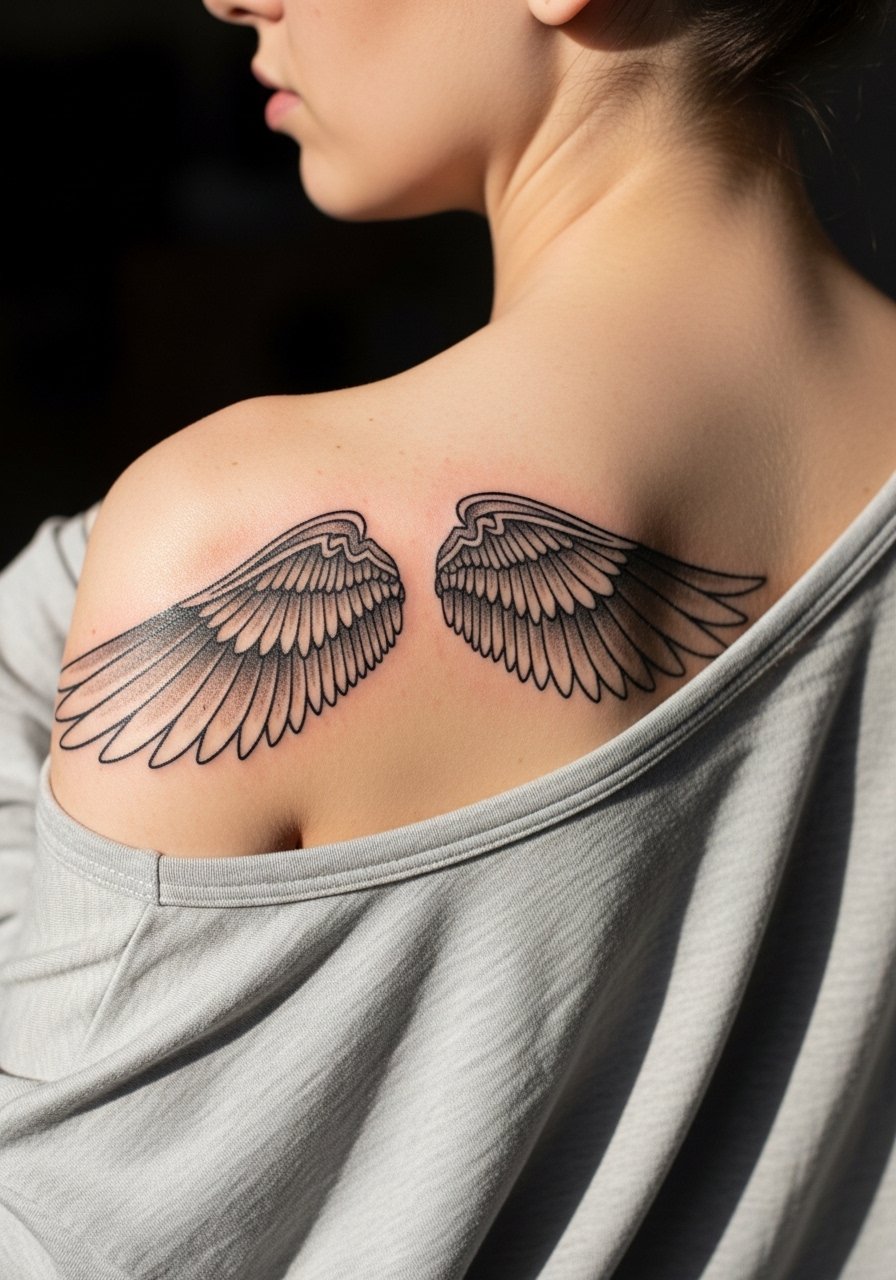
Aging lead. These pieces frame the back beautifully but dense linework packed too small fills in over time. Ask for larger negative pathways between feather motifs and for stipple shading instead of heavy gray fills. The blade tolerates intricate work better than the cap because it sees less flex. A common error is mirroring exact religious patterns without variation. This design pairs well with a backless crop top that shows the span without trimming detail.
11. Dotwork Eagle in Flight Across the Cap
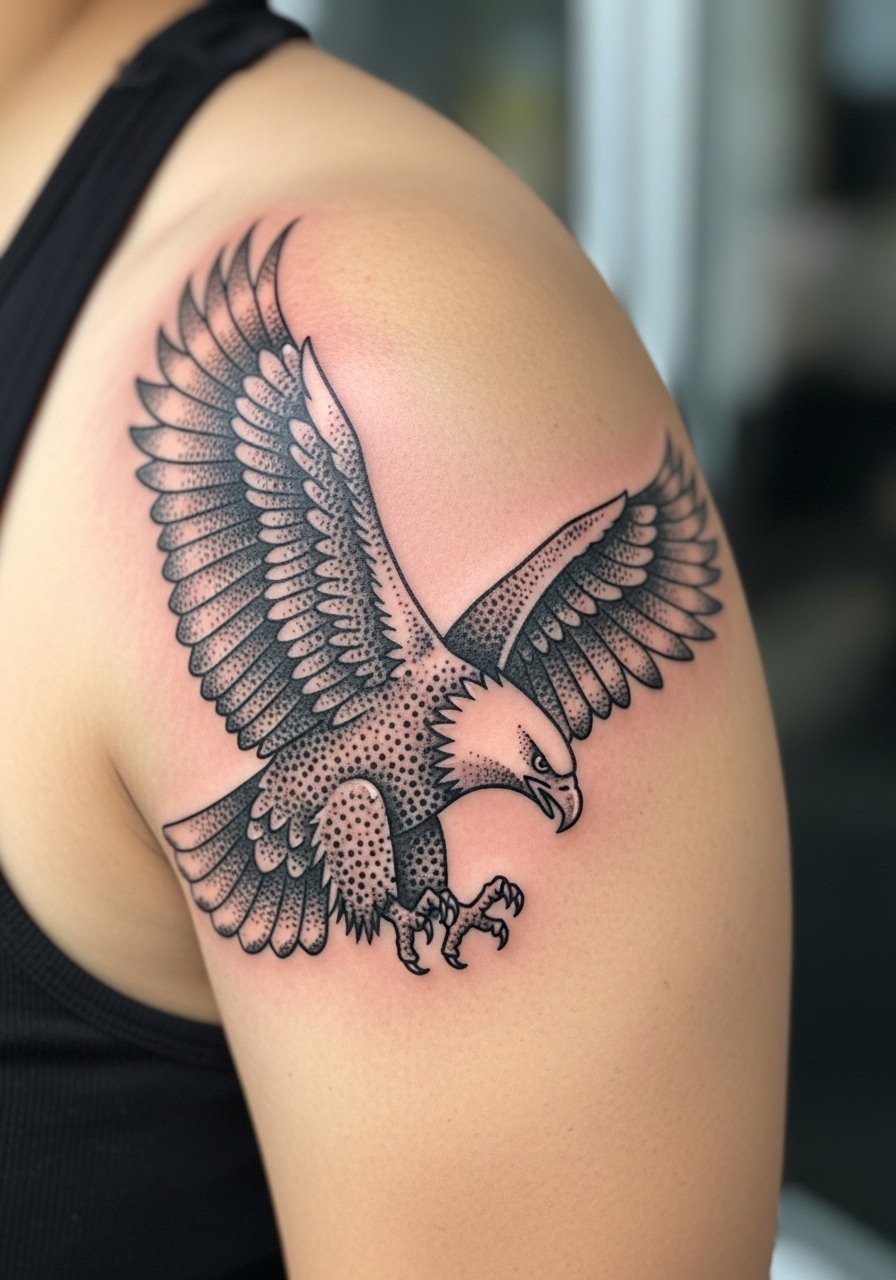
Consultation lead. Dotwork relies on spacing for longevity, so tell the artist you want dot density mapped at different distances from muscle peaks. Dotwork ages into texture rather than a single patch of tone, which helps with visible wear. Expect two sessions to layer the stippling. The shoulder cap in flight benefits from a sleeveless muscle tee to keep the wings visible without covering them.
12. Neo-Traditional Skull with Roses on Front Shoulder
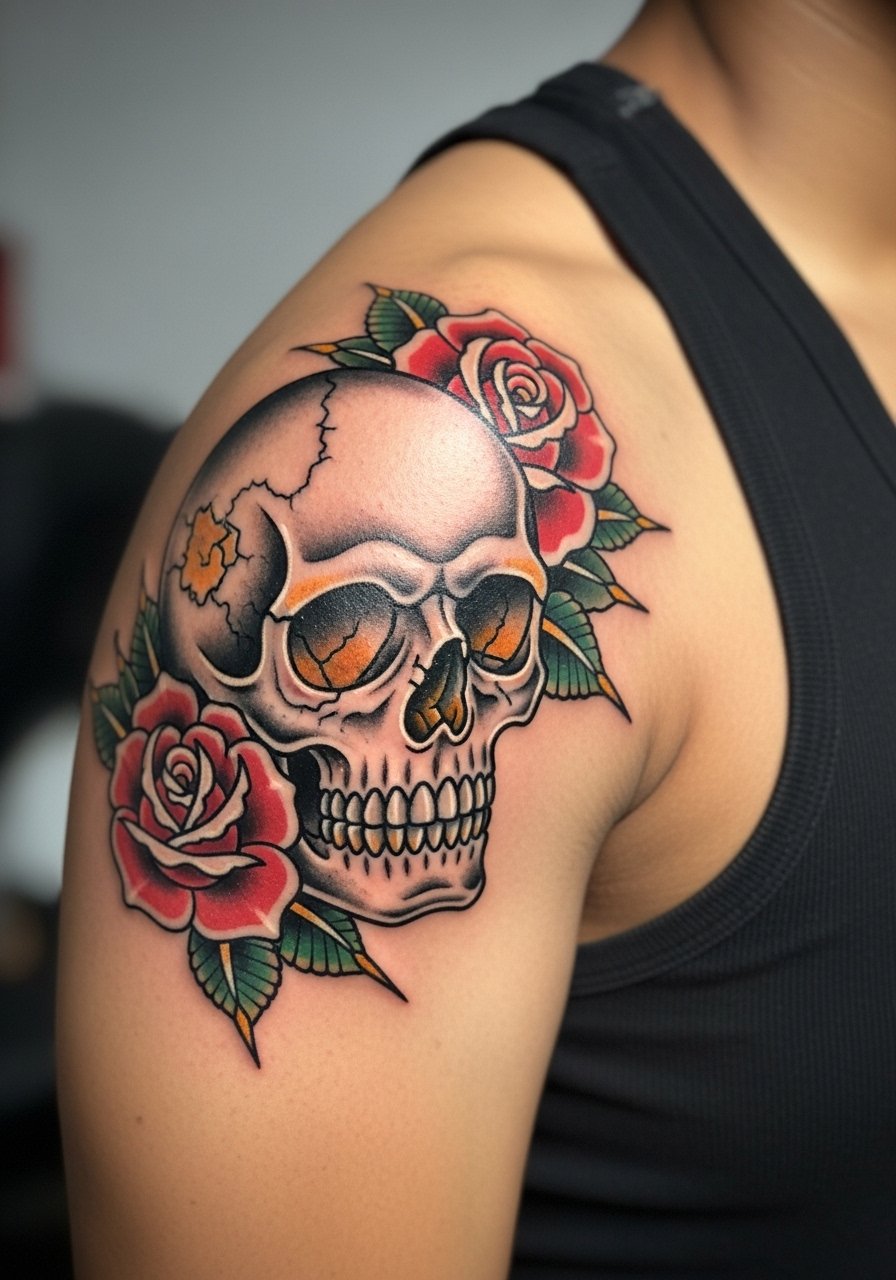
Personal observation lead. This style balances color saturation with clear outlines so the roses retain shape over time. A common mistake is over-detailing the petals in a tight space. Keep it around four inches and let the skull sit slightly offset so the rose shapes rest on the curve. Expect two sessions and moderate discomfort along the deltoid edge. Pair with a sleeveless muscle tee or an unbuttoned henley that frames the piece.
13. Matching Mirrored Minimal Symbols on Both Blades
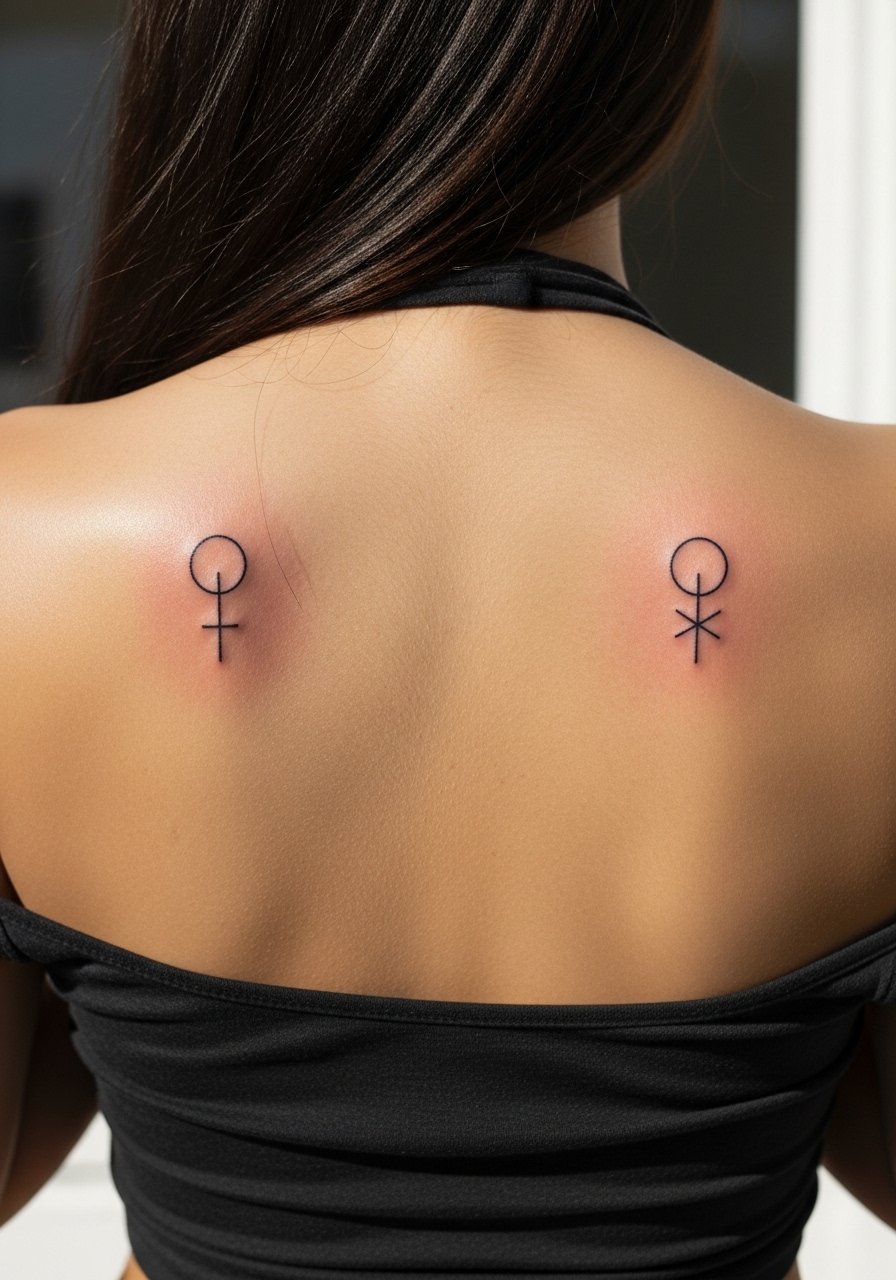
Decision-pressure lead. Matching sibling or partner pieces on each blade require mirrored spacing during stencil placement so the pair reads like a single composition when together. Tell the artist you want the negative space between the symbols to match the shoulder width rather than the plate. These are low pain and quick sessions, but they look wrong if one side is slightly lower. For summers out, pair with a strappy tank women or an open back shirt men.
14. Micro-Realism Animal Pair, Each on a Deltoid Peak
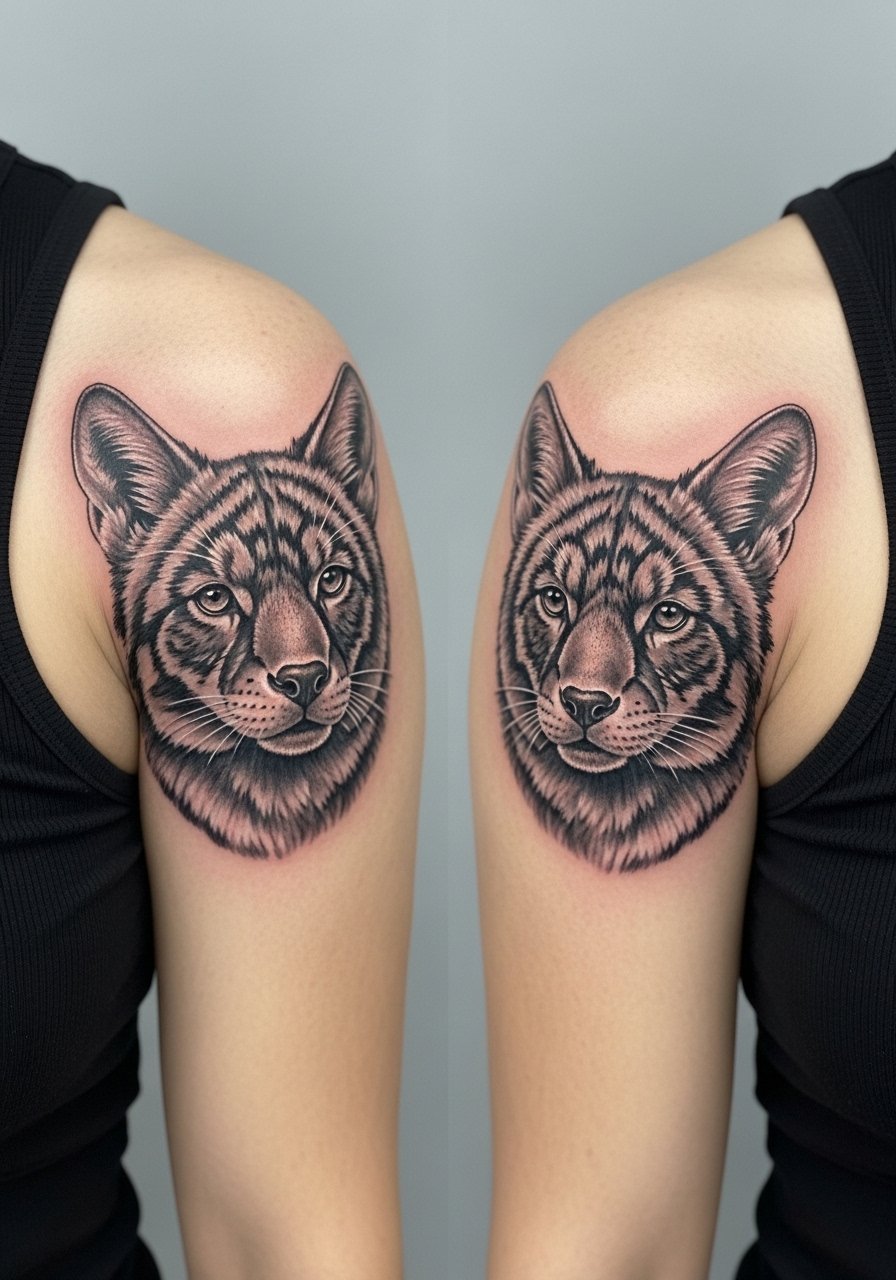
Personal observation lead. Micro-realism demands scale, so make sure each portrait is at least five inches across. The common regret is shrinking a portrait to three inches and losing facial detail. Expect two to three sessions and a higher price. The deltoid peak gives dimensionality that keeps the expression readable when you flex. For session comfort wear a sleeveless hoodie men you can slide off easily without smudging.
15. Matching Compass Halves on Each Shoulder Cap
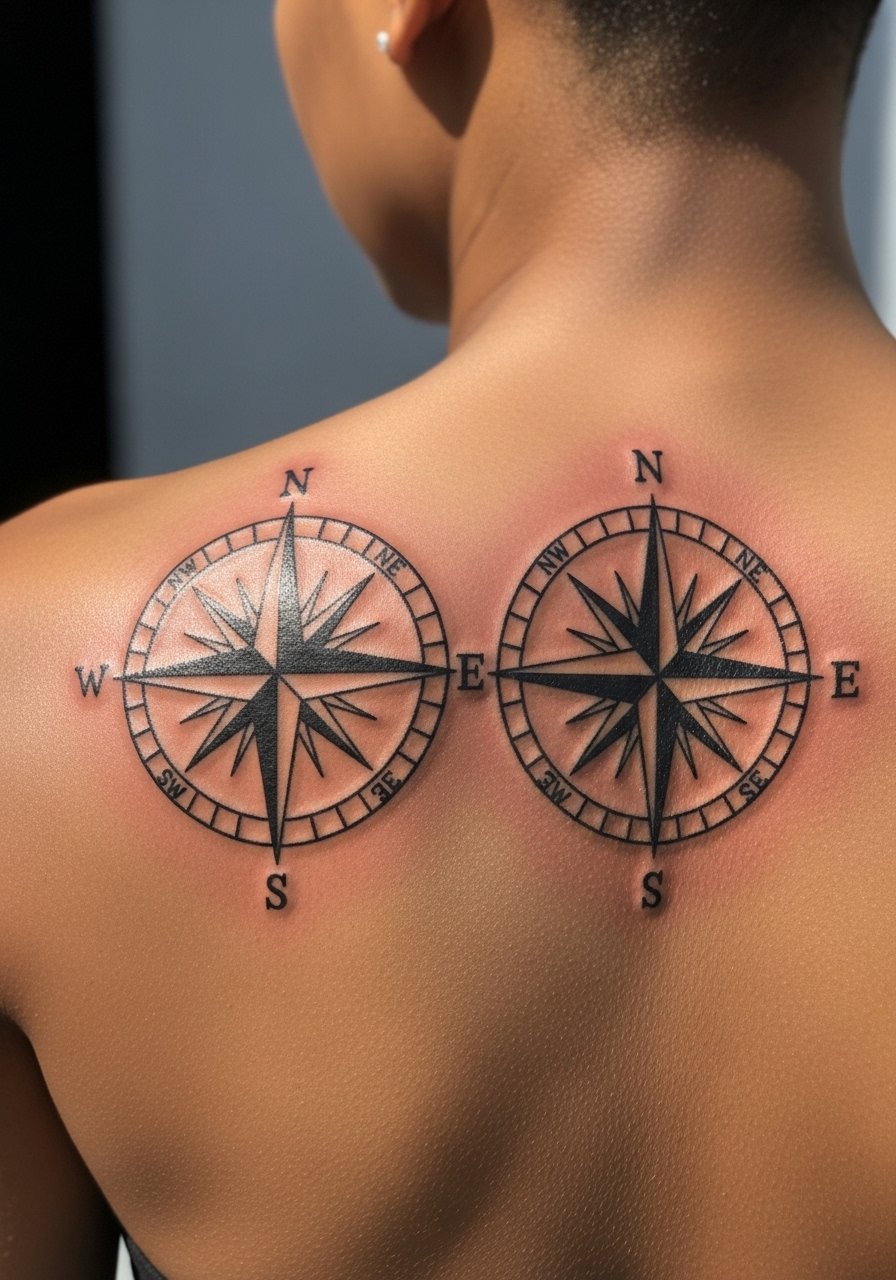
Mistake lead. Alignment is the challenge. Request the artist place stencils with your arms at rest and then with arms pulled inward so the halves meet correctly. The caps give room to breathe but the symmetry must be mocked up in multiple positions. Small line weight changes on each half cause visual drift over time. These pieces are quick but precise. For showing them off wear a fitted athletic tank top men that keeps the shoulder curve clean.
16. Matching Crescent Moon and Sun, Shoulder-Blade Pair
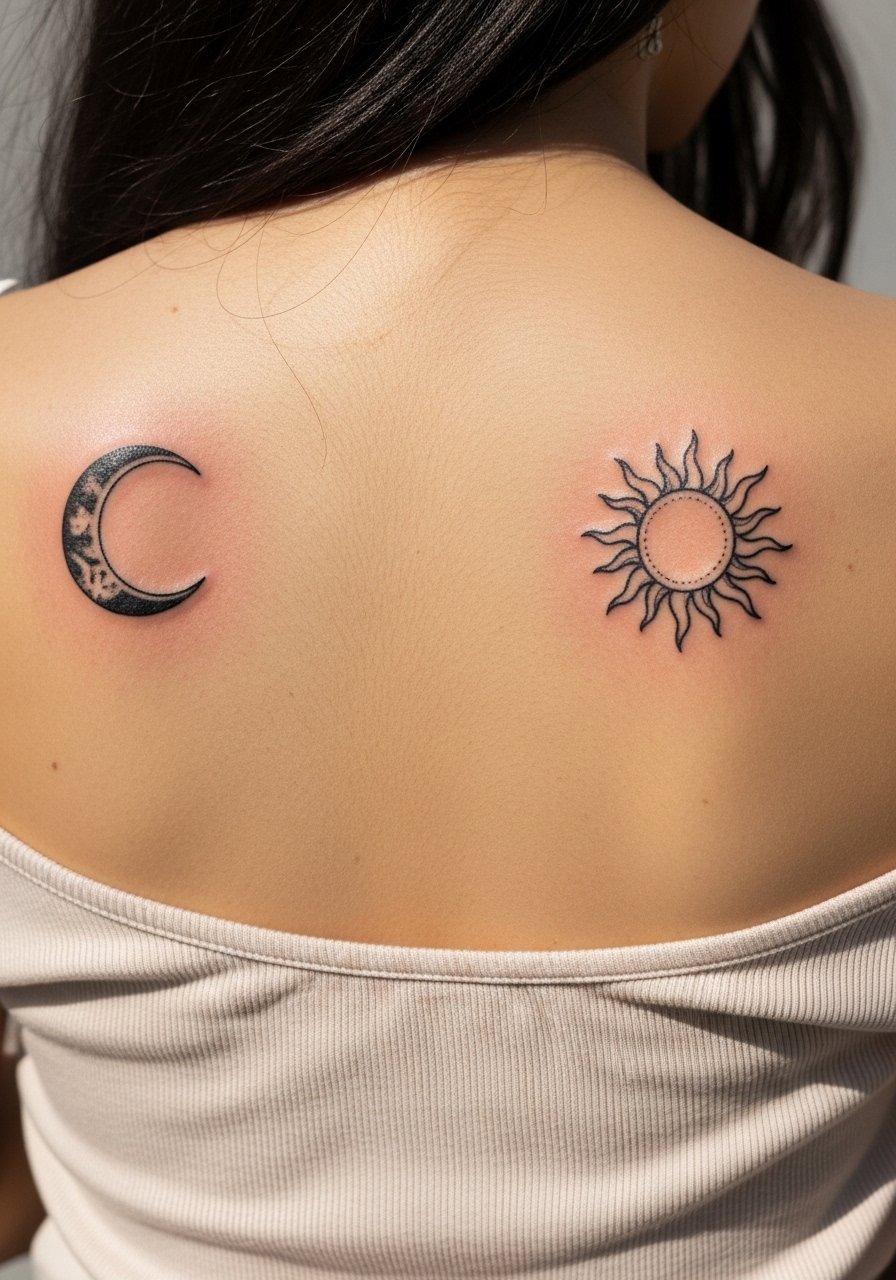
Visual impact lead. Choose slightly different scales so the sun and moon breathe when the back moves. A common mistake is making both identical which flattens the concept. The blade placement means lower pain and better longevity for both icons. If this is a memorial pairing, consider tiny text placement outside the main motif so it does not clutter the symbol. For evenings pick a backless crop top that pairs with the celestial spread.
17. Botanical Vine Mirror, Wrapping Toward Chest

Consultation lead. For wraps that approach the chest, ask the artist where the vine should end so future chest work can integrate. Tiny leaves can blur if placed too close to the sternum edge. Expect one to two sessions depending on length. The skin near the chest moves differently than the cap, so stagger the leaf density. For the session wear a loose tank top you can pull aside without tugging on the vine.
18. Matching Minimal Coordinates on the Deltoid Peaks
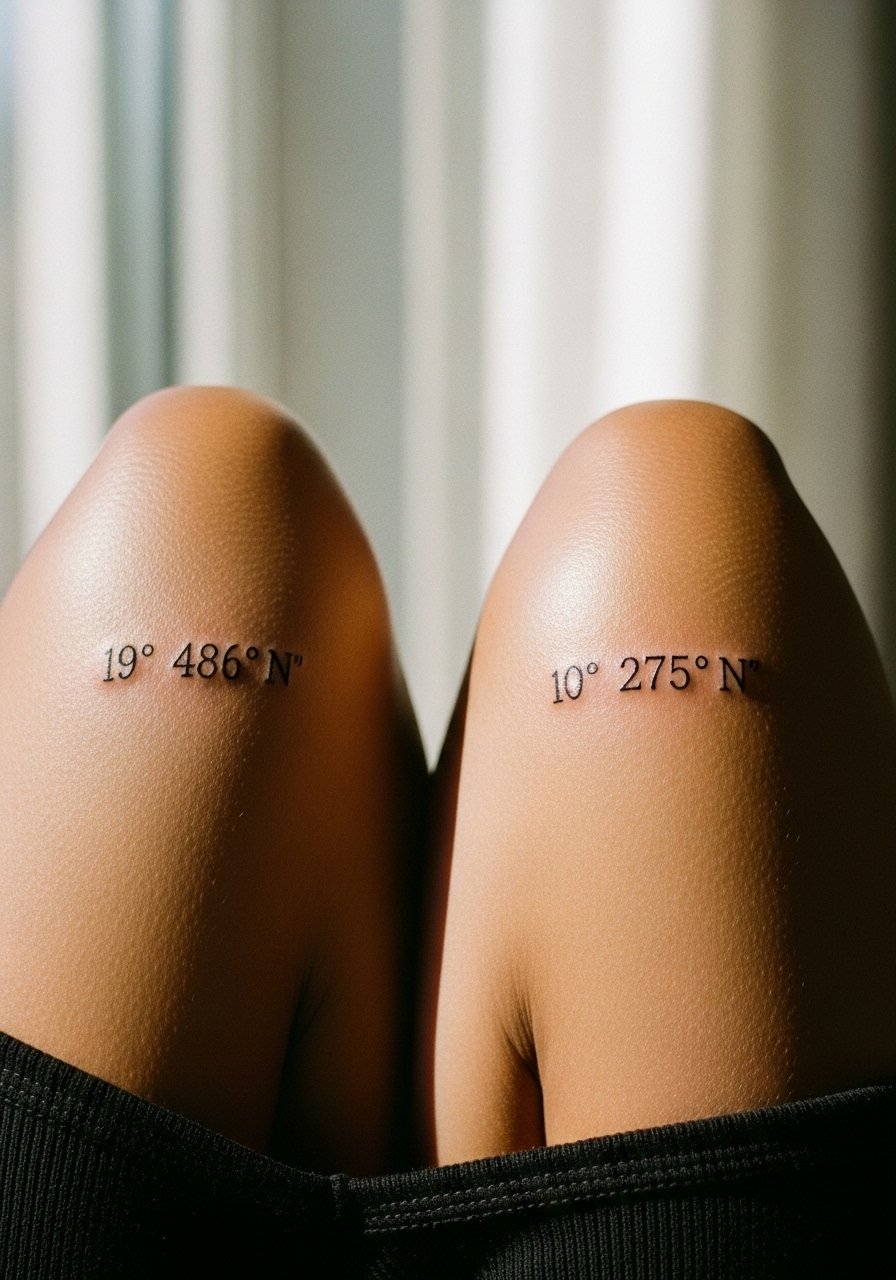
Decision-pressure lead. Tiny script and numbers risk becoming illegible. If you want coordinates, ask for clear, slightly larger numerals in a simple type for readability at a distance. The deltoid peak keeps text from stretching with muscle. These are low pain and fast. For understated display wear a v neck t shirt men that frames the shoulders.
19. Matching Wave Pair, Each on the Cap Edge
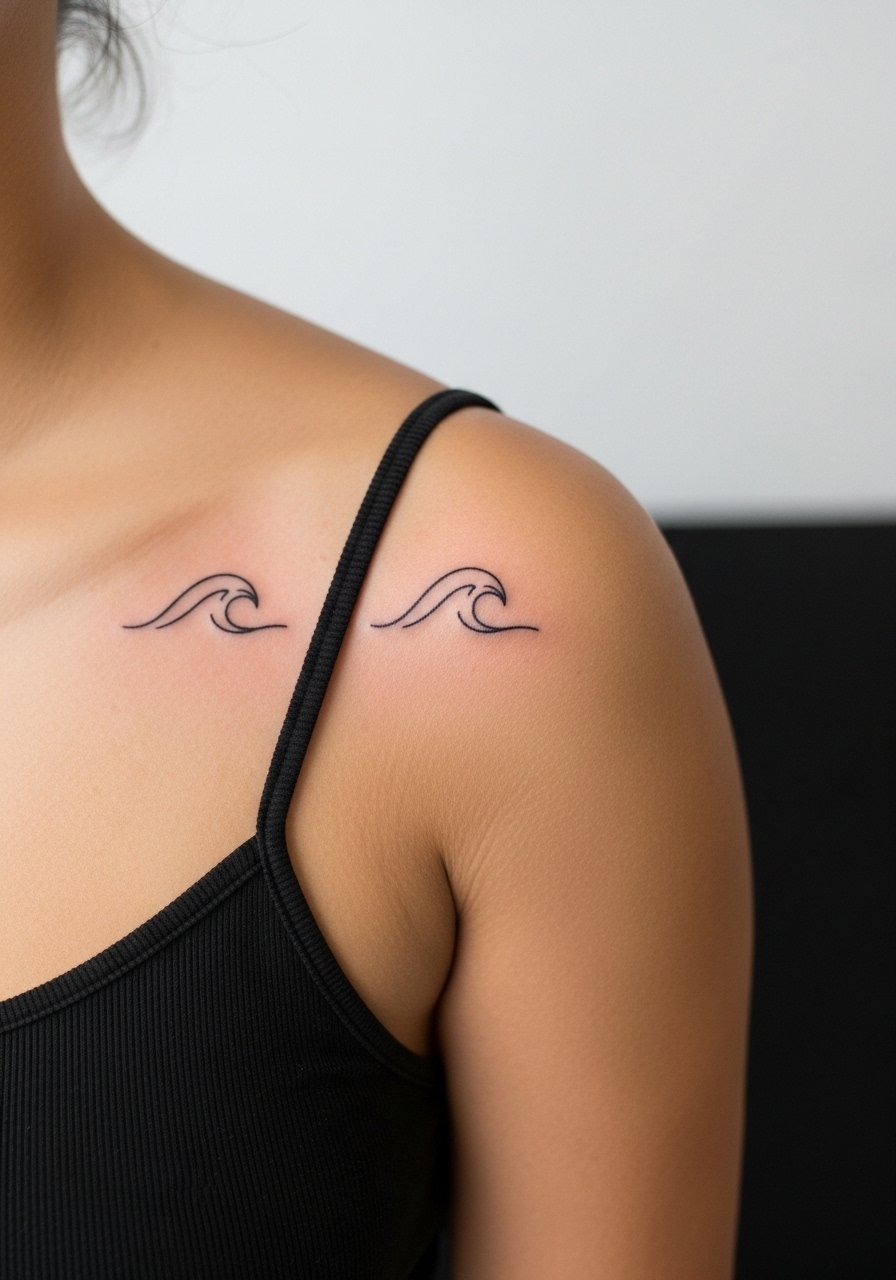
Mistake lead. The outer cap sees more friction from backpack straps. Tell the artist to place the wave slightly towards the back of the cap to reduce rubbing and to use a line weight that survives daily abrasion. Expect a short session and possible touch-up by year three for thin single-line styles. For display try a fitted muscle tank that keeps the silhouette clean.
20. Matching Sunray Halves That Meet at the Shoulder Seam
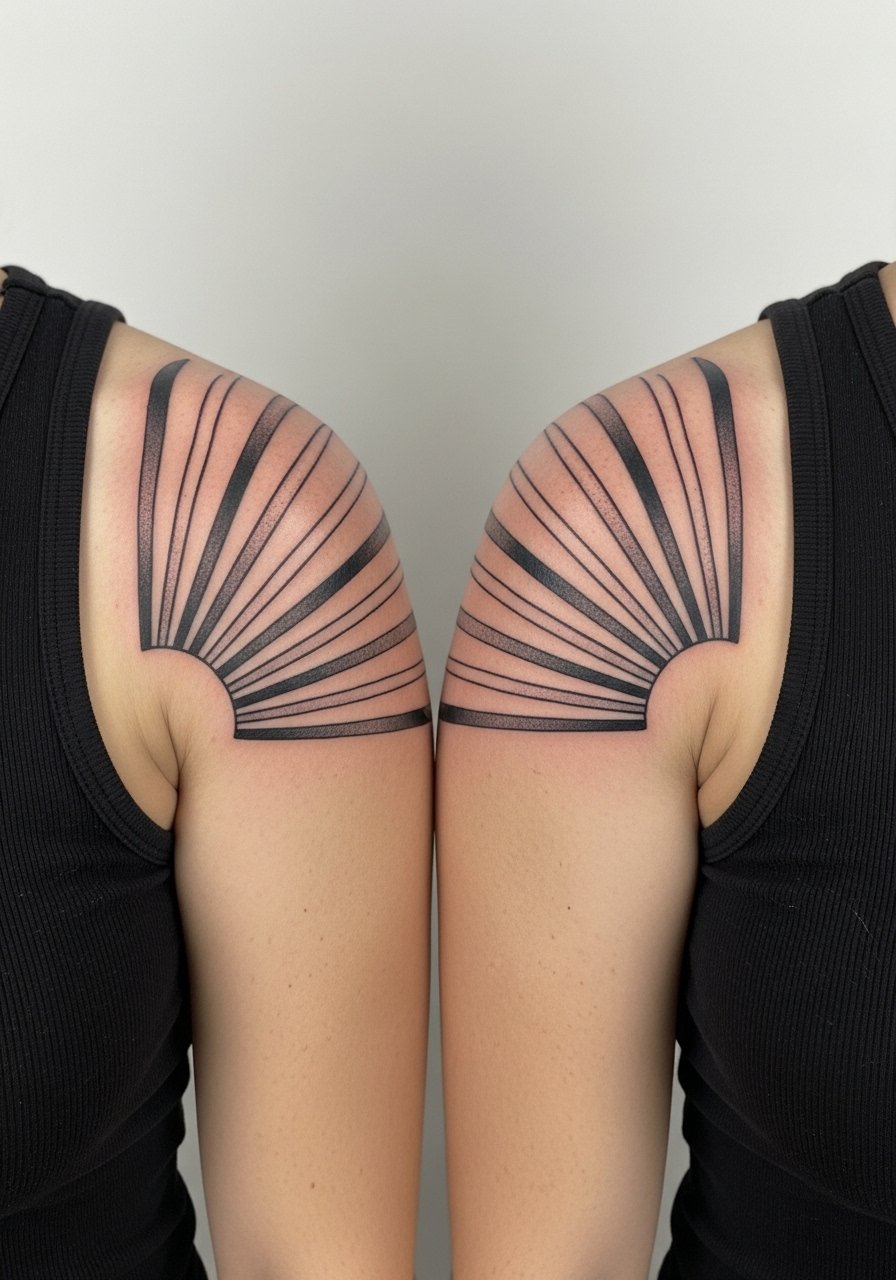
Consultation lead. The seam between cap and arm moves a lot, so map the meeting point with multiple arm positions. A common mistake is centering the join at the highest peak which flexes most. These pieces are medium pain and read best when the rays have negative spacing. Wear a short sleeve button up you can roll to show the seam alignment.
21. Matching Script Lines Following the Deltoid Curve
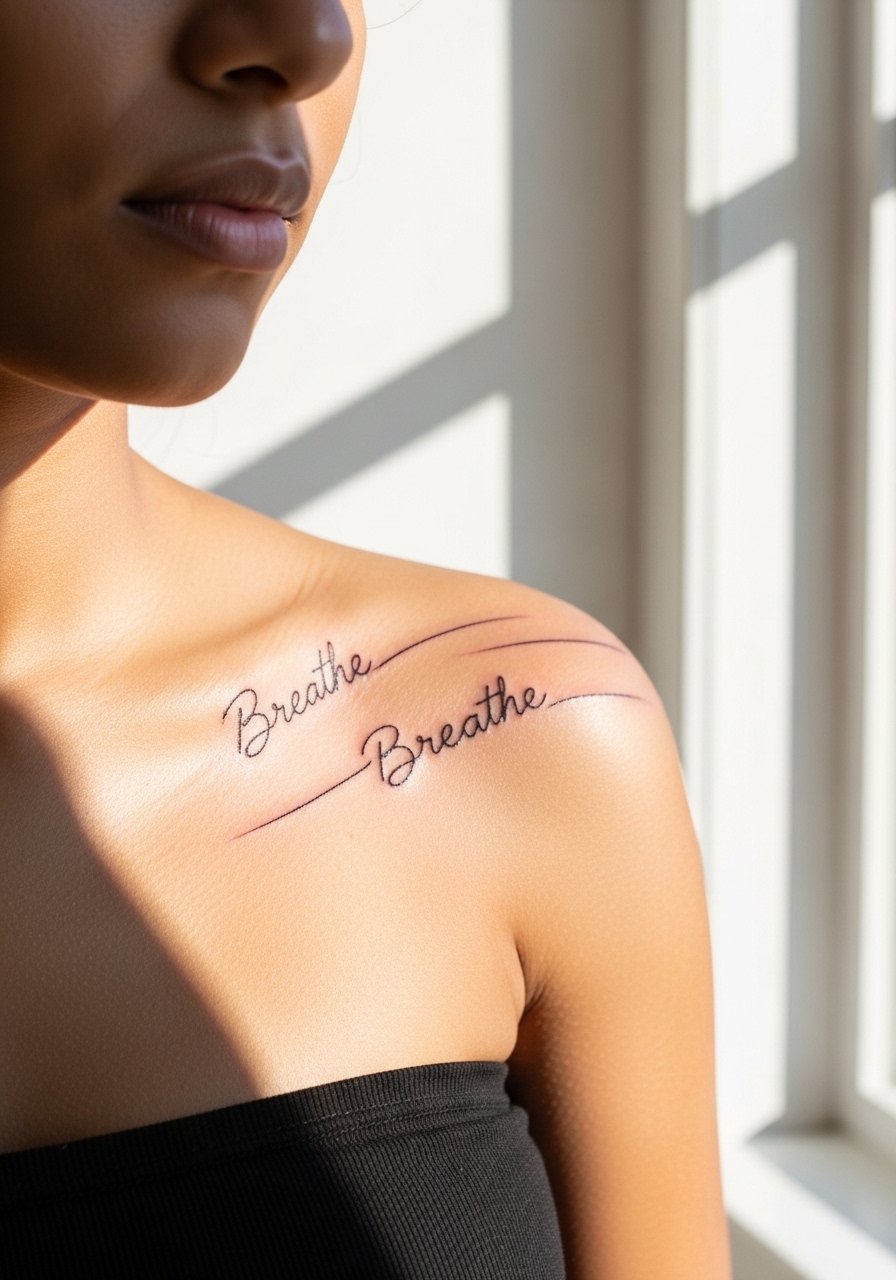
Consultation lead. Script placed along the curve needs consistent letter height to avoid slanting when you move. Bring exact wording and ask the artist to stencil with you standing and with the arm slightly raised. Tiny script can fade into a smudge if too thin. Expect a quick session. For photos try an unbuttoned henley that frames the punctuation.
22. Matching Geometric Halves Forming a Whole on the Back and Cap
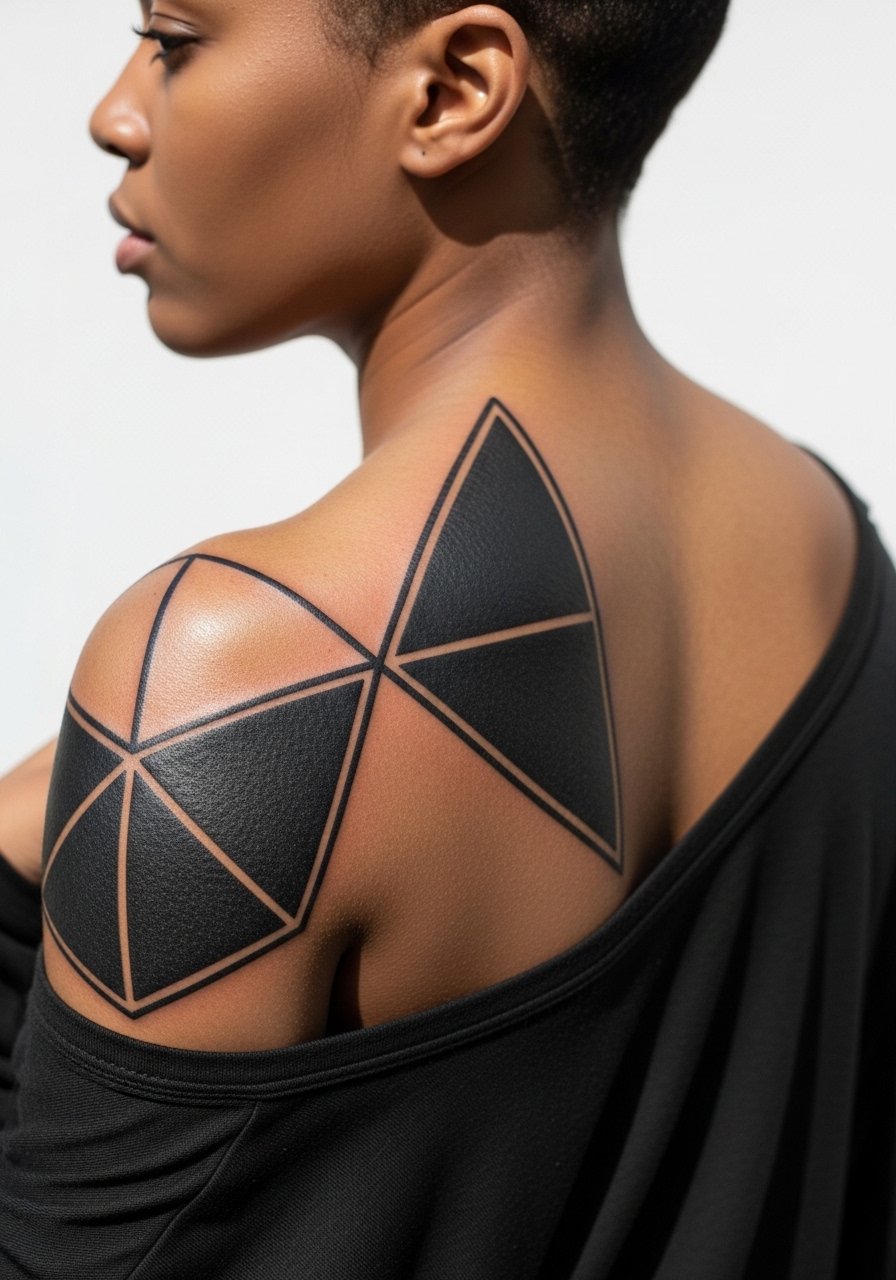
Aging lead. Geometric work needs spacing scaled for aging. If the halves are too dense they will merge in years. Ask for simpler anchor lines and fewer micro shapes. The session often requires careful stencil alignment in multiple positions. For summer wear a loose strapless top that shows the junction without pressure on the area.
23. Matching Tiny Constellations Near the Collarbone and Shoulder Edge
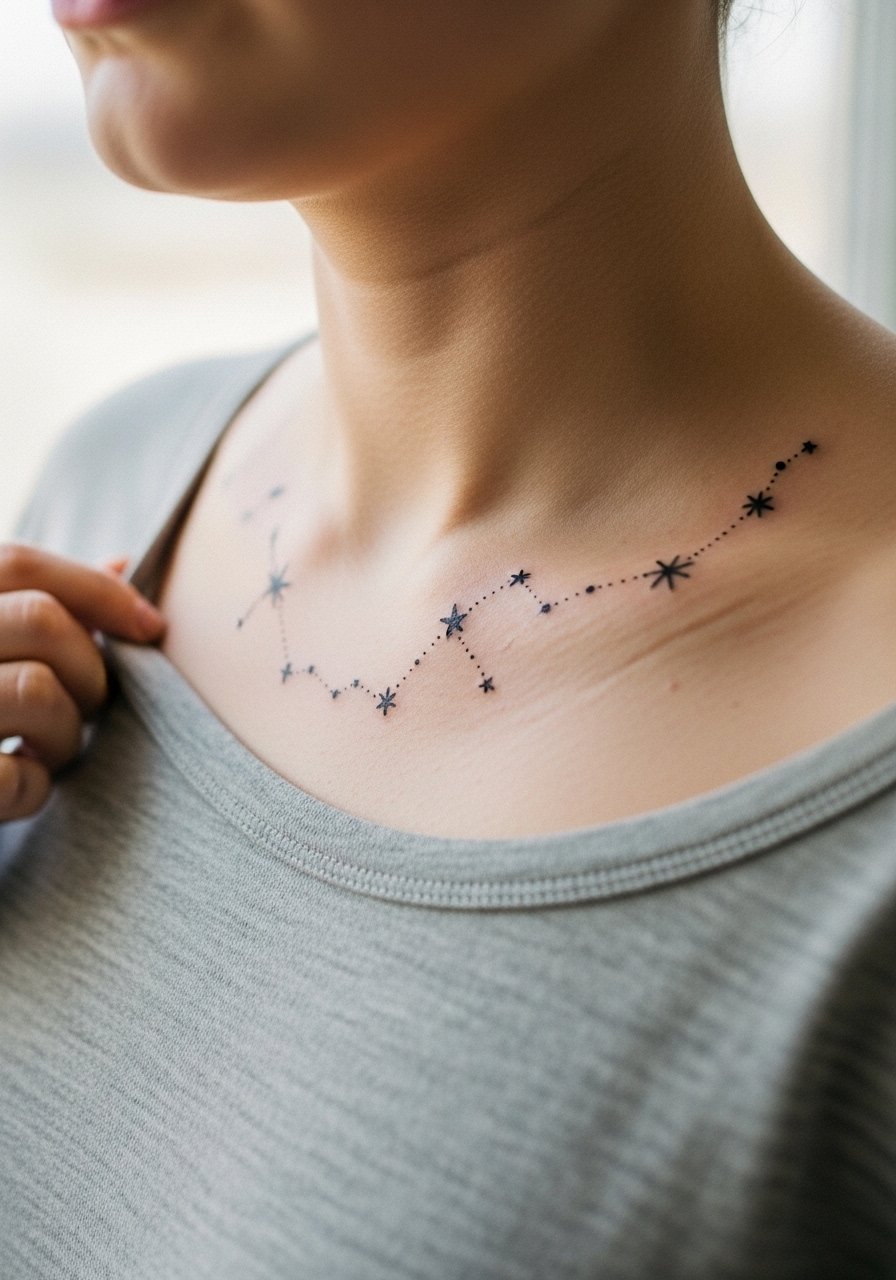
Visual impact lead. Collarbones add a graceful frame but are sensitive during the session. Keep the constellations small but spaced so the dots do not merge. A common mistake is clustering stars too closely for the area. These are quick and low pain for most. For evenings try a scoop neck tank that lets the constellation breathe.
24. Matching Yin-Yang Halves on Either Shoulder Cap
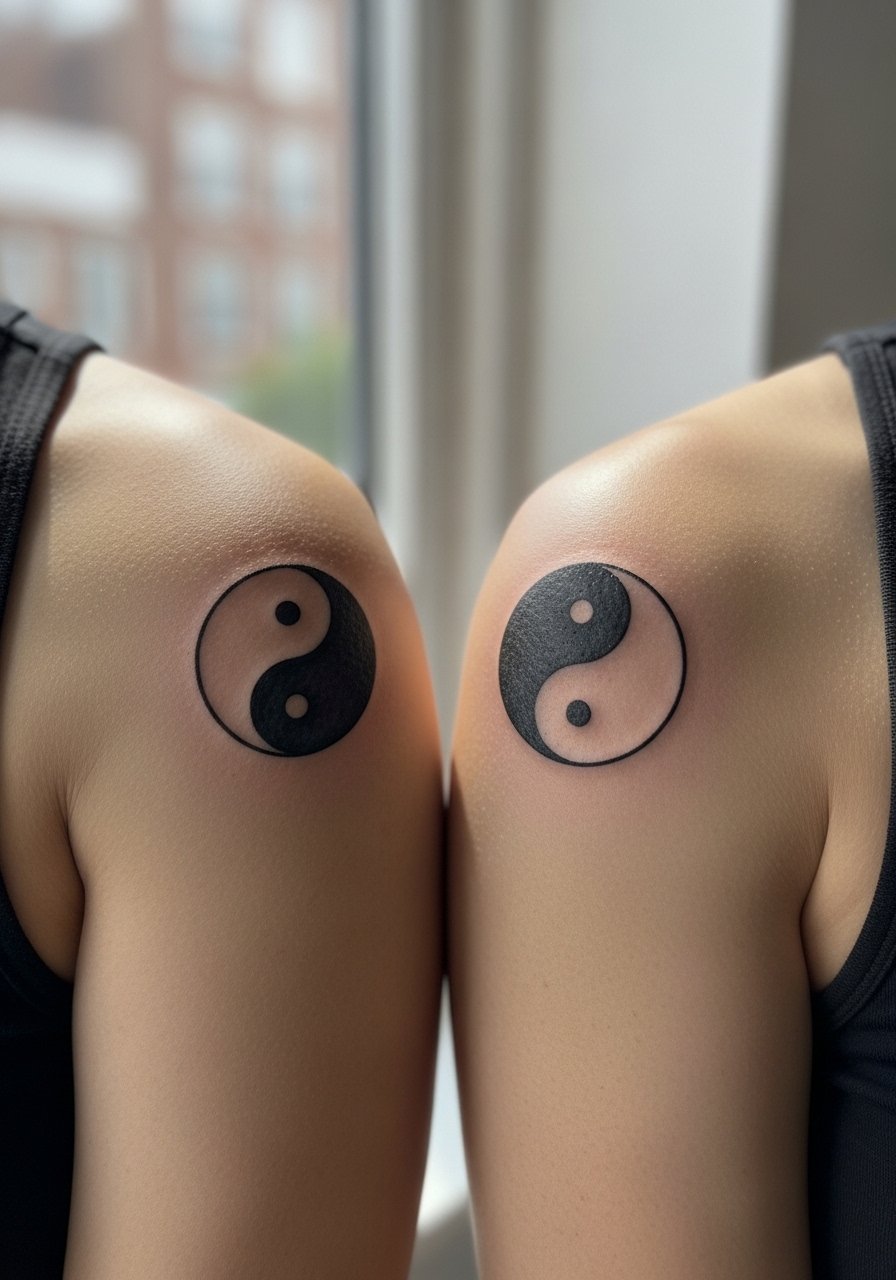
Mistake lead. The halves must mirror exactly in size and curvature or the optical balance fails. Ask for a mockup in both standing and raised-arm positions. These take little time and show well through tanks. For casual display choose a fitted athletic tank top men.
25. Matching Abstract Brushstrokes That Flow With Muscle
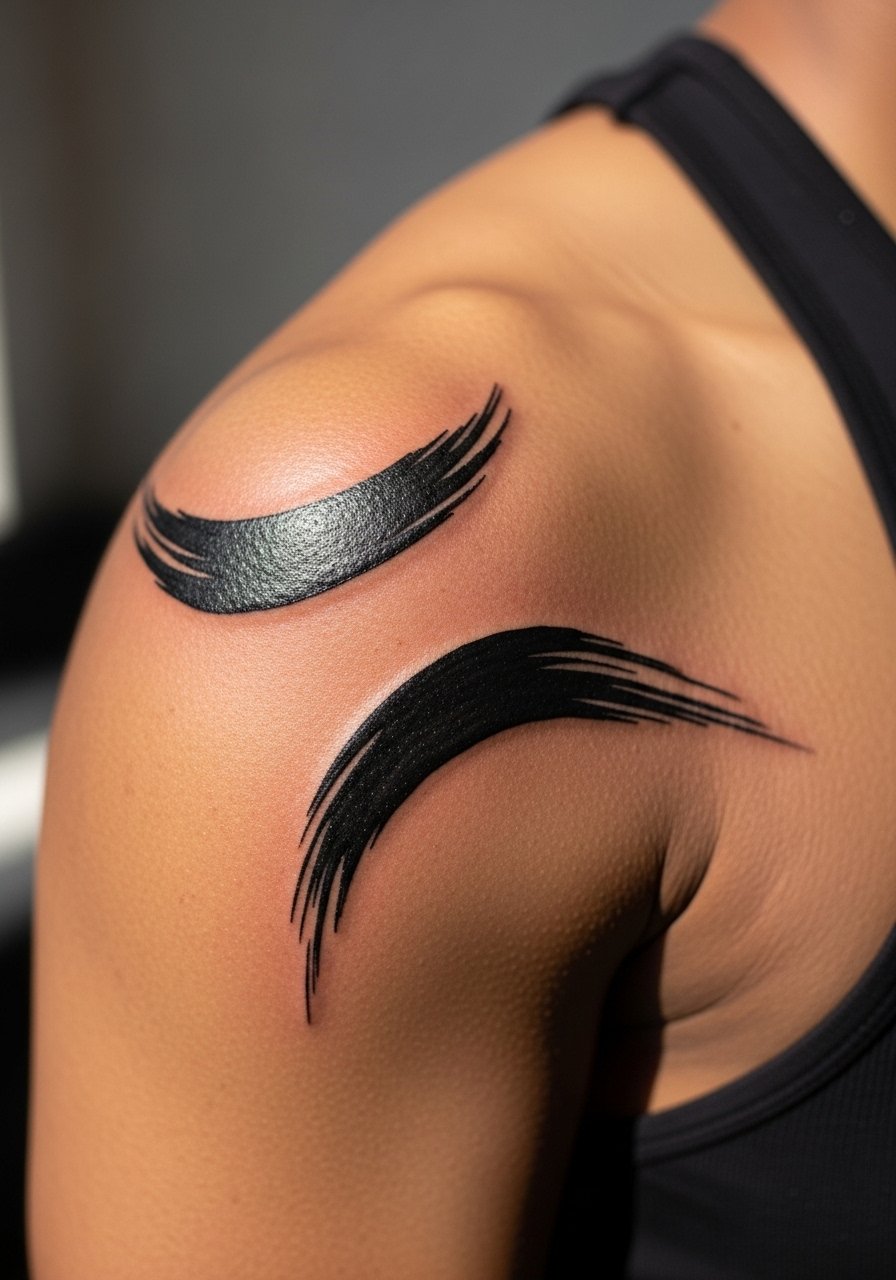
Visual impact lead. Abstract strokes need to be composed in the direction of muscle fibers so they do not warp awkwardly when you flex. The main mistake is letting strokes cross the peak with equal weight on both sides. Ask the artist to sketch with your arm flexed and relaxed. Session time is short but precise. Show them off with an off shoulder sweater that reveals the curve.
26. Matching Lock and Key Halves Split Between Cap and Blade
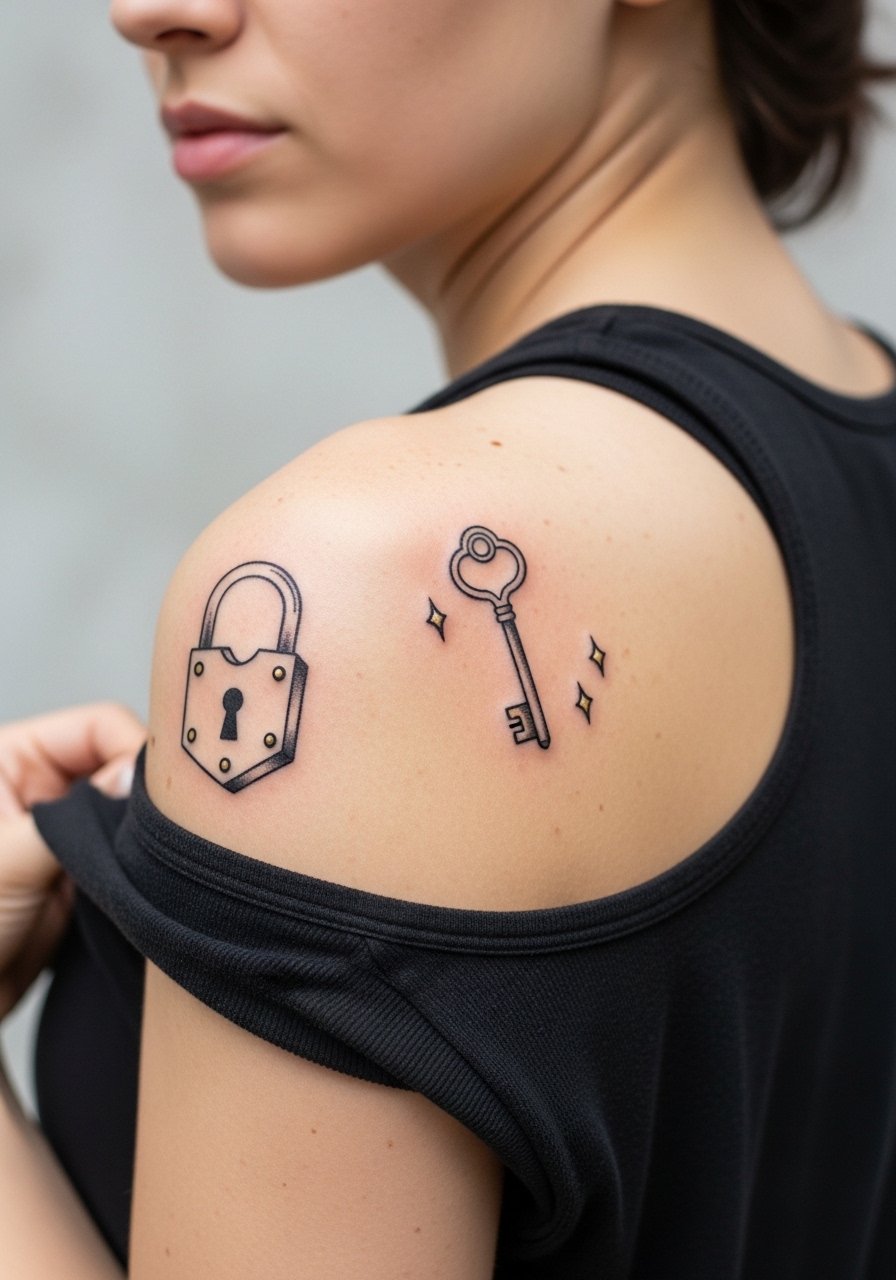
Decision-pressure lead. Placement split across cap and blade requires agreement on which side receives the more detailed element. A common mistake is making the key too tiny to read on the blade. Expect two sessions if color is involved. For nights out pair with an open-back shirt for men or a strappy tank women.
27. Matching Small Suns Where the Shoulder Meets the Arm
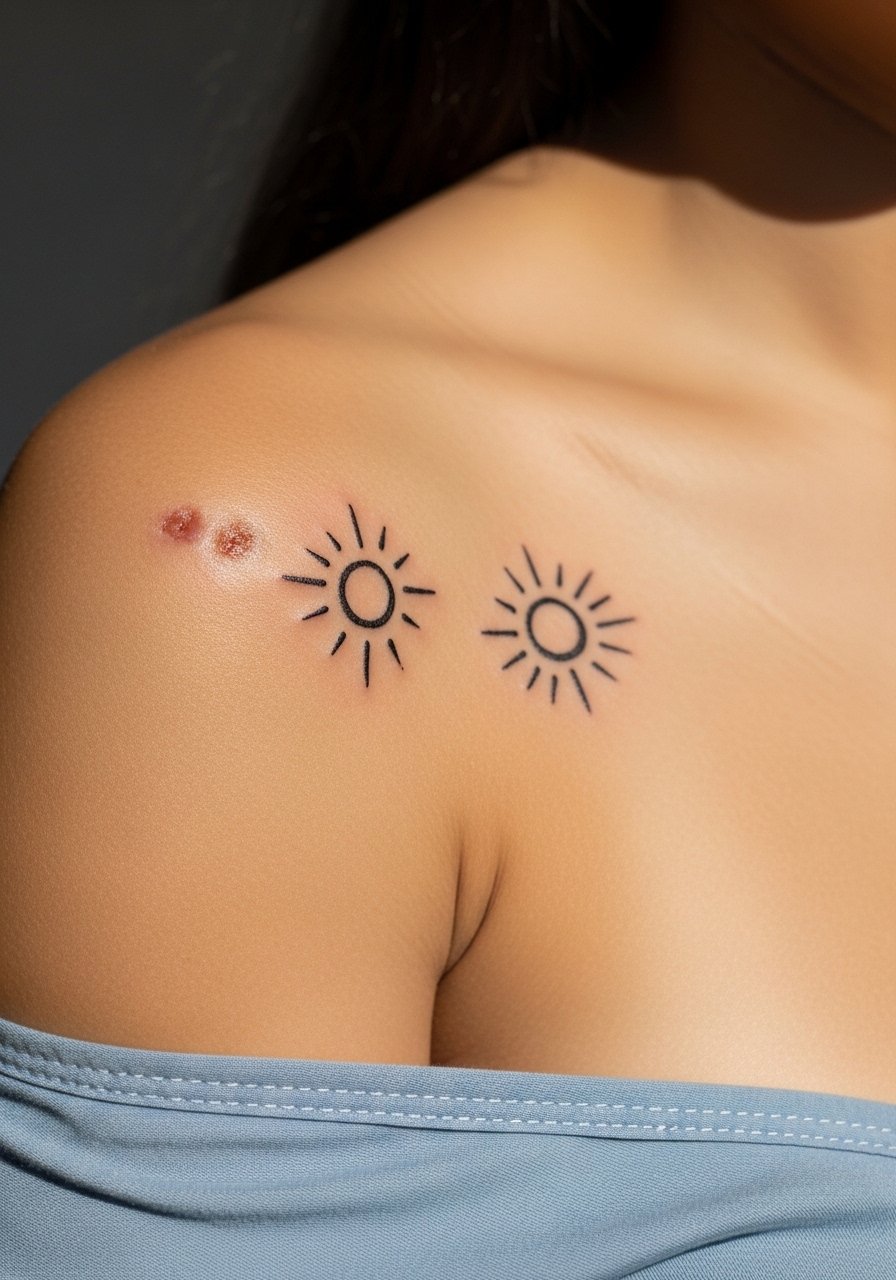
Mistake lead to finish. This junction faces constant rubbing from straps and shirts so place the suns slightly higher on the cap or slightly lower on the arm to avoid constant friction. Tiny suns need slightly bolder center dots to survive washing and motion. Expect a quick session and low pain. For display try a short sleeve button up with the sleeves rolled to frame the junction.
Frequently Asked Questions
Q: Will fine line shoulder tattoos fade faster than blackwork when matched on both sides?
A: It depends on placement and sunlight exposure. Fine line on high-movement areas like the cap tends to blur sooner than solid blackwork. If you want matching fine line pieces, size them a little larger and ask for slightly heavier single-pass lines to improve longevity.
Q: How do matching shoulder blade designs behave if one person gains muscle from lifting?
A: Shoulder blades shift less with muscle than the deltoid cap, but gains can change how symmetry reads. Plan mirrored spacing and leave a little extra negative space. If you lift seriously, consider the blade or slightly offset placements that flex with muscle.
Q: Which is better for dark skin, color neo-traditional or high-contrast blackwork for matching shoulders?
A: From what I have seen, high-contrast blackwork reads more consistently on darker tones. Color can pop but it needs heavier saturation and contrast planning. Talk to artists who specialize in melanated skin and ask to see healed photos rather than fresh work.
Q: Should matching shoulder pieces use Saniderm or dry healing when the area sweats a lot?
A: Artists and communities split on that. One camp recommends protective film like Saniderm for a clean sealed heal. The other camp prefers dry heal methods and worries about trapped sweat on moving shoulders. Discuss both approaches with your artist based on your sweat tendencies and local climate.
Q: How do I ensure two matching pieces line up when I and my match have slightly different shoulder widths?
A: Ask the artist to mock up stencils on both of you standing and with arms in the same positions. Slight scale adjustments and mirrored negative space solve most asymmetry. If one shoulder is markedly different, shifting one motif a touch off-center can make the pair read as intentional rather than mismatched.