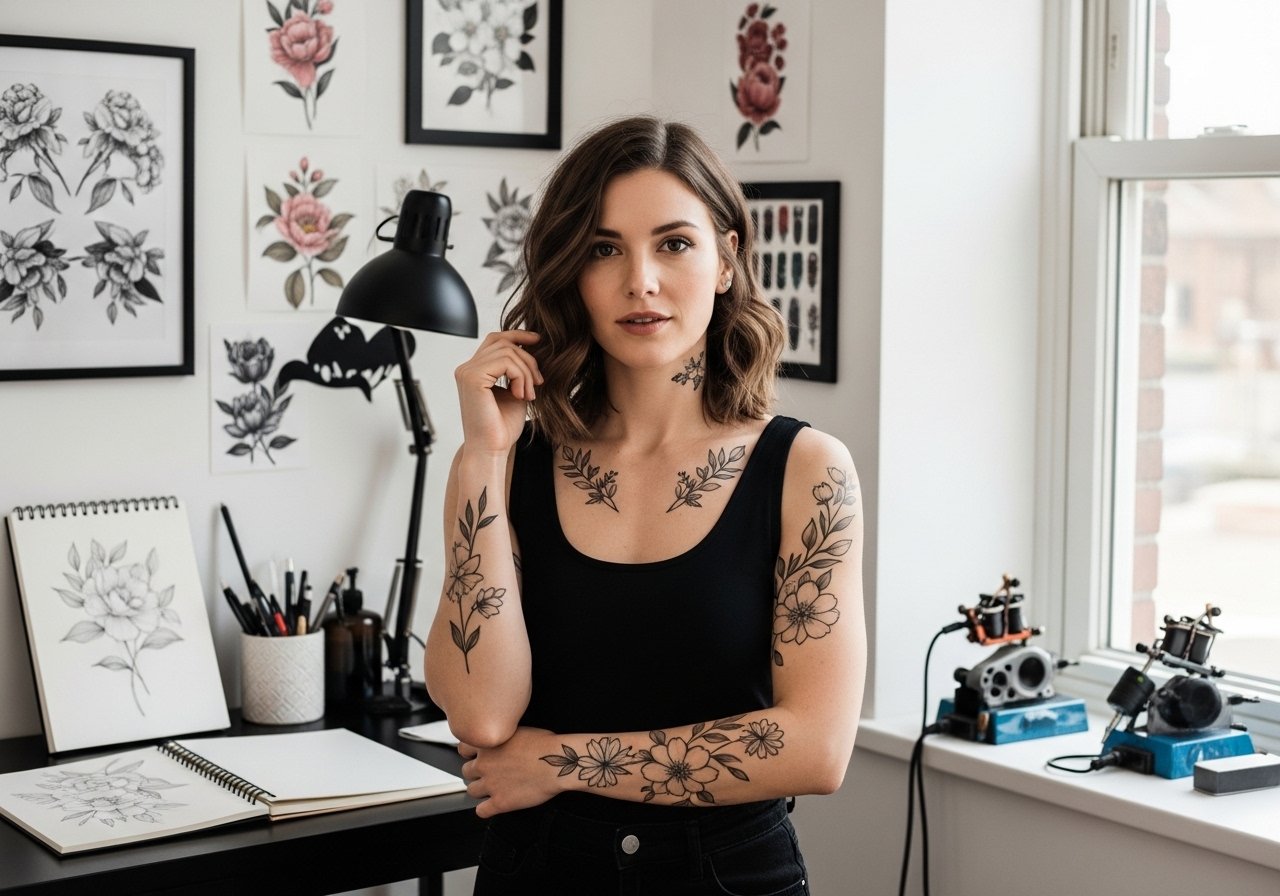
Fine line Stranger Things pieces look gorgeous on saved boards, but the trend-versus-reality gap is real. Tiny linework that racks up likes on day one often needs touch-ups within a year, shop minimums can double the quoted price, and some micro designs read differently on darker skin tones. Read these 17 micro ideas with placement, what to tell your artist, styling tips and realistic healing notes so you get a small tat that still looks smart after a few years.
1. Micro Eleven with Bloody Nose Outline on the Wrist
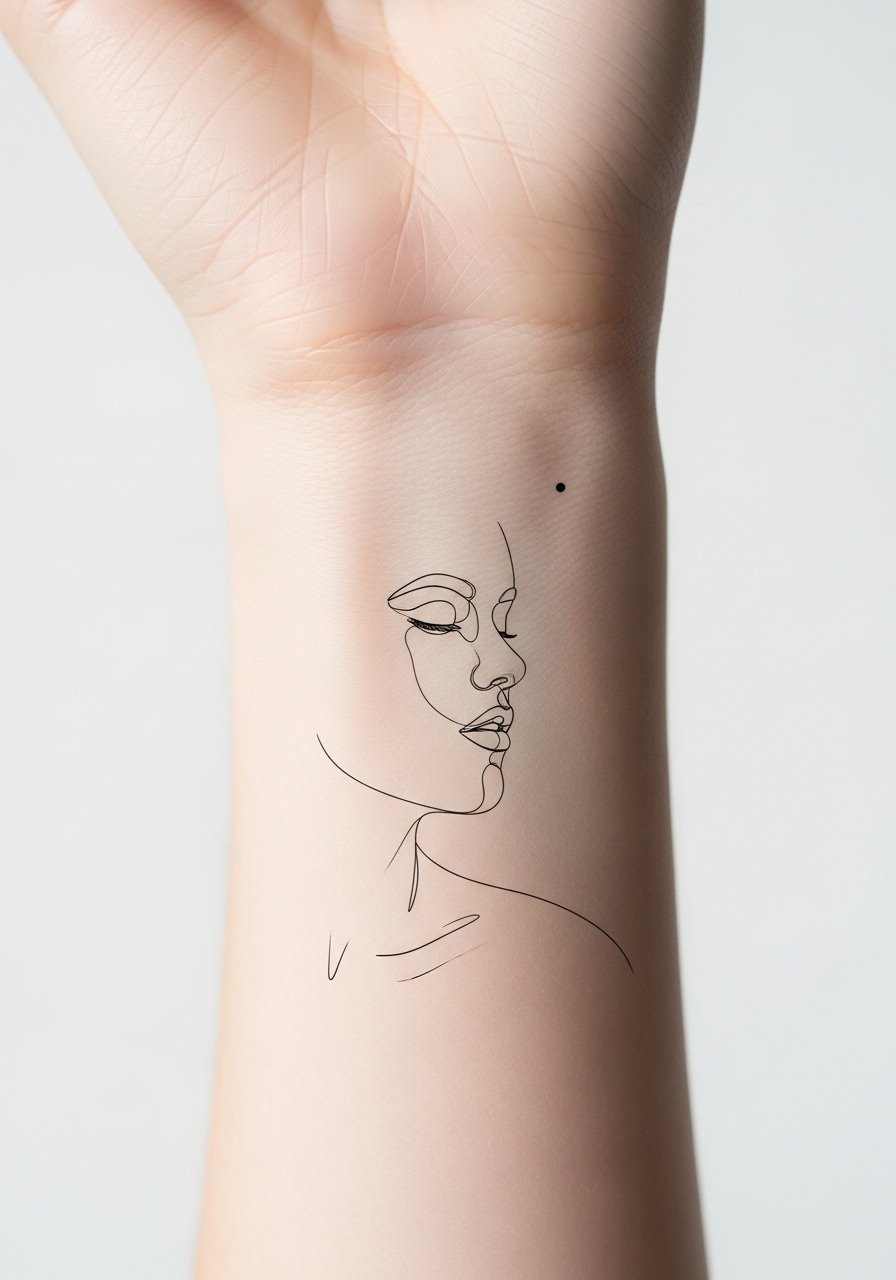
I recommend this as a wrist piece when you want clear character recognition without committing to a larger portrait. In consultation, ask for a single continuous 1mm line and one tiny filled dot for the nosebleed so the stencil holds up through movement. The wrist rates about a 4 out of 10 on pain. Common mistakes are asking for feather-thin single-needle work without room between elements, which blurs at year two. Expect a quick session under an hour and plan for a touch-up at six to twelve months if you want the nose dot to stay crisp. Pair it with a rolled cuff chambray shirt and a thin silver bangle set to frame the wrist without crowding the linework.
2. Tiny Demogorgon Silhouette in Negative Space on the Collarbone
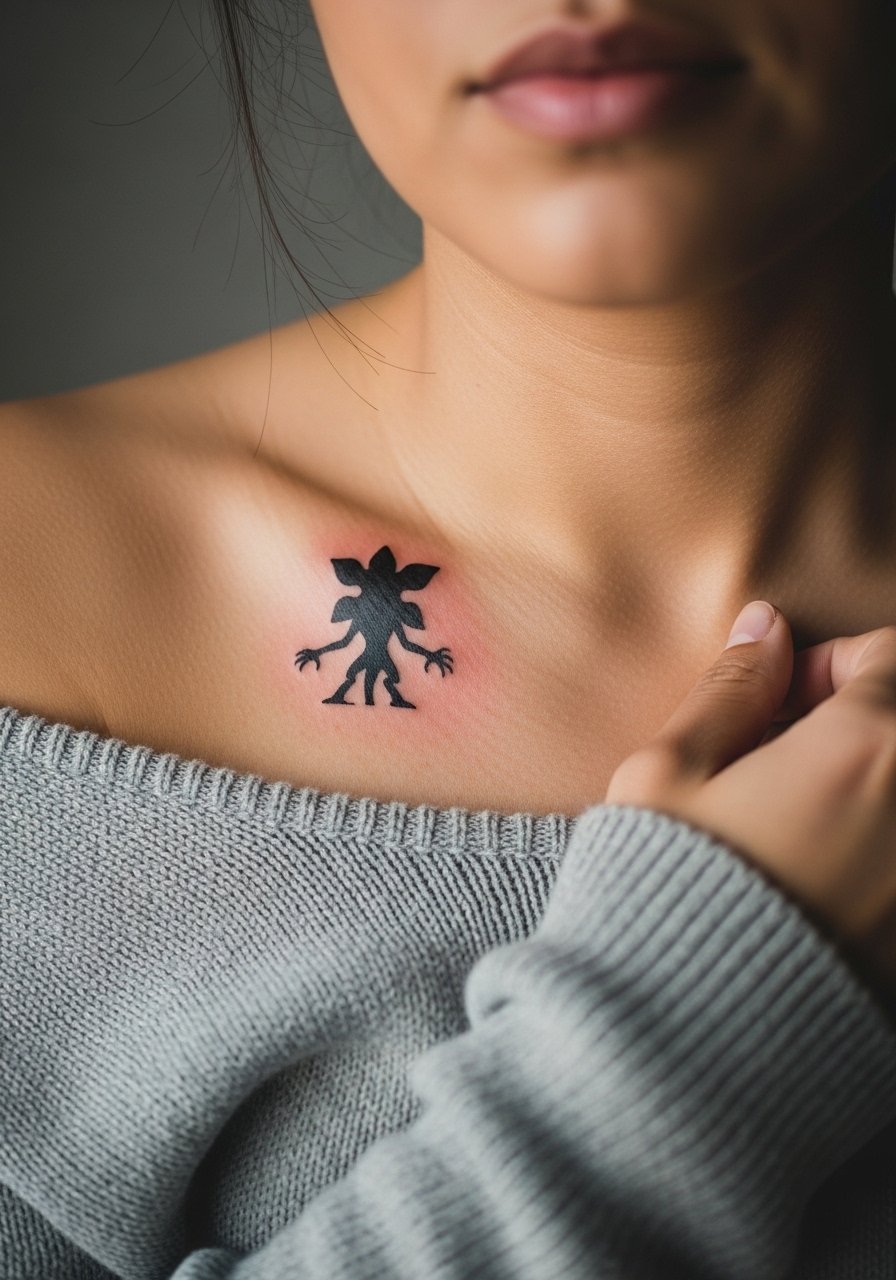
The collarbone gives a little breathing room for negative space to read, so choose that over a fingertip if you want the monster to stay recognizable. Tell your artist you want the silhouette as solid black with a clean halo of uninked skin around it. Pain sits around 5 to 6 out of 10 near the bone. The design ages better than ultra-detailed micro faces because negative space preserves shape as saturation softens. For showing it off, pair the piece with an off-shoulder sweater or a long pendant necklace so the silhouette appears without being hidden.
3. Fine Line Hellfire Club Logo on the Inner Forearm
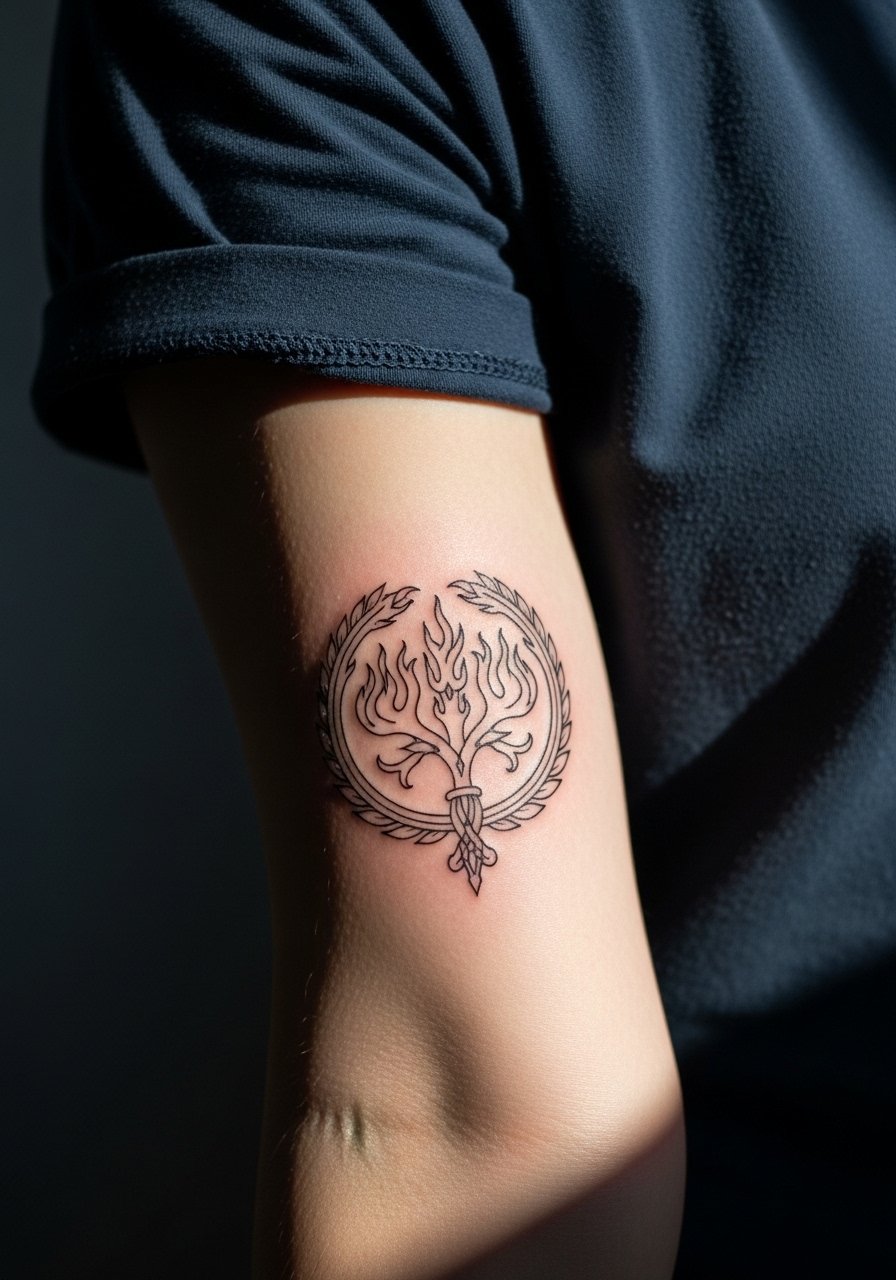
When you want 80s club energy without a sleeve, the inner forearm is where this logo lands cleanly. In consultation ask for 2-3mm line weight rather than single-needle detail so the lettering and edges hold at year two. The forearm is about a 4 out of 10 on the pain chart and lets the artist work flat for steady linework. A common failure is requesting a tiny, ornate logo that needs too many micro details; better to simplify the emblem so shapes age well. Session time is usually one short appointment. Show-off pairing is a light gray oxford shirt with sleeves pushed up for casual visibility.
4. Micro Christmas Lights String Behind the Ear
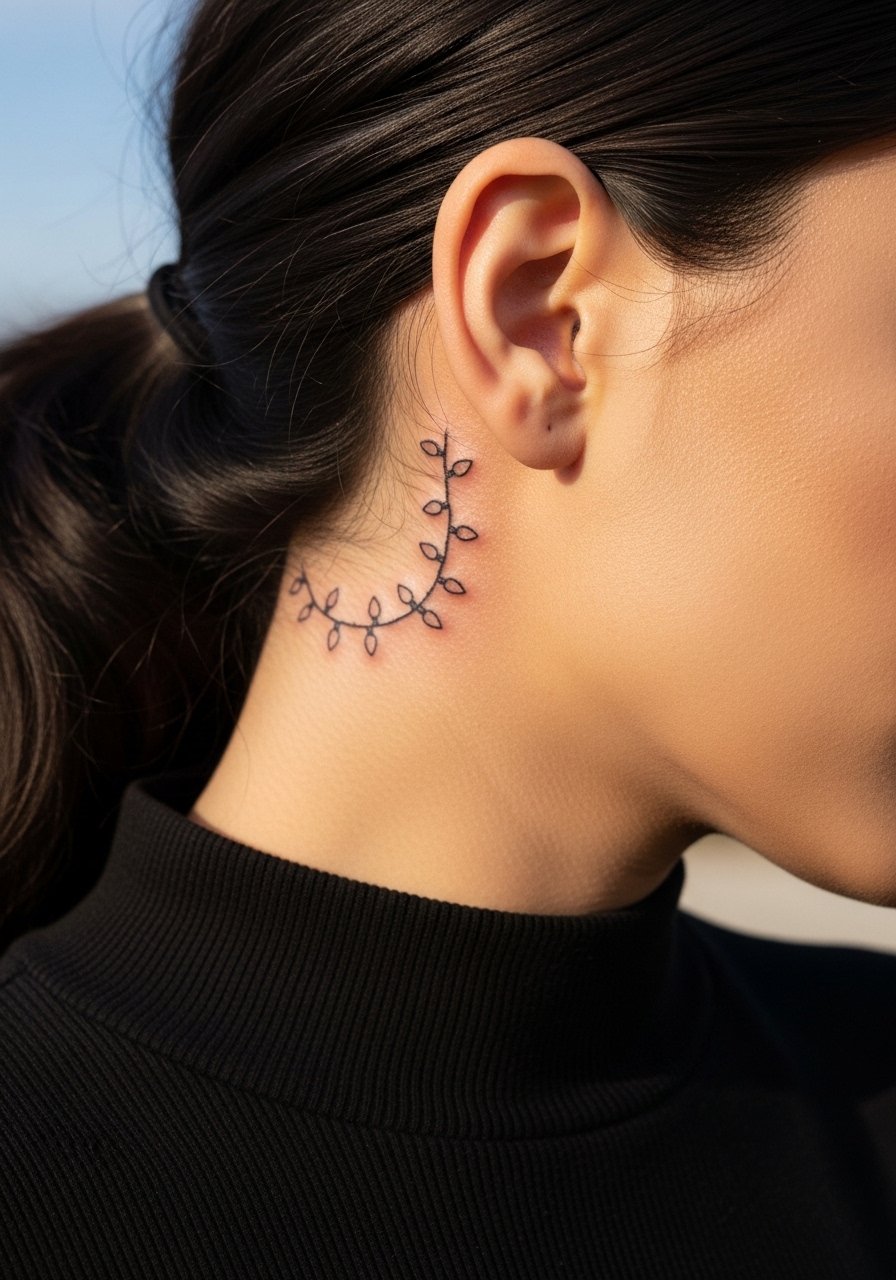
Behind-the-ear micros are trending for subtle fan nods, and the linear Christmas lights read like jewelry when placed correctly. Ask for a horizontal layout with small bulb shapes spaced at 2-3mm so the lights do not merge as they settle. Needle depth matters more here than on flat areas, so bring healed examples from the artist showing healed behind-ear work. Pain is low but the area is fidgety during the session. For session wear, tie your hair up and pull on a high neck crop top so the artist has clear access without exposing more than the tiny zone.
5. Blackwork Waffle Outline with Syrup Drip on the Inner Bicep
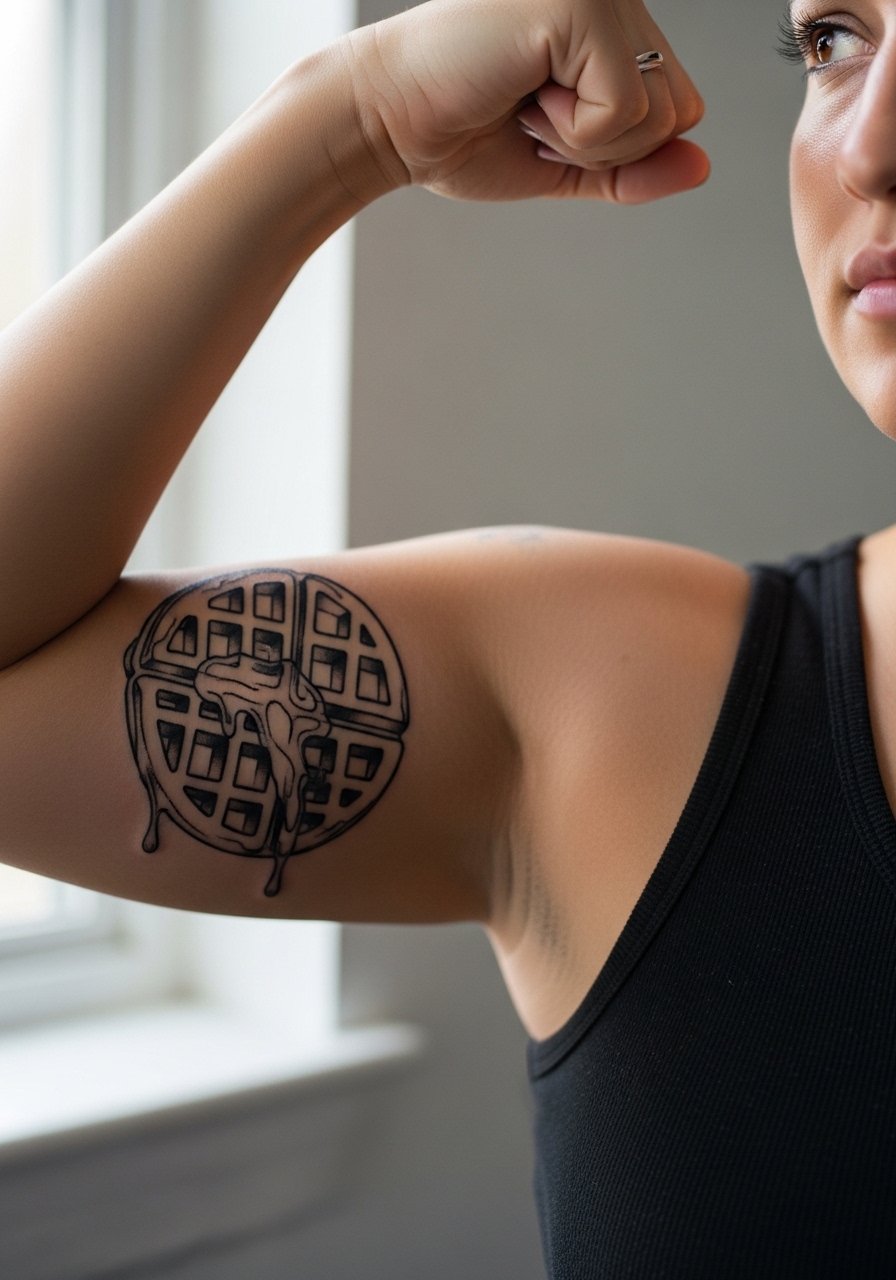
If you want something playful that reads on darker skin tones, choose bold blackwork over faint single-needle lines. The inner bicep lets a 2.5cm graphic breathe and stay visible. Tell your artist you want confident fills and a small syrup drip that sits away from the waffle edges to avoid merging. Inner bicep sessions are moderately comfortable if you keep the arm relaxed. A frequent mistake is asking for thin stippling inside the waffle, which can muddle on contact areas. For showing it off, wear a sleeveless muscle tank and avoid tight straps that might rub while it heals.
6. Fine Line Upside Down Portal Swirl on the Shoulder Blade
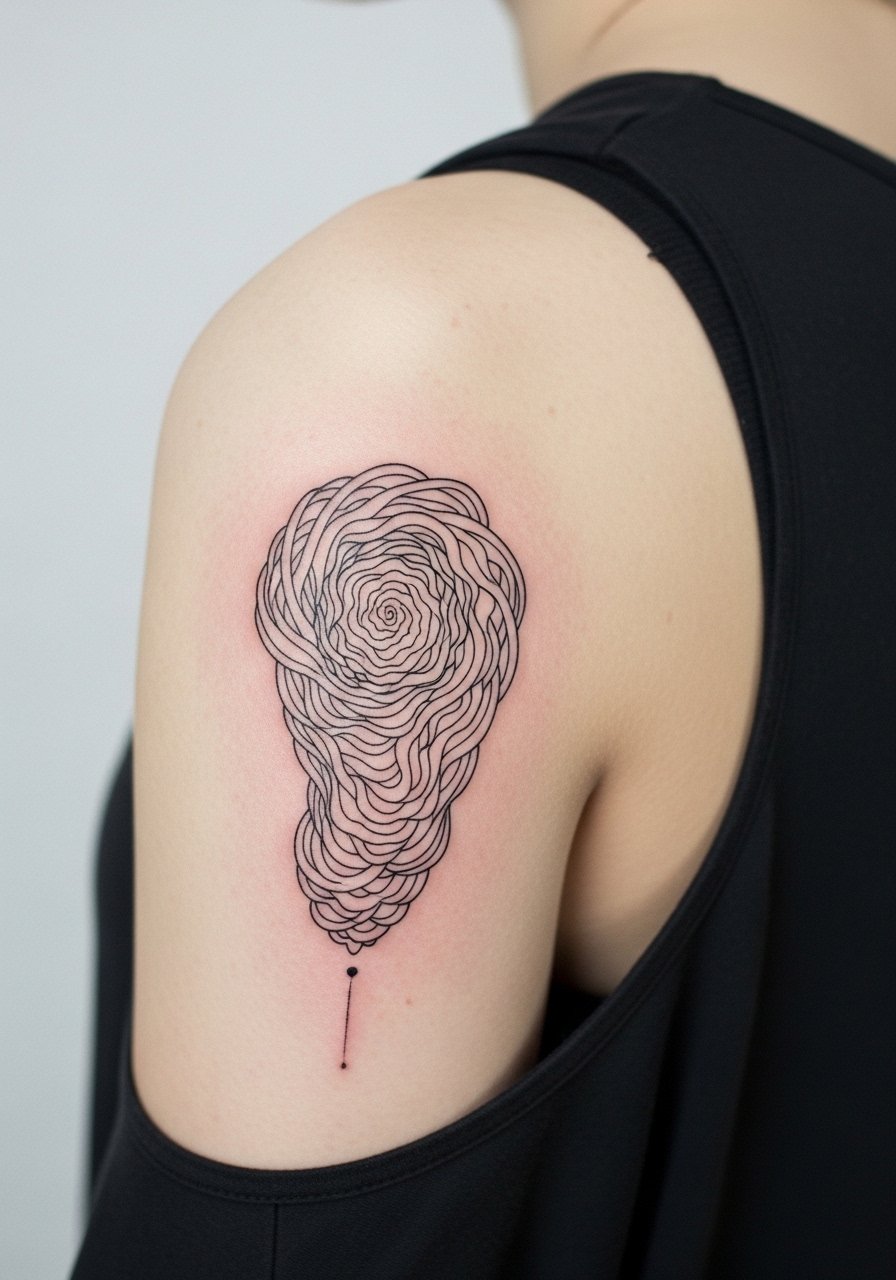
Shoulder blades are forgiving for hypnotic swirls because the curvature gives the design space to breathe and prevents early merging. Ask for 2mm spacing between lines so the swirl keeps its negative-space rings at two and five years healed. The area rates about a 3 to 4 on pain and tends to heal with minimal scabbing if you avoid tight bras. A mistake is packing concentric lines too tight for a micro piece, which collapses into a blurred disc over time. The session is quick and comfortable when you lie face down.
Pre-Session Essentials
The wrist, inner bicep and ankle pieces above face different friction and cleaning challenges than larger work, so five small items smooth the session and early healing.
-
CocoNutfree Butter. Nut-free, non-comedogenic balm recommended for fine line micros to avoid clogged pores on sensitive areas like the wrist and finger.
-
Ink-Eeze spray balm alternative. A thin spray option that keeps wrist and inner-arm pieces from feeling sticky while they settle.
-
Australian tea tree aftercare spray. Alcohol-free spray soothes itch on ankle and calf tattoos without leaving residue that hides tiny dots.
-
Dr. Tattoo EMF cream. Lightweight maintenance cream for day 3 onward, useful for finger and hand micros prone to mild buildup.
-
Hustle Butter Deluxe. A thinner balm many people prefer over heavier ointments for the first week on small linework to reduce milia risk.
7. Micro Barb Silhouette in Pool Outline on the Ankle
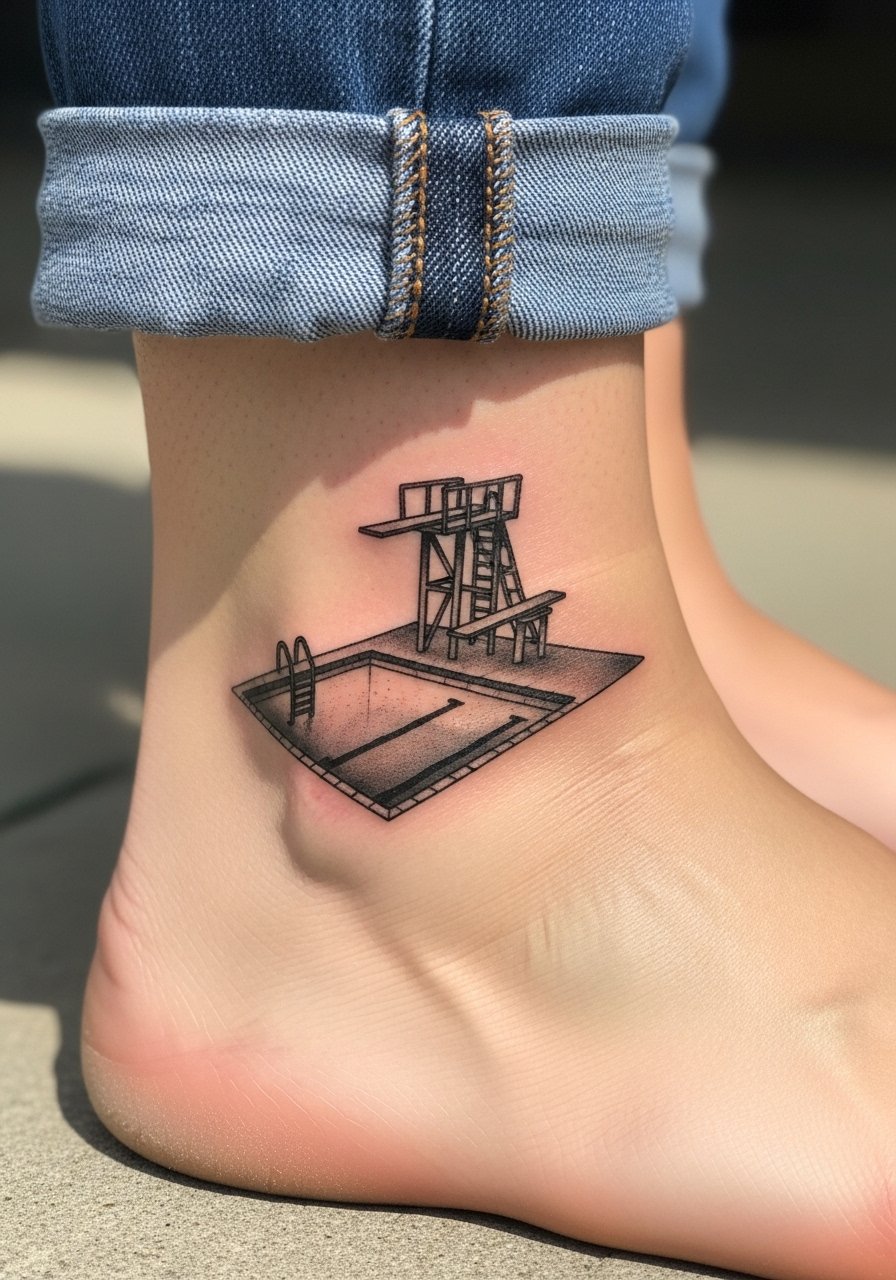
Ankle placements are summer-sensitive with socks and sand to consider, so plan session timing carefully. A tiny pool silhouette at about 1.5cm reads clearly if done in solid black and soft gray for water. Tell your artist you want a thin border around the pool so the water shape does not soften into the skin. The ankle itches during healing if you wear socks too soon. The pain is short but sharp when the needle hits near bone. Pair with cuffed straight-leg chinos or cropped jeans for the best seasonal peek.
8. Dotwork Vecna Clock Hands on the Inner Wrist
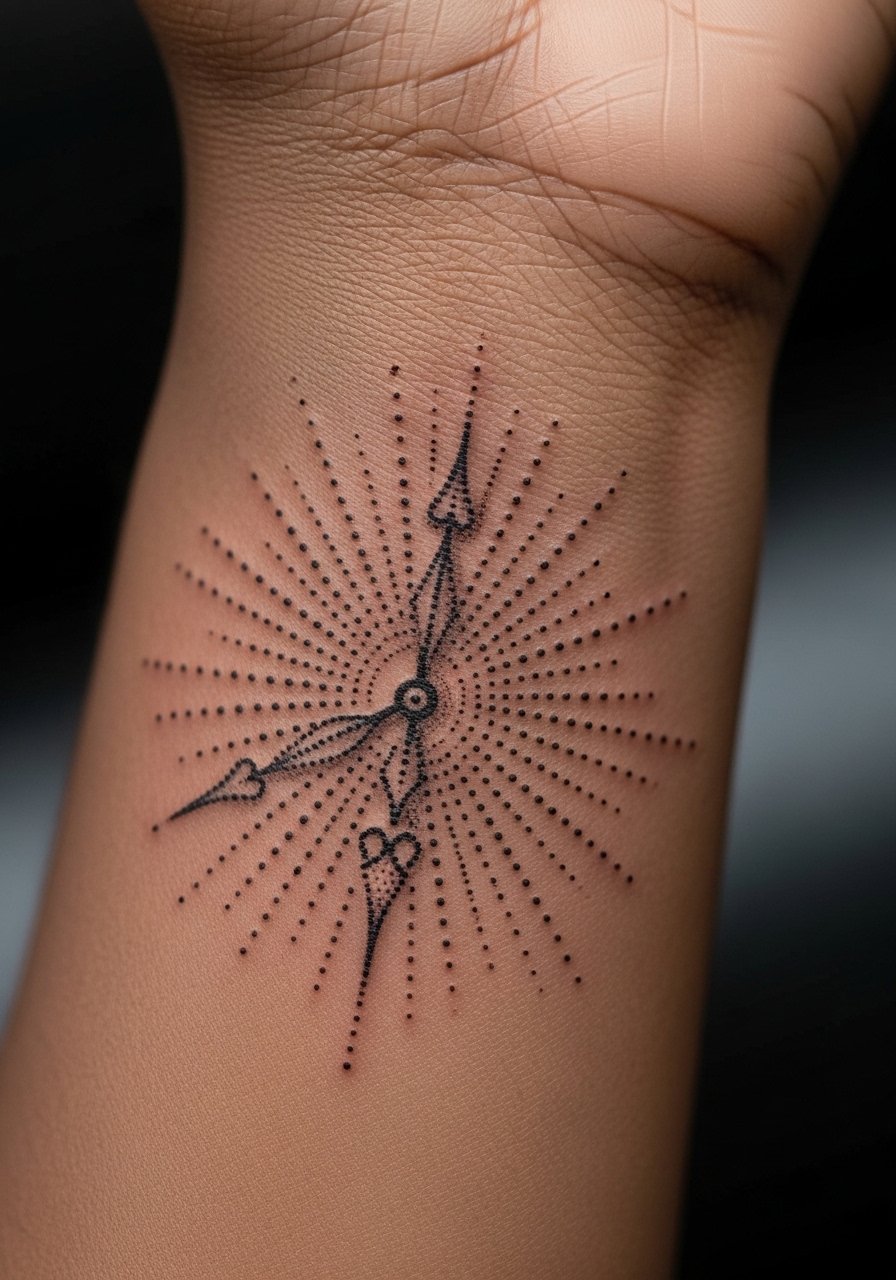
Dotwork on the wrist gives a precise, eerie look that nods to timing and dread. Ask for stippling with graduated dot density and clear negative space so the clock hands still read after saturation migrates a bit. The wrist will need careful aftercare the first week because washing and movement stress dotwork. Artists disagree on whether dotwork needs the same touch-up schedule as single lines. One camp warns that tiny dots close together can merge; the other says careful spacing and depth prevent that. Expect a short session and plan a possible touch-up at six to twelve months.
9. Minimalist Eggo Waffle Stack on the Finger
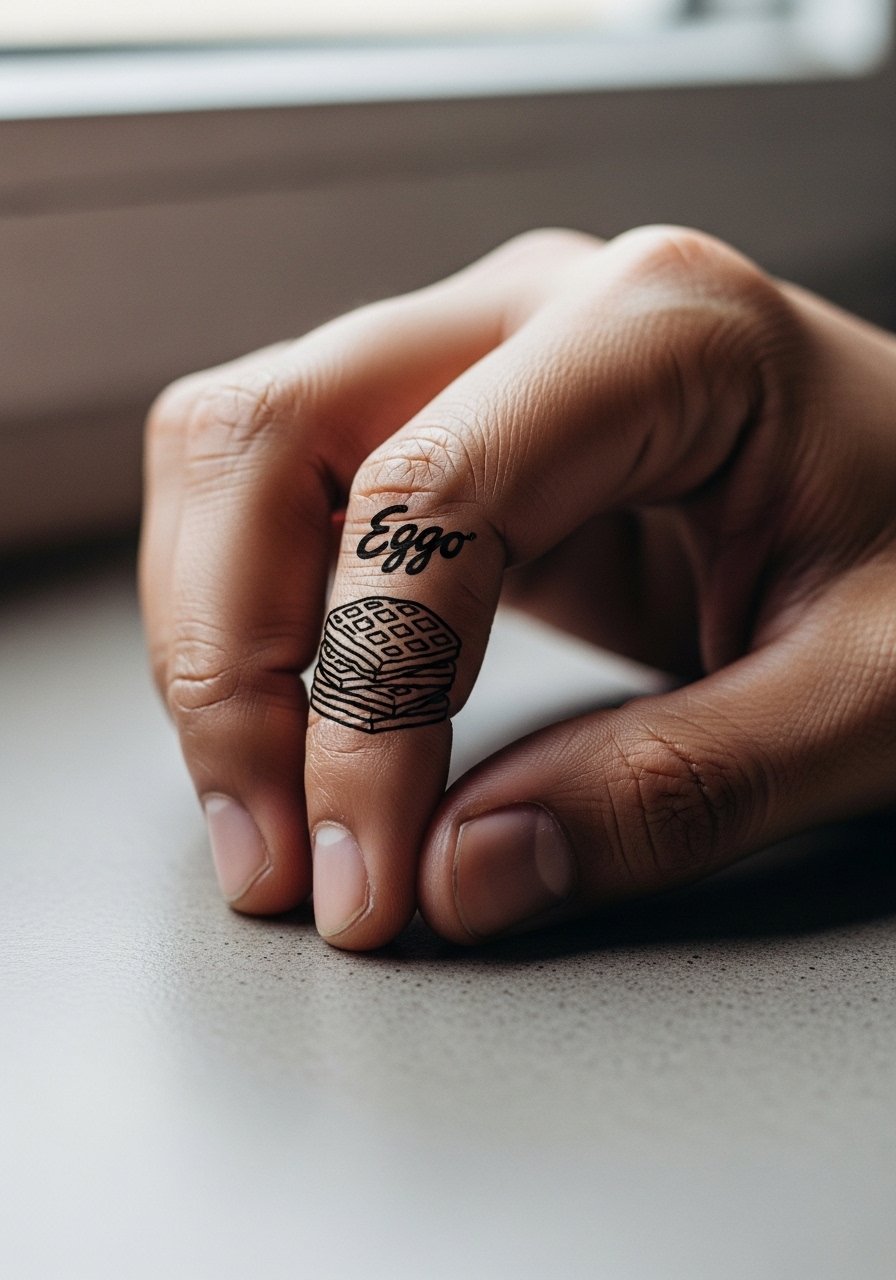
Finger tattoos can age unpredictably because of frequent washing and friction. Ask for slightly thicker outlines and minimal interior detail so the stack reads after two years. The finger is a high-wear zone and rates a 5 out of 10 for pain during the session. A frequent mistake is requesting tiny crosshatching inside the waffle; keep it as an outline stack and expect to need touch-up work sooner than forearm pieces. Show-off styling works well with metallic nail polish and thin stackable rings.
10. Neo-Traditional Mind Flayer with Tentacles on the Calf
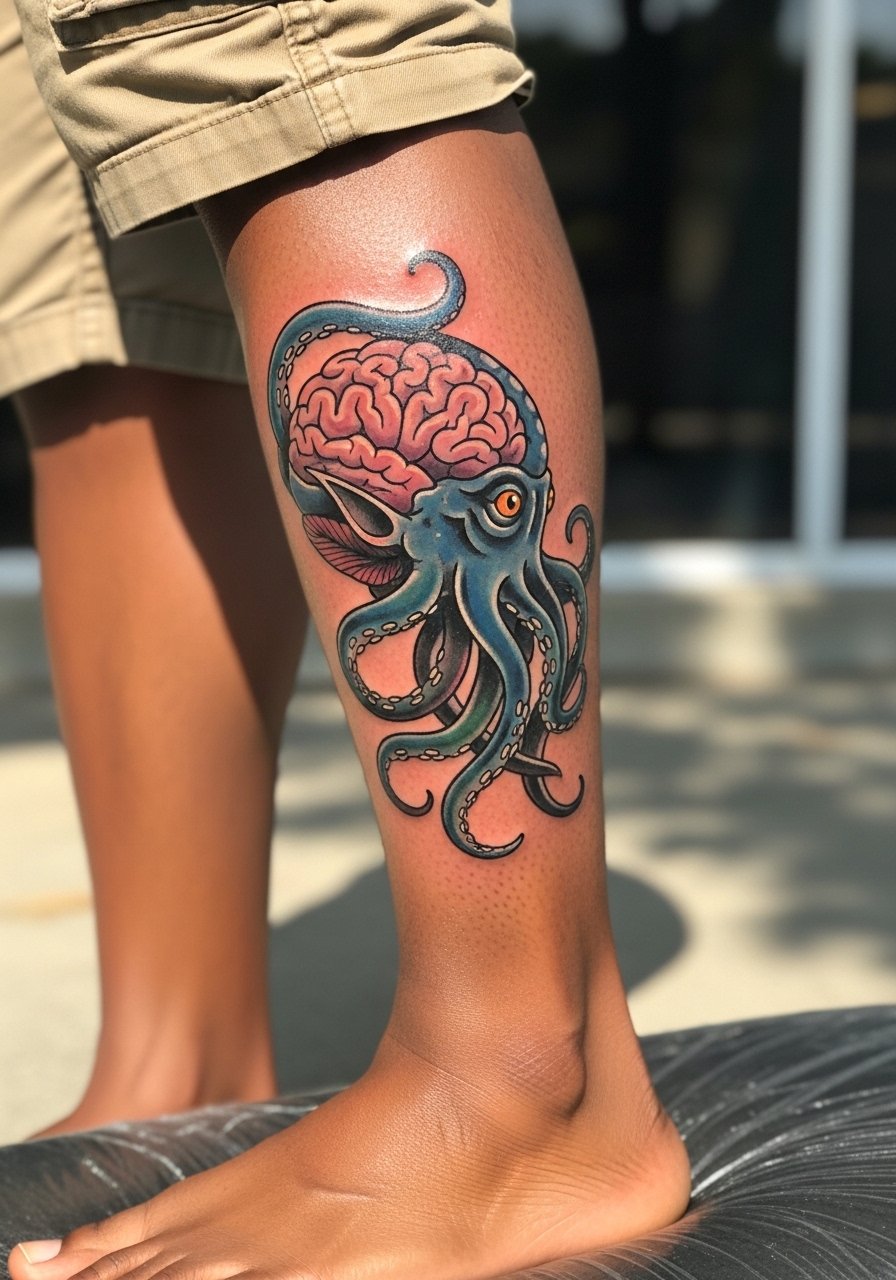
The calf gives enough canvas for small neo-traditional work while keeping color saturation alive. If you want vibrancy choose slightly larger scale, around 4cm, and ask for solid color fills rather than heavy watercolor blends. Calf sessions are comfortable and usually need two shorter visits if color layering is involved. A common error is cramming too many tentacles into a micro footprint, which muddies after healing. Pair it with rolled joggers or dark denim shorts to flash the piece in summer.
11. Fine Line Bike Handlebars with Rainbow Streak on the Forearm
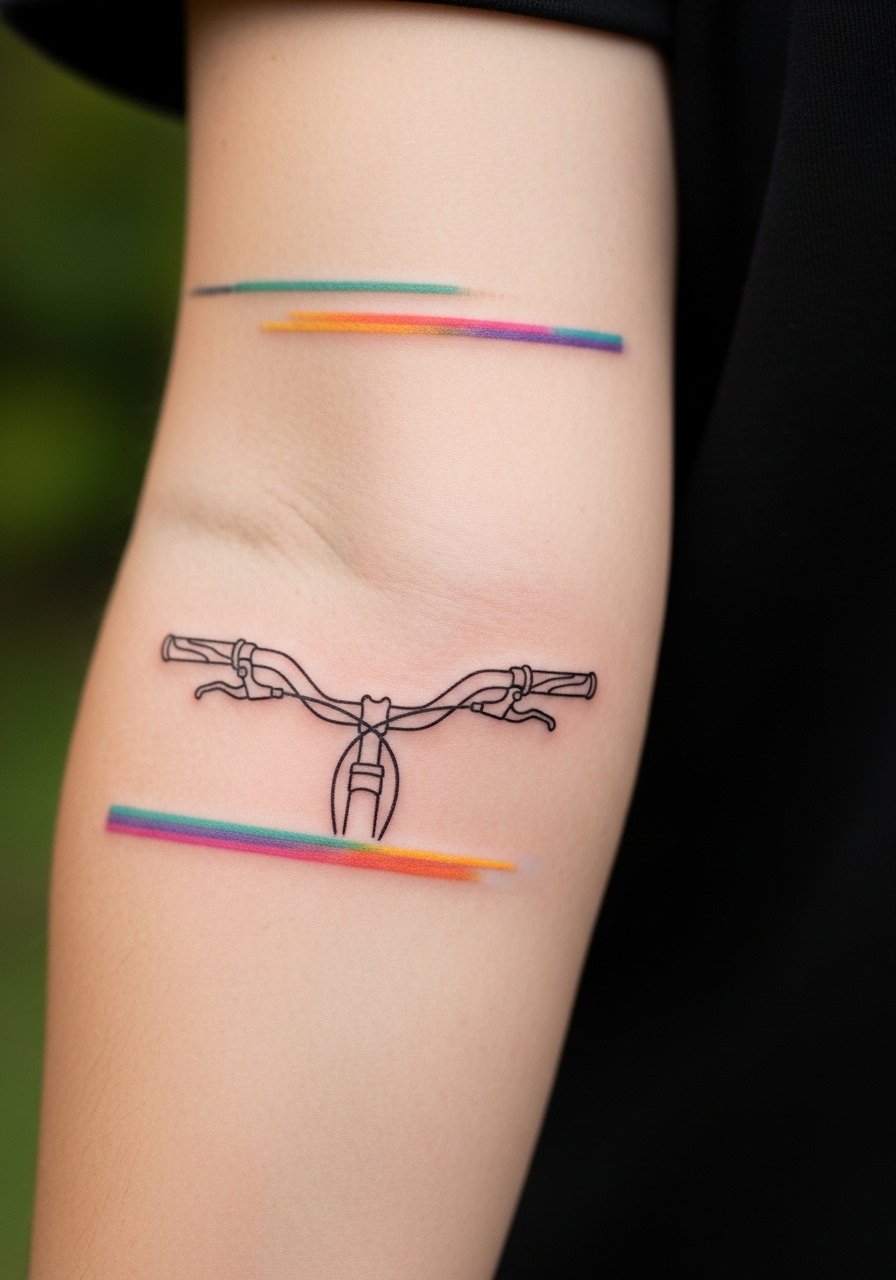
A forearm linear design with one color pop gives 80s nostalgia without all-over color risk. Tell your artist you want a clean 2mm line for the bars and one translucent color streak rather than full watercolor fill so the color survives longer on small scales. The area is forgiving through body changes, but weight loss can still warp tiny linear pieces if placed over a muscle that shifts. For the session wear a short-sleeve button-down so the arm lies flat and accessible. The forearm heals predictably and usually needs fewer touch-ups than fingers or ribs.
12. Micro Sensory Deprivation Tank Outline on the Inner Arm
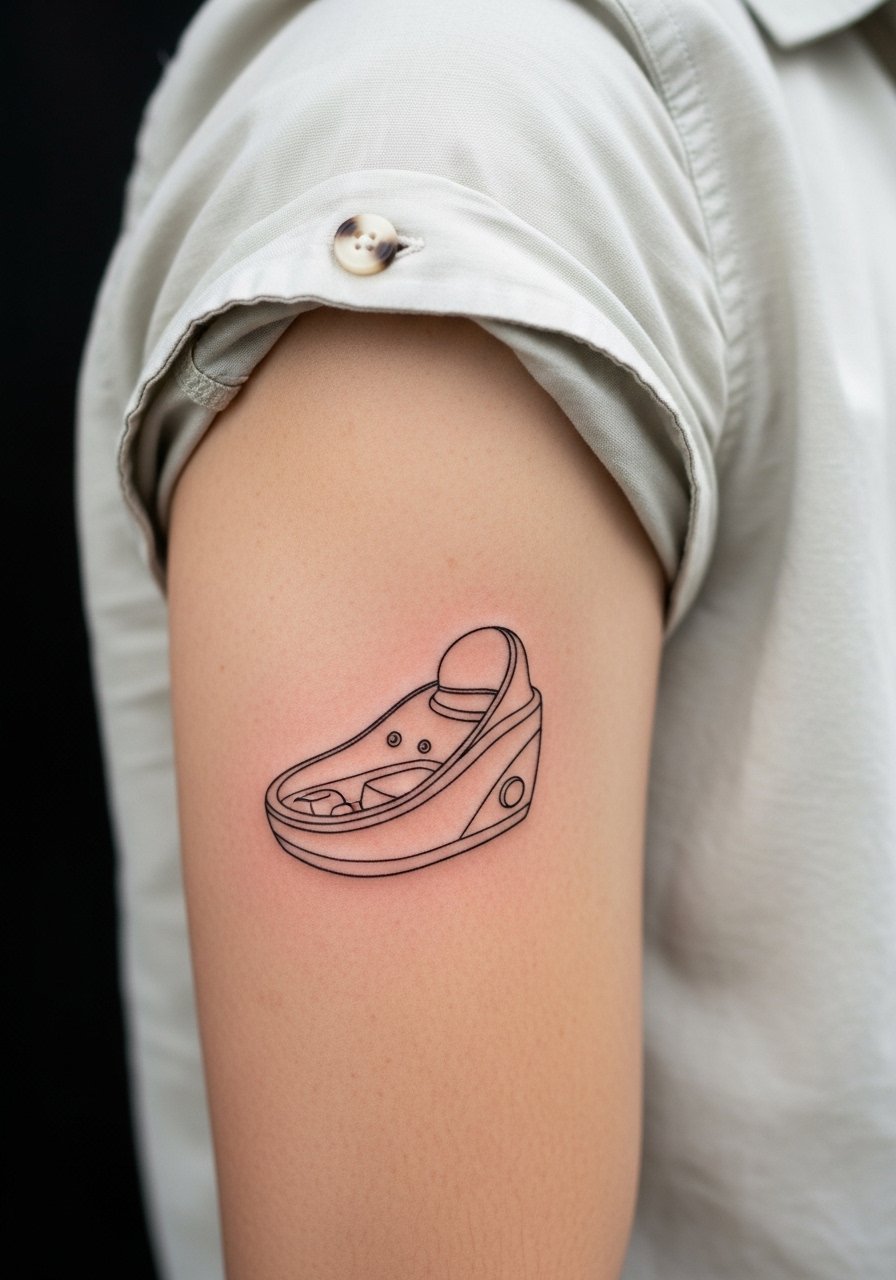
This architectural micro reads like a sci-fi sigil when placed on the inner arm. Ask for a clean rectangular tank shape with a slight lid line so the silhouette remains readable as edge definition softens. Inner arm skin is steady, but friction from clothing can irritate while it heals. The pain is moderate and the session is short. People often ask for micro detail inside these tanks; resist that unless you want annual touch-ups. For the appointment, wear a short-sleeve button-down so the artist can work without fabric bunching.
13. Black and Gray Hawkins Lab Logo on the Thigh
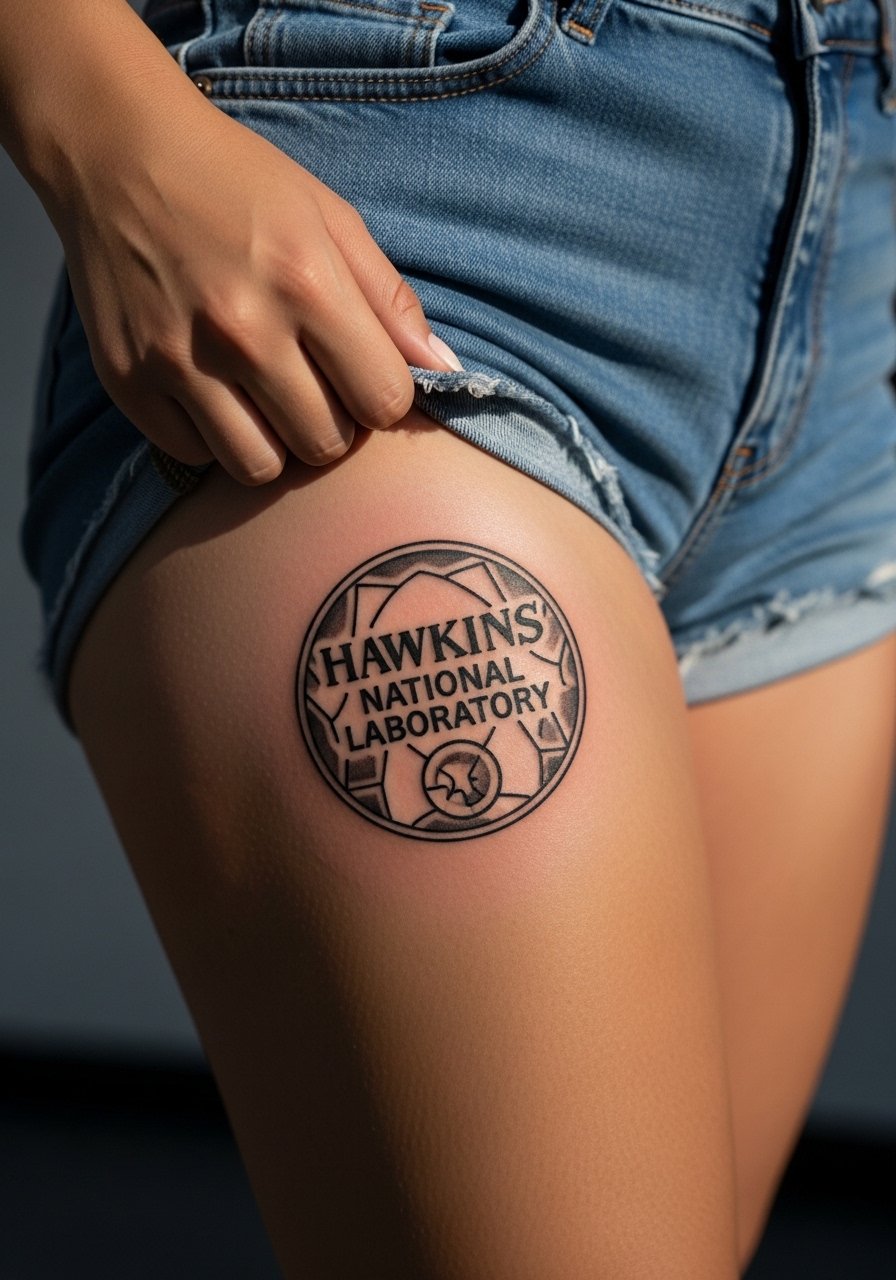
The thigh is an under-used spot for lore-heavy logos that you want hidden or revealed selectively. A 2.5cm shaded logo sits nicely without sacrificing clarity. Thigh skin takes ink well and the area is low-friction during healing, so the piece often ages better than ankle or finger micros. If you want it visible, plan clothing that frames the area. For showing off, high-waist shorts or a slit midi skirt work well. The session is comfortable and touch-ups are rarely urgent.
14. Cassette Tape Outline Paired with a Tiny Eleven Silhouette on the Upper Arm
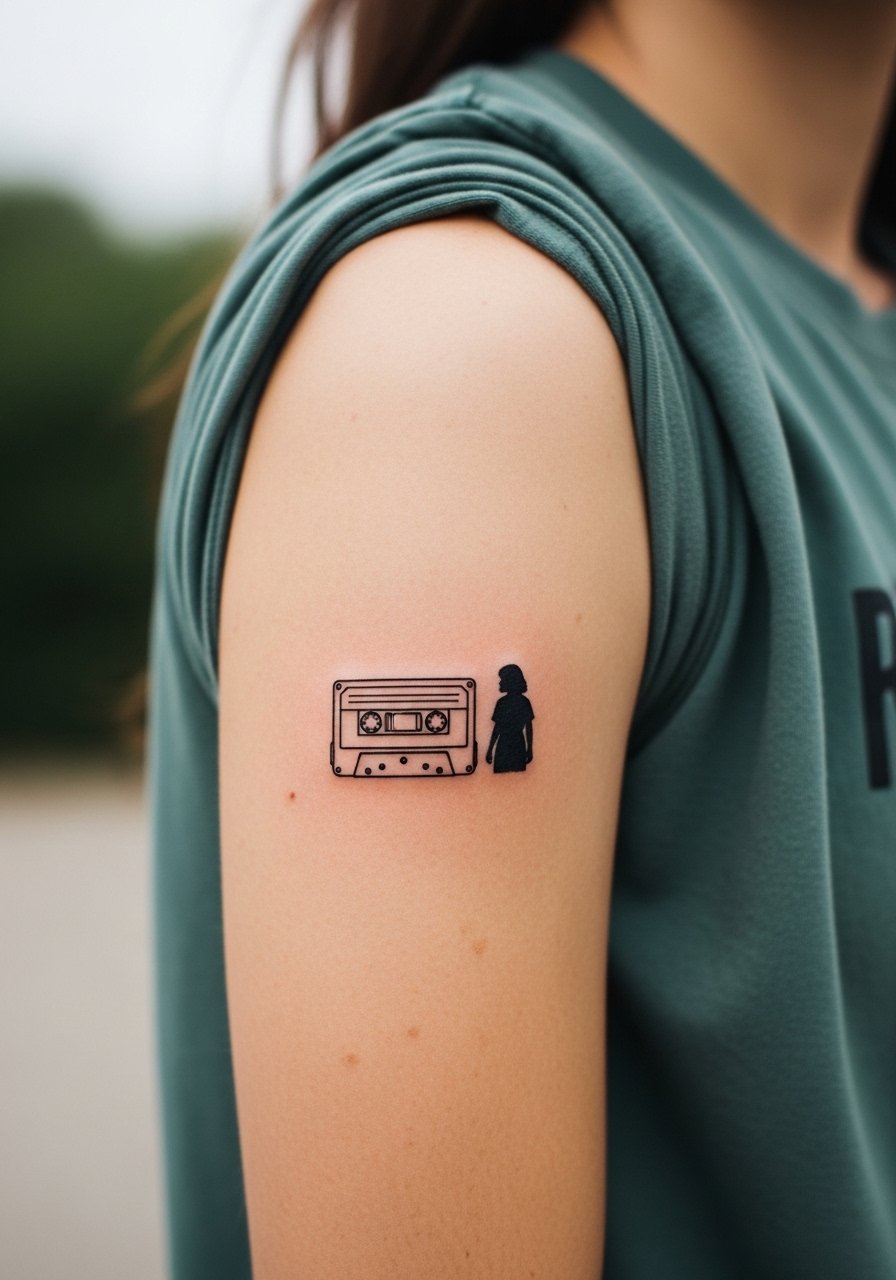
Pairing a micro Stranger Things icon with an 80s cassette tape gives hybrid nostalgia that looks intentional rather than fan-girl. On the upper arm you can keep the cassette at 2-3cm while the Eleven silhouette remains a tiny companion. Ask your artist to keep the cassette simple, one continuous outer line, and the Eleven outline slightly separated so the two elements do not merge as they heal. This placement is forgiving for body changes and feels like a low-risk way to future-proof a trendy reference.
15. UV Ink Upside Down Portal on the Anklet Line
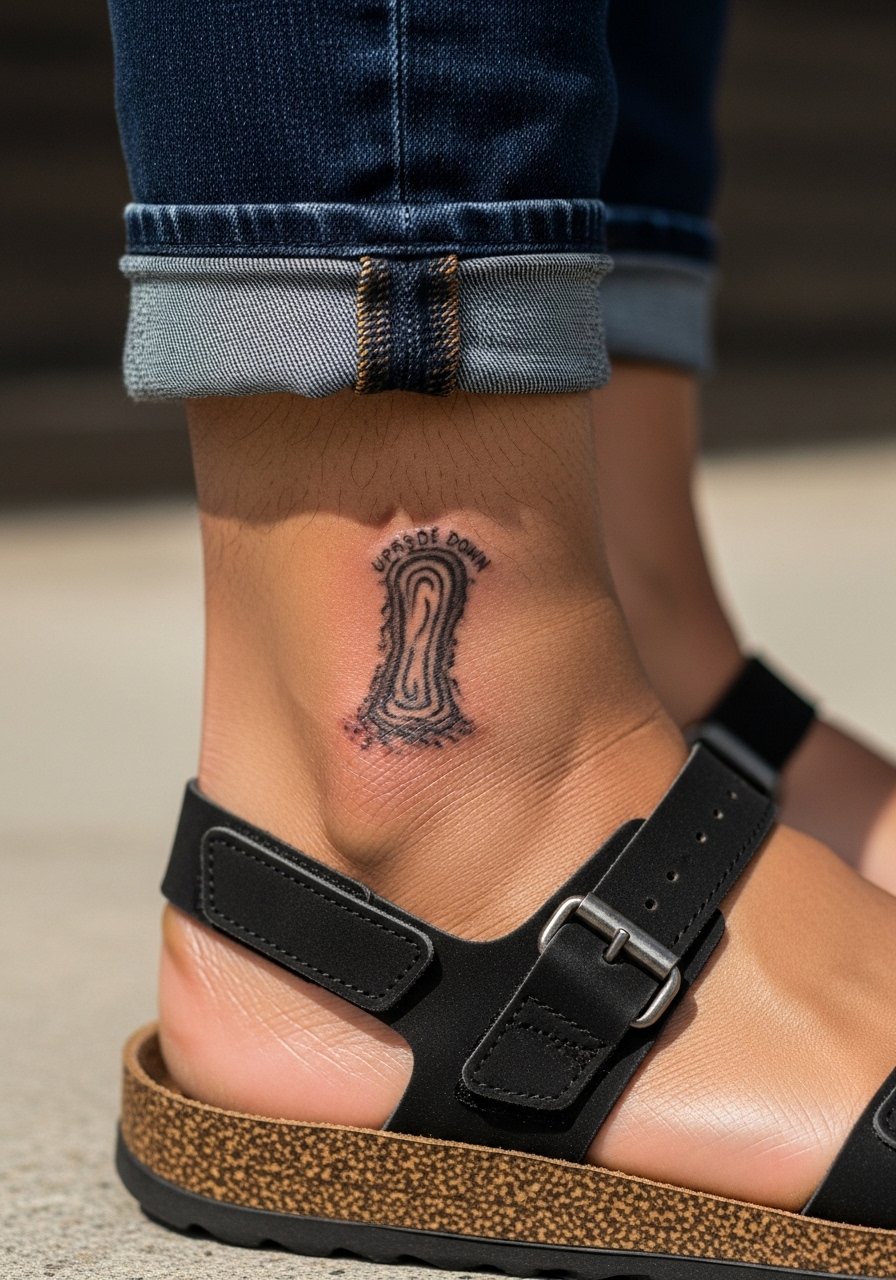
UV ink offers a fun secret option that is invisible by day and glows under black light, but it requires an artist experienced with pigment behavior and specialized equipment. If you choose UV, pair it with a black-line companion so the design still reads without the glow. A clear conversation is necessary because not all studios do UV work and healed photos can look different across tones. The ankle is exposed to seasonal wear, so plan for extra protection during the first two weeks. This idea is high novelty and worth testing with a temporary henna sketch first.
16. Finger Nosebleed Dot Trio for Eleven, Aging-Simulated Placement
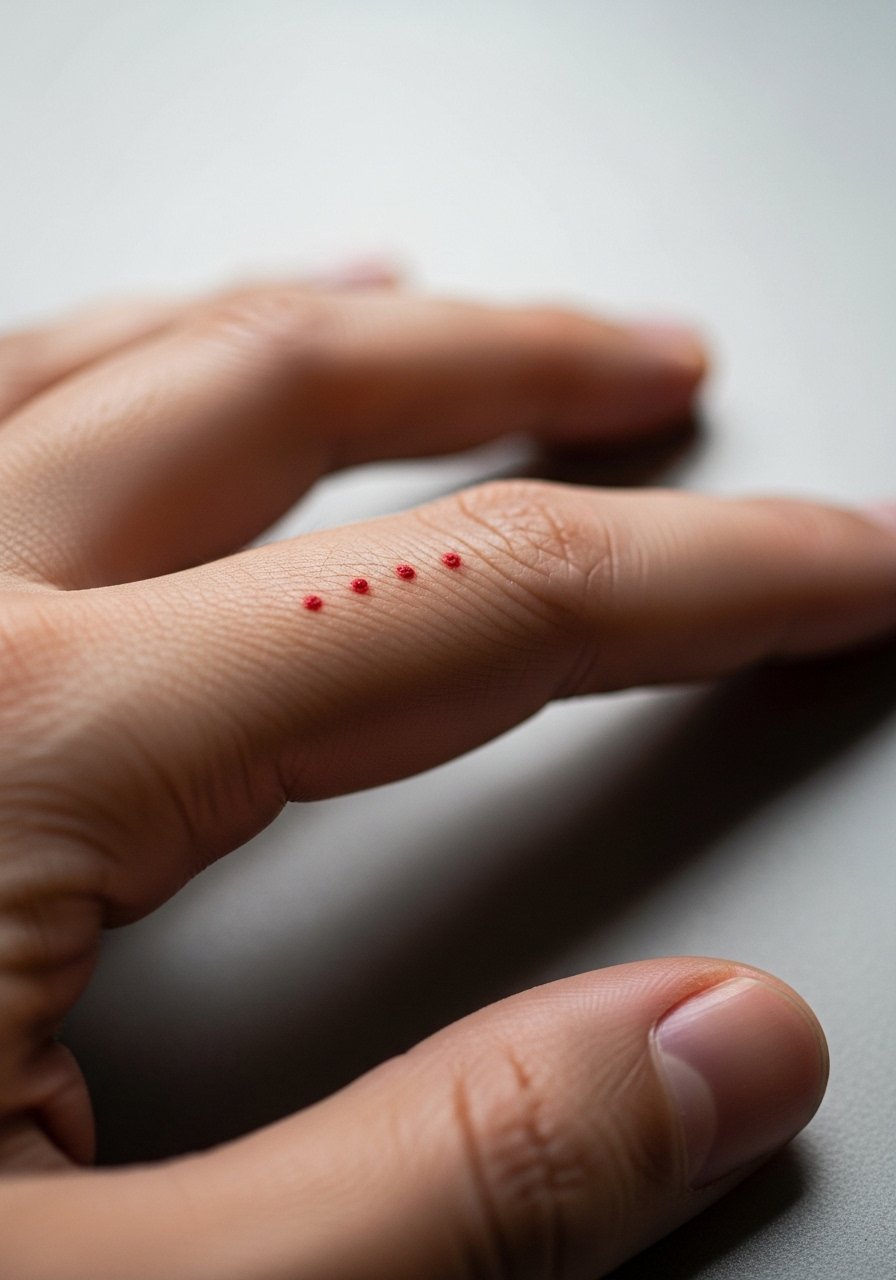
Tiny nosebleed dots can be deceptively durable if executed as simple filled dots with slightly increased size. On the finger ask for a 1.5mm filled dot rather than a pinprick so regular hand use does not erase the mark quickly. Expect the session to be brisk and the pain to register as a quick sting. The trade-off is these spots typically need touch-ups more often than the forearm. A good test is to simulate the placement with marker for several weeks before booking to see how your own daily routine wears that zone.
17. Walkman or Cassette Walkman Outline as a Micro Chest Accent
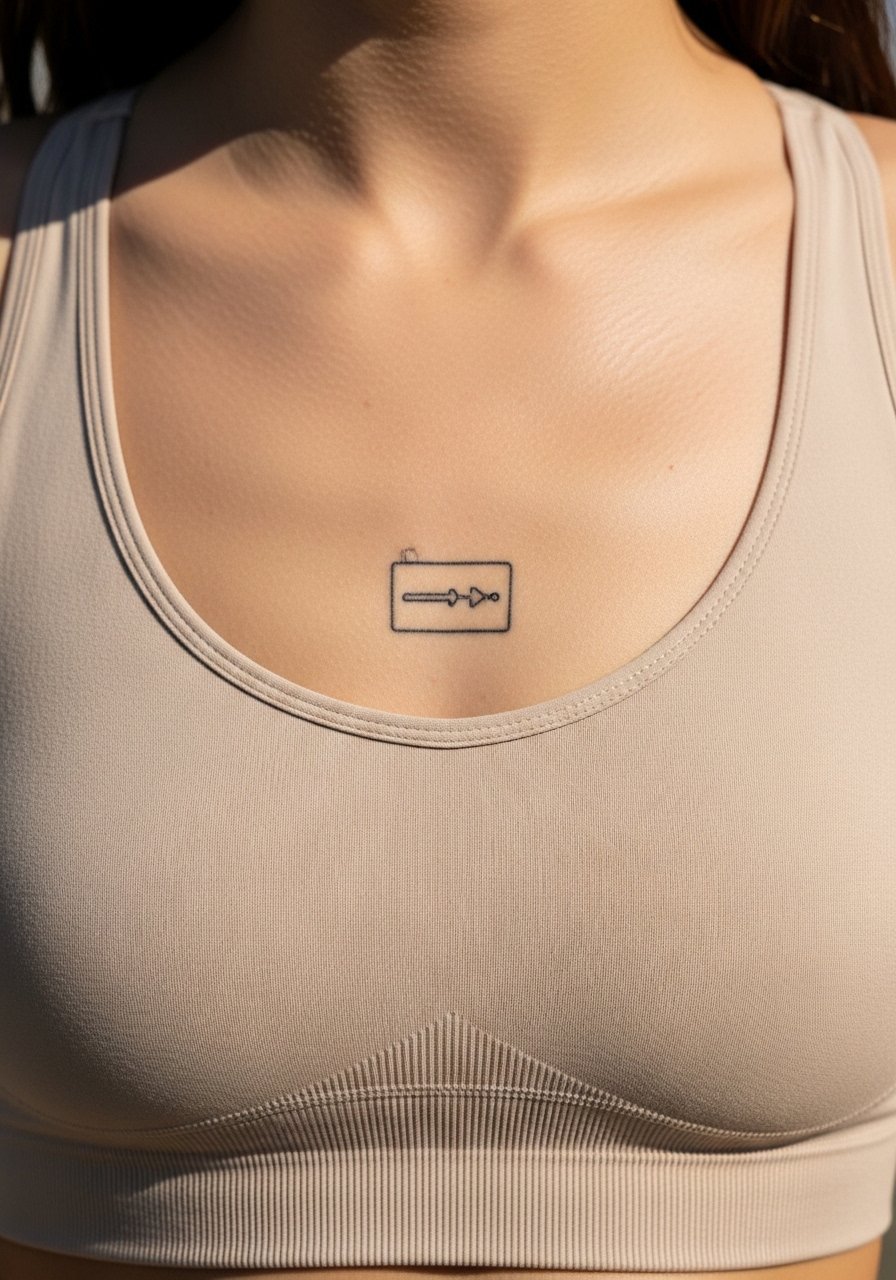
A small Walkman near the sternum or upper chest pairs classic 80s hardware with the show's soundtrack vibe. Because chest placements require modest exposure, wear a fitted sports bra for the session and request a simple outline with a small negative-space window for any buttons. Sternum and upper chest sessions hurt more than the forearm, often a 6 to 7 out of 10, but the placement photographs well and ages steadily when the silhouette is clean. If you want to avoid bones, shift a centimeter to the collarbone edge.
Frequently Asked Questions
Q: Will fine line micro pieces like the Eleven wrist outline blur faster than blackwork Demogorgons?
A: From what I have seen, fine single-needle work on high-movement zones tends to lose definition faster than solid black silhouettes. Two camps argue over this. One side says fine line holds with perfect depth and spacing. The other side says micro fine line almost always needs touch-ups within a couple of years. Ask your artist how they space lines and plan for a six to twelve month touch-up if you choose very thin work.
Q: How should someone with darker skin choose a tiny Demogorgon or Eleven piece so it reads in photos?
A: Opt for bolder black outlines or small blackwork silhouettes rather than faint single-needle details. Request healed-photo samples from the artist showing pieces on similar skin tones and consider a small halo of negative space to keep contrast. A simple design with solid fills will maintain visibility in casual photos better than intricate micro shading.
Q: I was quoted 100-150 for a micro piece but the shop minimum jumped the price. How do I avoid that?
A: Ask for flat-rate pricing in the consultation and confirm whether the shop has a minimum charge. If you want to avoid minimums, look for guest spots at conventions where micro sessions are often priced per design, or ask about flash walk-in slots. Deposits and clear refund or reschedule policies help avoid the ghosting and cancellation headaches I have seen in community threads.
Q: Is Saniderm or dry healing better for tiny wrist and finger tattoos?
A: Artists split into two camps here. Some prefer a short Saniderm window for active lifestyles because it keeps the area clean and reduces irritation. Others prefer dry healing to avoid maceration and clogged pores. Both approaches work when applied correctly. Share your daily routine with the artist so they can recommend the method that fits your activity level.
Q: How do seasonal factors affect ankle and foot micros like the Eggo or Barb pool?
A: Summer sweat, sand and socks can prolong scabbing and slow healing for ankle tattoos. Book ankle sessions when you can wear open shoes and loose pants for at least two weeks. If you travel to beaches, plan the session for off-season or use the first week to keep the area dry and covered.
Q: What should I wear to an appointment for a collarbone or shoulder-blade micro so the artist has clear access?
A: Aim for items you can easily pull aside without being fully undressed. For collarbone pieces a wide-neck shirt pulled slightly aside works. For the shoulder blade a loose tank top or a button-down you can slip off one shoulder is ideal. If you want one option to bring, a loose button-down shirt covers most scenarios.