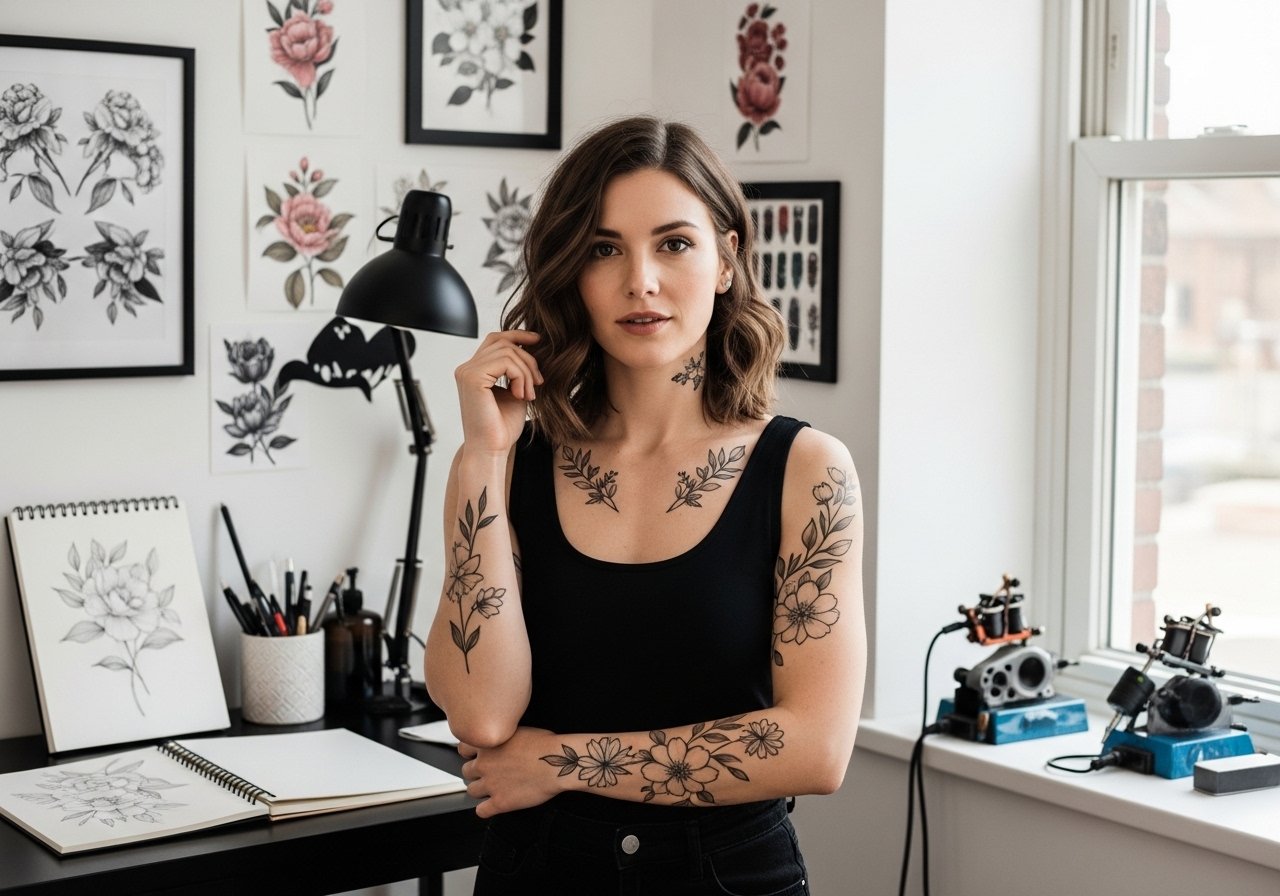
Fine line Mickeys are everywhere on mood boards, but the ones that still look crisp after years usually started with choices that favor long-term wear over fresh-day flash. Pick placement with an eye on movement, ask for slightly heavier lineweight for tan or darker skin, and get a physical size mockup before the needle touches skin. Below are 17 small Mickey ideas, what to ask for in consults, and how each design behaves at 6 months, 2 years, and beyond.
1. Mini Mickey Outline on the Wrist
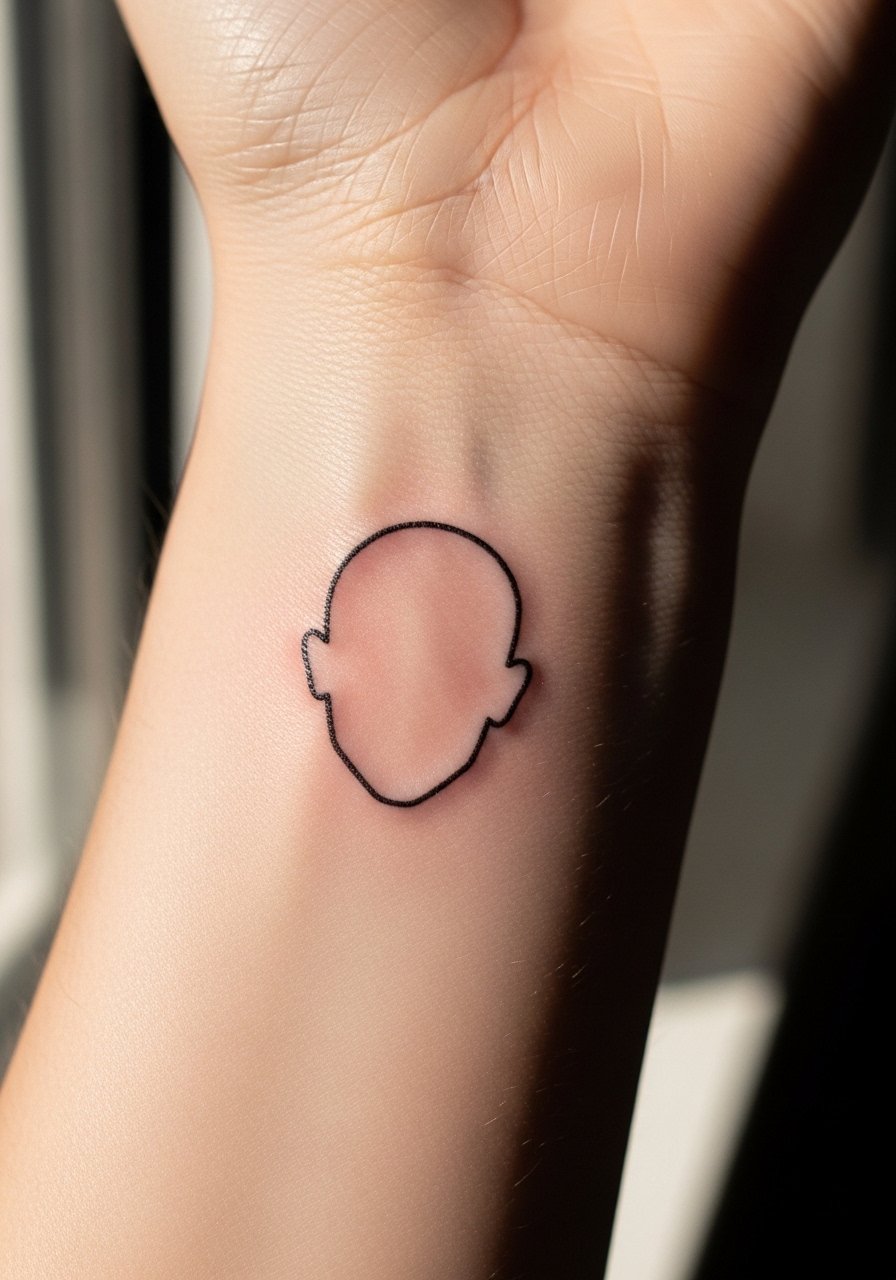
I recommend this for anyone who wants a daily nod to Disney without big visibility. Fair warning, the wrist is a higher-movement zone so the biggest mistake is asking for ultra-fine hairline work and a size under an inch. Tell your artist you want the outline scaled so the ear gaps have breathing room and a slightly firmer lineweight than the reference photo. At six months the line will look slightly softer. At two years a sturdier outline will read cleaner than a hairline version. Session feels quick, about 20 to 40 minutes, and the wrist rates a 4 to 5 on common pain charts. For showing it off, pair with a thin chain bracelet on the opposite wrist and wear sleeveless tops to keep the area visible during warm months.
2. Fine Line Mickey Silhouette on the Inner Forearm
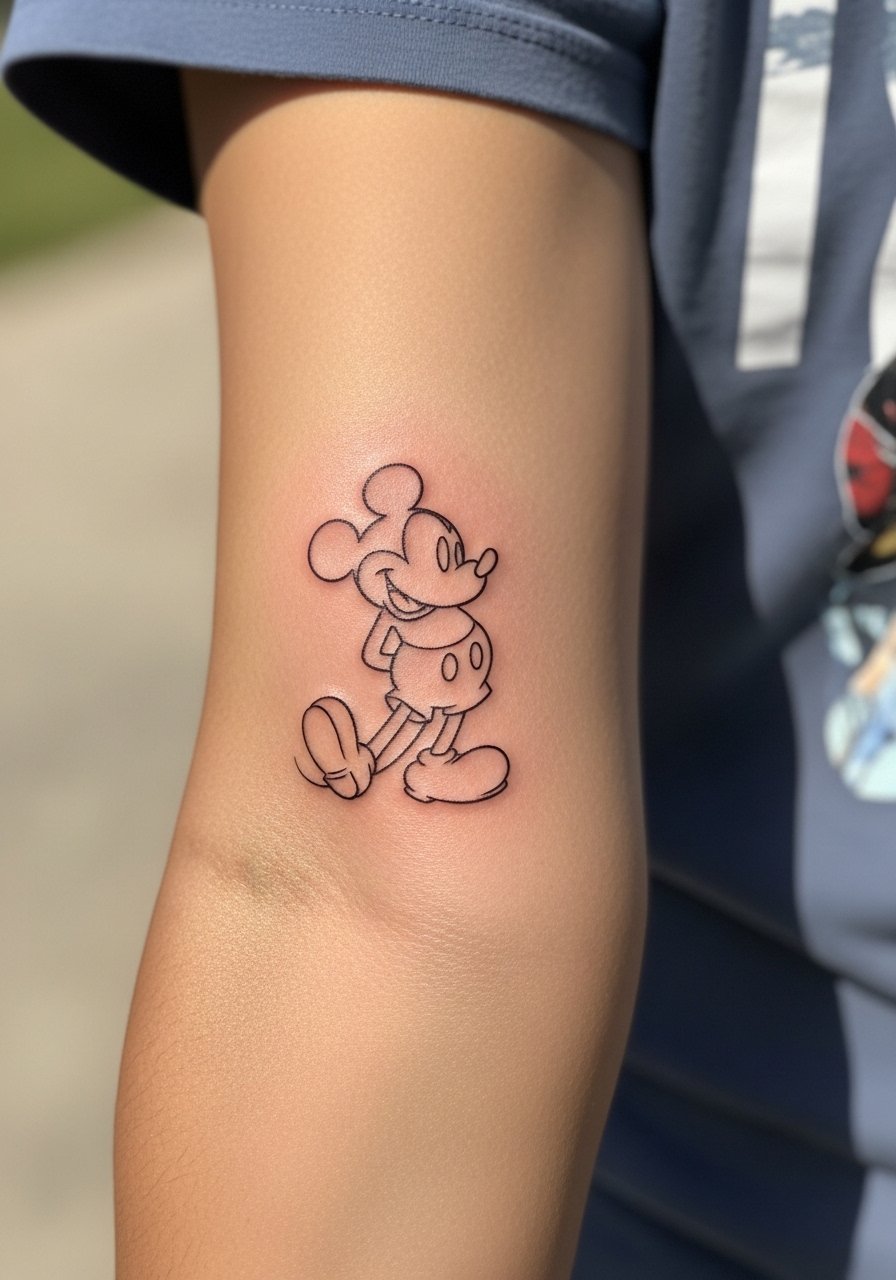
From what I've seen, the inner forearm is forgiving for fine line work if you plan properly. Artists split on whether fine line ages faster than bolder work. One camp says tiny hairlines blur within a few years. The other camp says carefully spaced fine lines with correct needle depth settle well. Ask your artist which camp they come from and request a slightly larger scale if they favor ultra-fine lines. Expect the piece to look crisp at six months, softer at two years, and likely need a touch-up by year three if you want the original contrast restored. Wear rolled sleeves to show it off, and bring a loose fit short sleeve shirt to the appointment so cuffs do not rub the fresh ink.
3. Minimalist Mickey Ears on the Ankle
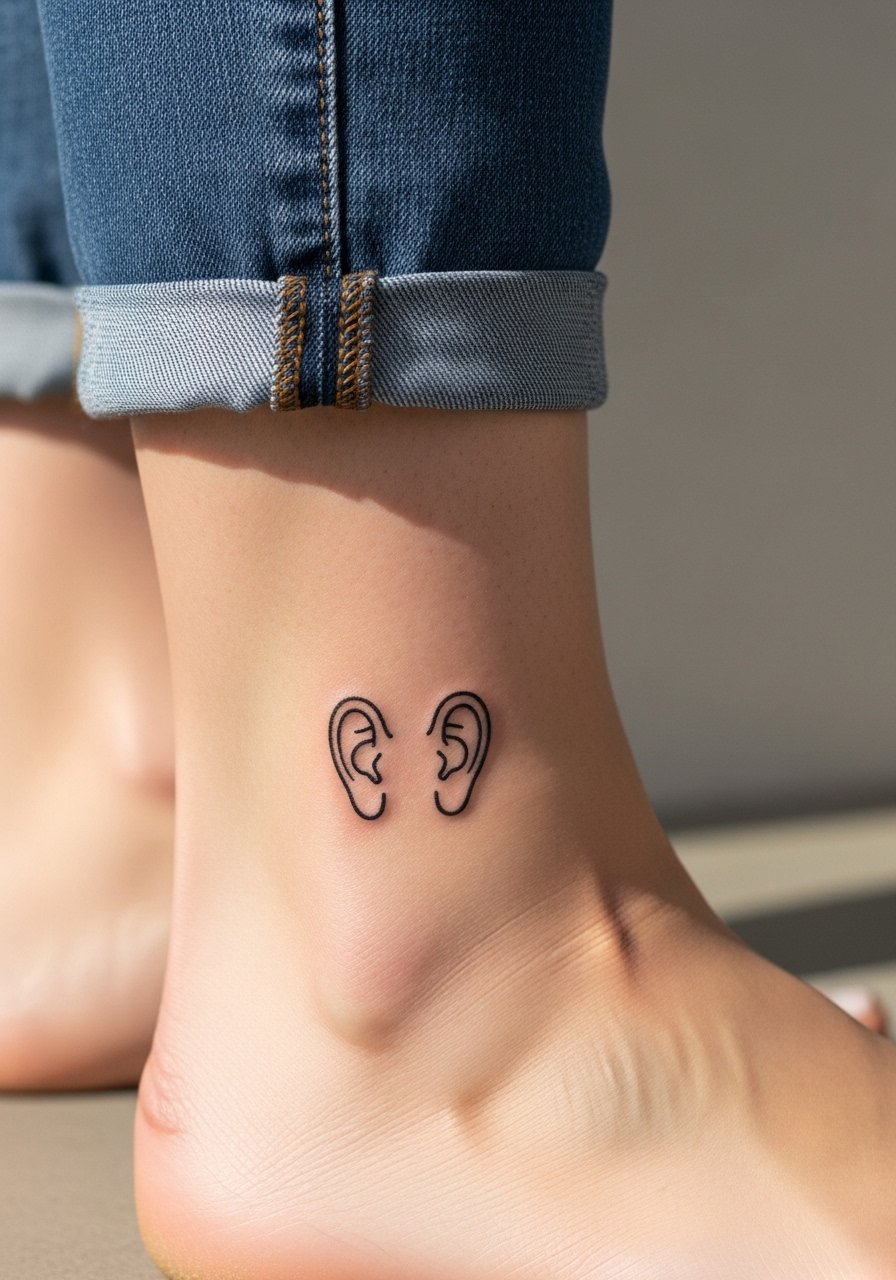
Ankle minis are a seasonal delight because they peek out with sandals and cropped pants. The common mistake is too-small dots and very light linework, which can look like a smudge after daily shoe friction. For longevity, ask for slightly bolder dots and to place the design where shoe tongues or straps will not brush it constantly. Session time is short, often under 30 minutes, and the ankle rates a 3 to 5 on discomfort depending on proximity to bone. At six months the shape is distinct. At two years you want a solid outline rather than hairline marks. Pair this with strappy ankle sandals for summer show-off looks and wear loose pants you can roll up to the session.
4. Bold Blackwork Mickey Head on the Shoulder
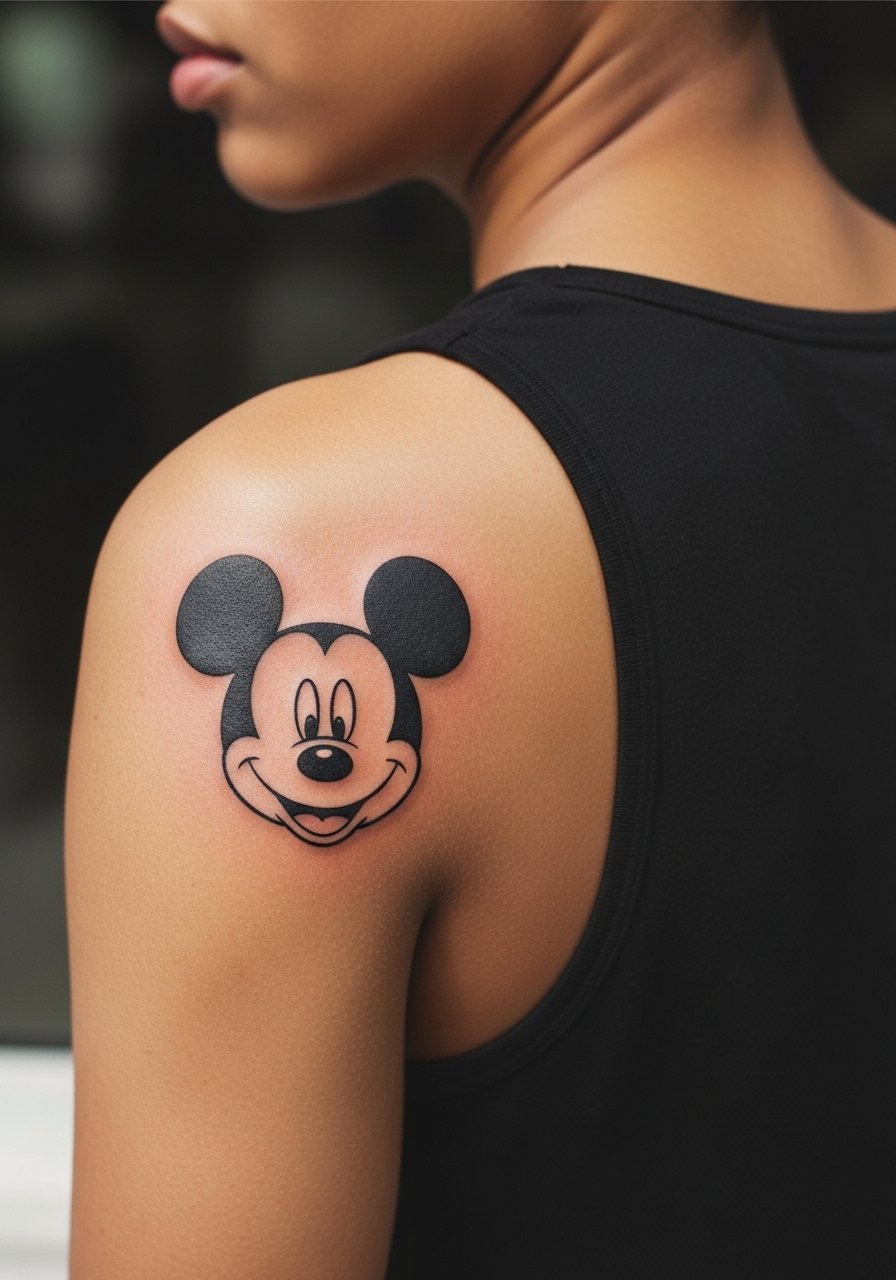
There is something about saturated blackwork that reads strong on darker tones. If you have medium to dark skin, this approach gives contrast and longevity. The biggest mistake is trying to cram intricate detail into that silhouette. Tell the artist you want clean edgework and a smooth fill with high saturation so it balances across skin tones. The shoulder is forgiving for saturation and usually needs fewer touch-ups. The session can take 30 to 60 minutes depending on size. For the appointment, wear a sleeveless button down or tank so the artist has clear access. Bold black holds up better than fragile details on this placement.
5. Micro Mickey with Stars on the Collarbone
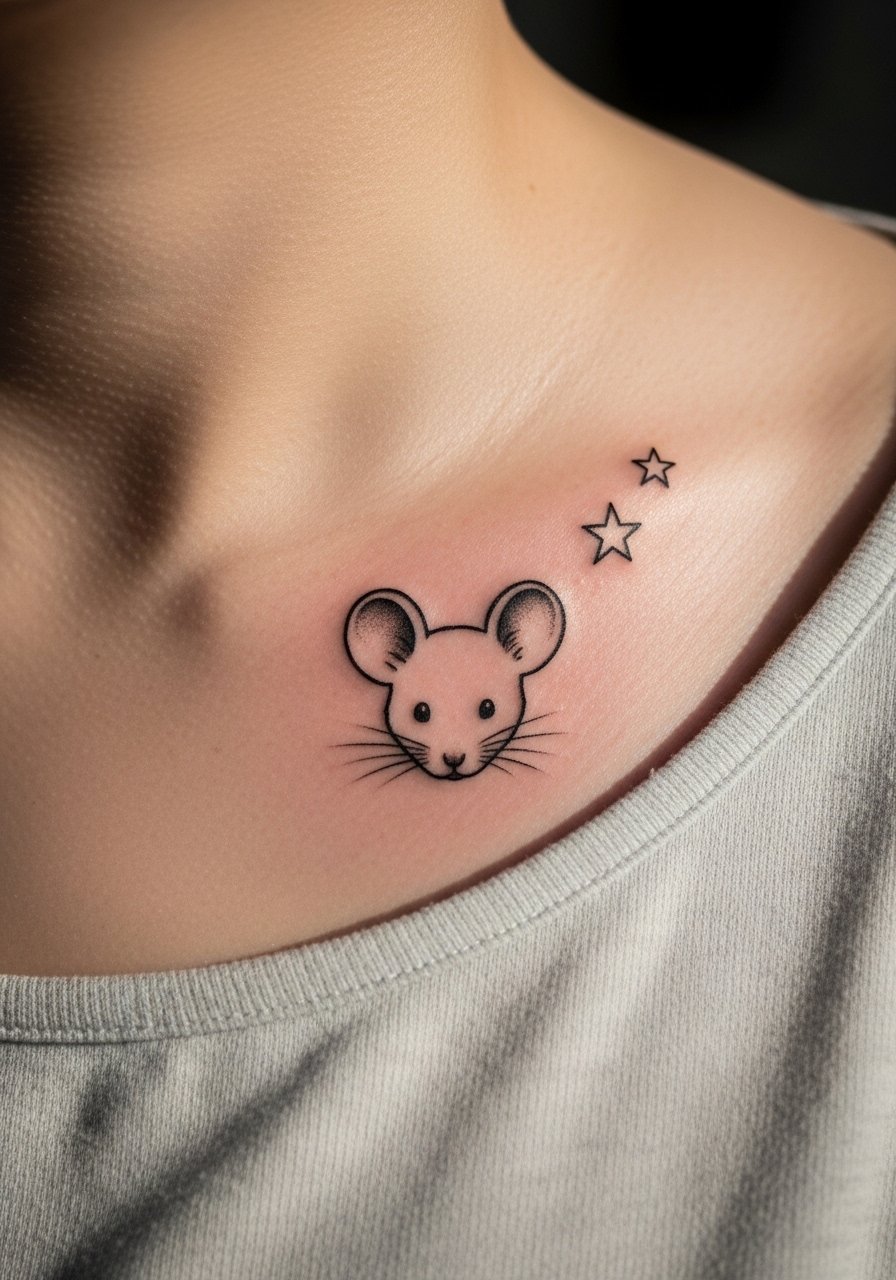
Collarbones are a great spot for delicate, feminine minis that can hide under straps when needed. The common error is asking for too many tiny elements crammed close together. Instead, request a main micro Mickey at about 1 to 1.5 inch scale with one or two airy stars in negative space. Expect higher visibility when wearing v-neck tanks or layered necklaces. The area rates a 3 to 5 on pain and takes about 30 to 45 minutes. At six months the sparkle from the stars is visible. At two years, spacing will determine legibility. For showing off, a v neck tank top and layered delicate necklace sit nicely above the motif.
6. Neo-Traditional Mickey Bow on the Thigh
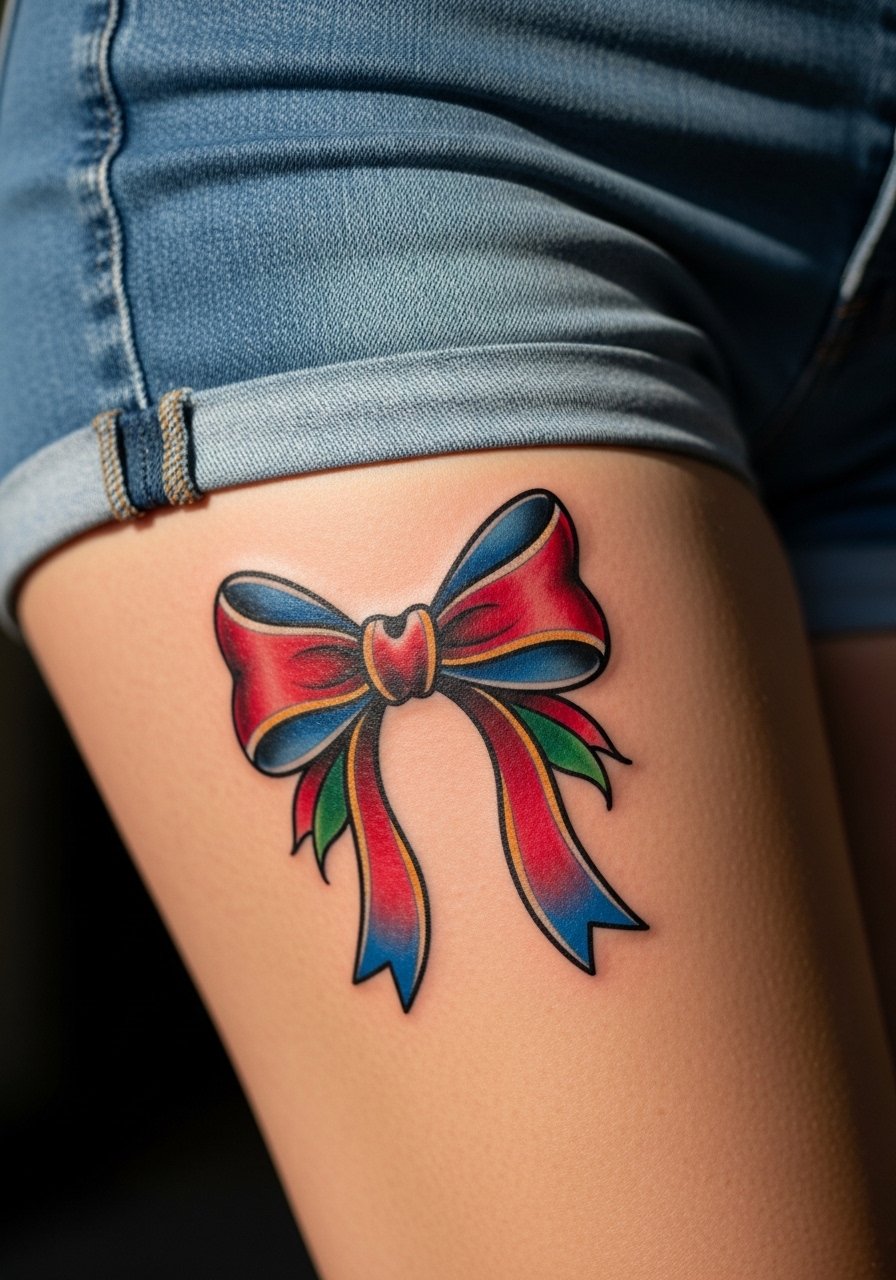
Thigh pieces let designers play with color and scale while staying private when needed. The mistake to avoid is insisting on tiny, patchy color in a single session. If you want bright reds or golds, plan for two sessions for saturation and smooth blending. Pain on the outer thigh is usually a 3 out of 10 and sessions can run 60 to 90 minutes. At six months color will have softened a bit. At two years saturated neo-traditional work tends to hold fine with seasonal sun protection. For session comfort, bring a pair of high waist denim shorts you can slide down slightly so the artist can work without pressure.
Studio Day Picks
Those first six ideas ask for very different prep versus larger back pieces. Small wrist, forearm, and collarbone work need easy clothing access and gentle first-week care to protect fine line details.
-
Tattoo Goo balm. A thinner, less greasy formula that people mention for tiny designs because it does not sit heavy on fine line channels.
-
Hustle-free alternative balm. Lighter consistency that users in humid climates prefer during the first week of healing for minis.
-
Ink Fix spray. A quick dry-heal spray some clients use on low-friction areas like wrists and ankles to reduce scabbing.
-
Thin protective film roll. Useful for wrist and finger pieces where hand-washing and friction are constant, helps shield the design for short periods.
-
Aquaphor healing ointment. A thin layer during the first few days can lock in moisture for fine line work without clogging the needle channels when used sparingly.
7. Ignorant-Style Mickey Gloves on the Inner Arm
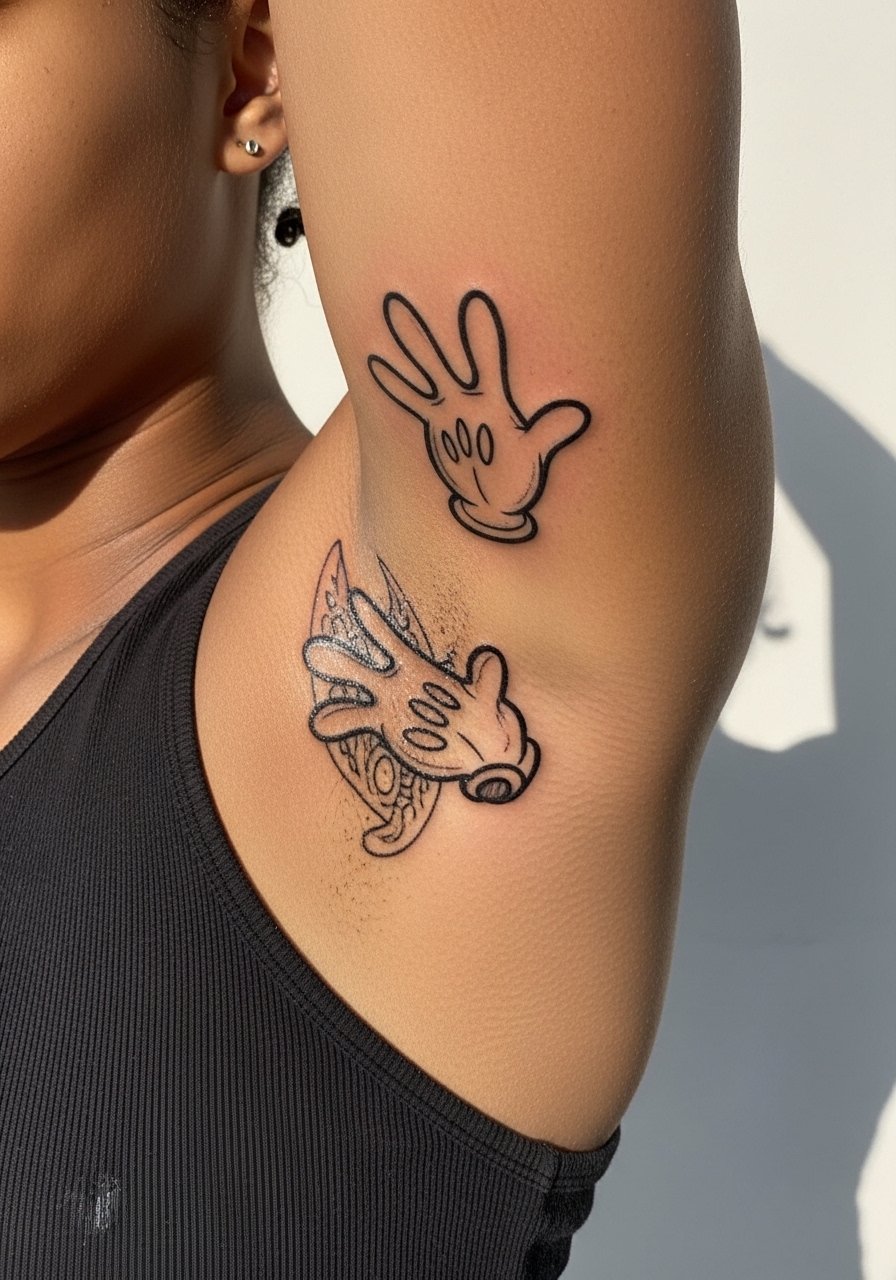
This playful, raw approach mimics sketchbook energy and suits those who want attitude in a tiny piece. The inner arm is softer and the danger is too-light, wobbly lines that blur as the skin settles. Ask your artist for confident, slightly textured linework and stipple accents for character. The area is less painful than ribs but more sensitive than outer arm. Session time is often 30 to 45 minutes. At six months the sketchy vibe looks intentional. At two years linework may need a touch-up to keep that hand-drawn clarity. For session wear, choose a loose tank top so the artist can access the inner arm without rubbing the fresh work.
8. Watercolor Mickey Splash on the Ribcage
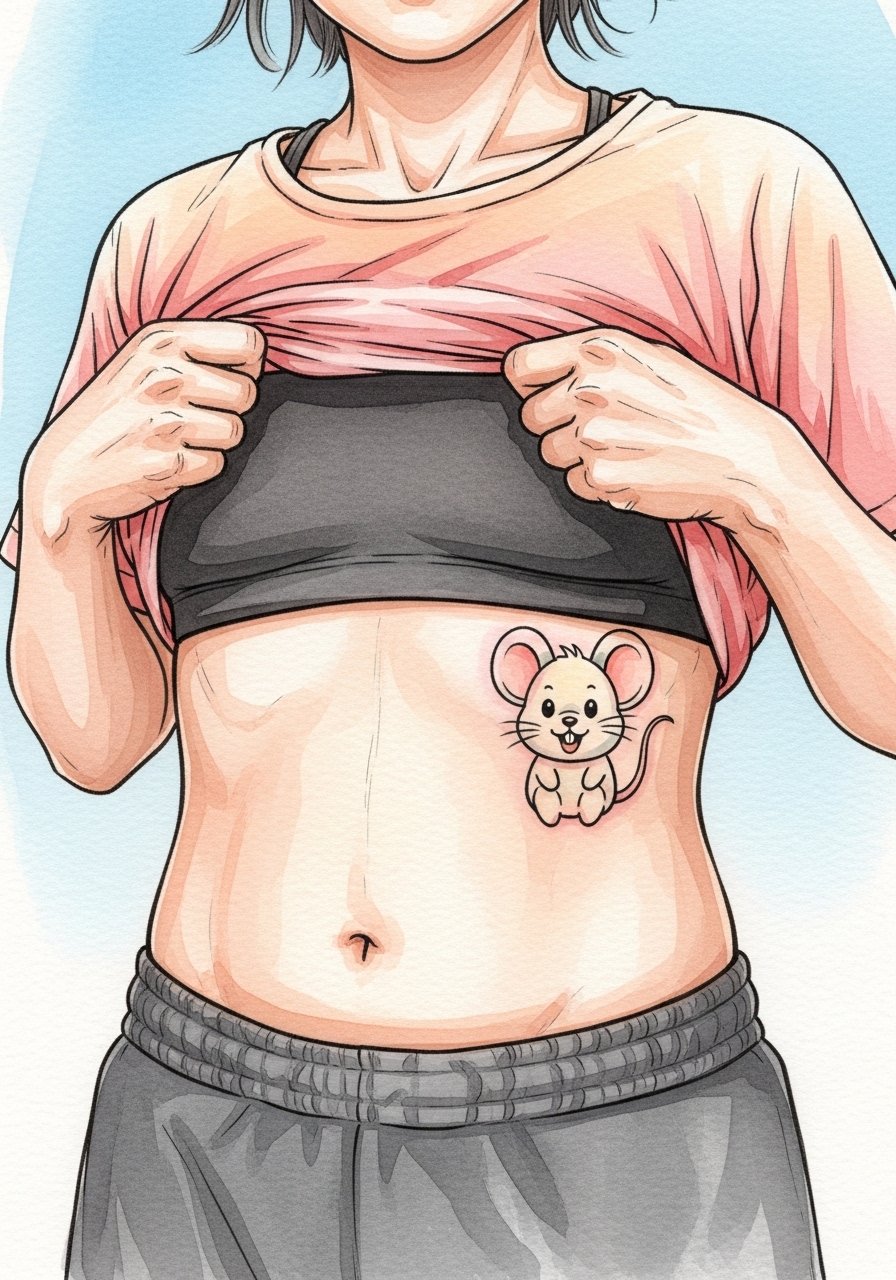
Fair warning, ribcage work can be painful and is a zone where healing methods spark debate. Saniderm advocates say the film reduces infection risk and keeps color intact. Dry heal proponents argue that letting scabs form and fall keeps pigment intact for cartoons. Artists split into these camps, so ask how your shop handles ribcage watercolors before committing. Watercolor also tends to soften faster than blackwork. Expect a 7 out of 10 pain level and at least two sessions if you want layered color. At six months the washes look bright. At two years the color will be noticeably softer and may need a refresh to regain pop.
9. Traditional Mickey Outline on the Calf
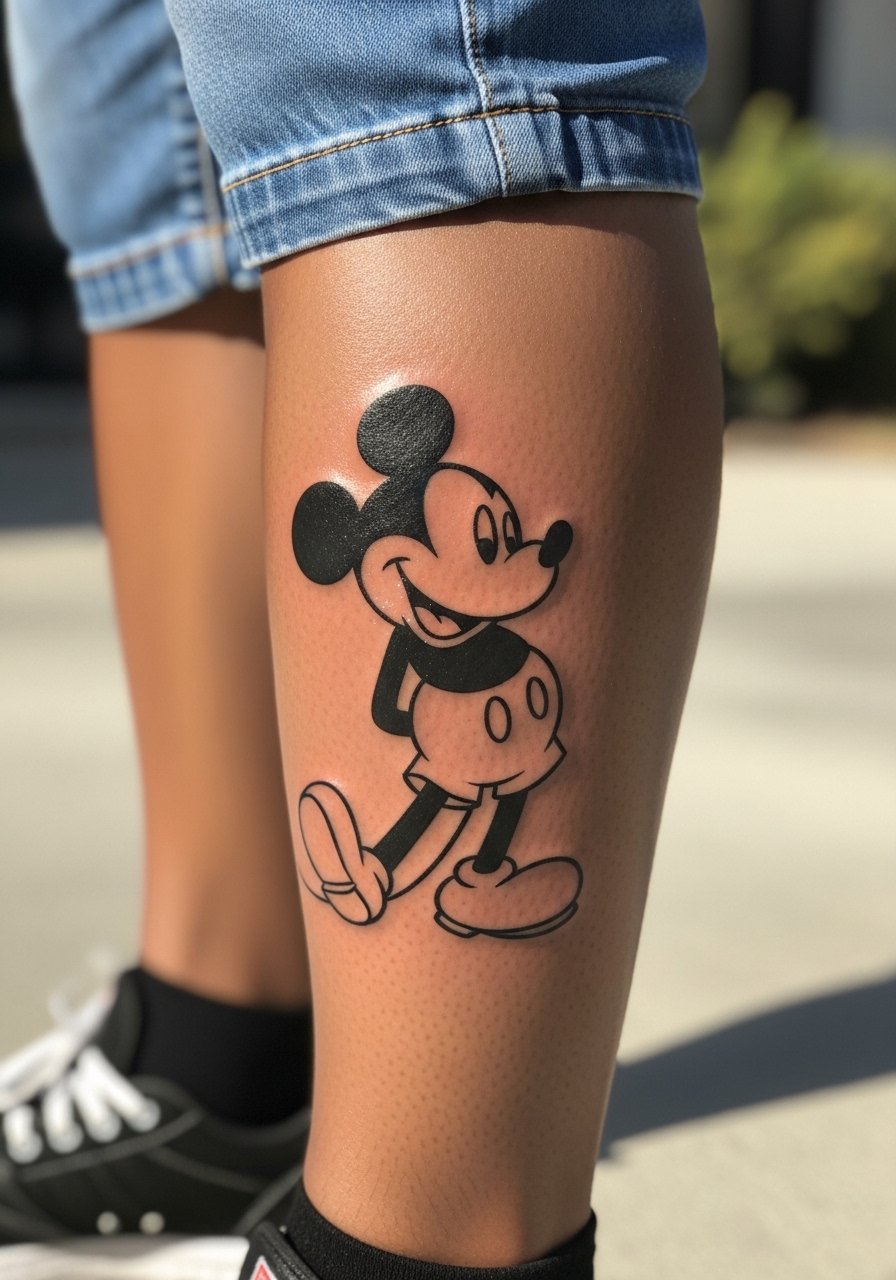
The calf is a reliable canvas for classic outlines that want to be seen from a distance. Traditional linework benefits from bolder strokes, which also reduce blowout risk on this placement. Common mistakes include asking for cramped details instead of strong silhouette. Session typically runs 30 to 60 minutes and pain is mild. At six months the bold outline looks crisp. At two years this approach normally requires fewer touch-ups than fine line work. When styling it, pair with shorts or flowy midi skirts so the clean silhouette shows during warm days.
10. Ornamental Mickey with Geometric Frame on the Upper Back
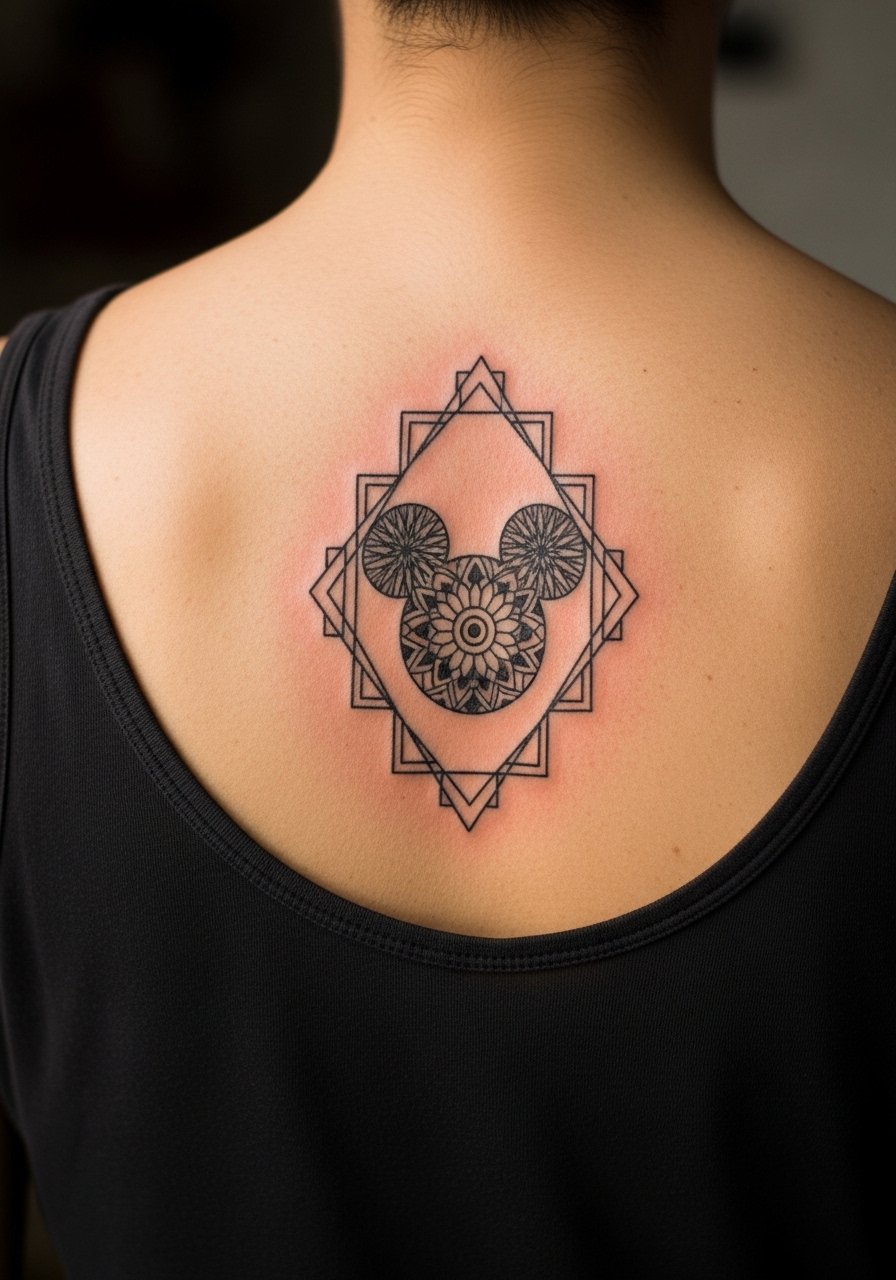
Combining ornament and icon modernizes a classic while adding structural spacing that helps the piece age better. The common version that ages poorly uses tiny filigree too close to the central silhouette. Instead ask for clear negative space between the Mickey and the frame and for heavier outer lines on the frame. Upper back work settles with less friction than limbs. Sessions can be 60 minutes plus depending on complexity. At two years the design should retain clarity if spacing was prioritized. For showing this placement, off-shoulder tops frame the area nicely so consider an off shoulder blouse for evenings.
11. Fine Line Mickey Wave on the Side Neck
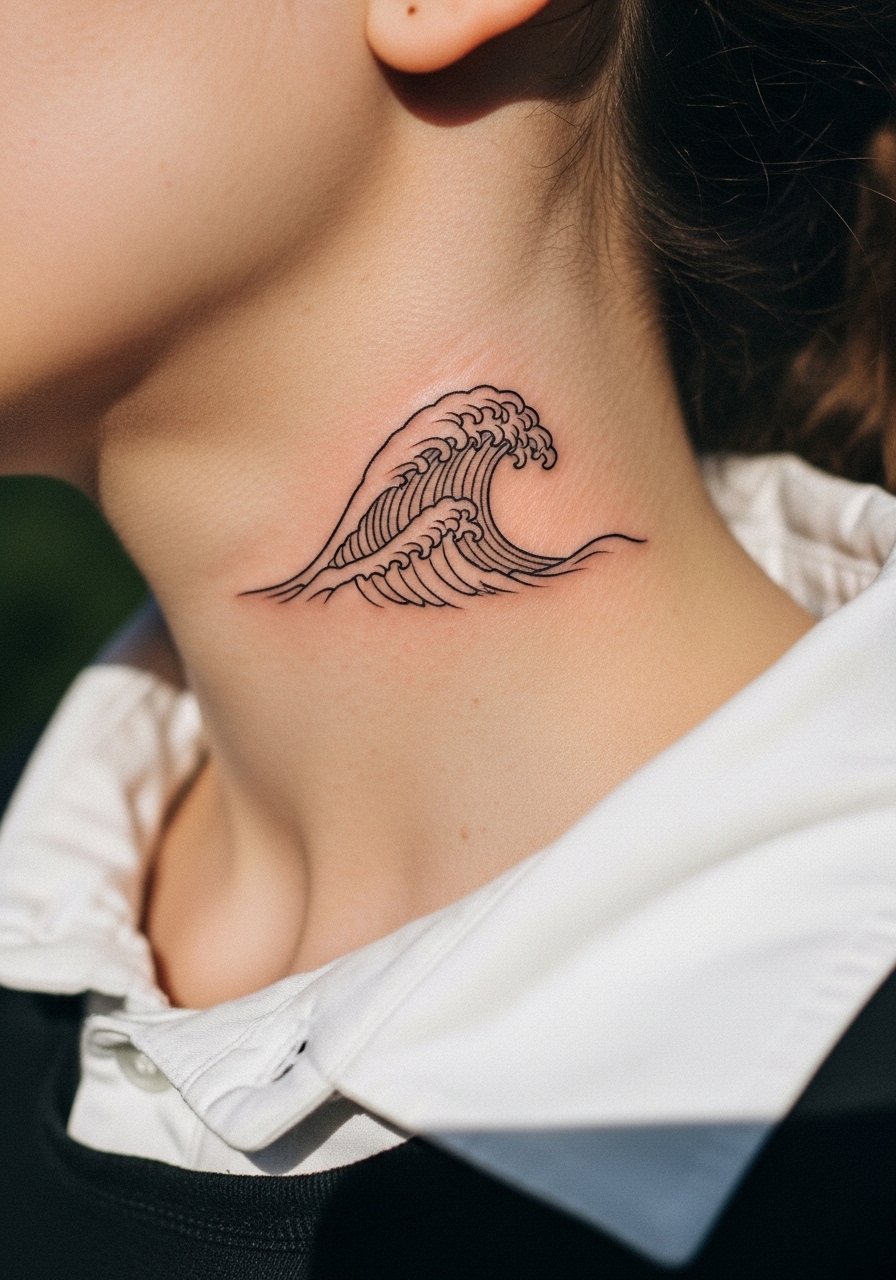
Neck tattoos are high-movement and visible so the decision is about lifestyle as much as design. Fine line here looks delicate but can blur faster than on lower-movement skin. Ask the artist to balance lineweight for longevity and to show healed examples on similar skin tone. The session is quick, often 20 to 40 minutes, but pain can register higher because of thin skin. At six months the curve reads clean. At two years expect some softening. For session wear, bring a wide-neck shirt you can pull aside for access without full exposure.
12. Negative-Space Quote Hidden in Mickey Ears
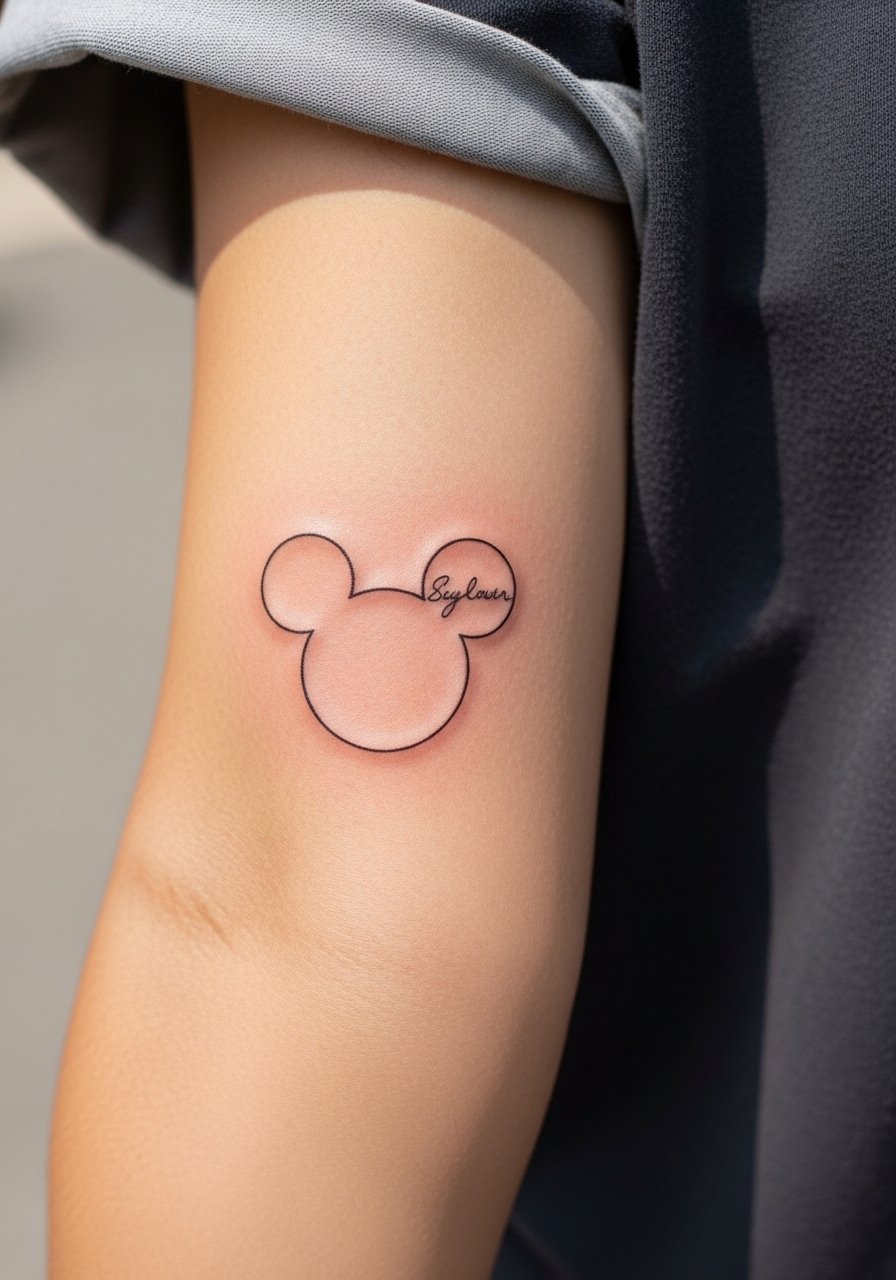
This is one of those clever personalizations that competitors rarely show. The trick is to keep the lettering extremely small and open rather than dense so it reads as negative space and not a smudge after healing. Tell your artist the exact short word you want and request a mockup on skin before inking. At six months the hidden text will be legible up close. At two years the negative space still reads because it relies on contrast rather than micro strokes. The inner forearm is forgiving, and session time is often under an hour. Bring a loose short sleeve shirt so cuffs do not press the fresh area.
13. Geometric Framed Mickey on the Upper Arm
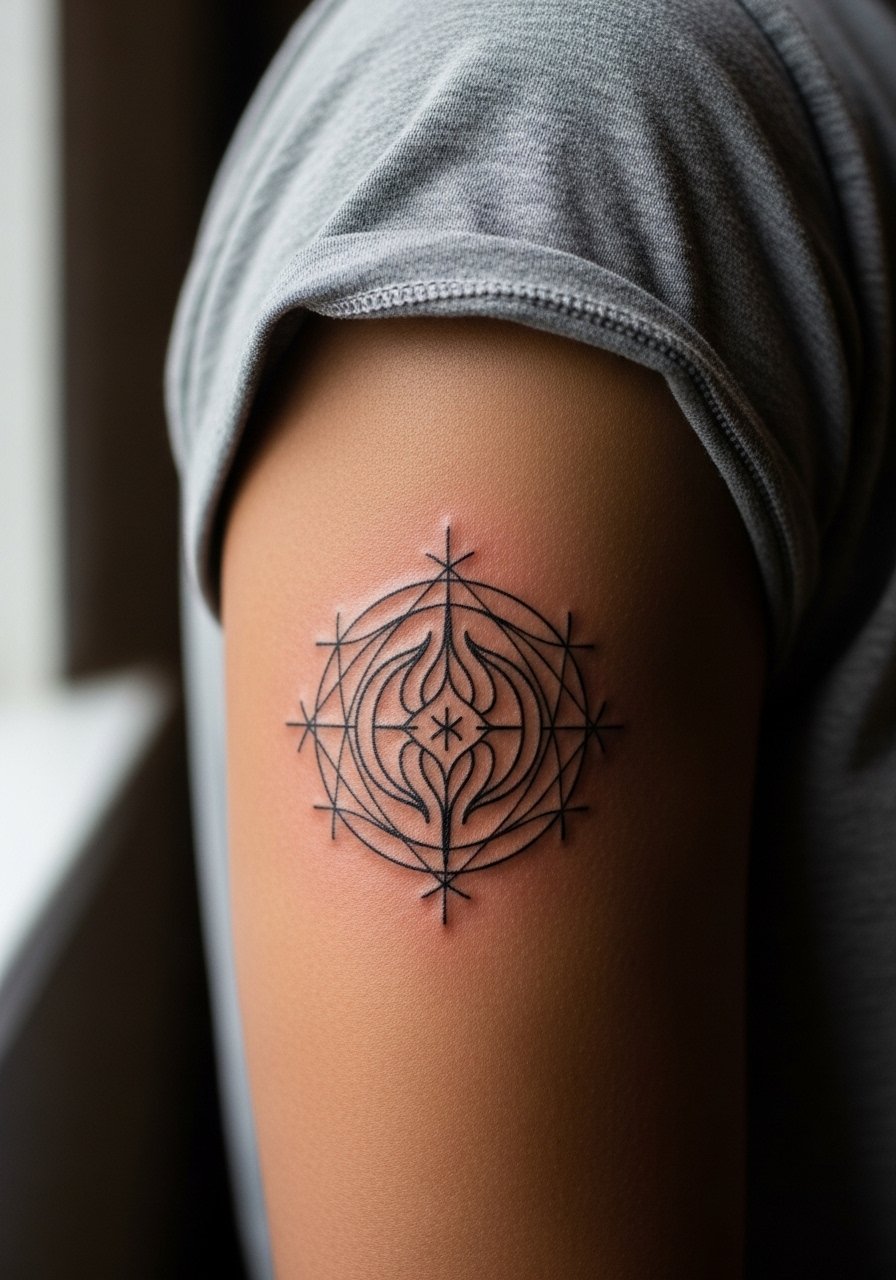
Geometric framing modernizes the icon and gives lines room to age without merging. The common mistake is choosing too-tight geometry with narrow angles that invite blowout. Ask for clear spacing between the Mickey silhouette and the frame edges, and for slightly rounded corners on thin lines. The outer arm is low-risk for blowout and sessions are generally 30 to 50 minutes. At five years, the success of this piece depends on initial spacing and sun protection.
14. Tiny Behind-the-Ear Mickey Ears
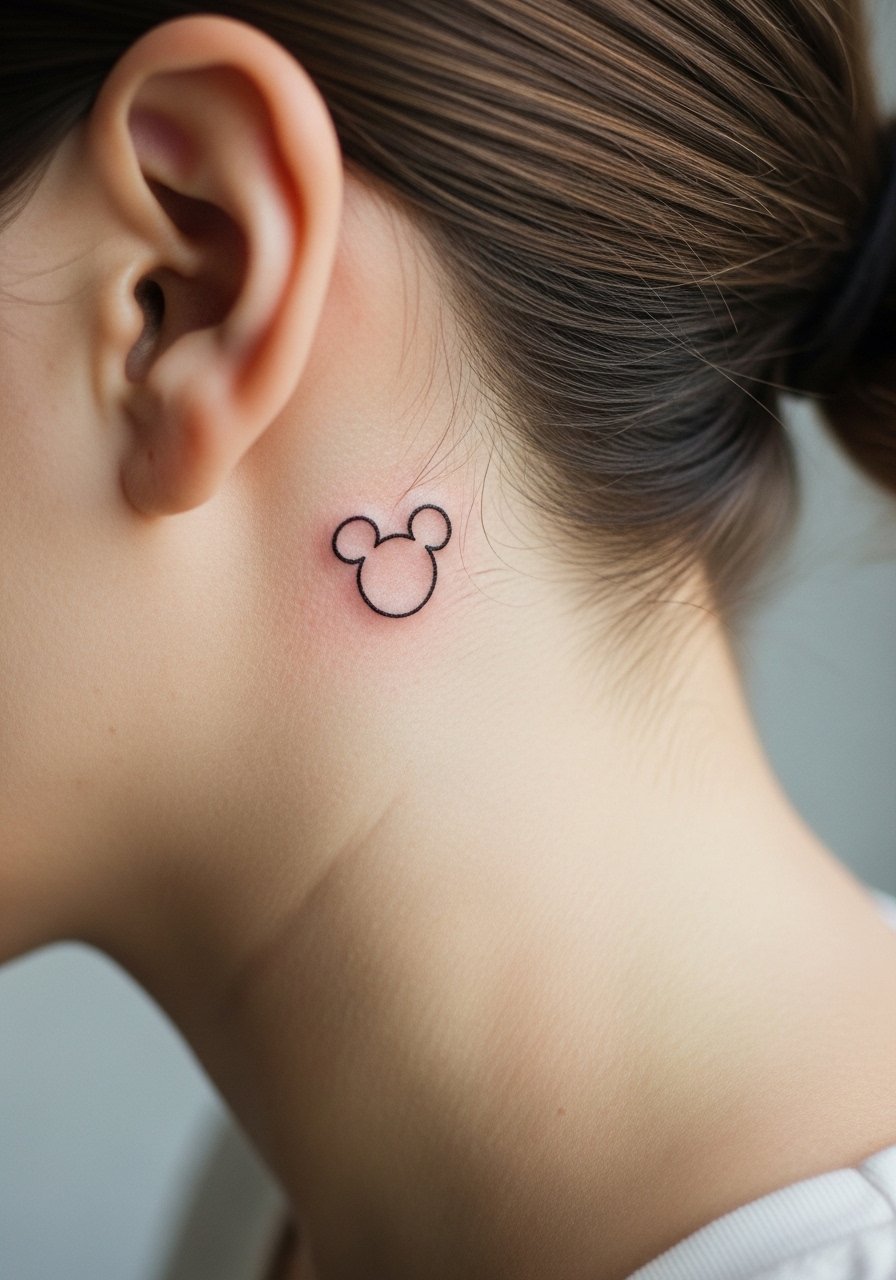
Behind-the-ear minis are a subtle secret when tucked under hair. The area needs a special approach because lines placed too close to hair follicles can blur or migrate. During consult, ask about healed photos of similar placements and expect a 2 to 3 pain rating. Healing can be tricky with hair oils and pillow friction. Keep hair tucked for a few nights and avoid heavy scalp products while healing.
15. Tiny Finger Mickey Silhouette
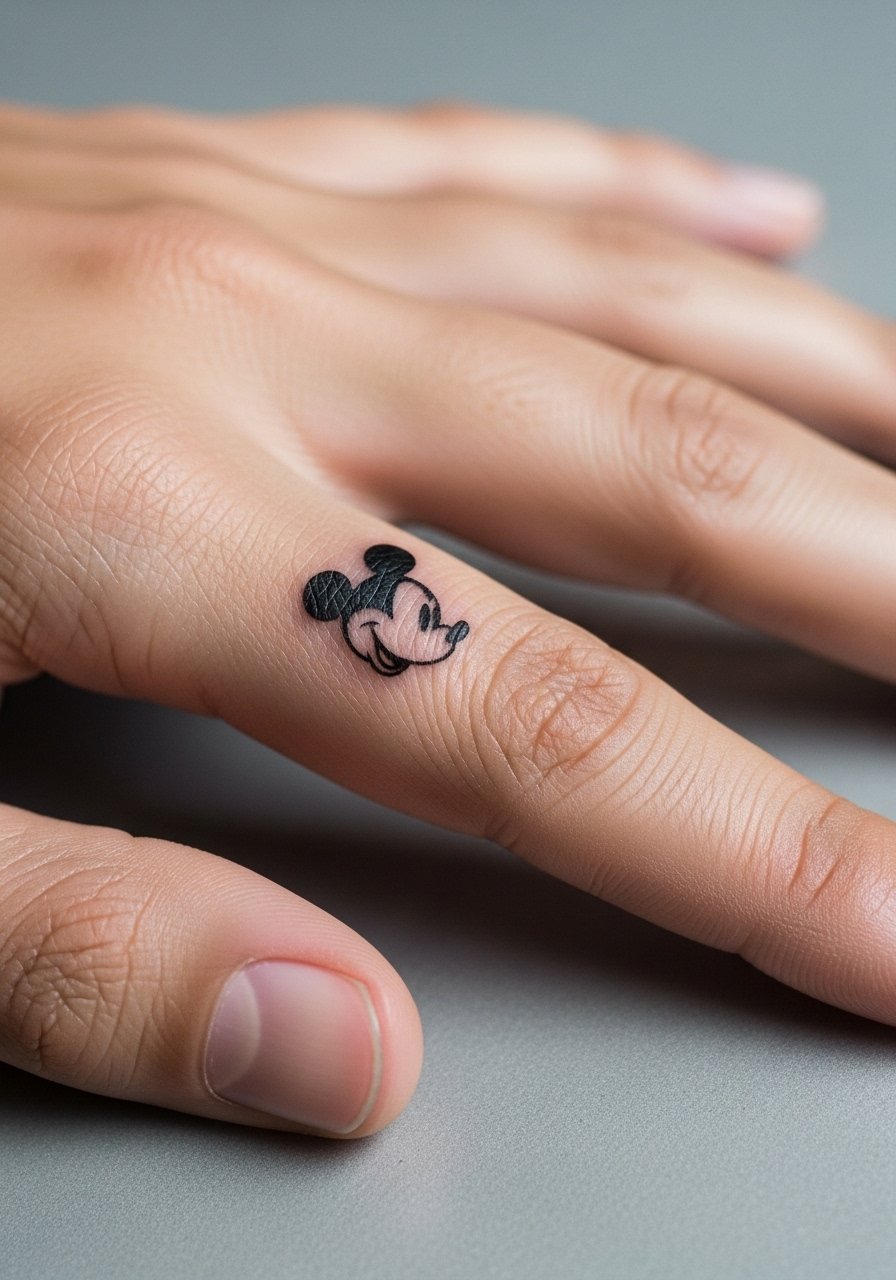
Finger tattoos get a lot of attention and also a lot of wear. The most common regret is asking for detail in a zone that experiences constant washing and rubbing. If you want a finger mini, request bold simplified shapes and accept that touch-ups are likely within two years. Sessions are brief, often under 20 minutes, but healing takes diligence. For the appointment, keep skin clean and exfoliated in the days prior.
16. Dot-Work Halo Mickey on the Inner Bicep
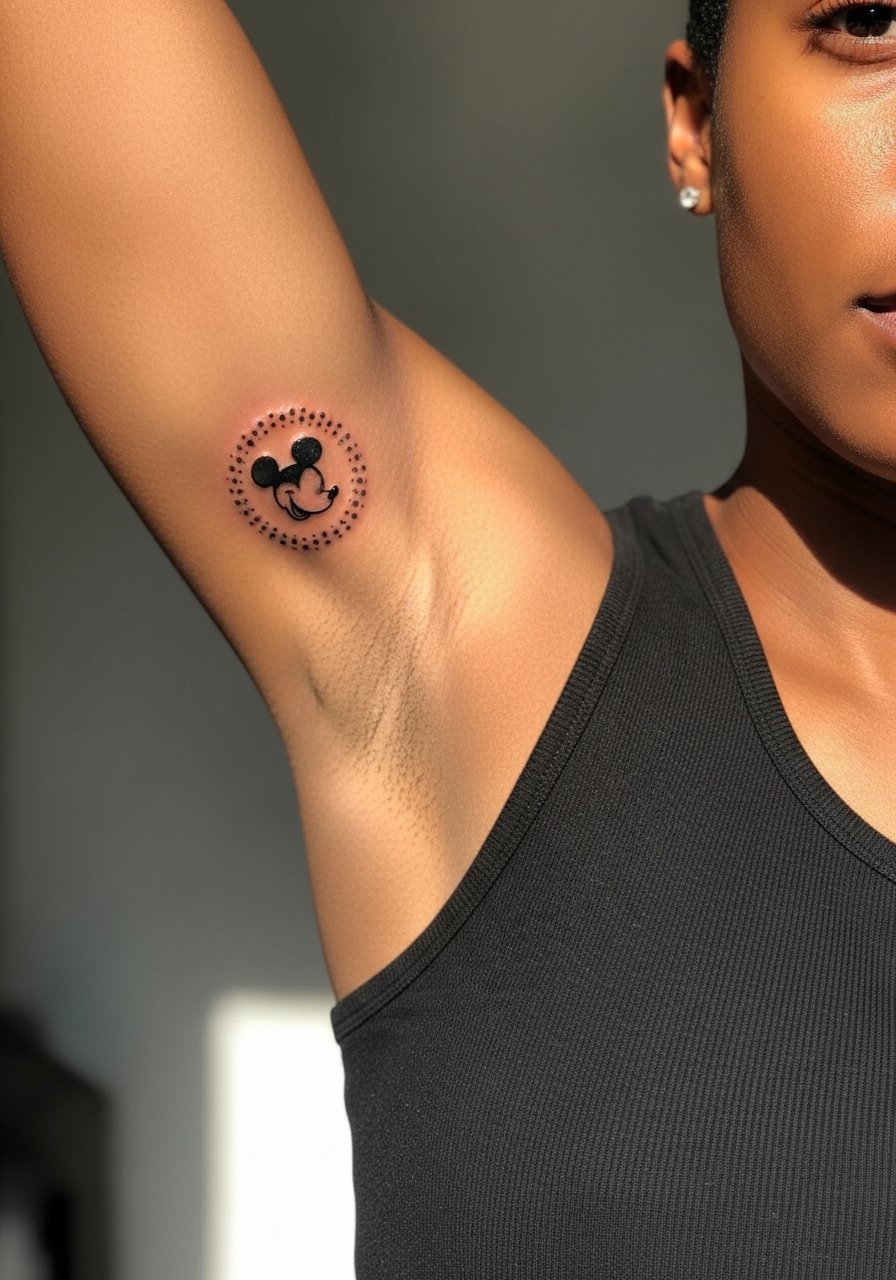
Stipple shading pairs nicely with tiny silhouettes because it avoids solid fills that can look heavy when scaled down. The inner bicep is a softer surface so depth control matters. Tell your artist you want stipple shading rather than smooth gradients so the texture reads well as it ages. Sessions can vary from 30 to 60 minutes depending on dot density. At two years stipple tends to age gracefully if spacing is preserved.
17. Small Mickey with Floral Vine on the Hip
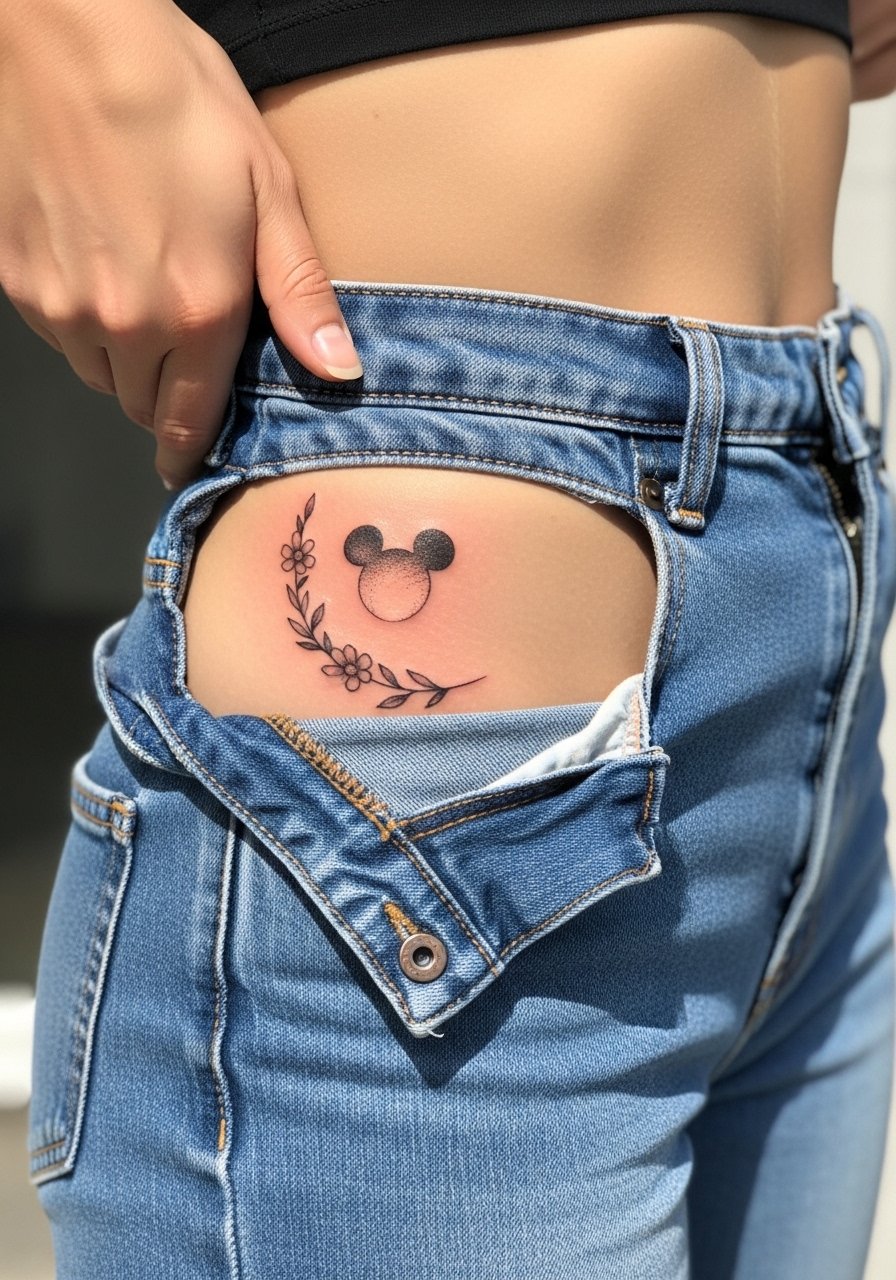
Hip pieces are intimate and easy to conceal, making them a favorite for first-timers who want privacy. The common error is requesting very fine floral detail at a tiny scale. Instead, ask for simplified petal shapes and a vine that flows with body curves so stretching does not break the design. Session time is about 45 minutes. For the appointment, wear high-waisted denim or shorts so the artist can slide the waistline for clean access without exposing more than needed.
Frequently Asked Questions
Q: Will a fine line mini Mickey blur faster on tan or darker skin tones?
A: Fine line can soften more quickly on certain skin tones if the lineweight is too faint. From what I have seen, a slightly heavier lineweight and clear spacing helps the silhouette read longer on medium and dark skin. Ask to see healed work on similar tone during your consult.
Q: How much should I expect to pay for a mini Mickey tattoo?
A: Typical price ranges vary by city and style, but expect something in the range of 80 to 700 depending on size, complexity, and whether color or multiple sessions are needed. For tiny single-session black outline pieces the lower end is common. Bring a size mockup to avoid surprises and budget for a possible touch-up.
Q: Do watercolor-style Mickey tattoos need a different healing approach than blackwork minis?
A: Watercolor needs gentler handling because washes can scab differently than solid black. Some artists prefer thin protective films for the first 24 hours while others recommend a light dry-heal approach. Name the method you prefer during booking and confirm the shop’s recommended aftercare so you follow a single plan.
Q: My wrist Mickey stretched after I gained weight. Which placements avoid that issue?
A: Areas with frequent expansion and contraction, like wrists and lower stomach, can change visual proportions with weight shifts. Collarbones, outer thighs, and upper backs are less impacted by day-to-day size variation, so consider those if you anticipate body changes.
Q: How should I handle artist cancellations or reschedules for a small piece?
A: Book through platforms with clear cancellation policies or confirm guest spots early. If you get a cancellation, ask for available artist portfolios and look for healed photos of similar minis. It is reasonable to request a rebooking or refund if a booking is canceled multiple times.