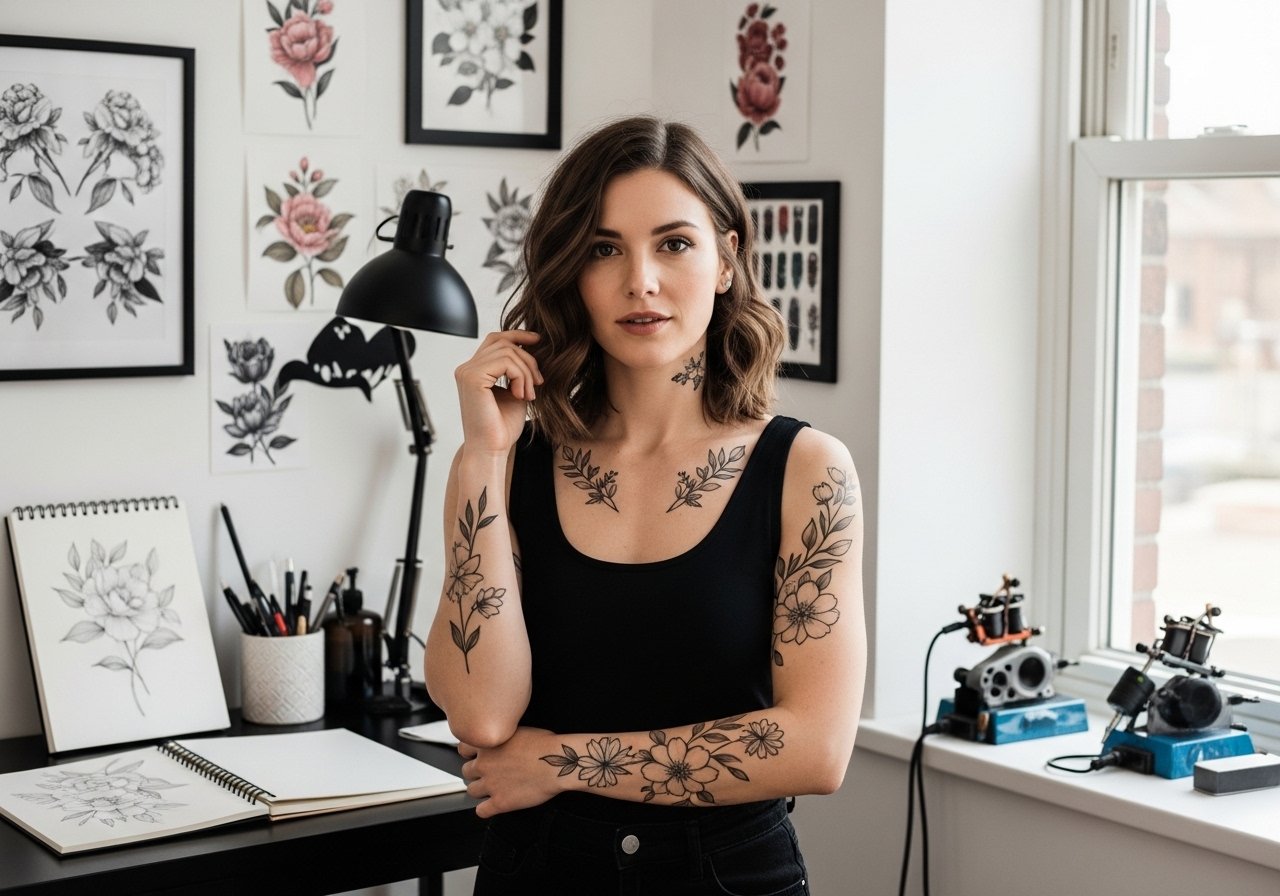
Quarter sleeves used to be compromise pieces between small tattoos and full sleeves. Now they are a deliberate canvas for focused storytelling, bold blackwork, and splashes of color that age better than you might expect. Expect practical notes on session length, what to ask in consultation, and outfit tips that actually show the art. Dive into 21 modern quarter sleeve directions that work on a male arm and hold up over time.
1. Maori Tribal Patterns Quarter Sleeve
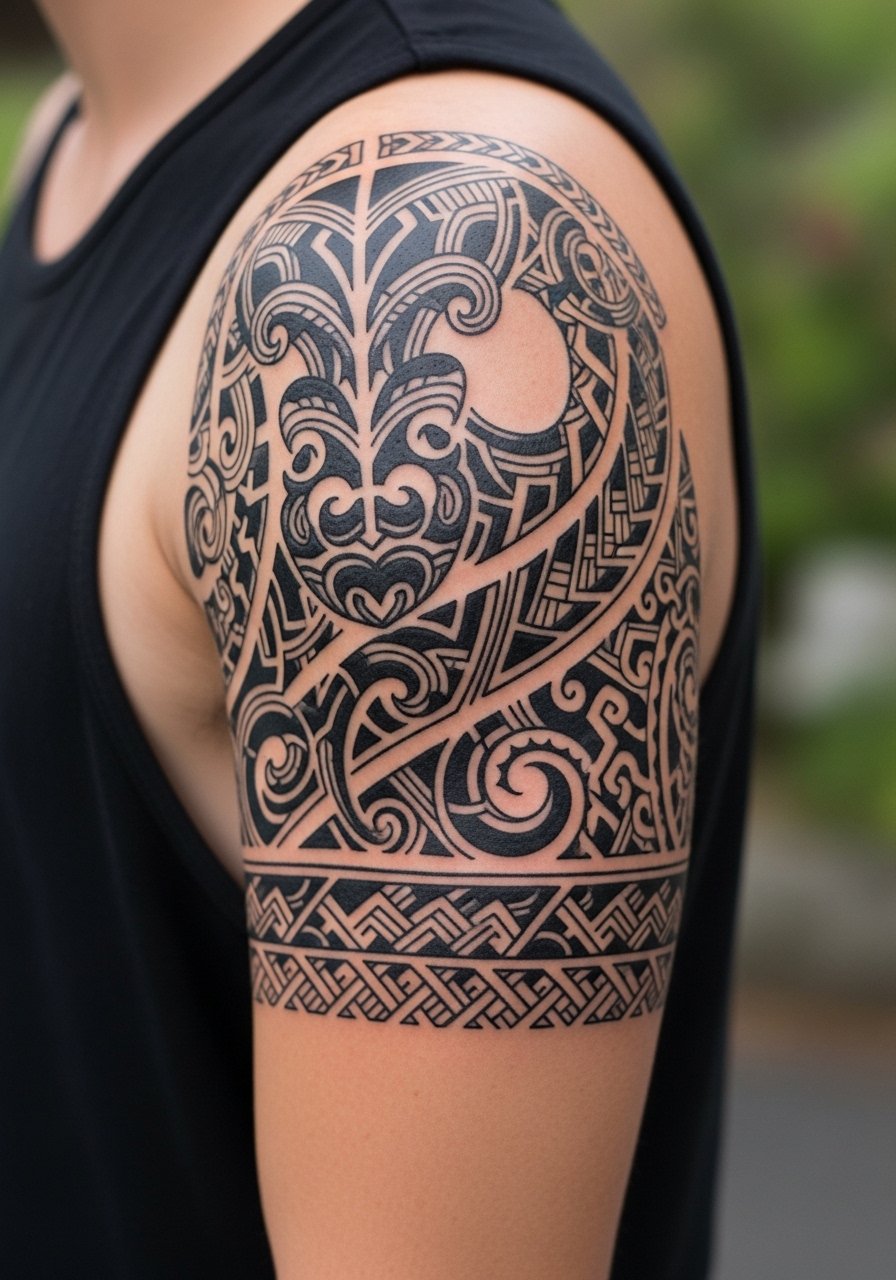
I've seen this pattern work best when the negative space is planned as a structural element rather than an afterthought. Tell your artist you want bold linework with carved negative shapes and consistent spacing so the pattern reads at a distance and in close detail. Common mistakes include squeezing too many motifs together, which causes busy areas to blur after two to three years. Expect two to four sessions, moderate discomfort on the outer bicep, and a touch-up at year two if you live in a high-sun climate. Pair it with a fitted black crewneck tee for casual show-off, and wear a sleeveless top to the session so the artist has clean access.
2. Japanese Cloud Stipple Sleeve

Most of the Japanese cloud work I see ages well when the stipple density is varied rather than uniform. In consultation mention "gradient stipple rather than flat shading" and bring scale references so the clouds breathe around other motifs. This style can be done in fewer sessions for experienced blackwork artists, but it can feel long on the shoulder cap during the first sitting. Blowout risk is low if the artist spaces the dots and keeps consistent depth. For show-off outfits, roll the sleeves of a [rolled sleeve henley shirt](https://www.amazon.com/s?k=rolled+ sleeve+henley+shirt&tag=inkdaisy-20) so the stipple texture reads against skin.
3. Crashing Waves with Negative Space

There is a balance between motion and clutter with wave work. Ask for bold outlines and reserved color fills rather than washy gradients if you want longevity. A common version that ages poorly uses thin outlines and soft washes, which lose contrast in a few years. This design reads best when the negative space is used to show foam and motion, so request staged gaps that let the arm's curves do some of the composition work. Expect three sessions, moderate pain when the needle crosses bony areas, and annual checks for color refresh where blues sit on top of black shading. For evenings out, pair the piece with a slim athleisure jacket in solid blue so the motion in the tattoo plays off structured outerwear.
4. Blackwork Block Quarter Sleeve
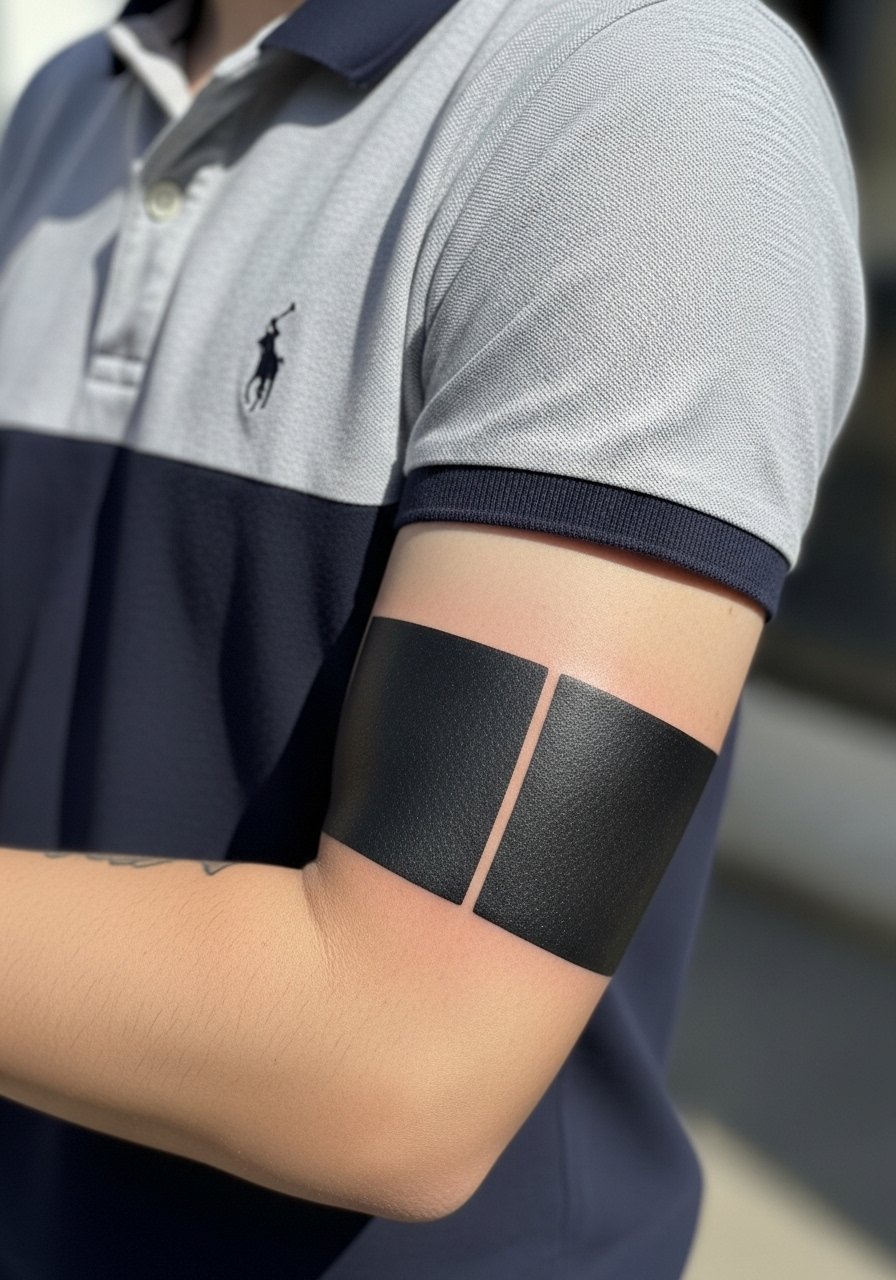
This is a go-to if you want dramatic contrast and low maintenance over time. Tell your artist you want saturated black fills and clean edge transitions so the block shapes remain cohesive as your skin ages. The session feels more intense because large areas of saturation require repeated passes, and the skin may be tender after. Artists split on color additions to blackwork. One camp argues that a selective color pop enhances depth. The other camp says any color risks muddying the black drama. Decide what matters more to you before booking. For show-off pairing wear a short sleeve polo shirt that keeps the bicep framed and neat.
5. Colored Blackwork Hybrid

A hybrid can give the bold clarity of blackwork with focal color that pops. During consultation, explain you want color accents placed only in negative pockets or within black frames so the saturation does not bleed into the larger black fields. The big mistake is overusing soft watercolor fills against heavy black, which often looks muddy after a few years. Plan on multiple sessions and expect longer saturation sessions that require breaks. For casual wear, an engineered contrast looks clean with a metal chain necklace and a plain tee so the color reads without competing patterns.
6. Japanese Irezumi Full Quarter Clouds

Irezumi technique is about composition and negative space as much as imagery. When you consult, use the word "flow" and ask the artist to lay out how the cloud shapes will move with the deltoid and bicep. The common mistake is tight repeats that restrict motion as the arm moves. Expect three sessions and moderate pain along the shoulder cap. Stipple shading holds up well, but plan a touch-up around year three if you spend a lot of time in strong sun. For session comfort wear a loose tank top you can pull aside without stretching the skin.
Studio Day Picks
The next set of products and small extras tie directly to the first six quarter sleeve ideas above. These help with session access and the first week of healing.
-
Stencil transfer paper kit. Lets you preview placement and line weight on skin, which is useful when planning negative space in tribal and irezumi pieces.
-
Topical numbing cream. Applied under the artist's guidance it can take the edge off outer arm sensitivity during long saturation passes.
-
Thin protective film roll. Useful for keeping blackwork blocks and edge-heavy areas clean during the first few days of friction.
-
Fragrance-free gentle body wash. Cleans the area without stripping oils that help linework settle.
-
Aquaphor healing ointment. A thin layer for the initial window helps prevent the tight scabbing that can affect fine line areas.
7. Polynesian Wood-Carved Effect Sleeve
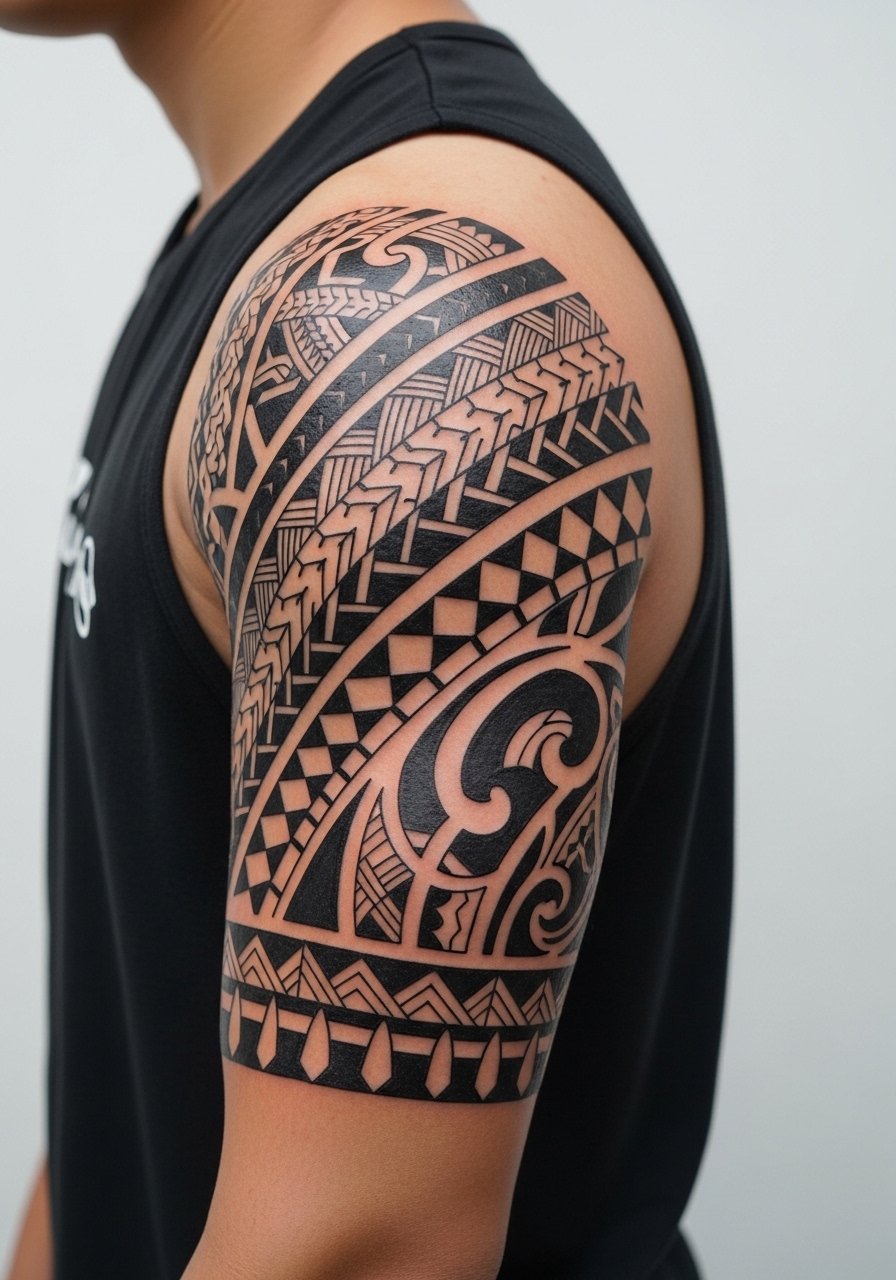
This version borrows the illusion of carved wood to add depth without extra ink. Tell your artist you want negative channels that read as grooves rather than mere gaps. The error I see most is using too many fine filler lines inside blocks, which softens the carved effect after healing. Pain is moderate on the outer upper arm and expect two to four sessions. For appointments choose a sleeveless workout tank so the shoulder is clear and comfortable.
8. Mixed Media Patchwork Quarter

Patchwork is the practical solution for storytelling without committing to one language. My recommendation is to plan the piece as a living collage with framed blackwork panels that can host color or portraits later. A common mistake is sticking motifs together without framing, which makes future additions awkward. Sessions are staggered and can span months. The forearm placement feels persistent during long sittings, so expect mid-level pain. To show this off, roll a short sleeve button down sleeve to mid-forearm so the narrative reads.
9. Bold Outline Wave Sleeve
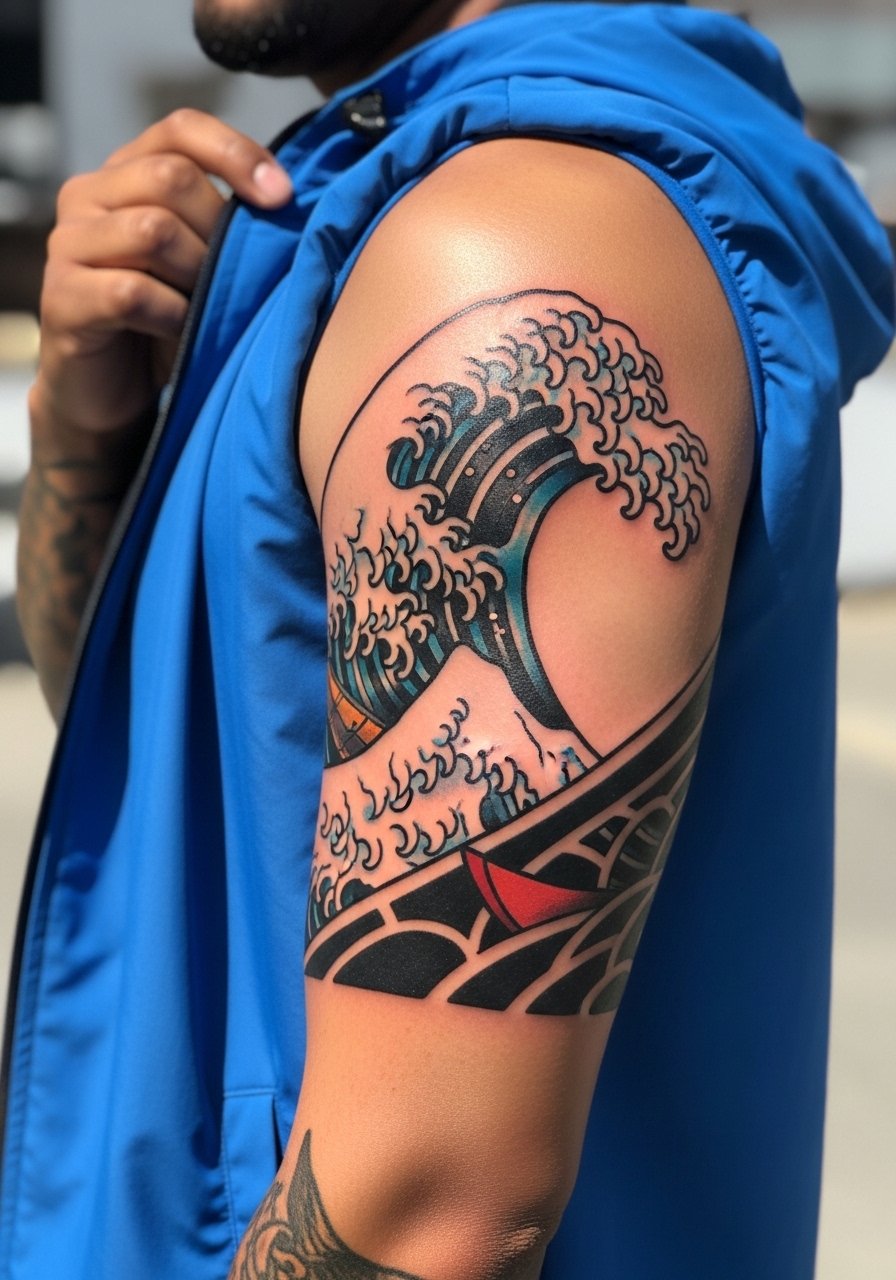
For longevity choose thick outlines and saturated fills that are layered over solid black anchors. The mistake is thin outlines paired with soft gradients. That combination fades faster and can lose definition within a few years. This style typically needs three sessions and a patient approach to color saturation. When you wear a blue lightweight jacket the motion in the waves complements the garment shape, keeping the look intentional.
10. All-Black Dramatic Sleeve
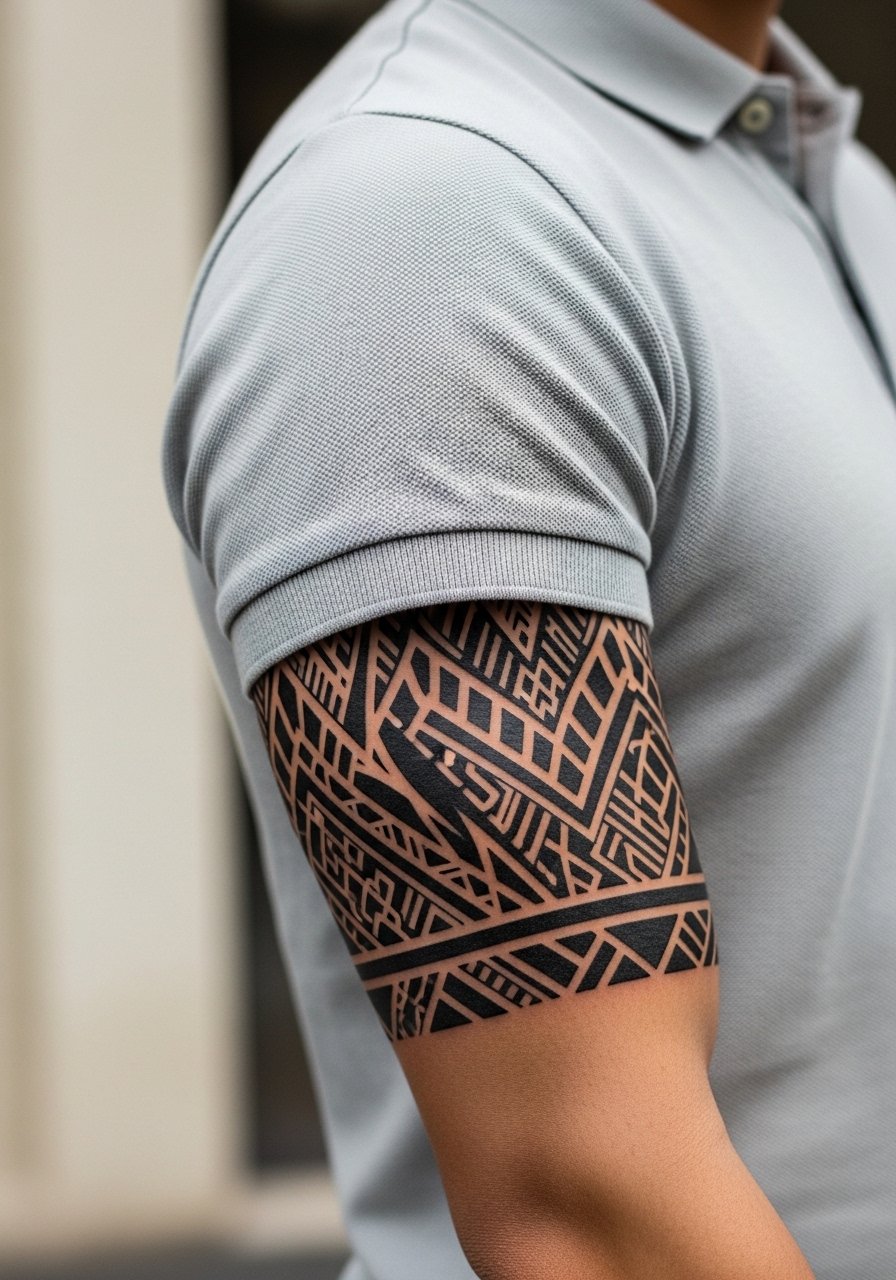
All-black pieces age predictably and avoid many of the color fade issues. The sessions for large fill areas are intense, and artists differ on whether to do them in one long day or two shorter sittings. There is a debate in the community about touch-up frequency. One camp says solid black resists fade and needs minimal upkeep. The other camp warns that on hairy arms or rough skin the pigment can look patchy and will benefit from scheduled touch-ups. If you choose this route, plan for two to three sessions and annual checks. Pair with a short sleeve polo shirt to keep the silhouette clean.
11. Stippled Cloud Texture Quarter

I recommend stipple gradients when you want a single motif to avoid monotony. Ask your artist for density maps so heavier dots anchor key areas and lighter dots fade into skin. The inner forearm has thinner skin and a different pain profile than the outer arm, so expect a bit more sensitivity during the session. Stipple shading can require touch-ups in two to three years, especially where friction meets clothing. For casual wear a rolled sleeve henley shirt helps frame the inner forearm texture.
12. Vibrant Traditional Waves
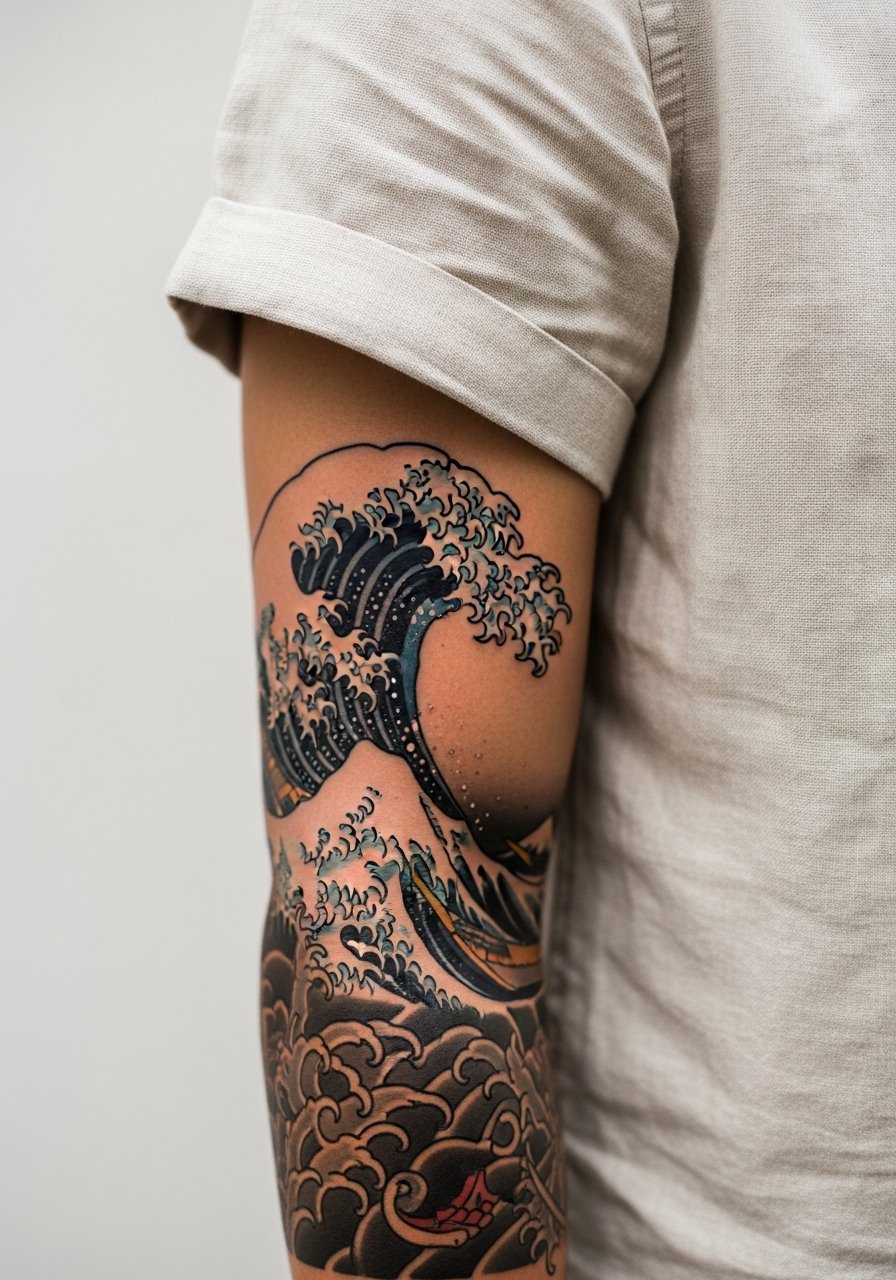
Traditional palettes age well if the linework anchors the color. The common flaw is soft edges combined with thin outlines. Request bold contouring and small color fields instead of wash-heavy fills. Forearm placement tends to show wear from sun and friction, so expect color fade on exposed areas sooner. For warm-weather show-offs, pair the piece with a linen short sleeve shirt and a canvas watch on the opposite wrist.
13. Geometric Quarter Sleeve with Negative Space

Geometric work needs breathing room. The biggest mistake is shrinking a mandala or tessellation too small for the arm, which leads to merging lines after healing. Ask for larger modules and clear negative channels that will prevent dense clusters from becoming a shaded blur. Pain is usually low on the bicep, and sessions vary depending on line complexity. For outfit pairing a fitted black crewneck tee keeps the geometry crisp against a simple background.
14. Micro-Realism Portrait Panel
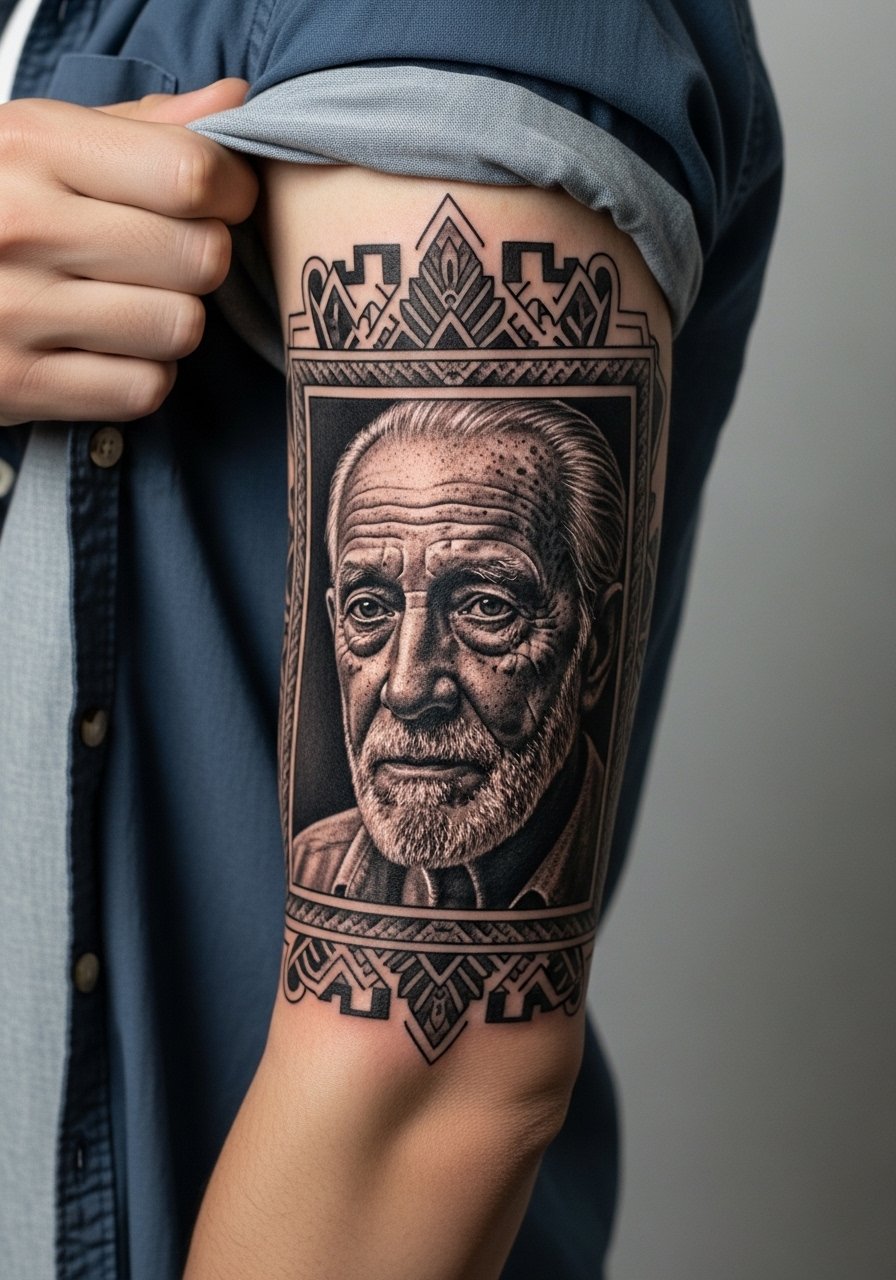
Portraits at quarter scale are all about scale control and contrast. Tell the artist you want a high-contrast blackwork frame around the portrait so the facial detail does not get lost against skin tone. The mistake is compressing too many facial details into a small area. Expect longer, patient sessions and a likely touch-up window at two to three years for facial clarity. For a casual finish wear a short sleeve button down you can roll for show-off moments.
15. Neo-Traditional Animal Totem

A totem piece works when your motifs have clear visual hierarchy. Say you want the animal head as the focal point with supporting flora rendered subtler. A frequent error is equalizing the size of every element, which flattens the narrative. Expect three sessions and spot touch-ups if the colored accents sit over shaded black areas. For accessories a metal chain necklace frames the neck and keeps the arm work prominent.
16. Biomechanical Blackwork Panel

Biomechanical pieces rely on crisp separations so the "mechanical" parts look intentional. When you consult, request layered negative space that reads as depth rather than flat patterning. The inner forearm is more sensitive, so sessions can feel long if detailed shading dominates. One mistake is over-detailing without anchors, which makes the piece age into noise. Wear a sleeveless athletic tee to the appointment for easy access.
17. Minimal Script Band with Dot Work Accents
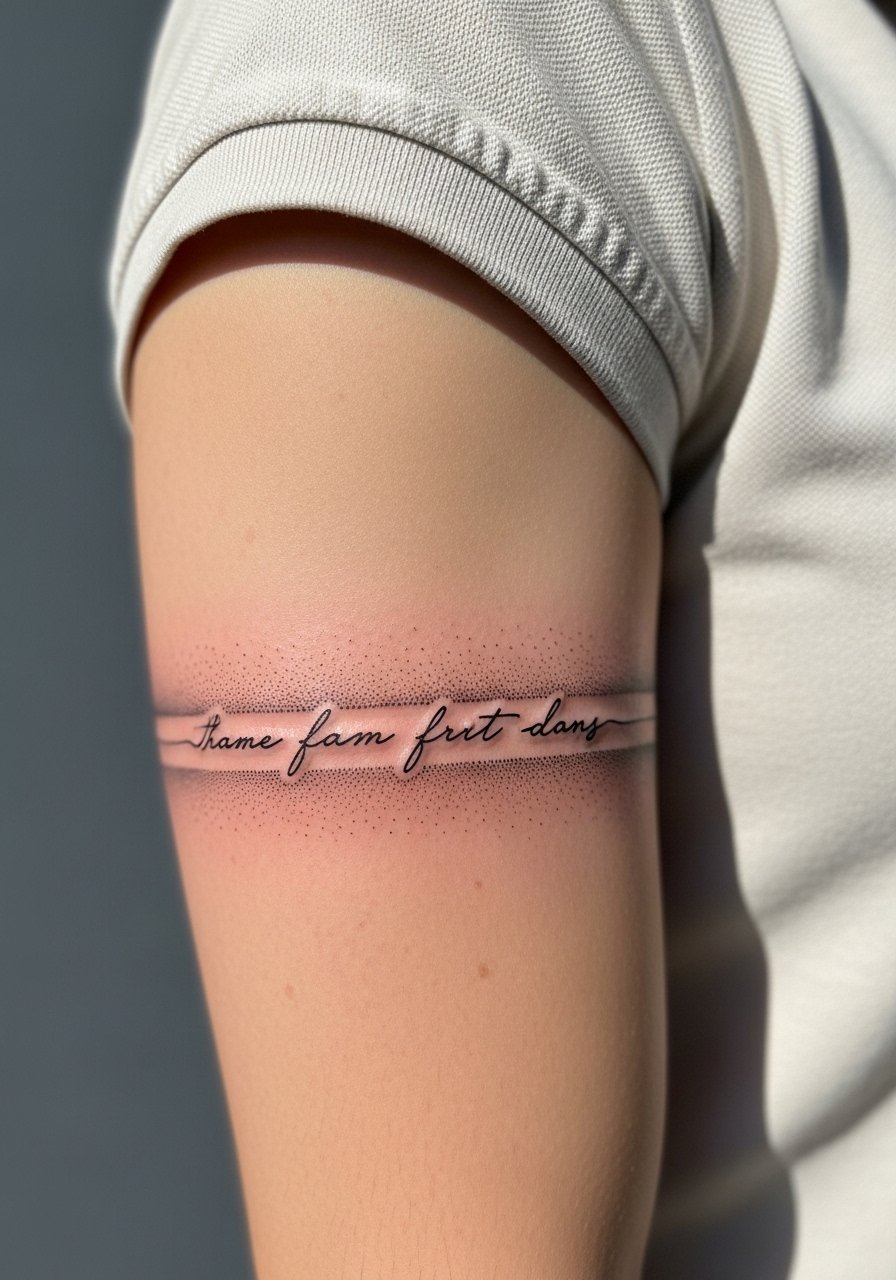
Script bands need spacing above all else. The usual mistake is selecting thin fonts and tight kerning for curved biceps. Ask for slightly larger letterforms and a dot work halo to keep the band legible over years. Expect a short session for the lettering and an extra pass for dot work. For day-to-day wear a short sleeve polo shirt sits just right for this banding.
18. Compass and Map Travel Quarter Sleeve
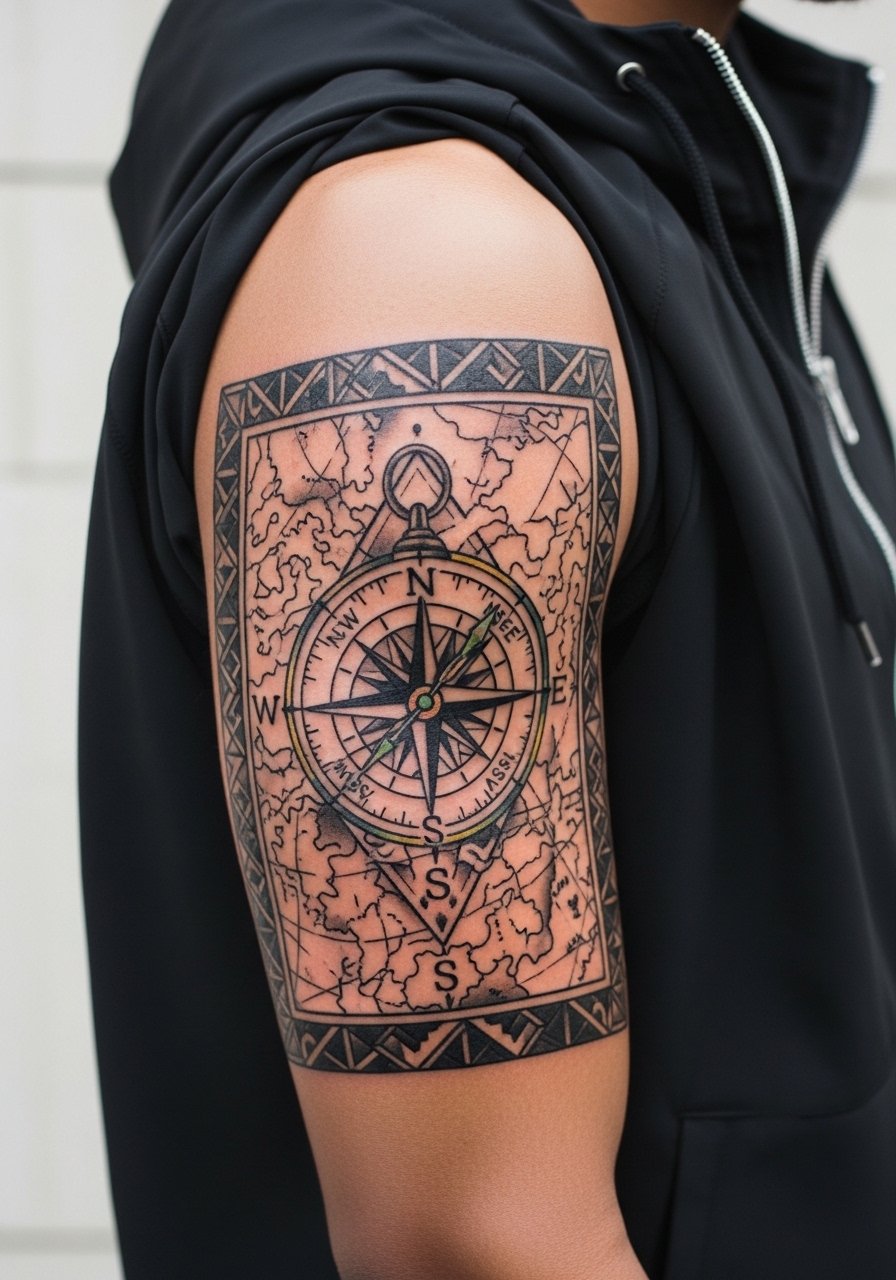
Travel pieces read best with map elements simplified and a clear focal point, like a compass. Tell your artist you want ecological landmarks stylized instead of literal so the piece avoids clutter. The outer arm takes moderate sessions and the compasses need bold outlines to prevent the north points from blurring. For a casual travel vibe pair with a slim fit athleisure jacket.
19. Floral Band with Dot Work Background
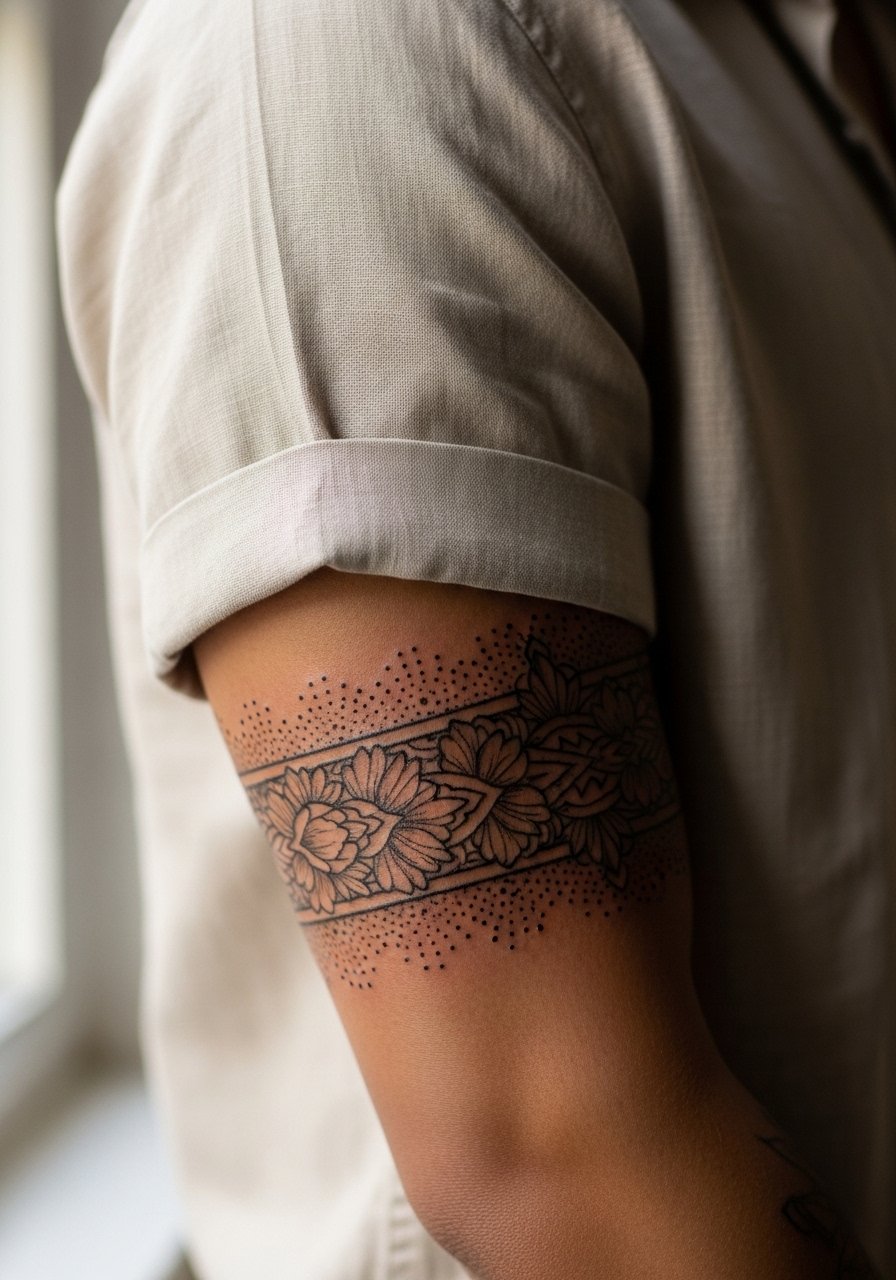
Floral bands need contrast between petals and background. The common mistake is tight dot work that becomes a grey wash and erases petal edges. Ask for lighter dot halos and stronger petal outlines. Pain is moderate when the needle travels over thin skin near the elbow. For warm days the floral band looks right with a linen short sleeve shirt rolled to the perfect display length.
20. Celtic Knot Negative Space Wrist Wrap
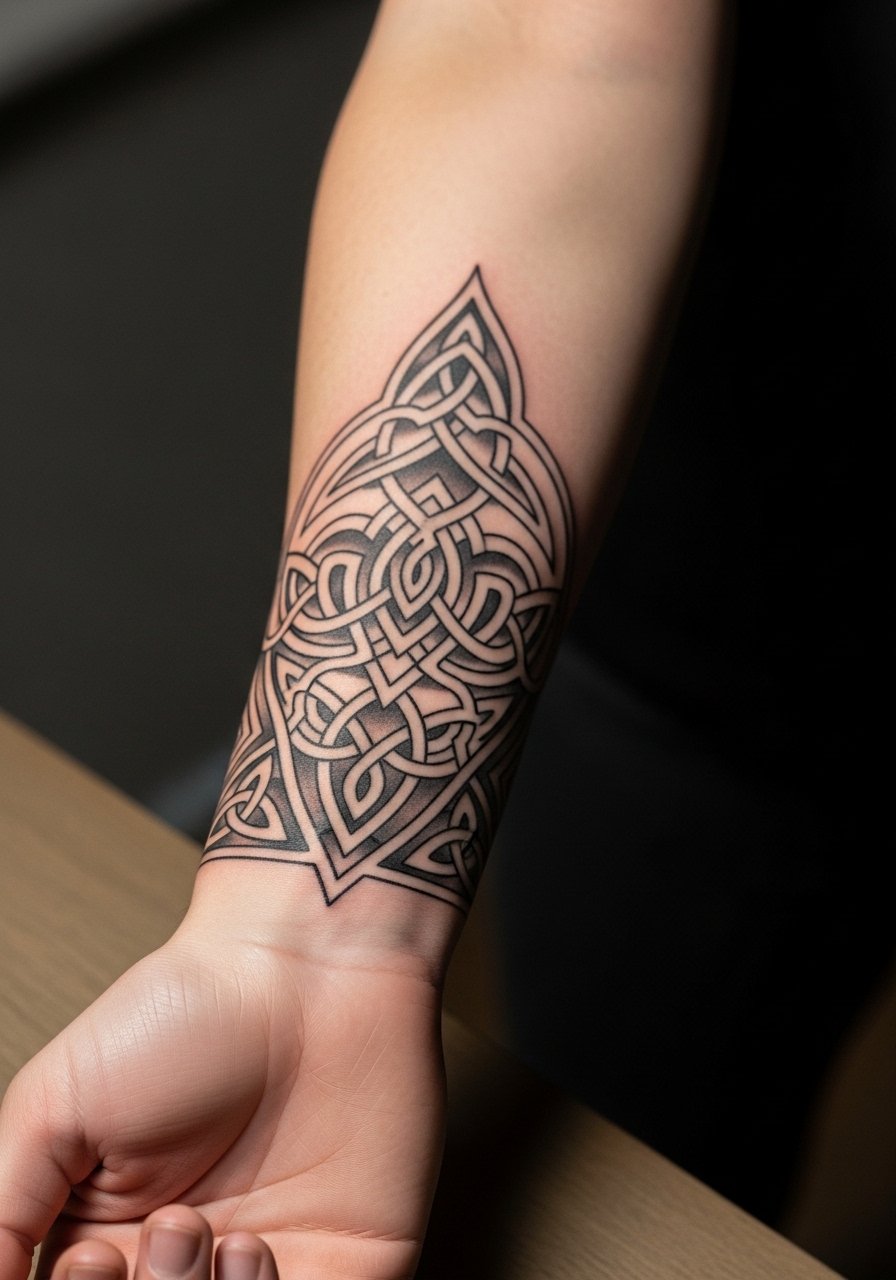
Celtic knots demand consistent line weight and intentional gaps. Small knots lose clarity quickly. Ask for widened paths and deliberate negative spaces. The wrist area is sensitive and the session may be interrupted by hand movement, so plan breaks. Expect touch-ups within a few years if the knots sit near high-friction zones. This piece pairs well with a leather wrist cuff on the opposite hand for a balanced look.
21. Abstract Geometric Block Blend
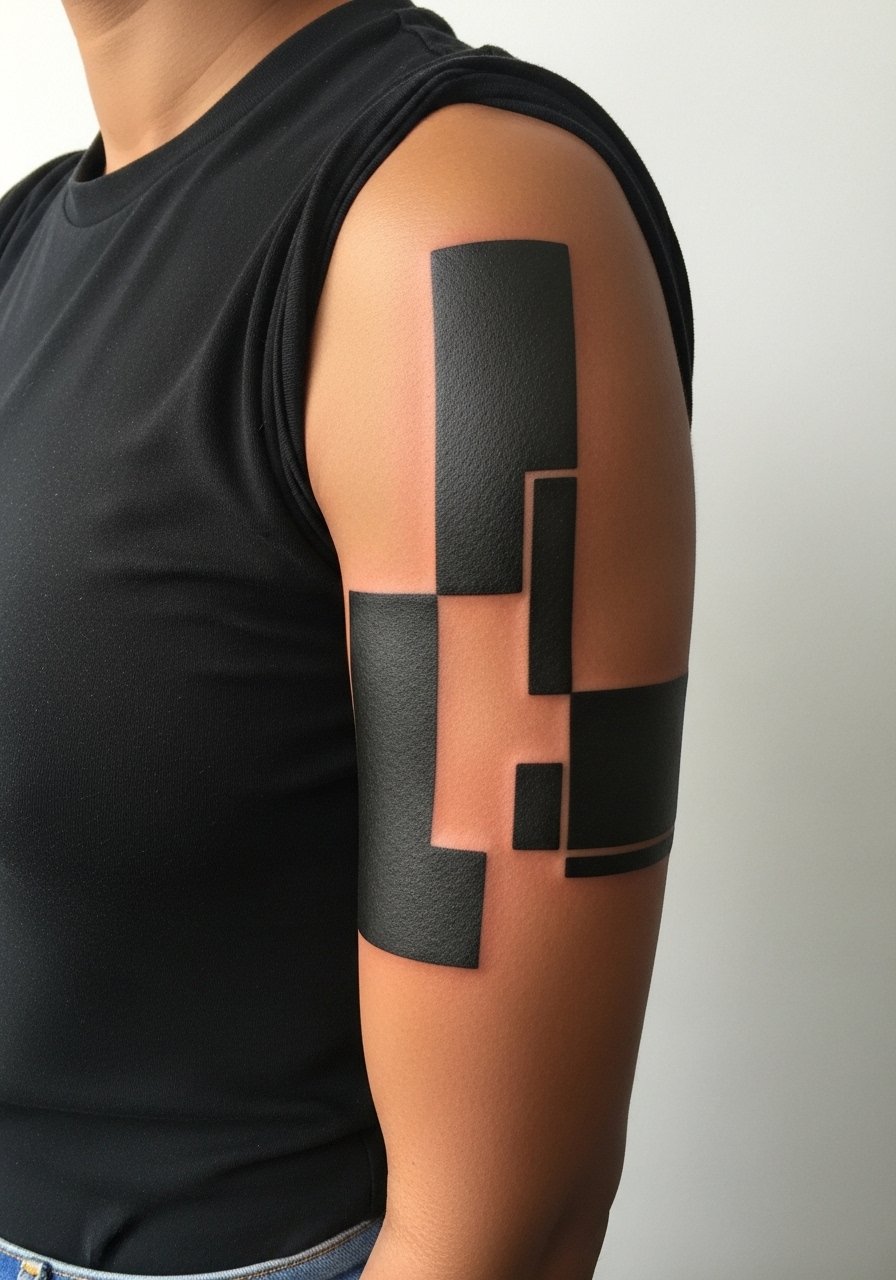
This modern take uses blocks and voids to create a bold, readable composition. Tell the artist you want clear separations and a mix of solid planes with breathing negative channels. Many people try to cram too many small shapes and the result looks muddled after healing. Sessions vary but plan for at least two passes to get clean saturation. For casual framing wear a fitted black crewneck tee that keeps the arm blocky and composed.
Frequently Asked Questions
Q: How many sessions will a modern quarter sleeve for men usually take?
A: Most quarter sleeves finish in two to four sessions depending on the style and saturation. Blackwork blocks and heavy saturation often need two or three focused days. Detailed stipple or micro-realism can stretch to three or four shorter visits. Plan around your schedule and ask the artist for a realistic session plan in consultation.
Q: Will fine line elements blur if I combine them with blackwork in a quarter sleeve?
A: Combining fine line and bold blackwork is common, but it requires a clear hierarchy. One camp says fine line inside heavy black frames risks blur. The other camp argues that with adequate spacing and depth the fine line holds. The key is to ask the artist how they space lines relative to black fills and where they plan touch-ups.
Q: What should I wear to a shoulder-to-elbow irezumi session?
A: Wear a loose tank or a button-down you can slide aside without stretching the skin. That keeps the shoulder cap accessible and prevents fabric from rubbing fresh ink. A loose tank top is a practical choice for these sessions.
Q: Do colored accents in blackwork require different aftercare or touch-up timing than pure black pieces?
A: Colored accents can need touch-ups earlier than saturated black, especially if the color sits in small fields over shaded areas. Expect to evaluate color at the one-year mark and plan touch-ups based on sun exposure. Protecting the area with sun avoidance helps more than any specific product choice.
Q: How do I find an artist who specializes in a specific quarter sleeve style without naming artists?
A: Use style-specific hashtags and location tags for discovery, check portfolios on platforms that focus on tattoo bookings, and search "[city] blackwork tattoo studio" or "[city] irezumi specialist" to narrow options. Attend conventions and read recent guest spot calendars to see who is actively producing the work you want.