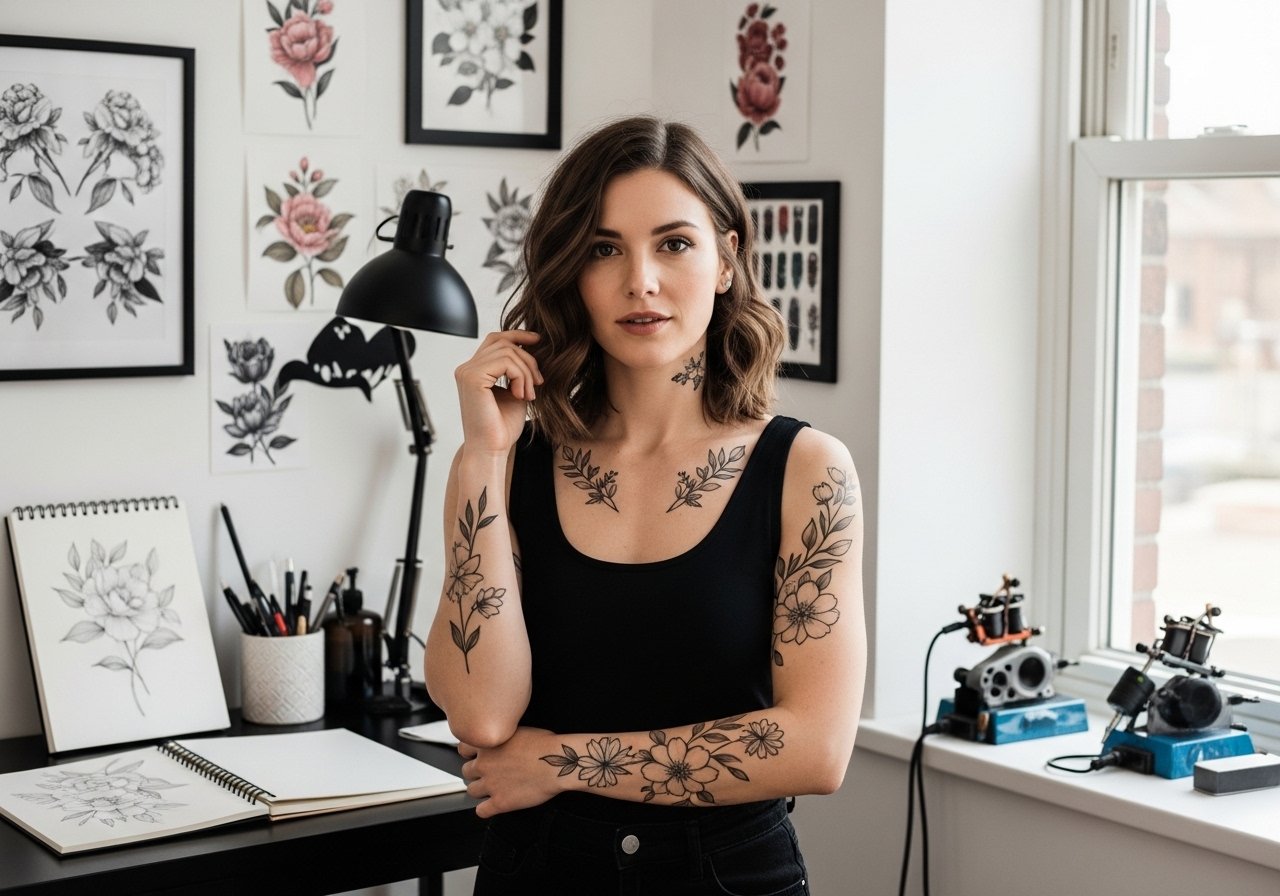
Neo-traditional shoulder pieces read bold and personal from across a room, but they also live with your movement, shirts, and sun more than you expect. I've seen saturated caps that still pop at year five and the same motifs fade into soft smudges when scale and spacing were compromised. This list walks through 27 shoulder ideas men actually ask for, what to press for in consults, and how to show the work off so it stays visible and intentional.
1. Eagle on the Shoulder Cap, Classic Neo-Traditional
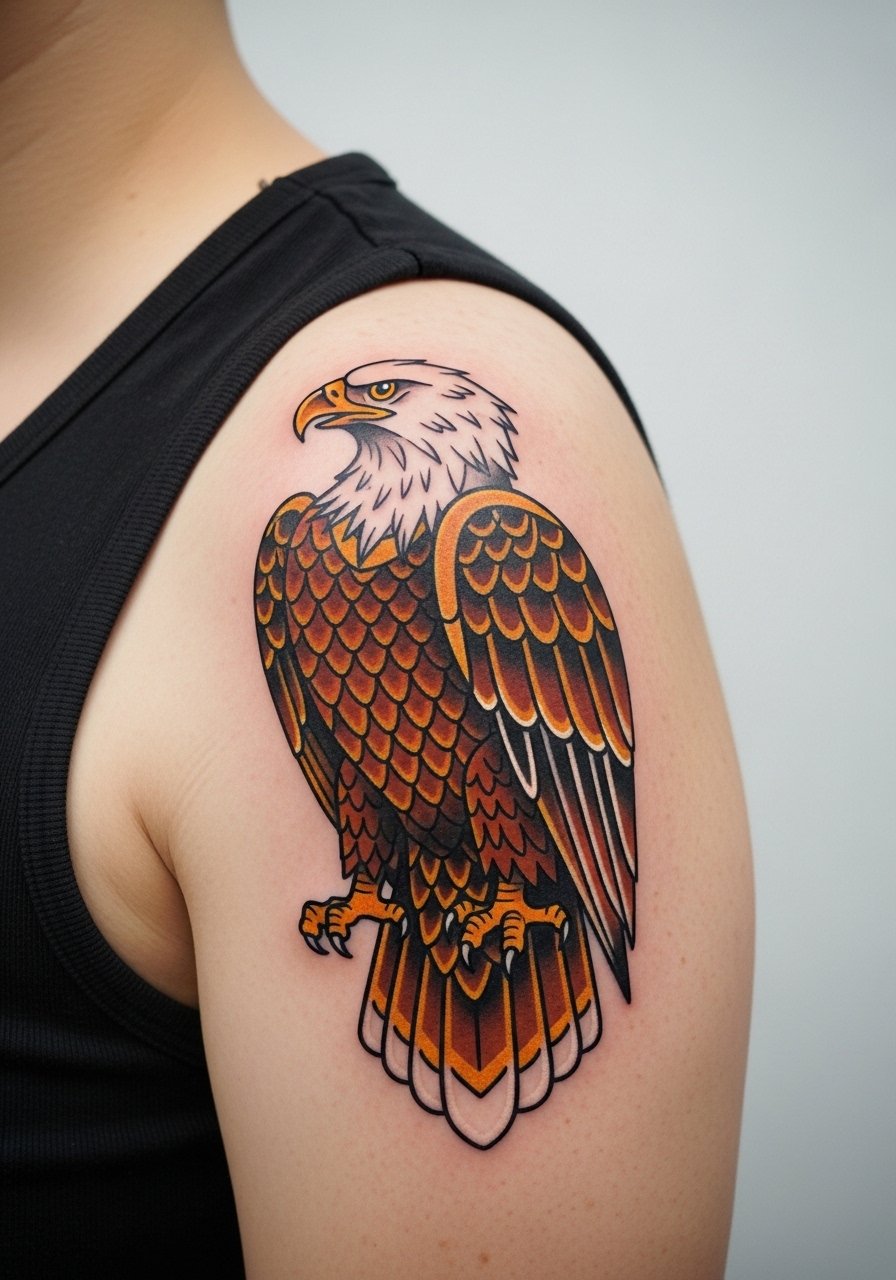
Start this one big enough to let the wing feathers break into negative space. I've seen eagles drawn too tight so the feather tips merge after a year. Tell your artist to leave breathing room between feather rows and to plan for saturation rather than micro detail. Expect moderate pain on the cap and a two to three hour session for a medium plaque. For showing it off, wear a loose button-down shirt you can pull aside so the shoulder reads in photographs without baring the chest. Hand over reference images that show feather flow more than exact color.
2. Wolf Portrait Framed with Floral Ornaments
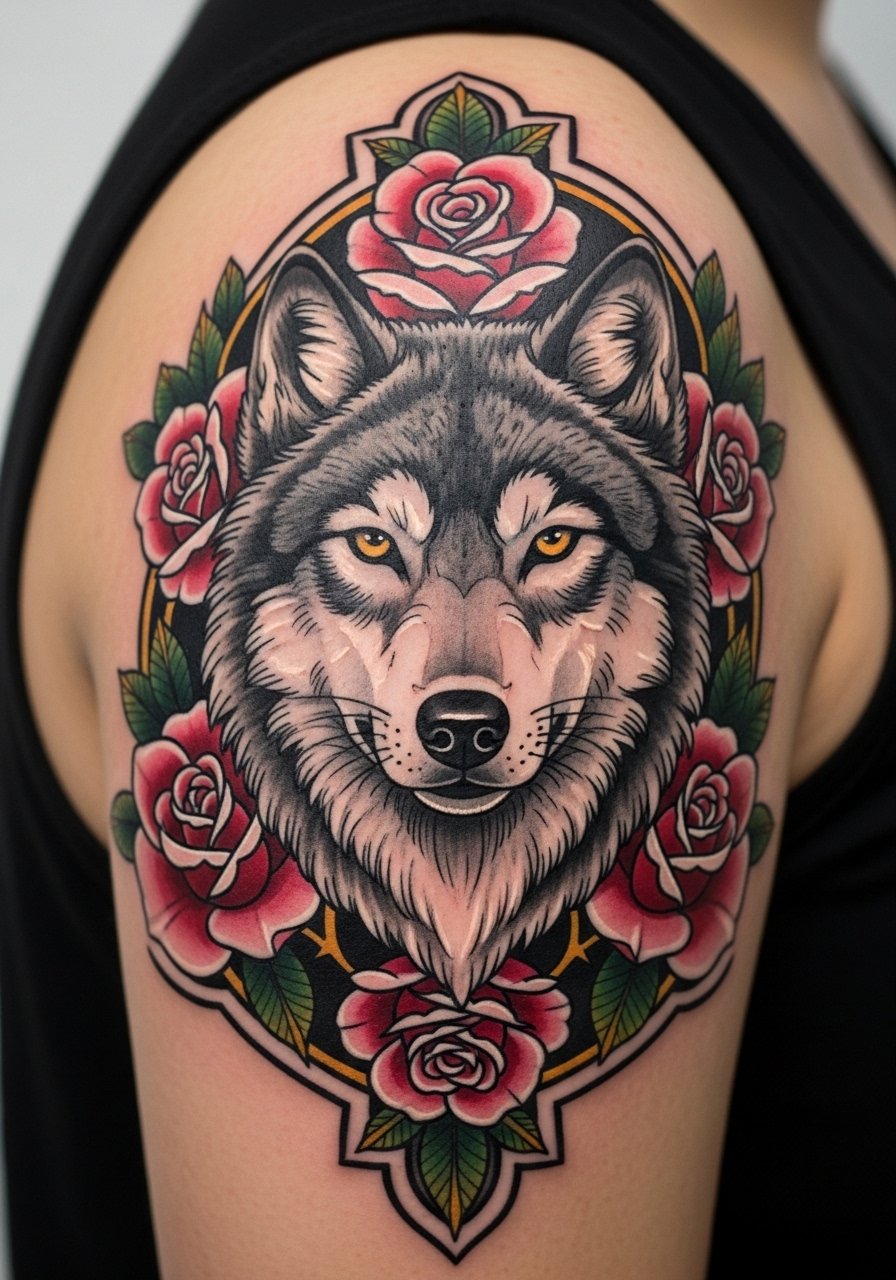
Portrait-style wolves in neo-traditional language rely on strong linework and selective color blocking. The honest trade-off is you lose micro realism and gain longevity. Ask the artist for heavier outlines around facial planes and stipple shading in the snout rather than tight realism. Sessions feel like long stretches of buzzing on the rounded shoulder, so plan for breaks and an appointment around three hours. Pairing tip for nights out is a racerback tank that frames the shoulder without cutting into the design. Watch out for blowout where lines curve toward the deltoid; a slightly thicker line weight stops spreading.
3. Anchor and Banner with Script
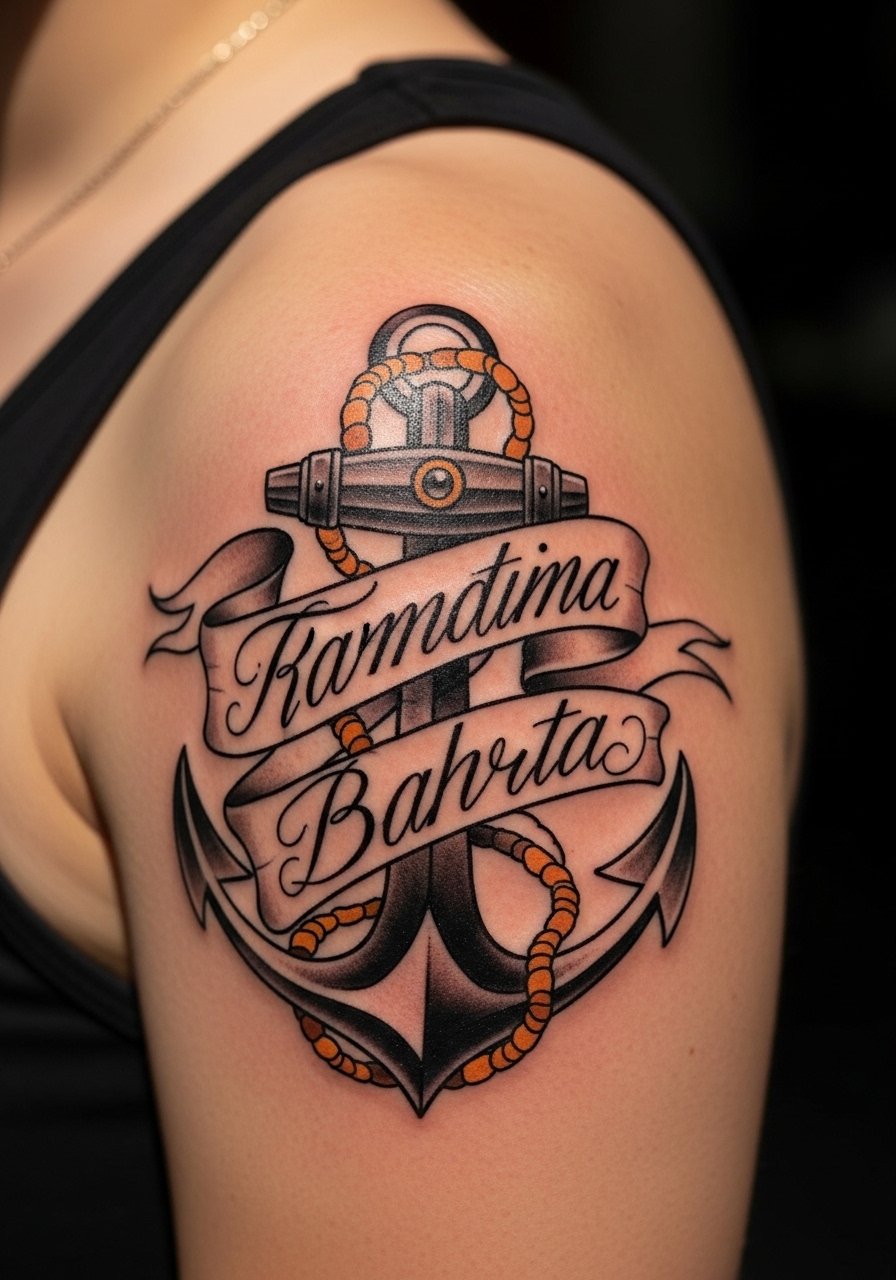
The banner reads best when it follows the shoulder curve instead of sitting flat. A common mistake is tiny script in a banner that becomes unreadable once healed. If you want words, supply the exact lettering and ask for bolder counters in the font. Expect low to moderate pain and a short session under two hours if kept mid-size. Style it with a short-sleeve linen shirt with rolled sleeves so the banner sits in view without the shirt competing with color. Ask whether the artist plans to touch up the script at the two-year mark.
4. Art Nouveau Woman with Flowing Hair
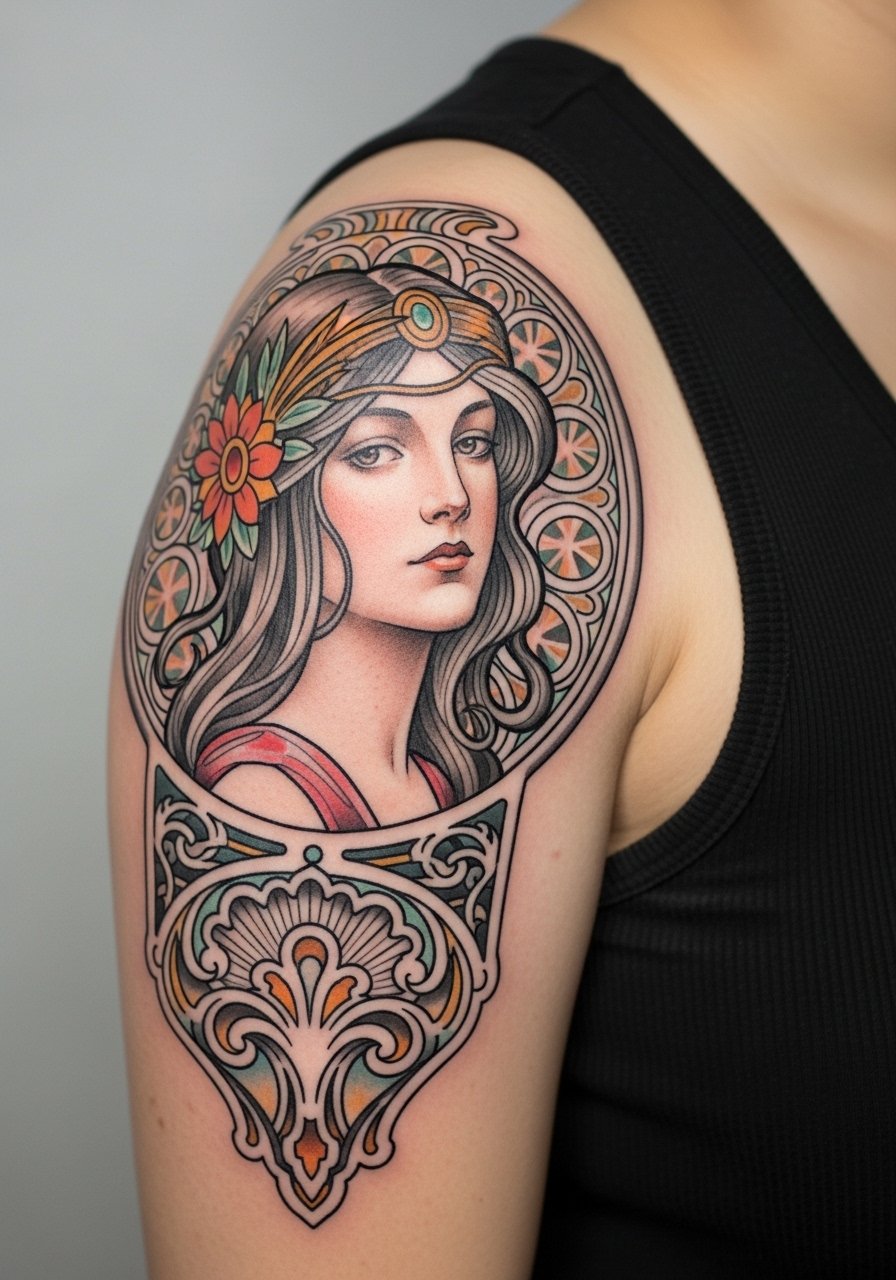
This is where neo-traditional borrows the ornamental curves of Art Nouveau. The trick is balancing ornamental linework against the shoulder curve so the face does not distort when you move. During consult, request a mockup that wraps with the deltoid in motion. Sessions often run long because of facial detail and border work. For day-of wear, pick a loose tank top so the artist can rotate the shoulder freely. A common error is trying to compress too much ornament into a small space.
5. Ship in Storm with Nautical Motifs
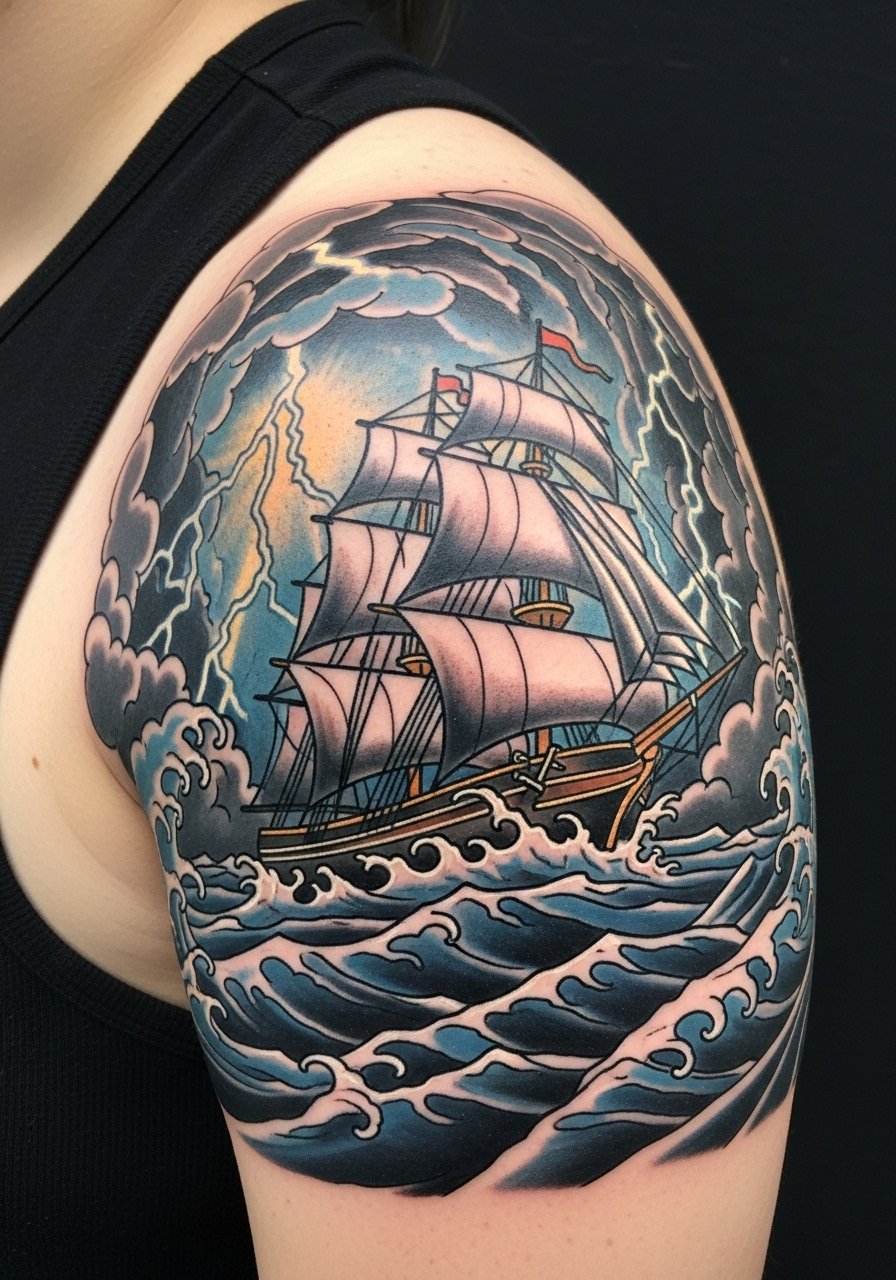
Large contrast is your friend with maritime pieces. The shoulder lets sails and waves breathe in separate planes so shadow reads better over time. Tell your artist to use heavy black anchors in the lowest tonal plane so the ship still reads at a distance after a few years. Expect a multi-hour session and some soreness from the deltoid rubbing against shirts afterwards. Pair it with a crewneck tee with rolled sleeves to show the mast without exposing much else. Avoid packing the scene with micro detail that will soften.
6. Geometric Mandala Bordering the Cap
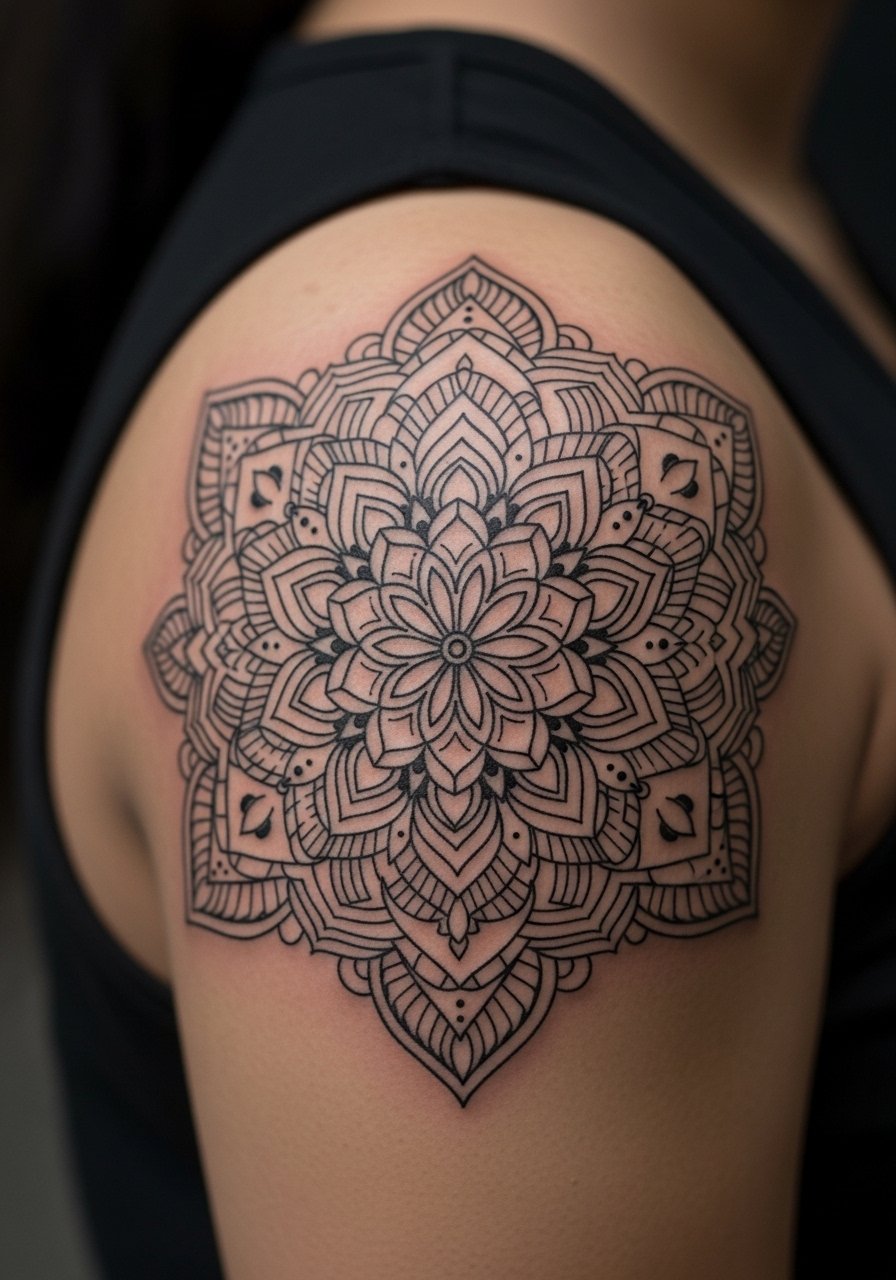
There is an active debate about fine geometry on rounded planes. One camp says tight mandalas should avoid the shoulder because curvature blurs concentric rings. The other camp says with careful spacing and stipple shading it can last. Ask where your artist stands and request a larger scale so rings have room. Sessions focus on precise linework and dot shading which tests steadiness more than pain. Pair with a short-sleeve button shirt that frames the mandala edge. Plan for touch-up work at year two for tight inner rings.
Session Day Picks
The first six ideas above use tight linework and areas that face friction from shirts, so small prep and protection items smooth the session and the first week.
-
Stencil transfer paper kit. Lets you preview how line placement follows the shoulder curve before ink hits the skin, especially useful for banners and mandalas.
-
Topical numbing cream. Applied as directed about 45 minutes before eases the cap soreness without changing line retention.
-
Thin protective film roll. Keeps the shoulder tattoo clean when shirts rub during the first 48 hours.
-
Fragrance-free gentle body wash. Cleanses without stripping color, which matters for high-contrast neo-traditional fills.
-
Aquaphor healing ointment. Thin layers for the early days help maintain saturation without clogging needle channels.
7. Wolf and Dagger Wrapped Around the Deltoid
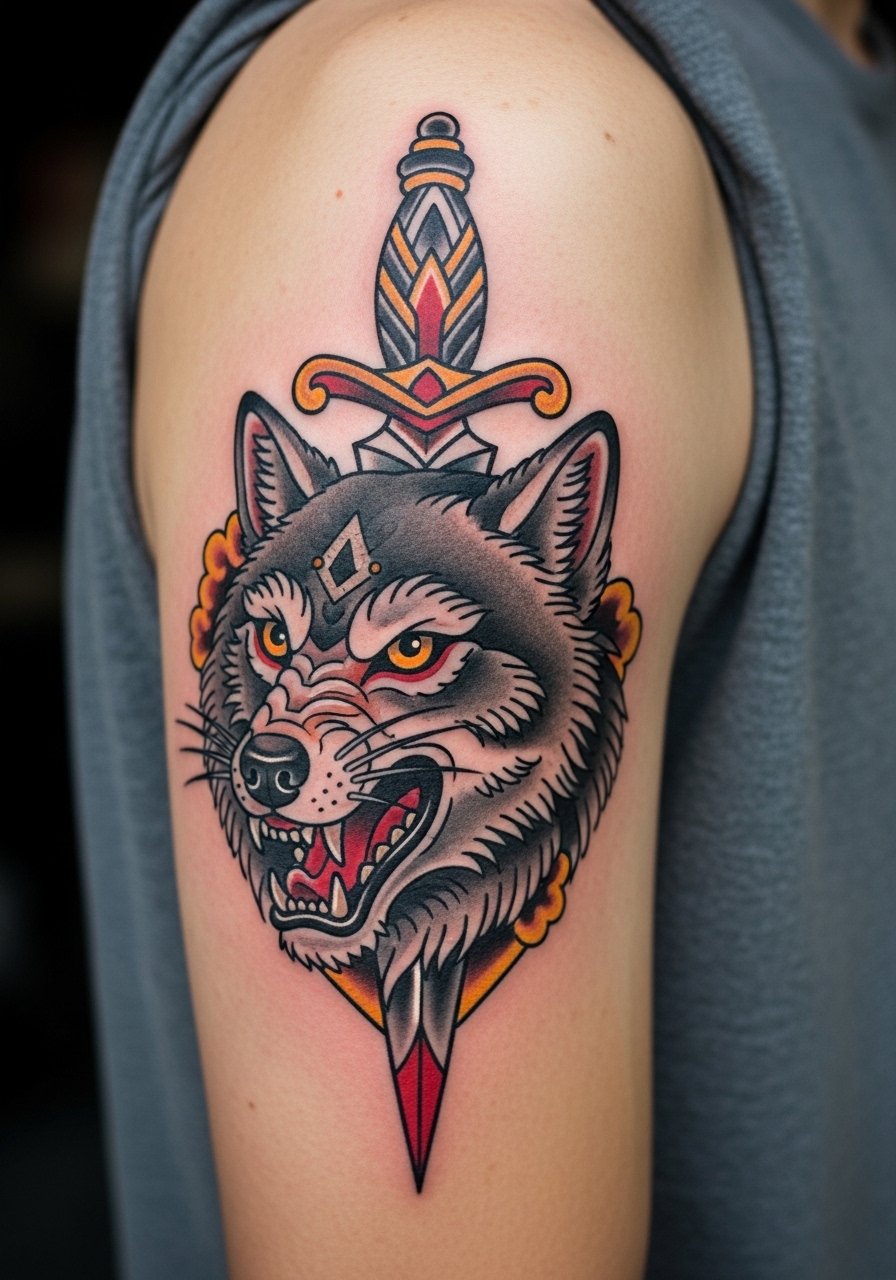
This composition uses the deltoid curve to create motion, but keep the dagger angled so tip never points into a fold. A common mistake is too-narrow spacing where the dagger and fur compete visually. Tell the artist to plan negative space along the deltoid ridge. Sessions are medium-intensity and can feel tender when ink crosses muscle boundaries. To style it, wear a sleeveless jersey tank that frames the wrap. If you work in an office, think about whether a visible dagger element matters for professional contexts.
8. Bold Rose Cluster with Gold Accents
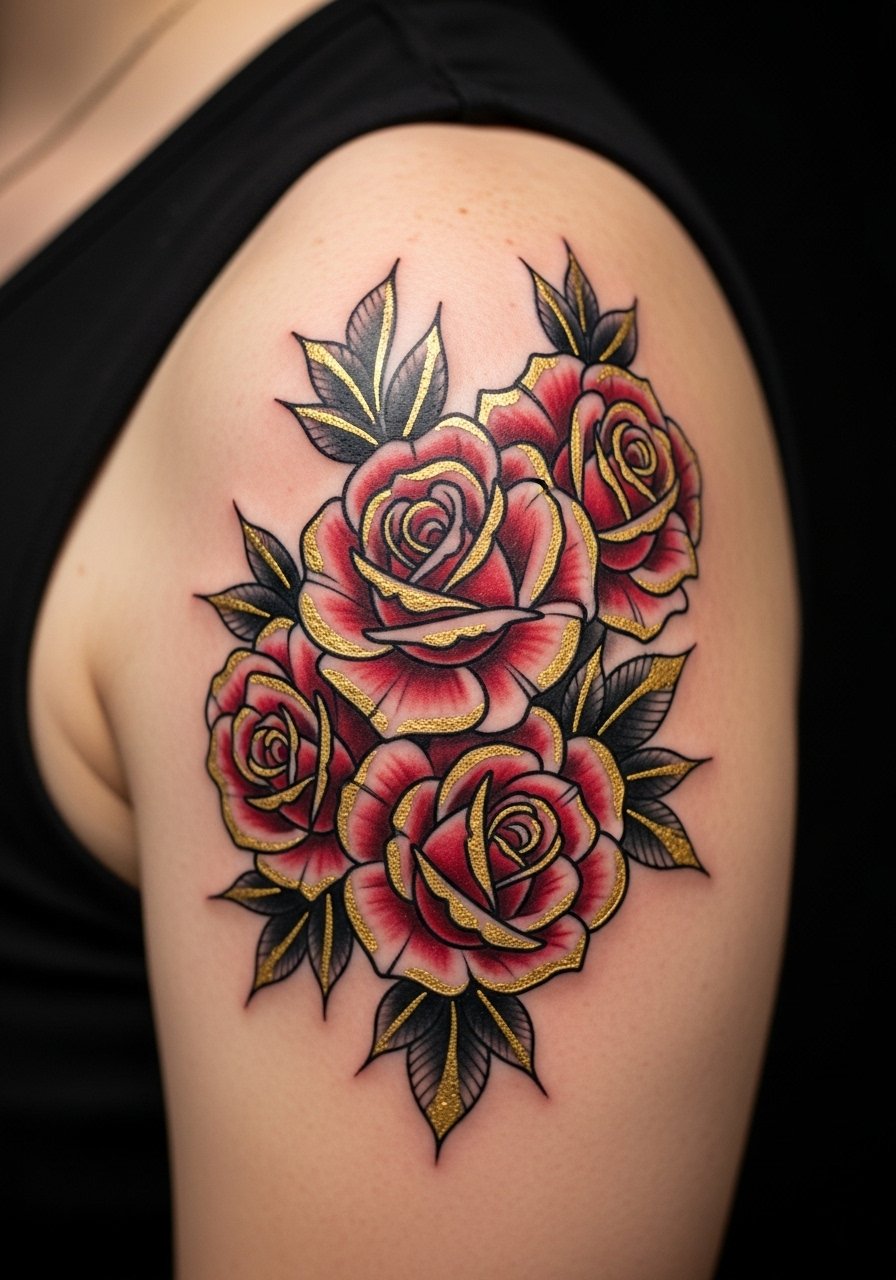
Roses are a neo-traditional staple because large petals age well when outlined and saturated. The aging trick is avoiding micro shading inside each petal. Request layered color blocks and suggest metallic gold highlights rather than tiny gradients. Sessions are straightforward but can stretch past two hours for multiple blooms. Wear a short-sleeve linen shirt to show the cluster without crowding it. Expect touch-ups on edge lines at year three if you get heavy sun exposure.
9. Raven in Flight with Moon Backdrop
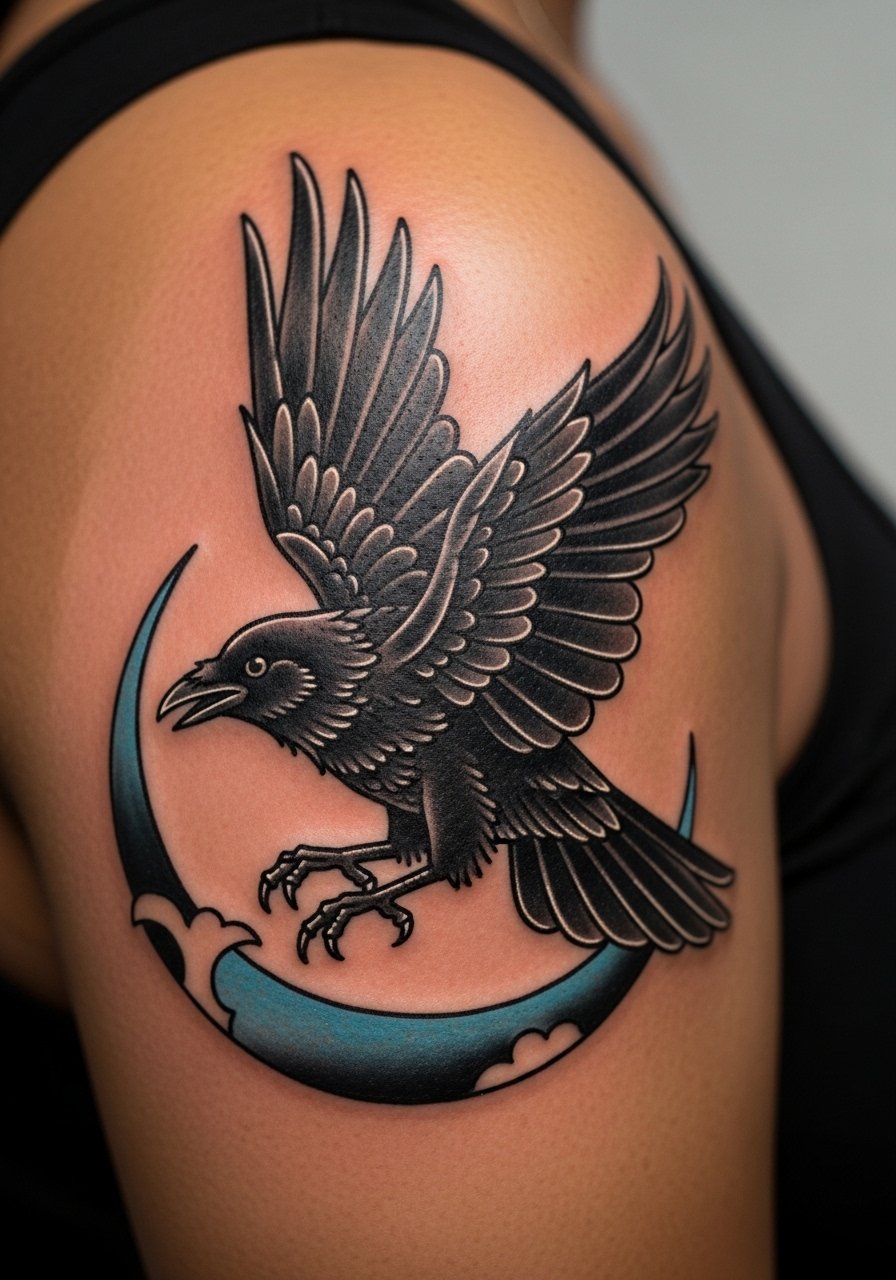
Black and cool tones read reliably on the shoulder. For a bird in motion, ask for the wing tips to trail into negative space so the silhouette holds up. The shoulder movement can help sell motion but also invite blowout at wing curves. Sessions may require several passes to saturate the black while keeping line crisp. Pair with a loose hooded sweatshirt that frames the moon in photos. Mention in consult that you want the moon to be clearly separate from the wing edge.
10. Nautical Compass with Map Shading
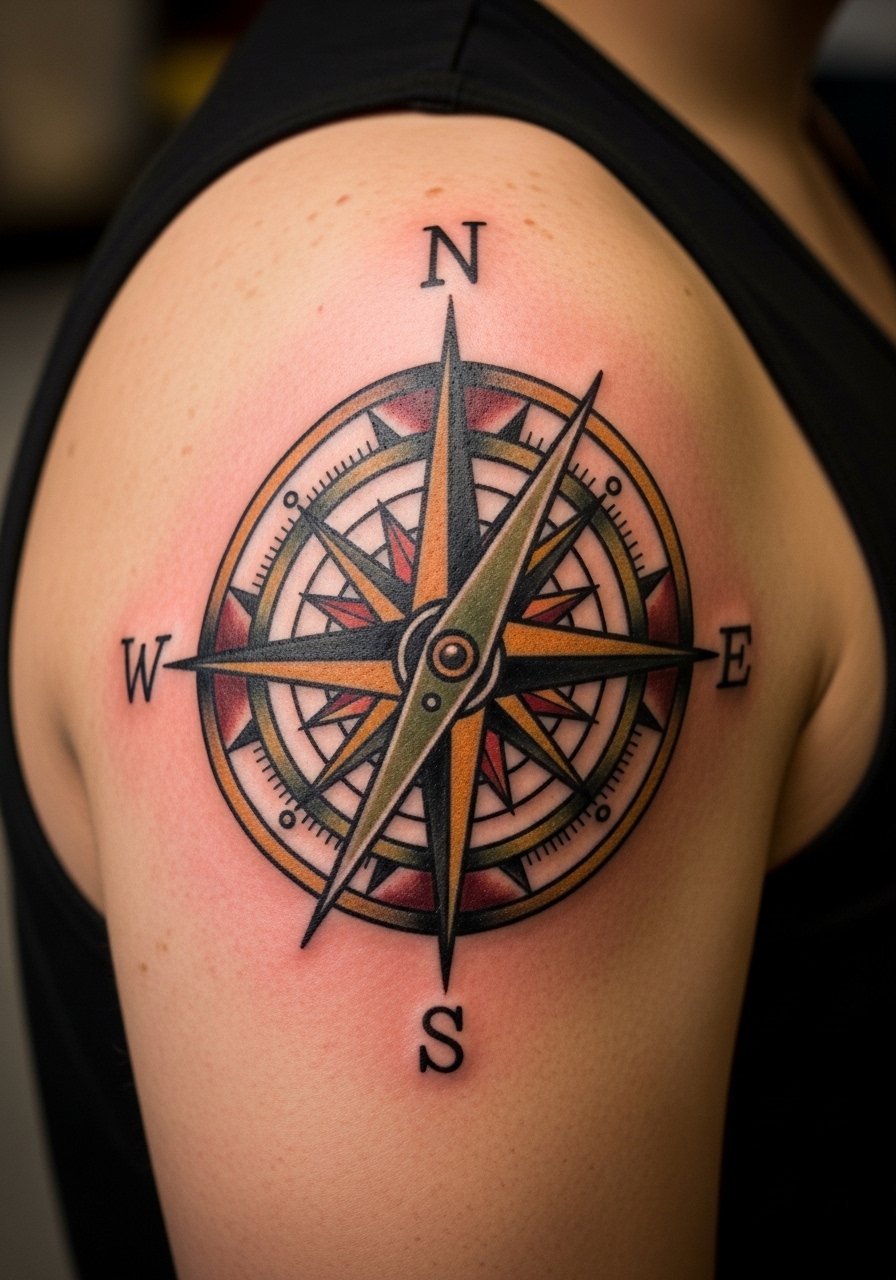
Compasses need clear cardinal points or the design blurs into a decorative disc. Ask your artist for strong directional markers and coarse map shading rather than fine hatching. Sessions are medium length and may tingle more at the back of the shoulder. Show-off tip is a short-sleeve button shirt left open at the collar so the compass sits in frame. Keep the scale big enough so the compass face stays legible at distance.
11. Florals with Geometric Frames
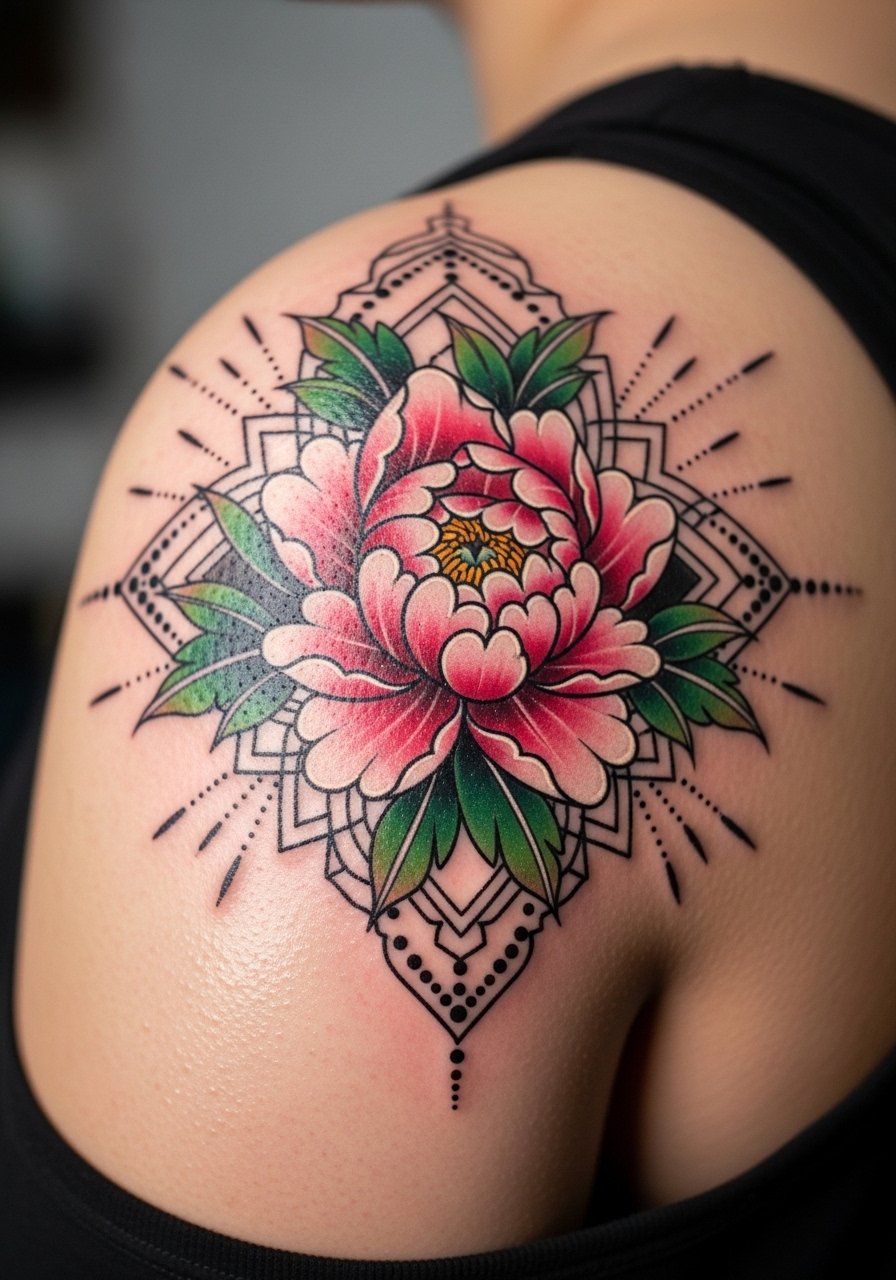
Combining organic florals with geometry creates contrast, but the geometry must be simplified for the shoulder curve. A frequent error is overly complex geometry that warps when the arm moves. Request bold frame lines and softer petal fills. Sessions will switch between precise linework and broad packing, which feels different to the skin. For evenings out, pair with a short-sleeve oxford that shows the outer frame. Ask in consult about planned flow if you later extend into a partial sleeve.
12. Skull with Rose and Banner
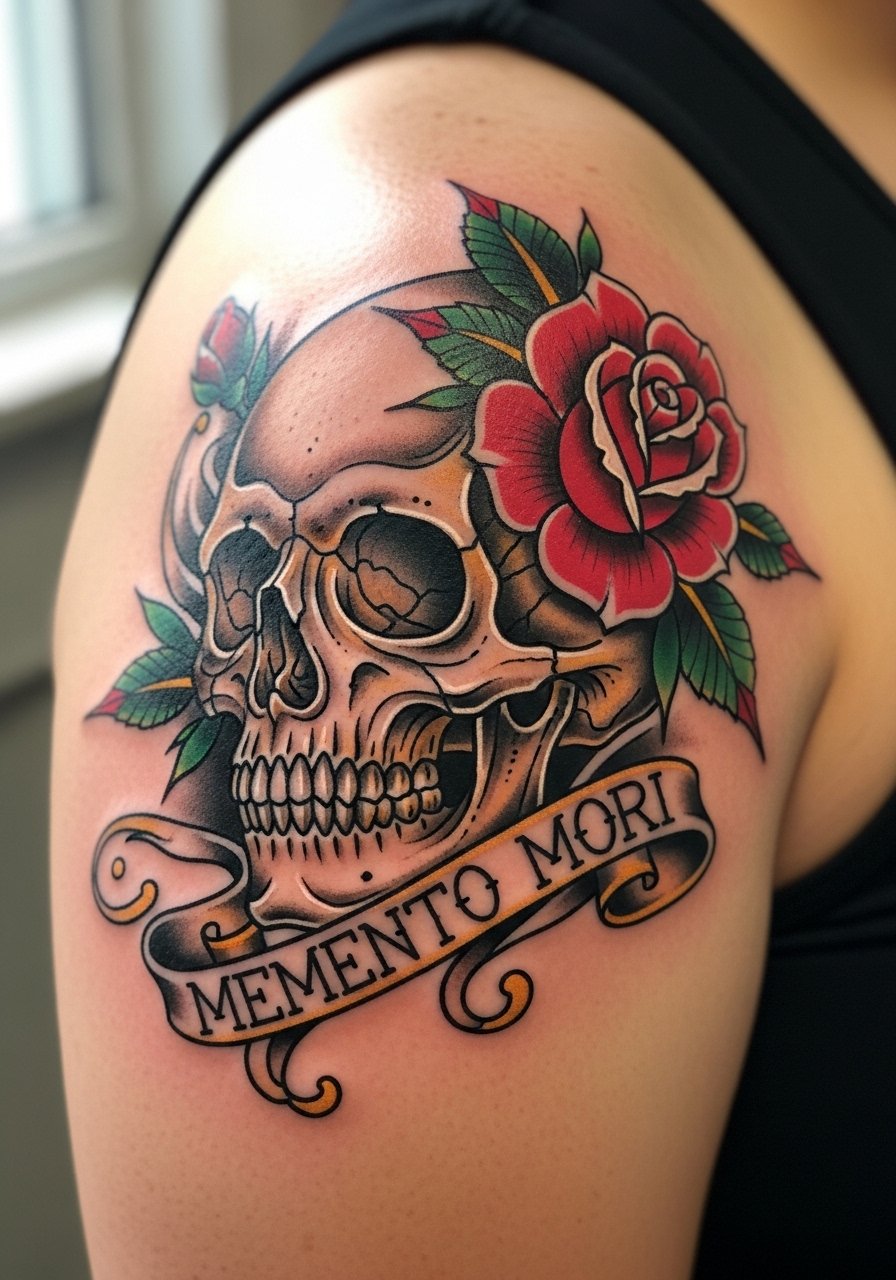
Skulls contrast well against saturated roses and banners. The common mistake is a skull drawn too photo-realistic inside a blocky neo-traditional frame. If you want longevity, keep the skull stylized with definitive contour lines. Expect medium pain and a session that might need a second pass for value balance. A good session-day shirt is a v-neck tee that keeps the neckline low without exposing the chest. Consider how the skull will look under a jacket collar if you wear closed collars often.
13. Serpent Coiling Over the Shoulder
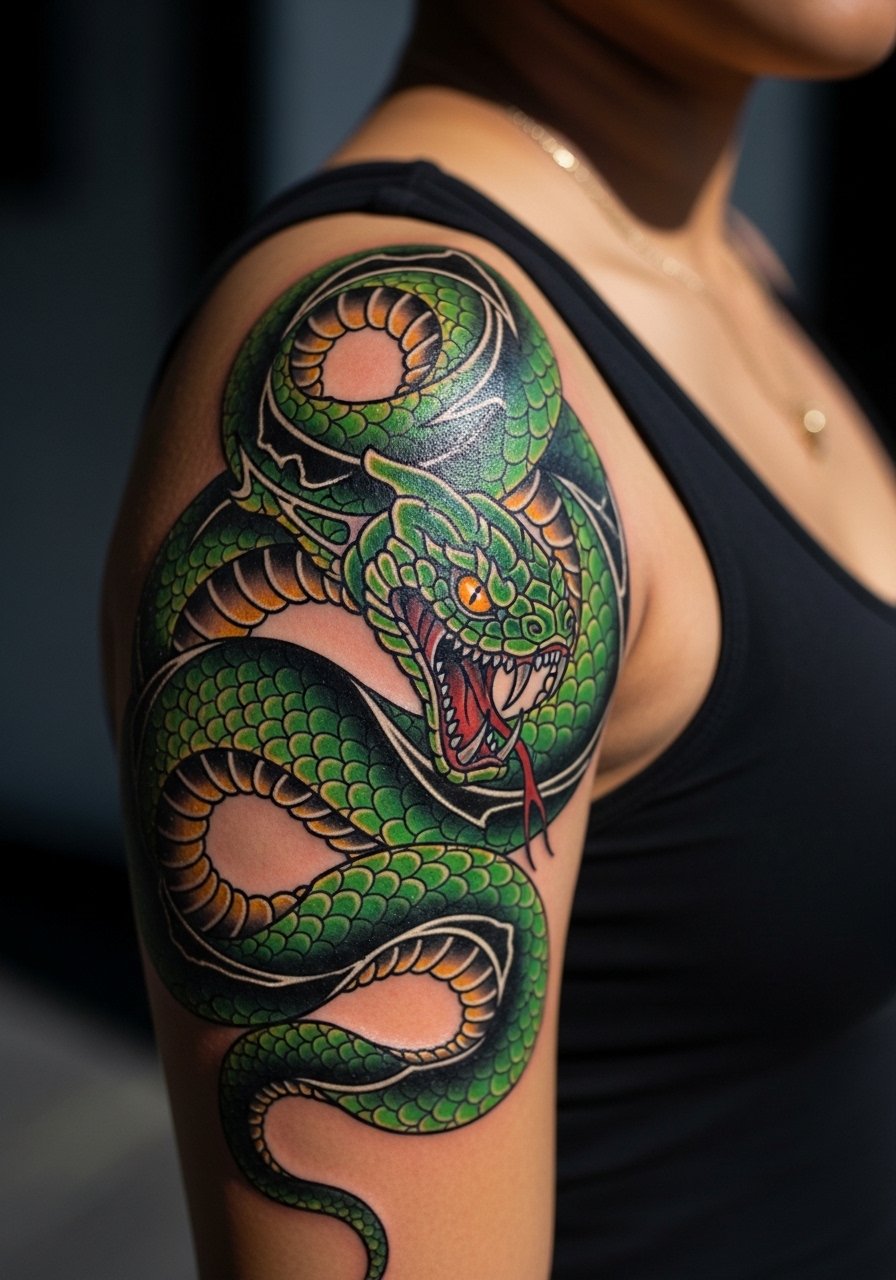
Coiling designs work well on the shoulder because the form wraps with muscle. Ask for scale separation and avoid tiny scale texture across the whole snake. A typical mistake is over-detailing which turns mushy as the skin moves. Sessions for a coiling piece are longer because of the wrap. For casual days, wear a tank top with wider armholes that shows the coil. Discuss whether the head will face forward or back when you stand facing a camera.
14. Anchor Tattoo with Nautical Rope Border
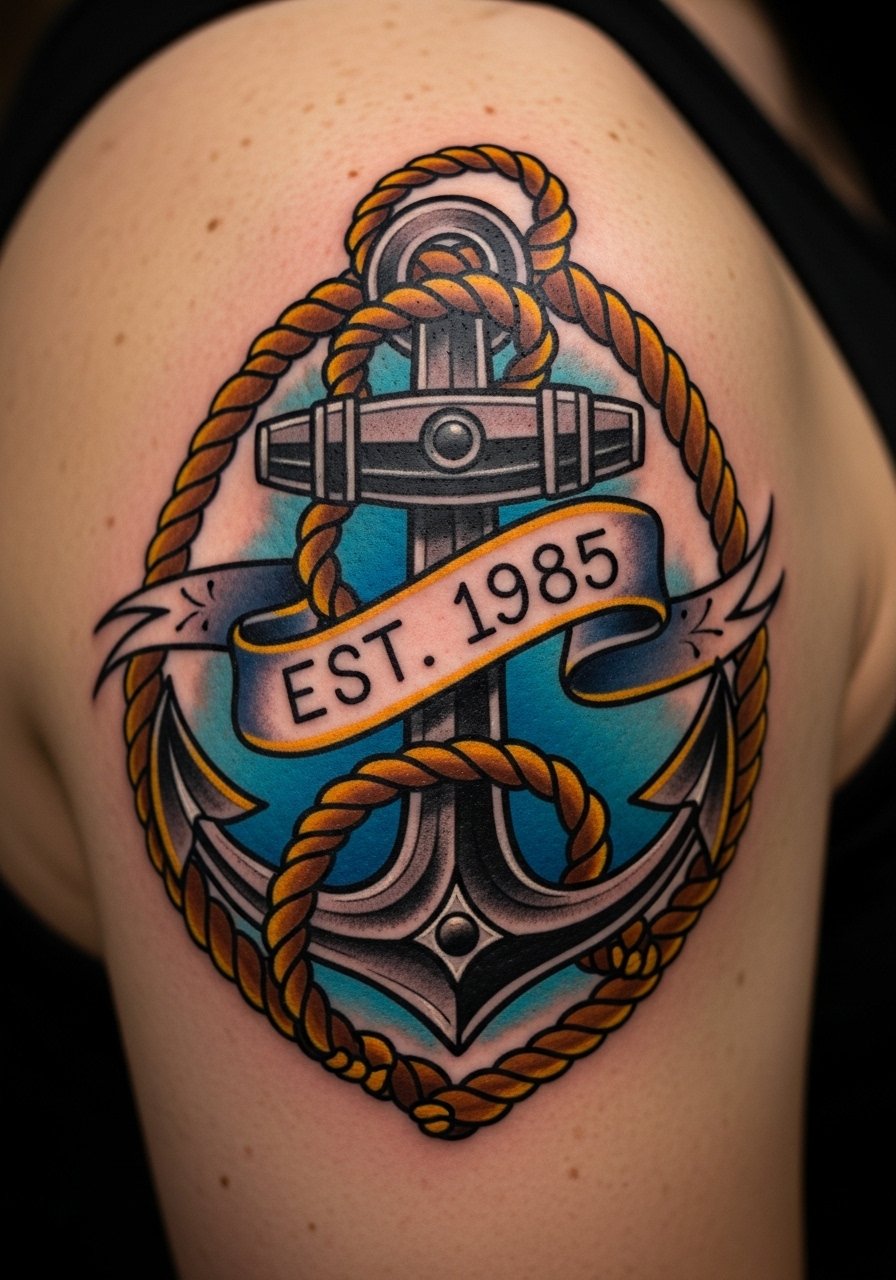
Rope textures and anchors are classic because heavy blacks keep their shape. The mistake is trying to do micro rope detail that ages into blur. Insist on broader rope strokes and clear contrast between rope and background. Sessions are moderate in length and easy to photograph fresh. Style with a striped short-sleeve tee for a classic sailor nod that does not compete with color. Expect minimal touch-up needs if you keep sun exposure limited.
15. Panther Head with Artful Shadowing
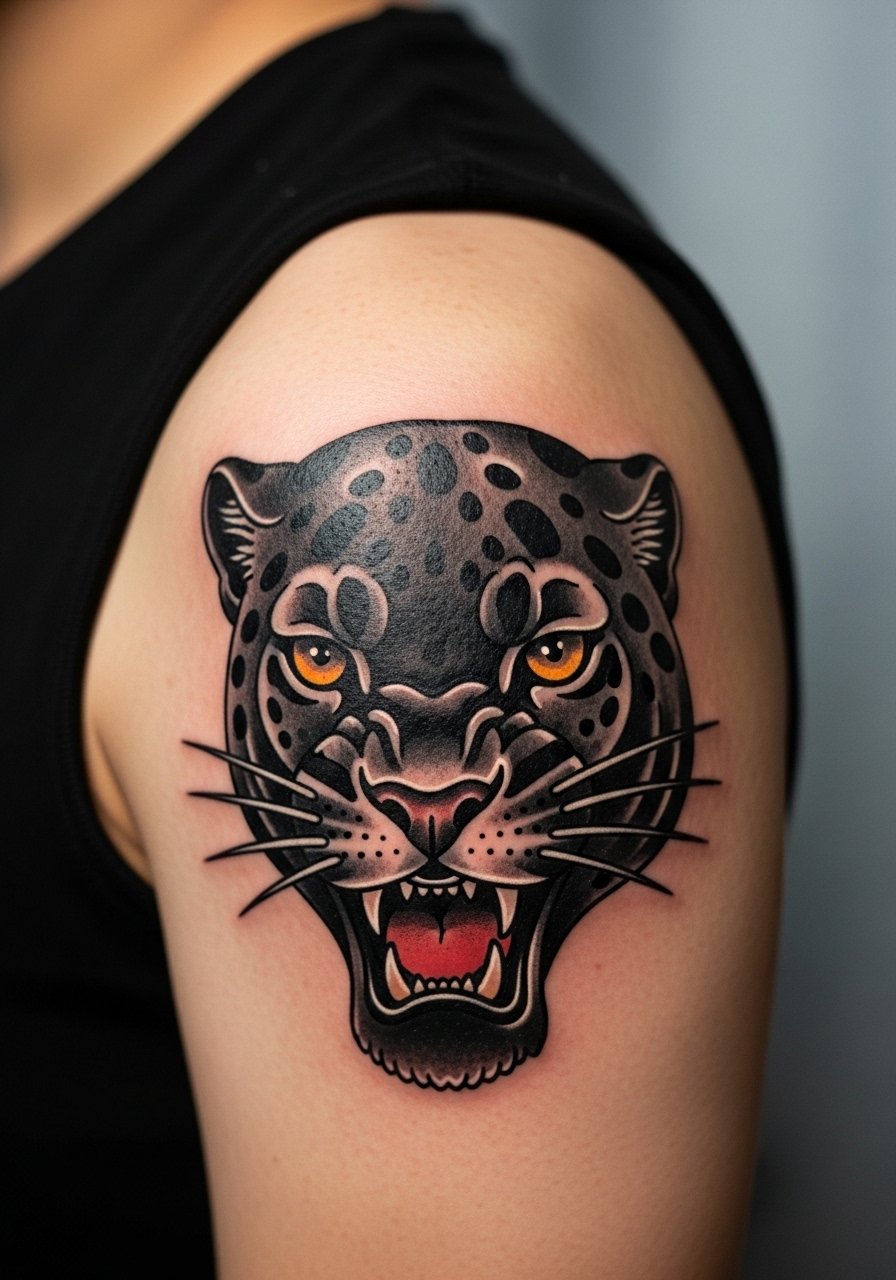
Panther heads demand dense black saturation and careful contouring so eyes keep their punch. The shoulder shape can deepen shadows naturally, but outline decisions matter. A common error is relying on tiny shading around the eye instead of clear surrounding dark fields. Sessions require firm packing and can be sore where the needle crosses muscle. For a night out, wear a short-sleeve Henley that frames the jawline. Ask about contrast plans for the eye area during consult.
16. Compass Rose Integrated into a Sleeve Start
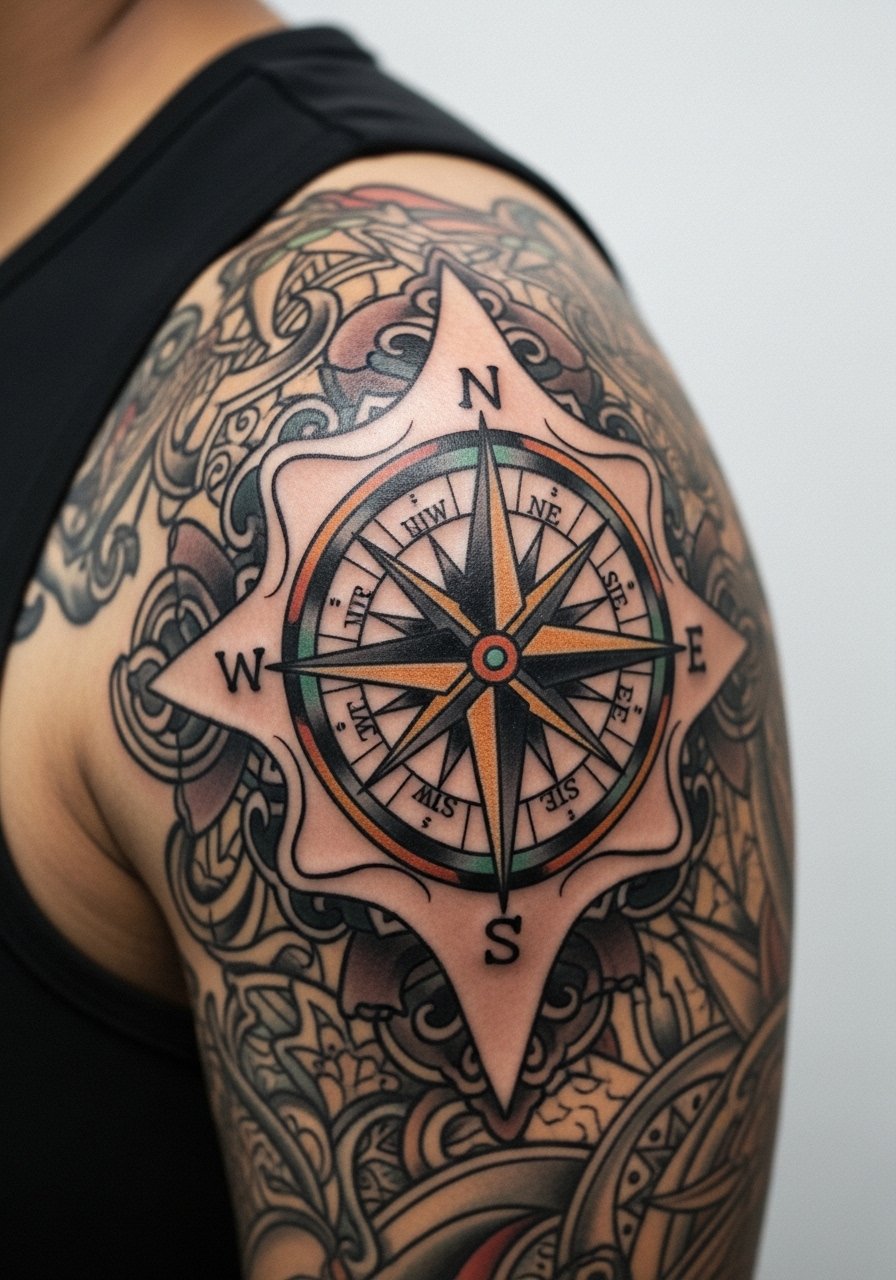
If you plan to extend this into a sleeve later, set up compositional anchors now. A mistake is treating the shoulder compass as a finished piece without repetition points for sleeve elements. Ask the artist to plan motifs and color keys for future additions. Sessions are sessional since the compass itself is medium in time, but planning can add consult minutes. Wear a button-down shirt you can pull aside so the artist can map sleeve continuation. Keep a copy of the original stencil for future matching.
17. Neo-Traditional Lion with Crown
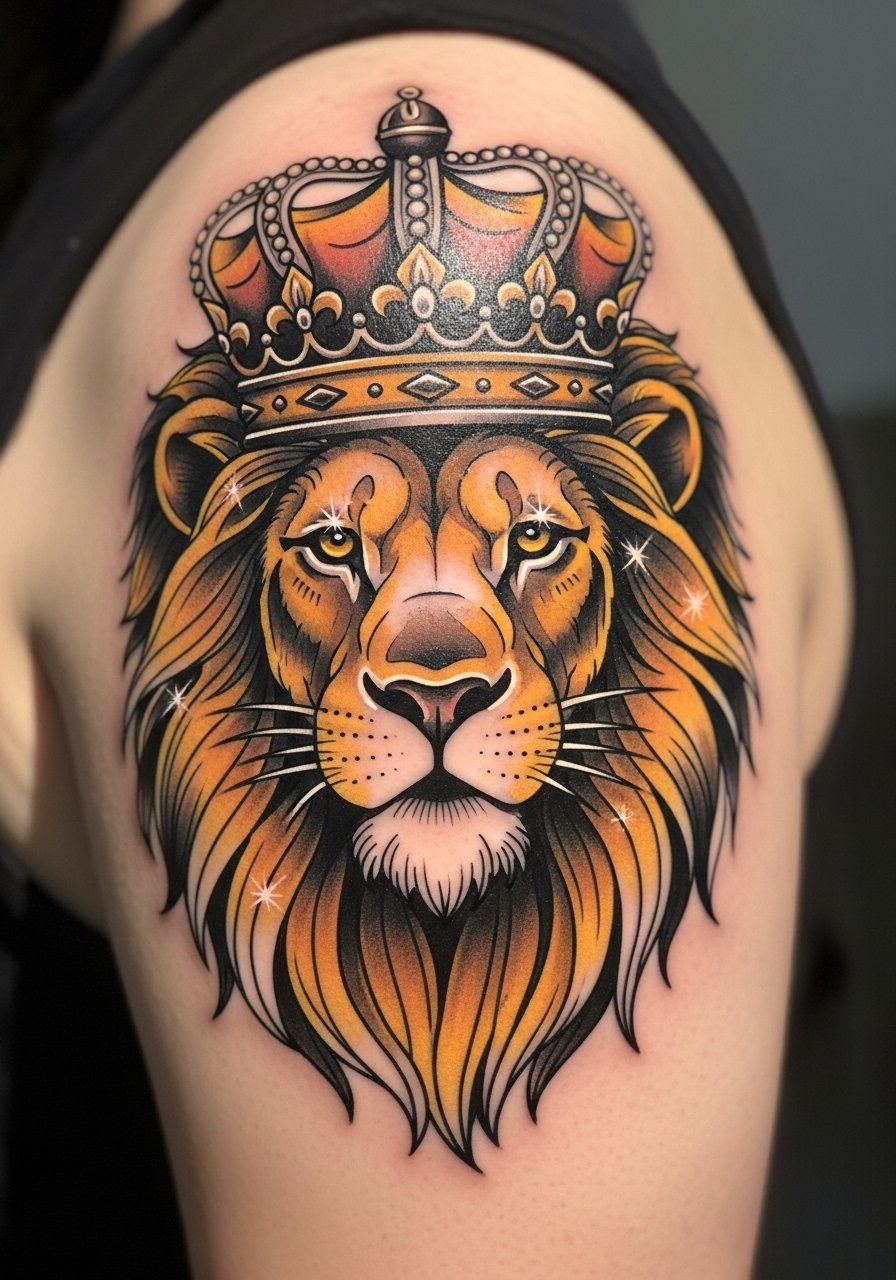
Lion heads benefit from clear planes and heavy manes that age into readable texture. A common error is trying to do hairlike micro strokes that soften quickly. Request blocky mane shapes with directional shading and strong jawline definition. The session will feel varied because of both dense black and softer color packing. Pair with a short-sleeve linen shirt for photos that keep attention on the crown. Ask how the crown will sit when you raise your arm.
18. Nautical Wheel with Floral Fillers
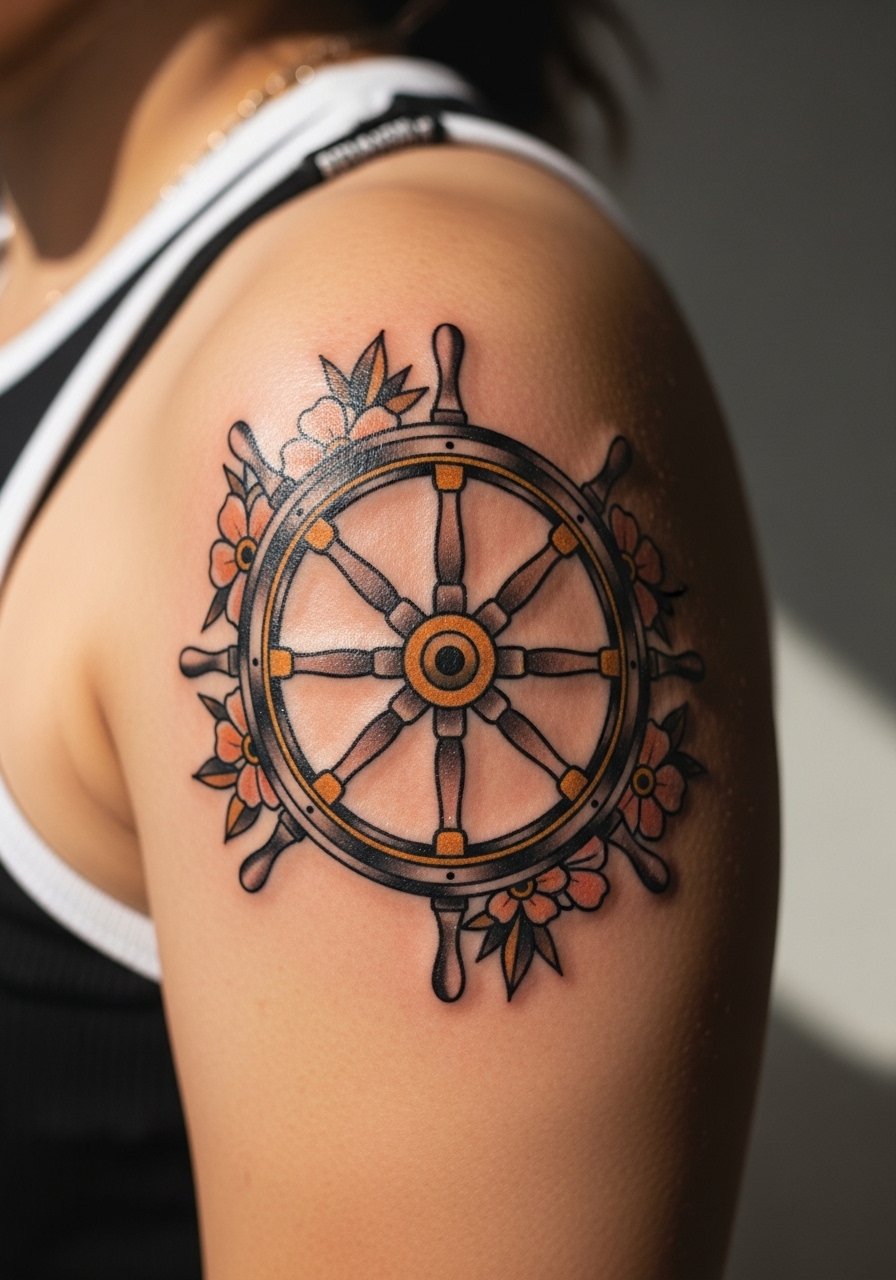
Small fillers around a wheel stabilize the composition for future expansion. The mistake is leaving the wheel floating with no anchors to the skin. Ask for floral anchors that match your palette and a slightly larger diameter for legibility. Sessions are moderate and artist time often goes to background fills. Styling tip is a rolled-sleeve chambray shirt that frames the wheel. Keep the center of the wheel bold so it remains visible even with wear.
19. Old School Sailor Girl Reimagined
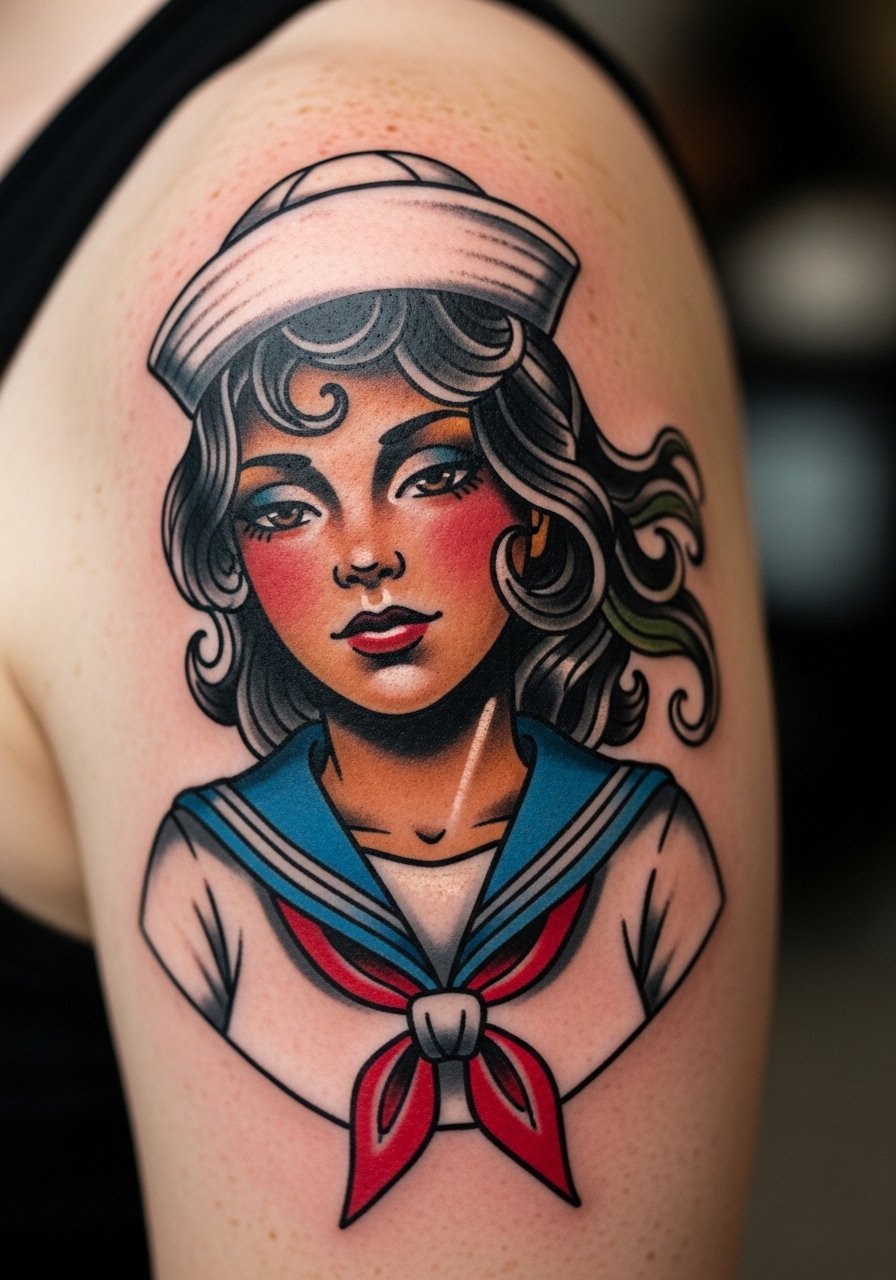
Classic sailor girl portraits translate into neo-traditional with heavier outlines and simplified shading. A common mistake is trying to do photo-realistic facial detail in the middle of high-contrast neo-traditional. Ask for stylized facial planes and stronger clothing blocks so the image reads at a distance. Sessions will focus on clean edges. Pair the piece with a lightweight cardigan for cooler nights without sacrificing visibility. Think about how hair flow will interact with potential chest extensions.
20. Mountain Scene with Banner and Sun
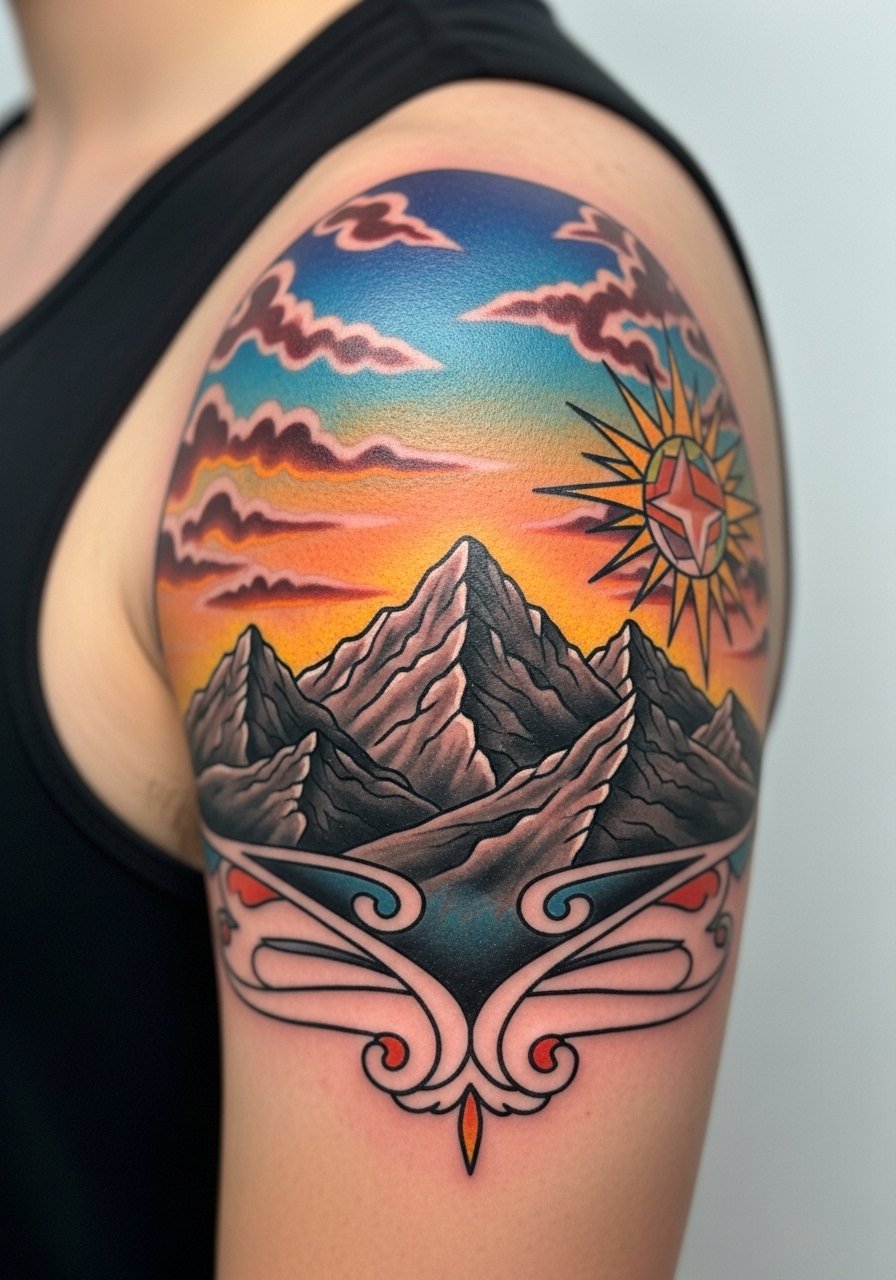
Landscapes on the shoulder can use the cap to imply horizon without adding clutter. The usual mistake is compressing too much horizontal detail into a small shoulder plaque. Request a simplified horizon line, large sun disk, and a single color gradient rather than micro textures. Sessions vary depending on sky fills. For casual showing, wear a short-sleeve tee that keeps the shoulder visible. Plan for UV protection because skies and landscapes suffer with sun exposure.
21. Mythical Creature with Ornamental Frame
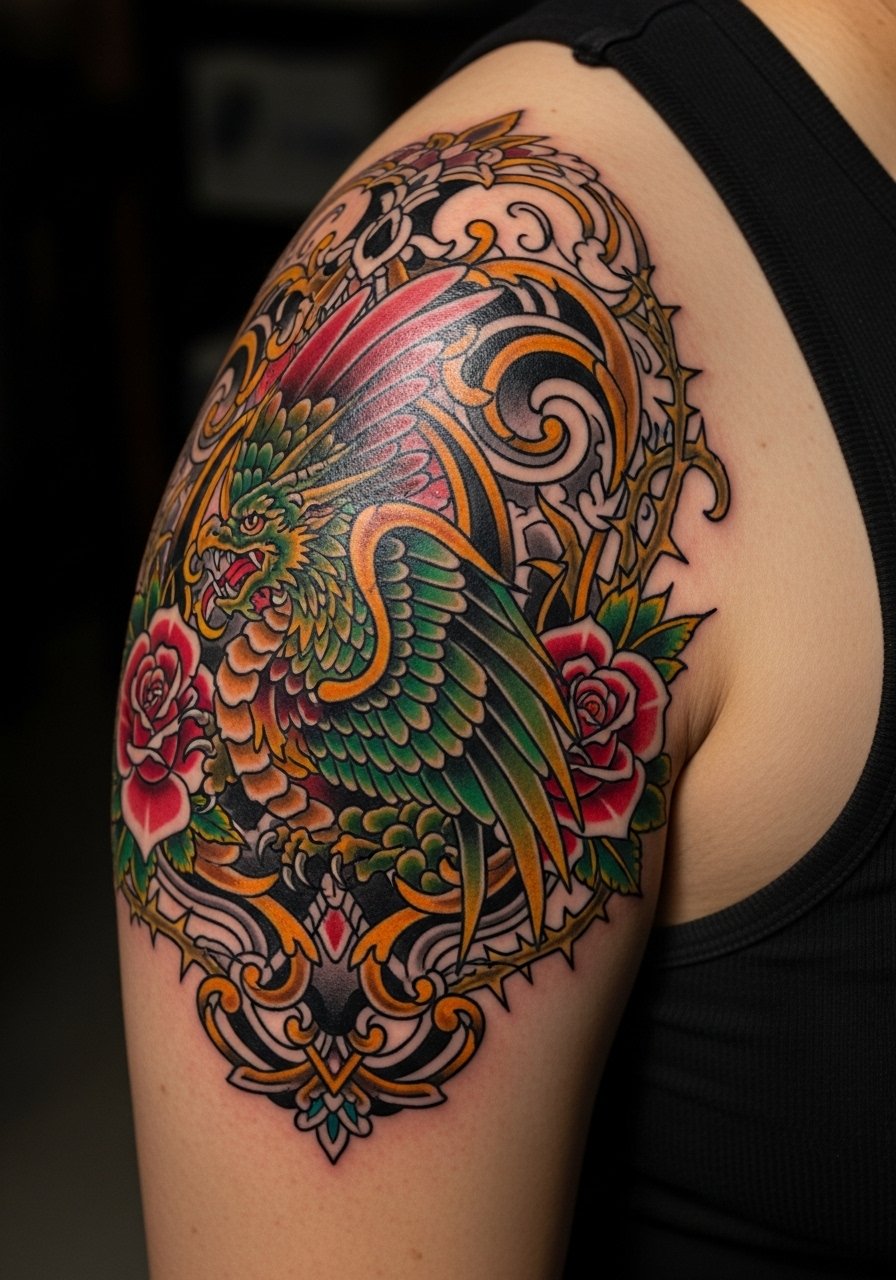
When you pick a hybrid creature, clarity matters more than complexity. The common error is blending too many reference animals so the silhouette loses definition. Ask for a dominant silhouette and one or two ornamental elements instead of an all-over collage. Sessions are often longer for imaginative fills. Wear a sleeveless hoodie for a casual look that shows the frame. If the design has cultural origins, discuss respectful adaptations and avoid direct sacred imagery.
22. Clock Face with Floral Overlays
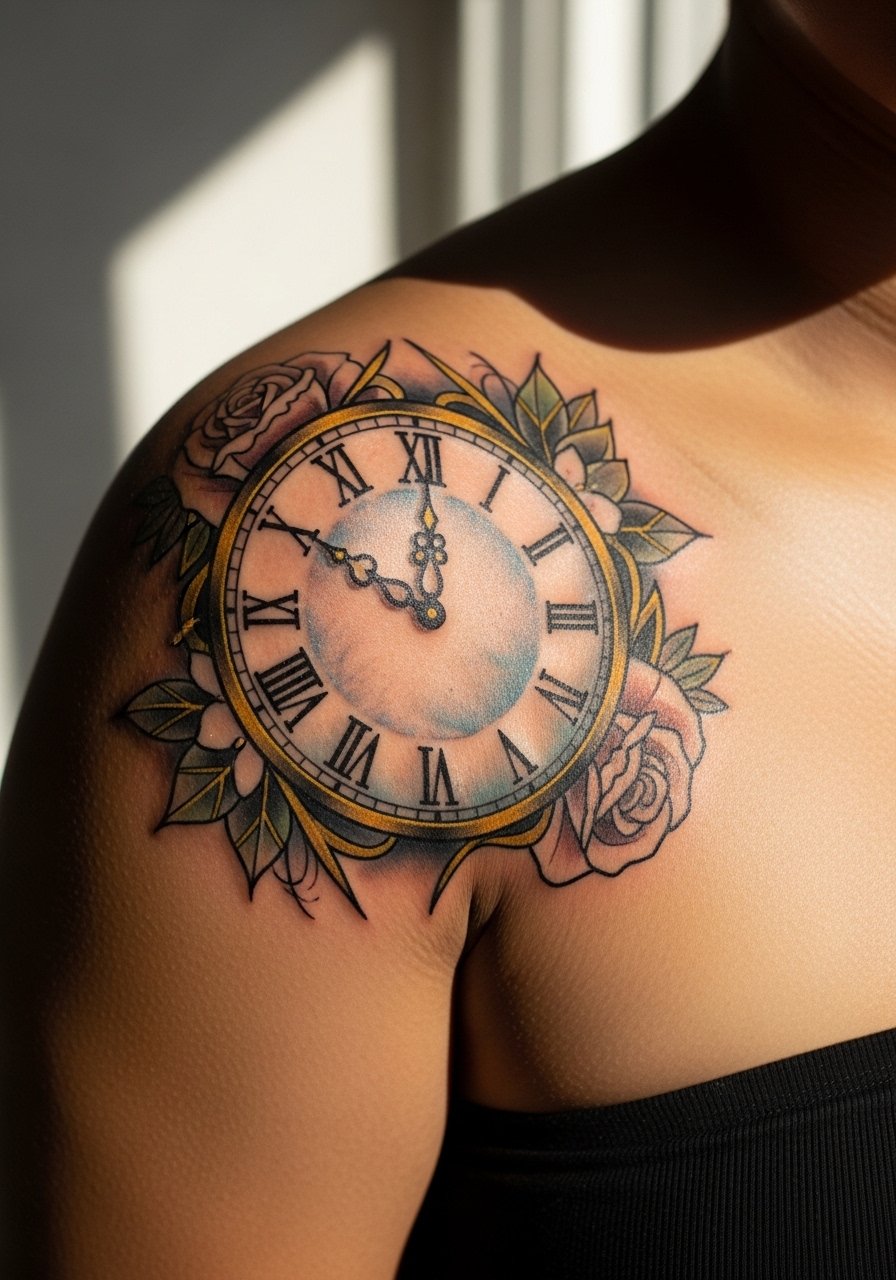
Clocks with florals need deliberate negative space so numerals stay readable. A common mistake is ornamenting the dial until the time markers vanish. Tell the artist you want legible numerals and let petals overlap only the outer ring. Sessions are detail-oriented so expect breaks. Style with a short-sleeve button-down left open at the collar. Ask whether the clock face will have a specific time and confirm exact numbers in the stencil.
23. Dagger Piercing a Heart with Ornate Fill
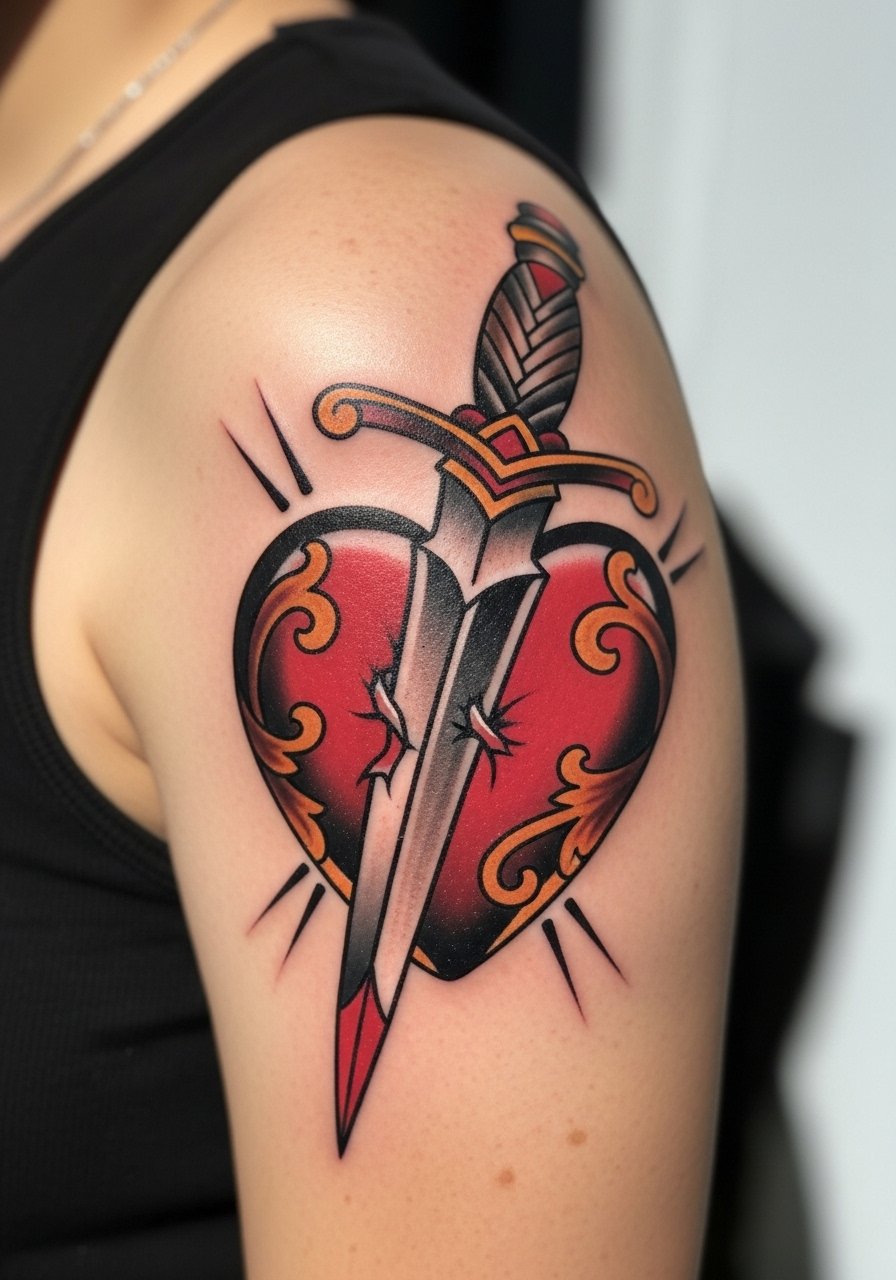
Symbols like a dagger through a heart are classic with clear reads. The mistake is over-detailing the heart interior which can fade into indistinct value patches. Ask for a bold heart silhouette and heavy dagger contrast. Sessions are manageable in time but can leave the cap tender. For evenings, a rolled-sleeve tee keeps the motif visible. Be mindful that some cultures interpret dagger imagery in specific ways; adapt respectfully if you intend cultural references.
24. Phoenix Rising with Burst Accents
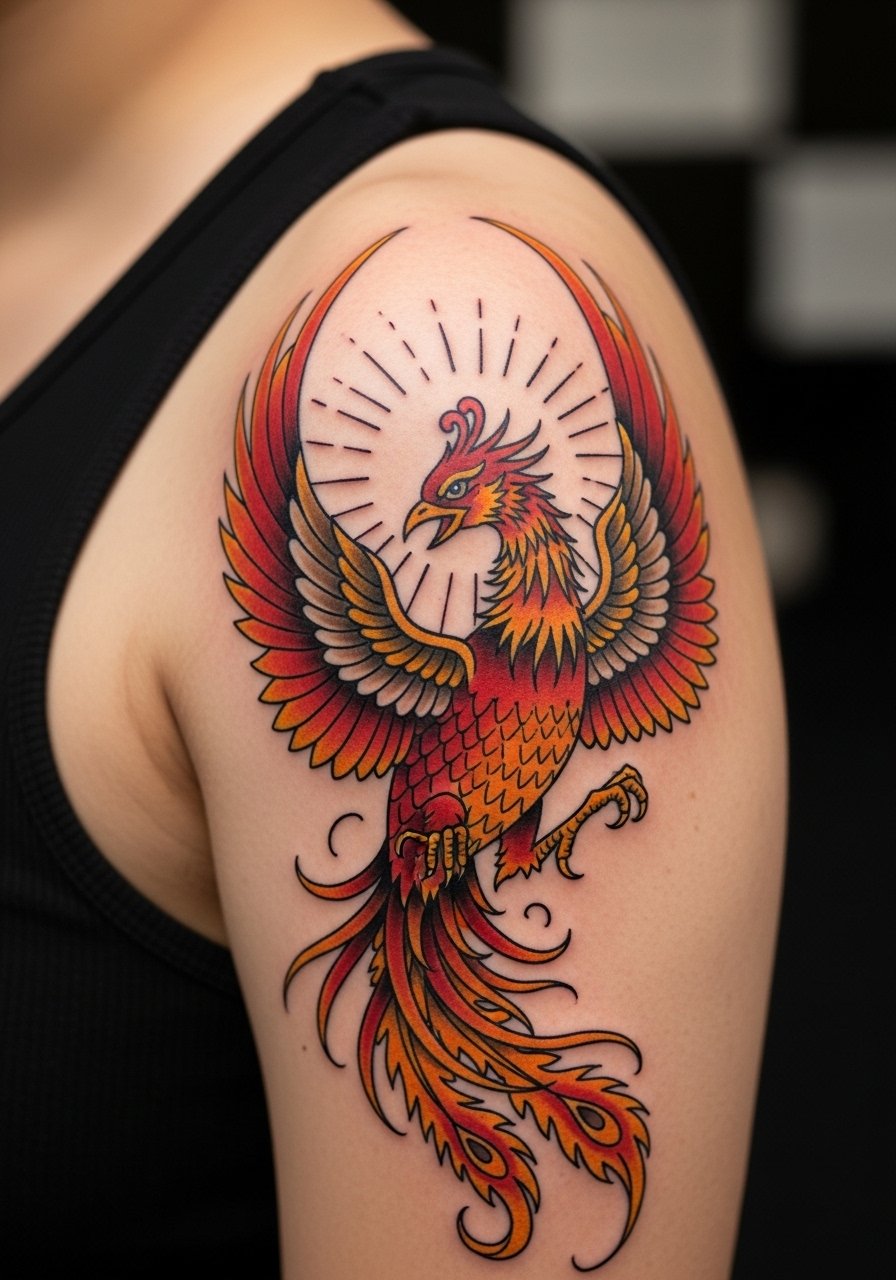
Phoenix designs do well with staged motion using feather blocks and burst accents. A typical mistake is trying to do tiny feather lines all along the wing. Ask for larger feather groups and bright accent spots. Sessions will be longer due to color transitions. Pair with a loose henley shirt that frames the rising form. Expect touch-ups on bright accent colors as those are most affected by UV.
25. Mechanical Skull with Gears and Flowers
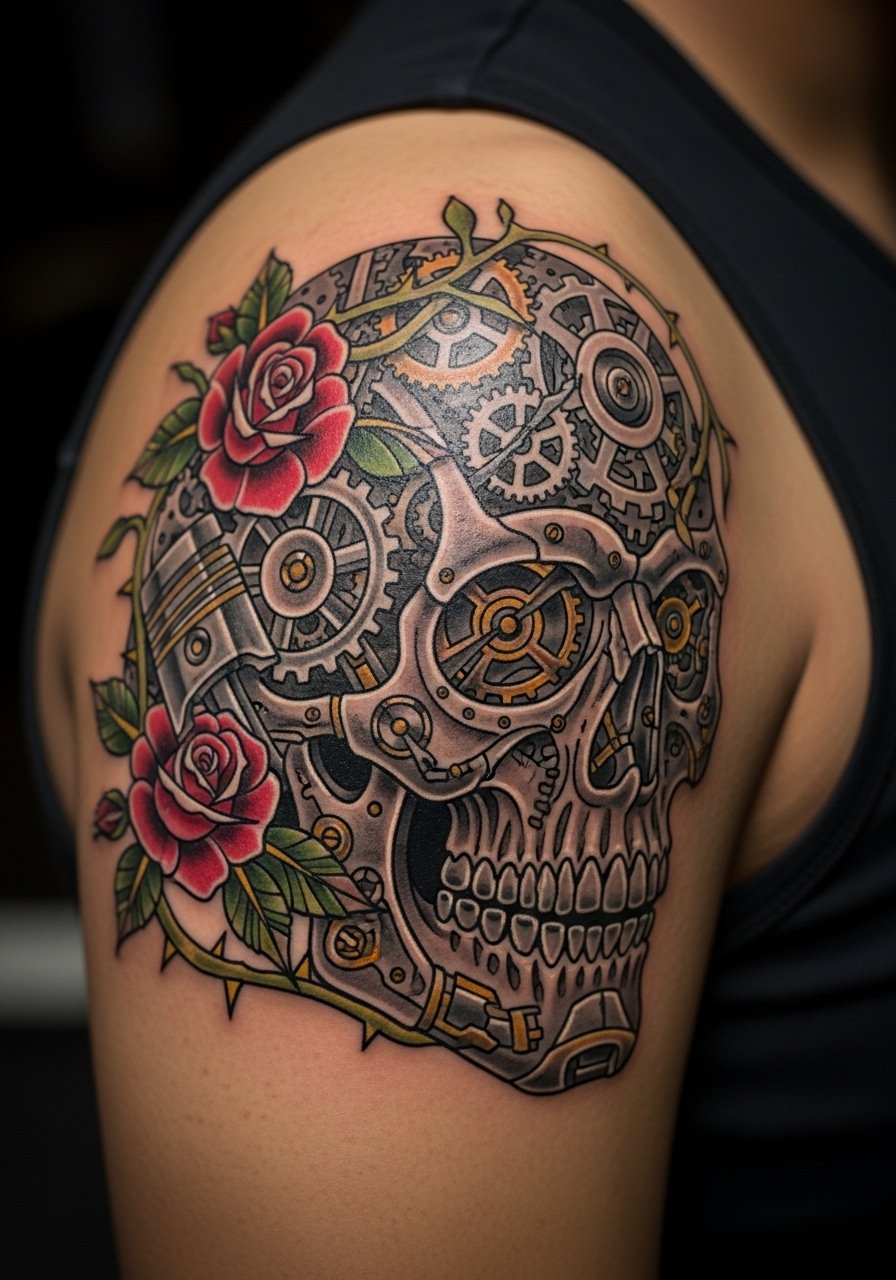
Steampunk-style skulls can be busy, so ask to simplify gear groupings into readable chunks. The mistake is micro detail that blurs and makes the skull look noisy. Sessions are detail-heavy and may take multiple appointments. For casual wear, a short-sleeve denim shirt frames the mechanical elements without drowning color. Discuss whether you want metal tones to be warm or cool, because that choice affects touch-up planning.
26. Heraldic Shield with Family Motif
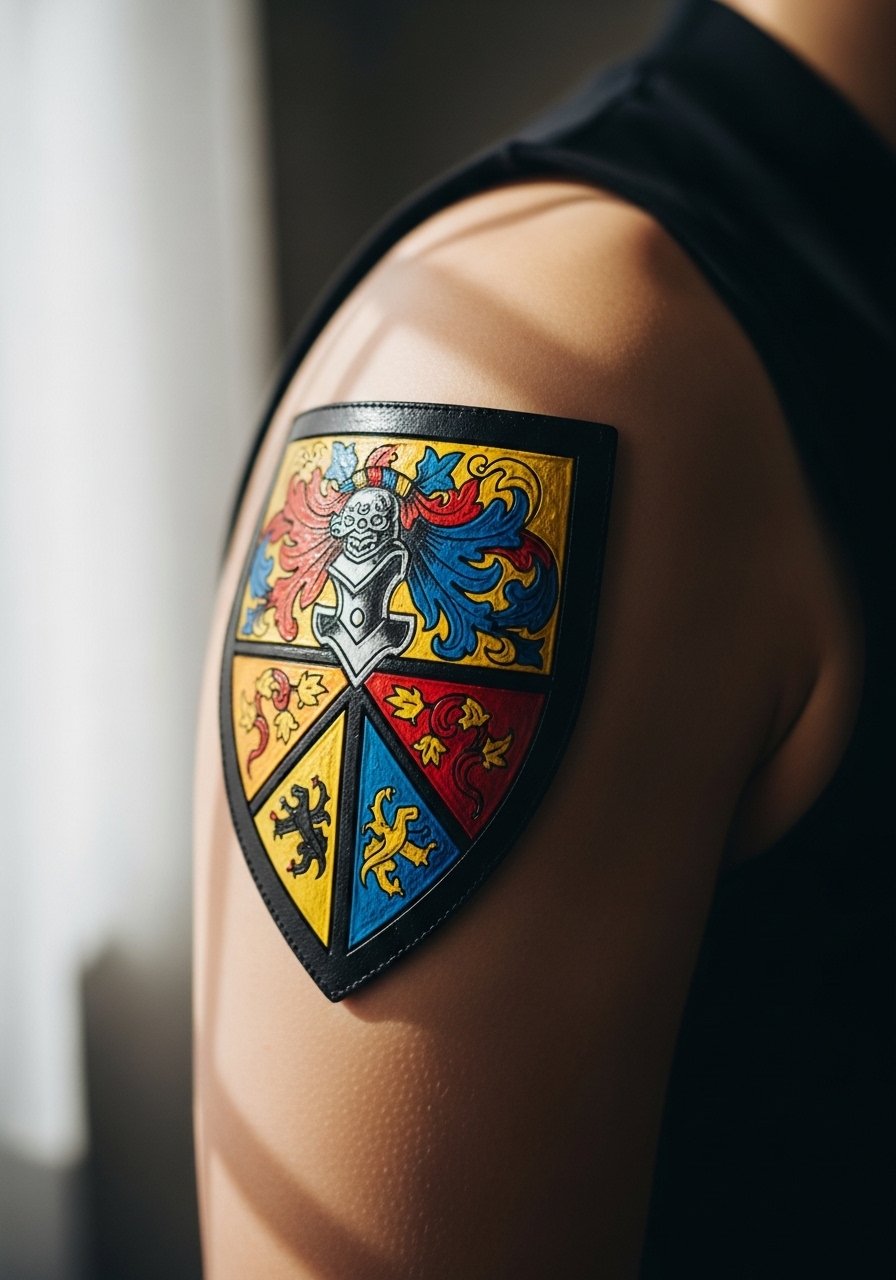
Heraldic shields need clear compartments and strong borders to survive time. A common mistake is cramming multiple small symbols into tight quarters. Choose one central symbol and simple accoutrements to preserve readability. Sessions are medium in time and can feel tender where borders sit on the outer cap. Wear a short-sleeve polo for a smart casual frame. If you are borrowing cultural symbols that carry meaning, consider slight stylistic reinterpretation out of respect.
27. Sleeve Start: Neo-Traditional Panel that Flows toward Chest
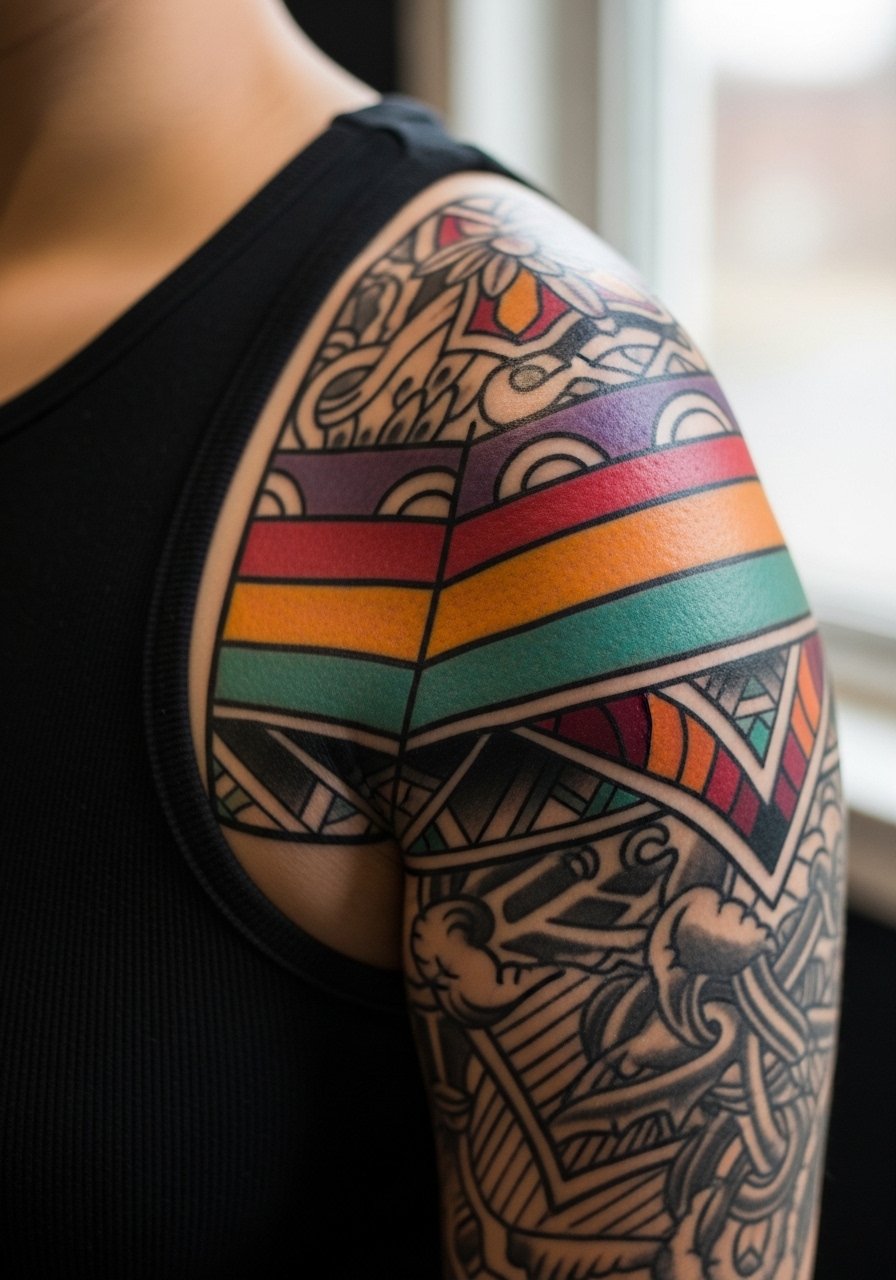
If this is a sleeve-start piece, ask your artist to treat the shoulder as a header that will connect to future chest and arm panels. The common error is designing it as a standalone piece with no matching palette. Sessions will be staged to allow later matching. For the appointment wear a button-down you can pull aside so the artist can map connections. Keep a digital portfolio of the exact colors used for future reference.
Frequently Asked Questions
Q: How does neo-traditional saturation on the shoulder age compared with fine line work?
A: From what I have seen, heavy saturation and strong outlines usually hold up better on the shoulder than extremely fine line work. The shoulder moves and sees sun, which softens tight lines faster. If you like detail, ask your artist to scale up the line weight in critical areas so the design reads well at year three.
Q: Are there special considerations for showing a shoulder tattoo while keeping it professional?
A: Yes. For visible shoulders pick shirts with structured sleeves like short-sleeve button-downs or rolled sleeves so the tattoo is framed rather than fully exposed. If your workplace has strict dress codes, plan placement so the piece can be covered by a standard shirt.
Q: Should I plan touch-ups for neo-traditional color on the shoulder, and when?
A: Expect a touch-up window around two to three years for saturated colors, especially if you spend time in the sun. Dark base layers usually last longer than bright accent tones. Ask your artist for a realistic touch-up schedule during consult so you can plan sessions ahead.
Q: How do I find an artist who specializes in neo-traditional shoulder work without following one name on social media?
A: Search hashtags like #neotraditionaltattoo and #shouldertattoo, check studio portfolios on booking platforms, and ask in community forums such as dedicated tattoo subreddits for recent recommendations. Attend local conventions and look for portfolios that show healed shoulder work rather than just fresh photos.
Q: Is there real debate about healing methods and products for shoulder tattoos?
A: Yes. One camp favors occlusive films and modern aftercare wraps for the first 48 hours, while another weighs in for minimal coverage and gentle washing only. The right choice depends on your skin, how much friction the area will see from clothing, and your artist's preferred protocol. Follow the plan you and your artist agree on and schedule the touch-up if needed.
Q: Will stretching or muscle gain change how a shoulder neo-traditional piece looks?
A: Modest muscle gain usually moves the design without wrecking it, but significant changes in body composition can alter line spacing and placement. If you expect big changes, mention that at consult so the artist can plan scale and spacing accordingly.