The tattoos that still read clean at year ten are rarely the hyper-detailed ones that get thousands of saves the day they go up. I notice neo-traditional Stranger Things pieces last when linework, saturation, and placement are chosen with skin tone and daily wear in mind. Booking with a buffer for guest-spot cancellations and getting clear time estimates keeps your summer plans intact. Below are 21 neo-traditional Stranger Things tattoo ideas that age well and how to book and style them.
1. Neo-Traditional Demogorgon on Outer Forearm
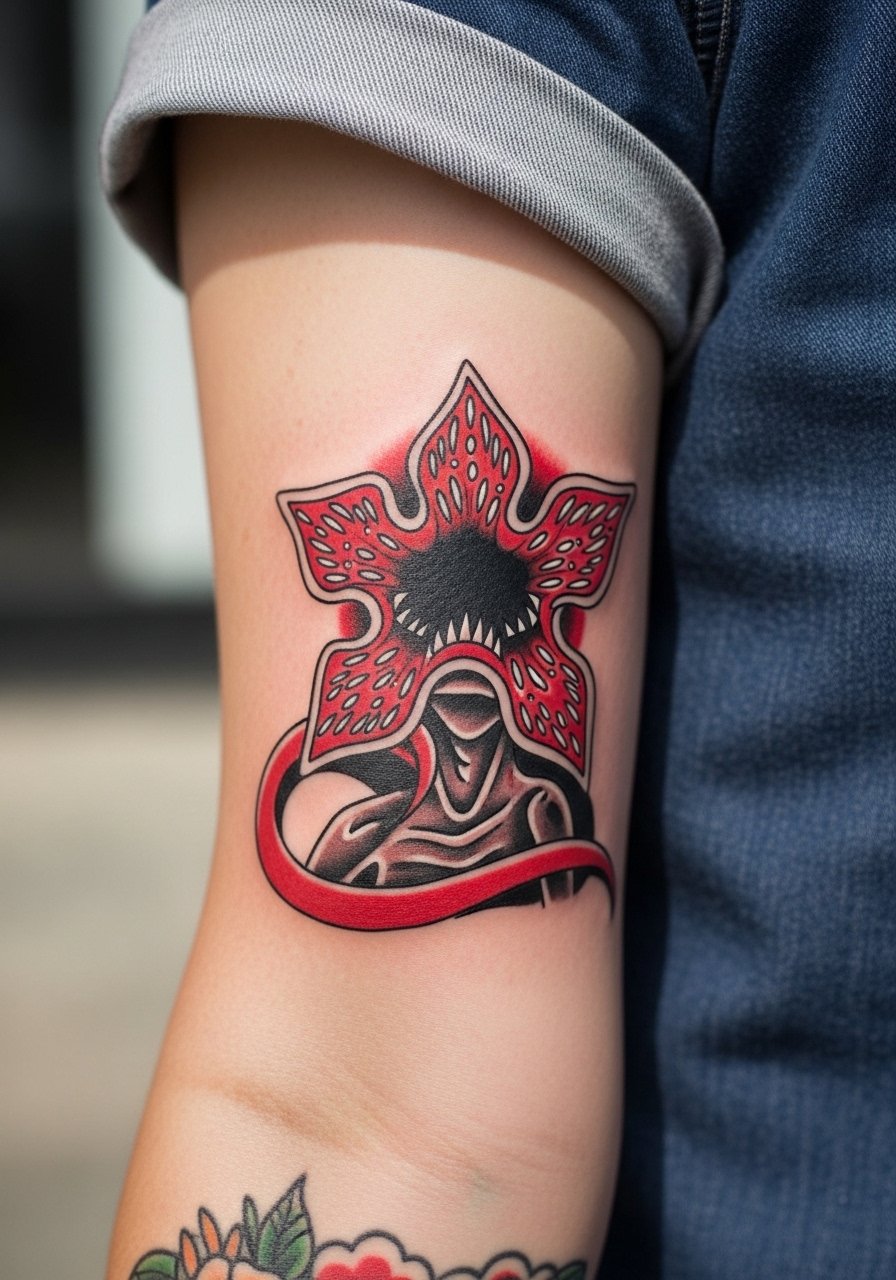
I’ve seen Demogorgon forearms survive years when artists use thick linework and strong saturation instead of micro detail. Tell your artist you want 4-6 inch scale, solid outline weight, and slightly simplified petal shapes so texture reads over time. Common mistakes include cramming tiny teeth and fine veining into a small area. Expect a 1-2 session build and medium pain on the forearm. For showing it off, roll sleeves into a vintage graphic tee or tie a cotton bandana set on the opposite arm to echo the 80s energy.
2. Eleven Portrait with Floating Eggo on Inner Bicep

Fair warning, the inner bicep can be sensitive but the surface holds color well when artists pack saturation. Ask for a single-session 3-5 inch piece with saturated blues and warm golds and specify firm outlines around facial features so the portrait reads when healed. A common aging issue is overly small facial details that blur into the shading. Session feel is tender when the arm is stretched, so bring a friend for support. Wear a loose tank top you can lift for access and keep it breathable during the heal.
3. Upside Down Portal Collarbone Optical Illusion
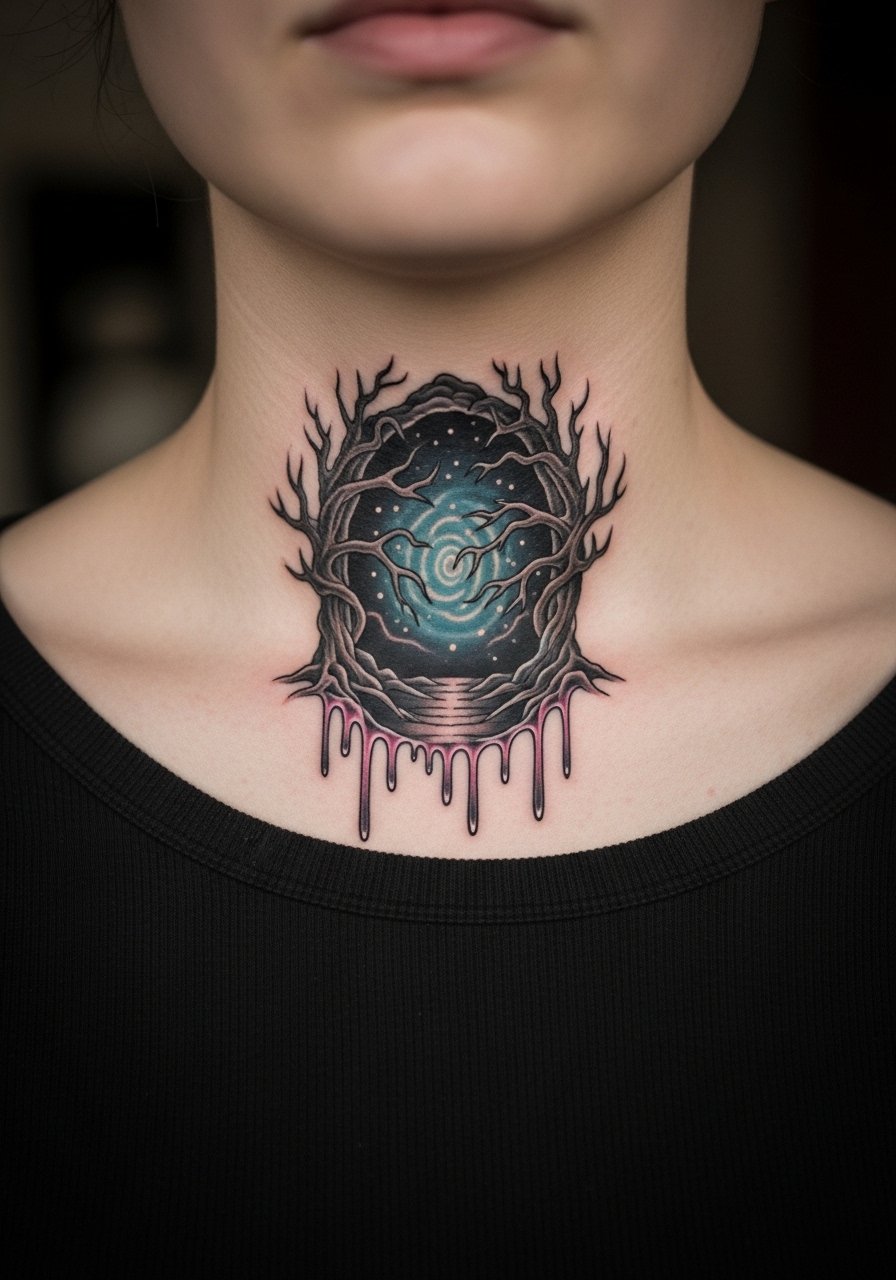
Portals on the collarbone read like tiny optical illusions when the artist carves contrast into the edges. Most people make the mistake of shrinking these to tiny sizes. I recommend 5-7 inches for real 3D depth and a palette that pops against your skin tone. The area is sunny and prone to fading if you wear low-cut shirts in peak sun, so protect it after healing. For outfits that frame the portal, try a v neck wrap top that keeps the neckline open without rubbing the ink. Career considerations matter for visible collarbone pieces, so think about workplace dress codes.
4. Neo-Traditional Hellfire Club on Outer Shoulder
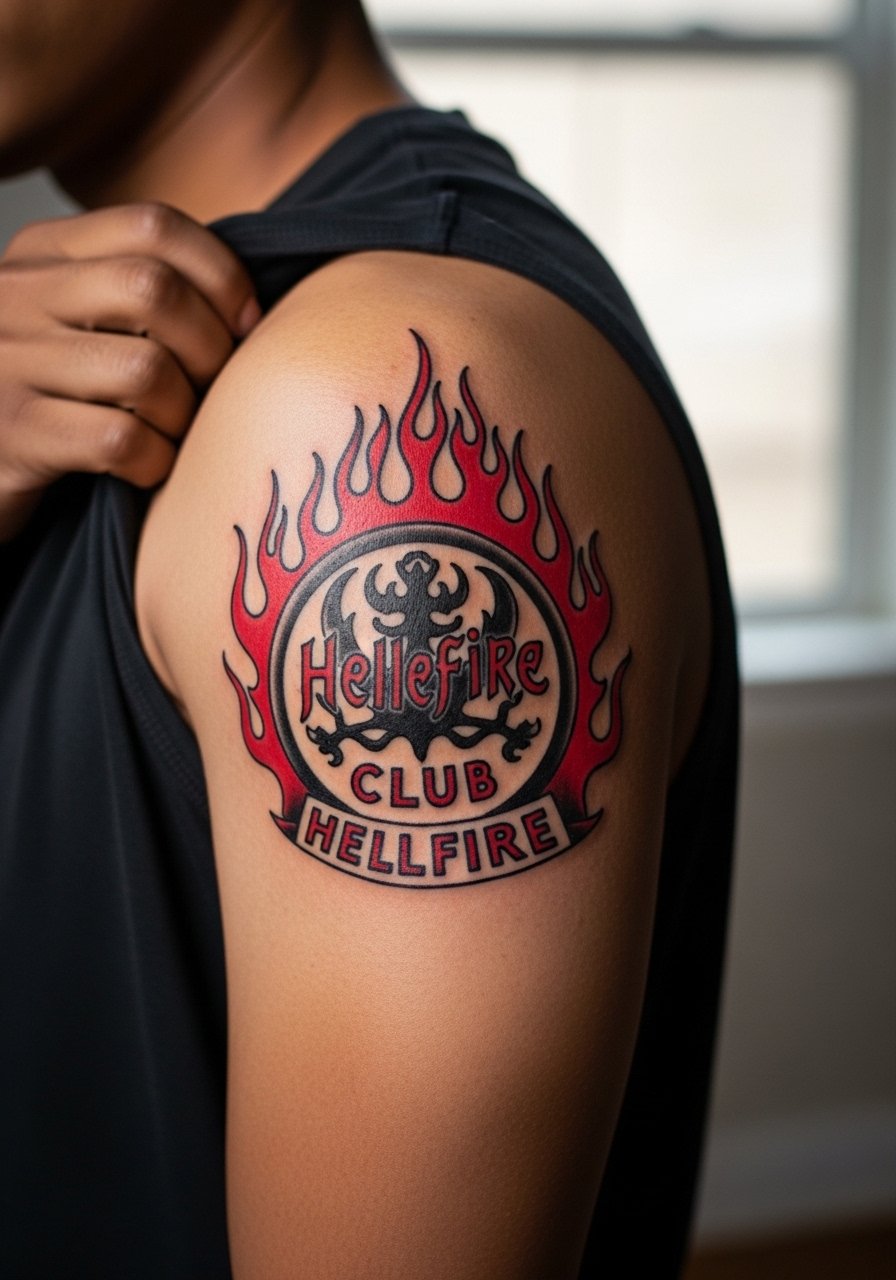
There is a certain rock energy to Hellfire Club logos done neo-trad. Ask for concentrated red saturation and thick black accents to keep the flames readable on darker tones. Outer shoulder sessions are straightforward and usually one sitting for a 4-inch piece. Common mistakes include thin outlines that fade into the surrounding skin. For the session wear a loose button-down shirt you can slide aside so the artist has clear access. Pair the finished tattoo with an off shoulder crop top for nights out.
5. Mind Flayer Silhouette with Tentacles on Thigh
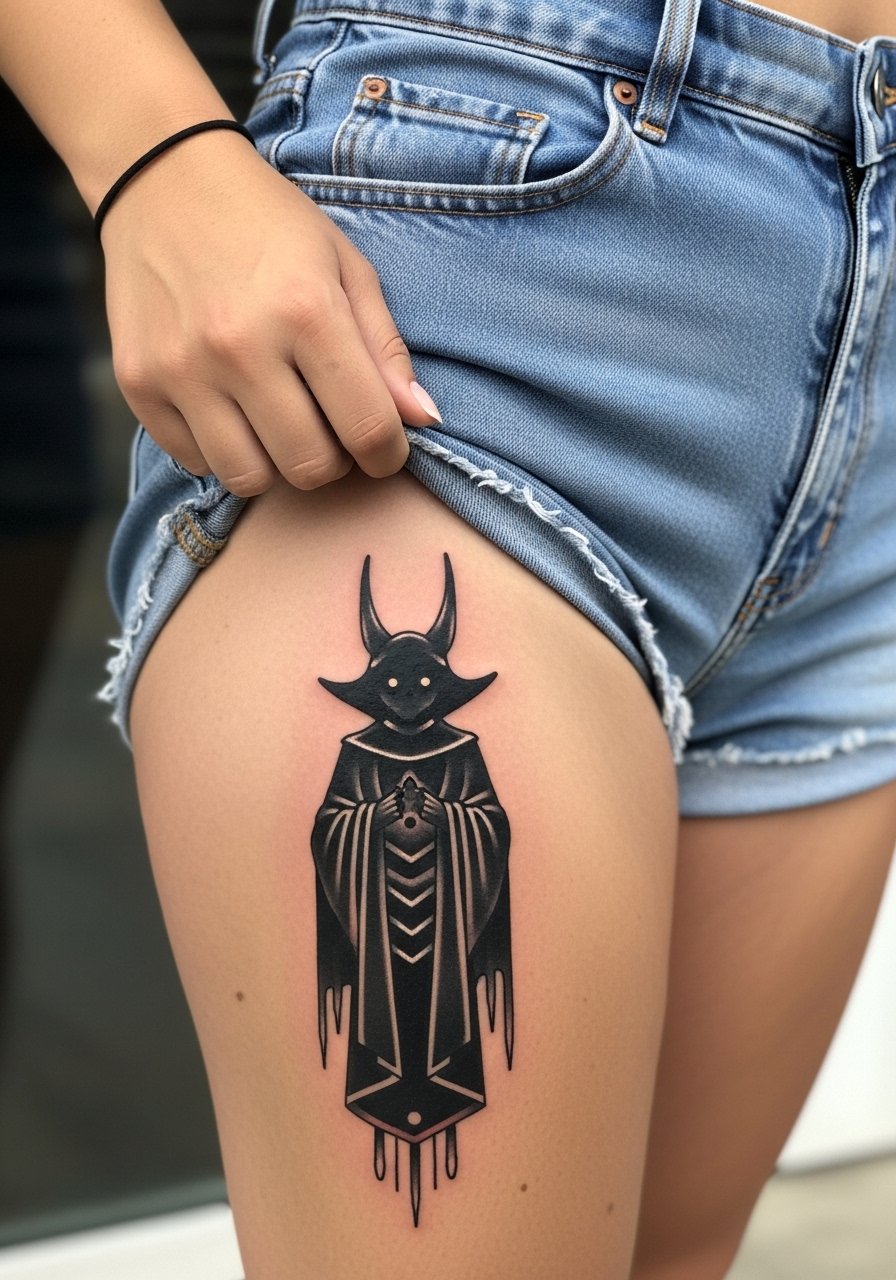
Thigh pieces let artists stretch out tentacle work so it reads like a scene rather than a sticker. For a 6-8 inch Mind Flayer silhouette, expect 2-3 sessions if you want layered stipple shading and subtle color pops. Mistakes often come from trying to cram too much small detail into a narrow area. The session is comfortable with loose shorts. For after-session show-off, a pair of high waisted denim shorts or cuffed jogger pants keeps attention on the upper thigh silhouette.
6. Mini Hellfire Symbols on Knuckles
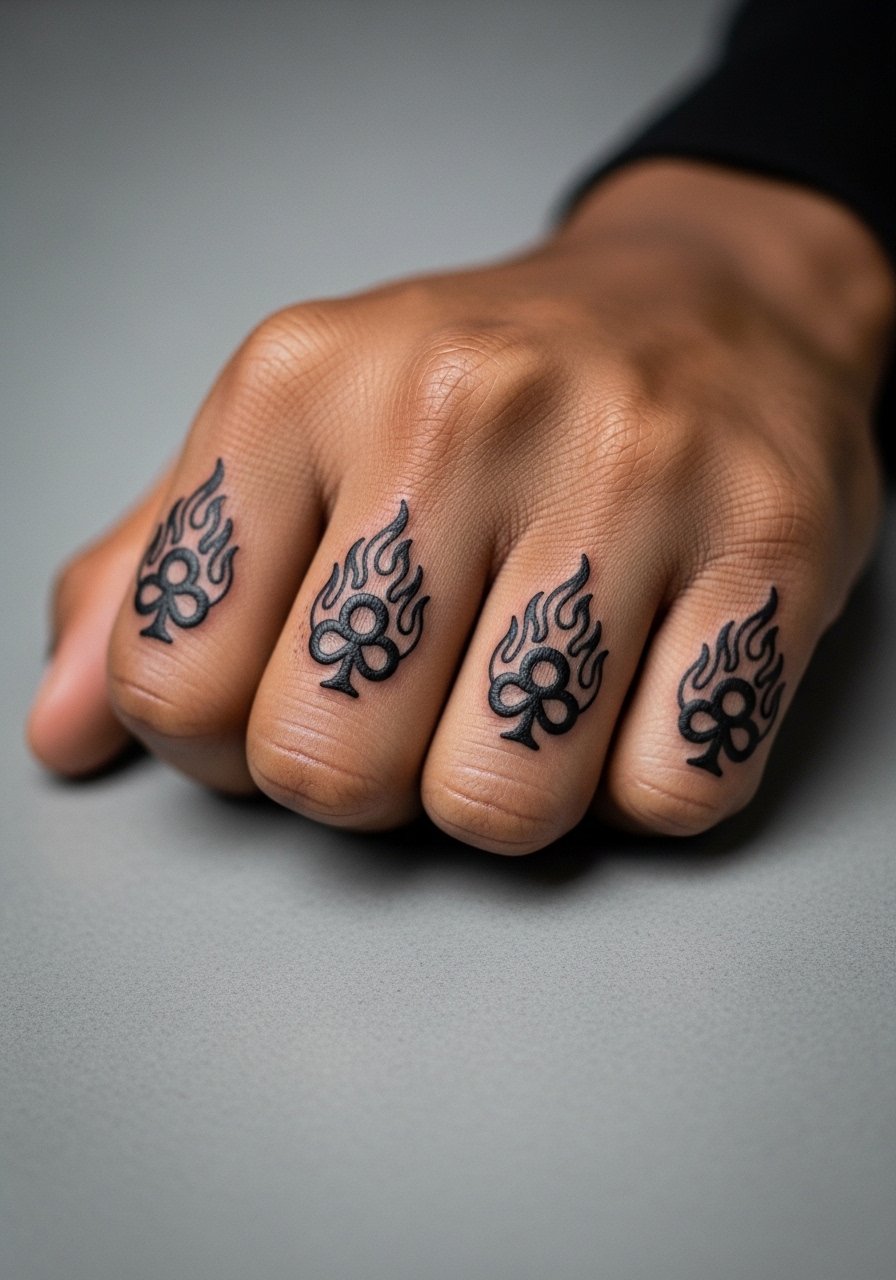
Knuckle and finger designs are a different commitment because of constant washing and friction. I recommend tiny, simplified Hellfire glyphs that use thick outlines and single-color fills so they last longer. The biggest mistake is asking for thin detailed shading across knuckles. Expect faster fading and a touch-up at year one or two. For the session, keep hands clean and consider numbing if you are anxious. A styling nod: stacked rings can either obscure or amplify micro symbols, so choose slim bands that do not rub the ink. For a casual look, pull up chinos or wear crew athletic socks with rolled pants when you show off related calf pieces.
Studio Day Picks
The forearm, inner bicep, and knuckle pieces above need slightly different prep than thigh or shoulder work, so pack a few specific items for the session.
-
Tatt2Care tattoo balm. A thinner indie balm that heals without the greasy film, helpful for color retention on forearm and inner-bicep pieces.
-
Inked Balm aftercare. Lighter texture suited to humid heals and thigh shading that needs breathability.
-
Tattoo Sakiori ointment. A breathable option some artists recommend for forearm color layers that need moisture without clogging.
-
HealRite spray. Non-greasy spray form that some people prefer for larger thighs and back pieces during the second week.
-
Aquaphor healing ointment. A thin layer for the very first days on small work like knuckles and fingers to reduce friction while scabs form.
7. Black-and-Gray Demogorgon for Dark Skin

Neo-traditional does not have to be fluorescent color to read on darker skin. A black-and-gray Demogorgon with strong negative space and tight saturation can read longer than muted pastels. A common mistake is relying on mid-tones that vanishes in healing. Tell your artist you want increased contrast, blocked-in blacks, and selective highlights rather than full pastel fills. Calf sessions can be bone-adjacent and may sting more near the shin. Expect a touch-up window around year two if you want to keep edge crispness.
8. Upside Down Portal on Calf with Neon Drips
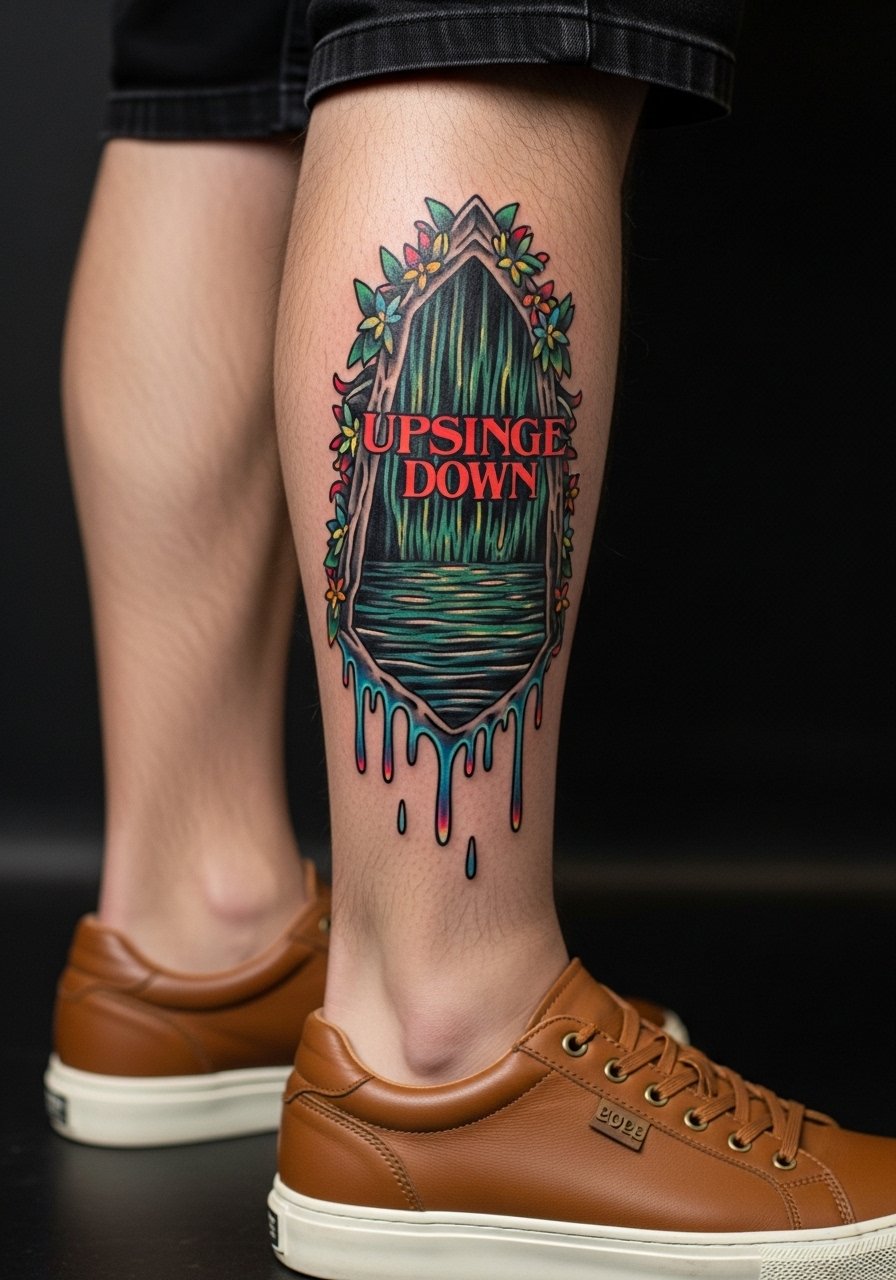
Calf portals are ideal if you want something visible but easy to cover. For a 5-7 inch portal, artists will recommend bold outlines and neon accents placed in pockets of negative space so color does not wash into the black. A common misstep is watercolor-style drips that blend too early. The pain level is moderate and sessions usually finish in one visit. For showing it off, roll slim-fit chinos or lace up tan leather sneakers and keep socks low.
9. Eleven Power Pose on Outer Forearm

There is a reason forearm portraits of Eleven are popular. They read from across a room when outlines are confident and the composition is vertical. Avoid the trap of asking for micro-realistic facial detail in a 3-inch space. Ask for simplified planes and slightly exaggerated expression lines so emphasis holds after healing. Forearm pain is moderate and touch-ups around the edges are common at year three. Pair the piece with rolled-sleeve flannel shirts to tune the 80s energy without overwhelming the linework.
10. Upside Down Portal on Shoulder Blade
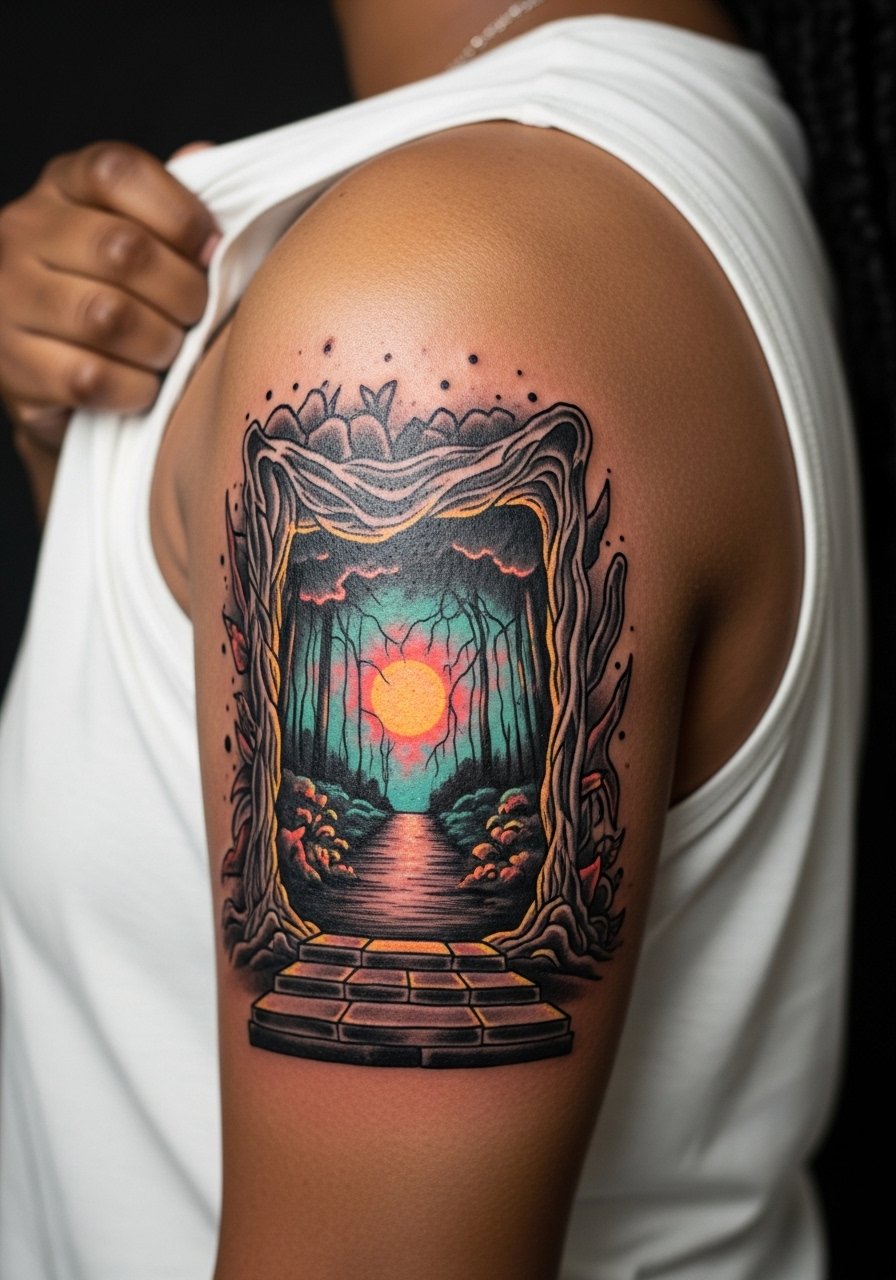
Shoulder blade portals let artists use larger compositions and layered shading for a real depth effect. The wrong approach is tiny portals with thin lines that lose definition after year two. Tell your artist you want 5-7 inch scale and neon accents placed in recesses rather than across highlights. Sessions are typically two visits if you want complex color. Session wear is a loose tank or button-down you can pull aside. For showing off, match with a sleeveless muscle tank or off-shoulder top.
11. Mind Flayer Tentacle Wrap on Wrist and Hand
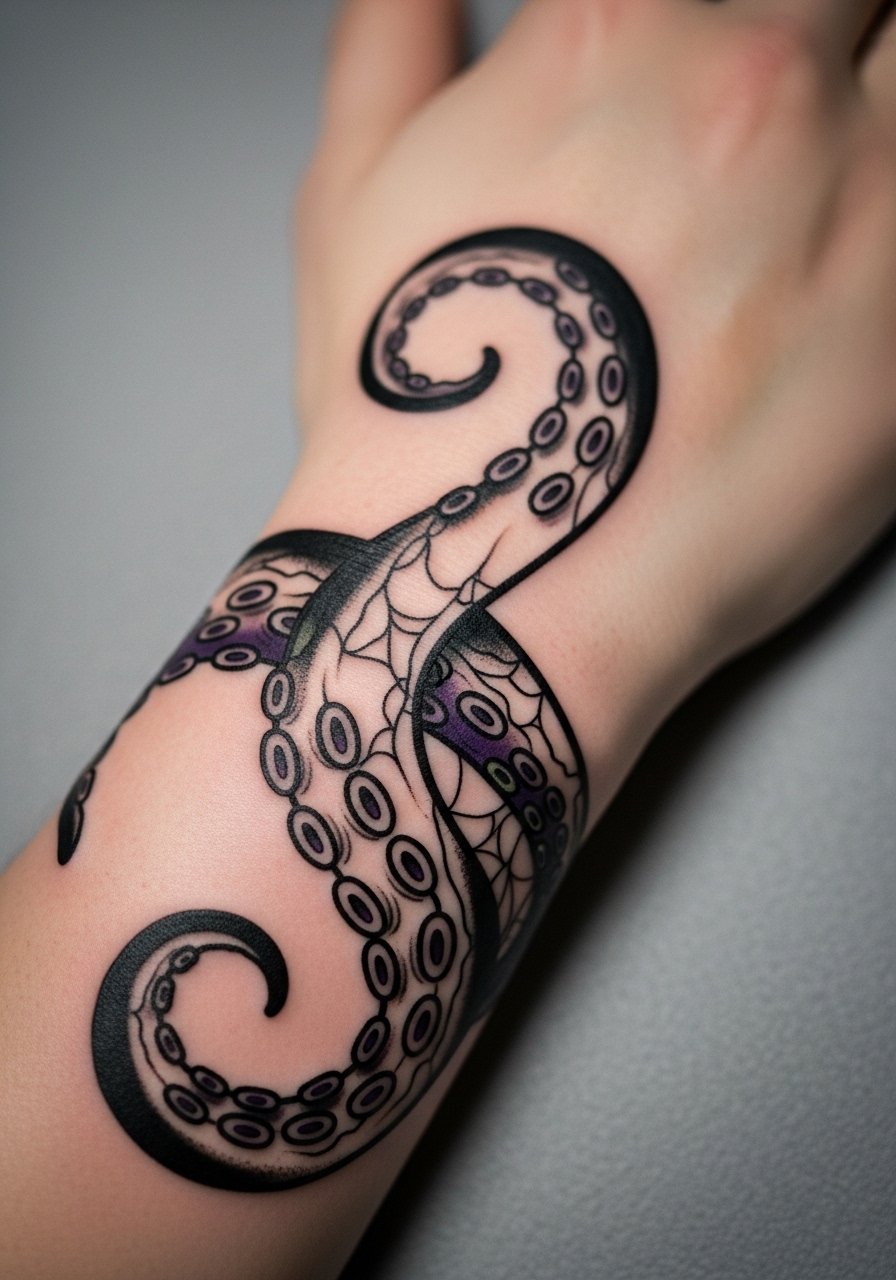
Hands and wrists get a lot of friction, so designs that wrap naturally with thicker outline hold better than delicate dot shading. If you want tentacles across the knuckle line, ask for simplified shapes and avoid fine stipple that will vanish with regular washing. Session pain is higher on the hand and touch-ups are likely in the first year. Hand tattoos still affect some hiring decisions, so weigh career impacts. Choose low-profile jewelry to pair or skip rings for the first month to avoid rubbing.
12. Optical Collarbone Portal with Controversy Callout

Artists split on fine line and collarbone work. One camp argues fine line blurs quickly on this area because of skin movement and sun exposure. The other camp says with correct needle depth and spacing, fine line settles fine. I recommend asking your artist to show healed examples on collarbones and to plan a slightly thicker outline in key areas for durability. The collarbone is high-visibility, so pick wardrobe that minimizes sun exposure while healing. A strapless bralette or wide-neck shirts make sessions easier.
13. Patchwork Sleeve Mixing Seasons

Patchwork sleeves let you collect season-specific motifs without committing to a single narrative. The trick is scale and breathing room. A common mistake is adding small flash pieces that are too dense. Start with larger anchors like a Demogorgon head or a Mind Flayer silhouette and fill around those with simpler symbols. Sleeve sessions often happen across several guest spots, so confirm scheduling buffers. For showing the sleeve, rolled short sleeves or a loose button-down look great.
14. Tiny Eggo Waffle on Ankle

Micro neo-traditional pieces can succeed on the ankle if you ask for bold outlines and compact fills. The ankle endures friction from shoes, so thin line detail is the usual failure mode. Expect a touch-up in year one and plan footwear that reduces rubbing while the area seals. Session pain is moderate and quick for a small mark. Pair the tiny Eggo with low-cut sandals or rolled jeans for casual showing.
15. Sternum Portal with Subtle Negative Space
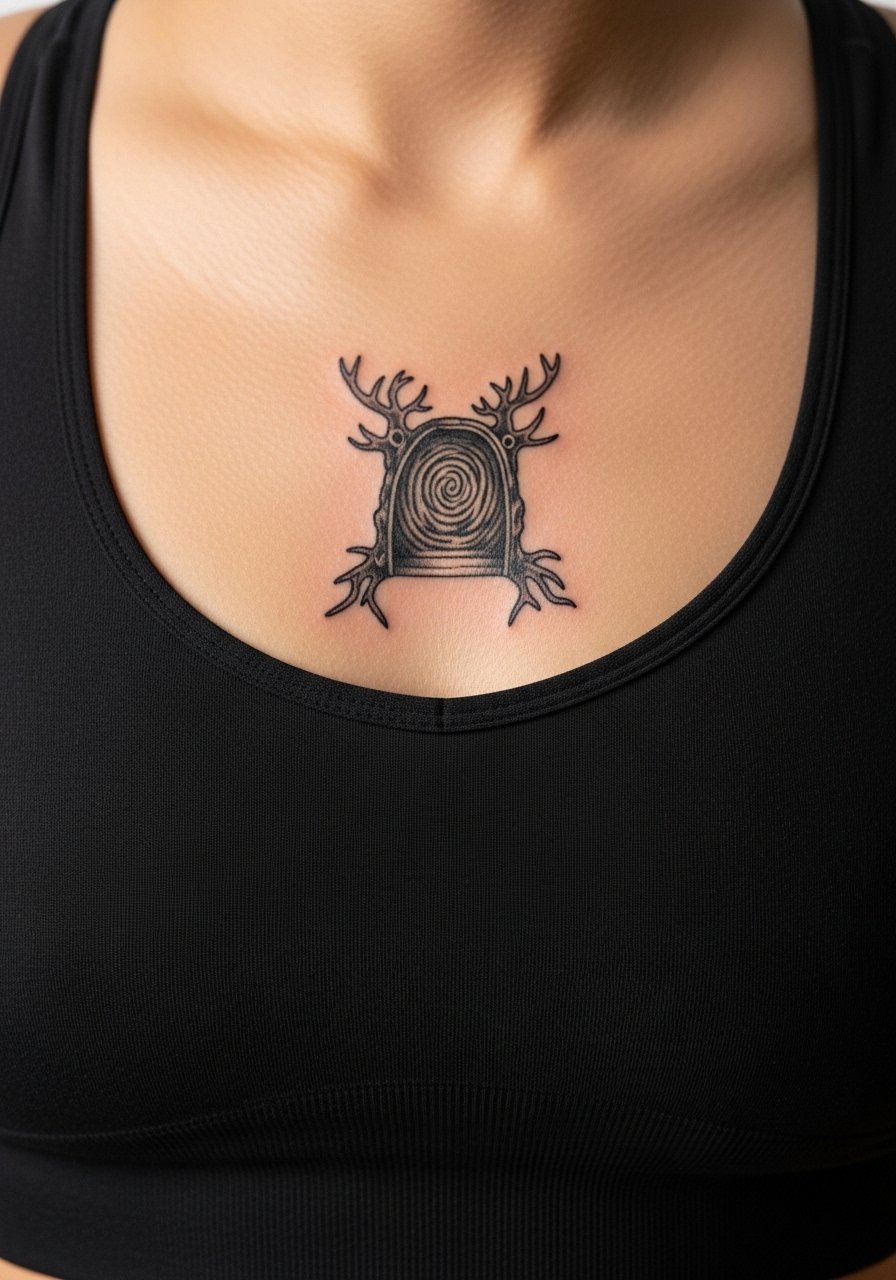
Sternum pieces need intentional scale and a clear conversation about placement relative to clothing. A common error is placing too many tight details near the sternum crease where movement causes blotting. Opt for slightly larger shapes and clear negative space to keep the portal readable. Sternum sessions are intense for some people and require a calm, consistent artist. Wear a fitted sports bra for the appointment. Think about evening tops like open-back dresses when you plan showing the piece.
16. Demogorgon Calf Wrap with Glow Hints
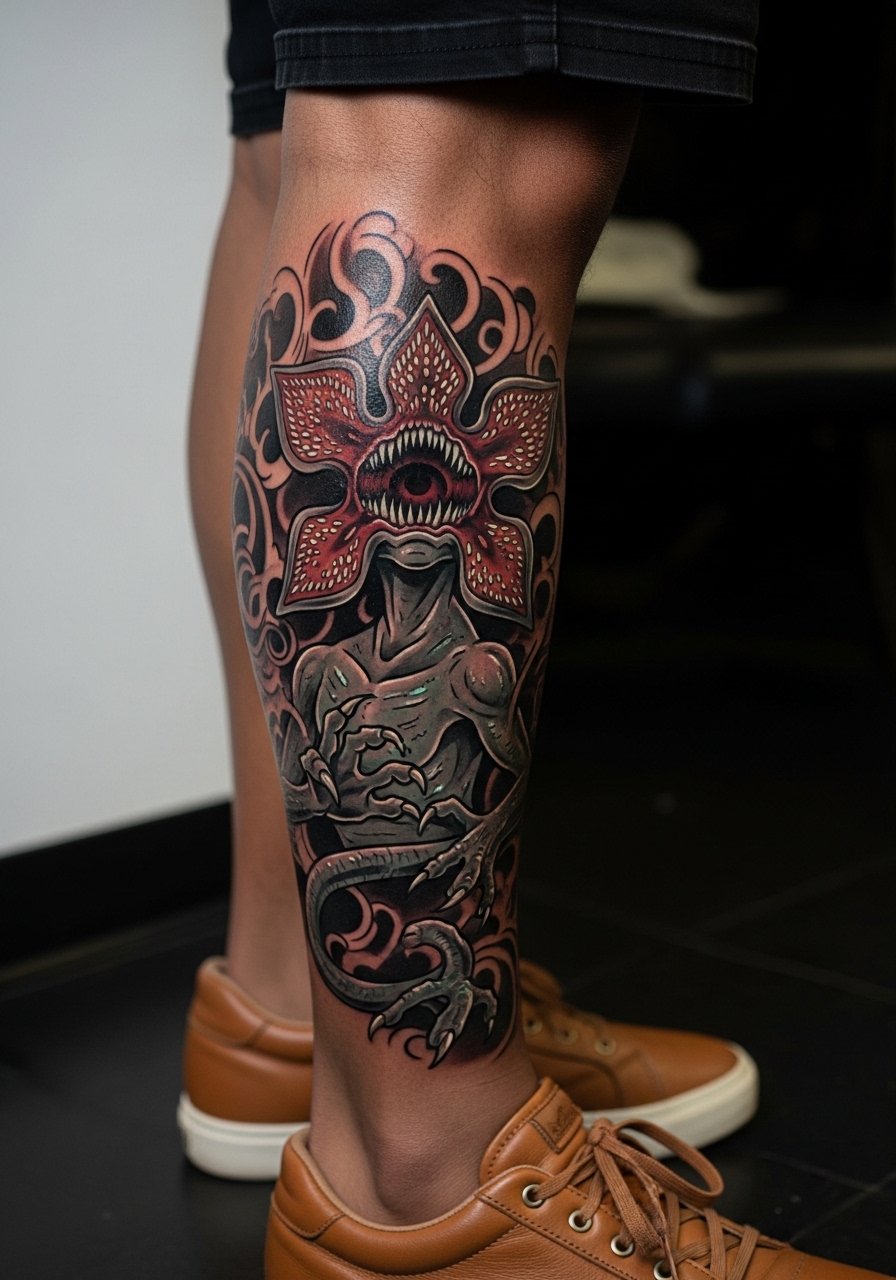
Calf wraps can read cinematic when negative space and glow highlights are used thoughtfully. Request glow accents only as small highlights rather than full washes. A common healing issue is scattering of light colors in large areas. Calf work is forgiving for touch-ups and often finishes in one or two sessions. For showing it off, wear slim fit chinos rolled to the ankle or shorts and low socks that keep the composition visible.
17. Micro Hellfire Emblem Behind the Ear
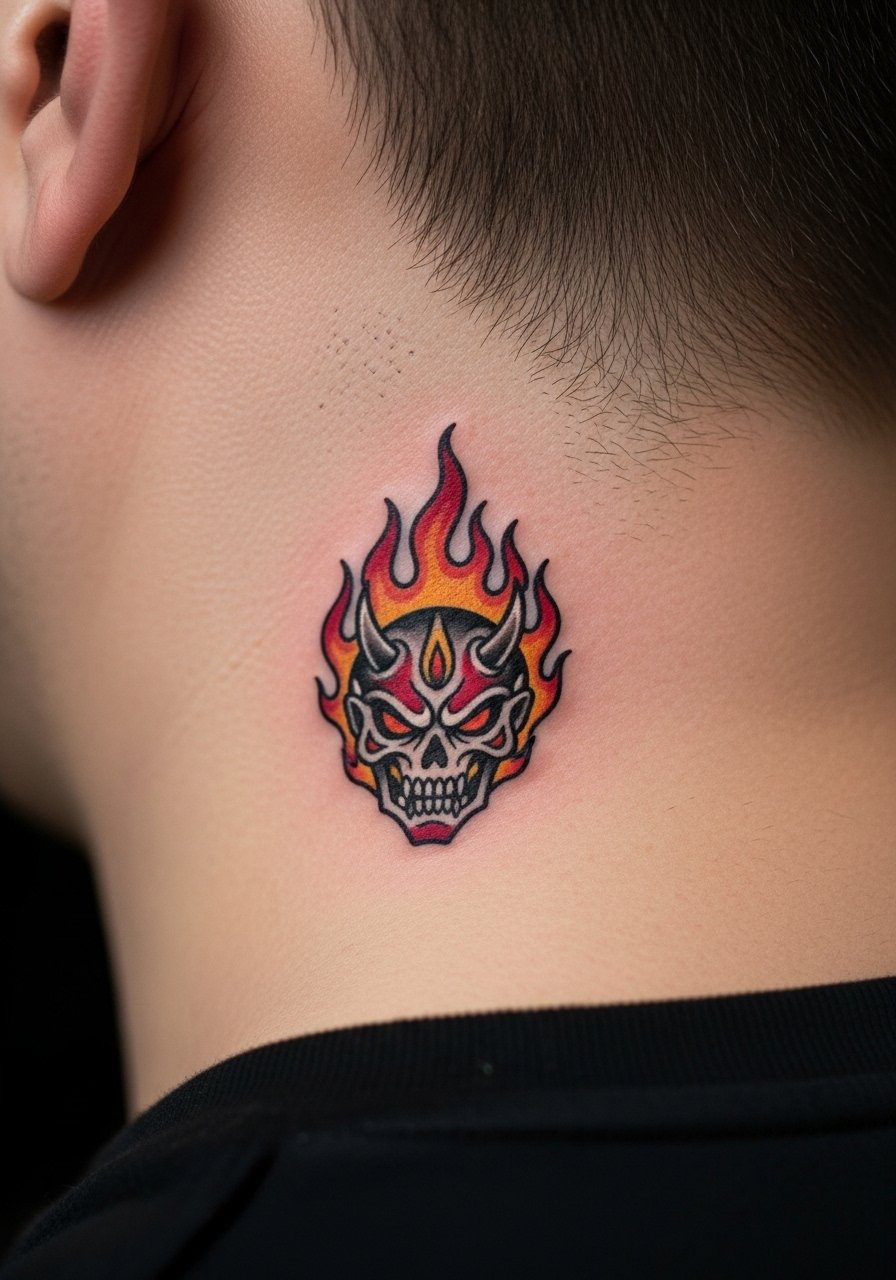
Behind-the-ear micro work reads as a secret detail when done small. Follow the placement-specific rule and show the artist the exact spot below the hairline. Avoid filling the area with heavy shading that can feel muddy after healing. These tattoos are subtle and tend to last if outlines are clear. Keep hair out of the area during the first week and consider how you style your hair when you want to reveal the piece.
18. Mind Flayer Chest Silhouette on Upper Chest
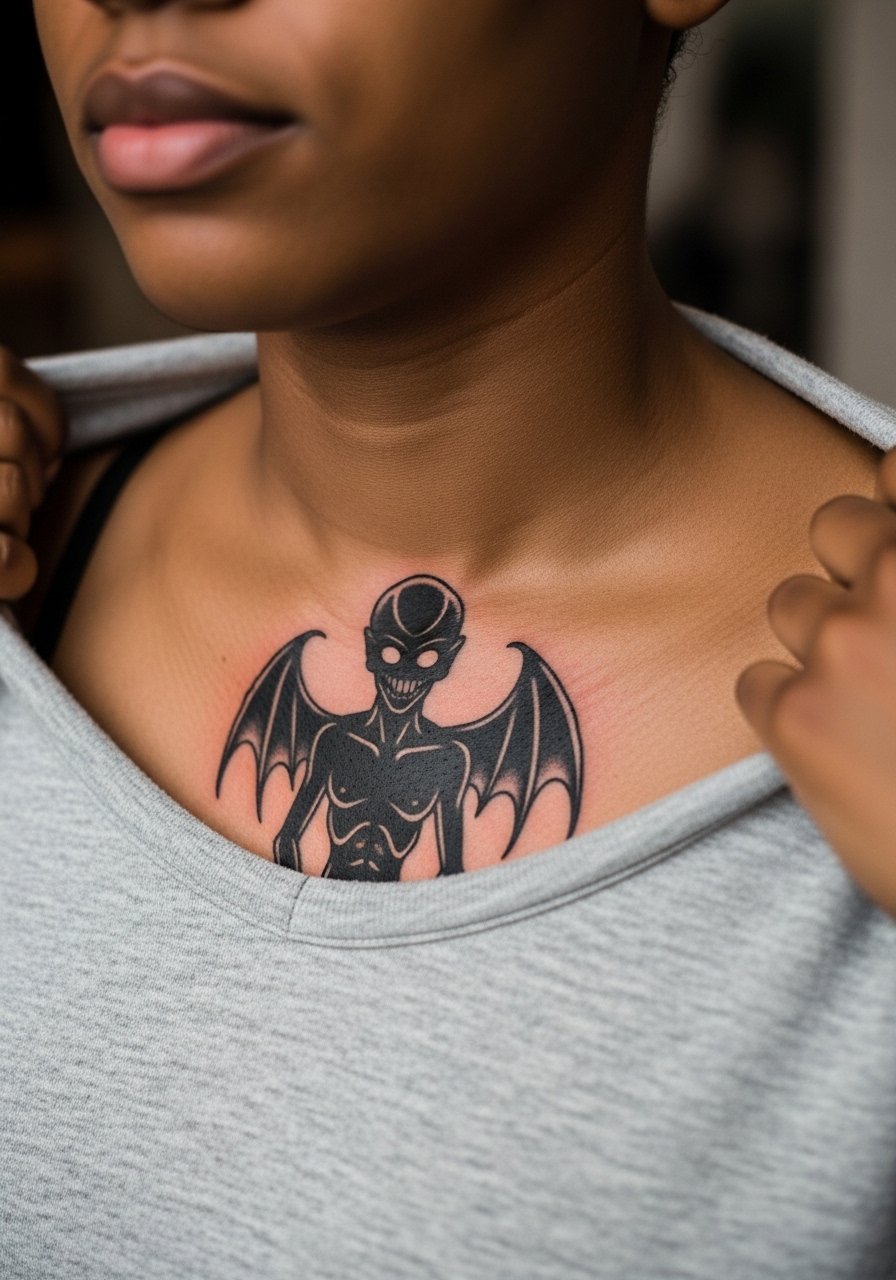
Upper chest silhouettes can be dramatic, but sun exposure is often the enemy. Tell your artist to concentrate saturation in the center and leave contrast edges bold so the silhouette reads against movement and tan lines. The right session plan spaces appointments to avoid overworking the chest skin. For show-off looks, a v neck wrap top keeps the area framed without rubbing.
19. Upside Down Collarbone Drip with Hoop Accent
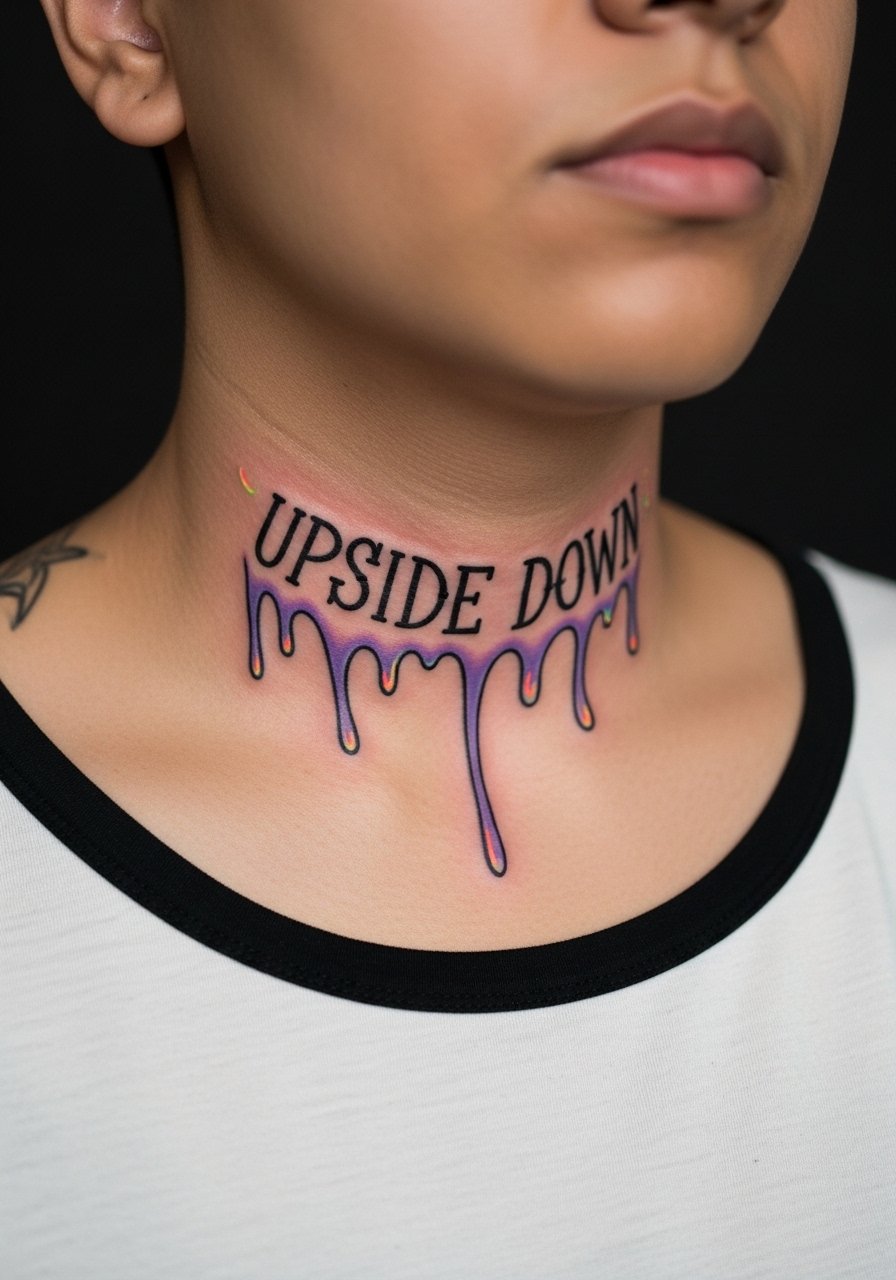
A collarbone drip can work as a small, standalone element if you avoid ultra-fine drips that blur. The mistake is asking for ladder-thin drips that look great fresh and pale quickly. Ask for a slightly thicker droplet edge and plan for a one-year touch-up to refresh color. For jewelry pairing, small hoops sit above the drip nicely. Try a pair of gold hoop earrings small when you want to frame the area.
20. Mind Flayer Thigh Panel with High Contrast
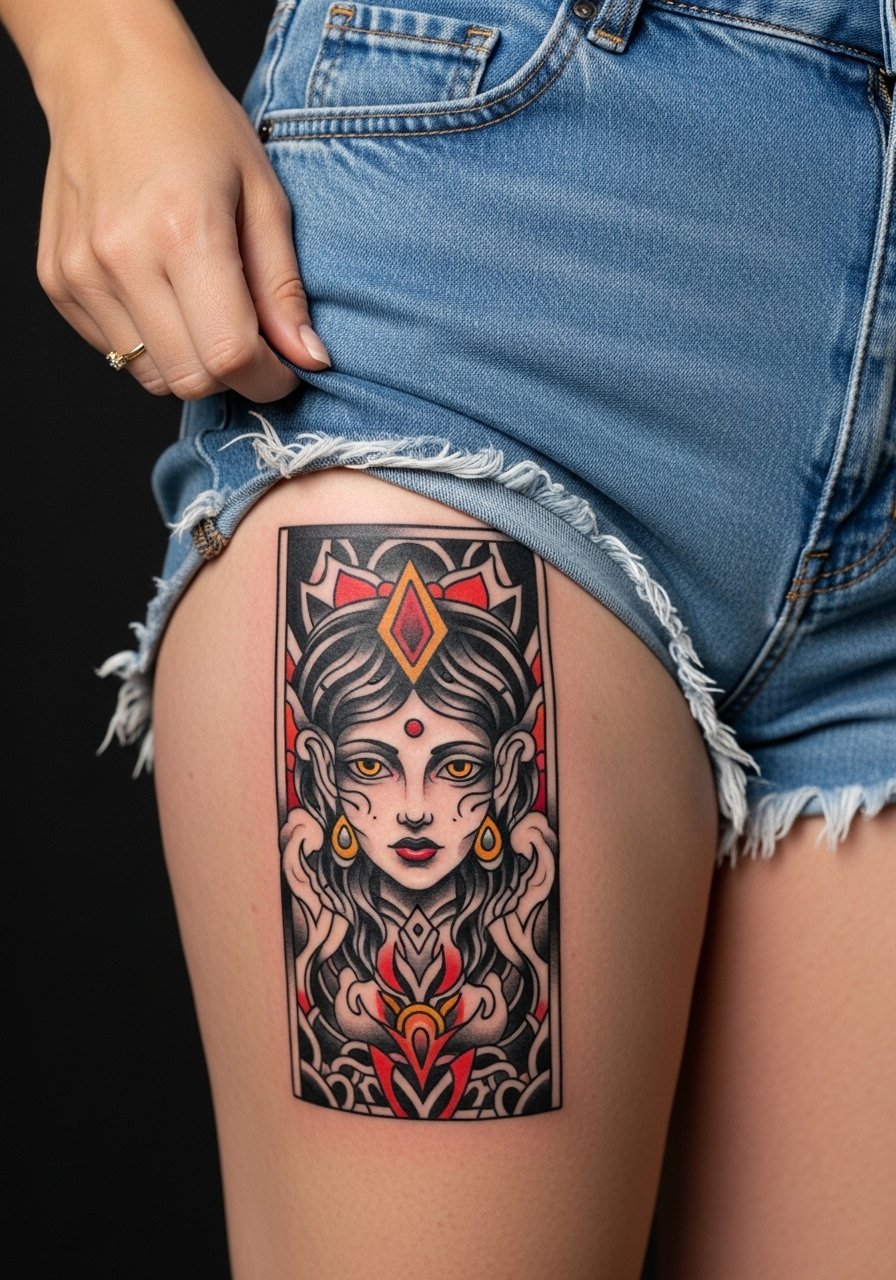
Thigh panels are forgiving and allow for large, bold silhouette work that ages well. Choose solid black anchors with selective color saturation rather than continuous gradients that can muddy. Sessions are comfortable in shorts and usually span multiple hours. For summer show-off, pair with high waisted denim shorts and keep the area moisturized with your studio-recommended balm.
21. Subtle Upside Down Micro on Ribcage for Hidden Fans
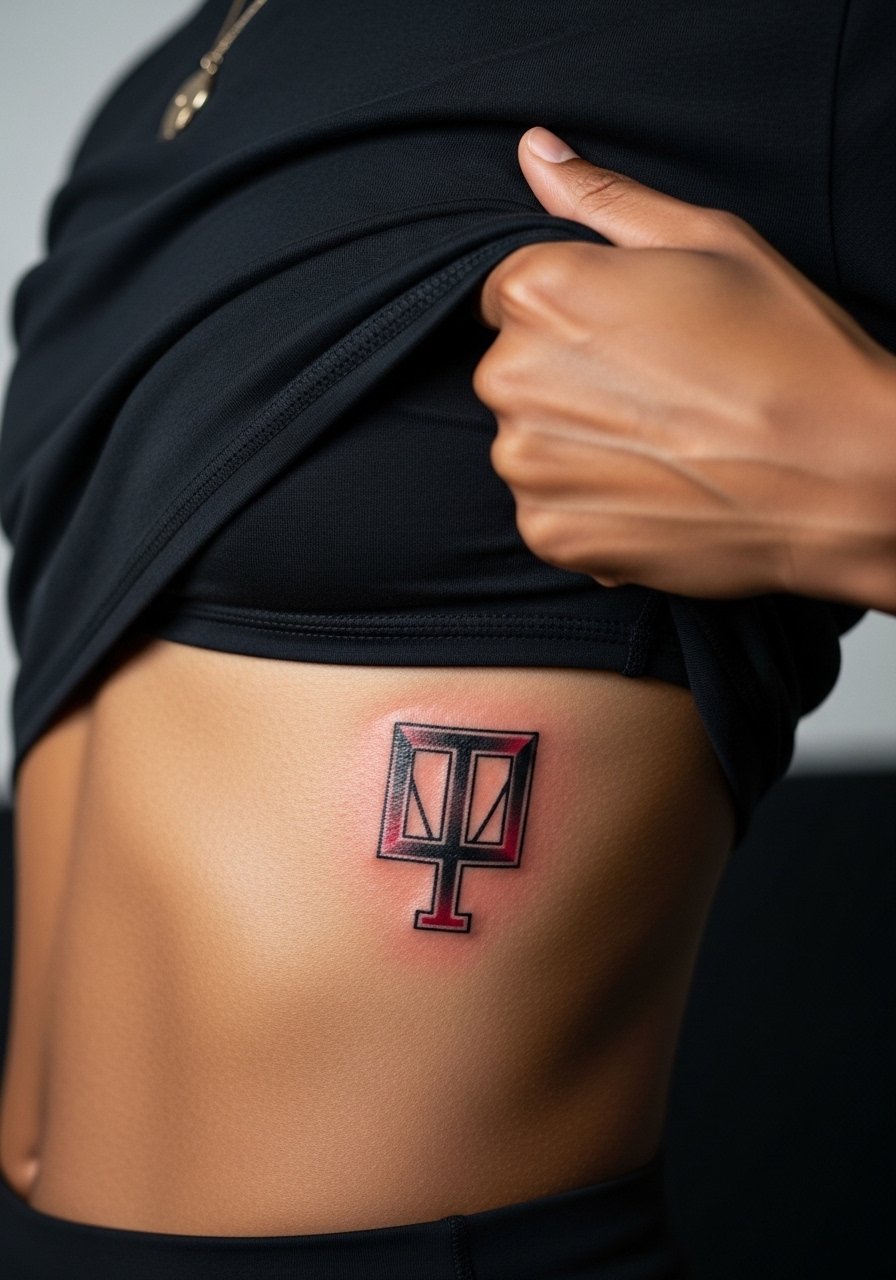
Ribcage placements age differently because of stretch and movement. The common error is asking for dense micro shading in a spot that will flex. If you want something hidden and intimate, request a slightly larger symbol with cleaner negative space so linework holds. The ribcage is one of the more painful placements, and booking with a numbing conversation is reasonable. Wear a cropped top you can adjust for access and think ahead about summer plans since ribcage heals can be irritated by swimwear.
Frequently Asked Questions
Q: My neo-traditional Stranger Things piece on darker skin lost some color after a year. What went wrong and what should I ask for next time?
A: From what I’ve seen, the issue often comes from low contrast and pastel fills that do not translate on melanin-rich skin. Ask your artist for stronger outline weight, higher saturation in pockets, and healed examples on similar skin tones. Plan a touch-up at year one if you want the edges to remain crisp.
Q: There is a debate about Saniderm versus dry healing. What should I choose for a neon-heavy Upside Down portal?
A: Artists and hobbyists split into two camps. One camp says Saniderm prevents scabs and locks in neon saturation. The other camp worries it traps moisture and can peel unevenly over detailed shading. For neon pockets I’ve seen, many people use protective film for the first 24-48 hours then switch to a thin breathable balm while monitoring for irritation. Ask your artist where they stand and follow their proven routine.
Q: How should I prepare for a guest-spot appointment for a multi-session Mind Flayer thigh piece to avoid cancellations ruining my summer plans?
A: Book with a platform or studio that enforces cancellation policies and schedule the guest spot at least three months out. Build a buffer day or two before travel and confirm the artist’s exact dates a week in advance. If the artist cancels, get a written reschedule plan so you can adjust travel without losing deposit money.
Q: Will fine line collarbone portals blur faster than neo-traditional versions, and should I pick neo-trad for longevity?
A: Fine line on collarbones can blur faster because of movement and sun exposure. A neo-traditional approach with slightly thicker outlines and intentional negative space tends to hold longer. If you want the delicate look, plan for periodic touch-ups and strong after-sun protection.
Q: What should I wear to a forearm Eleven portrait session and how do I show it off after it heals?
A: For the session wear a loose short-sleeve button-up or an easily rolled tee so the artist has clear access. After healing, rolled sleeves or a fitted tee highlight the forearm without rubbing the ink.