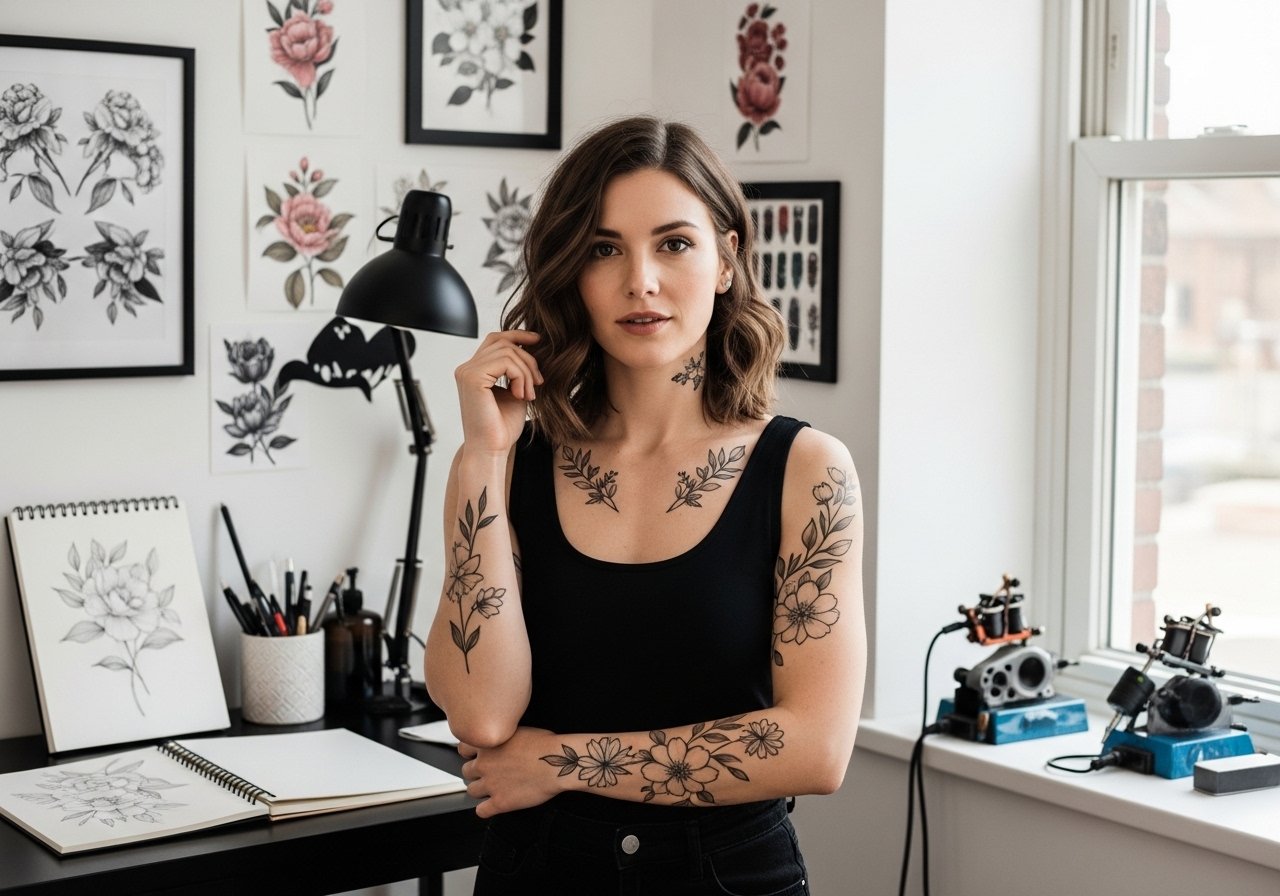
Fine line trends are gorgeous when they are fresh, but they do not always age like heavier work. Watercolor thrones can look washed out in a year if they get constant sun. Artist no-shows and surprise reschedules are common enough that I always plan backup booking steps. Darker skin tones need different contrast choices so the glass motifs still read in photos. Read on for 21 practical throne of glass tattoo ideas and what to ask for at your consultation.
1. Fine Line Celaena Portrait on Inner Forearm
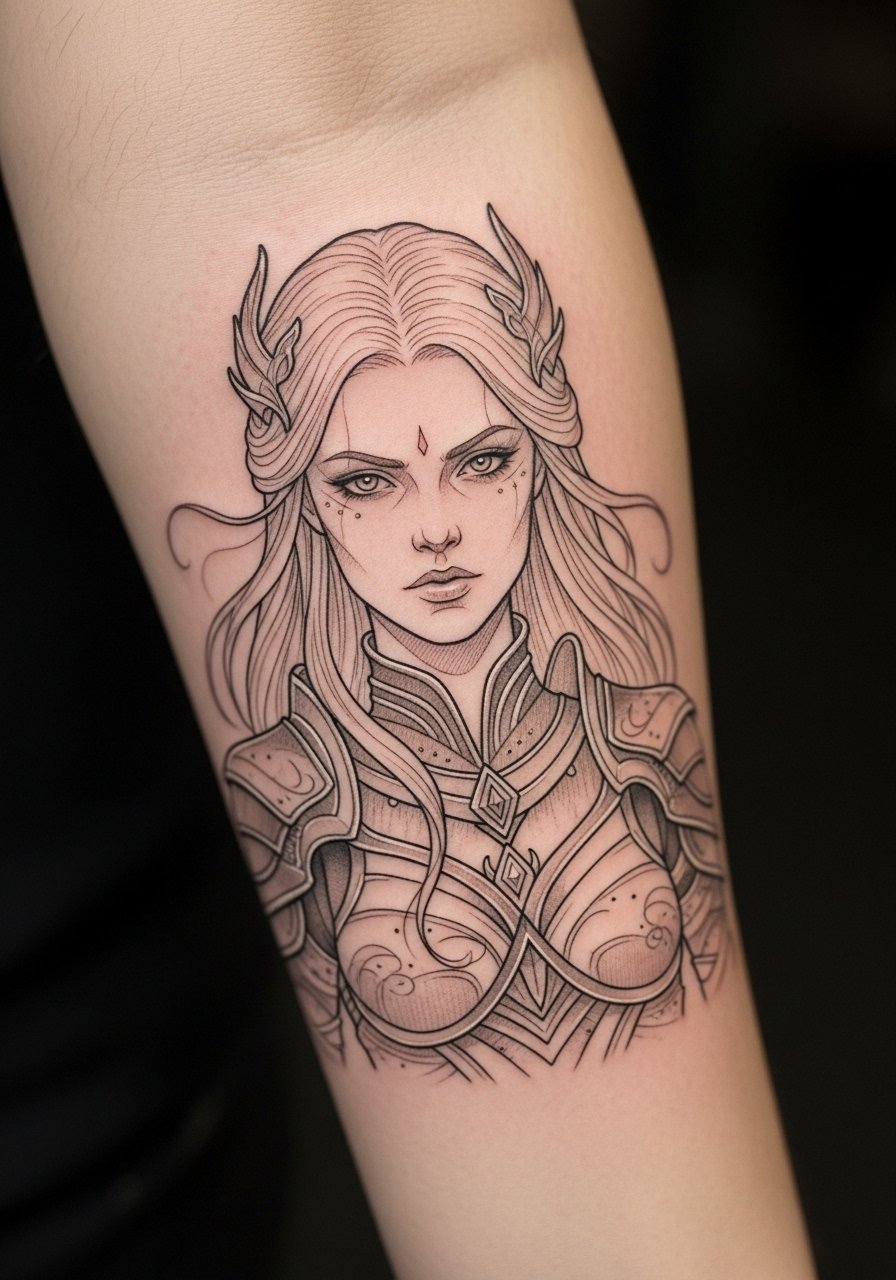
I recommend this when you want a discreet character nod that still reads up close. The inner forearm gives an easy viewing angle and lower blowout risk than the hand. Tell your artist you want slightly heavier linework around facial features so the eyes keep definition at year two. A common mistake is asking for hair and tiny lashes at micro scale, which often softens into muddy gray. Expect one to two sessions and plan a touch-up around year one to preserve contrast. For the session wear a sleeveless linen tank so the artist has full forearm access and you stay comfortable.
2. Watercolor Glass Throne on Shoulder
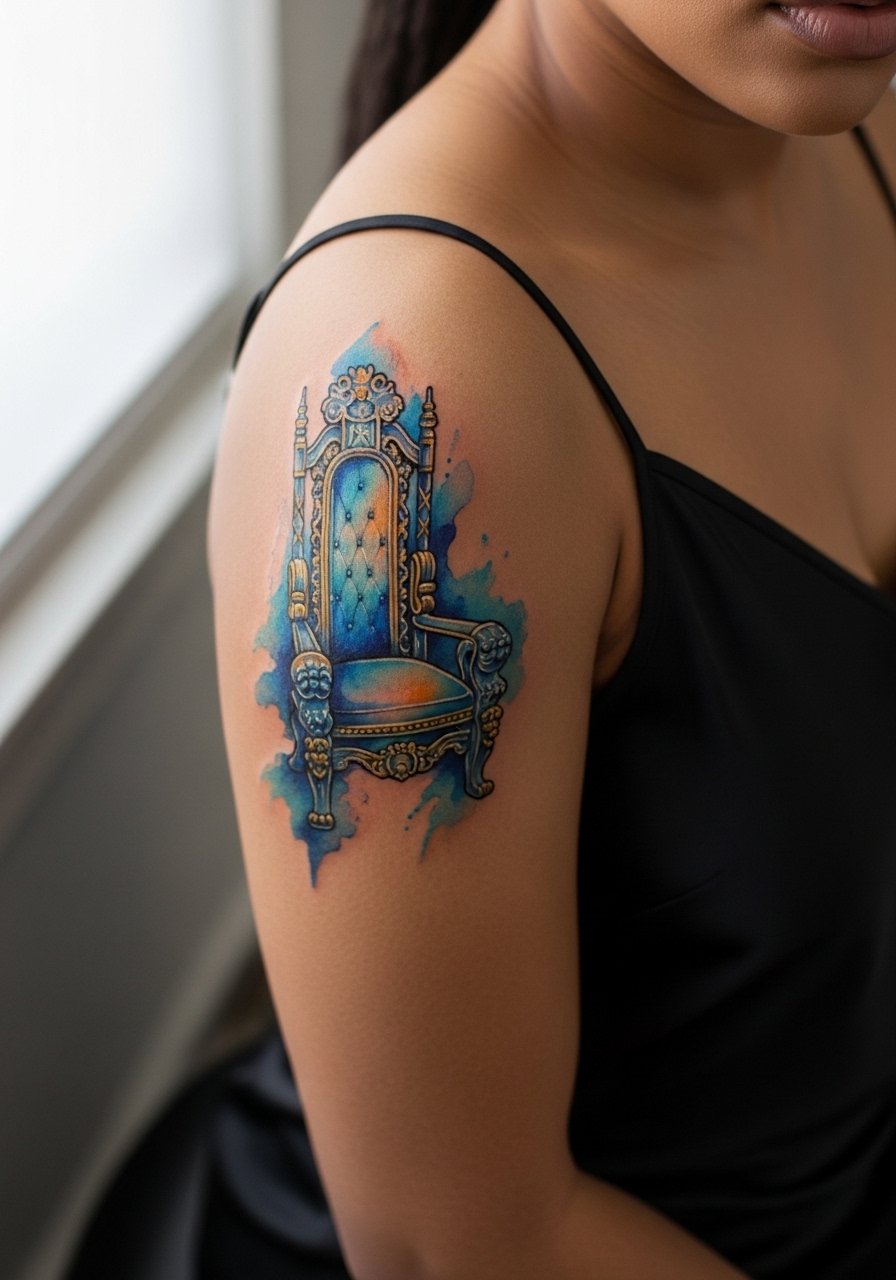
Most watercolor pieces need UV protection in the first weeks and more frequent moisturizing than blackwork. The shoulder blade is forgiving for scale so push the throne to 4 to 6 inches if you want the color layers to sing. The biggest aging pitfall is tiny, feathery washes. Ask for stronger pigment saturation in the line anchors so the design keeps structure as the washes fade. Session feel is mellow compared with ribs, but expect a second short session for saturation. For show-off outfits pick a sleeveless silk cami in soft blue to echo the palette.
3. Neo-Traditional Crown of Flames on Collarbone
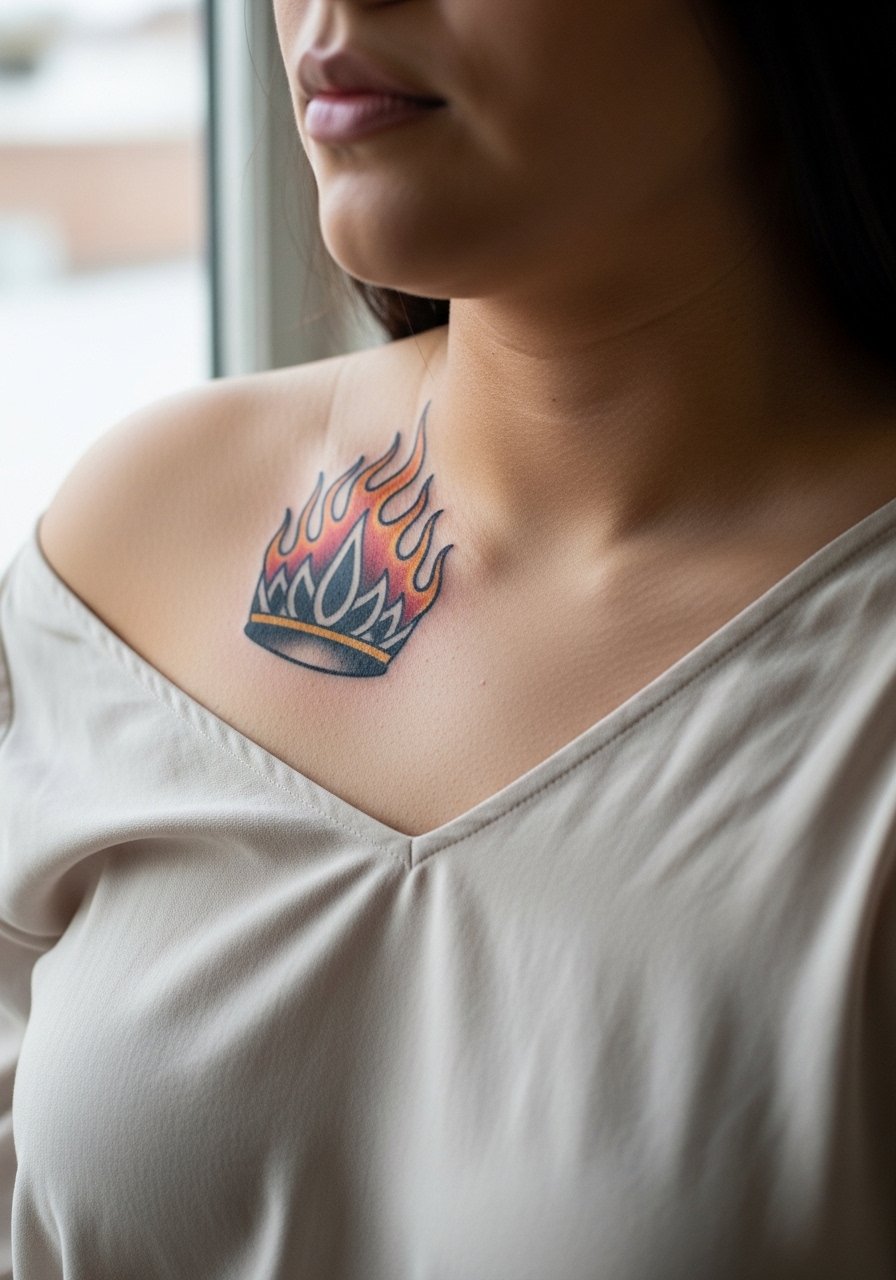
Fair warning, the collarbone is higher on most pain charts. If you want Aelin-style flame energy with longevity, ask for clean black outlines at moderate thickness and solid fills rather than hairline color washes. Artists split on numbing use. One camp trusts topical numbing for collarbone sessions to manage pain. The other camp worries numbing masks feedback and can change how the machine hits the skin. Decide with your artist before booking. For evenings out pair the piece with an off shoulder blouse in black or crimson to frame the crown.
4. Dotwork Throne Silhouette on Calf
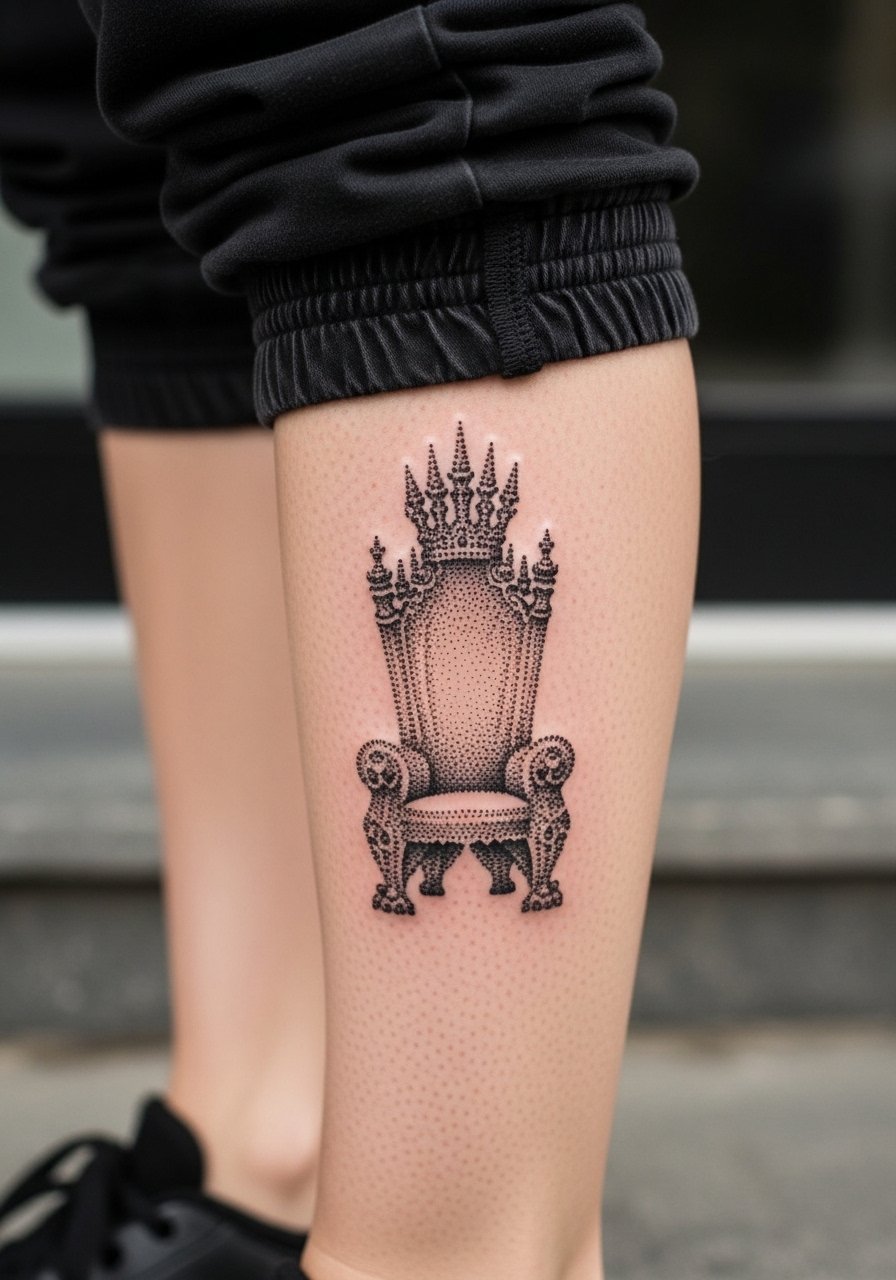
There is something about stipple shading that reads like texture instead of flat color. The outer calf handles dot work well because the skin is firm and the area moves less. A frequent mistake is shrinking detailed dotwork to a tiny size. Dot spacing needs room to avoid merging as it heals. Tell the artist to block out negative spaces and keep the throne silhouette at least 3 to 4 inches high. Session time is usually a single sitting for a 4 inch piece. Pair it with cropped jogger pants when you want to flash the work.
5. Minimalist Eye of Elena on Inner Wrist
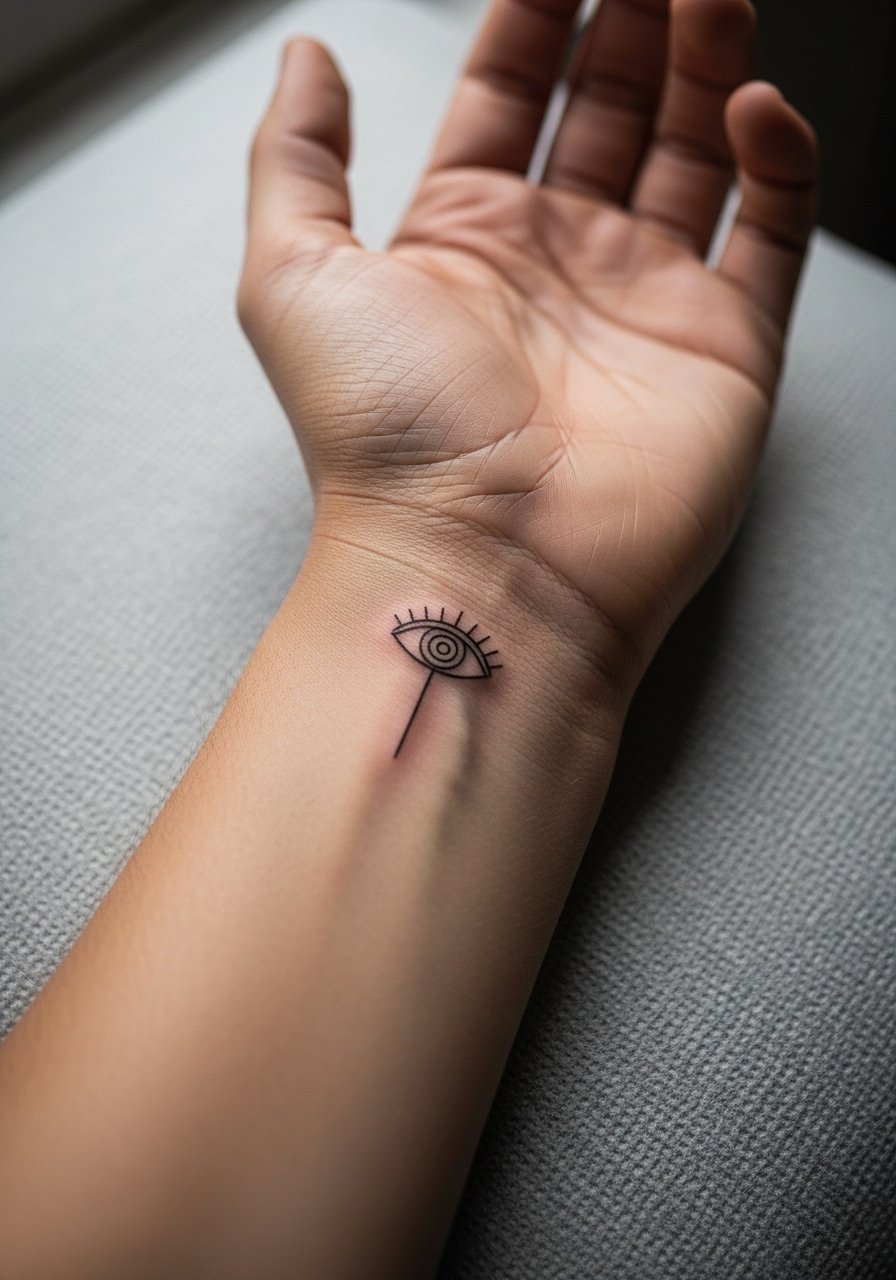
This is perfect for a tiny nod to the series that does not demand sleeve commitment. The inner wrist is visible and gets light exposure, which speeds line softening. Ask for a slightly heavier single line than a hairline so the pupil and lash carry after year two. The common version that fades fastest is the ultra-micro eye done too close to veins. For the appointment wear a short sleeve cotton tee so you can roll the sleeve without tugging at the tattoo area. Expect light tenderness and frequent washing that first week.
6. Blackwork Wyrdmark Runes Across Ribcage
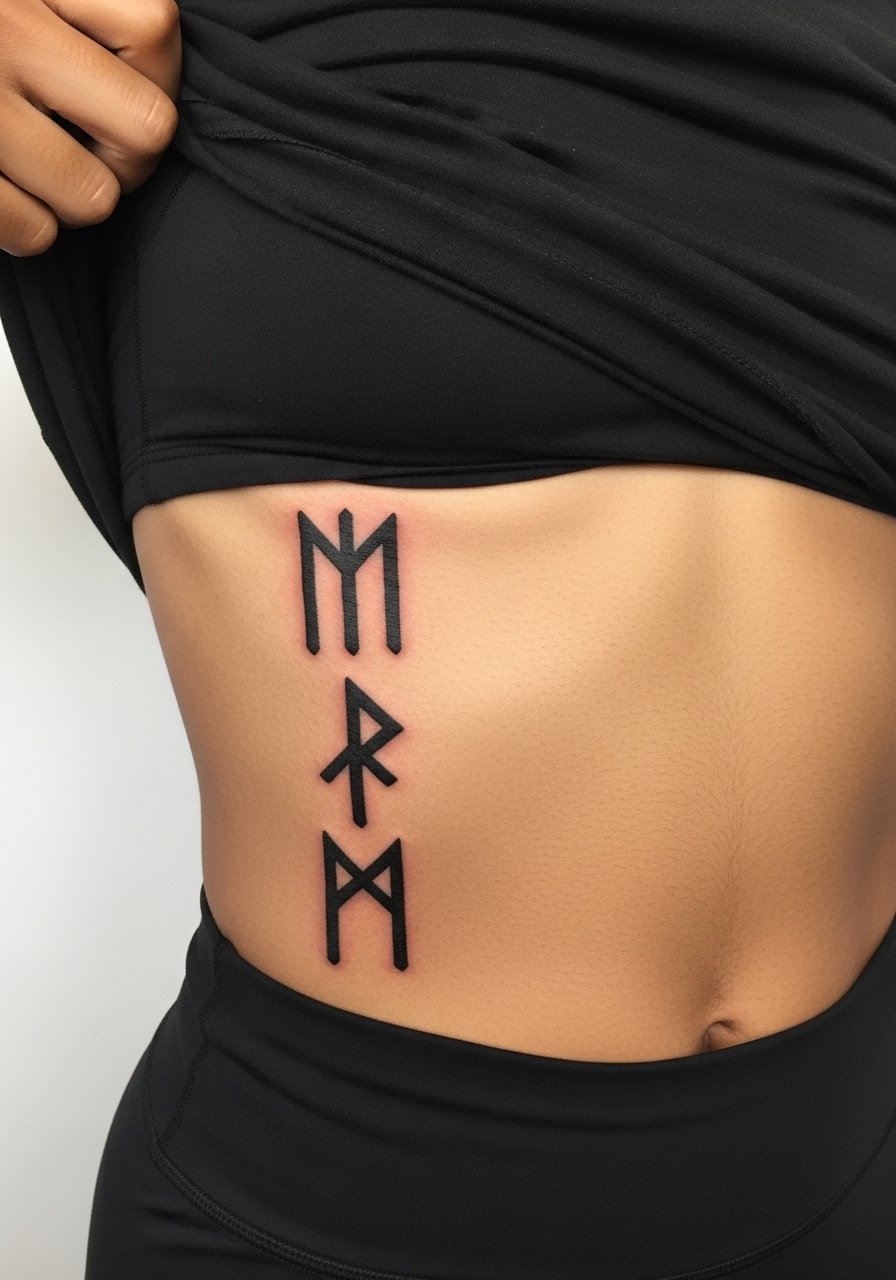
Fair warning, the ribcage is a high-pain placement and it stretches with body changes. Artists split on fine line there. One group says fine line blurs because the skin flexes. The other group insists correct depth and spacing mean fine line can hold. For runes I advise bold, solid fills with clear gaps between glyphs to prevent merging as the area moves. Space the runes vertically so they do not crowd. Expect multiple sessions for large rib pieces and plan a realistic touch-up window. For the session wear a wireless sports bra so the artist can access the ribs without you getting cold.
Studio Day Picks
The wrist, forearm, and rib pieces above each ask for slightly different prep and the right small kit saves headaches the first week.
-
Lush Tattoo Balm. A thinner formula that artists prefer for fine line pieces because it absorbs without smothering the linework, helping prevent early ink migration.
-
Oz Ink Aftercare Spray. Spray format works well in dry climates and keeps watercolor patches from needing constant reapplication during the first few days.
-
Ink-Illustrated Balm. Indie pick for darker skin tones that hydrates without leaving a white cast, which helps color photography later.
-
Revitalising Salve. Recommended for summer heals because it avoids alcohol and searing sting on sensitive ribcage sessions.
-
Aquaphor Healing Ointment. A thin layer for the first couple of days helps protect fine line wrist and forearm pieces from friction without overly suffocating needle channels.
7. Micro-Realism Rowan Profile Behind Ear
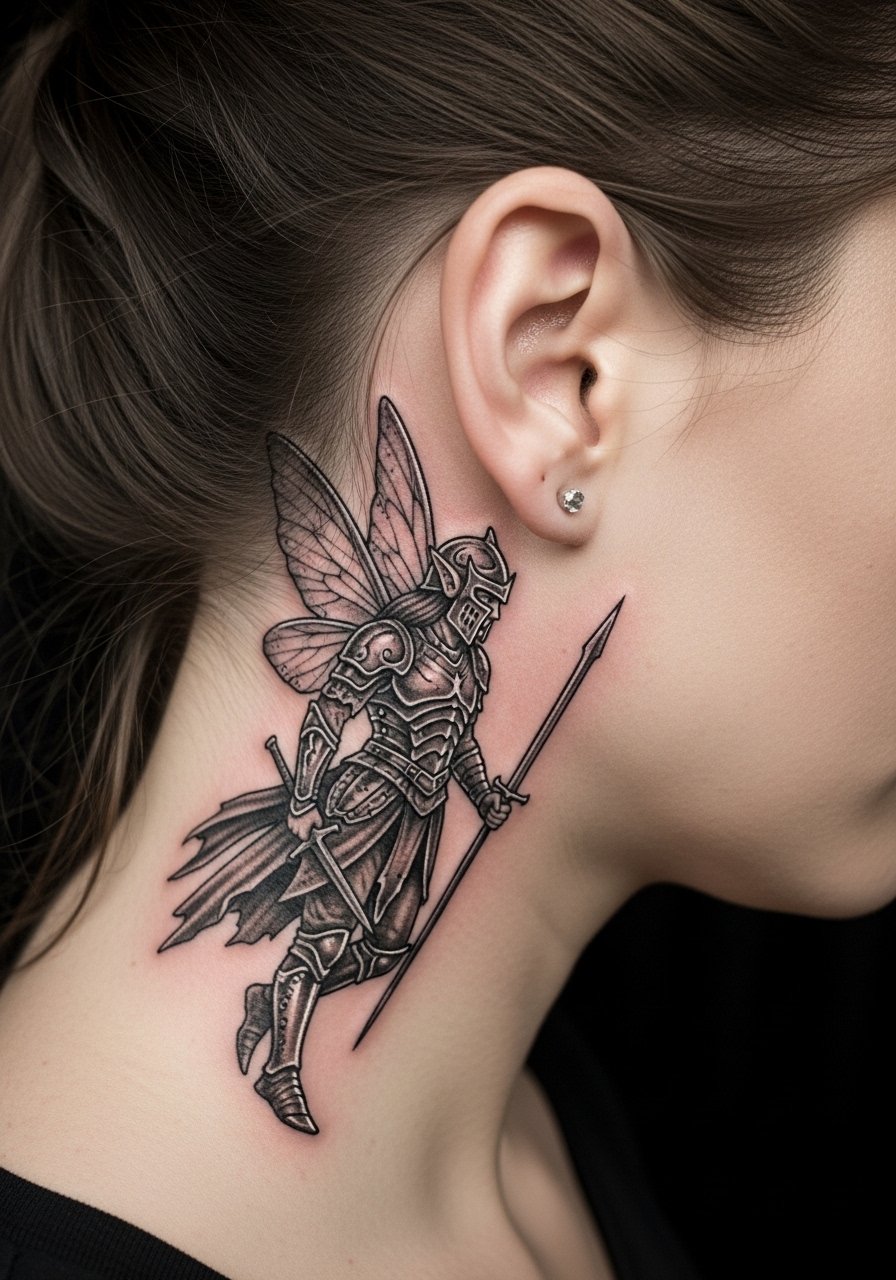
Behind the ear is a surprisingly versatile but intimate spot. The profile works as a tiny collectible that reads in close viewing. Artists warn about the tiny canvas and the risk of detail loss when the piece is under two inches. Ask for simplified hair texture and focus on the eyes and jawline. Session feel is short and sharp because of proximity to bone and thin tissue. This placement requires a steady artist used to micro-realism in small areas. For the appointment style your hair so the area is easy to expose without tugging at the scalp.
8. Ornamental Glass Splinter Motifs on Forearm
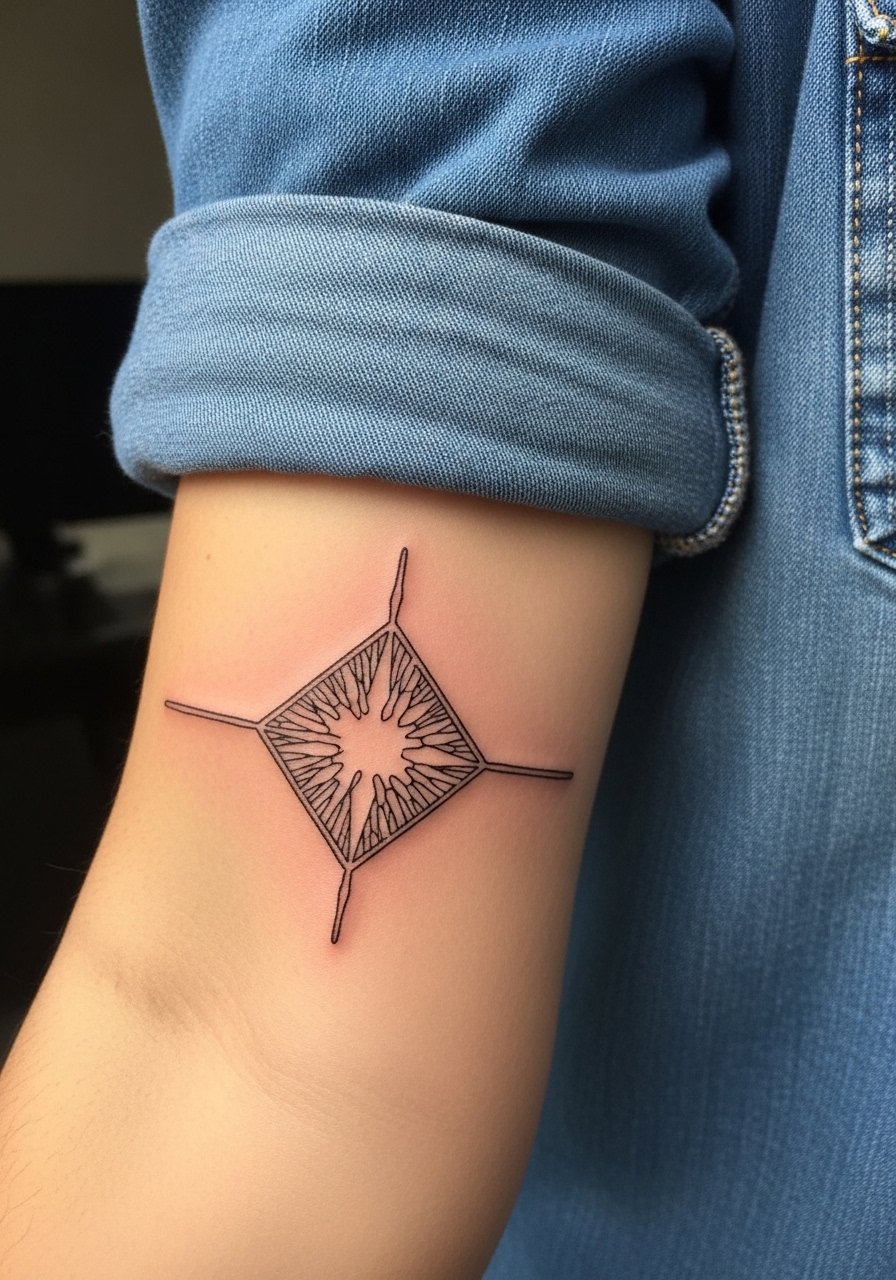
I have seen ornamental splinters age well when the line spacing is generous. The forearm is forgiving for repeating patterns and is less likely to suffer from dramatic stretch than ribs. Tell your artist to increase the spacing between shards and to anchor the design with slightly bolder corner points. A frequent mistake is overly intricate shard lattices that merge at year three. Session time for a 3 inch forearm motif is typically a single session. For showing it off pair the piece with a rolled cuff chambray shirt in ivory or slate.
9. Realism Manon Face on Upper Thigh
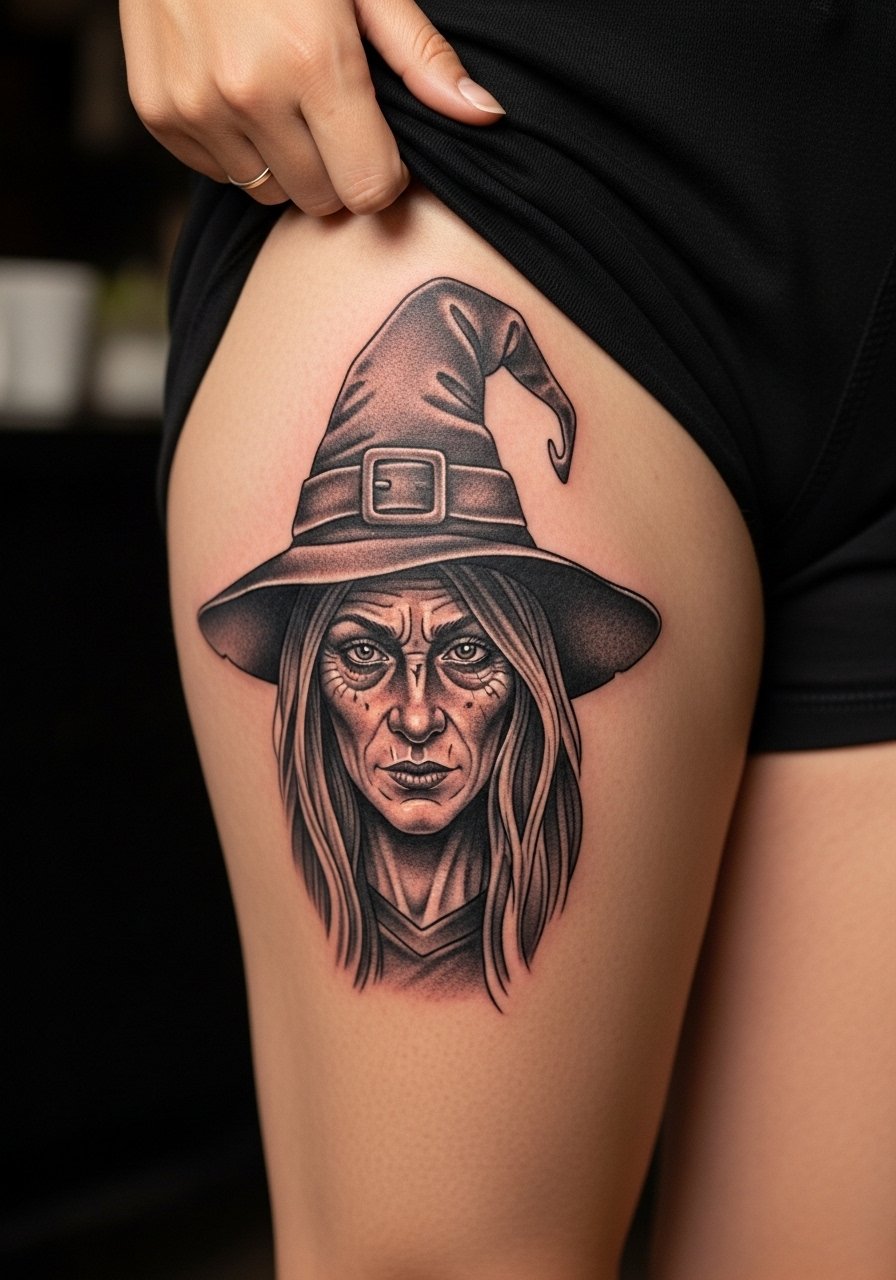
Large realism portraits need careful planning on the upper thigh to avoid distortion with weight changes. If you want a hyper-detailed leader portrait, choose a larger scale and place the anchor along the thigh where skin moves less. The common issue is compressing too much detail into a small patch, which blurs during healing. Expect multi-session work and realistic touch-up planning. Session comfort is better seated than prone, so wear loose shorts or a flowy skirt for easy access and modesty. Consider arranging guest spots if your local shops do not specialize in large realism.
10. Fine Line Quote Sleeve on Inner Bicep
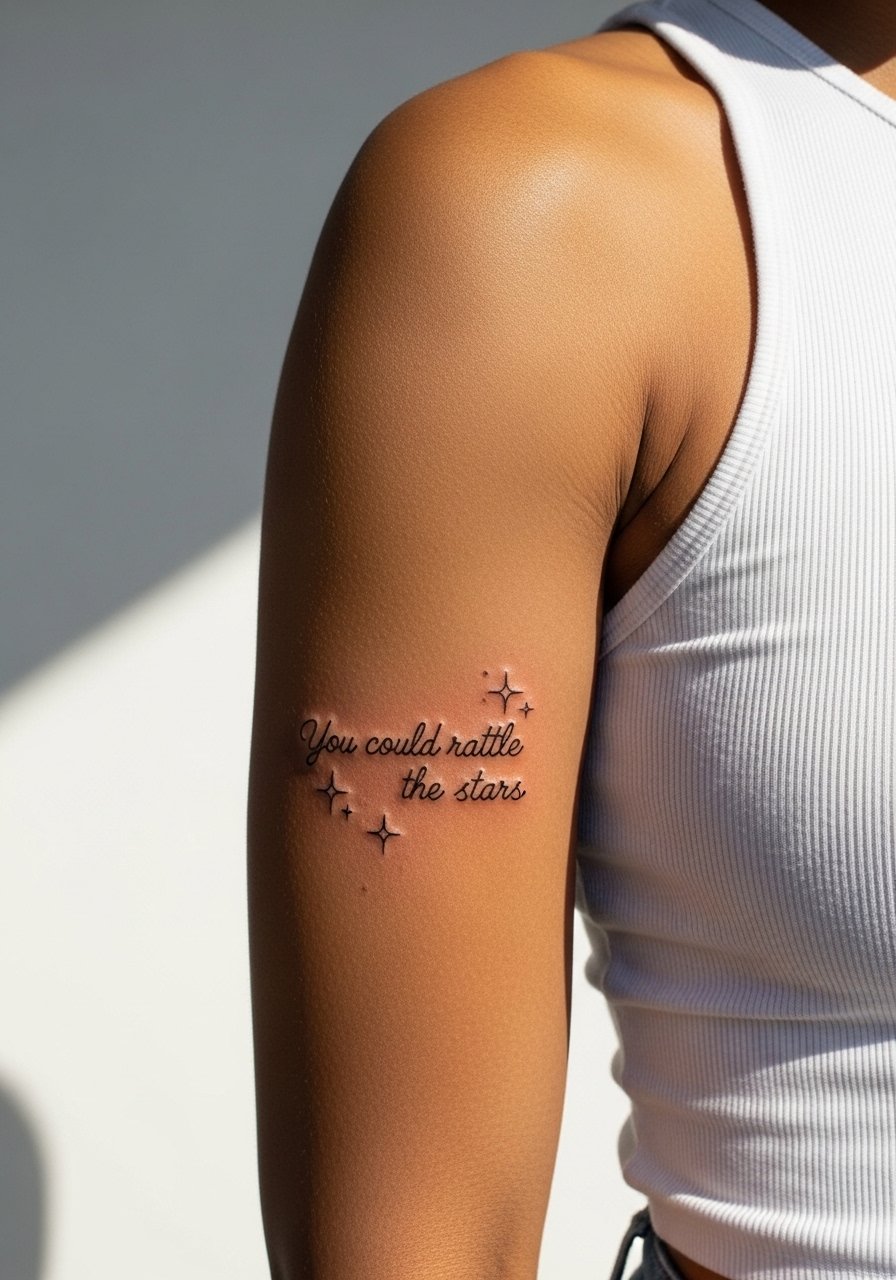
Script on the inner bicep looks intimate and flows with arm movement. The inner bicep skin heals differently because of friction from arm folds. For longevity, ask the artist for slightly heavier script weight and to space small decorative stars apart. A common mistake is crowding the text with too many tiny symbols that merge when the arm rests. Sessions are multiple if you plan an 8 to 10 inch composition. For the session wear a sleeveless tank you can raise without tugging.
11. Ignorant Style Flame Crown on Outer Calf
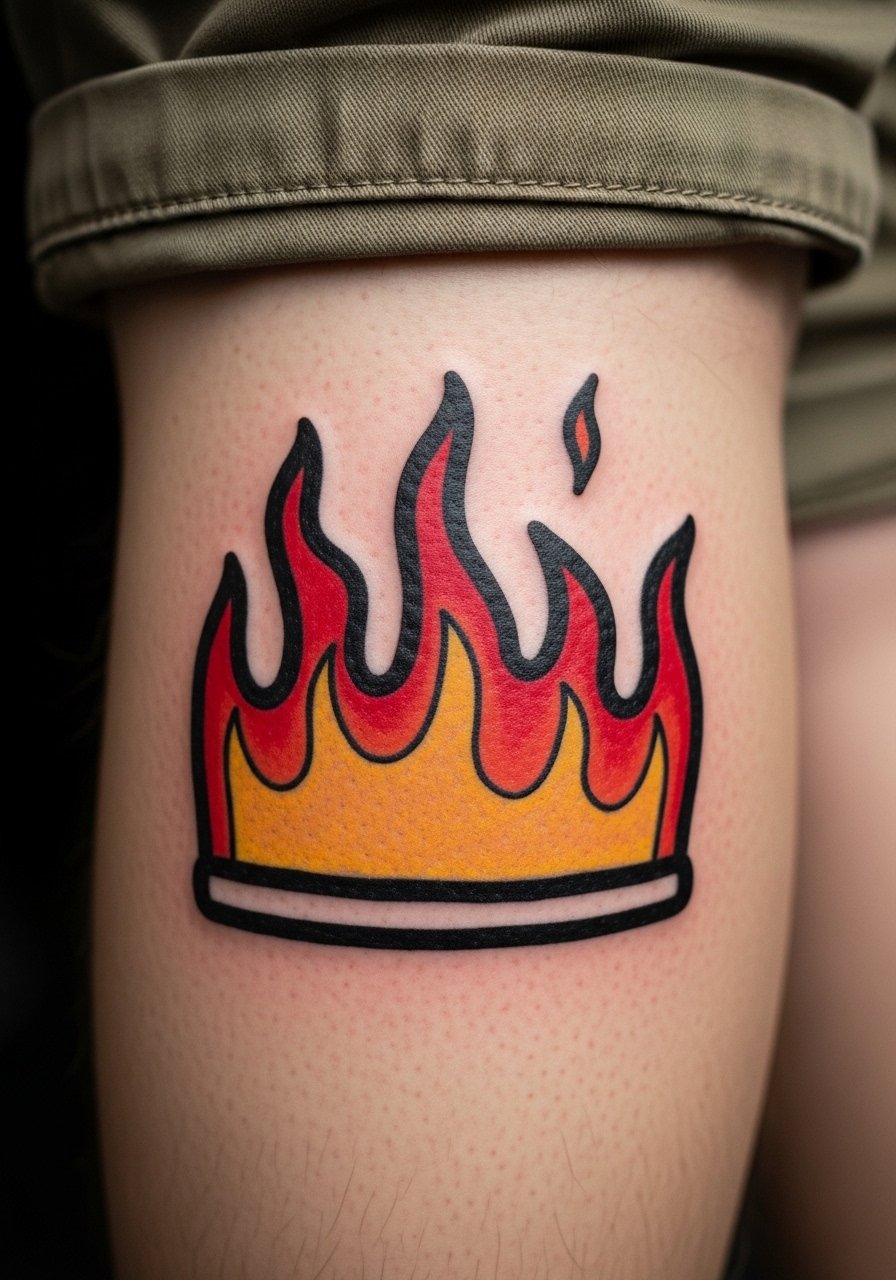
Ignorant-style work embraces imperfect lines and playful energy. The outer calf is a good canvas because it tolerates larger, less precise marks. One common error is trying to make a naive crown too detailed. Keep the motif loose and bright. Session time is short for a 4 inch playful crown and it photographs well with ankle boots. For the appointment choose loose athletic shorts so your leg can be propped and the artist has clear access.
12. Watercolor Wyrdstone Fragments on Shoulder
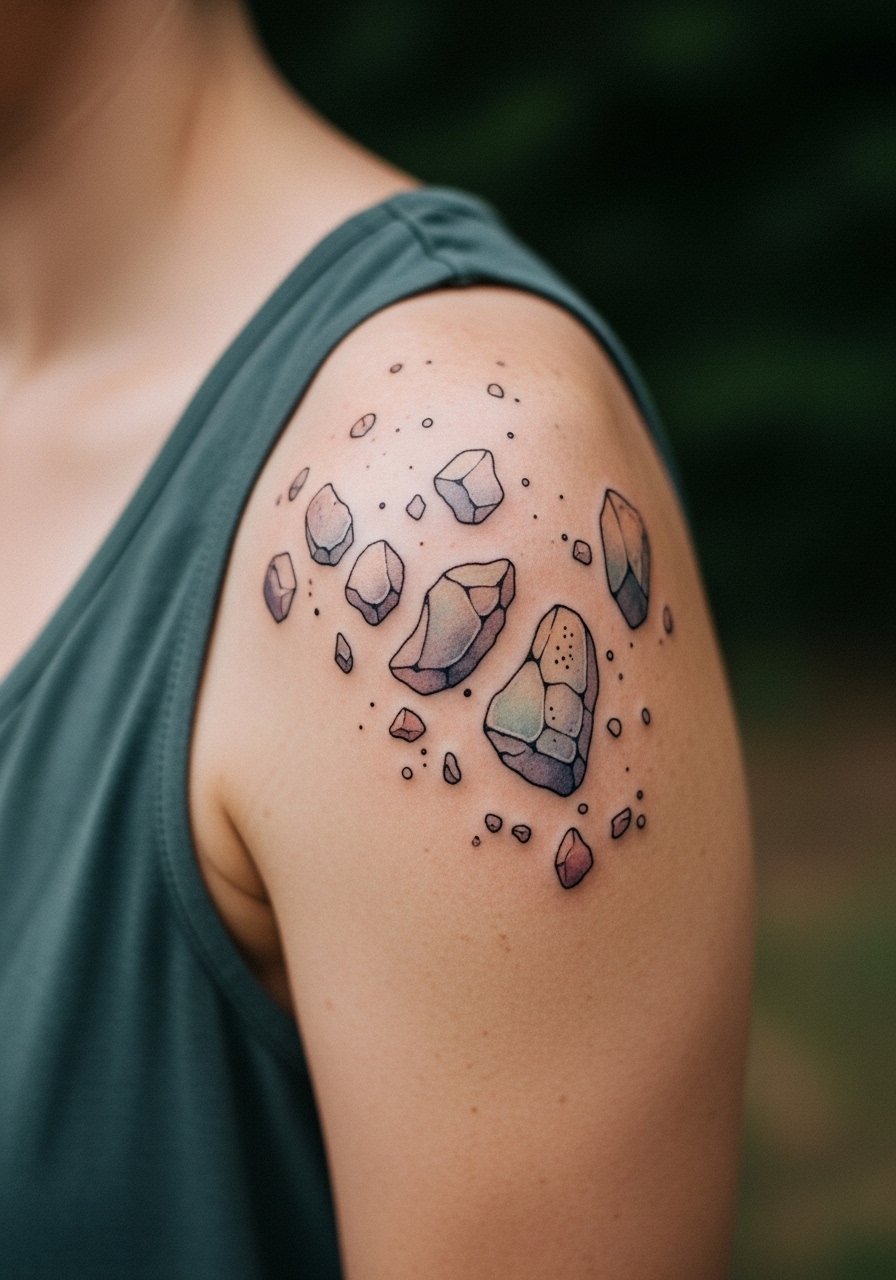
Watercolor gems read as soft color spots. On the shoulder they can float naturally and the curves help the fragments look like they belong. The durability issue is that pale pastels need saturation anchors or they fade into a bruise-like tone. Request heavier saturation in the center of each fragment and small black anchors to keep edges visible. Sessions are usually two for a 5 inch cluster. For showing it off try an asymmetrical earring set to complement the fluid shapes.
13. Micro-Realism Rowan Profile on Ankle
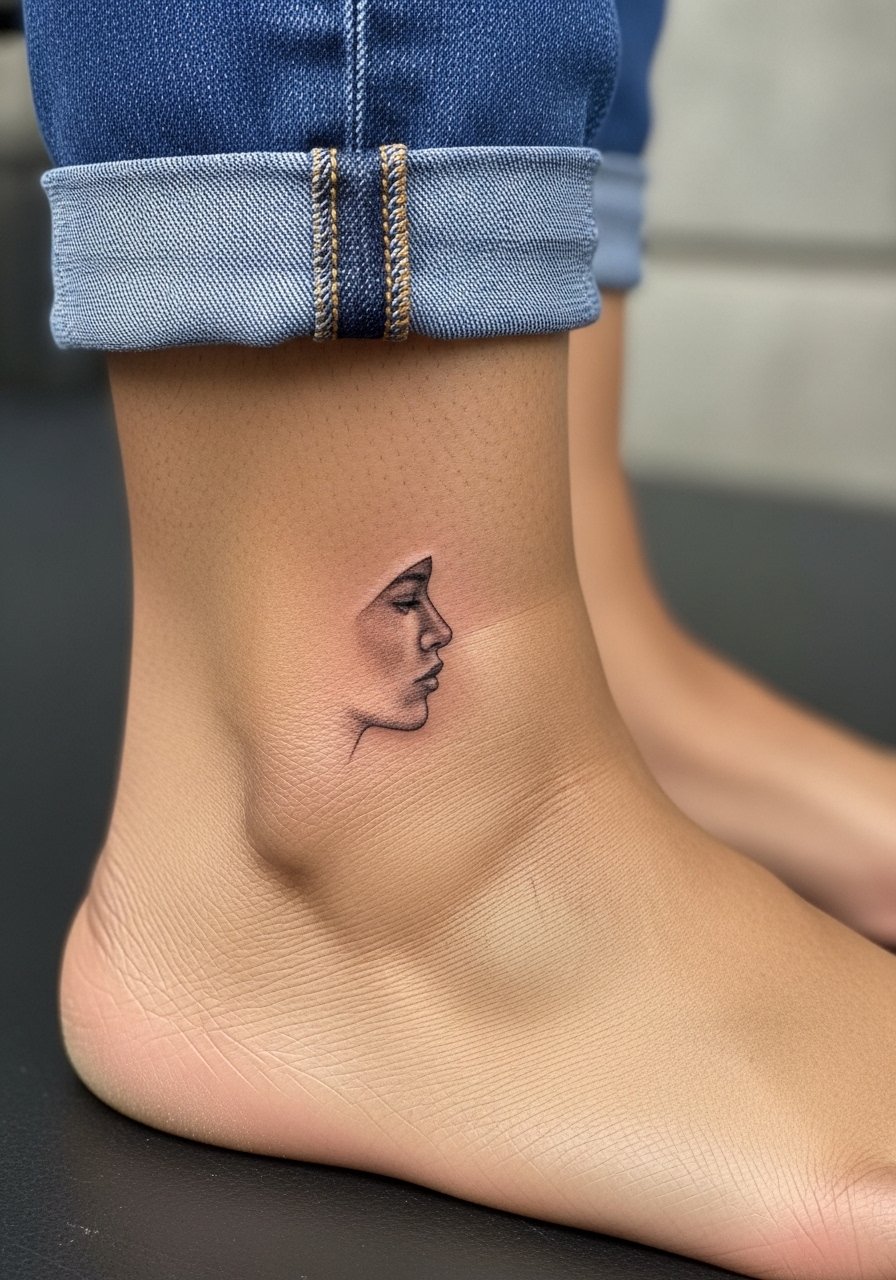
Ankle canvas size limits detail. If you want a Rowan-style nod behind the ankle, keep the composition to silhouette and facial angle rather than tiny hair textures. Artists often caution that micro faces under two inches can lose clarity. Session is short but the area endures friction from shoes. For the session wear jeans you can roll up or sandals so the ankle stays exposed without rubbing.
14. Thigh Blackwork Runes in Hidden Placement
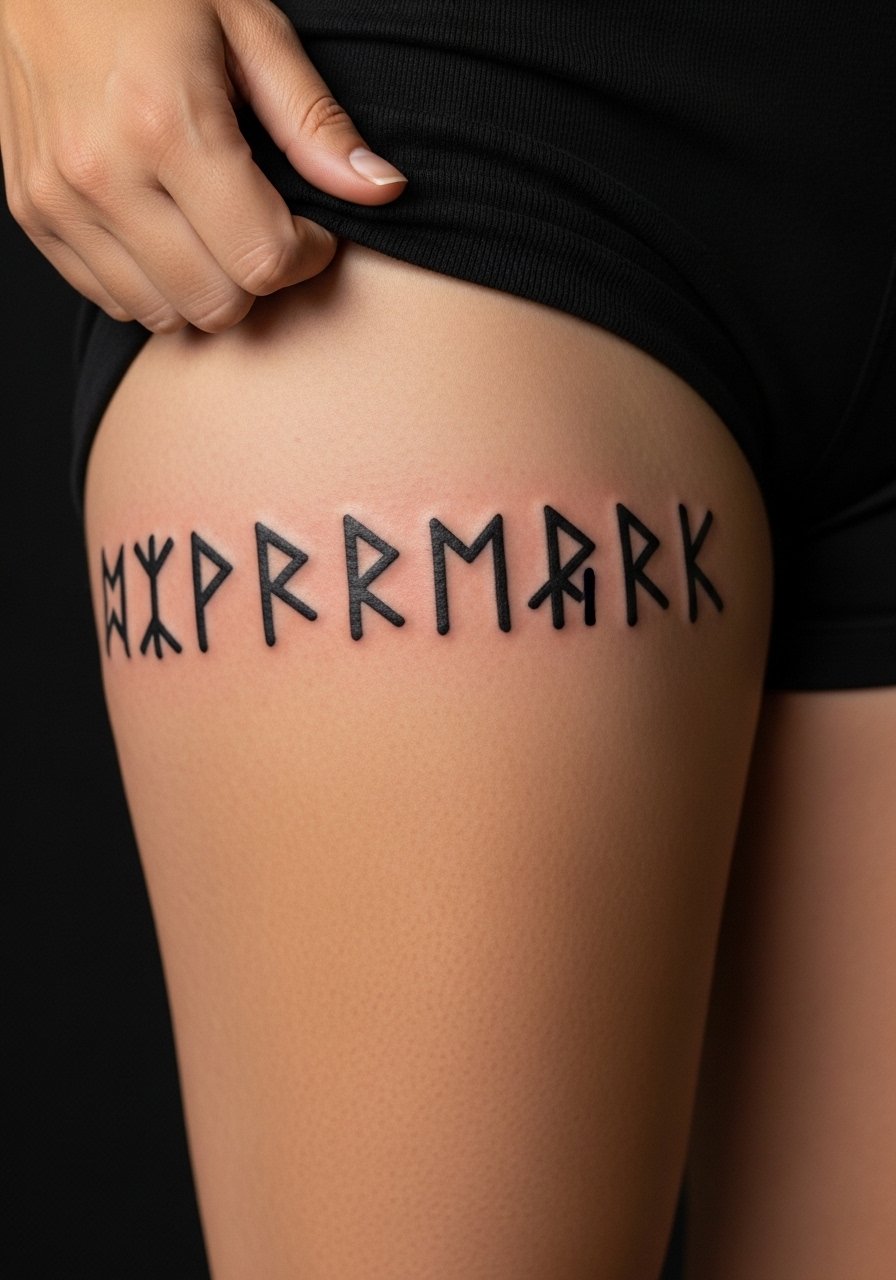
Thigh placements are great if you want private symbolism. Blackwork runes can be scaled to retain crisp edges even if your body changes. The under-discussed benefit is the thigh stretches more predictably than the ribcage. A common mistake is using too many tiny glyphs stacked together. Spread runes across the thigh with breathing room. Session comfort is good and you can book longer single sittings. If career visibility is a concern, this keeps the design private until you reveal it.
15. Ornamental Glass Splinter Band on Wrist
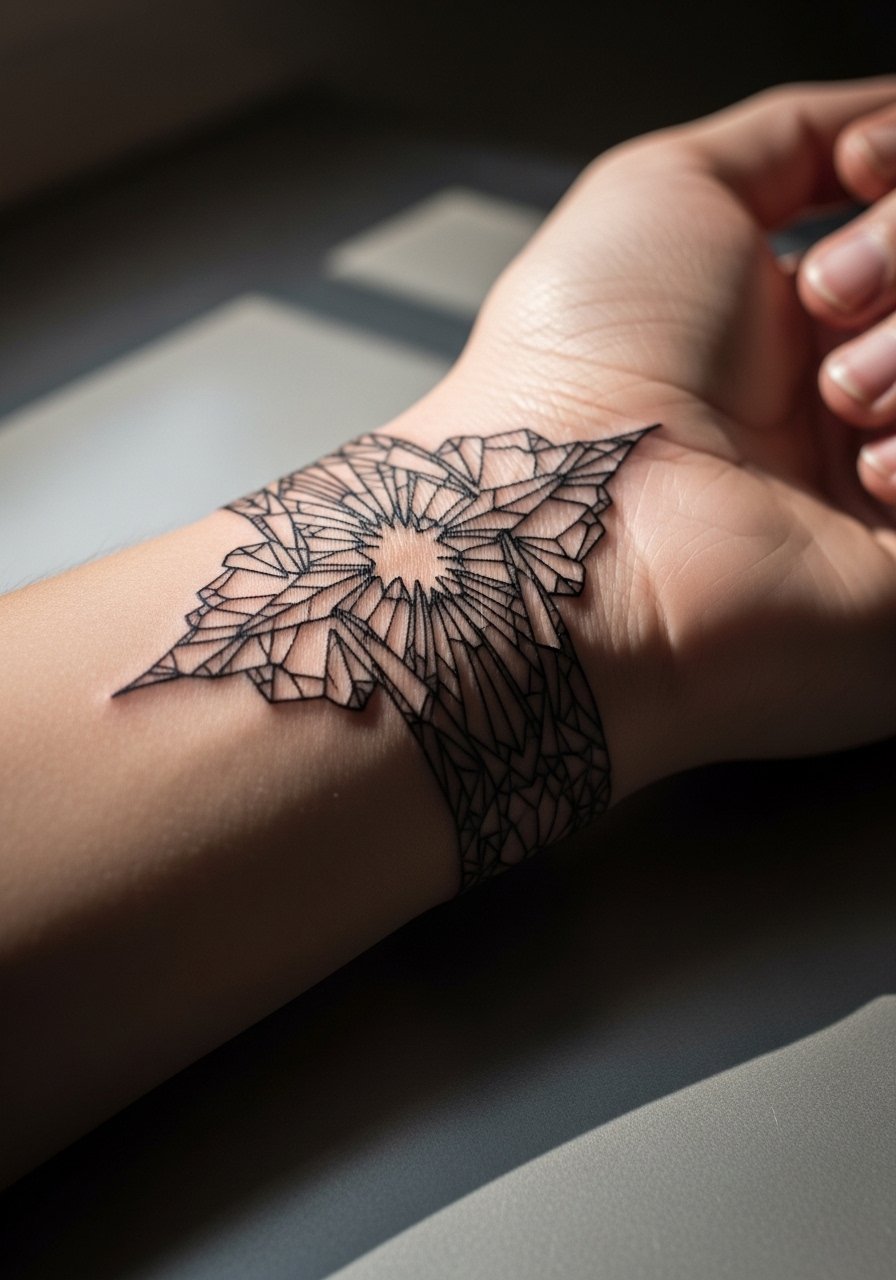
Wrist bands need careful spacing to avoid the band turning into one dark line as it ages. If you want splinter motifs, ask the artist to leave open negative spaces and to use mixed line weights so the pattern keeps depth. The worst mistake is compressing detail around the joint. Session feel is quick but the area faces friction from watches and bracelets. When showing off, choose a thin leather cuff bracelet on the opposite wrist to balance the look.
16. Fine Line Celaena Face on Upper Arm
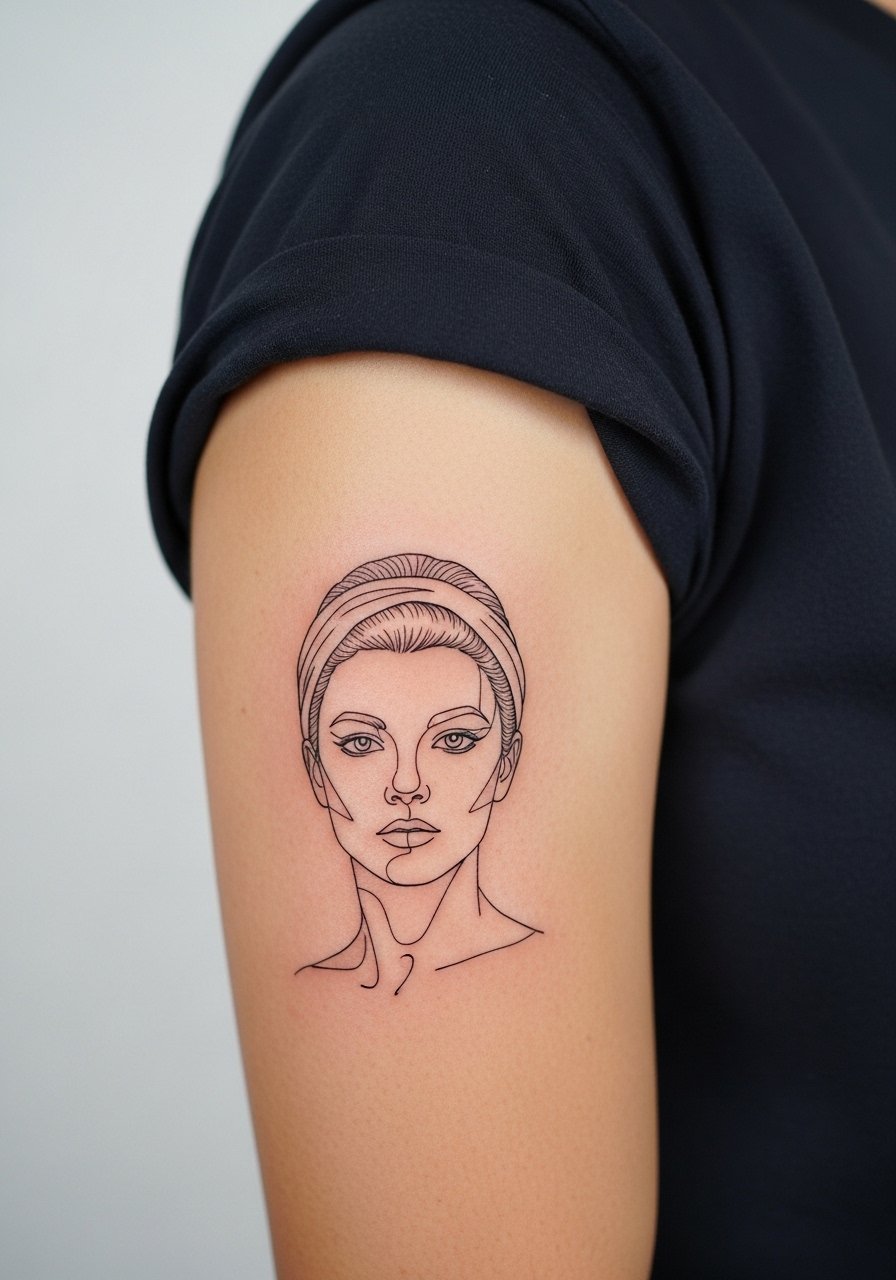
Upper arm portraits are forgiving and handle subtle shading well. The common error is compressing too much facial detail on a small patch. For a face that ages well keep the portrait at a comfortable scale, 3 inches or larger, and ask for slightly stronger outline anchors. Session pain is low and healing is straightforward. Booking tip, look for portfolios tagged with #ThroneOfGlassTattoo and filter by city when searching for artists with fantasy portrait experience.
17. Glass Splinter Sleeve Accent Around Forearm
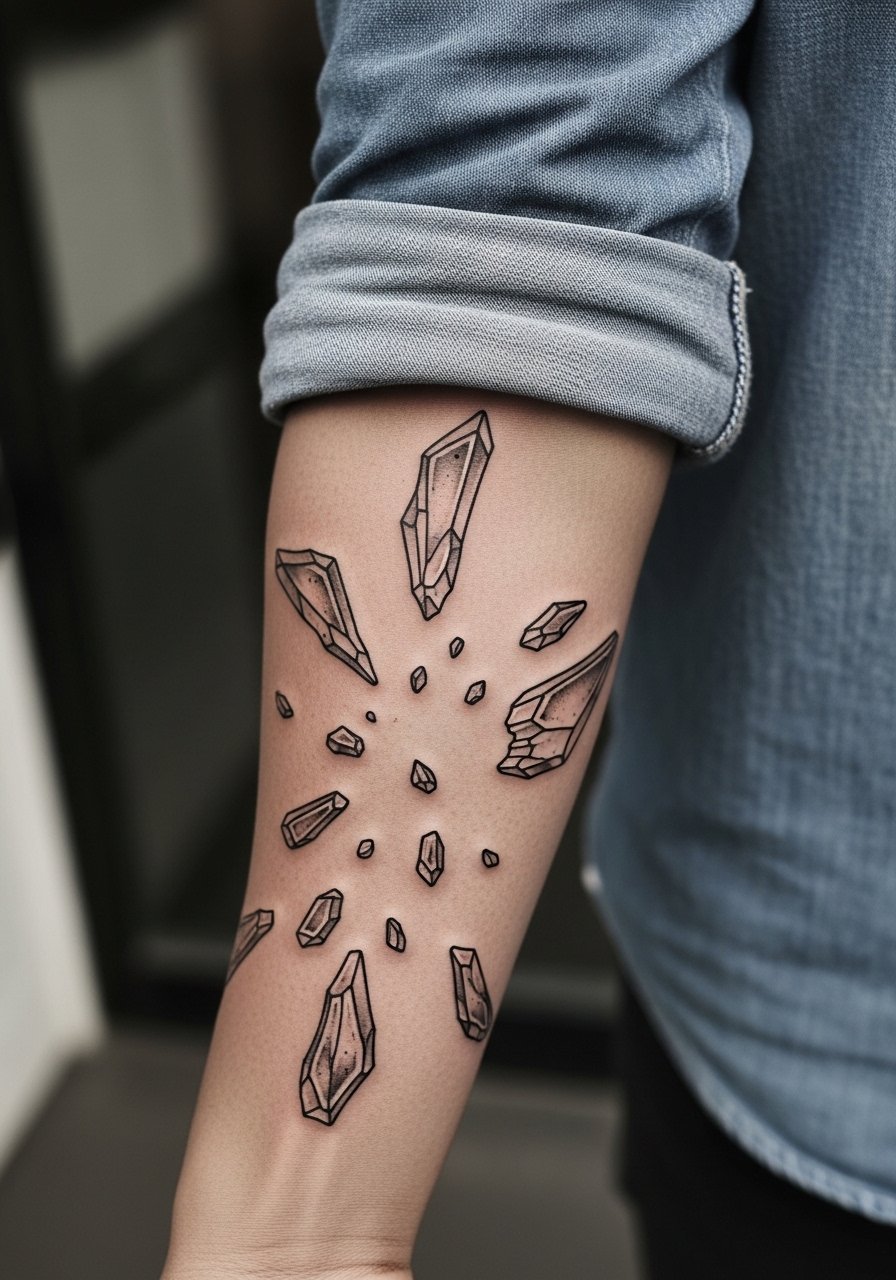
Sleeve accents link series elements in a wearable band. For forearm sleeves, balance dense areas with open fields so the arm does not go flat when viewed at two years. A mistake I see often is tucking a portrait too close to stippled filler. Give portraits their own breathing zone and let splinters weave around them. Sessions will be multiple and planning flash days or apprentice slots can save costs. When you want to show off, keep sleeves rolled up and complement the work with a slim gold chain bracelet on the opposite arm.
18. Ornamental Thigh Panel for Patchwork Sleeve
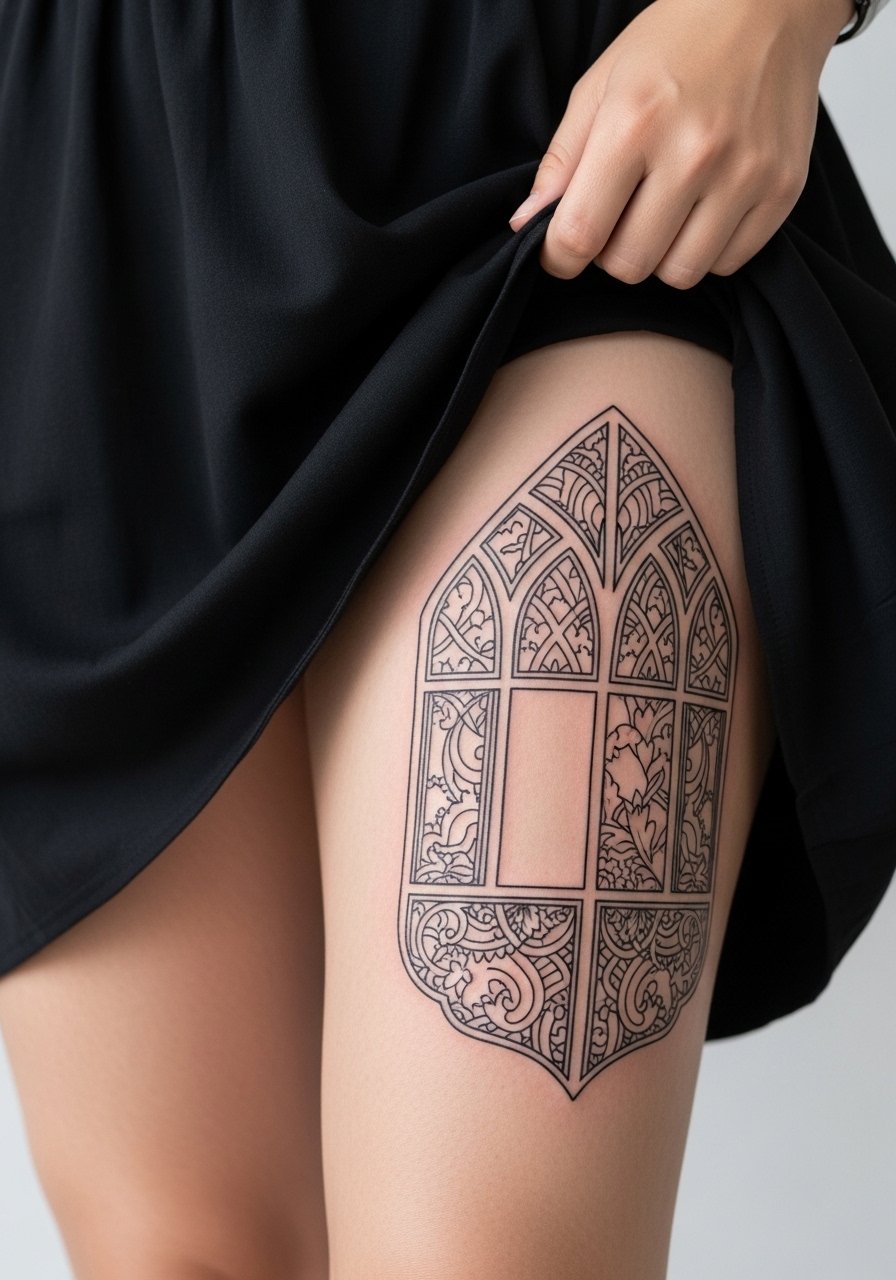
If you plan a patchwork sleeve that mixes ToG motifs with other fantasy elements, the thigh makes an excellent anchor piece that can later connect to a leg sleeve. The advantage is scale. Make sure the panel has deliberate empty margins so additions can slot in without crowding. A common error is starting too many small pieces with no plan for later connection. For session wear a flowy mini skirt or loose shorts so the artist can position the leg comfortably.
19. Dotwork Throne Crest on Calf Inner Side
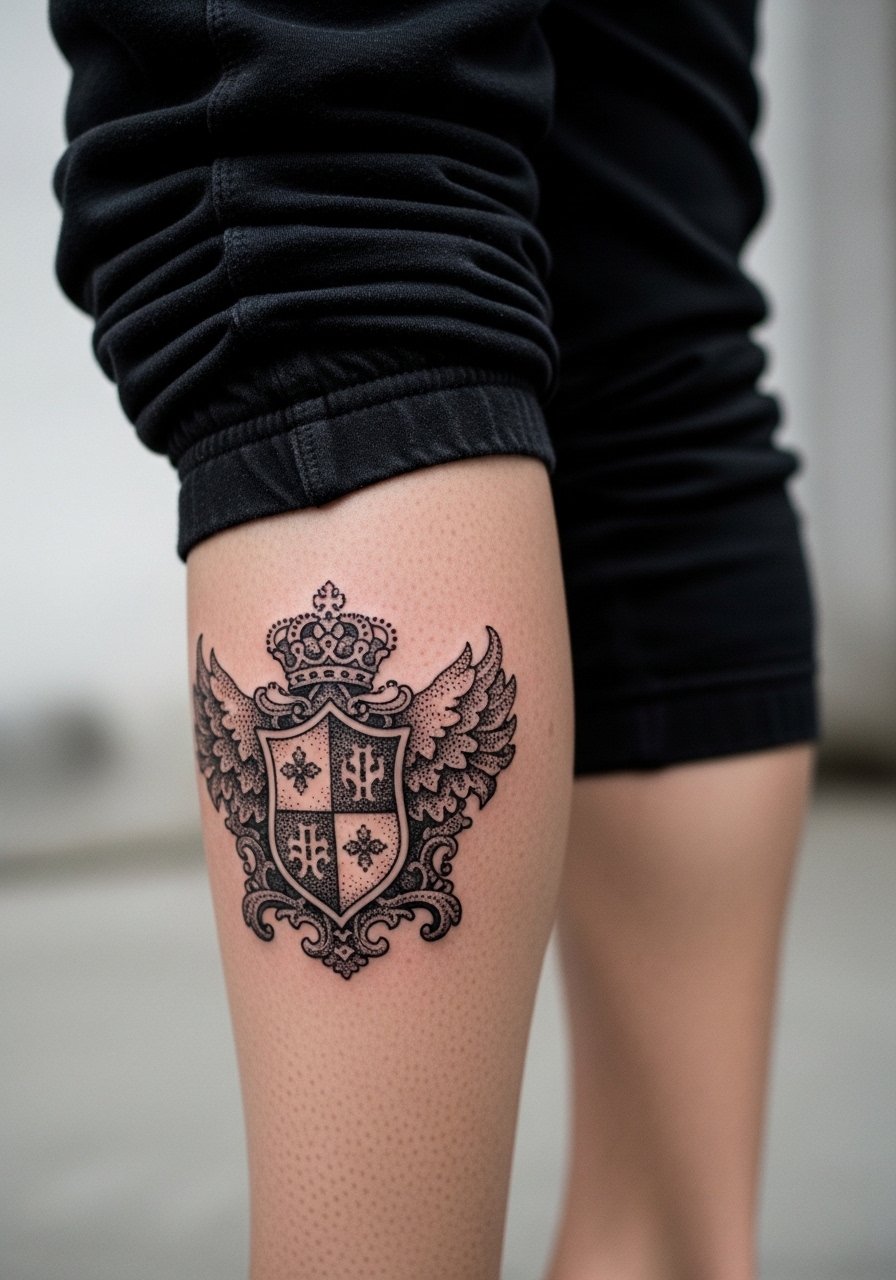
Inner calf dotwork needs careful placement because the inner leg sees different movement. The benefit is the crest can be rotated visually when you walk. The usual mistake is orienting the piece purely for sitting posture. Ask your artist to preview the design with you standing so you see how the crest reads in motion. Session time for a 4 inch crest is usually a single sitting. For the appointment pick loose drawstring linen pants you can roll without pressure.
20. Minimalist Wyrdmark on Ankle
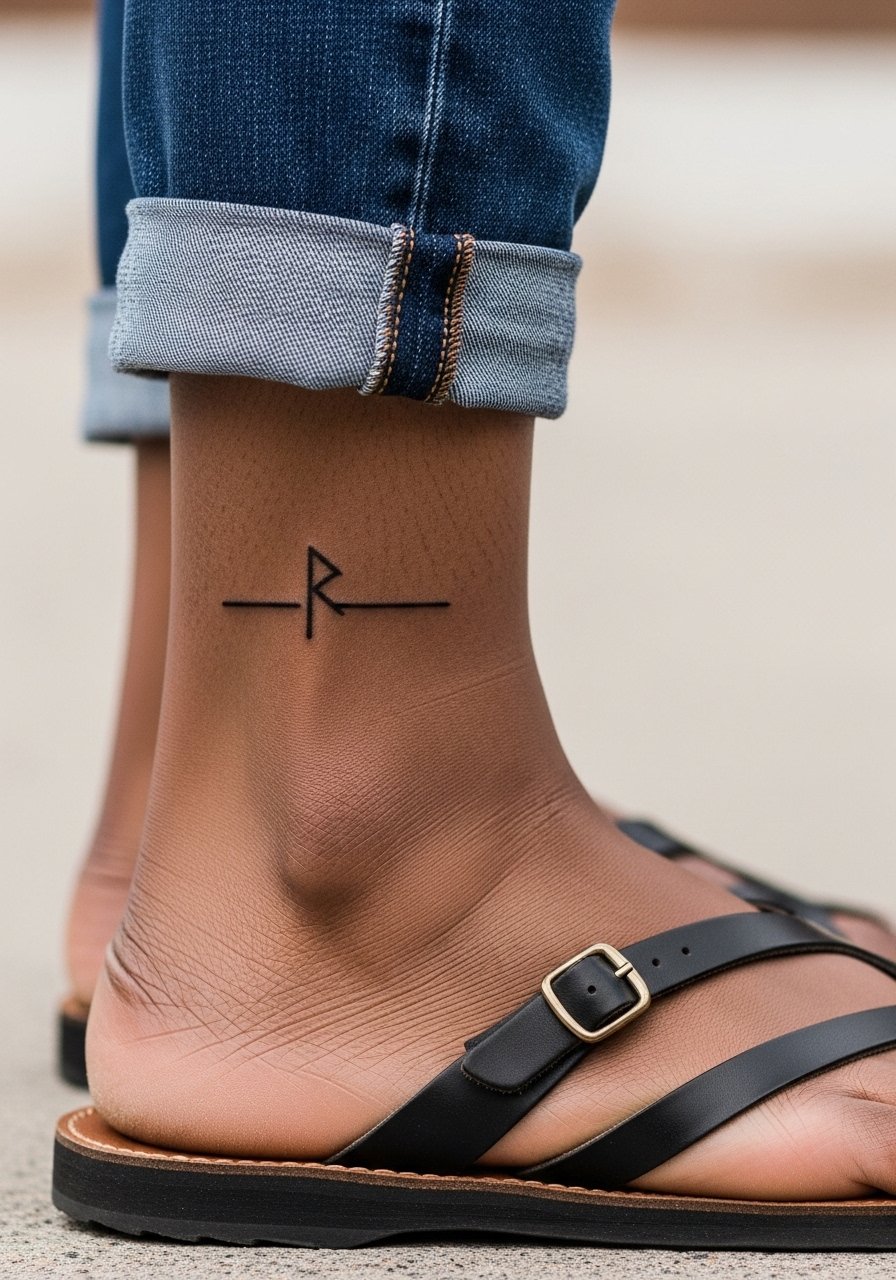
Ankle runes read well as tiny anchor tattoos. The danger is placing a single sharp point against a joint where skin stretches. Ask for slightly rounded edges and a touch of spacing from the bone so the glyph keeps integrity through movement. Session time is short and pain is moderate. For showing it off choose high waist denim shorts or sandals that draw the eye to the ankle.
21. Patchwork Sleeve Connector: Mixed ToG Motifs on Upper Arm
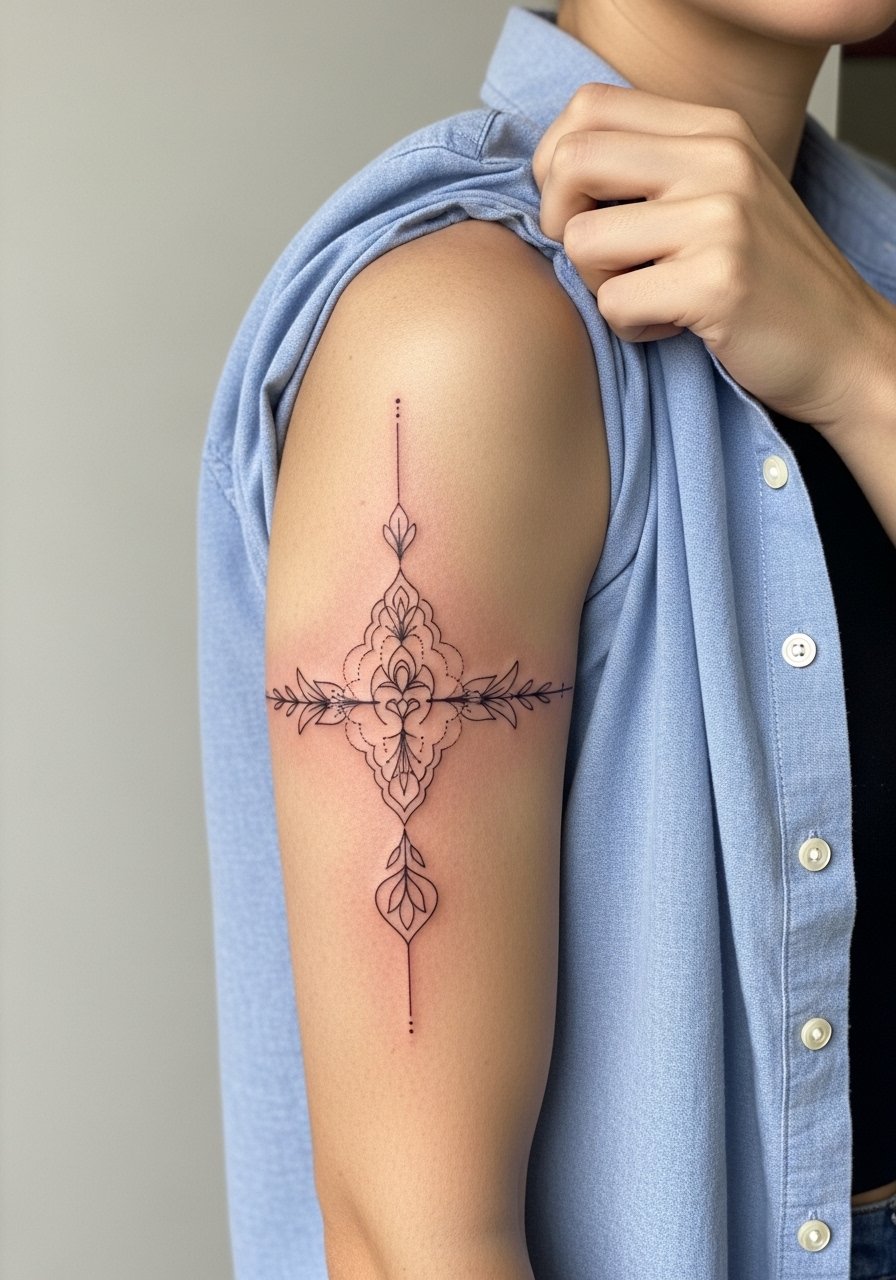
Connector pieces solve the patchwork sleeve problem by intentionally leaving gaps for future motifs. Choose a scale that allows both micro and medium elements to sit without crowding. A frequent error is trying to force too many styles together without a unifying lineweight strategy. During consultation ask the artist which motifs they prefer to anchor and which should be treated as filler. Session planning helps because you can book the connector first and then schedule guest spots for portraits or heavy blackwork that need different machine setups. For the day wear a loose button-down shirt that pulls aside easily.
Frequently Asked Questions
Q: Will fine line throne of glass tattoos blur faster than blackwork on my forearm?
A: From what I have seen, fine line tends to soften sooner because the individual hairlines have less pigment to withstand skin movement and sun. On forearms the difference is noticeable by year two for the slimmest lines. If you like the fine look but worry about aging, ask your artist for slightly heavier anchors and plan a touch-up around year one.
Q: Do watercolor-style throne tattoos need special aftercare compared with blackwork?
A: Yes, watercolor areas often need more cautious sun protection and gentle moisturization in the first month because the light pigments can fade faster. That said, many artists recommend the same basic cleaning routine for all styles. If you live in a dry climate tell your artist so they can suggest the right hydration approach.
Q: How can I make a throne of glass design read well on darker skin tones?
A: High-contrast blackwork and solid anchors help the motifs translate better in photos. I have seen darker skin tones benefit from deeper blacks and slightly larger negative spaces so details do not wash out. Use discovery pathways like #WyrdmarkInk and local tattoo directories to find artists who post healed examples on melanated skin.
Q: Is the ribcage a bad place for fine line portraits given stretch and pain?
A: Artists are split on this. One camp says the rib skin stretches and compresses so fine line blurs quickly. The other camp argues that with correct needle depth and spacing fine work can hold. The safest route is to choose bolder anchors for ribs or place portraits where skin moves less, and be prepared for touch-ups.
Q: What should I wear to a collarbone flame session to stay comfortable and make the artist's life easier?
A: Wear a strapless bralette or a button-front top that can be pulled aside. That keeps the chest area accessible and prevents sleeve friction during the session. If you plan for numbing, discuss it with the artist in advance so you know when to apply it.
Q: How do I avoid getting ghosted by an artist after a deposit?
A: Use booking platforms that confirm appointments and look for studios that provide written scheduling policies. Also have a short backup list of local artists from tattoodo filters or community tags so you can pivot if a guest spot cancels. Guard your deposit with a clear refund or reschedule agreement.
Q: Should I plan touch-ups for a fine line throne quote sleeve, and when?
A: Yes, plan for a touch-up around 12 to 18 months. Fine script on inner biceps and forearms often needs a refresh because those areas see a lot of movement and light. Ask your artist to note ideal touch-up timing during the consultation so you do not get surprised.