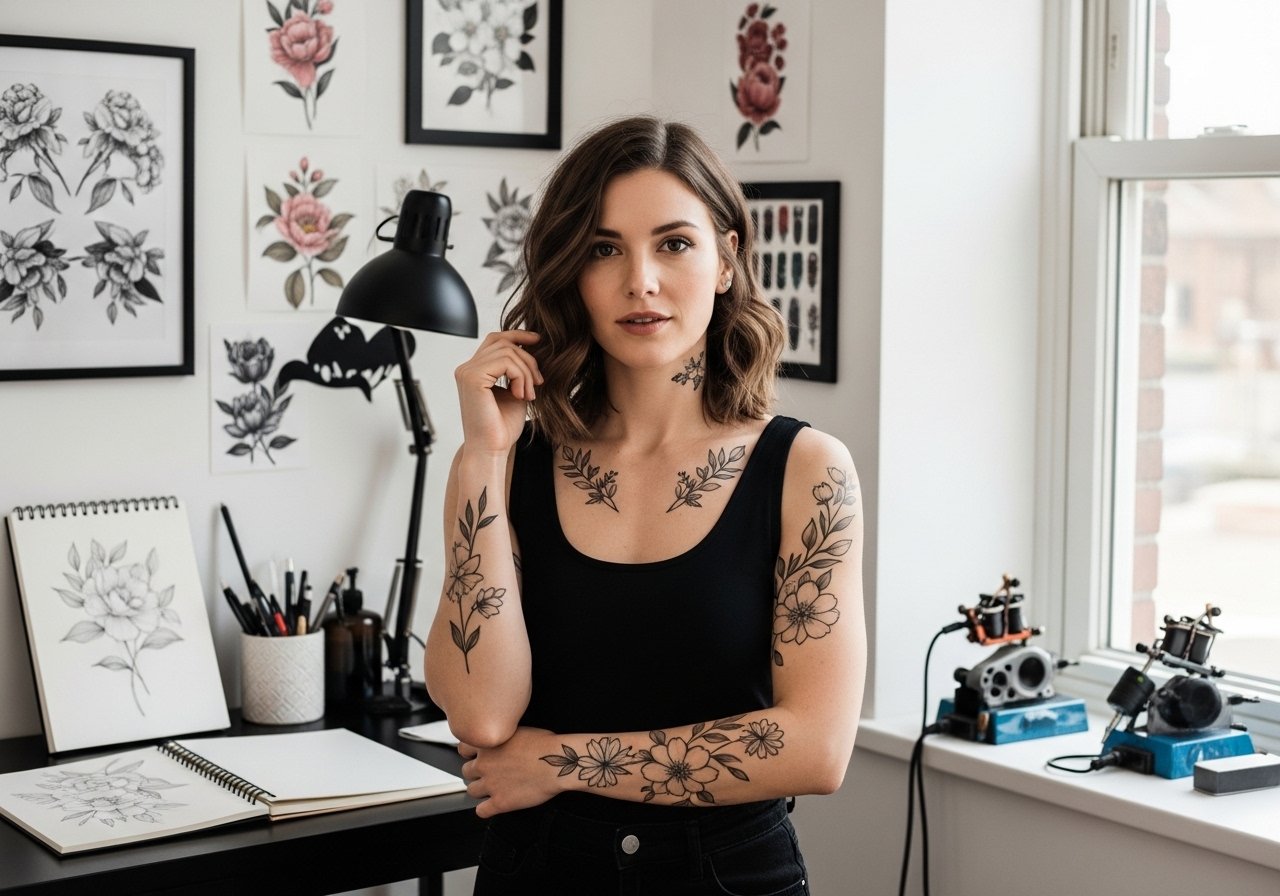
Fine line sketch ace of spades tattoos look delicate on a phone screen and then behave very differently on skin over time. The sketch aesthetic thrives on suggested motion and ink that feels hand-drawn, but unless spacing and needle depth are chosen with longevity in mind, the crispest details can bleed into an indistinct patch. Below are practical, sketch-forward ace of spades ideas that keep the edge without losing detail as they heal.
1. Minimal Sketch Ace on Inner Forearm

I recommend this one when you want a subtle centerpiece that reads in photos and on casual days. Ask your artist for slightly heavier anchor lines along the spade rim so the sketchy interior can breathe. The biggest mistake is asking for ultra-fine cross-hatching all the way to the edges, which often merges by year two. Expect a session of about 45 to 75 minutes and a touch-up around year three depending on sun exposure. For showing it off, roll cuffs or push back sleeves and wear a rolled linen shirt that frames the forearm without stealing attention.
2. Frayed Sketch Ace on the Wrist

Fair warning: the wrist sees constant friction from clothing and watches, so the delicate sketch marks need protection. Tell your artist you want a bold outer contour with inner sketching that stops short of the wrist crease. The session feels like short, frequent passes and is over quickly. Common aging problem is ink loss on the thin skin near the hand, which leads to patchy lines. Consider swapping a heavy bracelet for a minimalist watch on healing days to reduce rubbing.
3. Broken Ink Ace on Ribcage
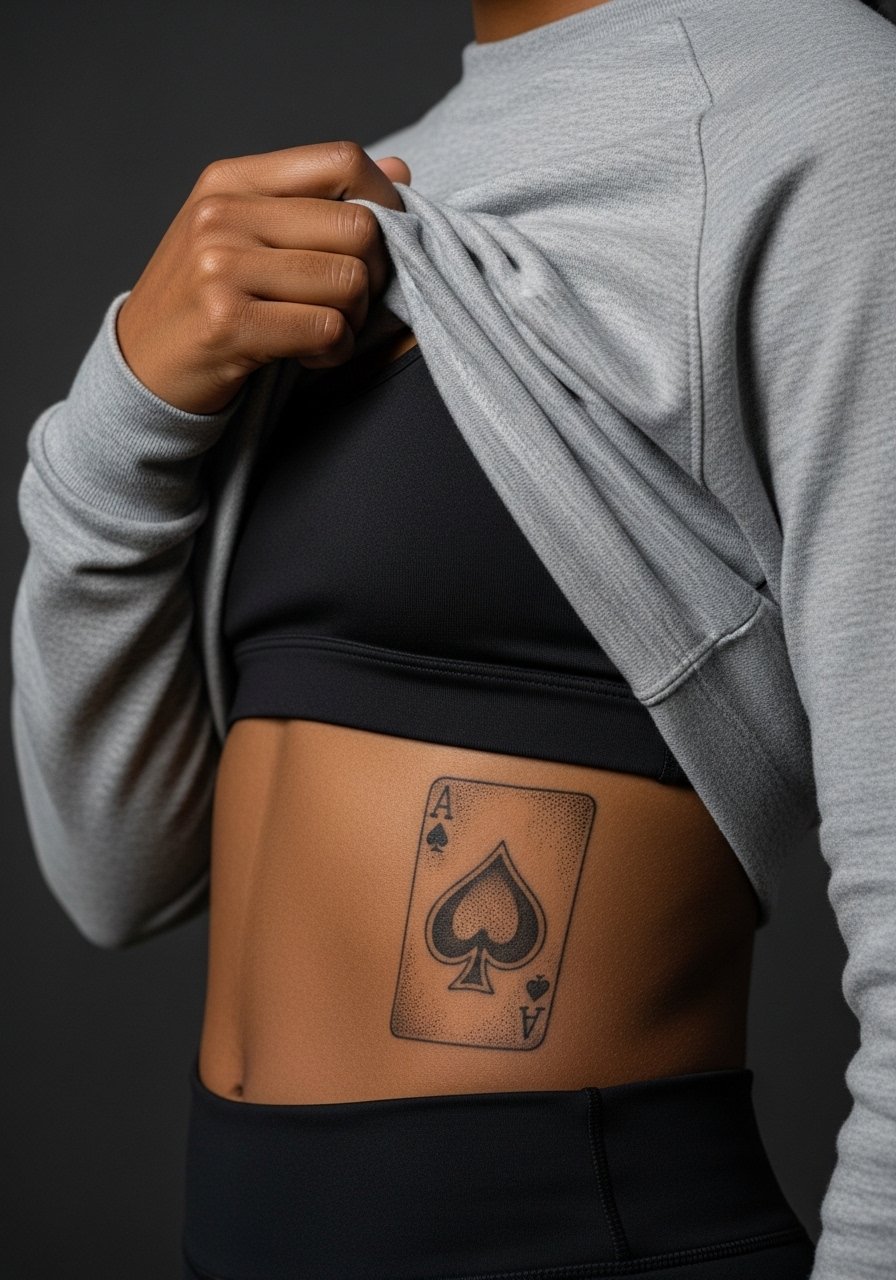
Artists split on fine line on ribs. One camp says the skin stretch and movement blur detail within two years. The other camp argues that with correct needle depth and spacing the lines settle nicely. If you choose ribs, book an experienced artist who will scale the sketch up slightly and space the hatching. The session is more painful than arm work, often needing breaks. Tell the artist you plan to keep the piece medium-sized rather than tiny. For the studio, wear a cropped athletic top you can lift so only the ribcage area is exposed.
4. Stipple Shaded Ace on Upper Chest
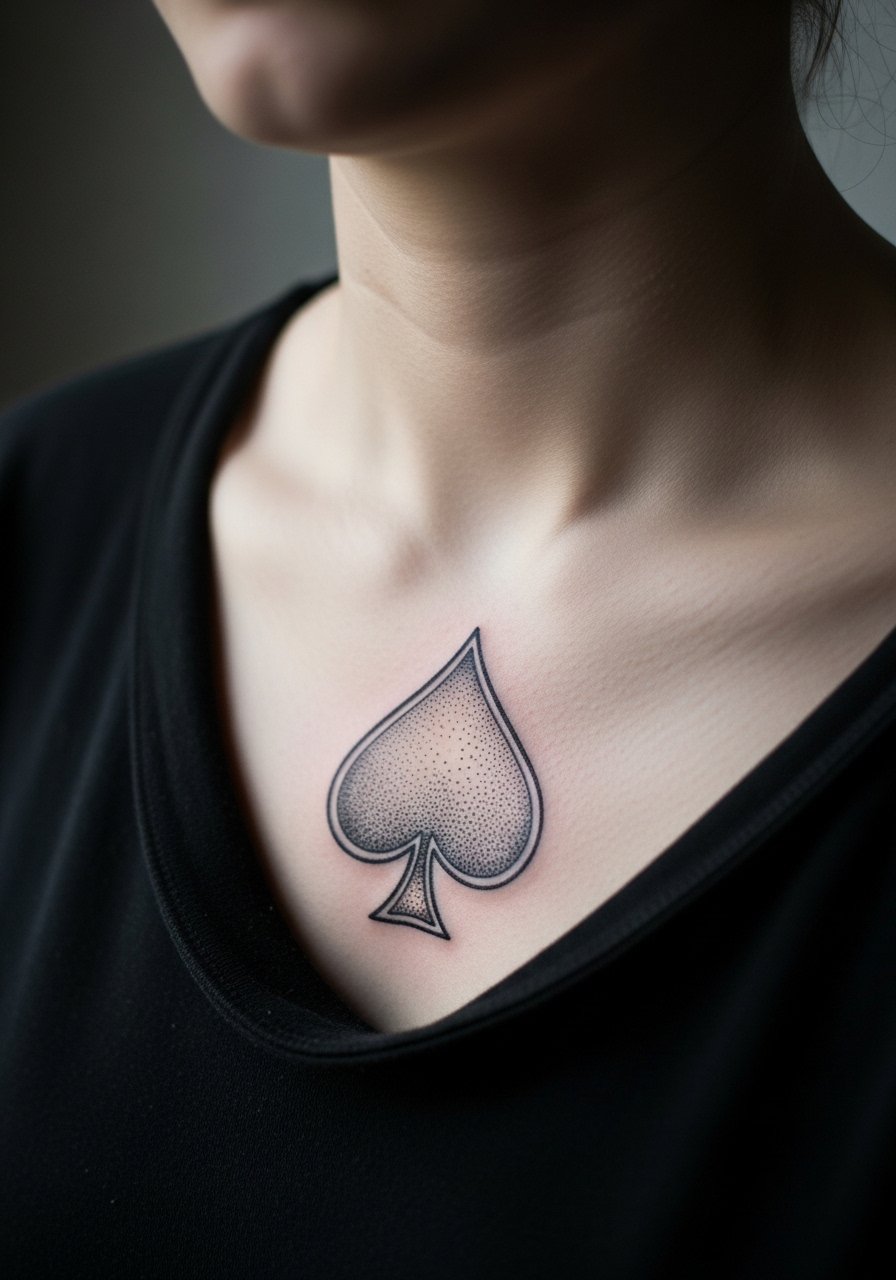
The chest is great for a slightly larger sketch ace that uses stipple shading to suggest depth. In consultation, ask for the stippling to be denser toward the spade's base and lighter near the tip so the piece keeps its sketch feel at distance. A common mistake is packing too many tiny details near the collarbone where movement and tension wash them out. Plan for a 90 to 150 minute session and expect the area to need sun protection long term. Pair with open-neck shirts like a wide-neck shirt when you want to show it off.
5. Angled Sketch Ace on the Calf
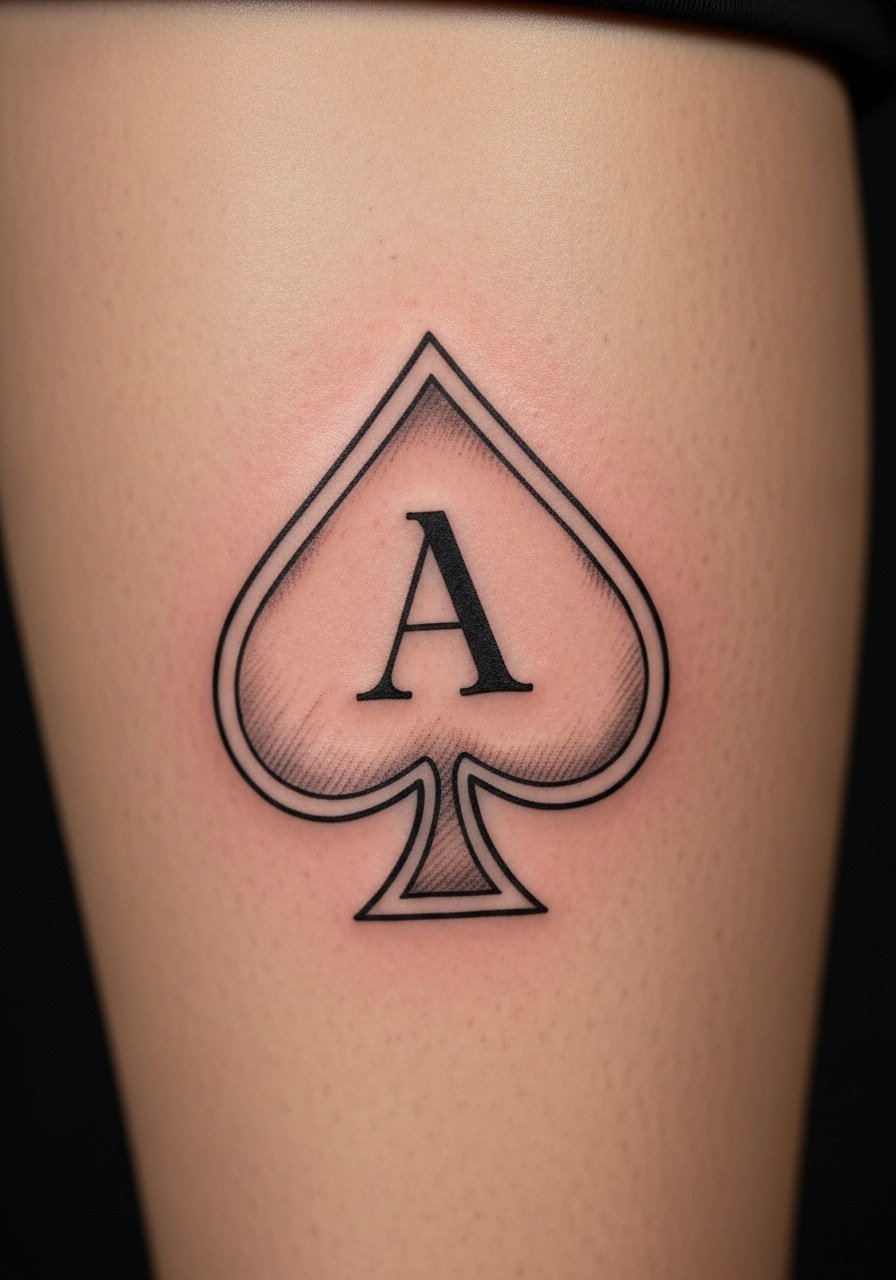
There is something about calf placement that keeps sketch details readable for years because the skin is thicker and less stretched. Tell your artist you prefer directional whip shading that follows the muscle line for natural movement. The session is tolerable for most people and usually done in a single sitting. A frequent error is centering the design too low near the ankle where blowout risk and abrasion from shoes rises. For the session, wear loose drawstring linen pants so the artist can roll the pant leg up comfortably.
6. Negative Space Ace with Rough Sketch on Shoulder Blade

When you want the sketch look without heavy shading, negative space can outline the ace while sparse strokes imply texture. In the studio, explain you want the negative areas to be free of tiny dots, which lessens blurring risk. Shoulder blade sessions are mid-pain and usually finish in one to two hours. One common mistake is adding too many small filler marks that age into muddiness. For session comfort wear a loose tank top you can pull aside without feeling exposed.
Studio Day Picks
The shoulder, calf, and forearm pieces above each demand different prep. These picks help with access, comfort, and the first week after the session.
-
Stencil transfer paper kit. Lets you preview the line placement on skin so the sketchy negative space in ideas above lands where you want it.
-
Topical numbing cream. Applied as directed before a sensitive rib or sternum session eases the early discomfort without changing the artist's linework.
-
Thin protective film roll. Keeps wrist and hand pieces from constant friction during the first days of healing.
-
Fragrance-free gentle body wash. Cleanses the healing area without stripping the tiny channels that fine sketch lines rely on.
-
Aquaphor healing ointment. A thin layer helps protect newly inked thin lines on forearms and wrists during the initial sealing phase.
7. Half-Faded Ace on the Thigh

Thigh skin tolerates tighter sketching while still holding stipple and hatch details. Tell the artist you want the internal sketch scaled so the negative space reads from a few feet away. Sessions here are relatively low pain and can be longer without needing breaks. A typical mistake is making the sketch too small for the thigh canvas, losing the sense of motion. For the appointment wear high-waisted bottoms that you can shift easily, or a high-waisted denim you can adjust without discomfort.
8. Weathered Sketch Ace on the Ankle

Ankle work demands clear, bolder outer lines because shoes and socks create constant abrasion. In a consultation, ask for a slightly reinforced border and lighter internal sketch marks. Sessions are short but the healing window is delicate. The usual error is asking for too much interior texture that fades under daily friction. For showing it off wear sandals or roll your pants and add a dainty anklet that complements the sketch without covering the art.
9. Rough Sketch Ace with Script Accent on Collarbone

A collarbone ace with a tiny script tag reads as a statement when spaced properly. Tell your artist the script should sit slightly away from the spade to avoid merging as you move. People often ask for tiny script right against the sketch lines, which risks blurring within a couple of years. Sessions are quick but the area can be tender. When showing this off, an open-neck top or a thin chain works best rather than layered necklaces that crowd the space.
10. Chaotic Sketch Ace on the Back of the Hand

Hand tattoos are controversial. One camp says hands are a poor choice because heavy use and washing erase fine detail quickly. The other camp says the right bold sketching and planned touch-ups can keep the design readable. If you take the hand route, ask for bolder outer contours and accept that touch-ups at year one or two are likely. The session is short and the pain varies. Keep in mind some workplaces still restrict visible hand tattoos.
11. Layered Sketch Ace with Geometric Frame on Upper Arm

This one works when you want sketchy motion paired with a strong frame. Say you want the geometric lines to be spaced a finger-width from the spade so the sketch interior can age without crowding. The session runs about an hour. A common mistake is squashing geometric detail too close to stippling, which creates blurring in two to three years. For easy access on the appointment day, wear a loose button-down shirt you can pull aside without discomfort.
12. Cross-Hatched Mini Ace on a Finger

Finger tattoos are tempting but they age differently from arm work. Ask the artist to simplify the interior cross-hatch so the essential shape survives frequent washing. The session is quick and the sensation sharp. The most common mistake is expecting a tiny complex sketch to remain crisp without frequent touch-ups. For the session and the first week, avoid rings and opt for a temporary minimal band so the tattoo has room to breathe.
13. Sketched Ace with Botanical Overlay on Lower Back

Lower back skin accepts layered sketching and botanical lines that intertwine with the ace. Tell your artist you want the vines to avoid the outer contour so the spade silhouette remains strong. Sessions can be longer but are manageable. A frequent error is allowing the overlay to crowd the main shape, which erodes the ace's negative space over time. For showing it off, a cropped back top or thong-rise jeans frames the art without full exposure.
14. Rough Sketch Ace with Watercolor Wash on the Thigh

Combining sketch linework with a soft wash adds motion, but watercolor can fade faster. Ask your artist to keep the wash subtle and to reinforce the sketch lines so the ace reads after the wash softens. Sessions are comfortable on the thigh and allow more time for layered work. A mistake is requesting dense wash color that competes with the sketch. For the session wear high-cut shorts so the artist can access the area easily.
15. Etched Ace on the Sternum

Sternum work is intimate and tends to sting more. If you go here, book a studio that does many chest pieces and ask for spacing that keeps detail from sitting on high-movement skin. Some artists avoid fine line here entirely. The session may need breaks. Because this placement is sensitive, expect a longer healing window and consider the garment choices for the first week, like a soft sports bra. Be mindful of how public you want that placement to be given social and career contexts.
16. Sketch Ace Wrapped in Script on the Forearm

A wrapped script can complement a sketch ace when placed with deliberate spacing. Tell your artist you want the script in a slightly larger size than typical to avoid merging with the spade's hatching lines. Expect about an hour for this placement and plan for a touch-up in two to three years if you are outdoors a lot. For showing it off, roll sleeves or pick short-sleeve shirts like a racerback tank that keeps attention on the forearm.
17. Sketch Ace with Stereo Shadow on the Calf

Stereo shadowing gives a hand-drawn ace a subtle three-dimensional feel while keeping the sketch identity. In consult, ask for the shadow to be made of sparse hatch marks rather than solid fill so it ages more gracefully. The calf tolerates this technique well and the session is usually one sitting. A common error is asking for a heavy shadow that reads as a blob after a few years. For the appointment, wear pants you can roll comfortably and avoid tight socks during the first week.
Frequently Asked Questions
Q: Will a sketch style ace of spades tattoo blur faster than a traditional solid black ace?
A: In my experience sketch work relies on tiny marks that are more vulnerable to blur than bold saturated fills. Solid black ages into a stable shape more easily. If longevity matters, ask for slightly thicker anchors around the sketch so the silhouette remains readable even as interior texture softens.
Q: How often should I expect touch-ups for wrist, hand, and finger sketch designs?
A: Those zones see the most friction and washing, so expect a touch-up around year one to three depending on lifestyle. If you work with your artist on spacing and stronger contour lines from the start, you may extend that window.
Q: Are watercolor washes compatible with sketch ace designs long term?
A: They can be, if the wash is kept light and the sketch lines are reinforced. The wash will typically fade faster than the linework, so plan on touch-ups for color and consider keeping the wash subtle rather than saturated.
Q: How should I prepare clothing-wise for a sternum or ribcage sketch tattoo session?
A: Wear a fitted sports bra or a cropped athletic top that you can lift slightly to expose only the area the artist needs. That keeps you covered while giving clear access and matches studio privacy expectations.
Q: Where should I look to find artists who do sketch style aces without naming specific people?
A: Search local studio directories, browse portfolio tags like sketch style or sketch tattoo on social platforms, and check community threads where people share recent healed photos. Discovery through these pathways helps you see healed examples rather than just fresh shots.
Q: Are hand and neck sketch aces still a hiring risk?
A: Some industries remain sensitive to visible tattoos, especially hands and necks. There are workplaces more accepting now, but it depends on your career path. Consider future job settings when choosing those placements.