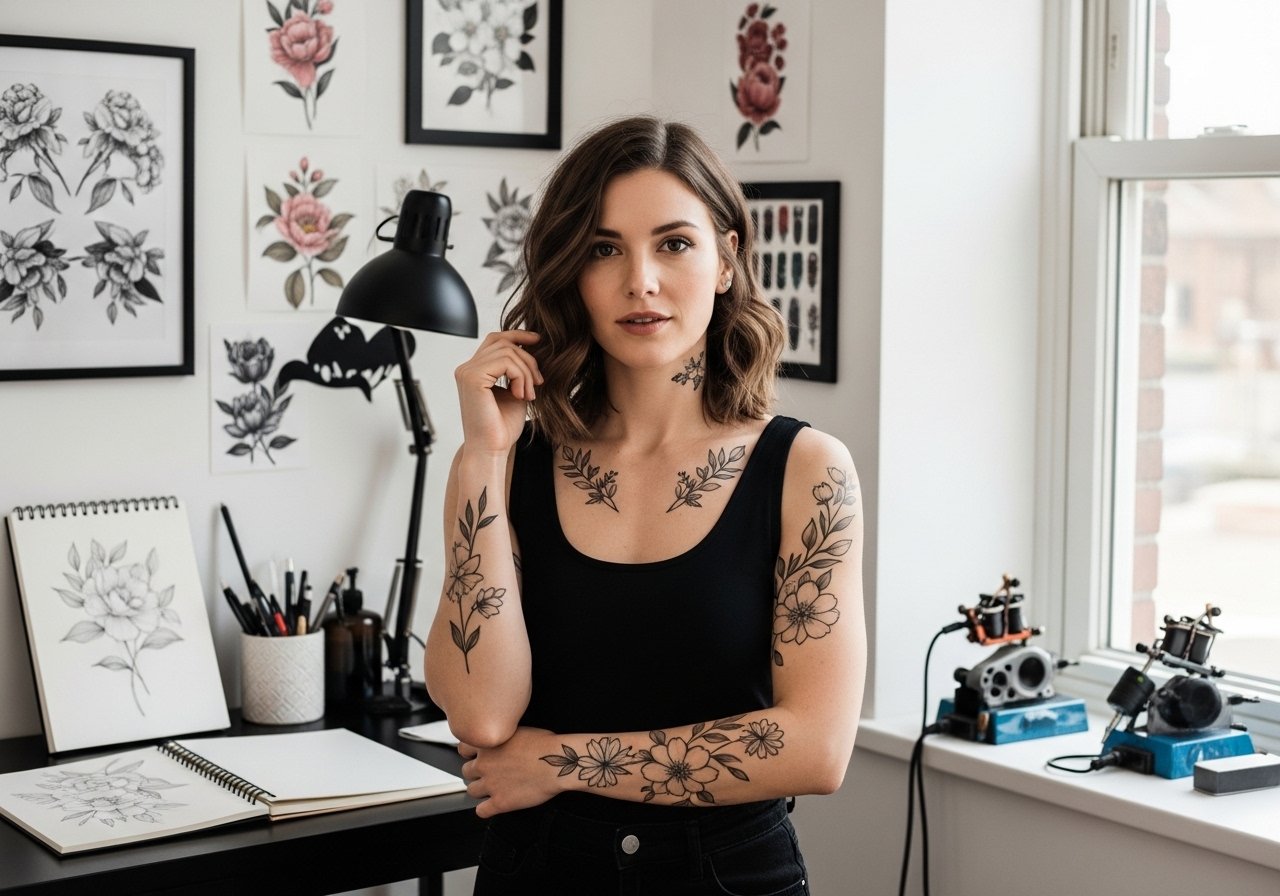
Fine line heart tattoos flood feeds right now, and what looks delicate on-screen can read very different on real skin after a year. The trend favors whisper-thin linework and tiny placements, but longevity depends on placement, spacing, and how the stencil sits on moving skin. Below are 27 soft heart tattoo designs that balance today's looks with what actually holds up, plus the wardrobe and session tips that smooth the whole process.
1. Tiny Fine Line Heart on Inner Wrist
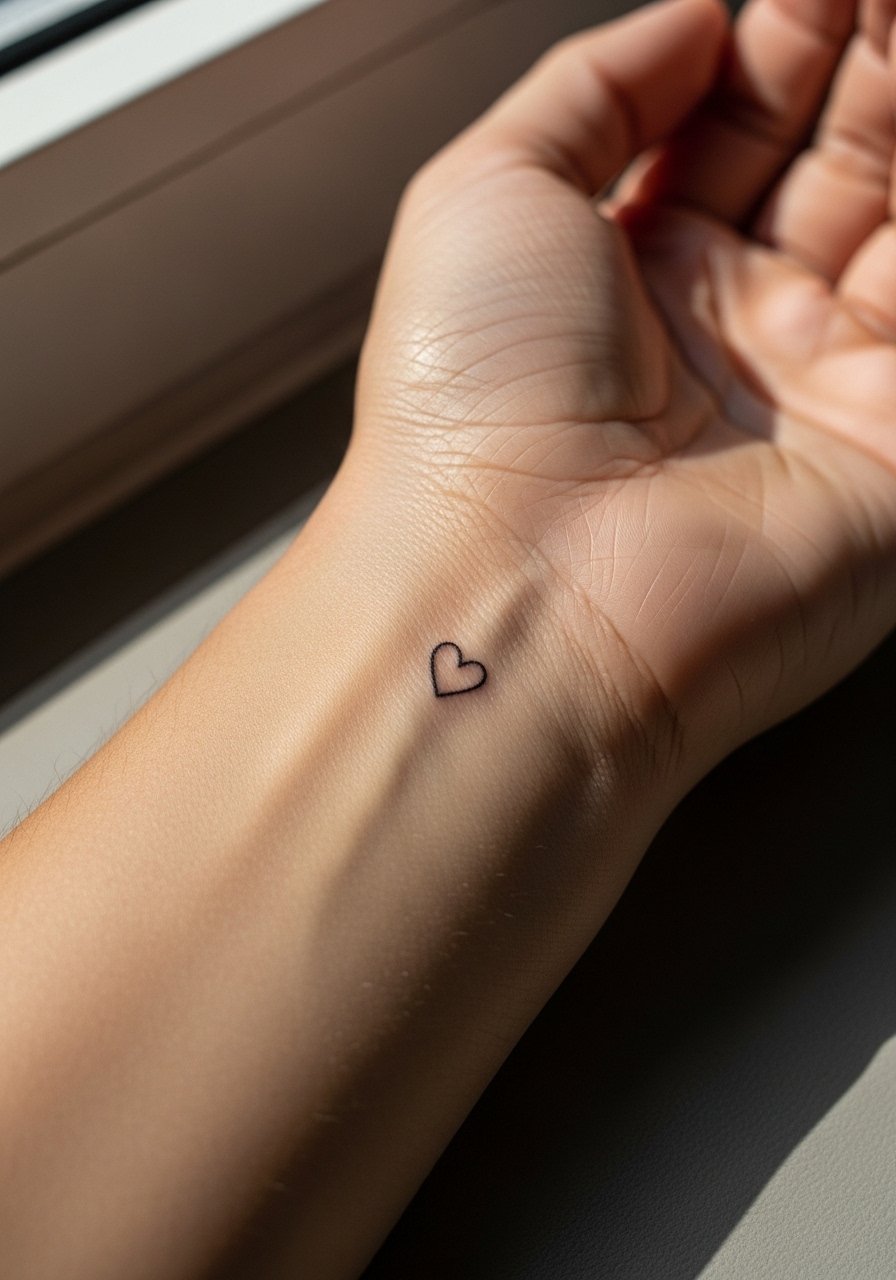
I’ve seen this one carried like a charm for years because it reads intimate without shouting. Tell your artist you want a single-needle line at shallow depth and enough outer spacing so the heart does not merge with bracelets over time. Fair warning, wrists take friction from watches and typing, so expect a touch-up around year two to three for tight single-needle work. For the session, wear a loose button-down shirt you can roll or pull aside so the artist has clear access without tugging at the fabric.
2. Blush Watercolor Heart Behind the Shoulder Blade
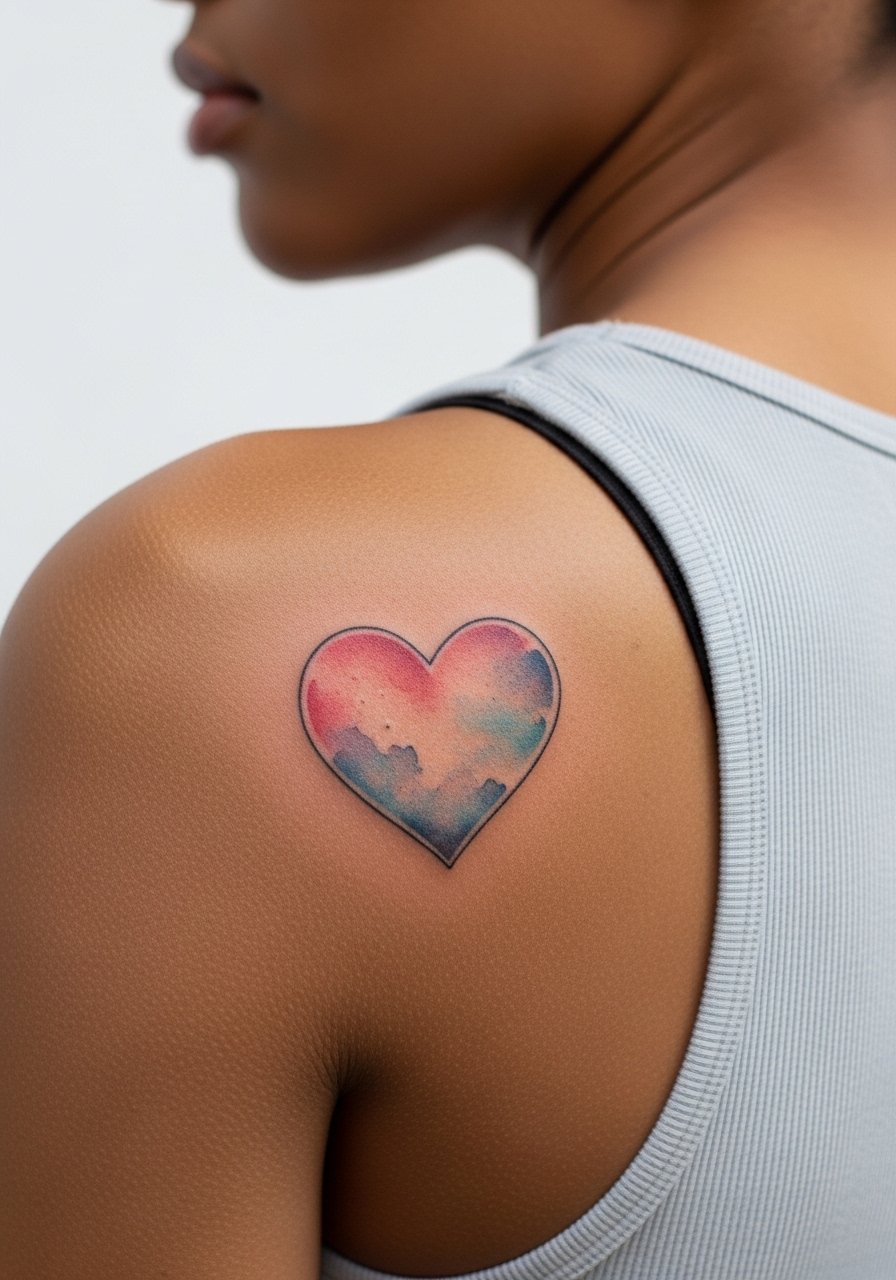
Most watercolor fades faster when done with weak saturation or placed where sweat rubs the ink. I recommend asking for slightly more saturation near the edges and a stamped outline that reads like a soft halo rather than a hard border. Session feel is low to moderate because the shoulder blade sits over muscle and moves less. For showing it off, slip into an open-back midi dress that frames the area without covering the color.
3. Micro-Realism Anatomical Heart on Upper Arm
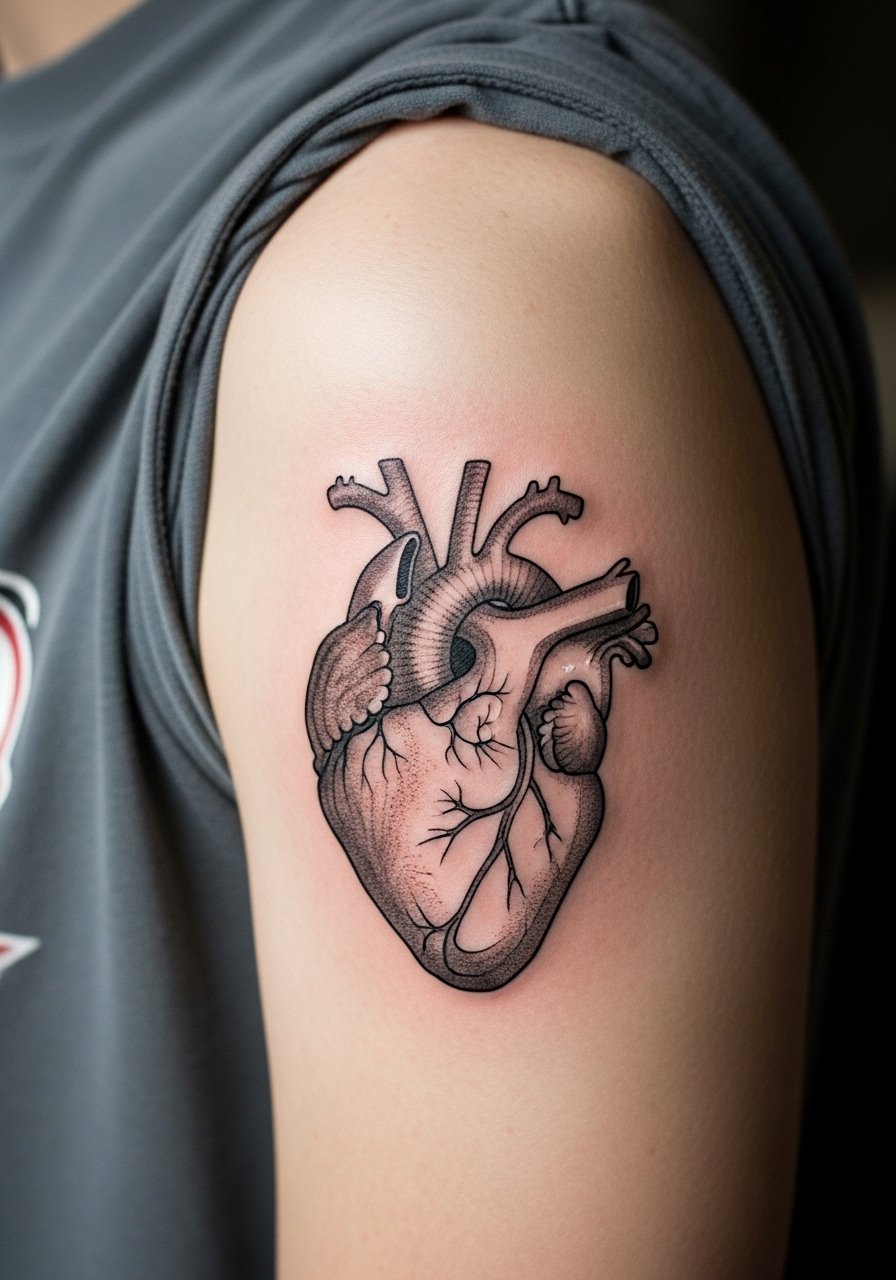
There is something about tiny micro-realism that reads sharply from arm distance, but the detail needs room. When you consult, bring close-up references and ask the artist to enlarge veins and stipple shading slightly, so the texture survives at year two and five. Pain is moderate for the outer arm and sessions are quick, usually under ninety minutes for a small piece. Pair this piece with rolled sleeves and a minimalist leather cuff bracelet to balance the realism without crowding the arm.
4. Minimal Heart Outline on the Collarbone
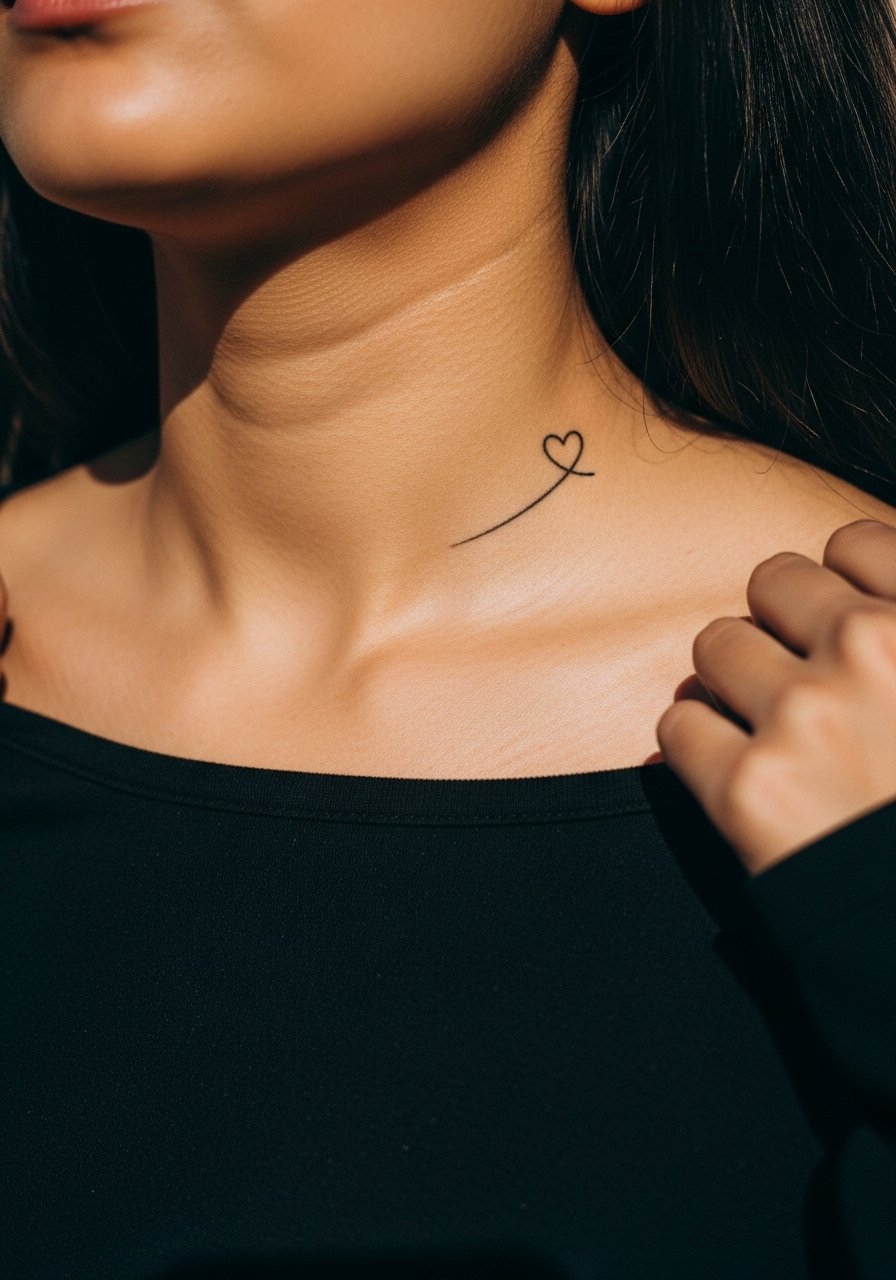
The collarbone is a sweet spot for delicate linework because it stays visible but avoids heavy abrasion. The mistake I see often is asking for needle-thin hairlines with literally zero spacing from the clavicle shadow. Ask the artist to space the lines slightly from the bone edge so the linework breathes as you move. Expect a bit more sensitivity during the session and a touch-up at year three if you favor very thin lines. For evenings out, a thin chain pendant necklace sits just above the heart without competing for attention.
5. Tiny Heart Constellation on the Ankle
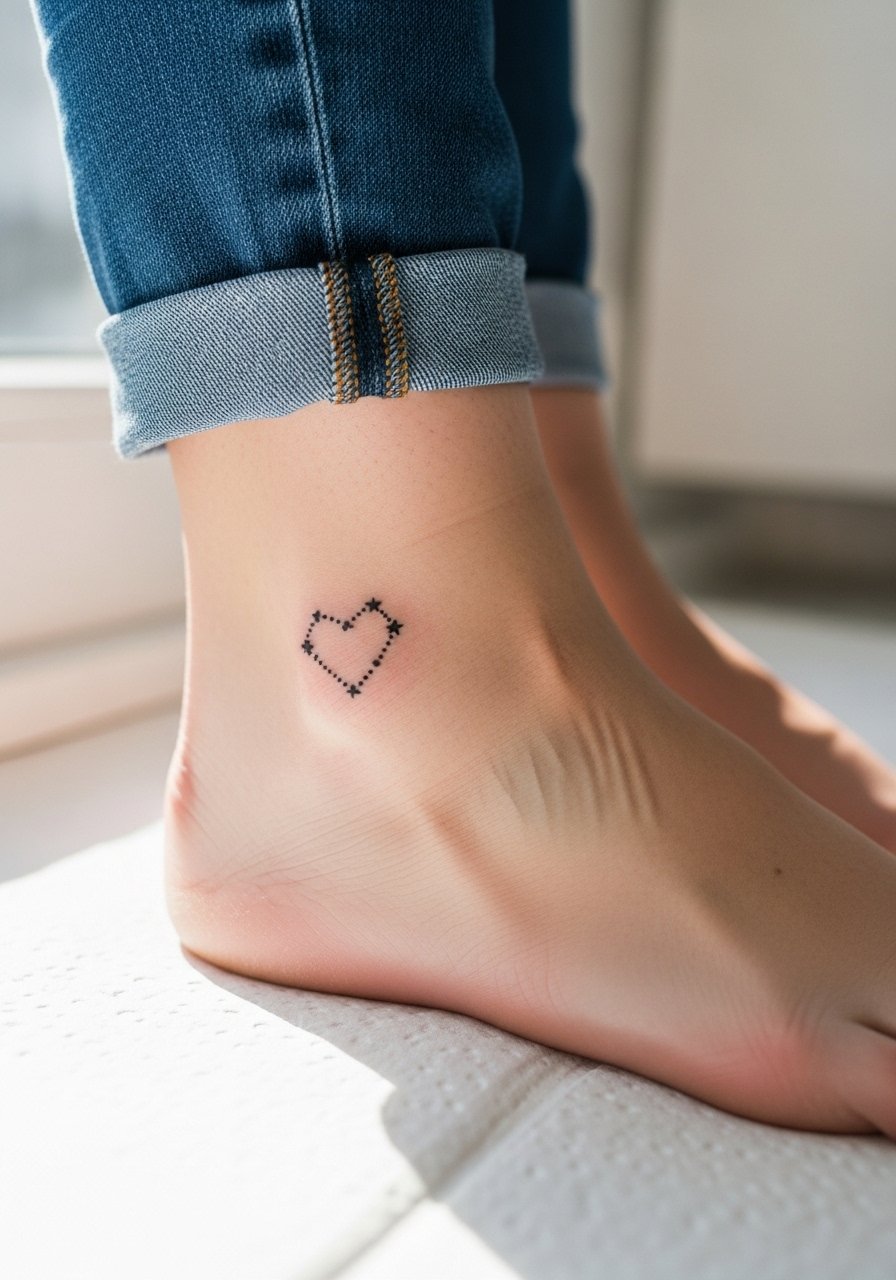
Ankle tattoos face constant friction from socks and shoes, so fine dots and tiny links can blur if placed too close to seams. When booking, request slightly bolder dot work near the constellation nodes so the sky pattern keeps its shape after six months of wear. The session is quick but the healing week needs care; expect some scabbing and plan low-profile footwear for a few days. Show-off pairing works well with strappy sandals or a woven ankle bracelet to frame the tiny constellation.
6. Soft Heart with Stipple Shading on the Inner Forearm
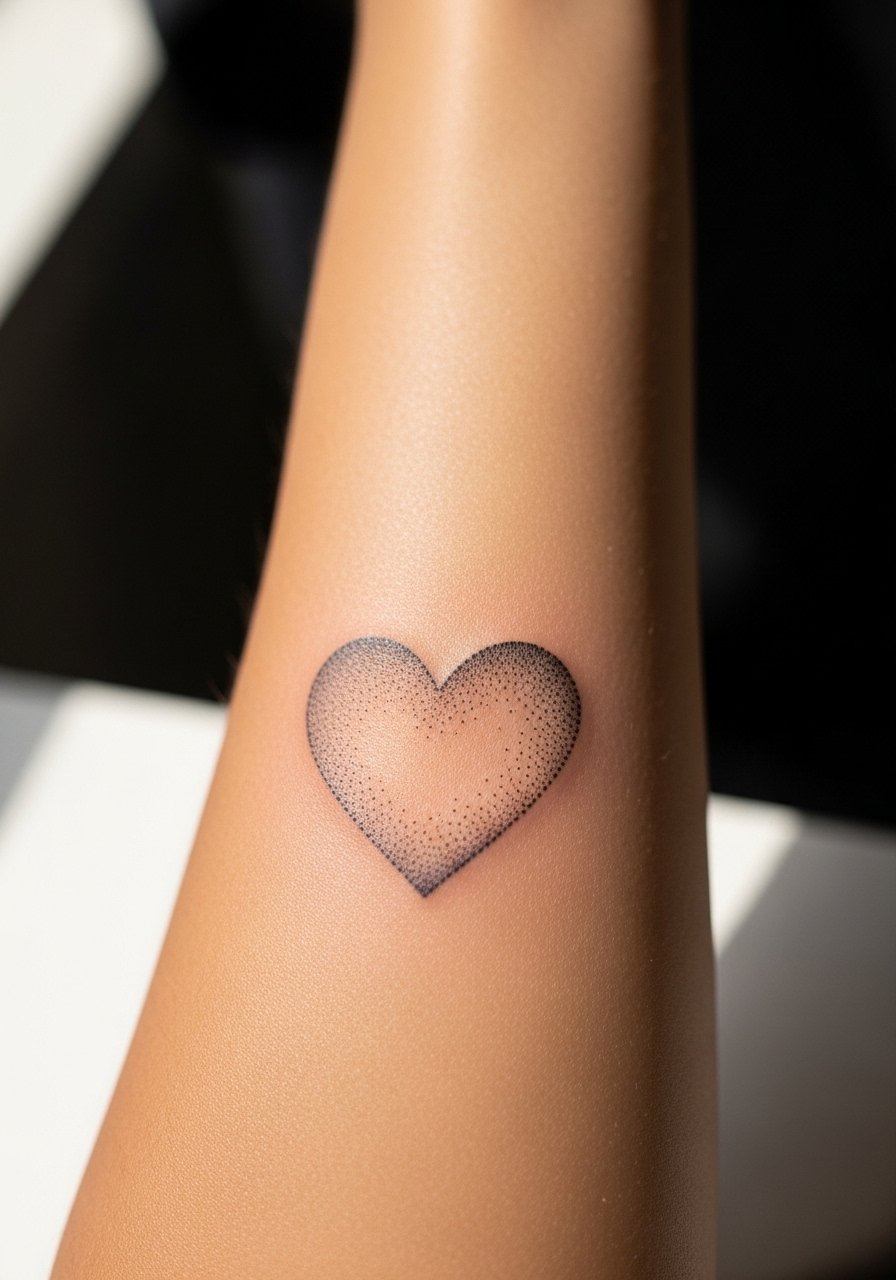
I’ve seen stipple shading age gracefully on the forearm because the skin there moves less and gets even sun exposure when unprotected. Tell your artist you want denser dot work toward the core and lighter dots at the edge to keep a soft fade that does not look muddy later. Expect mild discomfort for the inner forearm, and plan a session under two hours for a small piece. For casual wear, roll up a linen sleeve shirt so the heart sits front and center without distraction.
Studio Day Picks
The wrist, ankle, and inner forearm pieces above have different prep and friction risks than chest work, so a short kit for chair day smooths the experience.
-
Stencil transfer paper kit. Lets you preview how the heart lines sit on curved skin, which is key for ankle and wrist designs.
-
Topical numbing cream. Applied per instructions before the session helps reduce edge pain on thin-skin placements like the collarbone and inner wrist.
-
Thin protective film roll. Useful for ankle and finger tattoos that rub against socks and boot edges during the first week.
-
Fragrance-free body wash. Gentle cleansing avoids irritating dot work and fine lines while the tattoo forms a clean scab.
-
Aquaphor healing ointment. A thin layer protects delicate linework through the first 72 hours without suffocating the site.
7. Tiny Heart on the Side of a Finger
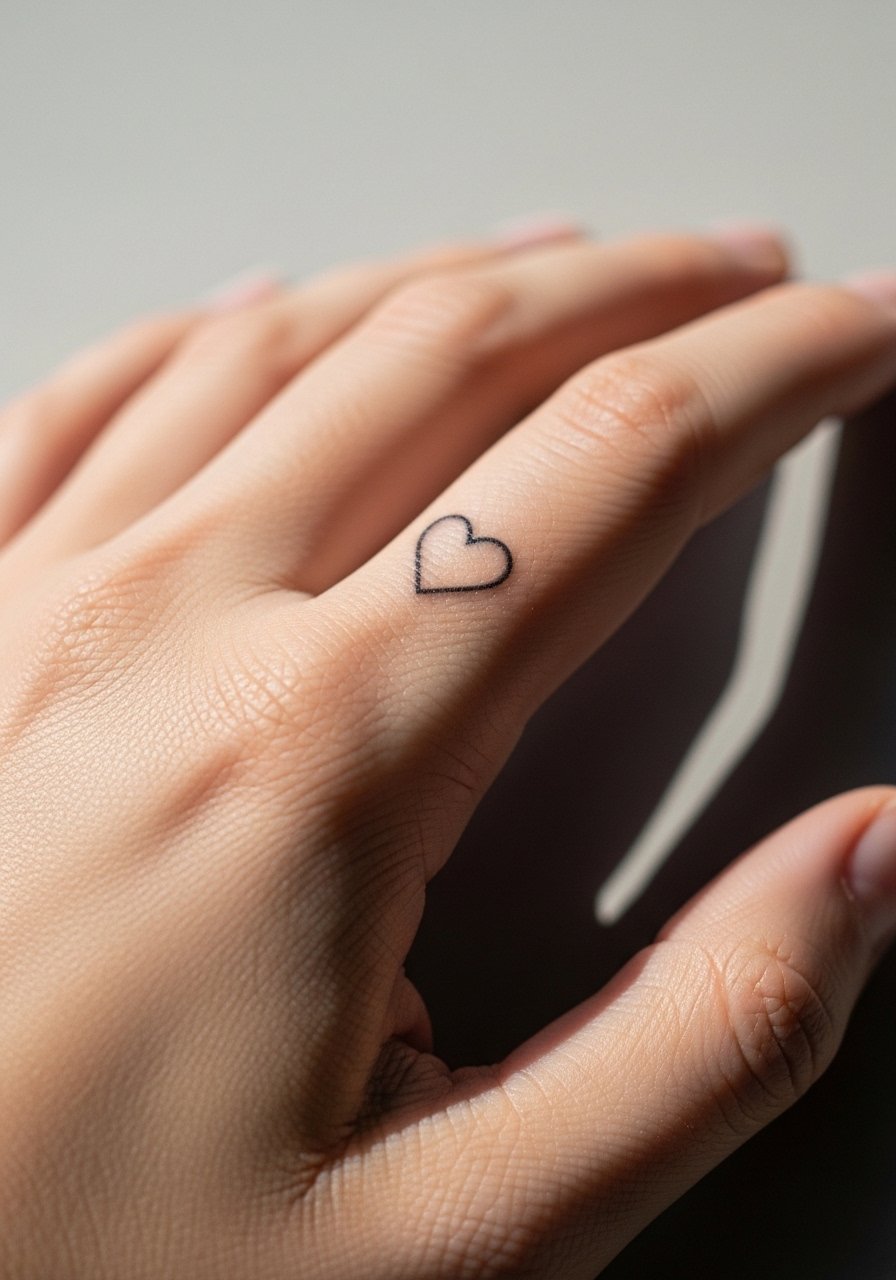
Hand and finger work split artists into two camps. One camp warns that the skin there exfoliates and tattoos blur within a couple years. The other camp says proper depth and multiple passes can hold surprisingly well. I recommend accepting the trade-off: design for potential fading and plan touch-ups. The session stings more than ankle work and touch-ups are common. For showing off a side-finger heart, pair with a thin stacking ring and a delicate midi ring set that frames the tiny shape without overshadowing it.
8. Watercolor Bleed Heart on the Upper Thigh
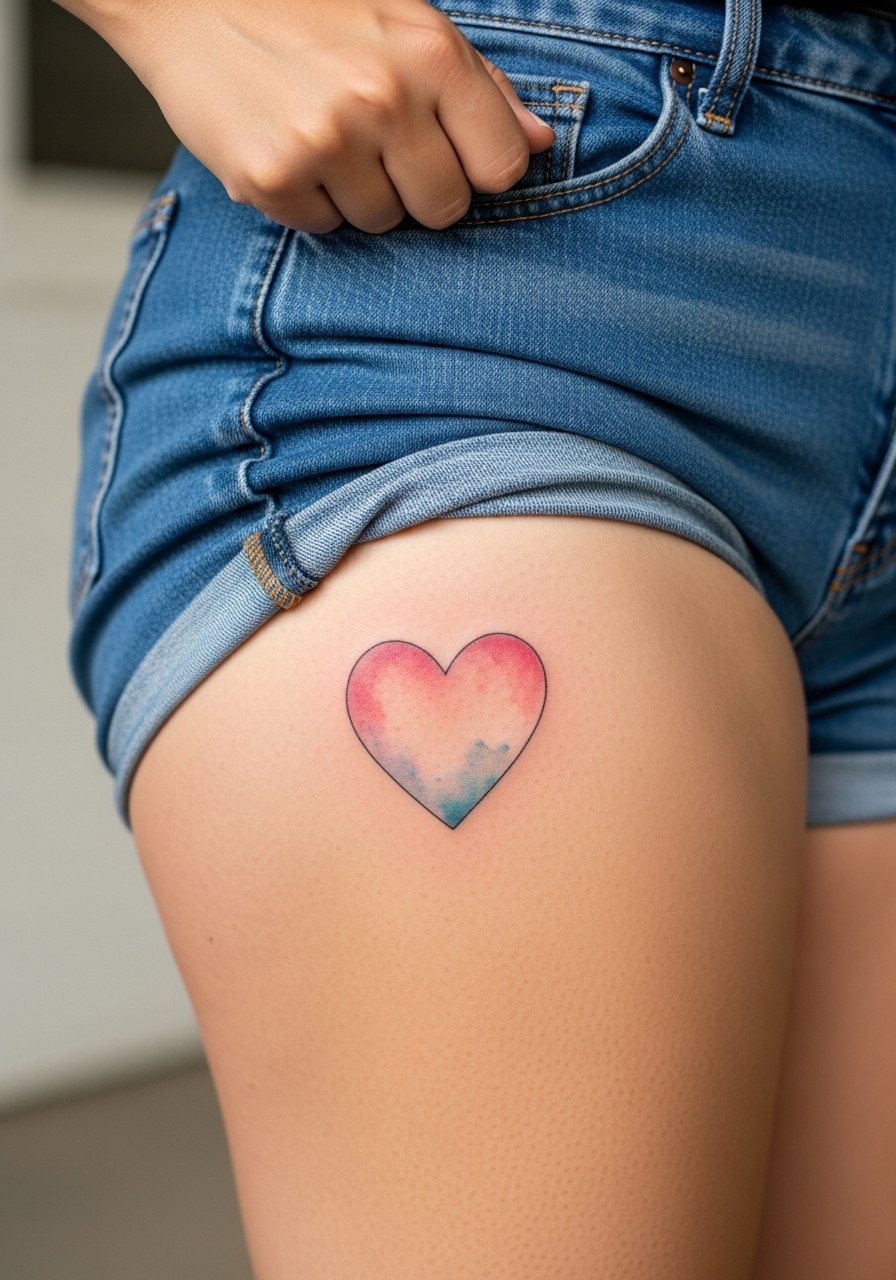
Thigh pieces sit in a lower-friction zone and handle color well, but the common mistake is asking for excessive watercolor washes with no saturation anchor. Ask for a subtle outline or slightly denser center so the wash retains definition after the first year. The session is comfortable for most people and can run longer if you want multiple shades. For the session, wear loose drawstring shorts so the artist can easily access the area without you feeling exposed.
9. Split Heart Linework Across the Sternum
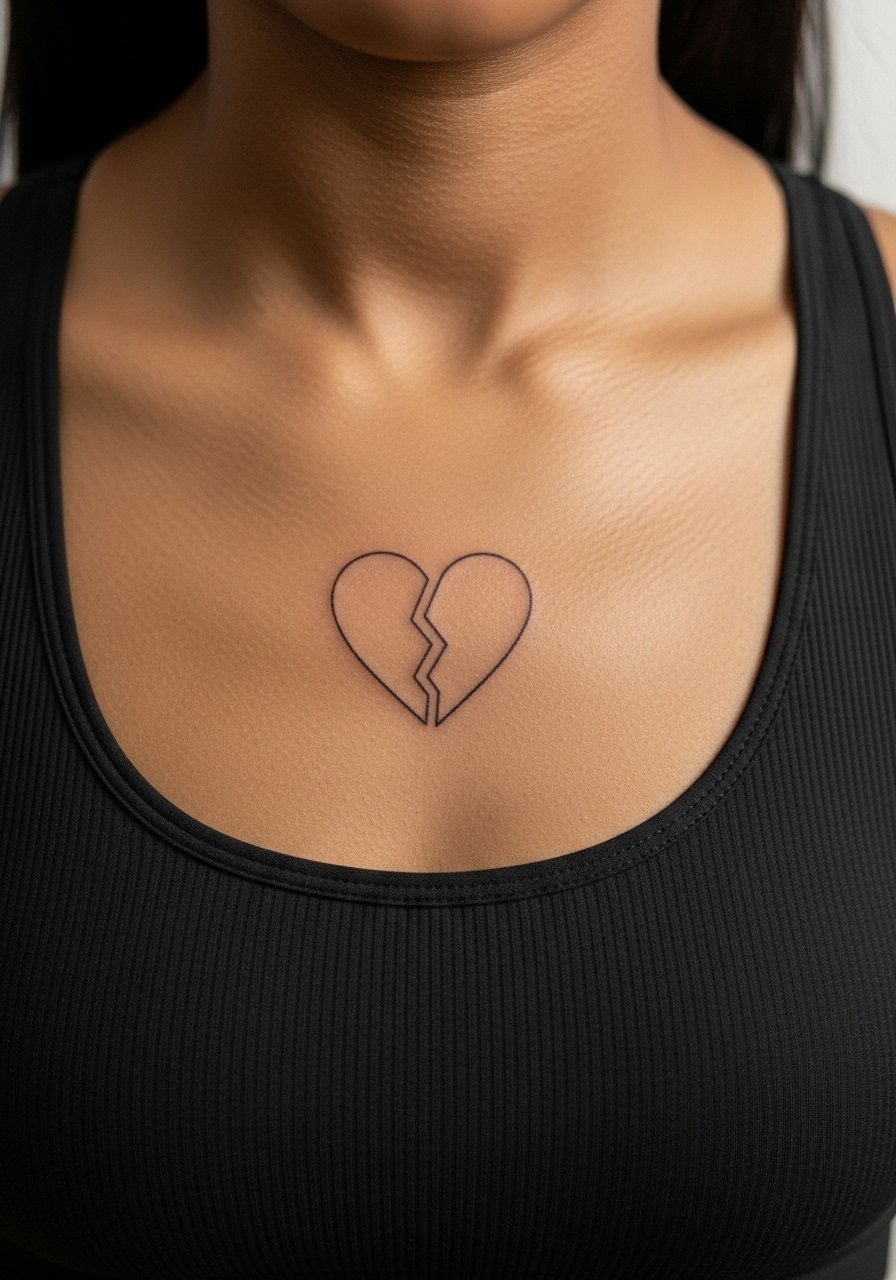
Sternum placements demand a specialist touch because the skin flexes with breathing. When you consult, say you want even pressure across both sides of the chest so the split line matches even on motion. Pain is higher here and sessions are often interrupted for breaks. For the session, a supportive racerback sports bra keeps things comfortable and accessible. Be aware some artists hesitate to do ultra-fine single-needle work on the sternum because of movement and salt exposure.
10. Blended Heart and Floral Wreath on the Upper Arm
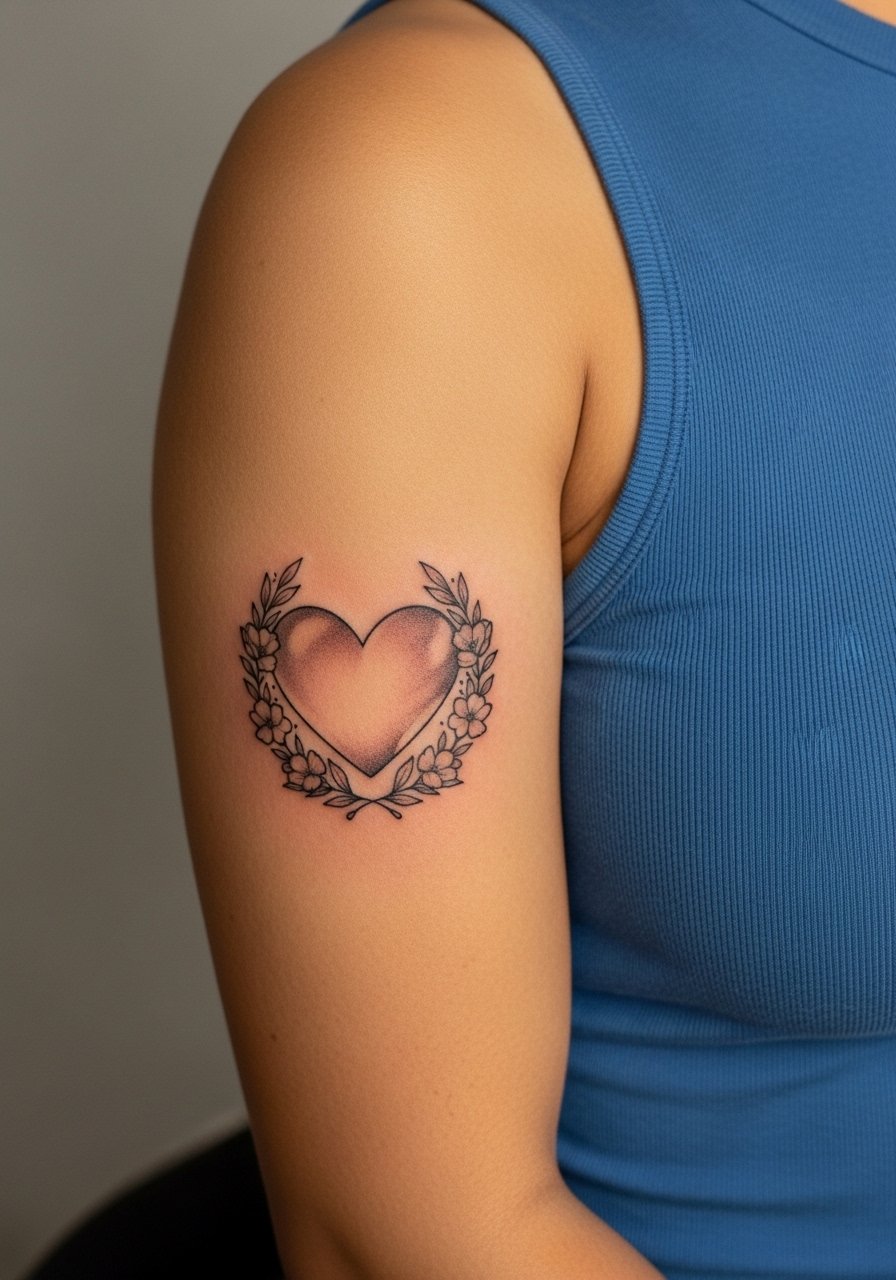
There is visual payoff when a soft heart nests inside a wreath because the floral shapes provide spacing and protect the heart from blowout. Ask for stipple shading in the flowers and slightly bolder anchor points at the wreath intersections so the silhouette holds as the lines soften. The session feels moderate and often fits a single appointment if the size is small. For everyday style, pair with a rolled sleeve linen shirt so the wreath sits naturally when you lift your arm.
11. Tiny Broken Heart on the Ribcage
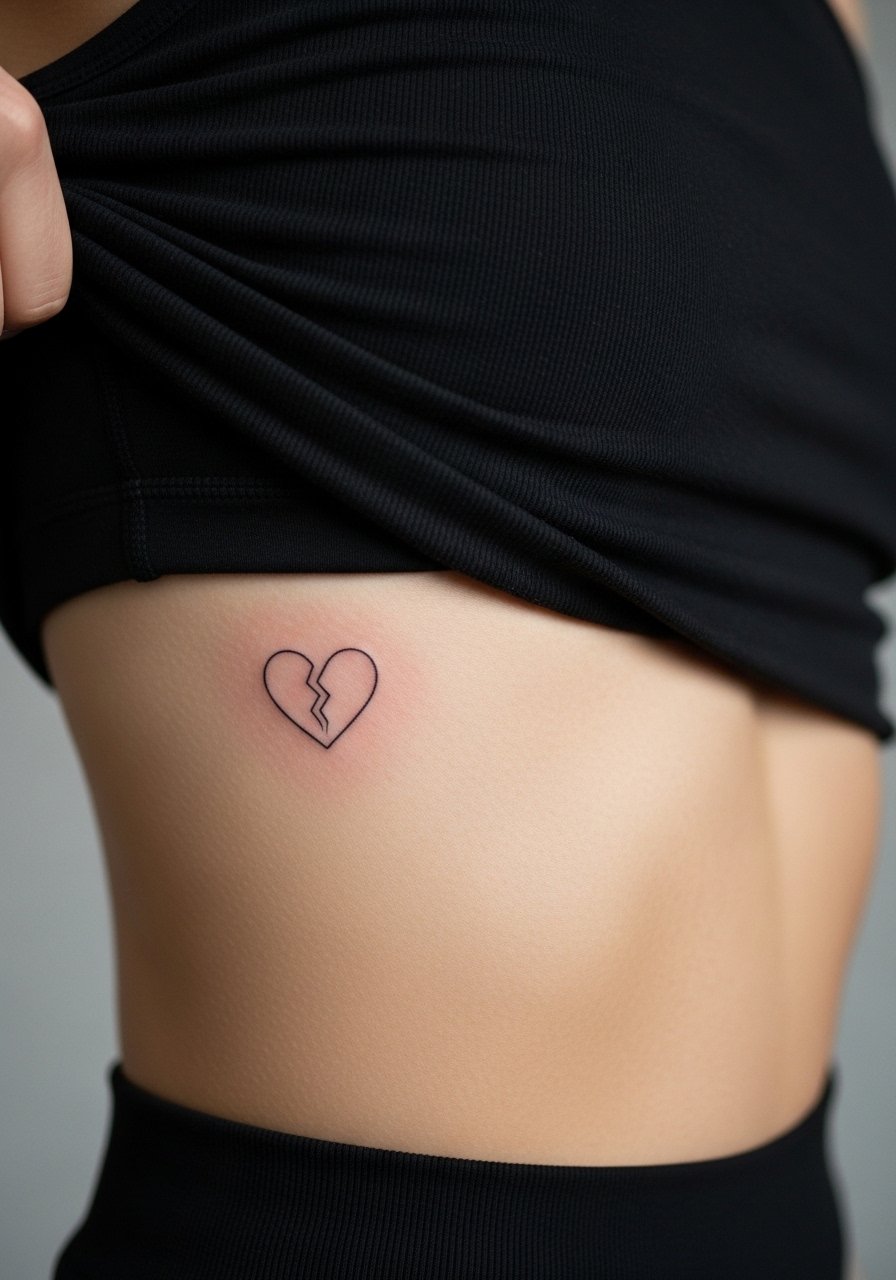
Artists split on fine line on ribs. One group argues the stretchy, moving skin will blur lines within years. The other group says with correct needle depth and spacing, fine line can settle fine. My advice is to ask the artist which camp they fall into and consider a slightly bolder contour if you want longer-term crispness. Pain on the ribs rates high and sessions may need breaks. For the appointment, wear a crop top you can lift so the artist works without exposing more than the local area.
12. White Ink Soft Heart Accent on the Shoulder
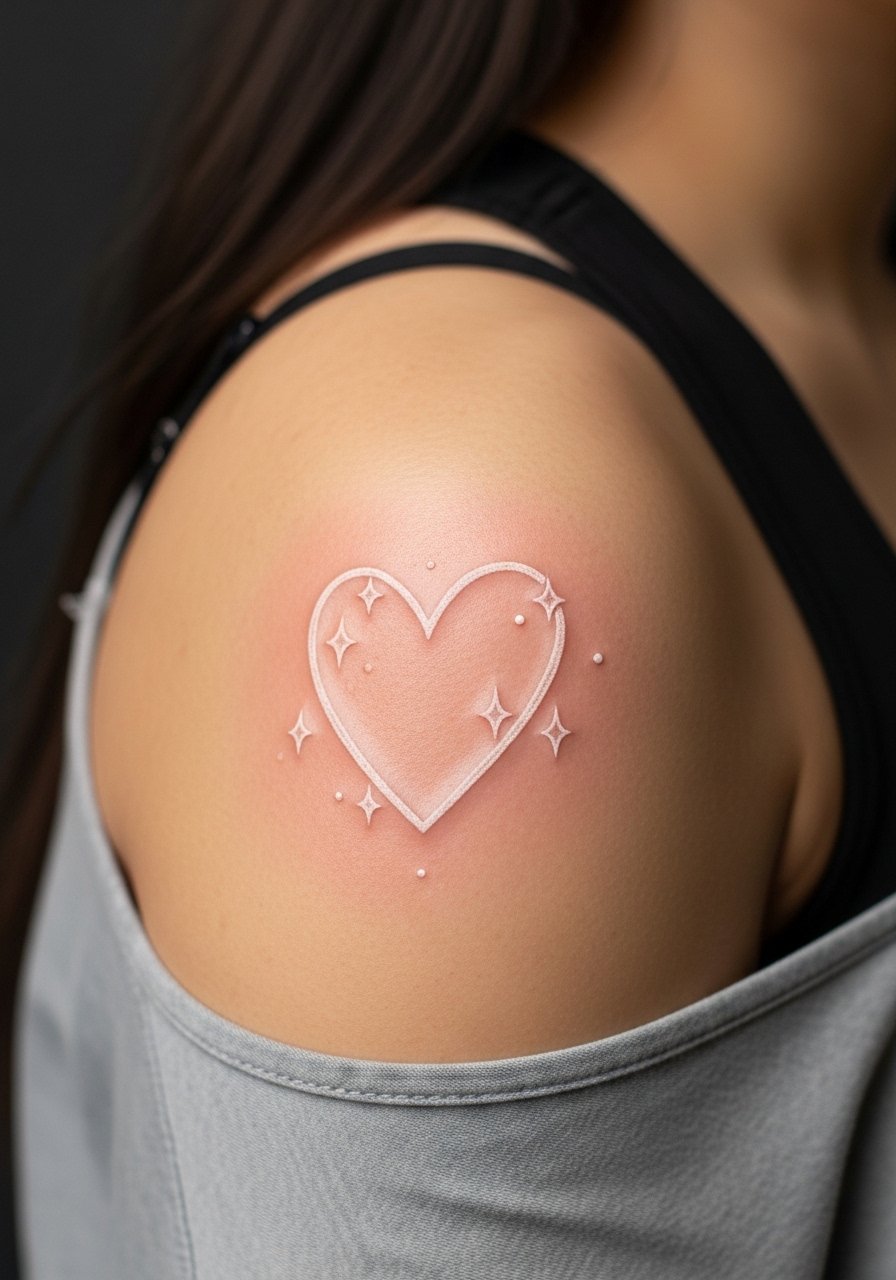
White ink gives a luminous pop but loses contrast faster on darker skin if overused. Ask for white as an accent rather than the primary tone so it reads as highlight and not the whole shape. Expect low to moderate pain and a session under an hour for a small accented piece. For styling, wear a loose tank top that shows the shoulder without pulling on the skin.
13. Heart Locket with Tiny Script on the Inner Bicep
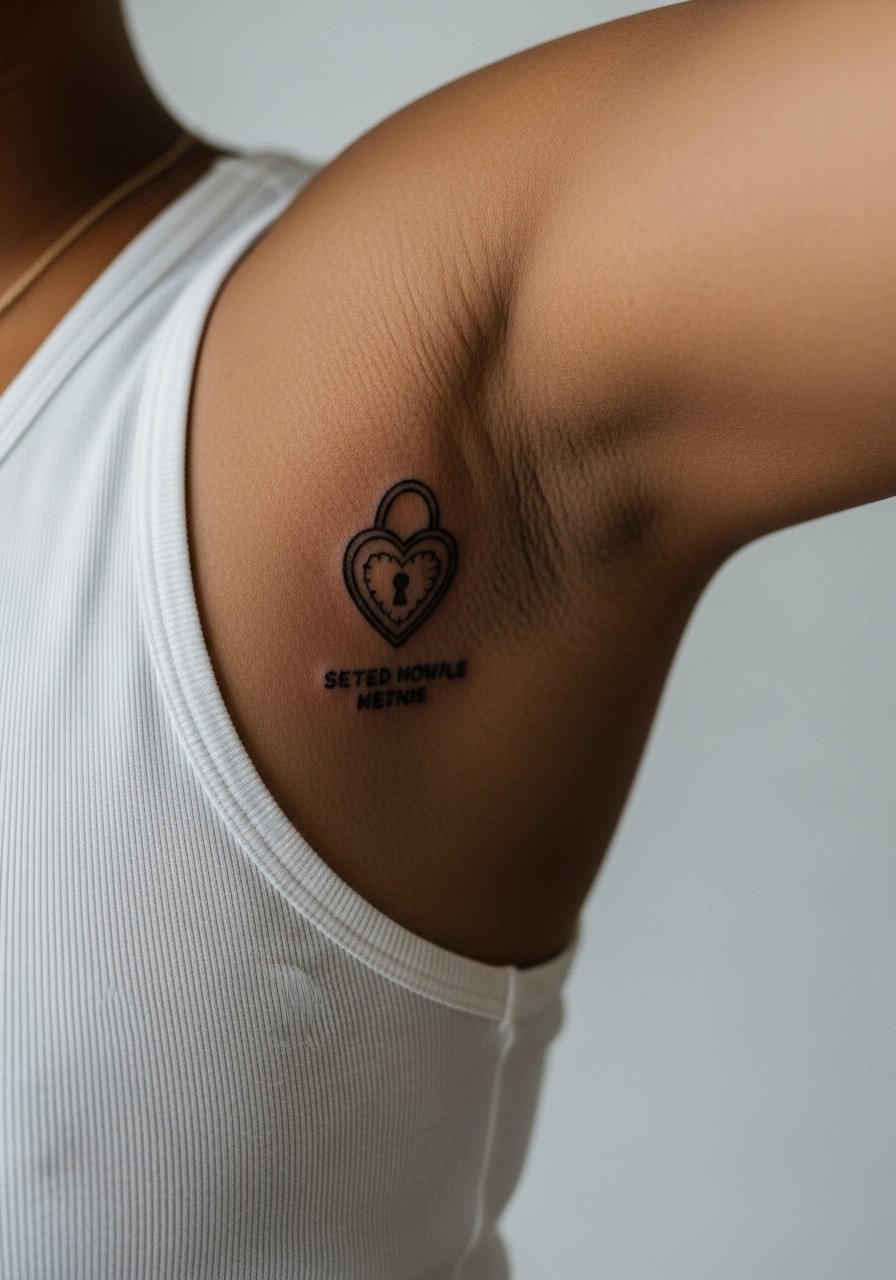
When you add script to a heart, insist the artist write the exact lettering at the size you want, then view the stencil on skin before needle-down. Text can blur if too small, so a common mistake is insisting on micro-lettering under four points in size. Inner bicep sessions feel more sensitive because the skin is thin; plan for short breaks. For the session wear, a sleeveless button-down makes access easy and keeps you comfortable.
14. Tiny Heart Filled with Dot Work on the Calf
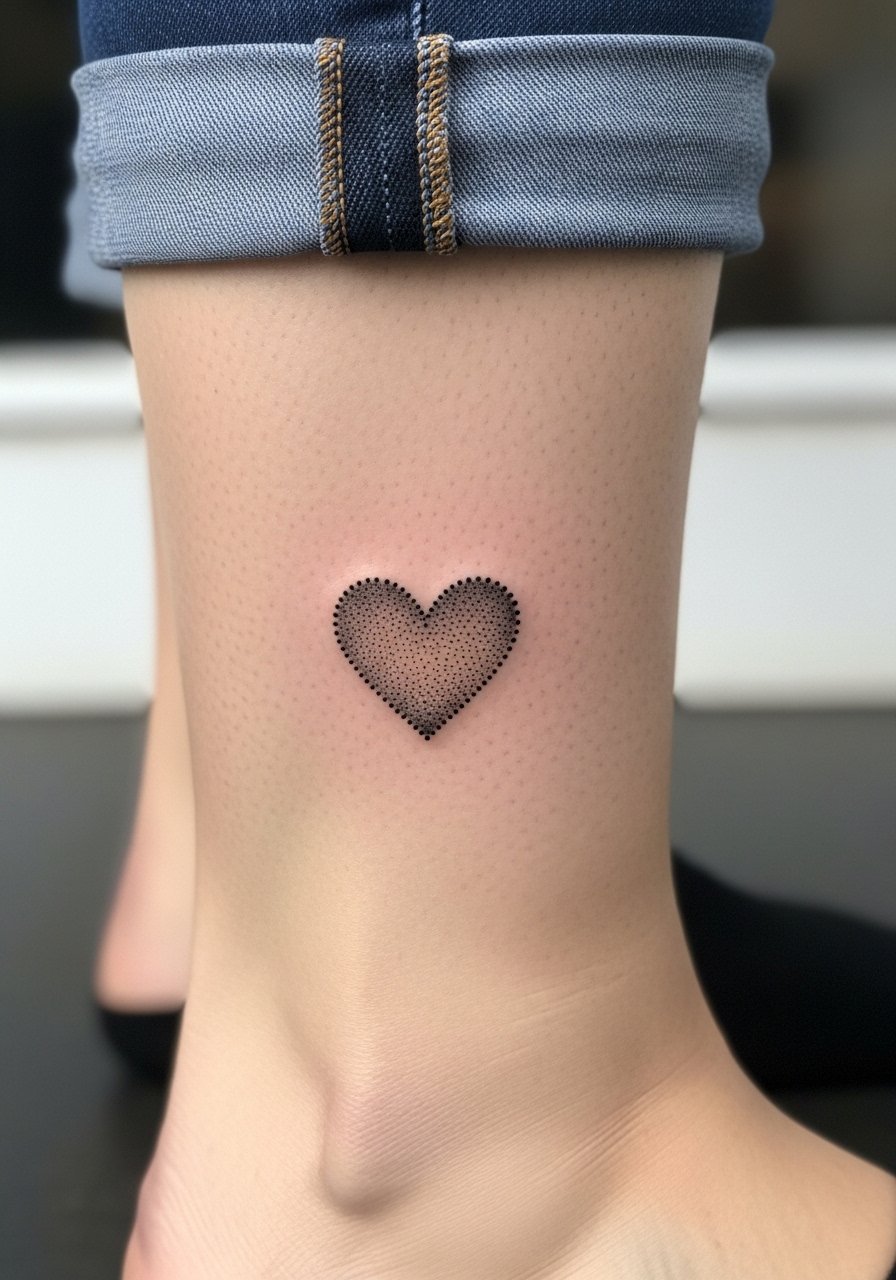
Calf placement keeps dot work readable because the surface is broad and infrequently rubbed. Tell your artist you want dot density higher in the center and softer toward the edge so the heart reads like a soft glow over time. Sessions are comfortable and healing is straightforward. For pairing, a low-cut ankle boot or sandal frames the calf and keeps attention on the art without crowding it.
15. Tiny Heart and Arrow on the Wrist Wrap
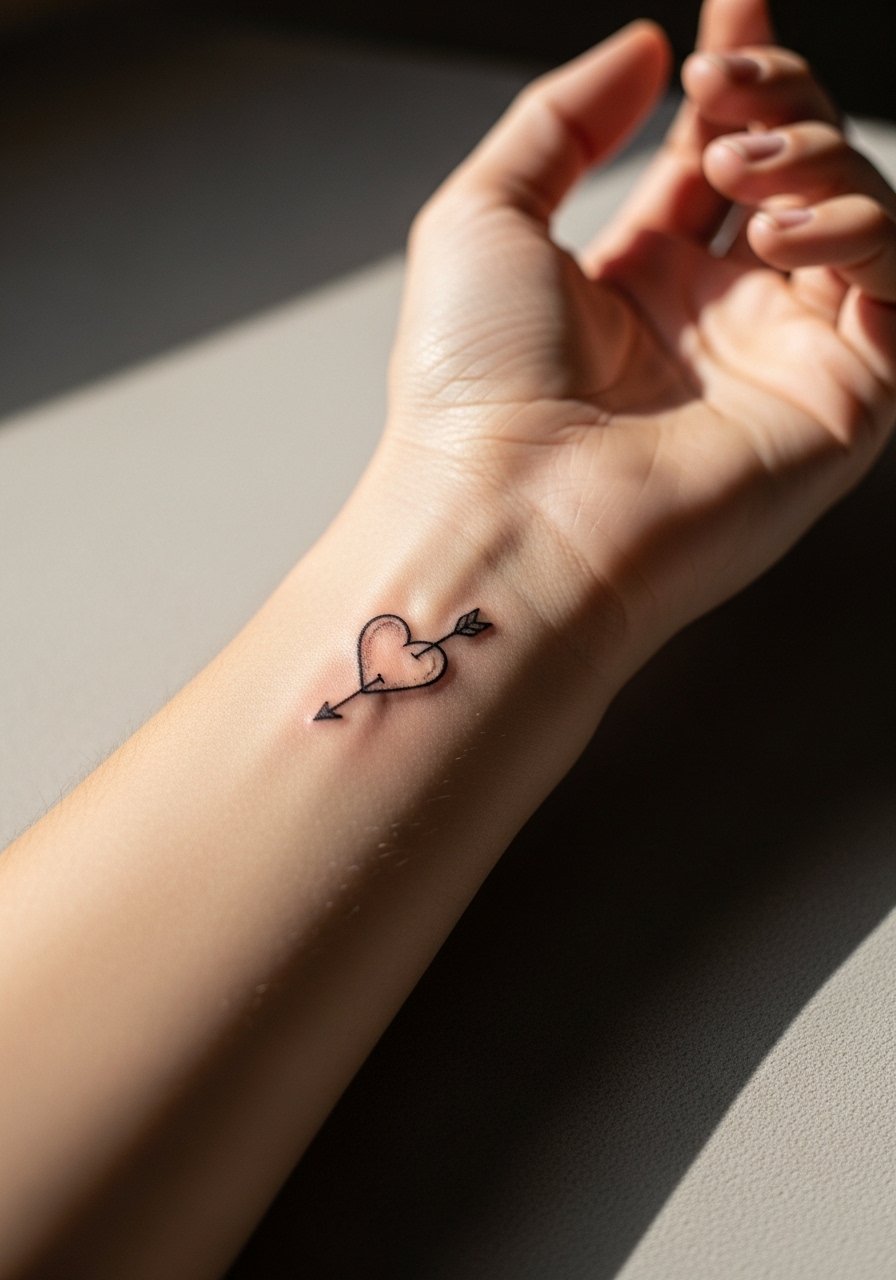
The wrist wrap holds graphic punch, but the frequent mistake is compressing the arrow and heart too small. Ask for a slightly longer arrow shaft and room for the heart to breathe so the composition still reads when lines soften. Expect a tingle during the session and light scabbing for a week. For day-of comfort, wear a loose long-sleeve shirt you can push up and roll without tugging the wrist.
16. Soft Heart Lock with Keyhole on the Sternum Edge
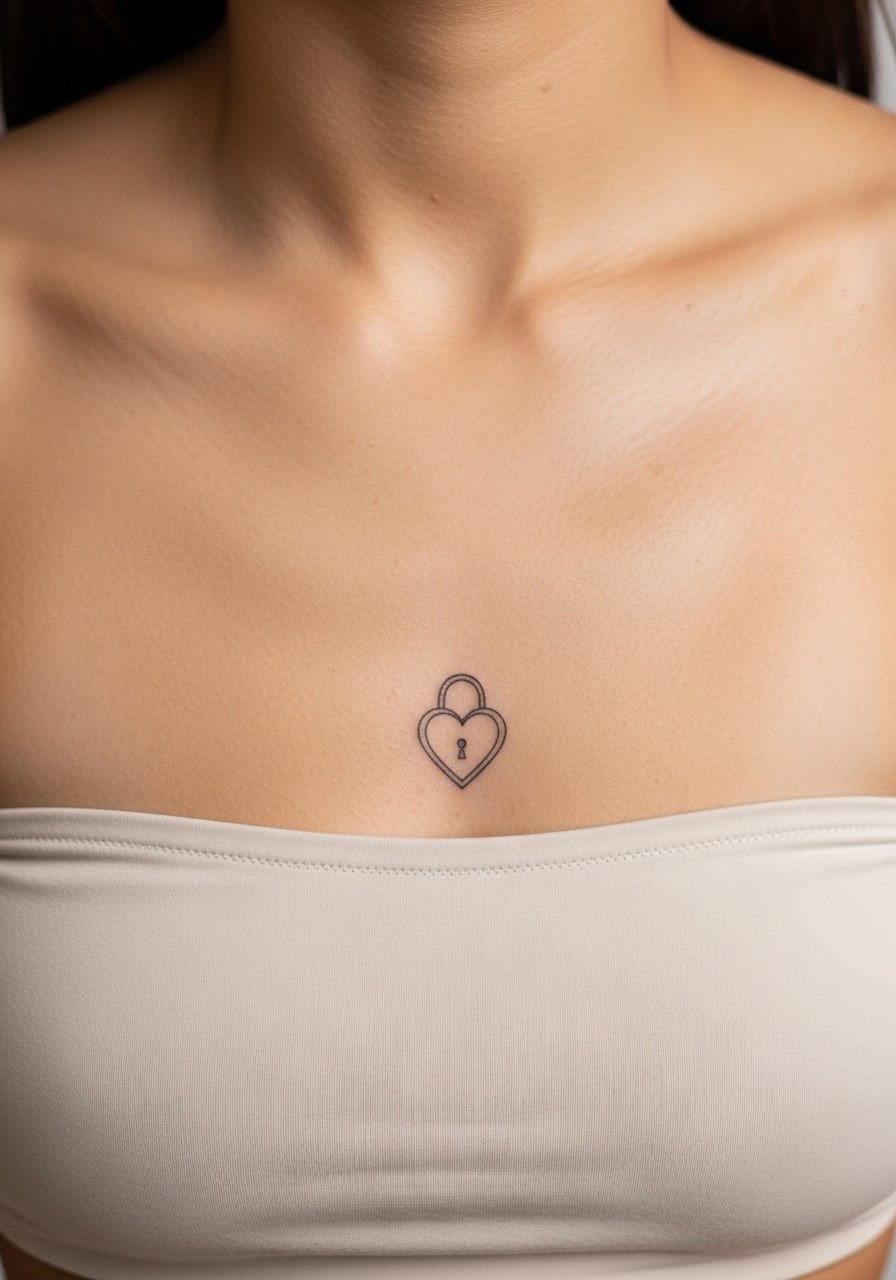
This placement reads intimate and deliberate, but the sternum area flexes and can make tiny details merge. A mistake is asking for an ultra-tiny keyhole that will disappear in motion. Ask for a slightly larger keyhole with a bolder rim so it stays legible. Sessions can be painful and often include short pauses. Consider a fitted bandeau or sports bra for the session so the artist has clean access and you feel supported.
17. Heart Outline with Minimal Color on the Back of the Neck
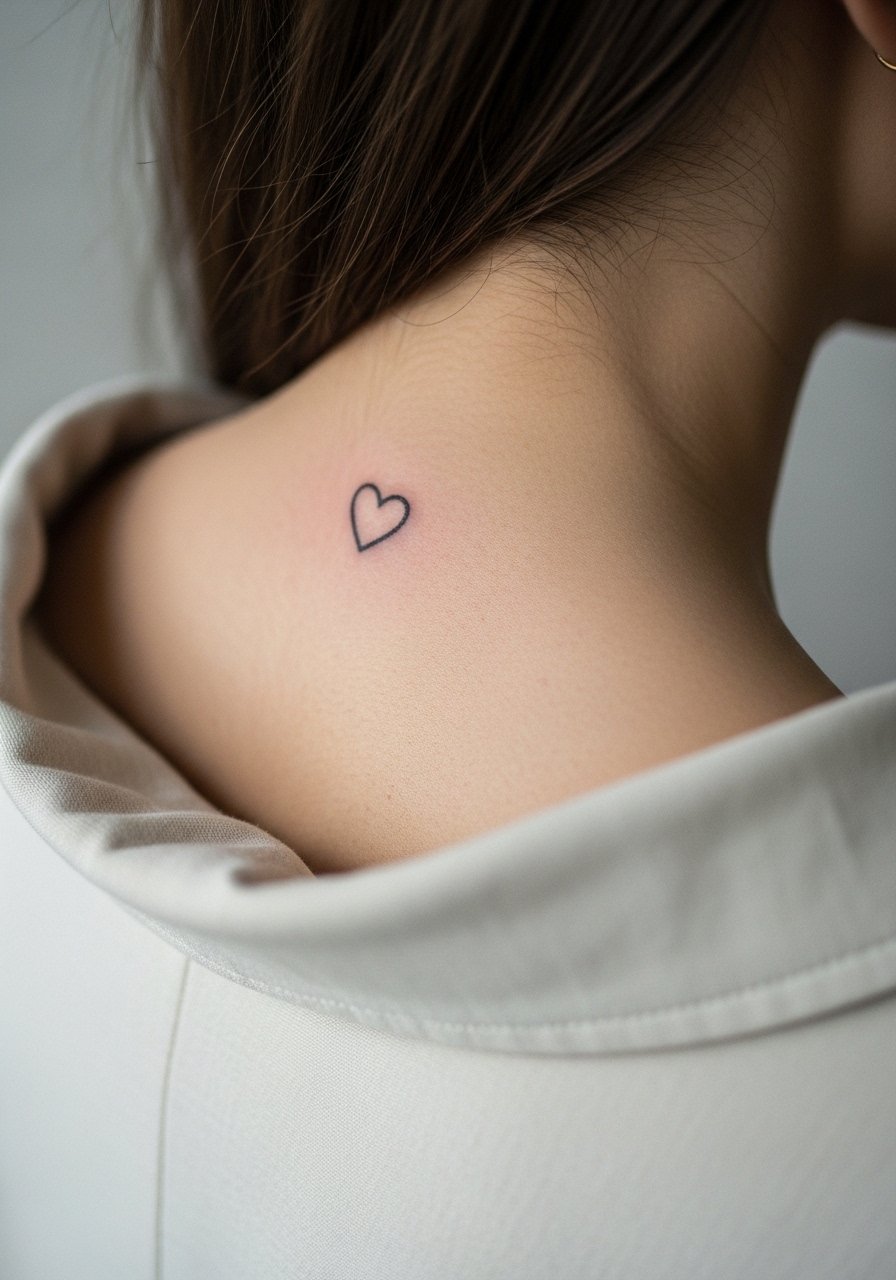
Neck work is visible and requires an artist comfortable with tiny placements that face sun exposure. A common mistake is choosing ultra-thin lines without planning for sunscreen later. Ask for a slightly denser contour so the heart reads from a short distance after a year of sun. Pain varies and sessions are typically brief. For showing it off, wear a wide-neck sweater or shirt that subtly frames the back of the neck.
18. Watercolor Heart with Faint Black Outline on the Ribcage
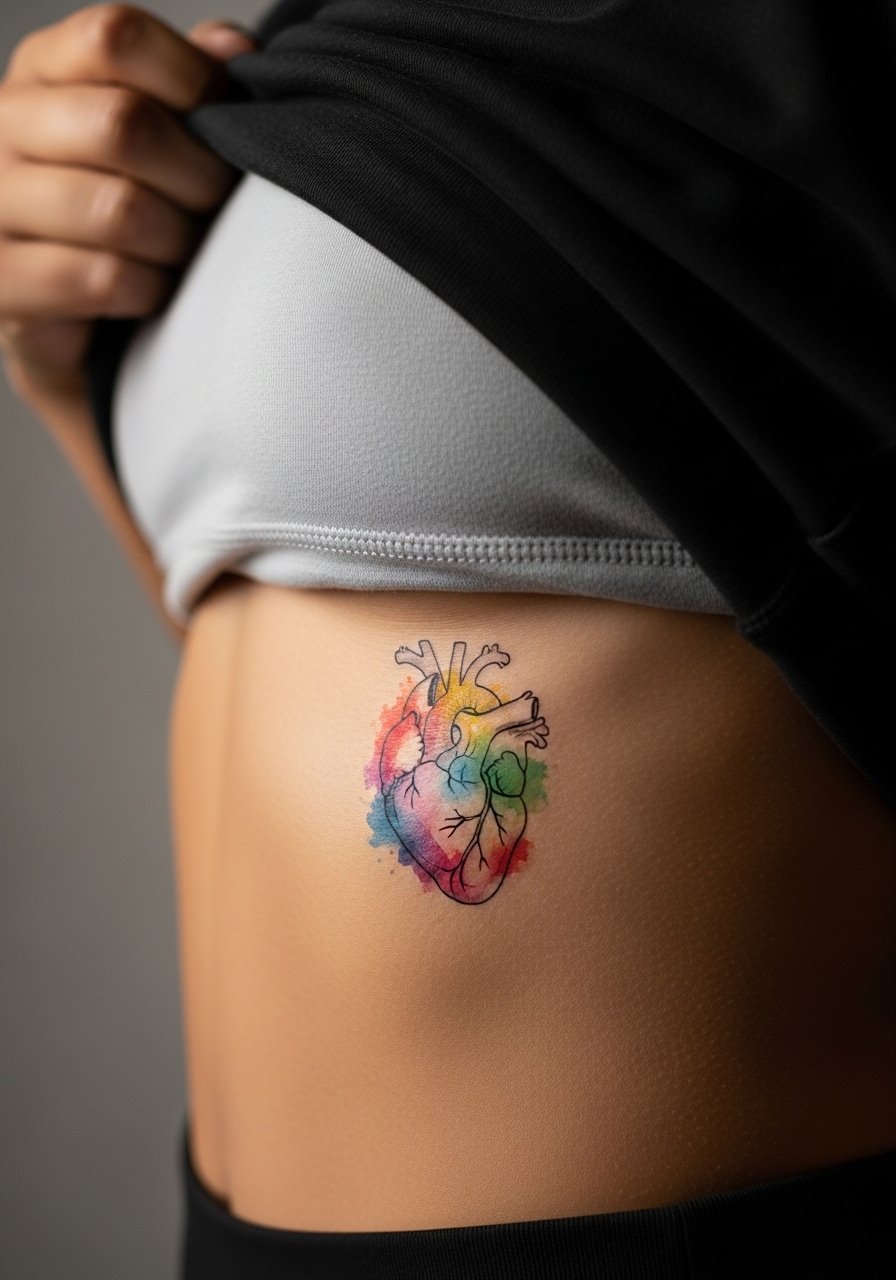
Watercolor on the ribs can be gorgeous, but the debate is loud about longevity. One camp says the ribs’ movement wrecks soft washes fast. The other camp says a faint black outline and slightly increased saturation will hold the shape while honoring the watercolor aesthetic. Ask the artist which approach they trust for your anatomy. Prepare for a high-pain session and wear a cropped top you can lift to keep the area focused and covered elsewhere.
19. Small Beating Heart with Subtle Motion Lines on the Chest
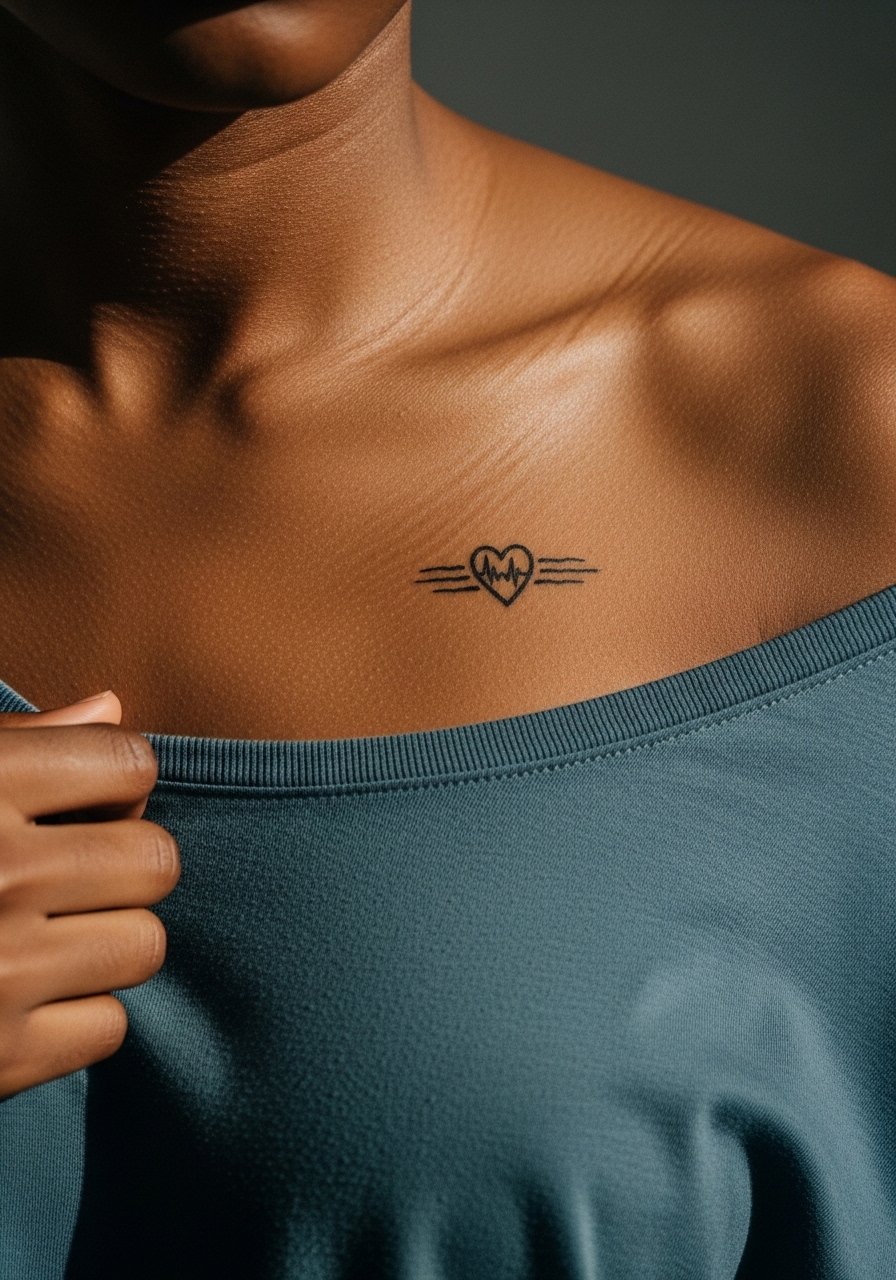
A tiny "beating" heart effect reads playful, but if motion lines are too tight to the heart they can thicken into a blob with time. Tell the artist you want spacing between motion marks and the core, and ask for moderate line weight on the outer marks. The chest takes moderate pain and sessions are short. For layered looks, a thin chain pendant sits above the tiny heart without obscuring it.
20. Layered Minimal Hearts Along the Spine
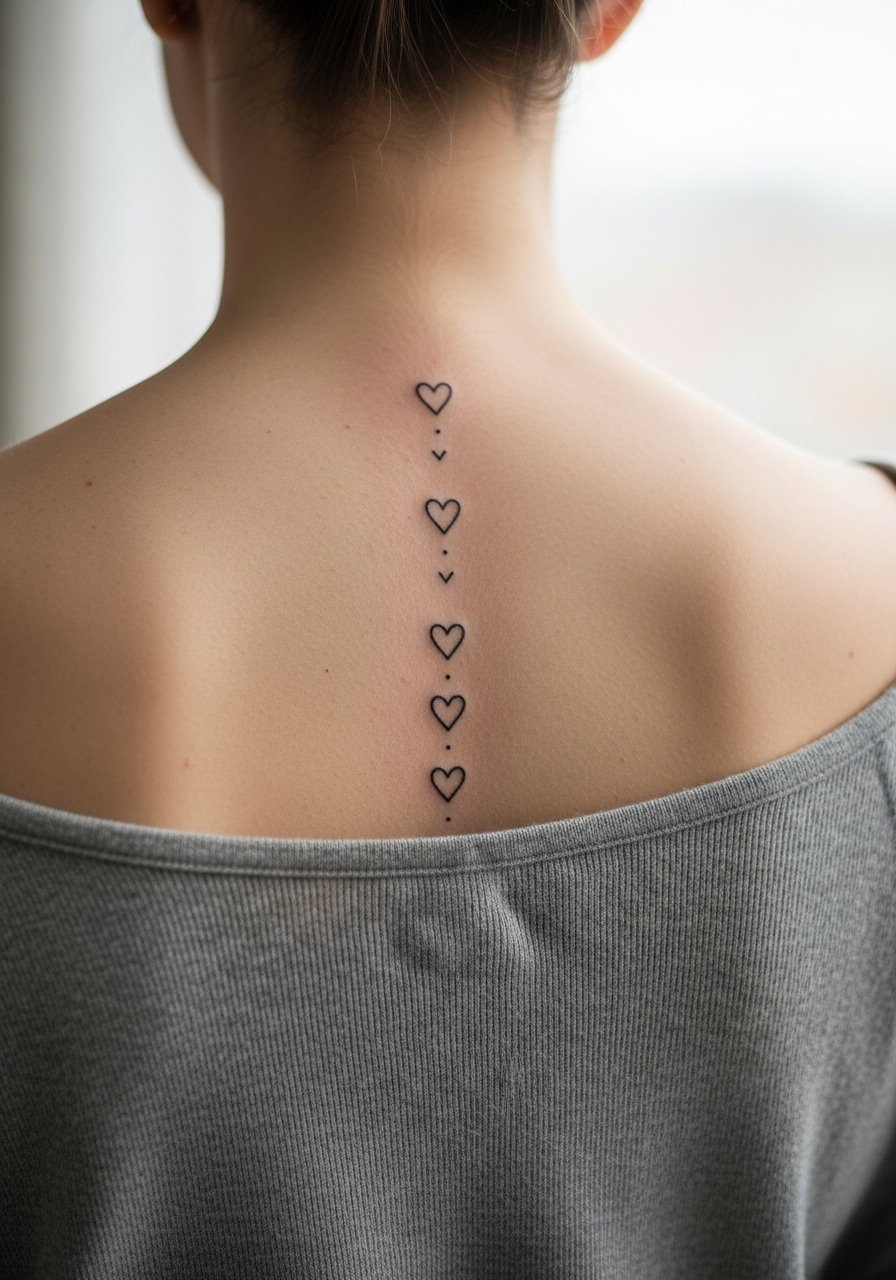
Spine pieces age well if spacing is respected because gravity and movement pull evenly. I advise spacing each heart with at least half a centimeter gap and slightly thicker anchor points on the top and bottom lines. Sessions may be split across short sittings if you want more than three hearts. For showing it off, an open-back top makes the sequence the focal point without exposing too much skin.
21. Tiny Heart with Geometric Halo on the Outer Thigh
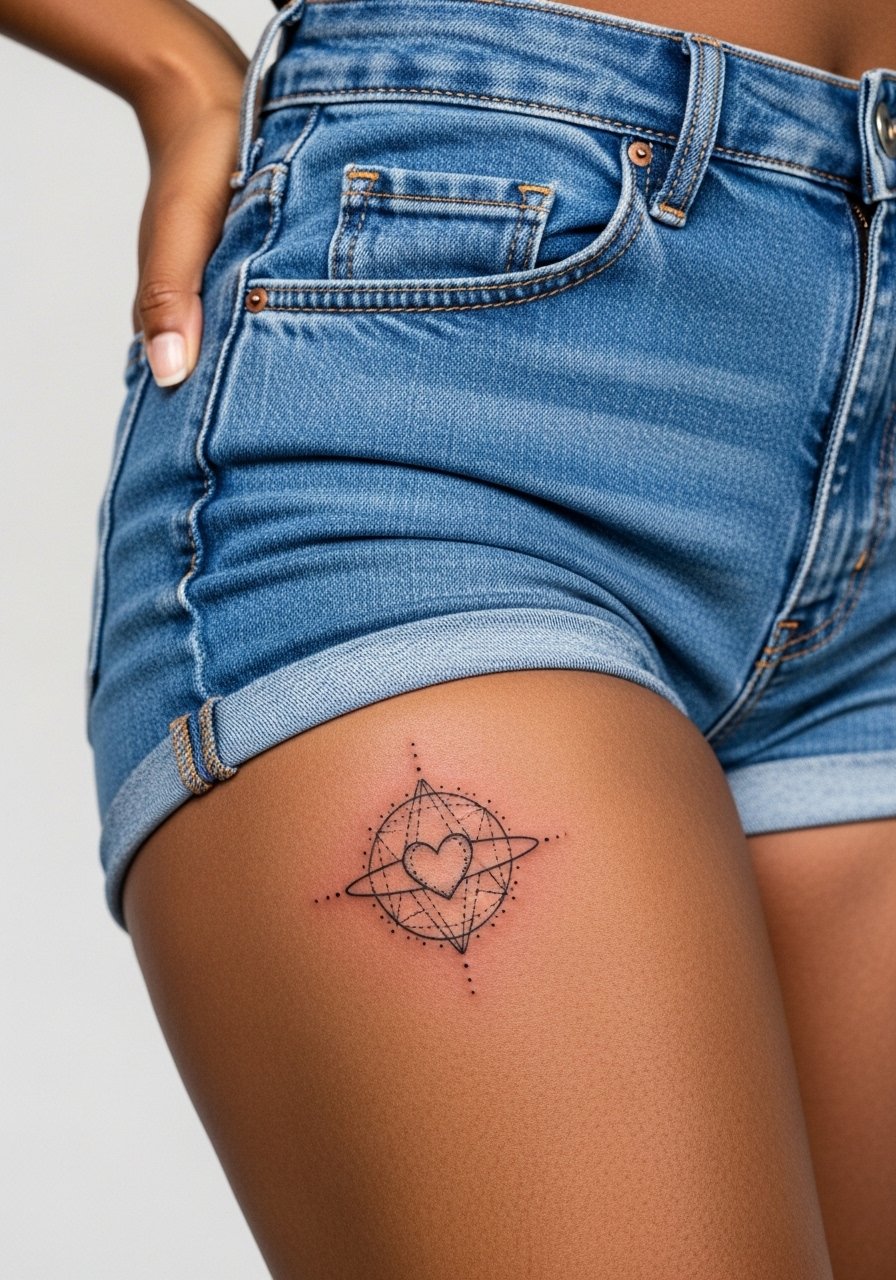
Outer thigh is forgiving for geometry because the surface is flat and experiences less abrasion. The usual mistake is compressing the halo too close to the heart. Ask for breathing room between the shapes so the lines do not merge after a couple of years. Sessions are comfortable and often allow more elaboration than ankle or wrist work. For casual wear, a high-waisted skirt or shorts frames the area without cutting across the design.
22. Tiny Heart with Whip Shading on the Calf
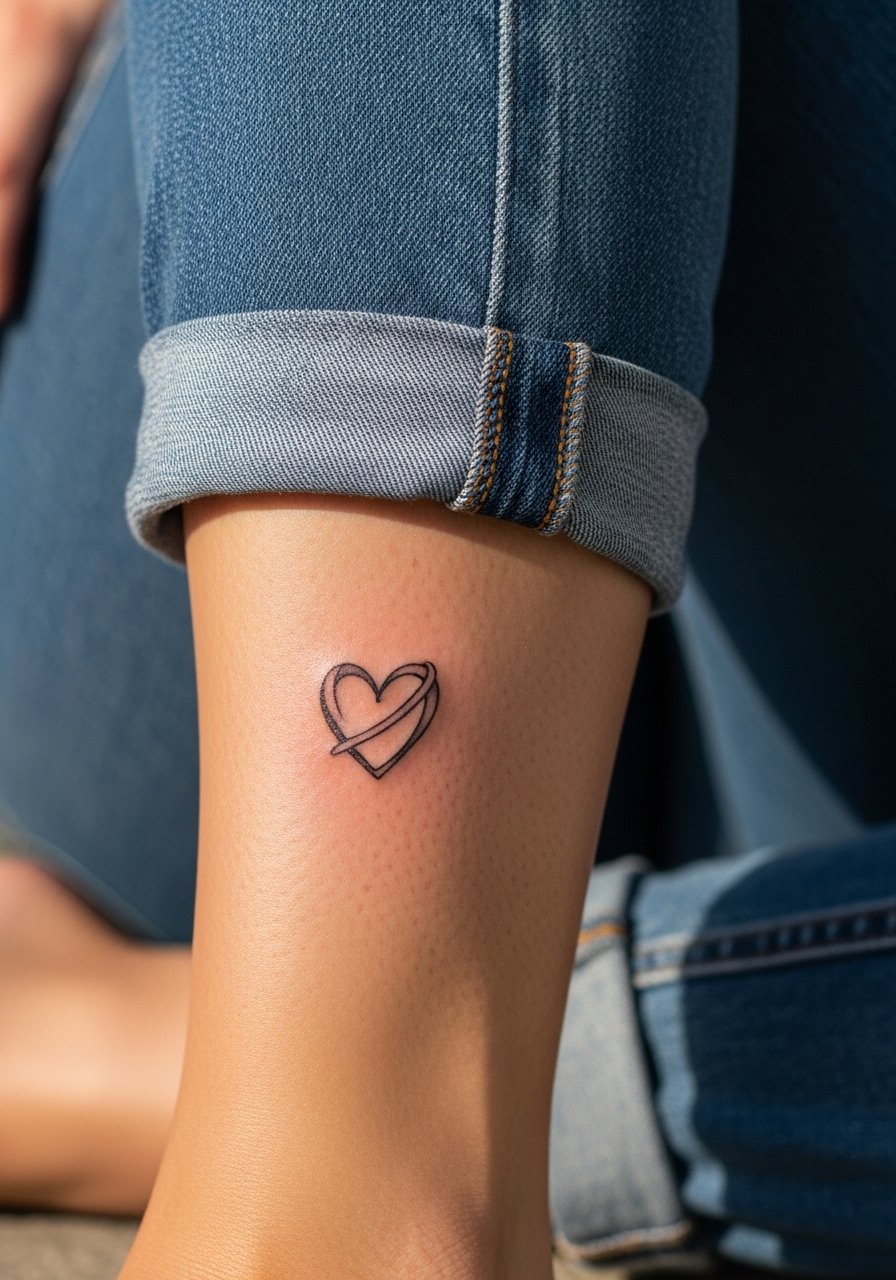
Whip shading gives a soft gradient that can age smoothly when executed with spacing in mind. A common error is densifying the whip shading too close to the outline, which leads to muddy edges. Ask your artist for light whip strokes that feather into the skin rather than cluster at the border. Calf sessions are low on pain and heal predictably. Pair with a simple ankle sandal to keep the silhouette visible.
23. Tiny Interlocking Hearts Behind the Ear
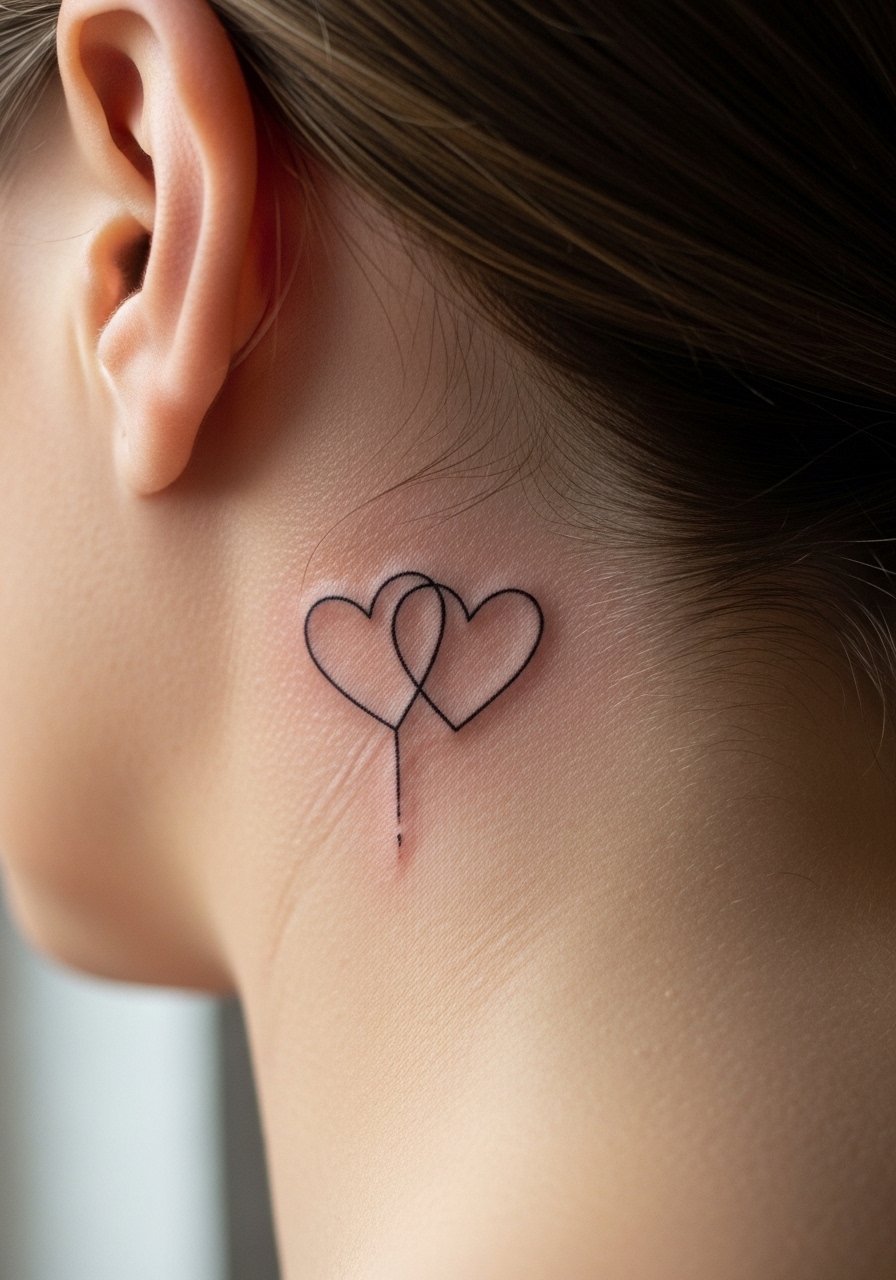
Behind-the-ear tattoos require close cropping and a careful stencil because visibility is limited and hair can obscure detail. The mistake I see is asking for super-fine lines that disappear under hair or shampooing. Request a slightly thicker outline and check the stencil with your head tilted the way it will sit naturally. Sessions are short but the area is sensitive. For after the session, use a gentle silk scarf when sleeping to avoid friction, and consider a small thin chain earring that plays with the spot.
24. Heart Mandala Fusion on the Shoulder Blade
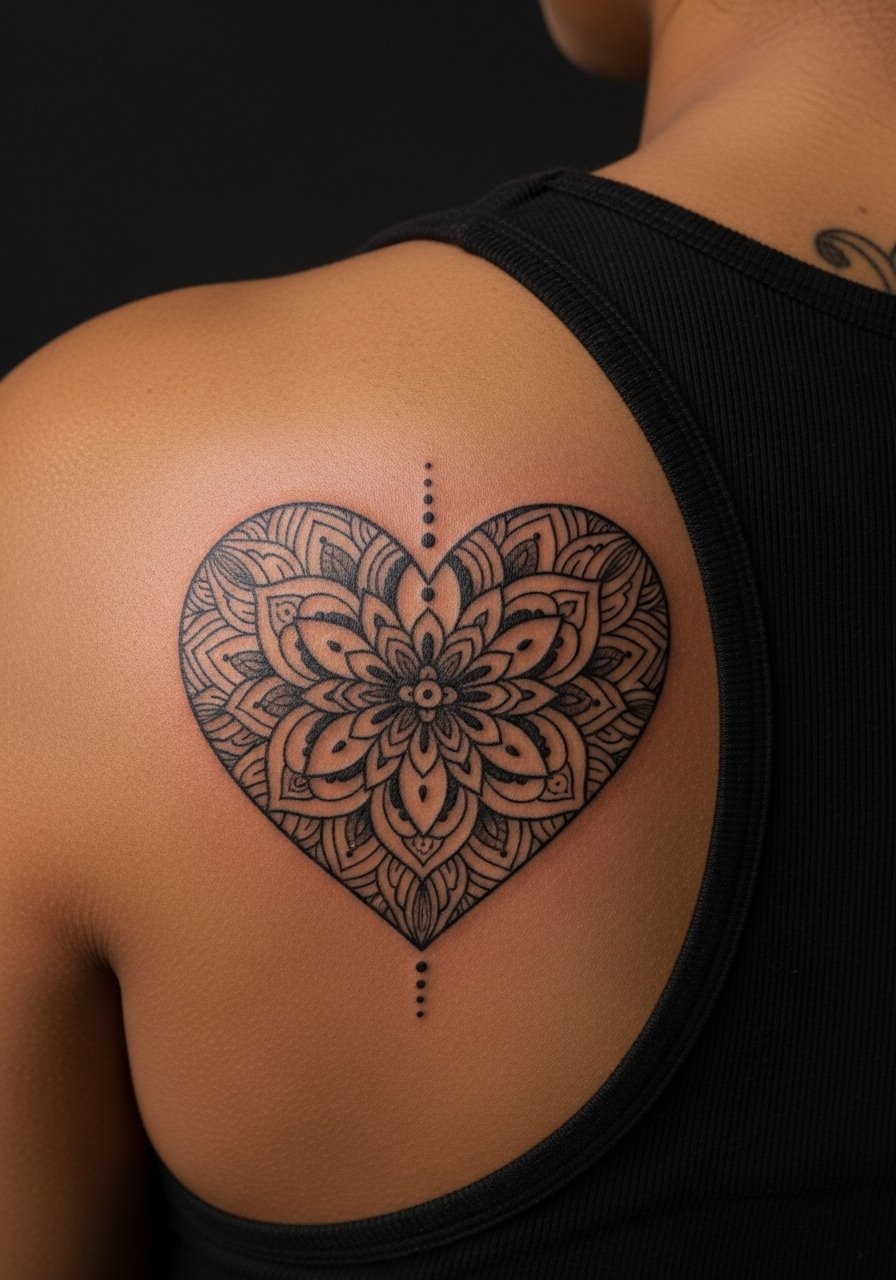
Mandala forms near hearts give structure that helps the motif age. Commonly, people compress the mandala too densely into the heart shape which leads to blowout in crowded areas. Ask the artist for radial spacing and a mix of stipple and linework so the mandala reads at distance and keeps detail up close. Shoulder blade sessions are a comfortable spot for longer work. For styling, a tank top that reveals the shoulder blade shows off the symmetry without distracting.
25. Tiny Locked Heart on the Side Hip
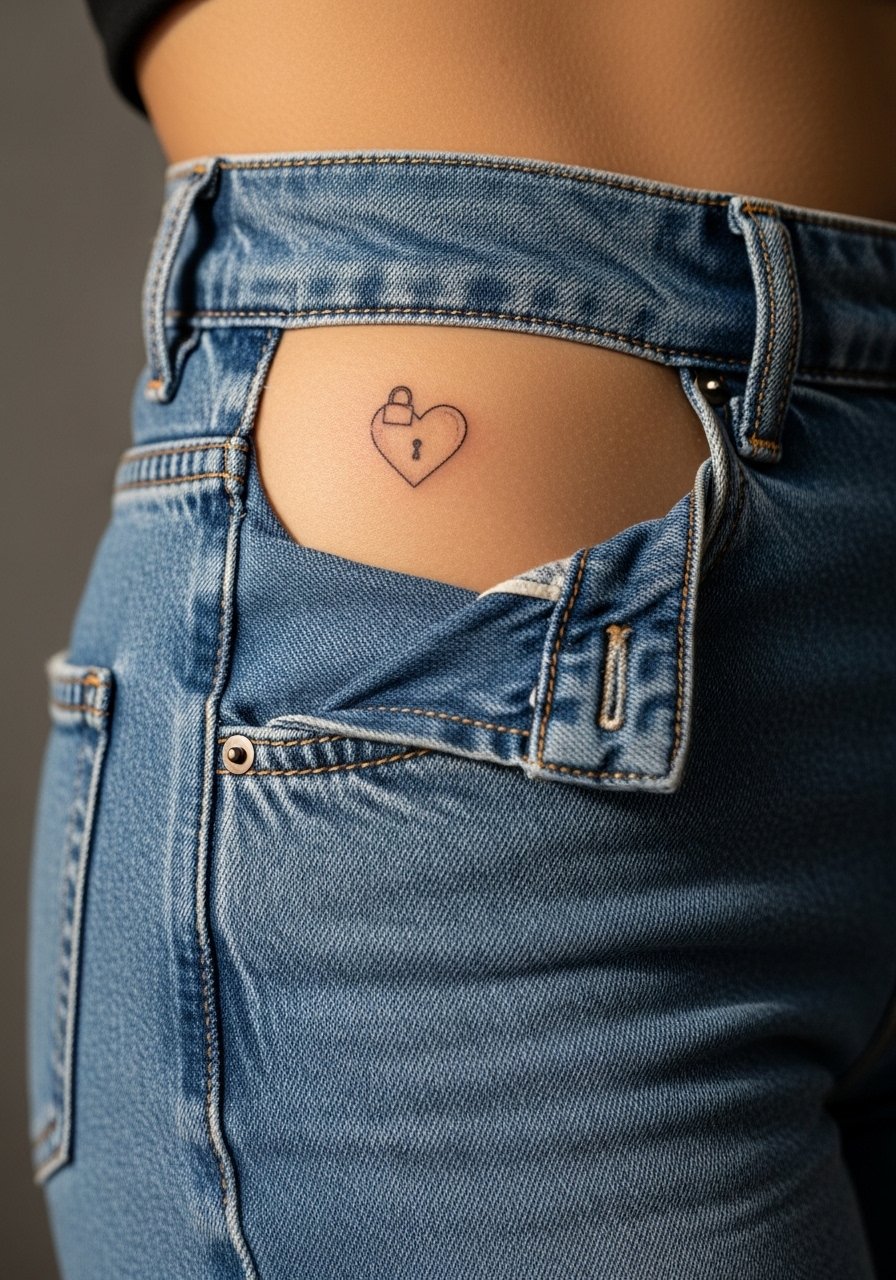
Hip tattoos need a clothing plan for the session because getting in and out of tight bottoms can stretch the area. For the appointment, wear high-waisted garments you can shift without contorting. Ask the artist to place the lock slightly higher on the hip pad to avoid seams that rub. Healing is smooth but friction from waistbands can affect scabbing. A high-waisted jean or skirt that sits below the tattoo works best during the first two weeks.
26. Tiny Heart Script Stack on the Inner Wrist
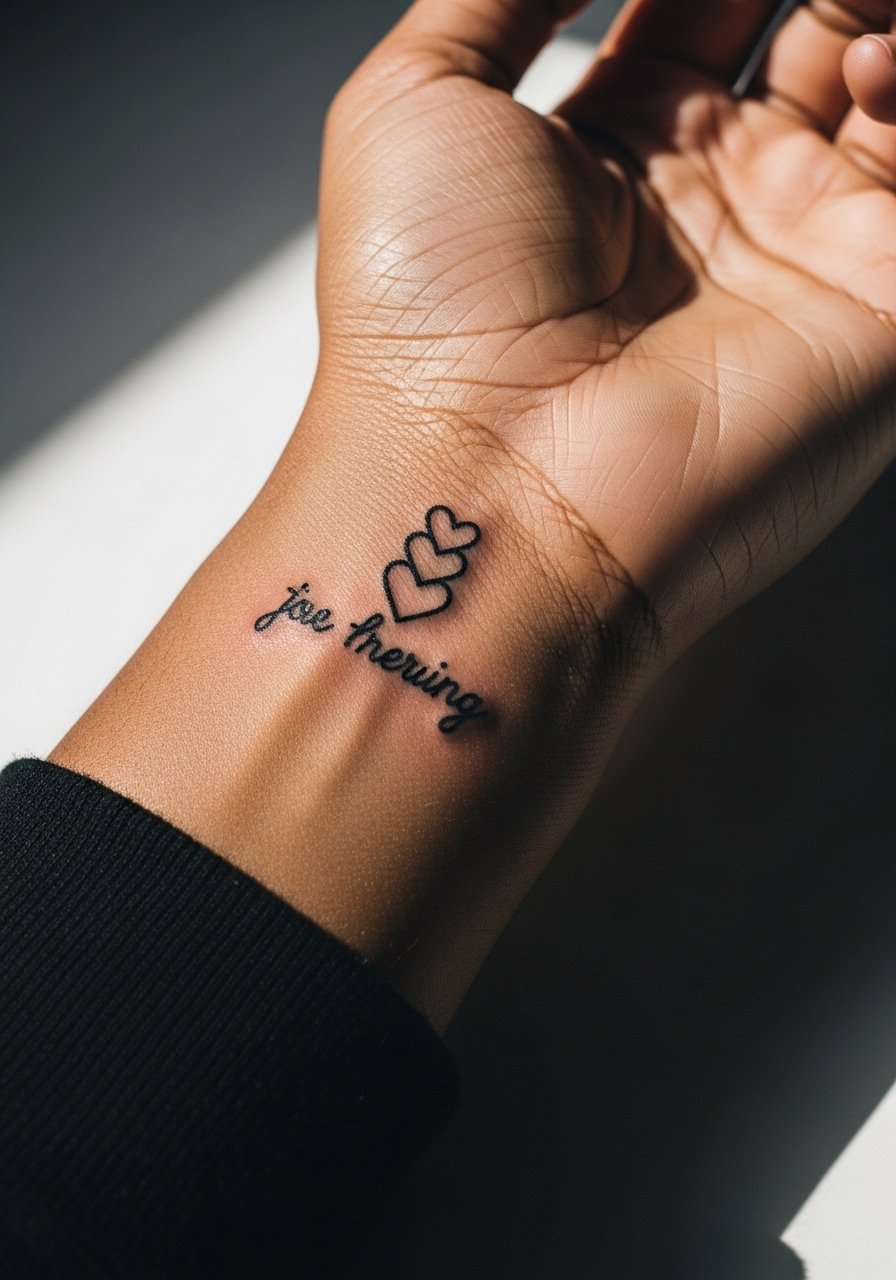
Stacking small hearts with short script is charming, but micro-lettering vanishes if it sits too close to the heart. Tell your artist the exact word and ask to test the stencil at size so the letters stay crisp after healing. The wrist is prone to friction, so expect a touch-up at year two. For daily wear, a thin chain bracelet keeps the area framed and elegant.
27. Tiny Heart with Negative Space on the Foot Arch
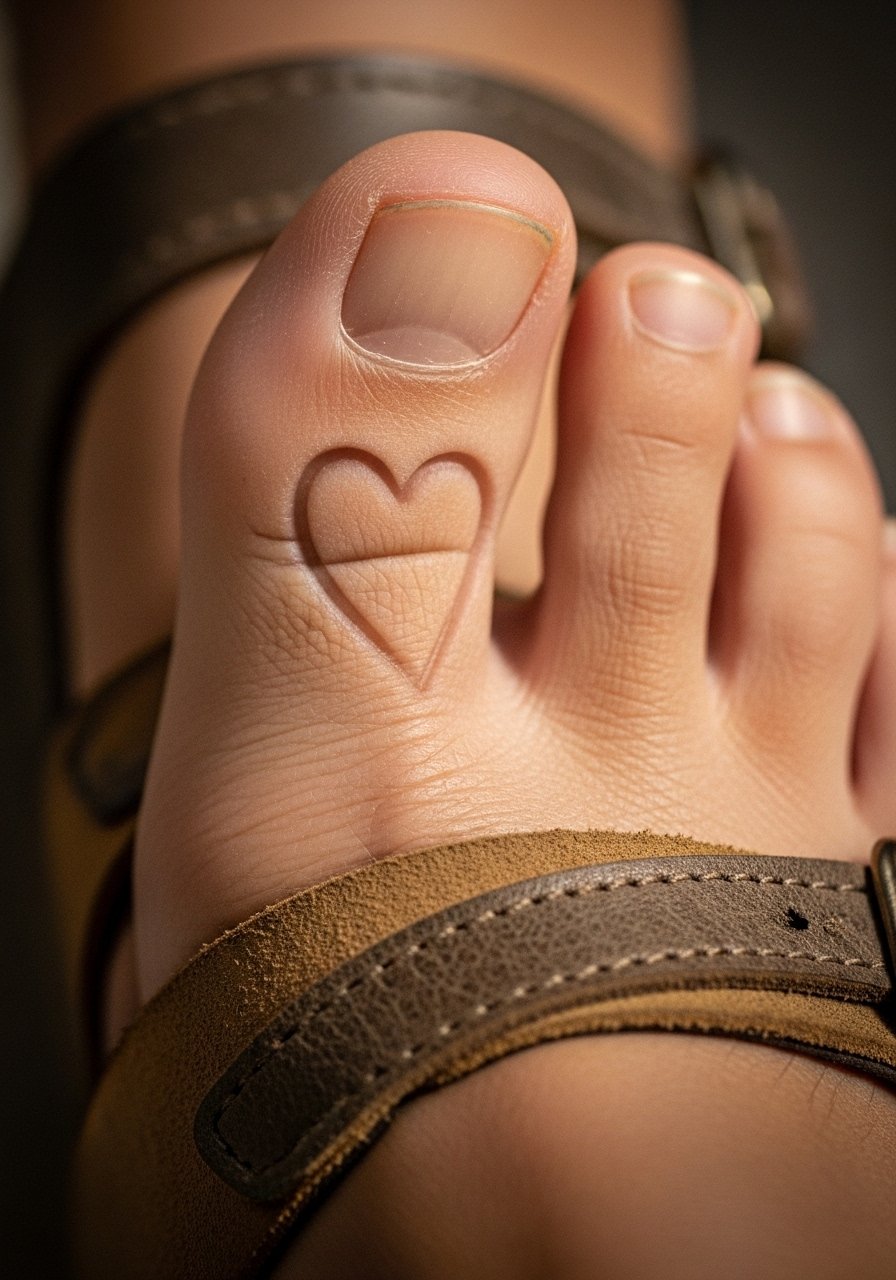
Foot arch pieces face friction from shoes and heavier fading, so designs that use negative space rather than filled ink often look better longer. The mistake is packing too many small elements into the foot, which smudges under soles and seams. Ask for a slightly bolder surrounding contour and plan for seasonal touch-ups. Sessions can be uncomfortable due to thin skin over bone, and healing is slow. For showing off in warm months, sandals or open-toe slides keep the arch visible without rubbing the design.
Frequently Asked Questions
Q: Will a tiny fine line heart on my wrist need touch-ups often?
A: It depends on placement and lifestyle. Wrists experience a lot of wear from watches, typing, and washing, so fine single-needle work commonly needs a touch-up around year two to three. Ask your artist to use slightly more spacing and moderate line weight if you want longer-term crispness.
Q: Are watercolor heart tattoos harder to care for than black line hearts?
A: Watercolor pieces can need more saturation at the start because the washes tend to fade faster than saturated black linework. In my experience, adding a faint outline or denser center protects the wash and buys time before a touch-up.
Q: Should I be worried about hand or finger hearts affecting job prospects?
A: Some industries still view visible hand and finger tattoos critically, while others are fine with them. Think about your work environment and how often the area is visible. A hidden placement like the inner wrist or behind the ear can be a compromise if you want visibility that is still easy to cover.
Q: How do I prep clothing-wise for a sternum or ribcage heart session?
A: Wear garments that reveal only the area being tattooed, like a fitted sports bra or cropped top, so the artist has access without you exposing more skin than necessary. Comfort and easy removal are key to keeping the session efficient and focused.
Q: When should I plan a touch-up for a tiny heart done with dot work?
A: Plan for a check-in around year two. Dot work can age gracefully, but high-contrast dots near edges may soften first and benefit from a small refresh to restore definition.