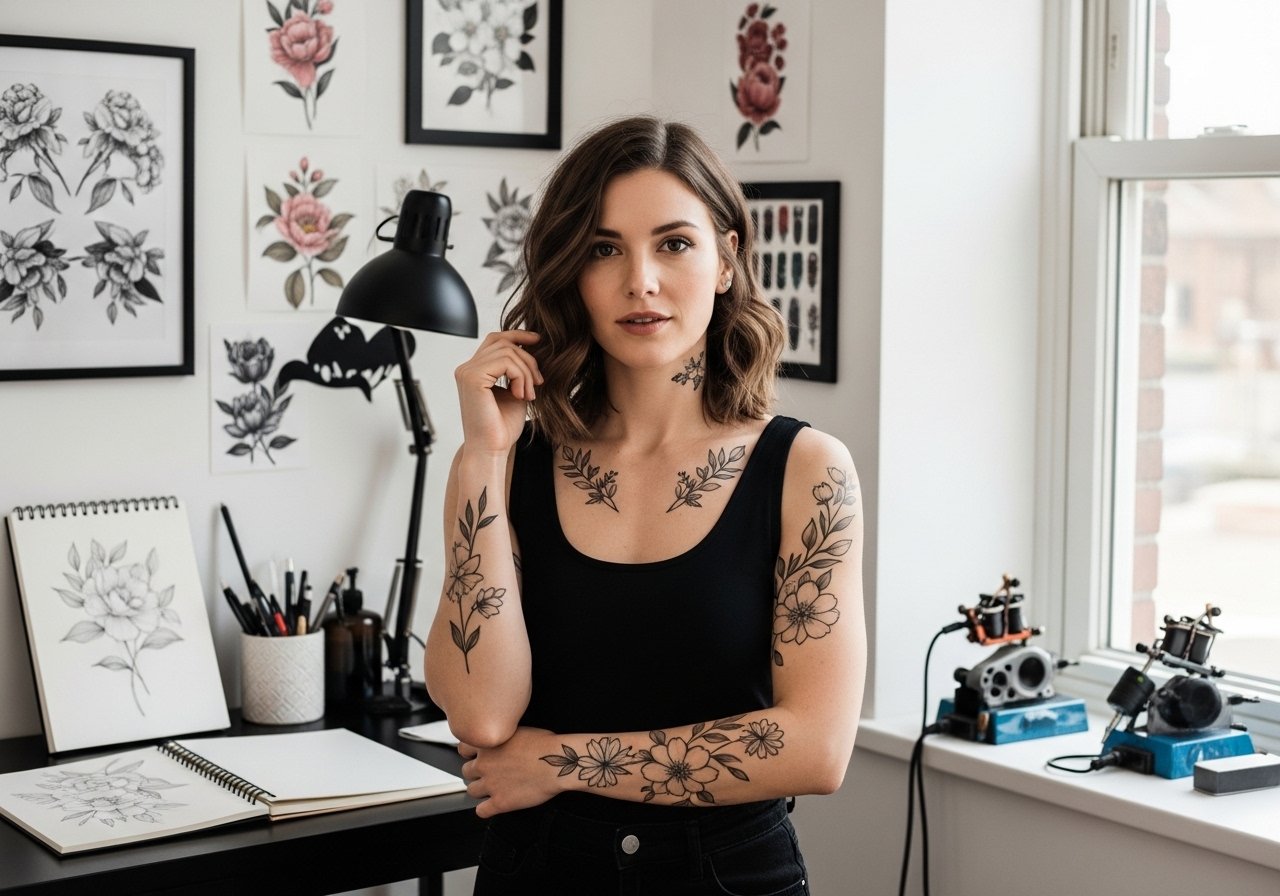
Fine line is trending on every feed, but the pieces that still read clean after five years are often the ones planned with aging in mind. Japanese styles reward scale and spacing, and a modular approach can deliver the drama of a full irezumi without the decade-long commitment. Read on for 27 motifs and placements that balance cultural motifs, longevity, and how to show each piece off.
1. Japanese Dragon Full Back Piece
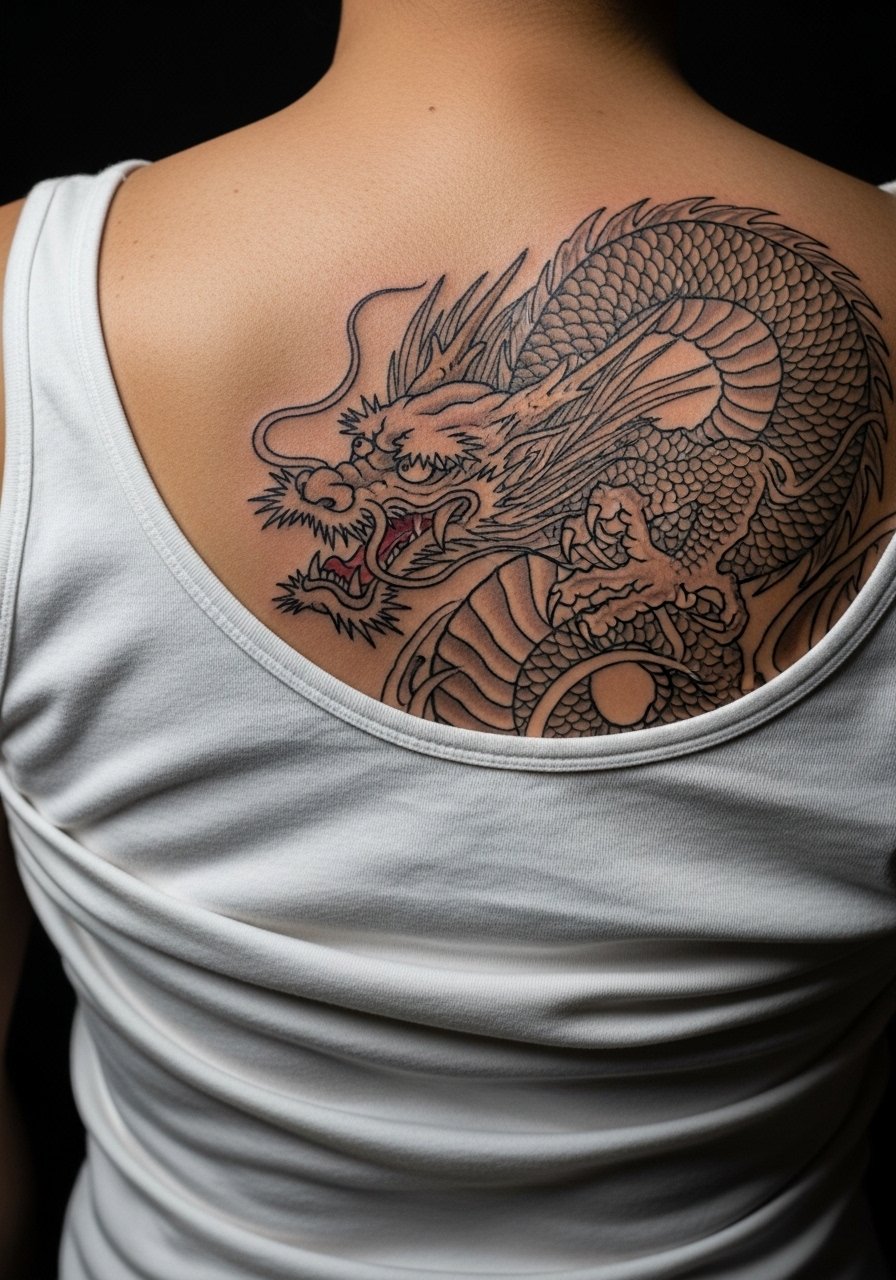
A full back dragon is the classic statement of power and protection in Japanese motifs. If you want the full irezumi rhythm without committing to a single marathon session, ask your artist to design the dragon in connectable panels that read as one when completed. Common mistake, people try to cram too many tiny details in each scale, which ages into muddled texture. Expect larger sessions that feel long but steady, often with some tenderness as the needle crosses from shoulder blade toward spine. For show-off outfits, a backless halter dress highlights the flow while keeping the design classy.
2. Koi Fish Forearm Sleeve
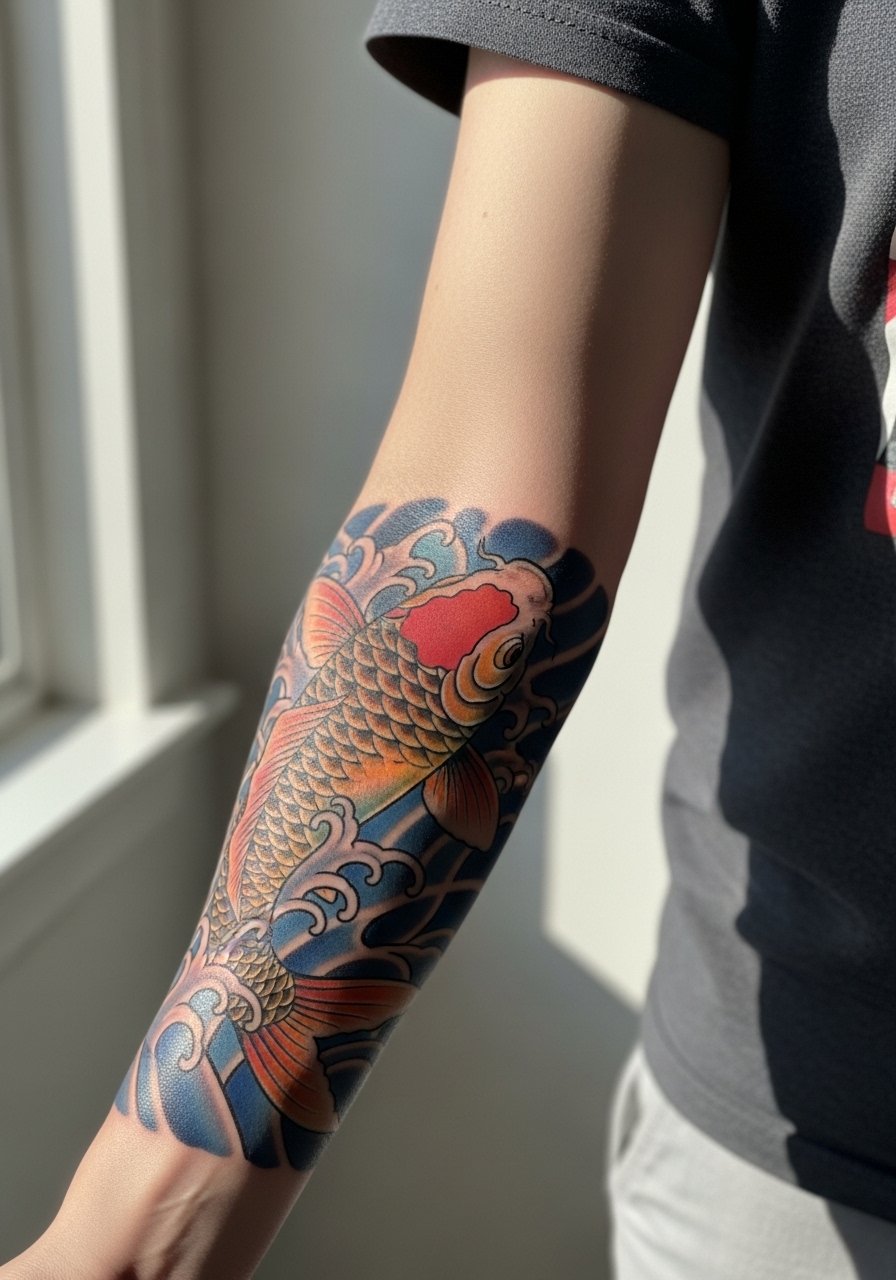
I recommend koi sleeves for people who want movement and a readable symbol of perseverance. Tell your artist you want the fish swimming upstream with negative space waves to avoid overcrowding. A common aging problem is tiny scales that blur into texture by year three. This version uses larger scale patterns and heavy linework around the koi to lock in contrast. Sessions are medium-length and tolerable on the forearm. Roll sleeves or wear a fitted crew neck tee to show the wrap without covering it when you go out.
3. Cherry Blossom Thigh Panel
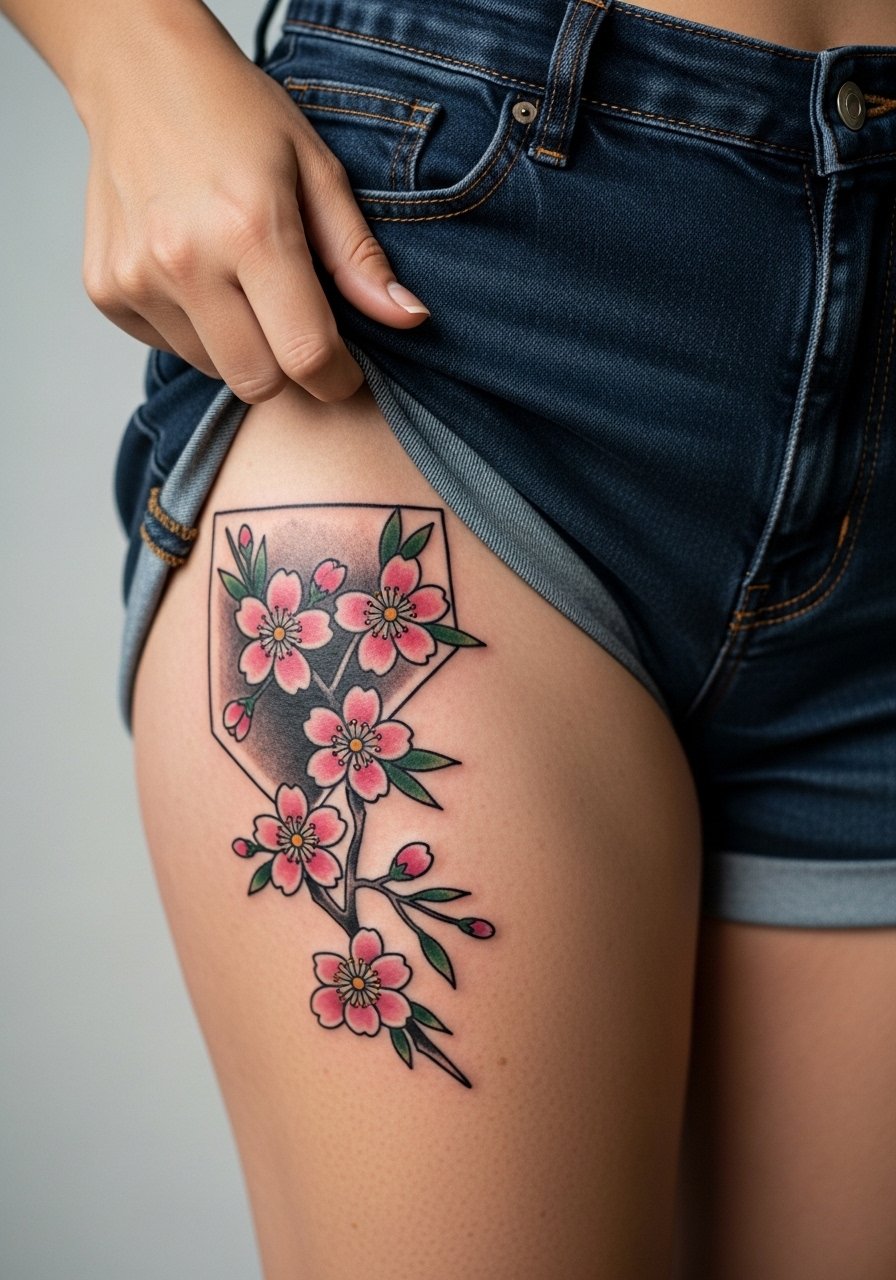
The outer thigh is forgiving for color work and a great place for cherry blossoms that speak to transience. For longevity, ask for concentrated saturation near the petal edges rather than tiny dot shading across the whole bloom. Mistake to avoid, choosing pastel-only fills with no dark anchor, which fades into a flat wash. Thigh sessions hurt less than ribs and feel like long stretches of vibration and pressure. When you want to show the panel, a high-slit maxi skirt complements the soft palette while keeping the linework clear.
4. Tiger Shoulder-to-Chest Cap
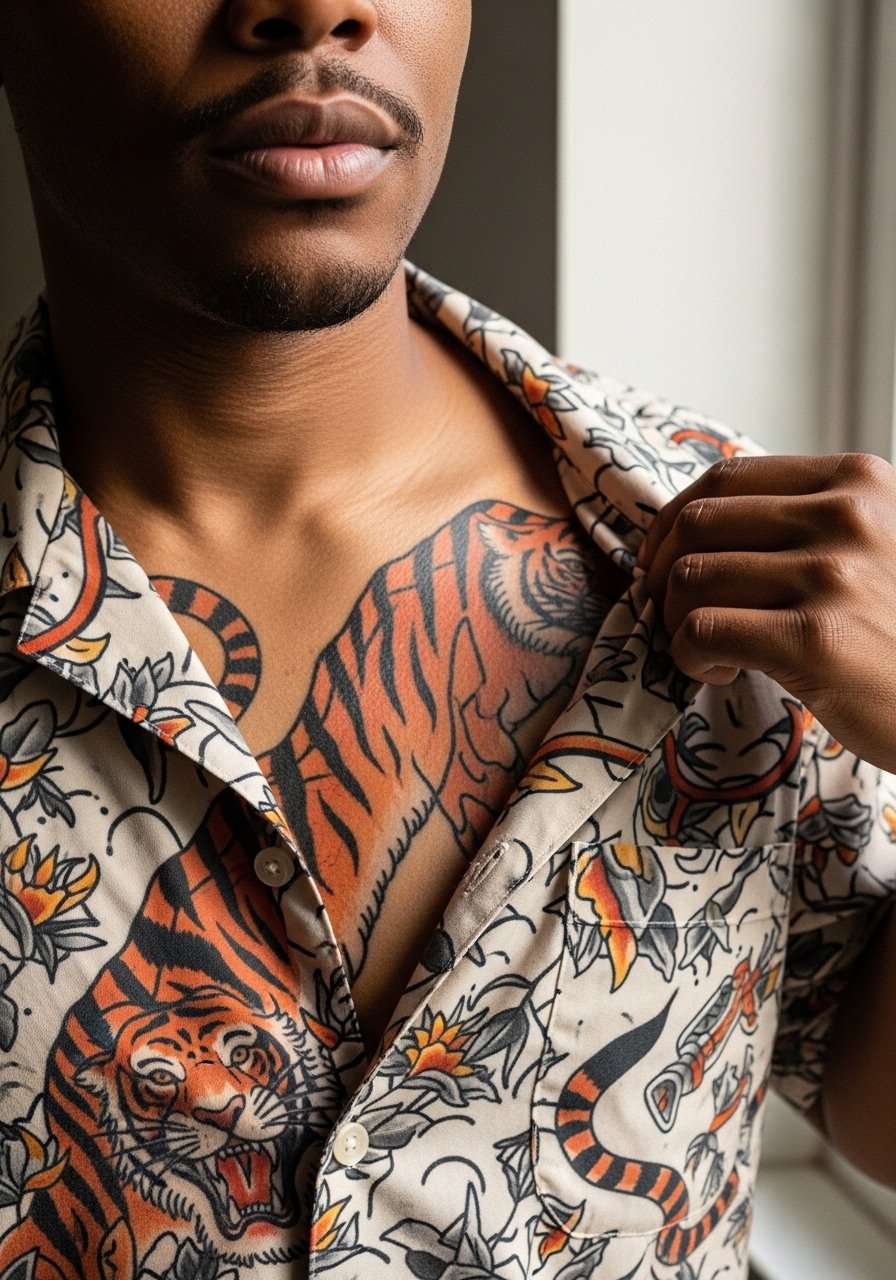
Tigers read as courage and protection when placed across the shoulder and chest. In consultation, specify dynamic posing with a clear focal eye so the face remains readable from across a room. Artists sometimes compress the face too much for a small chest piece and the details muddle as it heals. Shoulder-to-chest sessions feel rougher near the collarbone, expect stinging and soreness. For showing off the cap, an off shoulder blouse frames the work without hiding the tiger's lines.
5. Peony Forearm Wrap
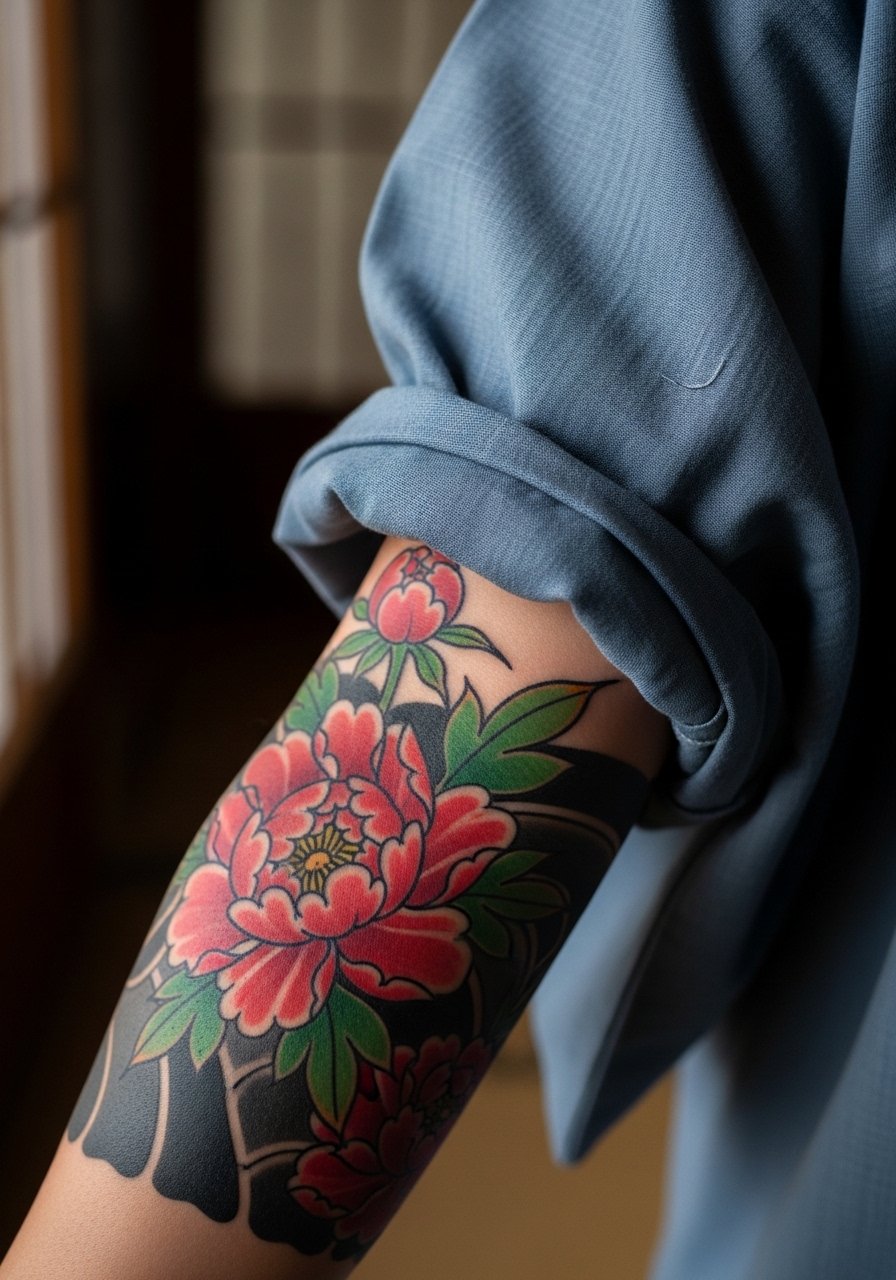
Peonies are often chosen for prosperity and work beautifully as forearm wraps. Tell the artist you want strong black outlines around each petal so the reds have a firm edge. A common mistake is filling petals with soft gradients only, no anchor points, which leads to fading into the background. This placement takes several sessions to layer saturation and avoid patchy color. For daytime visibility, wear a rolled sleeve kimono shirt to echo the floral vibe without stealing attention.
6. Lotus Flower on Ribcage
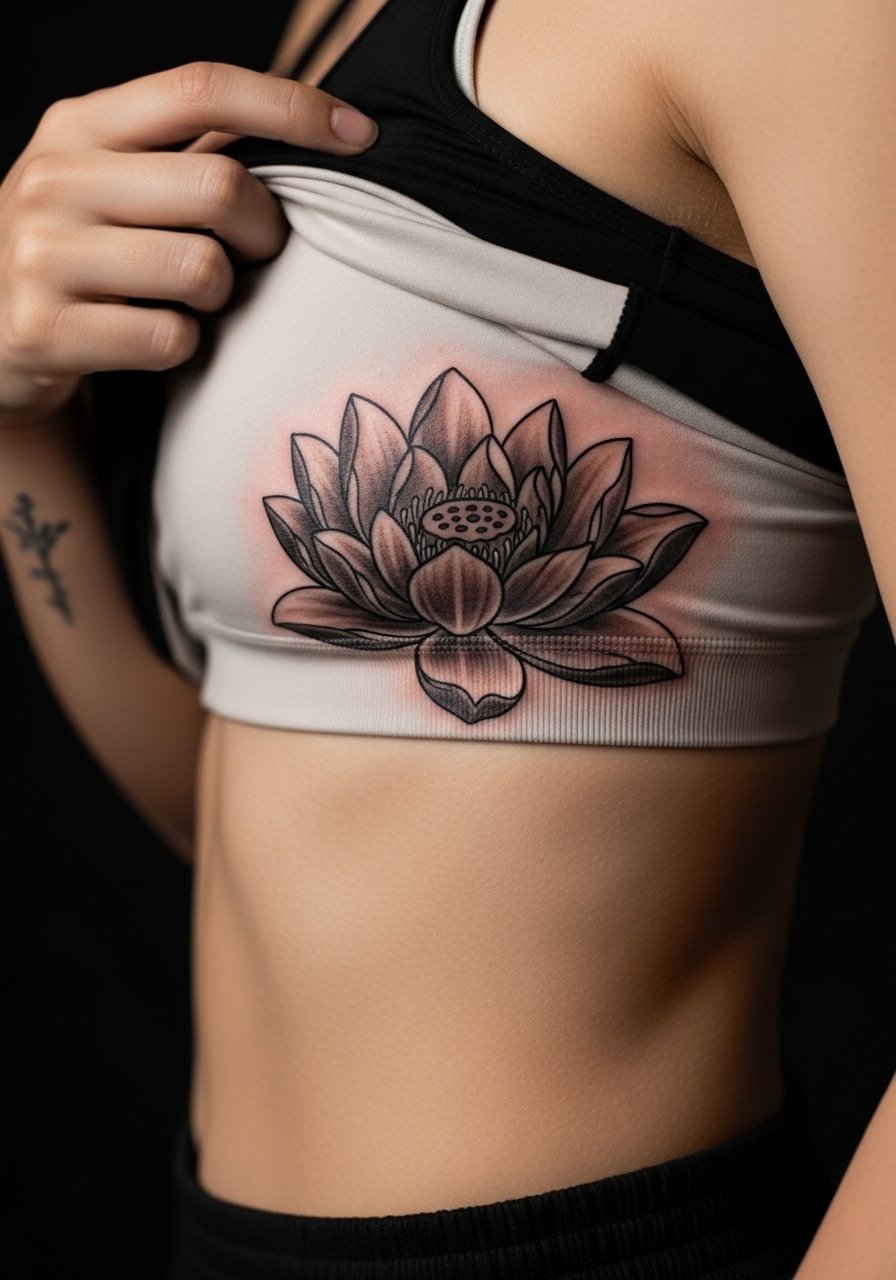
Fair warning, ribs rank high on common pain charts. The lotus rewards the discomfort with elegant vertical placement that moves with breathing. If you want a version that heals crisply, ask for slightly thicker linework around the petals and stipple shading rather than dense wash. Artists split on fine line here, with one camp saying the stretch blurs lines and the other saying careful needle depth keeps them fine. Expect touch-up discussions at year two for dense shades. For the session, a breathable sports bra gives access while keeping you comfortable.
Studio Day Picks
The back, forearm, and ribcage pieces above each have different prep needs. These items smooth the session and the first week of healing.
-
Stencil transfer paper kit. Lets you preview exact placement on skin, which is handy for aligning the dragon panels and thigh blossoms.
-
Topical numbing cream. Applied per instructions before rib or chest sessions it can take the edge off sensitivity for tighter spots.
-
Thin protective film roll. Useful for calf and forearm work where friction from clothing could rub fresh ink.
-
Fragrance-free gentle body wash. Cleans the area without stripping pigment as the scab phase settles.
-
Aquaphor healing ointment. A thin layer in the first 48 hours helps manage moisture for delicate linework.
7. Snake Coiling Calf
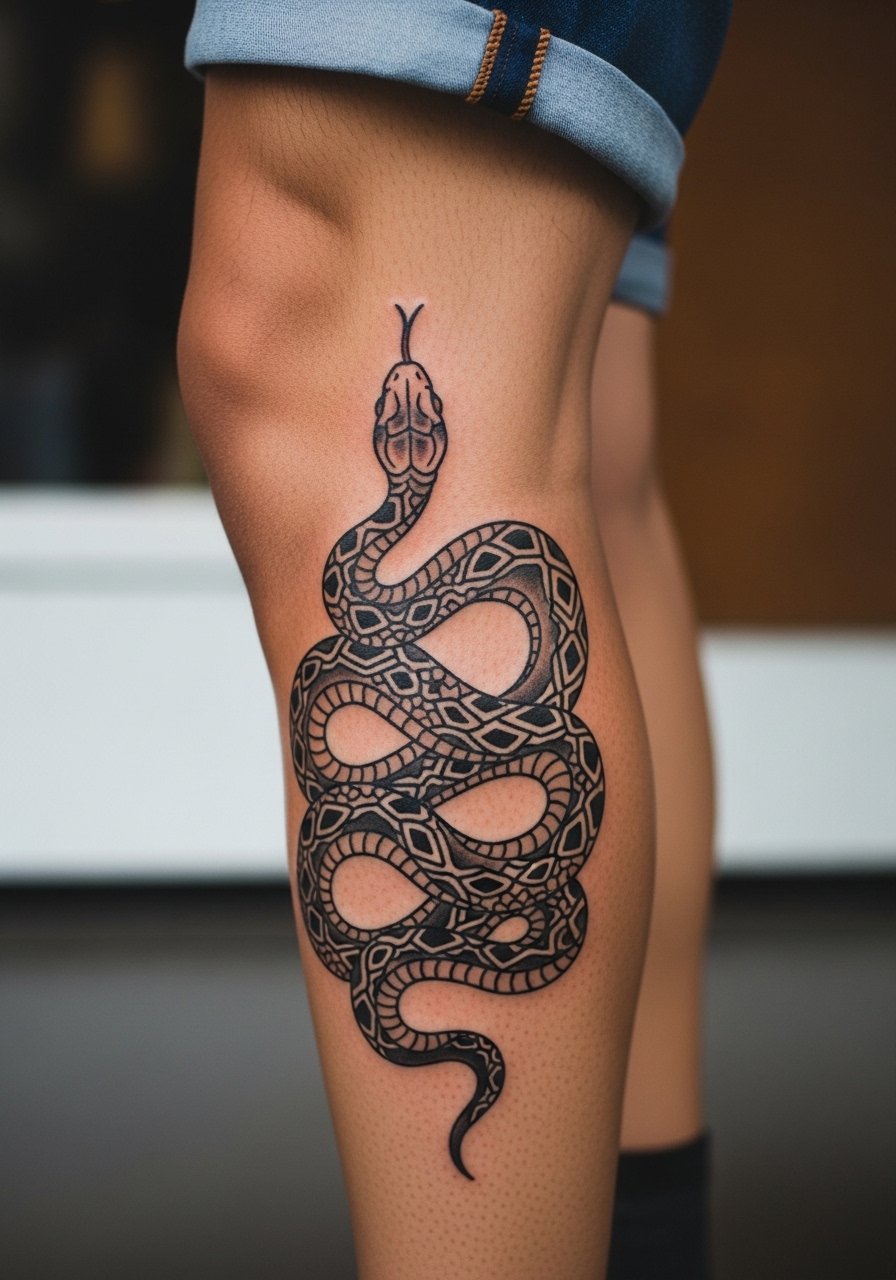
Calf work is forgiving for elongated designs like coiling snakes. Mention during consult that you want the scale patterns to read from distance, not just up close. Newer artists sometimes compress repeats, which leads to visual muddiness when the skin shifts. Calf sessions are moderate for pain and let you stand and flex between passes. Blowout risk is lower than on thin skin spots but still present near the ankle. Pair the finished piece with rolled cuff jeans or leather ankle boots for a subtle reveal.
8. Crane Sleeve Extension
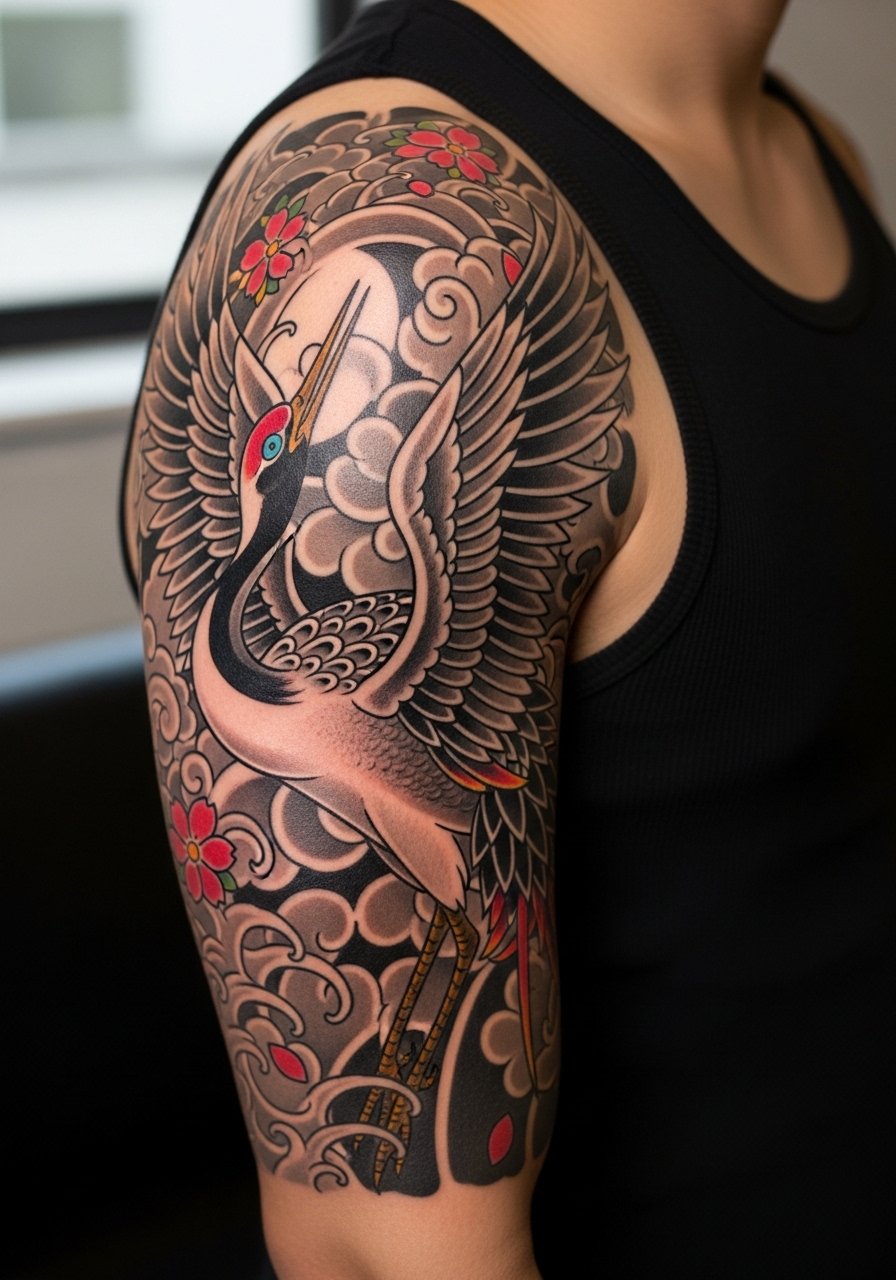
Cranes make graceful sleeve extensions, ideal for longevity since their lines flow with musculature. Ask for long, clean feather strokes and a light wash around the wing tips to avoid heavy blocks that age flat. Mistake to avoid, packing too many color accents in small areas which desaturate into muddiness over time. Expect longer sessions around the shoulder joint. For daily wear, a loose tank top keeps the arm accessible for future connections.
9. Chrysanthemum Collarbone
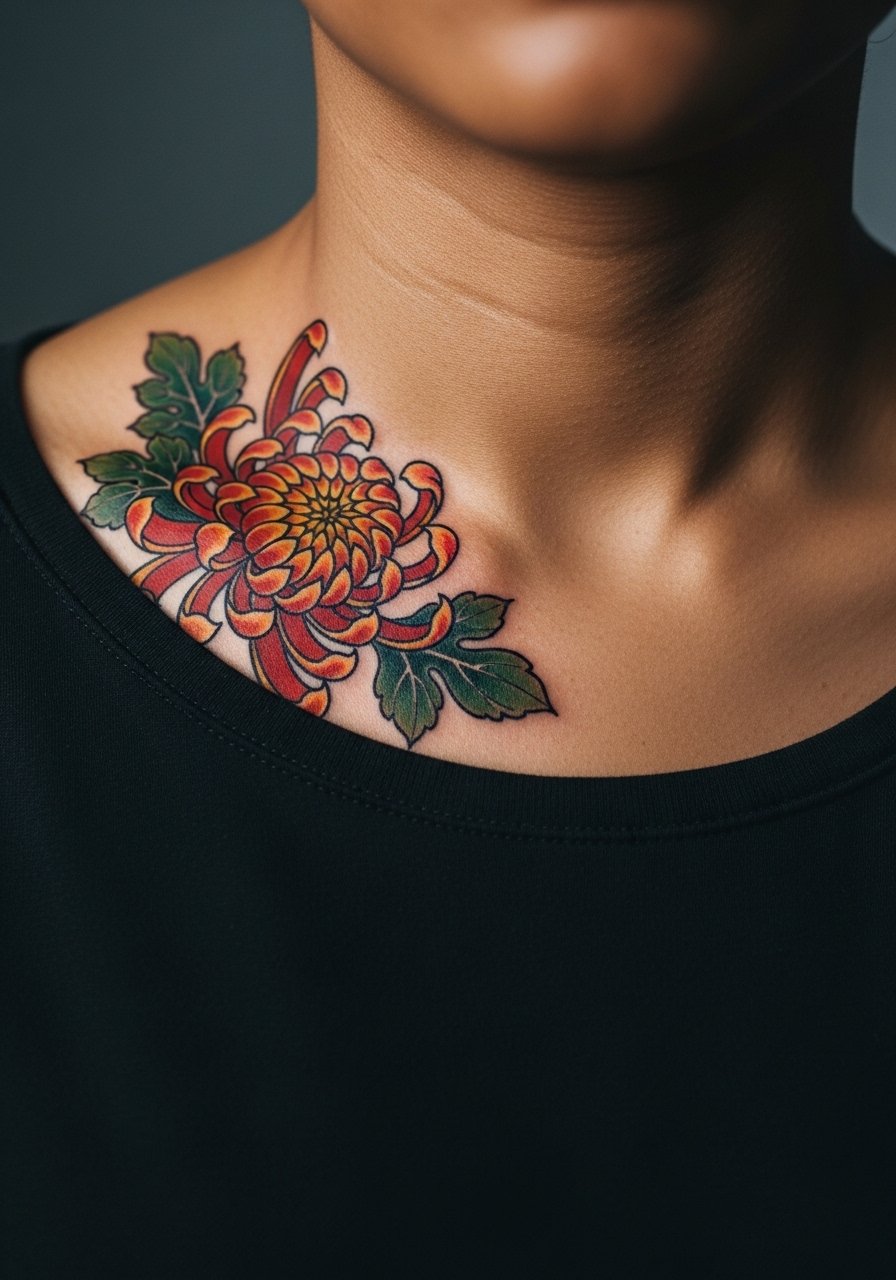
Chrysanthemums are less commonly chosen than peonies but carry imperial associations and age well when laid out with clear petal rims. On the collarbone, prioritize fewer, larger petals so the design does not cross fragile bone lines. Pain near the collar can be sharp, so plan short sessions. A common mistake is tiny intricate petals that lose definition as the skin shifts. For evenings out, a v neck silk blouse frames the collarbone without cutting into the artwork.
10. Phoenix Back Panel
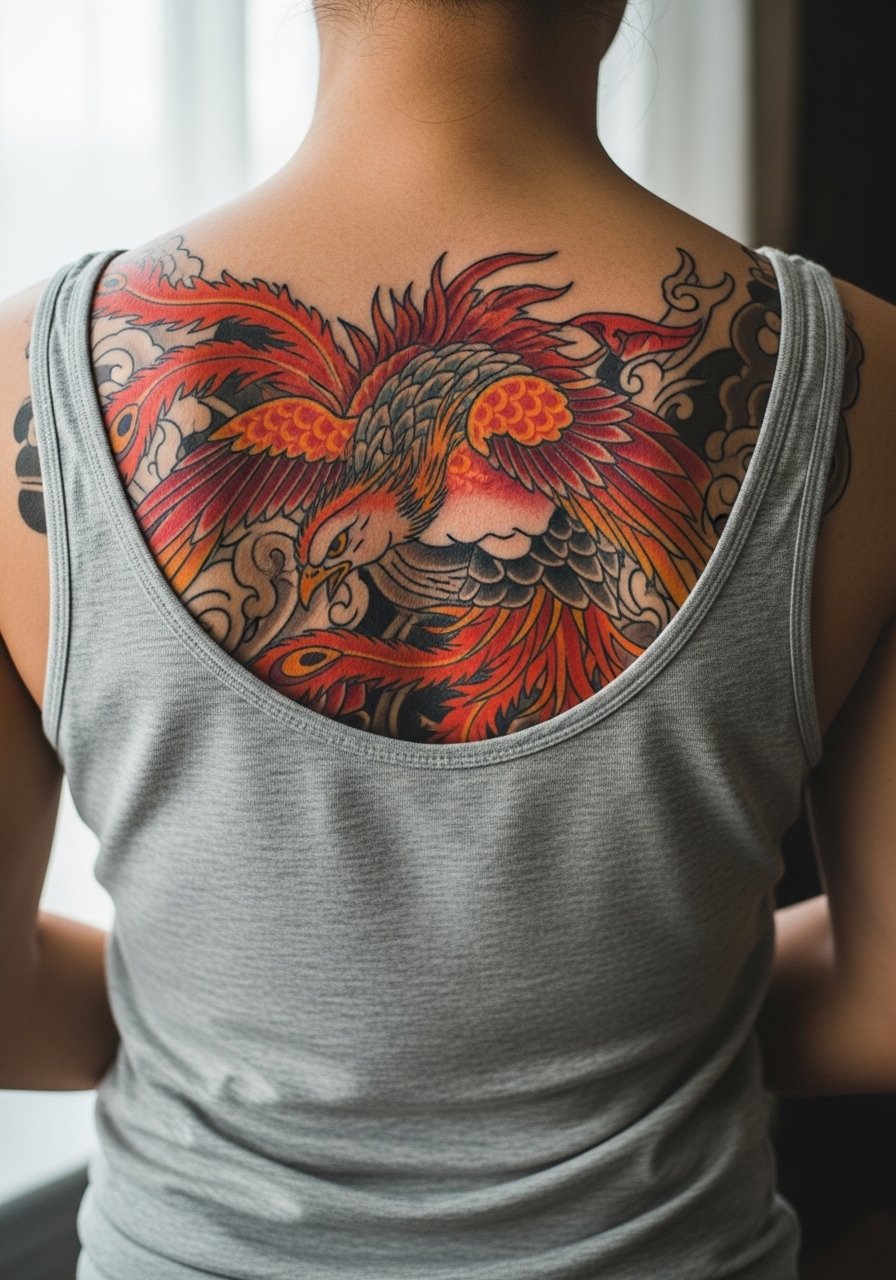
Phoenix panels read as rebirth and are dramatic across the upper back. If you want the flames to keep their punch, ask for separate color passes rather than one heavy fill; it improves long-term saturation. One pitfall is over-detailing wing feathers in small zones so the wings blur when the piece settles. Back sessions take stamina but are less tender than ribs. For show-off moments, a low back crop top or backless dress highlights the panel without distraction.
11. Wave and Koi Leg Sleeve
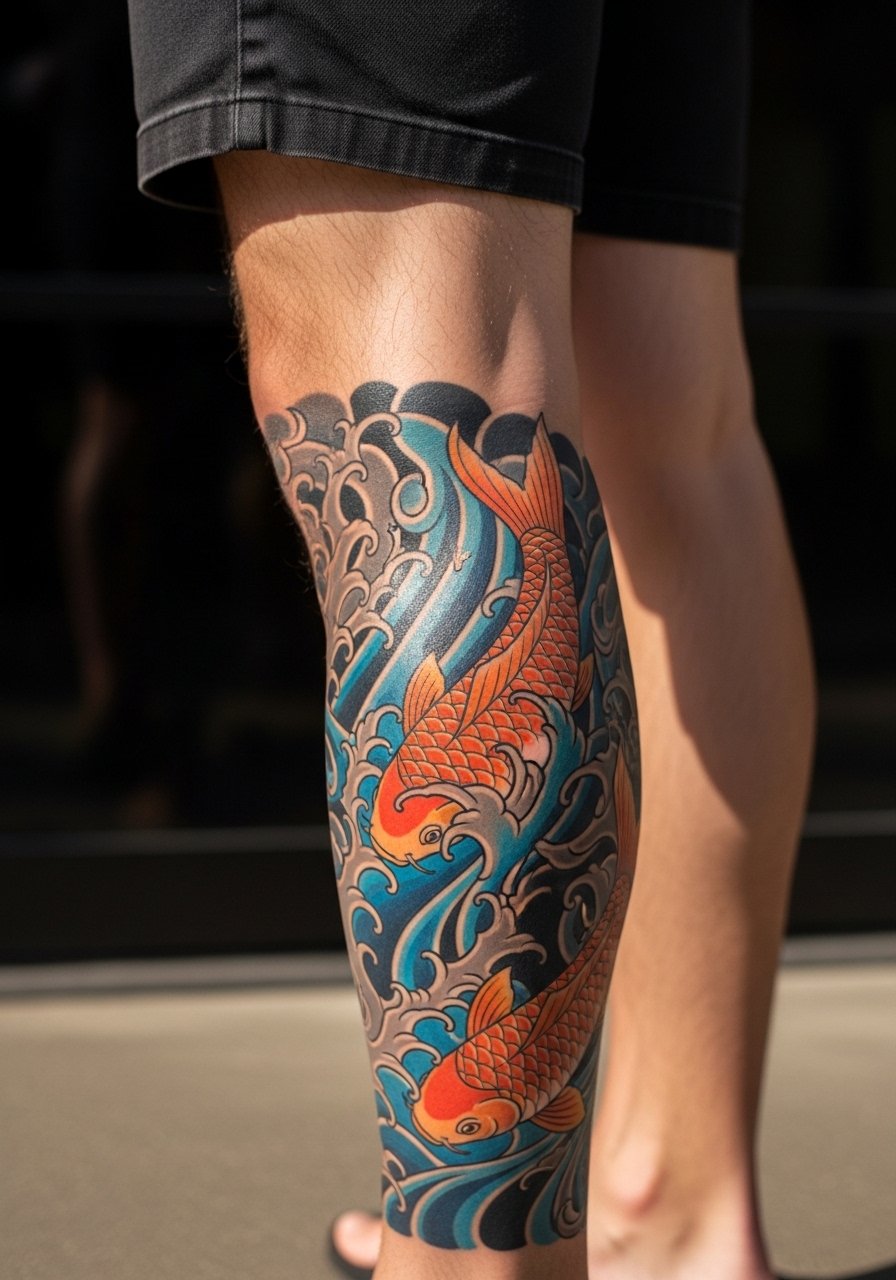
Full leg sleeves pair ocean power with koi determination in dynamic flow. Tell your artist where you want the focal koi to sit when standing, so the main fish does not end up on the side you never show. The mistake of packing too many overlapping waves makes the composition fight itself when healed. Leg sleeves need multiple long sessions and have variable soreness by zone. For session comfort, bring loose shorts that let the artist roll the leg up easily. In regular wear, rolled cuff jeans reveal the lower sleeve without full exposure.
12. Samurai with Cherry Blossoms on Upper Arm
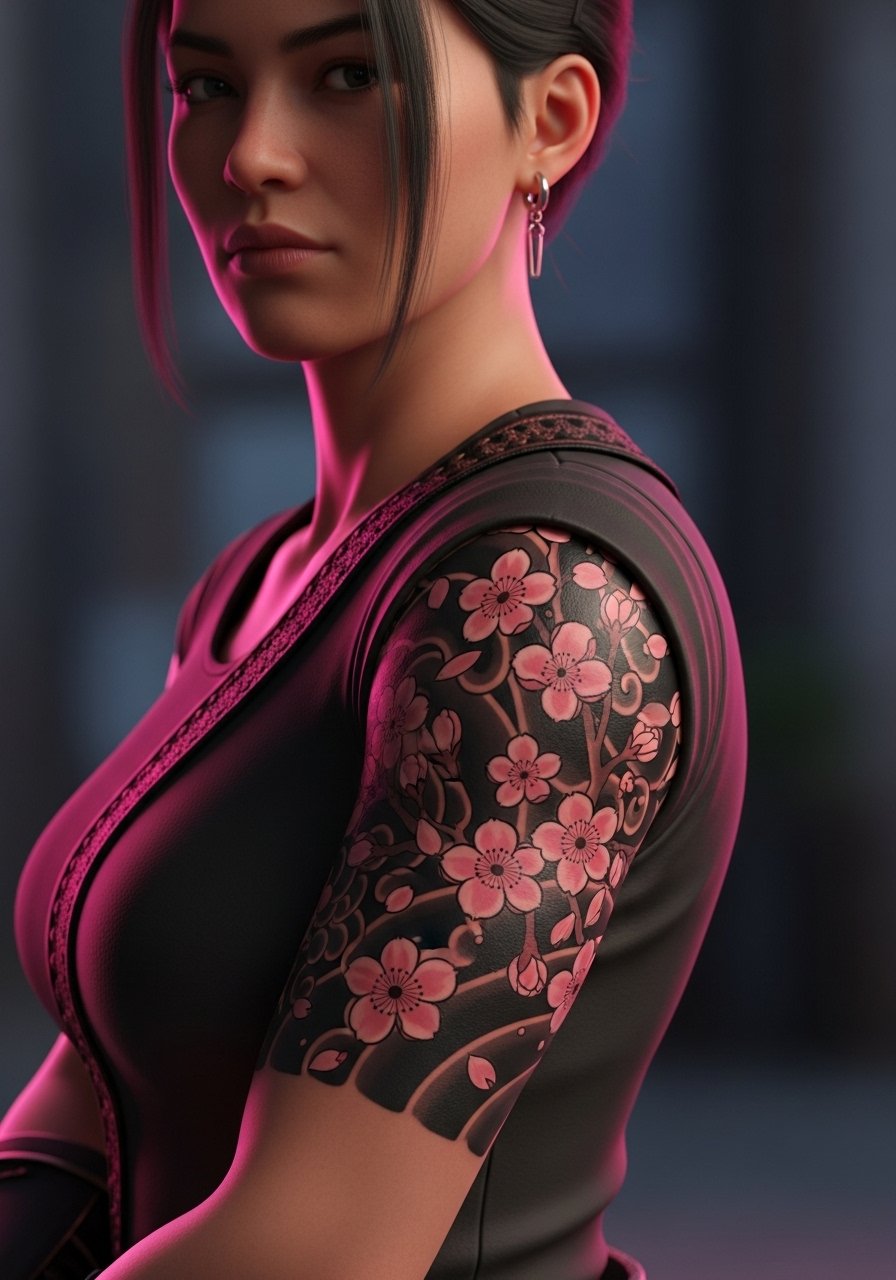
Samurai motifs paired with cherry blossoms balance honor and life's transience. During consult, specify that the blossoms should be secondary to the figure so the narrative reads clearly. A common error is making the blossoms oversized and competing with the samurai's face. Upper arm sessions are more comfortable and allow solid linework. For an evening reveal, an off shoulder blouse or rolled sleeve shows the bicep without crowding the scene.
13. Geisha Wrist-to-Elbow Portrait
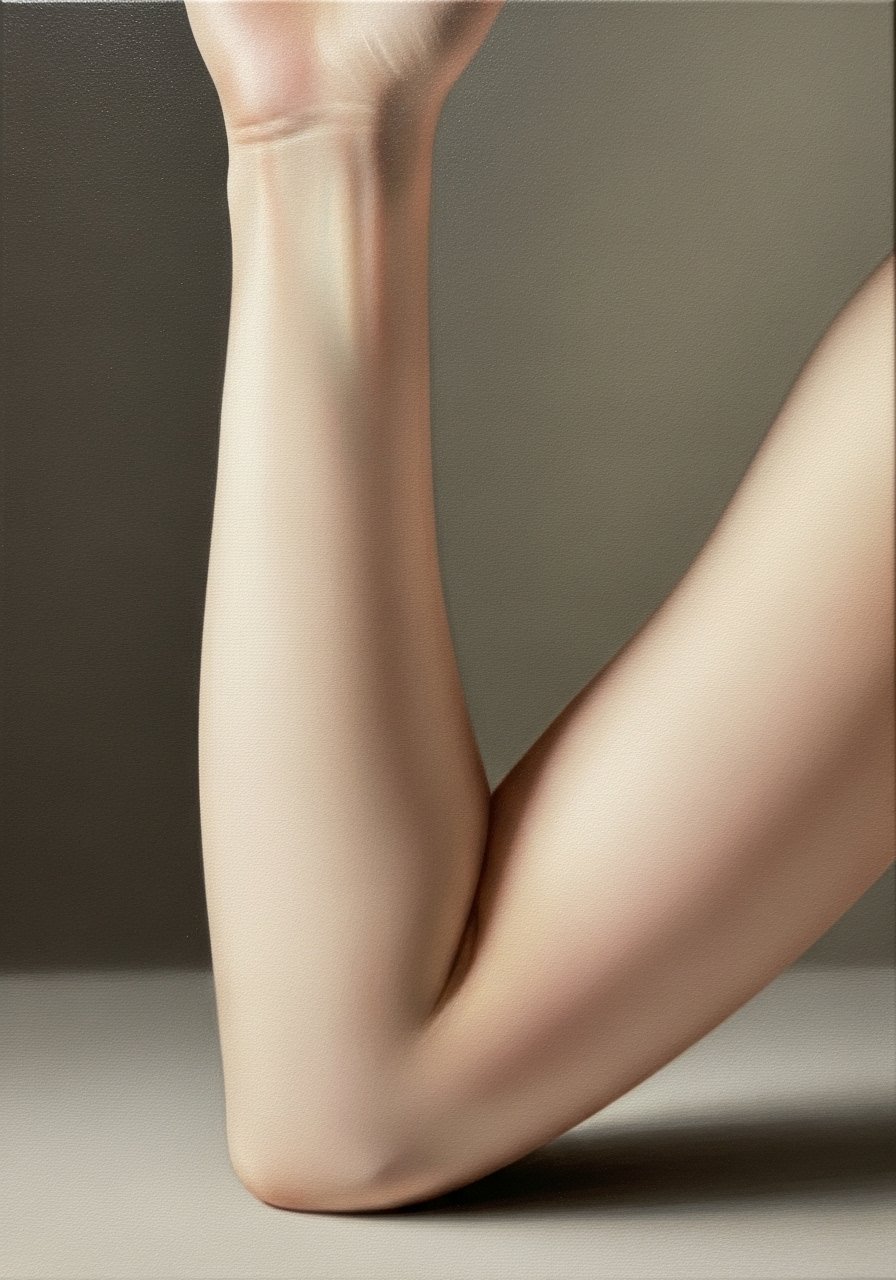
Elongated portraits like geisha from wrist to elbow need careful attention to facial scale so features remain legible. Ask for slightly larger eyes and bold lash lines so the face does not soften into a blur. Avoid stereotyped props like cigarettes and opt for authentic accessories if included. Inner arm work can be tender but is manageable with breaks. A small styling touch like stacked delicate bracelets can frame the wrist without crowding the art, try a wood beaded bracelet for subtle contrast.
14. Small Hannya Mask on Calf

Hannya masks carry complex folklore and require care in depiction. For a small calf piece, request simplified emotion lines so the expression remains readable at a distance. The pitfall is overfilling with tiny teeth and textures that turn into a grain when healed. Calf sessions are steady and often less painful than ankle work. Consider mentioning cultural origin respect in the consult, opting for stylized interpretation rather than direct religious symbols.
15. Minimal Sakura Wrist Sprig
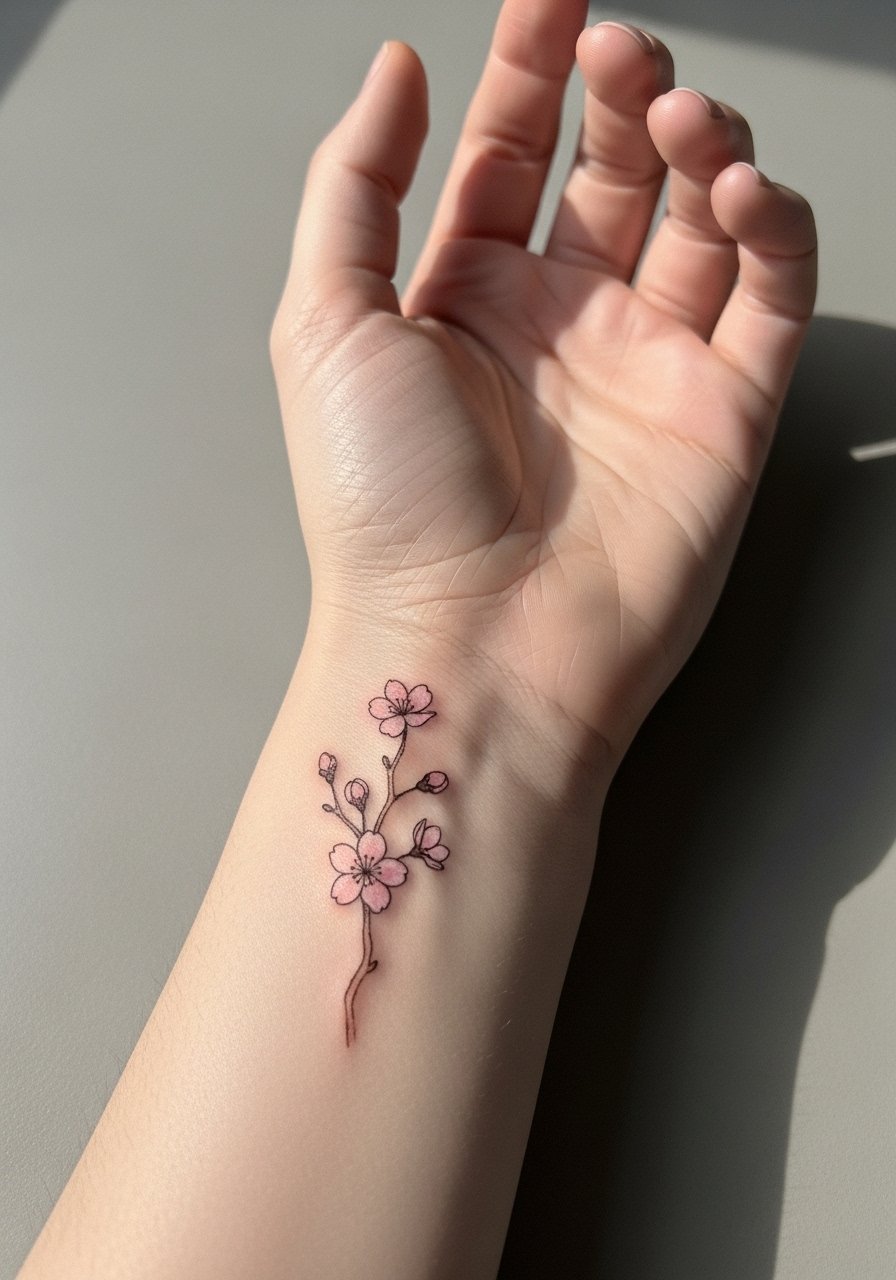
Wrist sprigs are delicate and very visible which makes them appealing and also risky for longevity. On wrists, fine line must have breathing room, or the petals merge within two to three years. Tell your artist you want slightly heavier anchors at junction points. Expect more frequent touch-ups compared with larger pieces. For session access, a loose button-down shirt you can pull aside keeps comfort and hygiene in check.
16. Peony Shoulder Cap
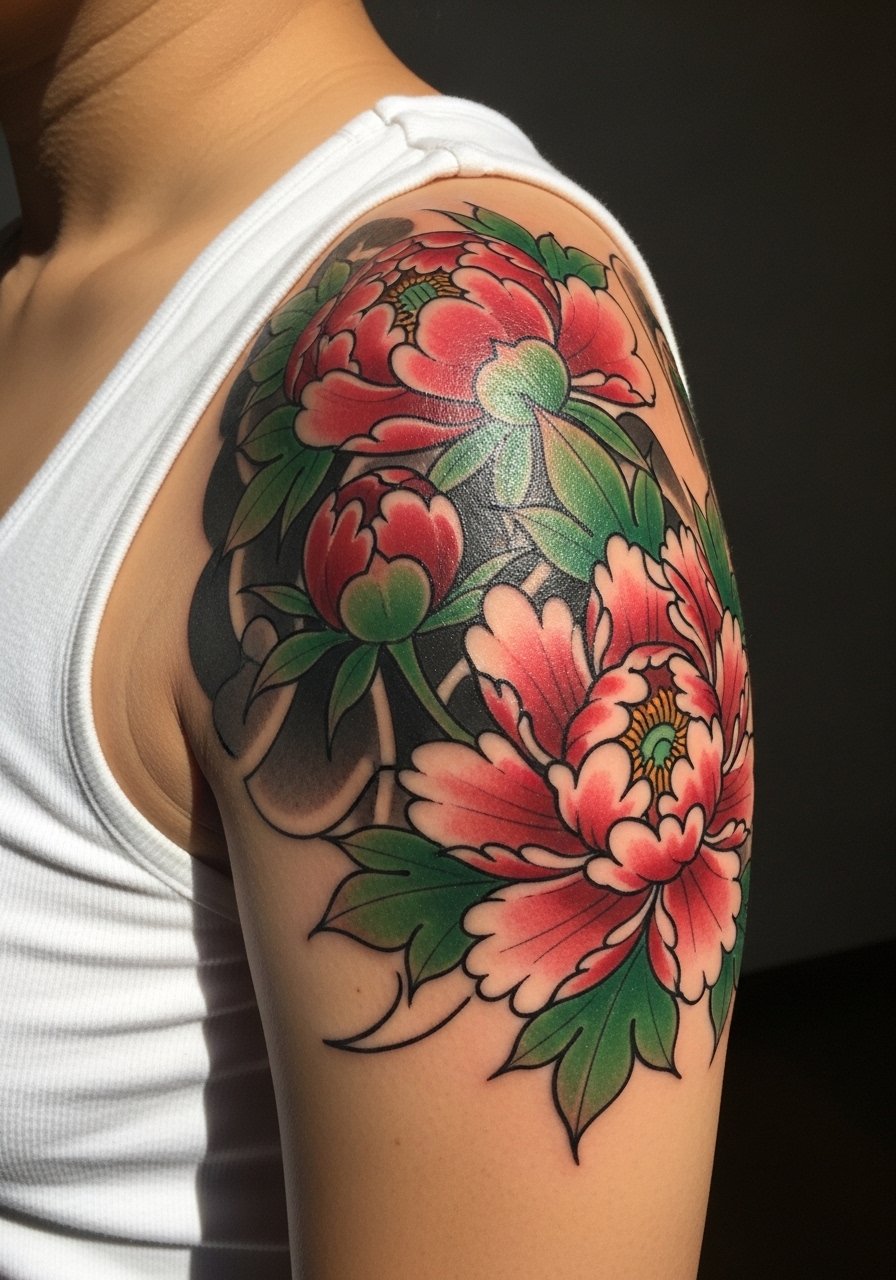
Shoulder caps are great transition pieces if you plan to expand into a sleeve later. Ask for clear negative space to serve as connector points for future work. The mistake is saturating every petal equally; give a visual hierarchy so the cap reads as layered rather than flat. Shoulder sessions are moderate in pain and allow quick breaks. For styling, a chunky chain necklace can frame the piece without covering it.
17. Frog for Playful Luck on Ankle
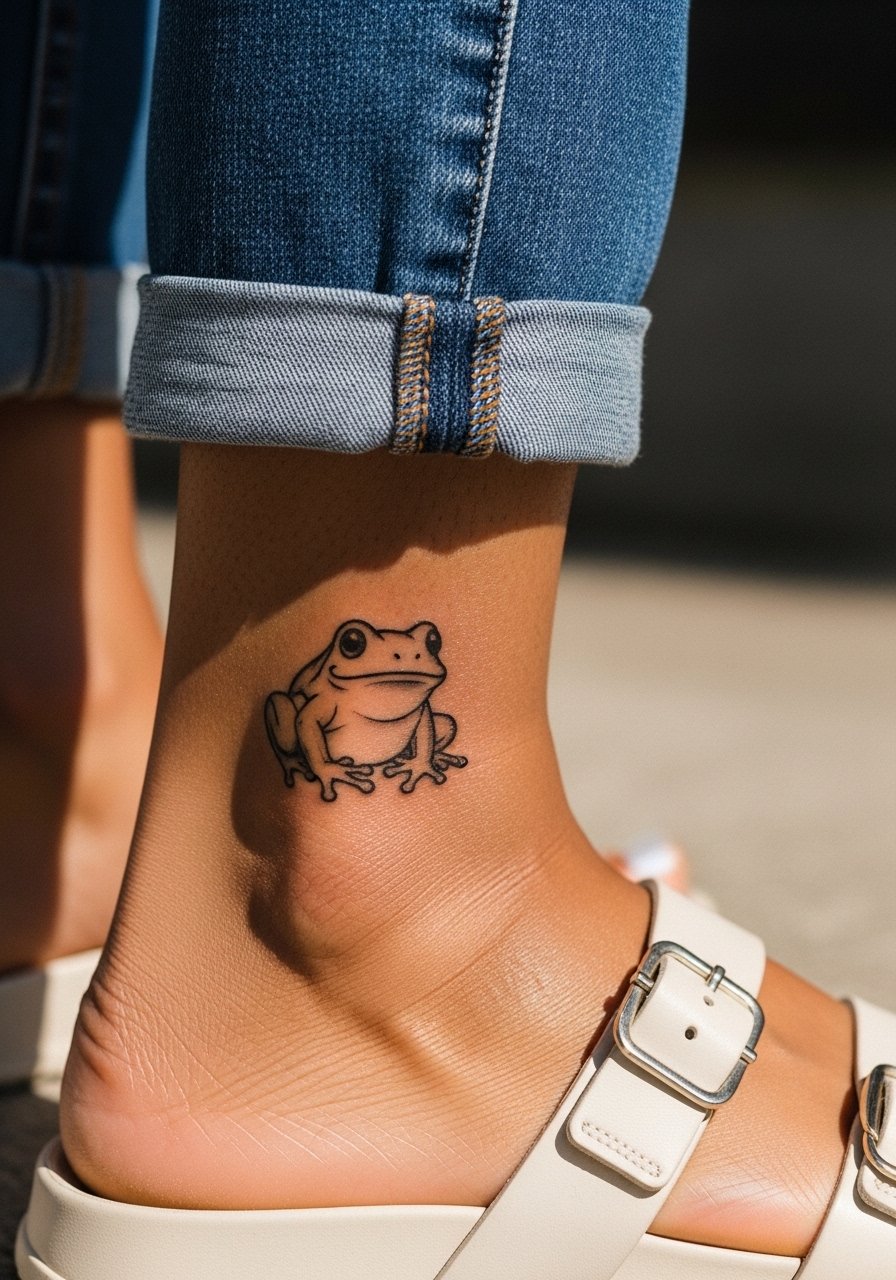
Frog motifs are an under-covered choice for prosperity and playful luck. On the ankle, keep the frog compact with defined outlines so it survives high-friction zones. A common issue is choosing too many tiny dots for texture, which wash out quickly. Ankle sessions sting but are short. For showing it off in summer, a simple sandals or open-toe shoe look makes the ankle visible without heavy exposure.
18. Maneki-Neko on Inner Bicep
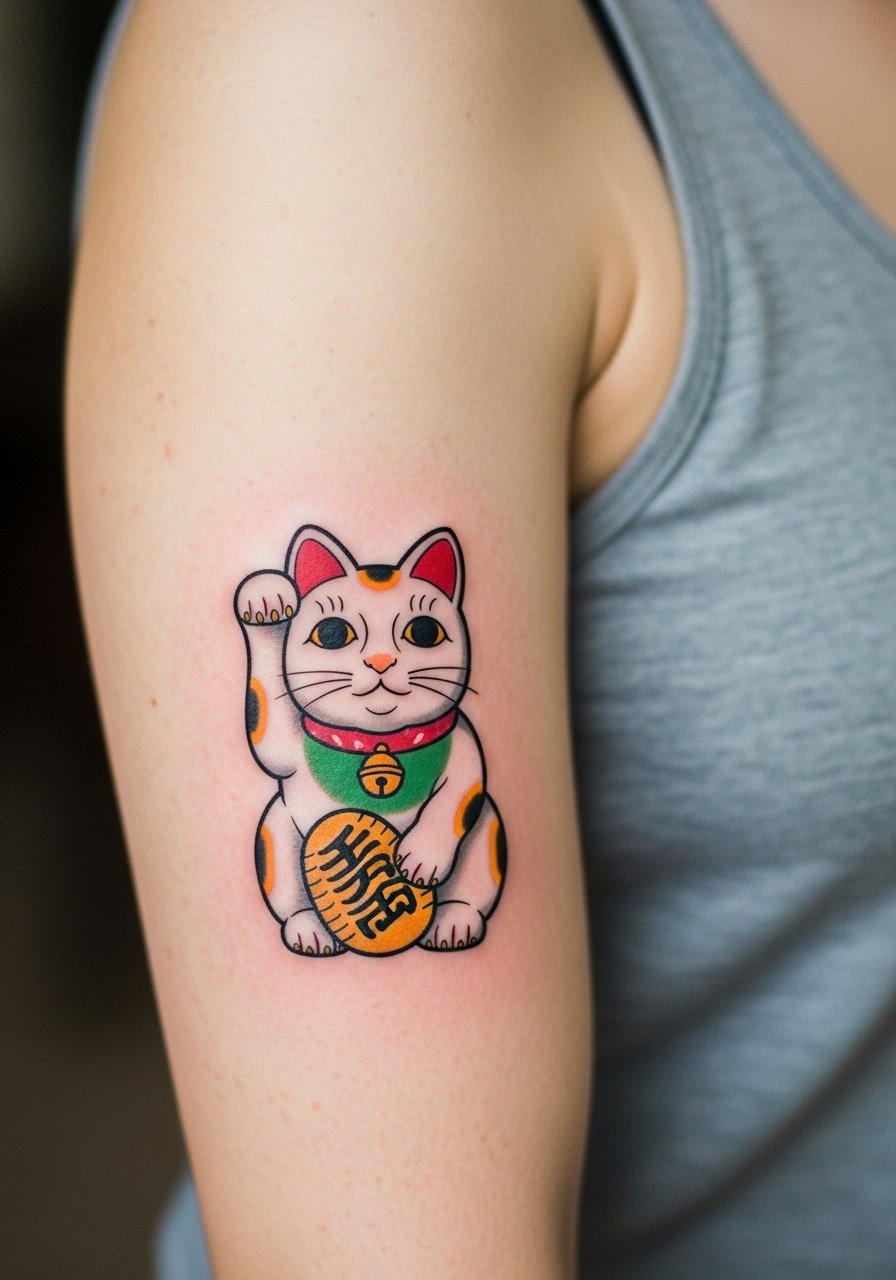
Maneki-neko brings a playful prosperity symbol that adapts well to inner bicep curves. During consult, decide whether you want a simplified silhouette or full ornamentation. Too much tiny ornamentation on the bicep will blur with muscle shifts. Inner bicep work can be sensitive but sits well for portrait shapes. For session wear, a tank top gives easy access and keeps you comfortable.
19. Samurai Helmet (Kabuto) on Chest
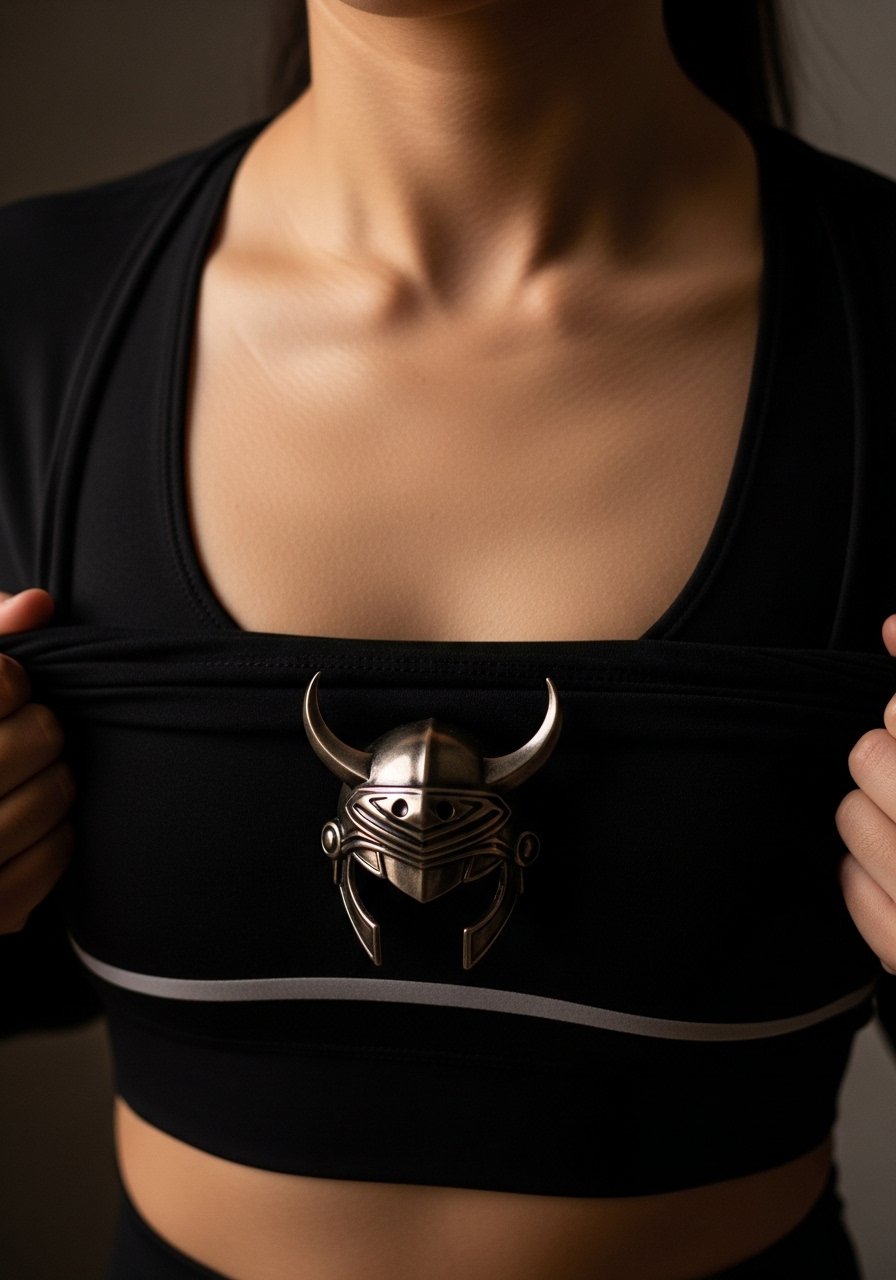
A kabuto across the chest reads as honor and protection, especially when balanced with negative space. Sternum proximity means clear composition is key so the helmet does not ride onto the sternum curve and distort. Pain is higher near the sternum so plan shorter sessions. Many choose a folded composition with ornamental cords to frame the piece. Mention respect for cultural origins in your consult and prefer stylized elements over exact historical replication.
20. Small Kanji with Subtle Border on Rib
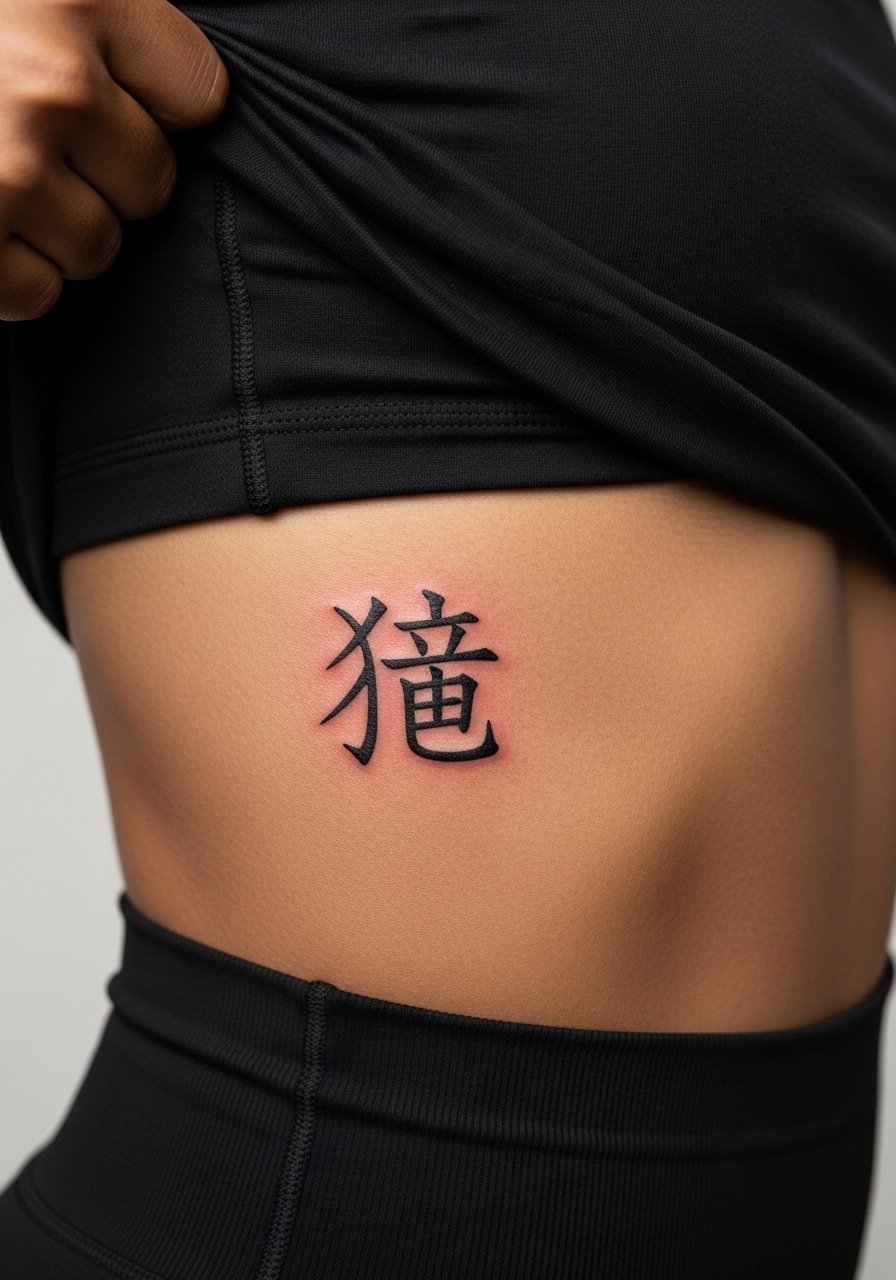
Single kanji can be elegant but demand precise sizing and spacing on ribs. The top mistake is choosing dense script at too small a size which blurs into an unreadable mark. Ribs hurt more so plan to space sessions. If the character has personal significance, consider adding a subtle border or cloud motif to keep the kanji crisp as it ages. Keep the consult specific about stroke weight.
21. Lotus Sternum Accent
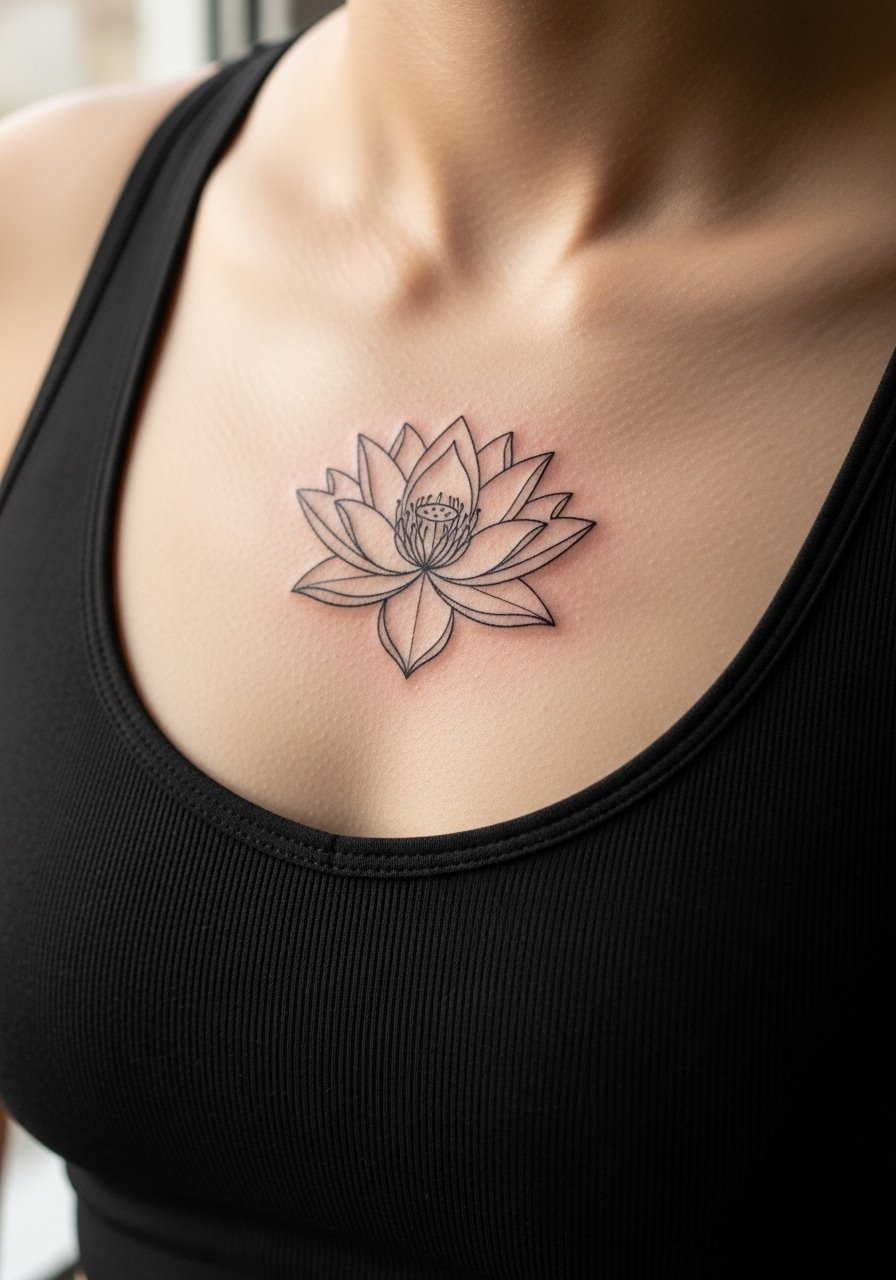
Sternum placements need special framing because the area moves and breathes constantly. The lotus here should have slightly bolder anchors near the center to keep the symmetry intact as the skin settles. Fine line-only approaches can disappear into skin texture, so balance with small black anchors. Sternum sessions are sensitive and shorter. A fitted sports bra makes the session cleaner and leaves the area exposed just enough.
22. Wave Band Around Upper Arm
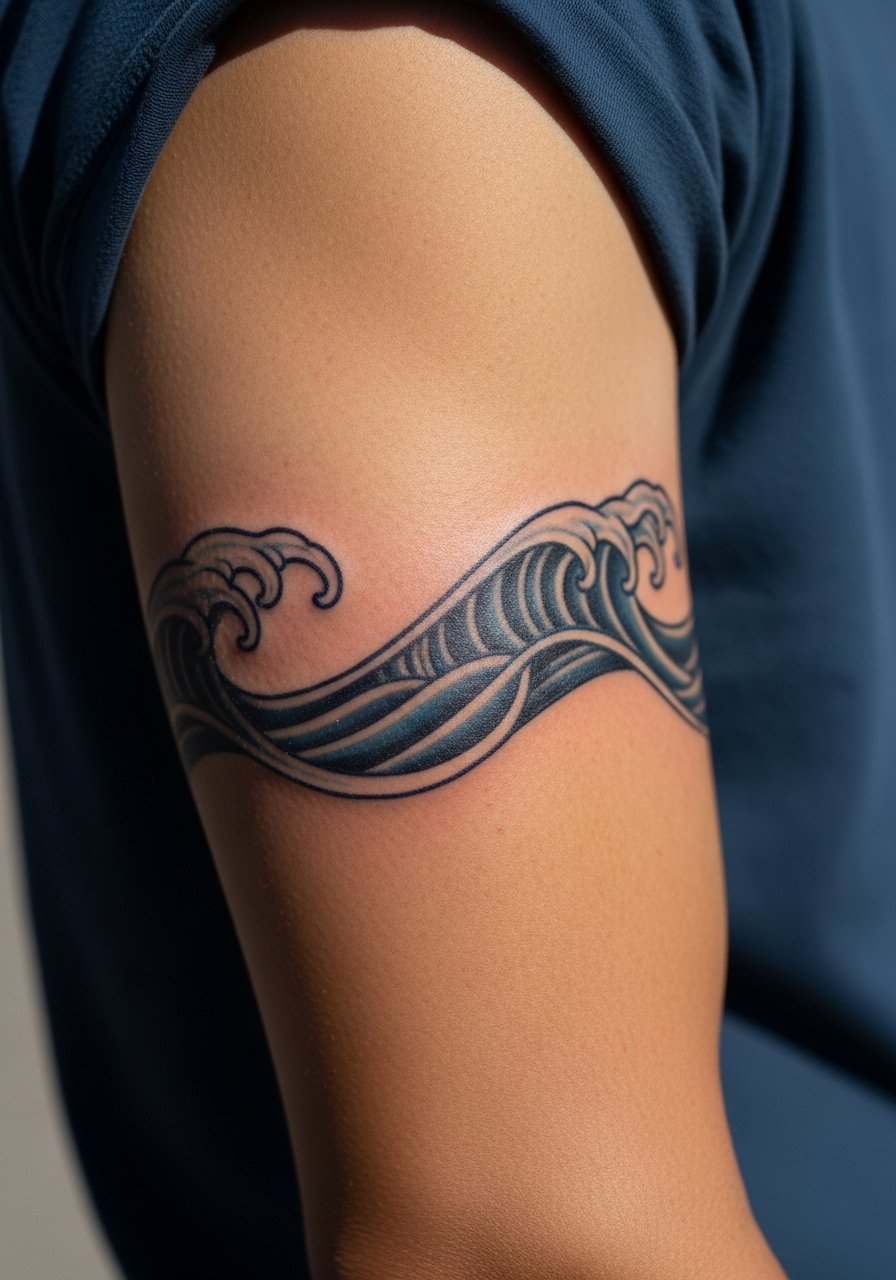
A continuous wave band works as a minimalist statement that still nods to traditional motifs. Tell your artist if you want the band to break at a seam for future additions. The common mistake is making the band too thin; thin bands blur into a line without texture over time. Upper arm placement is forgiving and sessions are usually short. For show-off wear, roll sleeves or a short sleeve button-down keeps the band visible.
23. Crane on Collarbone Accent
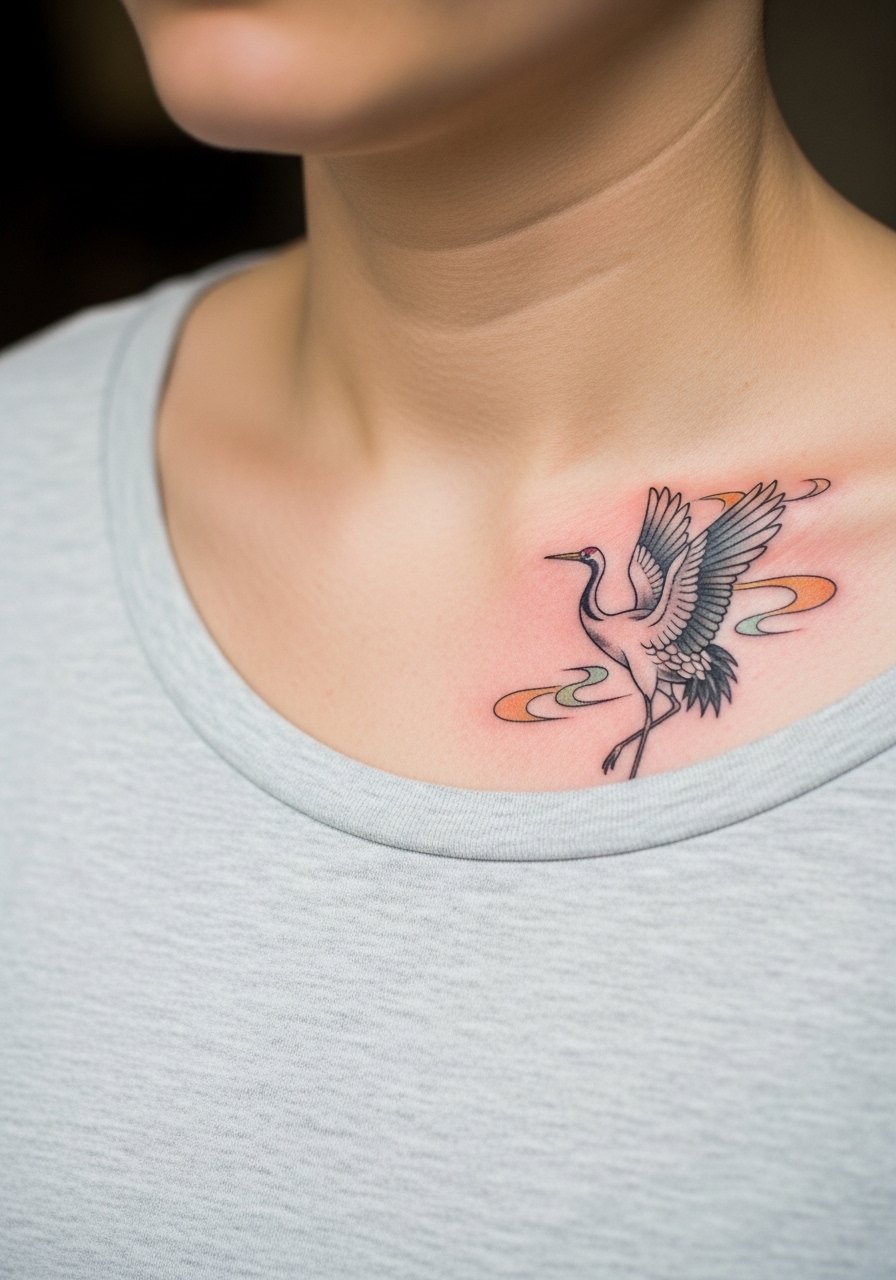
A collarbone crane can read as longevity and adds a graceful line to the upper torso. Prioritize motion in the neck and wing so it sits naturally with clothing lines. Tiny detail in feathers is a common aging trap; ask for clean feather outlines with light washes. Collarbone sessions can be sharp where bone is thin. To frame the work, try a thin chain pendant necklace that sits above the piece without covering it.
24. Tiny Frog on Hip
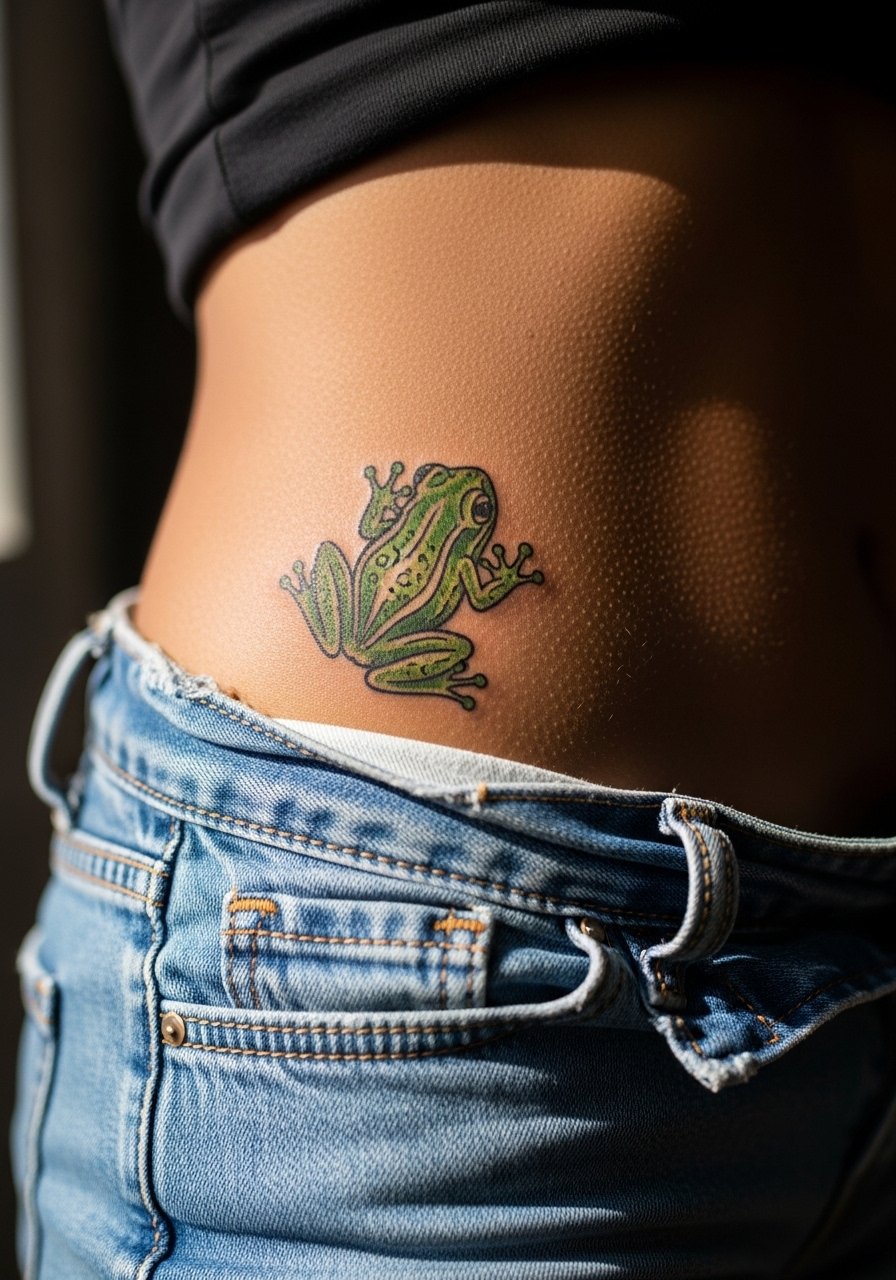
Hip pieces offer intimate placement with moments of reveal. For small hip frogs, keep the silhouette clear to survive body movement. The common mistake is over-texturing leaves which disappears as the skin stretches. Hip sessions are moderate in pain and require positioning changes. Discuss future connectivity if you plan a thigh panel.
25. Snake and Wave Forearm Mix
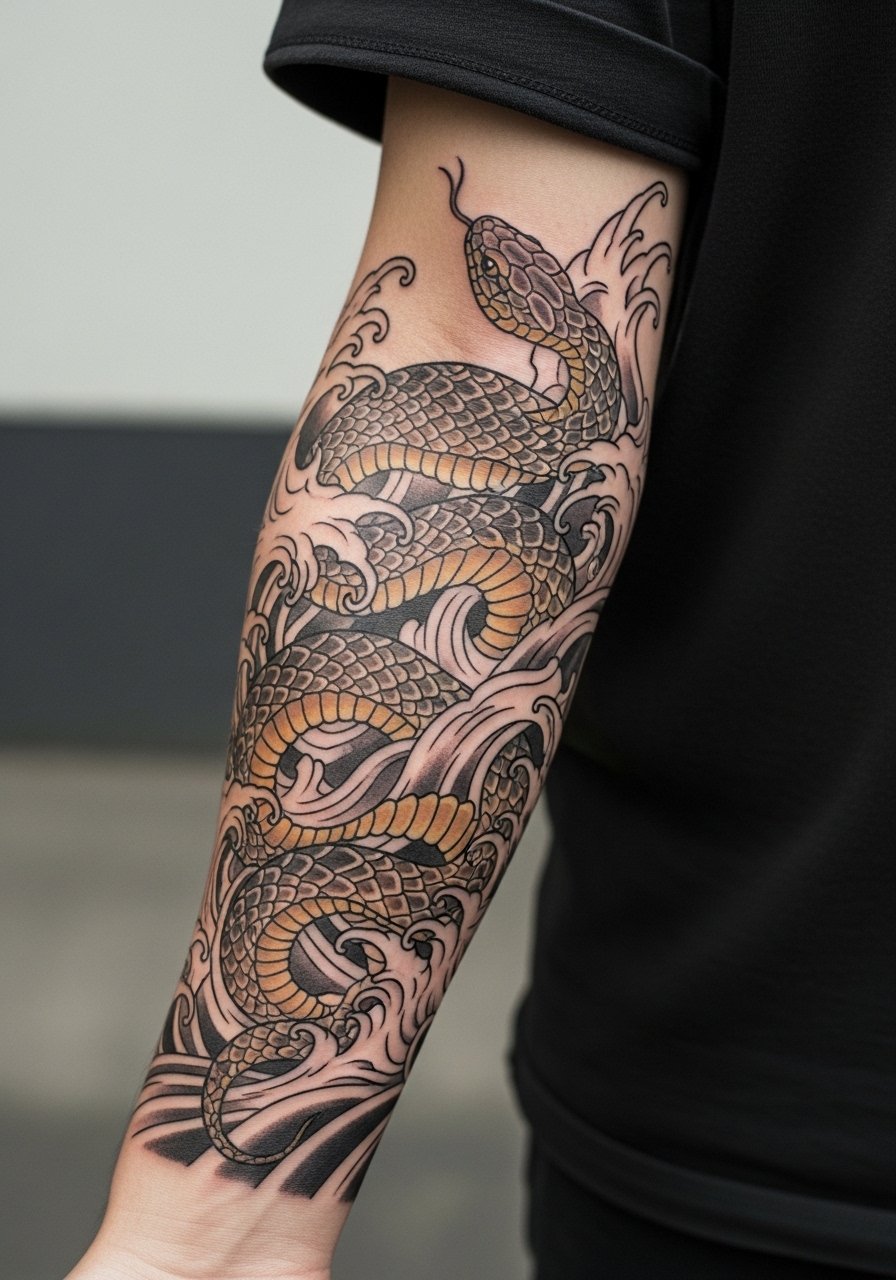
Combining snake and wave motifs on a forearm creates dynamic flow that shows from many angles. During consultation, align the snake head so it faces toward the hand or elbow depending on your preference for narrative direction. Overly tight wave fills are a common mistake and can mask the snake's coils when healed. Forearm sessions are manageable and allow for page-like composition. For casual reveal, a fitted crew neck tee with rolled sleeves works well.
26. Geisha Non-Smoking Portrait on Upper Arm
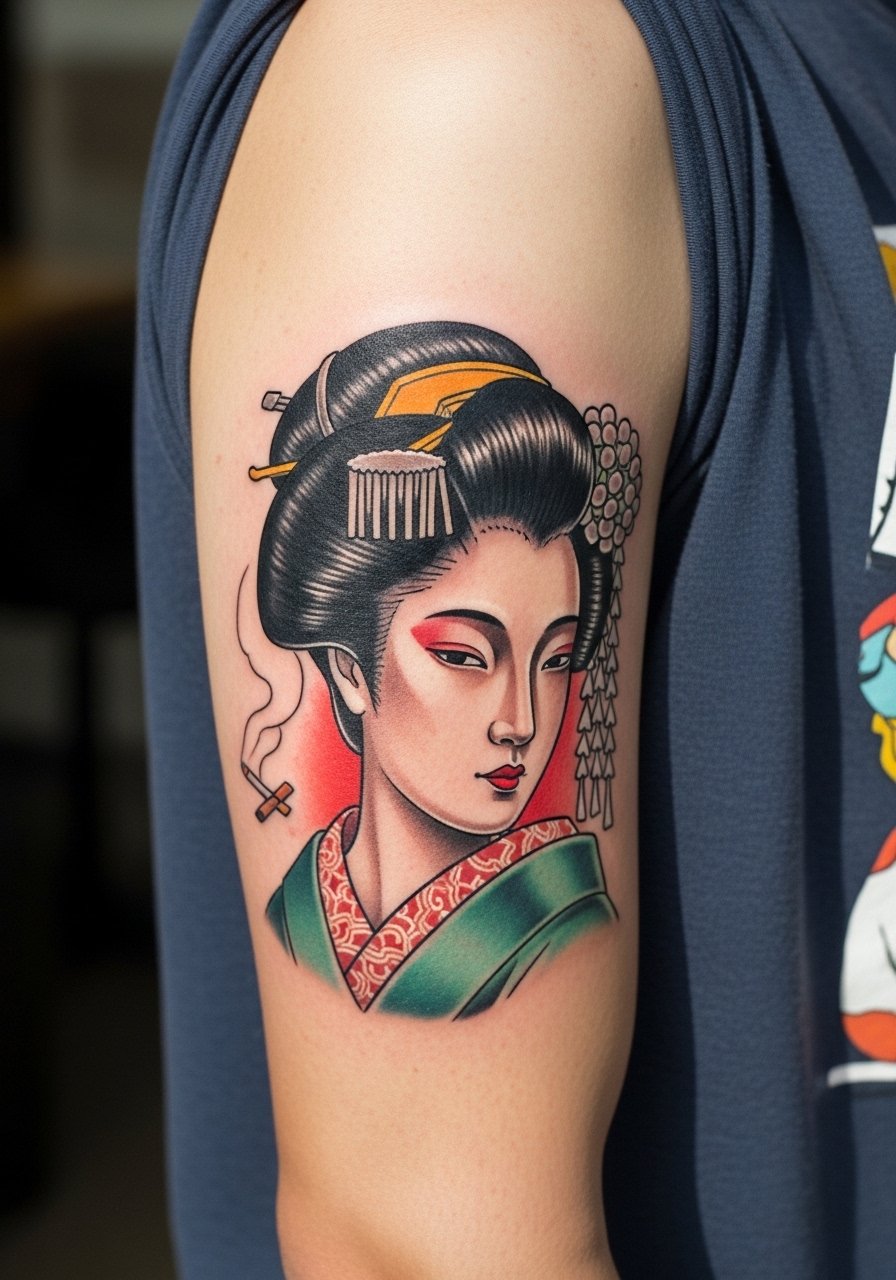
This take avoids stereotyped props and focuses on traditional artistry. Ask the artist to emphasize kimono patterns and hair ornaments to anchor the portrait. The mistake of including culturally insensitive props undermines the concept. Outer arm placement gives room for detail and feels forgiving during sessions. If you plan future sleeve work, designate negative space in the consult.
27. Small Chrysanthemum Behind the Ear
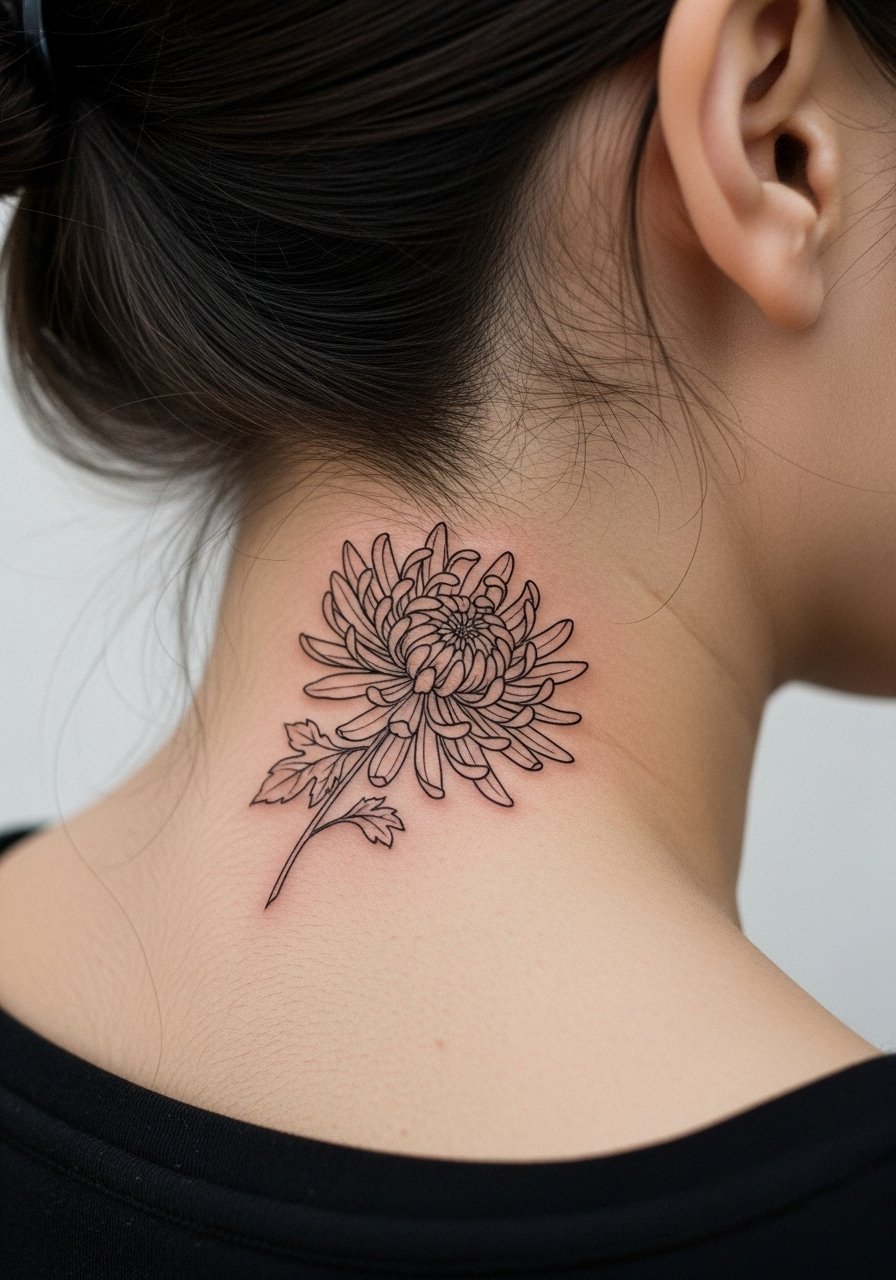
Behind-the-ear placements are intimate and require careful framing. Because language around cultural motifs matters, state your intent and prefer a stylized chrysanthemum rather than an exact imperial symbol. The main mistake is making the motif too dense; scale it down and simplify petal edges so it reads when hair covers it. Sessions are quick but require an experienced hand. A note on work considerations, some industries still view visible tattoos differently so pick placement with that in mind.
Frequently Asked Questions
Q: How do I decide between tebori and machine for an irezumi-style dragon?
A: Artists and collectors split into two camps. One camp says tebori preserves the traditional texture and depth, while the other camp favors machines for consistency and shorter sessions. Ask artists where their experience lies and request healed photos from past clients in similar skin tones. Your comfort with longer sessions and the specific look you want should guide the choice.
Q: Will fine line cherry blossoms on a thigh need touch-ups sooner than a bold peony?
A: Generally, very fine linework in high-motion or high-friction zones loses crispness faster than pieces with strong outlines. Cherry blossoms done with fine anchors and some contrast can hold well on a thigh, but expect occasional touch-ups around year three depending on sun exposure and how often the area rubs against clothing.
Q: How should I prepare clothing for a back or sternum session?
A: For back panels bring a button-down or a loose tank you can easily pull aside, and for sternum wear a fitted sports bra or bandeau that exposes only the work zone. Comfortable, loose bottoms are helpful for longer sessions so you can shift position without stressing the tattooed area.
Q: Do color Japanese pieces age differently on darker skin tones?
A: From what I've seen, strong blacks and clear outlines are the best base across skin tones, and saturated accents can be chosen to complement your tone. Artists often adjust contrast and saturation to account for melanin levels so the design keeps its shape as it heals. Ask to see healed examples on similar skin tones during consultation.
Q: How can I build a back irezumi over time without regret?
A: Plan a phased approach with a unifying sketch that reserves connection zones. Start with anchor elements like the central creature or floral focal and leave negative space where future panels will link. That way each session gives a satisfying result and the whole comes together without redesigning earlier work.
Q: Are collarbone chrysanthemum tattoos more painful than shoulder caps?
A: Collarbone sits over thinner tissue and can feel sharper during the session than the shoulder cap, which has more muscle padding. Shorter passes and breaks make a collarbone session manageable, and a clear conversation about line weight helps ensure the piece heals cleanly.