
Fine line cyber sigils on the hand read like a private language, and they demand different thinking than arm or back pieces. Small, well-spaced glyphs often last cleaner on fingers than dense black blocks, and session times for tiny sigils can run under an hour while still needing a touch-up later. Expect typical hand sessions to fall in the 150 to 500 range depending on complexity, and the notes below start at the fingertip and move across the whole hand.
1. Micro-Circuit Fingertip Sigil
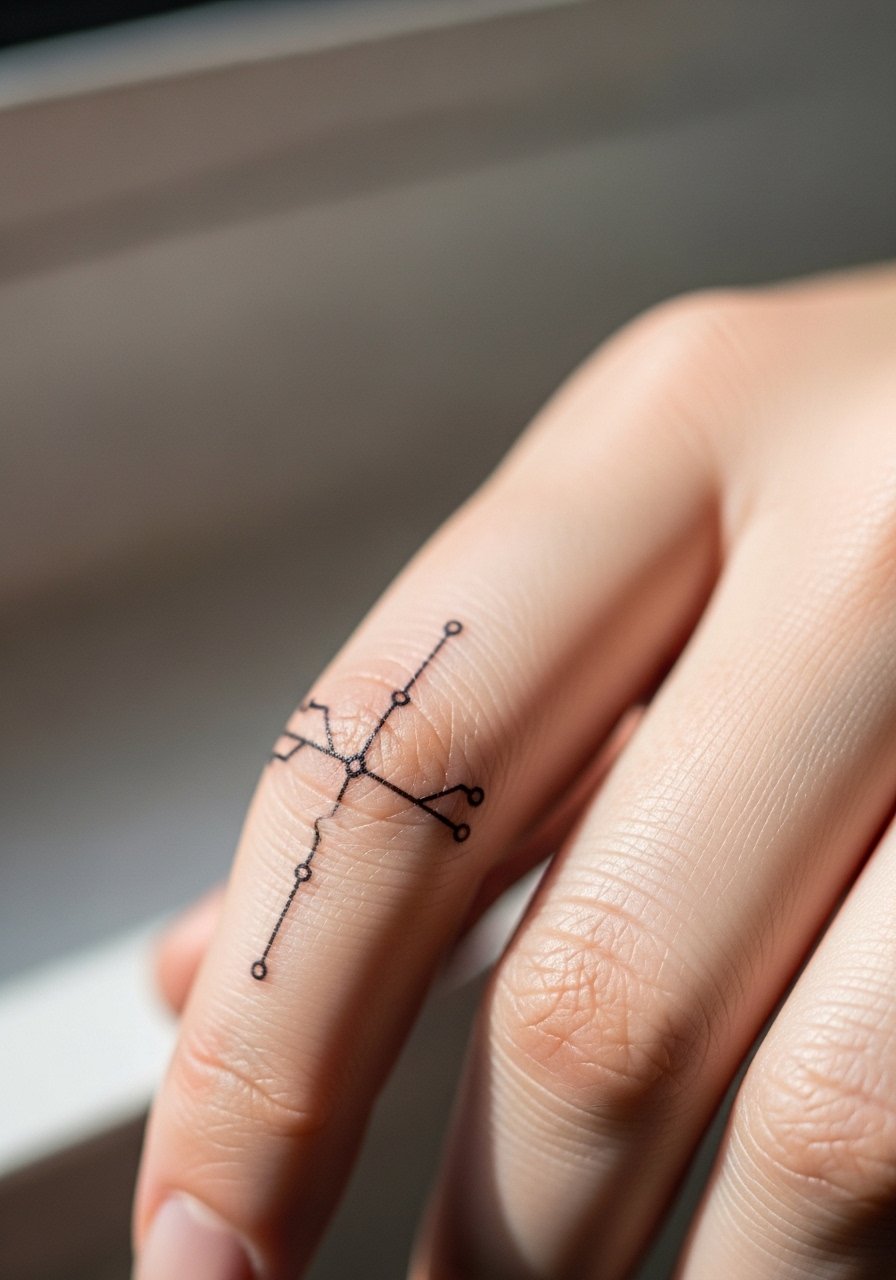
Tiny circuits placed on the distal phalanx read like secret marks, and they are forgiving when kept spare. Pain on the fingertip is sharper but short, so most sessions finish inside 30 to 45 minutes. Tell your artist you want single-needle fine line with clear negative space to avoid packed details that blur. The biggest mistake is asking for dense shading on a fingertip, which tends to lose definition by year two. Expect a touch-up at year one for most clients. For showing it off, thin stacking rings or a dainty ring set keep attention on the fingertip without overwhelming the tiny glyph.
2. Back-of-Hand Circuit Tree
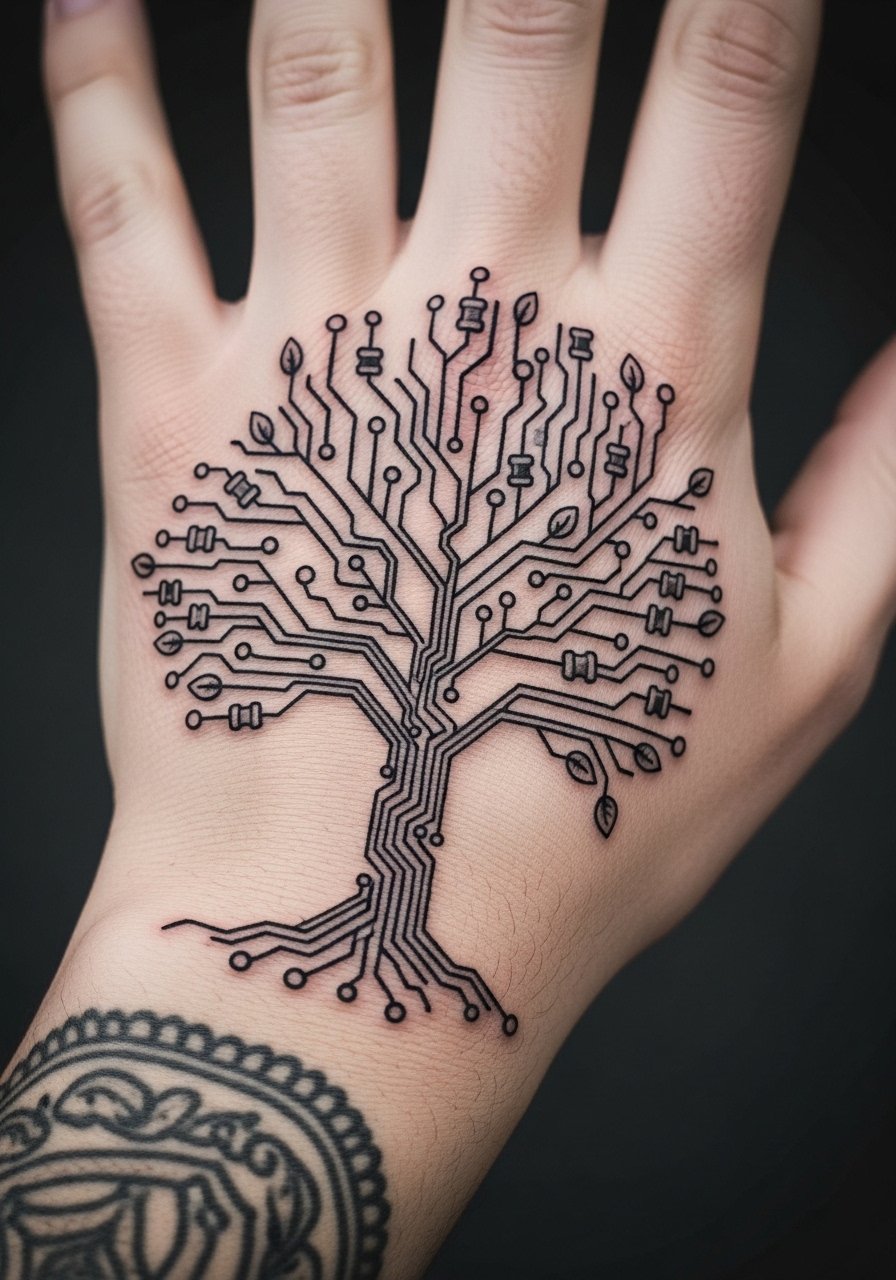
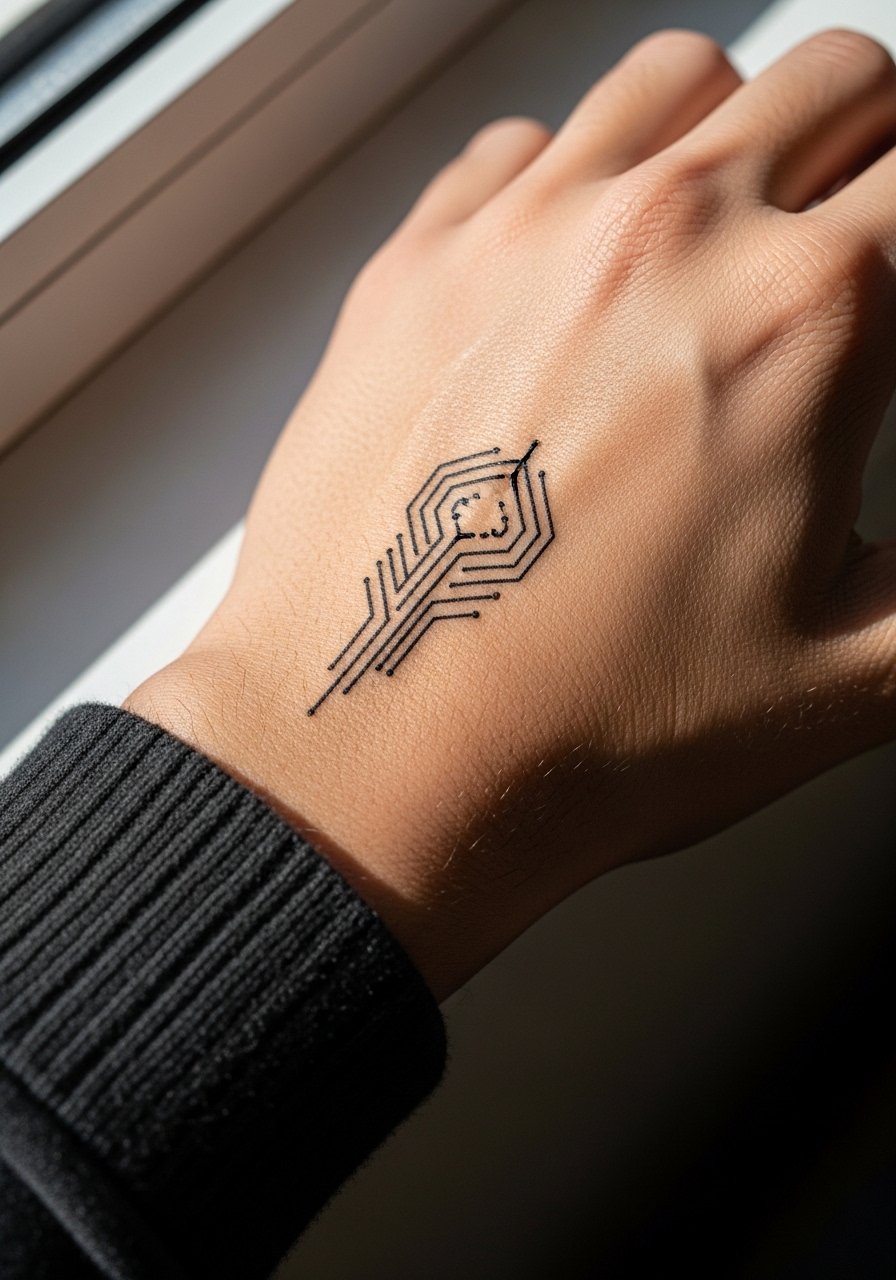
A branching circuit that fans across the back of the hand reads architectural and organic at once. Expect moderate pain because the back of hand has little padding. Sessions usually run 45 to 90 minutes depending on spread. In consultation, specify where veins sit so linework avoids areas that may shift with movement. Older versions pack lines too tightly and age into soft blur. The version that holds uses bolder primary anchors with thinner linking lines to keep detail for several years. Hand placement raises visibility concerns for some workplaces, and the debate is clear. One camp says visible hand work limits opportunities. The other camp argues the creative line between personal expression and professionalism is changing fast.
3. Knuckle Glyph Sequence
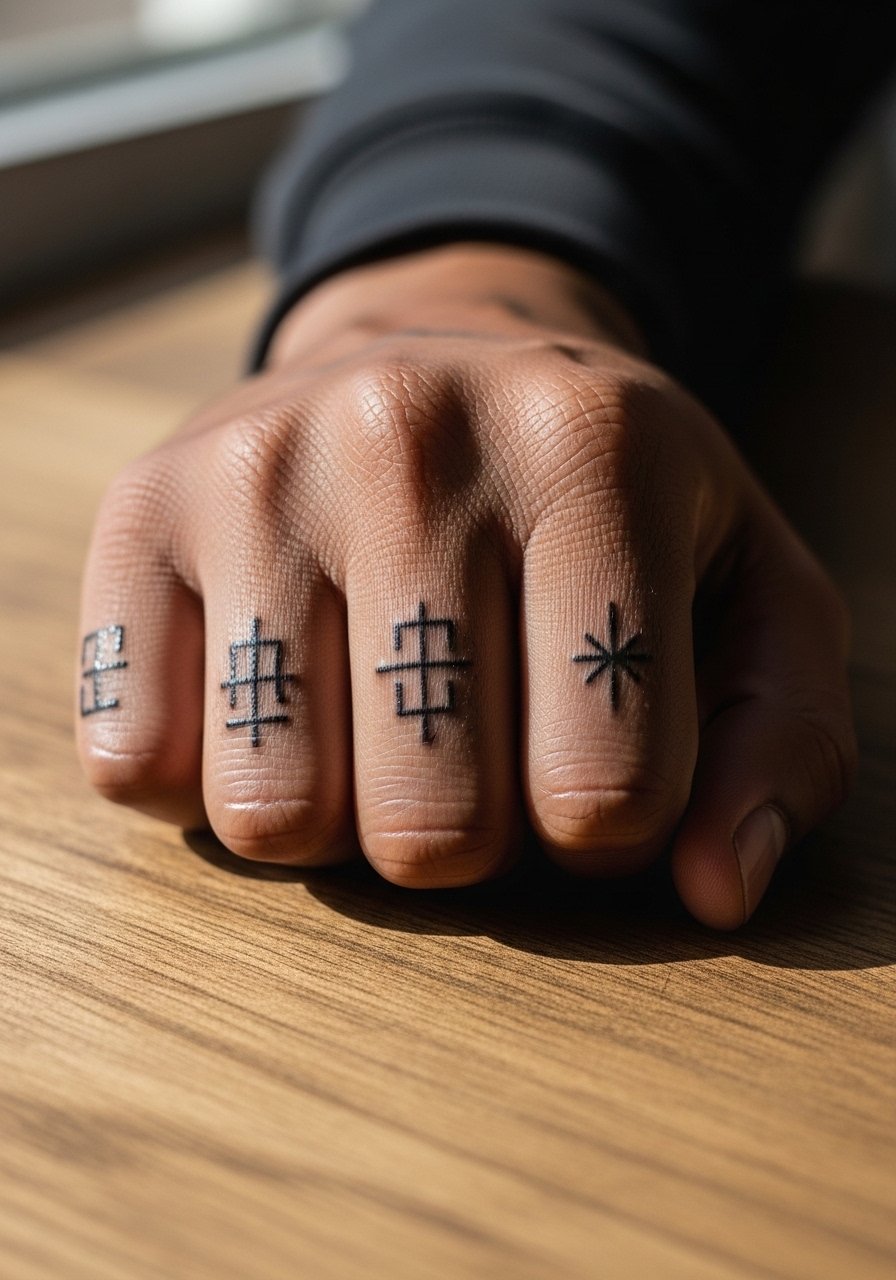
Knuckle glyphs read like a short coded phrase and they wear uniquely because of constant movement. Fair warning, knuckles heal patchier than flat skin, and touch-ups are common at year one. When booking, bring exact glyph spacing and ask for slightly larger scales than the reference so the letters do not merge. The classic mistake is cramming text or tiny symbols across four knuckles. For showing off, stacked narrow bands and a slim minimalist watch keep the area styled without covering the glyphs. Expect session times of 30 to 60 minutes for a short sequence and a moderate pain level.
4. Palm-Edge Sigil Lining
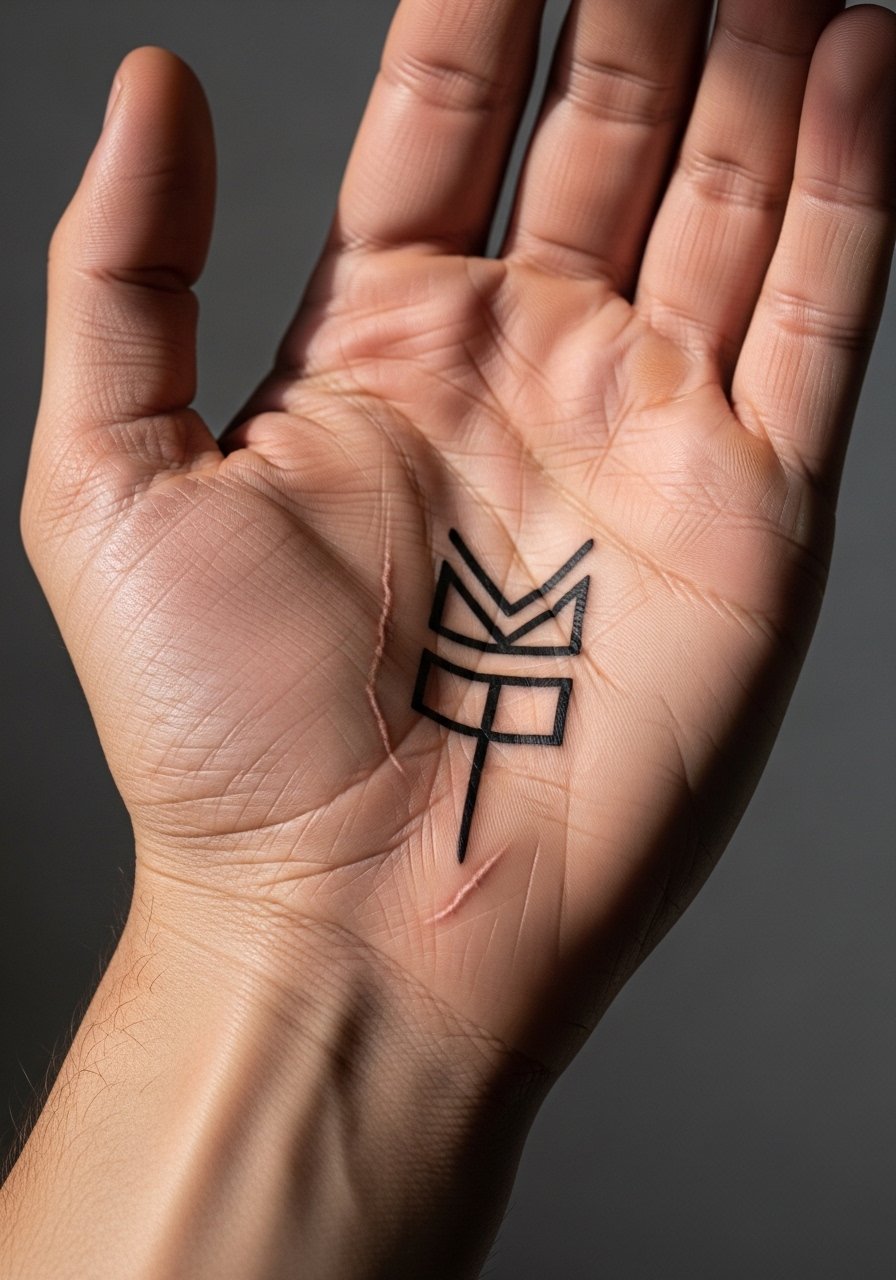
A sigil tucked along the palm edge reads private yet visible with certain gestures. Palm skin is tough and heals differently, so expect faster ink loss and a higher touch-up probability. The session feels rougher because the artist will need firmer passes to get saturation. The most common mistake is treating palm work like other hand pieces and keeping the design too detailed. Simpler, bolder marks fare better. For the appointment, wear a loose button-down shirt so you can roll sleeves up without pressure. Plan for a 45 to 90 minute session and a realistic touch-up at six to twelve months.
5. Circuit Band Across the Thumb Web
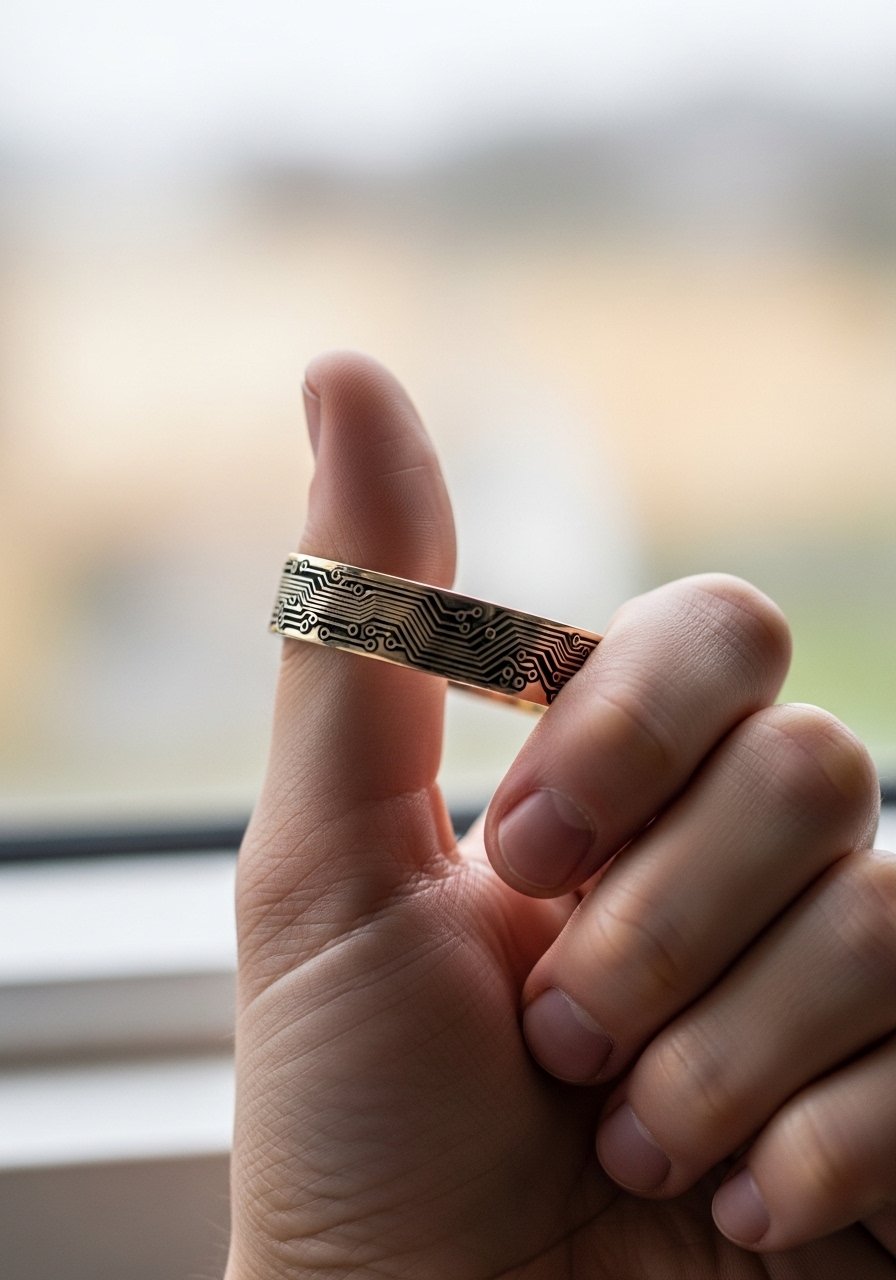
A band that bridges thumb and index finger emphasizes movement and reads like a wearable circuit. The web area is sensitive but sessions are usually under an hour for single-band work. Ask your artist for slightly wider line anchors so the band keeps structure with daily rubbing. The common error is ultra-thin lines that disappear into the creases within a year. This placement tolerates bold anchors and negative space. For showing it off, a slim leather bracelet sits near the wrist without interfering. Expect a touch-up discussion upfront; many people schedule a small revisit at six to twelve months.
6. Radial Palm Sigil
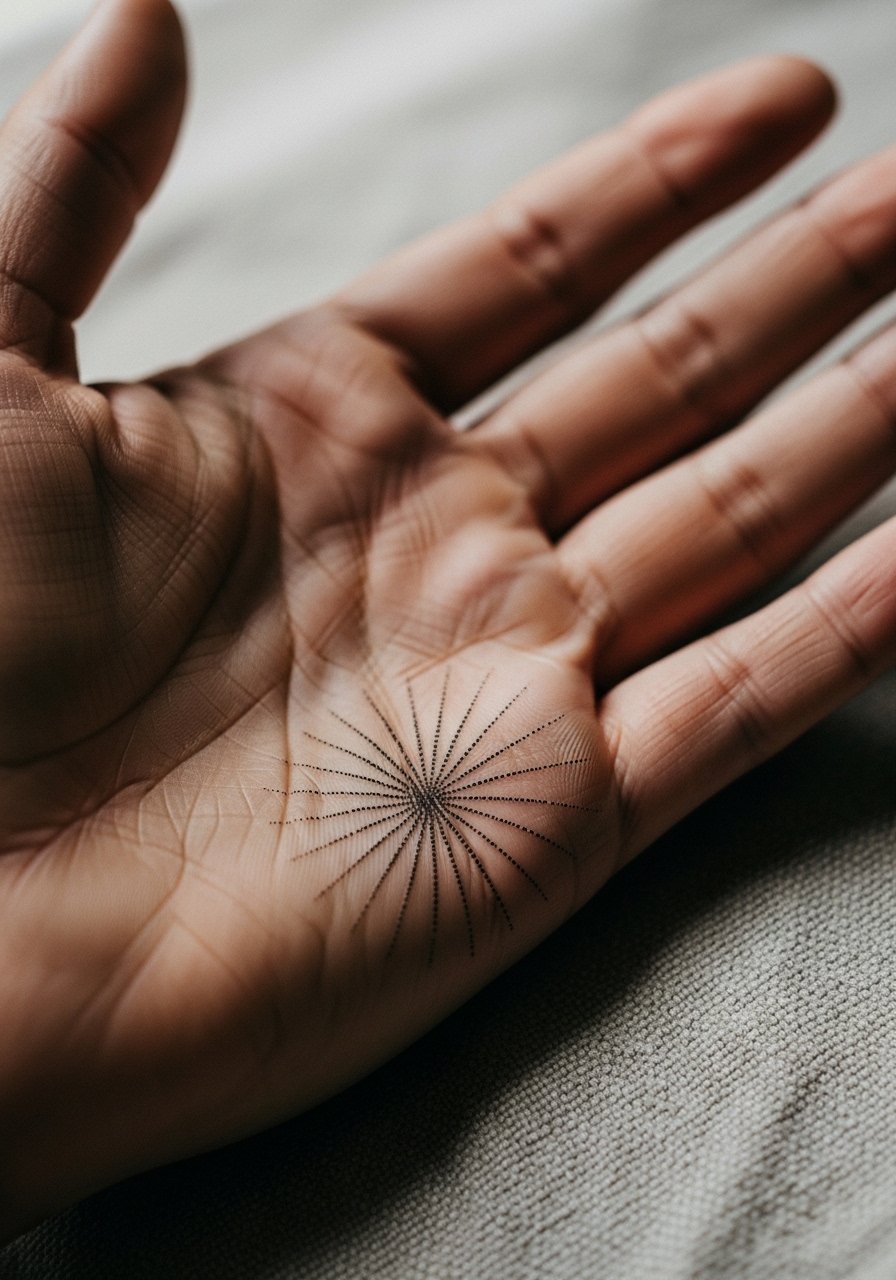
A radial sigil centered near the base of the fingers gives a focal point on the hand and reads like a mechanical compass. Pain sits in the moderate range and the session usually runs 60 to 90 minutes for a medium-sized radial piece. During the consult, ask for wider spacing between spokes to avoid later merging. The aging problem comes from dense dot fills that pack and soften. A recommended approach uses negative space and stipple shading that keeps contrast as the piece heals. For casual styling, short sleeve shirts or rolled cuffs frame this focal point well when you move your hand. Expect a touch-up at year one for most clients.
Pre-Session Essentials
Those fingertip, knuckle, and palm pieces above demand different prep than larger arm work, and a few small items smooth out the session and the first week.
-
Stencil transfer paper kit. Lets you preview line placement on the actual hand so you can confirm glyph scale before needles touch skin.
-
Topical numbing cream. Applied 30 to 45 minutes before eases sensitivity for thumb web and fingertip sessions without changing line clarity.
-
Thin protective film roll. Useful for hands that see lots of washing and friction during the first few days.
-
Fragrance-free body wash. Gentle cleansing avoids irritation around delicate grooves and keeps fine lines intact during showers.
-
Aquaphor healing ointment. Thin layers in the first days lock in moisture and reduce scabbing on tight hand skin.
7. Circuit Lace Along the Fingers
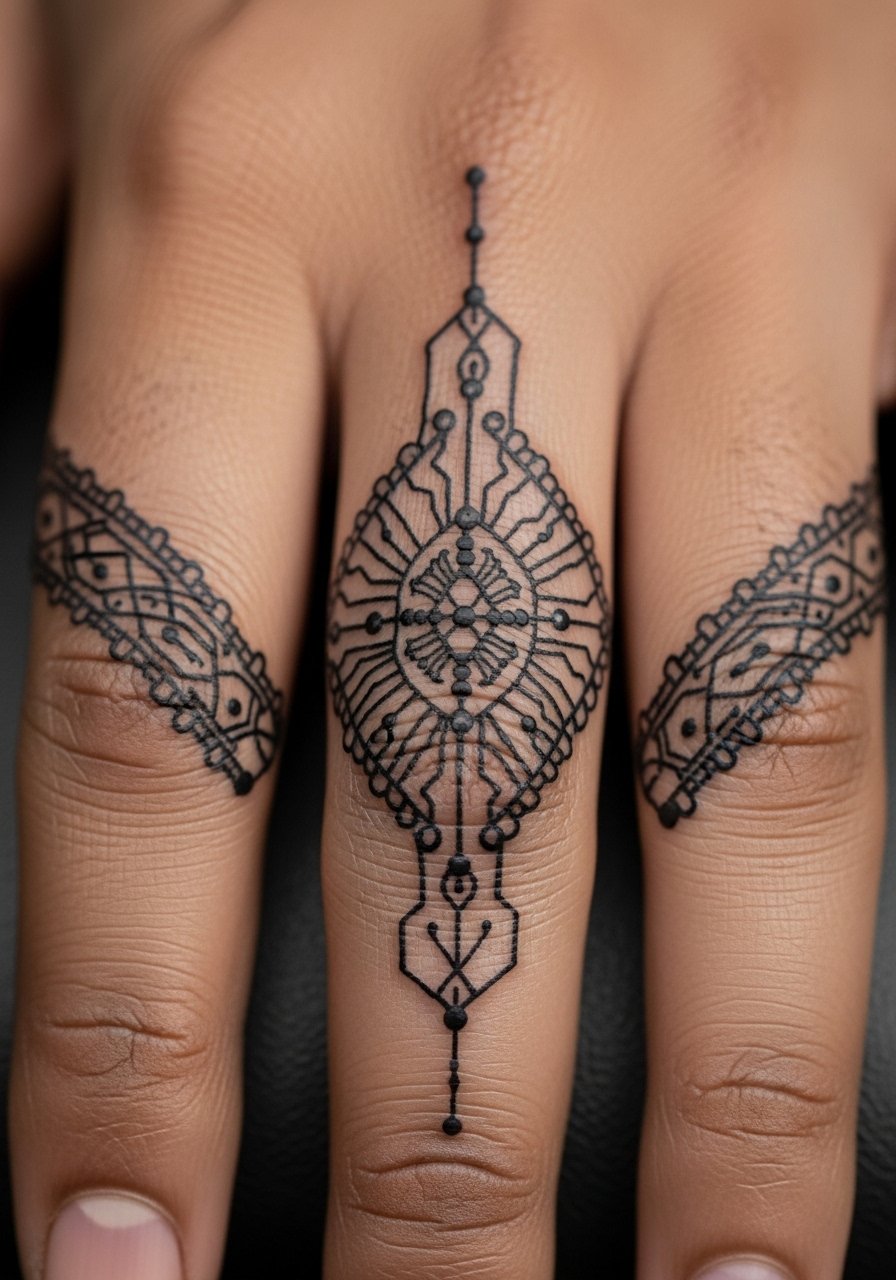
A lace-like circuit that snakes across multiple fingers reads delicate but needs deliberate spacing to last. Finger joints bend constantly, so the piece feels sharp at first and dulls with movement. Tell the artist you want breaks at knuckles to prevent long runs of ink that will blur into creases. A common mistake is extending continuous lines across too many joints. Expect a 30 to 90 minute appointment depending on how many digits are involved and a touch-up at year one. For showing it off, stacked slim bands and a racerback tank top do not cover the fingers and keep the hand in focus for summer styling.
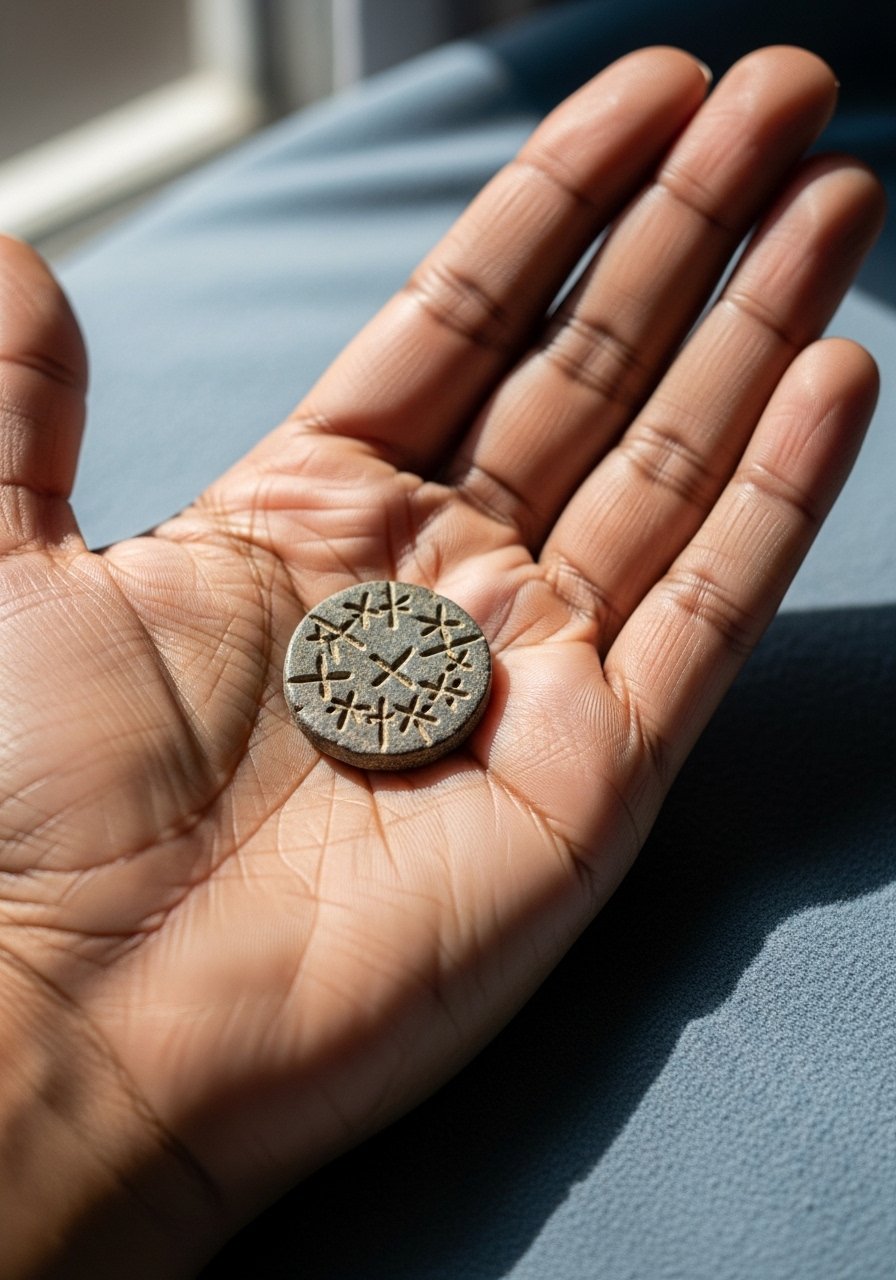
8. Palm-Facing Glyph Disk
A compact glyph disk placed on the palm-facing side of the hand serves as a subtle centerpiece and it handles enough friction to warrant bold anchors. Sessions are often 45 to 75 minutes. In consults, ask the artist to avoid dense dot fields and favor open negative space to preserve definition. The common error is fussy inner fills that turn muddy after repeated washing. For the session, wear a loose drawstring linen pant so the artist can position your arm comfortably without tight clothing pulling on the shoulder. Plan on a follow-up touch-up around the one year mark.
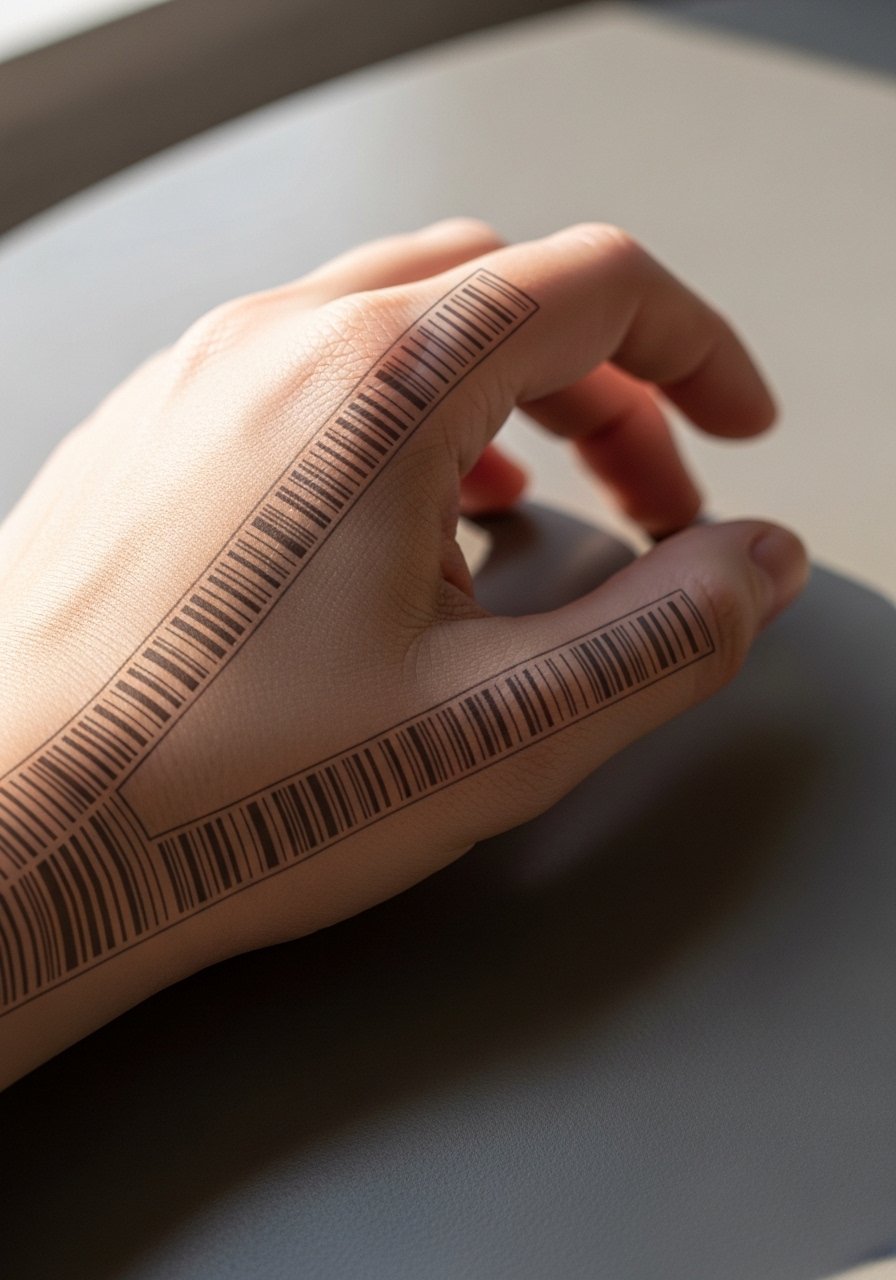
9. Barcode Sigil Across the Side of the Hand
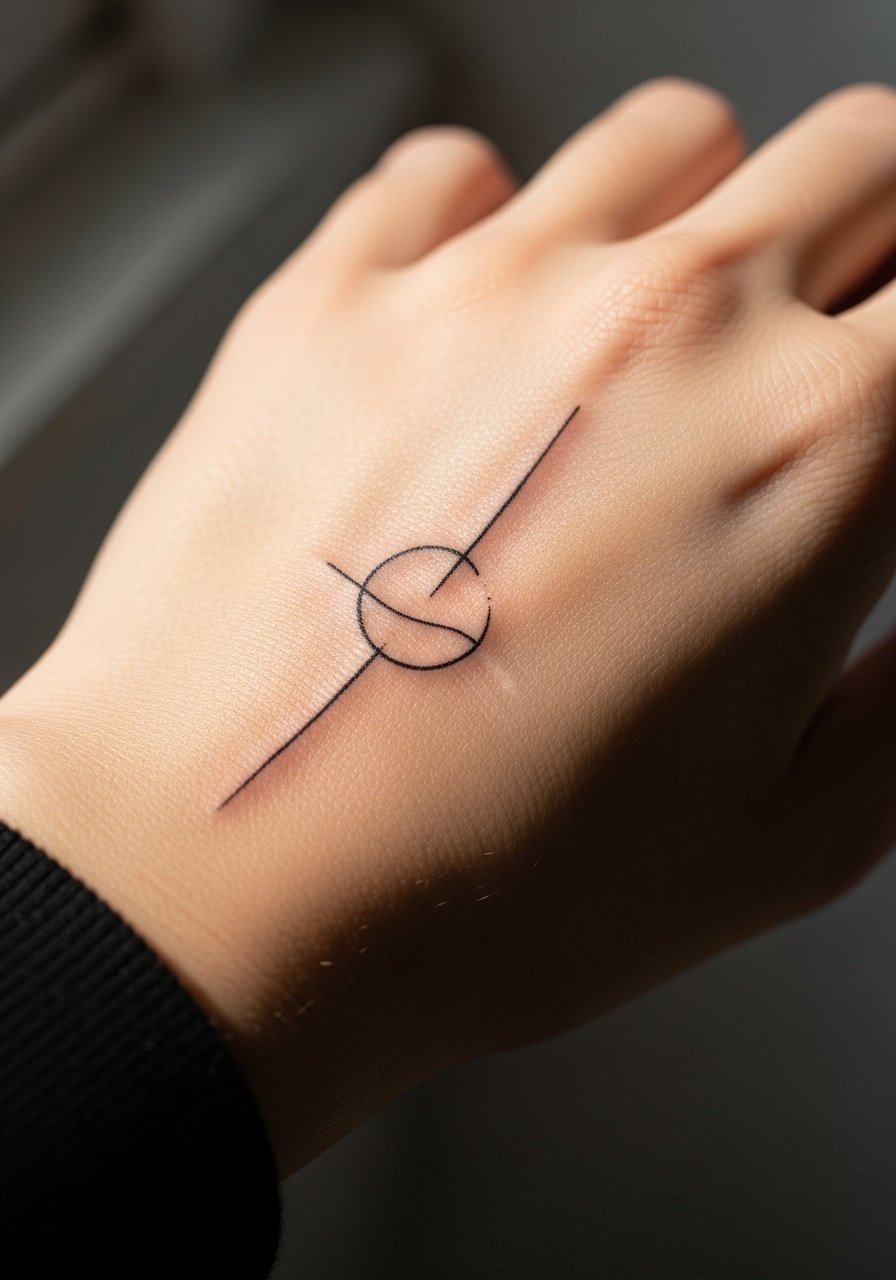
A barcode-like array of lines and tiny sigils works well on the hand side and reads architectural. The side of hand has variable contours so ask for line weights that compensate for skin stretch. The mistake is using ultra-thin parallel lines that merge with time. Sessions usually last 45 minutes to an hour. For showing off, a slim chain bracelet around the wrist keeps focus on the hand without crowding the pattern. Expect a touch-up conversation during booking since parallel lines often need redefinition after the first year.
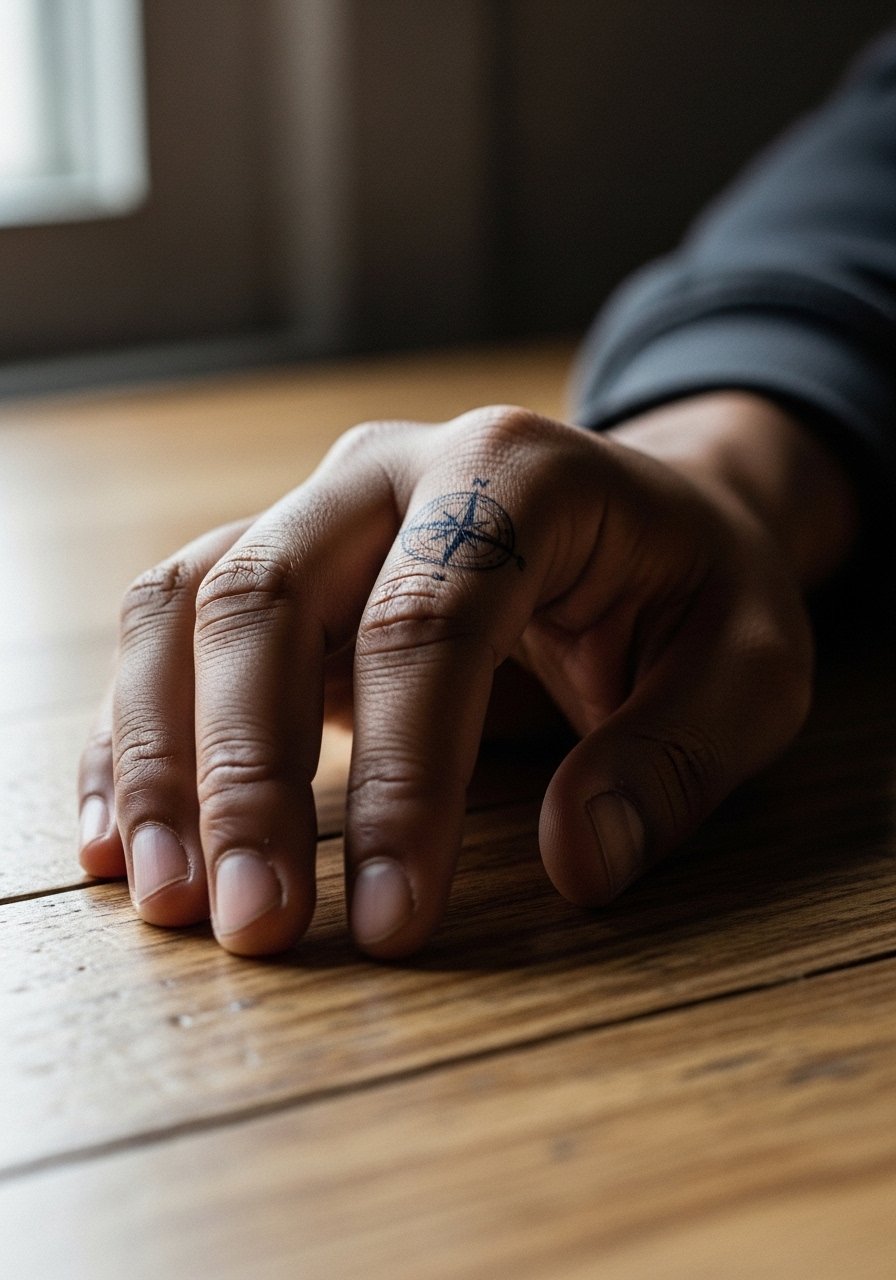
10. Compass Node at the Metacarpal
A small compass node centered over the metacarpal bones reads like a navigation glyph when paired with radial lines. This spot is moderate on the pain scale and sessions often take 45 to 75 minutes. During consultation, mark where tendons move so linework avoids areas that cause early fading. The usual mistake is adding tiny lettering around the node, which crowds the composition. For showing it off, a thin chain pendant necklace frames the hand when gesturing and keeps the look intentional. Expect a touch-up plan at year one for most clients.
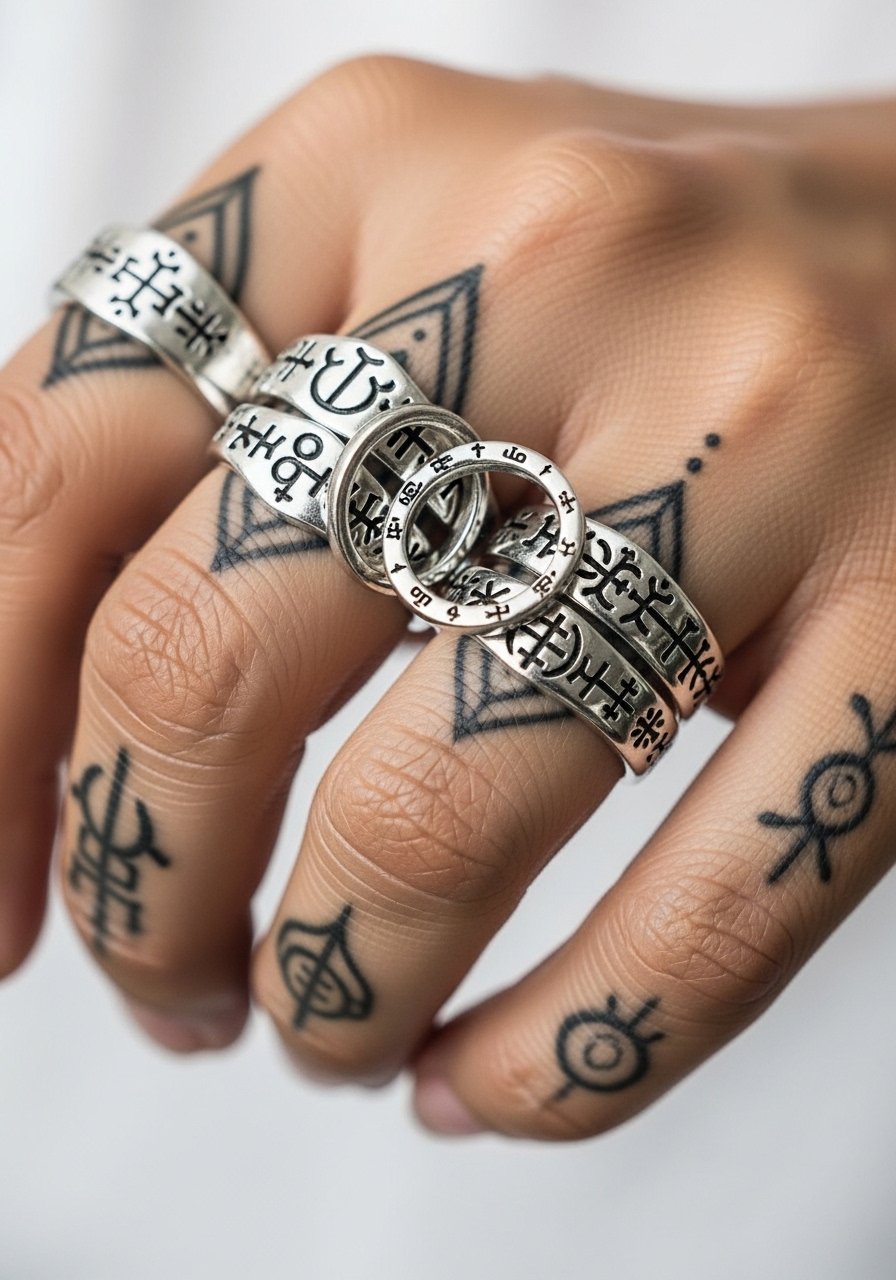
11. Interlocking Sigil Rings on Phalanges
Stacked interlocking sigils on the phalanges mimic mechanical rings and they read well when spaced. Fingers are high movement zones and the session feels more precise than painful. Ask the artist for slightly larger negative gaps between each ring to keep them readable with time. The common error is mirroring a metal ring too exactly and not allowing for skin shift. A short session per finger usually runs 20 to 40 minutes. For styling, thin ring stacks pair naturally and a stacked dainty bracelet keeps the wrist tidy without competing with the phalange work.
12. Haptic Node on the Thumb Pad
A bold haptic node on the thumb pad uses negative space to avoid smeared fills, and it sits on one of the most tactile parts of the hand. The area is sensitive and sessions are shorter but firmer, often 30 to 60 minutes. Specify in consultation that you want raised anchors rather than dense fill, because heavy fills on the pad can ball up and fade quickly. Many people mistakenly ask for photo-realism here, which rarely holds. For the appointment, wear a loose button-down shirt you can roll up to keep the arm free. Plan for a likely touch-up within the first year.
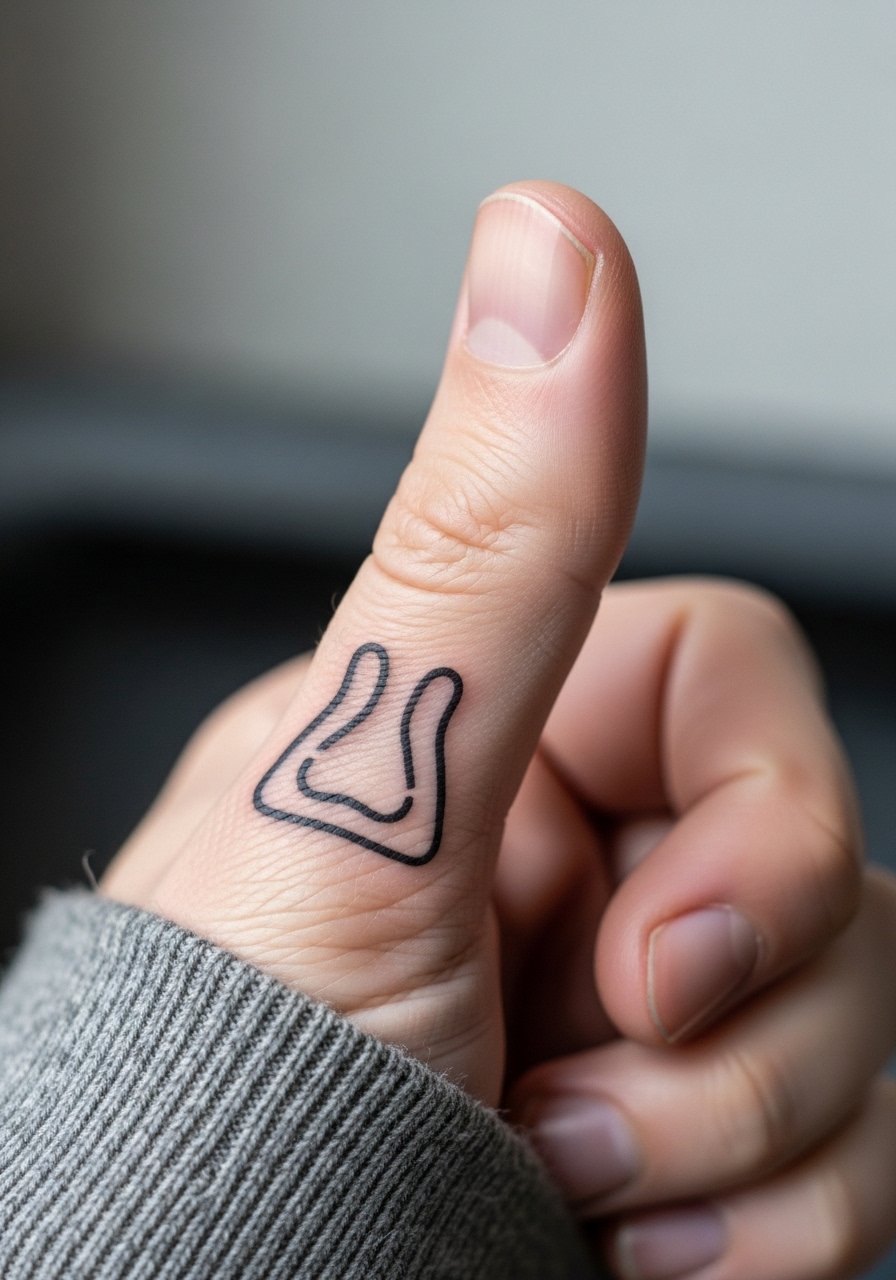
13. Constellation Sigil Across the Back Fingers
A constellation pattern of tiny nodes and linking lines across the back fingers reads celestial and symbol-driven when spaced correctly. Fingers require open spacing, so tell your artist you want each node distinct and avoid tight dot clusters. Sessions for a small constellation run 30 to 60 minutes. The aging issue is dot clustering that softens into a smudge. The simpler layout holds better and needs fewer touch-ups. For show-off styling, thin midi rings and a minimalist watch keep the aesthetic cohesive without hiding the constellation.
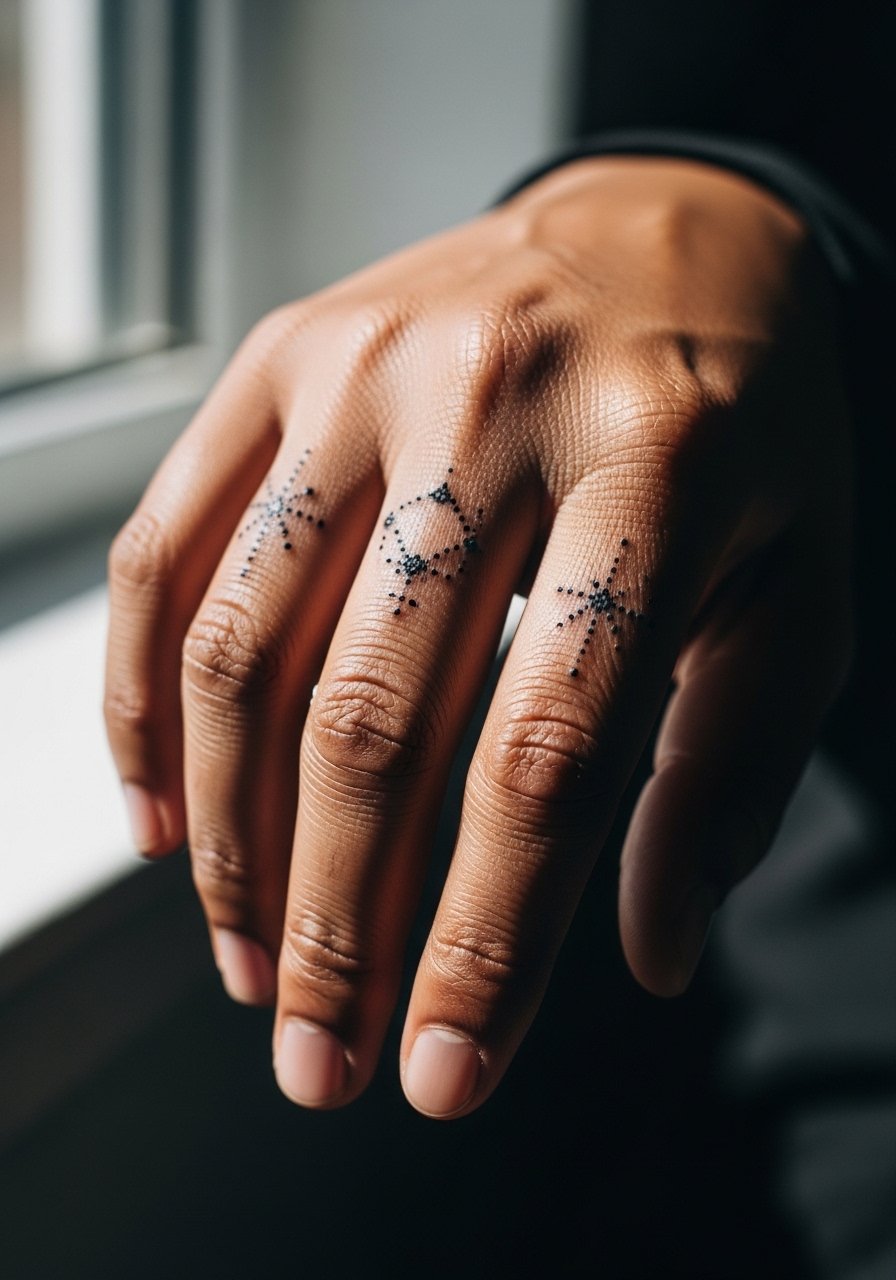
14. Geometric Grid Across the Back Hand
A geometric grid of cyber glyphs reads engineered and repeats nicely across the back hand surface. Grid work needs breathing room so the lines do not touch each other. The usual mistake is compressing the grid into a small patch which ages into solid blocks. Sessions take 60 to 120 minutes for a larger grid and the pain is moderate. In consultation, request deliberate negative space and test a small transfer movement with your hand to see how the pattern shifts. For styling, a loose linen shirt with rolled sleeves frames the back hand when you gesture and keeps attention where you want it.
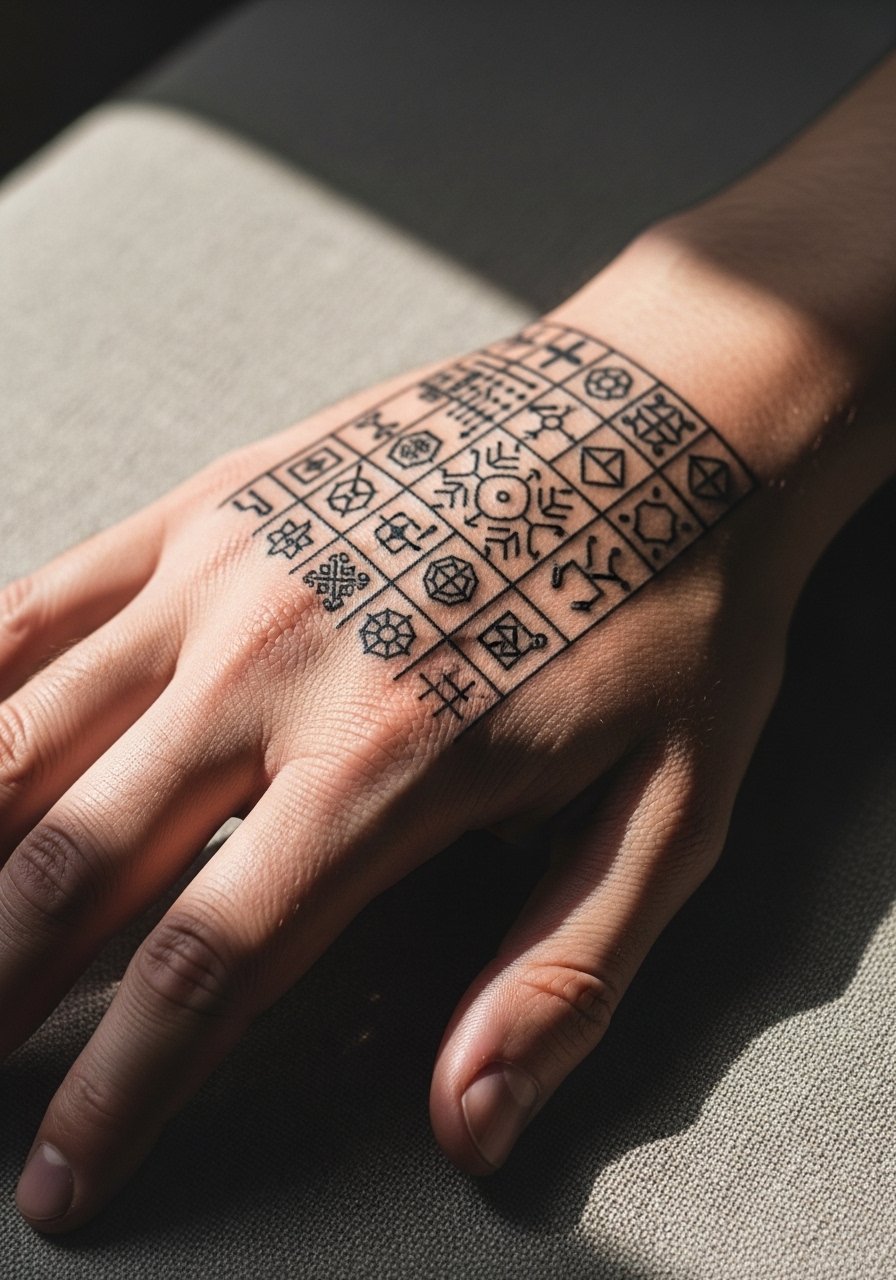
15. Minimal Lock Glyph on the Index Side
A minimal lock glyph placed on the index finger side reads like a private icon and keeps detail compact. This spot sees lots of contact and the piece will need occasional reinforcement. Sessions are quick, usually 20 to 40 minutes. The common error is packing micro-detail that cannot be maintained on constant contact skin. During the consult, ask for conservative line weight and a realistic touch-up timeline. For showing off, a slim ring set on adjacent fingers complements without crowding the glyph. Expect to schedule a touch-up around the first year.
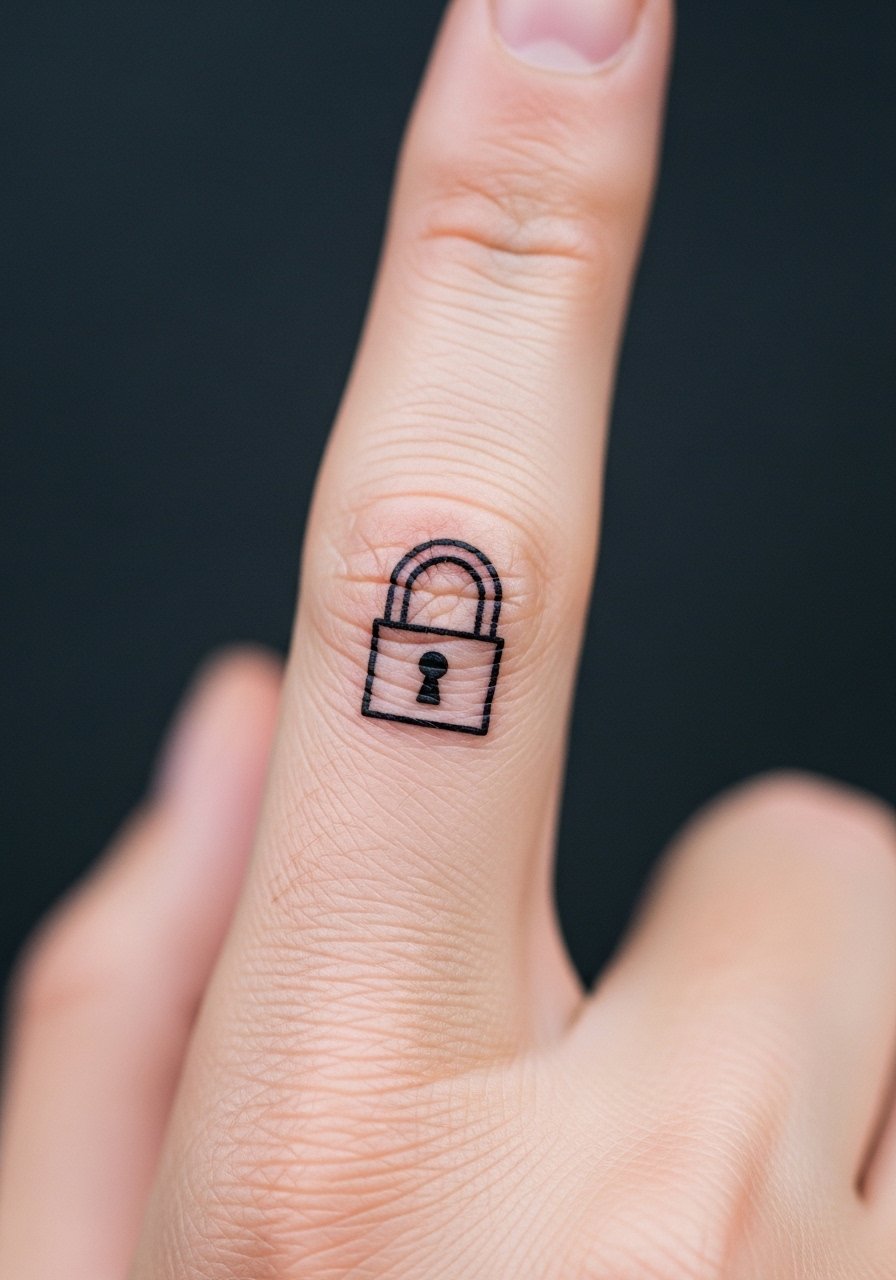
16. Neon-Style Circuit Accent in Color
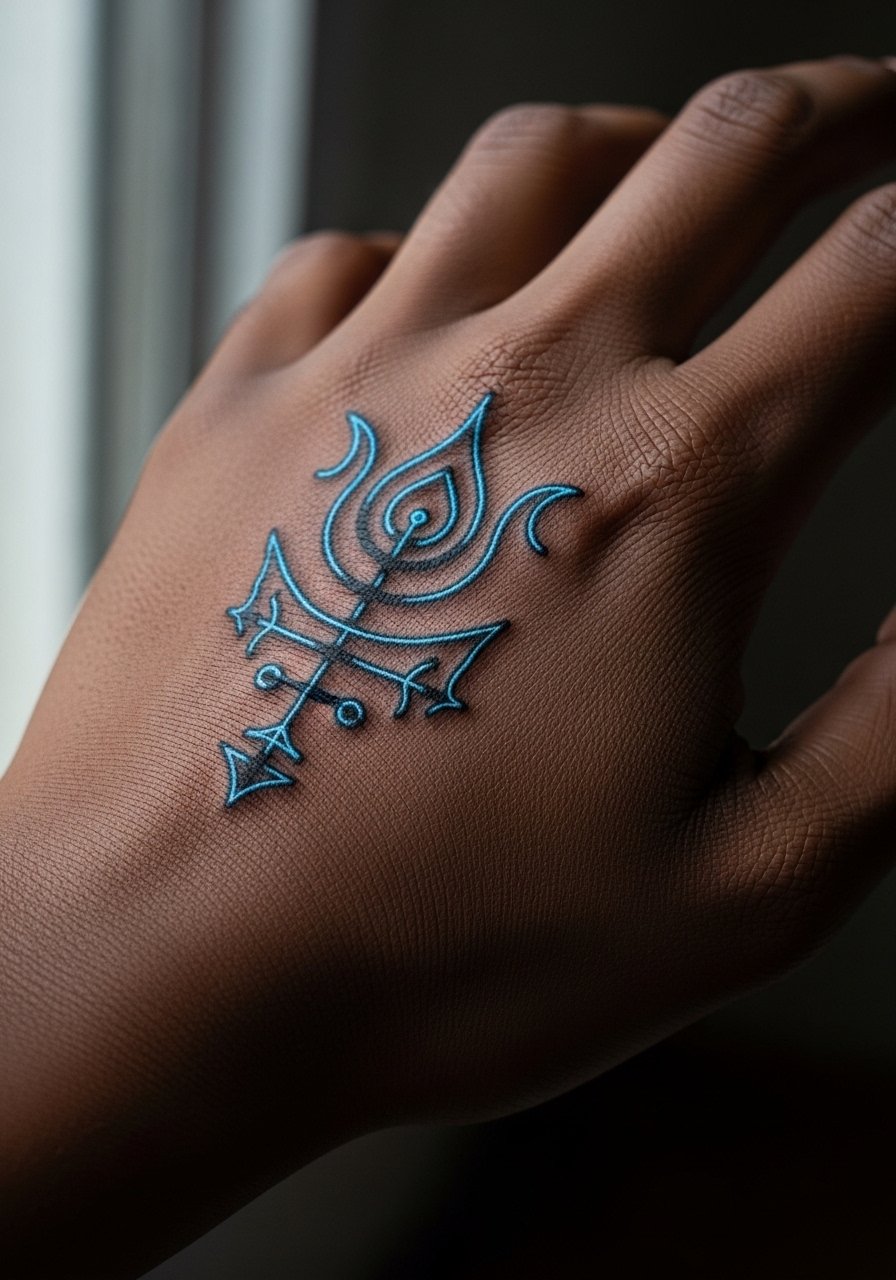
A thin neon-style accent in saturated color can modernize a black sigil while staying minimal. Colored ink on hands fades faster due to sun and washing, so ask for concentrated anchors in black with color as an accent only. Sessions for small accents add 15 to 30 minutes to a black piece and the pain level is similar. The mistake is relying on color alone for definition. For showing off, short sleeve shirts in neutral tones keep the color pop focused, and a short sleeve cotton tee works well when you gesture. Plan for more frequent color touch-ups than you would for pure black linework.
17. Chain-Link Sigil Along the Wrist Edge
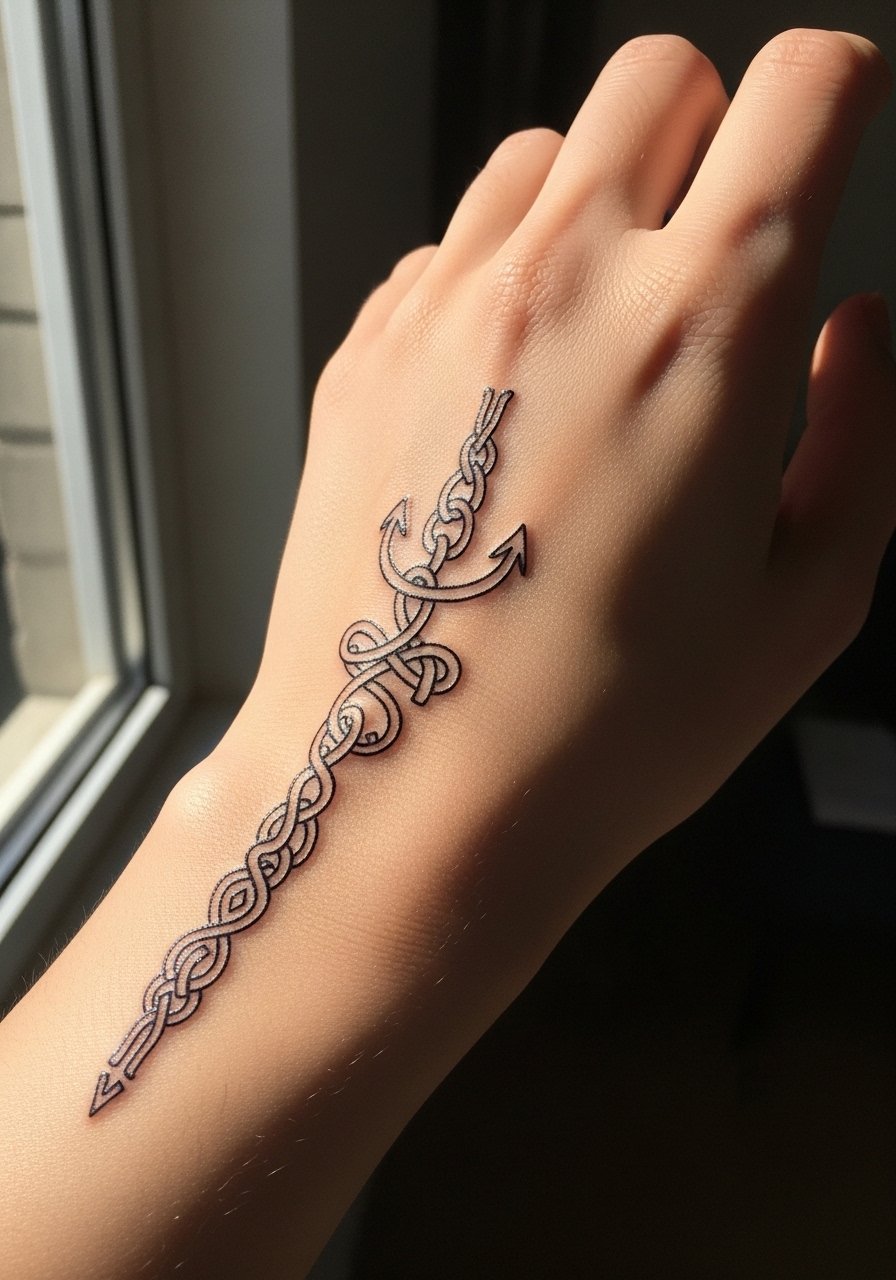
A chain-link sigil that wraps slightly onto the wrist reads wearable and frames the hand. The wrist edge sees frequent clothing friction so ask for stronger anchors and breaks in the pattern to reduce heavy wear. The common error is a continuous thin chain that fades quickly. Sessions run 40 to 75 minutes depending on wrap length. For the appointment, wear a loose button-down shirt you can roll up and a soft band of fabric over the shoulder to keep tension low. Expect a touch-up discussion during booking.
18. Glyph Pairing Across Two Hands
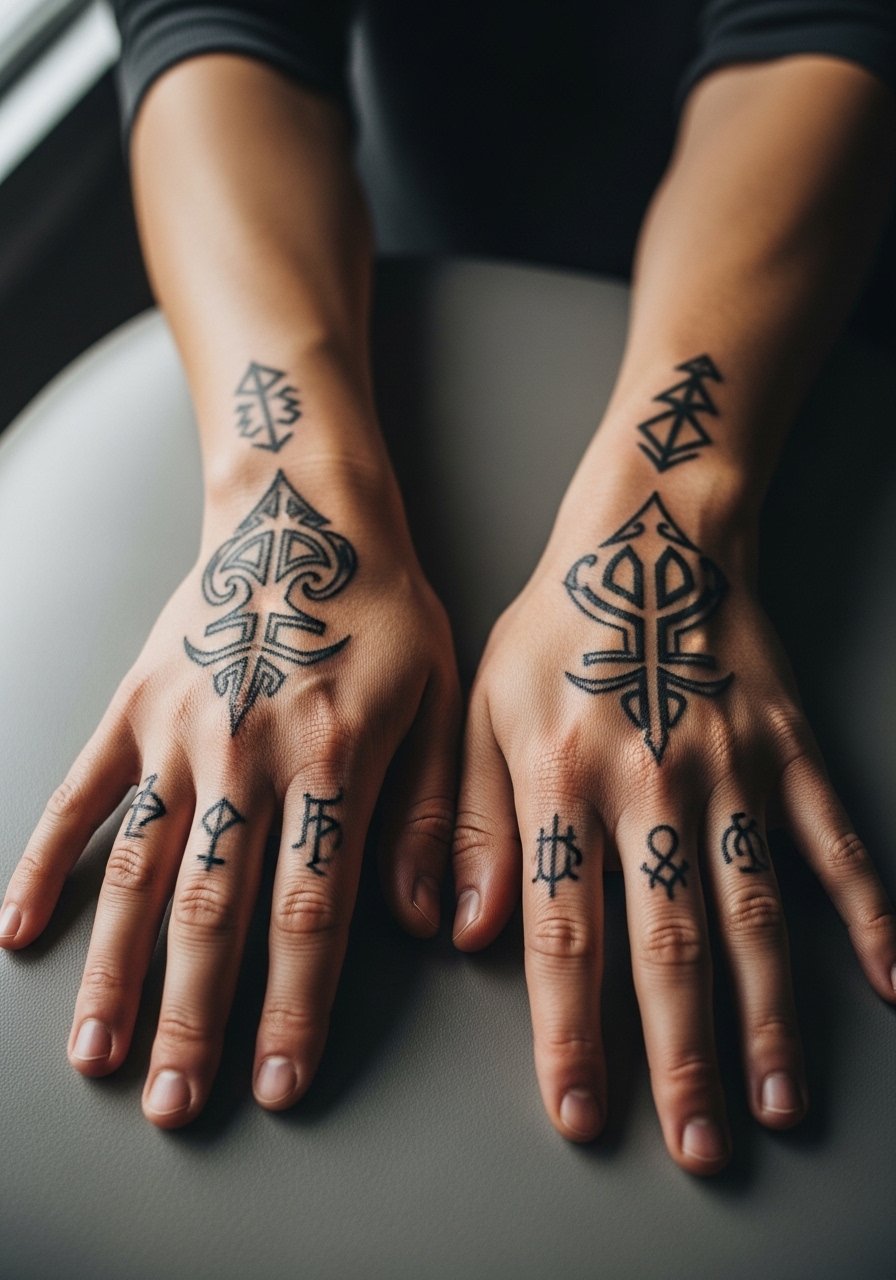
Mirrored glyphs across both hands create a balanced statement, and they demand matched spacing. Sessions may be split across two appointments or done back to back; expect 60 to 150 minutes total. A common mistake is asymmetric sizing that becomes obvious when you use both hands. Bring exact measurements and ask for mirrored stencils during the consult. For showing off, coordinated accessories like a thin chain bracelet on both wrists keep the visual rhythm. Touch-ups are often planned for both hands simultaneously.
19. Binary Sigil Rows on Finger Sides
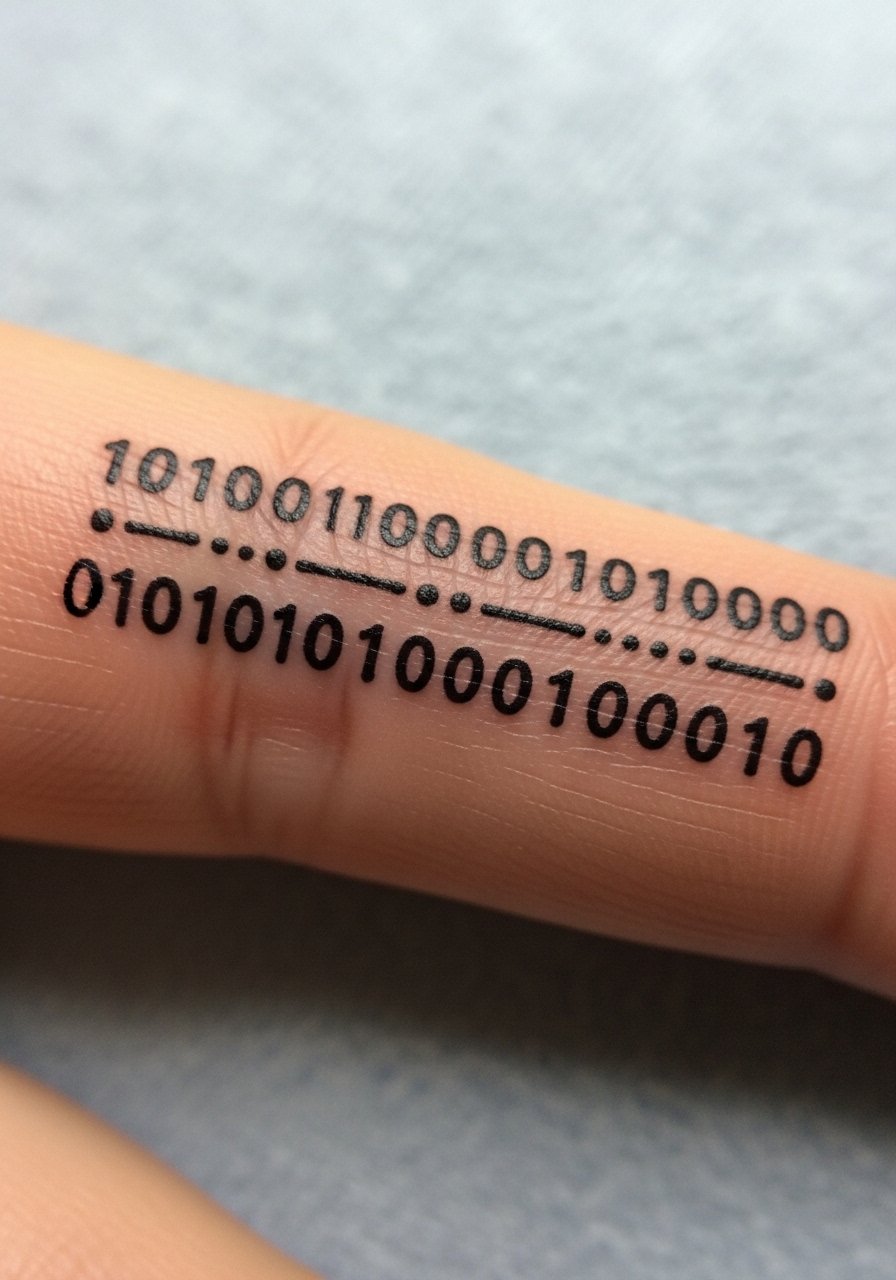
Rows of binary-inspired dots and short lines along finger sides read technological and discreet. Side-finger work is sensitive and tricky with seam lines from contact and clothing. The mistake is making the rows too dense which yields merge in a year or two. Sessions are short, often 20 to 50 minutes per finger. Ask in consultation for slightly staggered rows to let skin move without blurring. For show-off styling, slim midi rings highlight the finger sides while still allowing the binary rows to be visible.
20. Palmar Crest Under the Fingers
A palmar crest tucked under the fingers sits where the hand meets the palm and it looks intentional when scaled correctly. This is a high-wear location and the approach that holds uses bolder anchors with open negative zones. Sessions are often 45 to 90 minutes and the area can be uncomfortable because of pressure points during tattooing. The mistake is trying to achieve tiny detail that palm creases will break up. For the session, wear a loose drawstring linen pant and a shirt you can adjust for comfort while the artist works. Expect touch-ups at six to twelve months.
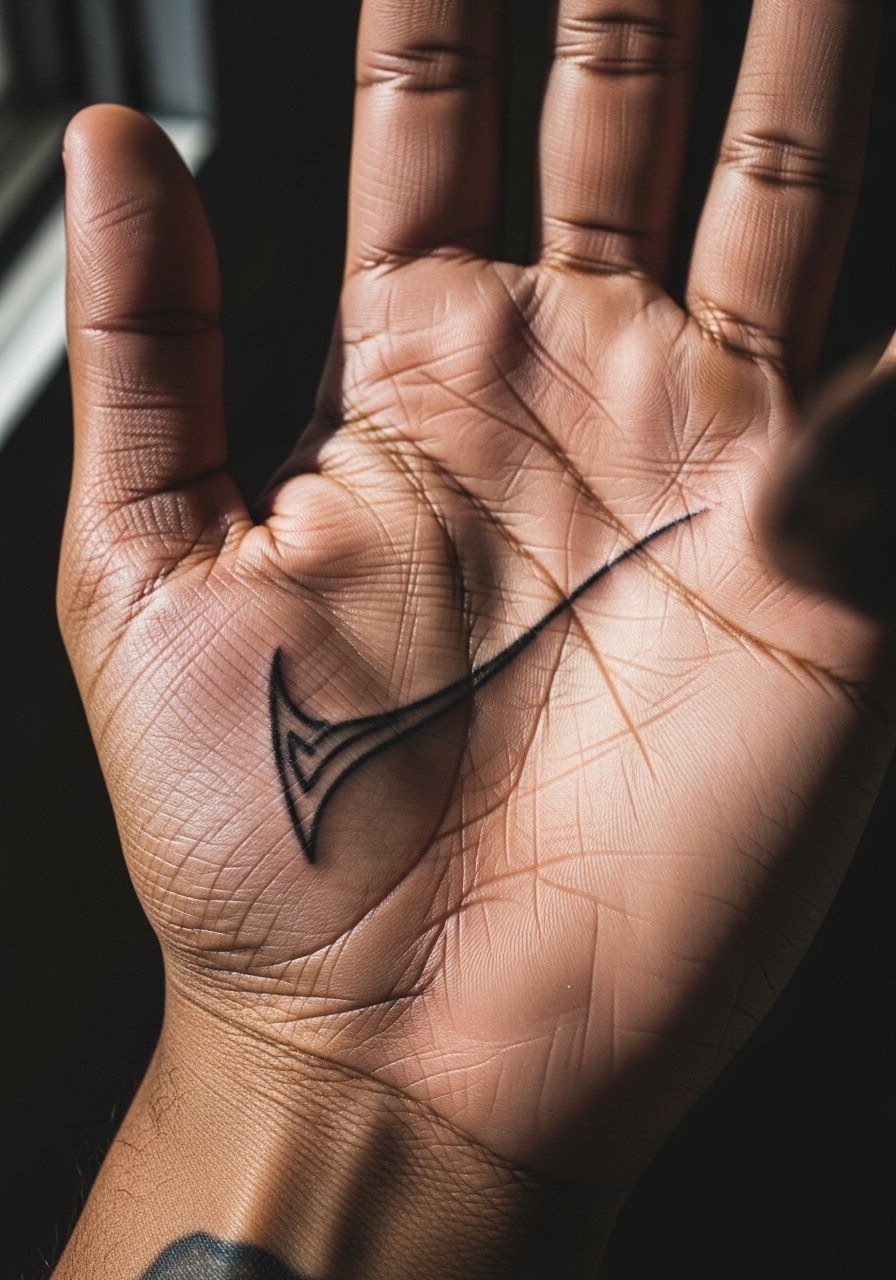
21. Modular Tech Sigil That Connects to a Sleeve
A modular sigil that visually connects to a forearm sleeve reads deliberate and lets you expand later. For people planning future work, this placement is strategic and sessions vary from 45 to 120 minutes depending on connection points. The usual mistake is leaving no clear anchor points, which makes later expansion awkward. In consults, map future extension zones and discuss how line weight will translate from hand to forearm. For showing off, cuffed sleeves or a loose linen shirt with rolled sleeves reveal the connection when you want it seen. Plan for a touch-up schedule tied to both the hand and the sleeve over the first two years.
Frequently Asked Questions
Q: How long do fine line cybersigils on fingers and knuckles stay sharp?
A: Fine line on fingers and knuckles tends to soften faster than bold blackwork because of constant movement and washing. Expect a realistic touch-up conversation at year one to maintain clarity, though spacing and larger primary anchors can extend that window.
Q: Are palm and thumb pad sigils worth it given heavy fading?
A: Palm and thumb pad ink does fade more quickly and often requires additional touch-ups. If you want a piece there, choose bold anchors and simpler marks. Some people accept regular reinks as part of the aesthetic. Planning for maintenance is important.
Q: Will hand tattoos affect job prospects?
A: The debate is active. One camp says visible hand work still affects some conservative workplaces. The other camp points to creative fields where it is accepted. Think through your industry and ask around in local employer networks if visibility could be an issue.
Q: How should I prep clothing for a hand session where they need access to the wrist and forearm?
A: Wear something you can roll or pull aside easily like a loose button-down shirt or a short sleeve tee. Comfort helps you sit still and lets the artist position your arm without tugging.
Q: Do colored neon accents on the hand last?
A: Color on hands tends to fade faster than black due to sun and washing. Using color as an accent over strong black anchors helps it read longer, but plan for more frequent color touch-ups compared with monochrome linework.