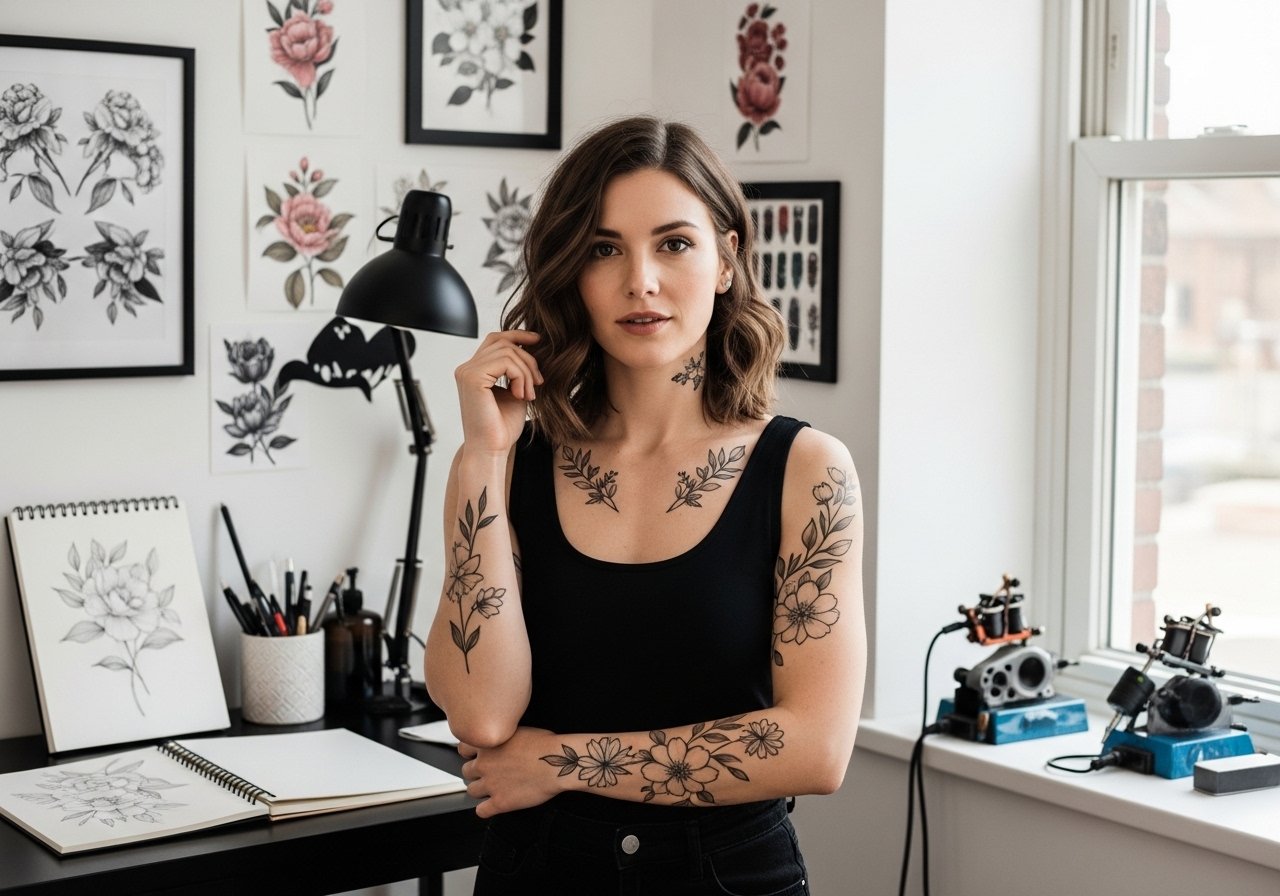
Fine line lilies are everywhere on saved boards and reels, and the reality is they age in very different ways depending on placement, ink weight, and skin tone. I still hear the same complaints: tiny wrist pieces that blur on darker skin, deposits eaten by no-shows, and prices that climbed between consult and booking. Read on for 17 lily ideas that fit how you live, what you wear, and how you want the piece to hold up over time.
1. Fine line single lily outline on the wrist
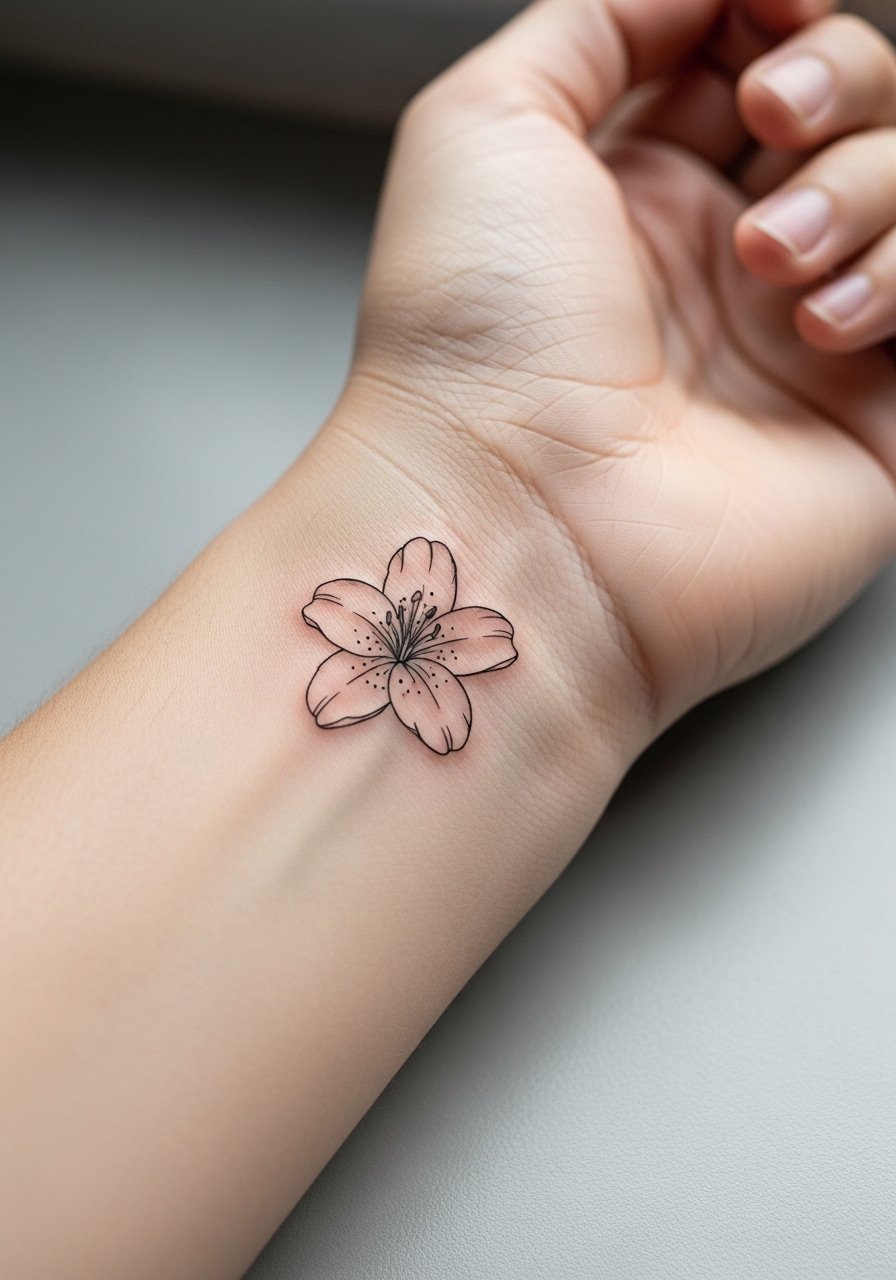
I've seen tiny wrist lilies heal beautifully at first and then lose crispness after a year, especially on high-motion hands. Ask your artist for slightly heavier lineweight than the thinnest single needle and plan a touch-up at the one-year mark. Expect a short session and low pain for the inner wrist, but watch for blowout if the lines are pushed too deep. For the appointment wear a sleeveless tank you can pull up or roll, and leave jewelry off the wrist. A common mistake is requesting the absolute finest line because the reference looked perfect on Instagram. This version keeps a minimalist look while giving the linework room to breathe as it settles.
2. Minimalist lily stem with dew drops on the ankle
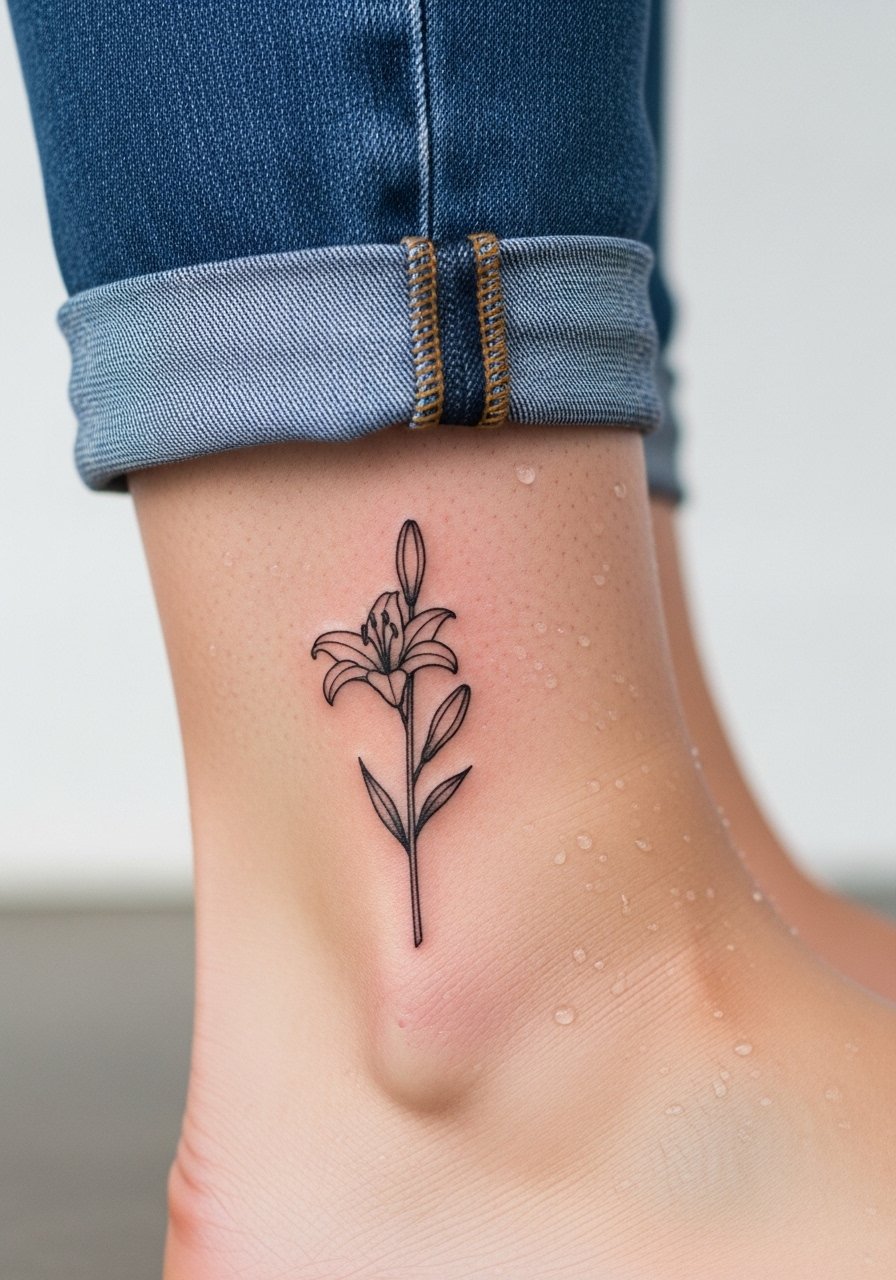
Fair warning, ankle tattoos face a lot of friction from footwear and socks during the first month. Go for clean fine linework and expect a single short session with moderate sting when the needle hits bone. The common mistake is placing the stem too low where shoe straps rub. When you book, plan loose footwear and rollable pants so the artist can access the area without pressure. This placement ages reasonably well if you protect it from abrasion and UV. If you want to show it off, pair it with cropped pants or strappy sandals after healing, but leave bulky ankle jewelry off during the session.
3. Micro-realism petal cluster on the collarbone
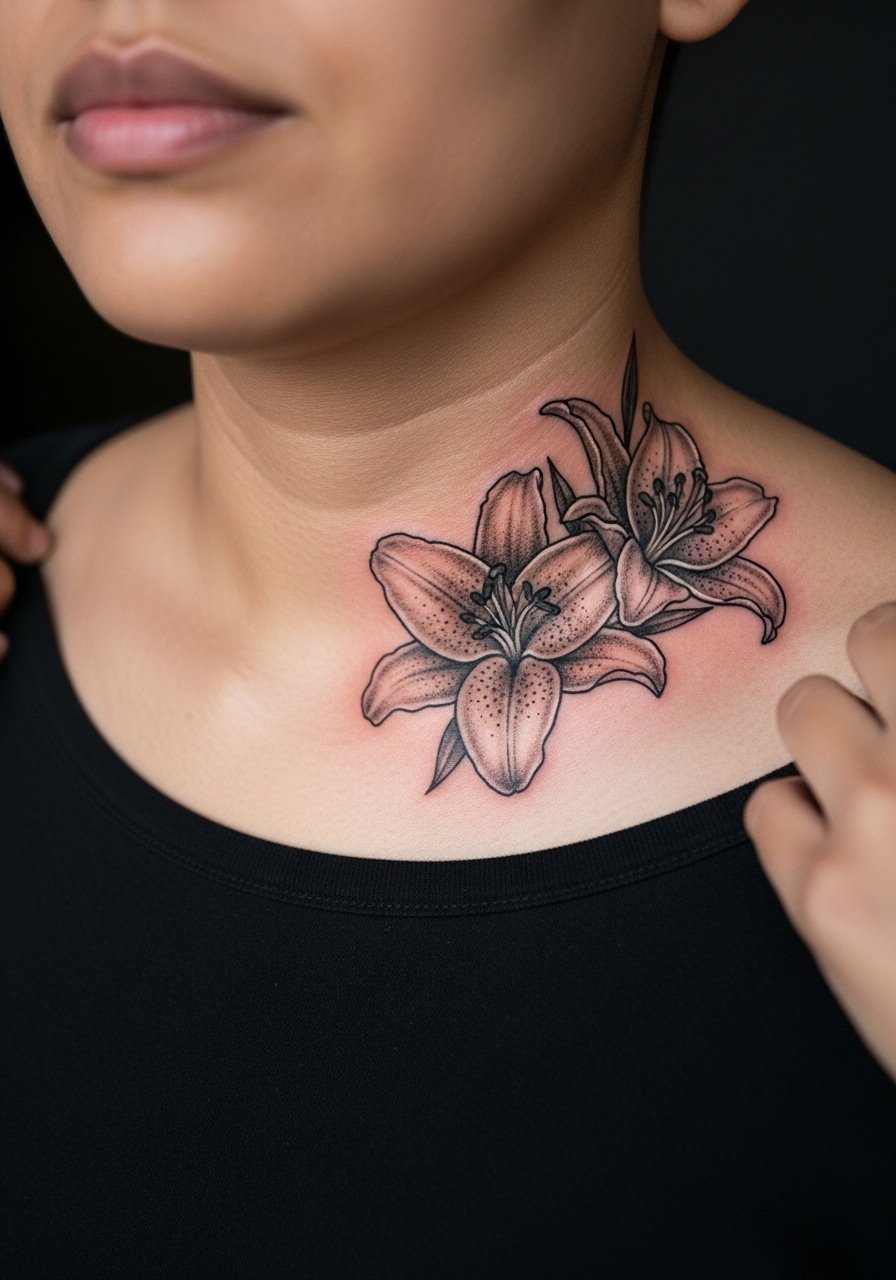
I've seen micro-realism read incredibly detailed in the first year, but it depends on saturation and placement. Collarbone skin holds detail well if the artist uses contrast and stipple shading rather than tiny, indistinct hatch marks. Pain rates around six out of ten for most people because the bone lies close to the surface. During consult ask for strong grayscale contrast and request how they plan touch-ups. For the session wear a v-neck silk blouse or a strapless top you can pull aside so the area is accessible. The main mistake is asking for micro detail without the saturation needed to retain it.
4. Neo-traditional lily with geometric accents on the outer forearm
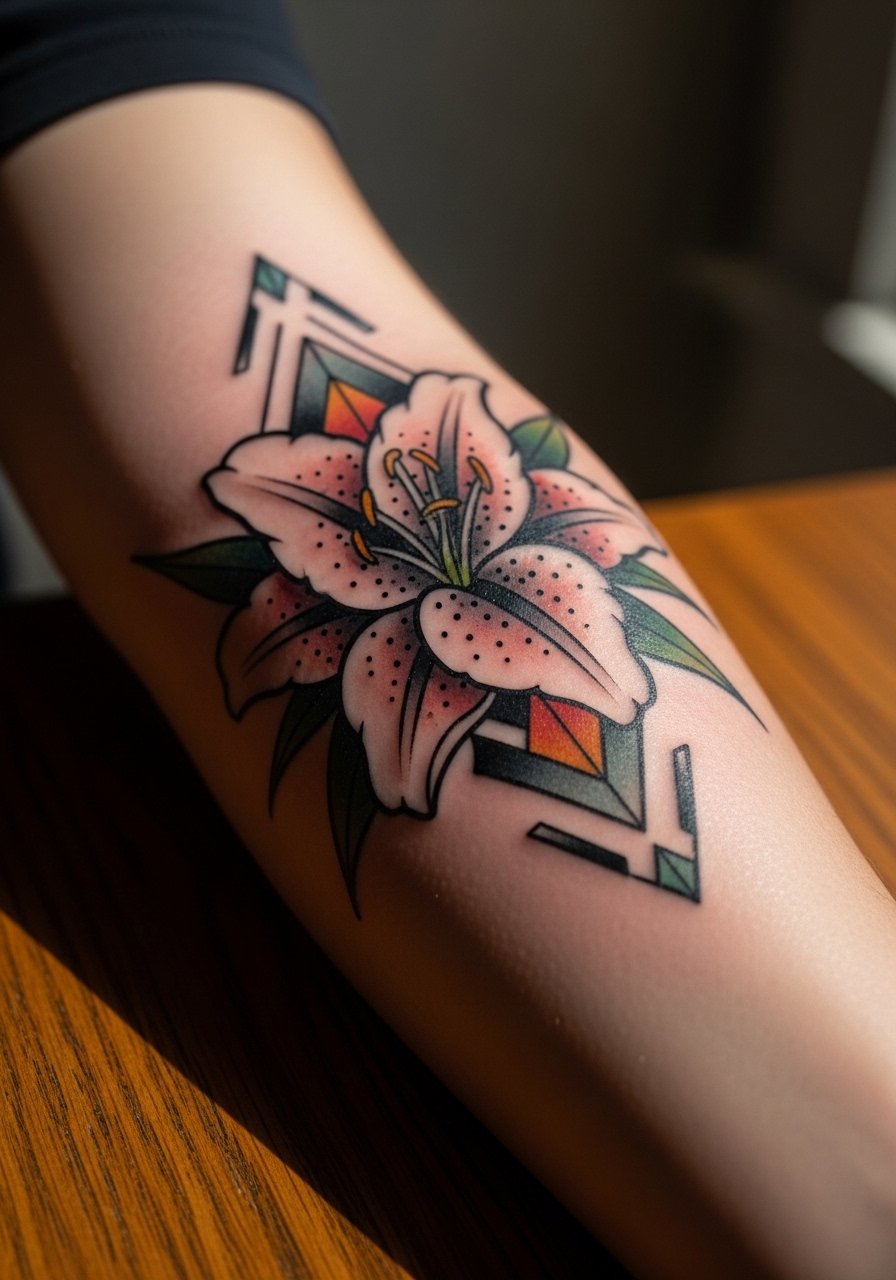
If you want longevity pick neo-traditional lineweight and saturation over ultra-fine detail. The outer forearm is forgiving, and bold linework resists fading on all skin tones. Bring reference images that show the exact geometric balance you want and tell your artist where you want negative space for breathing room. Sessions run longer than a tiny wrist piece, but pain is moderate. Avoid the common error of crowding the design with too many small geometric elements that will blur together after a few years. For casual show-off pair it with a linen button down shirt with sleeves rolled so the forearm sits front and center.
5. Watercolor lily bouquet on the shoulder blade

Watercolor lilies look painterly fresh, but color can migrate if placed on sweat-prone spots without proper saturation. The shoulder blade is a smart anchor for soft blends because it gives the artist more canvas. Expect two sessions for layering and touch-ups. The biggest mistake is demanding wash-like fades in a single session. For the session wear a strapless tank or a button-down you can slide aside so the artist has full range. In humid months watch how the colors behave during healing, and ask about lotion recommendations that help hold pastels longer.
6. Black and gray realism full lily bloom on the upper arm
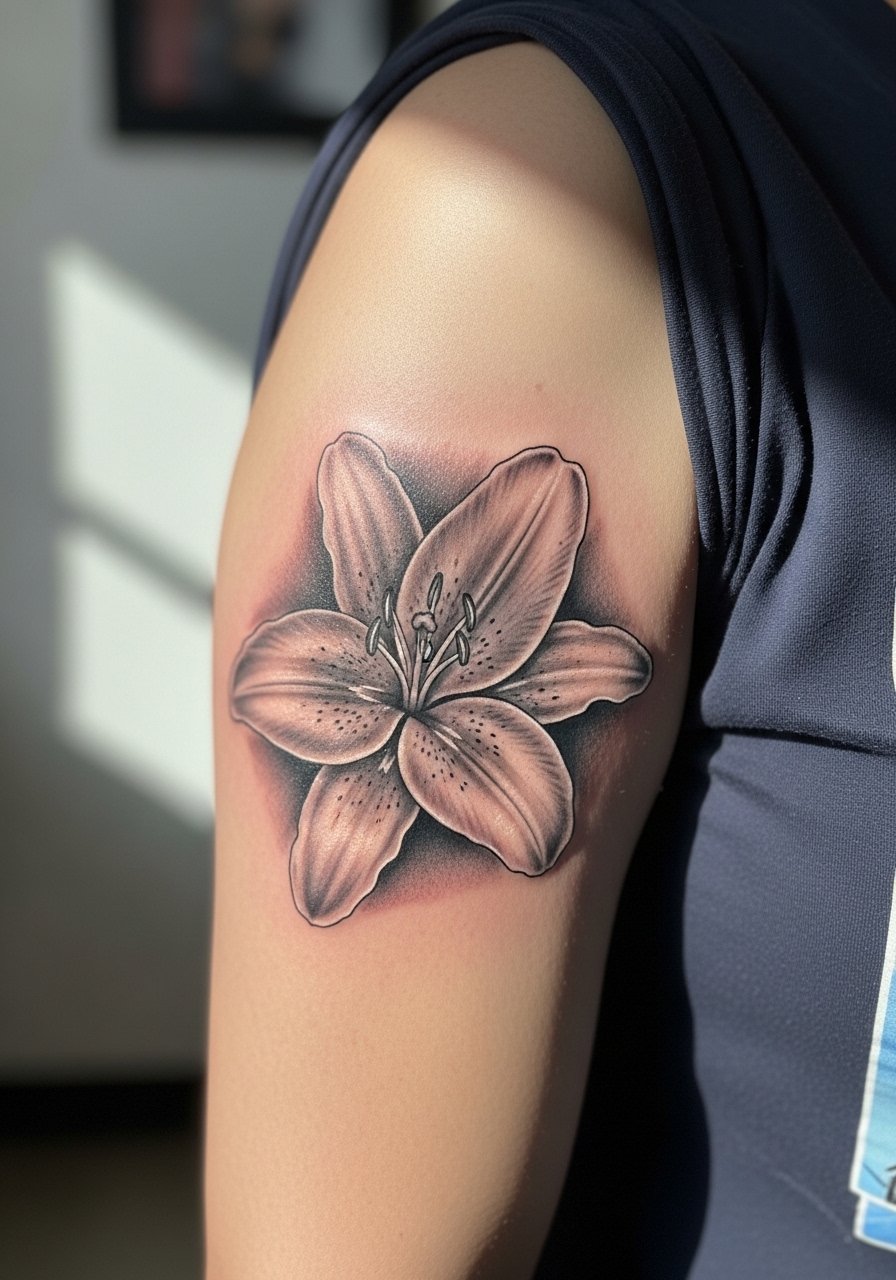
Visual impact is what sells this style. Black and gray realism brings depth through strong saturation and blended shading, so it holds texture longer than ultra-fine linework. Sessions are longer and you may need two visits depending on size. Pain is mild to moderate on the fleshy outer upper arm. A common mistake is shrinking the reference too small; realism needs scale to read well. For the consult, ask how they plan range of gray and stipple shading for petal texture. If you plan a sleeve later, talk about flow so the bloom sits correctly with adjacent work.
Studio Day Picks
The forearm, shoulder, and upper arm pieces above require different prep than small wrist or ankle work, so a few targeted items make the session smoother and the first week easier.
-
Tea tree salve. Useful in humid climates for reducing surface fungi risk around wrist and shoulder pieces while staying thinner than heavy petroleum ointments.
-
Green Sheep tattoo balm. A matte, fast-absorbing balm that users report helps keep fine line collarbone pieces from getting greasy while they heal.
-
Hado aftercare lotion. Alcohol-free lotion that artists recommend for watercolor areas to support color retention after the initial peel.
-
OzLily soy-based moisturizer. Good for dry winter healing on ankle pieces that otherwise flake and lose thin lines.
-
Hustle Butter Deluxe. Thinner than heavy ointments and preferred by some artists for forearm work in humid months because it breathes more than vaseline-style products.
7. Blackwork lily mandala across the upper back
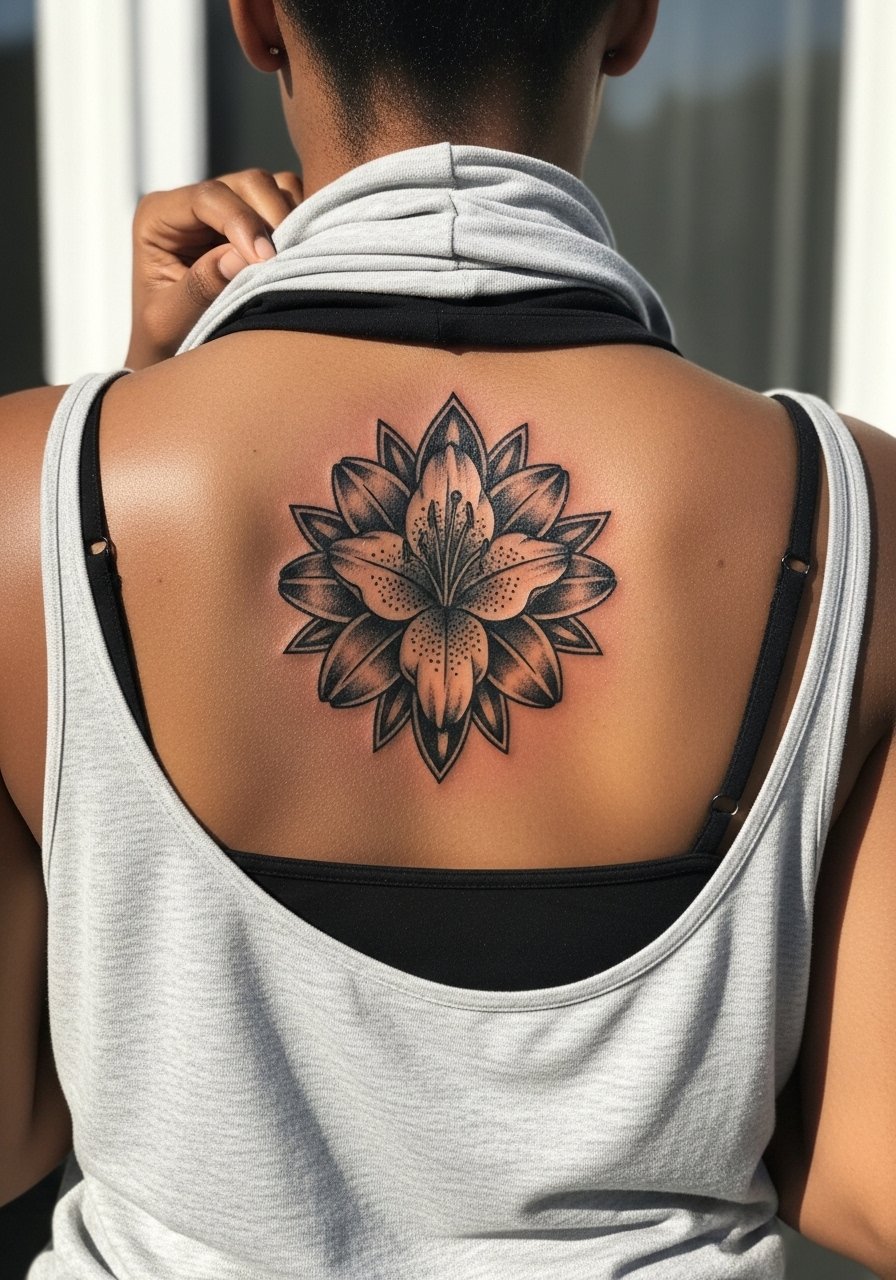
There is something about solid blackwork that reads meditative and holds up visually for years. Upper back skin handles large fills well, but expect multiple sessions and a heavier healing window. If you want symmetry, ask about mirrored negative space and dot work spacing so the mandala does not become a solid mass as it heals. Pain is lower on the back than ribs, but expect soreness after long sessions. Pair the piece with backless halter dresses when healed to show the shape, but wear a loose tank to the appointment. The common mistake is starting with too many tight concentric lines which can merge over time.
8. Fine line lily chain wrapping the spine
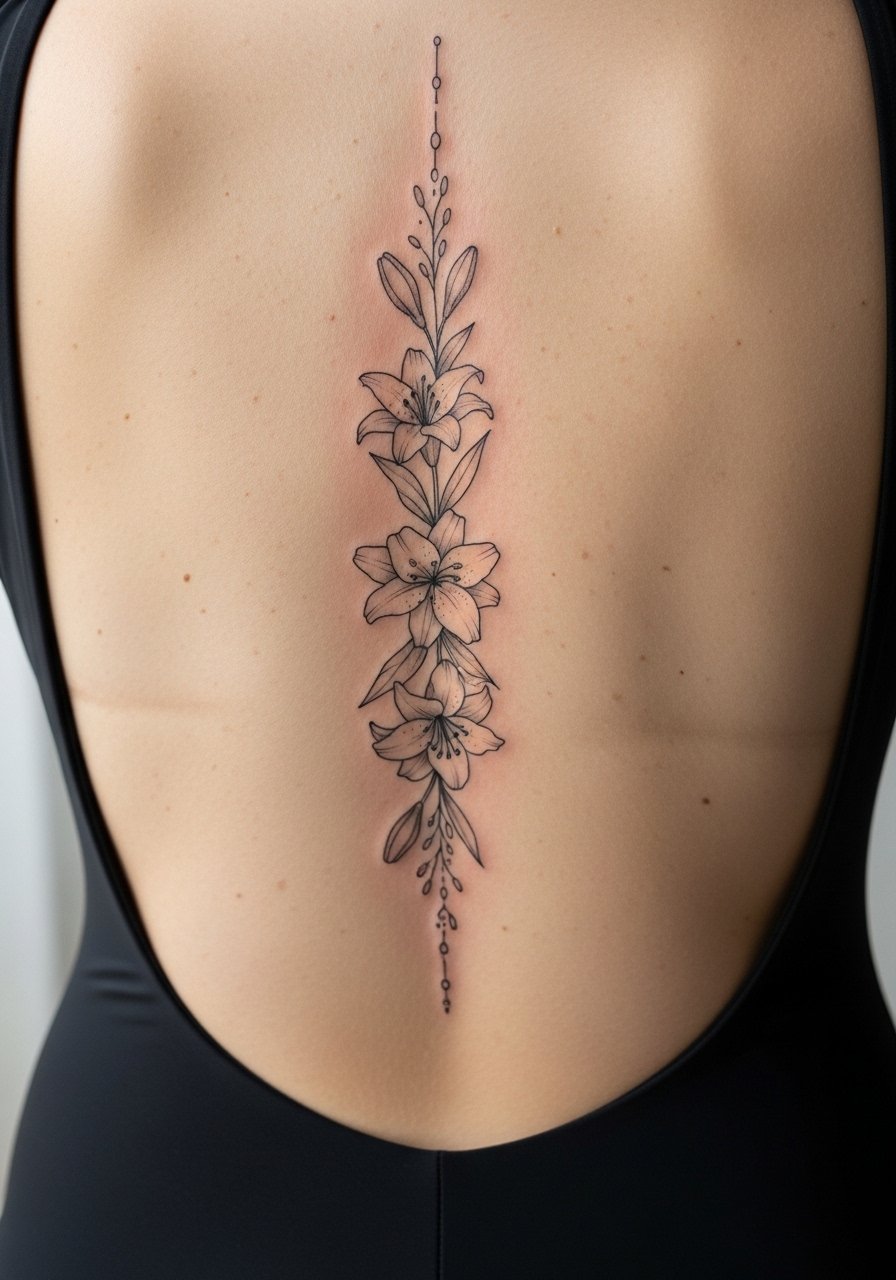
Decision pressure is high for spine pieces because small spacing mistakes compound along the length. Spine chains look elegant when spaced well, but the area is sensitive and costs more because of session length. Artists split on fine line here. One camp says spine skin stretches and dense fine lines blur within two years. The other camp says with the correct needle depth and spacing the chain can stay crisp. Ask your artist how they plan spacing, and expect a touch-up schedule that your artist will outline. For showing the healed piece, low-back swimsuits or yoga wear highlight the chain.
9. Traditional American lily with banner on the outer thigh
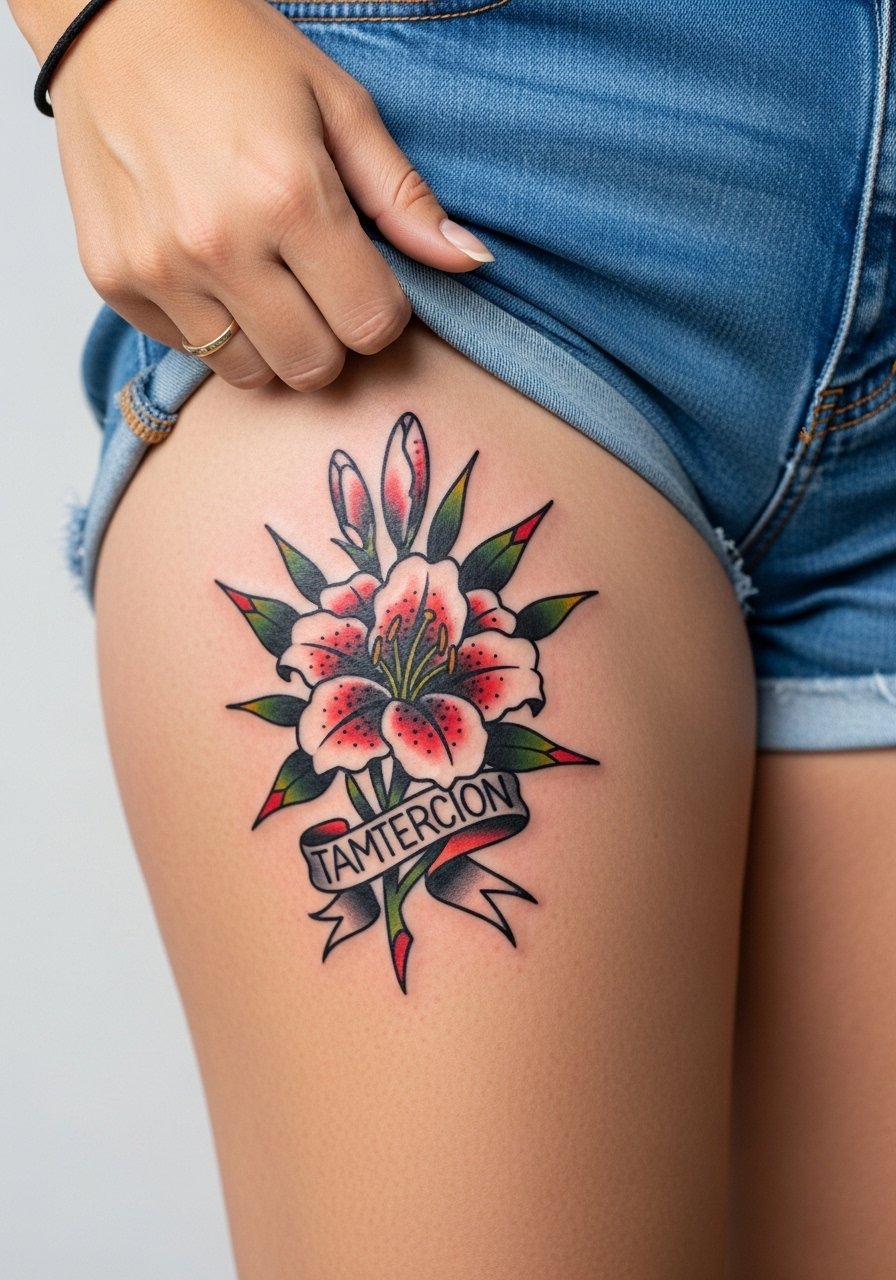
Thigh placements can shift with body changes, so think about future weight fluctuation before locking in a six-inch design. Traditional saturation and bold outlines are forgiving against stretching. Pain varies with needle depth and subcutaneous fat, so sessions can feel medium intensity. One frequent mistake is placing a large piece too close to seams where clothes rub. For evenings out, high-waisted shorts or slit dresses frame the thigh nicely after healing. During the session wear loose shorts that the artist can roll down a touch without pressure on the area.
10. Ornamental lily frame with dotwork on the ribcage
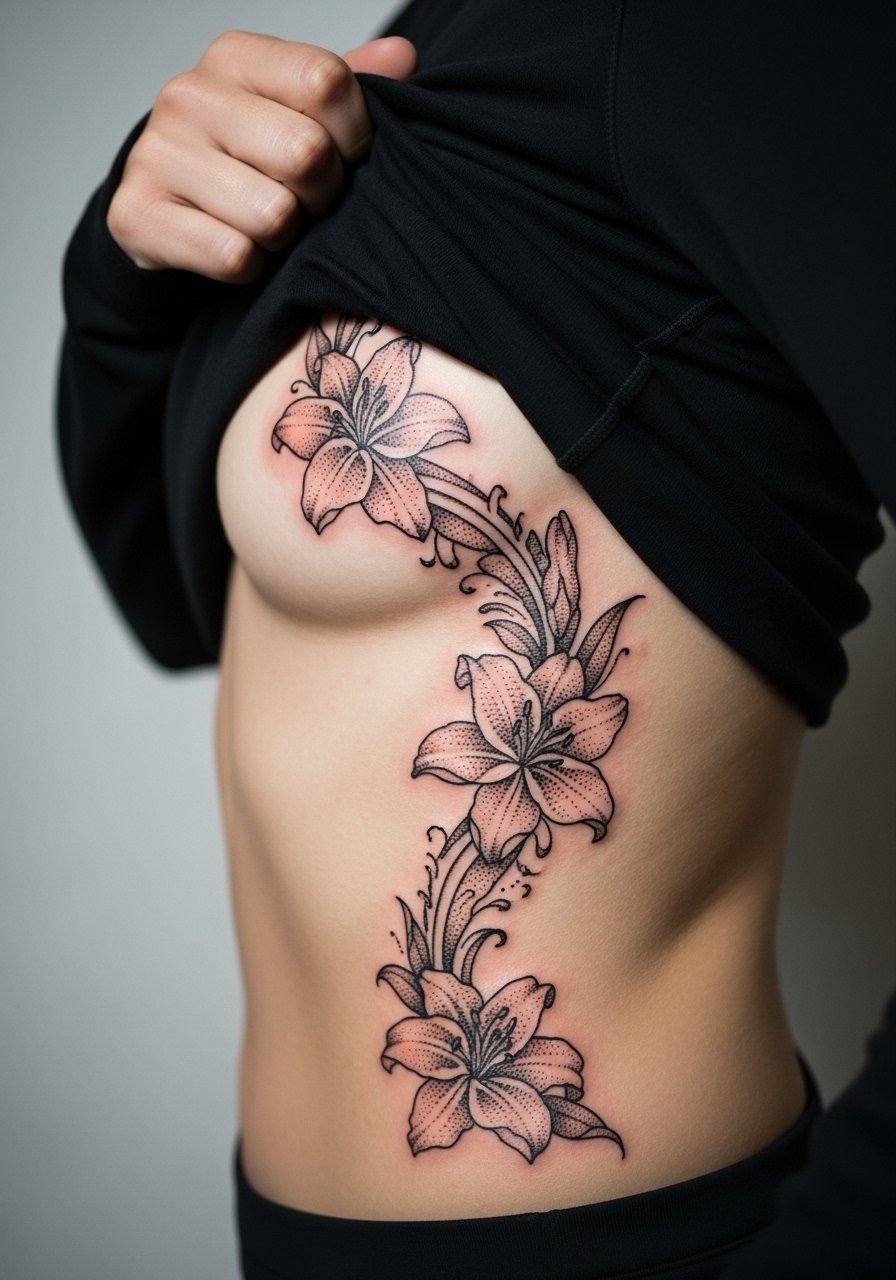
Fair warning: ribs register high on most pain charts, but they also create dramatic negative space for ornamental frames. The typical error is asking for ultra-dense dotwork in a small area. Dotwork needs spacing so stipple shading does not fill in as it settles. Expect two sessions and plan breathwork for pain management. Because this is a sensitive placement, check for artists who do a lot of ribs and ask about their pain mitigation approach. Some people use numbing cream, and artists are split on that practice. Name both camps during consult and make the call that suits you.
11. Ignorant style lily explosion on the calf
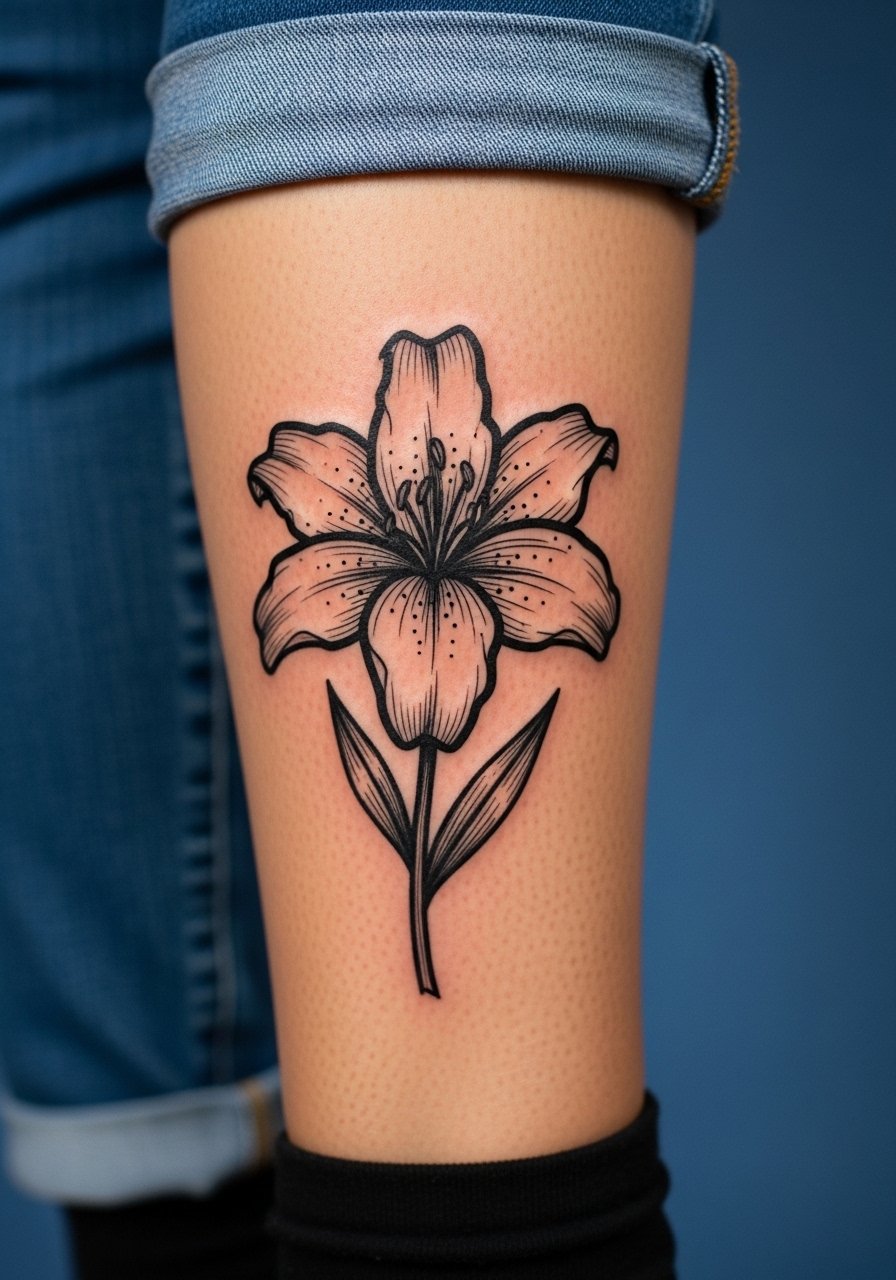
Visual impact here comes from raw, hand-drawn energy rather than polish. Calf flesh takes black ink well and sessions are usually comfortable. The biggest mistake is over-layering scribbles and losing the composition. This style benefits from a session focused on loose mark-making and bold anchors so the chaos reads intentional. If you plan to pair it with other leg work later, discuss how the scribbles will integrate. Expect a two-visit timeline if you want saturation on top of sketchy lines.
12. Watercolor lily with butterfly on the inner bicep
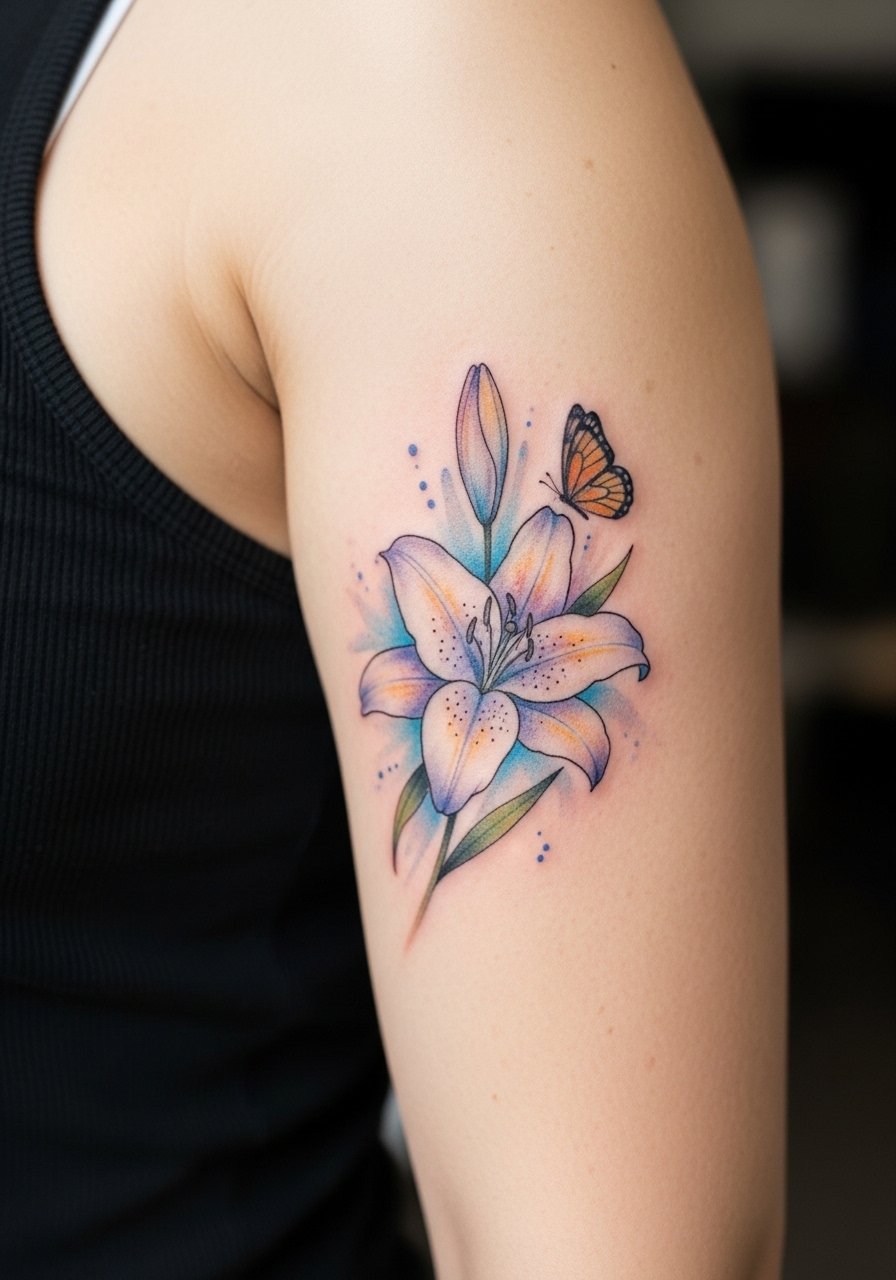
The inner bicep provides a private canvas that reads nicely when revealed. Watercolor here offers softness, but sweat and friction during healing can affect pastels. Sessions are medium in length and pain is mild to moderate because of skin mobility. A common mistake is pushing large washes into a small inner-arm area. For the consult, ask about color layering and aftercare tailored to underarm humidity. The session attire should be a tank top you can raise so the artist has full access without tugging at clothing.
13. Birthstone-color lily for a personalized bloom on the forearm
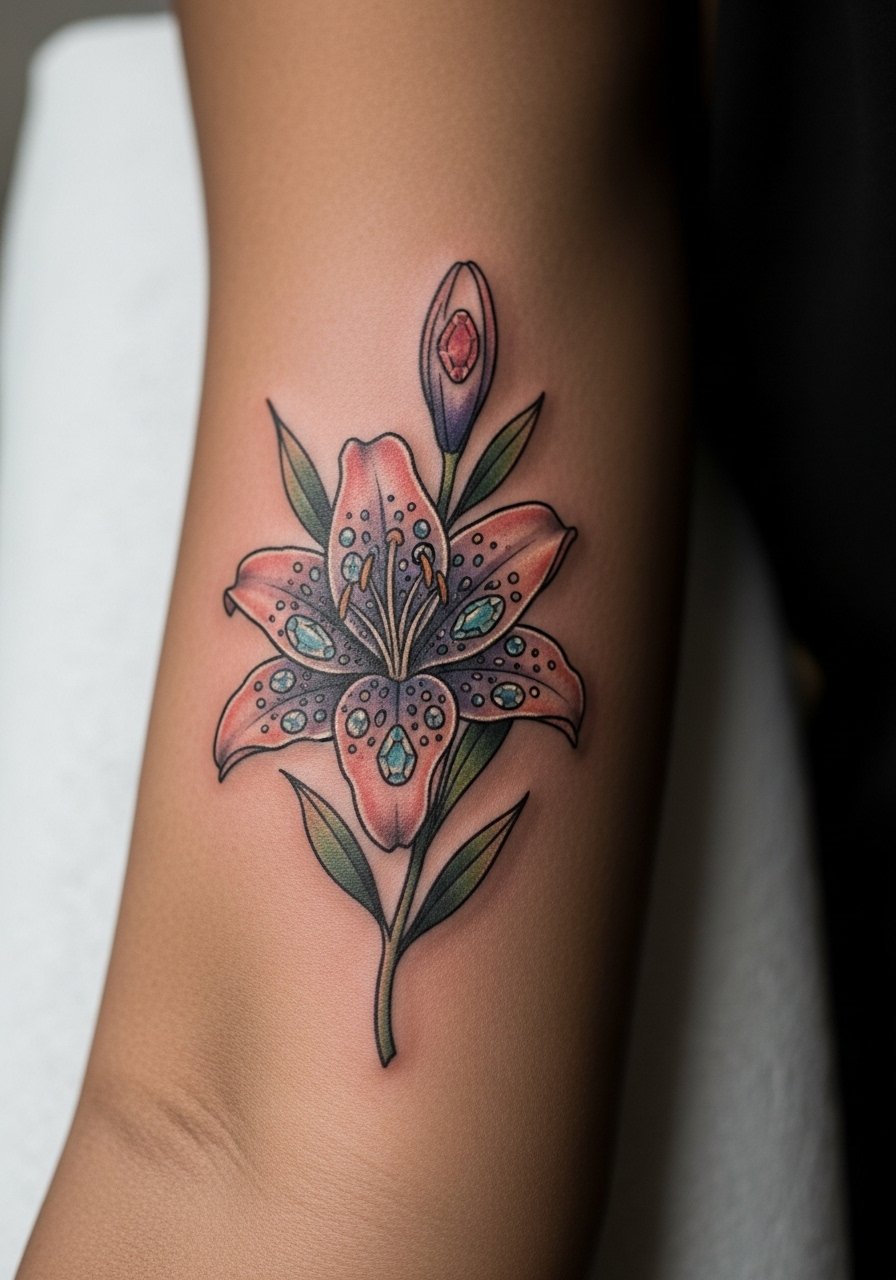
When you want a lily that carries a date or birth month but not a name, ask for a color palette that echoes your birthstone. Forearm placement suits this because it gives enough space for subtle color work and the linework can be slightly bolder to protect color on darker tones. The common error is asking for too many tiny color gradients that will blur. For showing the piece once healed, pair it with rolled linen sleeves that let the forearm peek through and keep the focus on the bloom. During consult, request a color swatch preview so you and the artist agree on the palette.
14. Tiny lily on the finger webbing for a discreet peek
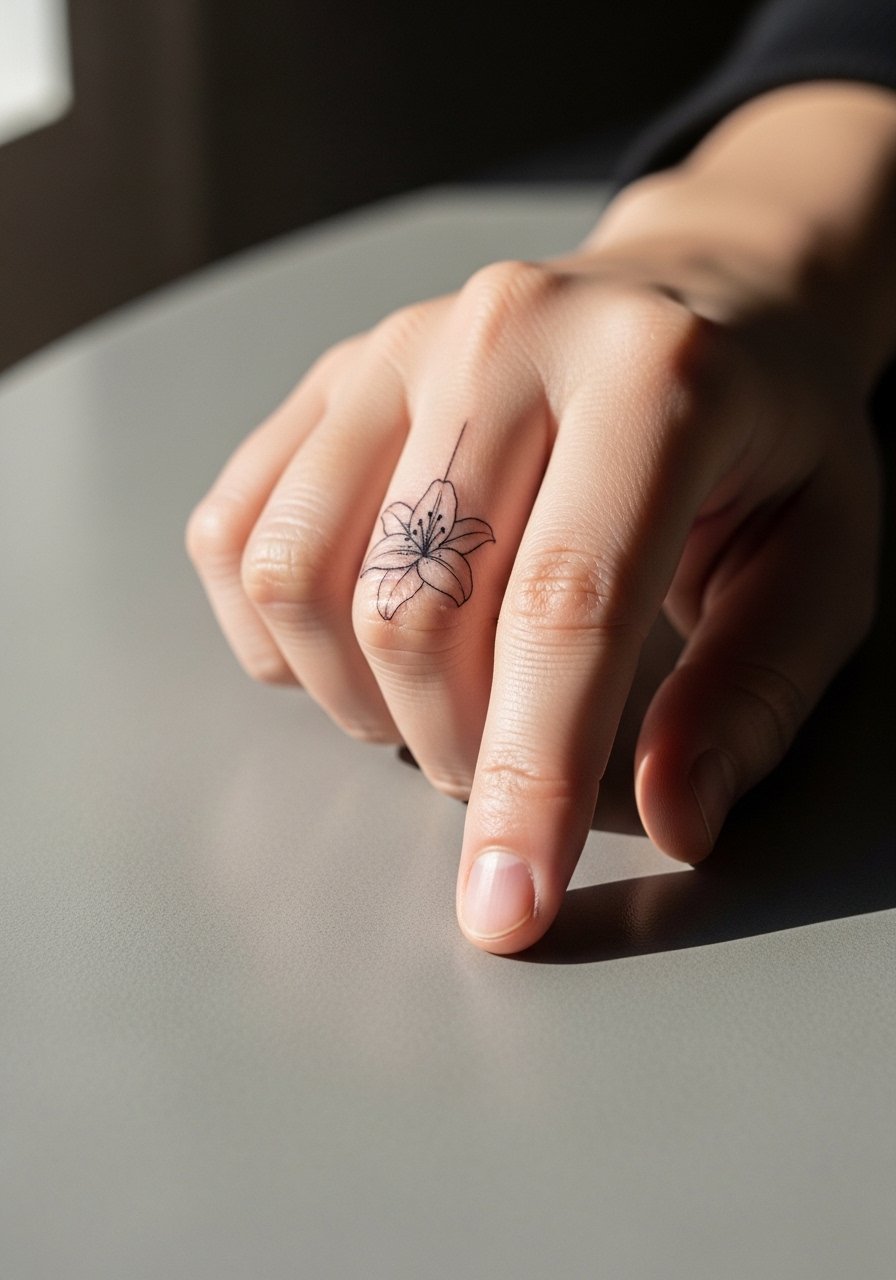
Finger webbing work is intimate and discreet, and it tends to fade faster because of constant movement and washing. Expect multiple touch-ups and discuss durability with the artist. The mistake is treating webbing like standard finger work; the skin there moves in ways that can distort petals. Sessions are short but expect a higher maintenance plan. If you want low-visibility reminders that only show with certain gestures, this is a clever spot. Be ready for a yearly touch-up cycle and avoid heavy pigment that will sit awkwardly on thin webbed skin.
15. Hybrid lily with constellation map on the ankle
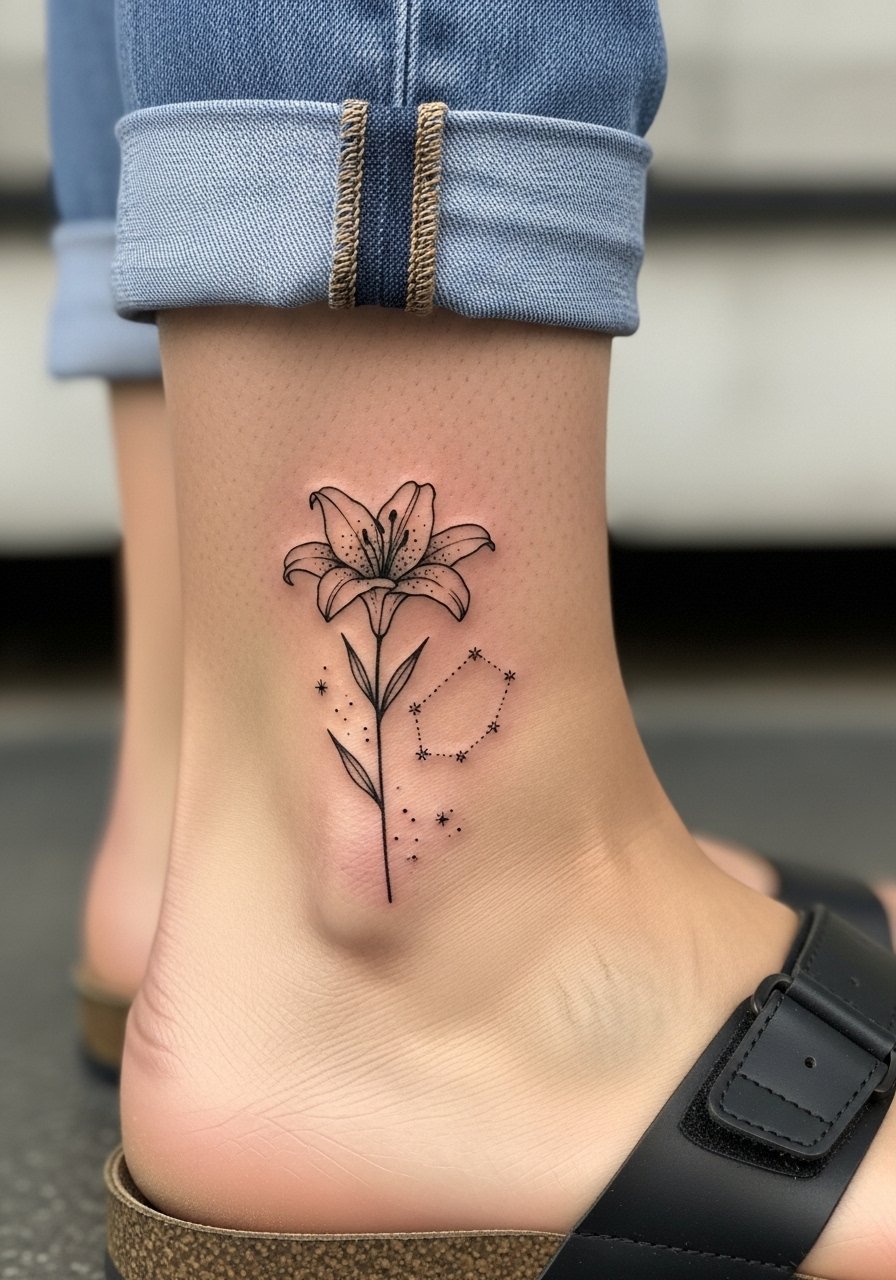
A hybrid design lets you merge botanical and celestial themes into a compact statement. The ankle gives enough room for small constellations and a stylized lily without crowding. The main pitfall is trying to cram a large map into a tiny area. Tell your artist which constellation must be legible and ask for simplified star placements rather than exact astronomical scale. The session is short with moderate sensitivity near bone. After healing, strappy sandals and cropped pants highlight the combined motif.
16. Petal-layer cover-up over faded script
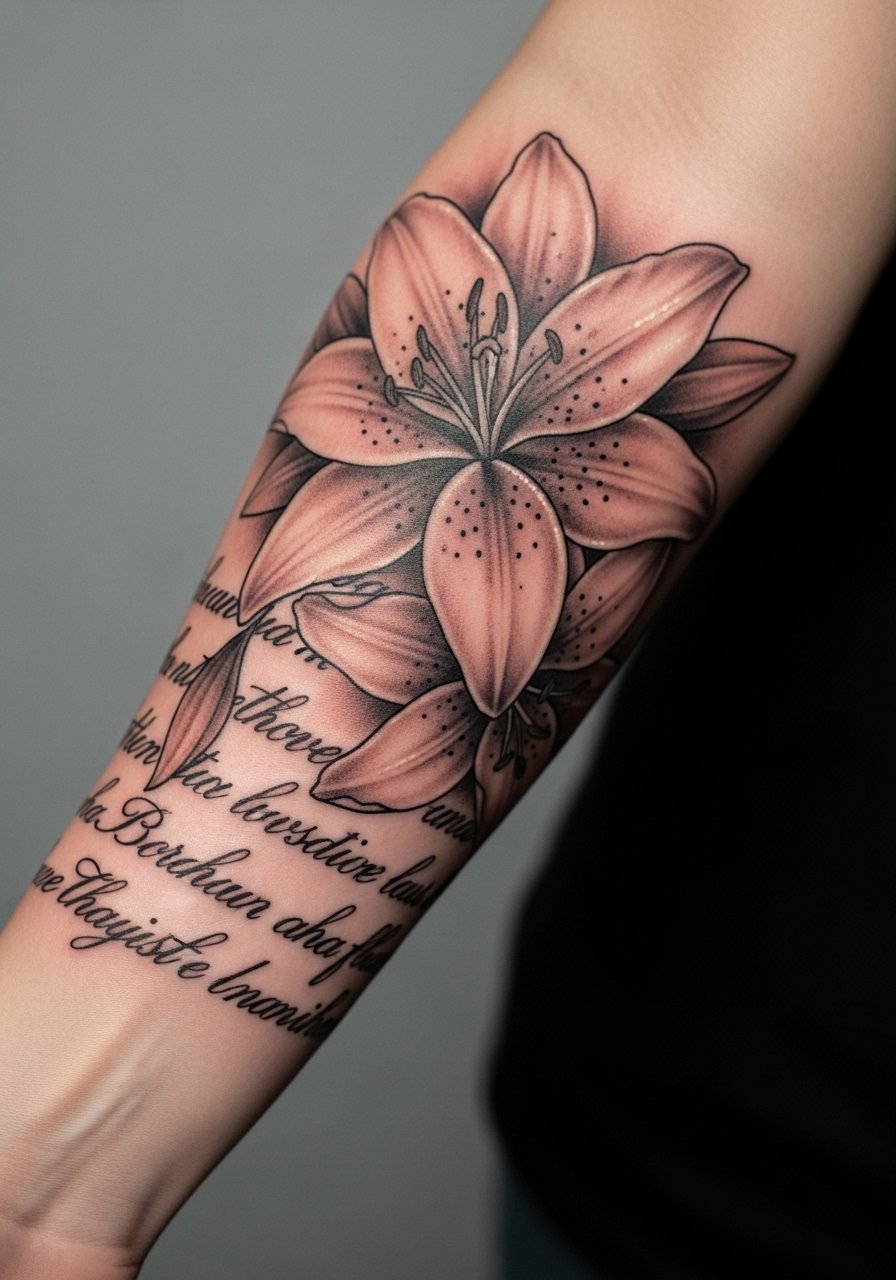
Cover-ups work best when the new art uses layering to hide old ink rather than trying to erase it. Petal layering over script gives texture that distracts from old letters while keeping the lily readable. The common mistake is choosing a thin-line lily for a dense dark script; that rarely hides enough. Expect a consult focused on the old ink's color and placement and possibly multiple sessions for saturation. For the session wear a loose sleeve you can roll. If you plan a full sleeve later, make sure the cover-up integrates with future flow.
17. Fine line lily sleeve accent that weaves between flash and custom
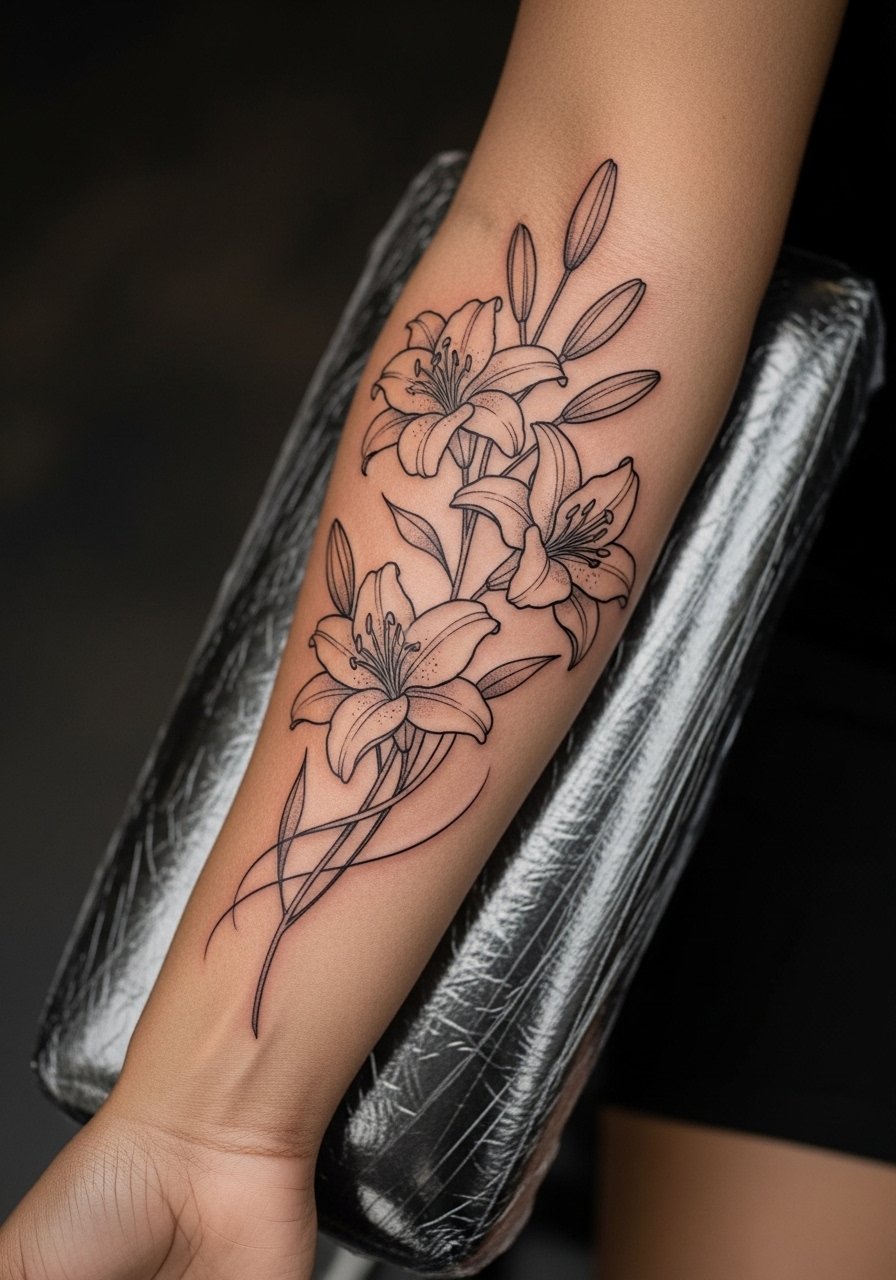
There is a trade-off between the flash look and custom flow when building a sleeve from lily elements. Start with anchor blooms in slightly stronger lineweight and let the filler stems be fine so the composition reads across the arm. Plan sessions in chunks and expect some areas to need touch-ups as the thin fillings can soften faster than bold anchors. A common mistake is loading too many micro elements in a tight band which merges over time. During consult, ask how the artist will balance saturation and negative space so the sleeve keeps readable lanes as it ages.
Frequently Asked Questions
Q: Will a fine line lily look like a smudge on darker skin after a year?
A: It can if the lineweight is too thin or the artist under-saturates the pigment. I've noticed that slightly bolder outlines and higher contrast shading help lilies hold on medium and dark skin tones. Ask the artist for a demonstration of healed work on similar skin tones and plan a touch-up at six to twelve months.
Q: Should I use Saniderm or dry healing for a wrist lily?
A: Artists and traditional healers split into two camps. One camp likes protective films because they reduce scabbing and keep the area clean. The other camp worries that occlusive wraps trap moisture and bacteria if left on too long. The practical path is to follow the artist's protocol closely, and if you try a film, check it daily for signs of excess moisture and remove it if bubbling appears.
Q: How can I avoid wasted deposits when studios cancel sessions?
A: Look for studios that post clear deposit and reschedule policies and read recent reviews for cancellation patterns. I suggest using booking platforms that list guest spots and confirmations explicitly. If a deposit is required, ask about refund or reschedule windows up front so you know the studio's protocol.
Q: What is the best lily tattoo for the wrist if I want minimal upkeep?
A: A small neo-traditional outline with slightly heavier lineweight will age better than the thinnest single-needle option. It keeps the minimalist look while trading a little delicacy for durability. Bring reference and ask your artist how they would nudge line thickness for longevity.
Q: Do watercolor lilies need different aftercare than traditional ones?
A: Watercolor colors can be more sensitive to friction and UV, so they benefit from gentle lotions after peeling and strict sun avoidance for the first month. In practice that means lighter moisturizers and sunscreen once fully healed. If you want specific product recs for the healing window, check the Studio Day Picks above.
Q: Will a thigh lily stretch if I change weight?
A: Thigh skin moves with body shifts, so large pieces can distort more than forearm designs. If you anticipate body changes, pick a placement with less fluctuation or design the piece with flowing lines that accommodate stretch rather than rigid geometry.