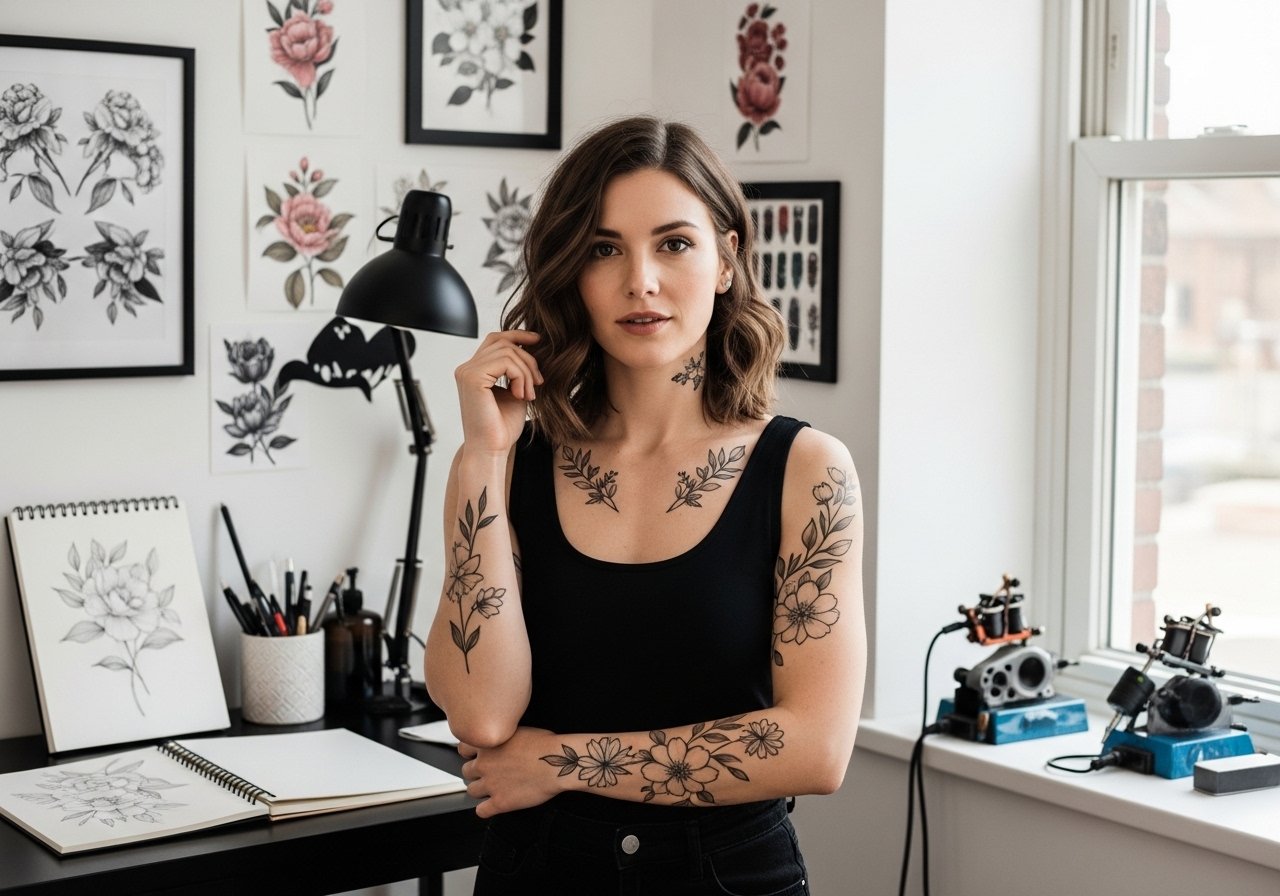
Fine line barbed wire shows up on feeds every week, but the pieces that stay sharp over time are the ones that got spacing and placement right from day one. These vintage-inspired wraps read like a small statement now and can still look intentional years later if the linework avoids overcrowding and the placement picks skin that moves less. Below are 17 takes that balance edge with wearability, starting with a simple wrist wrap you can book this month.
1. Fine Line Wraparound on the Inner Wrist
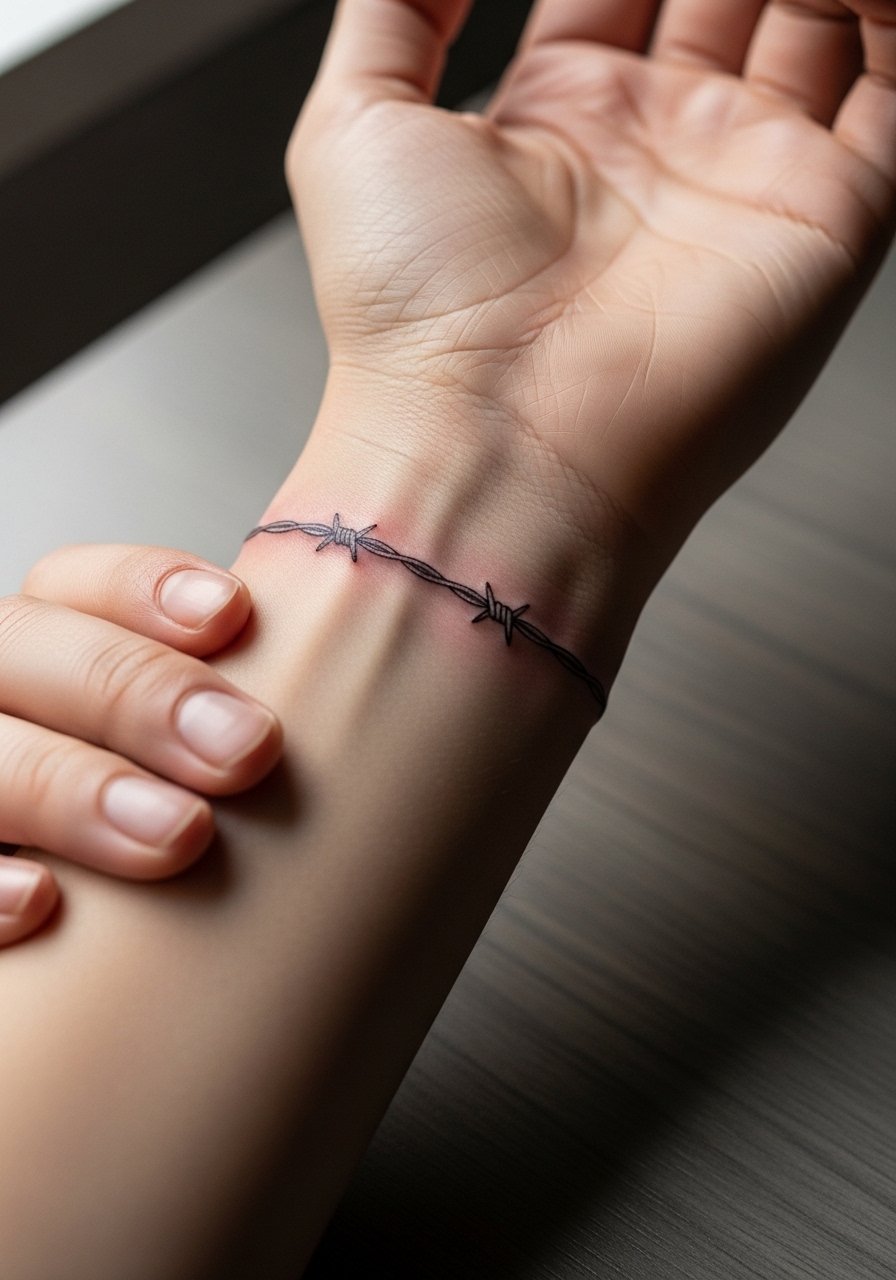
I recommend this for someone who wants an elegant, subtle edge. Fair warning, wrists see constant washing and contact so keep the wire thin but spaced. Tell your artist you want the barbs slightly offset from each other so the negative space survives two to five years without merging. A common mistake is packing the loops too small, which speeds blurring and increases blowout risk. Pain is usually low to medium and the session can be a quick single pass. For showing this off, roll sleeves up and pair it with a minimalist watch that frames the band without covering it.
2. Bold Band on the Upper Arm
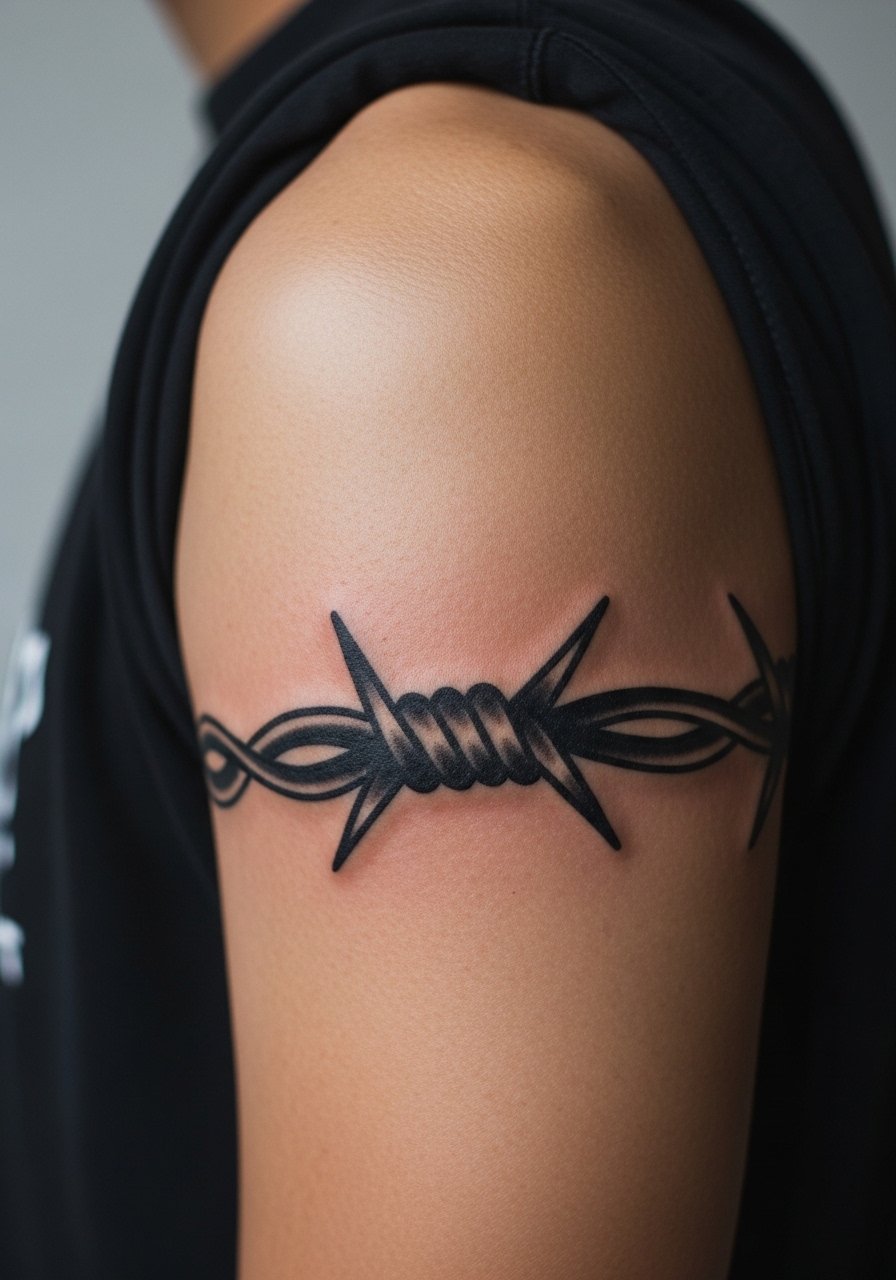
This version borrows from classic blackwork and holds up through heavy sun exposure better than fine line. I usually suggest it to people who want a visible, low-maintenance piece that still reads from a distance. Mention during consultation that you want saturated fills inside each barb and bold outlines to age into a graphic statement. The common mistake is under-saturating, which makes the band look patchy after a few years. Expect one longer session and a possible touch-up at year two if you get heavy sun on the area.
3. Barbed Wire Intertwined with Vintage Roses on the Forearm
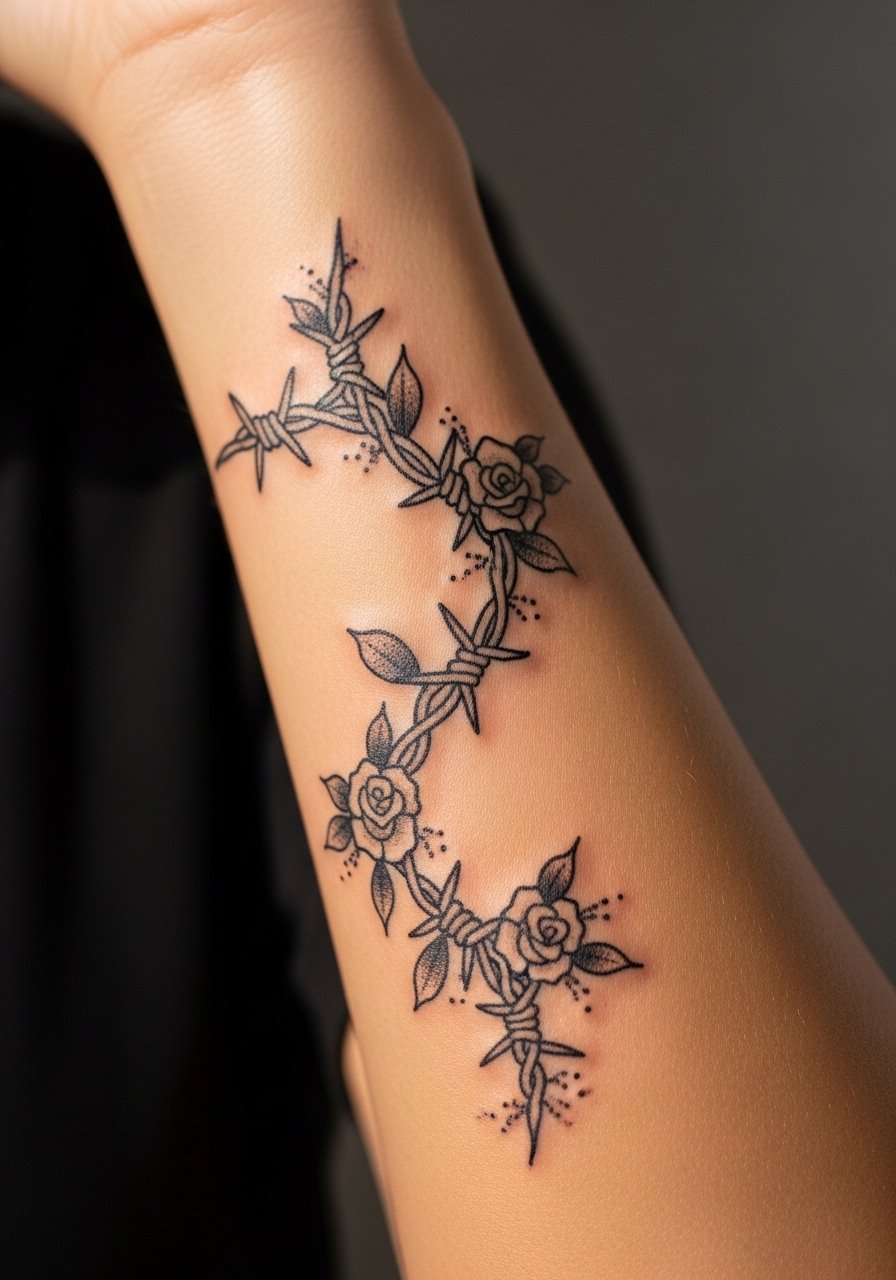
There is real charm when thorny wire sits against soft petals and the contrast helps both elements age better. For the consultation, bring a rose reference that shows petal spacing so the artist can avoid crowding the barbs. If the rose is too detailed and placed too close to the wire, tiny petal lines will soften into a blob by year three. This forearm placement is moderate on the pain scale and great for showing off with short sleeves. Pair it with a rolled-sleeve linen shirt and a loose button-down shirt to frame the composition when you want the tattoo visible.
4. Micro Finger Loop, Single Barb Accent
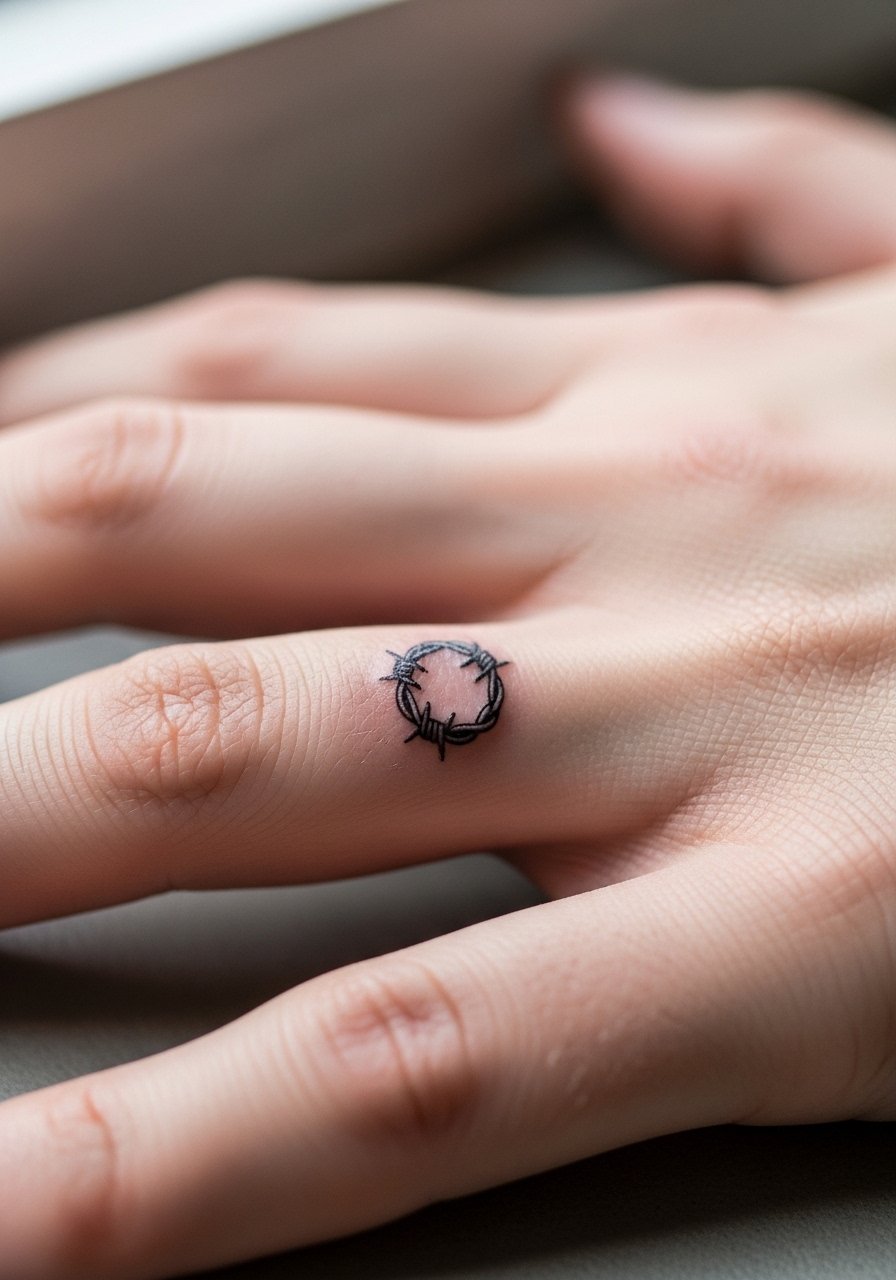
Finger work feels intimate but it also wears the fastest. The session is short and sharp, and the biggest mistake people make is expecting fine detail to last on moving skin. Ask the artist to simplify the barb into a bold hint rather than a fully detailed loop. Expect touch-ups sooner than other placements because of wash cycles and daily friction. Hand tattoos still affect hiring in some industries so think about career implications before committing.
5. Ankle Wrap with Tiny Stars and Barbs
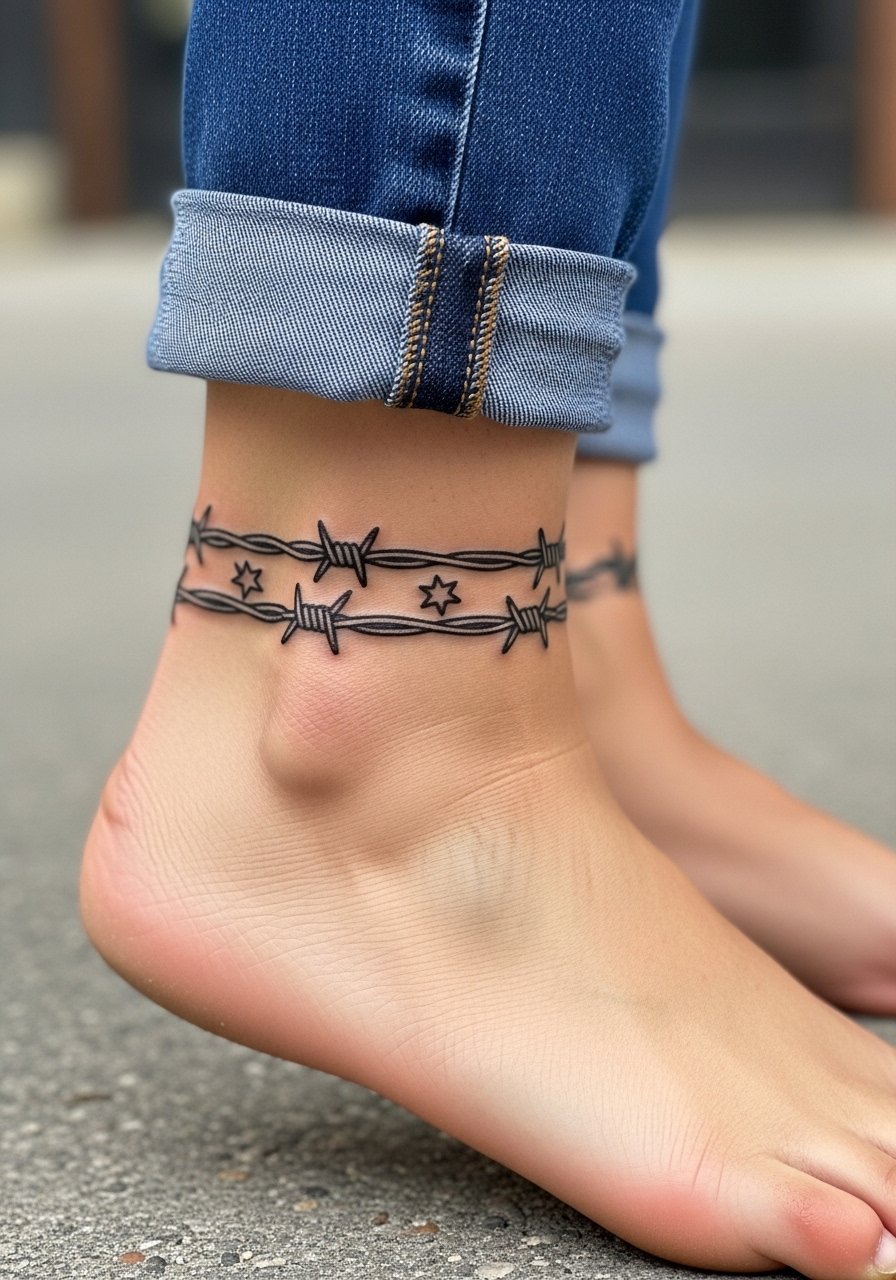
This low-visibility spot is great if you want an edge without constant display. The ankle sees friction from socks and shoes so keep the wire slightly thicker than finger work to avoid early fading. During the appointment wear pants you can roll up easily and consider a pair of sandals for the trip home so nothing rubs the area. A common mistake is placing the barbs on the inner curve where shoes catch them; put them on the outer ankle band instead.
6. Ribcage Vintage Barbed Wire with Script
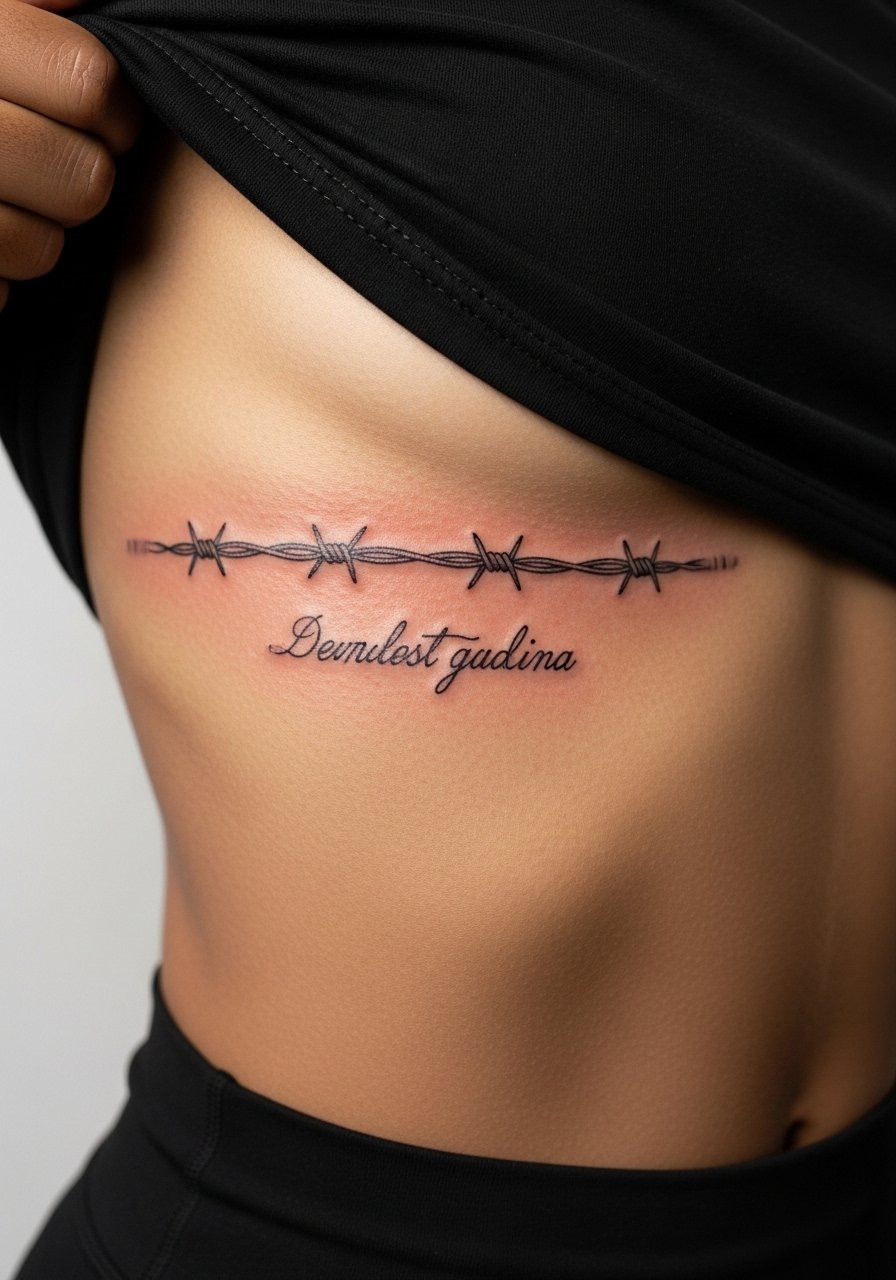
Fair warning, ribs are high on the pain scale. Artists split on fine line work here. One camp says the skin stretch and breathing blur lines within two years. The other camp argues that with correct needle depth and spacing, fine line can settle cleanly on the ribs. Ask your artist where they stand and what touch-up timeline they experience on this placement. Bring a shirt you can lift easily for the session and expect a longer healing window because clothing often touches the area.
Pre-Session Essentials
The ribcage and wrist pieces above ask for clear access and a few simple supplies that make the session and early healing easier.
-
Stencil transfer paper kit. Lets you preview placement on the skin before the needle starts, useful for ideas that wrap or curve around bone.
-
Topical numbing cream. Applied per product directions about 45 minutes before can ease the edge during sensitive chest or rib sessions.
-
Thin protective film roll. Keeps ankle and finger pieces cleaner during the first week when friction is highest.
-
Fragrance-free body wash. Gentle cleansing matters for delicate linework like the wrist wrap or micro finger pieces.
-
Aquaphor healing ointment. A thin layer in the first few days helps lock in moisture for fine line work without suffocating the skin.
7. Collarbone Barbed Wire Choker
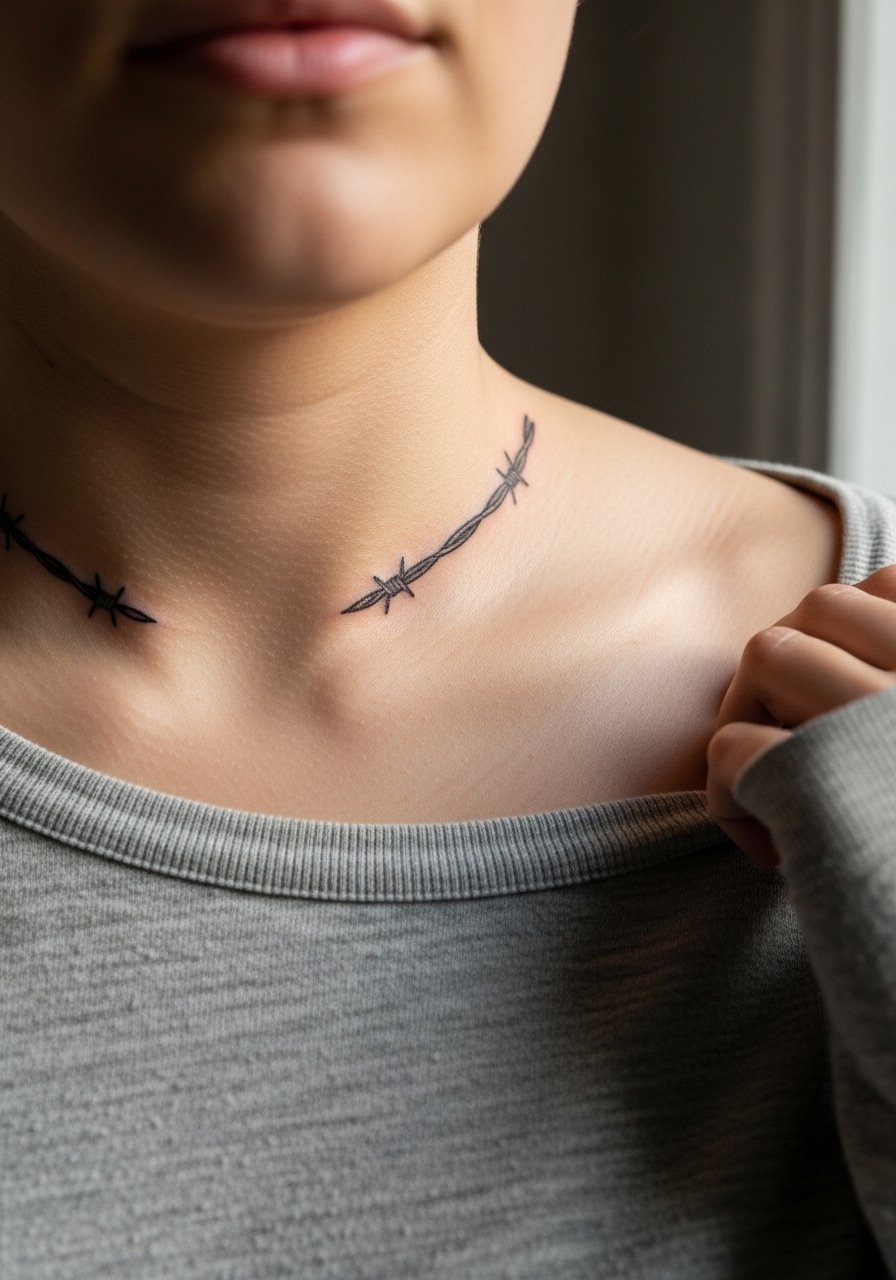
This reads like a wearable choker and suits people who like statement necklines. The collarbone moves with posture so spacing is key to keep the barbs distinct after healing. Ask your artist for slightly heavier endpoints so the piece reads from a distance. For the session wear a wide-neck shirt you can pull aside without getting the tattoo trapped under fabric. Expect low to moderate pain and a touch-up at year three if you sunbathe often.
8. Full Sleeve Vintage Wire Weave
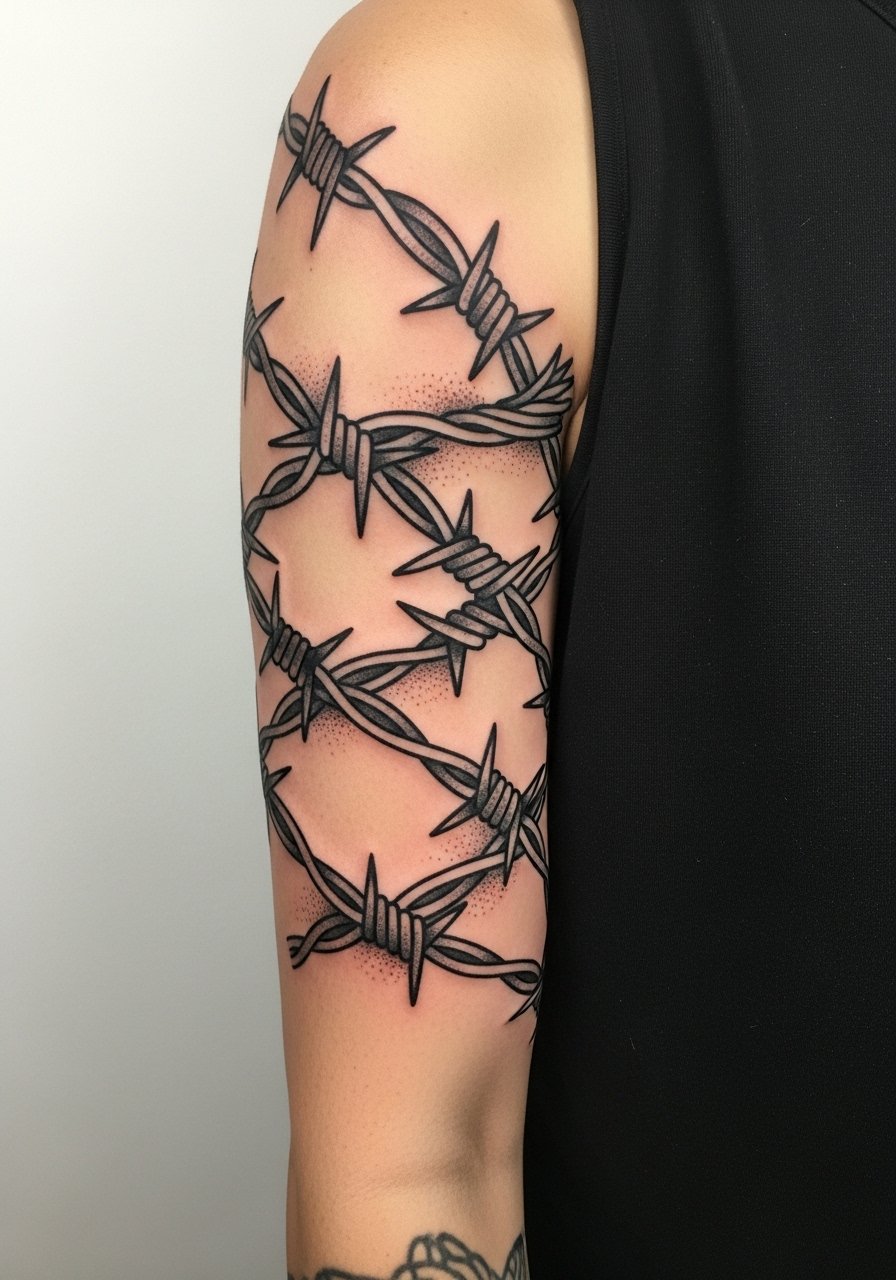
This is a commitment that pays off visually because scale lets the design breathe. The session feels long and rhythmic and you will likely schedule multiple appointments. Tell your artist you want clear negative spaces between strands so the pattern does not collapse into a dark mass as it heals. A common mistake is compressing too many elements into one panel. Trust your artist on how much space to leave. Expect heavier saturation and less need for early touch-ups compared with very fine work.
9. Sternum Barbed Wire Medallion
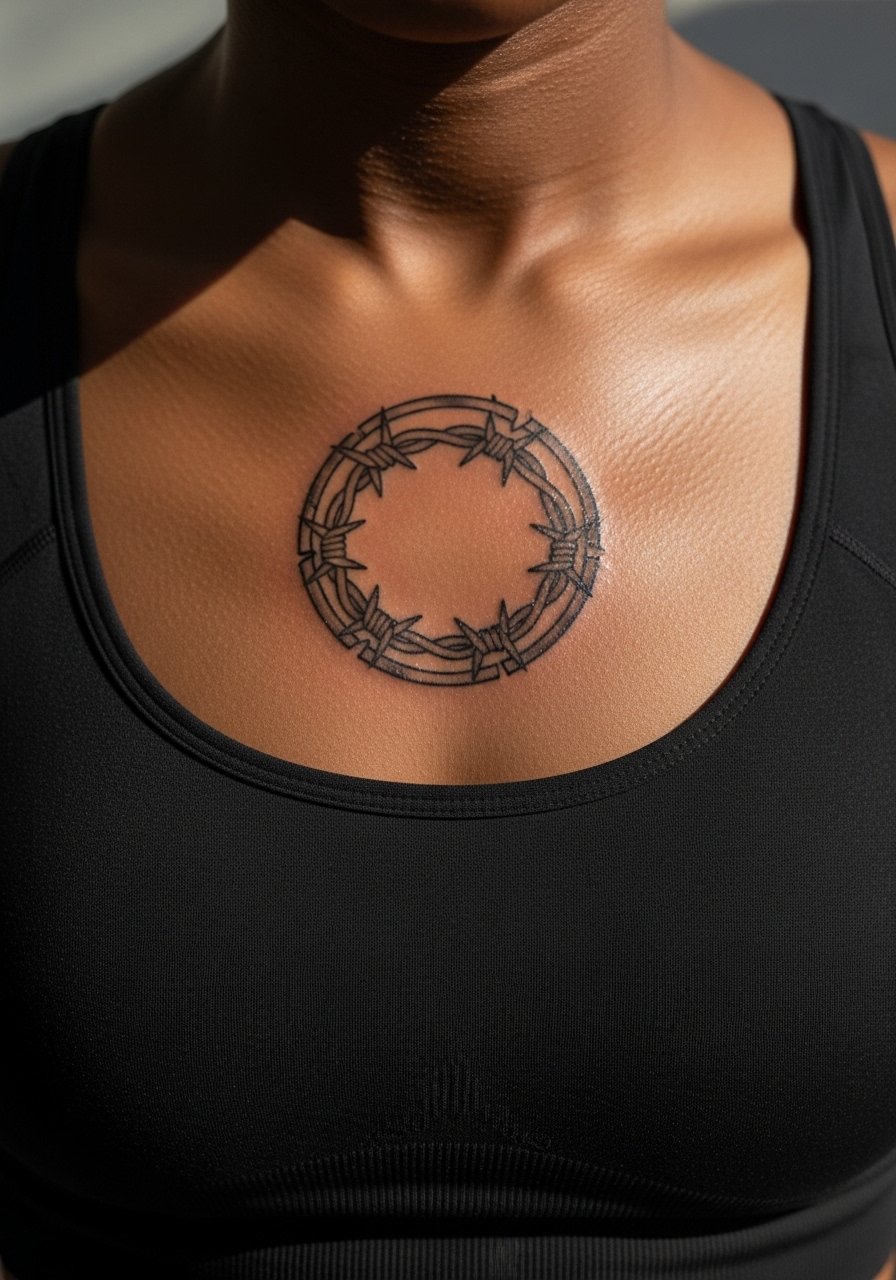
Sternum pieces are intimate and they sit where breathing affects line settling. Ask your artist for bolder anchor points in the center so the pattern keeps structure as the skin moves. This spot needs a specialized artist comfortable with chest anatomy. The session is painful and healing takes patience because clothing can rub the area. Some people shift the design slightly above or below the sternum line to reduce friction from bras and straps.
10. Back of Neck Short Band
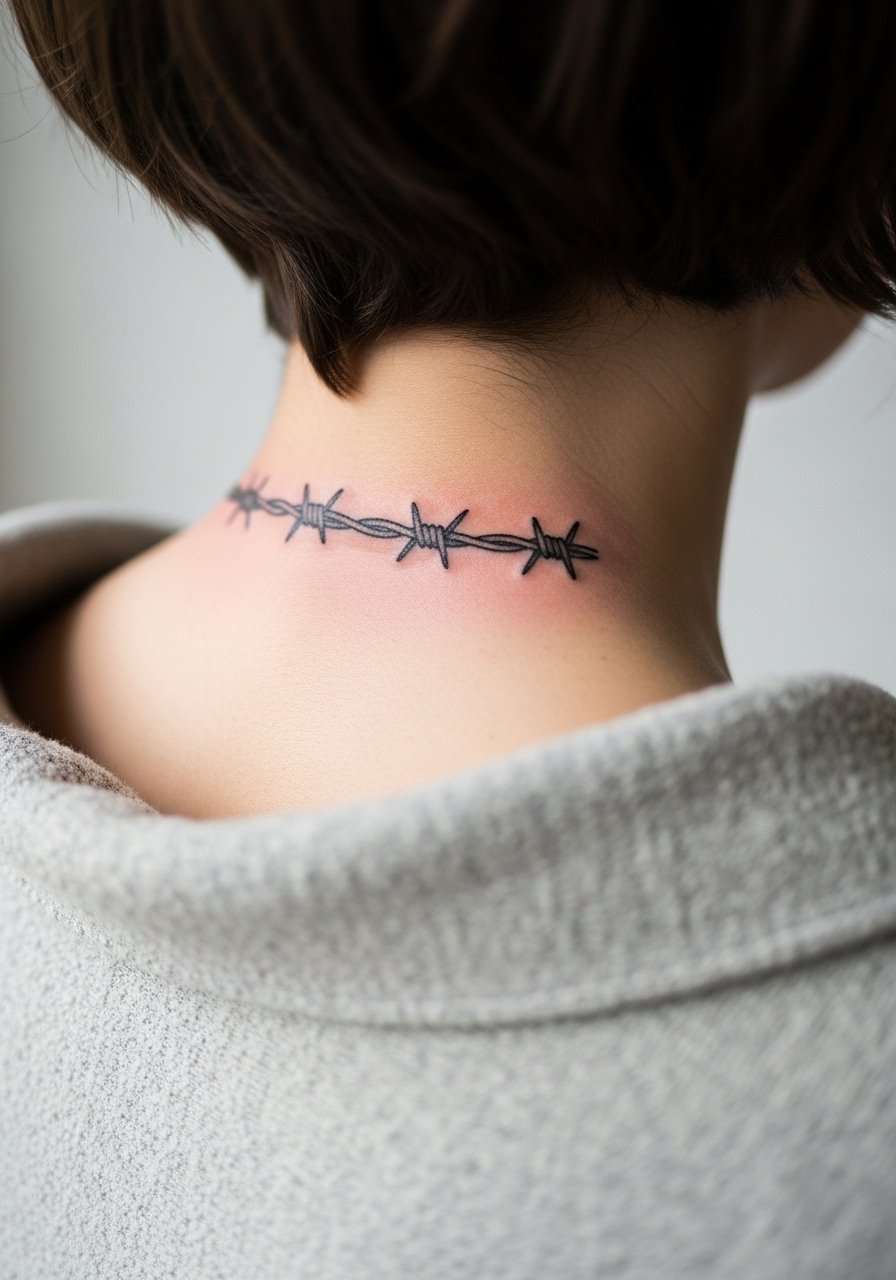
Neck pieces show instantly and they are easy to cover with hair if needed. The skin at the nape is thin and the blowout risk increases with too shallow needle depth. During consultation ask the artist about depth and recommend a single-pass outline with controlled shading. For the session wear a wide-neck shirt you can shift without rubbing the area. Expect moderate pain and a possible touch-up depending on how your skin settles.
11. Calf Barbed Wire with Stipple Shading
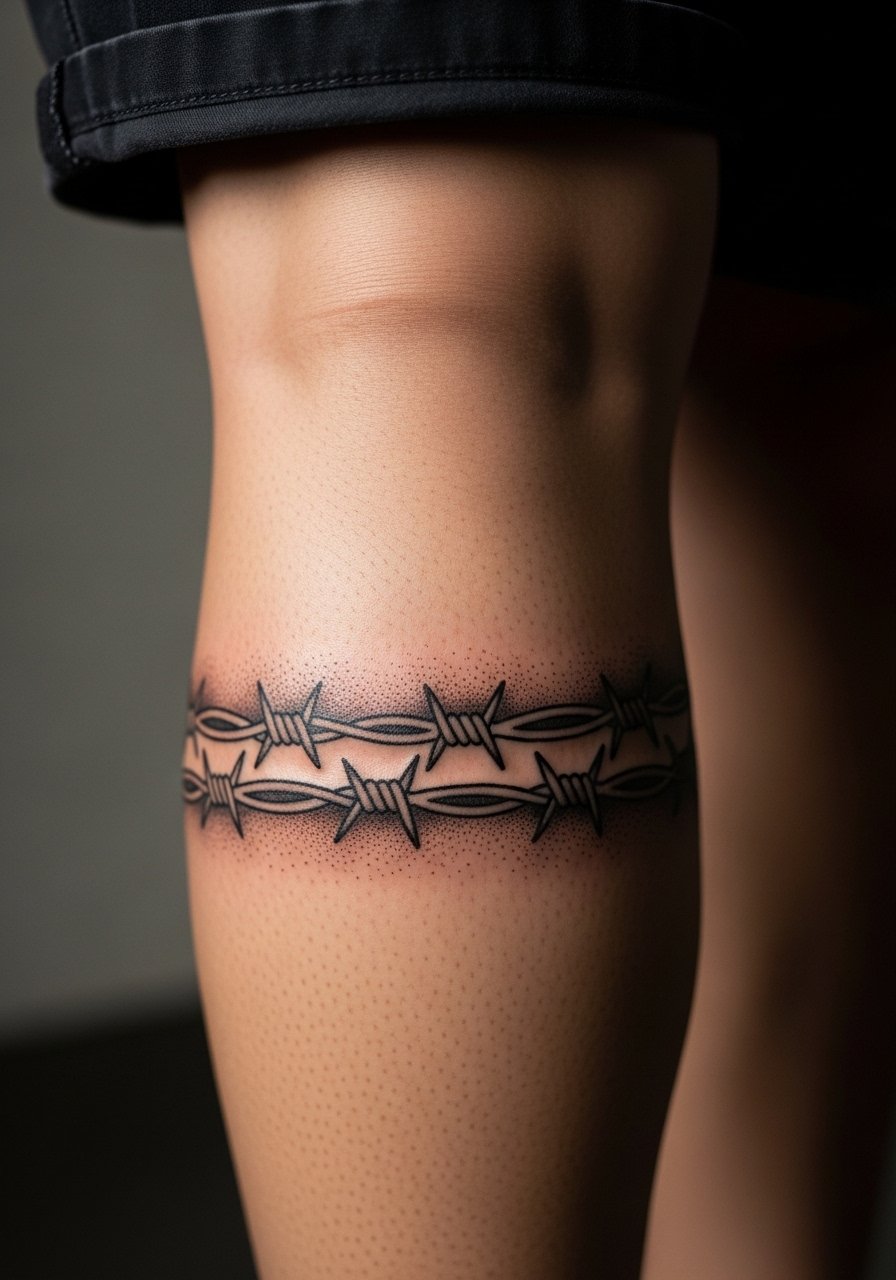
Calf placements handle saturation and shading well because they see less sun than lower legs. For this look ask for stipple shading around the band to give vintage depth without heavy solid fills. The session feels like sustained buzzing but pain is typically manageable. A common mistake is placing the wire too low near the ankle where rubbing from shoes speeds fading. Pair it with a pair of shorts that show the design when you want it visible.
12. Inner Thigh Barbed Vine
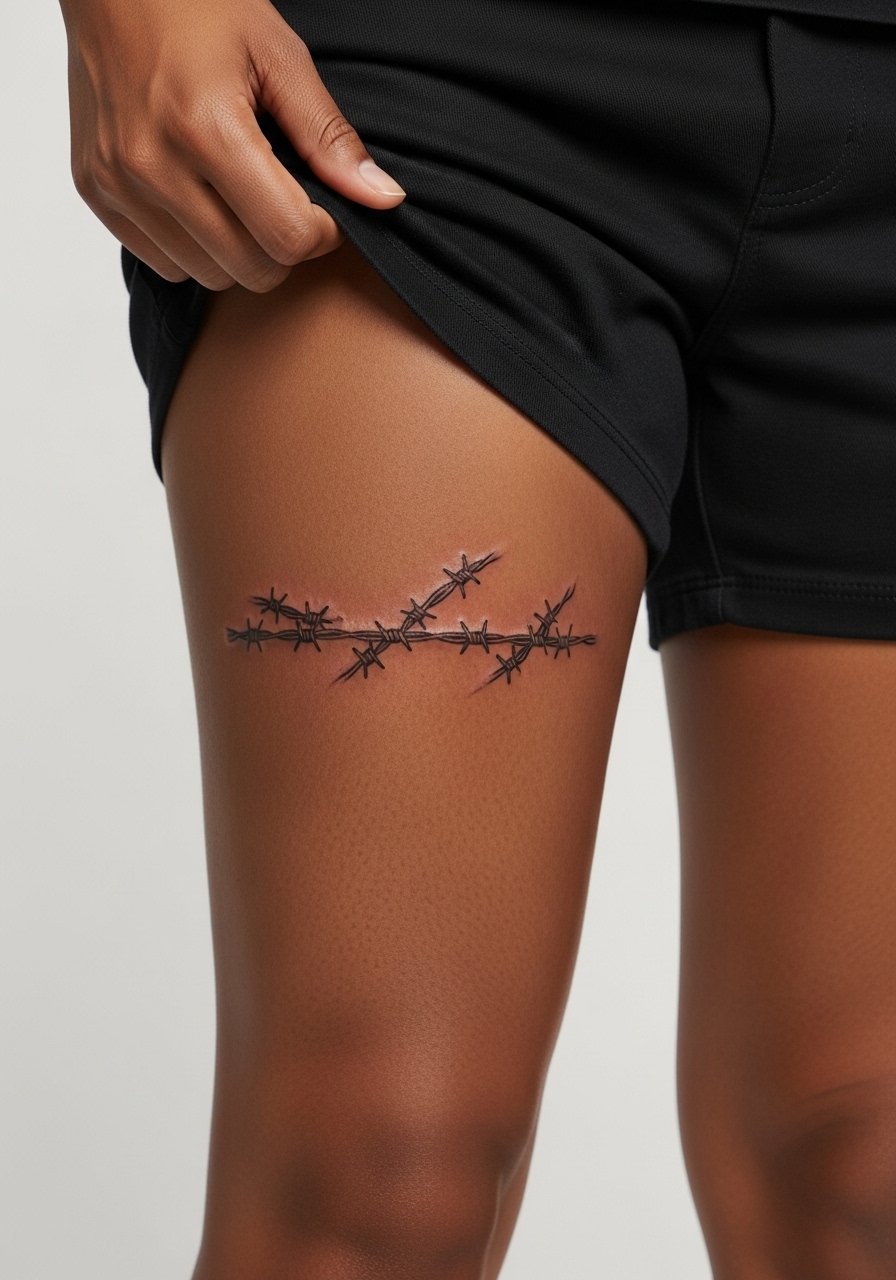
Inner thigh pieces are sensual and they require a tattooist comfortable with working in intimate zones. The area heals slower because of friction from walking and clothing. During the consult discuss session positioning and wear loose bottoms you can shift easily. Expect medium pain and a longer window before full settled appearance. Many people pick this area for privacy and scale, not constant display, so plan placement accordingly.
13. Old School Barbed Wire with Bold Outlines on the Shoulder
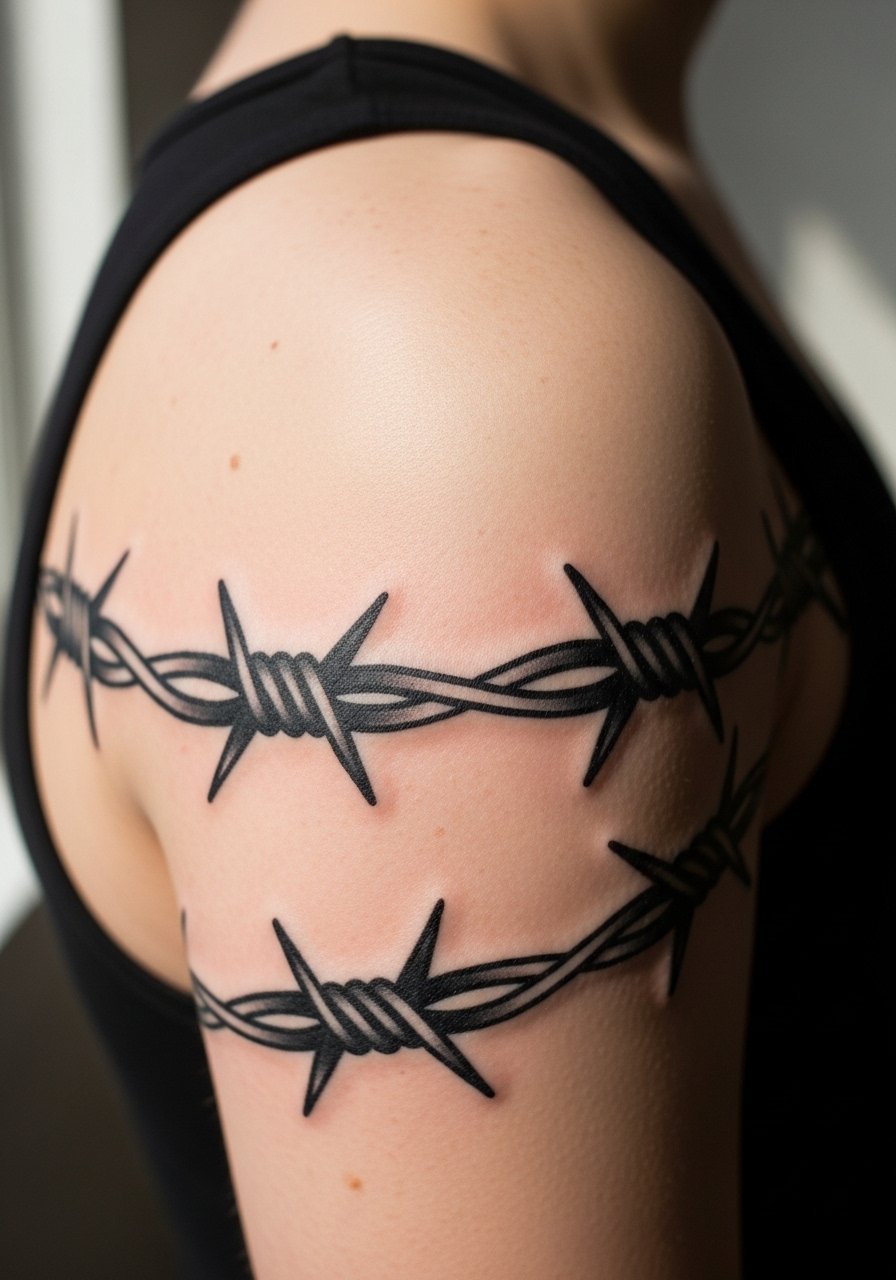
Shoulder pieces age predictably and handle bold lines well. For a vintage feel ask for slightly tapered barb points so the piece reads like aged flash. The session is quick and recovery is straightforward because clothing can be adjusted easily. Pair this with a tank top when you want to showcase the curve of the shoulder. The main mistake is overcomplicating the barb shapes which removes the old-school silhouette.
14. Hand and Knuckle Mini Barbs
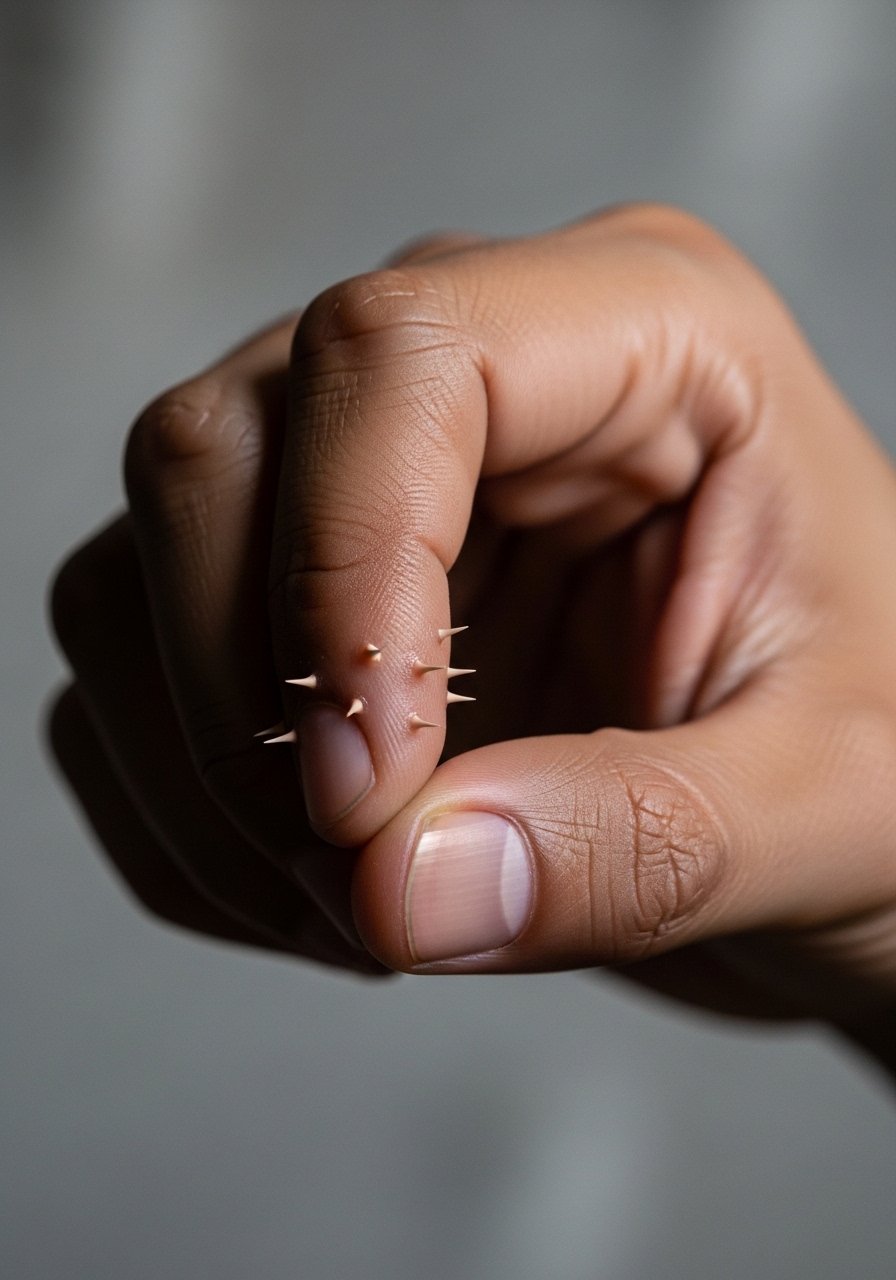
Hand pieces spark debate in communities about longevity and professional perception. One camp points out that hands see constant washing and sunlight which erases fine detail fast. The other camp says simple bold marks can age into a handsome lived-in look with minimal touch-ups. Be explicit in your consult about how visible you want this to be in five years. Expect quicker fading and plan a touch-up cycle earlier than for arm work.
15. Ankle to Foot Chainlet
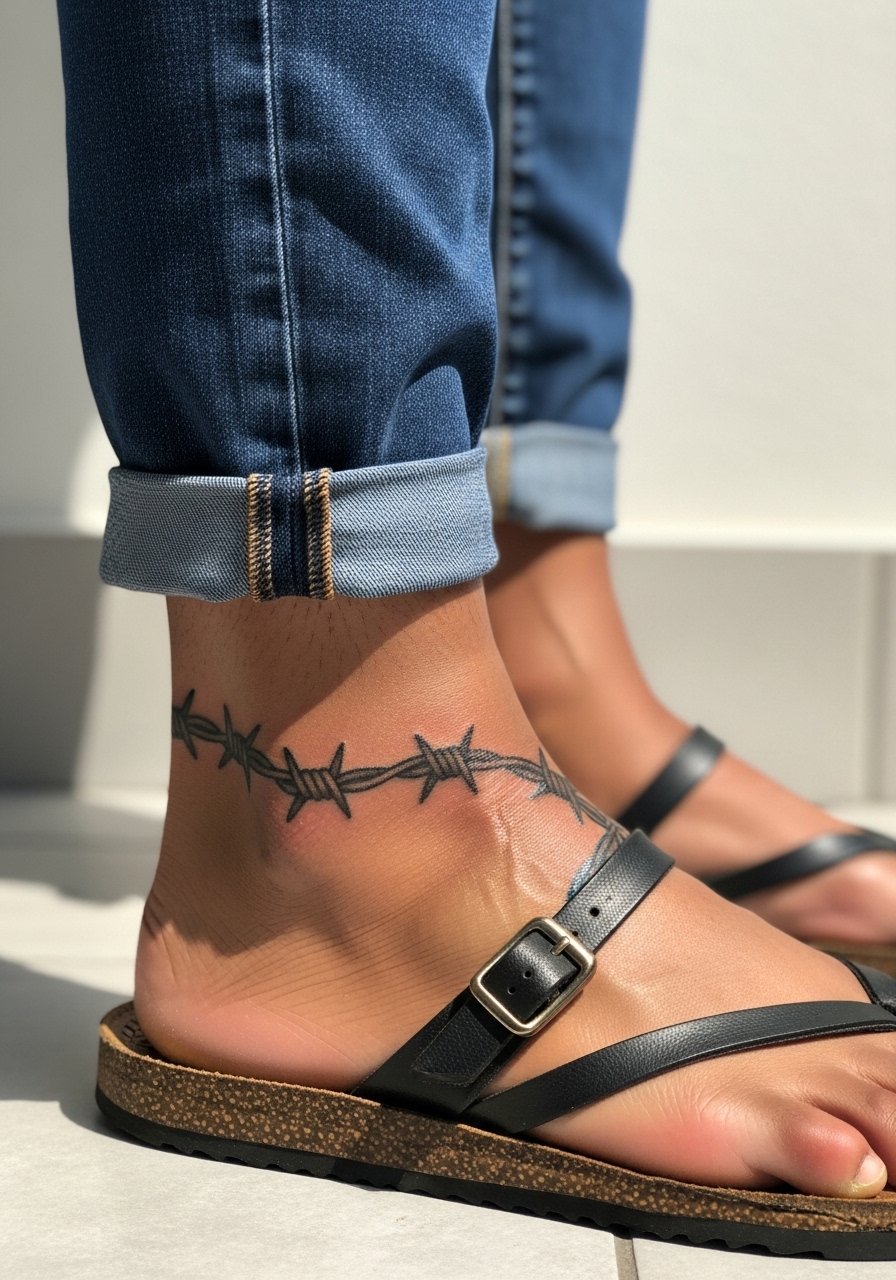
This is a seasonal piece that looks great with summer shoes. Foot tattoos live in a high-friction zone and they can fade or blur faster when placed over tendons. Ask the artist to keep the wire slightly bolder where the foot moves most and schedule a short touch-up window. For the session wear sandals and loose pants so you can roll them up without tugging the fresh ink. A pair of sandals that are easy to slide on after the appointment helps.
16. Minimalist Micro-Realism Single Barb near the Collarbone
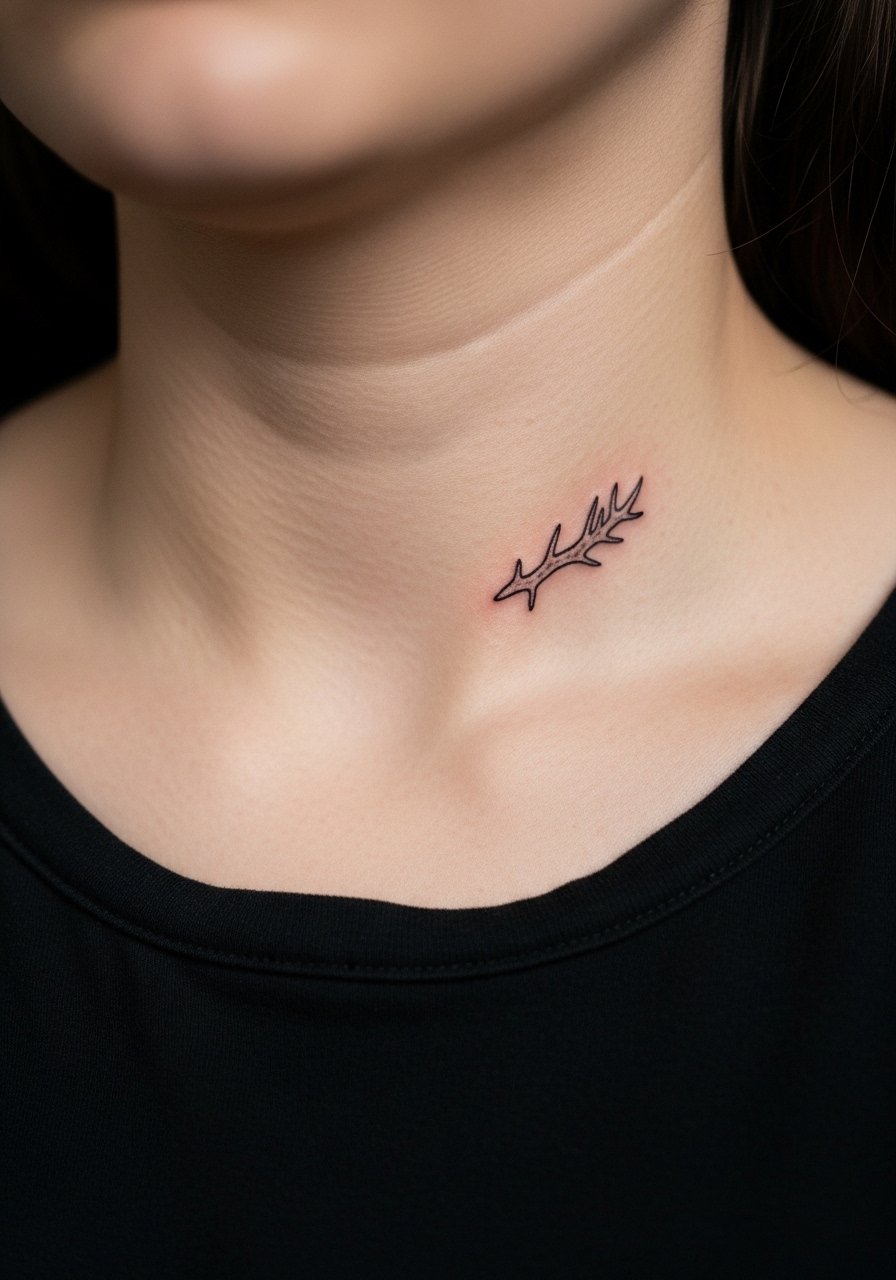
A single barb can be a quiet accent that reads personal rather than loud. Micro-realism demands consistent needle depth to avoid little dots merging. Tell the artist you prefer a single needle pass with minimal shading so the small highlight stays defined. Expect low pain and a short session. This placement is visible in open necklines so think about how it pairs with necklaces when choosing exactly where to sit.
17. Lower Back Horizontal Band
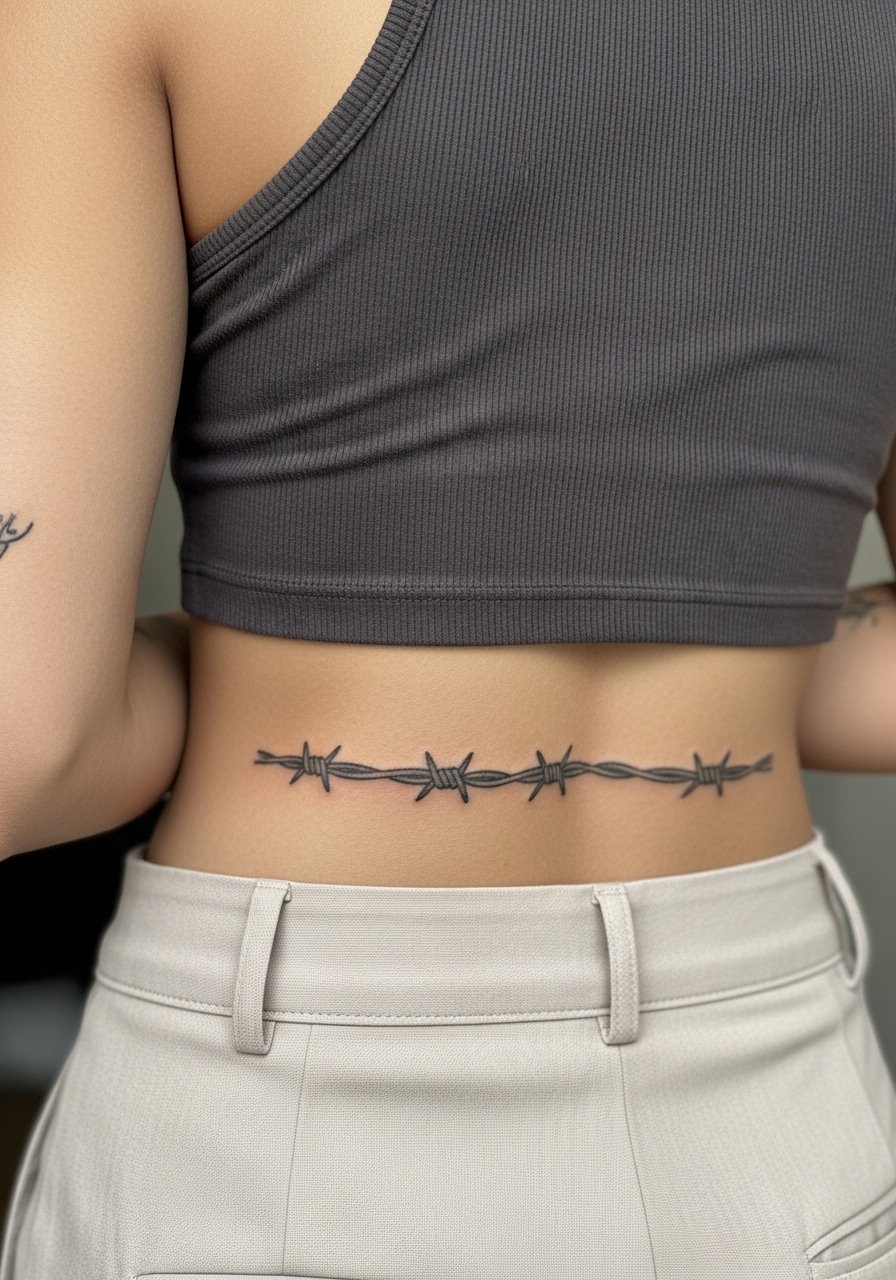
Lower back bands are classic and they let you choose how much is visible. The area handles larger scale pieces well and healing is usually smooth if clothing is loose. For session day wear a tank top and high-waisted bottoms you can shift without rubbing. Ask for slightly thicker spacing between barb loops to avoid merging if you prefer a tighter band. Pain is moderate and you will appreciate the low maintenance after the initial week.
Frequently Asked Questions
Q: Will fine line barbed wire blur faster than bold blackwork on the wrist?
A: Fine line is more vulnerable because the lines are thinner and the wrist is a high-motion, high-wash area. If you want longevity choose slightly heavier line weight and wider spacing. Expect touch-ups sooner with delicate pieces and plan wardrobe choices that reduce friction in the first weeks.
Q: How should I prepare for a ribcage or sternum session to reduce pain?
A: Rest well the night before and avoid alcohol for 24 hours. Wear a cropped top or sports bra you can lift without tugging. Discuss topical numbing options with your artist if you want extra help, and bring a loose layer to keep warm during breaks.
Q: Are hand and finger barbed wire tattoos worth the maintenance?
A: They are worth it if you accept faster fading and occasional touch-ups. Keep expectations realistic and pick simplified shapes rather than intricate detail. If professional settings matter, consider placements you can cover easily.
Q: What should I tell my artist if I want a vintage-looking barbed wire that still holds up?
A: Ask for slightly tapered barb points, deliberate spacing between loops, and controlled saturation rather than micro detail. Mention how visible you want the piece at one and five years so the artist can plan line weight accordingly.
Q: How do I find an artist skilled in these placements without naming names?
A: Search local shop portfolios, check convention guest lists, and read community forum threads for before and after photos. Look for healed shots on varying skin tones and placements similar to yours to judge how the work ages. Trust your instincts when you see consistent healed results across multiple clients.