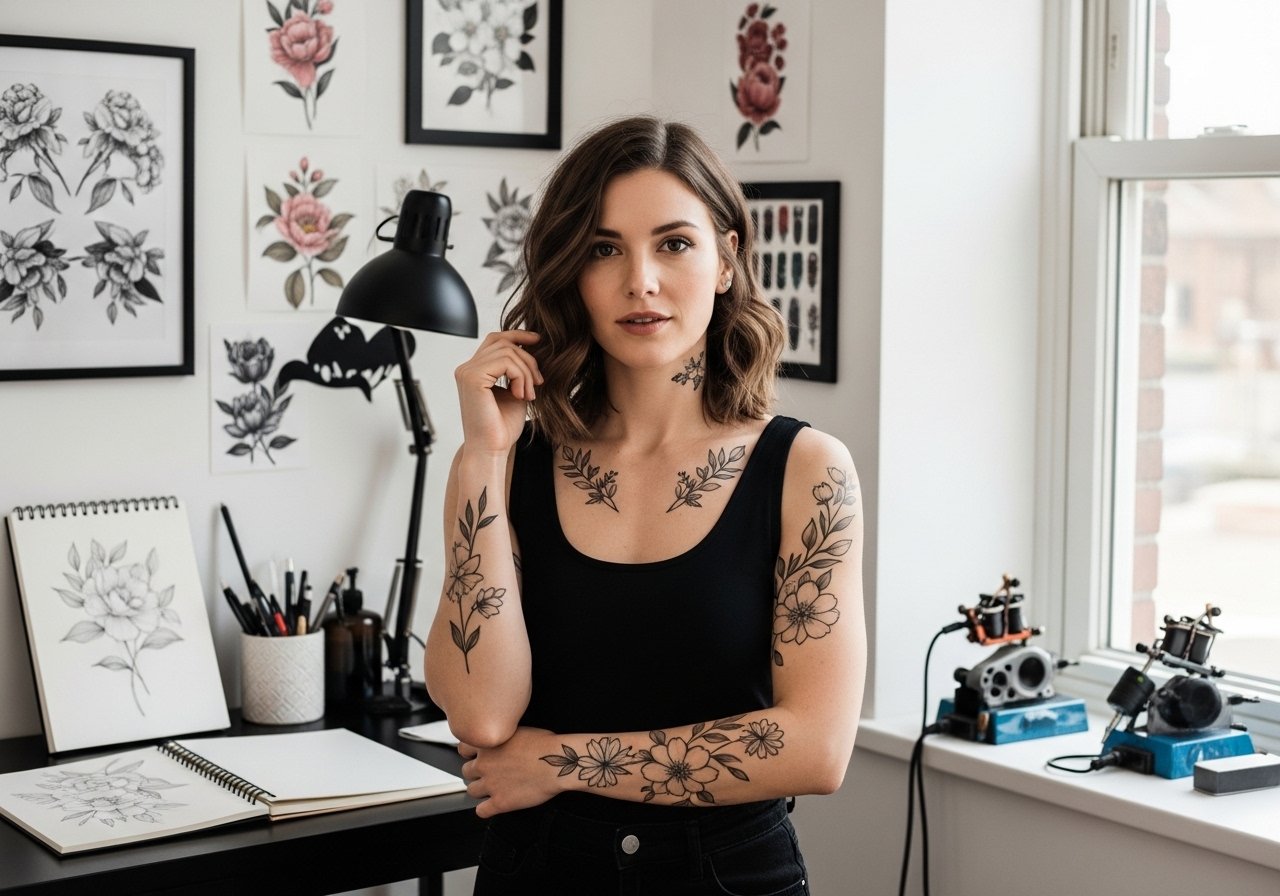
Fine line and washy color dominate saved boards right now, but the reality is that watercolor techniques behave differently on skin than they do on paper. Some pieces keep the airy pigment and soft edges for years. Others bleed into faded blobs before the second touch-up. Below are 21 watercolor tattoo ideas that balance fresh-looking color with placement and technique choices that help the design age more gracefully.
1. Delicate Wildflower Forearm
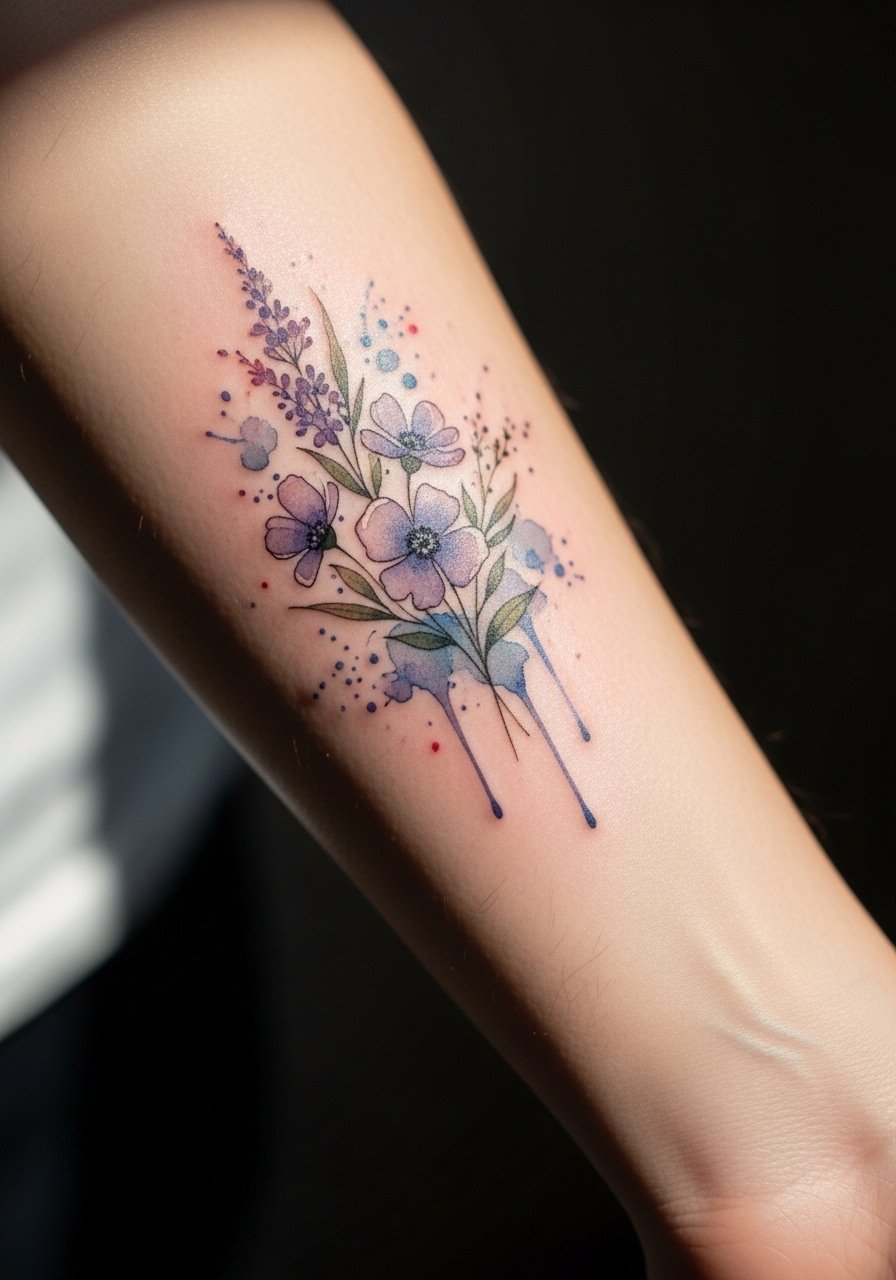
I recommend this when you want color that stays readable at arm distance. For the consultation, ask for slightly bolder linework around the petals and a light wash of pigment rather than a fully swept gradient. Fair warning about the inner forearm: it sees sun and friction from wrists, so expect a touch-up around year two to re-saturate paler washes. For the session, wear a loose button-down shirt you can roll or pull aside so the artist has full access.
2. Koi Fish Calf Splash
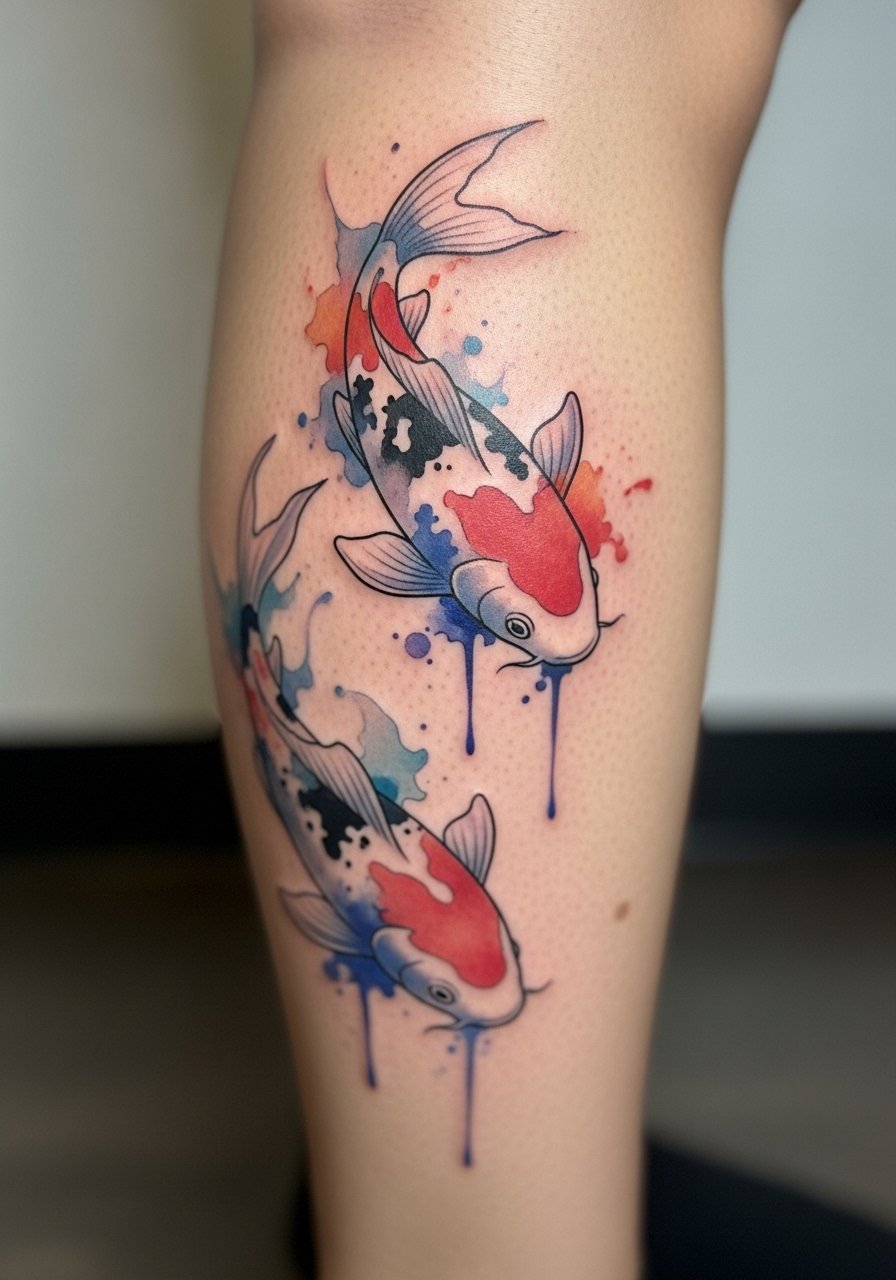
I've seen calf pieces hold color well because the skin there is thicker and gets less UV. Ask your artist for stronger saturation in the pigment pools and stipple shading near the scales so the fish reads at a distance. Pain is moderate for most people. A common mistake is asking for tiny detalization that blurs when the leg moves. For session comfort, wear loose drawstring linen pants so you can roll the leg up without pressure on the area.
3. Galaxy Wrist Band
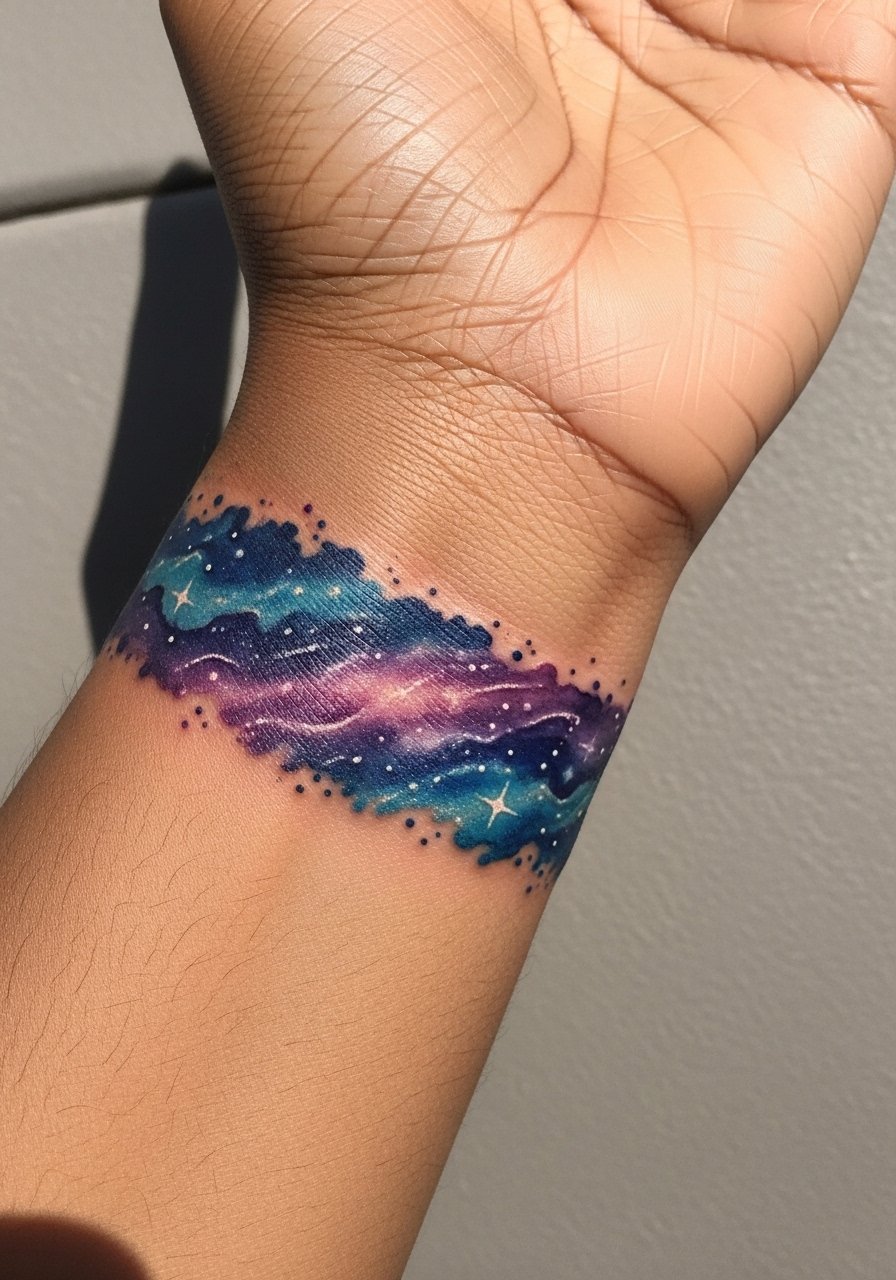
Visual impact here comes from contrast between dark and bright color pools. The wrist is a high-motion zone so keep the band thin but avoid minuscule stars that will blur. Blowout risk is higher near the outer wrist when lines cross tendons. Expect light fading by year two unless the pigment gets a small saturation touch-up. For showing it off, pair the band with a thin chain bracelet that sits beside the color without covering it.
4. Scripted Collarbone Wash
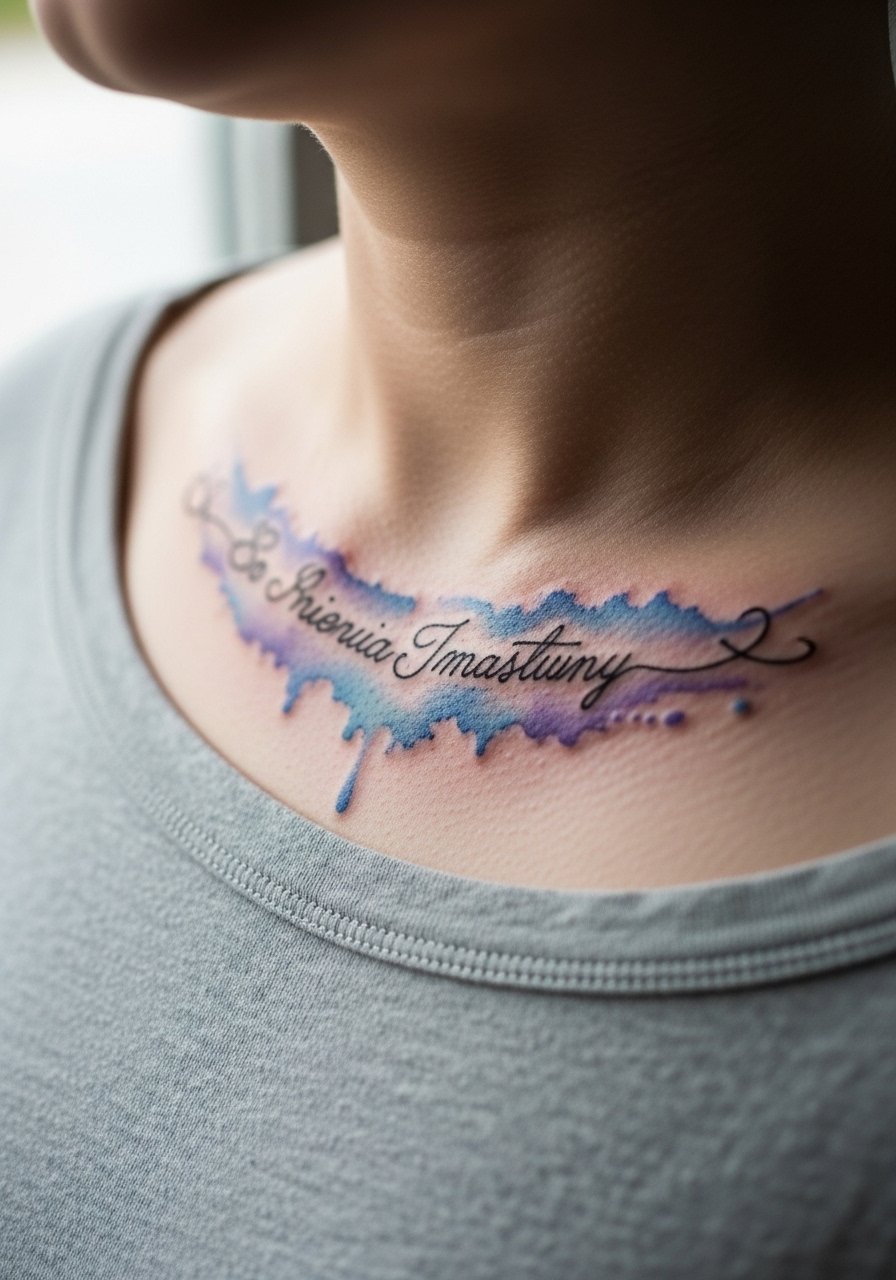
Artists split on collarbone scripts with watercolor. One camp says delicate script and soft washes settle beautifully if the linework is placed shallowly and the wash is kept light. The other camp argues the skin movement and thin dermis there cause early blurring and pigment migration. My advice is to request a slightly heavier script weight and a restrained wash behind it. For evening wear, a delicate open-back midi dress or a wide-neck top frames the collarbone without hiding the wash.
5. Ribcage Bloom with Loose Color
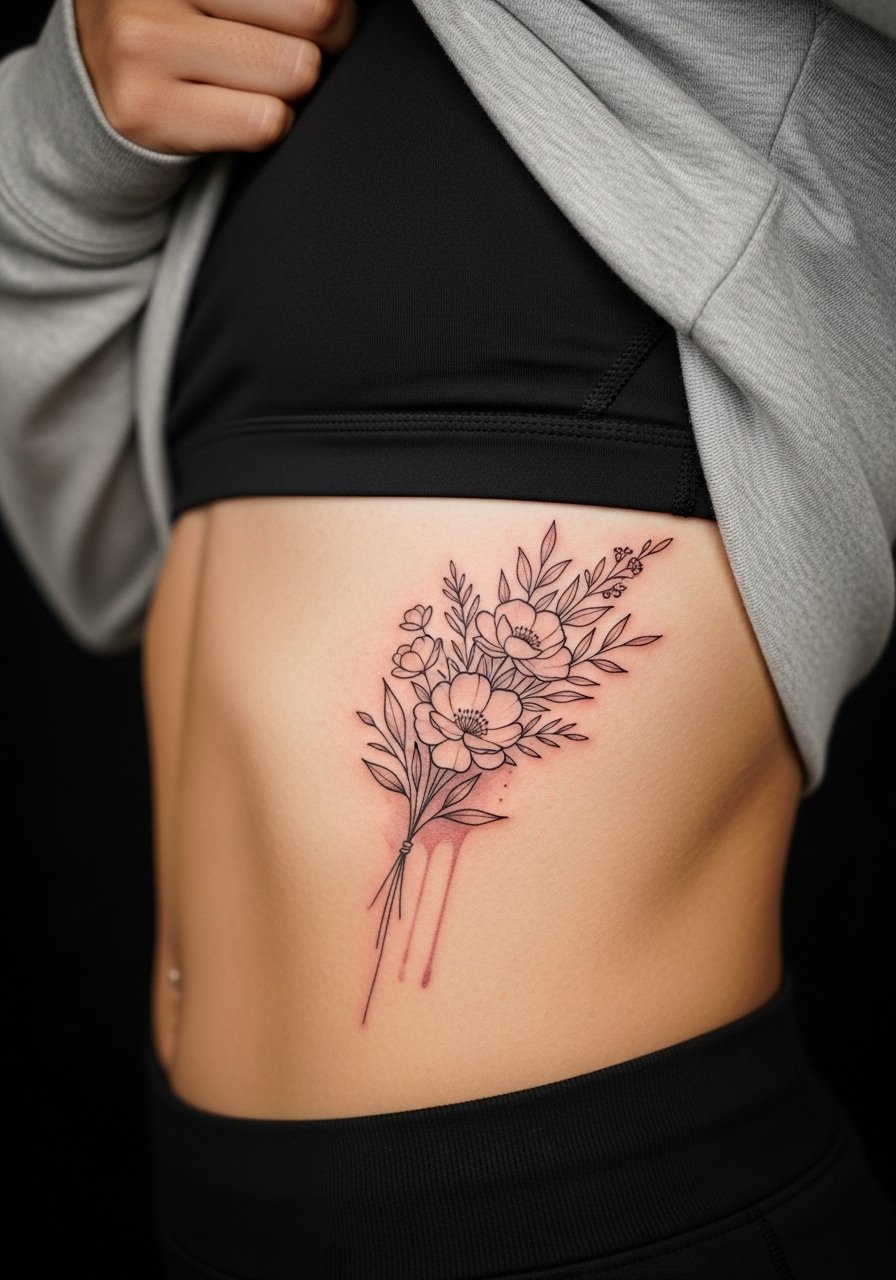
Fair warning: ribs are known for two competing opinions. One group of artists says the ribs are too mobile and the skin is thin so fine line with soft watercolor blurs quickly. The other group insists that with deliberate spacing and confident needle depth, a watercolor bloom can keep its form longer. If you want this, instruct your artist to size the flowers larger than you imagine and allow negative space around dense washes. Pain is high for most people. For the session, wear a cropped athletic top so you can adjust coverage without being fully exposed.
6. Ankle Feather Fade
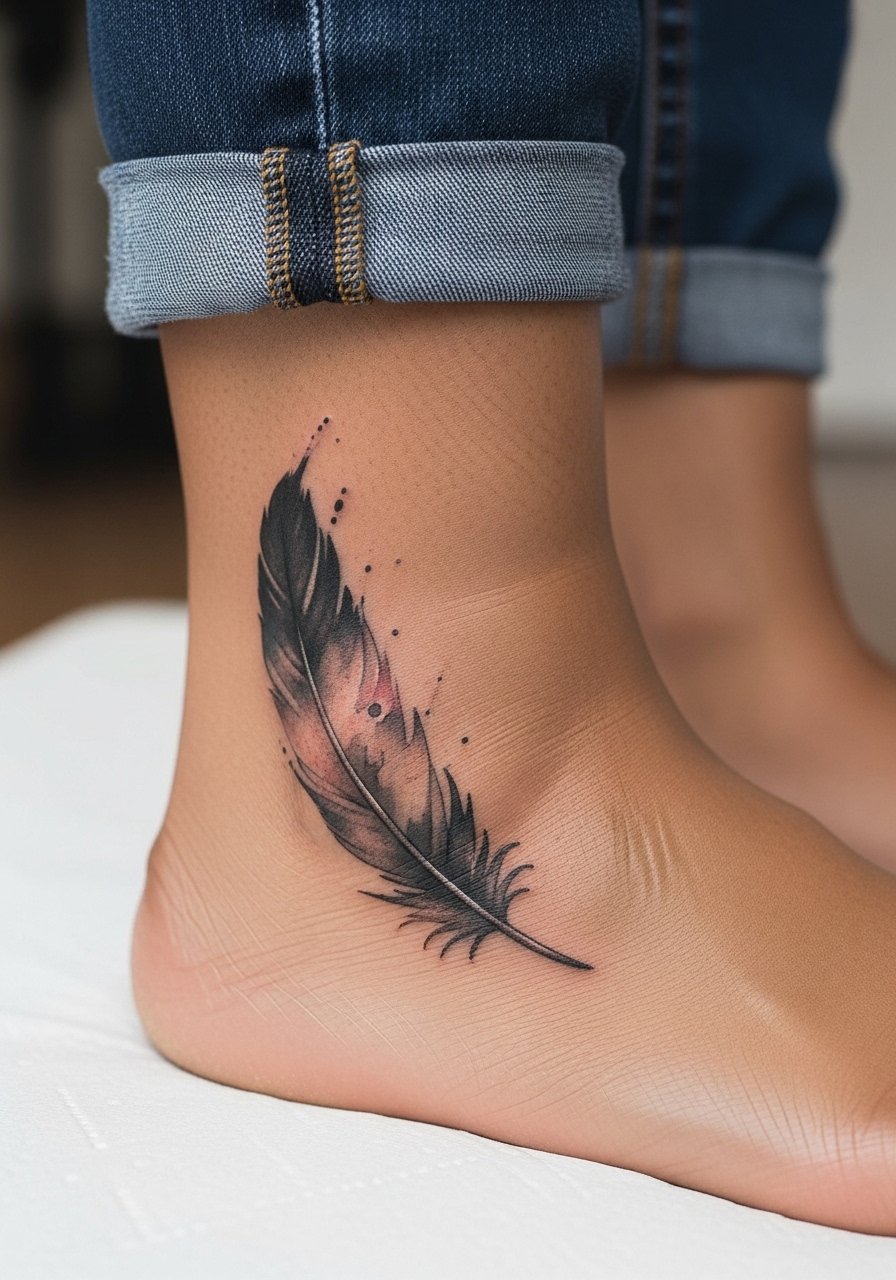
Ankle pieces take a lot of abrasion from socks and shoes, so the lightest washes will disappear first. Ask for a slightly darker base line and leave the soft fade towards the tip. Pain is lower near the outer ankle bone but can spike near the Achilles. The biggest mistake is asking for ultra-faint color at the very edge. Pair the feather with low-profile sandals or a minimal ankle chain when you want it to read in summer.
Studio Day Picks
The wrist, ankle, and ribcage pieces above each present different prep and early healing needs, so these five items smooth the session and first week.
-
Precision stencil transfer paper kit. Lets you preview linework placement on curved areas like the forearm and calf so small adjustments happen before the needle hits skin.
-
Topical numbing cream. Applied per product instructions about 30 to 45 minutes before can reduce the edge of rib and ankle sessions without affecting line clarity.
-
Thin protective film roll. Useful for low-profile ankle and wrist pieces to shield against friction during the first 48 hours.
-
Fragrance-free gentle body wash. Cleans the healing area without stripping pigments or irritating the skin that fine watercolor depends on.
-
Aquaphor healing ointment. Thin layers during the earliest days help prevent scabbing that can pull out pigment in delicate washes.
7. Sternum Moon Phases in Pastel
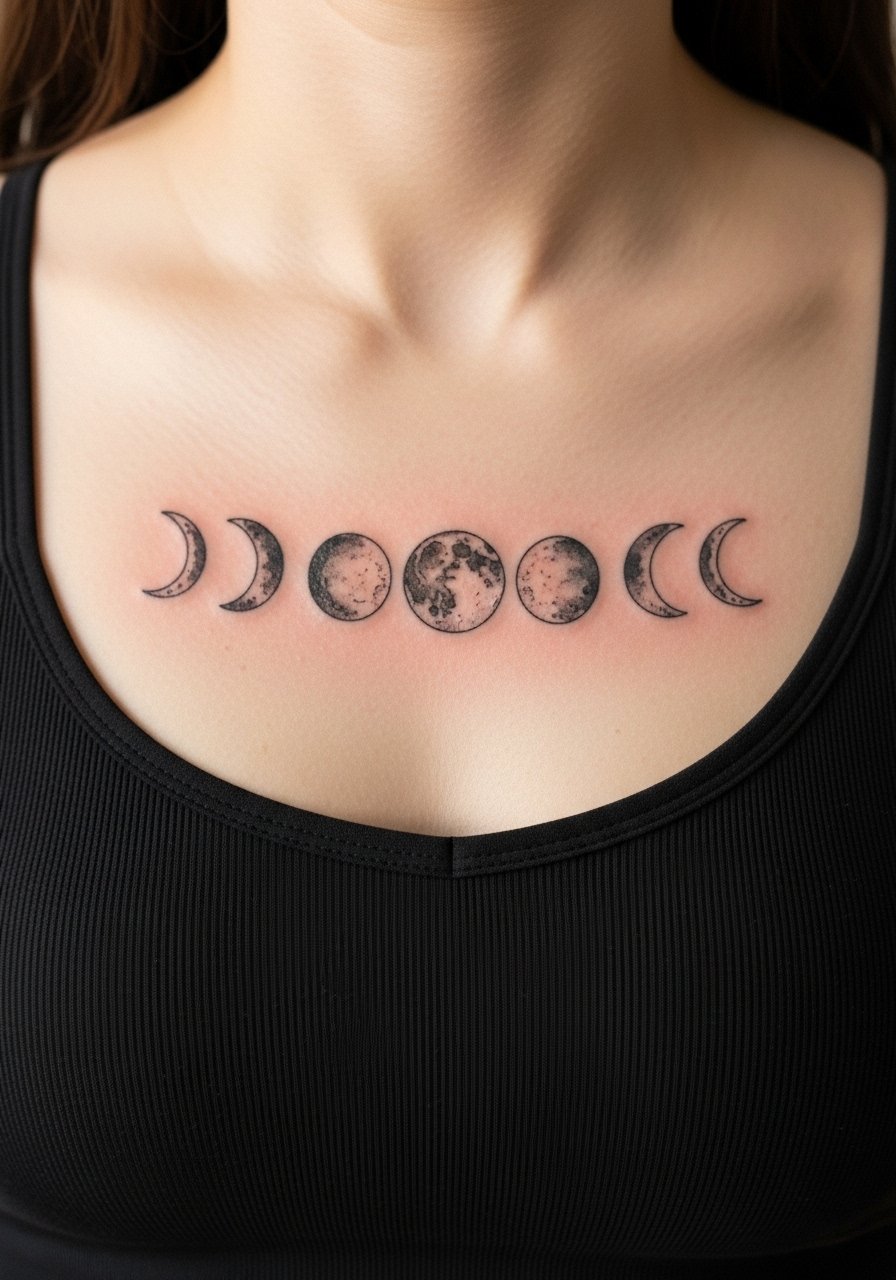
Sternum pieces sit on a high-motion band of skin, which means watch placement carefully. Ask for slightly spaced iconic moons and a soft wash that does not overrun the line elements. A common mistake is packing too many tiny details into a narrow vertical space. For session comfort, bring a zip-up hoodie that you can remove without raising your arms too much, and expect the area to be tender for several days.
8. Shoulder Blade Phoenix Wash
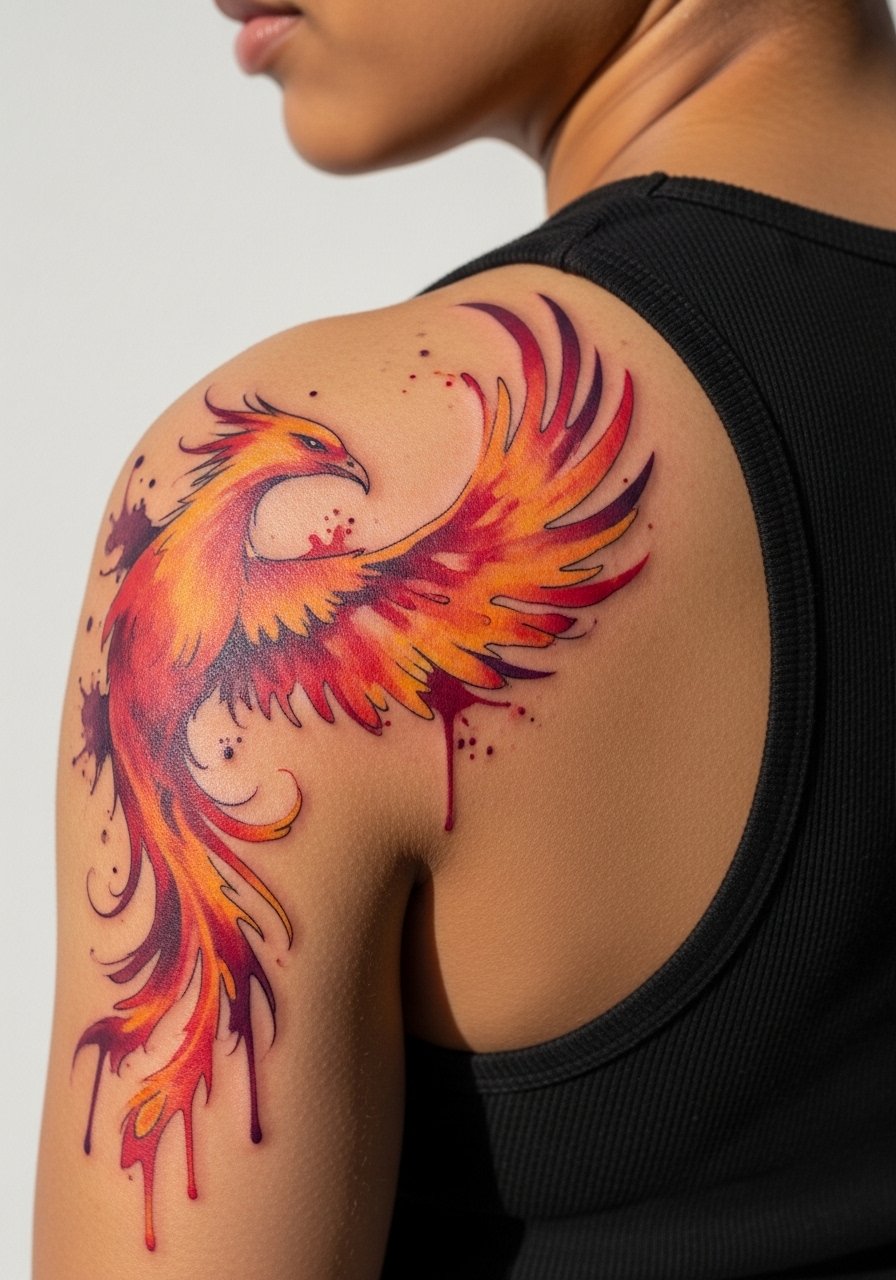
The shoulder blade accepts saturation well because movement is less constant than on joints. I usually recommend a mix of saturated cores and light feathered edges so the bird reads from across a room but keeps the watercolor vibe. The session is comfortable for most people. For outings after it's healed, a strappy tank top highlights the wing without competing for attention.
9. Inner Bicep Lavender Stem
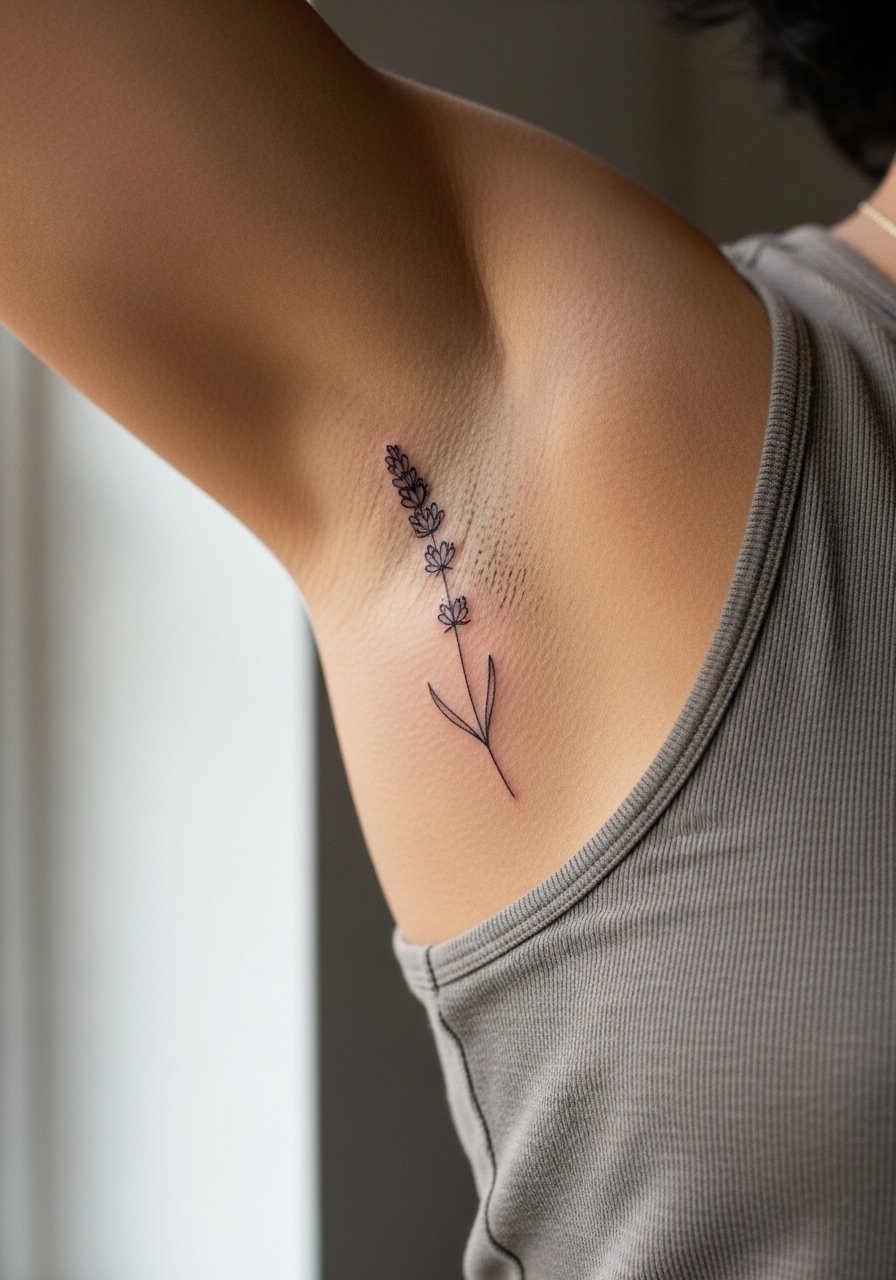
Pain can spike here because the inner bicep is softer and more sensitive. The aging question matters: fine line scripts and stems on inner biceps can blur if lines are drawn too close. Ask for slightly thicker primary stems and a faint watercolor wash behind them. For the appointment, wear a loose tank top you can lift without contorting the arm. Expect touch-up potential at year three.
10. Upper Thigh Watercolor Bouquet
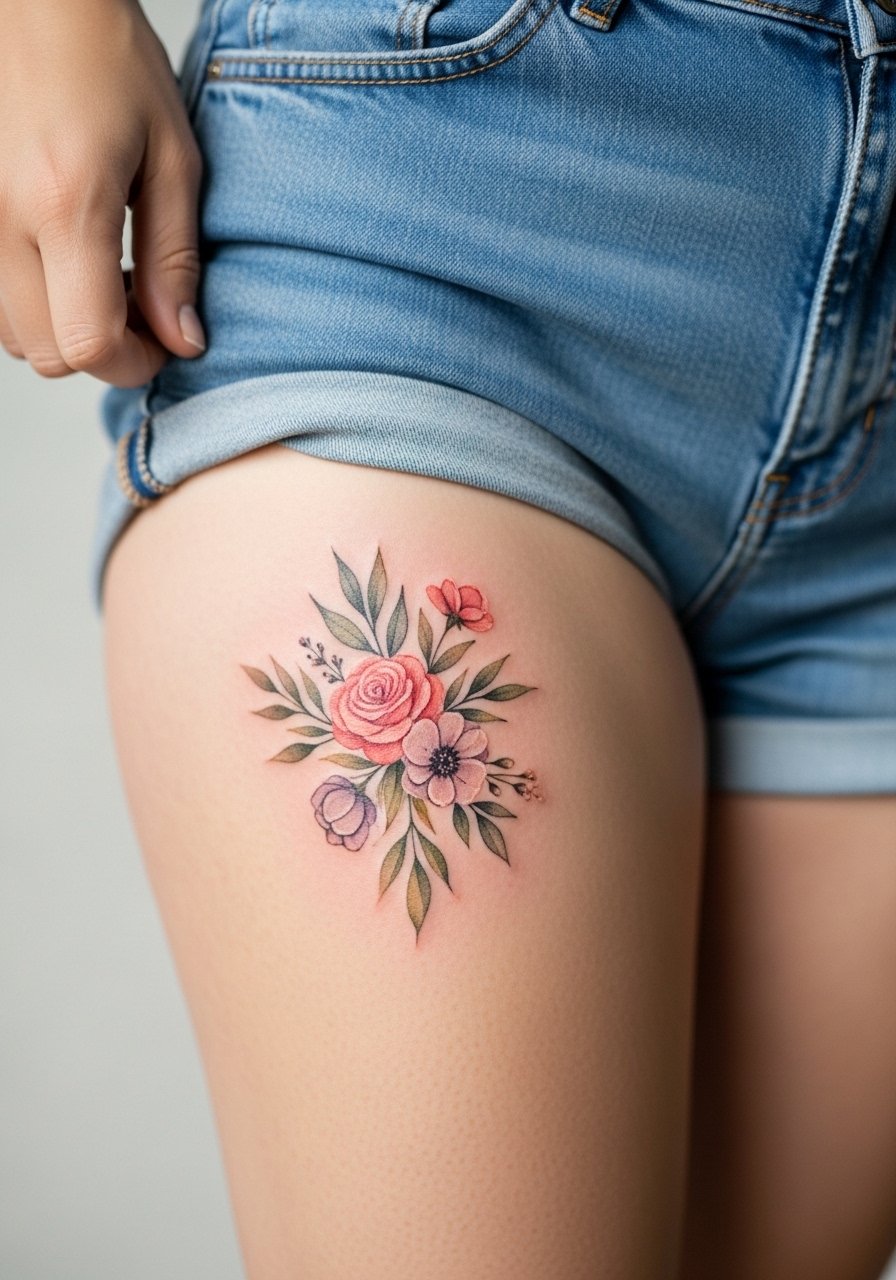
The upper thigh is forgiving for larger washes, so it is ideal for painterly bouquets that need breathing room. When you consult, specify that color pools should be separated by clear negative space so the design ages without merging. The common session mistake is asking for too many overlapping tiny blooms. For the session, wear high-waisted shorts so you can expose the patch while staying comfortable.
11. Nape Watercolor Script
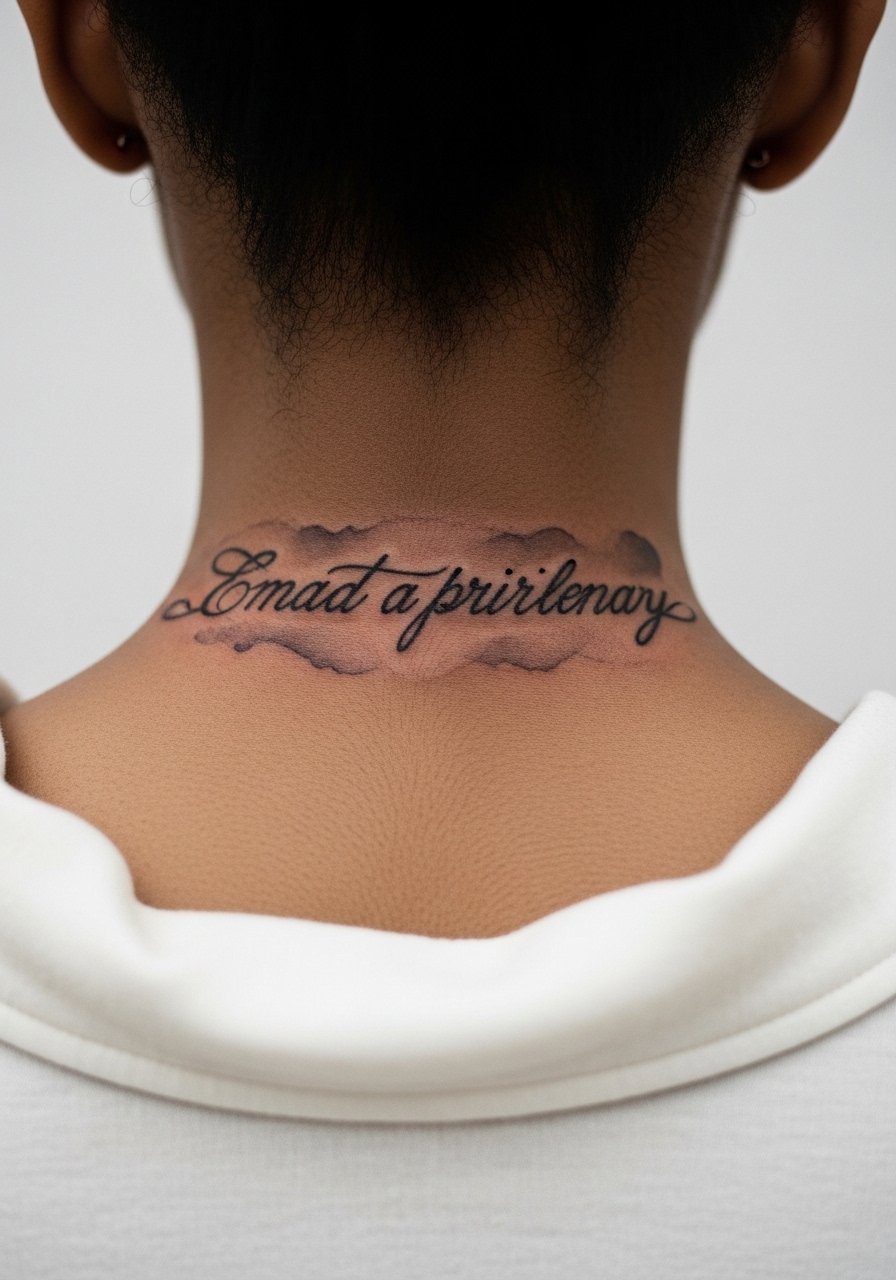
Neck tattoos are visible and age differently depending on sun exposure. Many people requesting watercolor here want a soft background and a clear script. The error is choosing ultra-thin letters with a heavy wash that competes. Ask for balanced script weight and a muted wash. If you want to hide it sometimes, choose clothing with a higher collar. For subtle framing, a lightweight scarf can cover or reveal the area as needed.
12. Back of Hand Mini Watercolor Heart
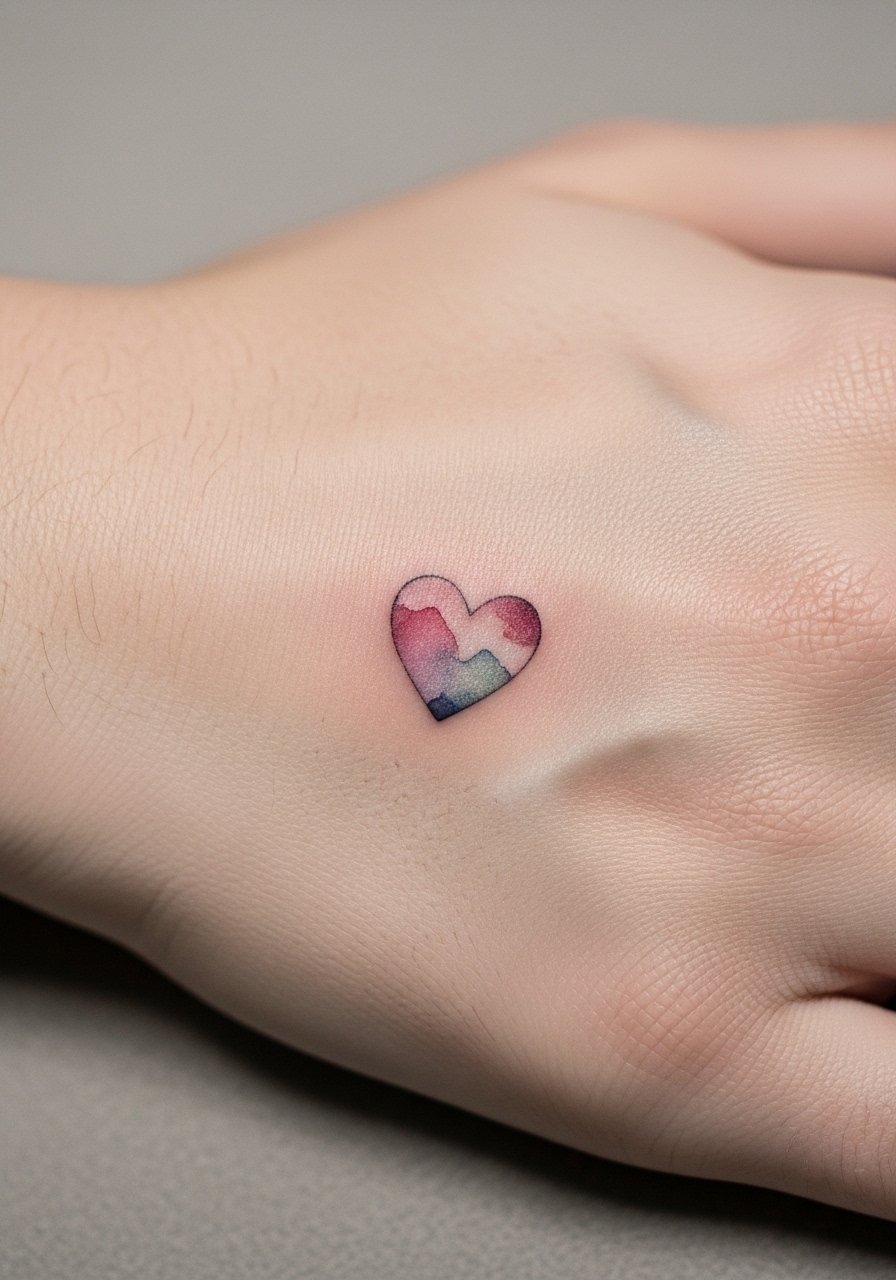
Hand tattoos are a commitment because the skin there gets heavy use and repeated washing. Expect faster fading and the need for more frequent touch-ups. One practical move is to slightly darken the heart's outline so the shape remains clear even as the wash softens. Also consider how this may affect workplace expectations. For showing it off without overdoing it, stack a minimal thin ring set on the opposite hand to balance attention.
13. Outer Upper Arm Color Field
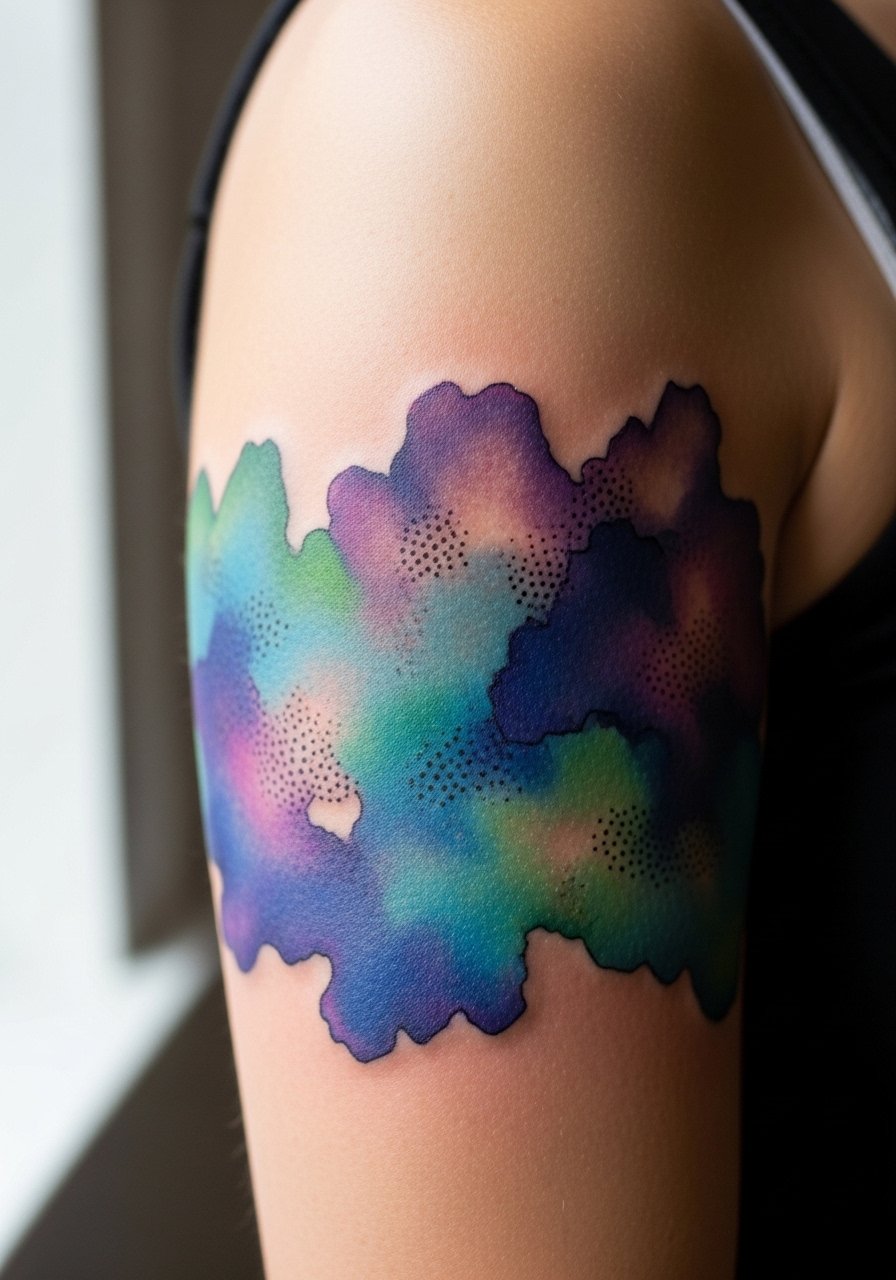
The outer upper arm is forgiving for saturation and keeps pigment well. It is a good place to go bigger and let watercolor blends breathe. During consultation, ask for stipple shading under saturated areas so the color reduces the appearance of patchy fade later. Pain is low to moderate. For casual coverage during healing, wear a loose short-sleeve tee you can pull aside without rubbing the area.
14. Calf Wave Band
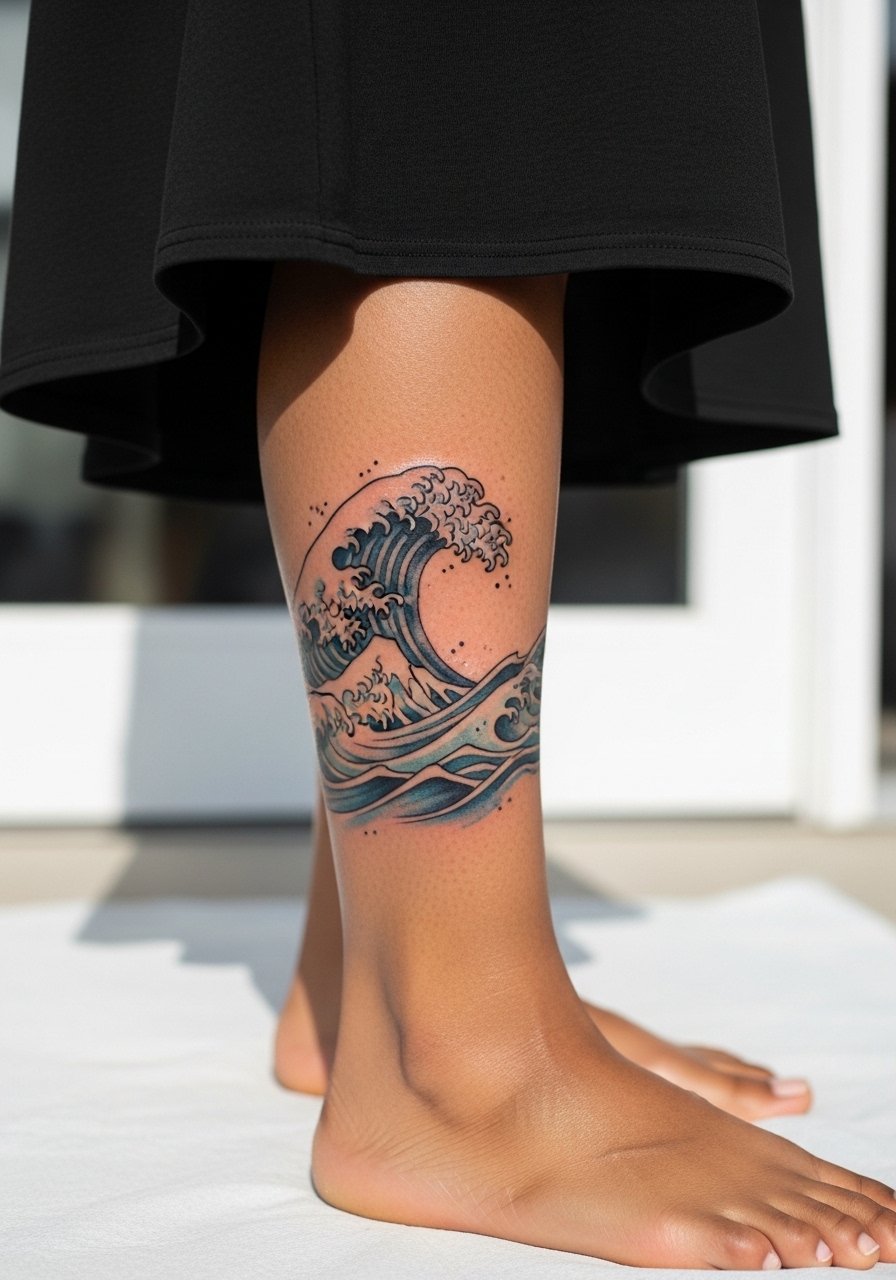
Waves and linear repeats work well on the calf because the design can follow muscle lines. Ask your artist for consistent rhythm in the washes so the pattern does not read patchy with growth or leg hair changes. Avoid tiny bridge details that will disappear with movement. For summer wear, pair the band with slide sandals that keep the ankle visible.
15. Ankle Constellation Wrap
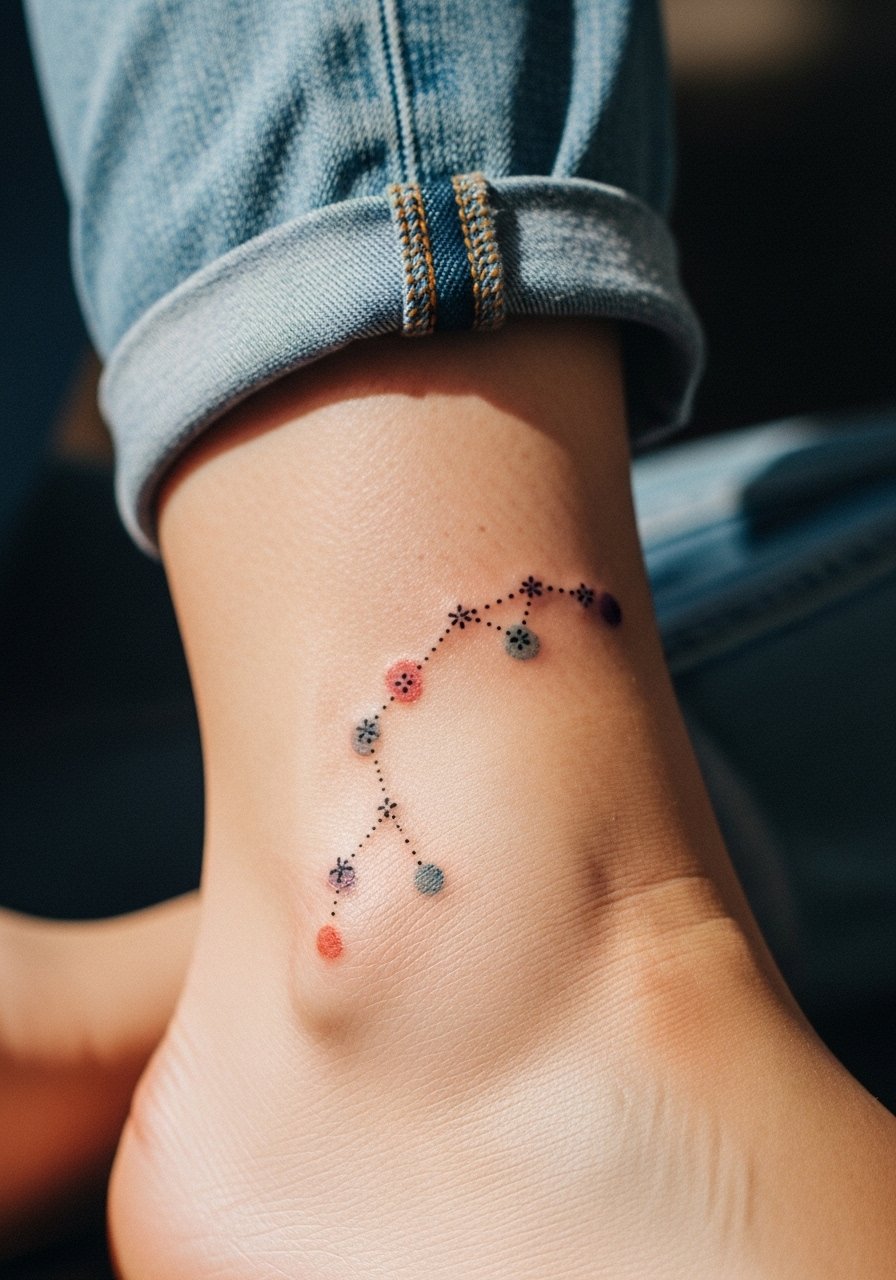
Ankle constellations can be charming but fragile. Keep dots slightly larger than you think to prevent early merging. Friction from socks and shoes will fade the halo washes fastest. For the session, bring footwear you can remove without rubbing the fresh ink. When showing it off, wear rolled jeans or low-cut sneakers to keep focus on the wrap.
16. Lower Back Blended Bloom
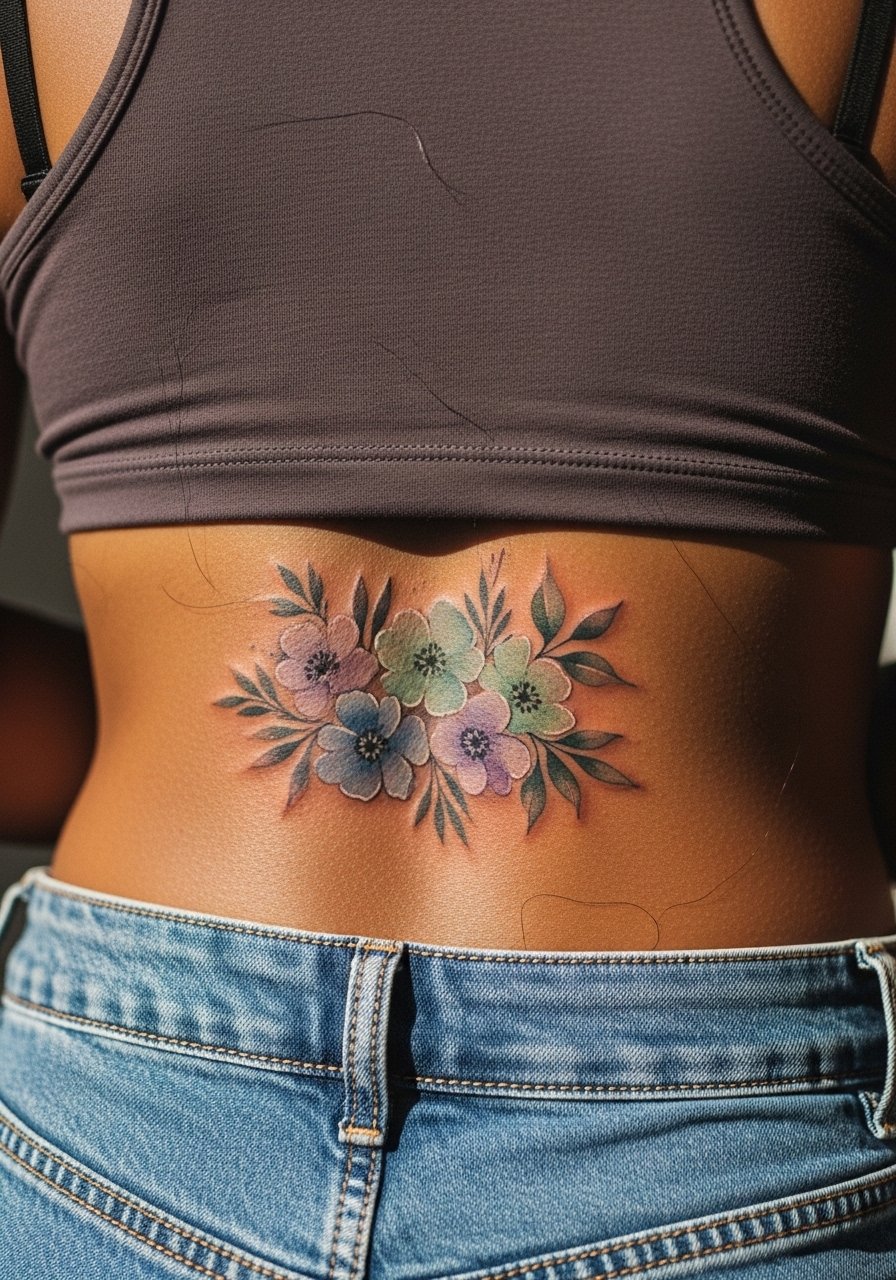
Lower back pieces give space for larger washes that age into layered color. Placement is forgiving but avoid overly thin linework in dense areas. The most common mistake is crowding too many shapes into a narrow horizontal field. For session prep, choose bottoms that you can loosen so the artist can reach the area without you being fully exposed.
17. Hip Shell Watercolor Accent
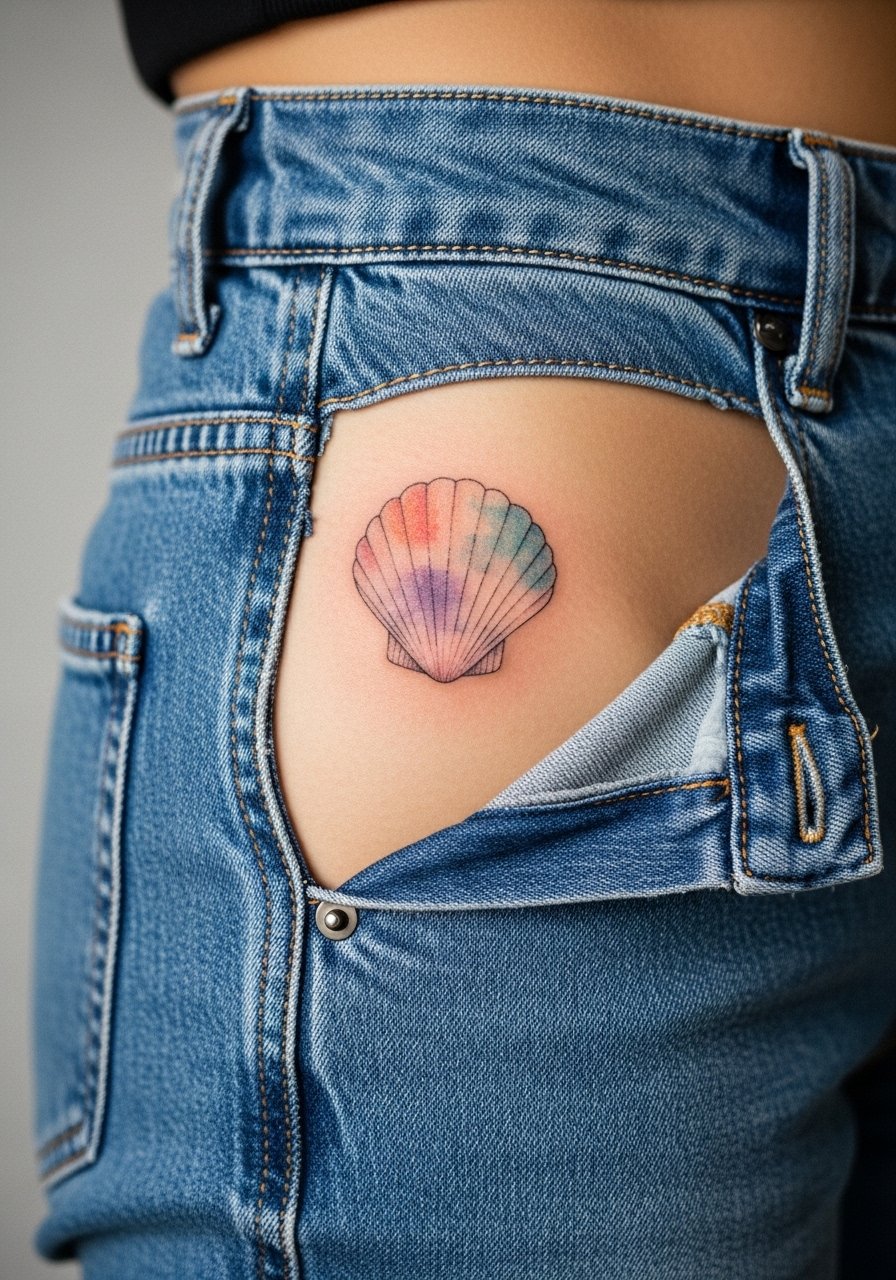
Hip tattoos sit where clothing cuts and elastic bands can cause friction during early healing. Ask for negative space around the pigment so scabbing does not pull color from the edges. If you plan to wear high-waisted items, bring a pair that can be shifted without pressing on the fresh tattoo during the first week.
18. Foot Minimal Vine
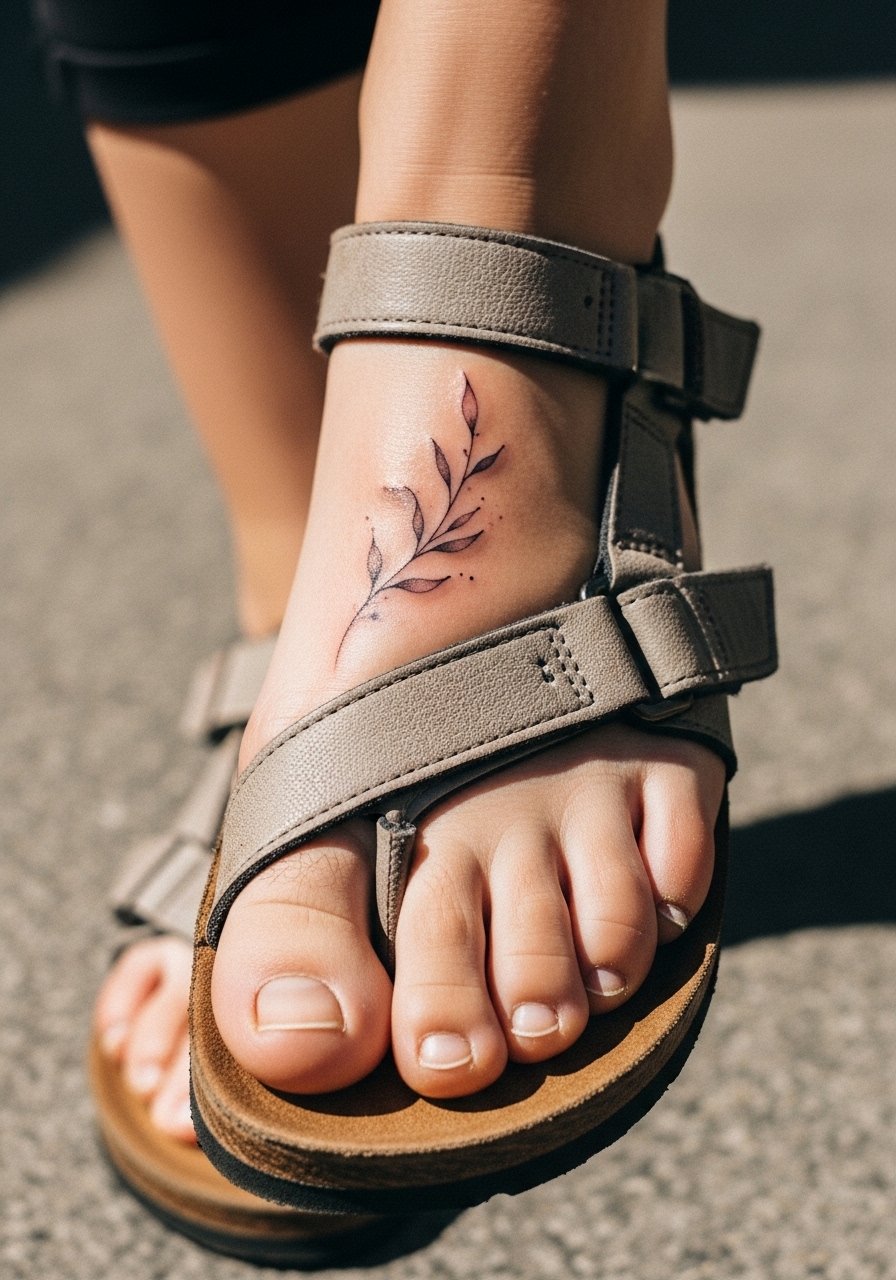
The foot is a high-friction zone with constant exposure to shoes and pavement. Watercolor there usually needs a stronger outline or denser pigment cores so the vine holds its shape. Pain varies a lot depending on your tolerance. For session wear, slip-on sandals make the artist's access easier. When healed, the vine pairs well with bare sandals and a subtle toe ring set if you want extra attention.
19. Finger Micro Watercolor Dot Cluster
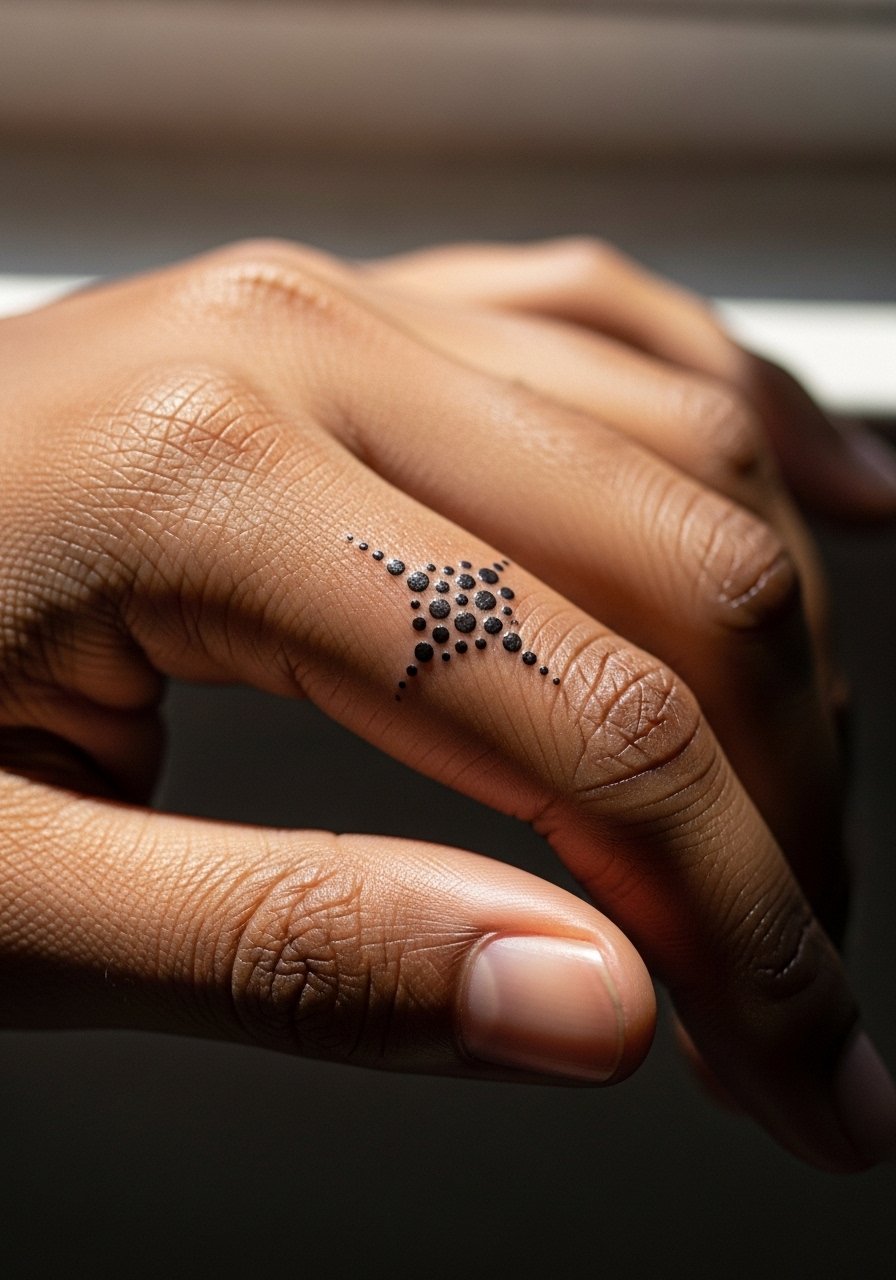
Finger tattoos are the fastest to fade and the highest touch-up candidates because the skin regenerates quickly and surfaces get washed constantly. If you want this look, make the core dots slightly denser and accept that maintenance is likely. A common mistake is asking for detailed shading on the fingertip. For longevity, keep the motif simple and bold.
20. Shoulder Cap Daylily with Negative Space
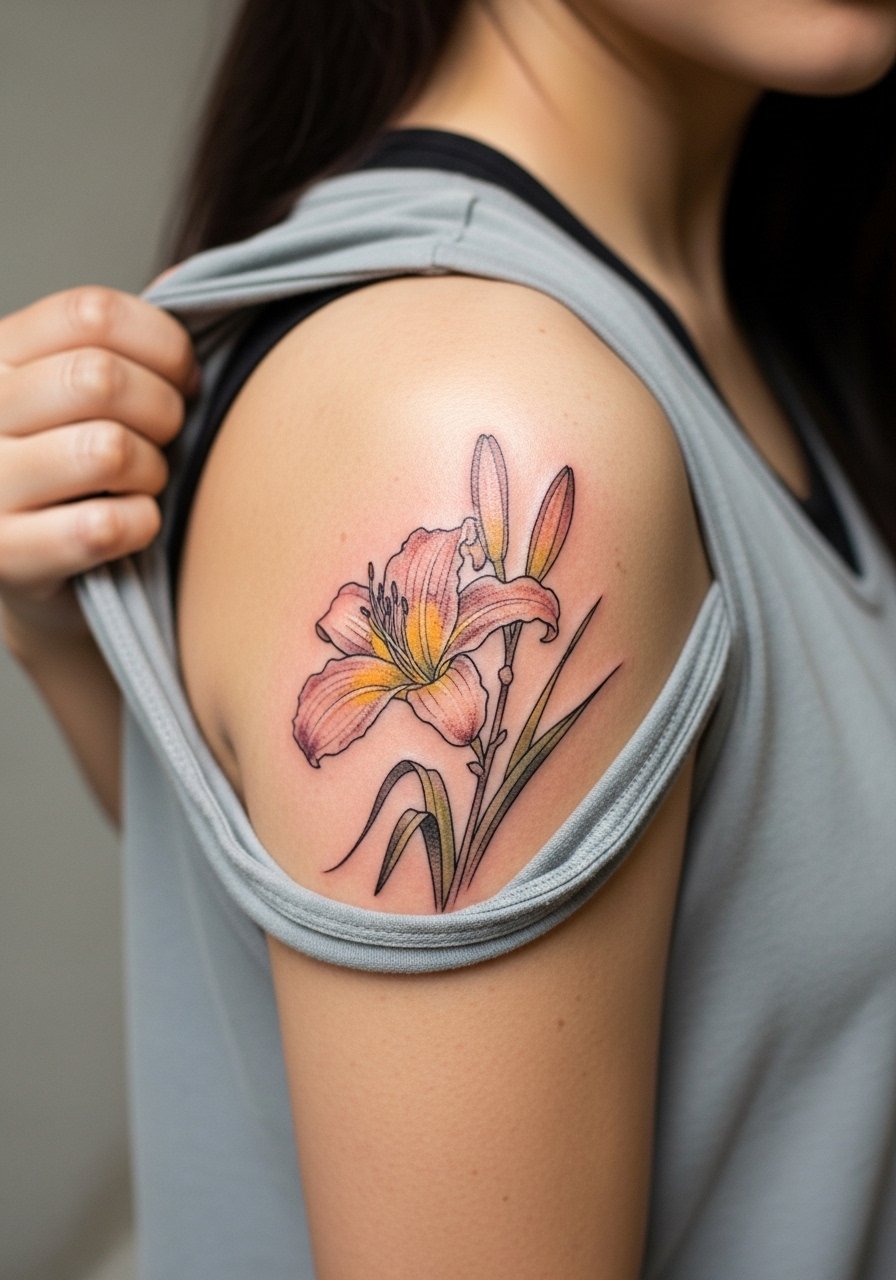
This placement reads well when negative space is part of the composition. The shoulder cap accepts bold color centers and soft outer bleeds. Ask your artist to leave margin between saturated pools and the edge of the design so the color has room to age without merging. For showing it off, a one-shoulder top highlights the cap without covering the full piece.
21. Painterly Side-Torso Landscape
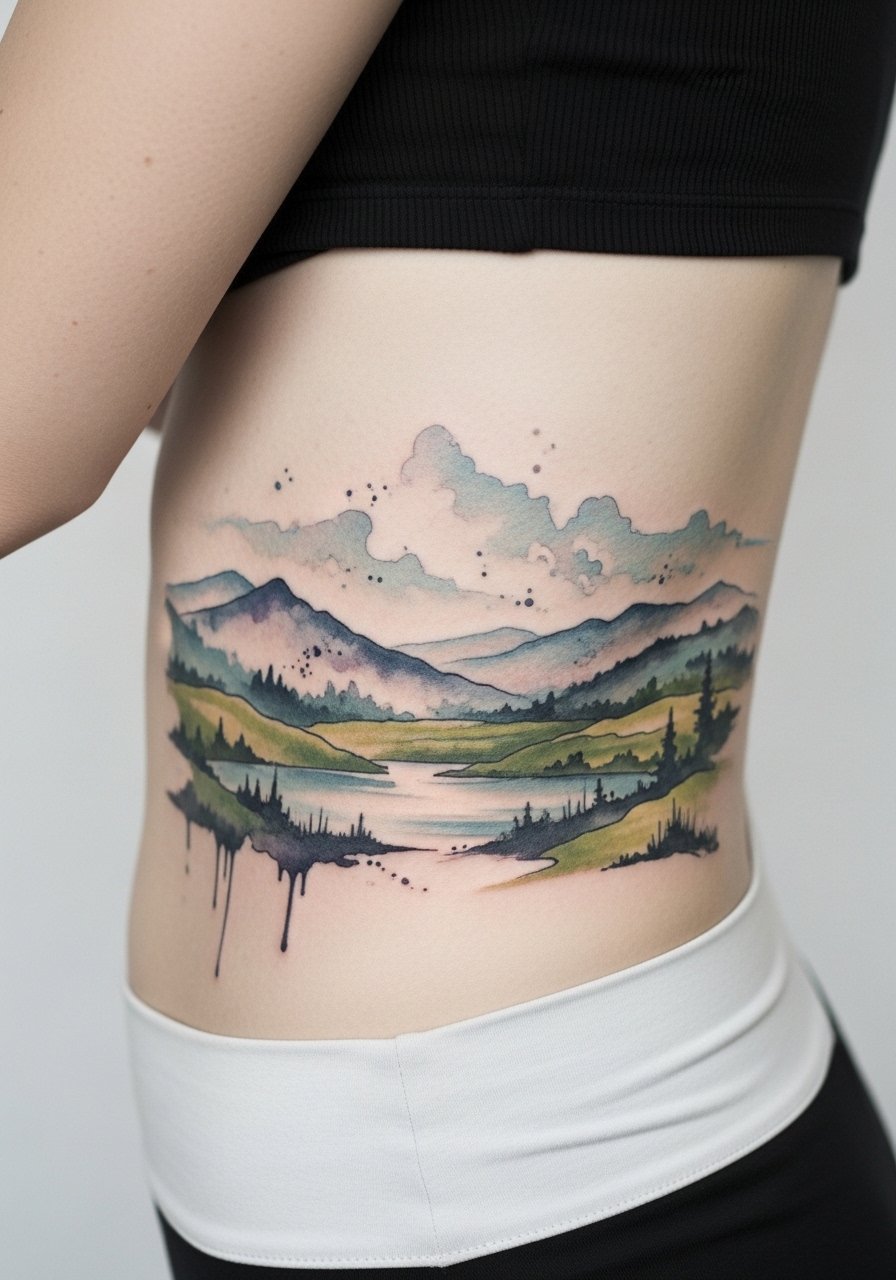
Large side-torso pieces let watercolor breathe across a broad canvas. The challenge is that side torso sees stretching with movement. Ask for anchor points in the composition that read even as the soft washes shift. A frequent mistake is cramming tiny focal details into a wide sweep. For sessions, wear a top that can be lifted slightly without exposing the front or back.
Frequently Asked Questions
Q: Do watercolor-style tattoos need different aftercare than traditional ones?
A: Not fundamentally different. From what I've gathered, the core steps are the same. The key is to avoid aggressive scrubbing and heavy lotions that can tug on lighter washes during the peeling phase. Use gentle cleansing and thin layers of recommended ointment as advised by your studio.
Q: Will fine line watercolor blur faster on the ribs and sternum?
A: Artists split into two camps. One says thin lines and light washes on ribs and sternum blur faster because skin there moves and stretches. The other says that with proper spacing and confident needle depth, the work can settle well. Ask your artist how they size and space lines for these zones before you book.
Q: How soon can I show off a forearm or collarbone watercolor piece with summer outfits?
A: Wait until peeling is complete and the skin looks fully healed, usually a few weeks. For collarbones, an open-back midi or wide-neck tops like an open-back midi dress avoid rubbing. For forearms, rolled sleeves and light jewelry keep attention on the wash without friction.
Q: Are hand and finger watercolor tattoos worth it if I want low maintenance?
A: Not if you want low maintenance. Hands and fingers demand more touch-ups because of daily use and washing. If low maintenance is the goal, pick placements with thicker skin and less friction.
Q: How soon should I plan a touch-up for a watercolor ankle or wrist piece?
A: It depends on sun exposure and friction, but many people notice color softening within 18 to 36 months on wrists and ankles. Planning a casual check-in with your studio around the two-year mark is reasonable.