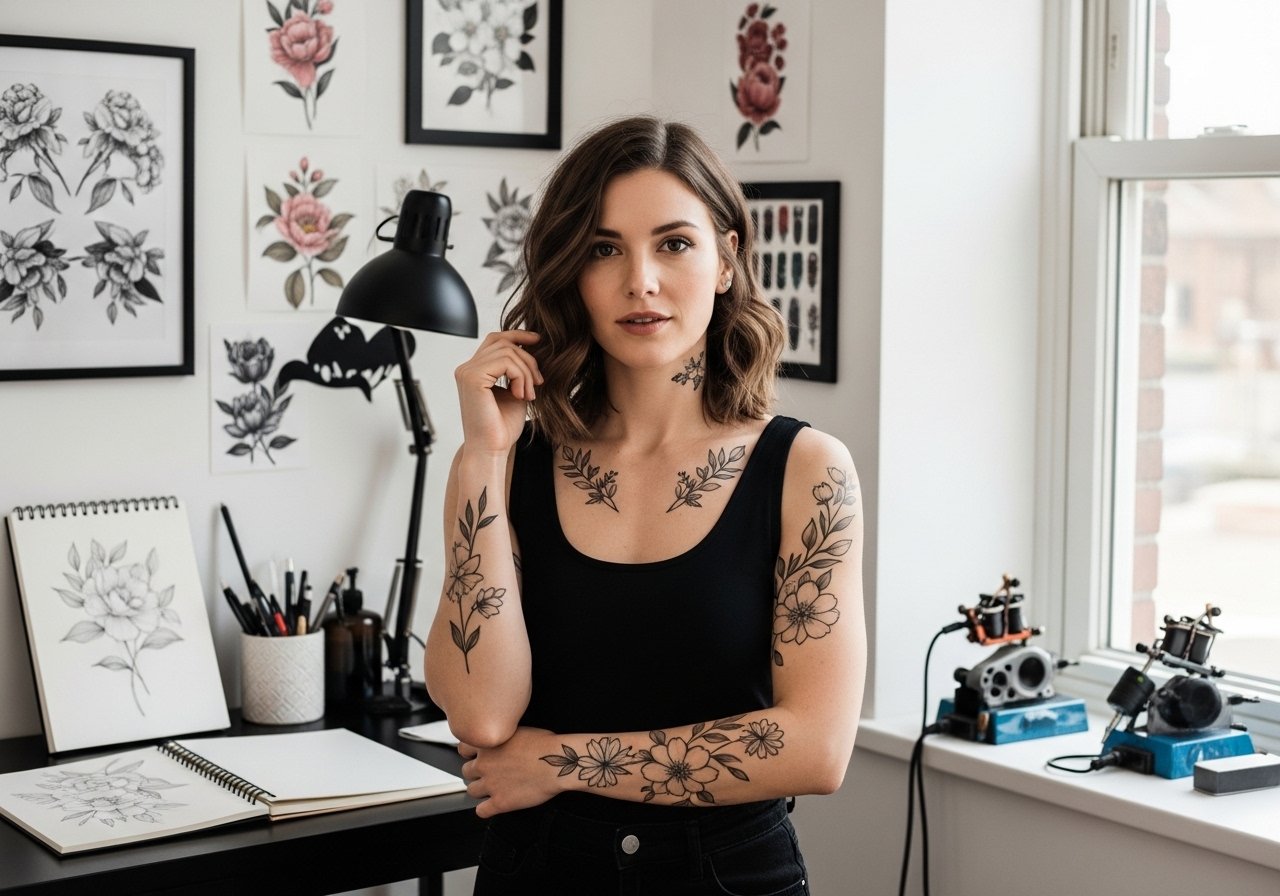
Fine line pieces behind the ear read small and intimate, but the tiny canvas there changes how they age, how they hurt, and what you should wear to the session. Expect sensitivity, a likely touch-up, and a lot of movement from hair and collars. Read these quick ideas with notes on consultation, how they settle, and practical styling so you know what to ask for before the needle goes down.
1. Fine Line Botanical Sprig Behind the Ear
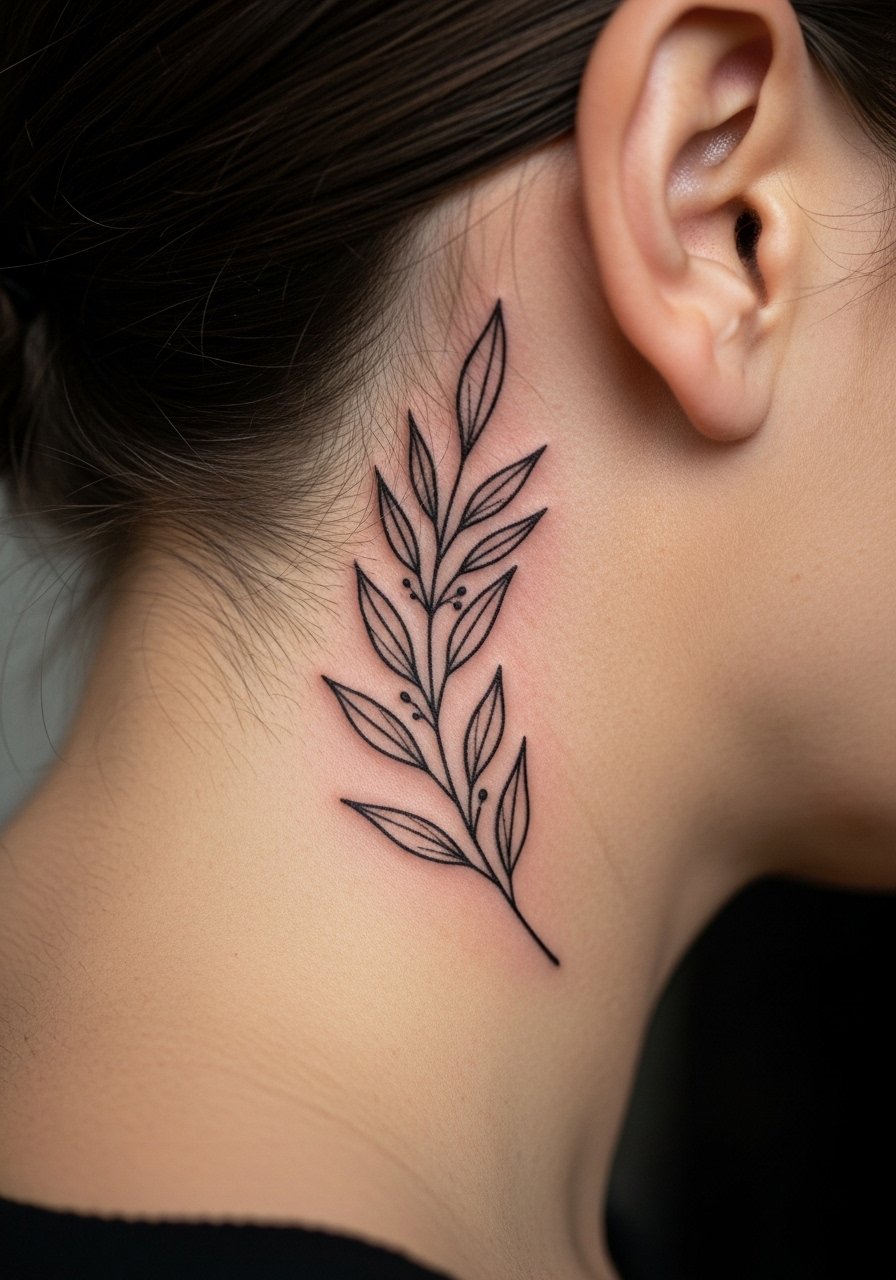
I've seen this tiny sprig held up by a single clean stem and it still looks crisp after two years. Tell your artist you want slightly wider spacing between leaf veins so stipple shading does not merge as the ink settles. Pain is low to moderate, mostly from the thin skin and proximity to bone. Expect a touch-up around year two if you wear hair behind the ear a lot. For showing it off, pair with small hoop earrings that frame the area without covering the design.
2. Micro Script Word in Cursive
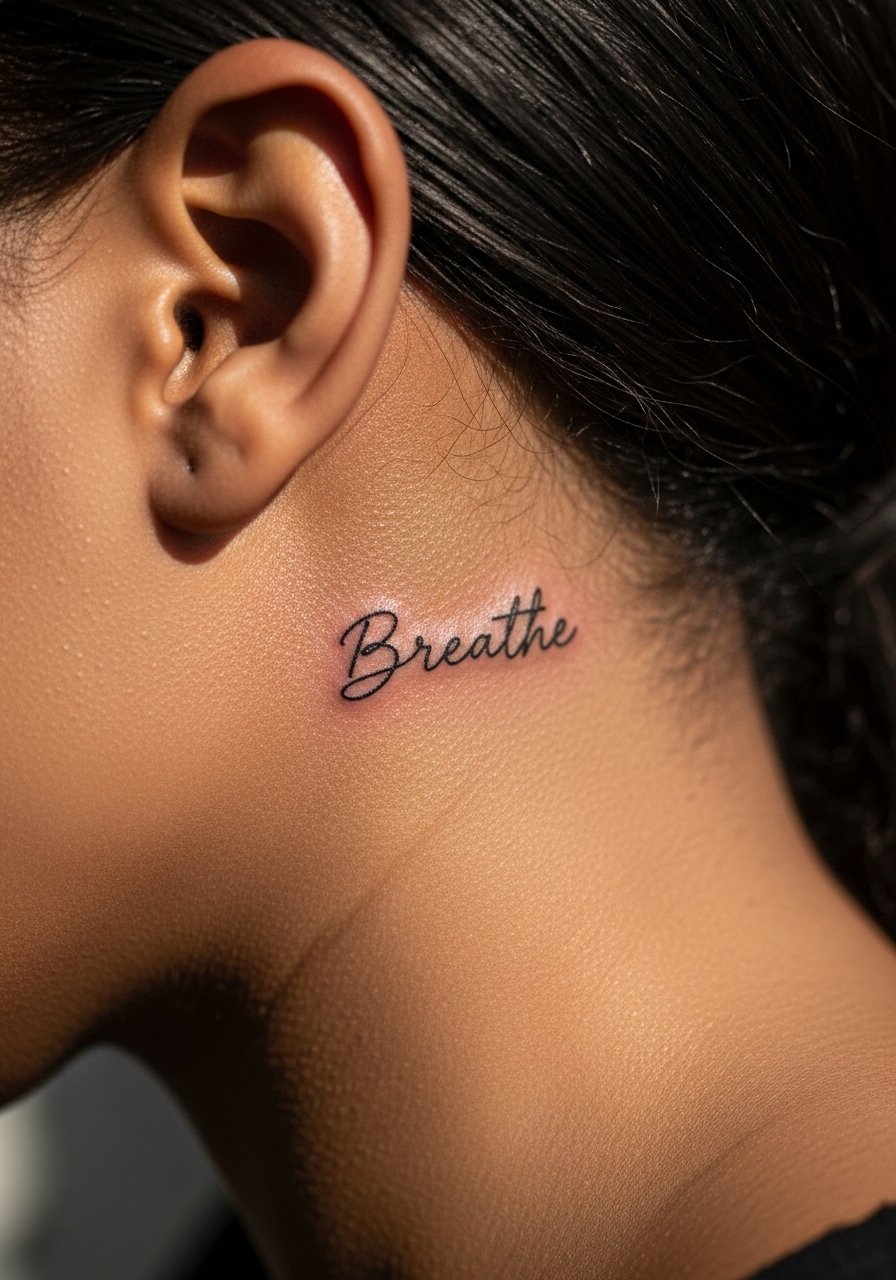
Consultation note, ask the artist to test the exact letter spacing on a stencil so the loops have breathing room. Fine script splits artists into two camps: one says keep letters thin for elegance, the other recommends slightly heavier linework for longevity. Name both camps during the consult and ask which approach they prefer. Expect sharper definition at six months and some softening by year three, which is normal for such small text. For session comfort wear a wide-neck tee you can pull aside without raising your arms and creating extra movement.
3. Tiny Crescent Moon with Dotwork
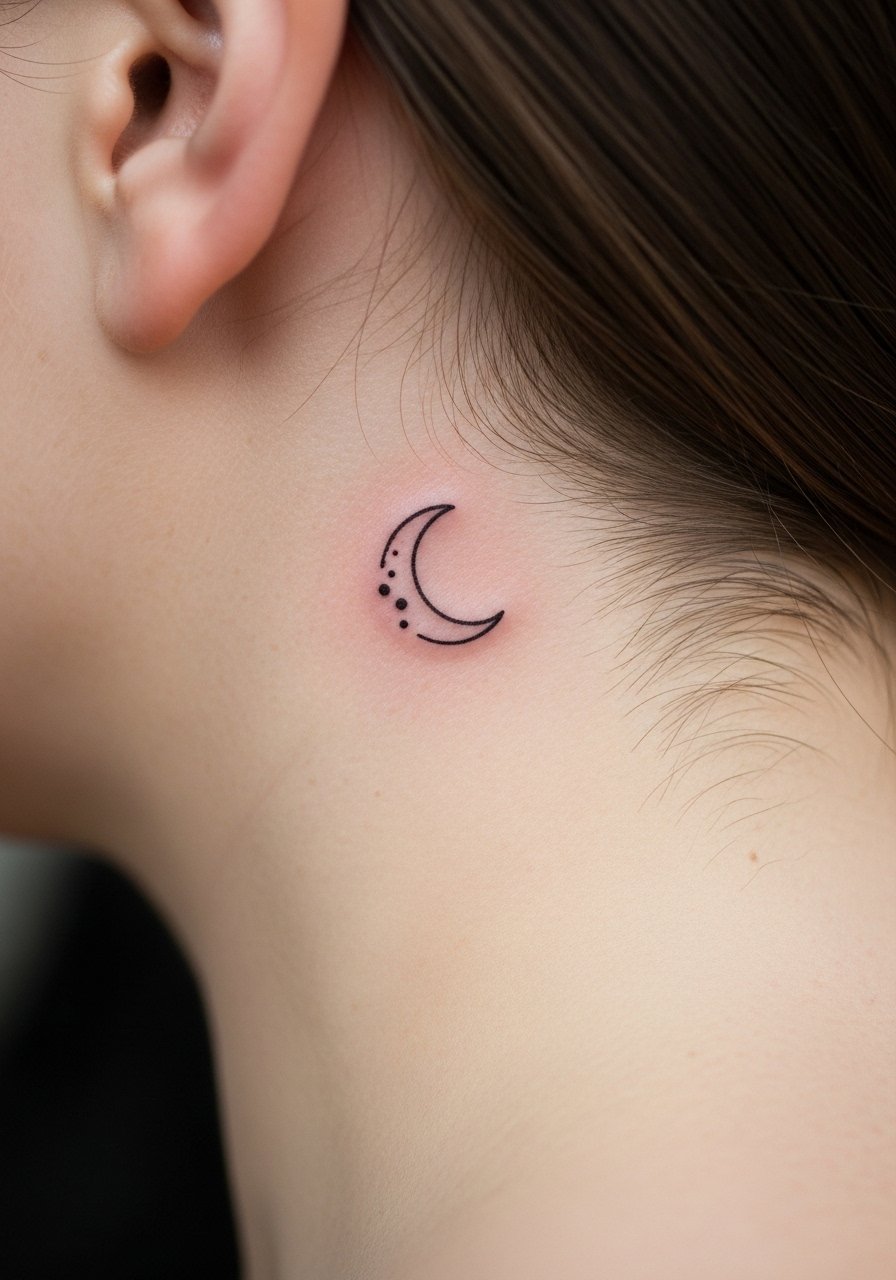
Personal observation, moons behind the ear age well when dots are spaced for breath. Ask for stipple shading rather than packed dots to avoid dense clusters that blur. The session is quick, often under twenty minutes, but the area can throb during the day because of thin skin. Blowout risk is low if the artist uses shallow passes and keeps needle depth consistent. Wear a silk headband to keep hair off the area for the first few showers and to show the piece cleanly when you want to reveal it.
4. Mini Floral Flash Cluster
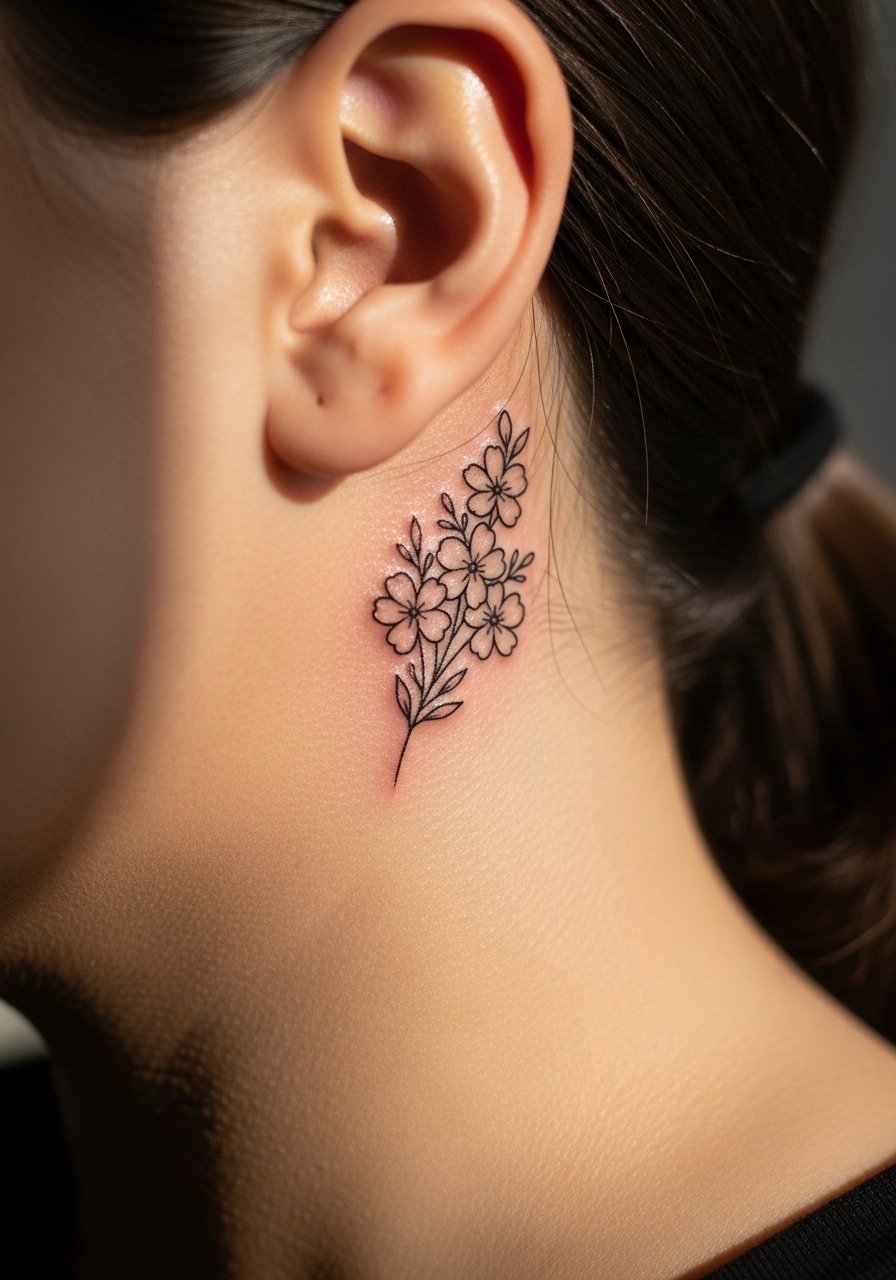
Most people ask for lots of little petals and then complain when the tiny shaded centers blend together. The fix is to increase negative space and keep petal centers open. Pain level is moderate because of the bone and nerve endings nearby. I tell clients to expect the first six months to show the crispest contrast. After a year the petals soften and you may want a touch-up for the center dots. For sessions, a loose button-down shirt that you can slip off one shoulder makes access cleaner and keeps the experience less awkward.
5. Minimalist Anchor Outline
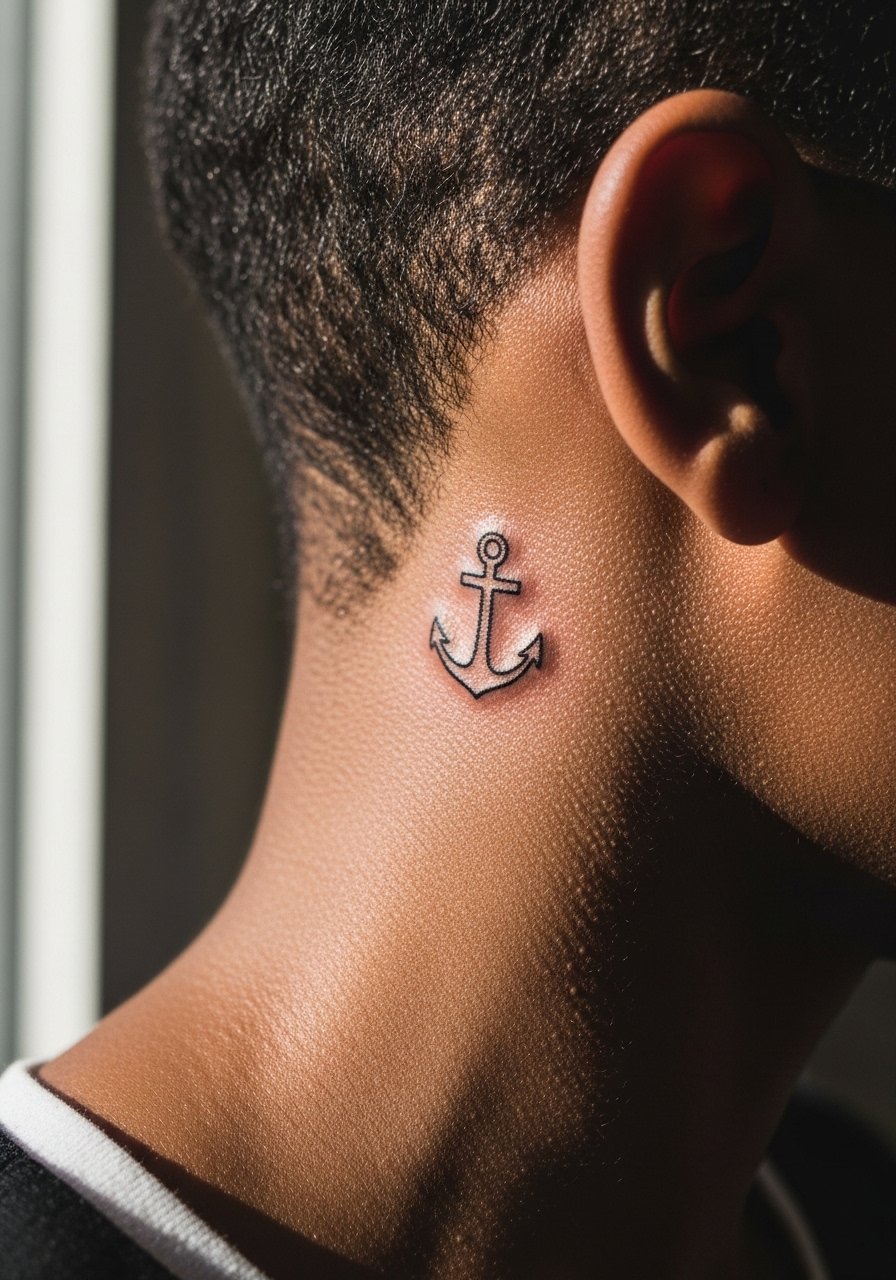
Mistake to avoid, tiny anchors with thin single lines sometimes need thicker line weight to stay readable. During consult request a slightly bolder outline than your Instagram reference. The session is short and most people report sharp stinging for a minute followed by mild soreness. Expect the anchor to read best at one month and to soften slightly by year two. If your workplace is conservative, consider hair styling that can cover it. Pair the finished piece with tiny stud earrings to keep attention on a balanced ear silhouette.
6. Geometric Triangle Cluster
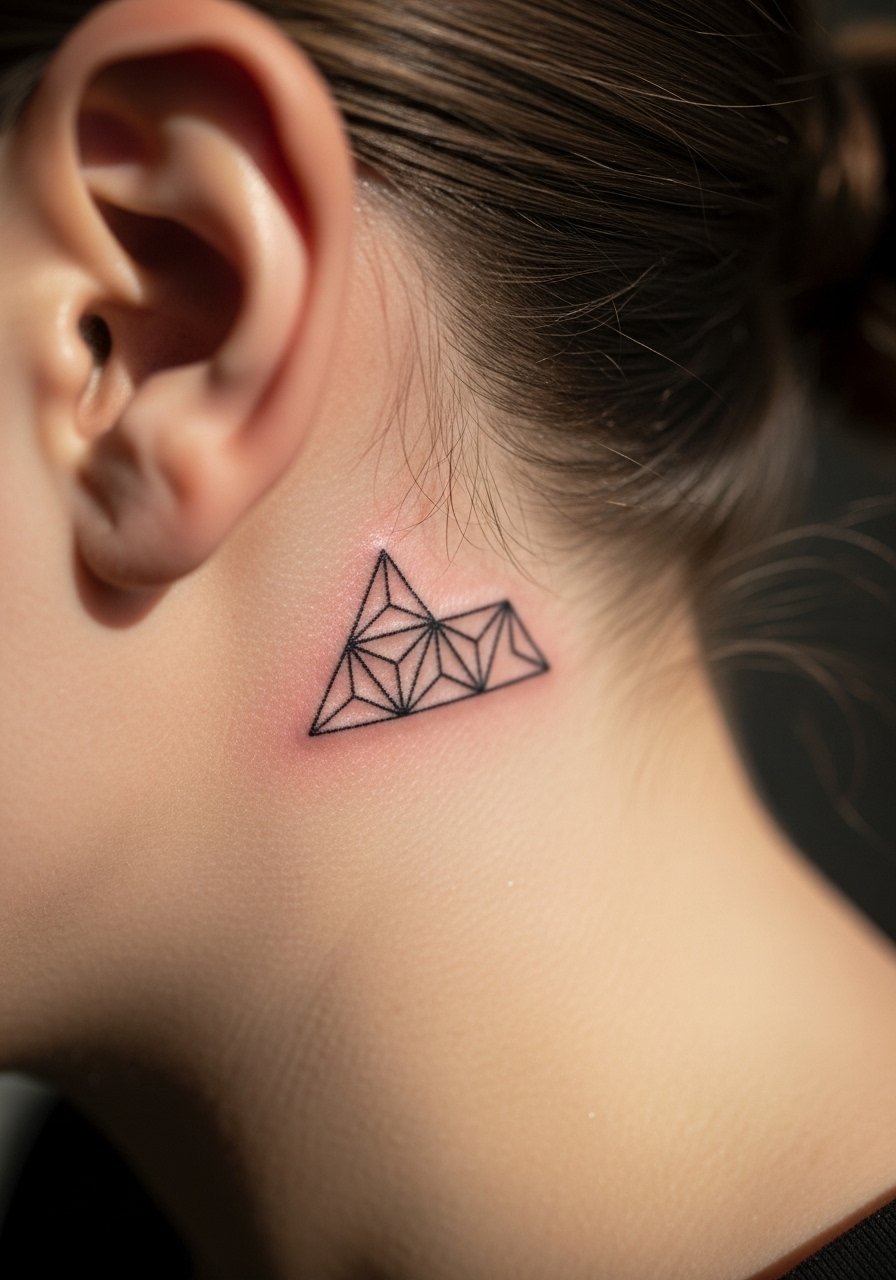
Aging note, closely packed geometric lines on this spot risk merging if the triangles are too tight. Ask for slightly larger gaps and consistent lineweight during your consult. The placement produces a quick session with sharp sensation near the mastoid. Touch-ups are common at year two for fine geometry. For showing it off, a low bun hair clip keeps hair swept away and highlights the negative space around the triangles.
Pre-Session Essentials
The tiny designs above sit near hairlines and collars, so a few small items make the session and first week smoother for behind-the-ear work.
-
Stencil transfer paper kit. Lets you preview exact placement on the skin which is crucial for tiny script and geometric work behind the ear.
-
Topical numbing cream. Applied per instructions before the appointment it can reduce the initial sting for clients sensitive to ear-area work.
-
Thin protective film roll. Keeps the small area protected from friction from collars and hair during the first two days.
-
Breathable healing balm stick. A less-known balm option that provides light moisture without excess residue on tiny linework.
-
Aquaphor healing ointment. Thin layers in the first 48 hours help prevent scabbing that can pull at fine lines on micro pieces.
7. Tiny Star Constellation Line
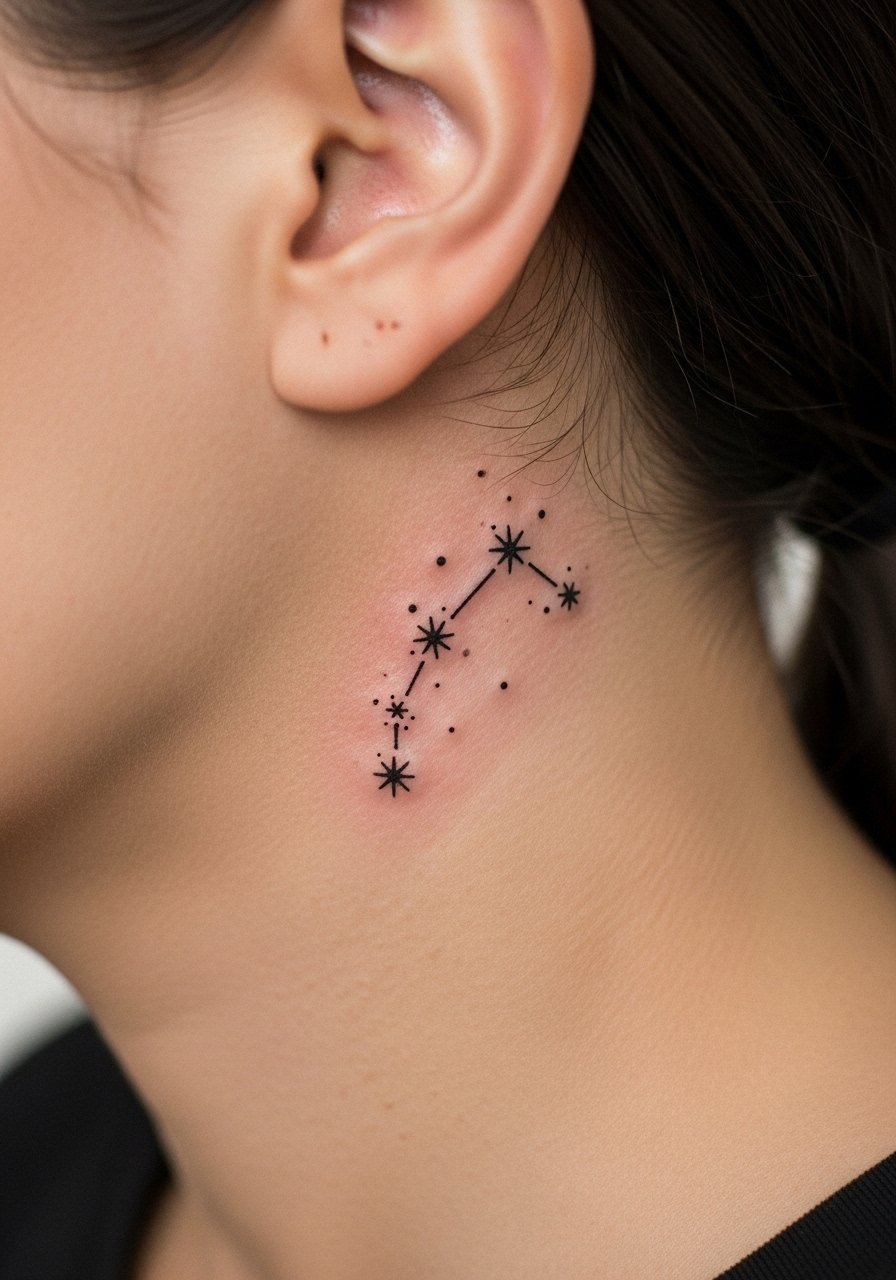
Visual impact lead, a string of tiny stars reads delicate from close up and playful when hair is tucked behind. Ask for varied dot sizes so the eyes have focal points, and specify that you want negative space between stars. The session is brief but expect tenderness when resting your head on pillows for a few days. Constellations can lose the crispest dots over time so plan on a touch-up at year two if you want them to stay pin-sharp. For show-off outfits wear open-back blouses or tuck hair behind one ear.
8. Tiny Traditional Heart with Banner
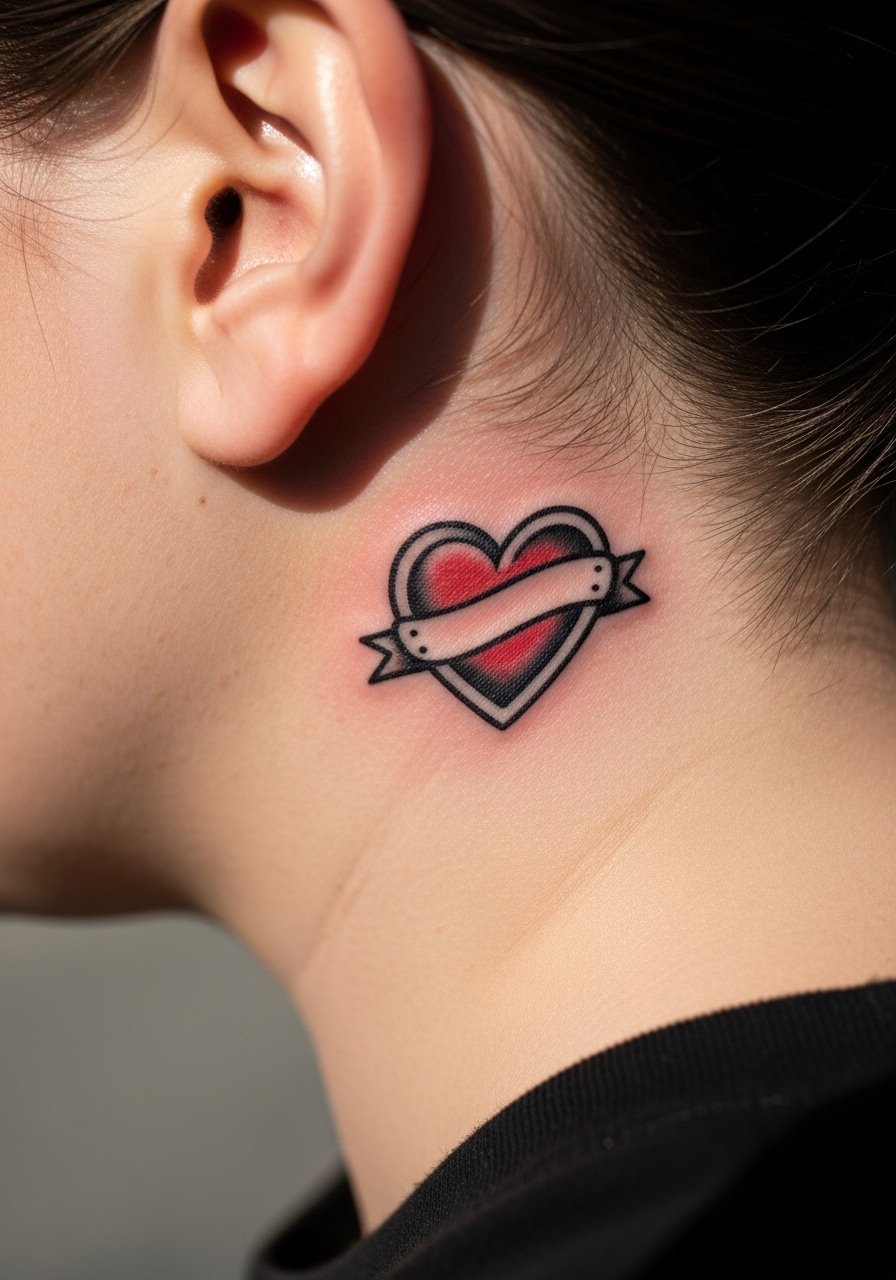
Mistake lead, packing saturated color into a tiny field increases blowout risk. If you want color, ask for a single saturated spot rather than full fill. Traditional outline holds up well in this spot because the bold line resists diffusion. The session can be a touch more uncomfortable if the artist needs to pack color. Expect the outline to read strongest after one month and for color to soften sooner than the blackline. Pair the piece with small enamel pins on jackets to echo the motif without covering the tattoo.
9. Micro Anchor with Wave Accent
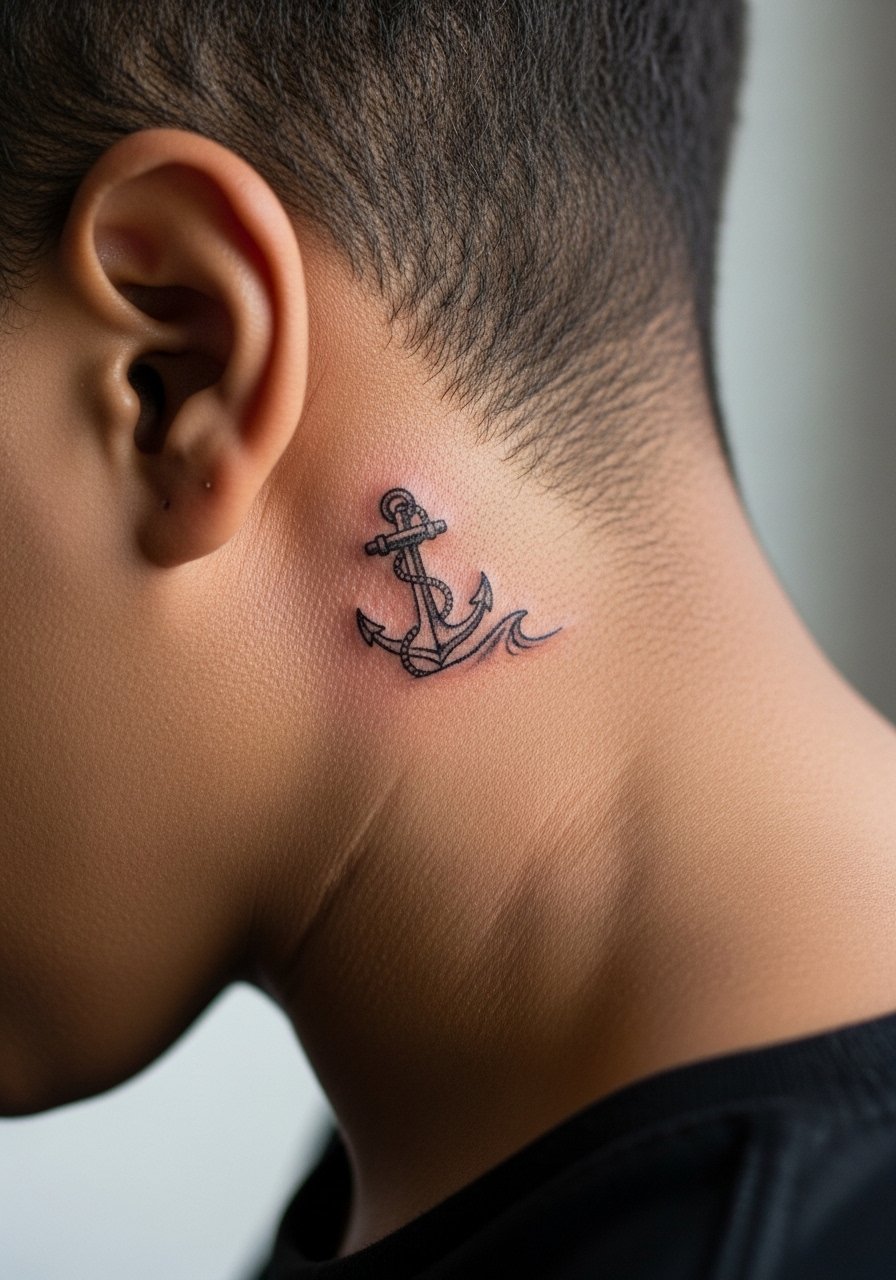
Consultation lead, show the artist where you want the wave to sit in relation to the anchor so the movement feels natural. The delicate curves can blur if placed too small so request slightly larger spacing. The sensation is a short intense buzz around the ear followed by aching for a few hours. Touch-ups at year three are normal for tiny motion lines. For appointment day, wear a crewneck zip-up hoodie you can unzip to expose the area without tugging at the neck.
10. Tiny Lightning Bolt Flash
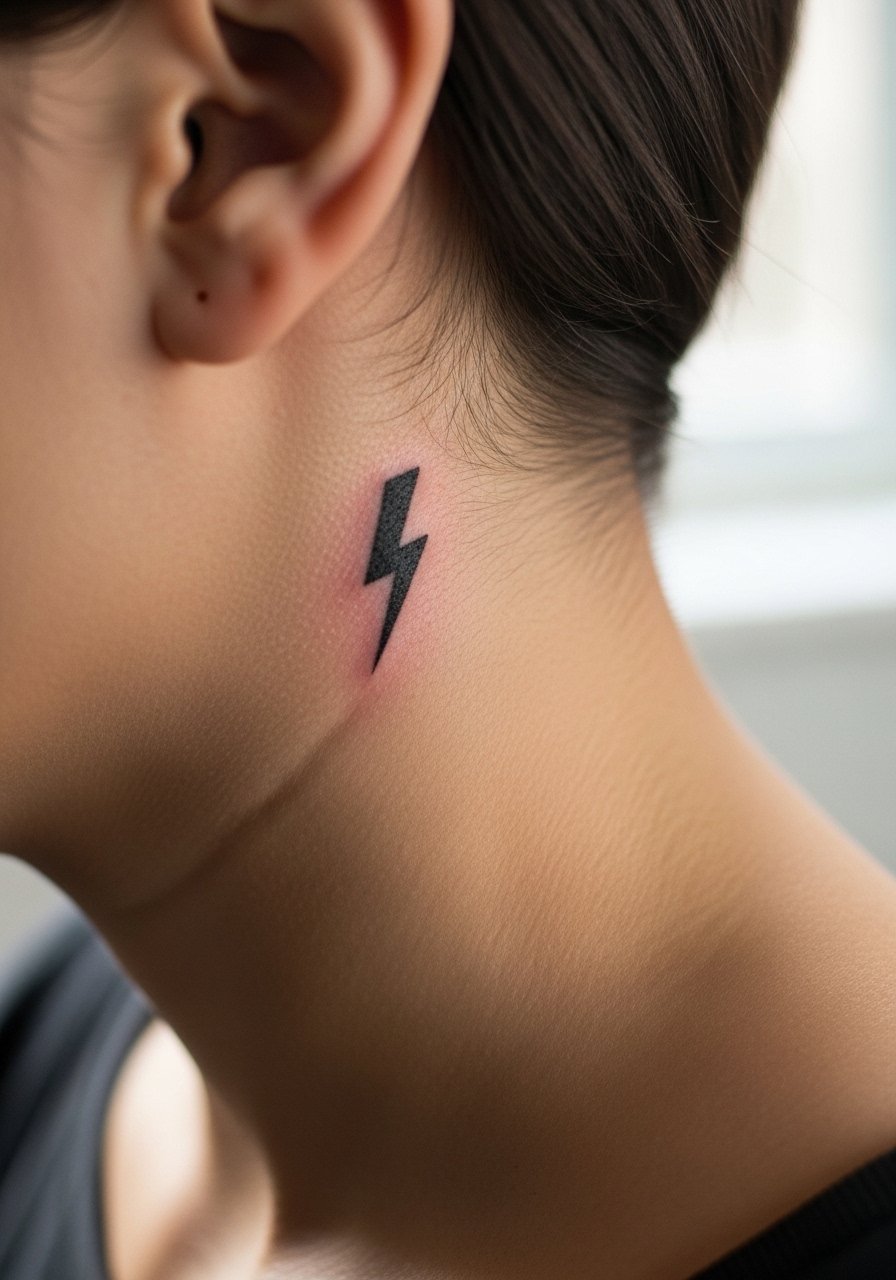
Visual impact lead, a bold single stroke like a tiny bolt ages better than a thin, jagged line in this area. Ask for confident linework with a steady hand and a touch-up plan at the consult. The session is very quick but sharp. Expect the bolt to retain shape long-term because thick black linework compresses less under movement. If you prefer a discreet look, wear silk scrunchies to pull hair up during the day and reveal the piece only when you choose.
11. Tiny Music Note Flash
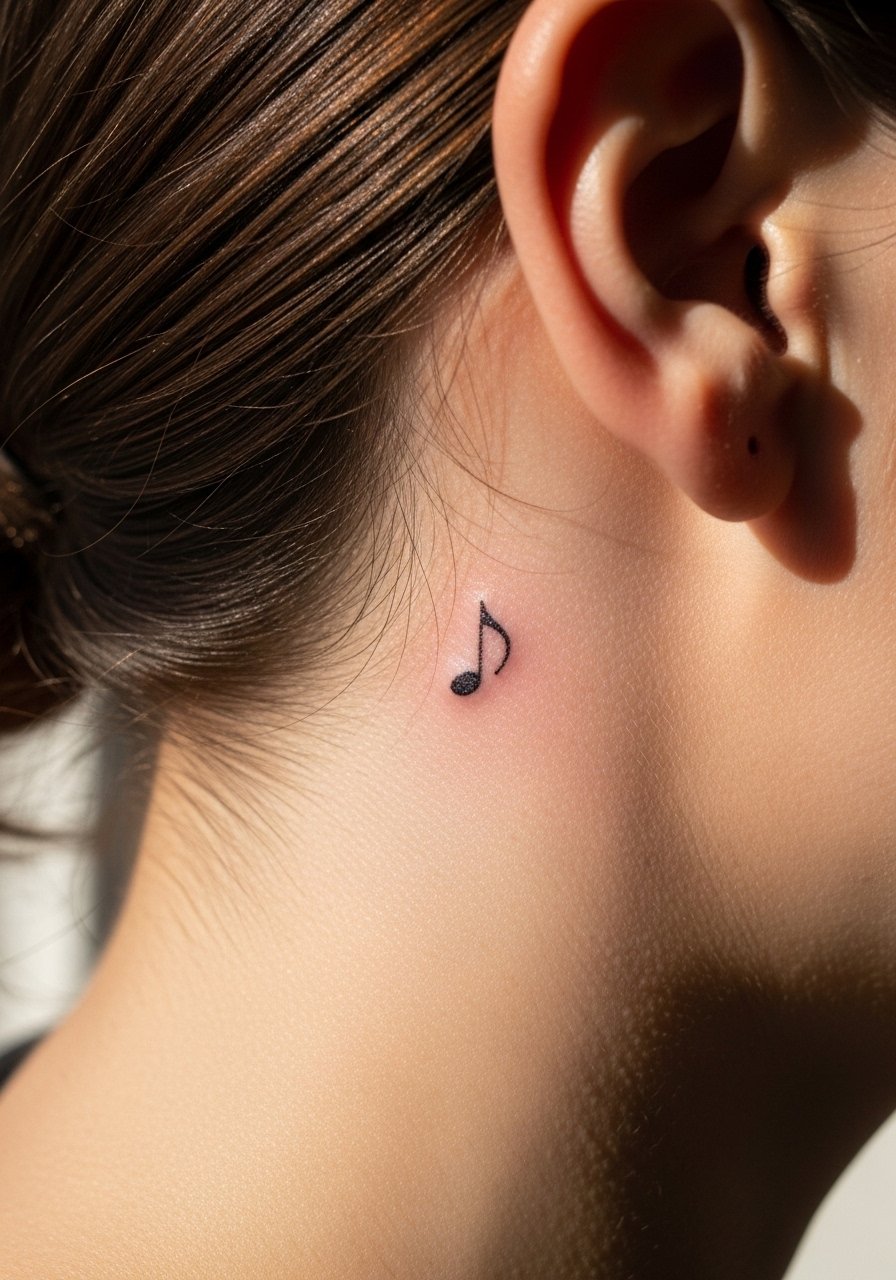
Aging lead, small musical notation can lose definition if the stem and flag are too narrow. In the consult ask for slightly heavier stems while keeping the note head delicate. The location carries moderate pain because the bone sits close and the area is thin. Expect the note to look crisp at one month and to need a touch-up by year two if you wear a lot of hats or high collars. Styling tip, wear delicate chain necklaces that sit above the line of the ear so the neck area stays visually balanced.
12. Tiny Arrow Pointing Down
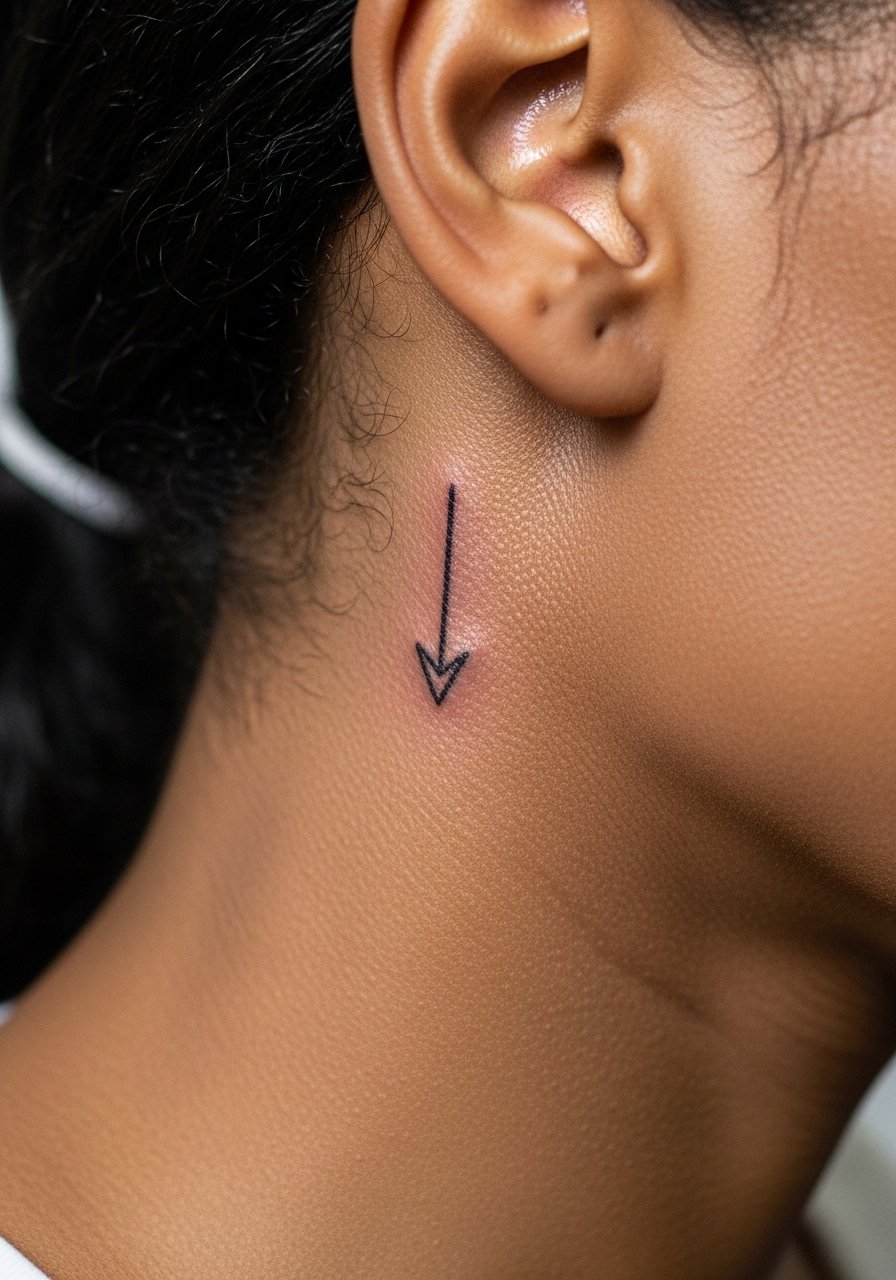
Mistake lead, arrows that are too thin or too small tend to lose the triangular head detail. Ask for a slightly broader head and a firm shaft line during the consult. The session feels quick with a sharp sting and then dull soreness. Longevity is fair; expect minor softening at two years. For the session, a loose tank top lets you move without tugging at neck seams and keeps the artist's access steady.
13. Tiny Paw Print Flash
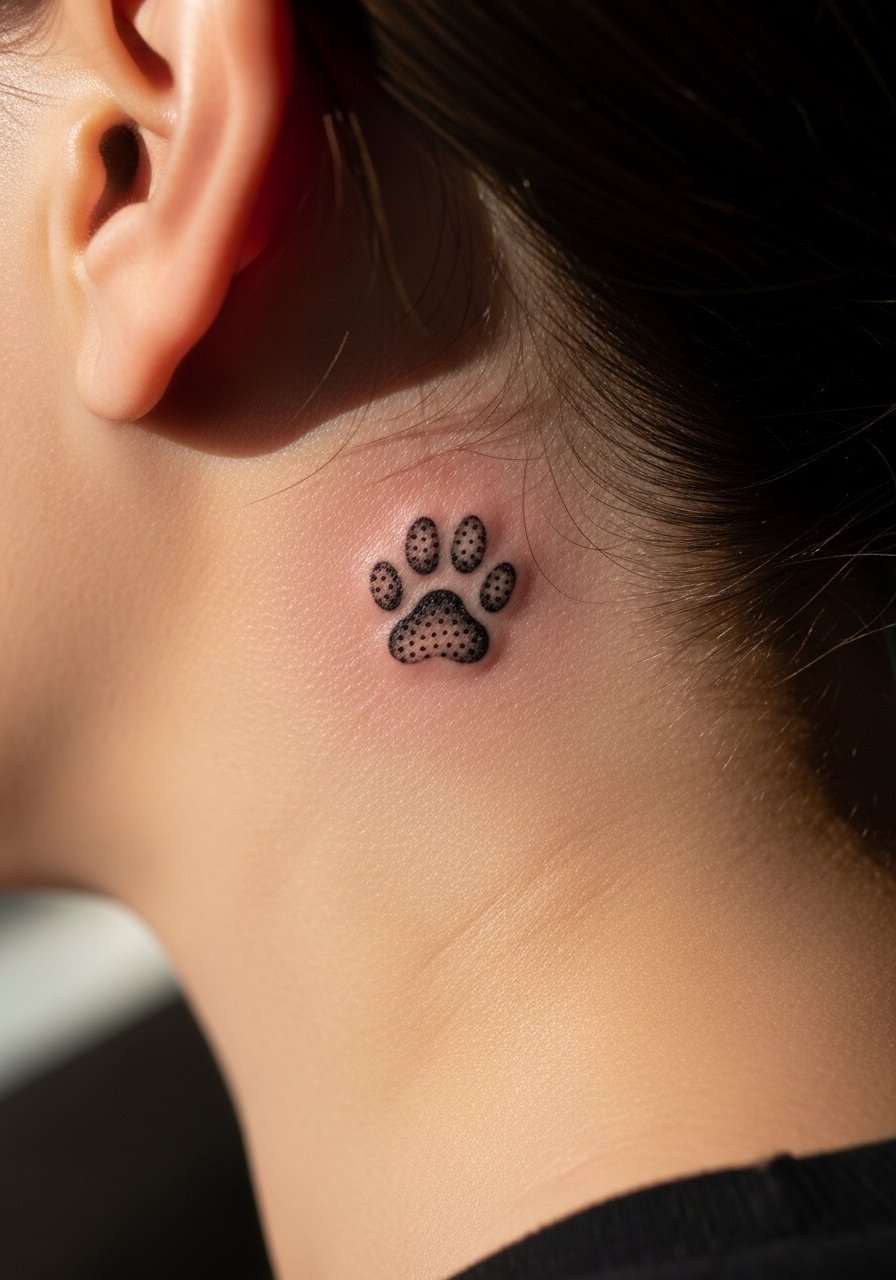
Personal observation, paw prints feel emotionally strong despite their size. Ask for the pads to have clear gaps between dots so they do not bleed into one shape as the ink settles. Expect a quick session and light tenderness. If you have a job with visible grooming standards, remember this area can show during hairstyles that tuck hair behind the ears. Pair the finished tattoo with tiny hoop earrings to keep the area framed without obscuring the print.
14. Tiny Anchor Rope Loop
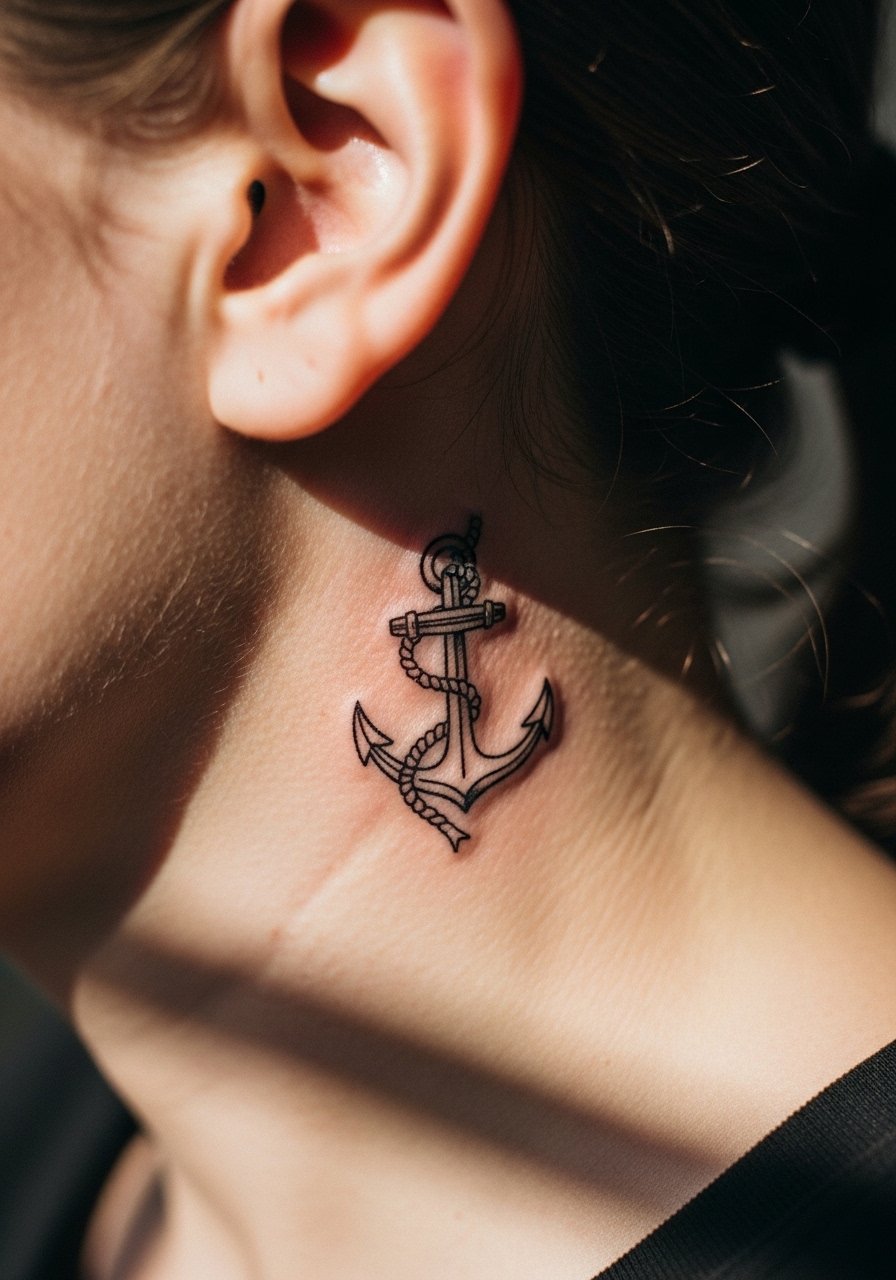
Consultation lead, rope texture needs space between twists or it will melt into a gray line. Ask your artist for simplified rope suggestion if the piece is under one inch. The pain is a brief sharpness followed by mild aching. Expect to see crisp texture at one month and some softening by year three. For visibility control, let your stylist know to keep hair slightly longer at the ear for day-to-day cover, or wear a small barrette when you want it exposed.
15. Tiny Botanical Crescent Wrap
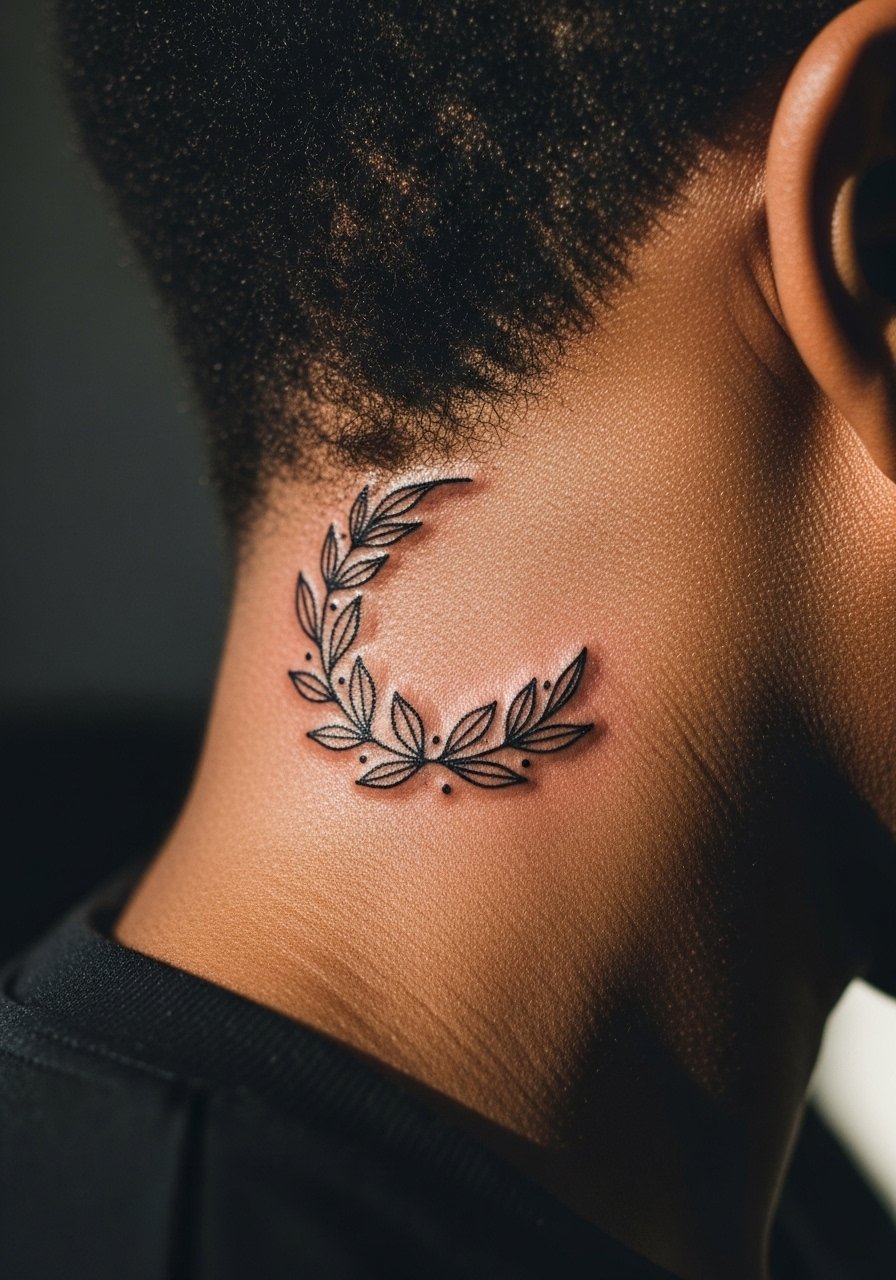
Aging lead, curved compositions can settle predictably if the leaves are spaced to avoid dense clusters. Request open leaf sails and occasional stipple rather than solid fills. The session is slightly longer because of the curve but still under forty minutes. Touch-ups at two to three years are common for leaf tips. For showing it off, pair with a sleek low bun clip that exposes the curve and keeps attention on the silhouette.
16. Tiny Anchor Minimal with Negative Space
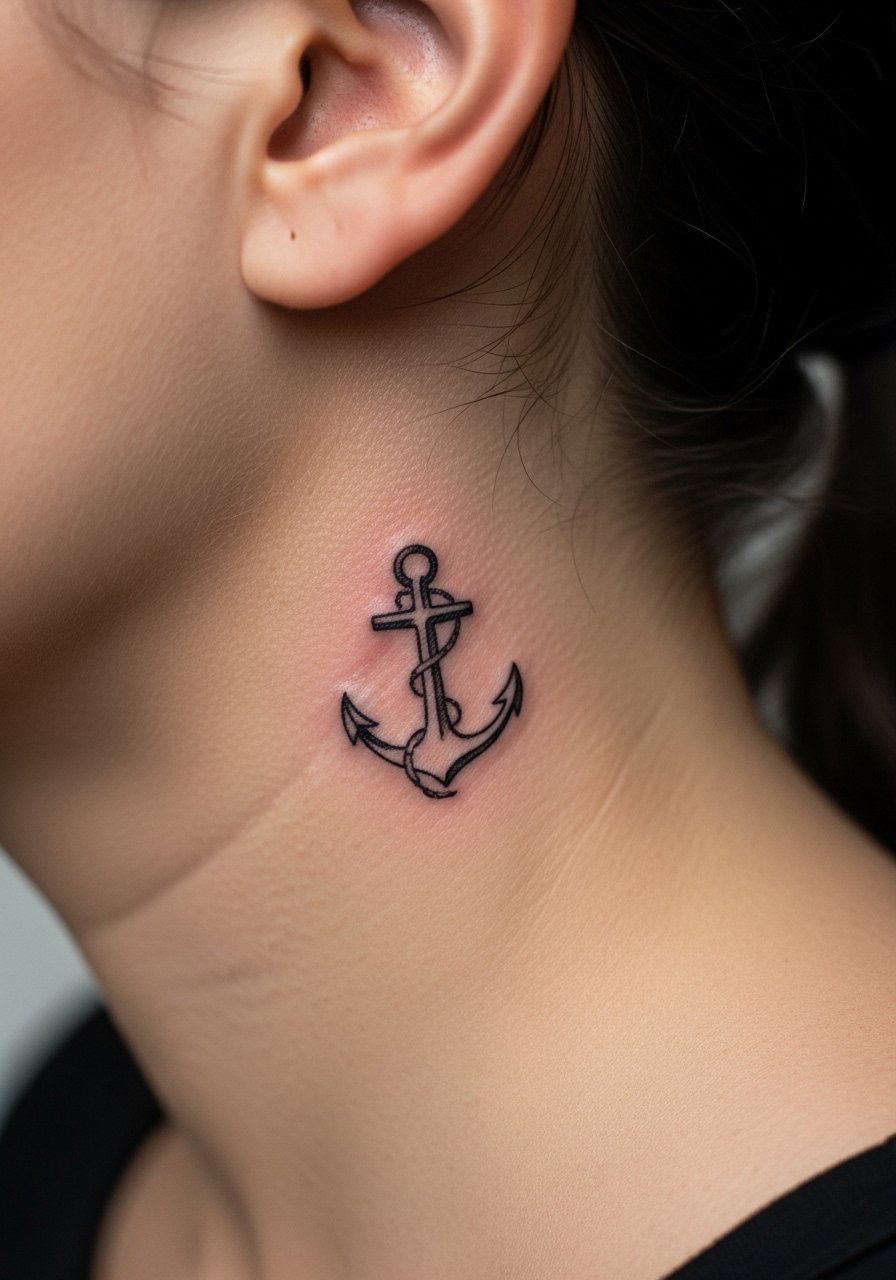
Controversy lead, some artists argue negative space tricks read poorly at micro scale and will fill in over time. The other group says a careful stencil and slightly bolder outer line preserves the effect. Name both camps and ask your artist which technique they use. The session is short but precision matters. Expect the negative space to need a touch-up sooner than solid black. For appointment comfort, wear a zip-up hoodie you can open fully without lifting your arms and disrupting the neck area.
17. Tiny Wave Line with Break
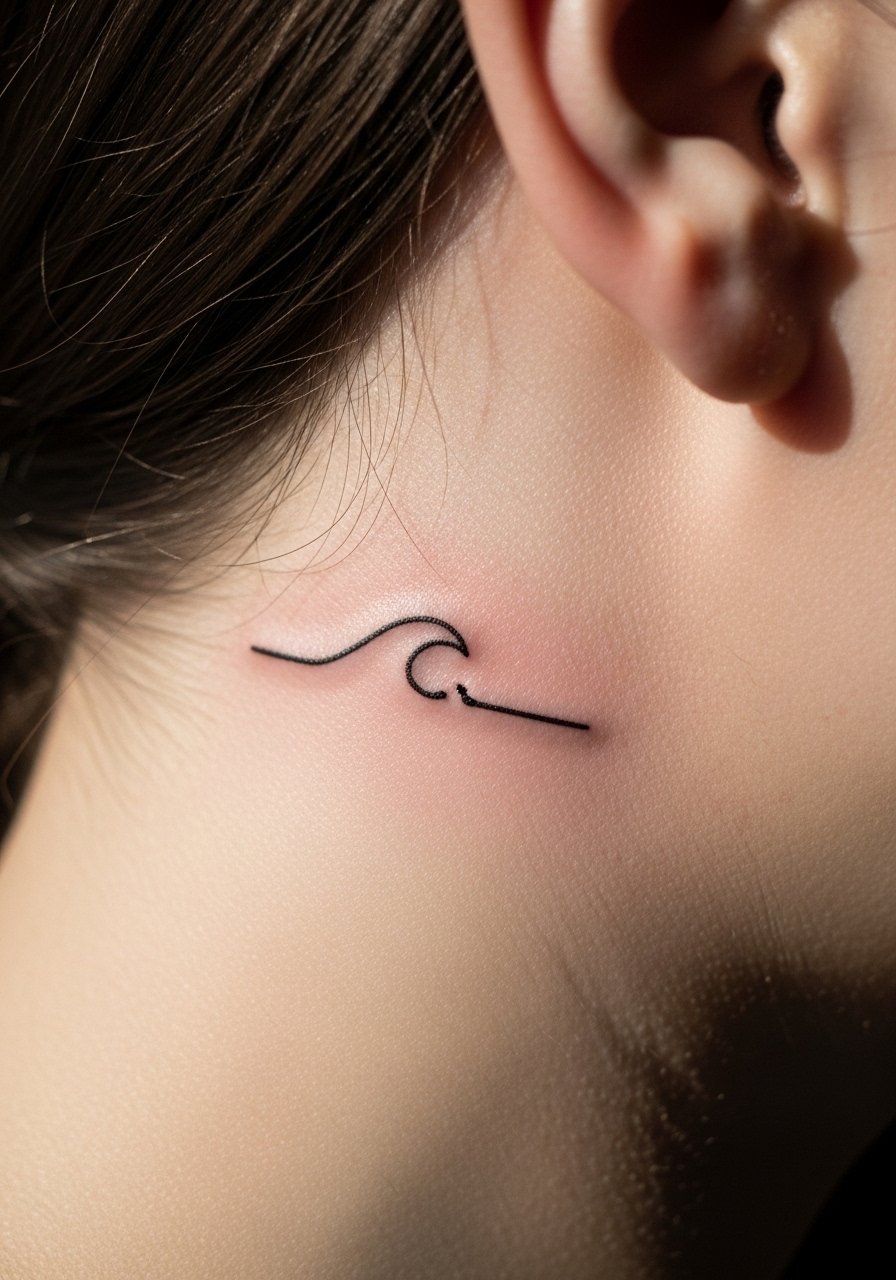
Personal observation, a deliberate gap can be the visual anchor that keeps a minimalist wave readable. Tell the artist exactly where to leave the break so it aligns with your hair part or ear curve. The area is quick to needle and sensitive afterward, mainly when sleeping on that side. Expect clarity at one month and gentle softening over years. For styling, a thin chain headband shows the break and draws the eye upward.
18. Tiny Floral Dot Bouquet
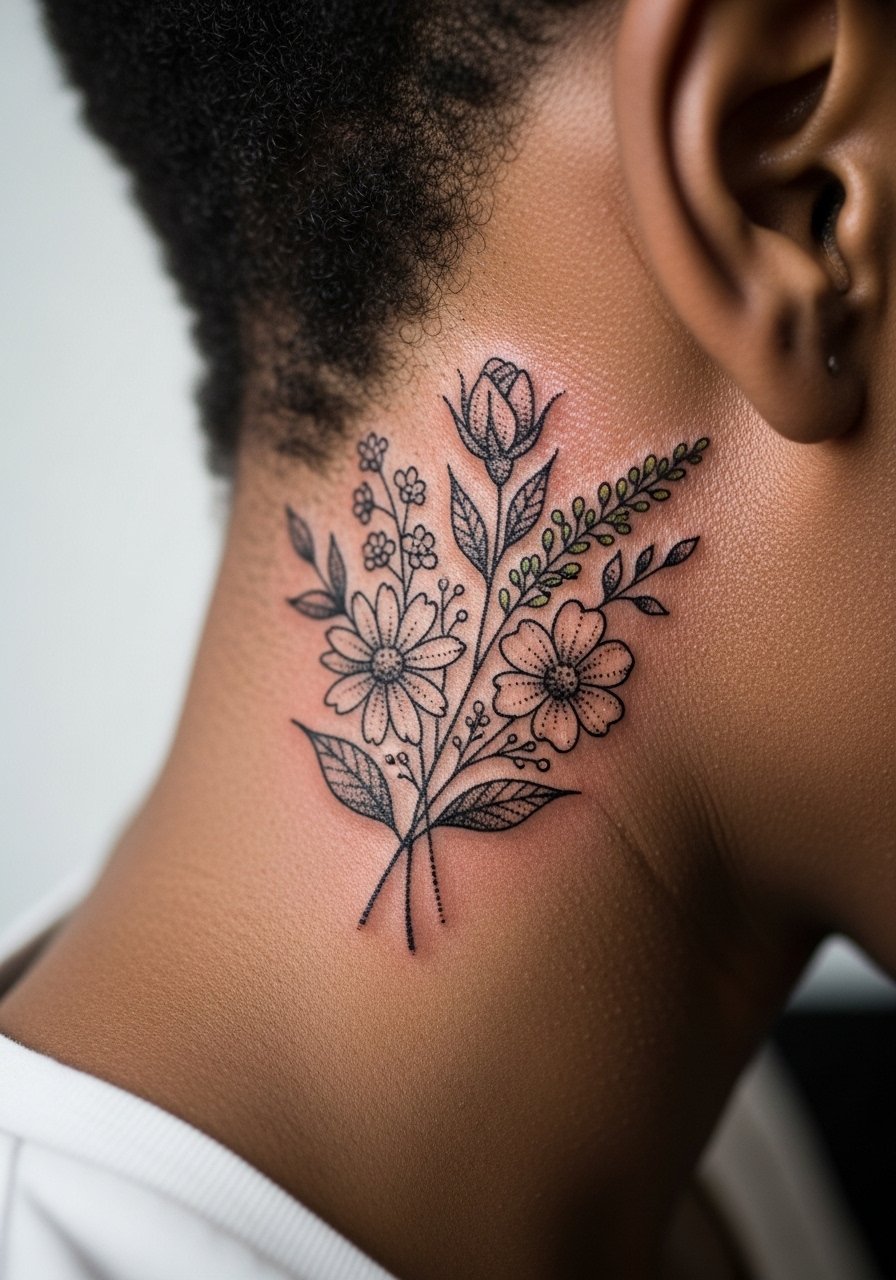
Mistake lead, people request high-density dot shading and then find it looks muddy as it heals. Ask for wider dot spacing and a soft fade instead of packed stippling. The session takes longer than a single-line piece and the area will be tender for a couple of days. Touch-ups to reestablish contrast at year two are common for dotwork on thin skin. For the session, wear a button-down shirt that you can slide aside for clean access without forcing your shoulders.
19. Tiny Zodiac Glyph
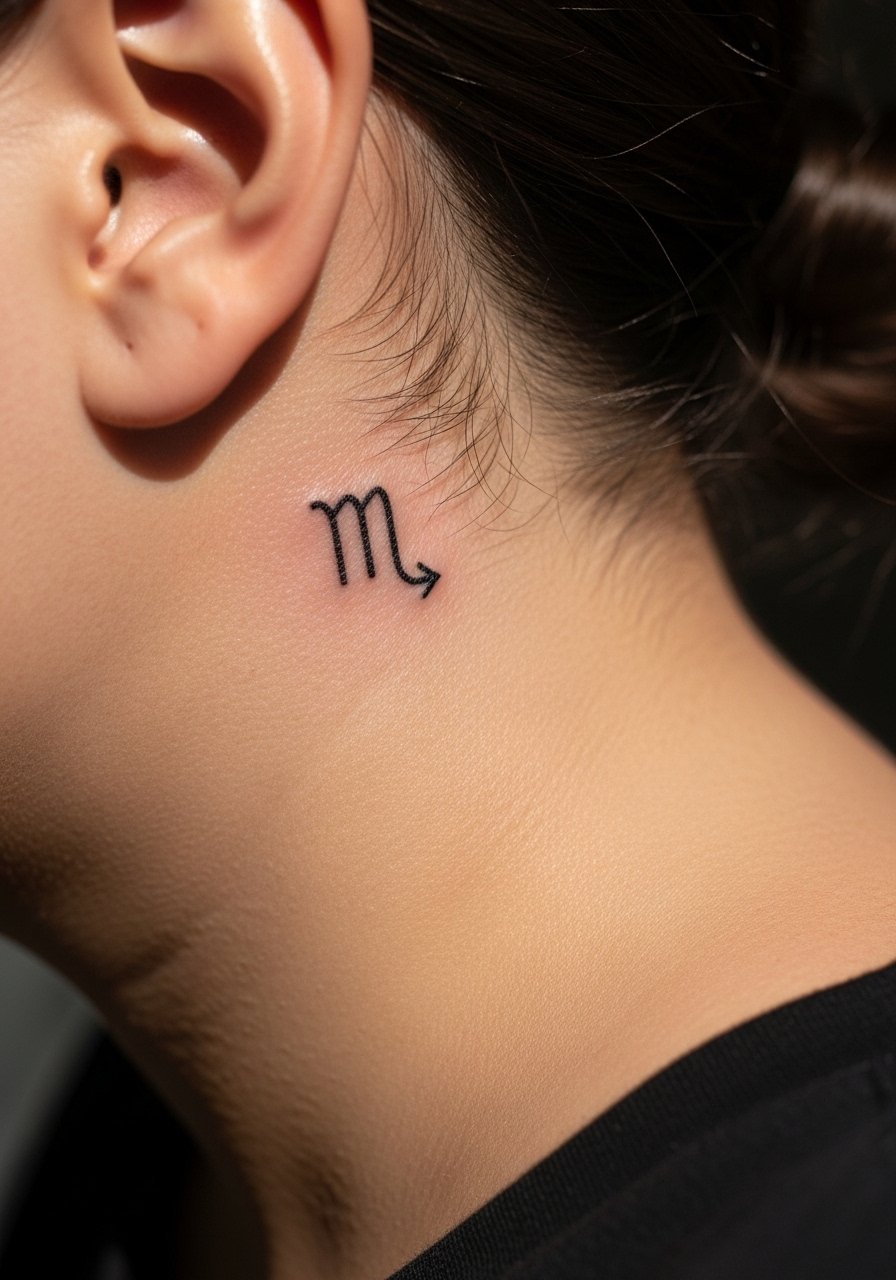
Consultation lead, exact glyph styling matters because tiny flourishes either read or become a blur. Bring a precise reference and ask the artist to stencil it at actual size. Sensation is quick and sharp. Longevity varies by glyph complexity; simpler forms last longer. If your career requires discretion, this placement can be covered with hairstyles or by wearing a wide headband for meetings.
20. Tiny Paw Outline with Heart
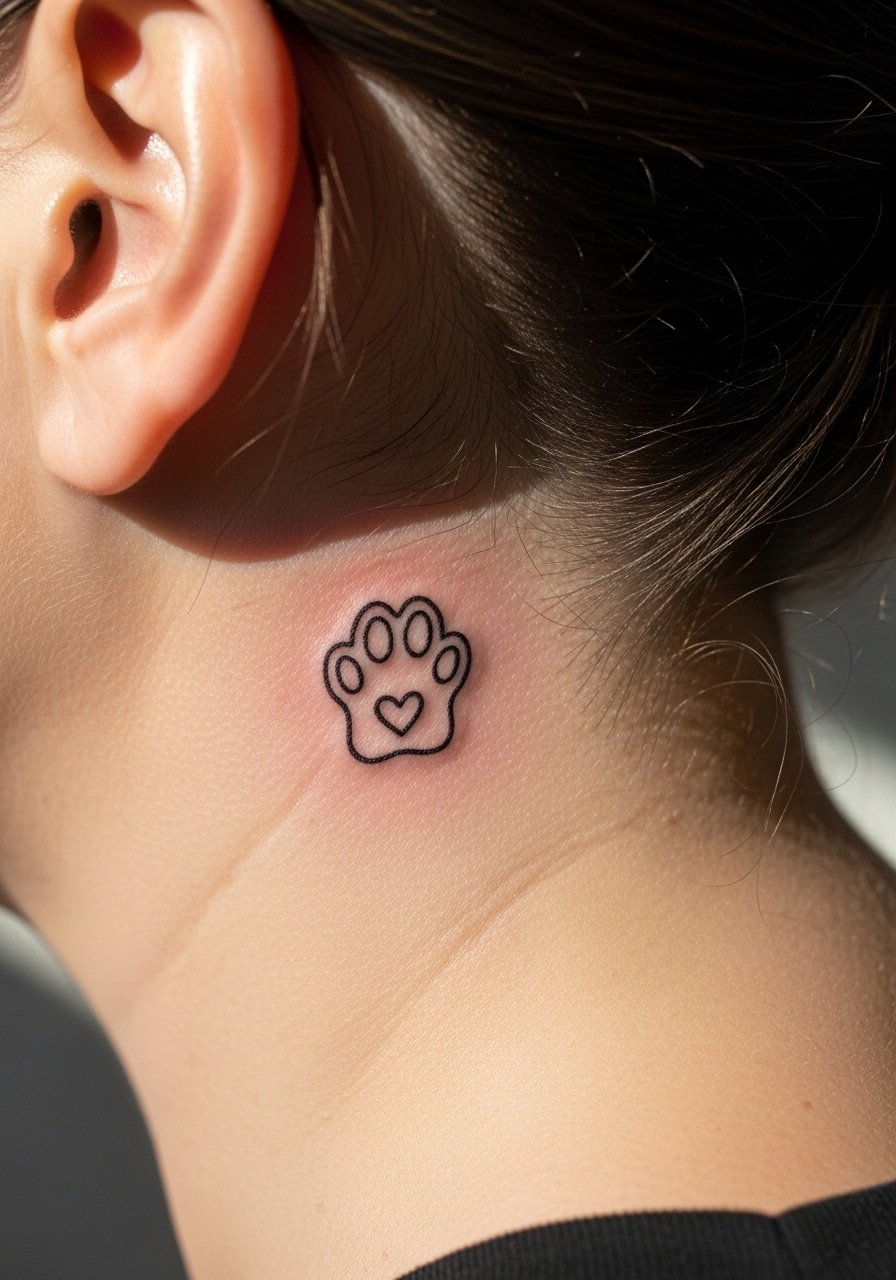
Visual impact lead, combining a heart with a paw gives emotional heft in a micro flash. Ask for open inner spaces so the heart is readable even as lines soften. Expect a brief sting and soreness for a day. Touch-ups at year two are normal if you want the heart to stay crisp. For showing the tattoo, pair it with dainty ear cuffs that sit above the piece without covering the area.
21. Tiny Comet Trail Flash
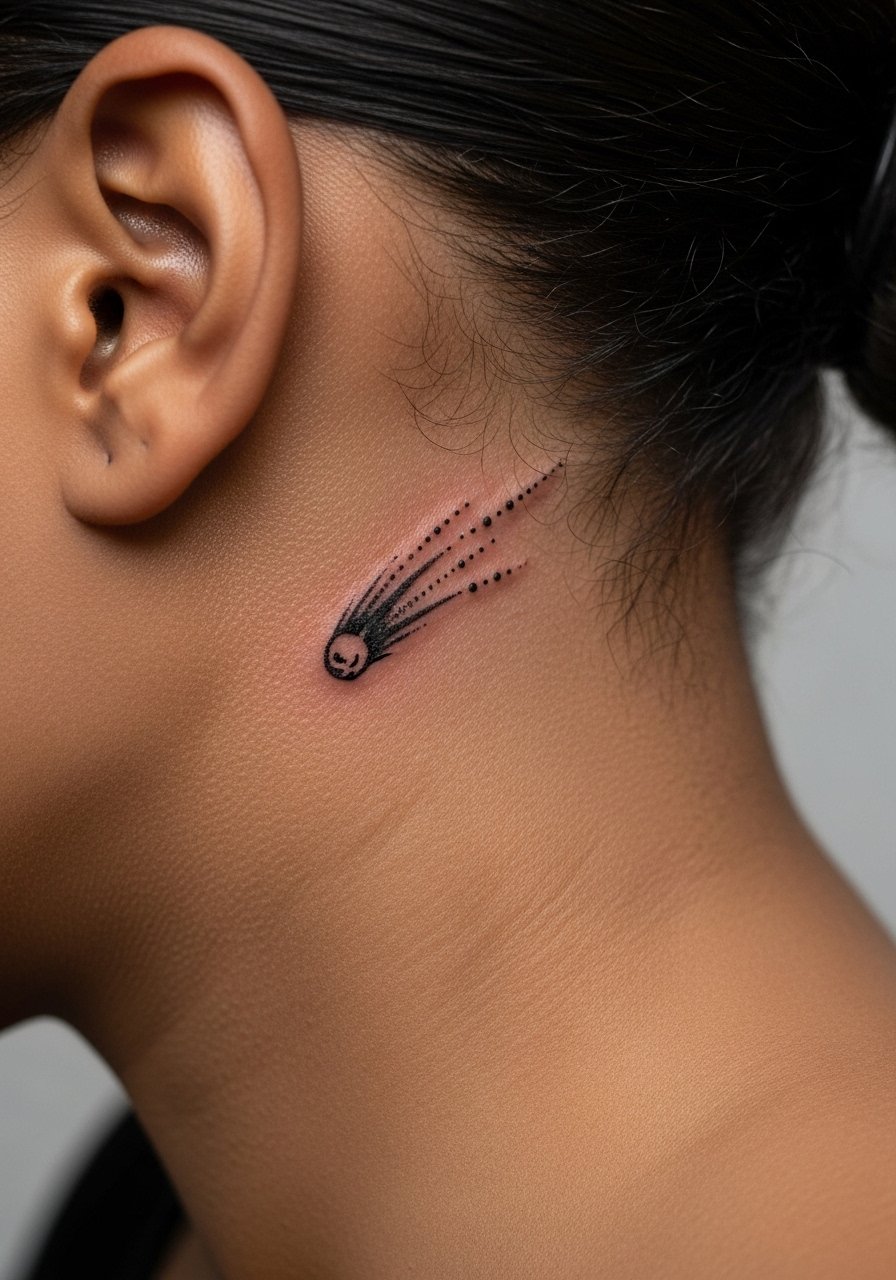
Aging lead, comet trails with many tiny dots can lose the tail effect if the dots are too dense. Request fewer, slightly larger dots spaced rhythmically for long-term readability. The session is brief and sensation is sharp for a minute. Expect a touch-up around year three if you want to keep the trailing contrast strong. For sessions wear a crewneck tee you can pull aside so the artist can work without you lifting your shoulders.
Frequently Asked Questions
Q: How visible will a behind-the-ear flash be with my hair down and up?
A: It depends on your hair length and parting. Short hair or tucking hair behind one ear makes the tattoo visible most days. Long hair worn loose will usually hide the tattoo unless you pin it back. If concealment matters, discuss placement a few millimeters deeper under the hairline during the consult and bring photos of your usual hairstyles.
Q: Do fine line designs behind the ear require special touch-up timelines?
A: From what I've seen, fine line pieces in this area often need a touch-up sooner than larger work because skin moves and hair rubs the zone. Plan for a touch-up around year two to three, and ask your artist about their preferred timing during the consultation.
Q: Will a tiny colored fill behind the ear fade faster than black?
A: Yes, small color fills typically fade quicker than black lines, especially with sun exposure and hair friction. Black outlines hold up best. If color is important, ask for a conservative single-spot color and a touch-up plan.
Q: Is it okay to use numbing cream for behind-the-ear tattoos?
A: Many people use topical numbing cream for this spot and find it helps with the initial sting. Follow the product directions and tell your artist if you applied it. Some artists prefer no numbing for very fine work because it can change skin feel, so ask before you arrive.
Q: How do I style outfits around a fresh behind-the-ear tattoo during healing?
A: For the first week avoid high collars and scarves that rub. Loose neckline shirts and low-front zip hoodies reduce friction. A soft silk headband keeps hair away without irritating healing skin.
Q: Are there any professional considerations I should know about for this placement?
A: Handlers in conservative industries sometimes react to visible tattoos, and behind-the-ear pieces are noticeable with certain hairstyles. If career visibility is a concern, plan concealment strategies with hair or pick a site just a touch deeper under the hairline.